Video game piracy did not begin with torrents or cracked PC games. It grew out of whatever the technology of the moment made possible, arcade boards, floppy disks, CD-ROMs, download sites, storefront accounts and emulators. The industry’s response has moved around just as much. Sometimes it tried to lock the hardware, sometimes it went to court, and sometimes it quietly learned that convenience could do more than another layer of copy protection.
Arcade Bootlegs Showed the Problem Early, Late 1970s
r/oldschoolcool
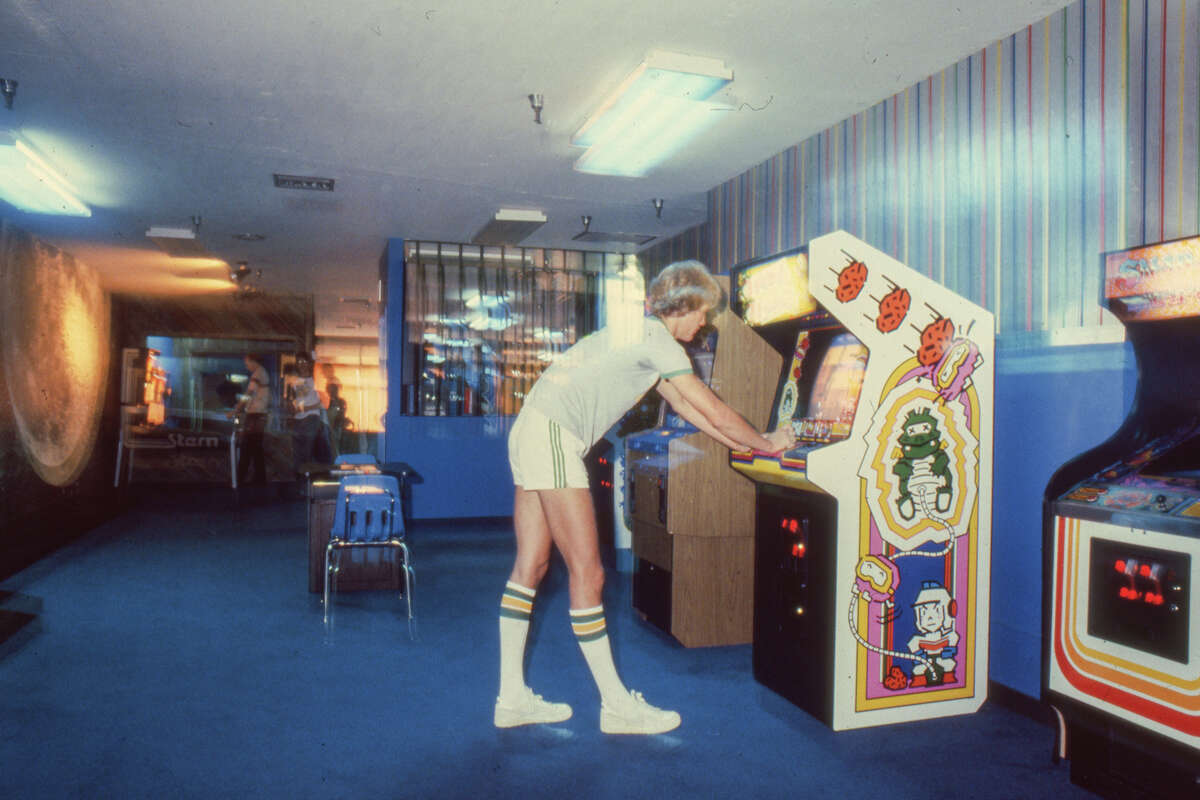
Before home players were copying games, arcade operators and manufacturers were already dealing with bootleg boards. In the late 1970s, a successful cabinet could be copied, modified or sold in unauthorized form, especially once games like Space Invaders made arcade machines a serious business. That kind of piracy was not casual, and it was not happening on a kid’s desk at home. It was commercial, physical and tied to hardware. The response was just as physical, tighter control of machines, distributors and arcade supply chains, with lawsuits waiting when a copy got too close.
Home Computers Made Copying Feel Normal, 1982
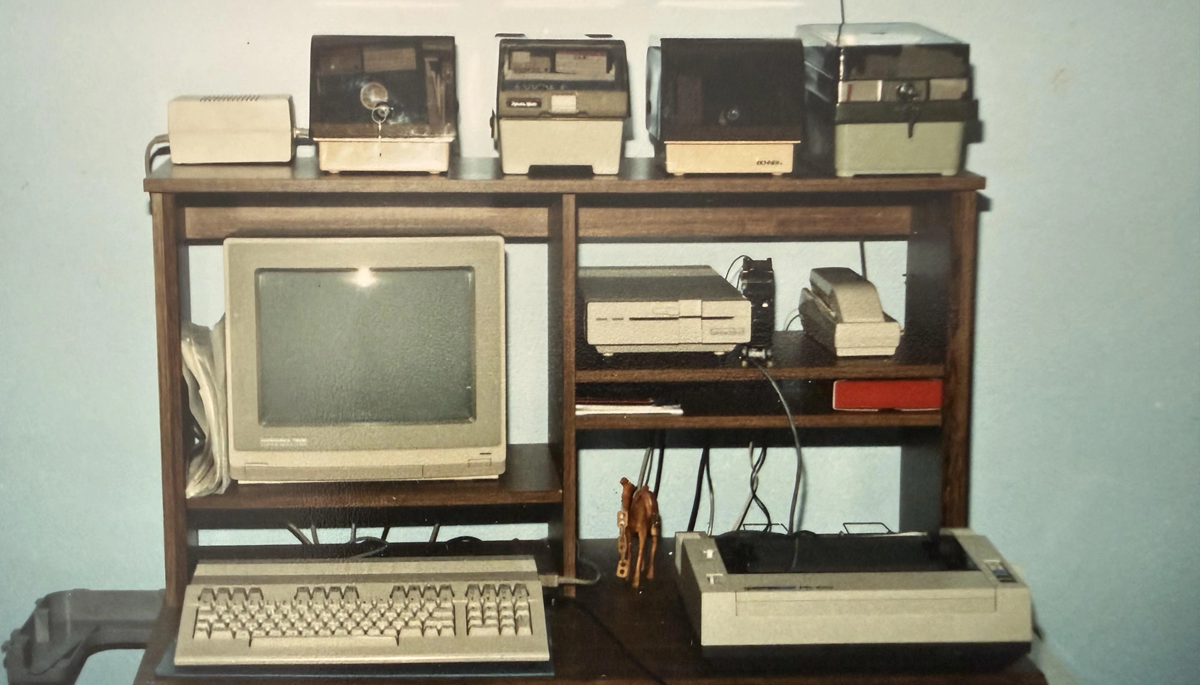
Around 1982, the mood changed. On machines like the Commodore 64, Apple II and ZX Spectrum, games came on tapes and floppy disks that could be copied without much romance or drama. A friend had a game, someone had a blank tape, and suddenly the game had moved. Publishers tried manual checks, code wheels and awkward loading tricks, but none of that removed the social side of it. In some places, copied games were not even treated as a strange underground thing. They were just part of how people discovered software.
Nintendo Chose Control After the Crash, 1985
r/consolerepair
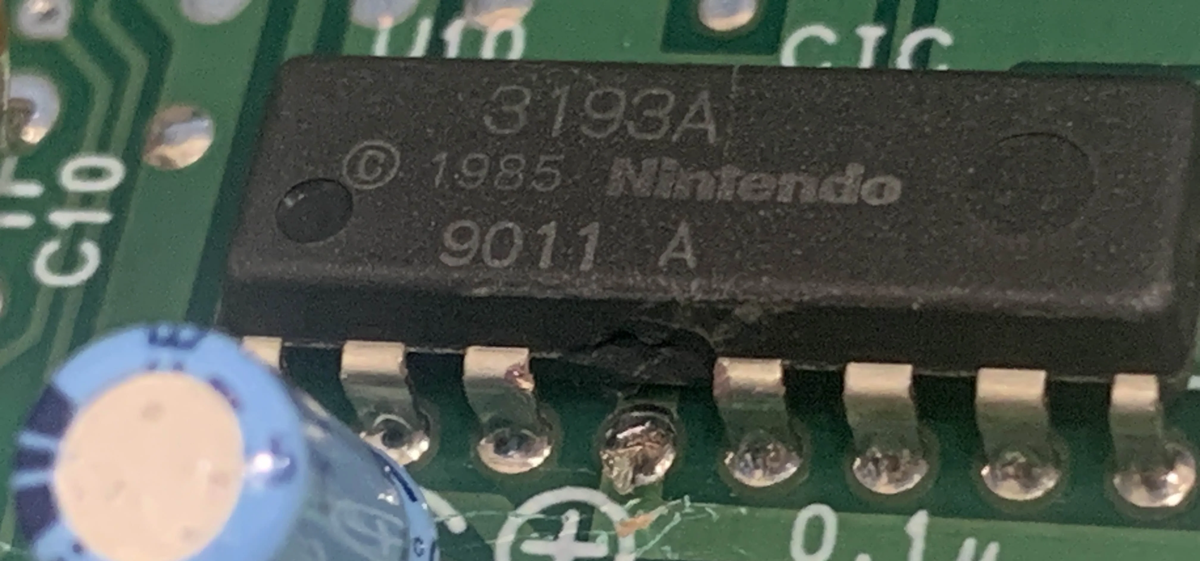
Nintendo’s answer was stricter than most. When the NES arrived in North America in 1985, it used the 10NES lockout chip to check whether a cartridge was authorized before the console would run it. That was anti-piracy, but it was also a way to control the whole software market around the machine. After the North American console crash of 1983, Nintendo did not want shelves filled with random, unapproved cartridges again. The company’s response was simple in spirit, if you wanted to publish on its system, you had to pass through Nintendo first.
Crack Intros Turned Piracy Into a Scene, Late 1980s
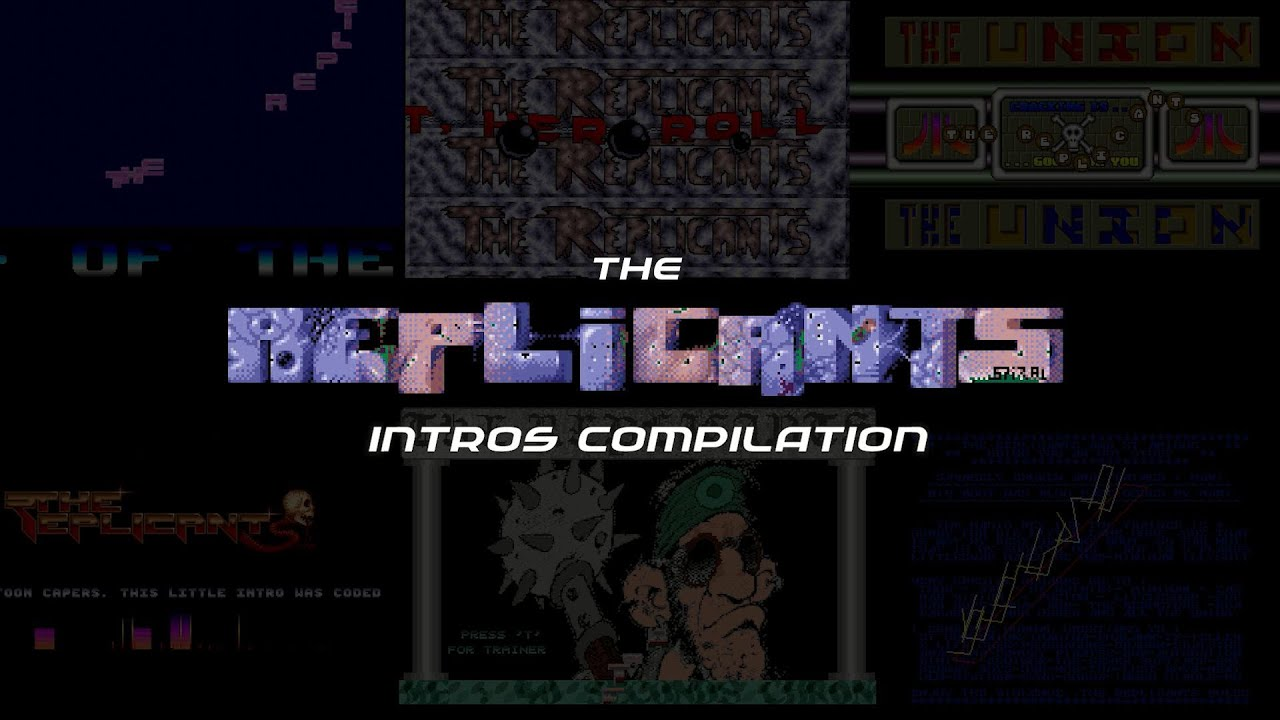
By the late 1980s, cracked computer games often arrived with little intros from the group that had removed the protection. These screens had music, scrolling text, handles and attitude. It made piracy look less like a quiet copy and more like a calling card. For publishers, that was maddening, because the protection was not only being broken, it was being publicly shown off. For crackers, the lock was part of the entertainment. The game came after the brag.
The PlayStation Era Made Copied Discs Hard to Ignore, 1995
r/pdxbuynothing
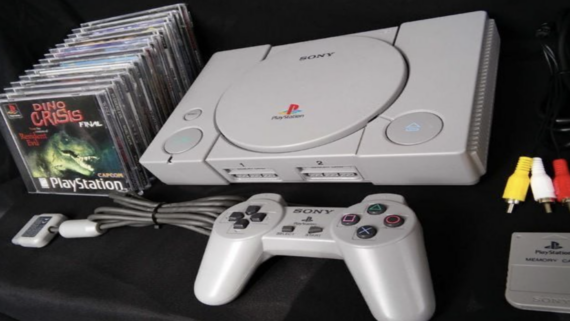
The first PlayStation, released in 1994 in Japan and 1995 in North America and Europe, landed right as CD copying was becoming more practical. Modchips and swap methods helped copied discs and imports run on the hardware, turning console piracy into something far more visible than it had been in the cartridge years. Sony and publishers fought back with disc checks, region systems, hardware revisions and legal pressure. Still, the appeal was obvious to anyone looking at the prices. A boxed game cost real money, while a copied CD felt cheap and easy once the local scene knew what it was doing.
Trending on realmoneygamer.com
The DMCA Changed the Legal Ground, 1998
In 1998, the Digital Millennium Copyright Act gave American companies a sharper legal tool against circumvention. The important part was not just that copying a game could be illegal. Breaking the protection around it, or selling tools to break it, could become the issue too. That mattered for modchips, cracks and later console-hacking devices. It pushed the fight away from only “who copied this game?” and toward “who helped people get around the lock?”
Broadband Made Piracy Feel Instant, 2001
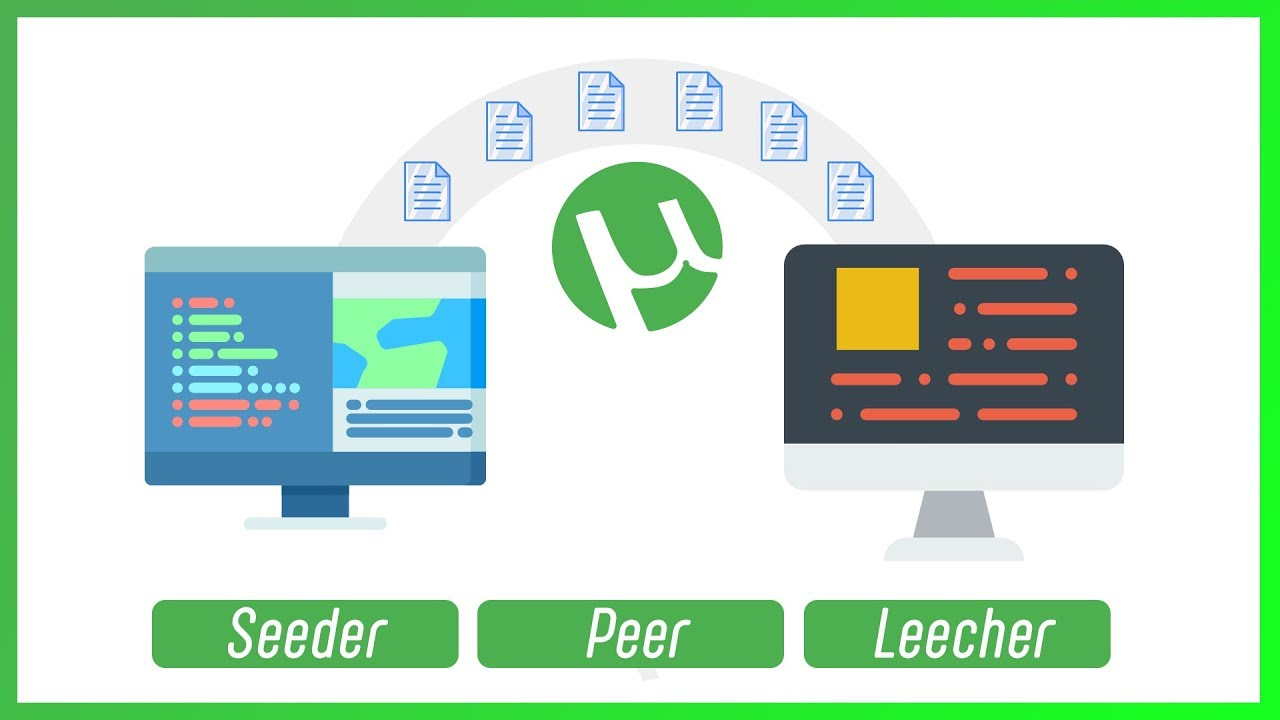
By 2001, a copied game no longer needed to pass through a friend, a market stall or a stack of discs. Broadband connections, file-sharing networks and later BitTorrent made full PC games easier to find and move around. Publishers answered with serial keys, online activation and heavier DRM. The problem was that some protections became more memorable than the games they were supposed to defend. SecuROM and StarForce, especially, became names PC players associated with broken launches, limited installs and machines behaving strangely. Piracy was the target, but paying customers often felt like suspects.
Steam Made the Official Copy More Useful, 2003
Steam launched in 2003, and at first it was not exactly welcomed with open arms. Players complained about accounts, forced updates and needing a client to play games they already owned. Over time, though, Steam changed the anti-piracy argument. It put buying, patching, reinstalling, friends lists and sales in one place. That did not make it a pure consumer-rights project, it was still DRM and platform control. But it proved something publishers badly needed to learn, a legal copy could win partly because it was easier to manage than a pirated one.
DRM-Free Stores and Bundles Tested Trust, 2008 and 2010
GOG launched in 2008 with a pitch that sounded almost old-fashioned, buy the game, download it, keep an installer, no DRM required. Two years later, the first Humble Indie Bundle tried a different pressure point, pay what you want and support developers directly. Neither idea ended piracy, but both made the usual industry response look less inevitable. Maybe not every player needed a heavier lock. Maybe some needed a fair price, a clean download and the sense that buying the game was not a trap.
Denuvo Focused on the Launch Window, 2014
Denuvo started showing up in major PC releases in 2014, and its goal was practical. It did not need to protect every game forever. It only needed to slow cracks during the first days or weeks, when sales mattered most. That made sense from a publisher’s side, but it also kept the old argument alive. Players complained whenever DRM was blamed for performance issues, offline problems or general inconvenience. The industry wanted protection. Customers wanted not to feel punished for paying.
Emulation Pulled Piracy Into the Ownership Debate, 2024
r/piratedgames
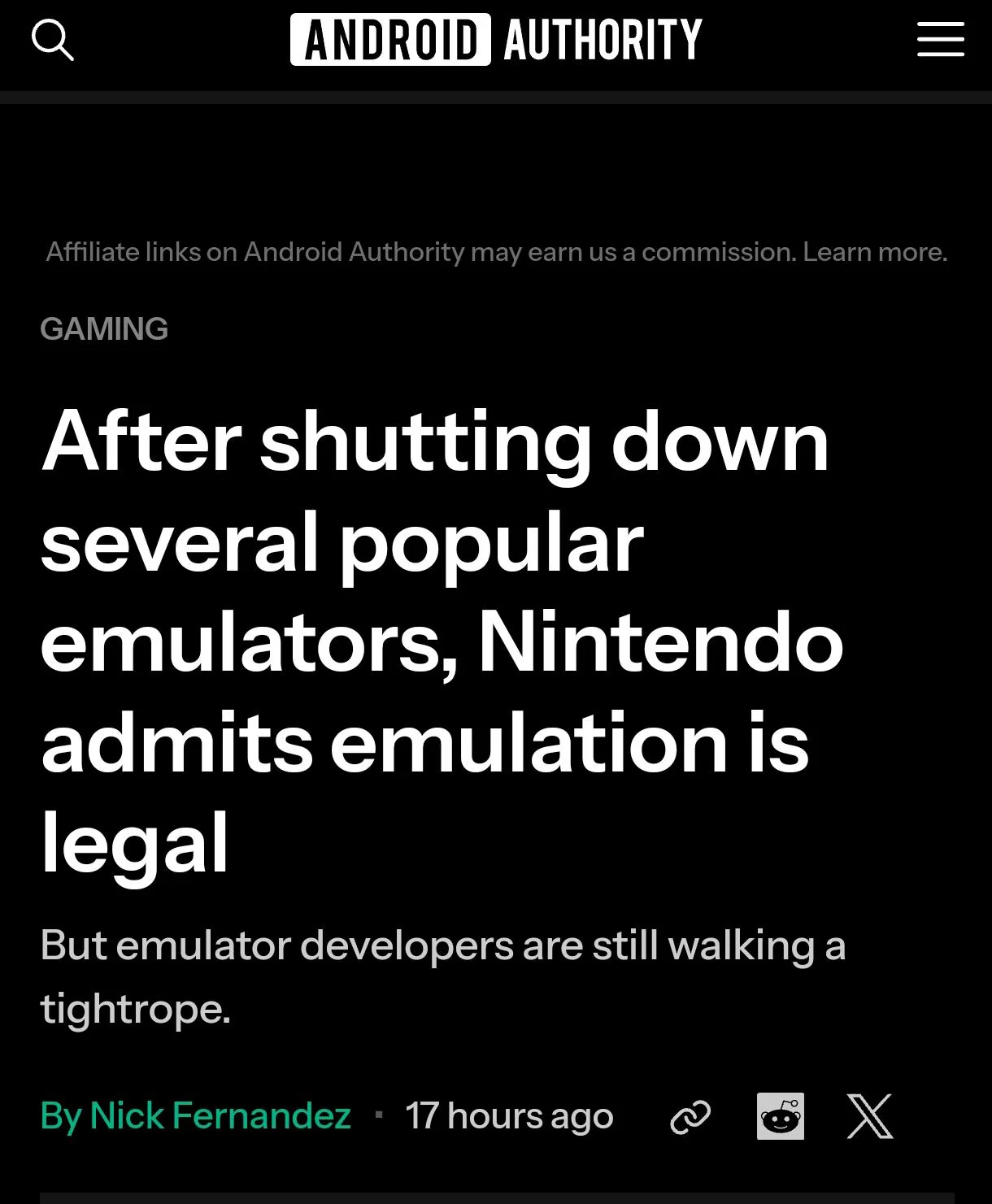
By 2024, piracy was tangled up with emulation, preservation and digital ownership. Nintendo’s legal action against the Switch emulator Yuzu ended with a $2.4 million settlement and the project shutting down, which showed how seriously platform holders still treat tools they believe enable piracy. But the public argument was no longer only about copied new releases. It was also about old games disappearing from stores, online services closing, accounts replacing discs, and players wondering what they actually own. That is where the fight sits now, less clean than either side usually wants to admit.
Continue Reading: 10 Times Players Organized and Actually Forced a Game Company to Change Course