Very few franchises have managed to evolve without losing their identity, but The Legend of Zelda has done exactly that. From simple 8 bit adventures on the NES to sprawling open worlds filled with physics driven gameplay, every generation has pushed the series in a new direction while preserving the sense of exploration that made it special in the first place.
These Zelda games don’t just show the history of one franchise. They tell the story of Nintendo’s own evolution, revealing how advances in technology, storytelling, art direction, and game design transformed Link’s adventures into some of the most influential games ever created.
1. The Adventure That Changed Nintendo Forever
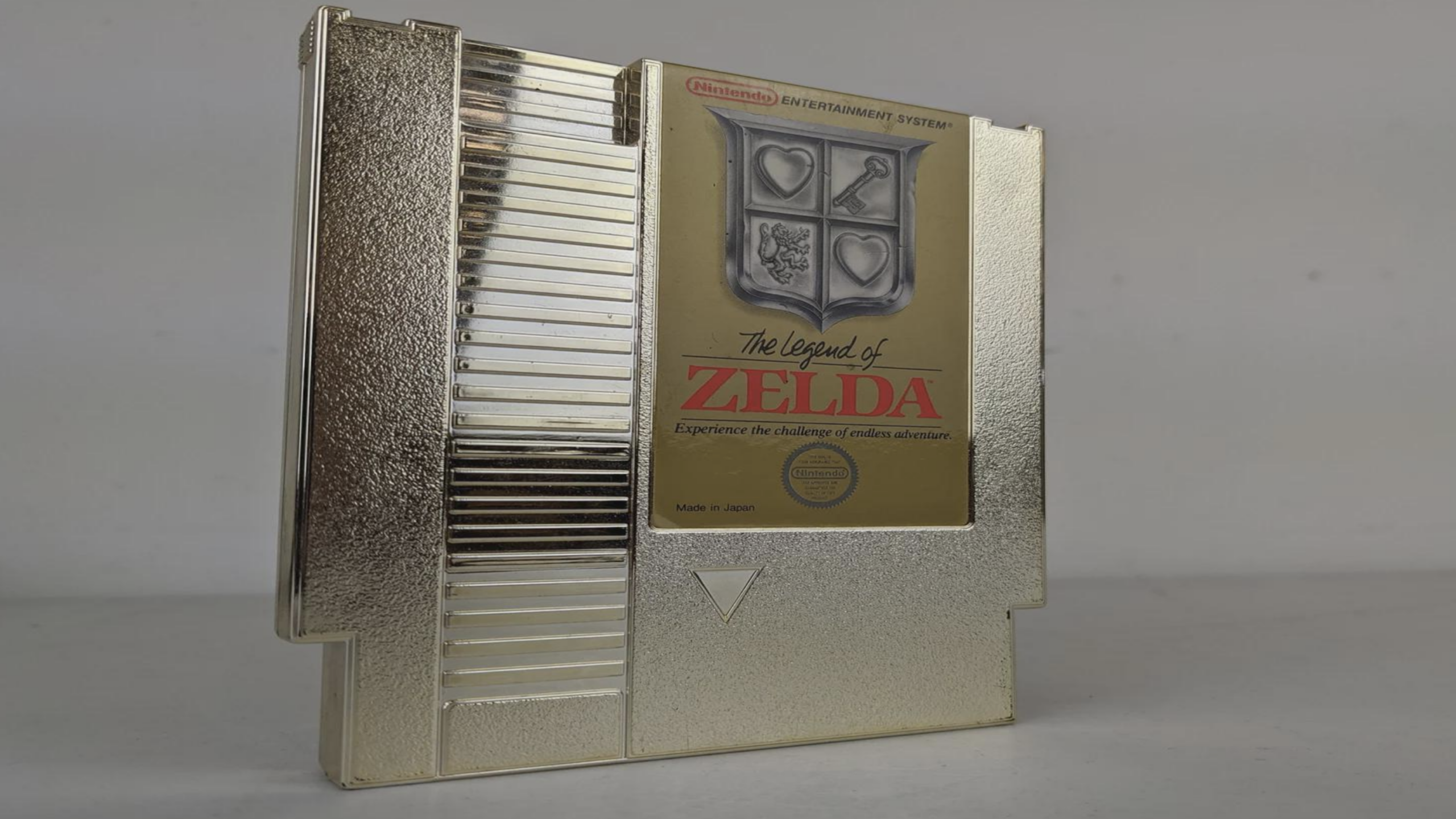
Everything started with a gold cartridge on the NES. Unlike most games of its era, The Legend of Zelda encouraged players to explore without holding their hand, rewarding curiosity instead of simply moving from one level to the next. Those ideas became the foundation for every future Zelda games release and helped redefine what an adventure game could be.
2. Nintendo’s Boldest Experiment
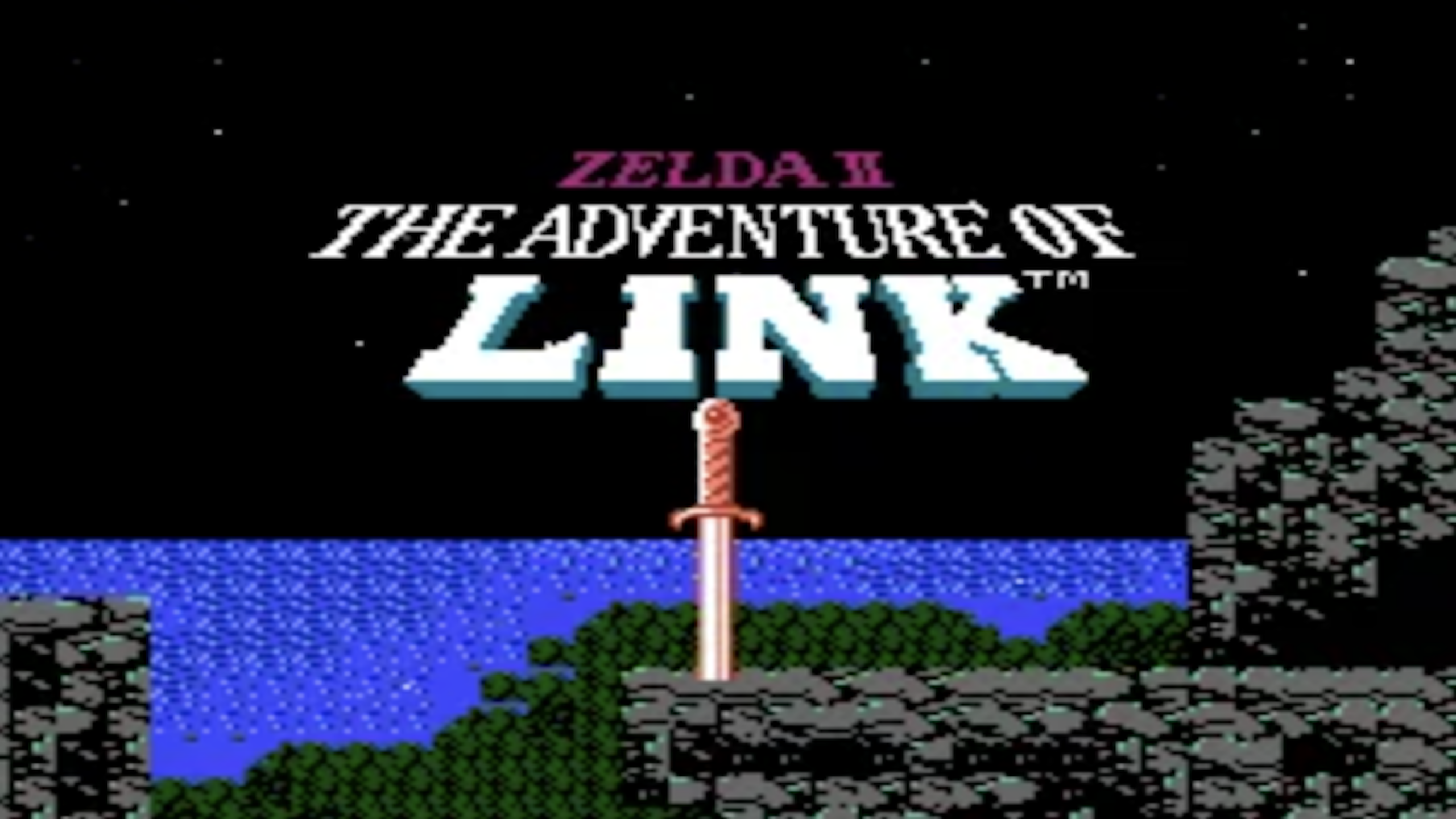
Rather than repeating the formula that made the original a success, Nintendo took a risk. Zelda II introduced side scrolling combat, RPG style leveling, and tougher enemies, making it the most unique entry in the series. While divisive, it proved Nintendo wasn’t afraid to reinvent its biggest franchise.
3. The Blueprint Every Zelda Followed
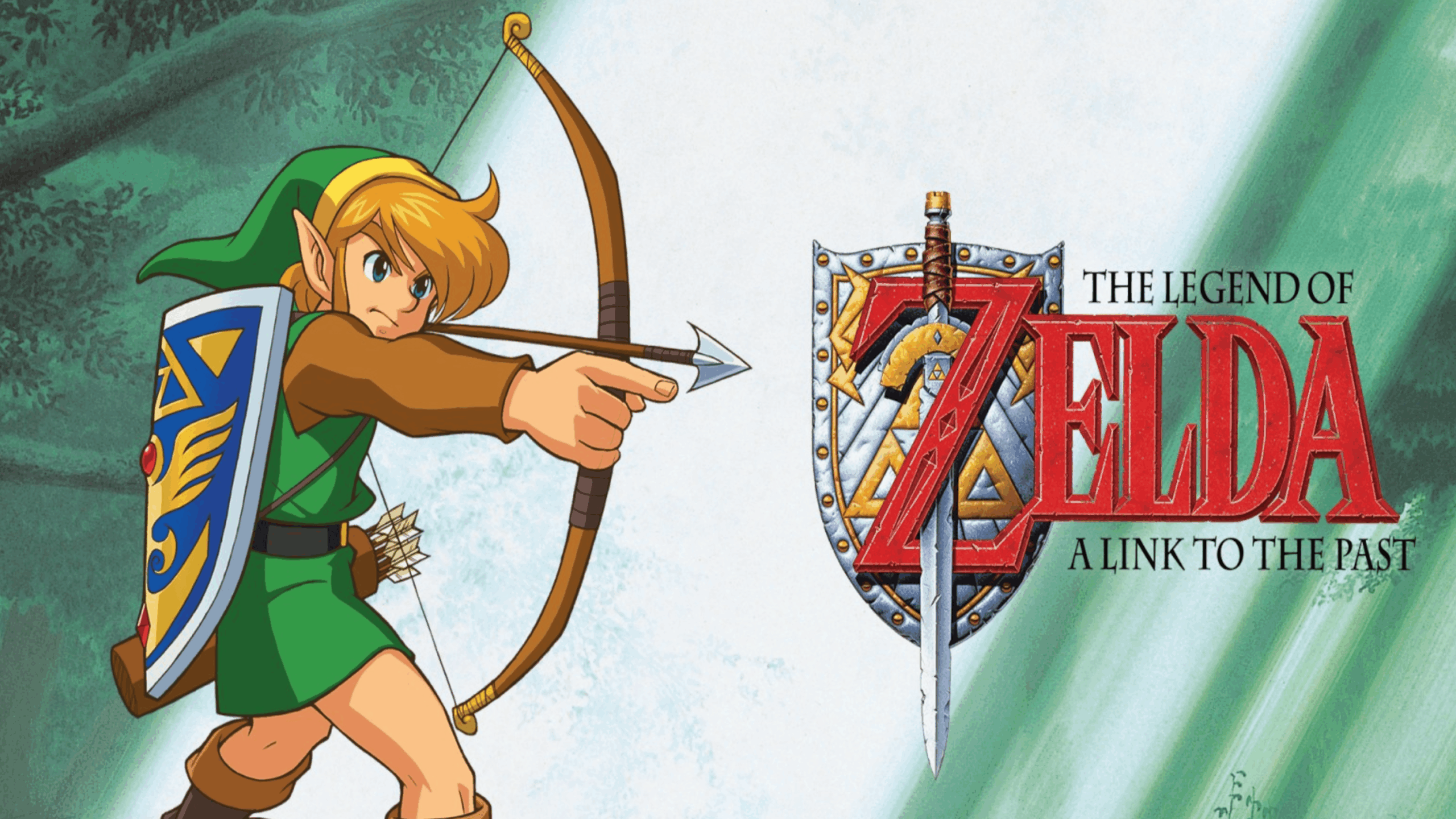
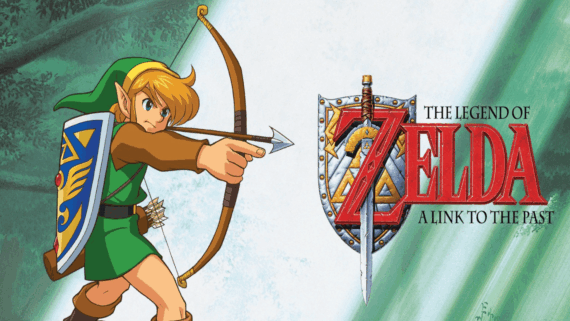
After experimenting with Zelda II, Nintendo returned to an overhead perspective but dramatically expanded the formula. The Light World and Dark World, memorable dungeons, and refined combat created a structure that influenced countless Zelda games for decades. Even today, many fans consider it one of the greatest adventure games ever made.
4. A Portable Adventure That Felt Surprisingly Huge
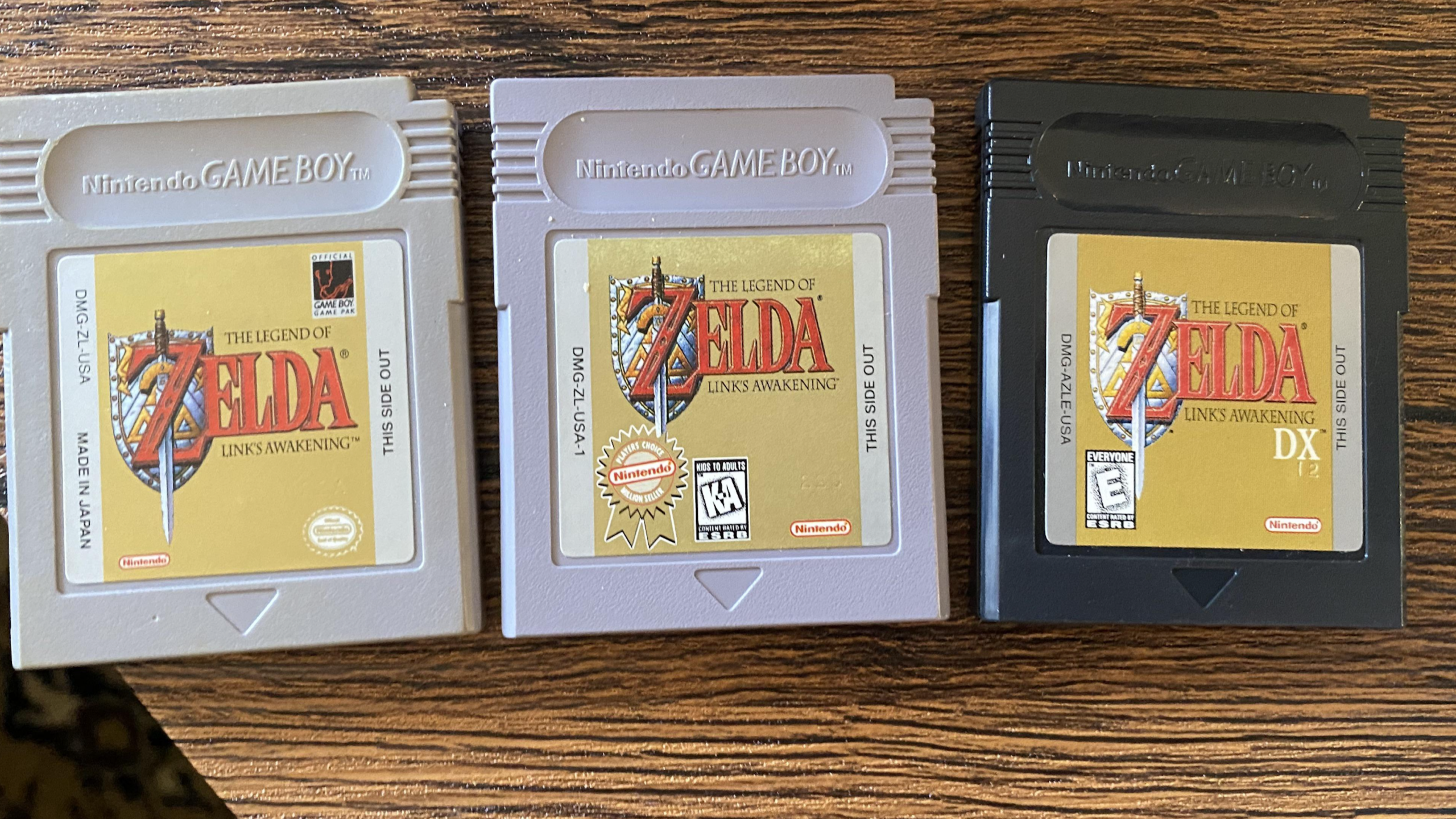
Bringing Zelda to the Game Boy seemed impossible at the time, yet Link’s Awakening delivered a surprisingly deep experience. Despite the hardware’s limitations, Nintendo created memorable dungeons, emotional storytelling, and a world filled with personality, proving handheld adventures could feel just as ambitious as their console counterparts.
5. The Game That Taught the Industry How to Do 3D
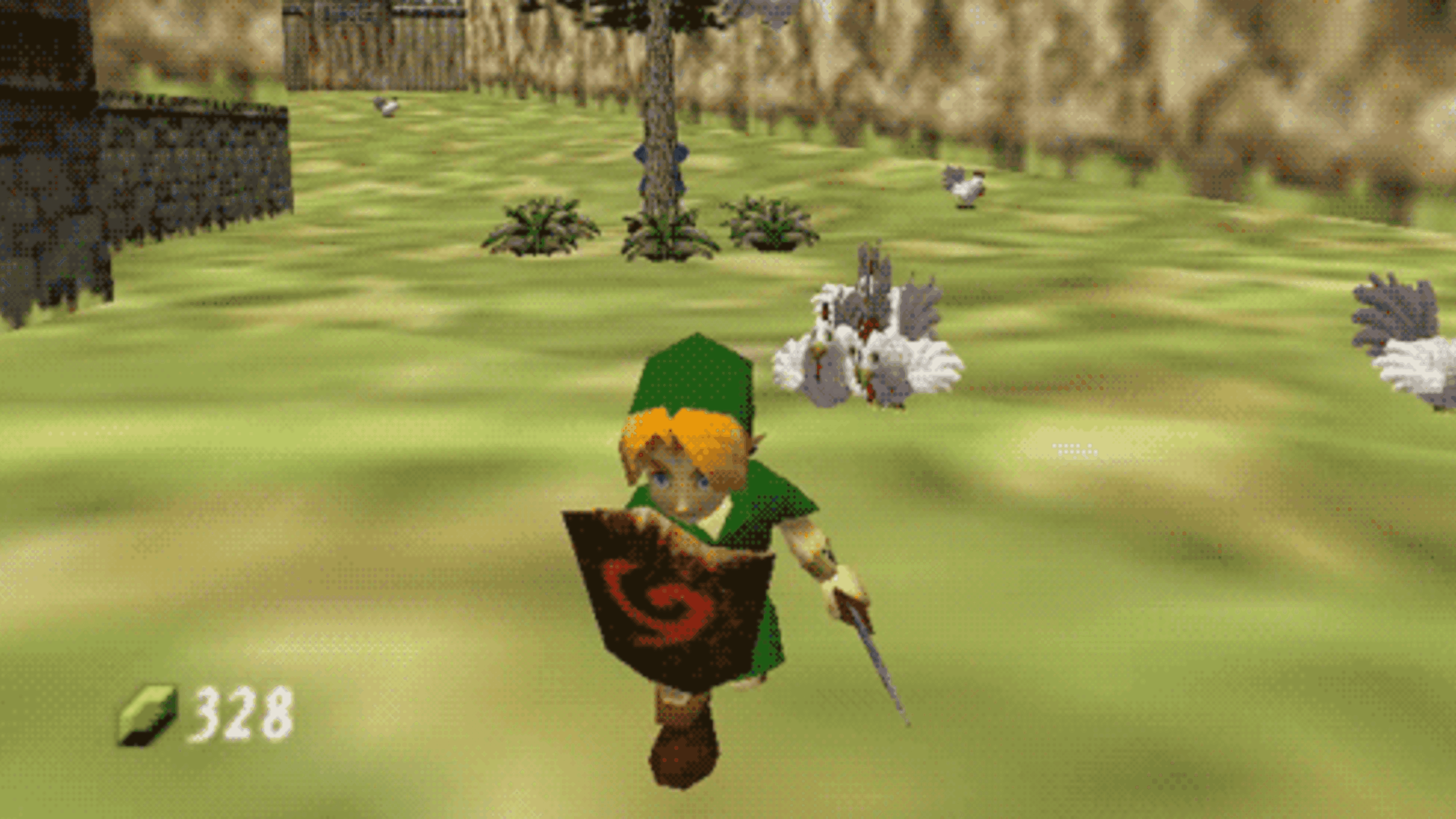
Few games have influenced the medium as much as Ocarina of Time. Lock on targeting, cinematic camera work, horseback exploration, and massive 3D environments became industry standards almost overnight. More than two decades later, many modern Zelda games still build upon ideas first introduced in this Nintendo 64 masterpiece.
Trending on realmoneygamer.com

6. Zelda Games Entered a Darker Era
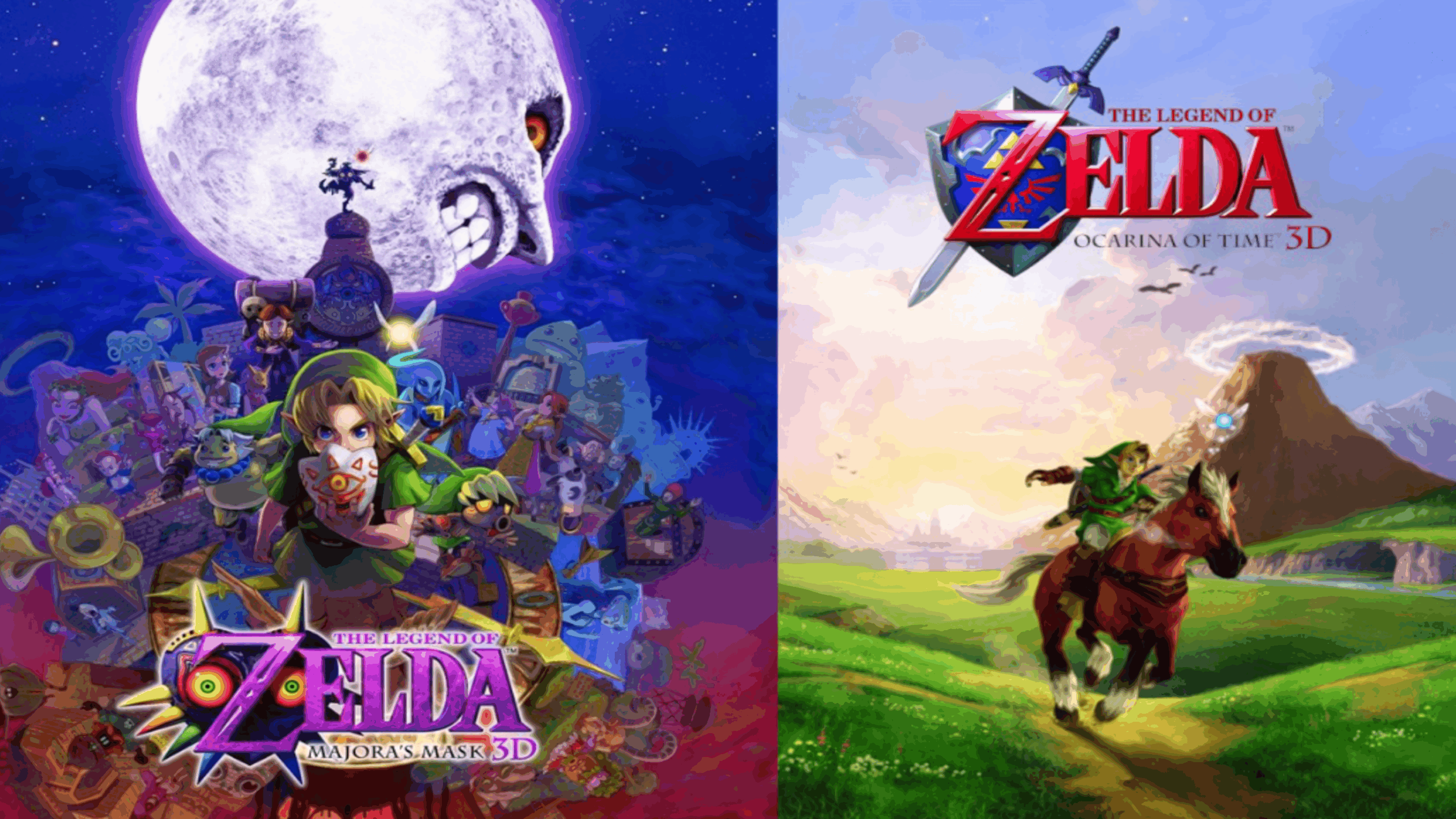
Built using the same engine as Ocarina of Time, Majora’s Mask went in a completely different direction. Instead of saving Hyrule, players relived the same three days over and over while the moon slowly crashed toward the world. Its darker atmosphere, emotional storytelling, and innovative time mechanic made it unlike anything Nintendo had created before.
7. The Art Style Everyone Doubted
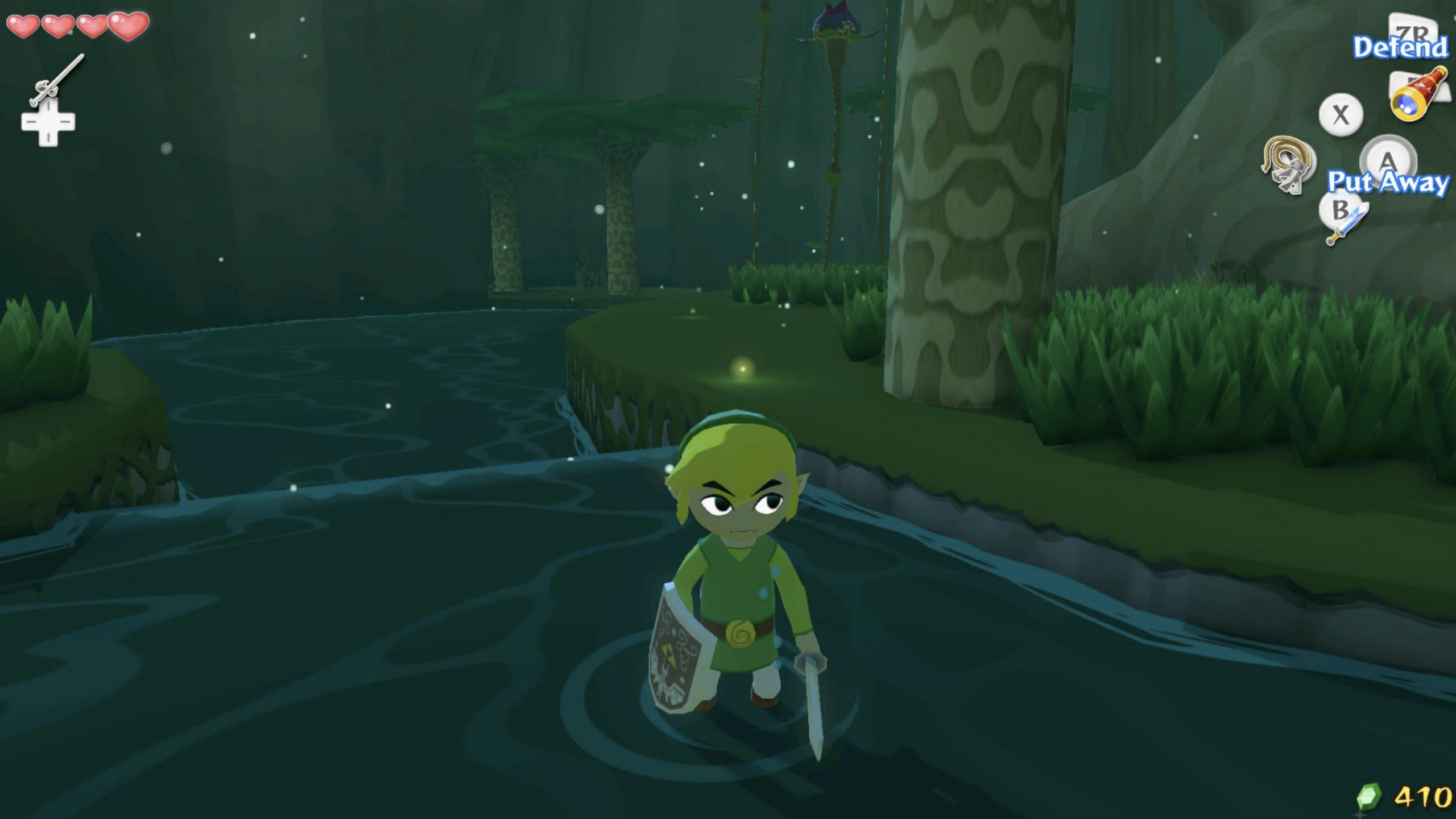
When Nintendo first revealed The Wind Waker, many fans criticized its cel shaded visuals. Years later, that decision proved visionary. The colorful art direction has aged far better than many realistic games from the same generation, helping this become one of the most visually timeless Zelda games ever released.
8. Nintendo’s Cinematic Fantasy Epic
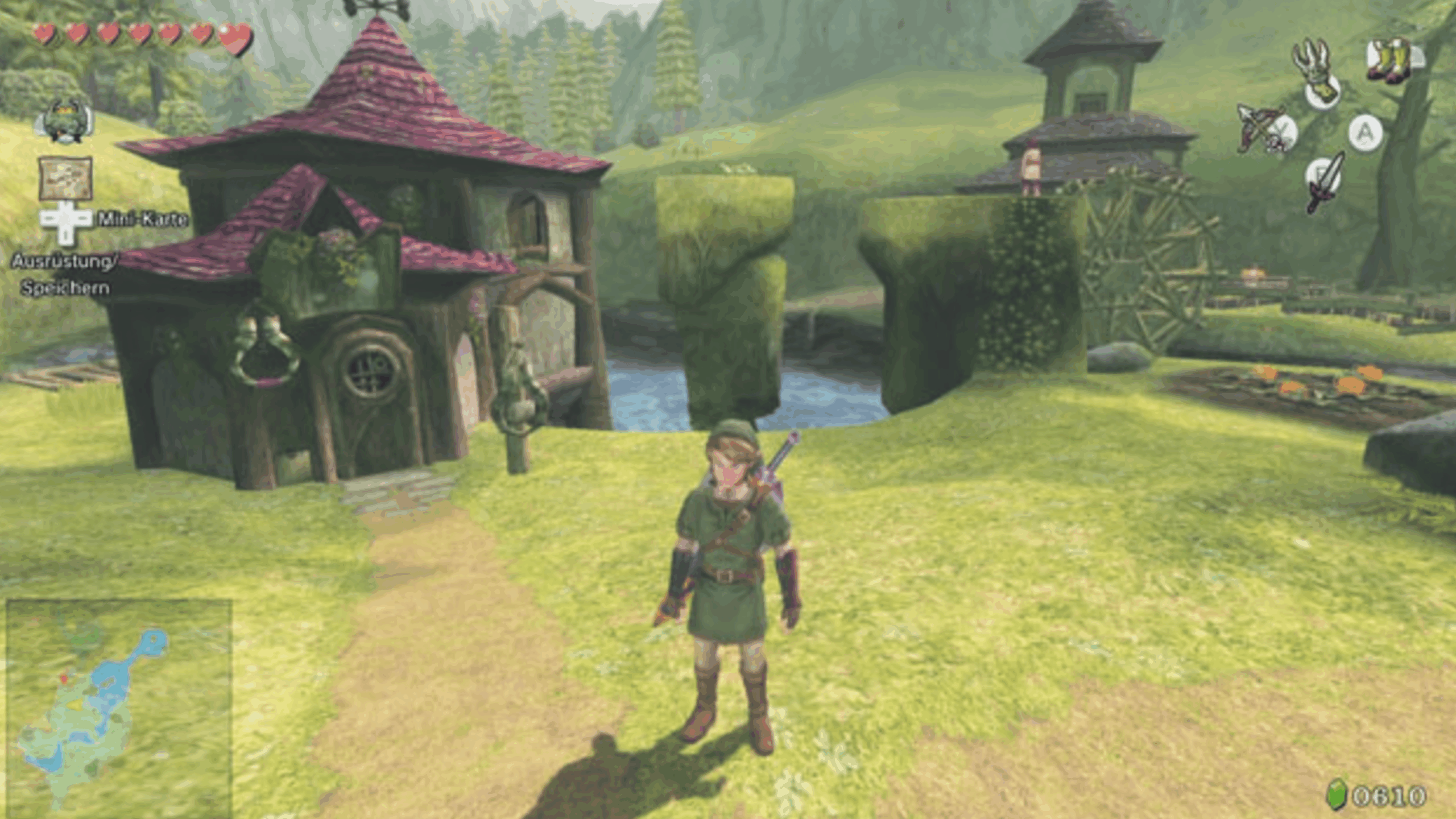
Responding to fans who wanted a more realistic Zelda, Nintendo delivered Twilight Princess. Darker visuals, larger dungeons, horseback combat, and Link’s transformation into a wolf gave the series its most cinematic adventure up to that point, pushing both the GameCube and Wii hardware to their limits.
9. Every Sword Swing Finally Mattered
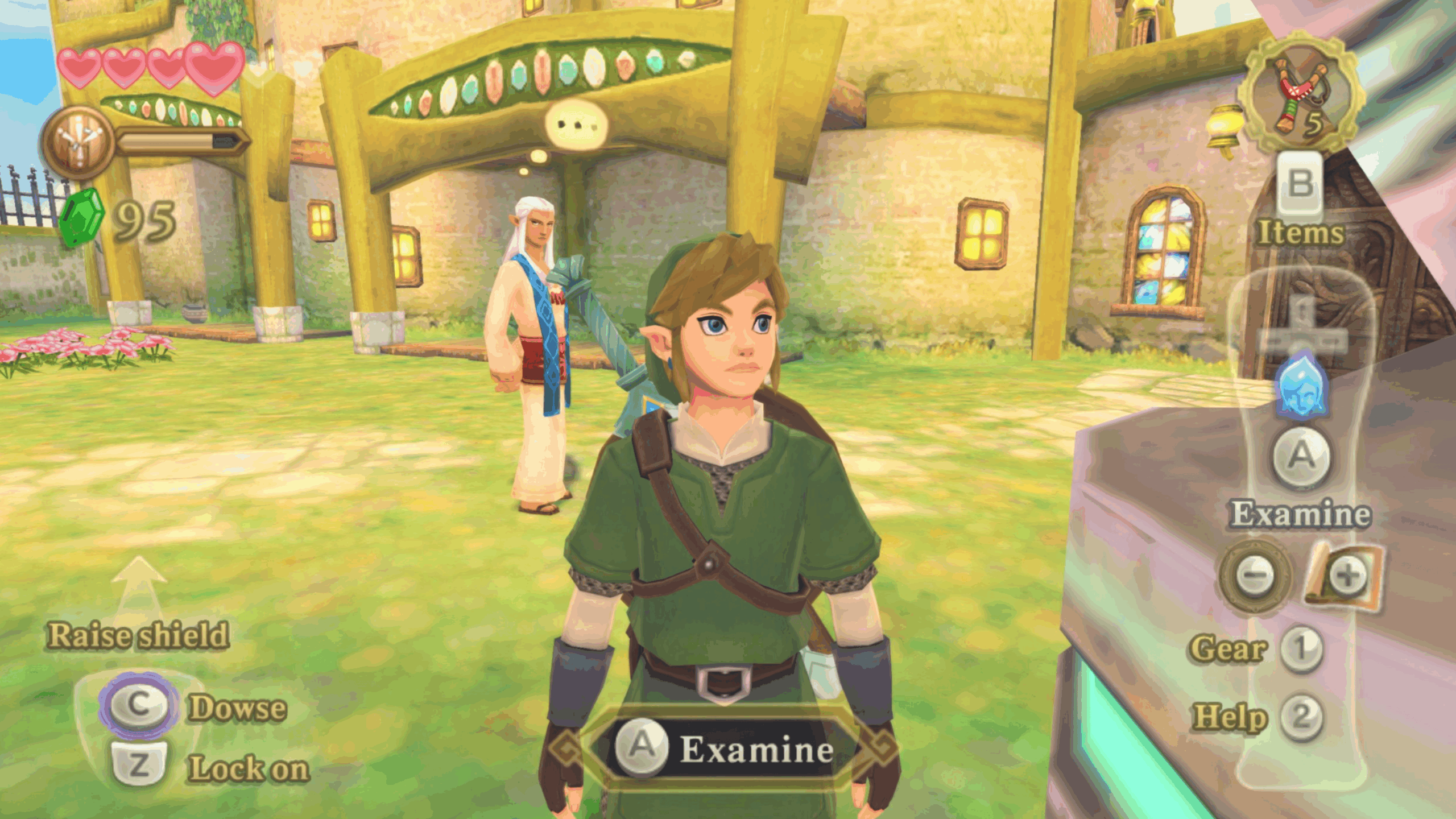
Released on the Wii, Skyward Sword made one to one sword combat the centerpiece of the experience through MotionPlus technology. Every enemy encounter became a puzzle, requiring players to attack from specific angles rather than button mashing. It also introduced mechanics and lore that would influence future Zelda games, including the origin story of the Master Sword.
10. Nintendo Tore Up Its Own Rulebook
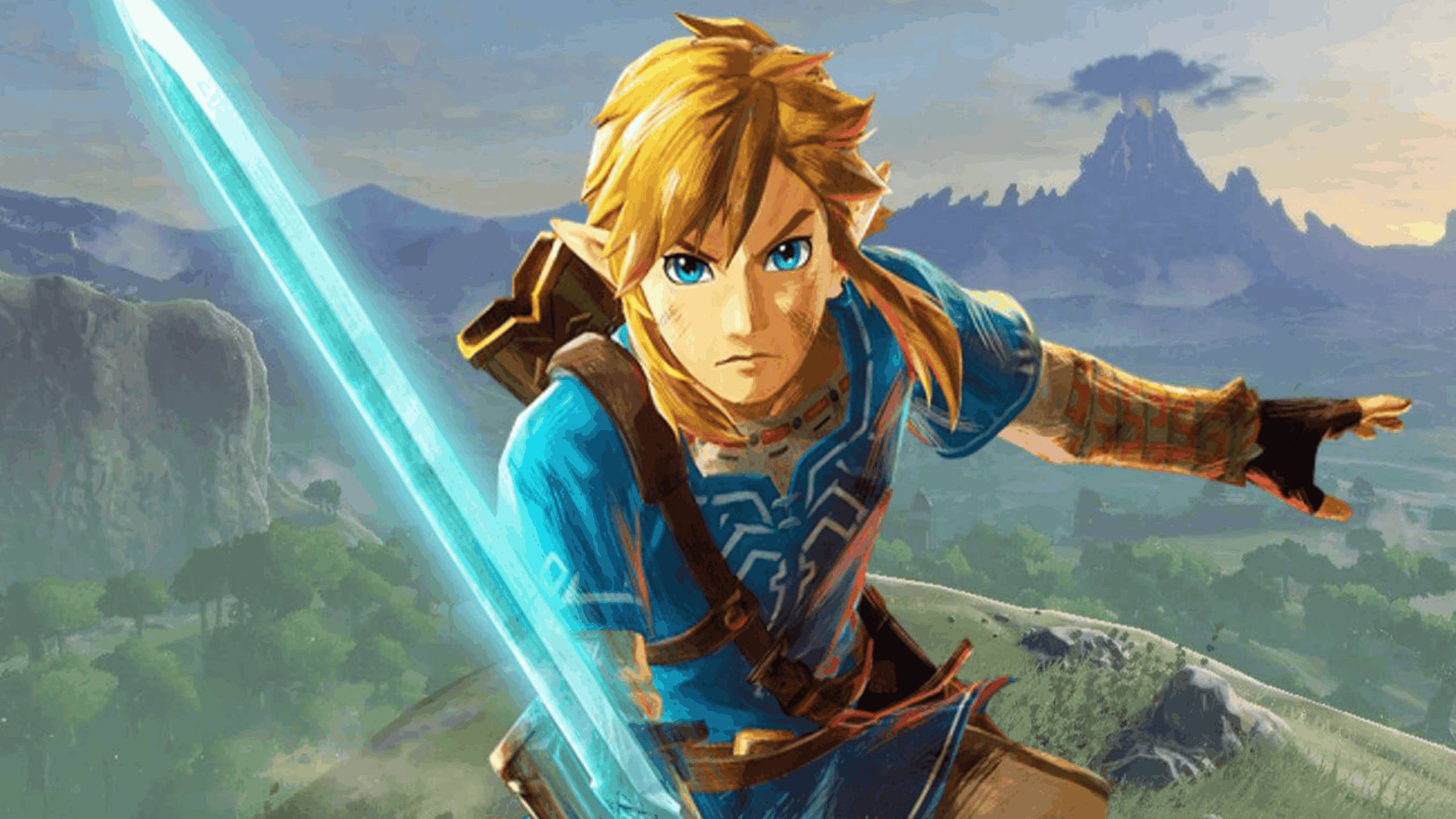
After decades of following a familiar structure, Breath of the Wild completely reinvented the franchise. Players could climb almost any surface, experiment with realistic physics, and explore Hyrule in any order they wanted. The game didn’t just redefine Zelda. It reshaped the open world genre and became one of the most influential releases of the last decade.
11. Nintendo Turned Creativity Into the Main Mechanic
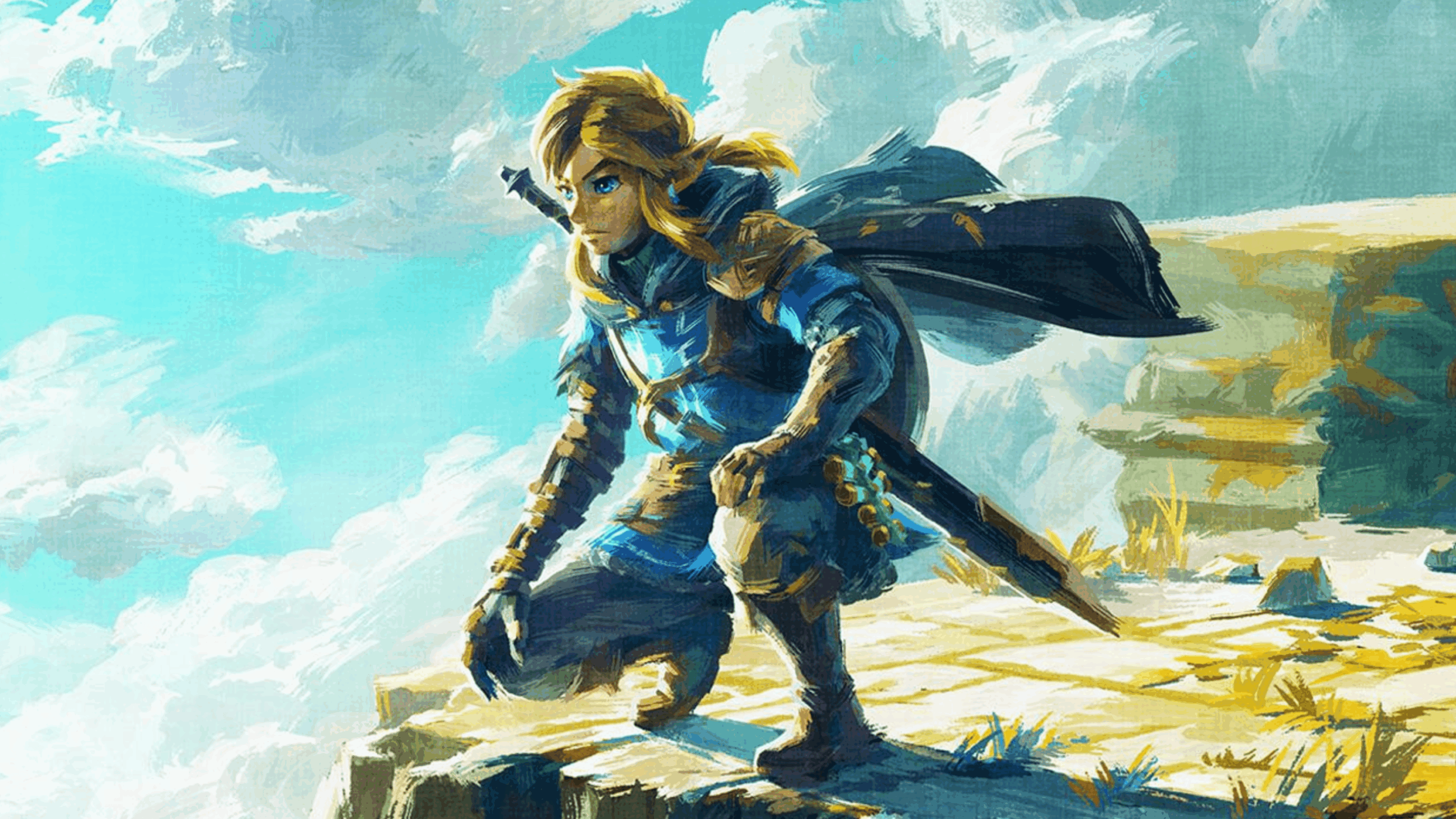
Most sequels simply add more content. Tears of the Kingdom changed the way players interact with the world itself. New abilities like Ultrahand, Fuse, Ascend, and Recall allowed players to build vehicles, flying machines, bridges, and elaborate contraptions using the game’s physics system. More than simply expanding Hyrule, it proved that Zelda games could continue reinventing themselves without abandoning the freedom that made Breath of the Wild revolutionary.
12. The Day Zelda Finally Became the Hero
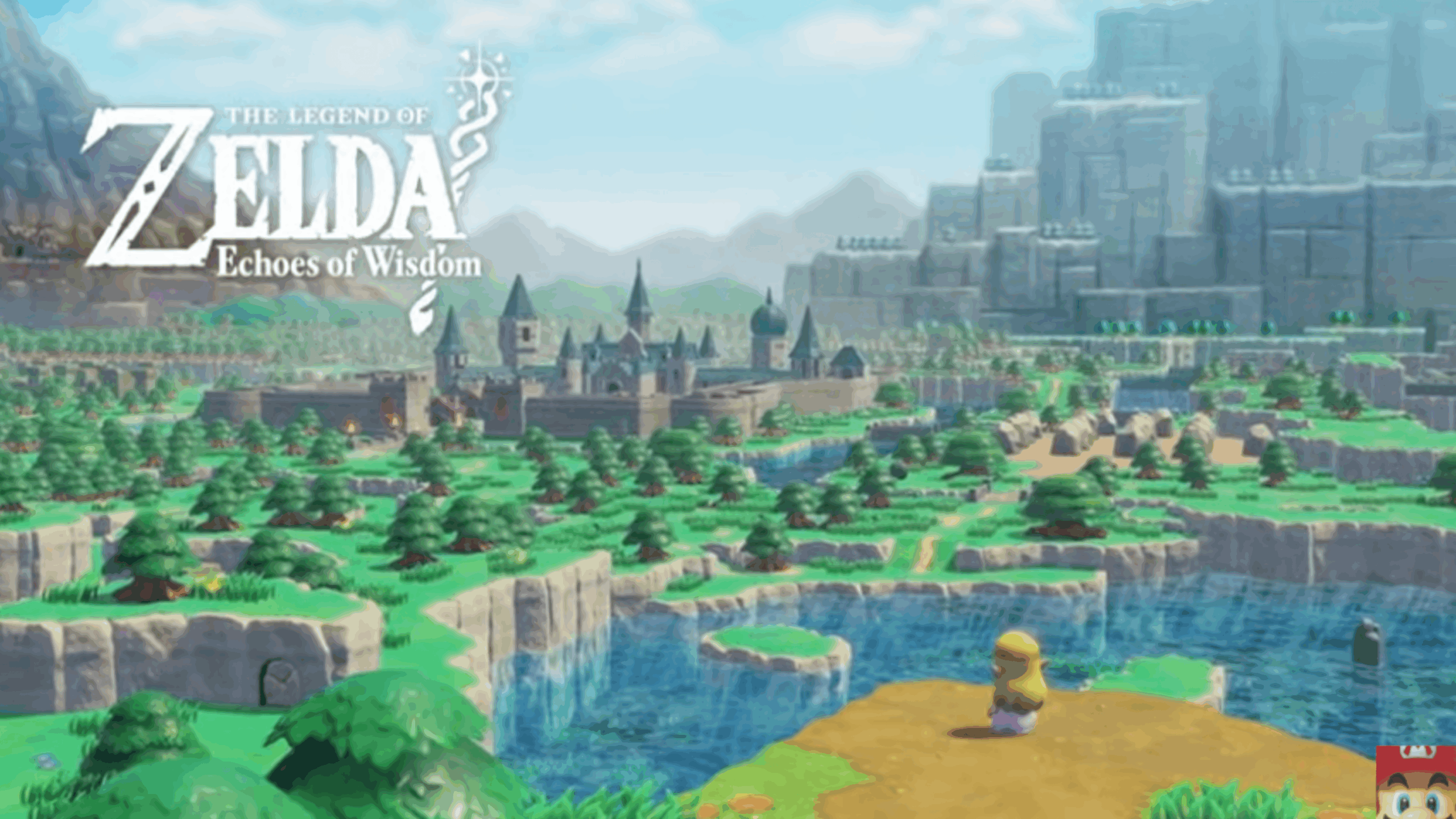
For nearly four decades, players had always stepped into Link’s boots. The Legend of Zelda: Echoes of Wisdom finally changed that by placing Princess Zelda at the center of the adventure. Instead of relying on traditional sword combat, she uses magical echoes to recreate objects, summon creatures, and solve puzzles in completely different ways. It wasn’t just a new playable character. It showed that even after almost 40 years, Nintendo was still willing to challenge its own formula and find fresh ways to tell stories within one of gaming’s most iconic franchises.