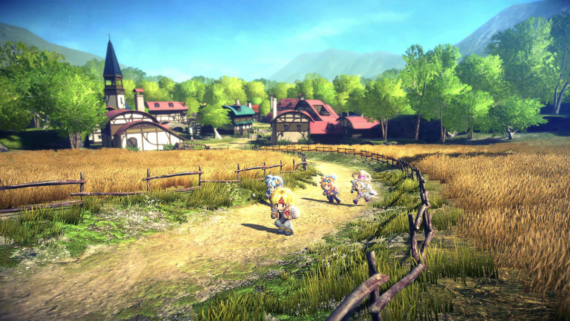
Most games ask you to make a choice at the start and then quietly forget about it. These games did the opposite. A character, house, origin, or route picked in the opening minutes could change the mood, structure, and sometimes the entire shape of the branching storyline. A few of them were built for replaying, but others simply made that first decision feel heavier than it looked.
Dragon Age: Origins
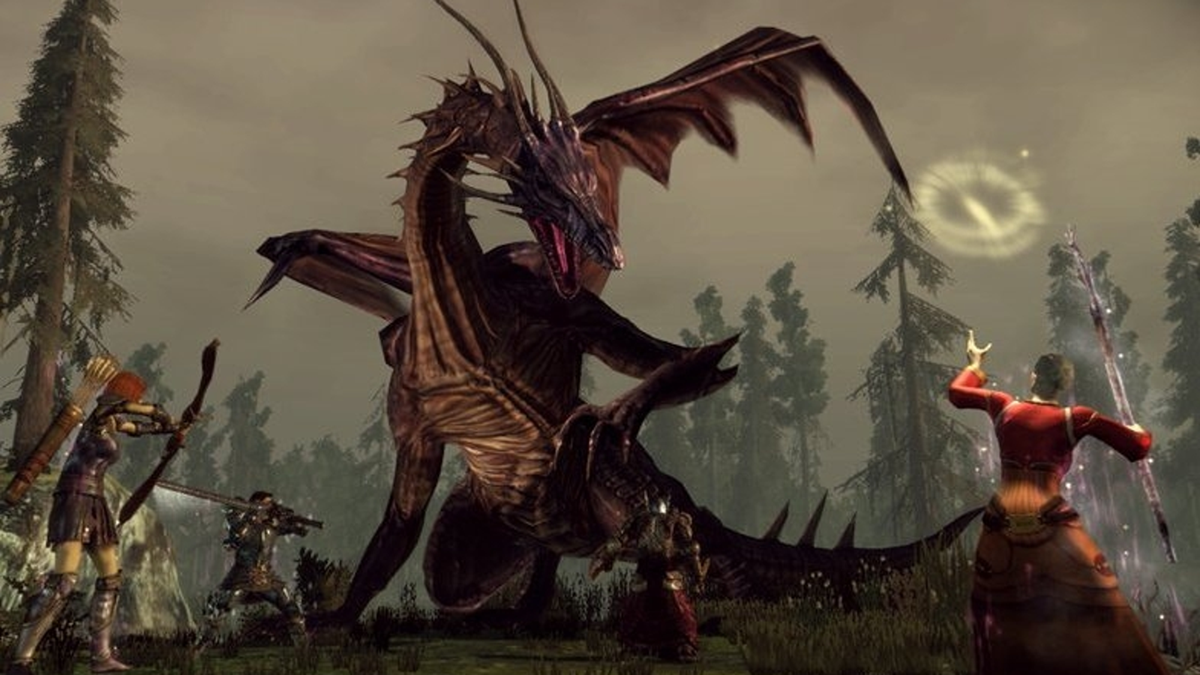
Dragon Age: Origins made its title do real work. Before the Grey Wardens, before the Blight, and before all the political mess in Ferelden, the game gave you a life. A Human Noble did not enter the story with the same baggage as a City Elf, a Circle Mage, or a Dwarf Commoner. Those openings were not just tutorials with different scenery either. They gave you family history, grudges, class position, and private reasons to care when the larger plot started moving. Later conversations could hit differently because of where you came from. A small line from an NPC might feel like worldbuilding to one player and an old wound to another.
Fire Emblem: Three Houses
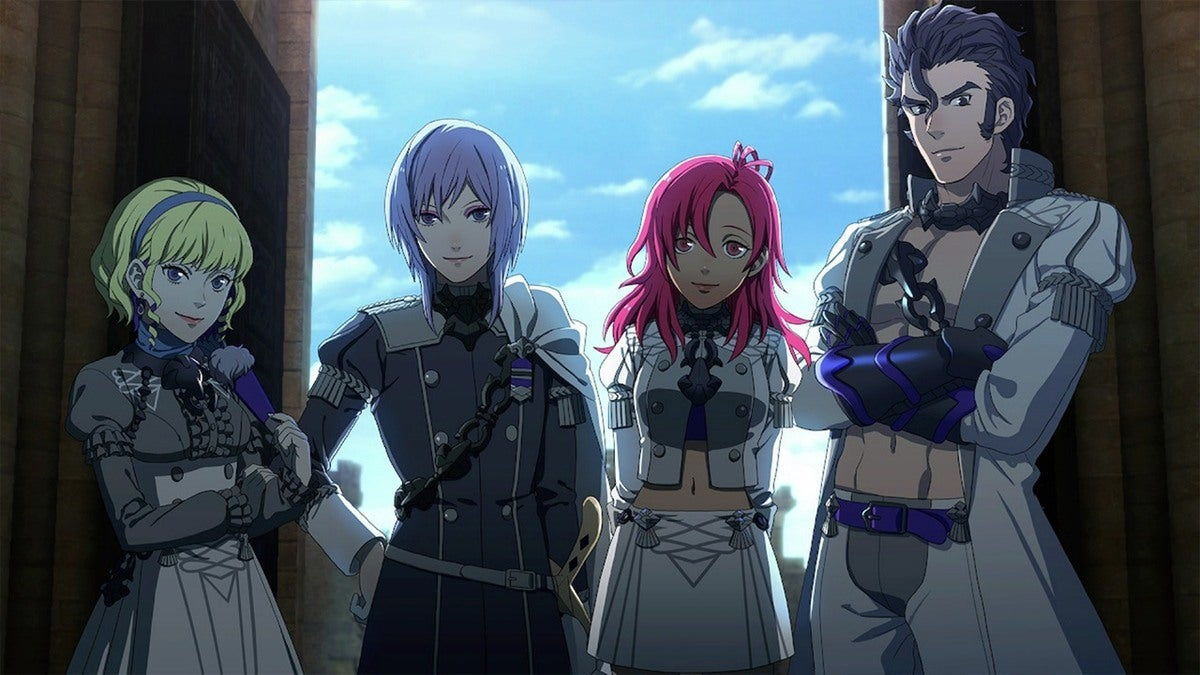
At first, choosing a house in Fire Emblem: Three Houses looks almost harmless. You meet the Black Eagles, Blue Lions, and Golden Deer, compare personalities, maybe pick the students you like most, and settle into the rhythm of teaching. Then the game starts turning that classroom choice into a political one. The students you trained become the people you fight beside, or against, depending on the route. It is one of the reasons the game’s war phase works as well as it does. You are not just watching nations collide, you are watching your own early preference become a point of no return.
Resident Evil 2
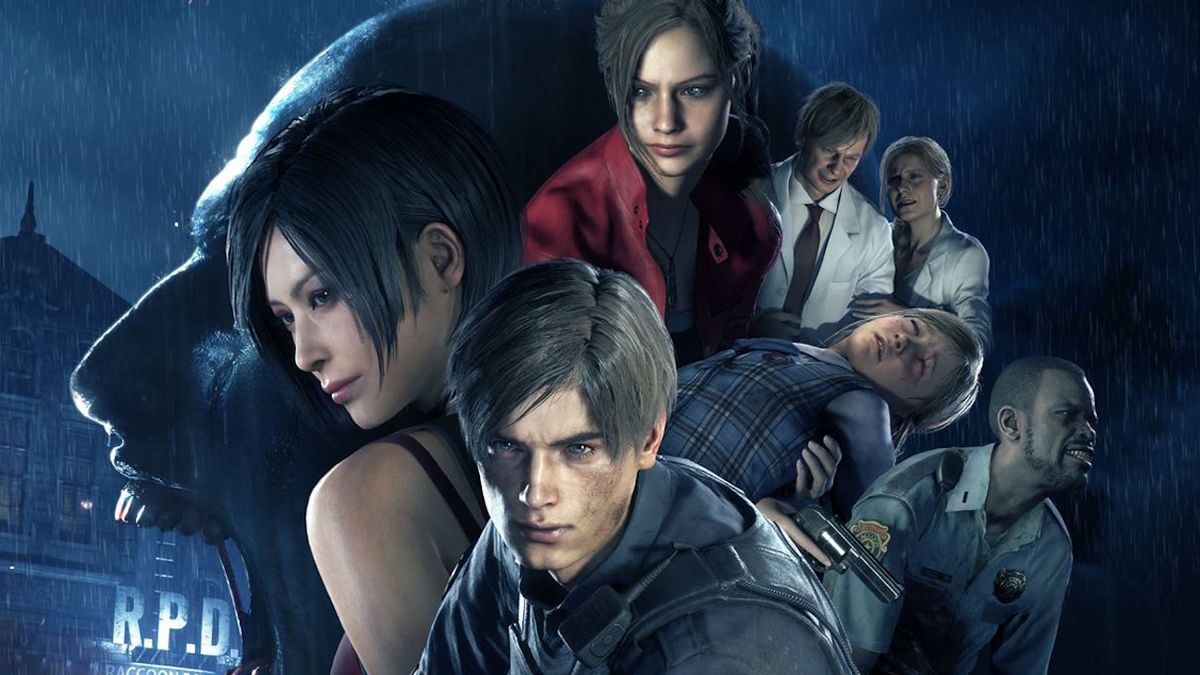
Leon and Claire both get trapped in Raccoon City, but Resident Evil 2 never makes them feel like the same campaign wearing two jackets. Leon’s story leans into the police station, Ada Wong, and the rookie-cop nightmare of arriving on the worst first day imaginable. Claire’s route has Sherry Birkin at its center, which gives the horror a more protective, personal edge. The city is still falling apart either way. The feeling of moving through it changes.
SaGa Frontier
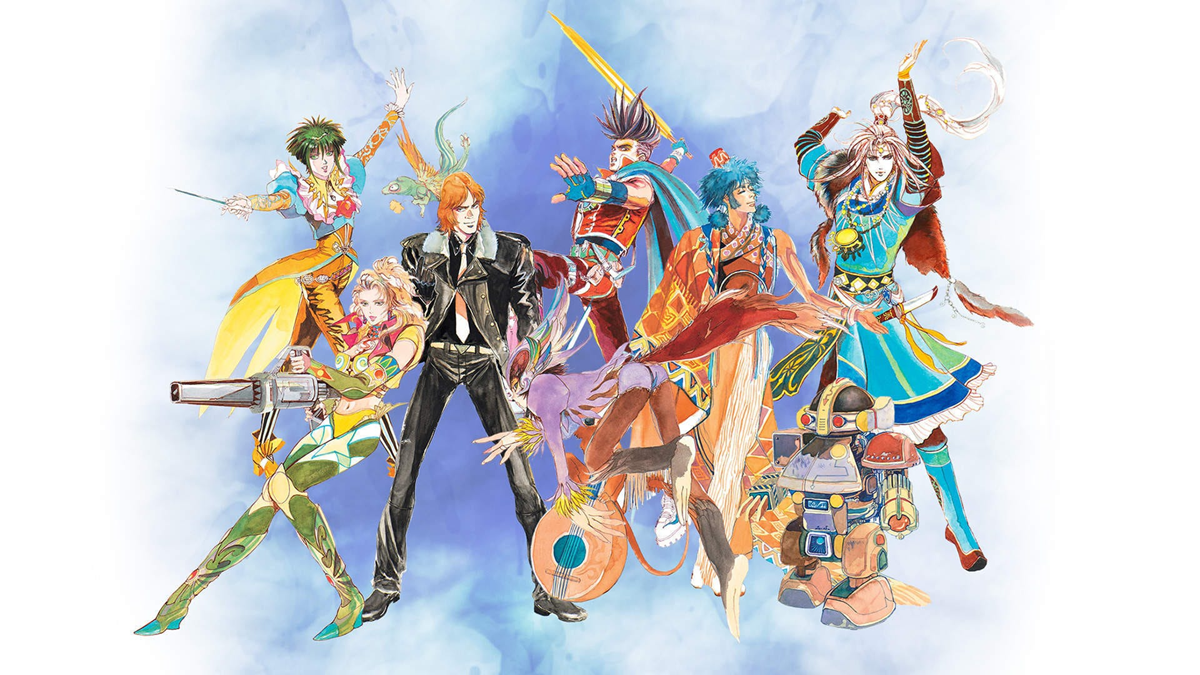
SaGa Frontier is not especially interested in easing the player into one clean main plot. It lets you pick a protagonist and then throws you into a campaign that can feel wildly different depending on that choice. Red’s story has superhero revenge energy. Asellus brings in gothic fantasy and identity crisis. T260G is practically wandering through a machine’s mystery. The setting holds them together, but barely, and that looseness is part of the appeal. You are not choosing a class. You are choosing which strange corner of the game gets to be the center.
Star Ocean: The Second Story
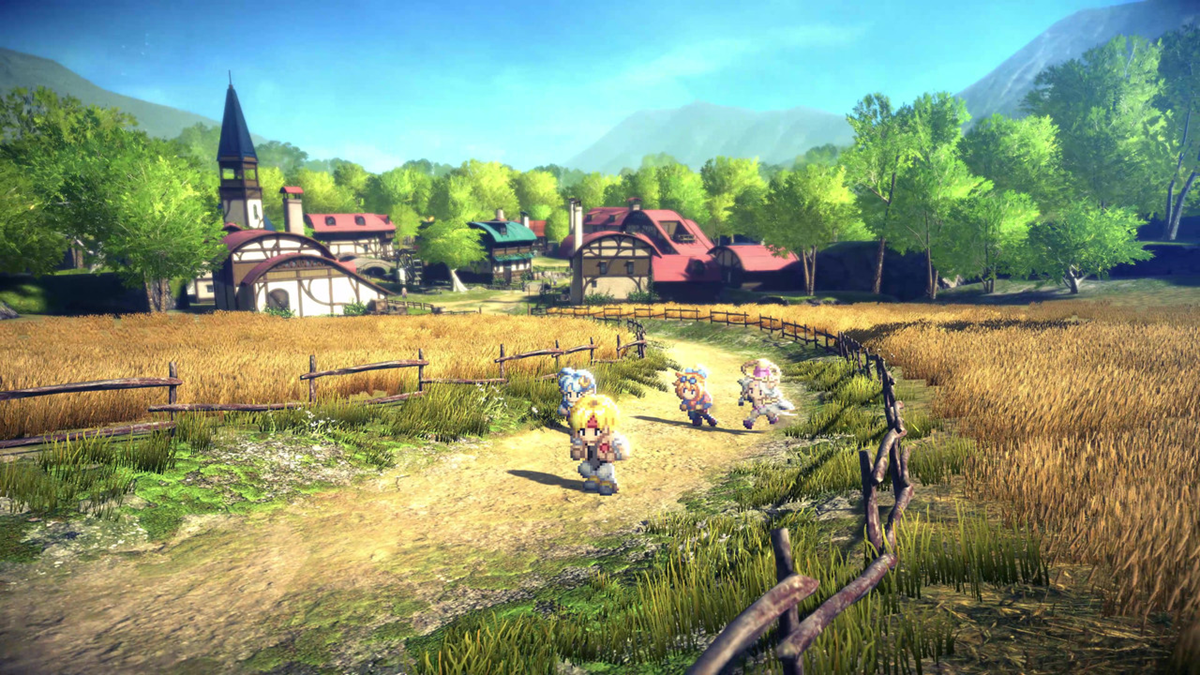
Claude and Rena share a story, but they do not share the same way into it. Claude begins as an outsider, stranded on a world that reads to him like fantasy even though he comes from science fiction. Rena’s route starts closer to home, with Expel feeling familiar before it becomes dangerous. That shift in perspective matters more than it sounds. The big plot eventually pulls them together, but the opening hours, certain scenes, and the way the world is framed all change depending on whose eyes you borrow first.
Trending on realmoneygamer.com
Threads of Fate
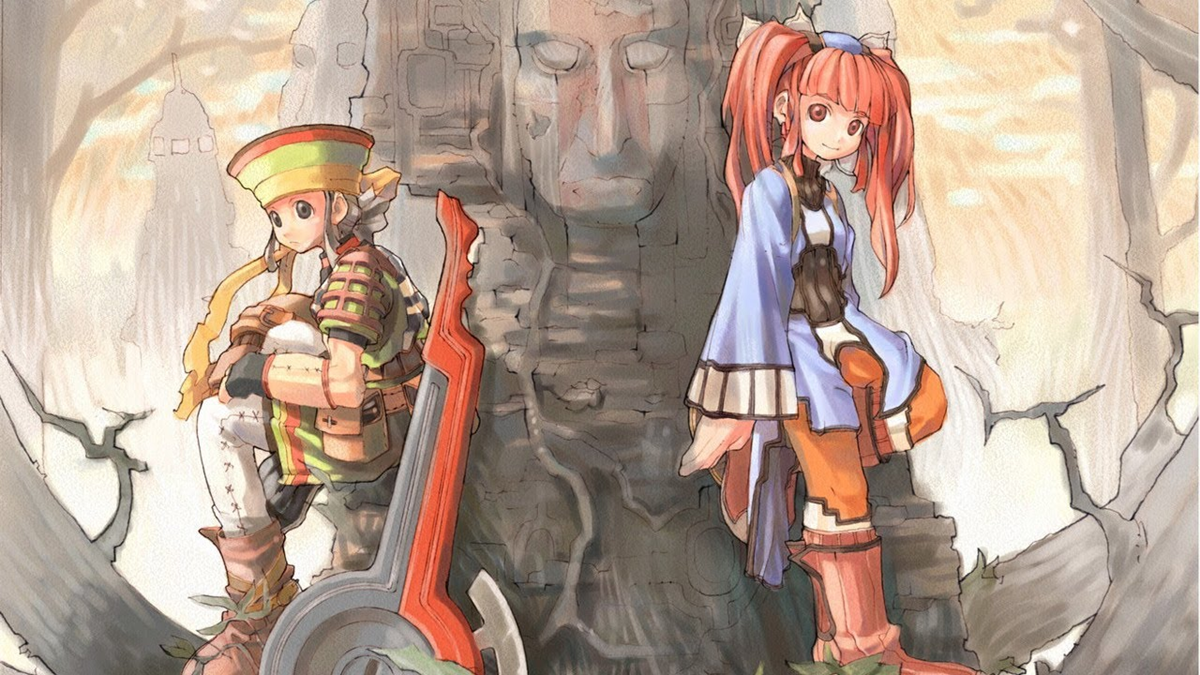
Threads of Fate has one of those choices that looks simple on a menu and becomes much more interesting in practice. Rue’s route is sadder and more sincere, built around loss and the hope of bringing someone back. Mint’s is louder, funnier, and much more selfish, since she wants power and is not shy about saying so. Same relic, very different emotional weather.
Live A Live
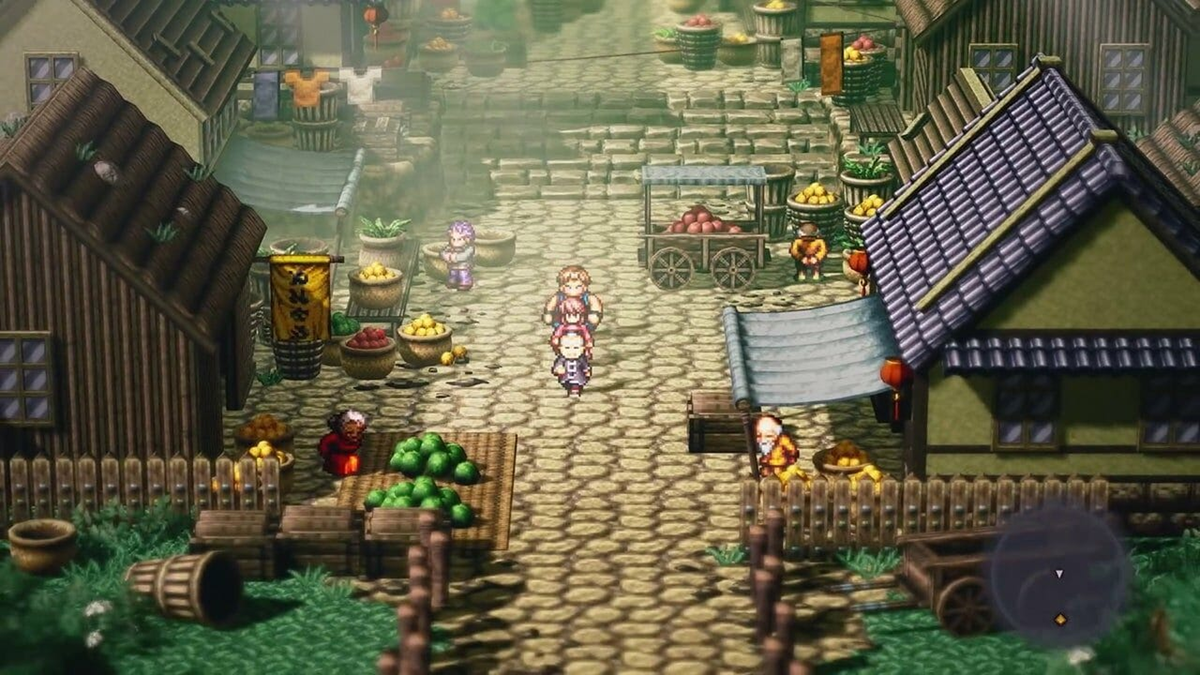
Live A Live starts by refusing to tell you what kind of RPG it is. You can begin in prehistory, imperial China, the Wild West, the near future, outer space, or somewhere else entirely, and each chapter has its own little rules. One story might feel like a comedy, another like survival horror, another like a martial arts lesson with a body count. The first one you choose can completely warp your first impression of the whole game.
Sonic Adventure
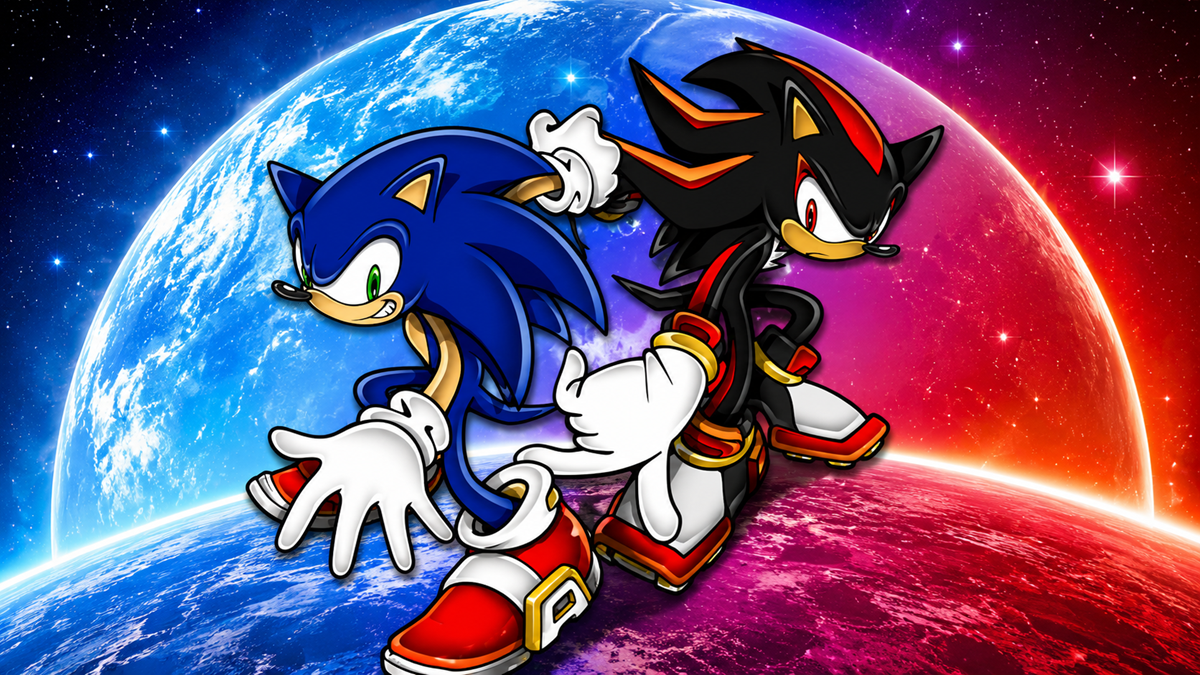
Sonic Adventure is messy in a way that only late-1990s ambition can be. Pick Sonic and you get speed-focused 3D platforming. Pick Knuckles and suddenly you are hunting emerald shards. Amy spends her story running from danger, Gamma turns the game into something closer to a shooter with a surprisingly sad arc, and Big goes fishing while a citywide crisis is happening somewhere nearby. That last part still sounds fake, even when you know it is real.
Divinity: Original Sin 2
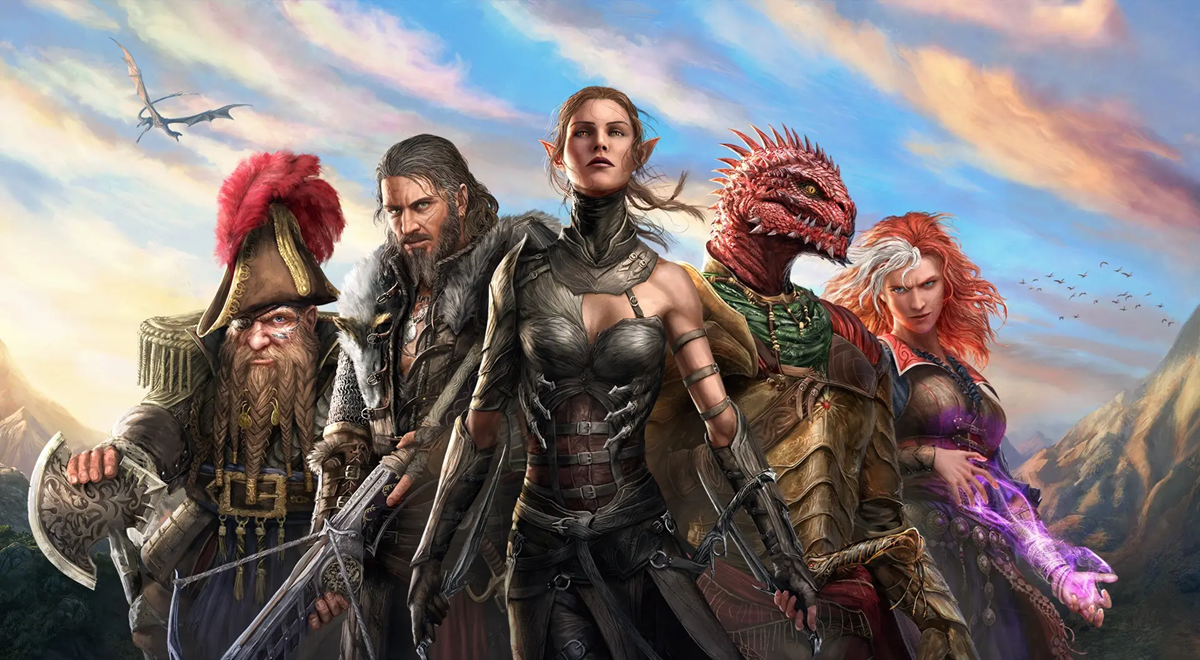
Divinity: Original Sin 2 lets you make a custom character, but its origin heroes are where the game starts getting personal. Playing as Lohse makes the story’s demonic possession thread feel uncomfortably close. Playing as the Red Prince gives every arrogant line a little extra flavor, because arrogance is basically his native language. Fane changes the weight of the setting’s history. These are not separate campaigns in the old-school sense, but they can make the same quests feel as if they are brushing up against a different private life.
Pathologic Classic HD
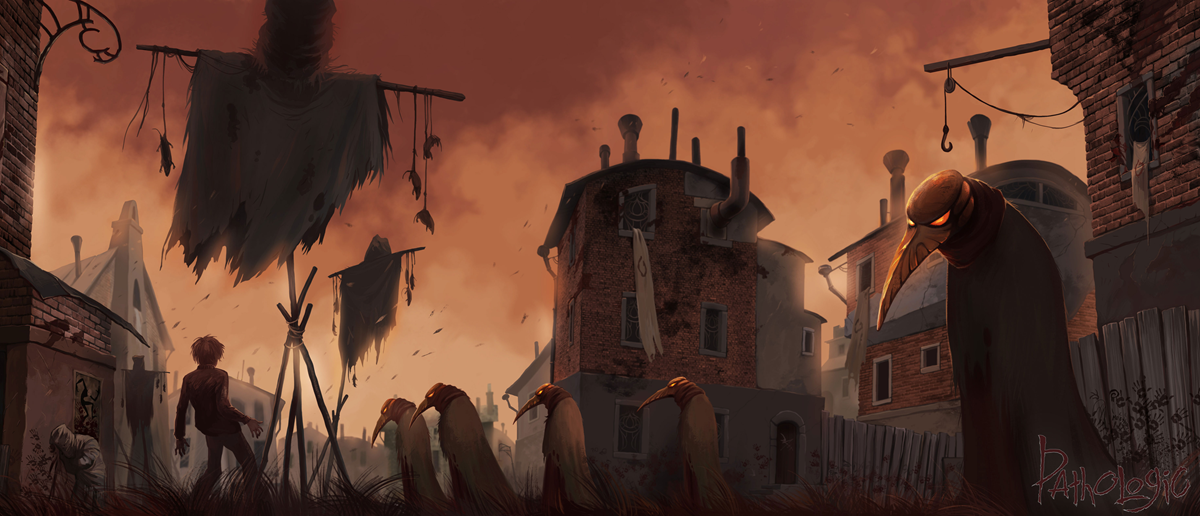
Pathologic is already unpleasant before you pick anyone. The Bachelor treats the plague like a problem to solve, something intellectual and medical and maybe controllable. The Haruspex is pulled into blood, family, local tradition, and suspicion almost immediately. Same town, same catastrophe, very different kind of dread.
Trials of Mana
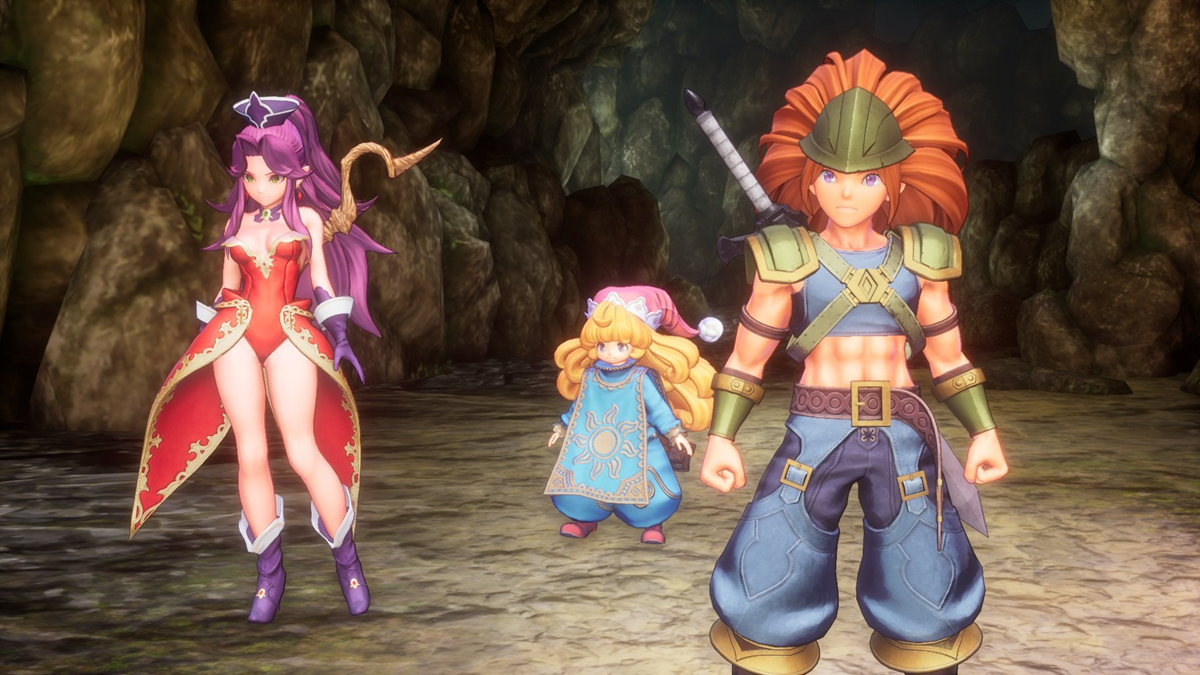
Trials of Mana asks for a party before it has fully shown its hand. Your main character and companions affect which story threads rise to the front, which villains matter most, and how the journey feels. It is the kind of design that makes two people describe the “same” RPG and sound like they played slightly different versions. In a good way, it also makes the opening character select feel less like window shopping and more like choosing the angle of the whole adventure.
Romancing SaGa 3
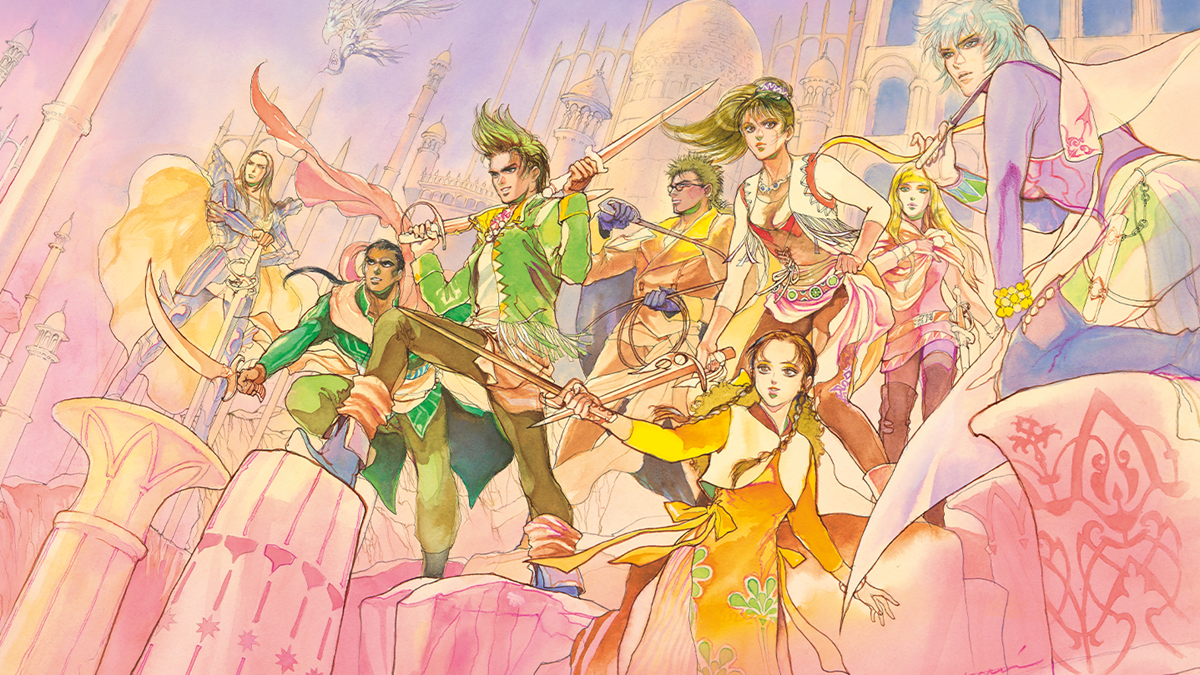
Romancing SaGa 3 is not built around the comforting idea that every player should walk the same road. Its eight protagonists give you different openings, motives, and personal stakes, then push you into a world that is happy to let you wander. Some routes feel more direct than others. Some make the game’s freedom feel exciting, while others make it feel faintly disorienting. That roughness is part of the SaGa identity, for better and occasionally for confusion.
Suikoden III
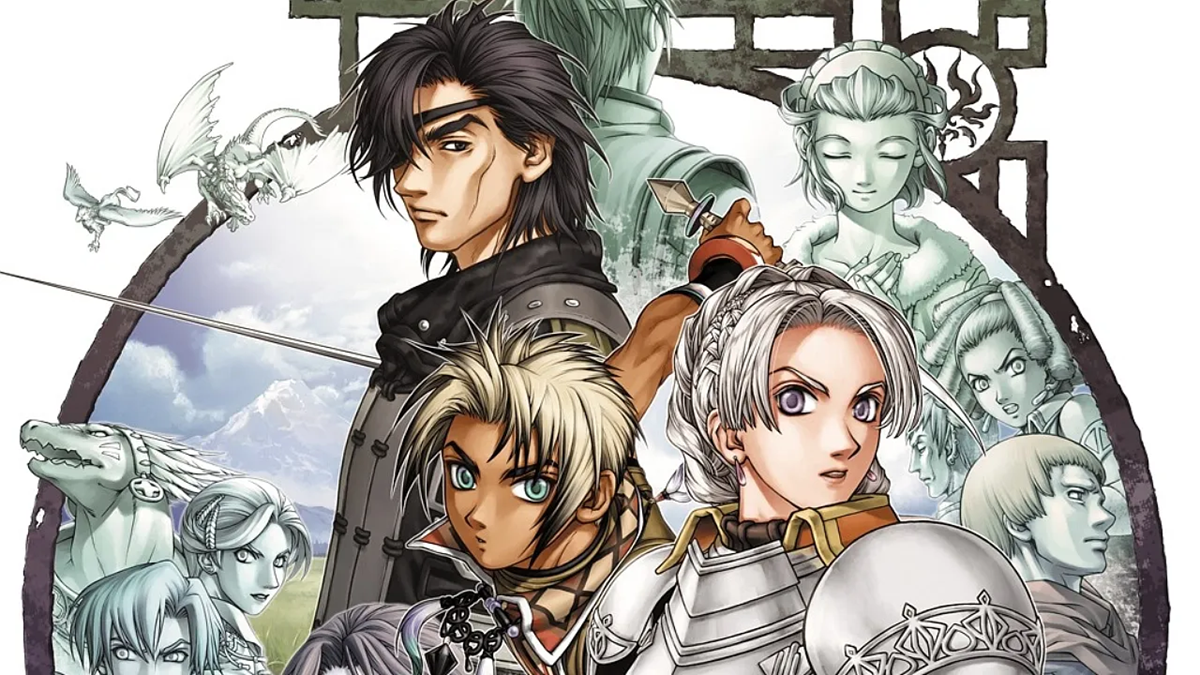
Suikoden III used its multiple protagonists to do something that fit the series unusually well, show a conflict from more than one side. Hugo, Chris, and Geddoe all move through the same broader war, but they carry different loyalties and assumptions into it. A battle that looks righteous from one angle can feel compromised from another. The game does not need to shout about perspective. It just keeps handing you a new one and letting the contradictions pile up.
Not every starting choice here changes the game in the same way. Some alter the opening, some reshape the whole campaign, and some mostly change how you read the people around you. That is often enough. A good first choice can make a replay feel less like going back and more like entering through another door.
Continue Reading: 12 Games Where the Difficulty Secretly Adjusted Based on How You Played Without Ever Telling You