Difficulty menus tell only part of the story. Some games keep watching after you press start, then quietly change the pressure depending on how you are playing. Sometimes that means fewer resources, tougher enemies, or a nasty counter to your favorite trick. Other times, it means the game slips you a little help and lets you pretend you earned the comeback cleanly.
Resident Evil 4
r/residentevil
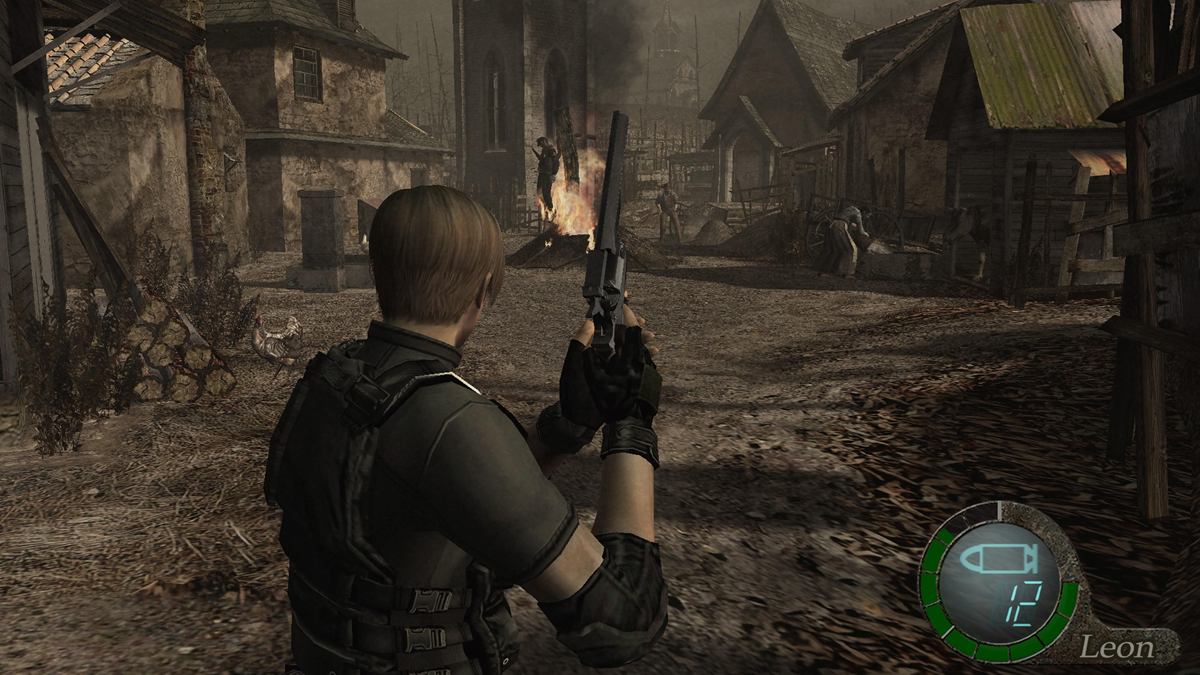
Resident Evil 4 has always had a strange sense of rhythm. The village can feel generous for ten minutes, then suddenly every ganado seems to arrive with better timing than the last. That is not just mood. The original game uses a hidden difficulty rank that shifts depending on performance, changing parts of the experience without asking the player to pick a new setting. If Leon is doing well, the game can push back harder. If he is getting flattened, it can ease off a bit. The clever part is that most players never see a system, they just feel tension that keeps re-forming around them.
Left 4 Dead
r/lfd2
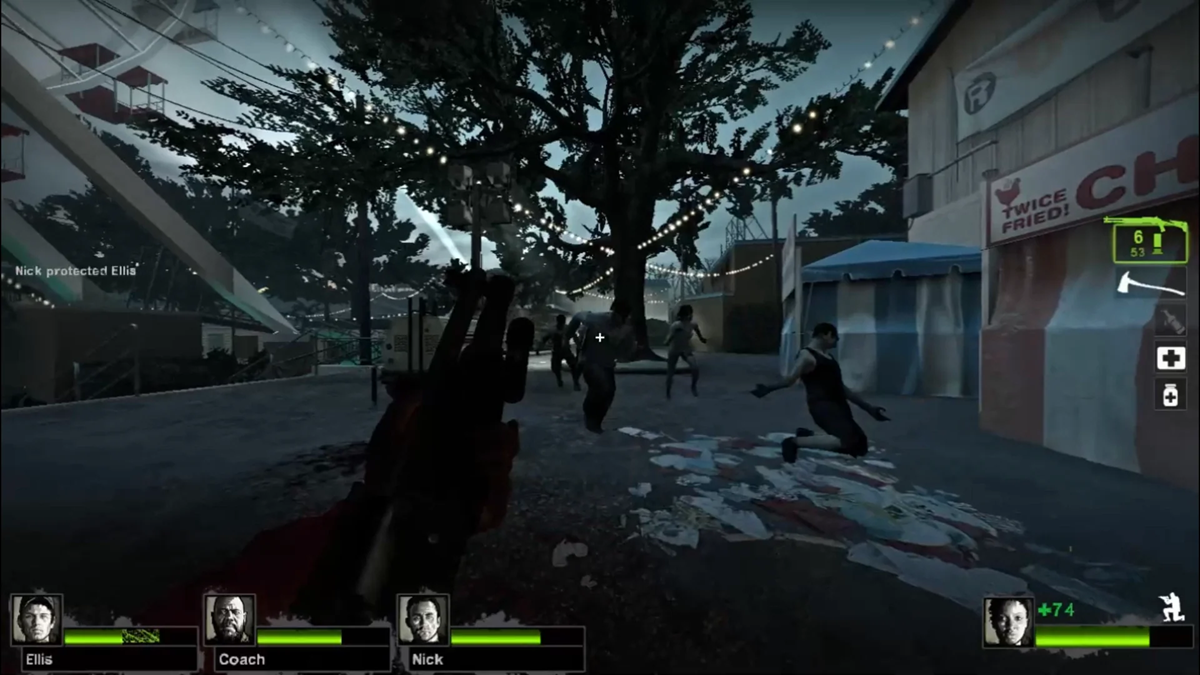
Left 4 Dead made a whole identity out of this idea. Its AI Director tracks the survivors’ condition and pace, then changes how the campaign breathes around them. A team that is moving too smoothly may get a sudden swarm or an ugly special infected combination. A group limping toward the safe room might get a short quiet stretch instead. It is less like a normal difficulty slider and more like a horror editor cutting the scene while you are still inside it.
God Hand
r/yakuzagames
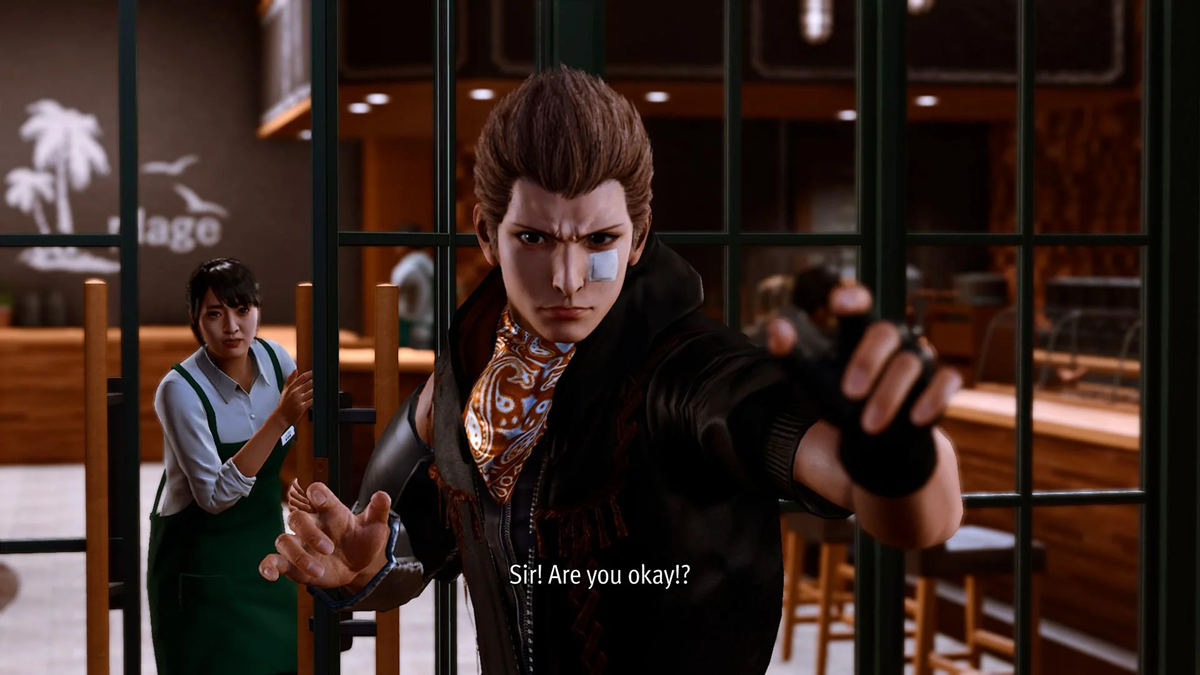
God Hand is not subtle, but it is funny about being unfair. Play well and the difficulty meter rises, making enemies faster and more dangerous. Take a beating and it drops. The game almost seems offended by competence, which is very much the point.
Crash Bandicoot 2: Cortex Strikes Back
r/trophies
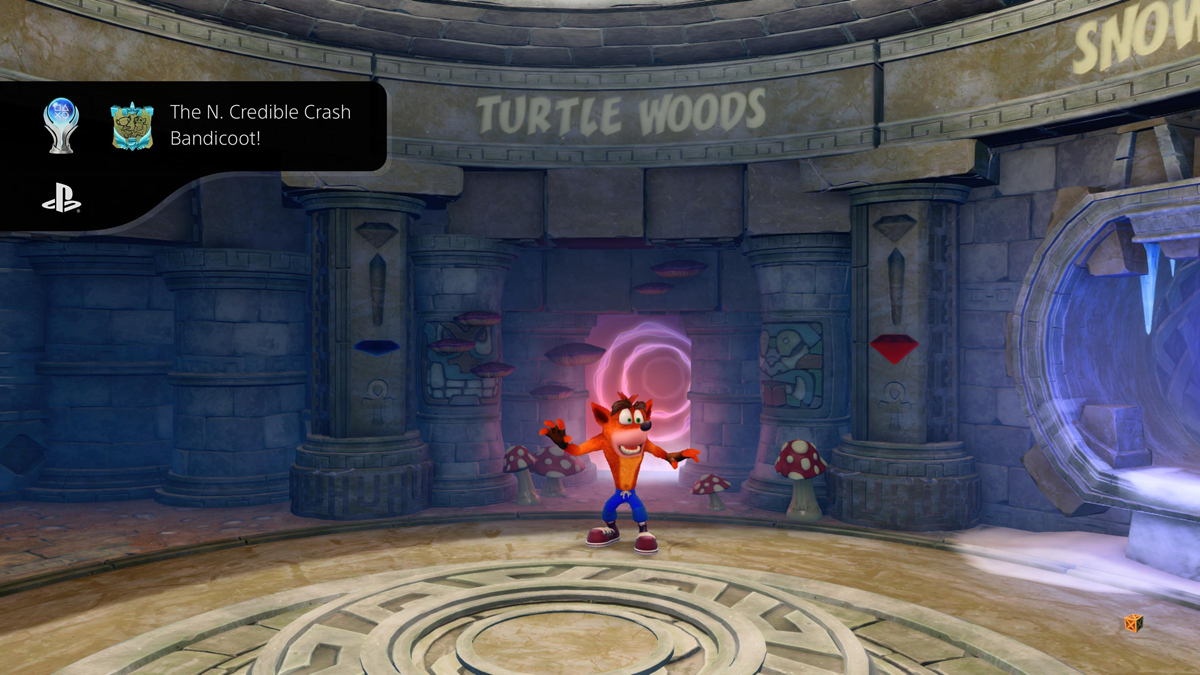
Crash Bandicoot 2 hides its mercy behind cartoon chaos. Die enough times in certain spots and the game can offer small help, like extra Aku Aku protection or kinder checkpoint behavior. It does not pause to explain itself. You just restart, maybe with a better chance than before, and keep blaming the ice, the pit, or the bear.
Metal Gear Solid V: The Phantom Pain
r/games
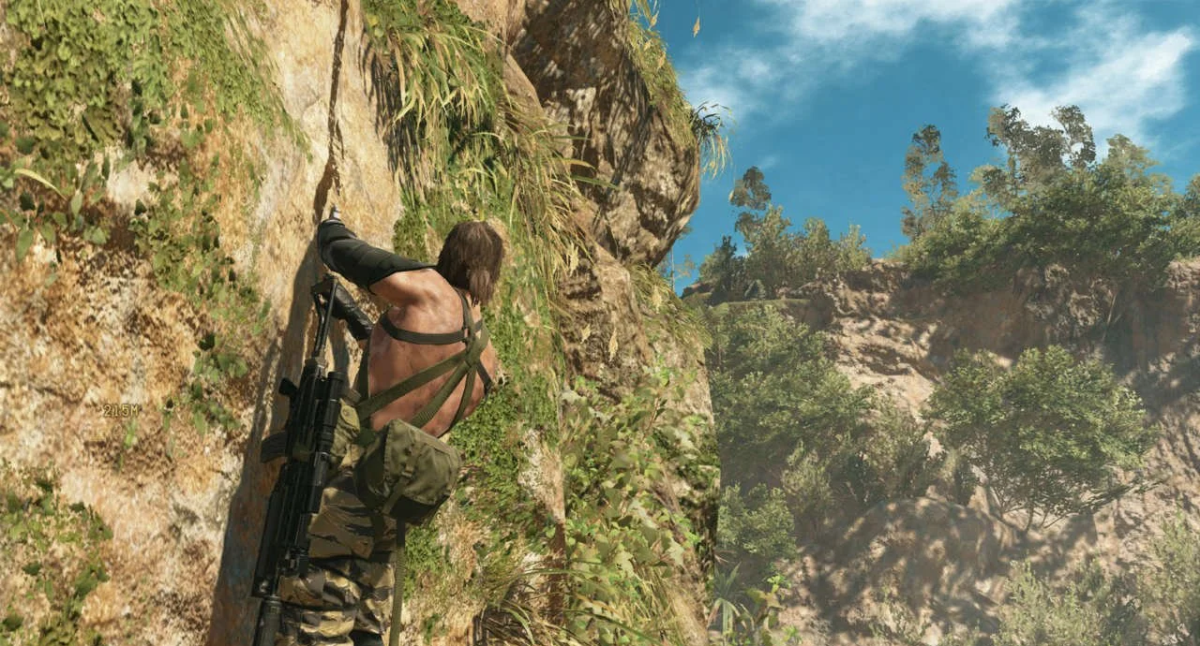
The Phantom Pain remembers bad habits. If you solve every outpost with headshots, soldiers start wearing helmets. If you raid at night constantly, they bring flashlights and night-vision gear. Keep leaning on the same tactic and the enemy slowly adapts around it. The game rarely frames this as punishment. It feels more like the world has been talking about you behind your back.
Trending on realmoneygamer.com
Max Payne
r/maxpayne
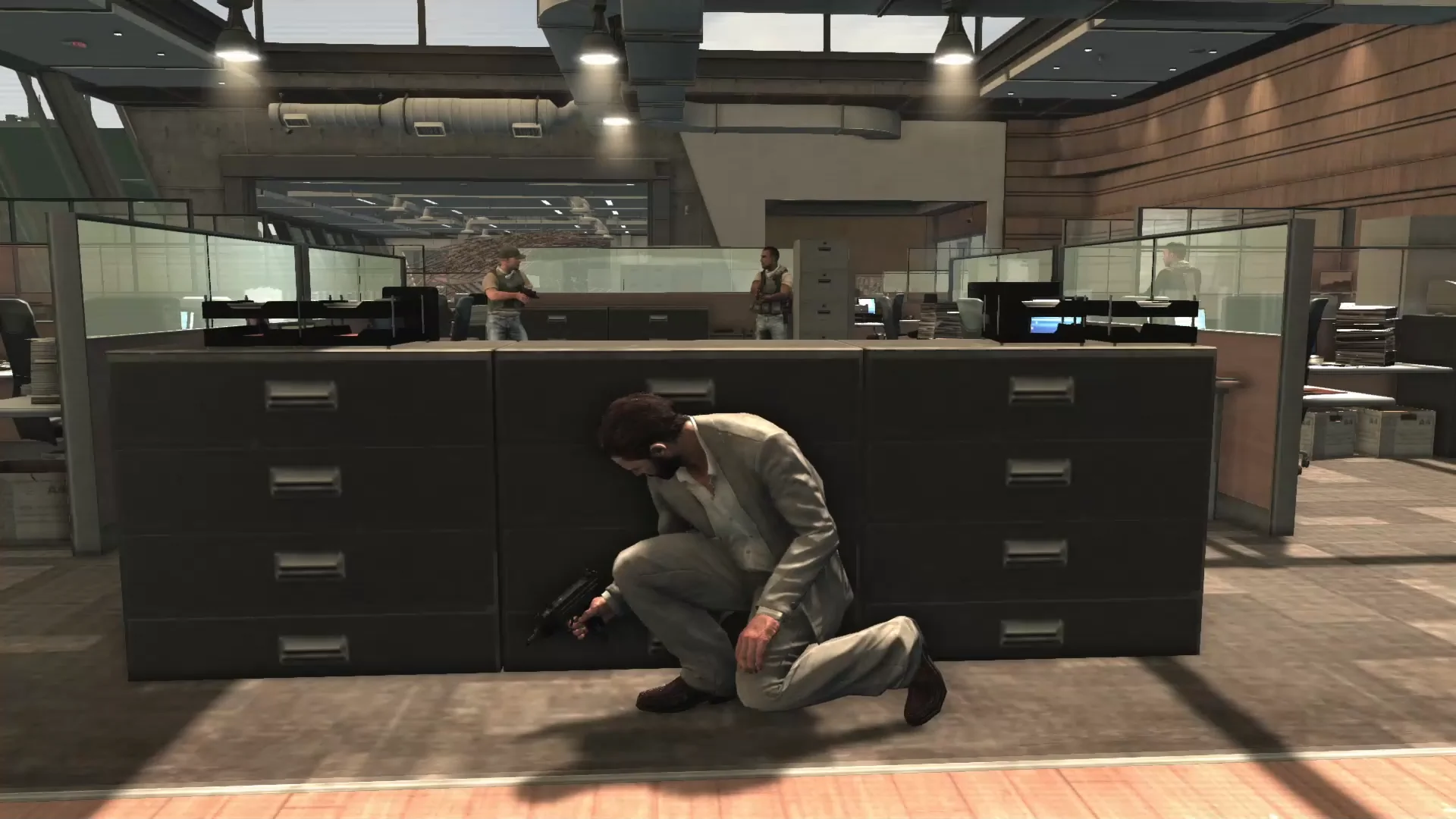
Max Payne was already built around desperation, so its adaptive difficulty did not feel out of place. On the standard setting, the game could adjust challenge behind the curtain based on how the player was handling fights. That meant the pressure was not always as fixed as it seemed. In a game about a man surviving by inches, a hidden system quietly deciding how many inches he had left was oddly fitting.
Spyro: Year of the Dragon
r/spyro
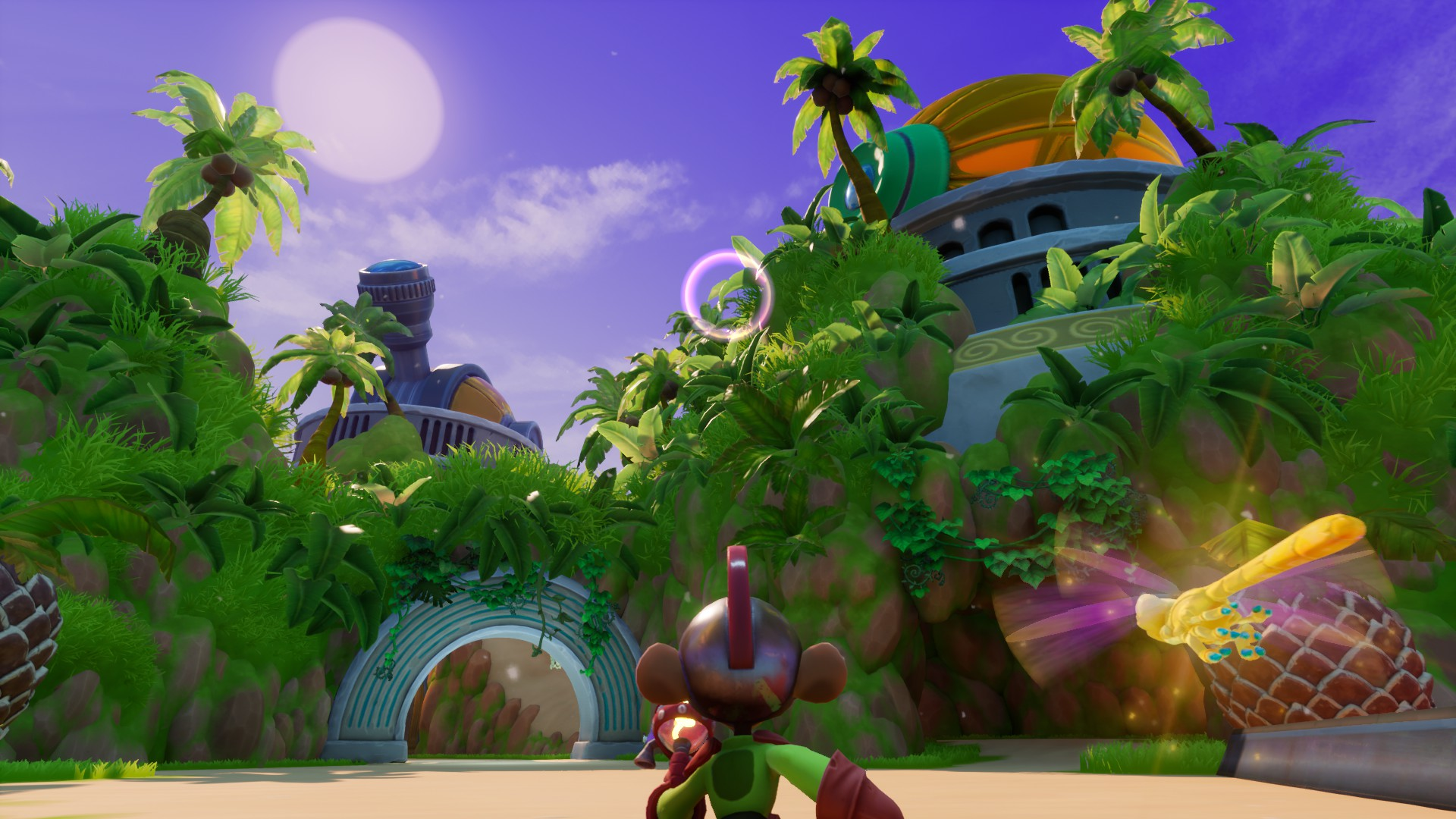
Spyro: Year of the Dragon looks too bright and relaxed to be quietly measuring you, but it was. Insomniac used Auto Challenge Tuning to help smooth the adventure for different players. The goal was not to humiliate anyone or turn the game into a test. It was just to keep Spyro moving, collecting, gliding, and getting into trouble without too many hard stops.
Half-Life 2
r/nostalgia
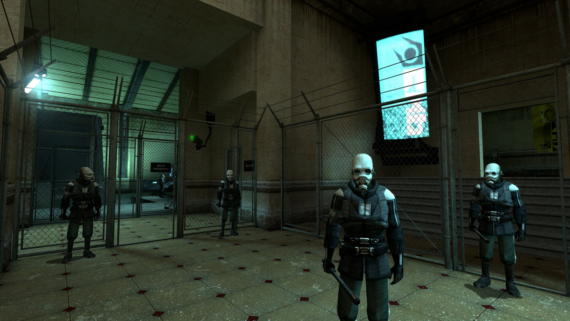
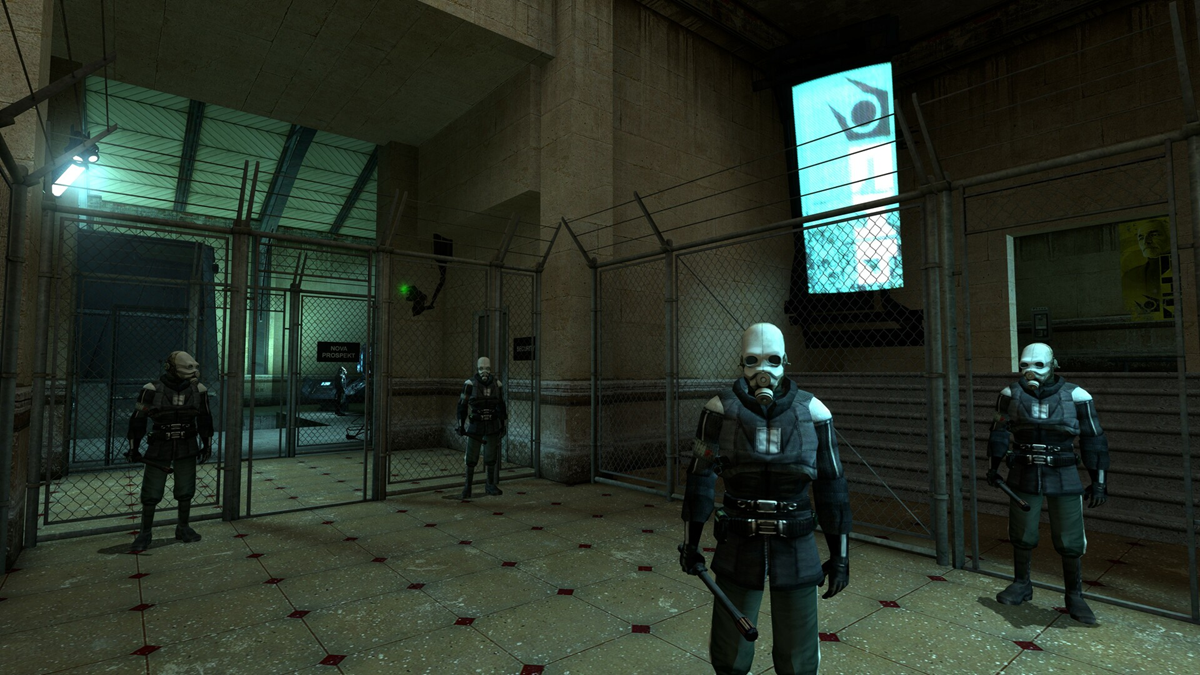
Half-Life 2 did its adjustment through supplies, which is why many players never noticed. Break a crate when Gordon is low on health and the game may be more likely to give health. Need ammo more than armor? The resupply logic can lean that way. It feels like luck, but it is really Valve making sure the player stays close to danger without falling out of the scene completely.
SiN Episodes: Emergence
r/sinreloaded
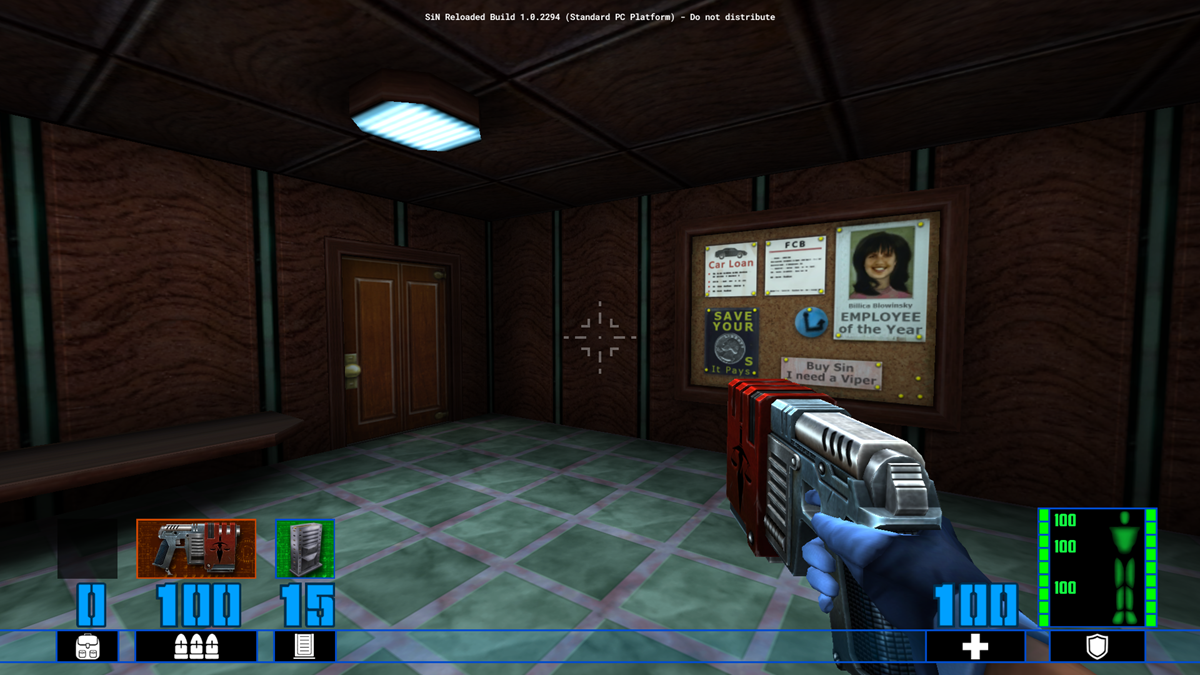
SiN Episodes: Emergence had a system with a very 2006 name, the Personal Challenge System. It could change enemy numbers and toughness based on how well the player was doing. The game did not turn into a classic, and its episodic future vanished pretty quickly. Still, it was chasing a smart idea, a shooter that did not want one fixed curve for every player.
Zanac
r/shmups
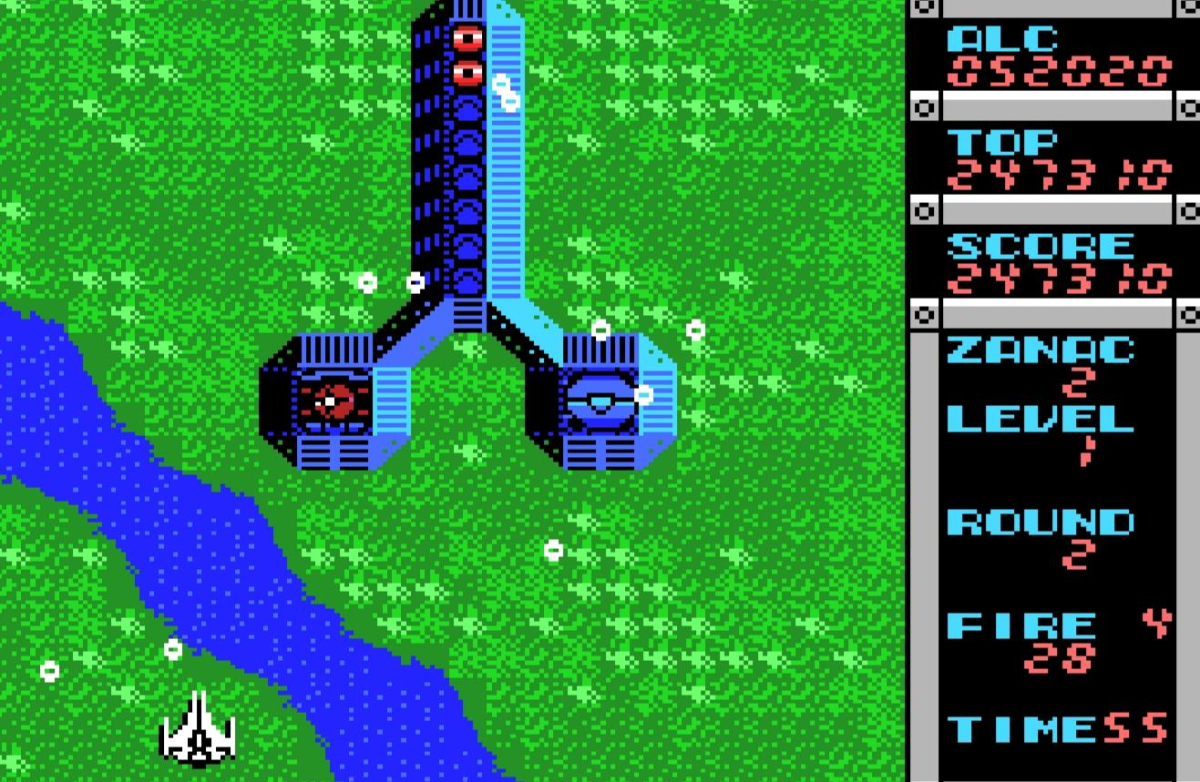
Zanac was doing this in the mid-1980s, which still feels a little wild. Compile’s shooter adjusted its aggression based on things like player firepower, deaths, and how the player handled certain threats. Play sharply and the game could become busier and meaner. Struggle, and it could pull back. For an old-school shooter, that made it feel unusually reactive.
LEGO Star Wars II: The Original Trilogy
r/legostarwarsvideogame
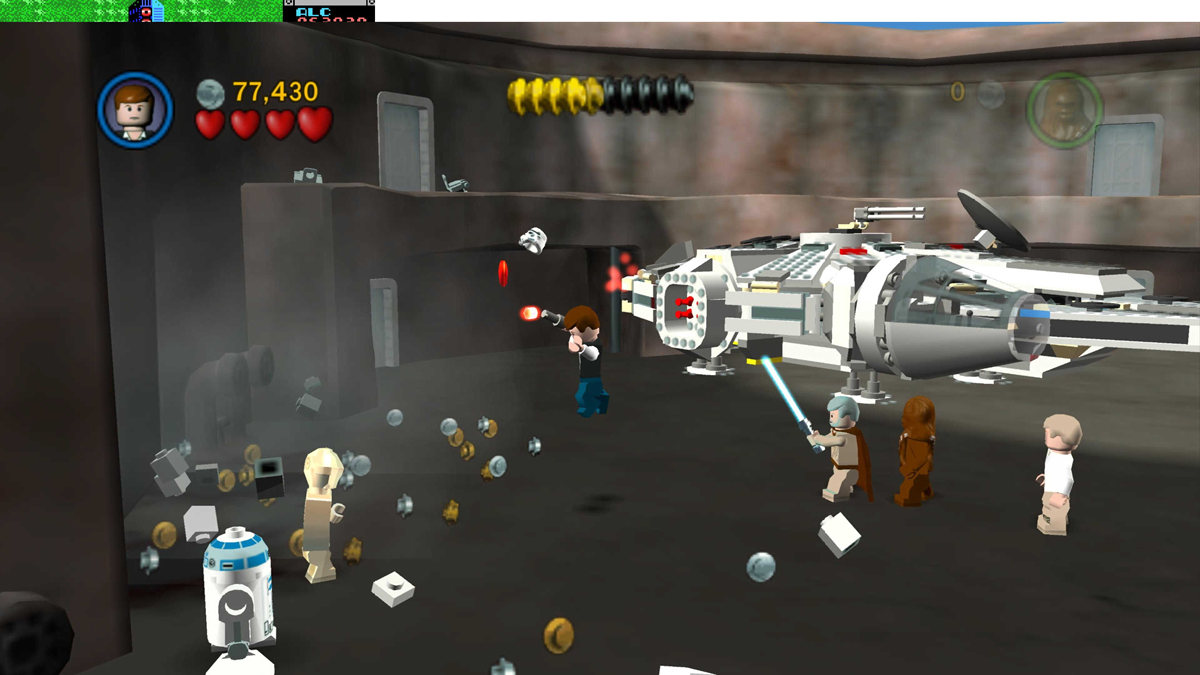
LEGO Star Wars II used adaptive difficulty in a softer, more family-friendly way. Instead of making stormtroopers smarter, it changed how many studs players lost after dying. Better players could lose more, weaker players less. It is a tiny adjustment, but for a kid trying to afford a character unlock, it mattered.
Mario Kart 8
r/nintendoswitch2
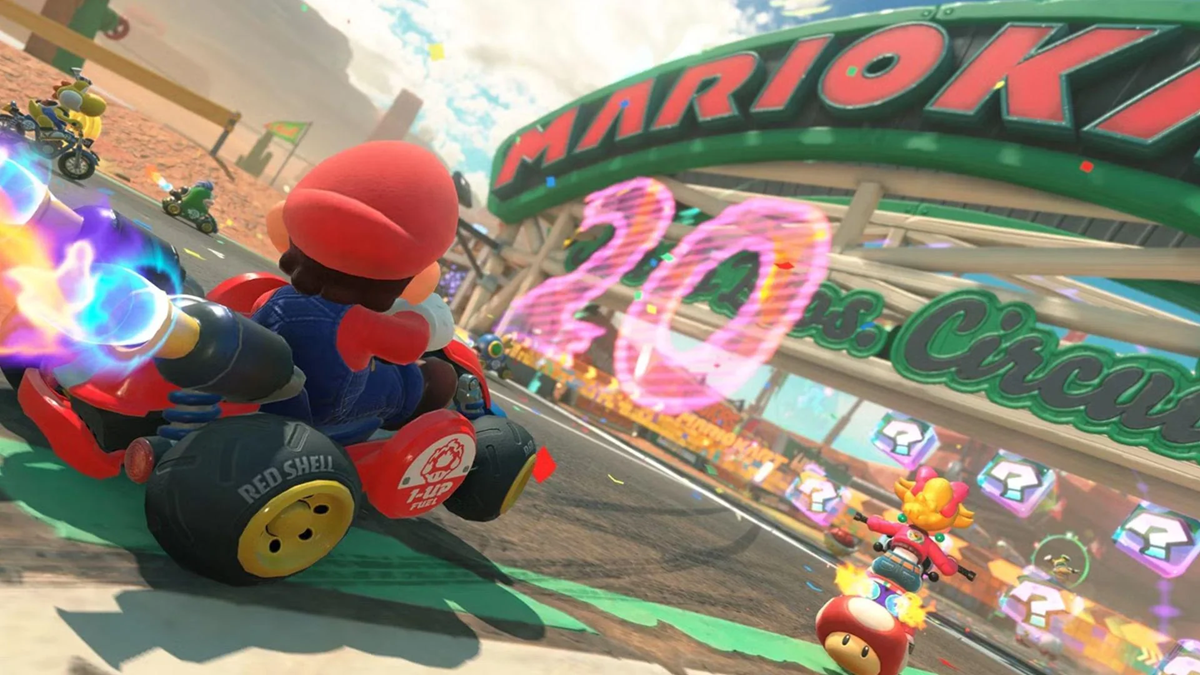
Mario Kart 8 does not hide its cruelty very well, but it does hide a lot of math under the party noise. The item system favors racers depending on position and distance, giving trailing players better comeback tools while leaders get more defensive options. That is why first place can feel strangely unsafe even on a clean lap. The game never says it is balancing the race around you. It just puts a blue shell in someone else’s hands and lets the argument happen.
Hidden difficulty is not always loved. Some players want the rules nailed to the floor, and that is fair. But when it works, it does not feel like the game is lying. It feels like the game is paying attention.
Continue Reading: Games That Weren´t: 10 Beta Cartridges and Pre-Release Copies That Survived Destruction and Surfaced