Retro Gaming has inspired far more than just consoles and arcade cabinets over the years. From limited-edition candy boxes to fast-food collaborations packed with collectible toys, classic video game franchises once invaded supermarkets, restaurants, and snack aisles everywhere. These strange and nostalgic products became unforgettable pieces of gaming culture, mixing iconic characters with sugary treats, colorful packaging, and promotional madness that fans still remember decades later.
1. Bubble Gum Machines Inspired by Retro Gaming
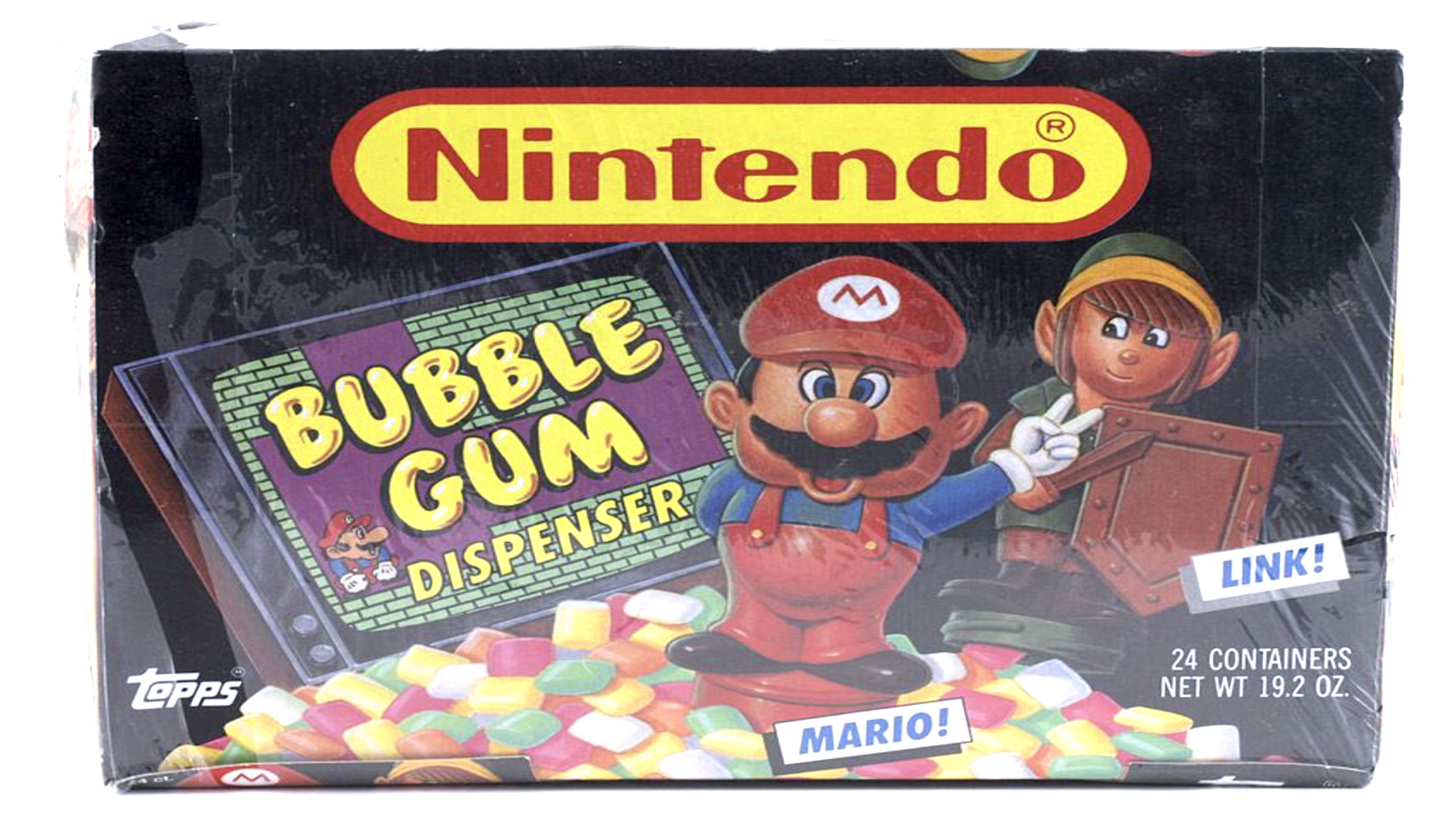
Topps released Nintendo Bubble Gum Dispensers in the late 1980s, combining candy with miniature handheld-style packaging inspired by arcade and console graphics. Mario and Link appeared prominently on the box art, helping the product feel closer to a toy than traditional gum. Small crossover products like these helped retro gaming characters become recognizable even outside gaming stores.
2. Donkey Kong’s Unexpected Breakfast Career
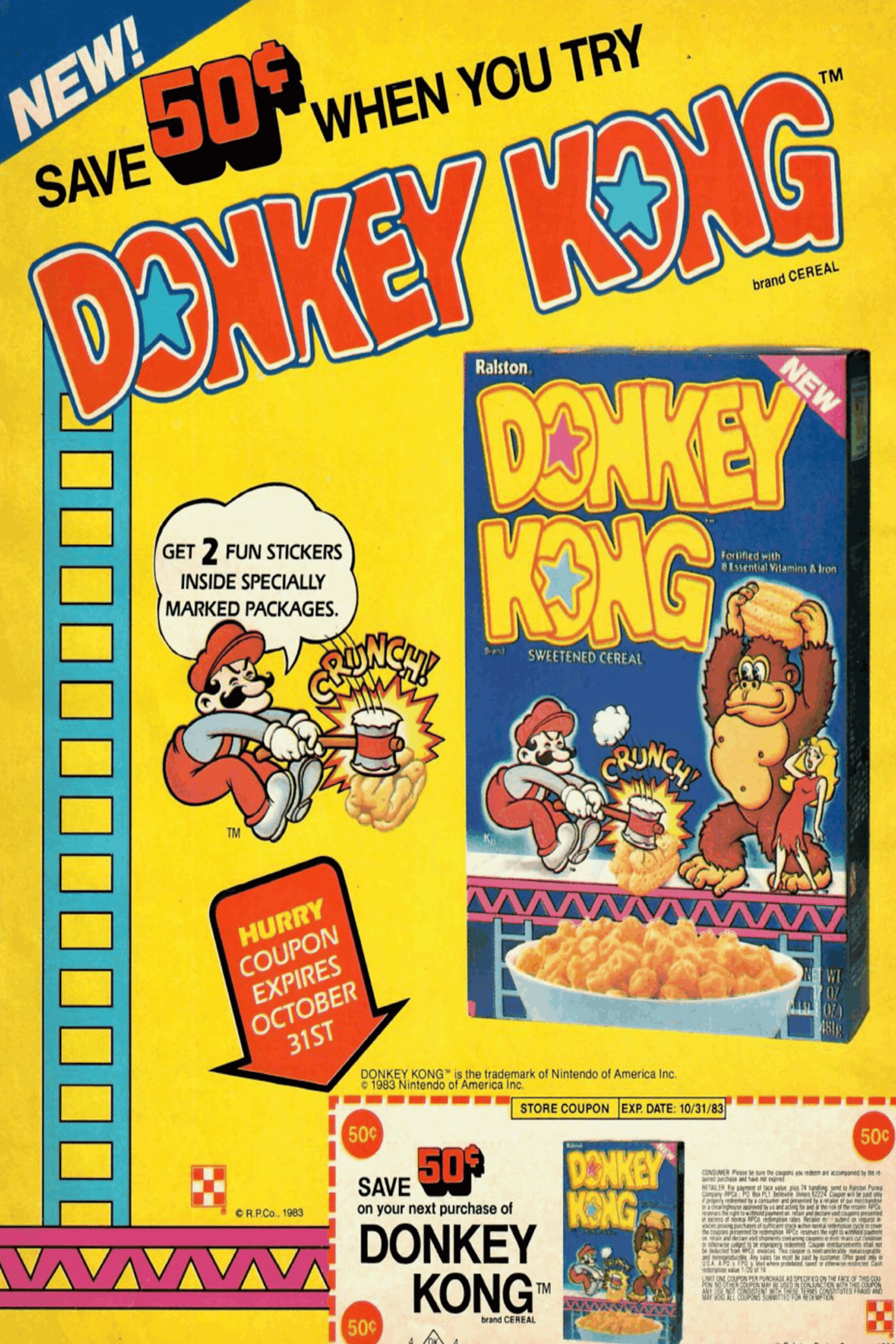
Back in 1983, Ralston released Donkey Kong cereal during Nintendo’s early arcade rise in North America. The cereal pieces were shaped like crunchy barrels, directly referencing the obstacles from the original game. Long before movie adaptations and modern merchandising strategies became common, Nintendo was already experimenting with turning arcade characters into grocery store mascots.
3. Sonic 3 and the Fast-Food Toy Wars
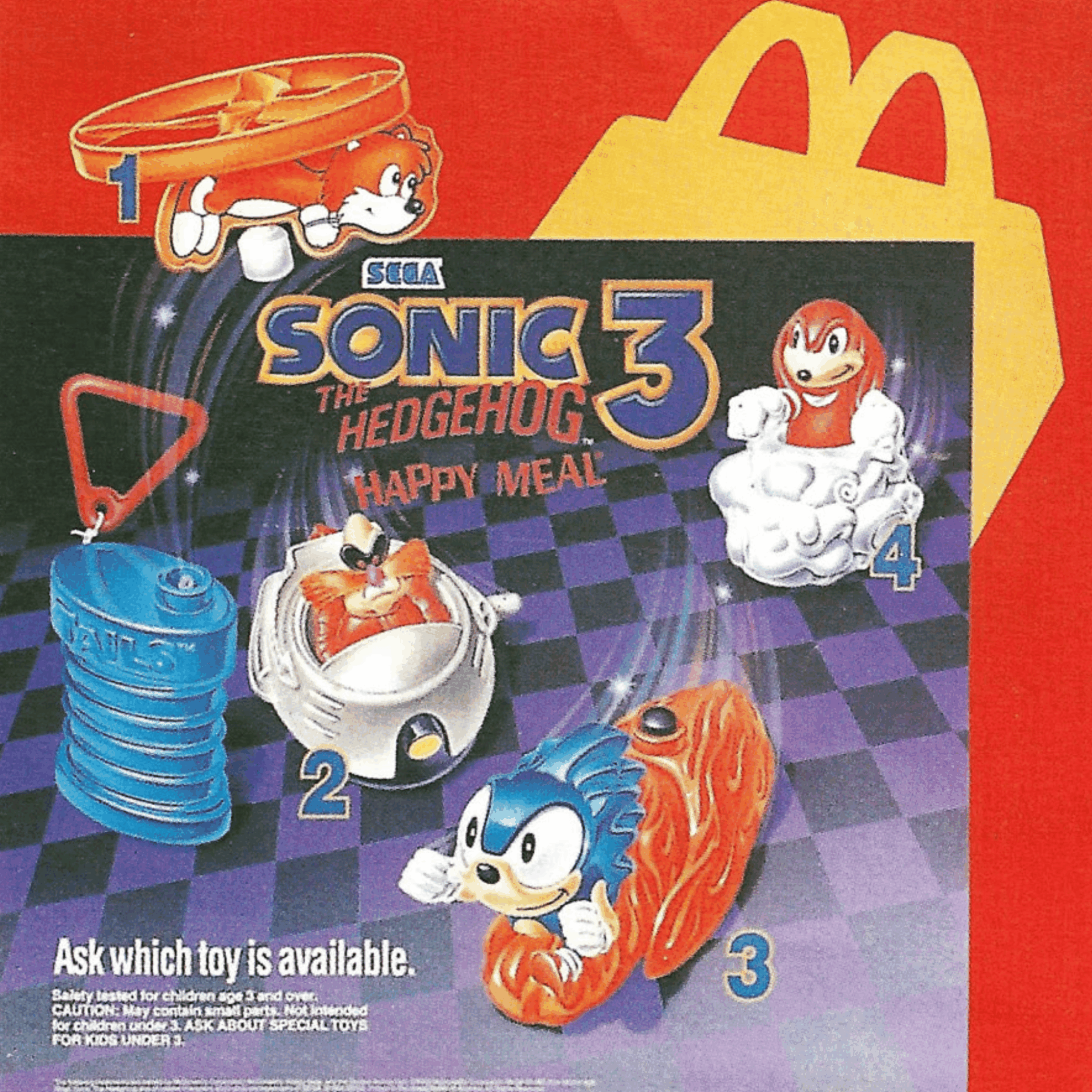
When Sonic the Hedgehog 3 launched in 1994, McDonald’s partnered with Sega to create a Happy Meal promotion featuring small spinning toys and mini games tied to the characters. Promotions like this became a huge part of 1990s gaming culture, especially during the console rivalry between Sega and Nintendo. The toys themselves are now collectible items for many longtime fans.
4. Pizza Hut Turned Nintendo Into a Sweepstakes
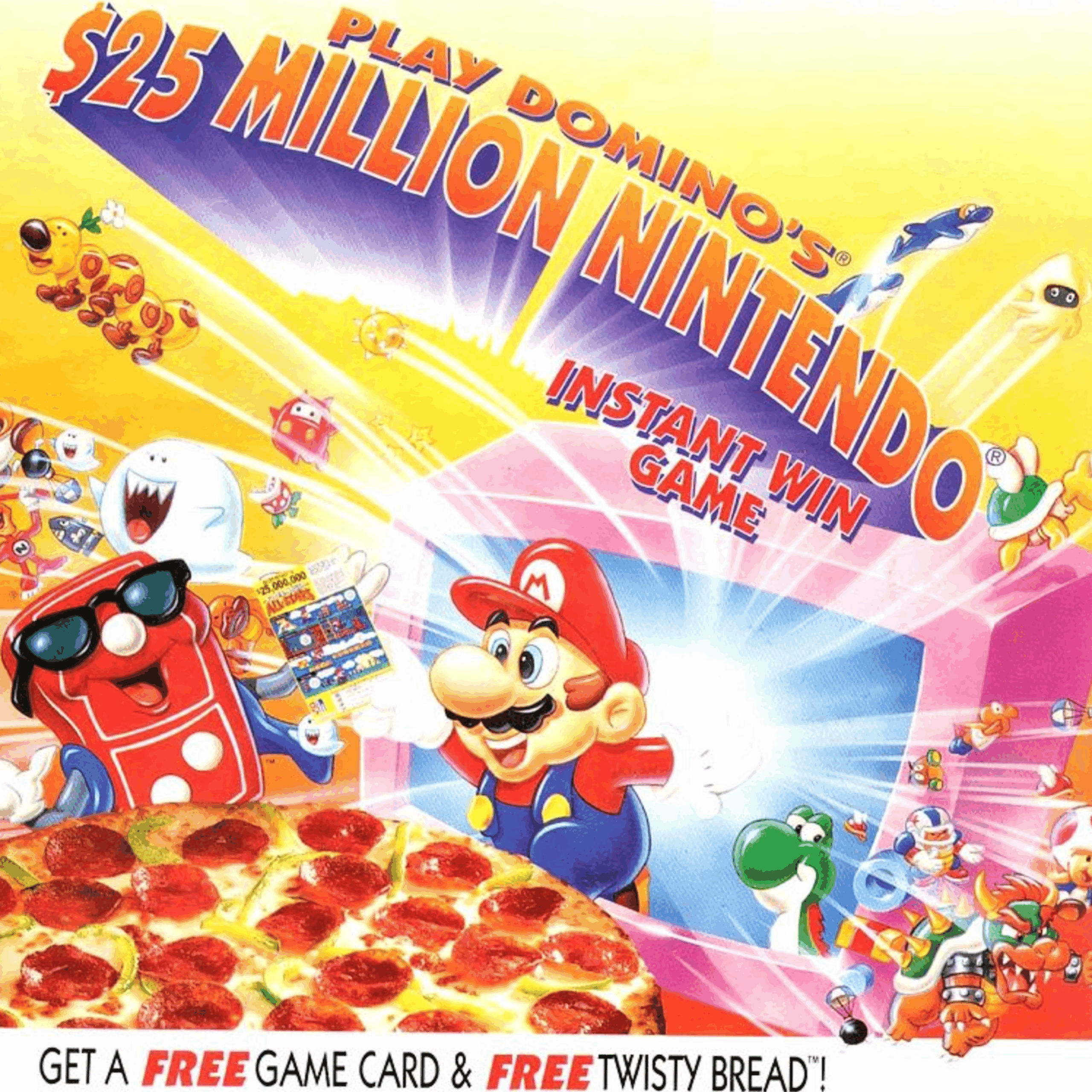
Throughout the 1990s, Pizza Hut regularly partnered with Nintendo for major promotions tied to prizes, demo discs, and instant-win campaigns. This particular advertisement pushed a Domino’s-style game card event featuring Mario characters and Nintendo-themed rewards. At the height of console competition, collaborations like this showed how gaming companies were becoming deeply connected to mainstream food advertising.
5. Sonic Pasta in a Can Somehow Existed
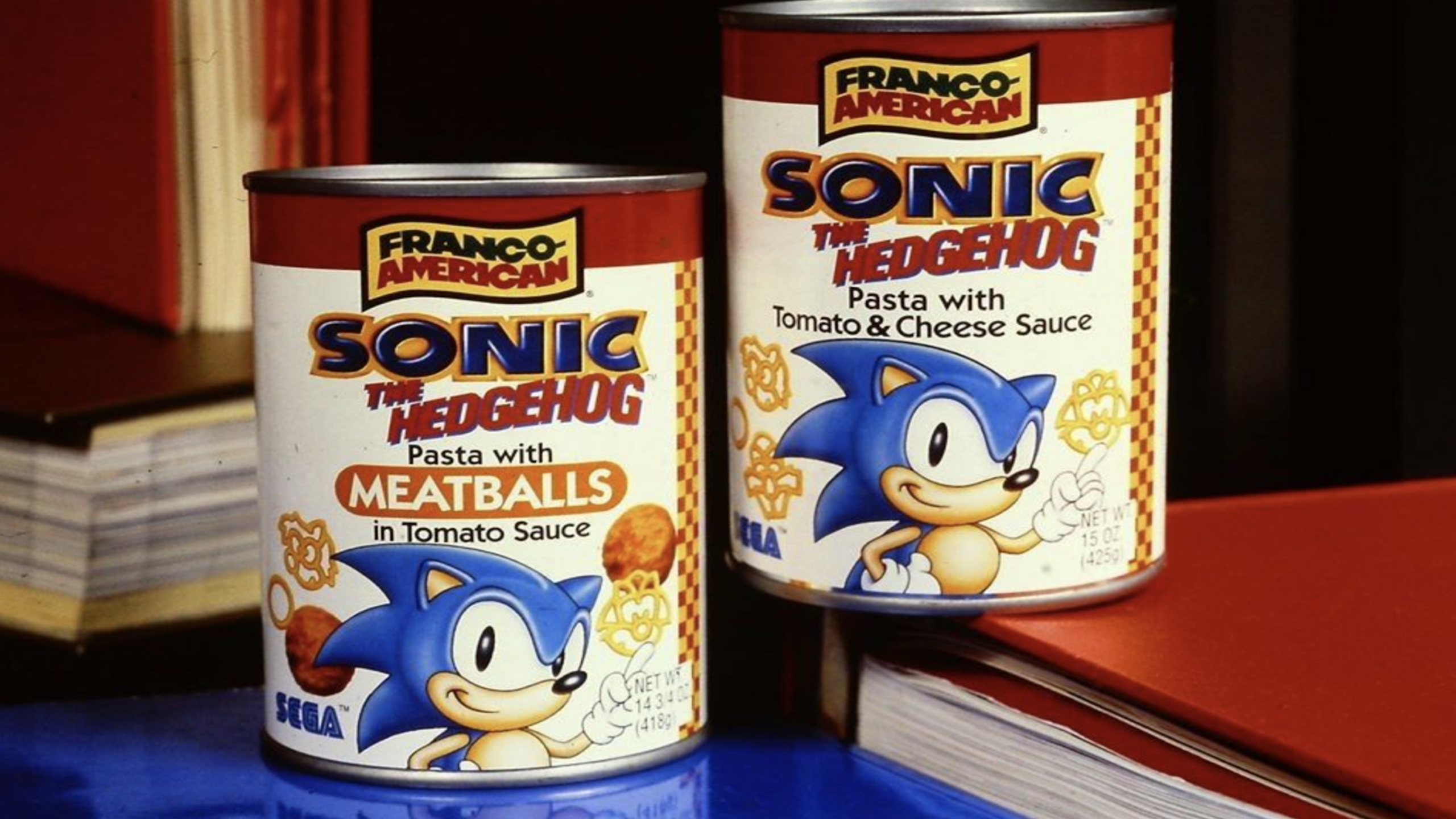
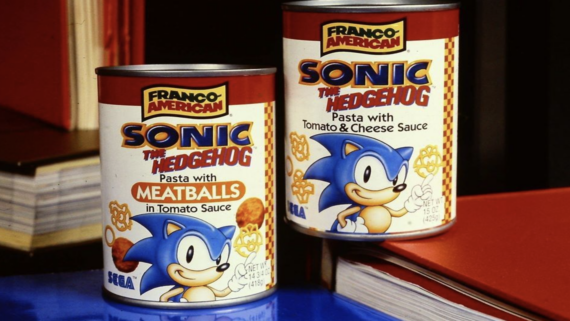
In the early 1990s, Franco-American launched Sonic the Hedgehog canned pasta products shortly after Sonic became Sega’s flagship mascot. The pasta shapes were themed around characters and symbols from the series, while the branding heavily targeted younger audiences during the Genesis era. It was another example of how quickly gaming icons became part of everyday supermarket marketing.
Trending on realmoneygamer.com
6. Breakfast Powered by Hyrule and Mushroom Kingdom
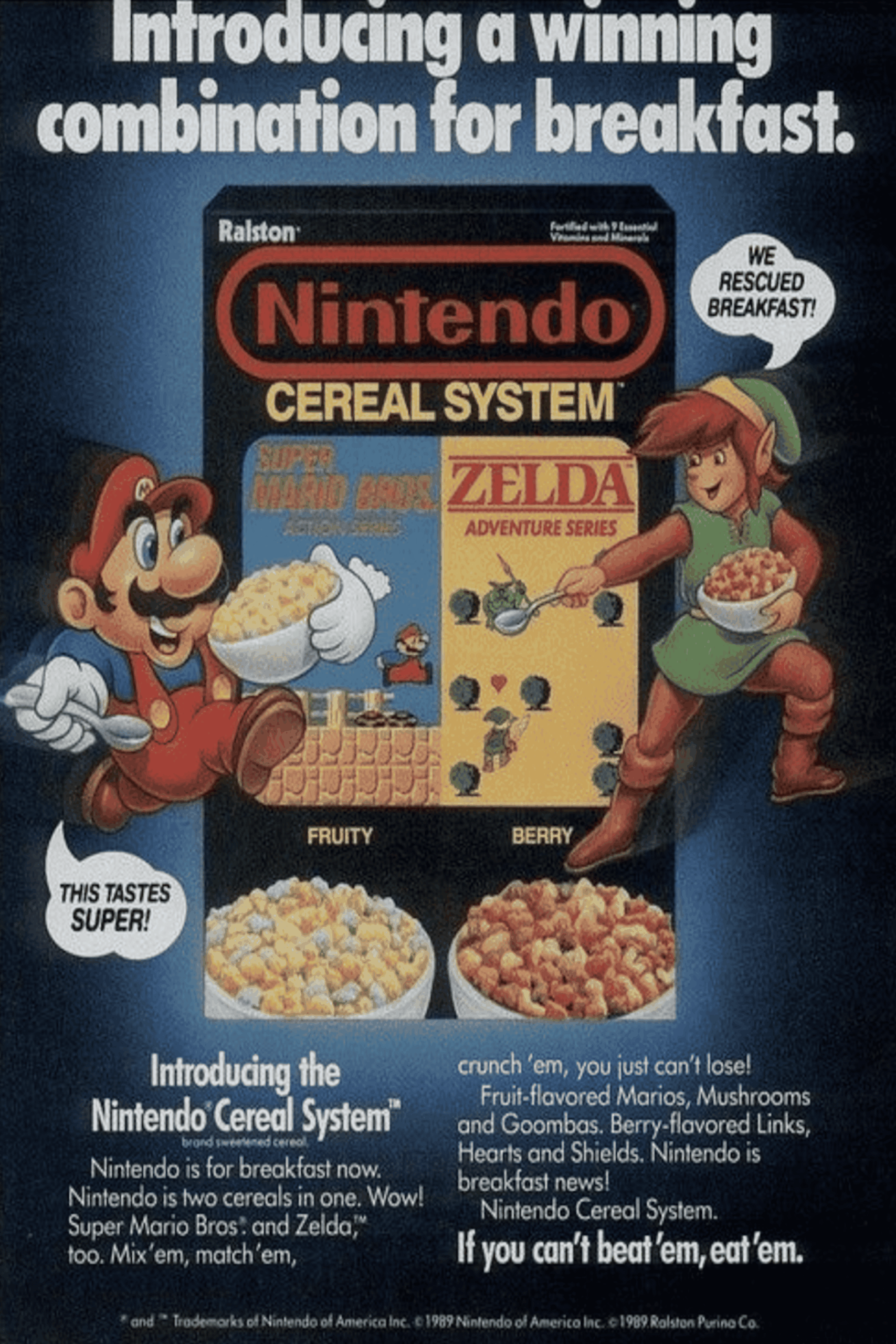
Released in 1989 by Ralston, the Nintendo Cereal System combined two franchises in one box: Super Mario Bros. and The Legend of Zelda. Each side featured different flavors and marshmallow shapes tied to the games, turning breakfast into a small Nintendo crossover. For many fans, this was one of the earliest examples of how Retro Gaming brands started expanding far beyond consoles and arcades.
7. Mario Ice Cream Was Somehow Real
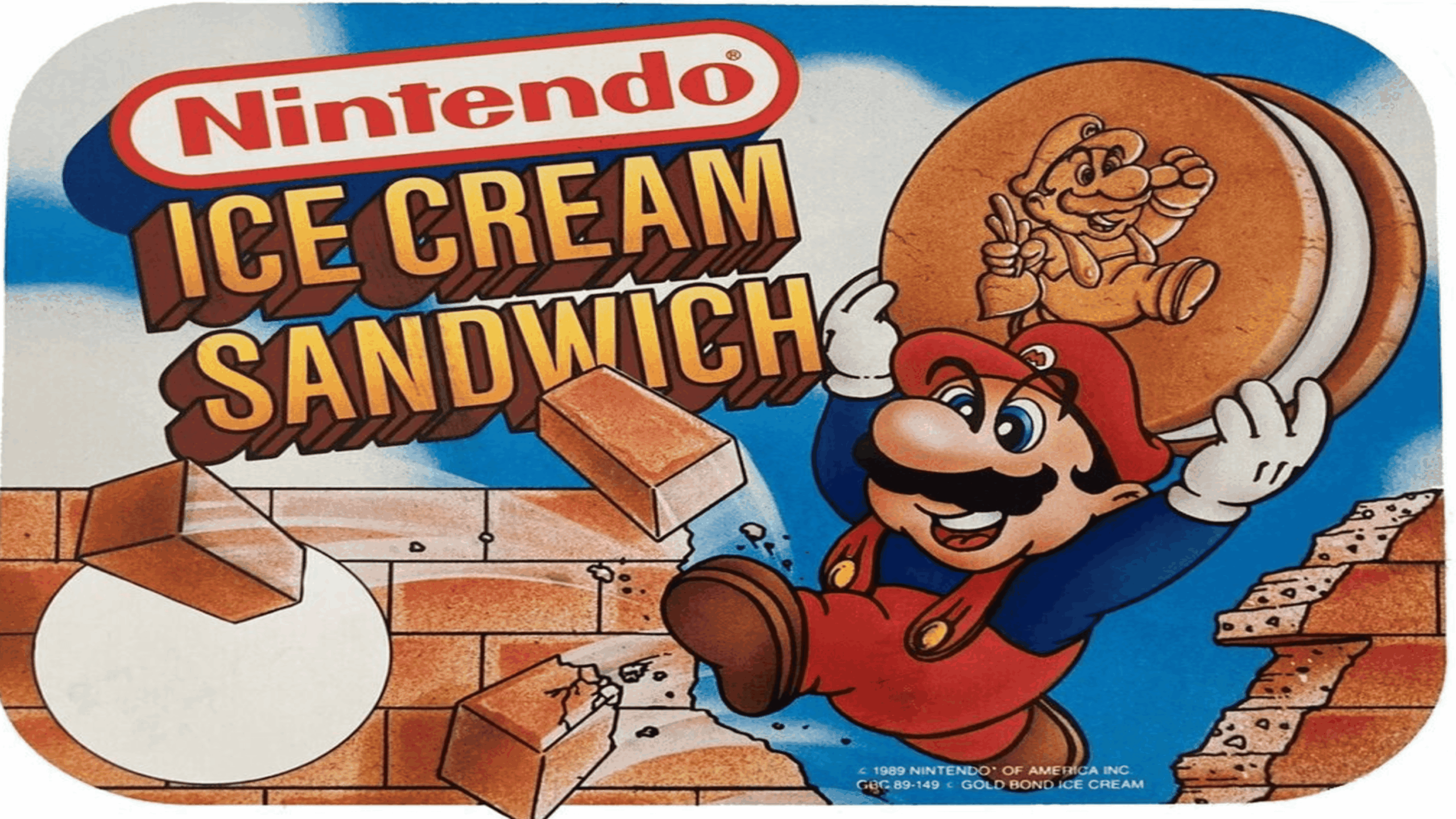
During the late 1980s, Nintendo licensed several frozen dessert products, including this Mario-themed ice cream sandwich produced by Gold Bond Ice Cream. The packaging featured Mario breaking through a brick wall while holding an oversized sandwich cookie, directly inspired by Super Mario Bros. visuals. It perfectly captured how playful and experimental Nintendo merchandising became during the NES era.
8. Pac-Man Marshmallows Entered the Cereal Aisle
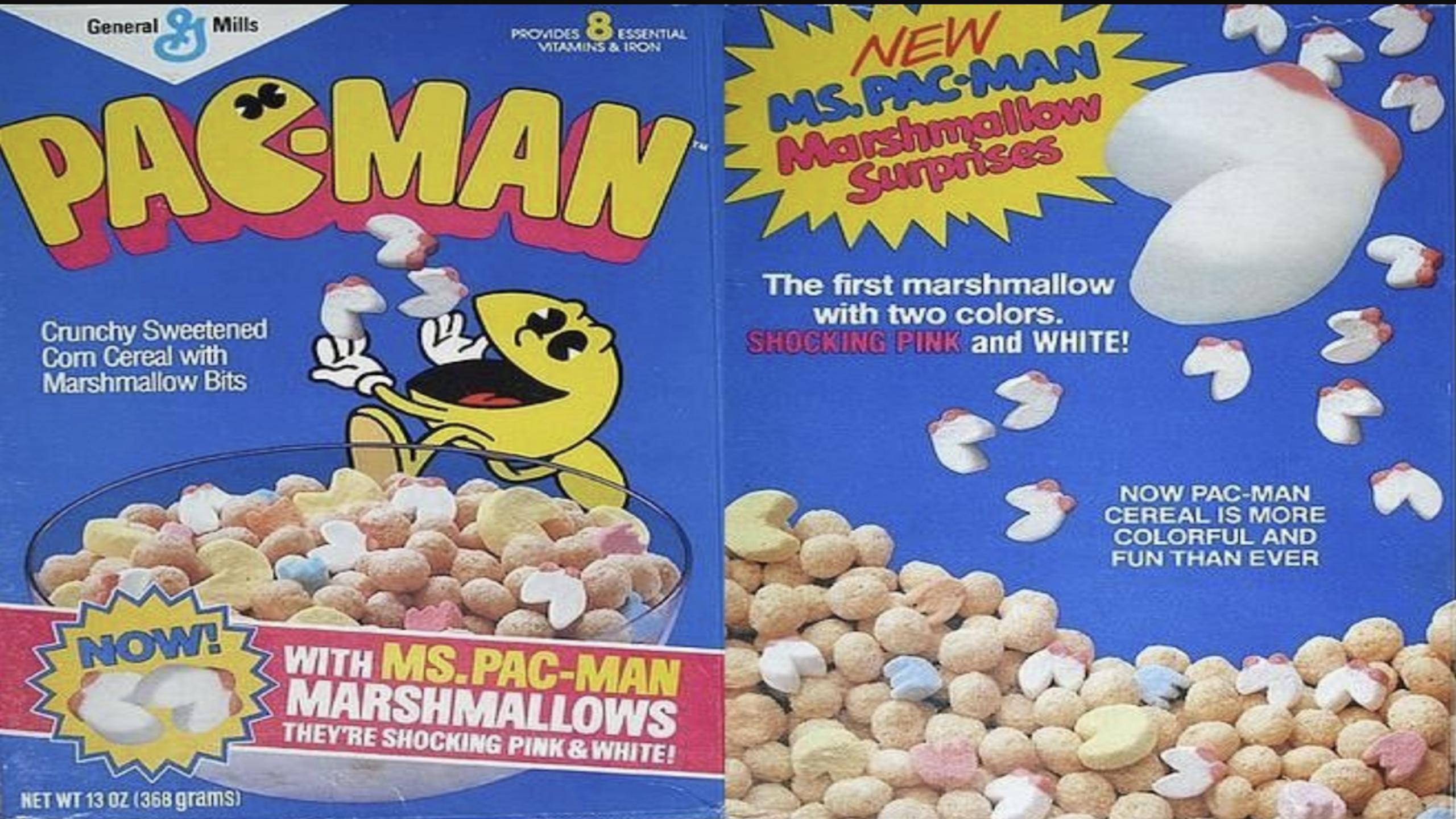
General Mills introduced Pac-Man cereal in the early 1980s, but later variations added Ms. Pac-Man marshmallows in pink and white colors to refresh the product line. The cereal reflected how massively influential arcade games had become during that era, especially among younger audiences. Few mascots represented the first wave of Retro Gaming popularity better than Pac-Man.
9. Pikachu Helped Sell More Than Video Games
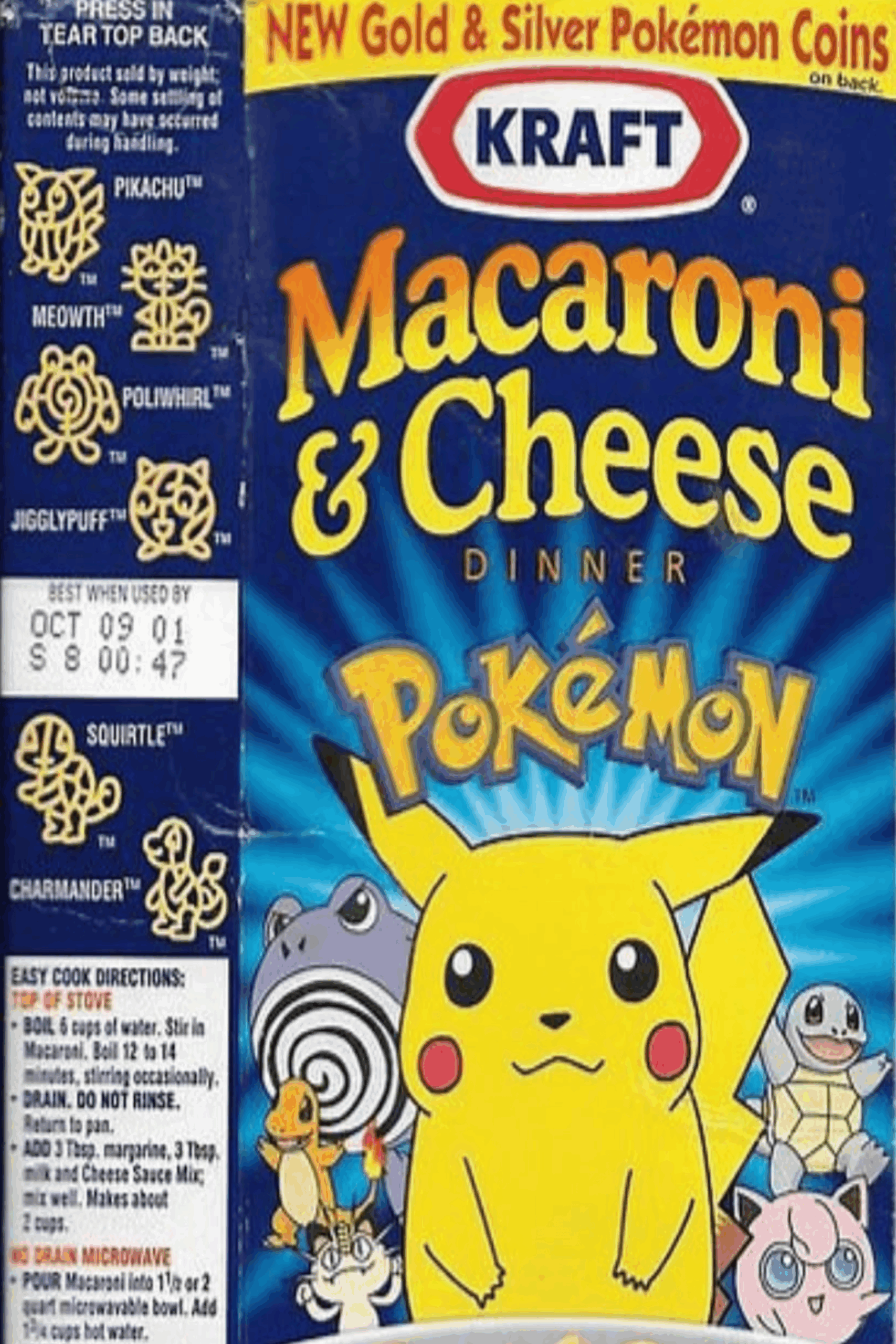
Around 2000 and 2001, Kraft launched Pokémon-themed Macaroni & Cheese boxes featuring collectible gold and silver Pokémon coins on the back. The promotion arrived during peak Pokémania, when the franchise dominated television, toys, trading cards, and supermarket shelves simultaneously. Even ordinary pantry products became part of the Pokémon craze almost overnight.
10. Energy Drinks Built Like Arcade Cabinets
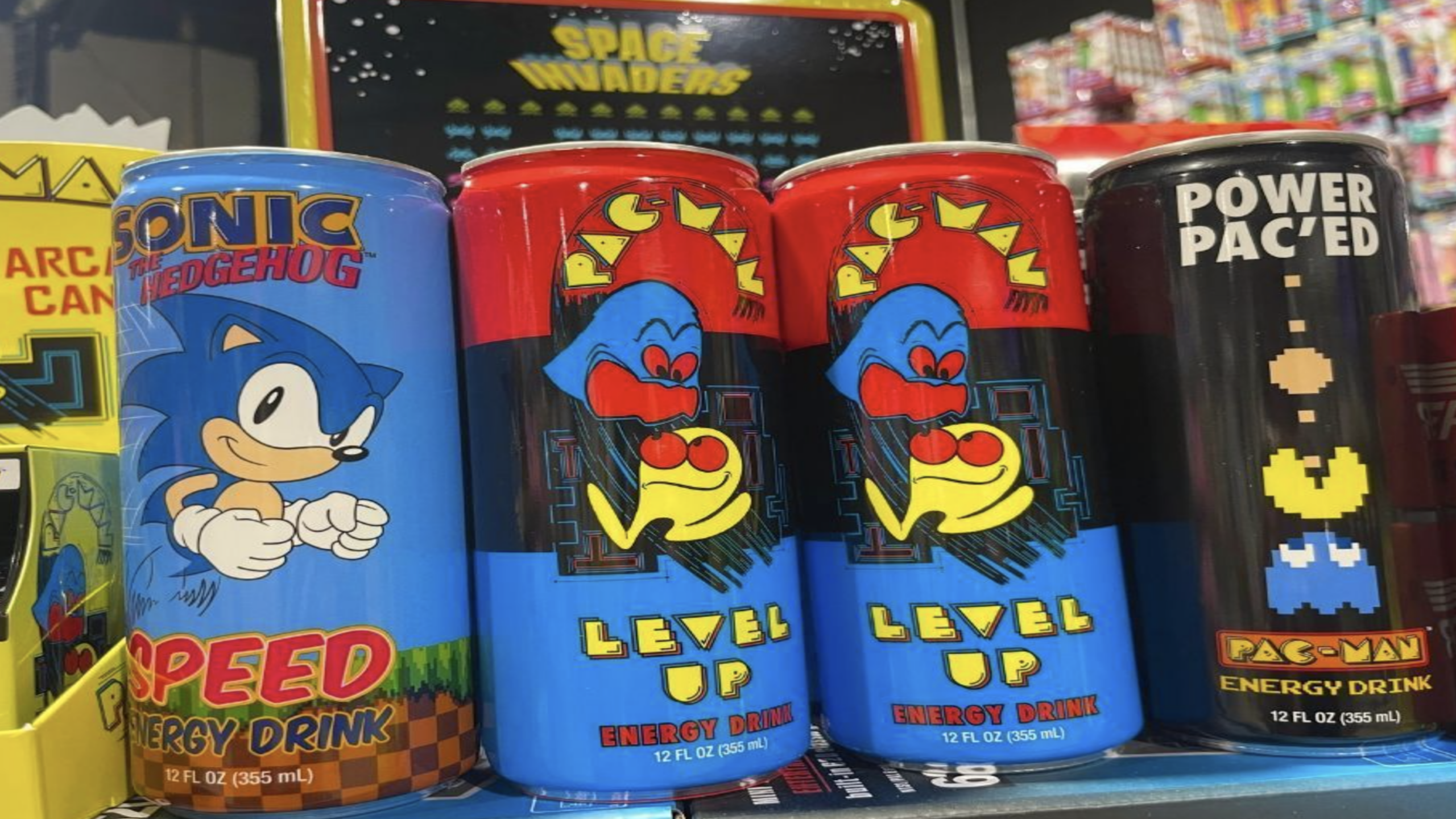
These gaming-themed energy drinks appeared years after the original arcade boom, but their packaging clearly borrowed from the neon-heavy aesthetic of the 1980s and early 1990s. Brands used characters like Sonic and Pac-Man to give the cans a nostalgic identity that instantly stood out on shelves. The designs leaned heavily into Retro Gaming culture, especially through pixel art, arcade fonts, and bright cabinet-inspired colors.
11. The Ice Cream Bar Hidden in the Freezer Section
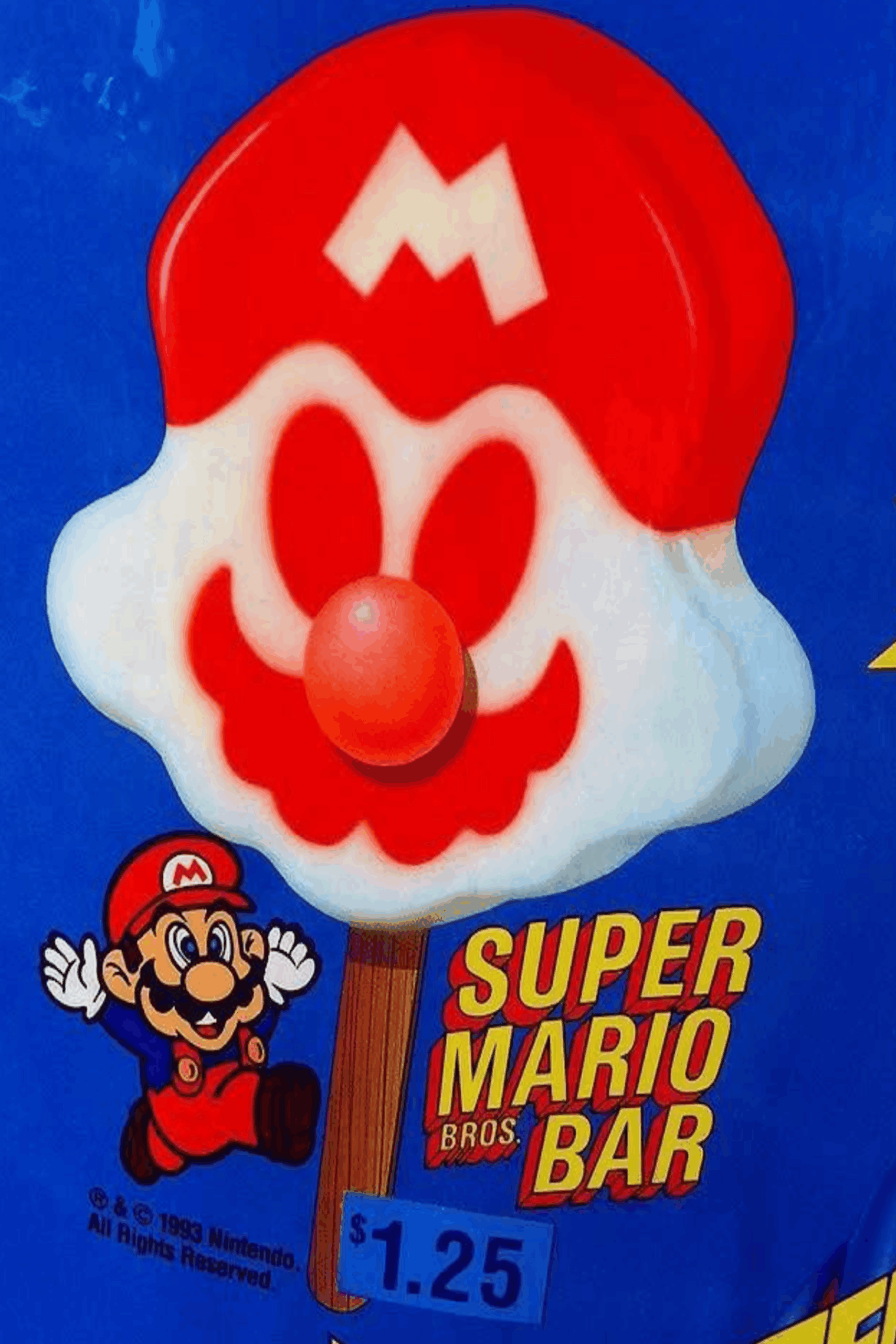
Released in 1993, the Super Mario Bros. Bar became one of Nintendo’s strangest frozen treats of the era. The ice cream featured a large Mario face on a popsicle-style bar, though the final product often looked slightly different from the promotional artwork. Decades later, it remains one of those unusual retro gaming snacks people still remember from convenience stores and ice cream trucks.
12. Sonic and Fanta Shared the Same Attitude
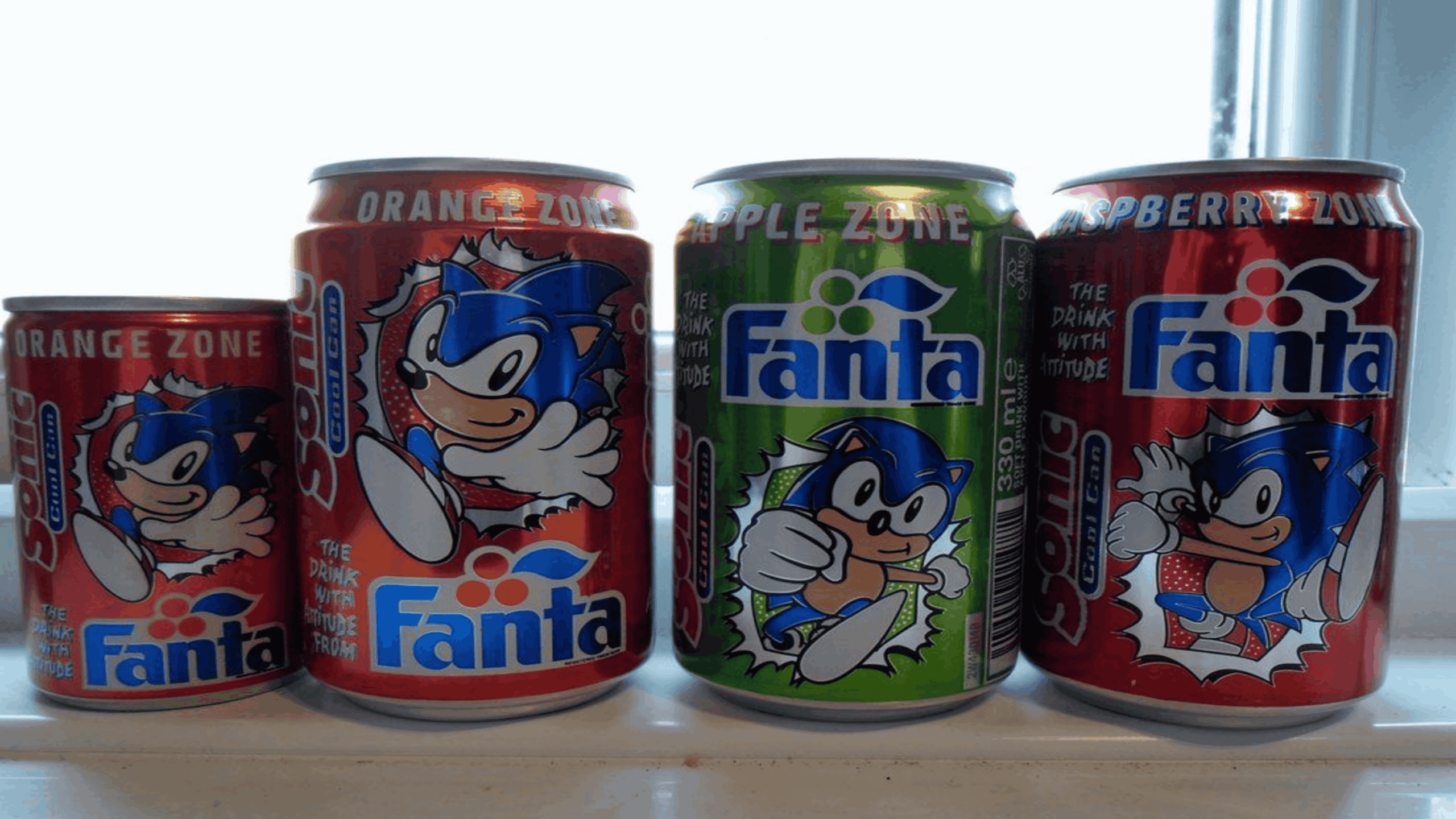
During the 1990s, Sega partnered with Fanta for regional soda promotions featuring Sonic the Hedgehog on collectible cans and branding campaigns. The crossover matched Sonic’s fast, colorful identity with Fanta’s energetic marketing style, especially in Europe. Promotions like these showed how gaming mascots had become recognizable enough to sell products completely unrelated to consoles or cartridges.
Retro gaming was never limited to consoles, cartridges, or arcade cabinets. Over the years, brands transformed famous gaming characters into cereals, drinks, candies, frozen desserts, and fast-food promotions that became part of everyday life. That mix of nostalgia and marketing creativity is exactly why retro gaming culture still feels so memorable decades later.