Big game publishers love talking about innovation right up until innovation turns into expensive self-sabotage. Some of the costliest misses in gaming did not happen because players suddenly stopped caring. They happened because companies looked at loyal audiences, heard the complaints, and kept going anyway. In a business where budgets can spiral into the tens or even hundreds of millions, that kind of stubbornness gets expensive fast.
Battlefield
r/pcgaming
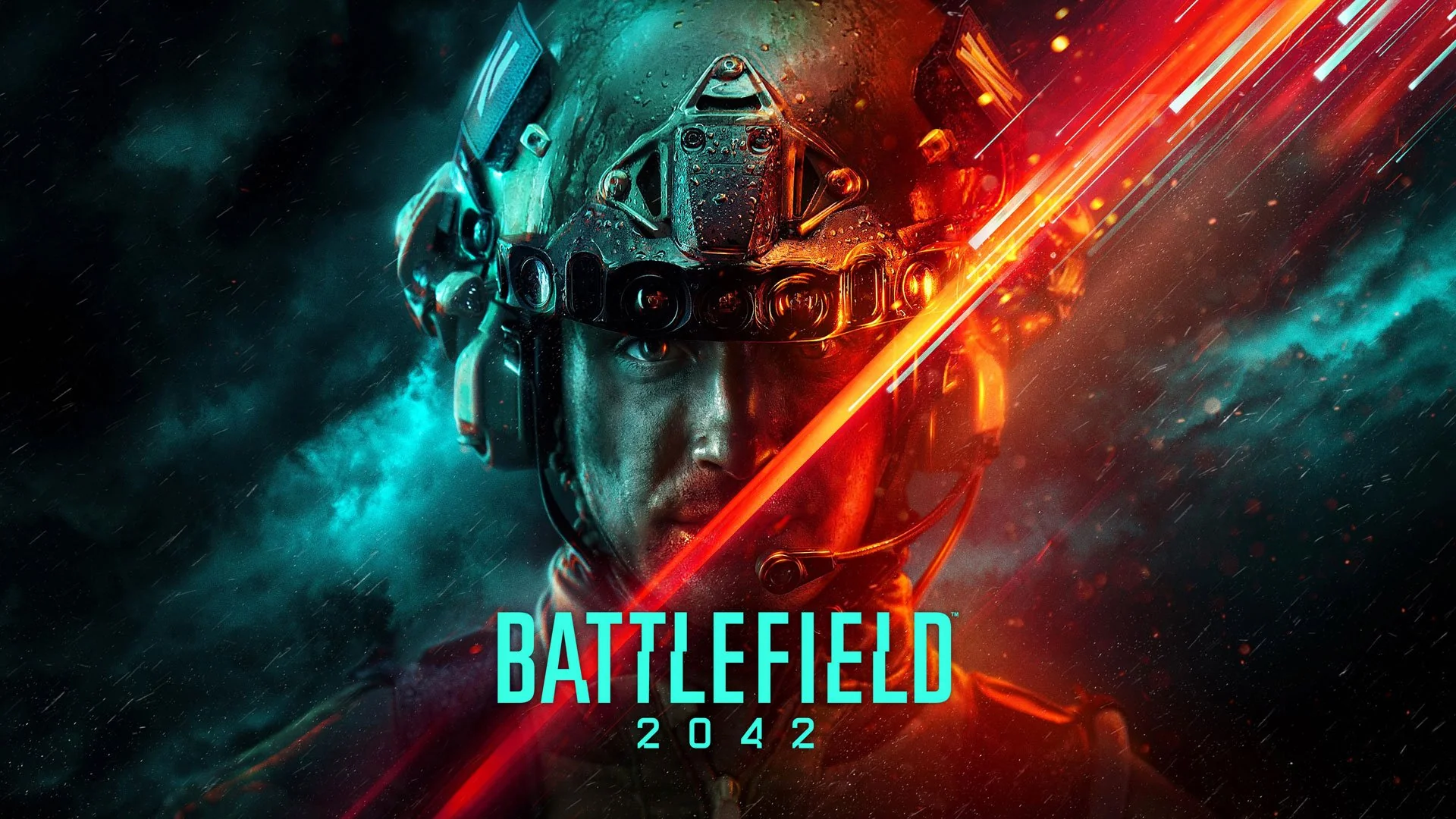
Battlefield never really had a mystery to solve. Players liked the class system, the squad play, the large-scale chaos, and the feeling that even the messiest match still had some internal logic to it. Battlefield 2042 tried to flatten too much of that identity at once, especially with Specialists replacing the old class structure, and the reaction was immediate. The launch problems made it worse, but the deeper issue was that longtime fans had been warning EA for months that the series was drifting toward a version of Battlefield they did not actually want, and when sales disappointed, it felt less like a surprise than a bill finally arriving.
Halo
r/halo
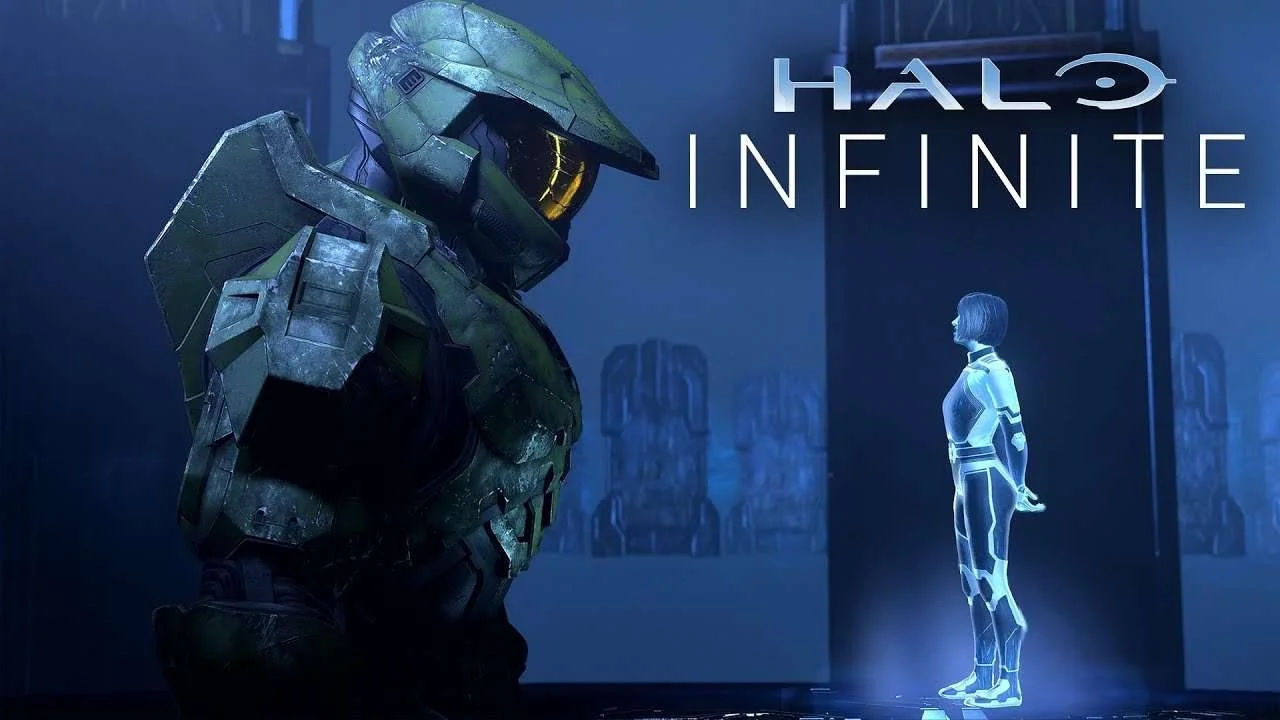
For years, Halo had a built-in understanding with its audience. Even when individual games divided people, fans still expected a certain baseline, campaign and multiplayer arriving in a complete-feeling package, strong social features, and a release that did not spend months apologizing for what was missing. Halo Infinite got some of the fundamentals right, especially the shooting, but the slow rollout of features, the delayed co-op, and the eventual cancellation of split-screen campaign co-op made the whole thing feel oddly disconnected from what Halo had always been to its own community. That kind of frustration is not just cosmetic when you are carrying one of Xbox’s most expensive and recognizable brands.
SimCity 5
r/simcity
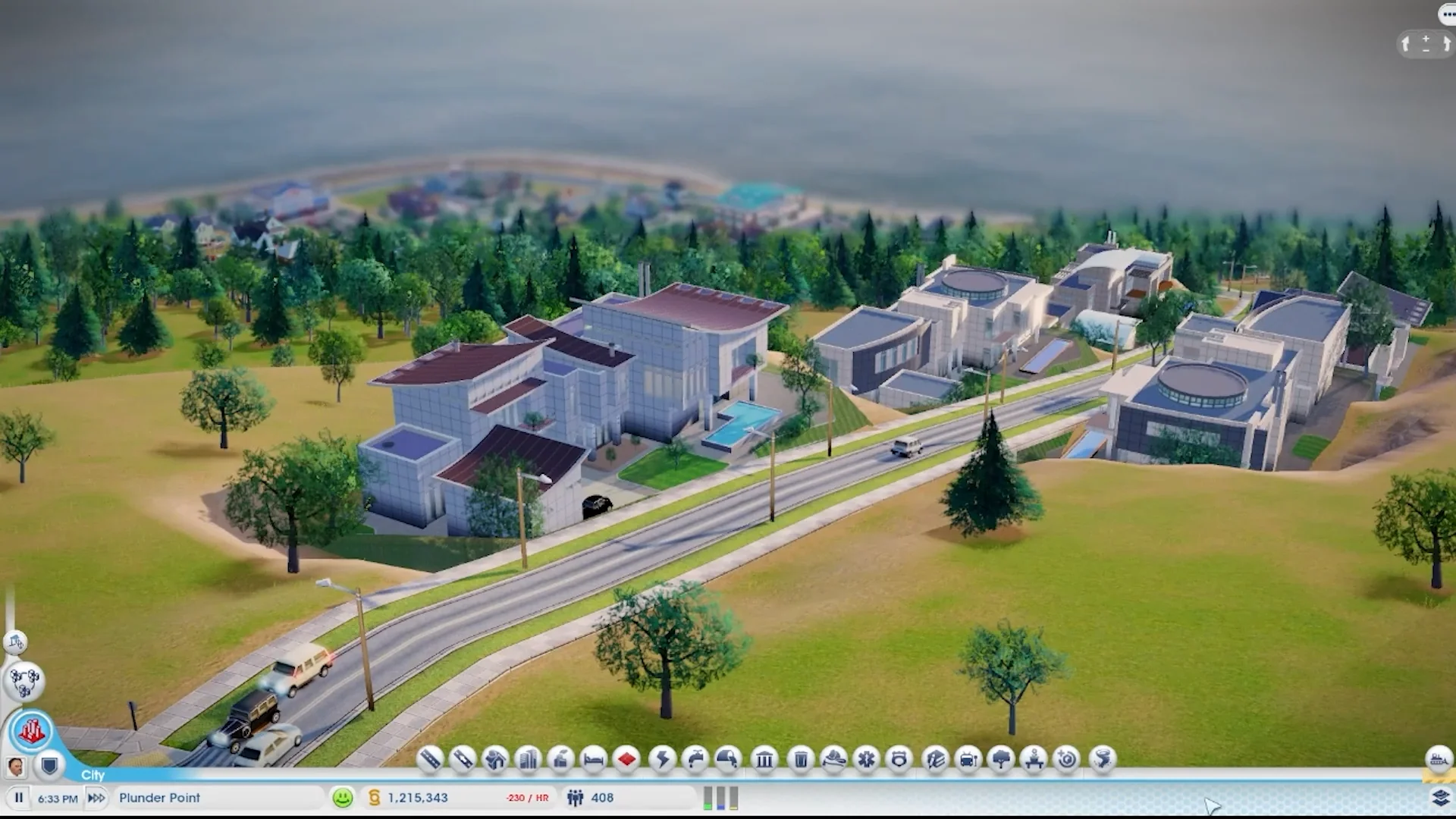
The wild part about SimCity 5 is that people told EA exactly what the problem was before launch. Fans did not want an always-online city builder, and they definitely did not want one that could collapse because the servers could not handle day-one traffic. EA pushed ahead anyway, the launch became a disaster, and a series that should have coasted on goodwill turned into a case study in how to burn it down. A game can sell well at first and still do long-term damage, and SimCity managed both.
Saints Row
r/videogames
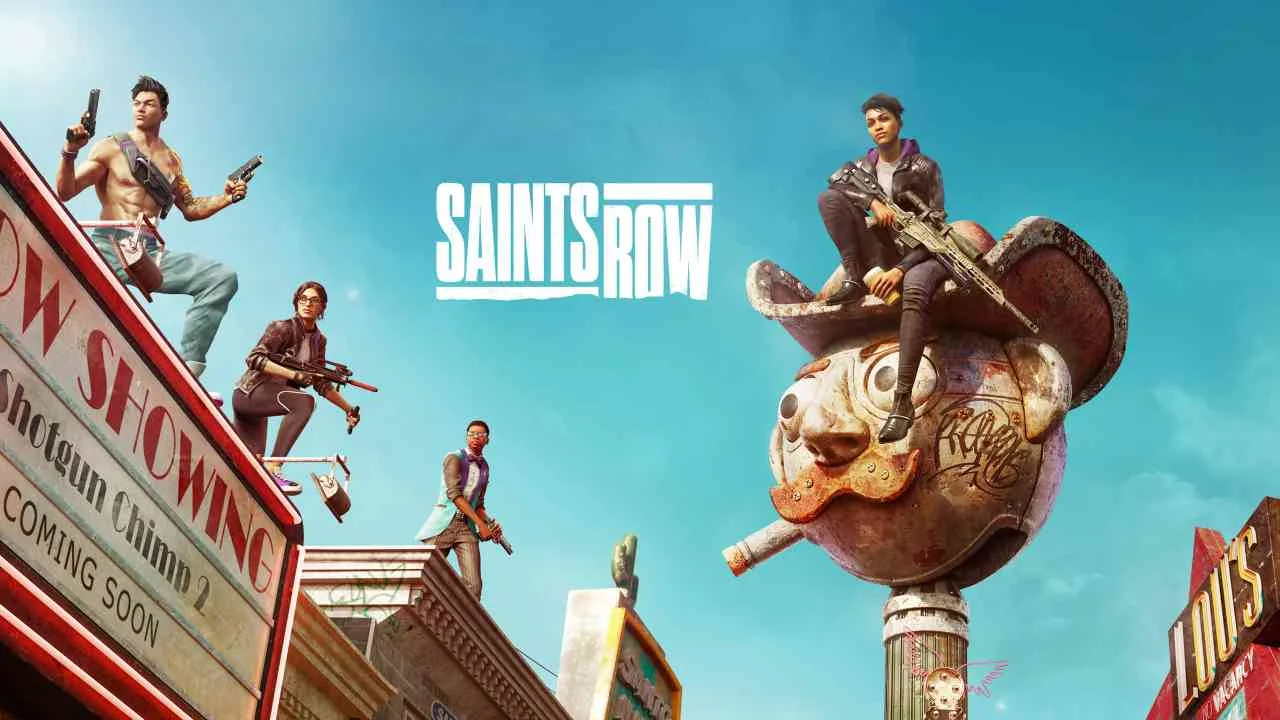
The Saints Row reboot had the unmistakable vibe of a franchise trying to distance itself from the people who made it viable in the first place. Volition wanted a reset, which is fair enough, but the tone felt sanded down, the attitude felt borrowed, and the whole thing came across like a series embarrassed by its own history. Fans did not need a carbon copy of the old games, they just wanted something that still felt like Saints Row. Instead, they got a reboot that split the audience, underperformed, and became part of a much uglier story for the studio behind it.
Ghost Recon
r/ghostrecon
Breakpoint looked like Ubisoft staring directly at its own audience and deciding that what the series really needed was more loot, more gear score, and more of the same live-service habits players were already getting tired of elsewhere. Ghost Recon fans had signed up for tactical action, not a game that sometimes seemed more interested in menus and item levels than in firefights. When the reaction turned cold, it exposed a bigger Ubisoft problem too, the company had grown so comfortable chasing systems that tested well on paper that it stopped asking whether they made sense for the franchise wearing them.
Trending on realmoneygamer.com
Dragon Age
r/dragonage
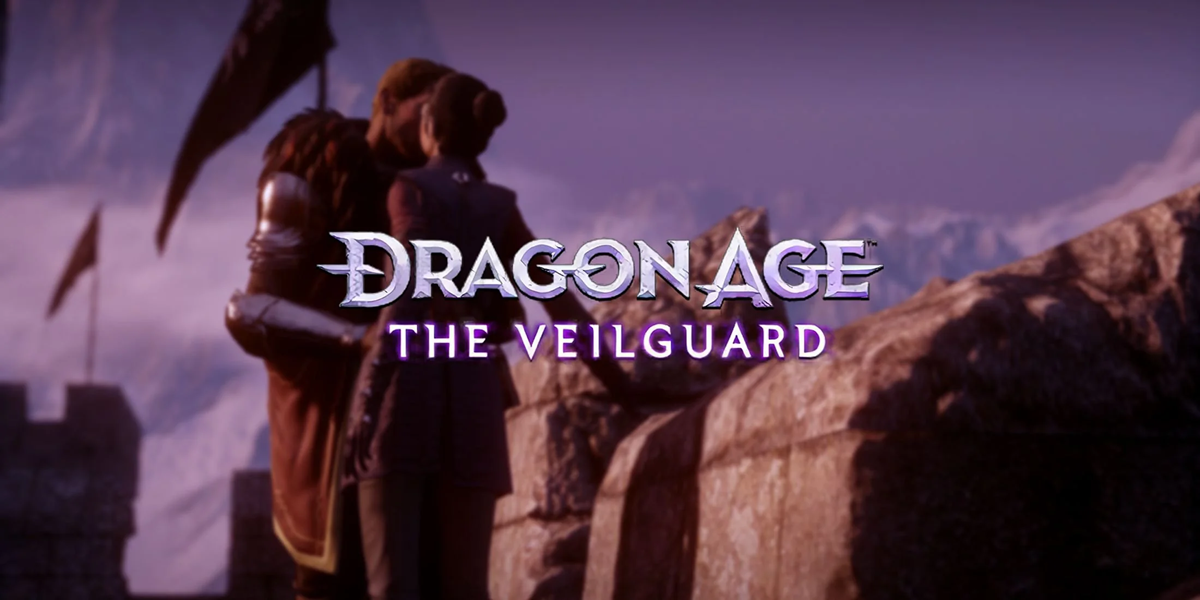
By the time Dragon Age: The Veilguard arrived, the series had been quiet for so long that expectations had stopped being vague and started getting very specific. Dragon Age fans spent that gap arguing about tone, combat, world design, party writing, and the shape the series should take, which is usually what happens when people are still deeply invested in what a franchise is supposed to feel like. That is why the cooler-than-expected response landed the way it did, because after waiting that long, players could tell right away when the series felt a little out of step with the audience that had kept the conversation alive.
Dead Space
r/gaming
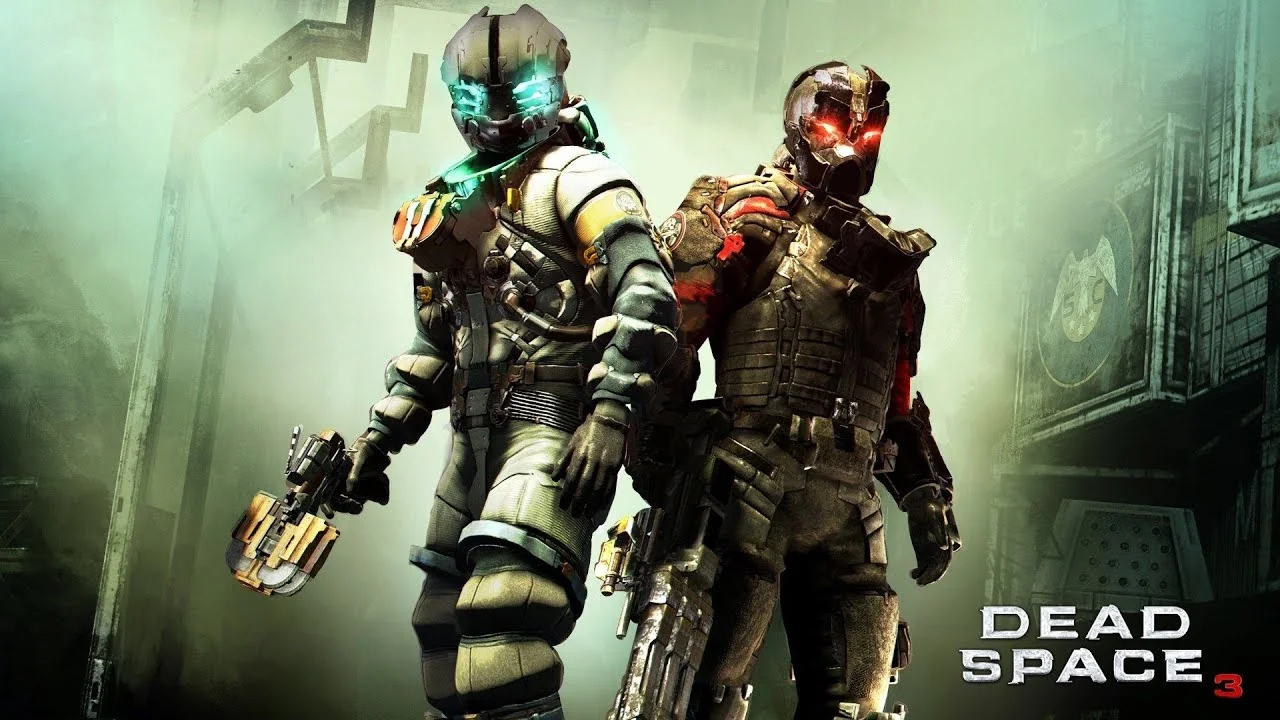
Dead Space did not need to become louder to survive. It already had a lane, and it was a good one, claustrophobic horror, sharp sound design, ugly panic, and a pace that let dread do some of the work. Dead Space 3 pushed further toward co-op action and broader blockbuster appeal, and while that shift had its defenders, it also made a lot of fans feel like the series was being translated into a language it never spoke naturally. Sometimes the money is lost not in one giant public collapse, but in the quieter fate of a franchise that stops feeling essential and slips out of the schedule for years.
Command and Conquer
r/commandandconquer
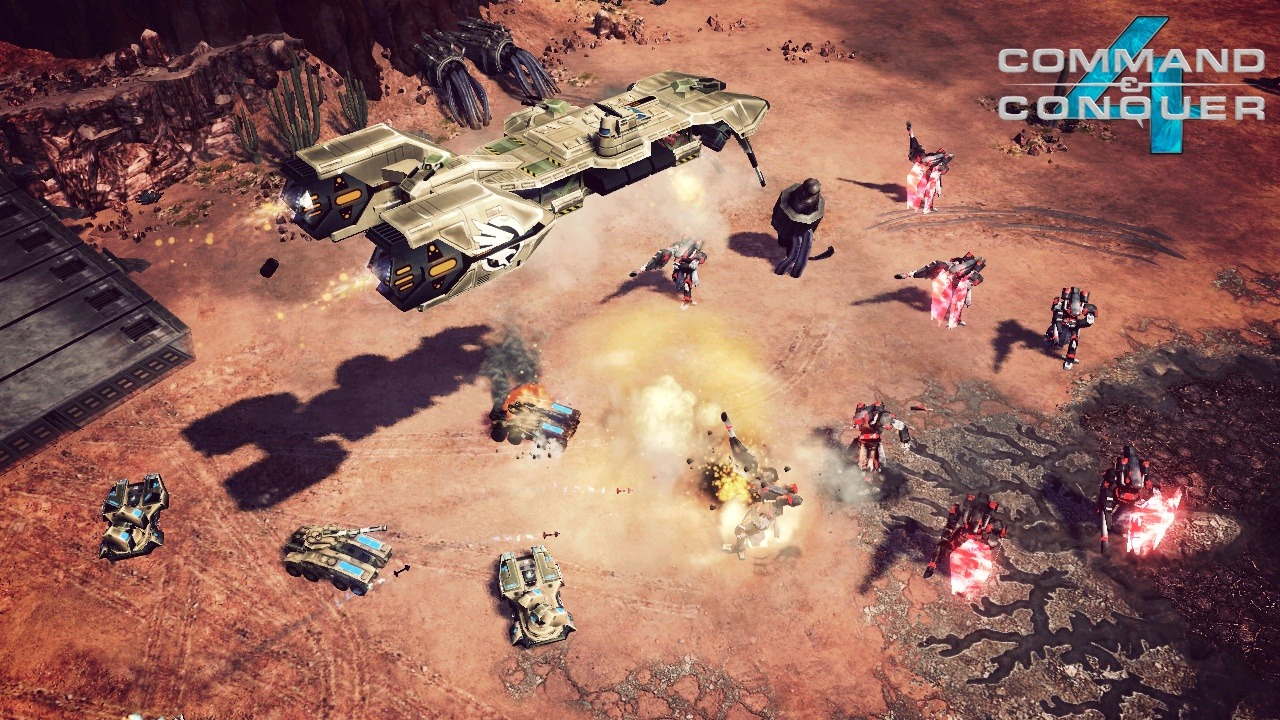
Few strategy series have been punished more quickly for misunderstanding their own fan base. Command and Conquer 4 moved away from the base-building structure that players saw as part of the series’ DNA, and the response was about what you would expect when a franchise uses its name to sell something that barely resembles itself. There are reinventions that challenge an audience in interesting ways, and then there are reinventions that make fans wonder why the old formula was treated like a problem to be solved at all.
PAYDAY
r/paydaytheheist
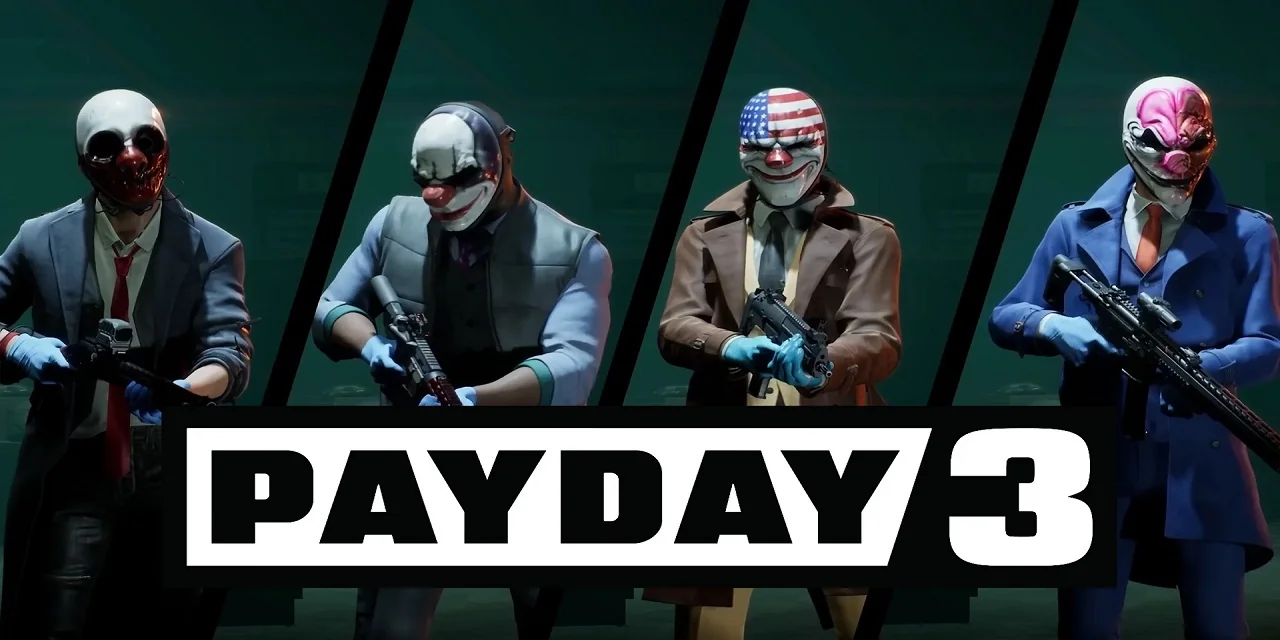
PAYDAY players were not asking for miracles. They wanted a good heist game, stable matchmaking, and basic trust that they would actually be able to access the product they paid for. PAYDAY 3 somehow turned that into an argument about why an always-online setup was worth the trouble, then launched into the exact kind of server trouble critics had warned about. It is hard to think of a faster way to sour a dedicated co-op community than by making the game’s core activity, playing with other people, unreliable from the start.
Marvel’s Avengers
r/games
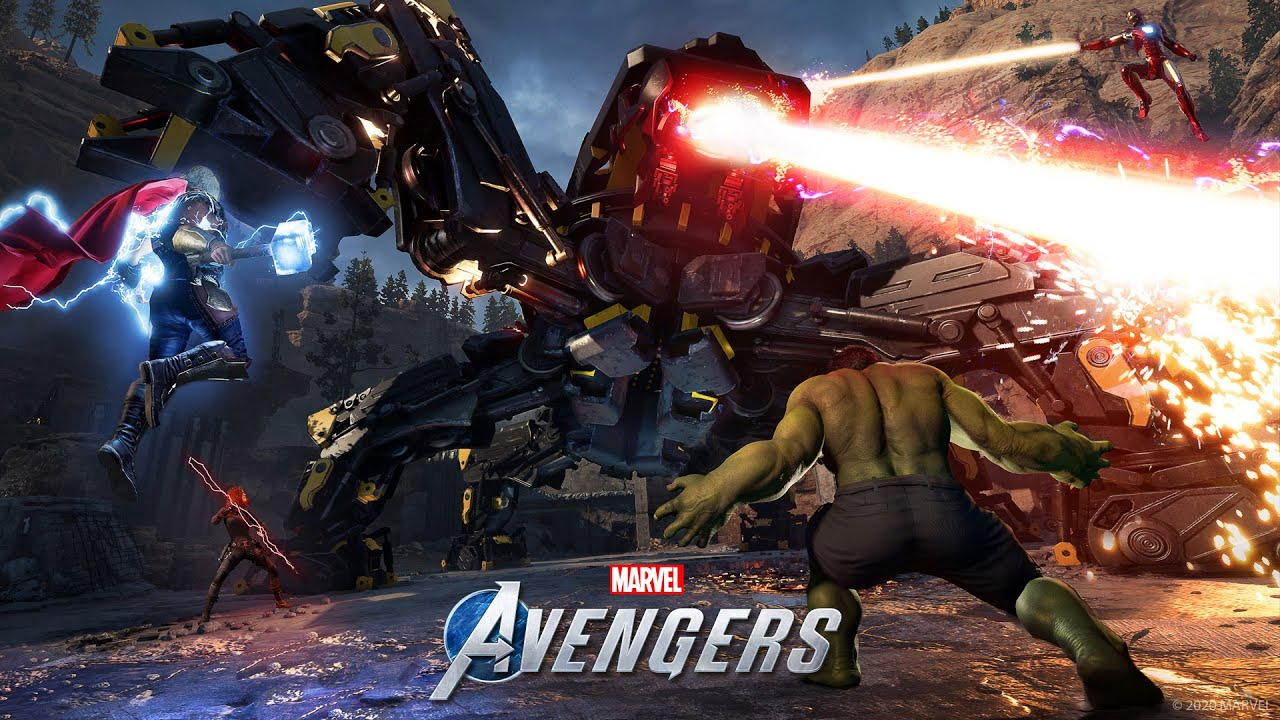
This game kept making the same mistake at multiple levels. It had a giant brand, a cast people already loved, and a player base that was very clear about wanting satisfying superhero action first, monetized treadmill second. Instead, Marvel’s Avengers leaned so hard into live-service design that it often felt like the business model was steering the experience. The expensive part came later, when the weak response was no longer just a review problem or a player count problem, but a financial one tied to a project that had plainly cost too much to stumble that badly.
Warcraft
r/blizzard
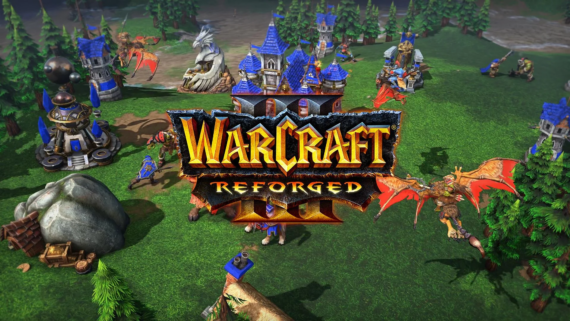
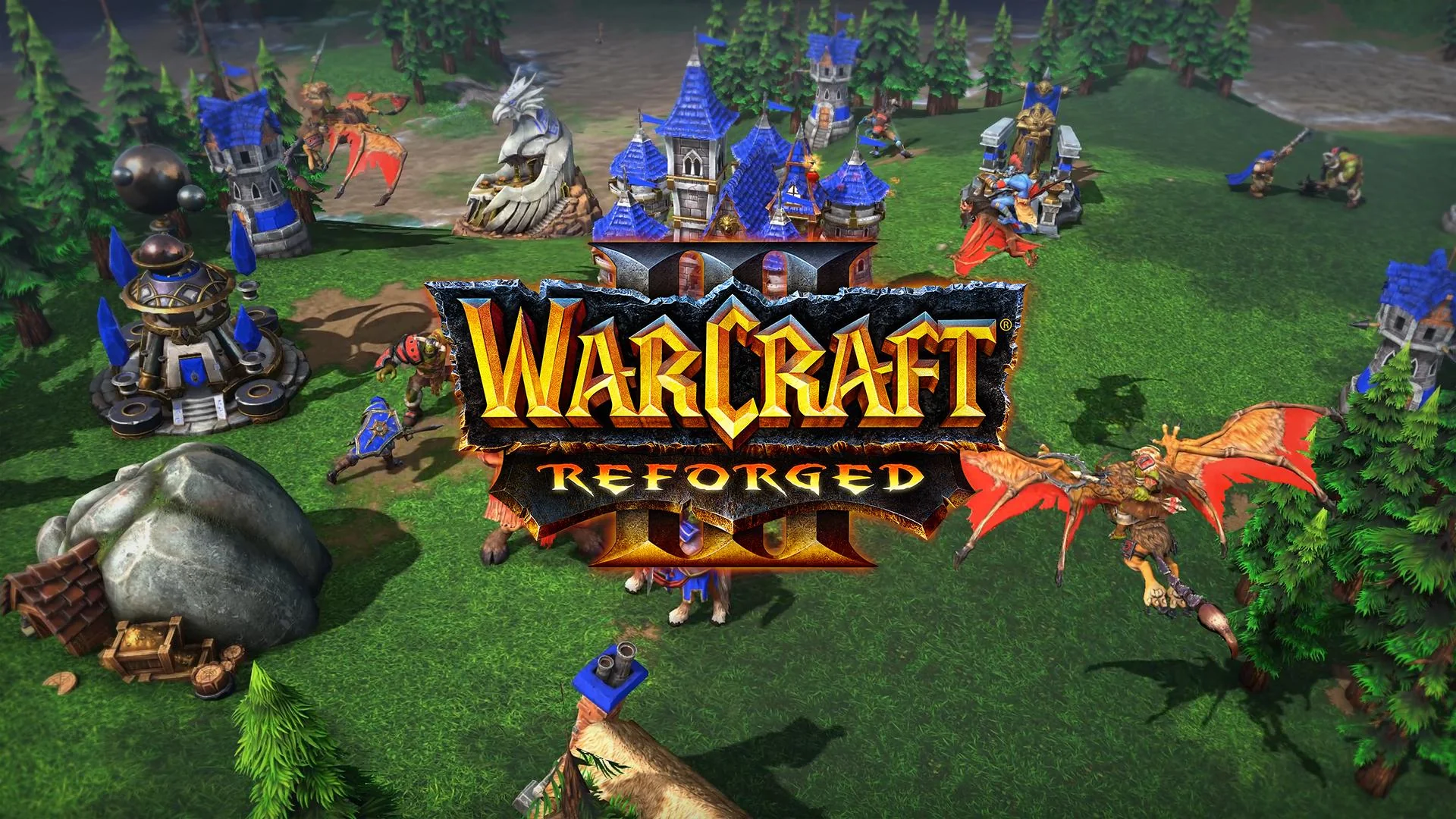
Warcraft III: Reforged was not judged like a random remaster. It was judged like a return to one of Blizzard’s most loved games, which meant fans were going to notice every shortcut, every missing piece, and every sign that the company thought the name alone would carry the release. That is what made the backlash so sharp. Players were not rejecting Warcraft, they were reacting to the feeling that Blizzard had underestimated how much the audience actually remembered, and how little patience it would have for a lesser version of something it already cherished.
Resident Evil
r/residentevil
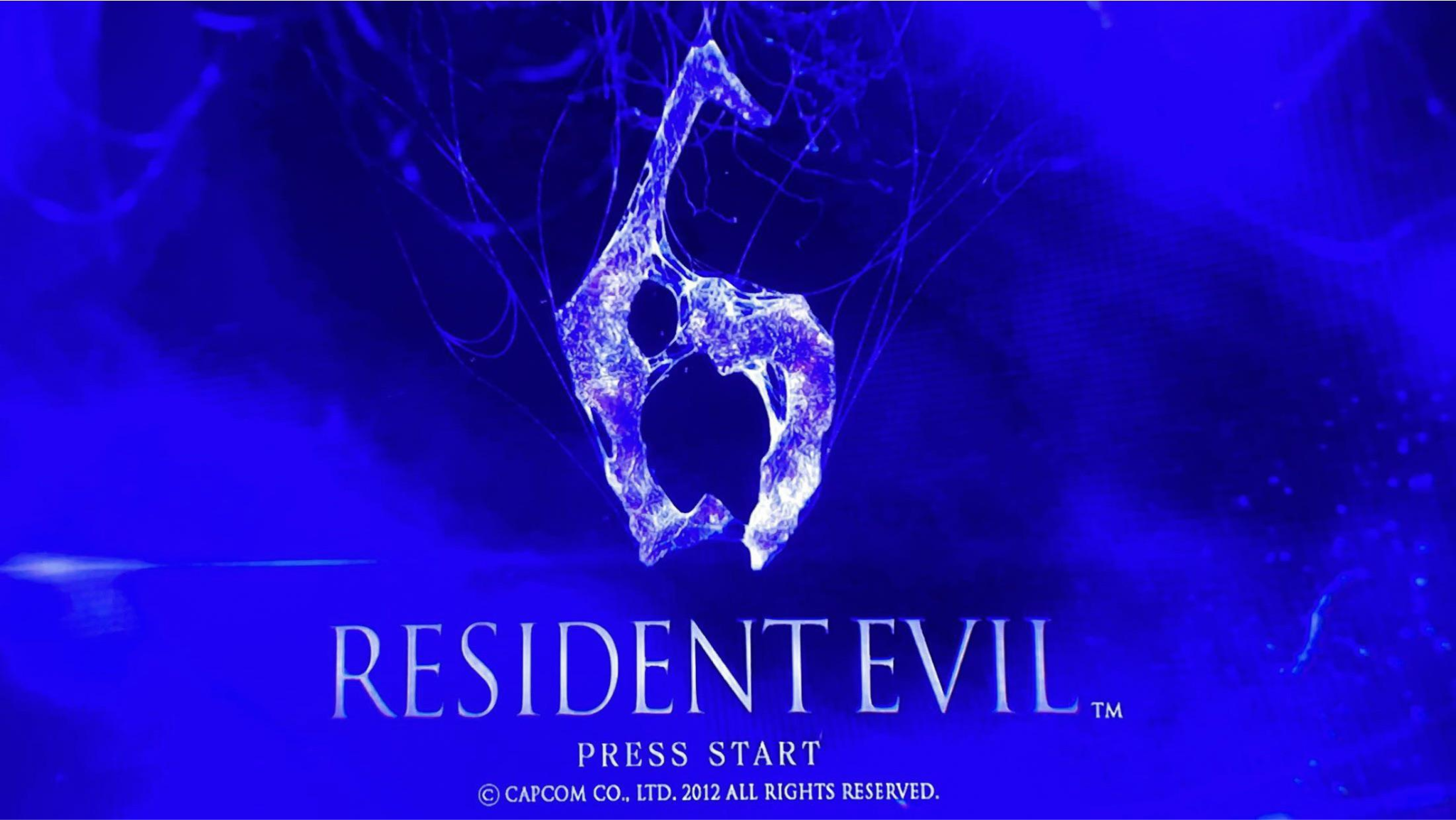
Resident Evil 6 sold enough to confuse the conversation for a while. On paper, it was not some tiny flop that vanished overnight. But sales alone can hide a deeper problem, especially when a series starts drifting so far toward maximal action that even successful numbers feel oddly unconvincing. A lot of fans had spent years saying they did not want Resident Evil stretched into a generic blockbuster shape, and Capcom eventually moved back toward tighter horror because the audience had been right about the series losing something important in the chase for scale.
Diablo
r/diablo
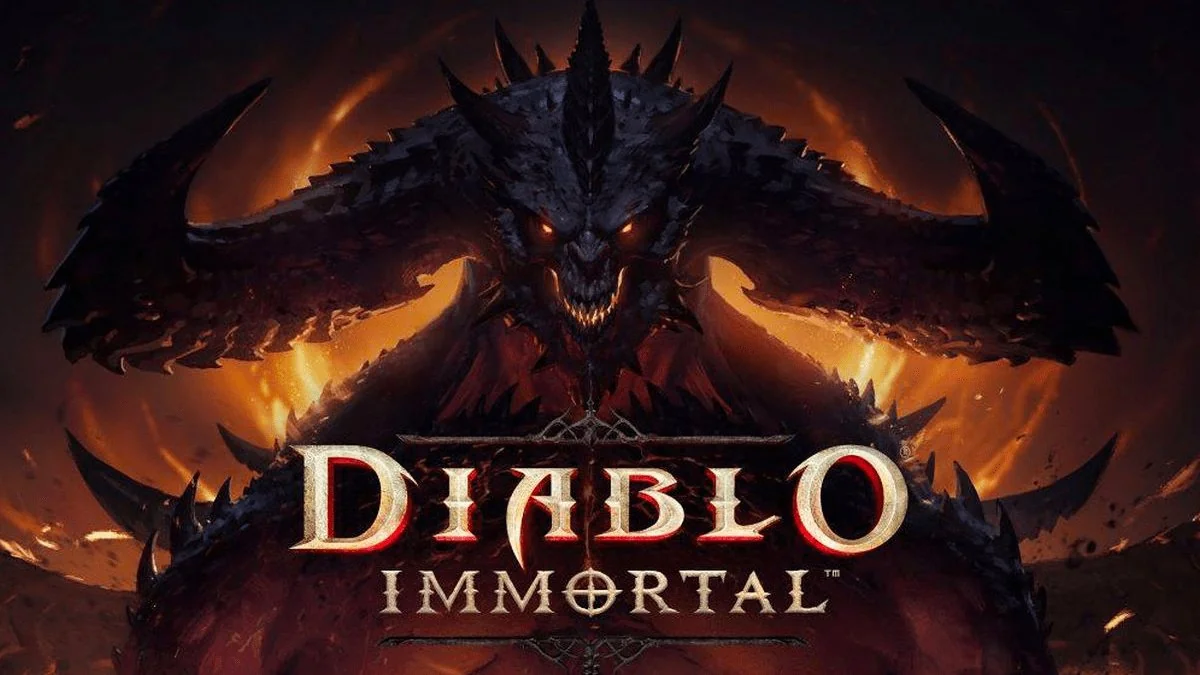
Diablo Immortal is a slightly different kind of example because the argument was not about quality alone, it was about tone-deafness. Blizzard announced a mobile-first Diablo project to a crowd that clearly wanted news about the next mainline PC installment, then acted surprised when the reception curdled almost immediately. The game made money, quite a lot of it, but that does not erase the damage done to trust or the message fans took from the reveal, that Blizzard was willing to treat one of its most loyal communities like a demographic hurdle rather than the reason the franchise mattered in the first place.
Final Fantasy
r/gamesarelife
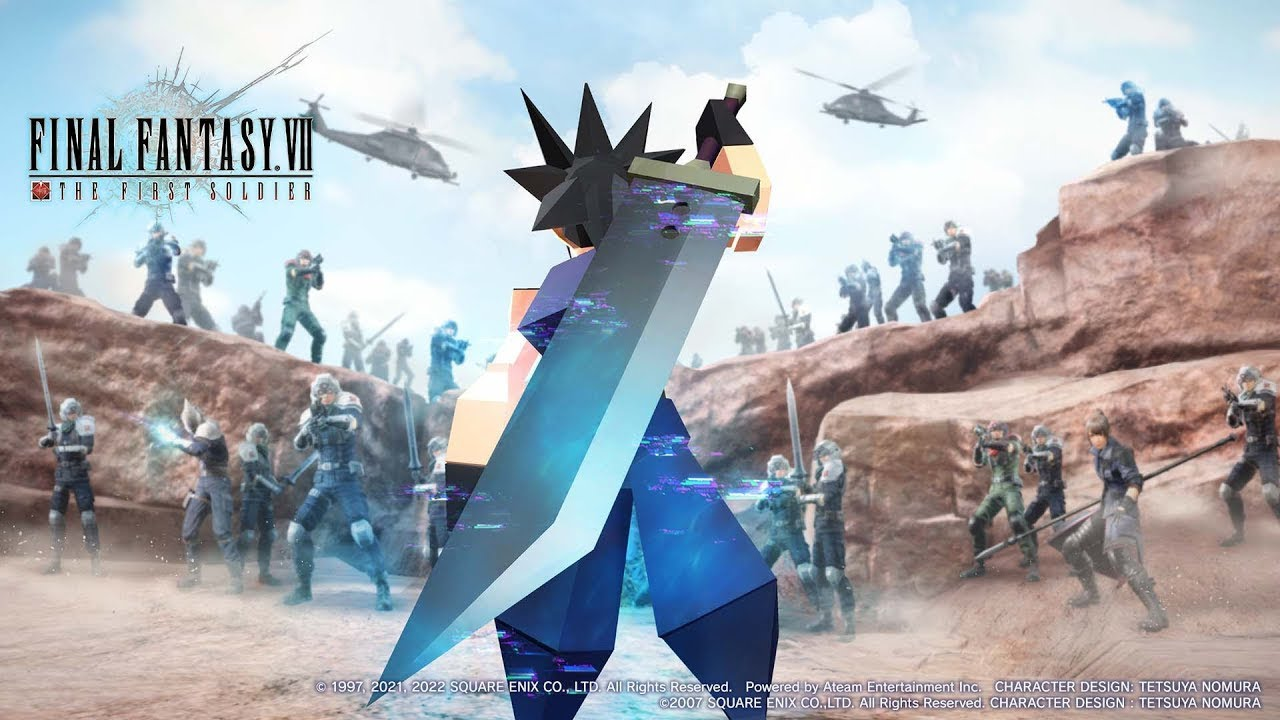
Square Enix has a habit of learning the same lesson in different outfits. Final Fantasy fans are generally open to experimentation, probably more open than most fandoms, but they are also unusually sensitive to projects that feel over-managed, trend-chasing, or disconnected from what people actually show up for. That does not mean every divisive entry is a financial disaster. It means the company has spent years testing how far brand recognition can carry decisions that audiences did not really ask for, and finding out that goodwill is not bottomless just because a logo is famous.
Tony Hawk
r/games
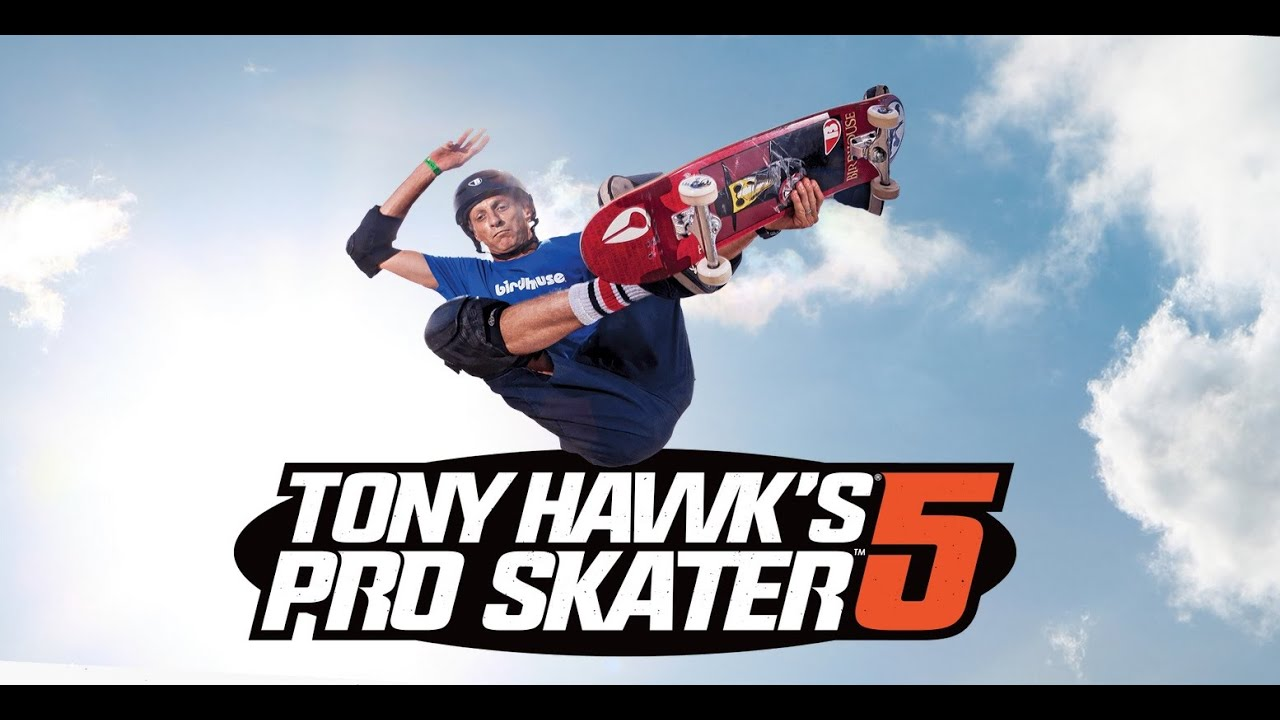
The Tony Hawk series wore itself out by ignoring the simplest possible feedback, people wanted tight skating, strong level design, and a reason to believe the games were being made by teams who understood why the older entries worked. Instead, the franchise got annualization, gimmicks, plastic peripherals, and releases that felt like they were being pushed out to satisfy a calendar more than a player base. By the time the series crashed into the ground commercially, the damage had been building for years, one tone-deaf decision at a time.
A lot of these franchises were not brought down by a single bad review cycle or one unlucky launch window. They were weakened by a pattern, executives and producers deciding that audience loyalty could be stretched a little further, then a little further again. Players usually notice that shift before the balance sheet does. By the time the losses become obvious, the fan base has often been telling them for a while.
Related: From Hype to Disaster: Video Games That Failed Miserably