The ’90s were crowded with side-scrolling hopefuls wearing sneakers, smirks, gloves, goggles, or some strange mix of all four. After Mario proved a character could sell a console and Sonic proved attitude could sell a whole identity, publishers rushed to invent mascots of their own. Some were backed by serious marketing, some arrived already looking like leftovers from a focus group, and a few were better games than their reputations suggest. Most did not vanish completely, re-releases and retro compilations have a way of disturbing the grave, but as mainstream headliners, they more or less disappeared.
Aero the Acro-Bat
r/retrogaming
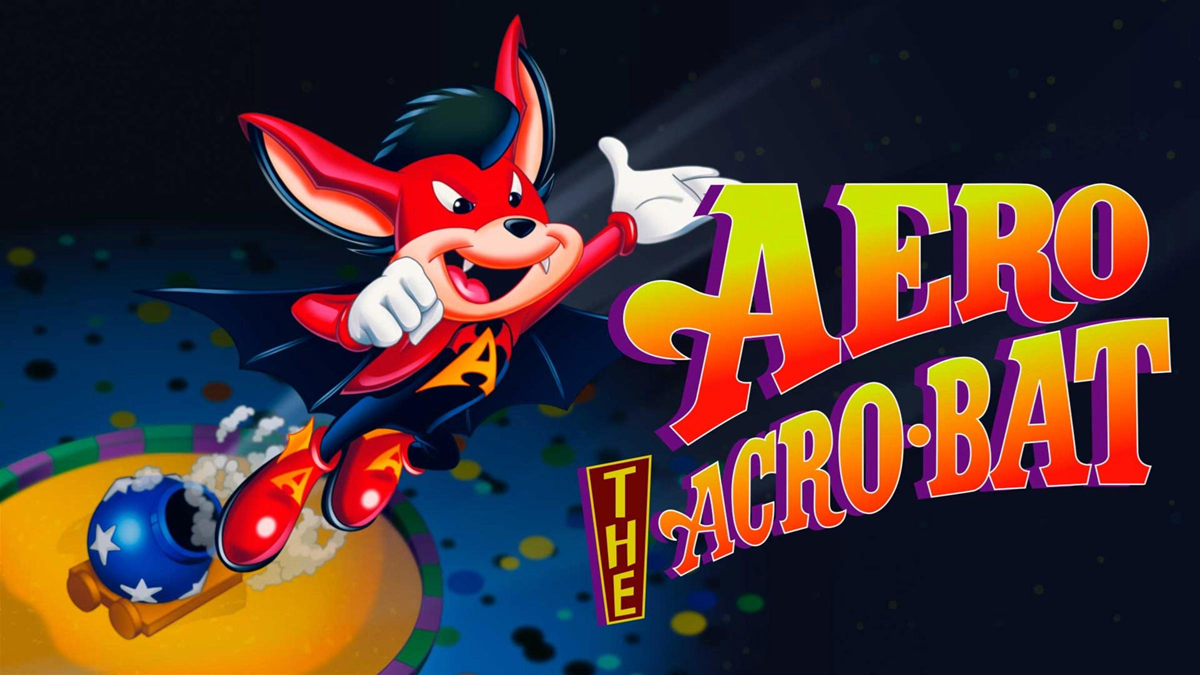
Sunsoft did not hide what Aero was supposed to be. The red circus bat from Aero the Acro-Bat was positioned as the company’s new mascot, arriving on SNES and Genesis in 1993 with diagonal drill attacks, circus stages, and an enemy named Edgar Ektor who felt pulled from the era’s love of cartoon villains. The game had enough push to get noticed, and Electronic Gaming Monthly even named Aero “Best New Character” of 1993, but the momentum was thin. A sequel and the Zero spin-off followed, then Aero slipped into the same retro shelf as many other animal mascots with “attitude.”
Zool
r/retrogaming
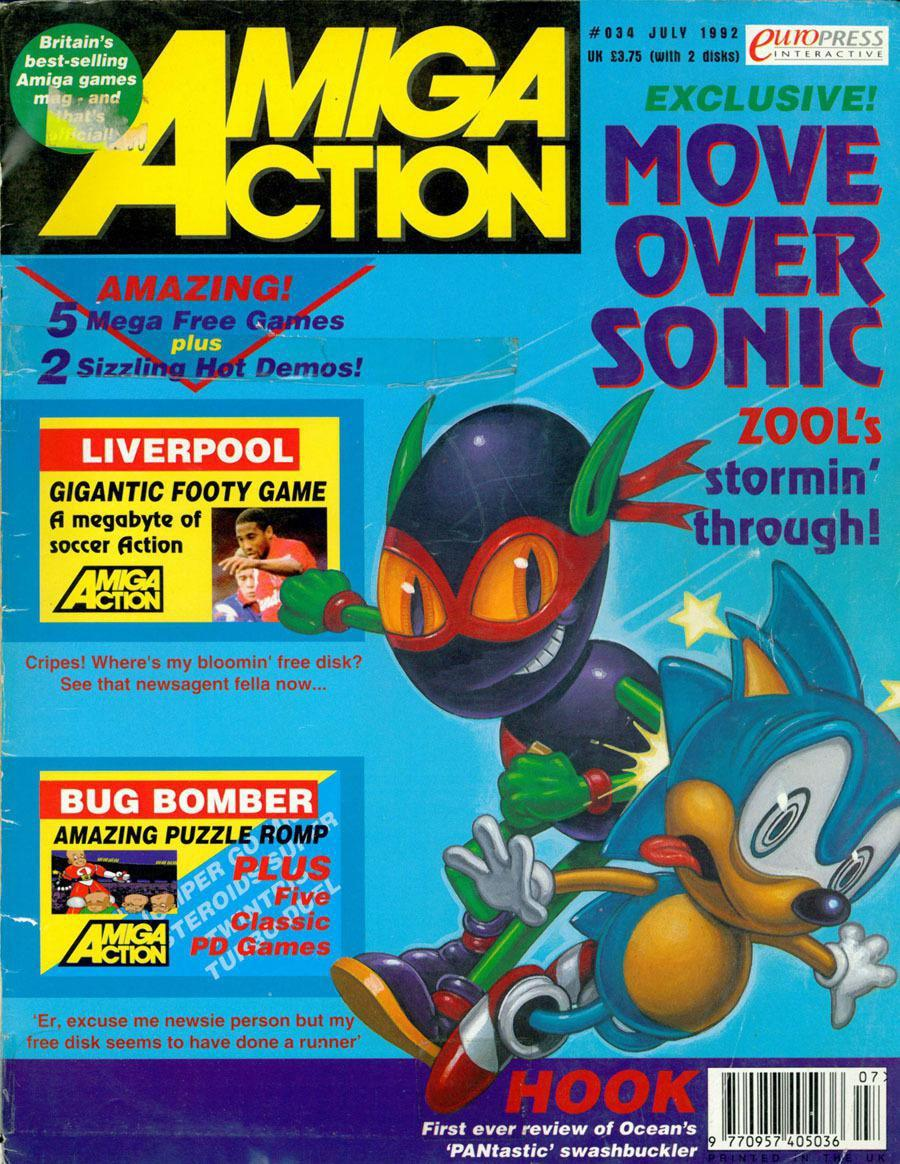
Zool was not chasing Mario directly so much as sprinting after Sonic, but in the early ’90s that still put him inside the same mascot arms race. Gremlin Graphics released Zool: Ninja of the Nth Dimension on Amiga in 1992 before it spread to systems including Genesis, SNES, Game Boy, Game Gear, and MS-DOS. The National Videogame Museum describes it plainly, it was marketed as a rival to Sonic, with fast movement and bright, snack-branded worlds doing a lot of the talking. Zool 2 came quickly in 1993, then the ninja ant faded into a very British kind of retro memory.
Awesome Possum
r/games
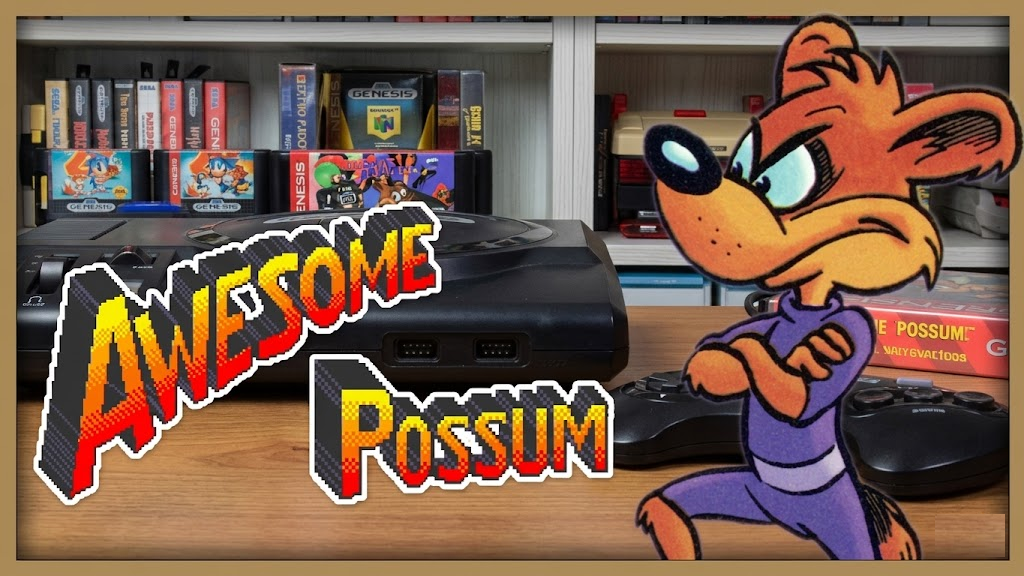
There may be no more early-’90s sentence than Awesome Possum… Kicks Dr. Machino’s Butt. Tengen’s 1993 Genesis platformer starred an environmentalist possum with digitized speech, robots to smash, and a name that practically shouted from the rental-store wall. It came from that short window when an animal hero could be marketed around attitude, education, and eco-consciousness all at once. The game never grew into a series, and the possum’s biggest legacy is probably how perfectly he captures the overstuffed mascot logic of 1993.
Socket
r/sega
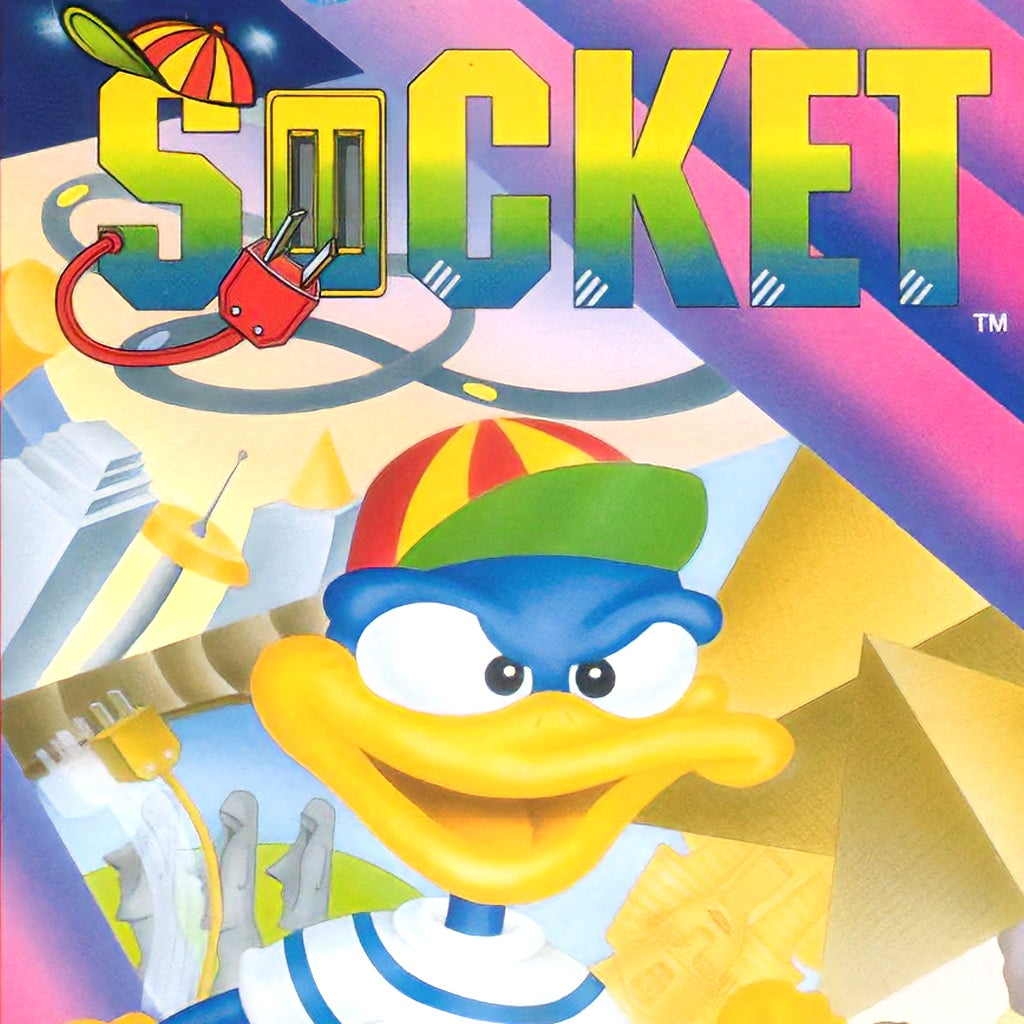
Socket was a duck with a plug tail, which sounds like a parody until you remember how many companies were willing to gamble on stranger ideas. Vic Tokai released Socket for the Genesis in 1993, and contemporary summaries still describe it as a speed-based platformer heavily compared to Sonic the Hedgehog. The setup had him fighting the Time Dominator, a villain stealing treasures across history, but the real sales pitch was motion, electricity, and “high speed areas.” He did not become a household name, though for a certain type of Genesis collector, he remains one of the cleaner examples of a Sonic shadow.
Rocky Rodent
r/snes
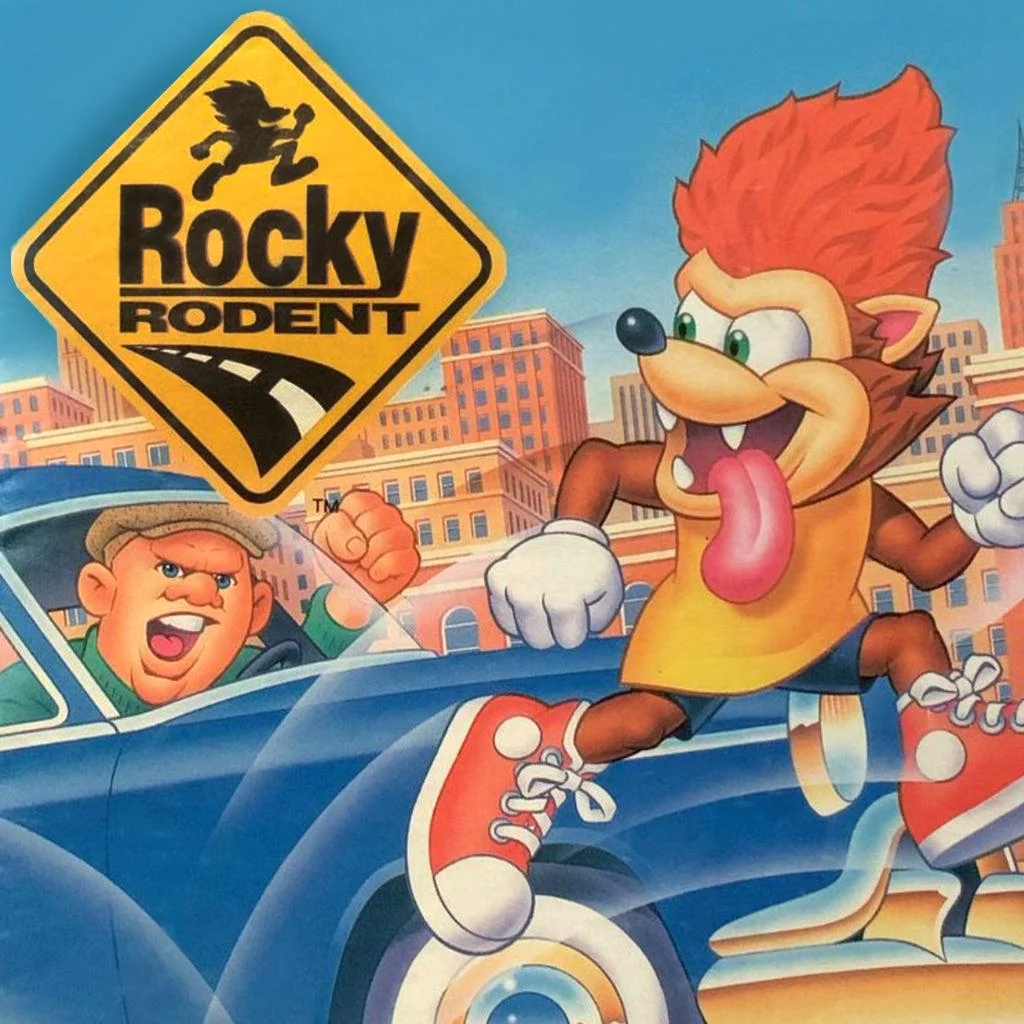
Rocky Rodent feels like someone tried to build a mascot out of three different market trends at once, rodents, comic-book attitude, and hair-based gimmicks. Irem released the SNES platformer in 1993, giving Rocky several hairstyles that doubled as tools while he rescued a restaurant owner’s daughter from mobsters. The game has been described as a cross between Sonic the Hedgehog and Super Mario Bros., which tells you almost everything about the commercial weather around it. Rocky had a look, a gimmick, and a very ’90s premise, but not a second act.
Trending on realmoneygamer.com

Punky Skunk
r/psx
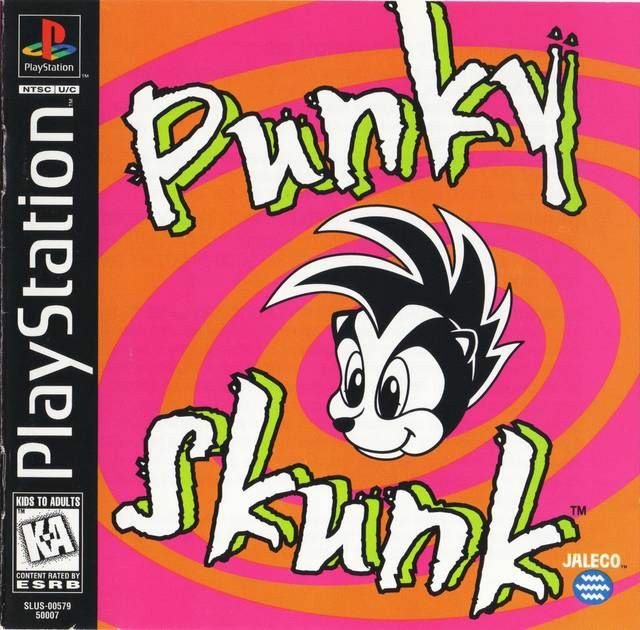
By 1996, the mascot platformer was already starting to look old-fashioned, which made Punky Skunk’s timing rough. Developed by Ukiyotei and published in Japan by Visit before Jaleco brought it to North America, it began as a mascot action game idea for younger audiences and eventually landed on PlayStation. Punky could use tools like skunk spray, inline skates, a pogo stick, and a snowboard, as if the design team kept adding anything that might give him a personality. The character never really got the chance to be more than a late arrival.
Mr. Nutz
r/snes
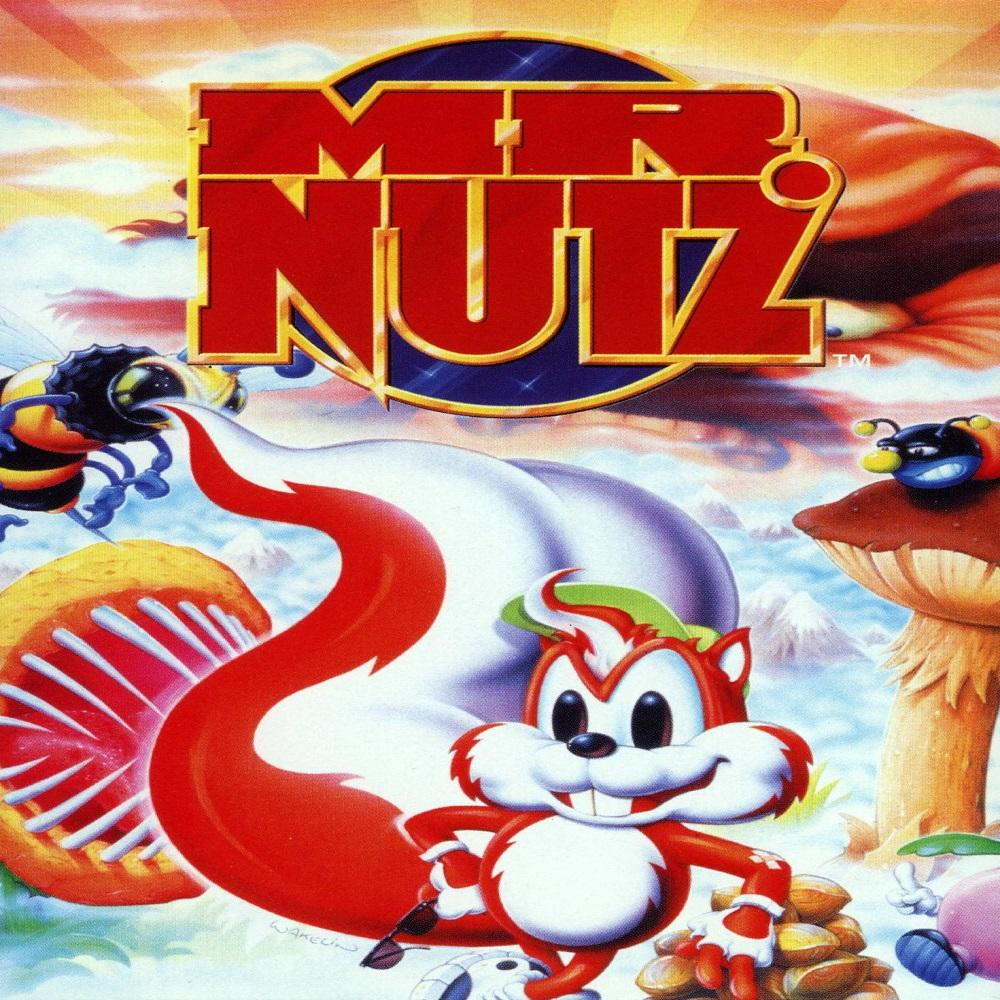
Mr. Nutz had a cleaner design than many of his peers, a red squirrel, nuts as ammunition, colorful worlds, and a simple villain trying to freeze the planet. Ocean Software released the SNES version in Europe in late 1993, with later versions on Mega Drive, Game Boy, Game Boy Color, and Game Boy Advance. There was even a separate Amiga game, Mr. Nutz: Hoppin’ Mad, while a planned Mr. Nutz 2 for Mega Drive was shelved. For a while, he looked like he might have legs, but the industry moved faster than the squirrel did.
High Seas Havoc
r/3dqrcodes
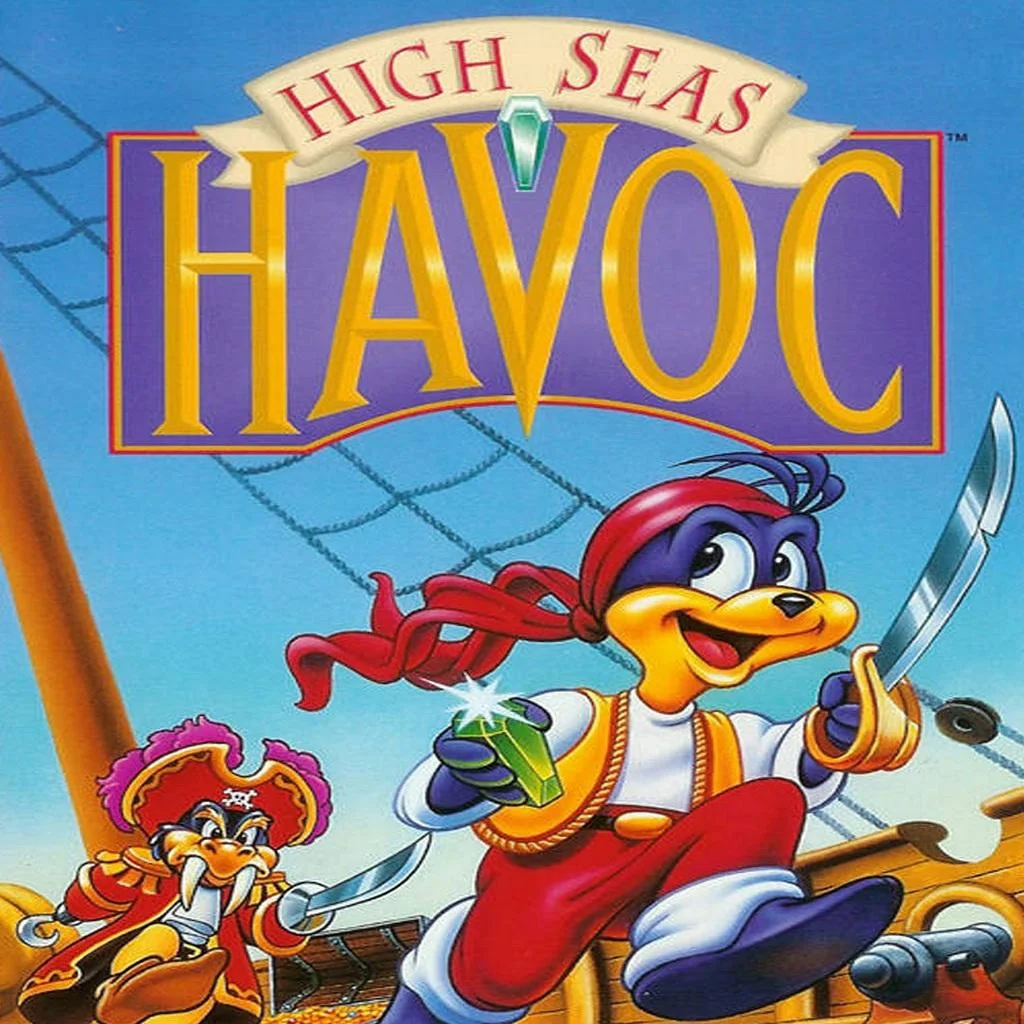
High Seas Havoc is one of those games people rediscover and then wonder why it never became a bigger deal. Data East’s 1994 Genesis platformer starred Havoc, or Lang in Japan, an anthropomorphic pirate seal caught up in a treasure-map story involving a kidnapped girl, a sidekick, and an evil walrus pirate named Bernardo. Critics later called it Sonic-like, but it had a softer cartoon adventure feel than the average smirking mascot vehicle. It was polished enough to be remembered fondly by some Genesis fans, just not widely enough to keep Havoc sailing.
Plok
r/plok
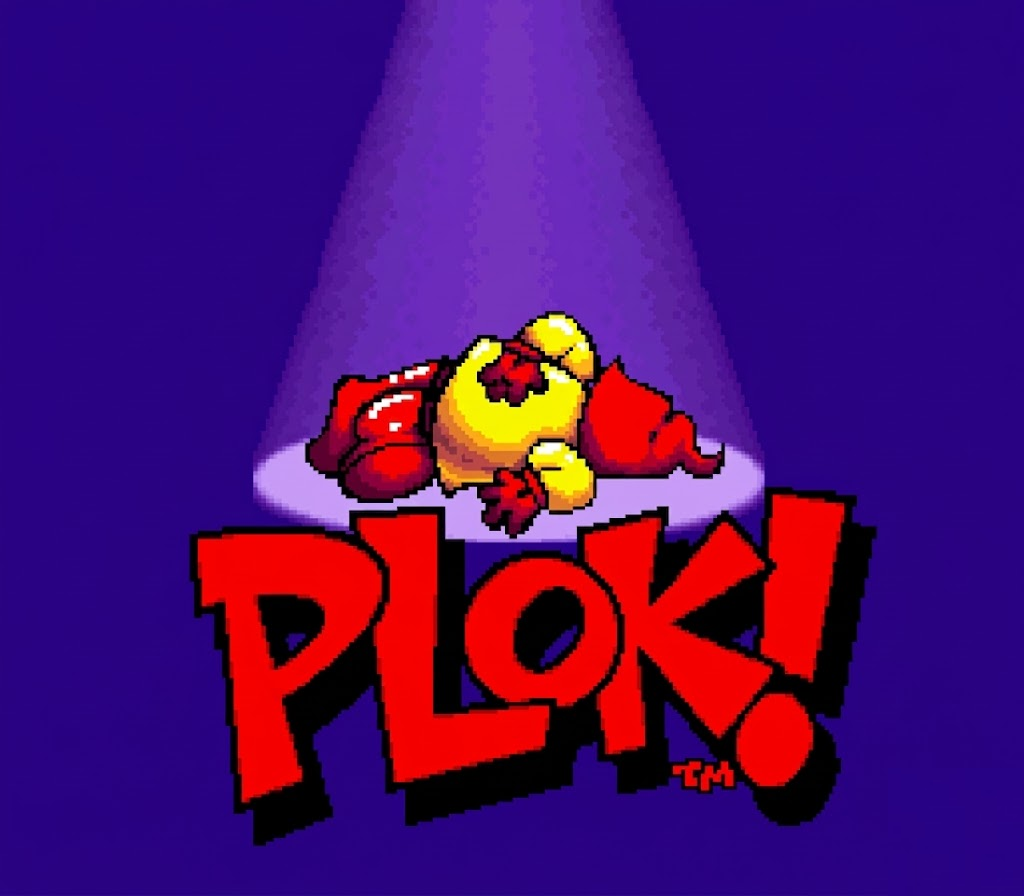
Plok did not look like a corporate mascot, which may be why he still feels interesting. Released for SNES in 1993, Software Creations’ platformer gave players a strange hooded hero who threw his own detachable limbs at enemies while defending Akrillic from fleas and other threats. The Pickford brothers had been developing the idea in different forms since the late ’80s, and that odd personal history shows in the final game. Plok had personality, but not the kind that easily fit on cereal boxes, lunchboxes, or a long-running console campaign.
Ristar

r/segagenesis
Ristar is the awkward case, because he was not a failure in the usual sense. Sega’s 1995 Genesis platformer reviewed well and had a clever central mechanic, a star-shaped hero using stretchy arms to grab enemies, climb around stages, and fling himself through levels. The problem was timing, the Genesis was near the end of its life as Sega and the rest of the market moved toward Saturn, PlayStation, and 3D spectacle. Ristar has made cameos and appeared in compilations, but as a lead character, he was basically stranded in 1995.
Oscar
r/retrogaming
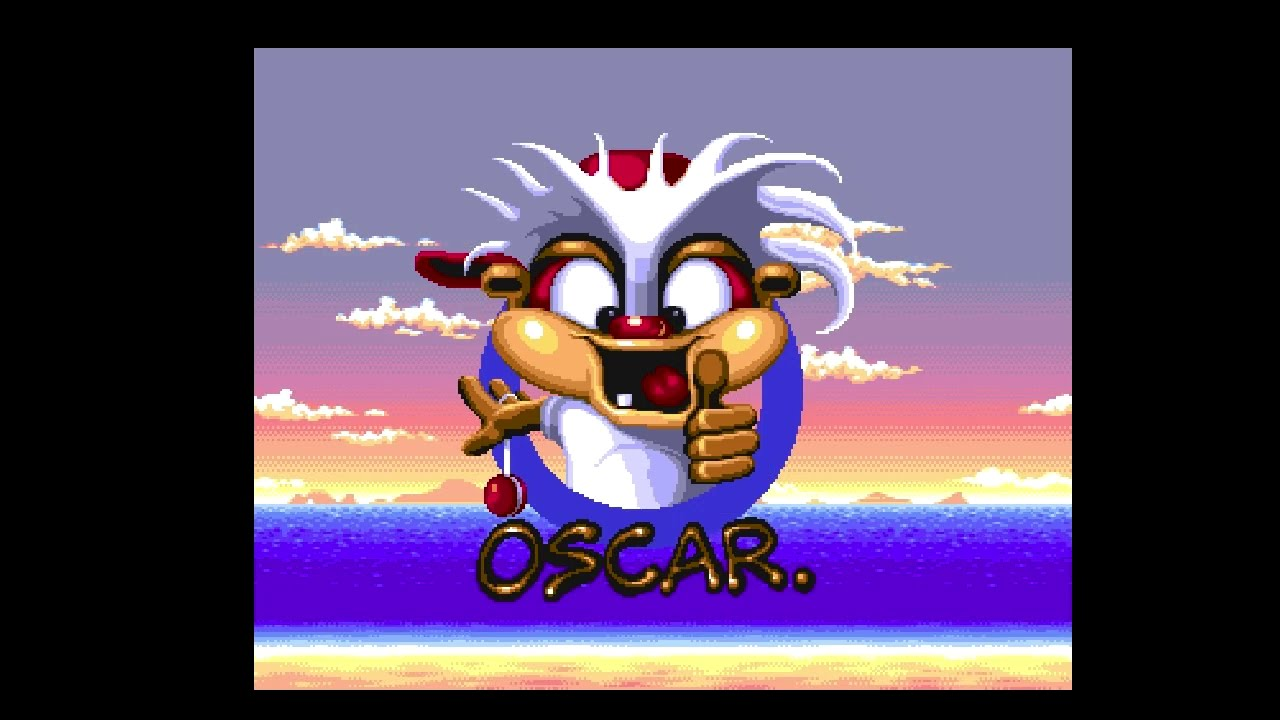
Oscar was an Amiga CD32 pack-in mascot for a console that badly needed one. Flair Software’s 1993 platformer sent a little cartoon character through Hollywood-themed worlds collecting Oscar statuettes, and the CD32 version was bundled with Diggers for the system’s launch. A Super Nintendo version eventually followed in 1996, by which point the mascot platformer market had already shifted under everyone’s feet. Oscar’s problem was not only obscurity, it was being tied to hardware that never had much chance of challenging Nintendo or Sega.
Tinhead
r/3dqrcodes
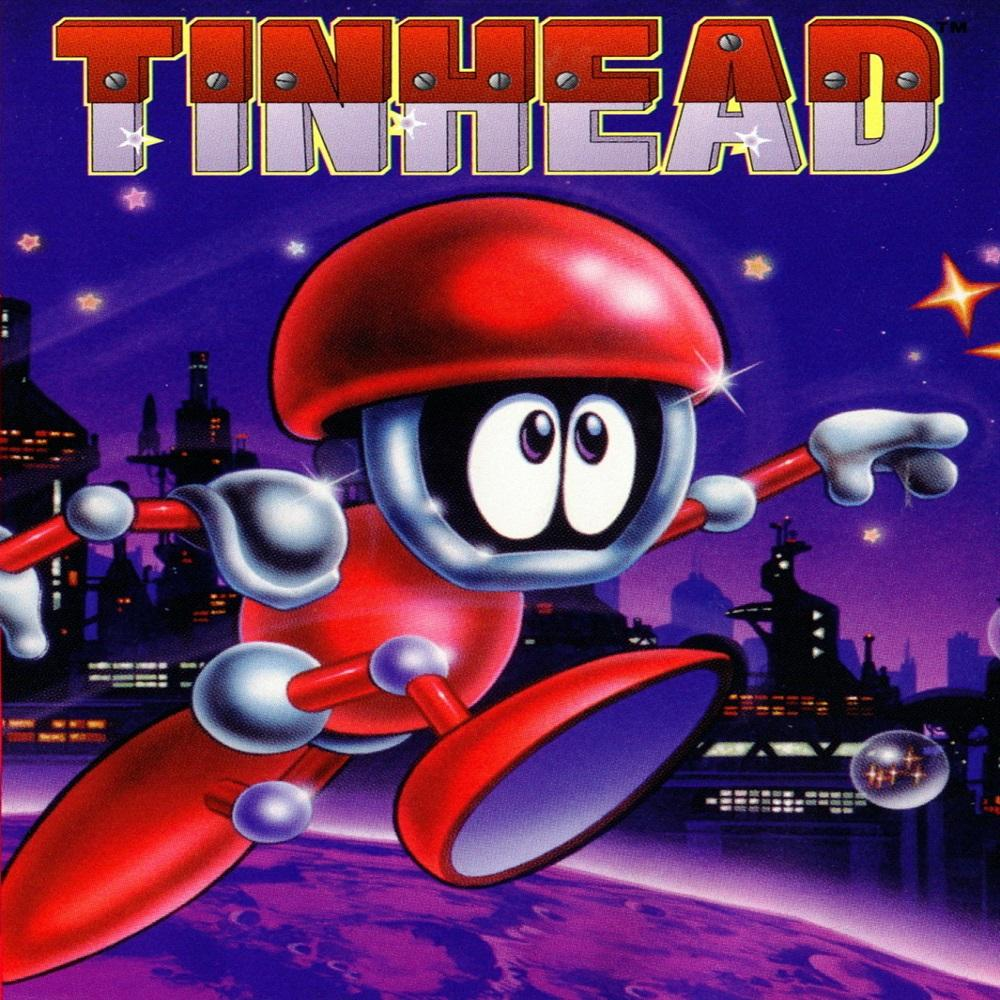
Tinhead’s pitch had some charm, a little metallic guardian trying to recover stolen stars from an intergalactic goblin with a vacuum-cleaner spaceship. MicroProse UK developed it for Genesis, where it appeared in the mid-’90s, while planned Amiga, SNES, and Atari Jaguar versions were cancelled or left unreleased. That is a pretty clear sign of a mascot campaign that never got enough runway. Tinhead did eventually resurface through retro re-release channels, but the character’s window as a current platforming hero closed almost as soon as it opened.
The strange thing about these characters is that many of them were not bad ideas on paper. A few were decent games, and some had more visual personality than the franchises that outlived them. What they lacked was timing, consistency, marketing muscle, or simply the luck of arriving before the public got tired of mascots with catchphrases. Mario kept going because Nintendo knew what to do with him after the first hit, most of these characters never got that far.