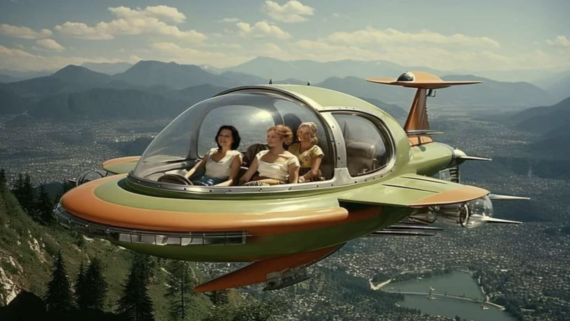
Technology predictions tell us as much about the past as they do about the future. Every generation has tried to imagine what life would look like decades ahead, often filling tomorrow with flying vehicles, robot assistants, underwater cities, and inventions that seemed just around the corner.
Some forecasts were surprisingly accurate. Others missed the mark by a few thousand miles. Looking back, these images are fascinating because they capture something bigger than technology itself. They reveal the hopes, fears, and expectations people once had about the future. These photos showcase some of the most memorable visions of tomorrow and how they compare to the world we actually got.
The Family Flying Car
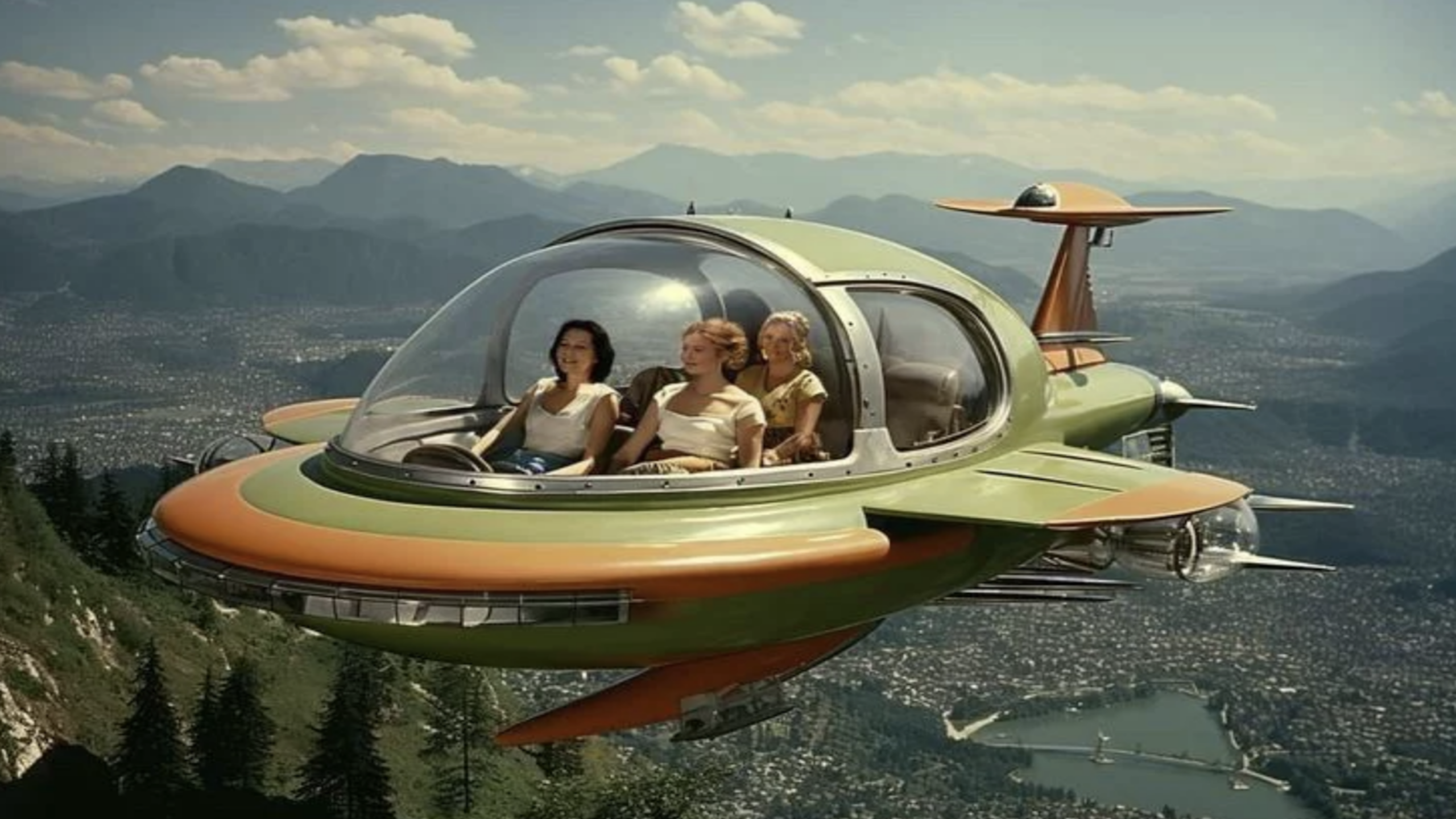
For much of the twentieth century, flying cars were treated less like a possibility and more like an inevitability. Many technology predictions assumed suburban families would eventually commute through the sky, leaving traffic jams behind forever.
Robot Maids In Every Home
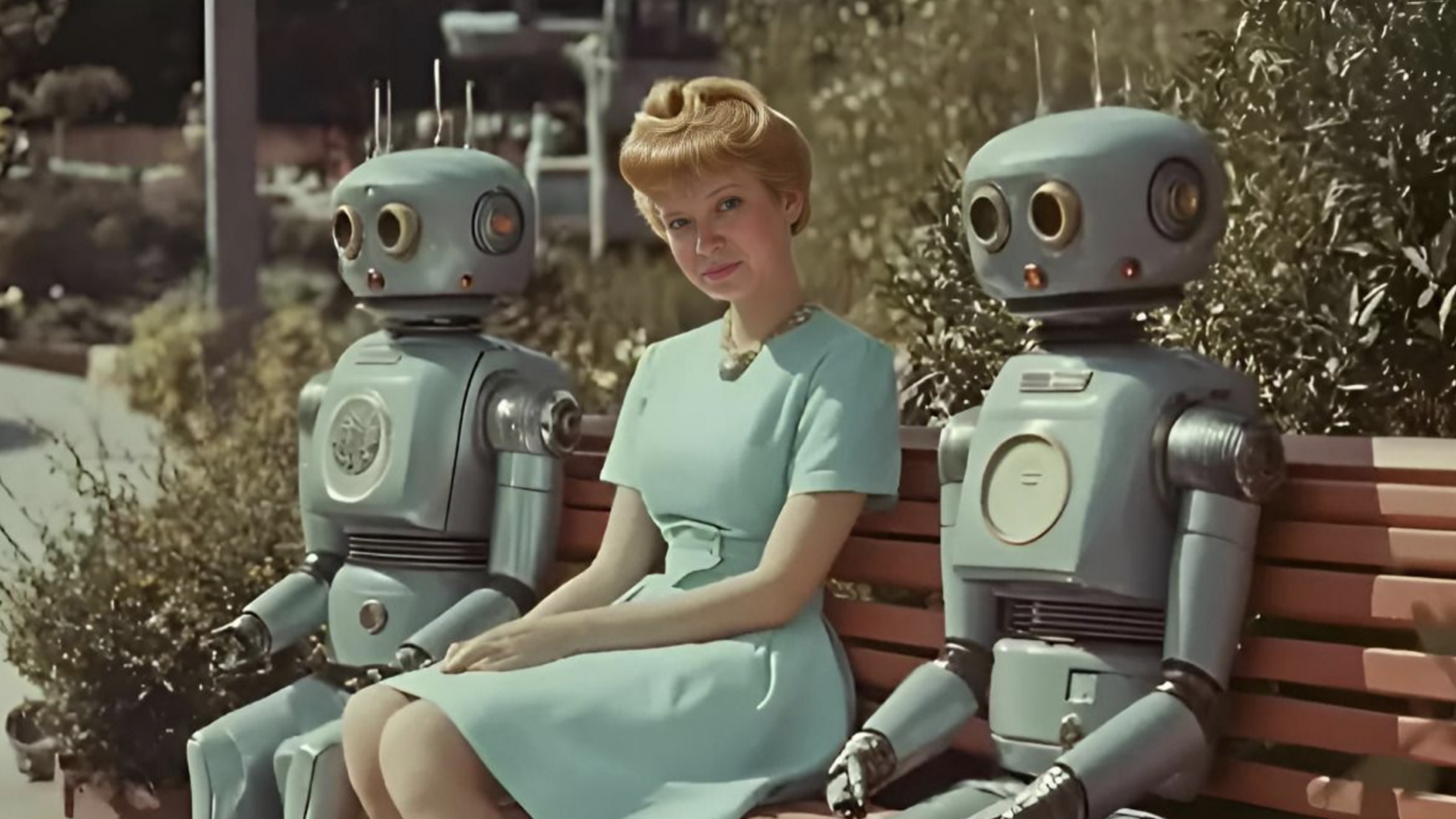
Future households were often imagined as places where robots handled cleaning, cooking, and laundry while humans relaxed. Reality delivered robotic vacuums instead, which is admittedly less dramatic but still useful.
Personal Helicopters For Daily Commuting
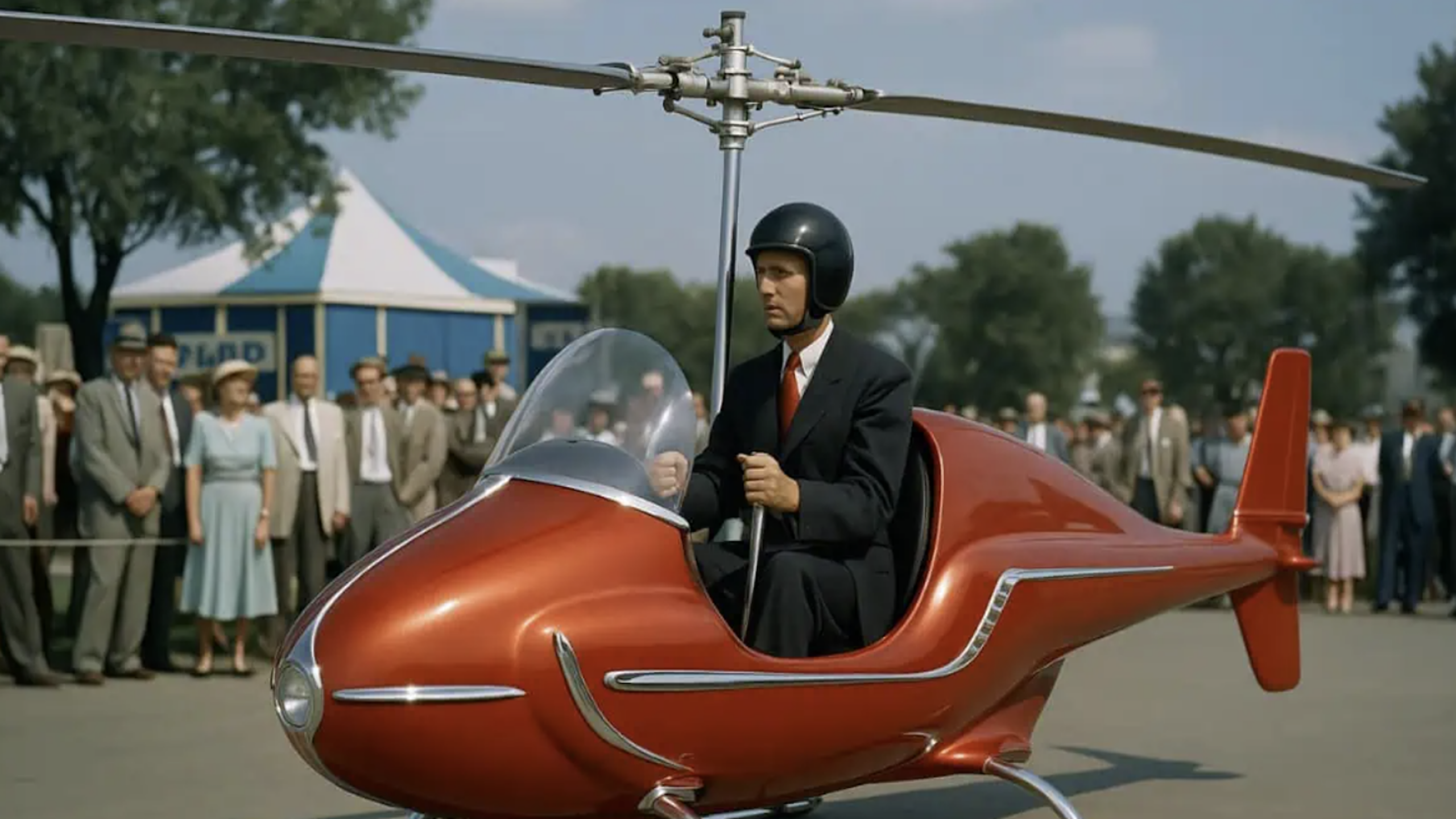
Many futurists looked at growing traffic problems and concluded that the solution was obvious: give everyone a helicopter. Looking back, it’s probably fortunate that this particular prediction never became normal.
Schools Run By Machines
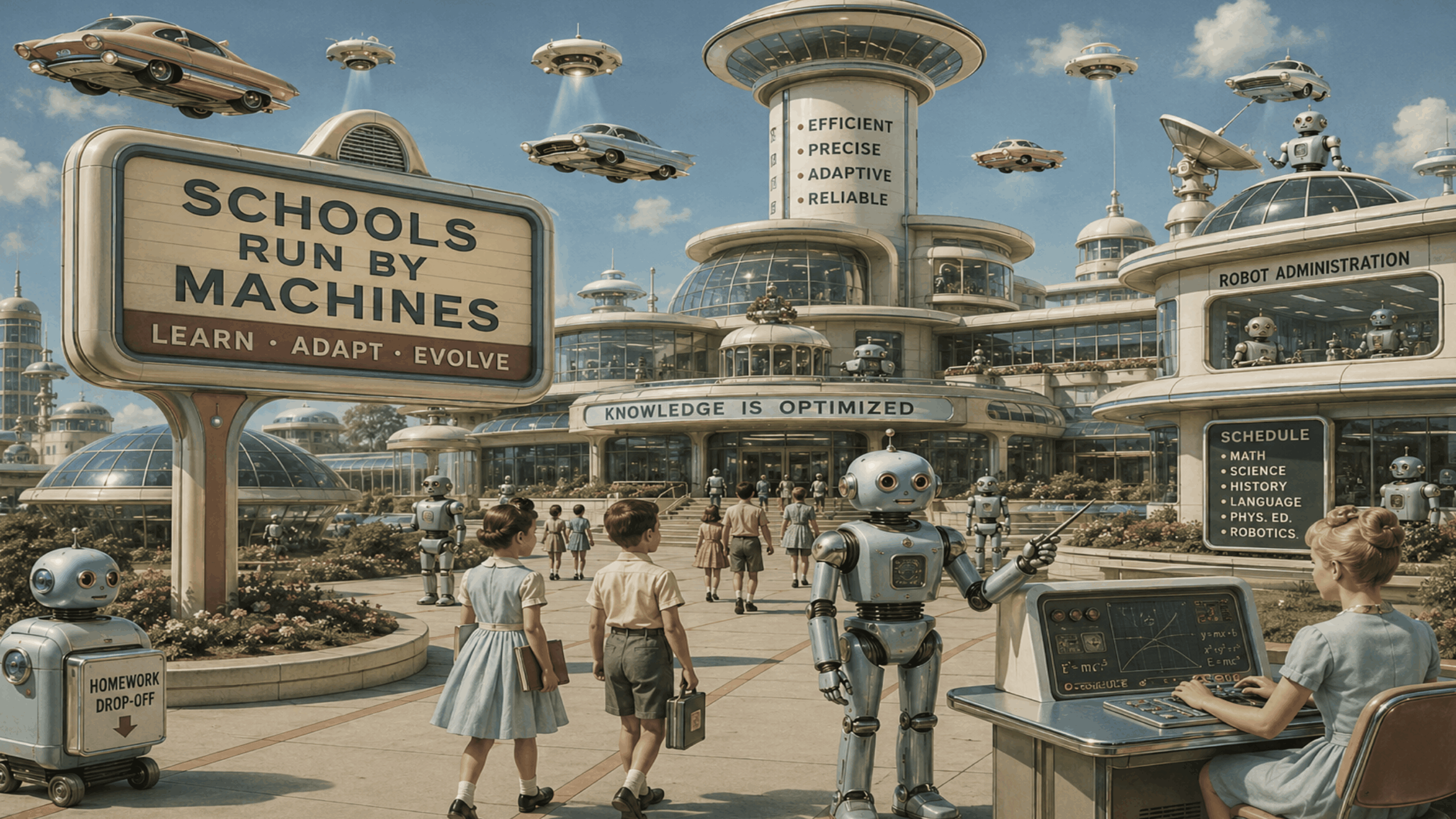
Long before online learning became common, artists imagined classrooms dominated by screens, machines, and automated lessons. The technology arrived, but most students still seem to prefer having actual teachers around.
One Of The Boldest Technology Predictions Imagined Cities Underwater
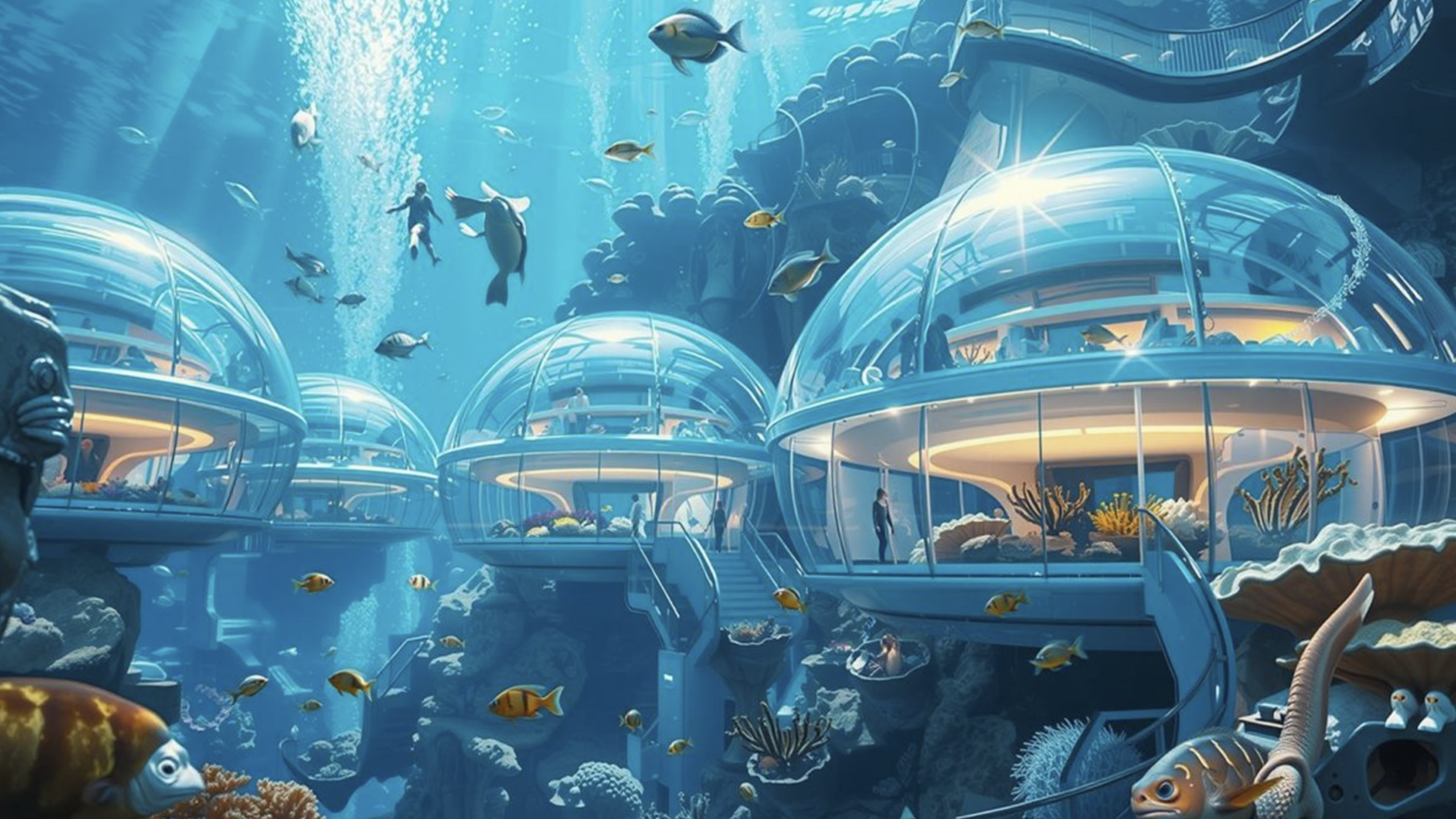
The oceans once seemed like humanity’s next frontier. Some architects envisioned massive underwater communities protected by glass domes, turning the sea floor into the suburbs of the future.
Trending on realmoneygamer.com
Jetpacks For Everyone
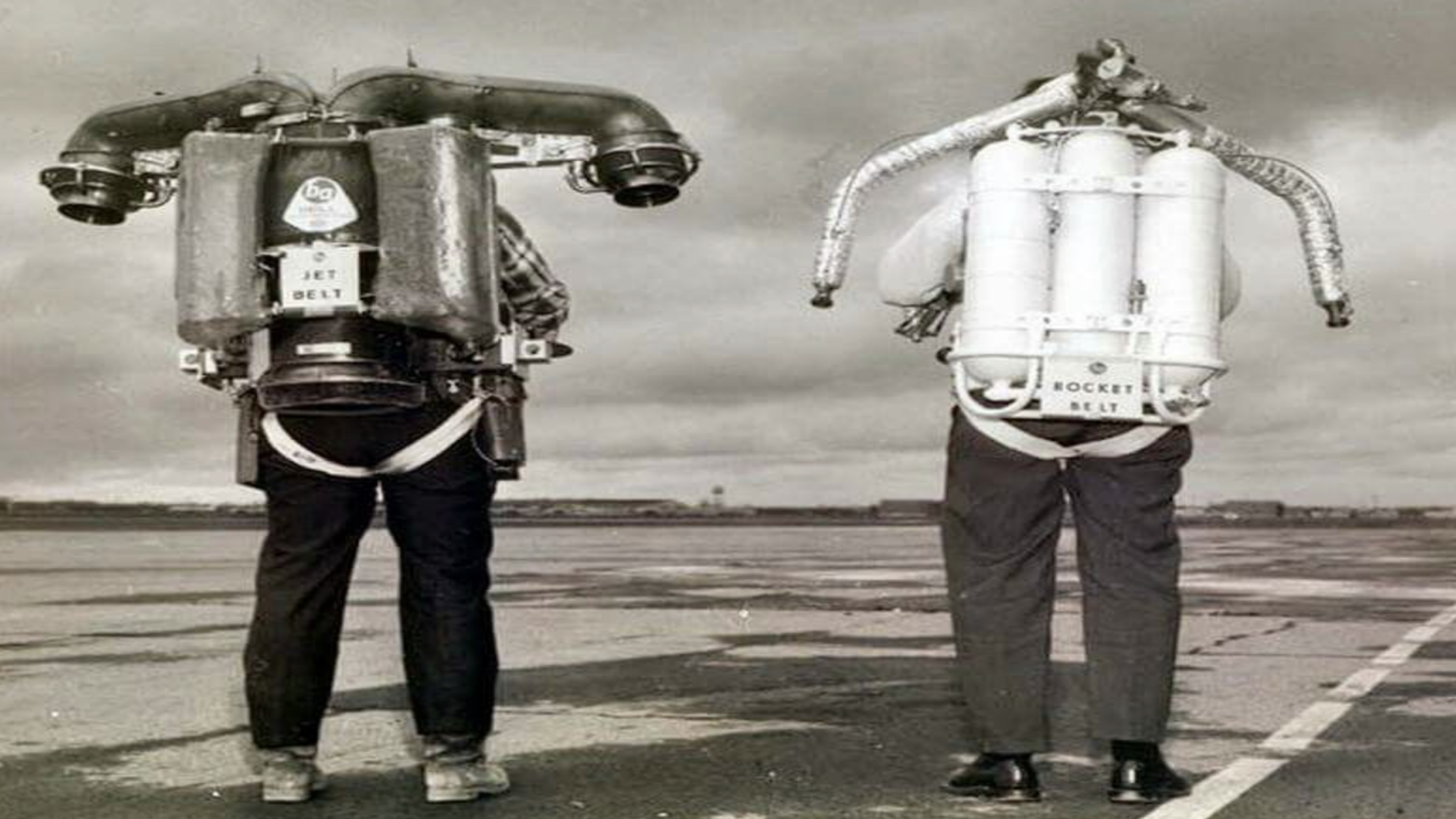
If old illustrations are to be believed, nobody in the future was supposed to walk anywhere. Personal jetpacks appeared so frequently in technology predictions that they became one of the defining symbols of tomorrow.
Fully Automated Kitchens

Future kitchens were expected to prepare meals automatically, eliminating the need for cooking altogether. Instead, most people still spend an unreasonable amount of time deciding what to eat.
Video Calls As An Everyday Activity
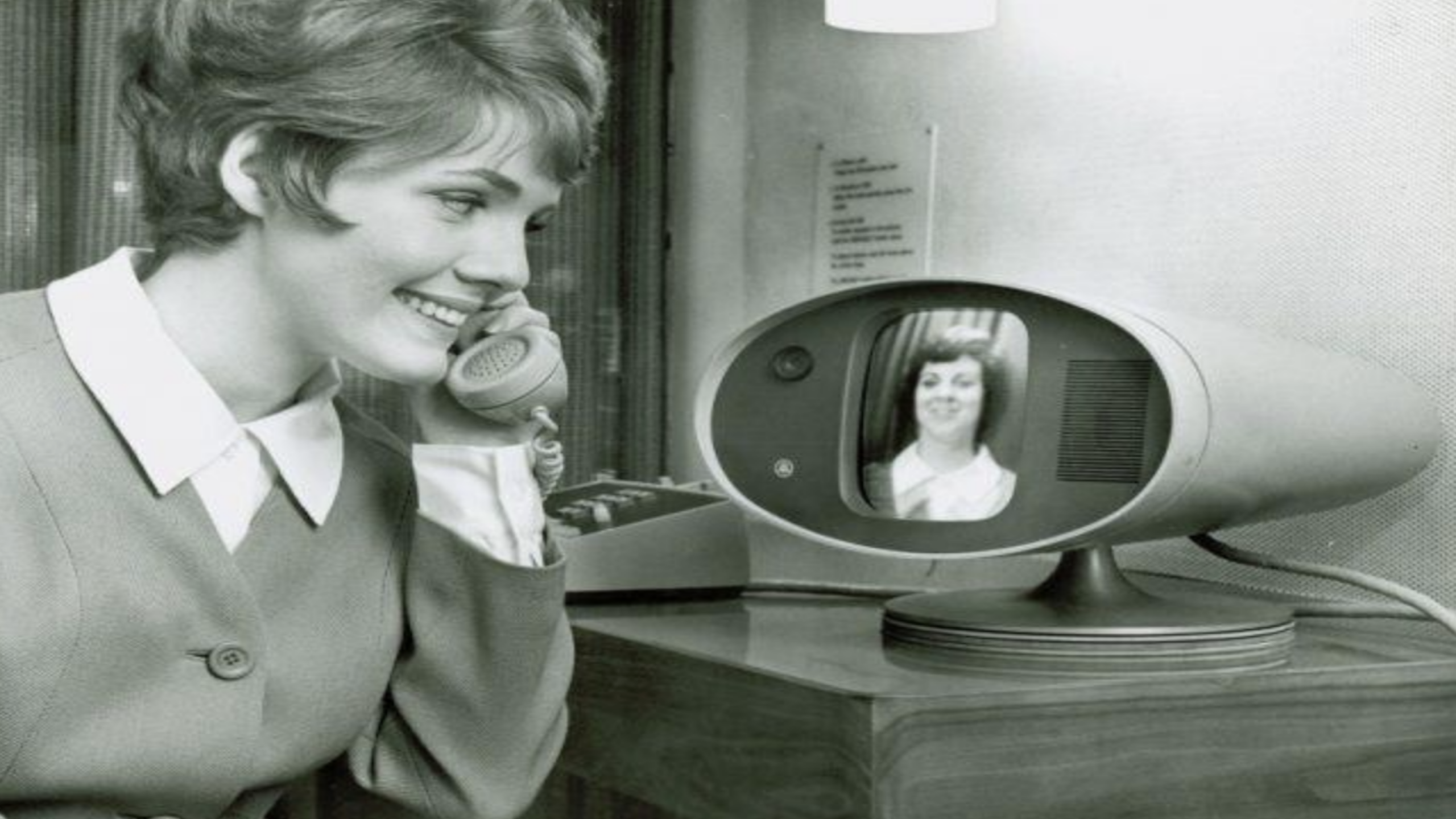
Unlike many entries on this list, this prediction turned out to be remarkably accurate. The only thing these futurists failed to anticipate was how many people would actively avoid turning their cameras on.
Computers That Filled Entire Rooms
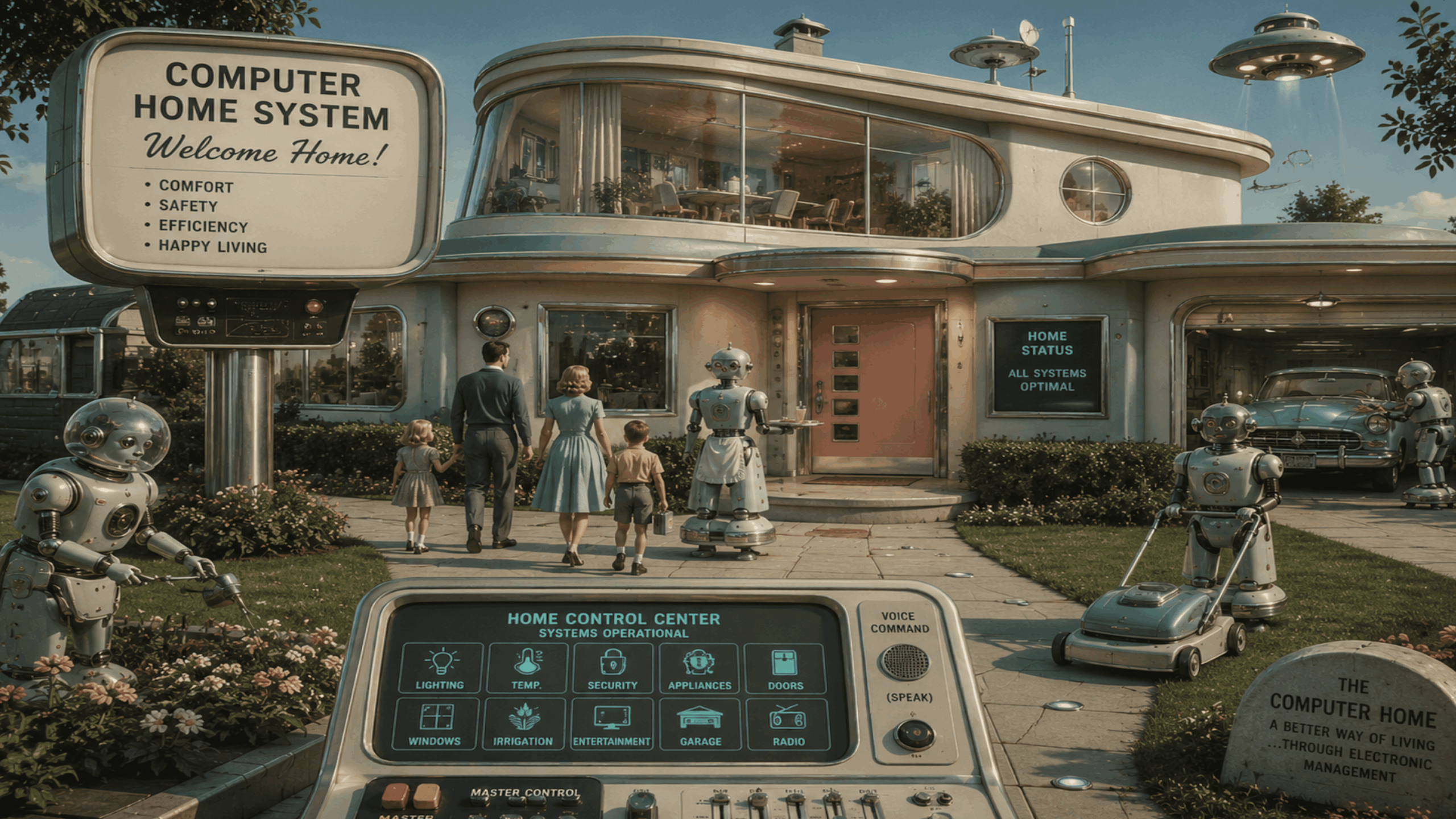
Many early technology predictions correctly guessed that computers would become central to everyday life. What they completely missed was miniaturization. Modern smartphones would seem almost magical compared to the gigantic machines featured in these concepts.
Robot Police Officers
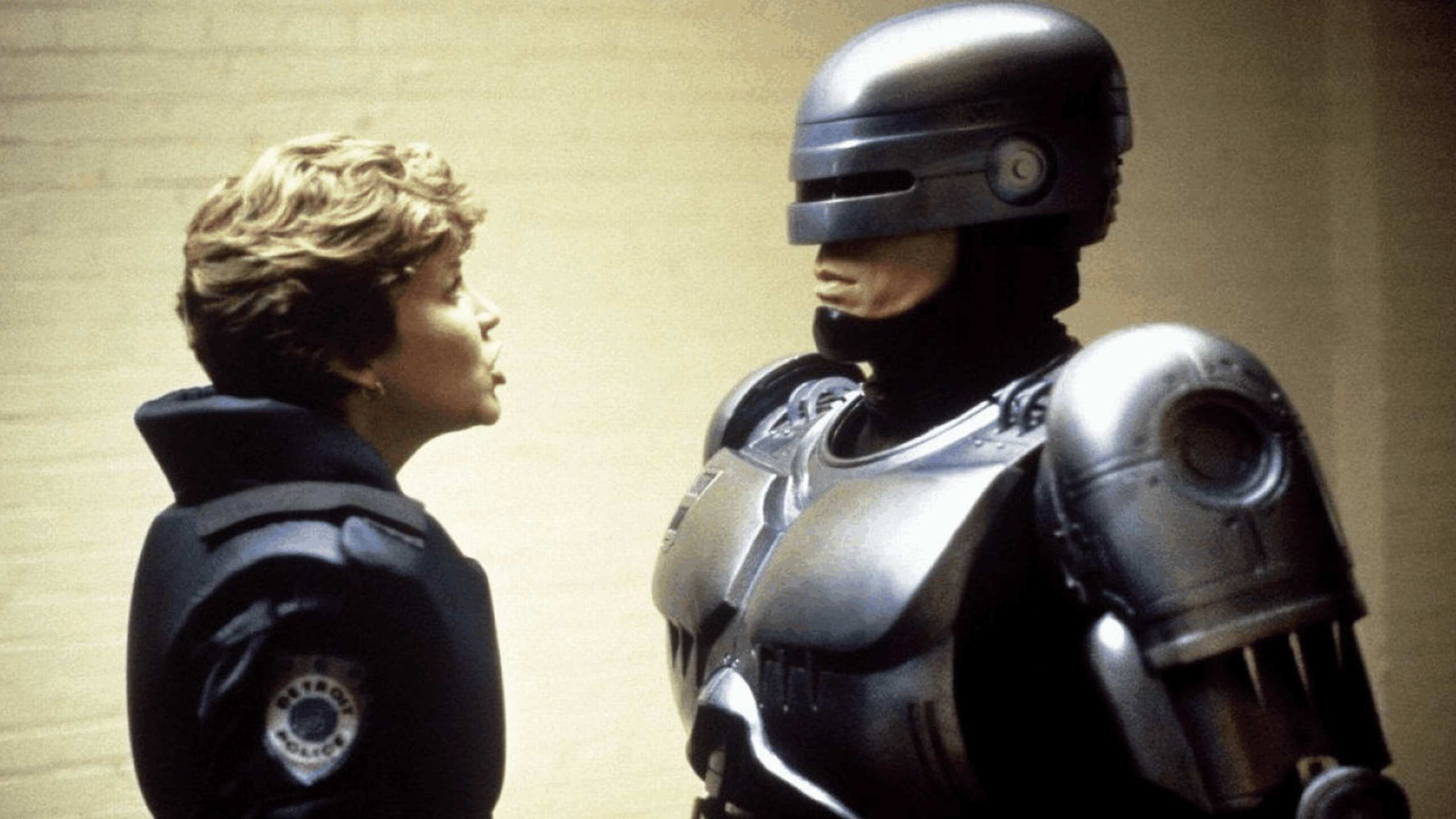
Future cities often featured robotic law enforcement patrolling spotless streets. The idea reflected a broader belief that automation would eventually solve nearly every social problem.
Shopping Without Leaving Home
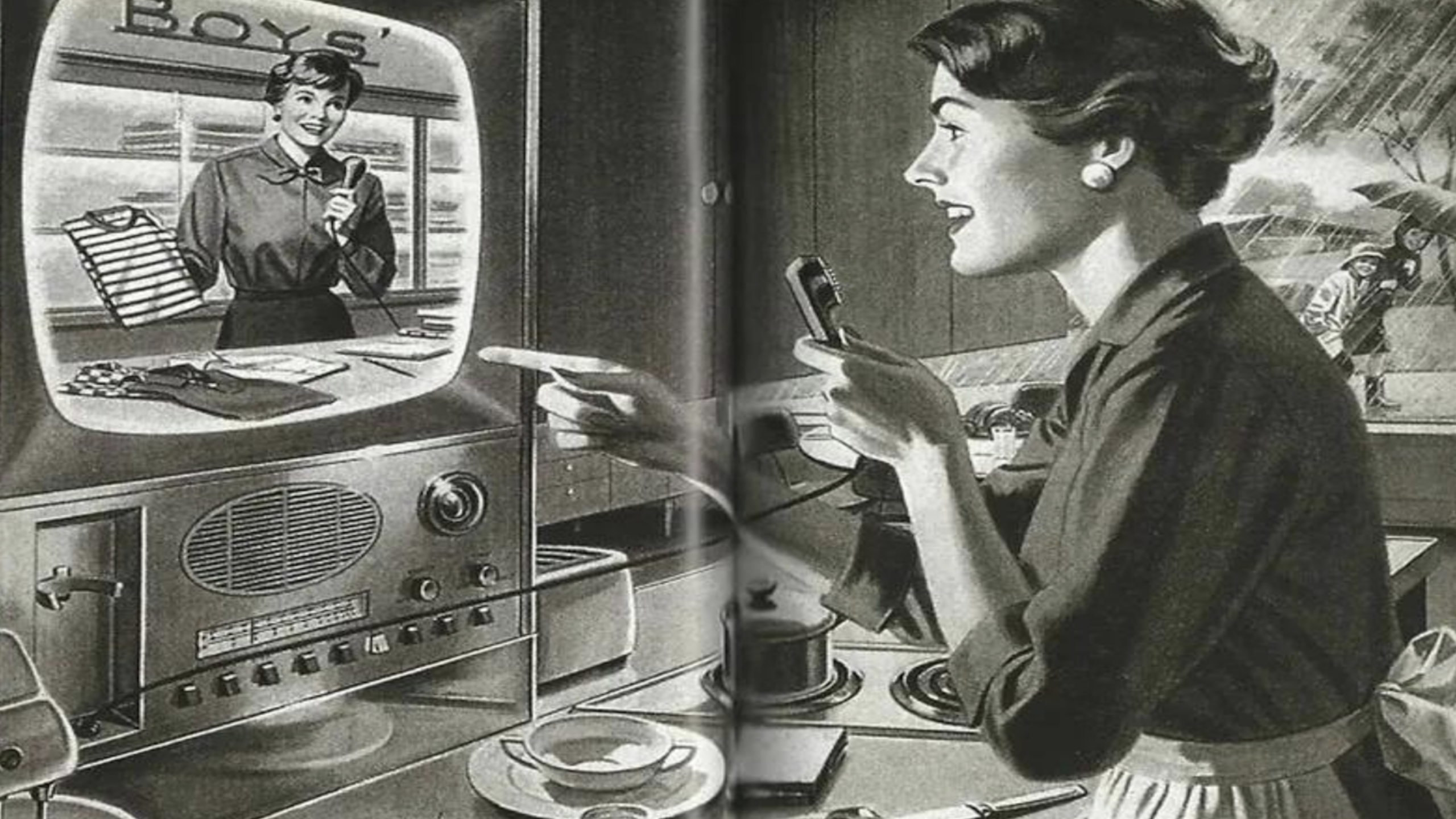
Many futurists predicted that technology would allow people to browse products and place orders from the comfort of home. They got this one right, although they probably didn’t imagine endless online shopping sessions at two in the morning.
Nuclear Powered Neighborhoods
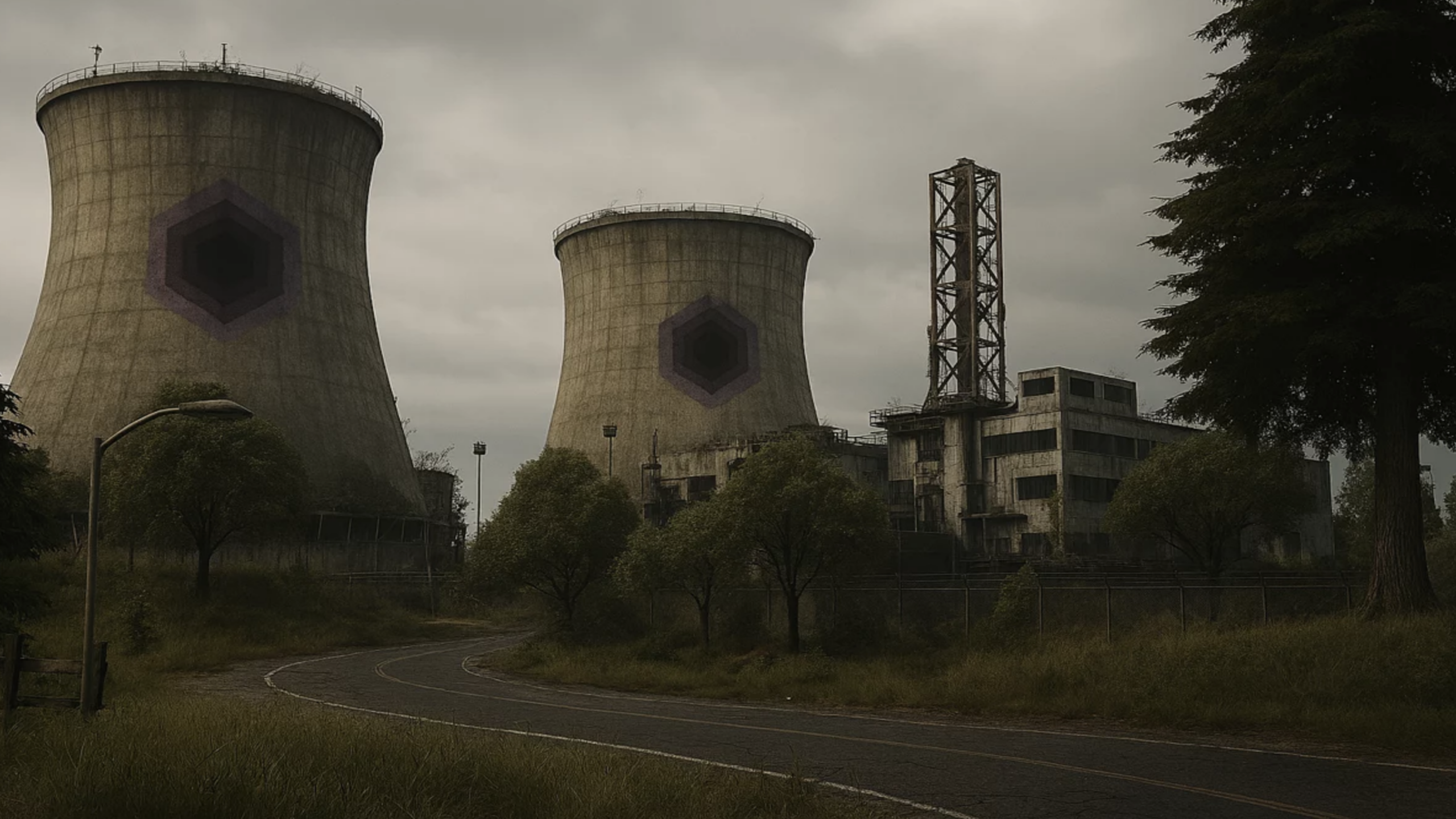
The Atomic Age inspired some truly ambitious ideas. Certain technology predictions envisioned miniature nuclear reactors powering homes, vehicles, and entire communities as effortlessly as plugging in a lamp.
Weather Control At The Push Of A Button
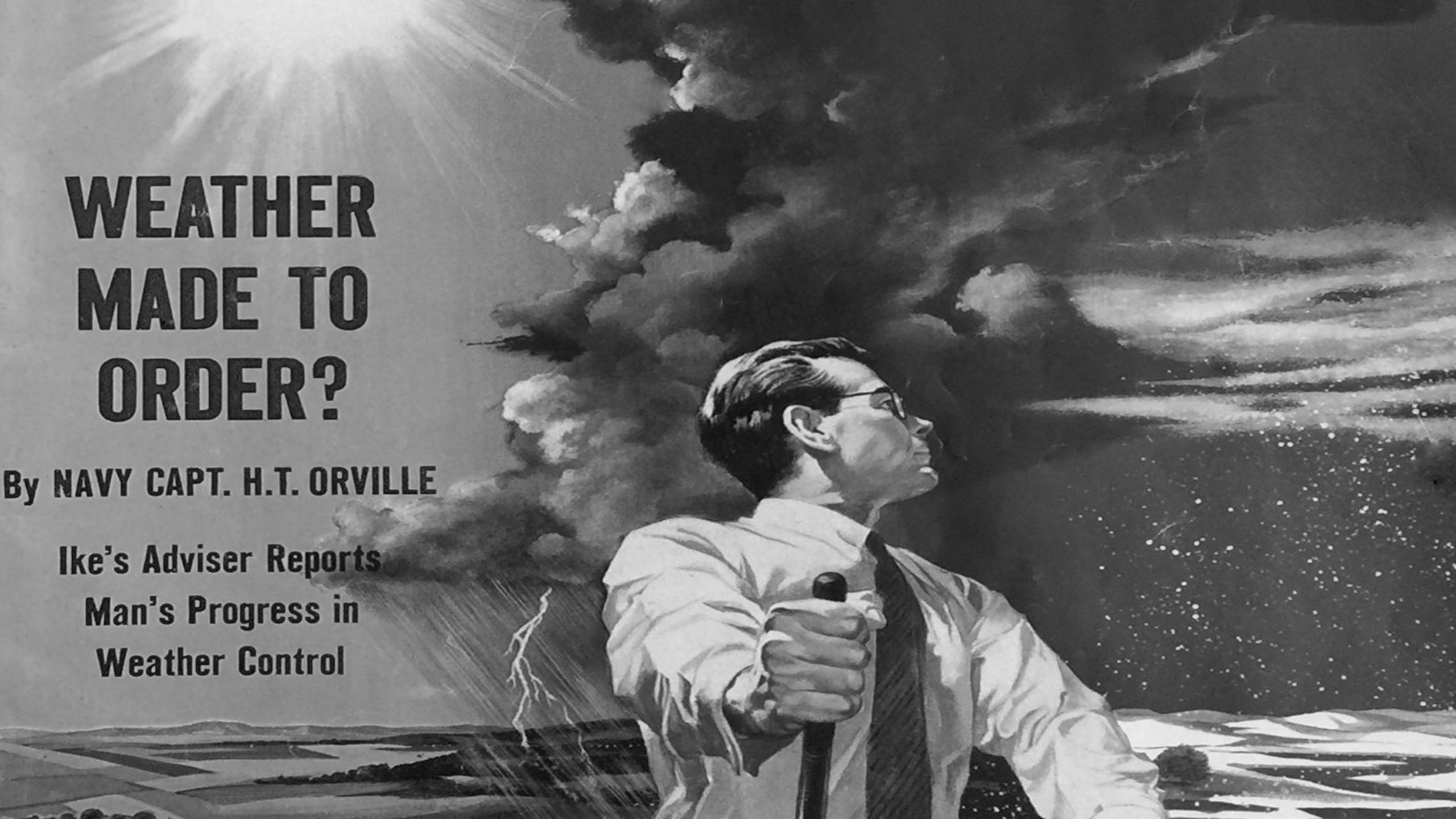
Rain on your vacation? No problem. At least that was the dream. Many forecasts imagined future societies gaining complete control over weather patterns and seasonal conditions.
The Paperless Office

Experts have been predicting the end of paper for decades. Yet printers, filing cabinets, and random stacks of documents somehow continue surviving every wave of technological progress.
The Push Button Future
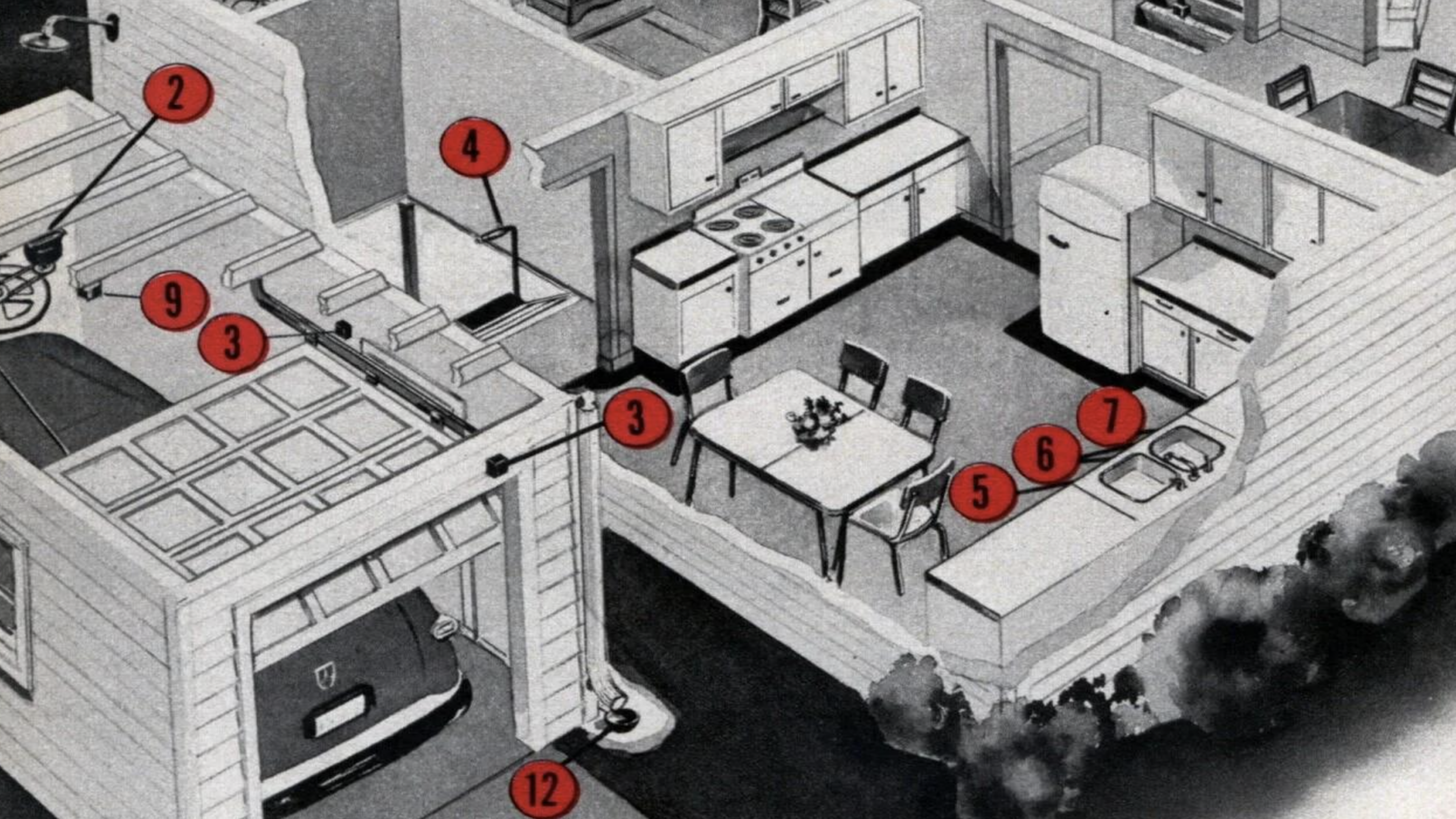
Perhaps the most common vision of tomorrow involved effortless living. According to countless technology predictions, nearly every task would eventually be completed with the push of a single button. Instead, modern life replaced those buttons with apps, passwords, notifications, and software updates.