Back then, owning a console was only half the dream. Every trip to the game store meant spotting strange controllers, oversized arcade style accessories, cameras, printers, and gadgets that promised to completely change the way we played. Most kids admired them through magazine pages or store displays, but only a lucky few actually got to take them home.
Some became genuine classics, while others disappeared almost as quickly as they arrived. Together, these gaming accessories represent an era when companies weren’t afraid to experiment, creating unforgettable gadgets that made every gamer imagine what it would be like to own the ultimate setup.
1. The Glove That Made Every Kid Feel Like a Superhero

The Power Glove promised something incredible: controlling games with nothing but hand movements. It never worked as well as the commercials suggested, but that didn’t stop it from becoming one of the most legendary gaming accessories ever made. Every kid wanted to feel like they were playing the future.
2. Taking Selfies Before Smartphones Existed
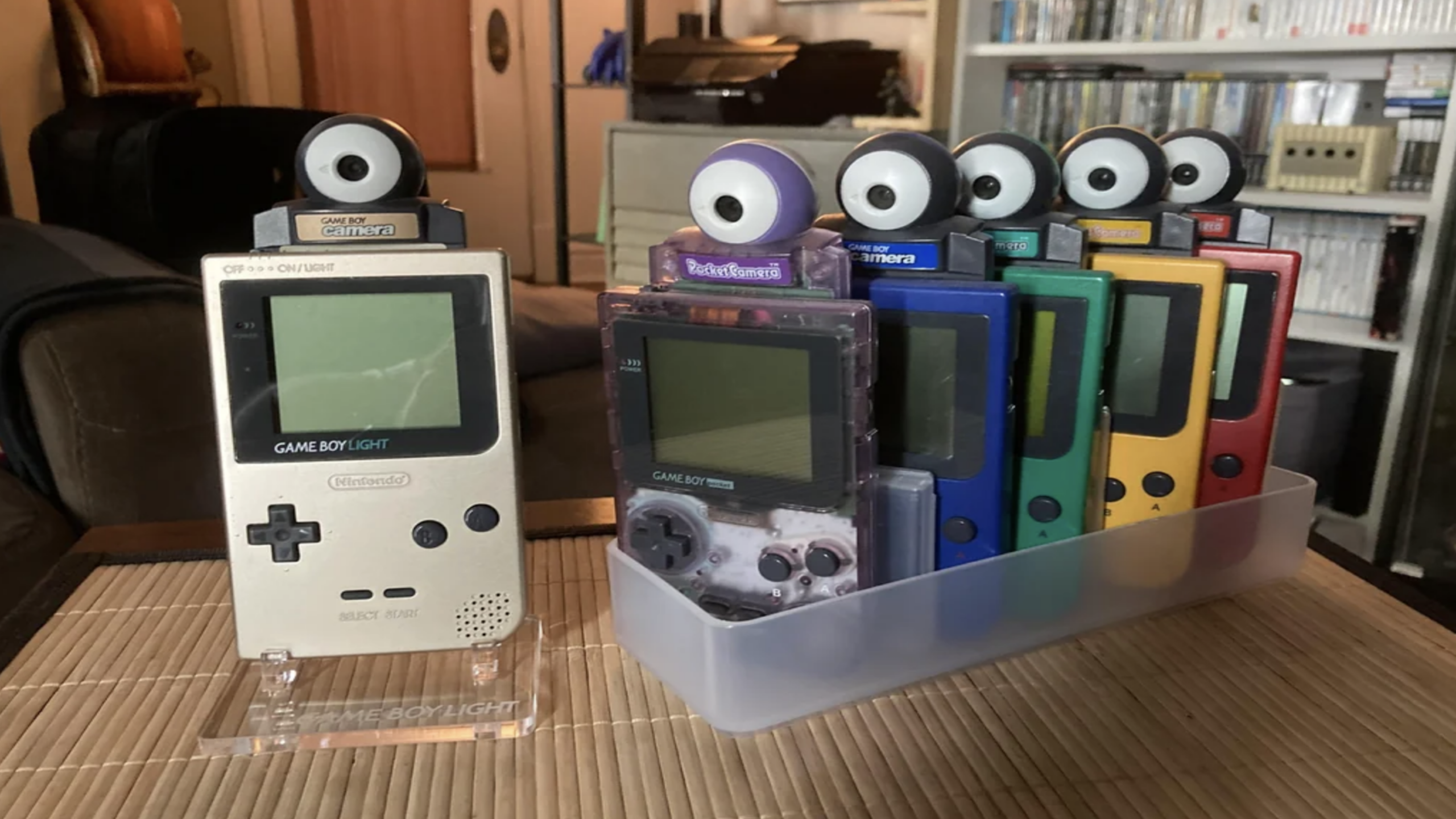
Released in 1998, the Game Boy Camera transformed Nintendo’s handheld into one of the world’s smallest digital cameras. Its grainy black and white photos became part of its charm, letting kids photograph friends, create funny faces, and even play built in mini games.
3. Printing Pokémon Was the Coolest Thing Ever
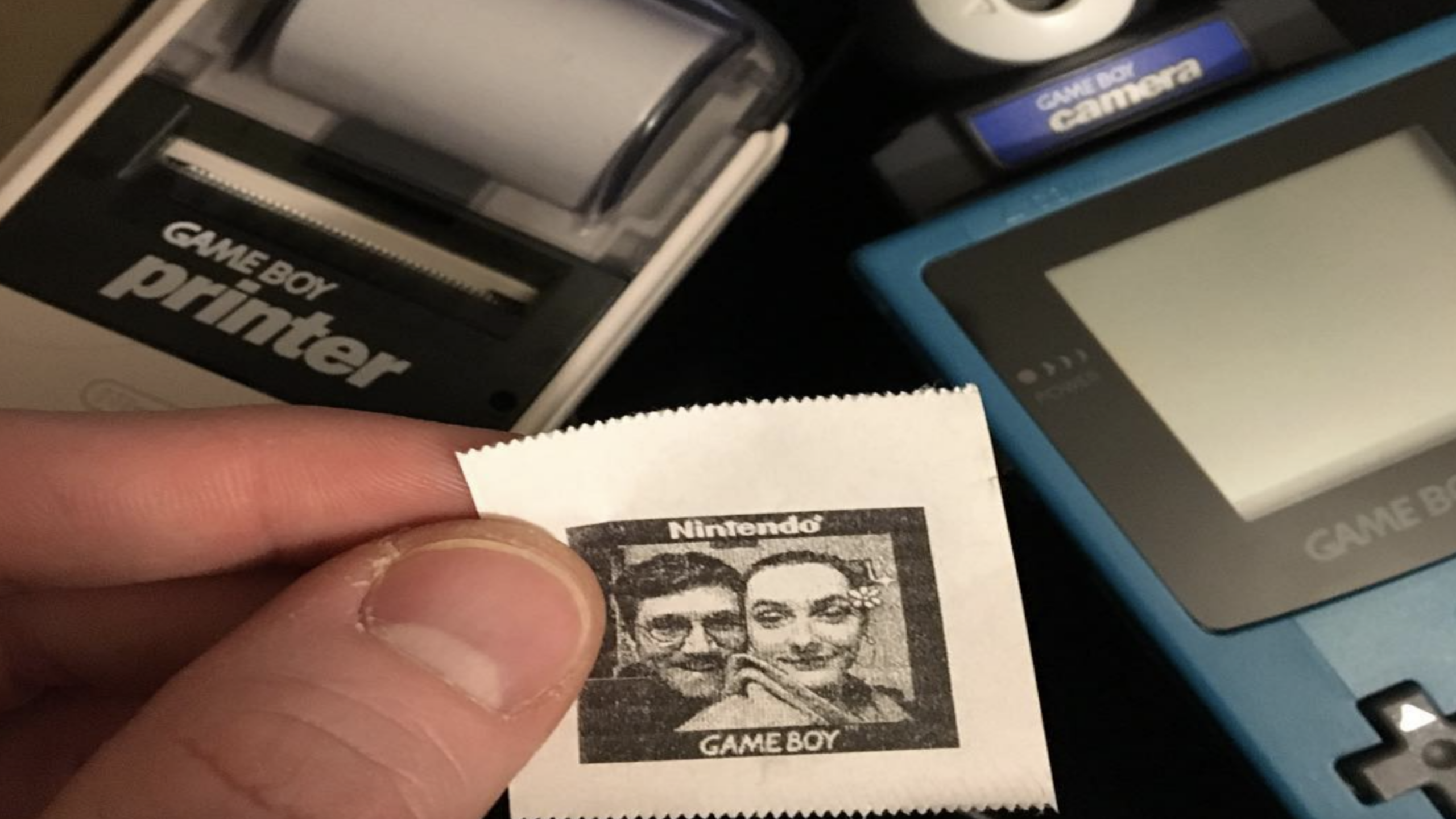
The Game Boy Printer connected directly to the Game Boy Camera and compatible games, allowing players to print stickers, high scores, and even Pokédex entries on thermal paper. It wasn’t exactly practical, but it remains one of the most unforgettable gaming accessories Nintendo ever released.
4. The Memory Card That Was Basically Its Own Console
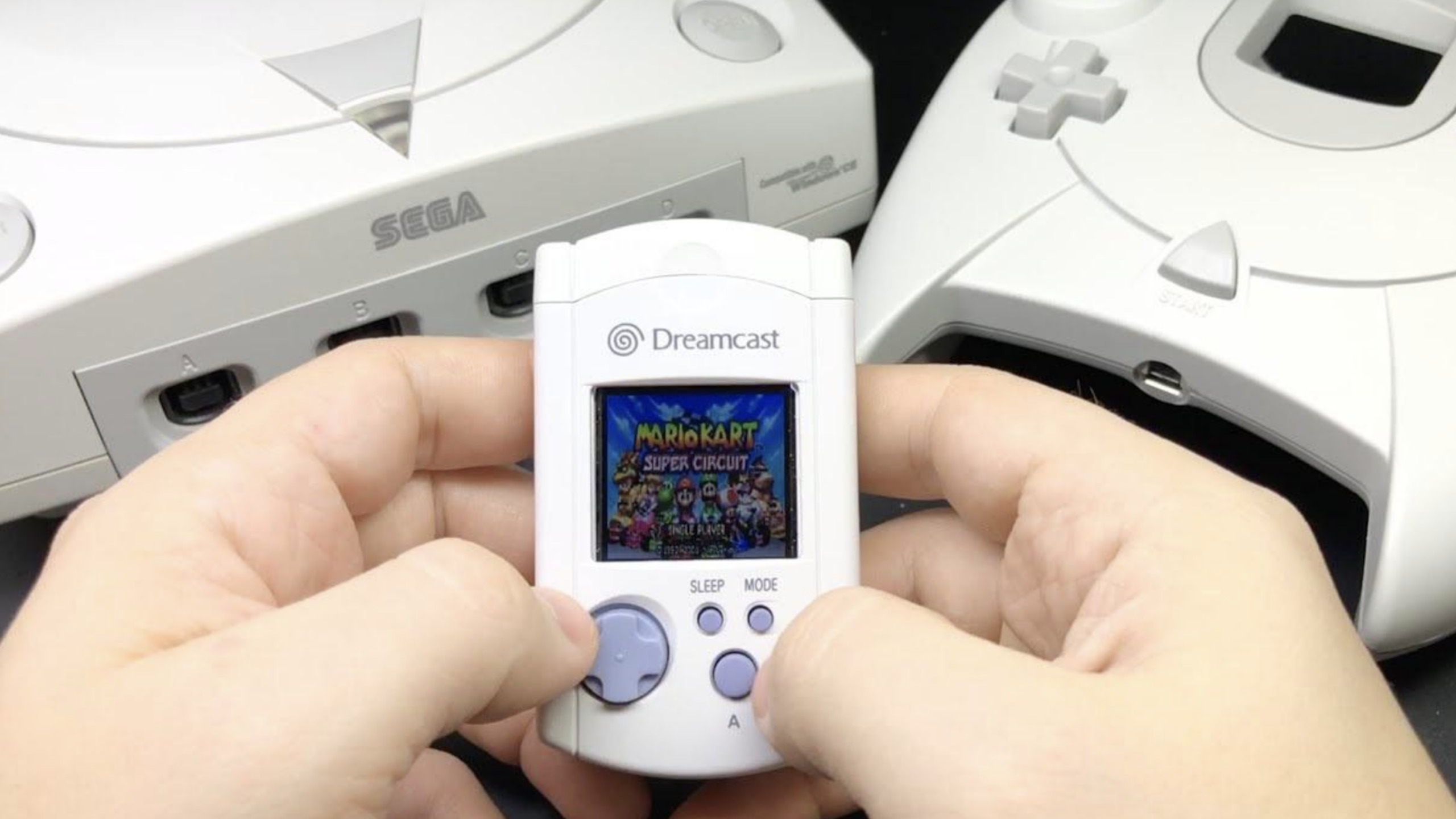
SEGA’s Visual Memory Unit did far more than save progress. It featured its own screen, buttons, and mini games that players could enjoy away from the console. Pulling one out during school or a car ride felt like carrying a tiny handheld system in your pocket.
5. The Plastic Guitar That Turned Living Rooms Into Concerts
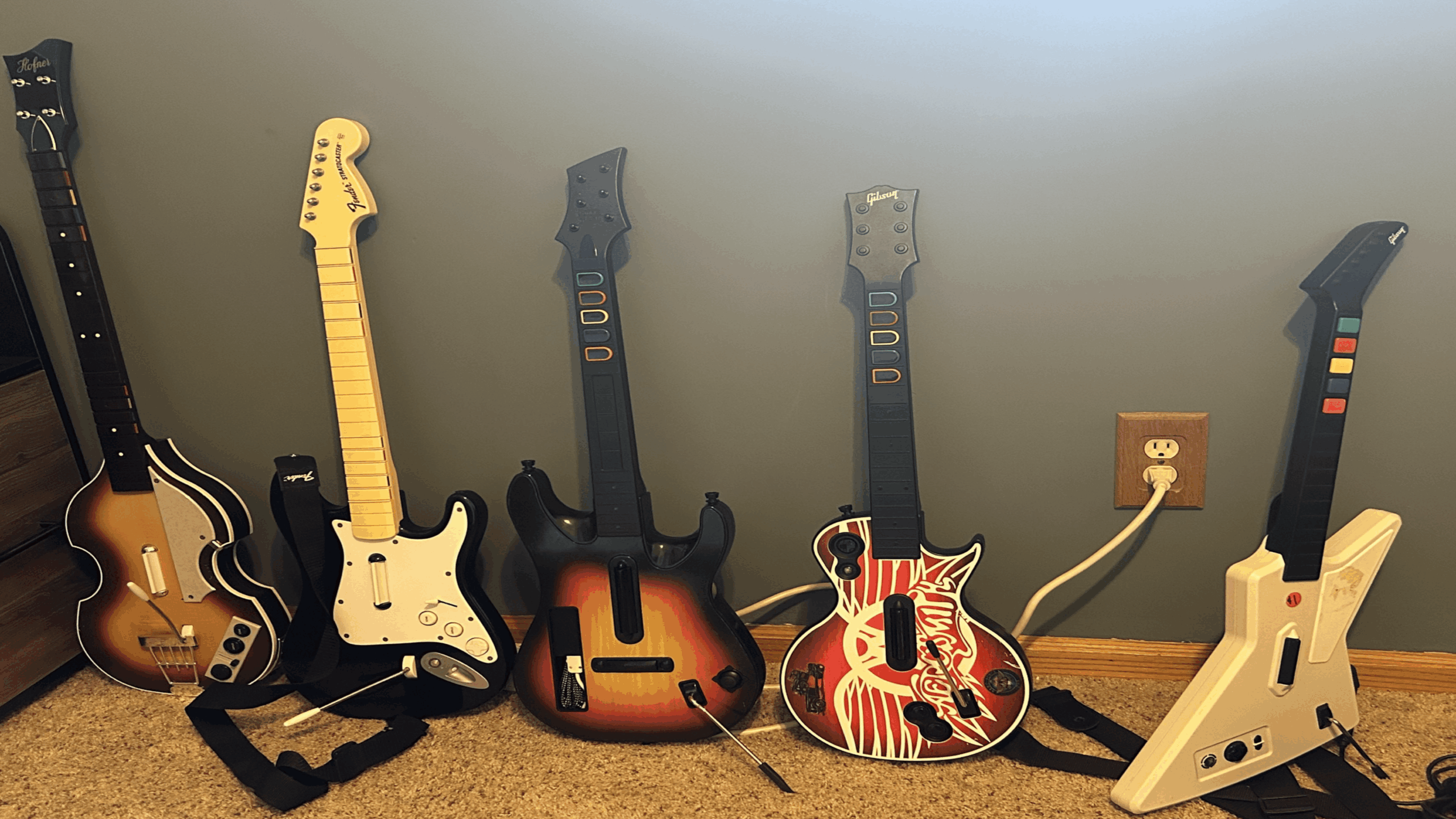
When Guitar Hero exploded in popularity, everyone wanted the iconic Gibson shaped controller. Suddenly, friends competed to master impossible solos while pretending to headline sold out arenas. Even today, it’s remembered as one of the defining gaming accessories of the 2000s.
Trending on realmoneygamer.com

6. Gaming Accessories That Looked Like They Came From the Future
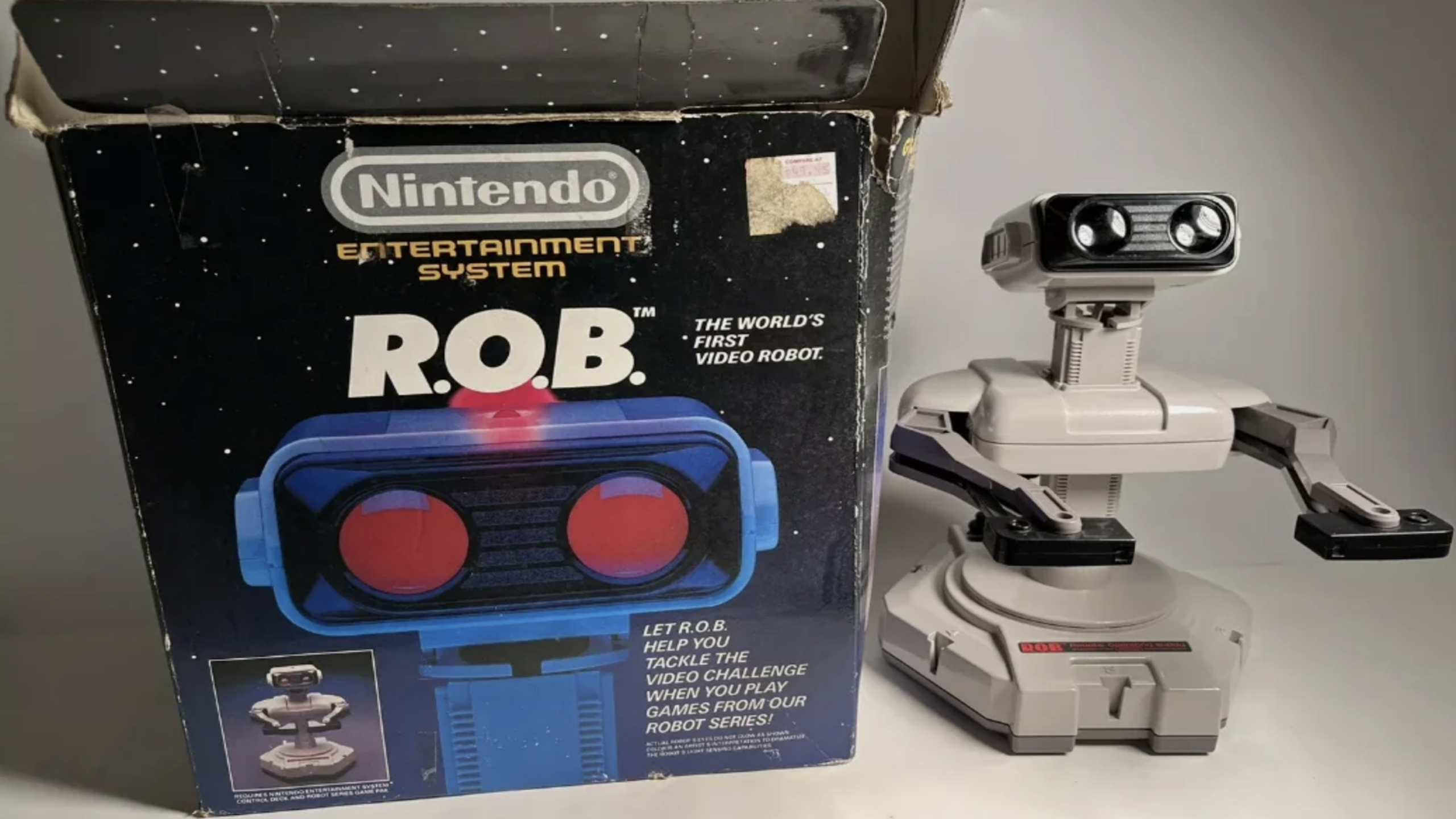
Nintendo introduced R.O.B. in 1985 as a robotic companion capable of interacting with select NES games. Although only a handful of titles supported it, watching a real robot move pieces around your TV felt almost magical and convinced countless kids that robots would soon become part of everyday gaming.
7. Turning Every TV Into an Arcade
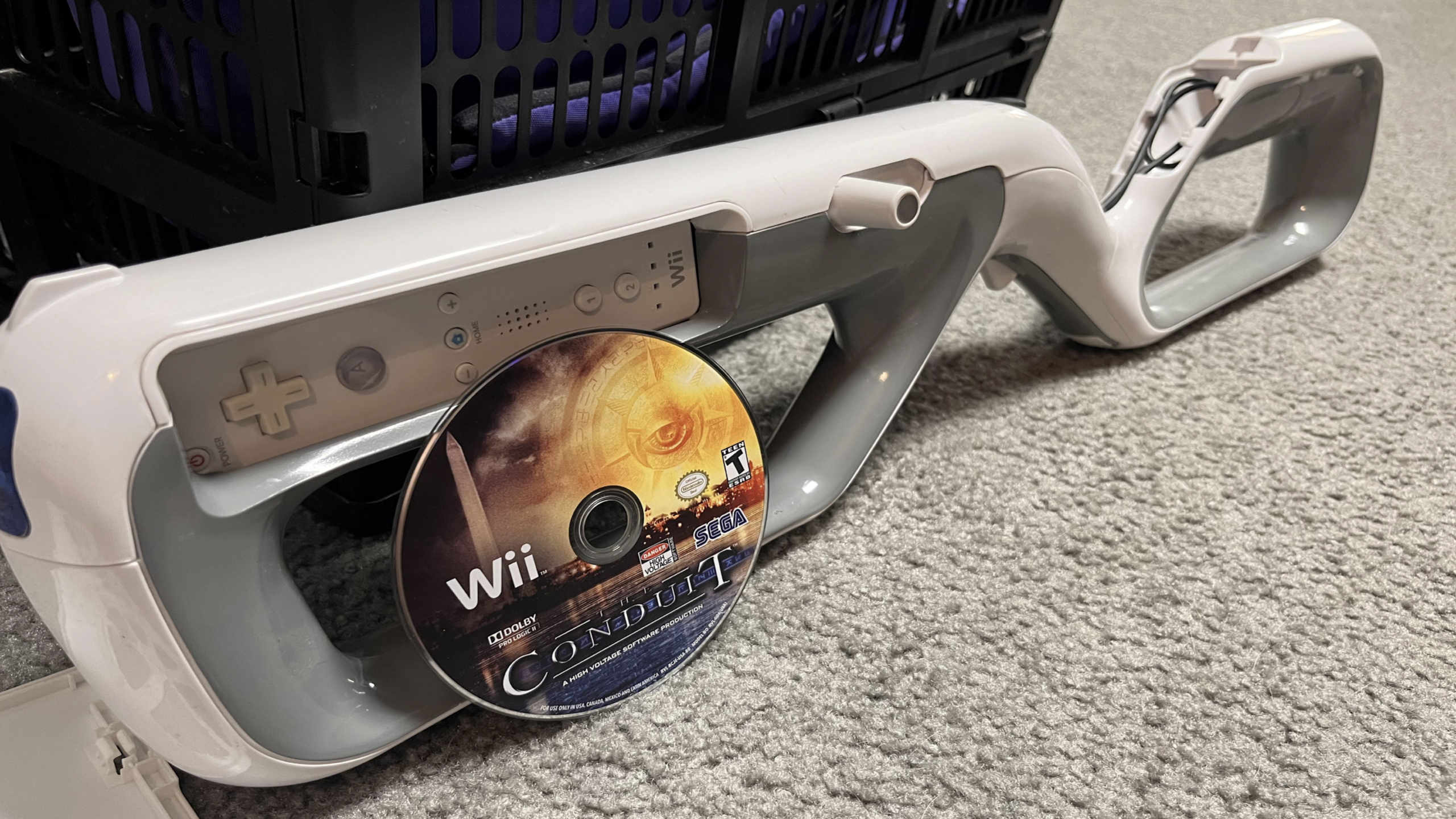
The Wii Zapper combined the Wii Remote and Nunchuk into a lightweight gun shaped accessory that made shooters feel far more immersive. Whether playing Link’s Crossbow Training or Resident Evil: The Umbrella Chronicles, it became one of those gaming accessories that instantly made you feel like the hero.
8. The Weirdest Controller Nintendo Ever Sold
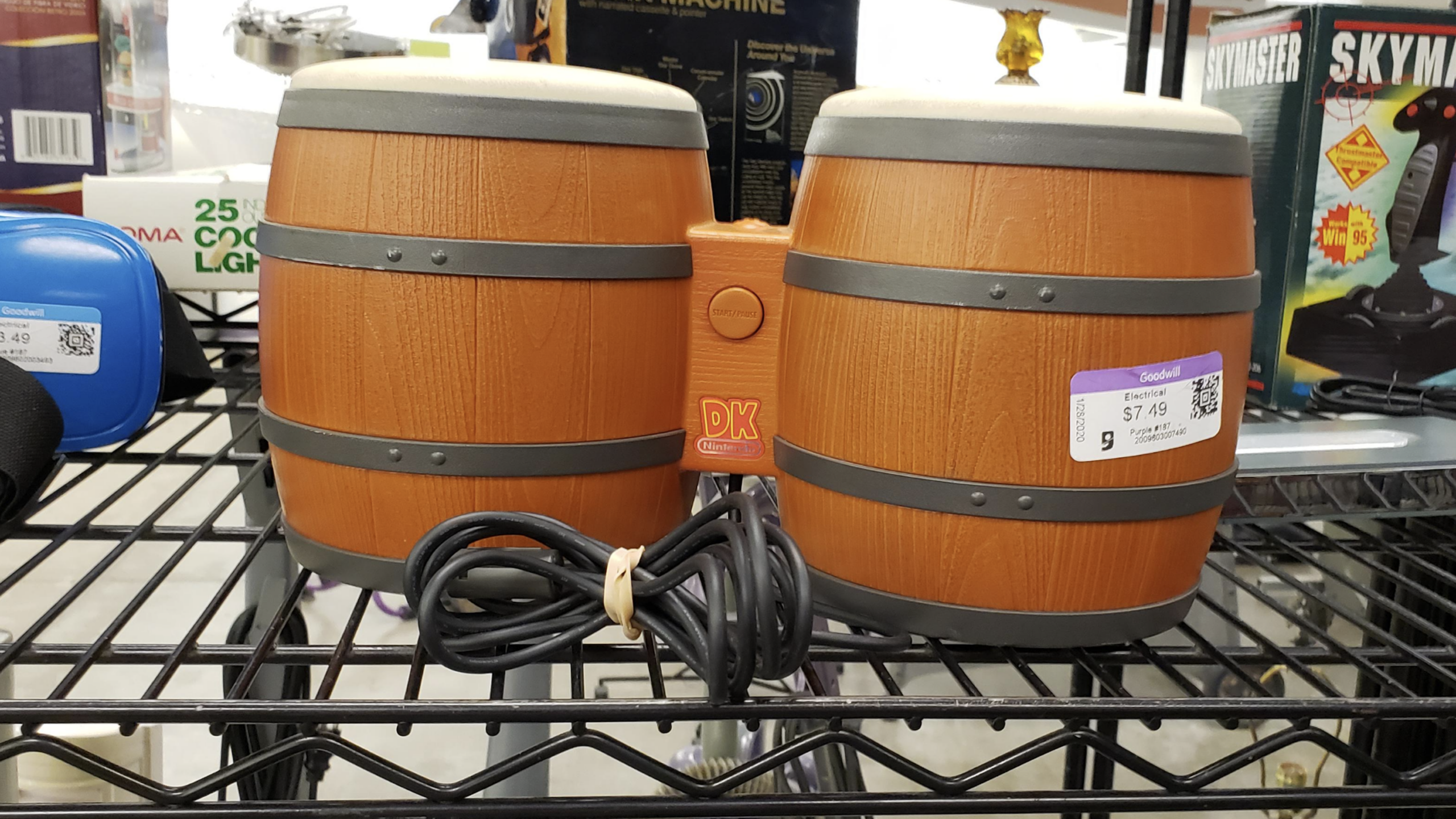
Instead of pressing buttons, players hit a pair of plastic bongos and even clapped to register commands. It sounded ridiculous on paper, yet Donkey Konga became a surprisingly addictive rhythm game that many kids still remember fondly.
9. The Pokémon Gadget That Rewarded You for Walking
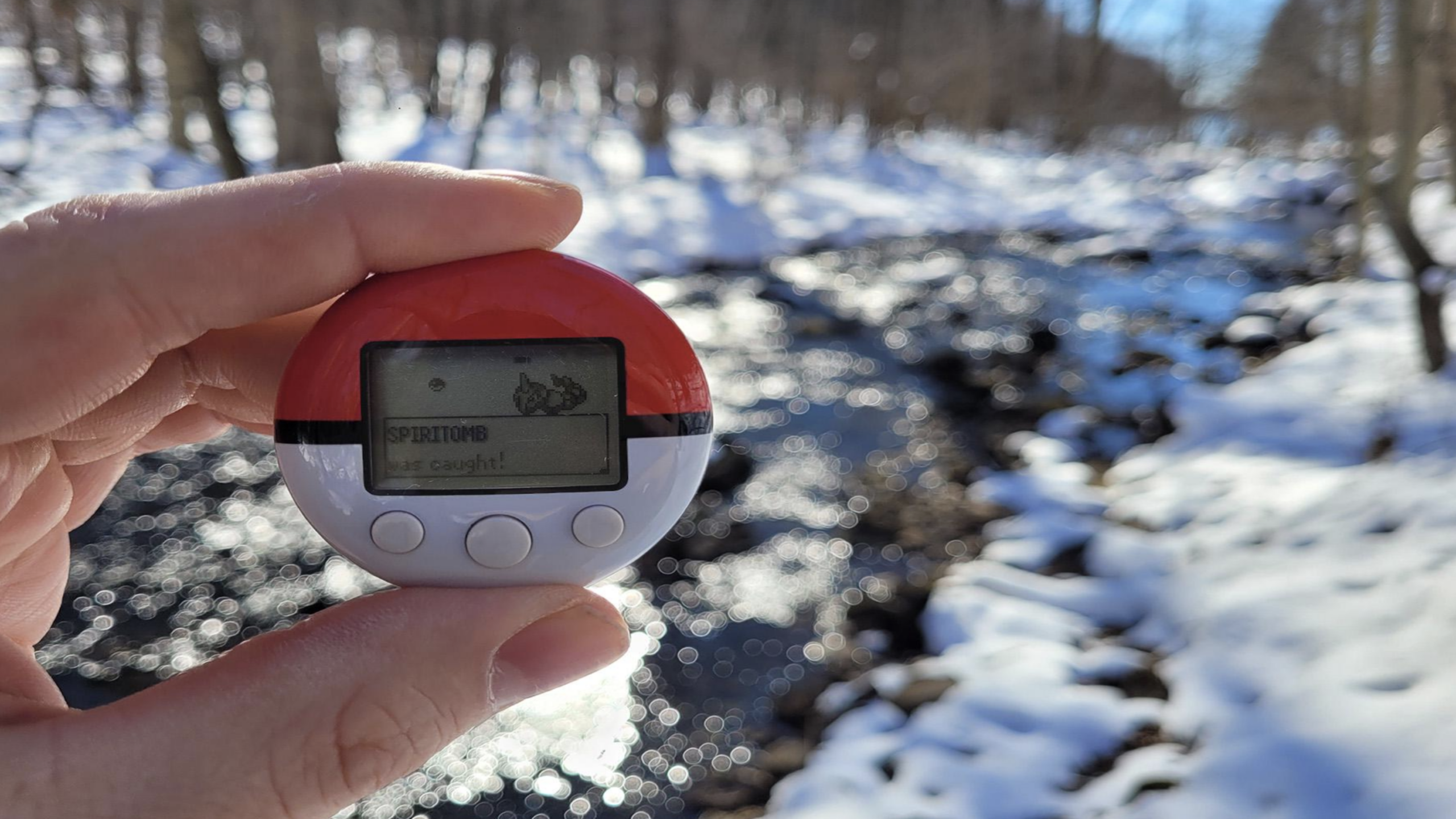
Included with Pokémon HeartGold and SoulSilver, the Pokéwalker encouraged players to take their favorite Pokémon into the real world. Every step earned experience, unlocked items, and even led to new Pokémon encounters, making it one of the smartest gaming accessories Nintendo ever created.
10. The Controller Nobody Needed but Everyone Wanted
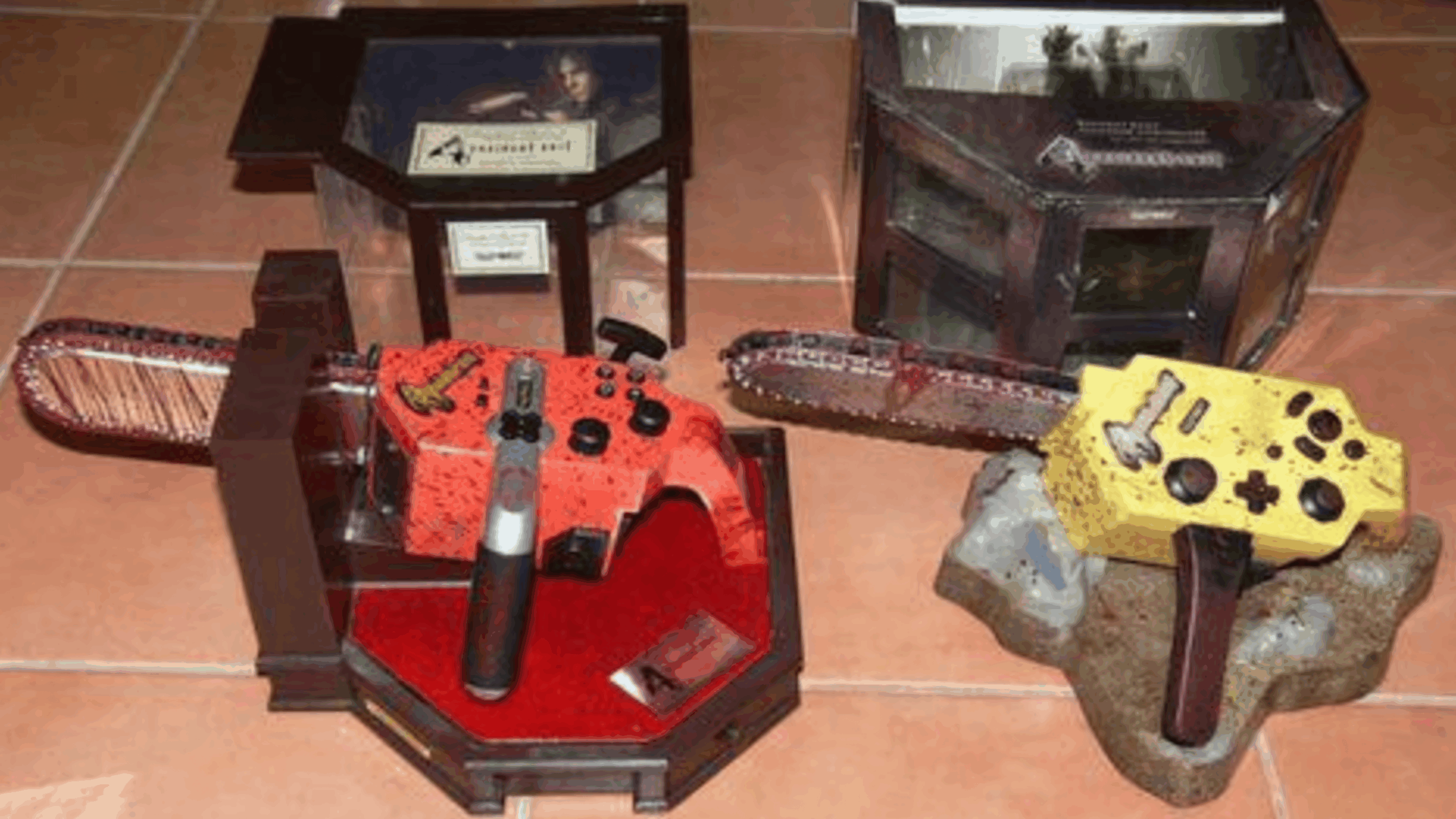
Capcom celebrated Resident Evil 4 with one of the wildest controllers ever sold: a full sized replica of Leatherface style chainsaw complete with handle and oversized buttons. It wasn’t especially practical, but it instantly became a dream collectible for horror fans and remains one of the most outrageous gaming peripherals ever produced.
11. The Controller With More Buttons Than a Cockpit
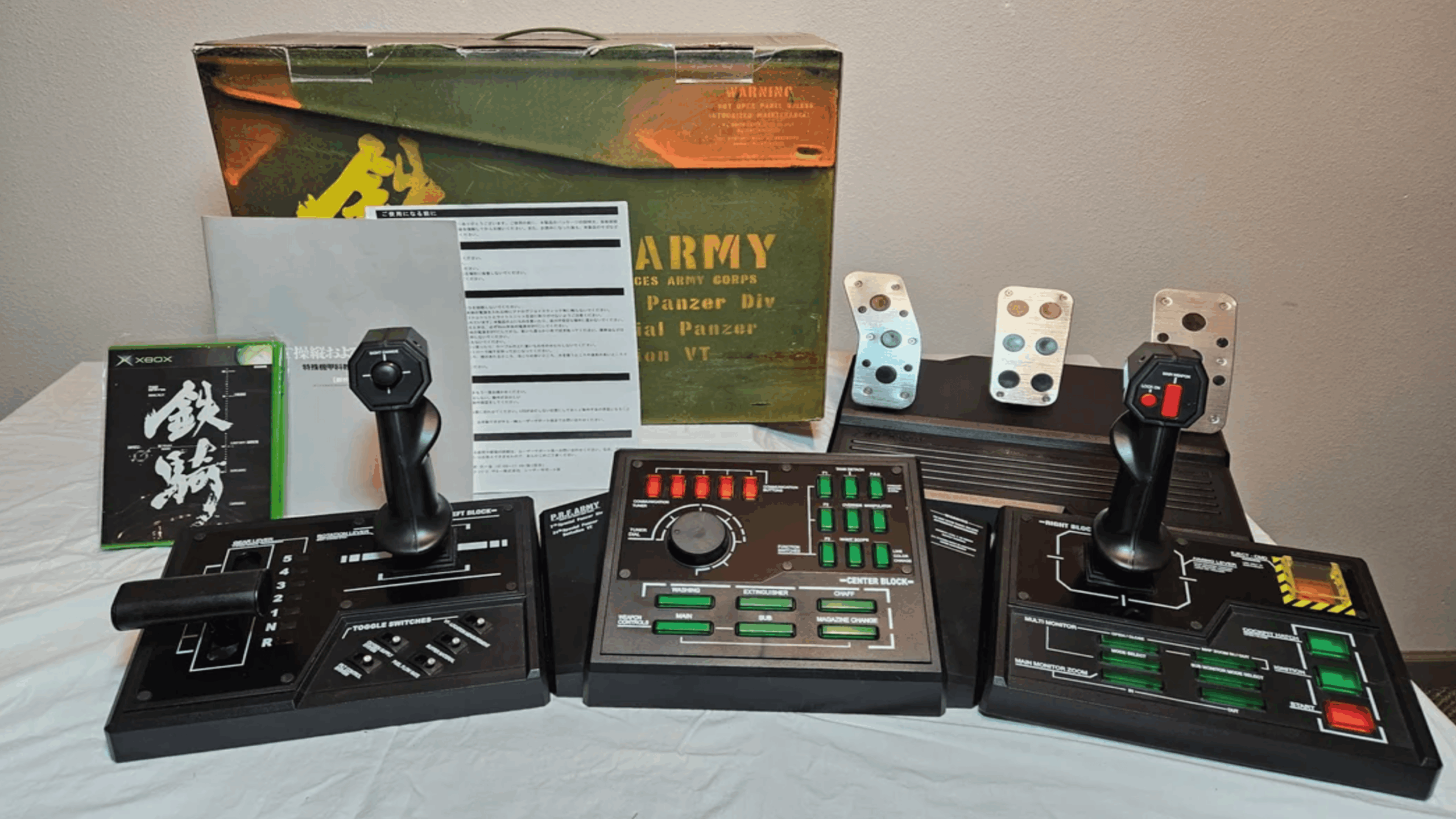
Capcom didn’t settle for a regular gamepad. Steel Battalion launched on the original Xbox with a massive controller featuring more than 40 buttons, pedals, dual joysticks, and switches that made players feel like they were piloting a real mech. Its enormous size and high price turned it into one of the most legendary gaming accessories ever released.
12. The Motion Controller That Arrived a Decade Too Early
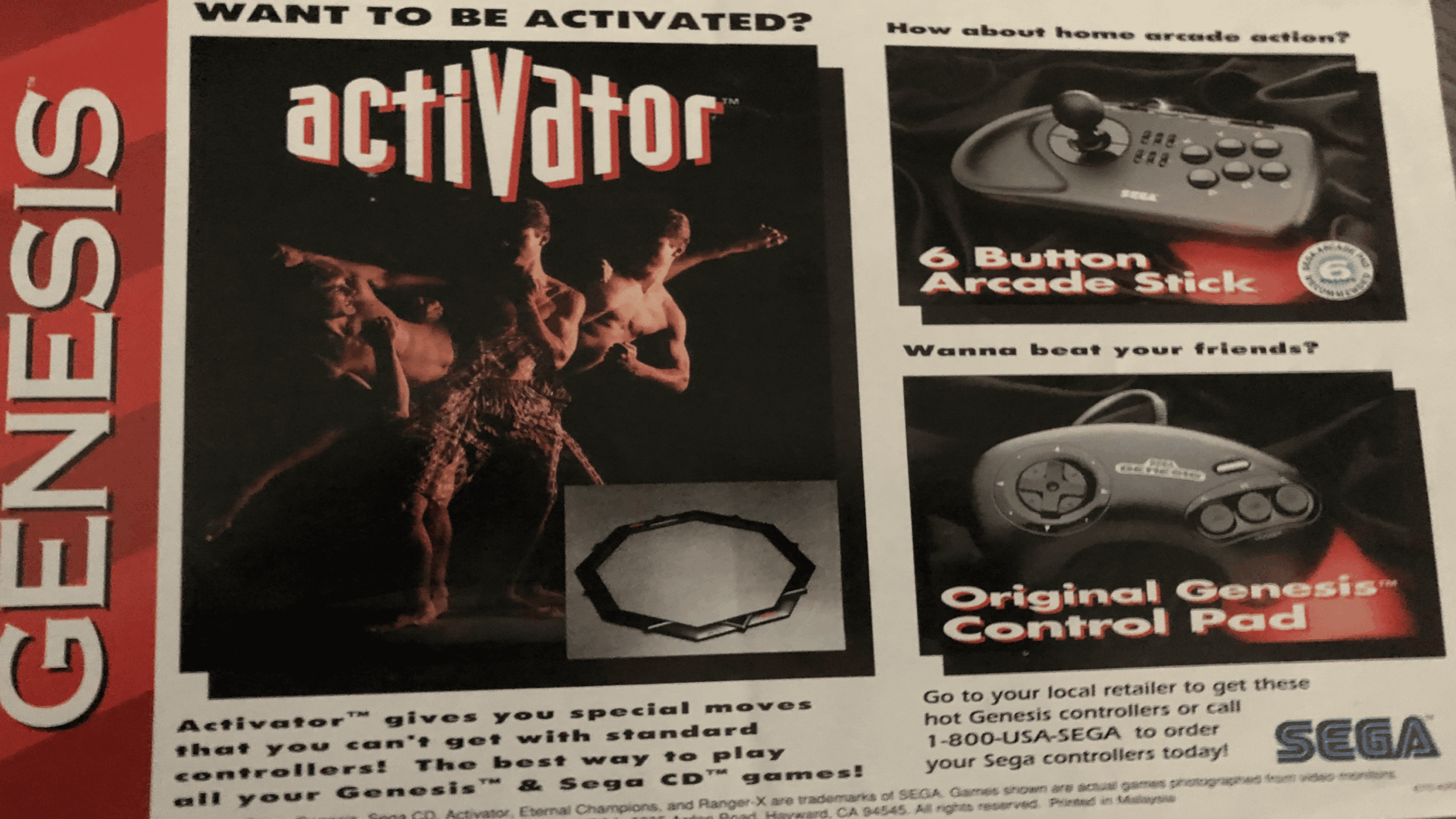
Years before the Wii and Kinect, Sega imagined players controlling games with punches, kicks, and hand movements. The Activator surrounded players with an octagonal ring of infrared sensors, promising arcade-like action without touching a controller. While the technology never lived up to expectations, every kid thought it looked like something from the future.
13. Turning Your PS One Into a Portable Console
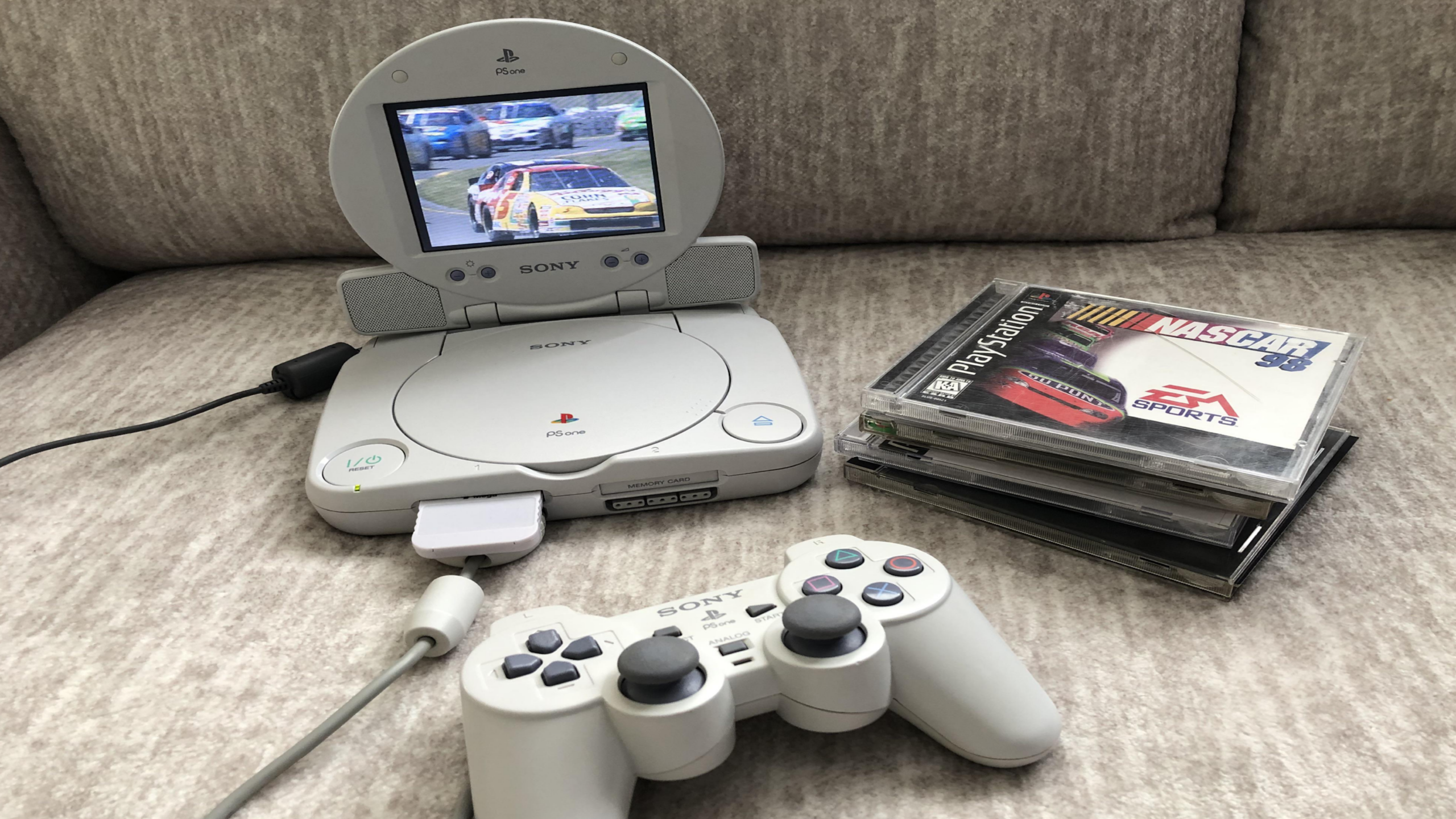
Sony’s official LCD Screen clipped directly onto the redesigned PS One, transforming the console into a compact gaming system you could carry almost anywhere. Whether on family vacations or long car rides, it felt like the closest thing to having a portable PlayStation, making it one of the coolest gaming accessories of the early 2000s.
14. The Accessory That Turned Trading Cards Into Video Games
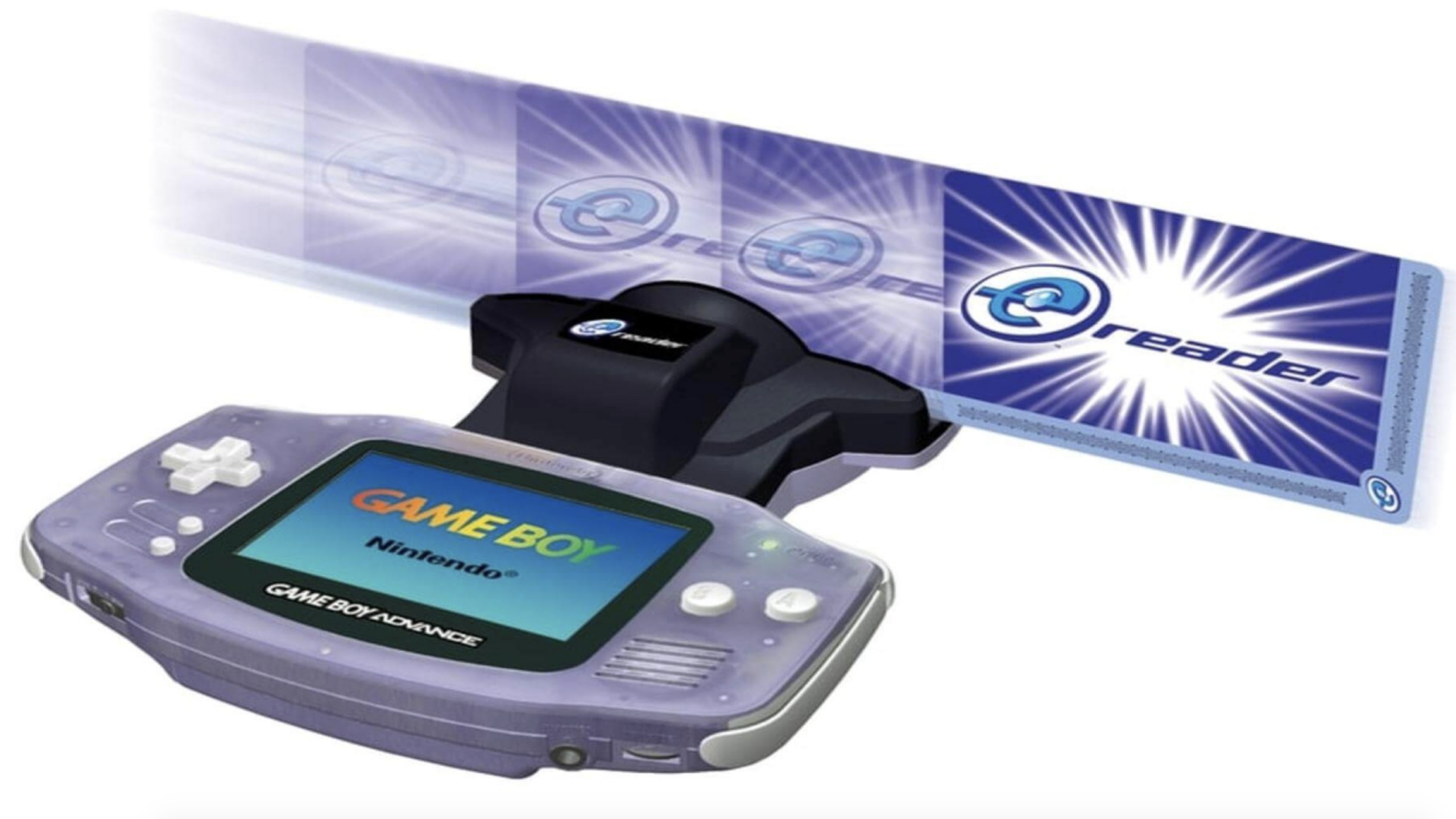
The Nintendo e-Reader looked like a simple Game Boy Advance cartridge, but it could scan special cards filled with data, unlocking mini games, exclusive levels, and hidden items. The idea seemed almost magical at the time, blending physical collectibles with digital content years before amiibo became popular.
15. The Racing Wheel Every Gran Turismo Fan Dreamed Of
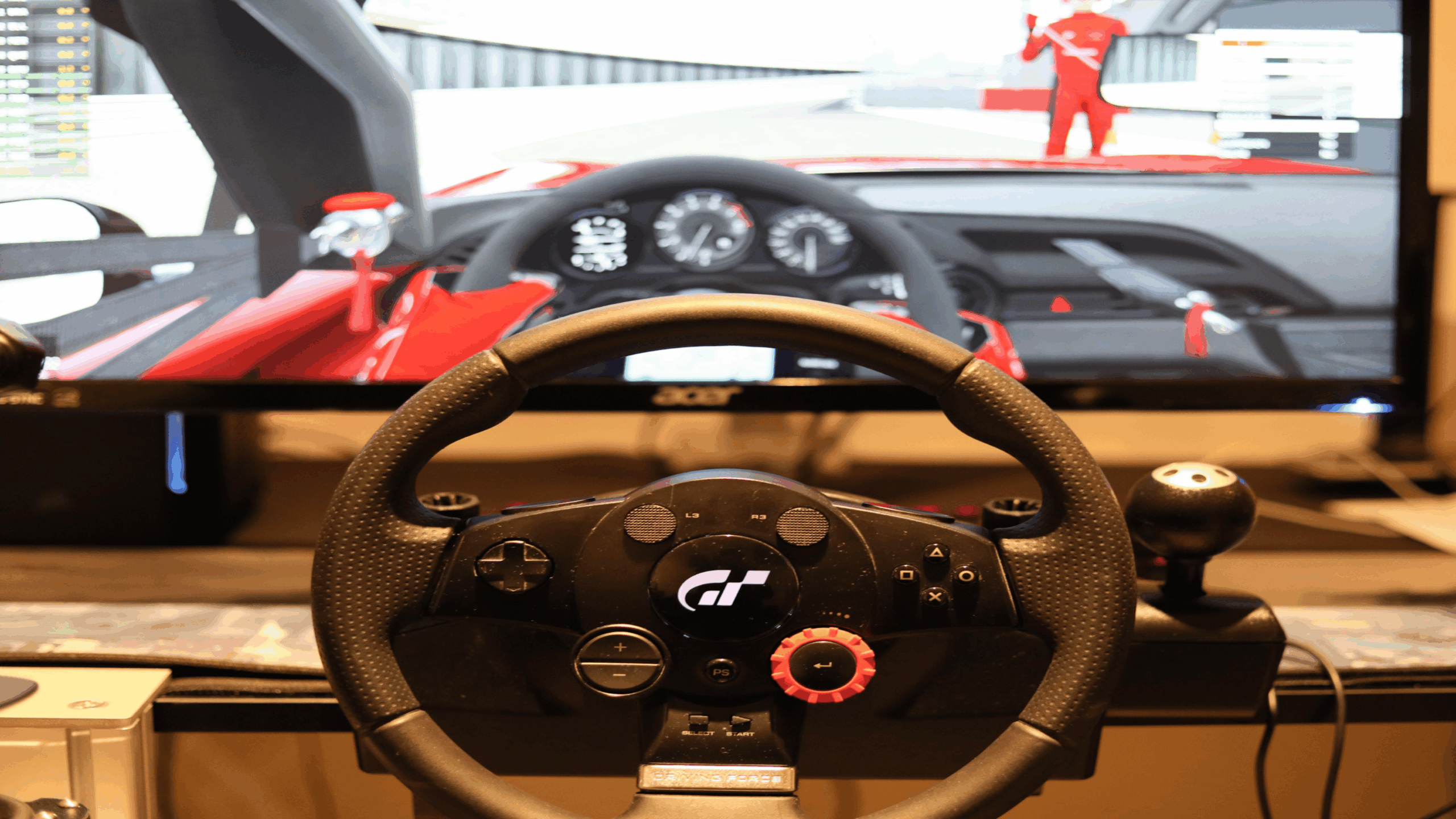
For racing fans, nothing felt more realistic than replacing a standard controller with a force feedback steering wheel. Officially designed for Gran Turismo, the Driving Force GT featured responsive force feedback, paddle shifters, and a full 900 degree steering range, making it one of the most desirable gaming accessories for anyone who wanted their bedroom to feel like a professional racing simulator.