Some consoles sell well. Others completely reshape the gaming industry. Over the past five decades, a handful of systems have introduced groundbreaking technology, smashed sales records, and become the machines everyone wanted under the TV. Whether they sparked fierce console wars or brought millions of new players into gaming, these are the consoles that ruled their era and left a lasting mark on video game history.
1. 1977: Atari Brings the Arcade Homed the Home Gaming Revolution
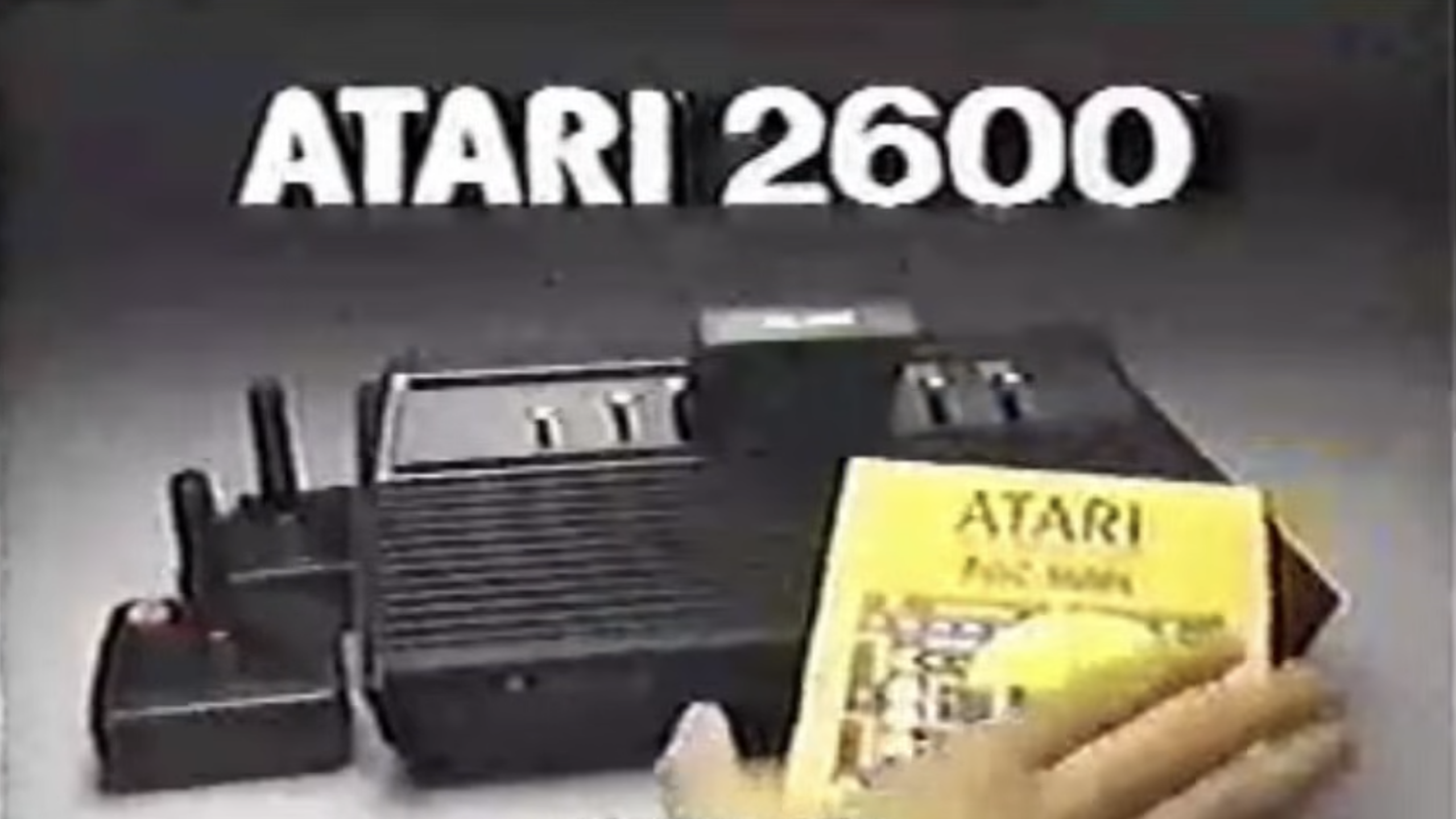
The Atari 2600 didn’t invent home gaming, but it was the machine that made it mainstream. Before its arrival, most people associated video games with arcades, where every session cost another quarter. Atari changed that by introducing interchangeable cartridges, allowing players to build a game library instead of buying dedicated systems with a single title built in. When Space Invaders arrived in 1980, it became the first licensed arcade port to drive hardware sales, turning the Atari 2600 into a must own system and helping launch the modern console business.
2. 1985: Nintendo Rebuilds Gaming From Scratch
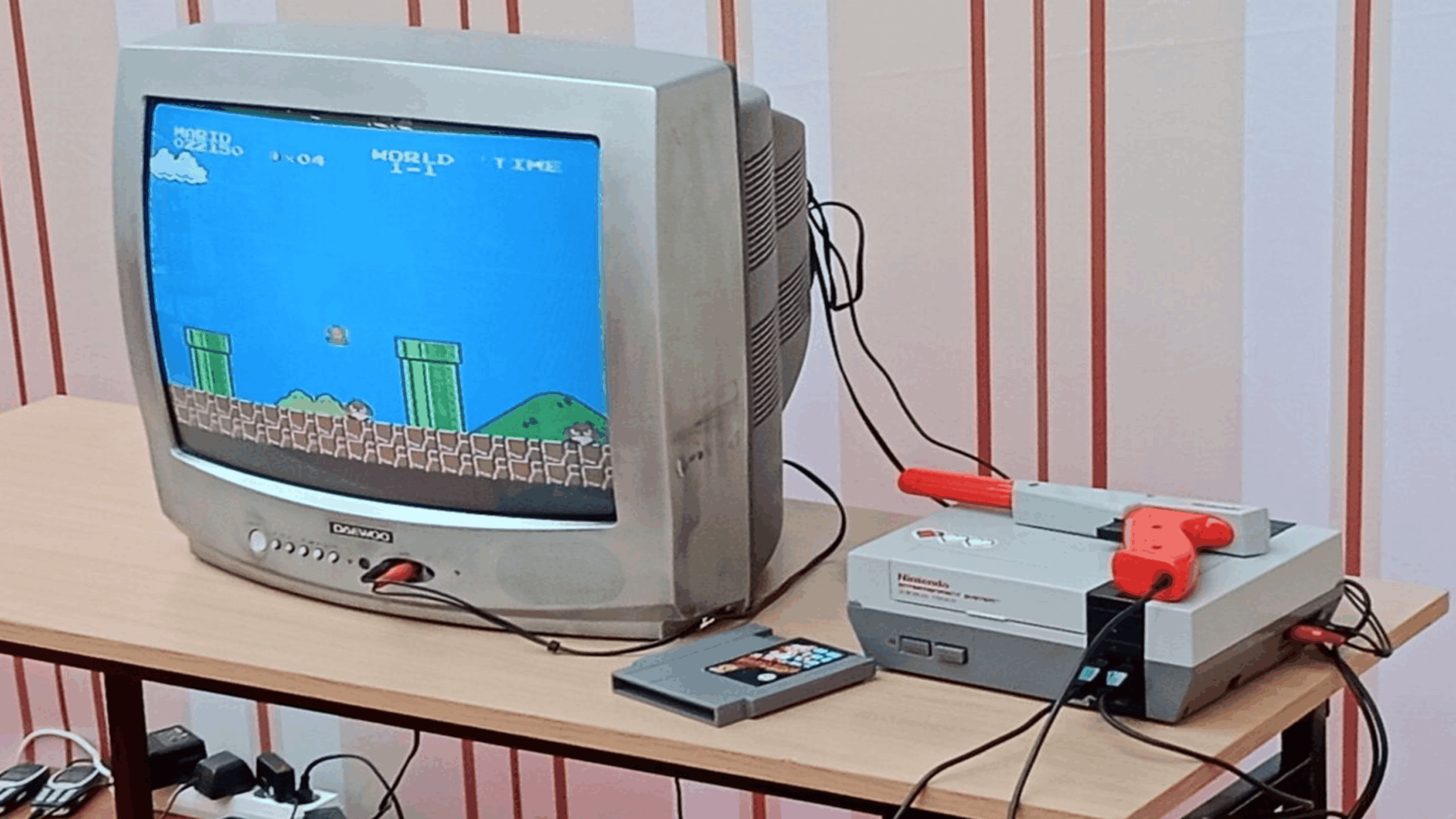
After the North American video game crash, retailers had little interest in stocking another game system. Nintendo approached the problem differently, marketing the NES almost like a toy while introducing strict quality standards through the Nintendo Seal of Quality. Combined with Super Mario Bros., The Legend of Zelda, and Metroid, the strategy worked beyond anyone’s expectations. Within a few years, Nintendo wasn’t just selling hardware. It had restored consumer confidence in an industry many believed was finished.
3. 1989: The Handheld That Beat Better Hardware
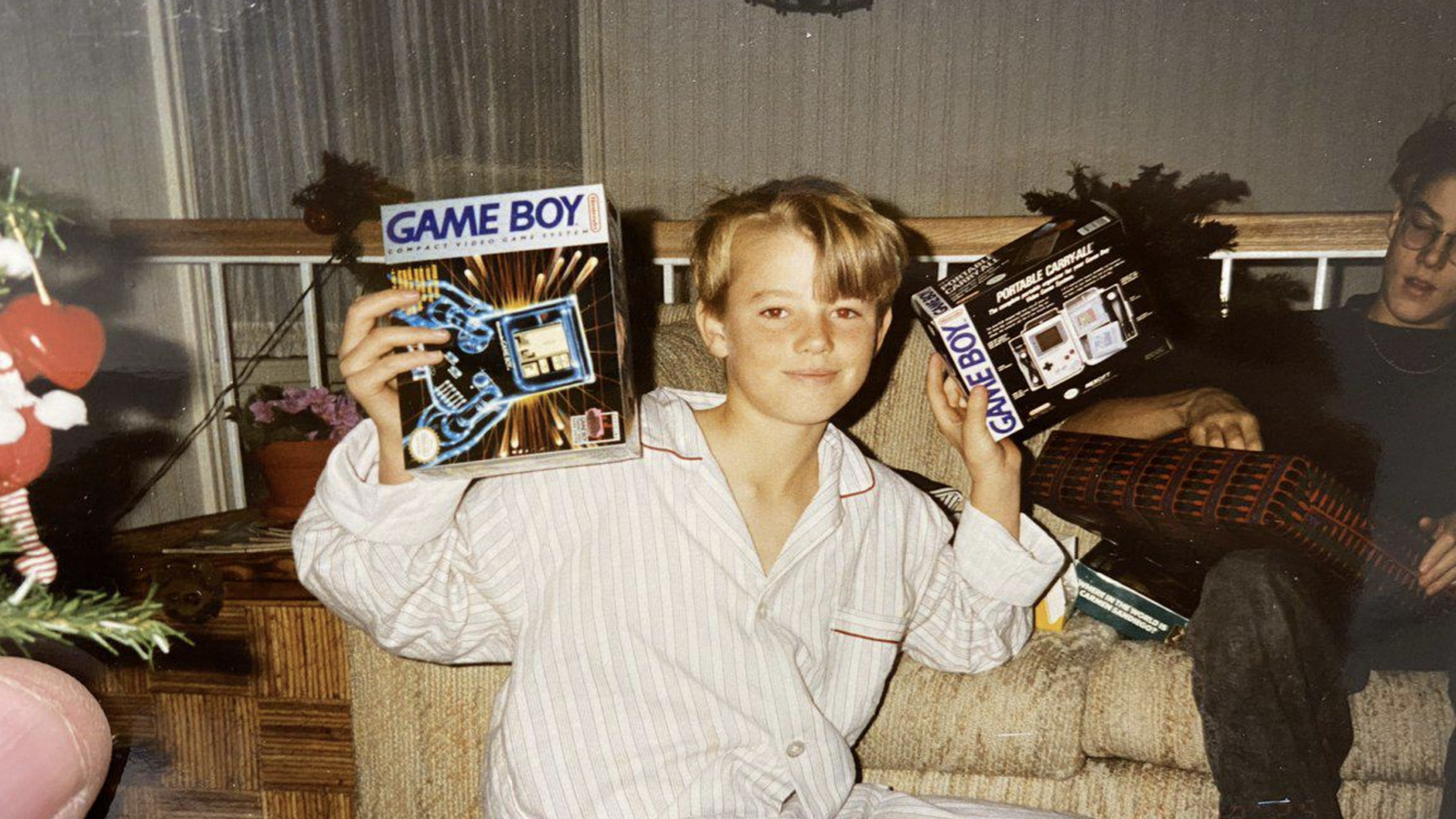
The Game Boy looked underpowered compared to rivals like the Atari Lynx and Sega Game Gear, both of which offered full color screens. Yet Nintendo understood something its competitors didn’t. Players cared more about battery life, affordability, and games than technical specifications. Bundling the system with Tetris made it instantly addictive, while Pokémon later transformed it into a worldwide cultural phenomenon. Sometimes the smartest technology isn’t the most powerful one.
4. 1991: The 16 Bit Console Everyone Wanted
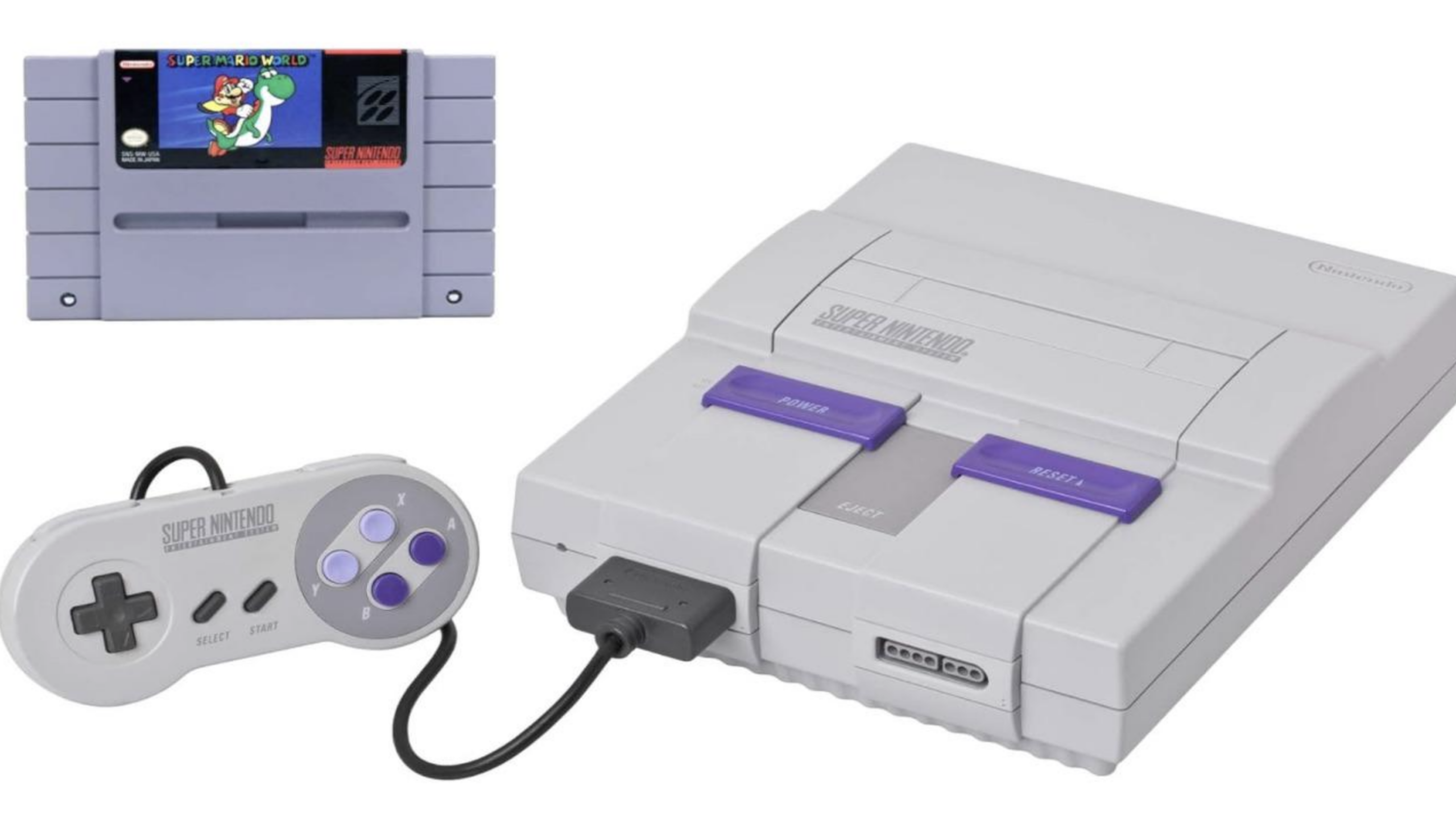
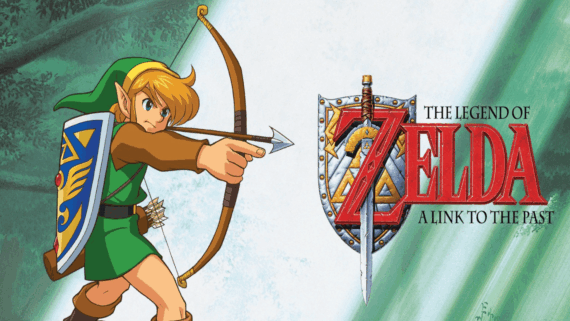
Nintendo entered the 16 bit era with hardware capable of richer colors, improved audio, and visual tricks like Mode 7, which simulated depth and rotation in games such as F-Zero. More importantly, the system delivered one remarkable exclusive after another, including Super Mario World, A Link to the Past, Super Metroid, and Donkey Kong Country. Even decades later, its game library is still considered one of the strongest ever assembled.
5. 1994: Sony Enters and Changes Everything
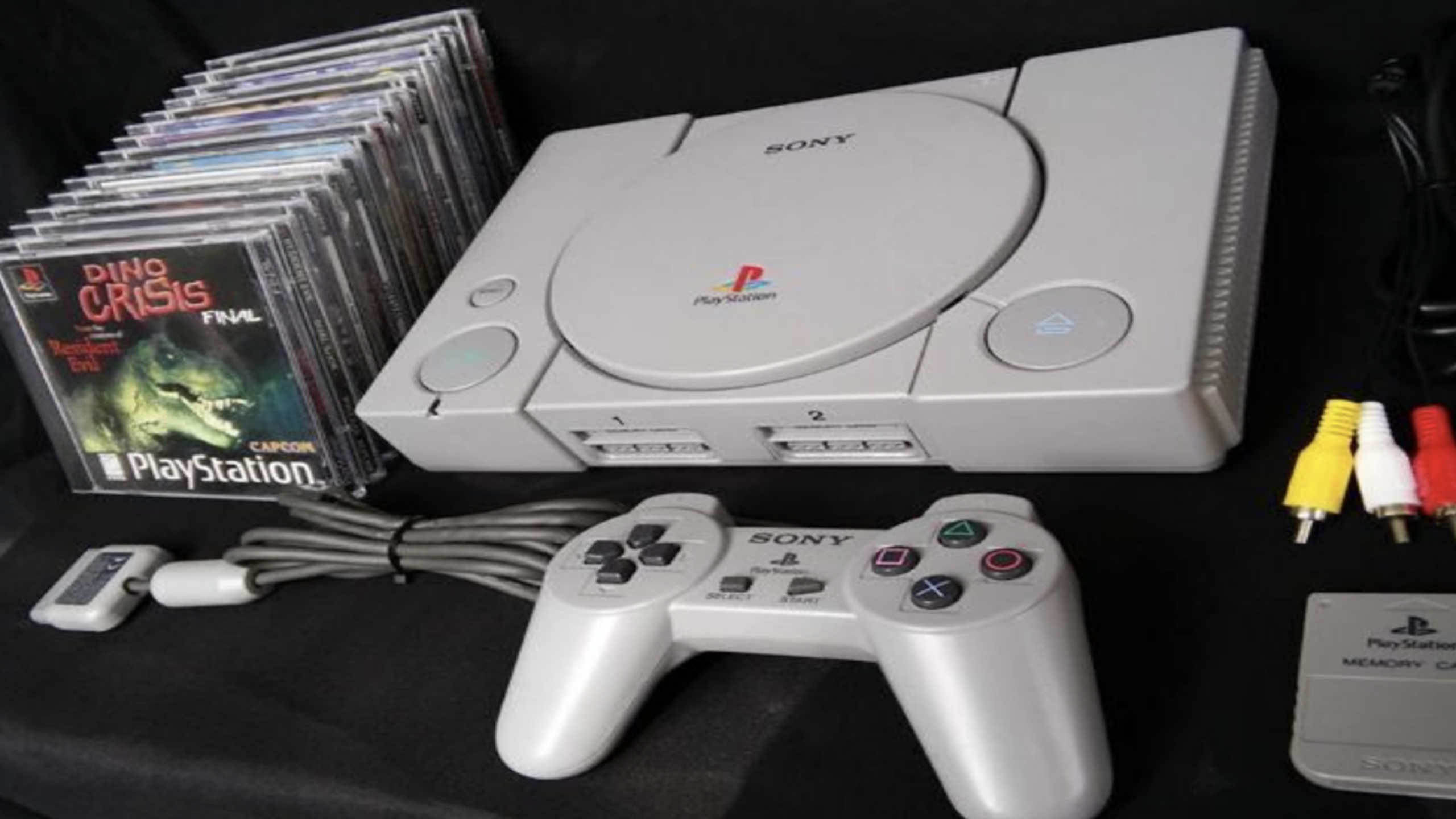
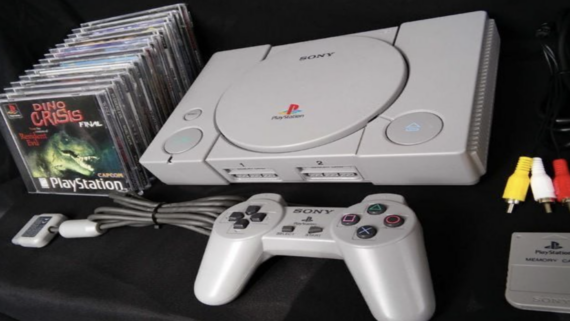
When Sony released the original PlayStation, few expected a newcomer to challenge Nintendo and Sega. Instead, it redefined gaming by embracing CDs over cartridges, giving developers far more storage for cinematic cutscenes, full voice acting, and expansive worlds. It also attracted an older audience with games like Resident Evil, Metal Gear Solid, Gran Turismo, and Final Fantasy VII, proving video games had grown beyond children’s entertainment.
Trending on realmoneygamer.com
6. 1998: Sega Dreamcast Took Consoles Into the Online Era
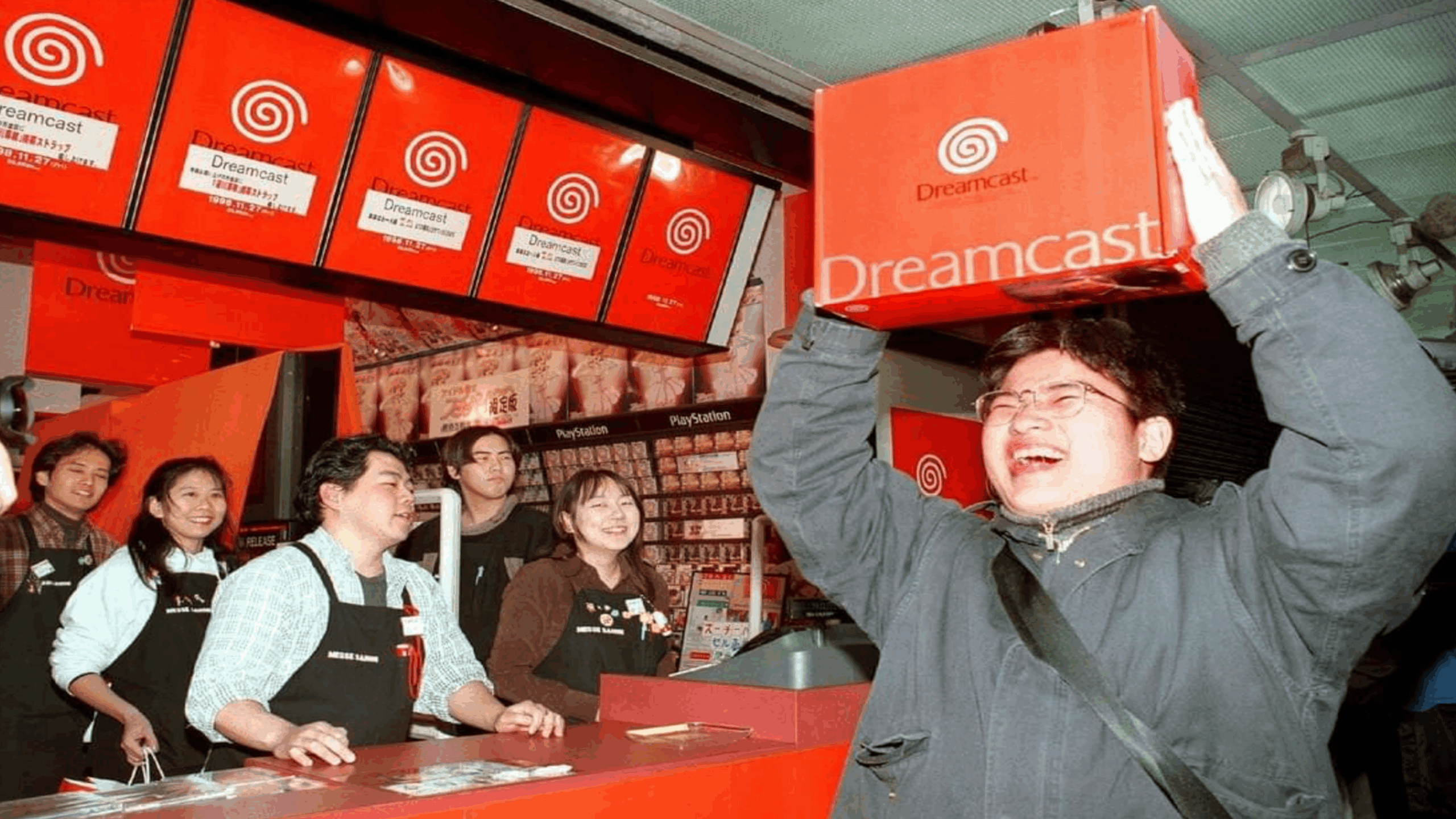
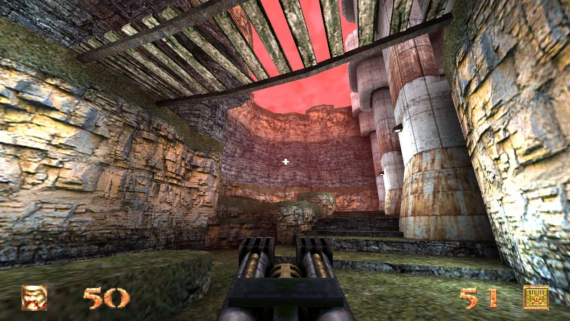
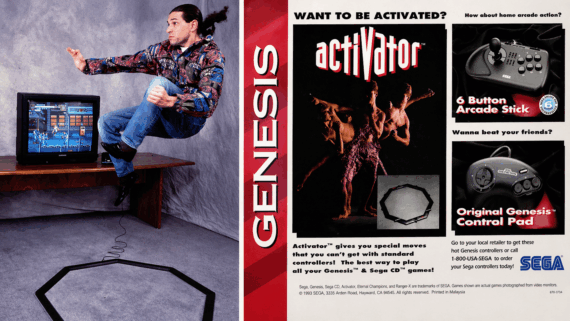
Although the Dreamcast enjoyed a short lifespan, its influence far outlasted its commercial performance. It launched with built in internet connectivity, supported online multiplayer years before it became standard, and introduced ideas like downloadable content and web browsing on a home system. Games such as Phantasy Star Online, Shenmue, and Jet Set Radio were years ahead of their time, making the Dreamcast one of gaming’s most innovative machines despite Sega’s exit from the hardware business.
7. 2000: PlayStation 2 Becomes a Cultural Phenomenon
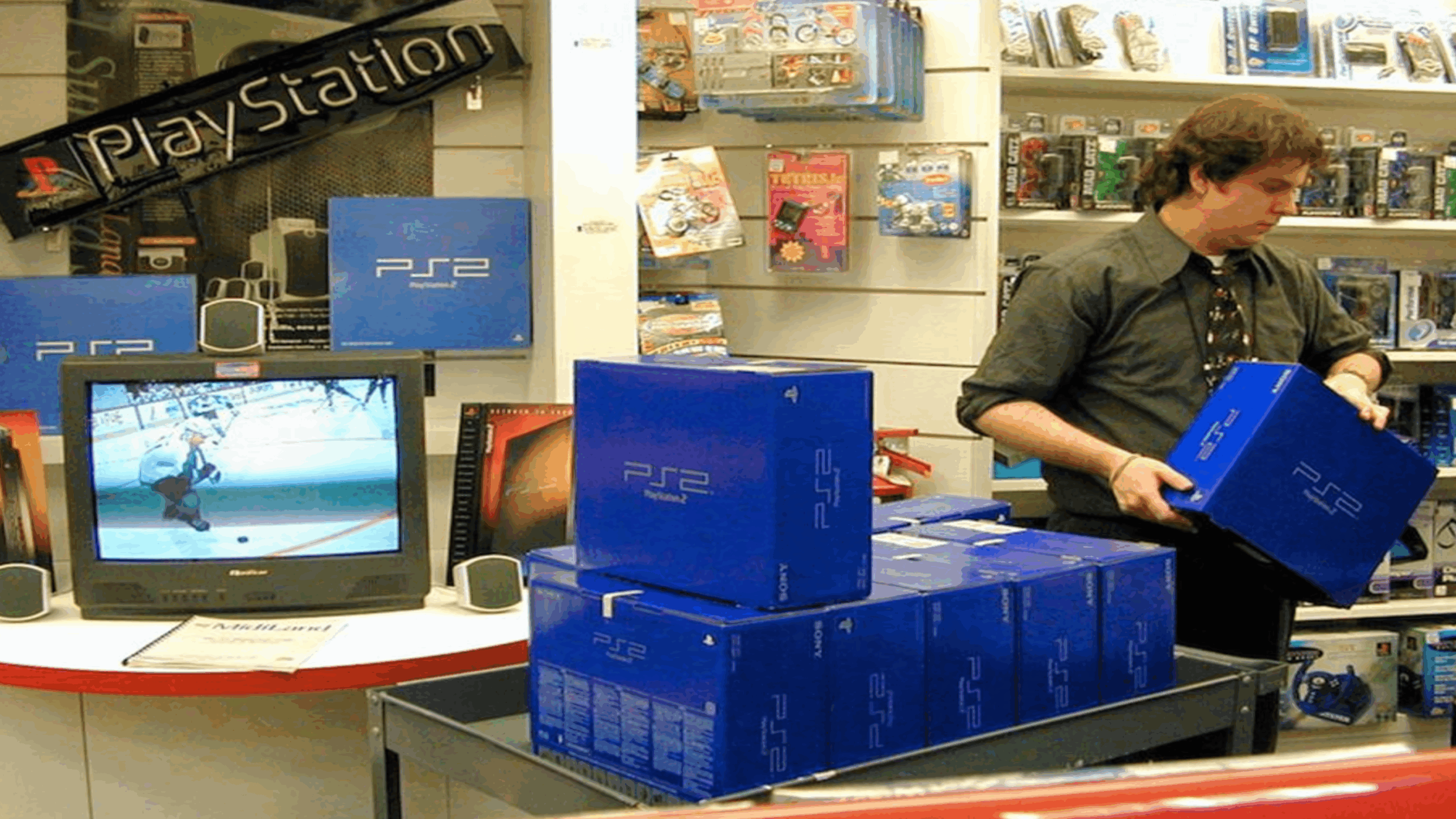
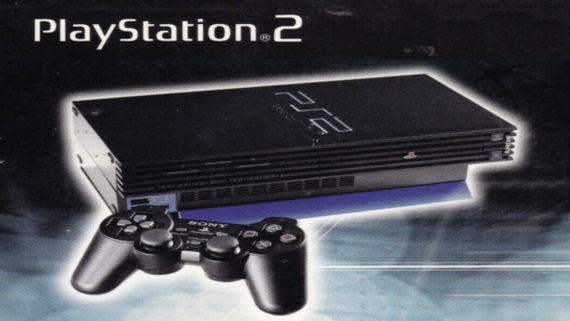
The PlayStation 2 wasn’t simply the best selling console ever. It became an entertainment hub. Its built in DVD player arrived when standalone DVD players were still expensive, making the system an easy purchase for millions of households. Combined with an unmatched library featuring Grand Theft Auto: San Andreas, Shadow of the Colossus, God of War, Kingdom Hearts, and hundreds of other classics, the PS2 dominated the 2000s like few platforms ever have.
8. 2001: Microsoft Crashes the Party
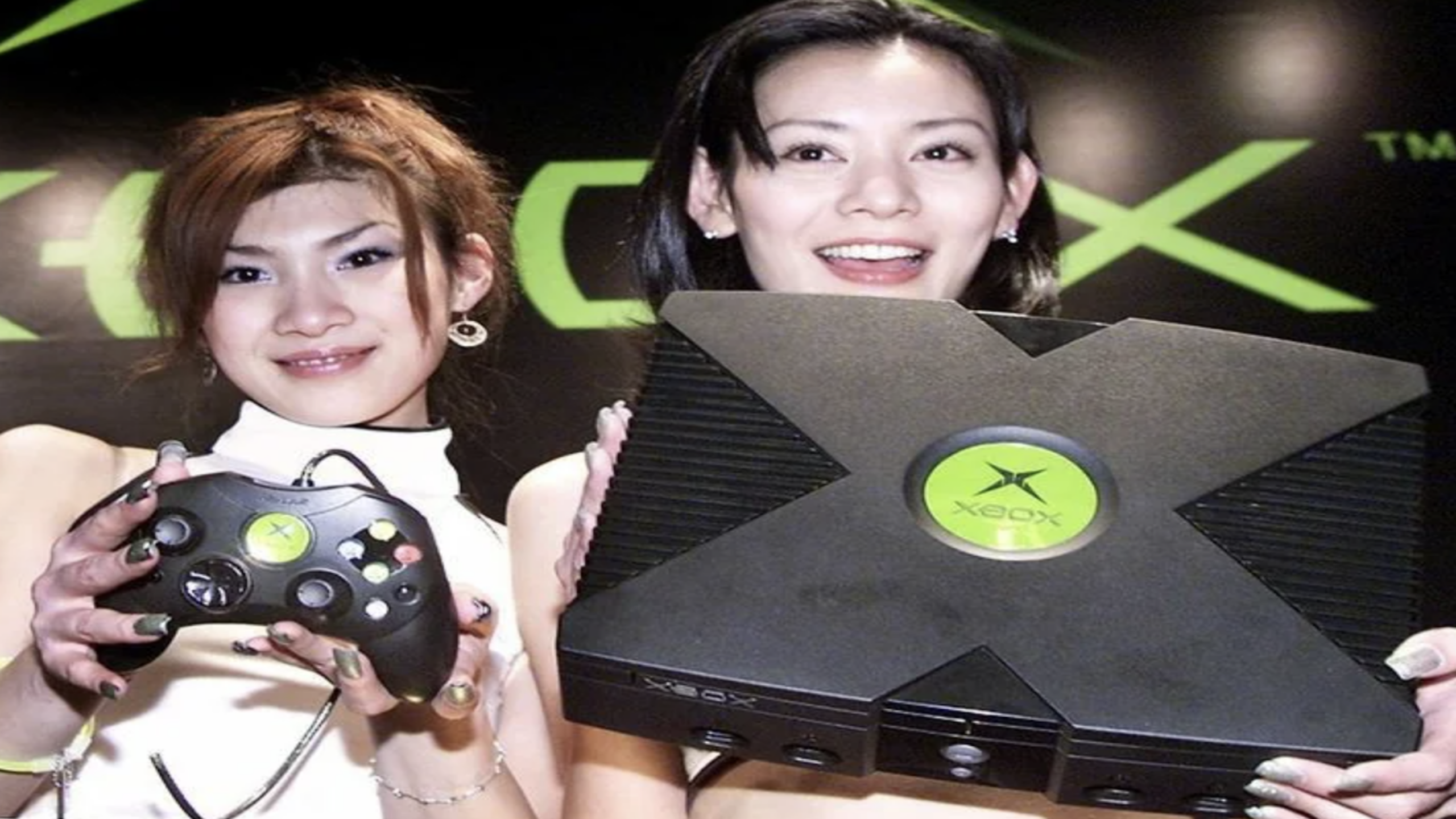
Few companies had the resources to challenge Sony and Nintendo, but Microsoft entered the market determined to compete. The original Xbox delivered powerful hardware, an internal hard drive, and later Xbox Live, a service that fundamentally changed online gaming on consoles. Meanwhile, Halo: Combat Evolved became the killer app that instantly turned Xbox into a serious competitor and established one of gaming’s biggest franchises.
9. 2004: Nintendo Reinvents Portable Gaming Again
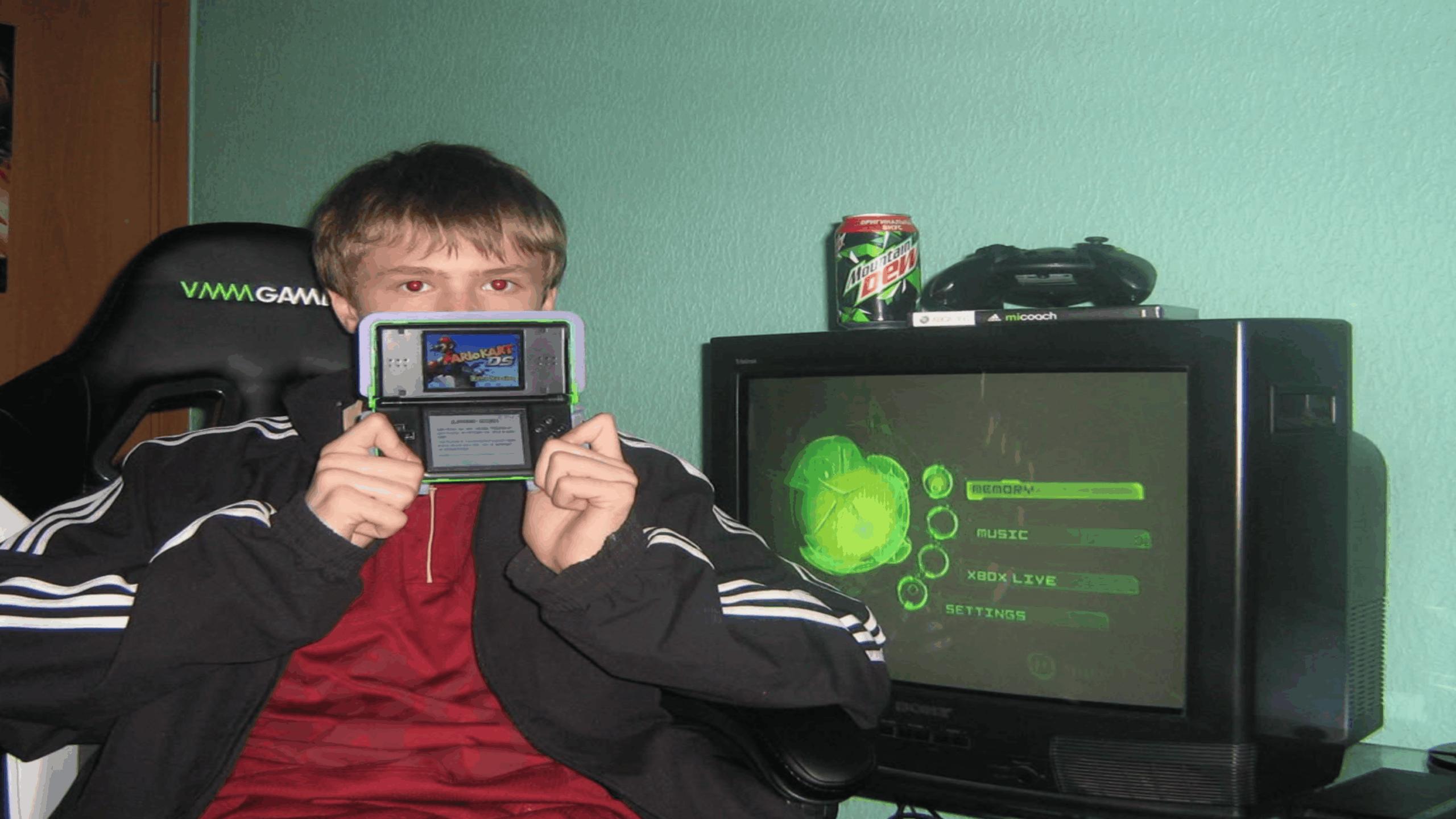
The Nintendo DS looked unusual with its dual screens and touch controls, but those features opened the door to entirely new ways of playing. Instead of focusing only on traditional gamers, Nintendo attracted students, parents, and older adults through accessible titles like Brain Age and Nintendogs. At the same time, franchises such as Mario Kart DS and Pokémon Diamond and Pearl made it irresistible for longtime fans, helping the handheld sell more than 150 million units worldwide.
10. 2006: Motion Controls Take Over Living Rooms
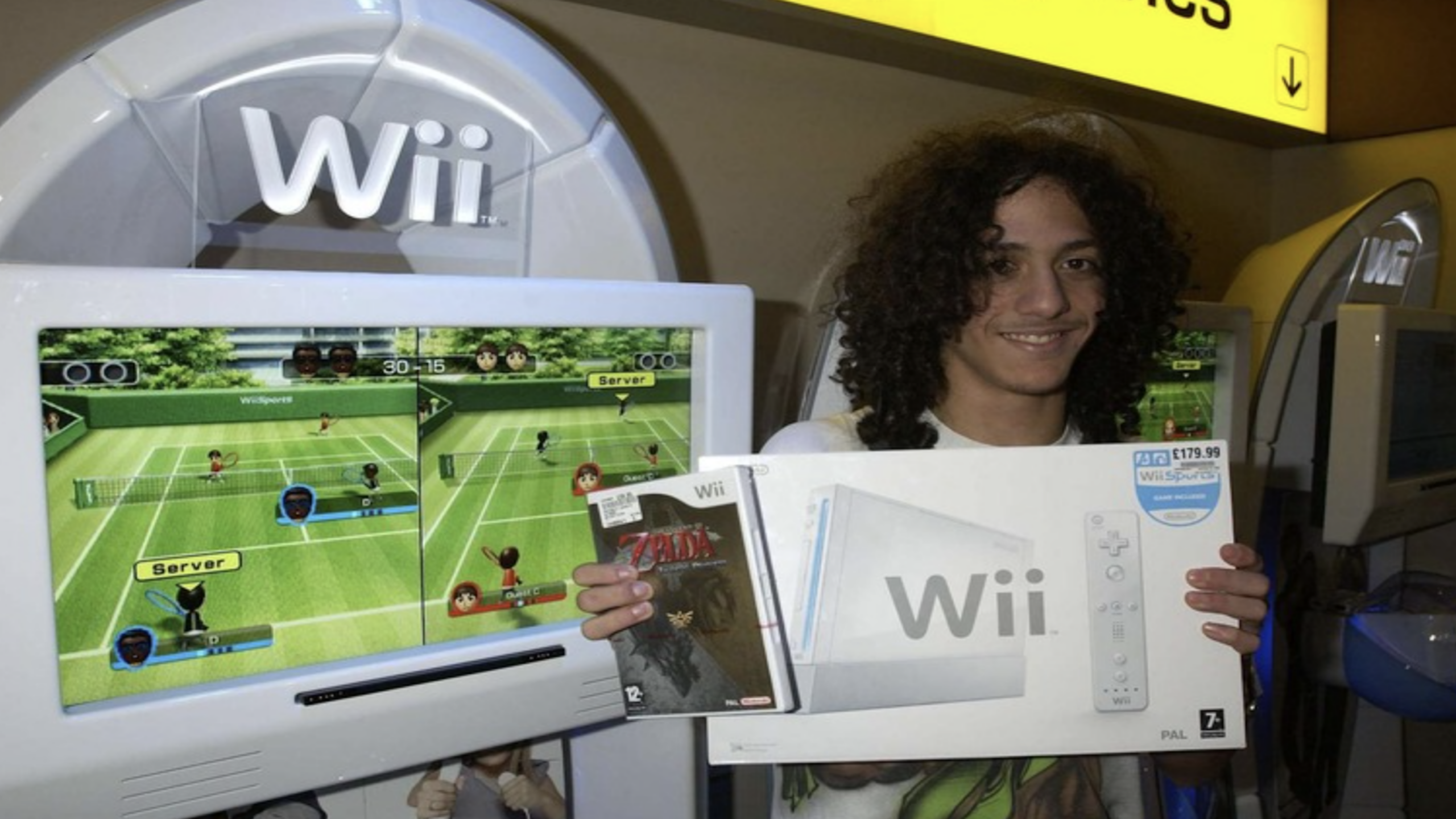
When Nintendo unveiled the Wii, many critics questioned its relatively weak hardware. Nintendo had different priorities. By replacing complicated controllers with intuitive motion controls, it invited grandparents, parents, and young children to play together for the first time. Wii Sports became a global sensation, turning the console into a social experience that reached audiences traditional gaming had rarely captured.
11. 2013: A Comeback Built on Great Games
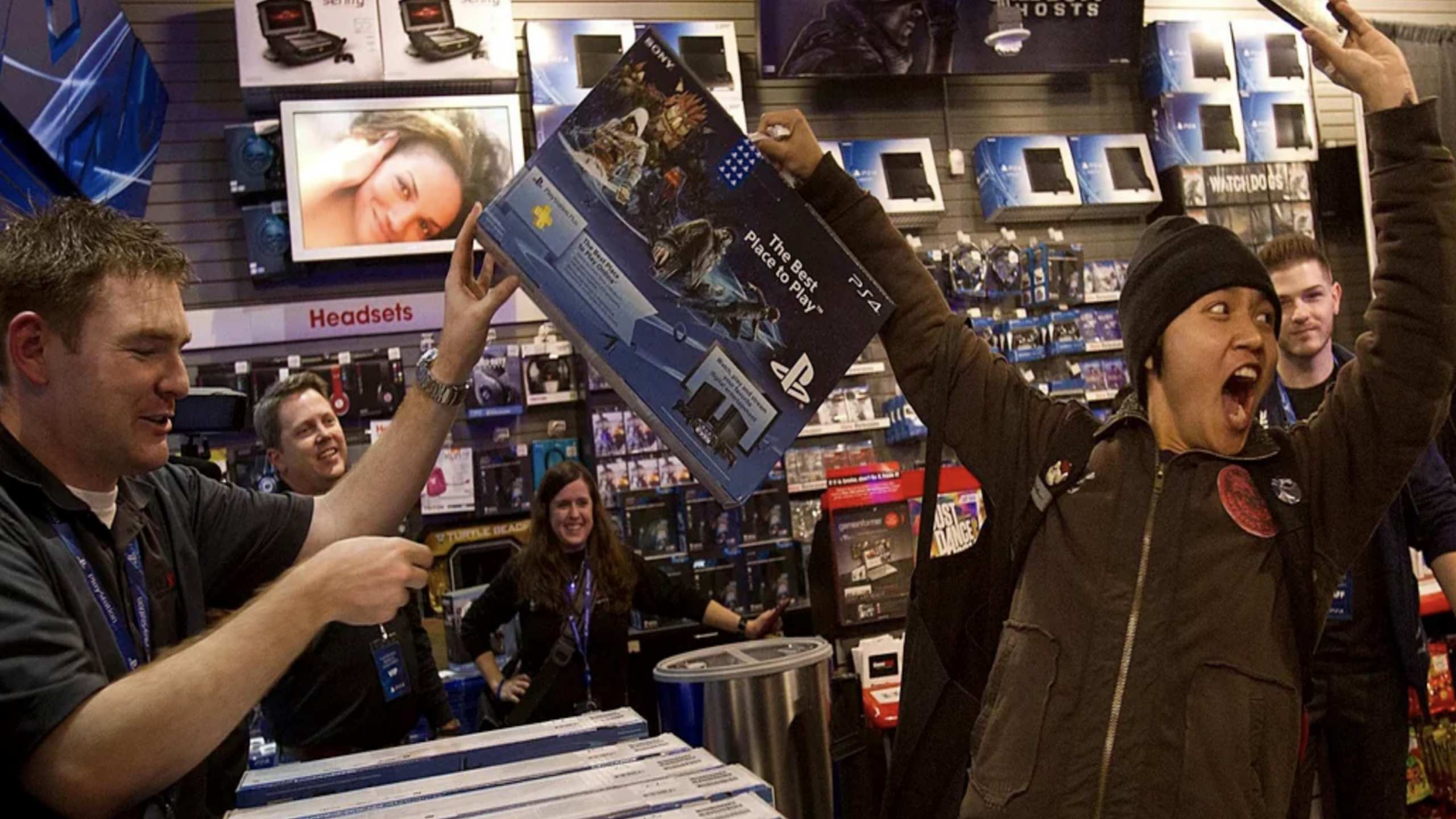
After stumbling early in the generation, the PlayStation 4 recovered by focusing on what players wanted most: affordable hardware, a simple development environment, and an incredible lineup of exclusives. Titles like Bloodborne, Marvel’s Spider-Man, God of War, Ghost of Tsushima, and The Last of Us Part II helped Sony dominate much of the eighth console generation while strengthening its reputation for cinematic single player experiences.
12. 2017: One Device Replaces Two
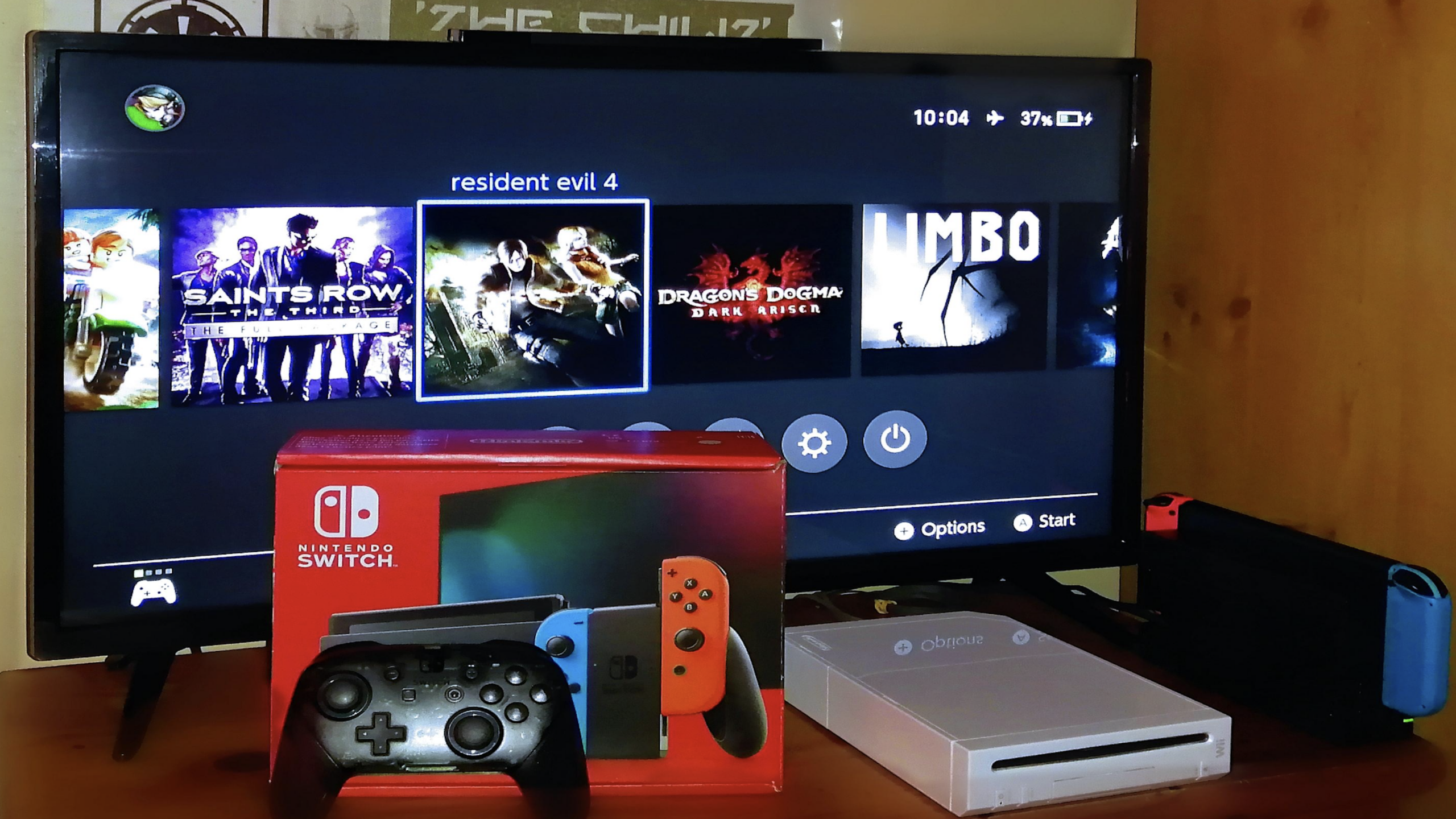
The Nintendo Switch erased the traditional line between handheld and home gaming. Players could begin an adventure on their television, undock the system, and continue exactly where they left off while traveling. That hybrid concept, combined with blockbuster releases like The Legend of Zelda: Breath of the Wild, Animal Crossing: New Horizons, and Mario Kart 8 Deluxe, transformed the Switch into one of Nintendo’s greatest commercial successes.
13. 2020: Speed Becomes the New Battleground
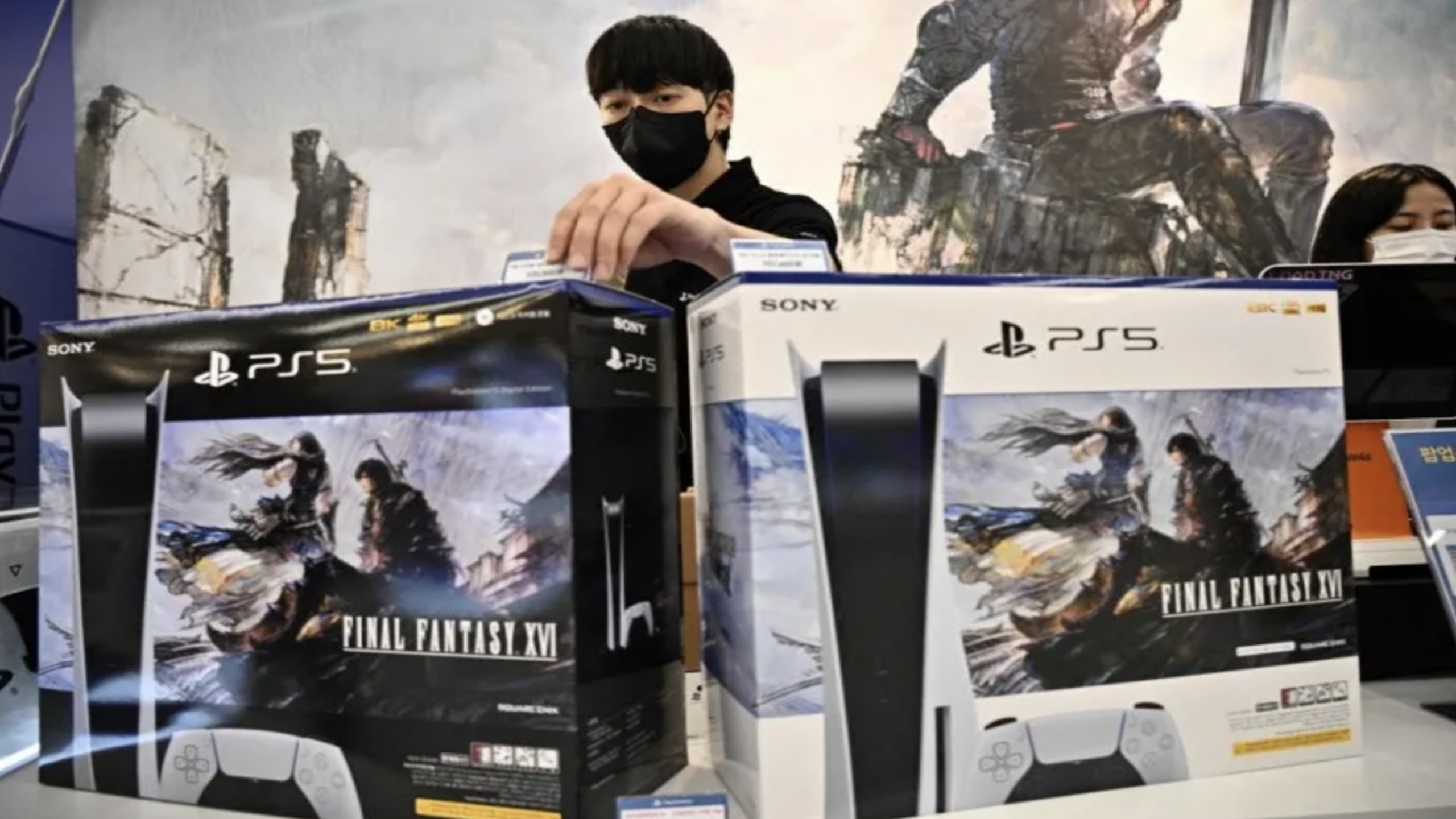
With the arrival of the PlayStation 5, loading screens became dramatically shorter thanks to its custom ultra fast SSD. Developers could stream enormous environments almost instantly while introducing features like ray tracing and the immersive DualSense controller, whose adaptive triggers and advanced haptic feedback changed how players physically experienced games. The system showed that next generation innovation wasn’t only about graphics anymore.
14. 2020: Xbox Bets on an Entire Ecosystem
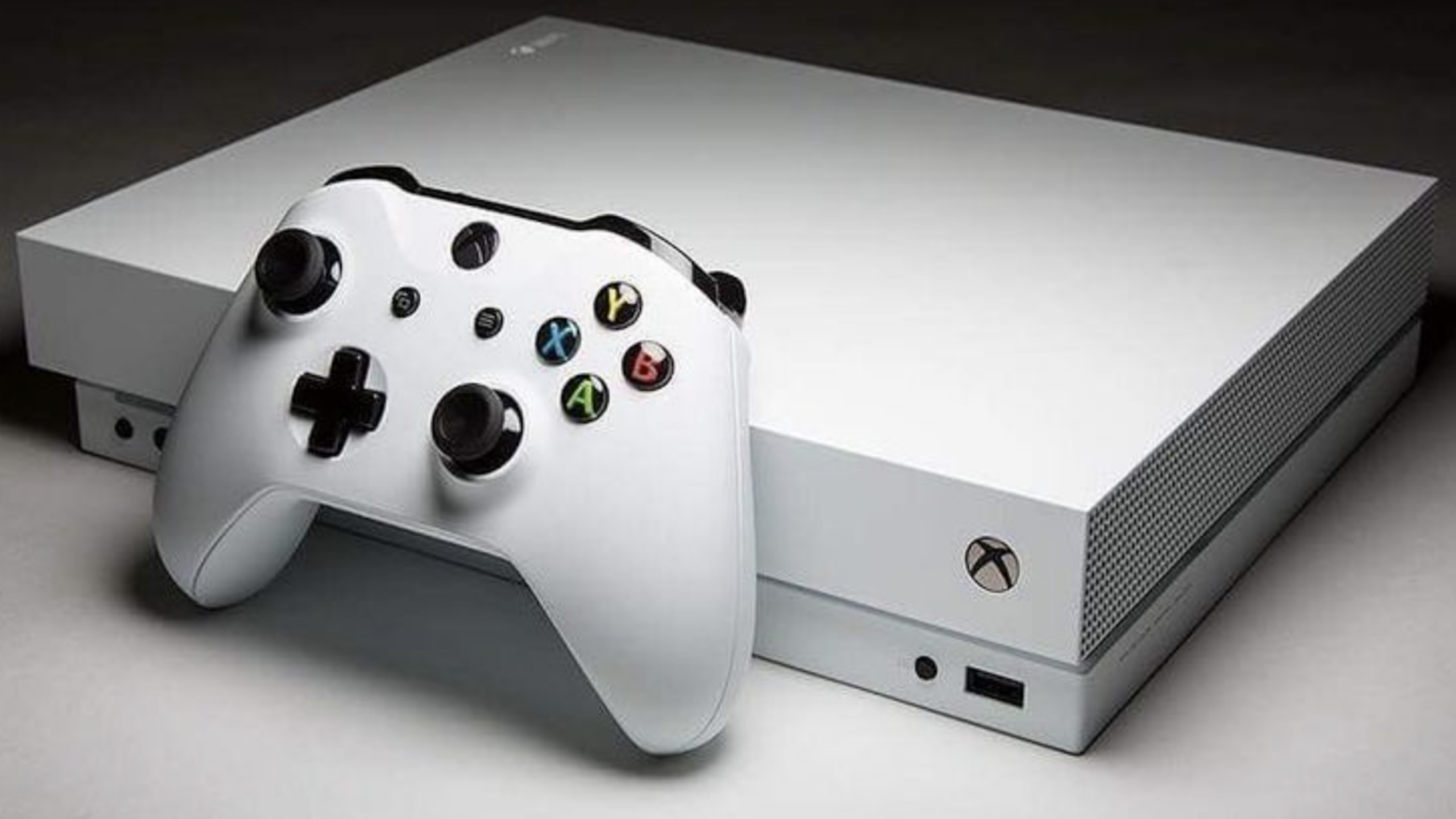
Rather than competing solely through hardware, Microsoft shifted its strategy with the Xbox Series X and Series S by building an ecosystem centered around accessibility. Features like Quick Resume, backward compatibility across multiple generations, Smart Delivery, and the rapid growth of Game Pass changed how many players discovered and consumed games. Instead of focusing only on console sales, Xbox emphasized keeping players connected wherever they wanted to play.
15. 2021: Nintendo Gives the Switch a Second Wind
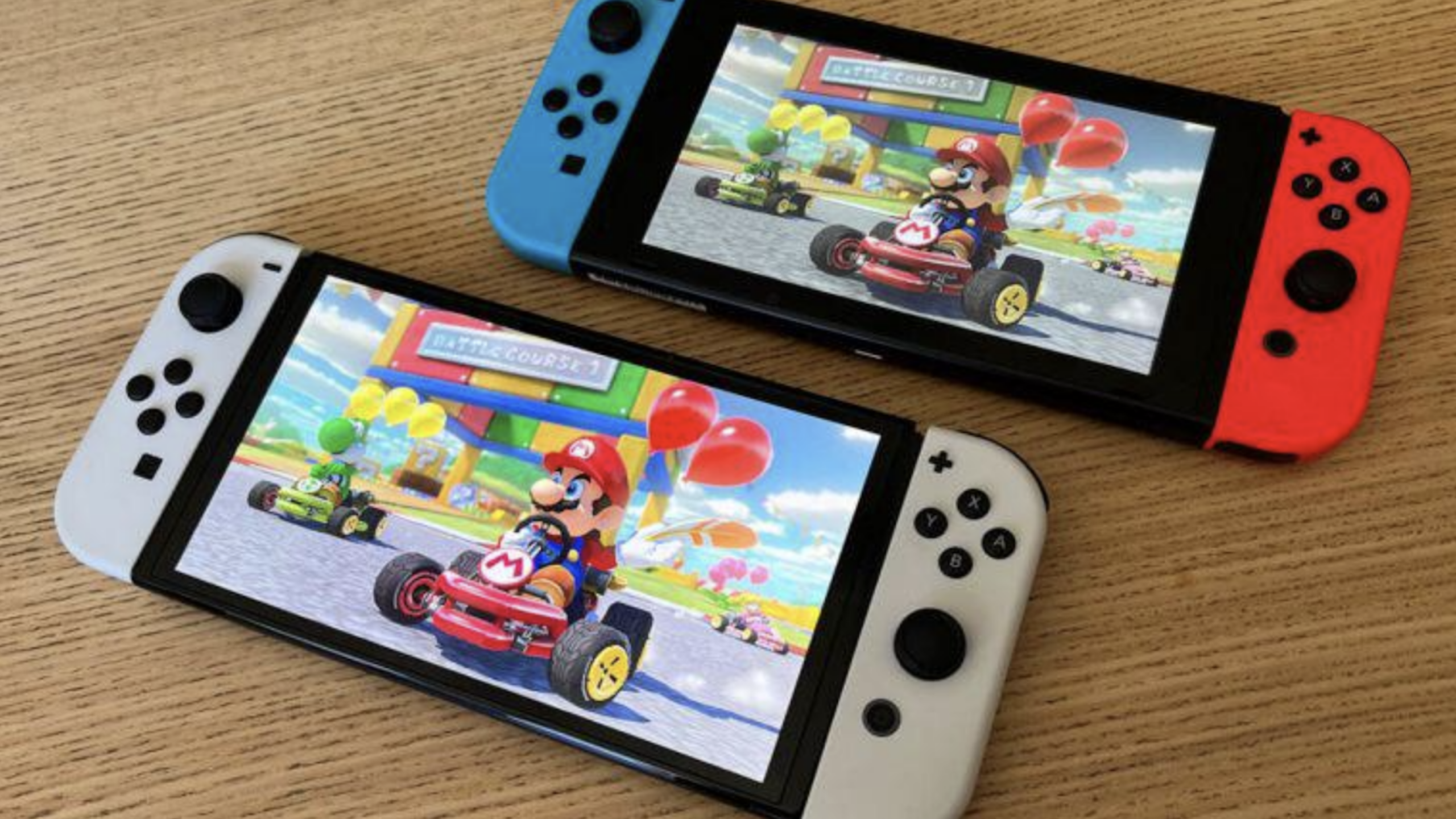
Rather than rushing to release a brand new console, Nintendo extended the life of the Switch with the OLED Model. The larger, more vibrant display, improved kickstand, enhanced speakers, and expanded internal storage made the hybrid system more appealing than ever. At a time when next generation consoles were difficult to find, the refreshed Switch continued selling at an incredible pace, proving Nintendo could dominate without chasing cutting edge hardware.
16. 2022: PC Gaming Finally Goes Portable
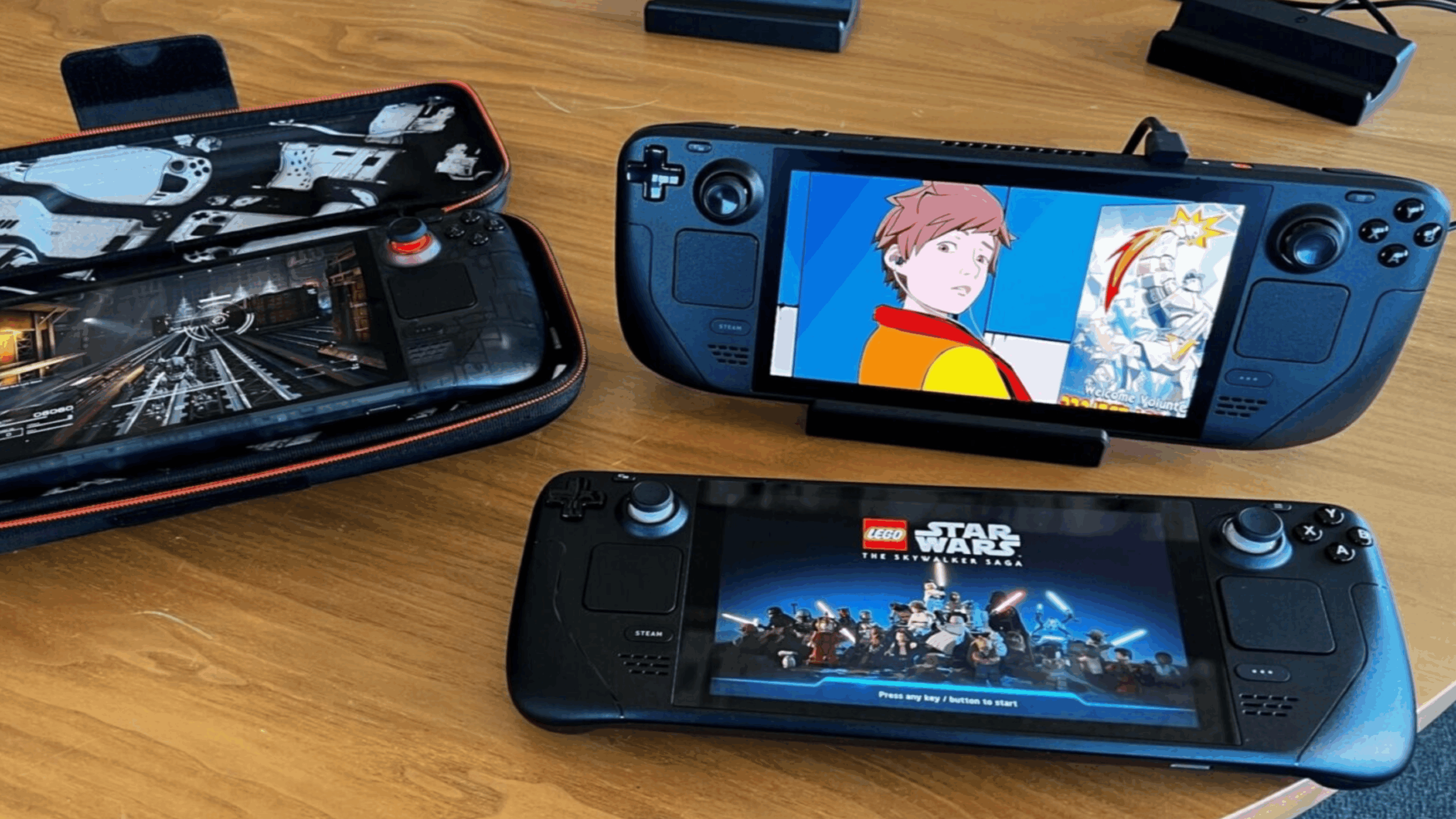
Valve’s Steam Deck accomplished something the industry had attempted for years without widespread success. By giving players access to much of their existing Steam library in a handheld format, it blurred the line between PC and console gaming. Its popularity inspired competitors like the ASUS ROG Ally and Lenovo Legion Go, creating an entirely new category that continues to grow.
17. 2023: Handheld PCs Become Mainstream
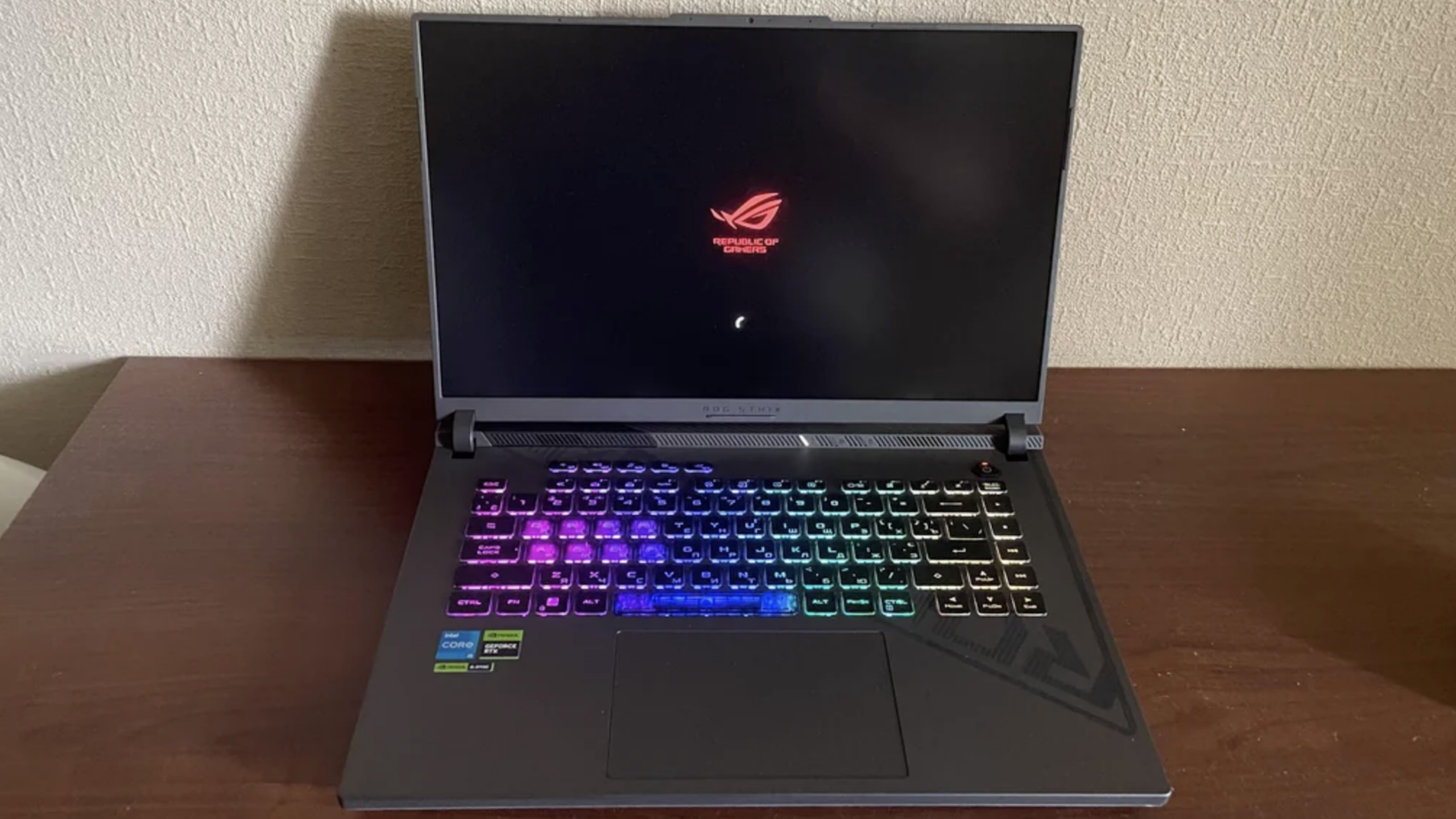
The arrival of devices like the ASUS ROG Ally demonstrated that the Steam Deck wasn’t a one off success. Major hardware manufacturers entered the portable PC market with more powerful processors, higher refresh rate displays, and Windows compatibility, giving players multiple ways to enjoy modern AAA games on the go. What once felt like an experiment had quickly become one of gaming’s fastest growing hardware trends.
18. 2024: Portable Gaming Enters a New Arms Race
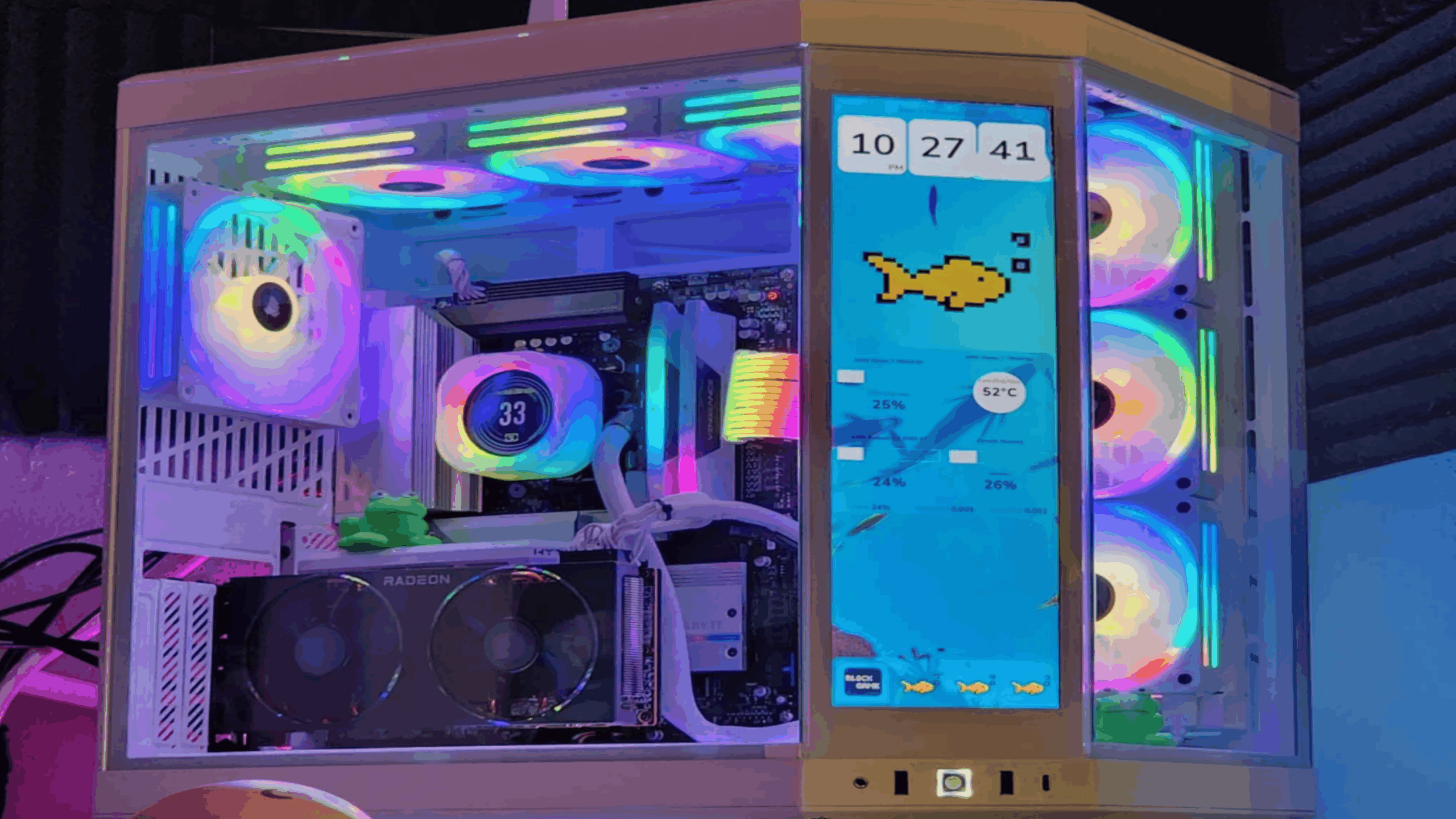
Competition between handheld gaming devices intensified as manufacturers continued improving performance, battery efficiency, and display technology. Players were no longer choosing only between Nintendo and traditional home consoles. Portable PCs had become a legitimate alternative for gamers looking to take massive libraries wherever they went, reshaping expectations for portable hardware.
19. 2025: Nintendo Opens a New Generation
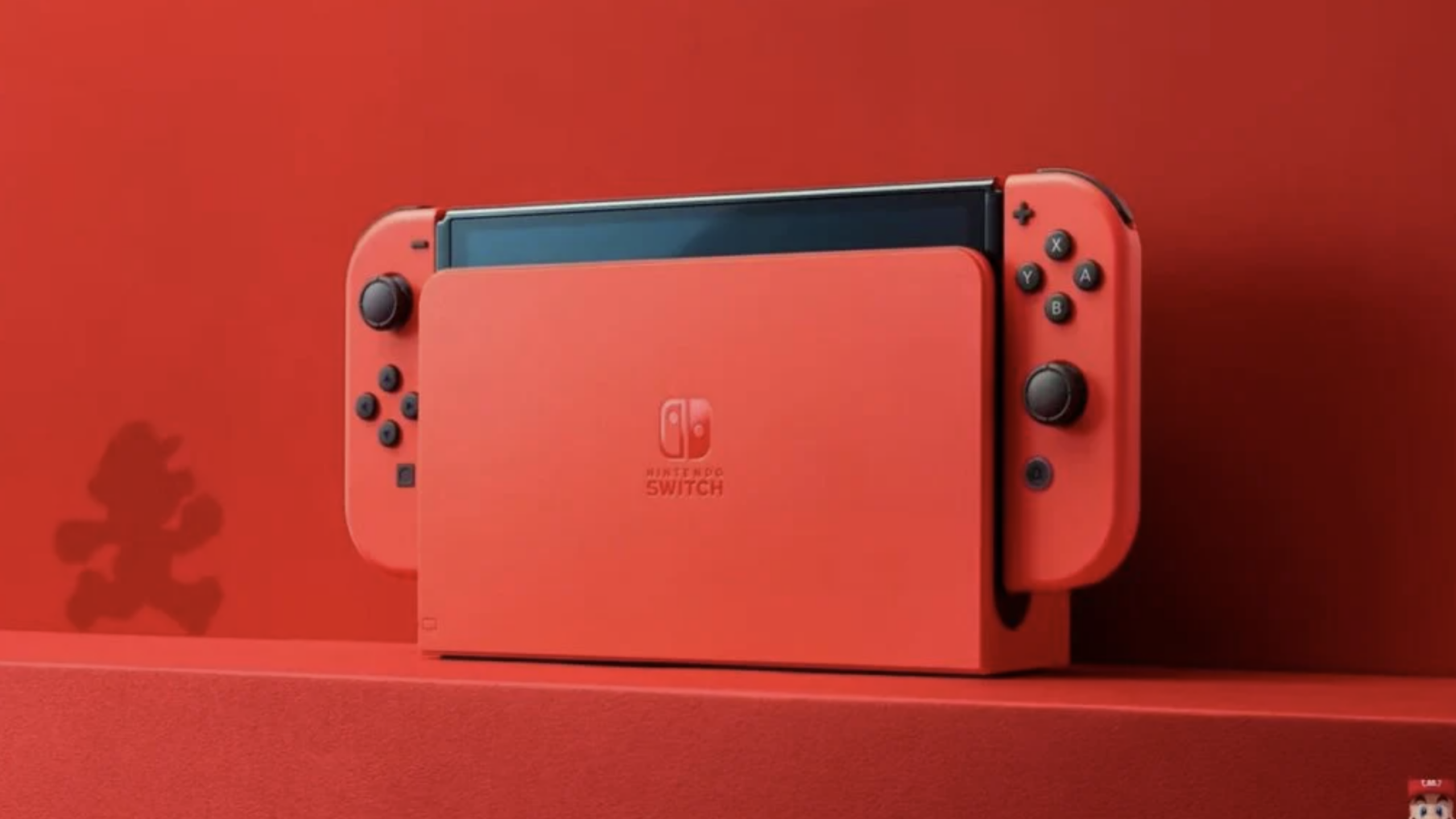
After years of anticipation, Nintendo introduced the Switch 2 with significantly more powerful hardware while preserving the hybrid concept that made its predecessor such a phenomenon. Improved graphics, faster loading times, modern third party support, and backward compatibility allowed Nintendo to build on an already successful formula rather than starting over, giving the company another strong beginning to a new generation.
20. 2026: Hybrid Gaming Becomes the Industry Standard
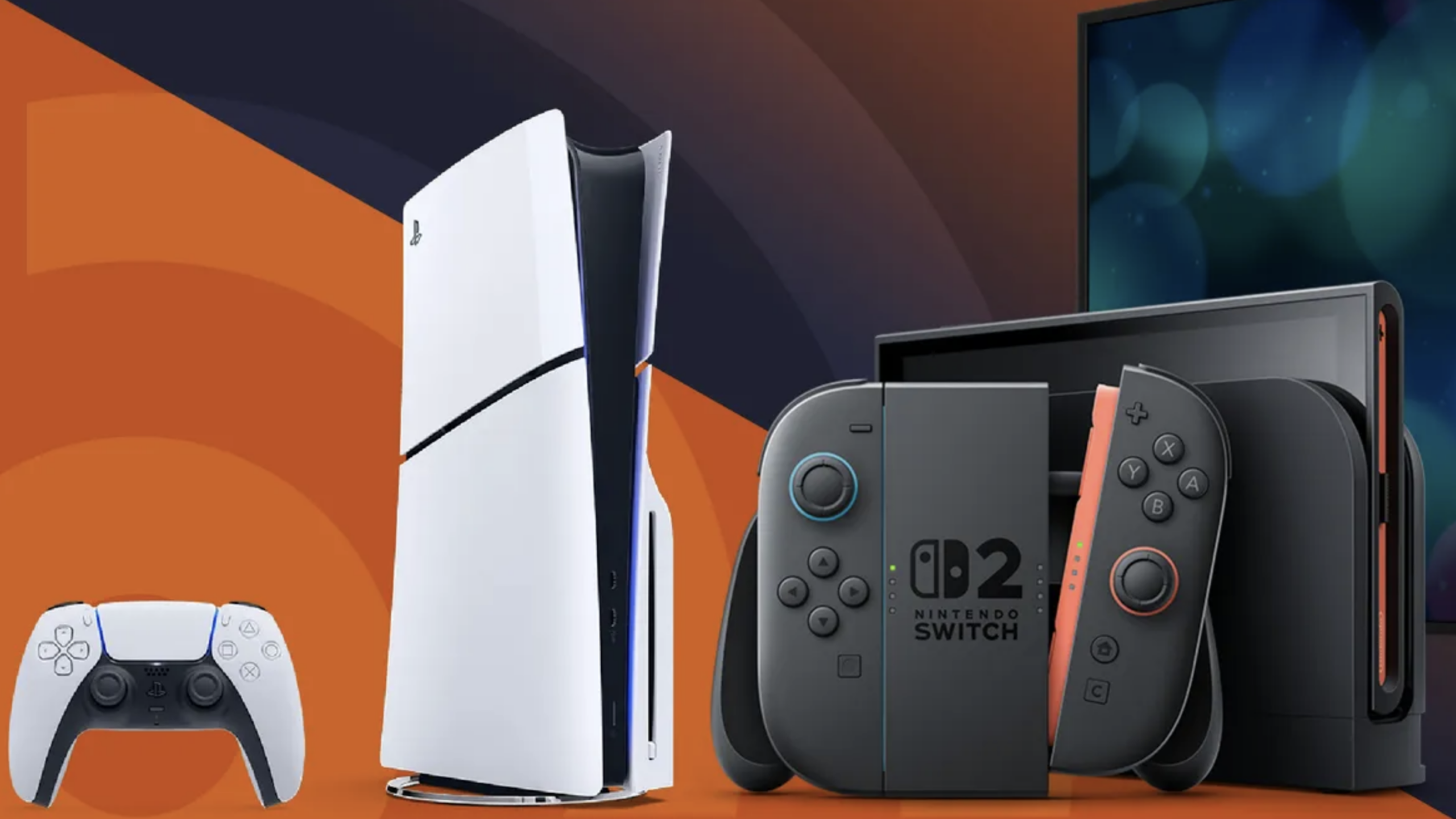
By 2026, the influence of Nintendo’s hybrid philosophy had become impossible to ignore. Players increasingly expected the flexibility to move between handheld and television play, while manufacturers across the industry continued investing in portable hardware. Nearly fifty years after the Atari 2600 brought gaming into the living room, the latest generation of systems showed that the future of gaming was no longer tied to a single screen.