Since entering the console business in the mid 1990s, Sony has transformed PlayStation from an ambitious newcomer into one of the most recognizable names in gaming. Every generation introduced something new, whether it was CDs replacing cartridges, DVDs turning consoles into home entertainment systems, Blu ray technology, or hybrid digital ecosystems that changed how players buy and experience games.
These PlayStation consoles tell the story of that evolution. Some shattered sales records, others introduced groundbreaking features years ahead of their time, and a few became beloved cult classics despite commercial struggles. Looking back at them today is like flipping through gaming history, watching Sony reinvent its hardware generation after generation while helping shape the modern video game industry.
1. The Gray Box That Changed Everything
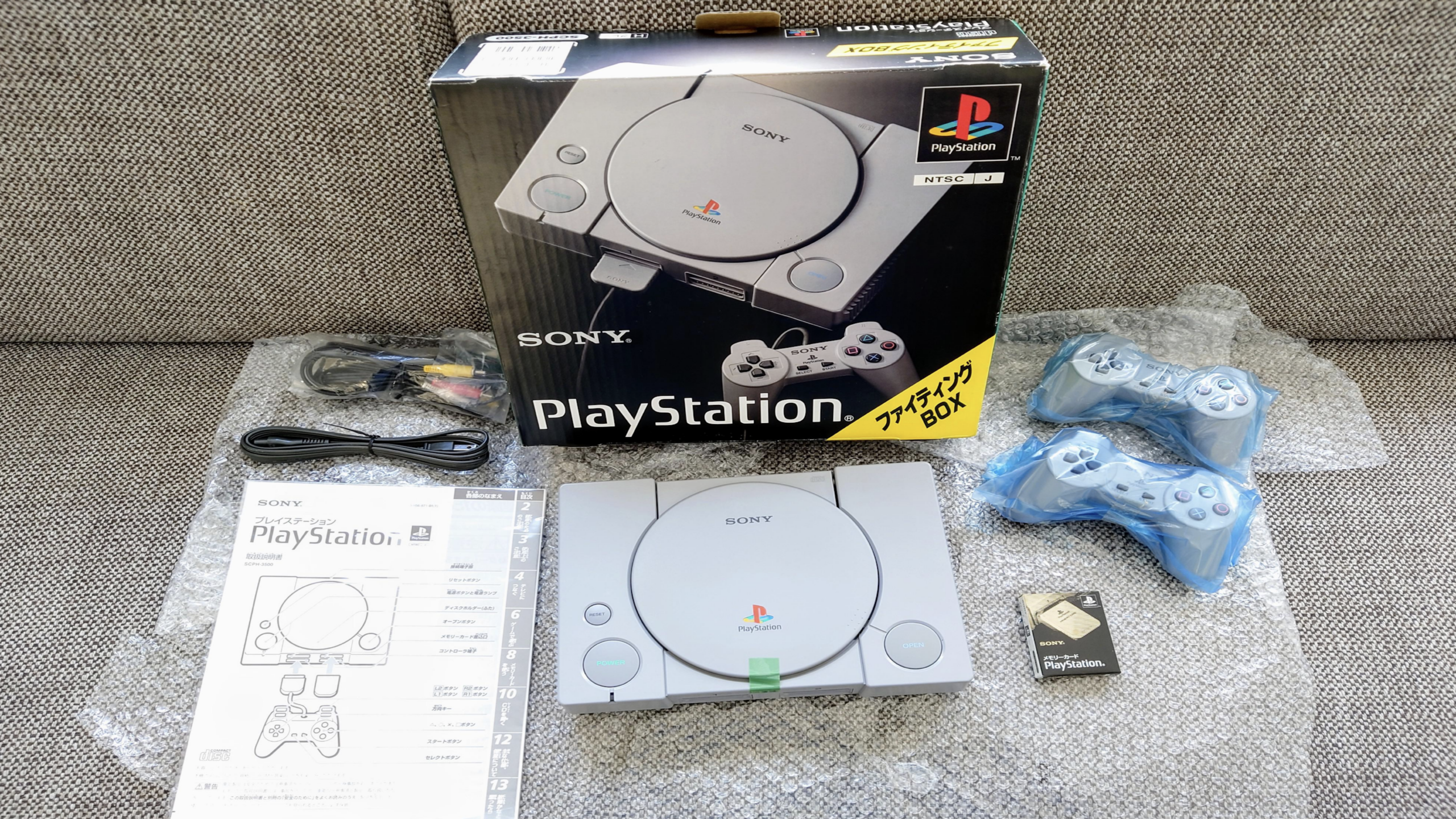
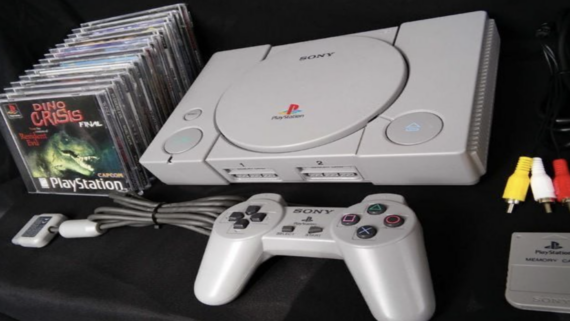
Sony officially entered the console market in 1994, introducing a machine that would permanently reshape the gaming industry. The original PlayStation embraced CDs instead of cartridges, making games larger, cheaper to produce, and packed with cinematic experiences. Hits like Final Fantasy VII, Metal Gear Solid, and Resident Evil turned Sony from a newcomer into Nintendo’s biggest rival almost overnight.
2. Smaller, Lighter, and Ready for a New Generation
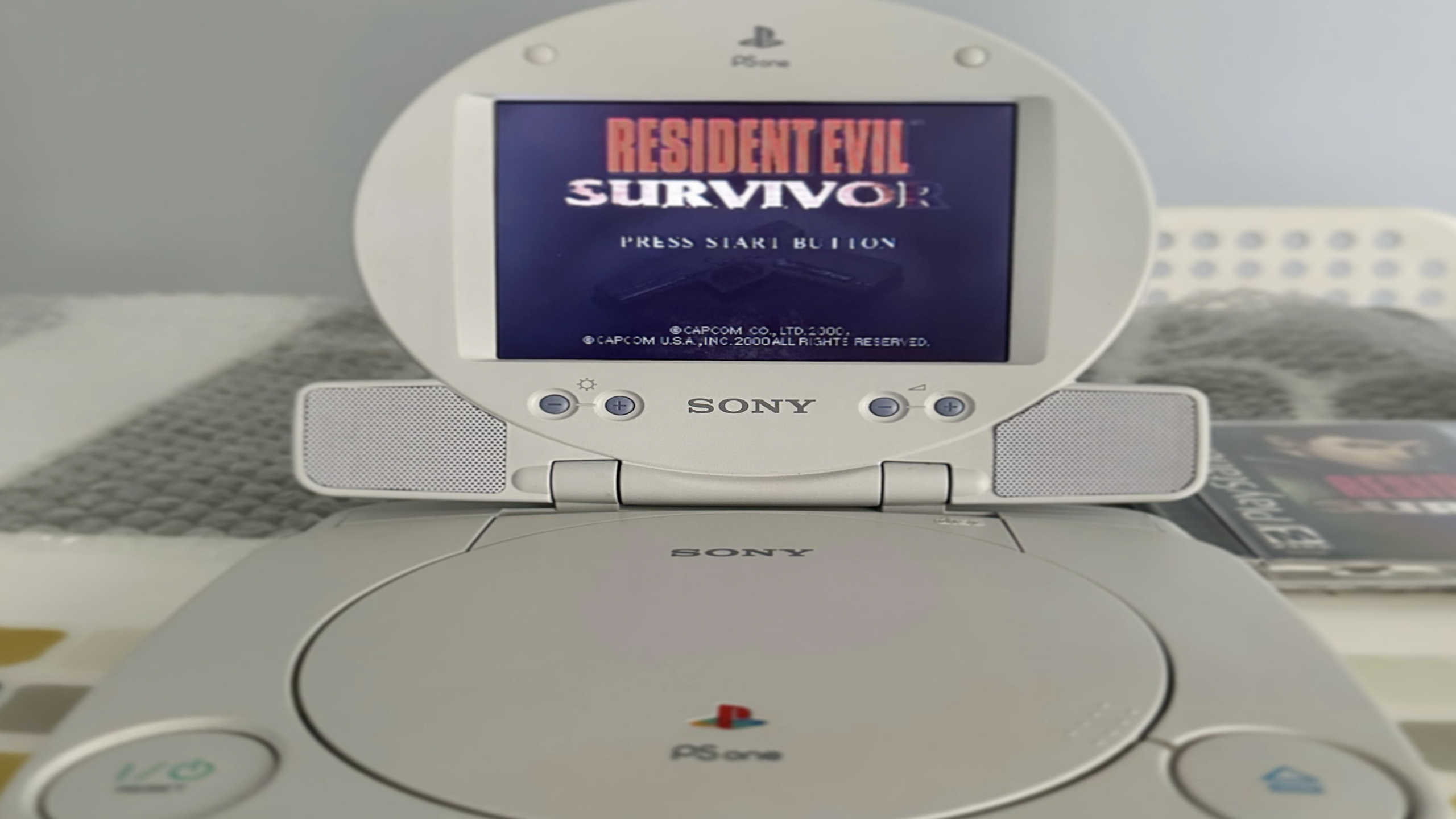
Six years after the original console debuted, Sony redesigned it into the compact PS One. The smaller hardware took up less space, consumed less power, and even inspired a portable LCD screen accessory. It extended the life of the original PlayStation well into the PlayStation 2 era while introducing millions of new players to classics from the previous generation.
3. The Console That Became a Global Phenomenon
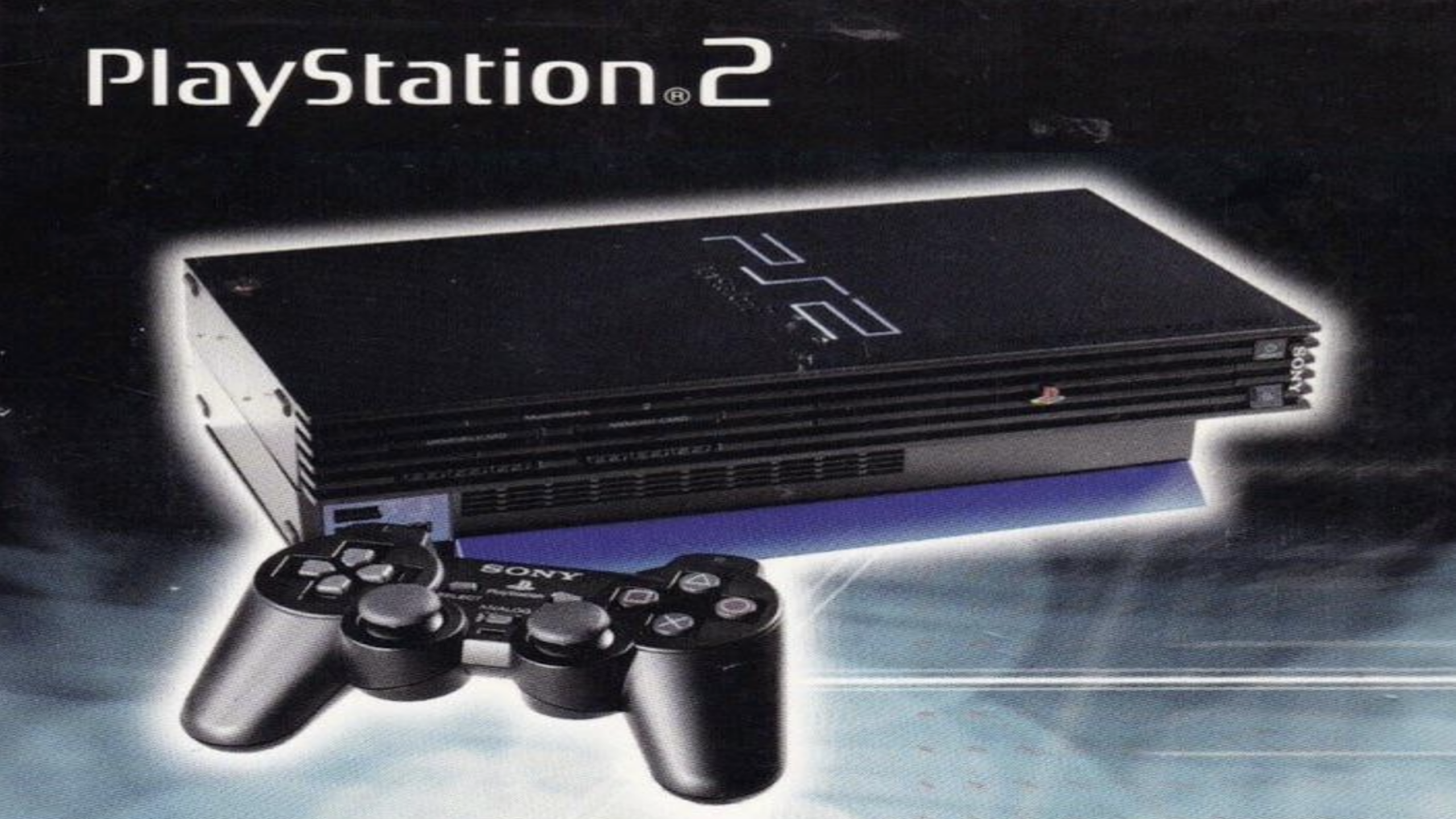
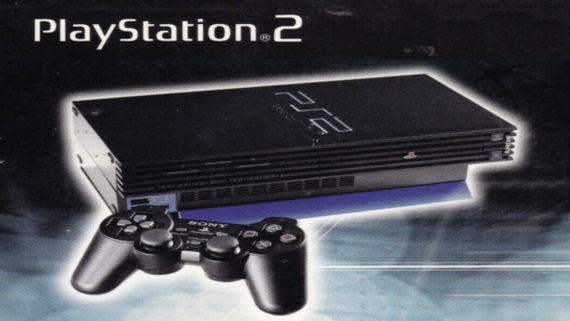
The year 2000 marked the arrival of what remains the best selling home console in history. Beyond incredible games like Grand Theft Auto: San Andreas, God of War, and Shadow of the Colossus, the PlayStation 2 doubled as an affordable DVD player, helping it sell more than 160 million units worldwide.
4. A Best Seller Got Even Better
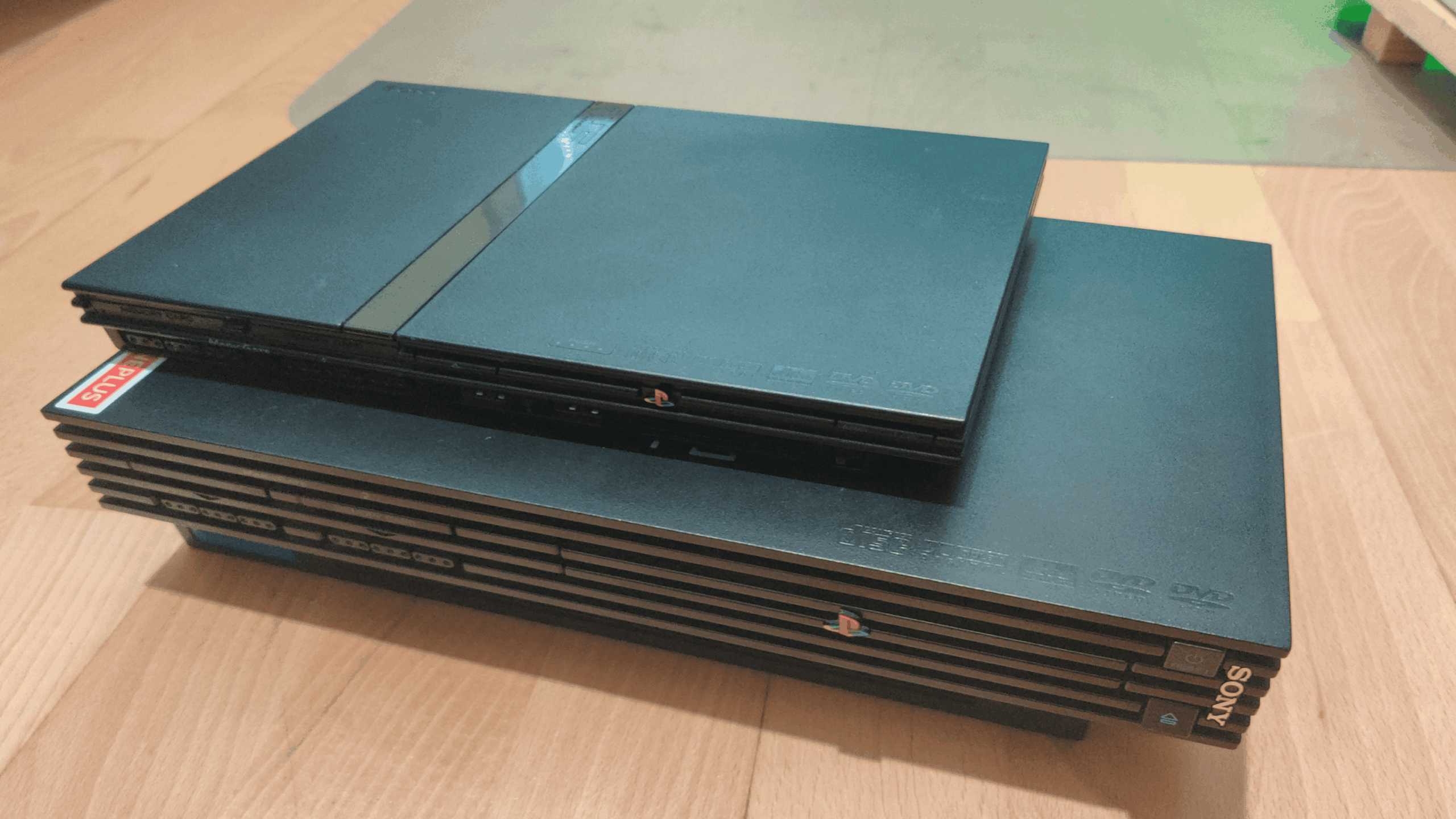
By 2004, Sony had transformed the bulky PlayStation 2 into a remarkably slim console that was quieter, lighter, and easier to carry. Despite the dramatic redesign, it retained compatibility with nearly the entire PS2 library, giving one of gaming’s greatest consoles an even longer lifespan.
5. PlayStation Finally Fit in Your Pocket
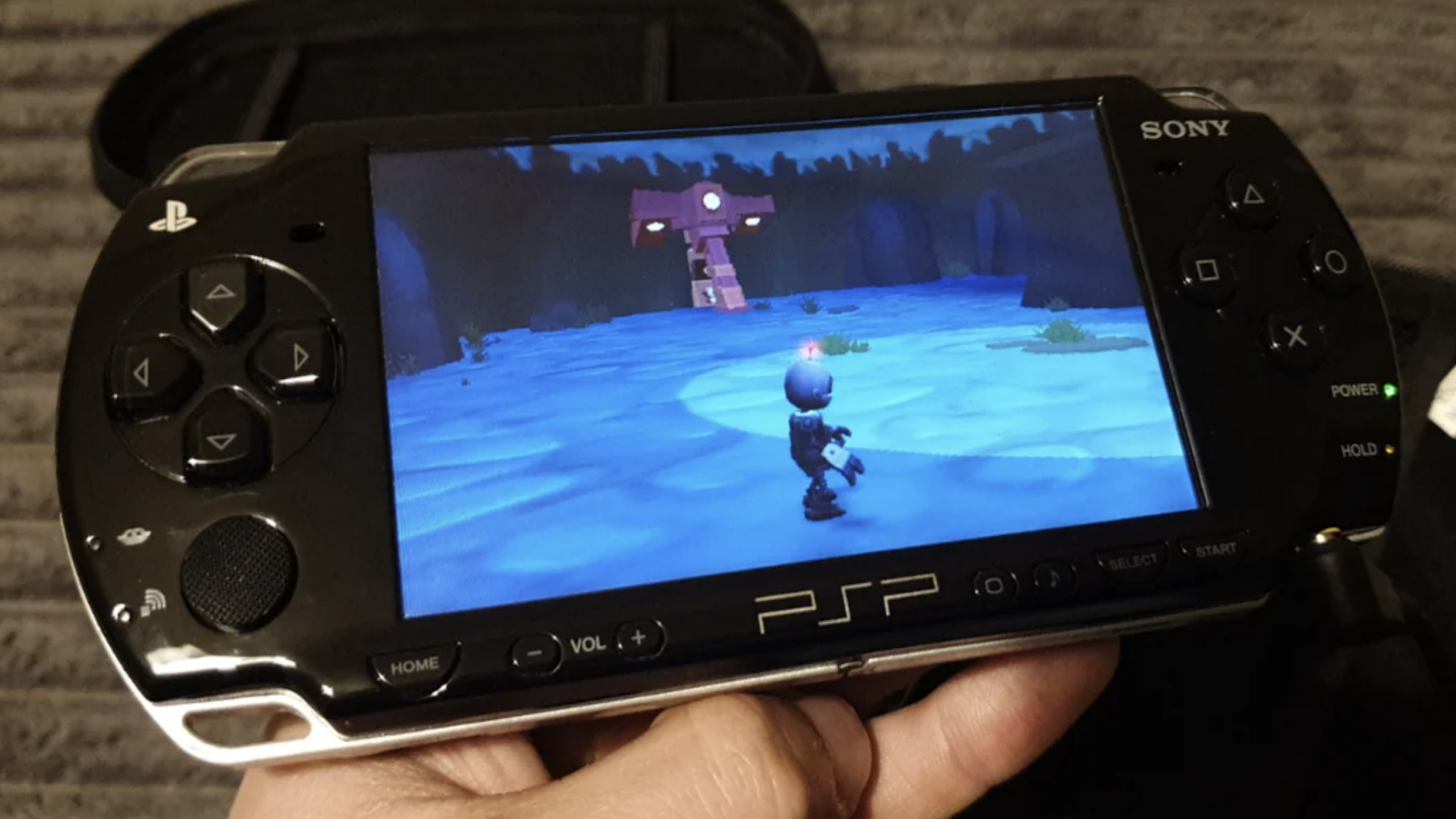
Rather than competing with traditional handhelds, Sony delivered a portable system capable of near console quality graphics. Launched in 2004, the PSP impressed players with widescreen visuals, multimedia features, and unforgettable games like God of War: Chains of Olympus and Crisis Core. It proved PlayStation could succeed far beyond the living room.
Trending on realmoneygamer.com
6. PlayStation Entered the High Definition Era
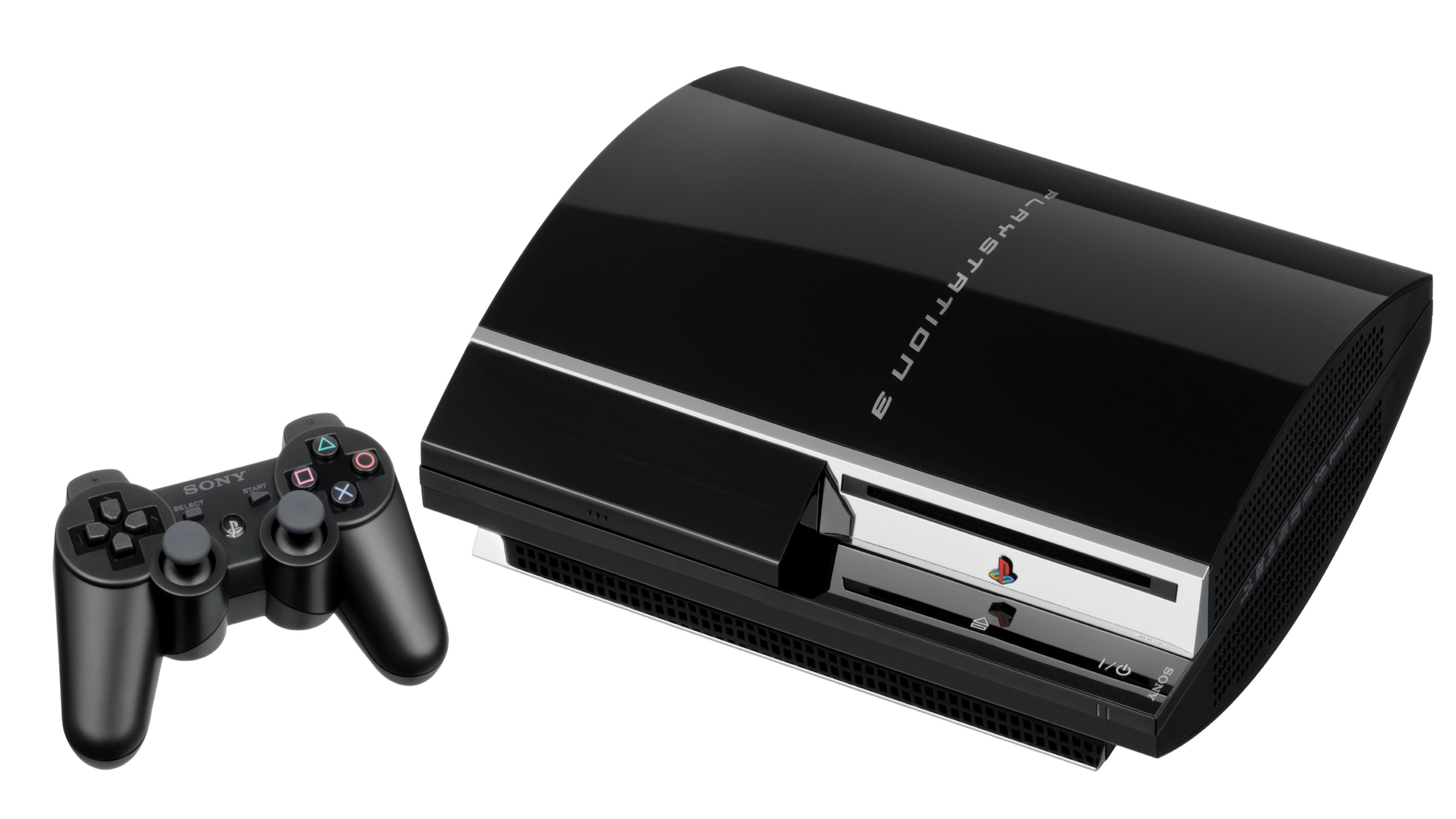
When the PS3 arrived in 2006, it introduced Blu ray technology, HDMI output, and powerful hardware that pushed developers into HD gaming. Although its launch price sparked controversy, exclusives such as The Last of Us, Uncharted 2, and Demon’s Souls eventually transformed it into one of Sony’s most important consoles.
7. Less Size, More Confidence
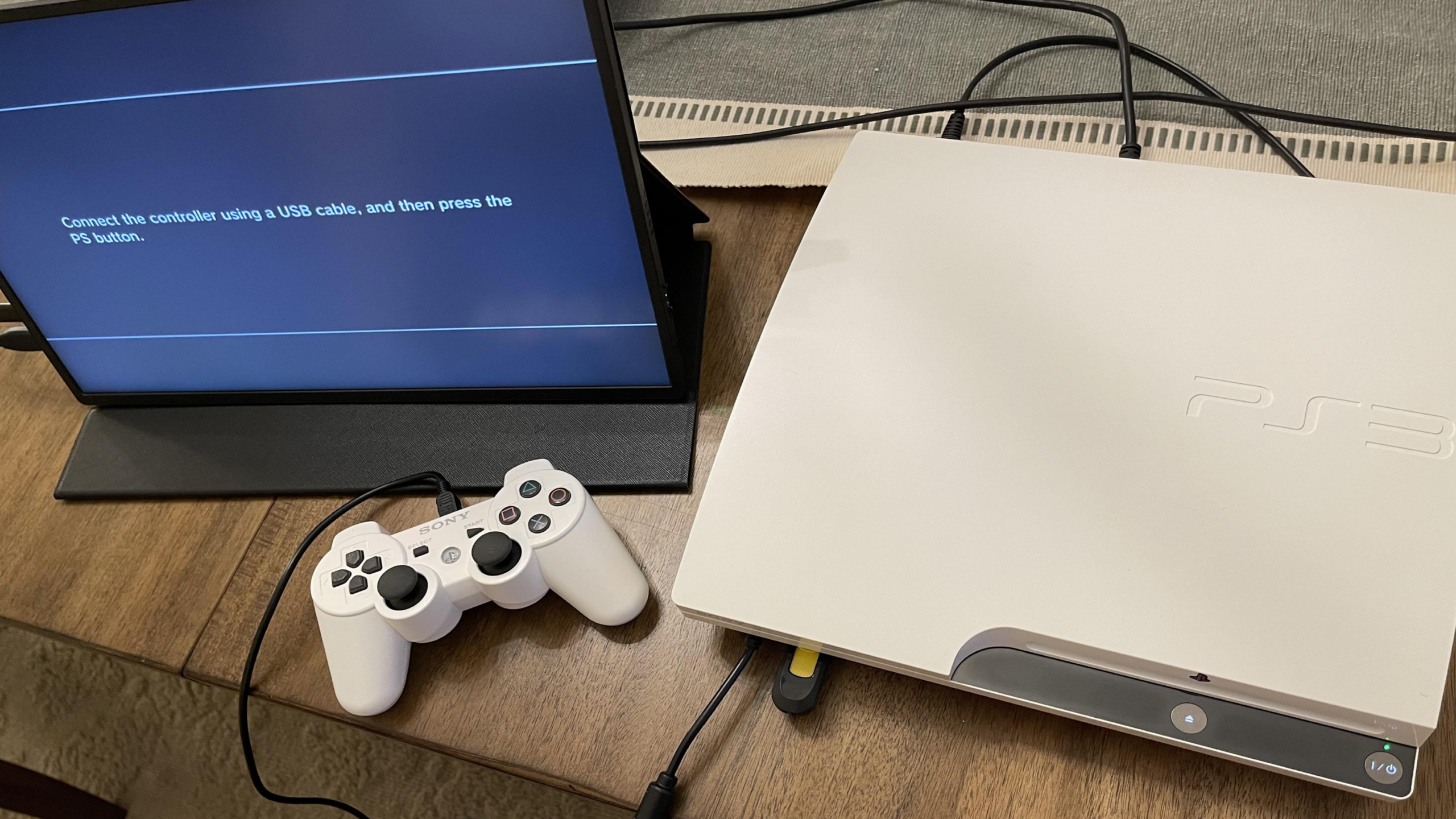
Three years after the original model, Sony released a redesigned PS3 that was noticeably slimmer, quieter, and more energy efficient. The lower price made the system far more accessible, helping PlayStation recover momentum during one of the most competitive console generations ever.
8. The Console That Predicted Digital Gaming
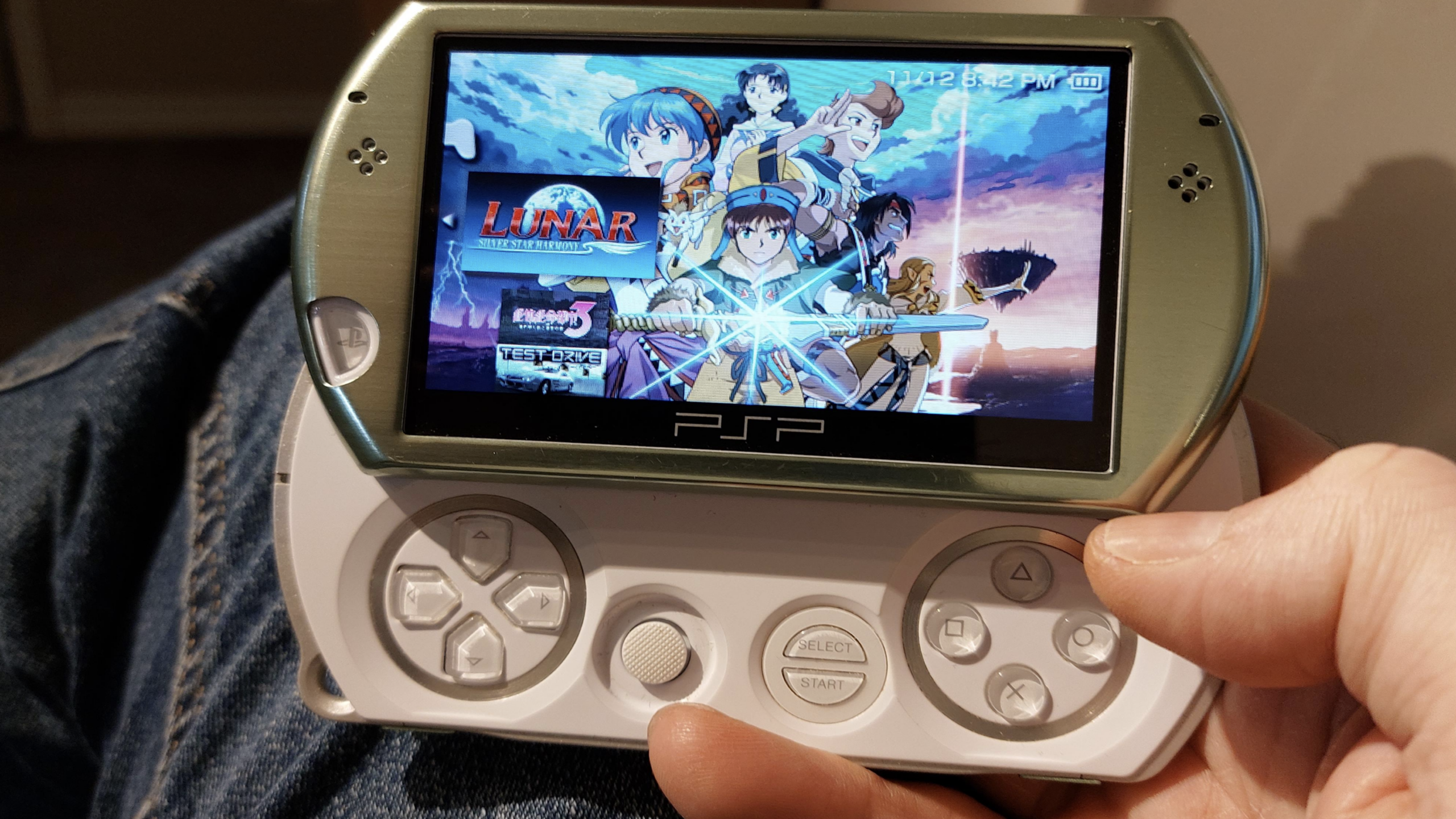
Instead of using UMD discs, the PSP Go embraced an all digital future years before it became the industry standard. Its sliding design and downloadable game library were considered risky at the time, but many of its ideas would later become commonplace across modern gaming.
9. Years Ahead of Its Time
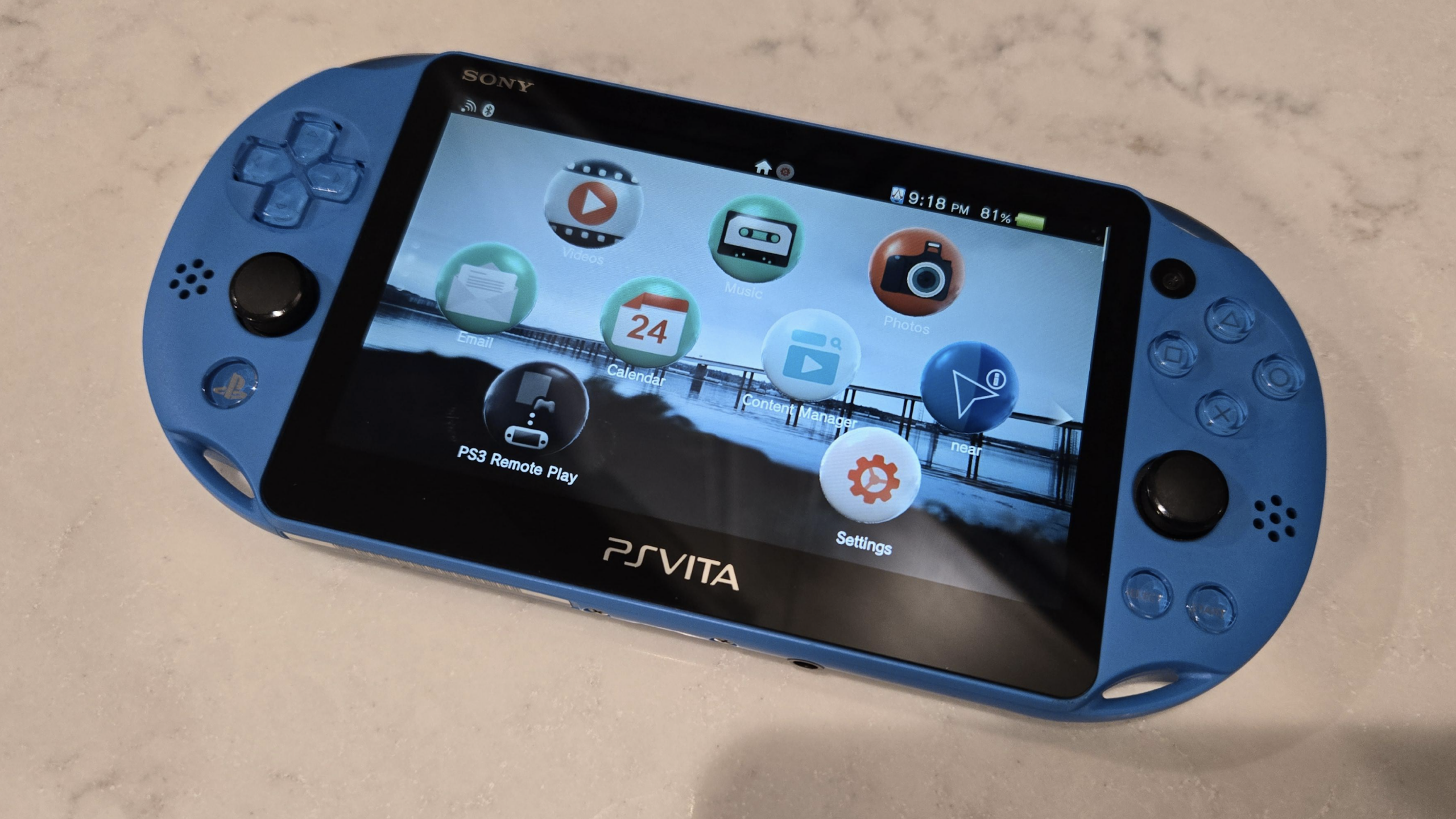
Sony launched the c with features that seemed futuristic for a handheld, including dual analog sticks, a beautiful OLED display, touchscreen controls, and remote play functionality. Despite modest sales, many fans still consider it one of the most advanced PlayStation systems ever created.
10. The Tiny Console Few People Remember
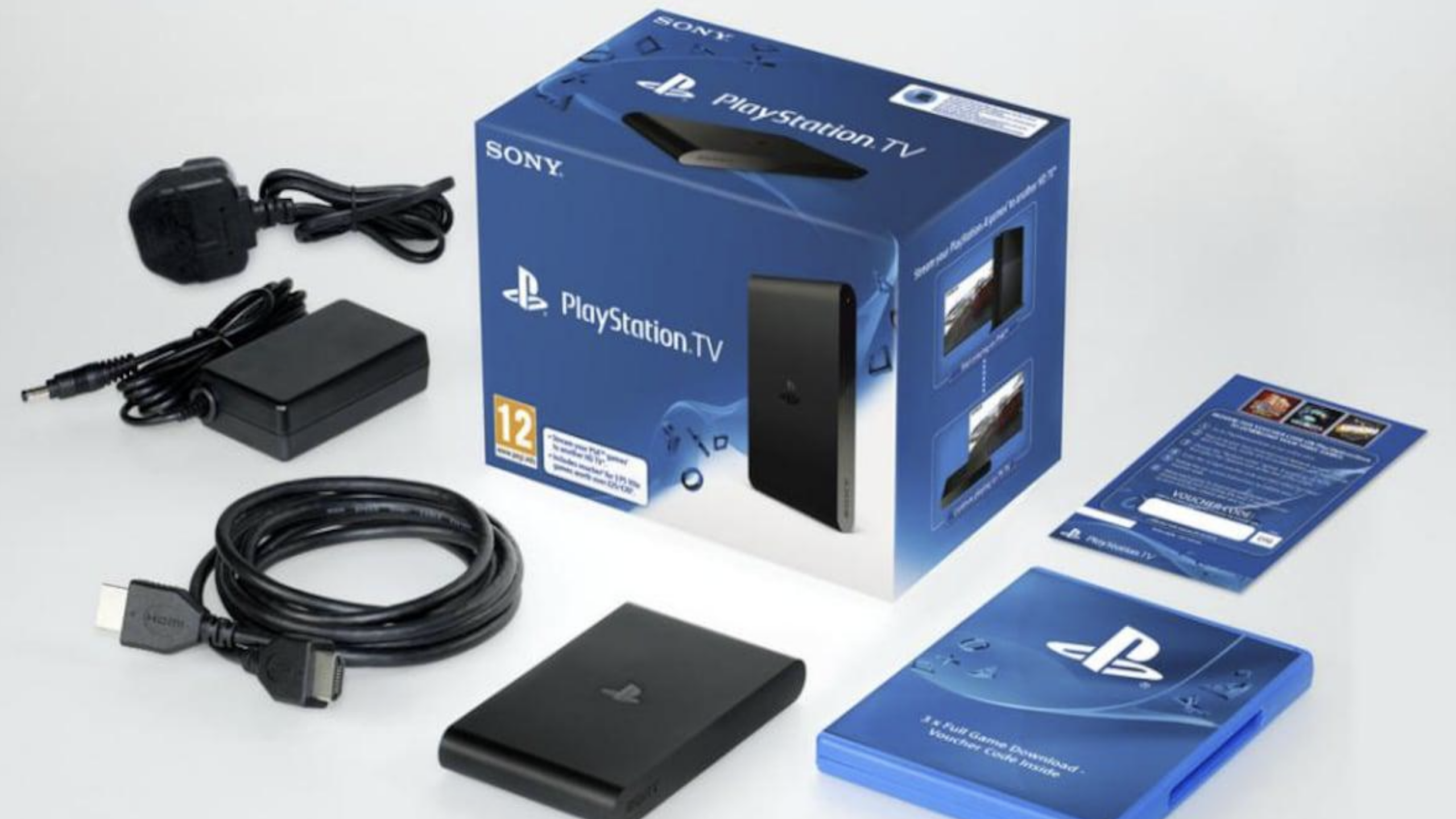
Released in 2013, PlayStation TV was a miniature device that allowed players to enjoy select Vita games and stream PlayStation content directly to a television. While it never achieved mainstream success, it represented another example of Sony experimenting with new ways to expand its gaming ecosystem.
11. The Comeback That Redefined a Generation
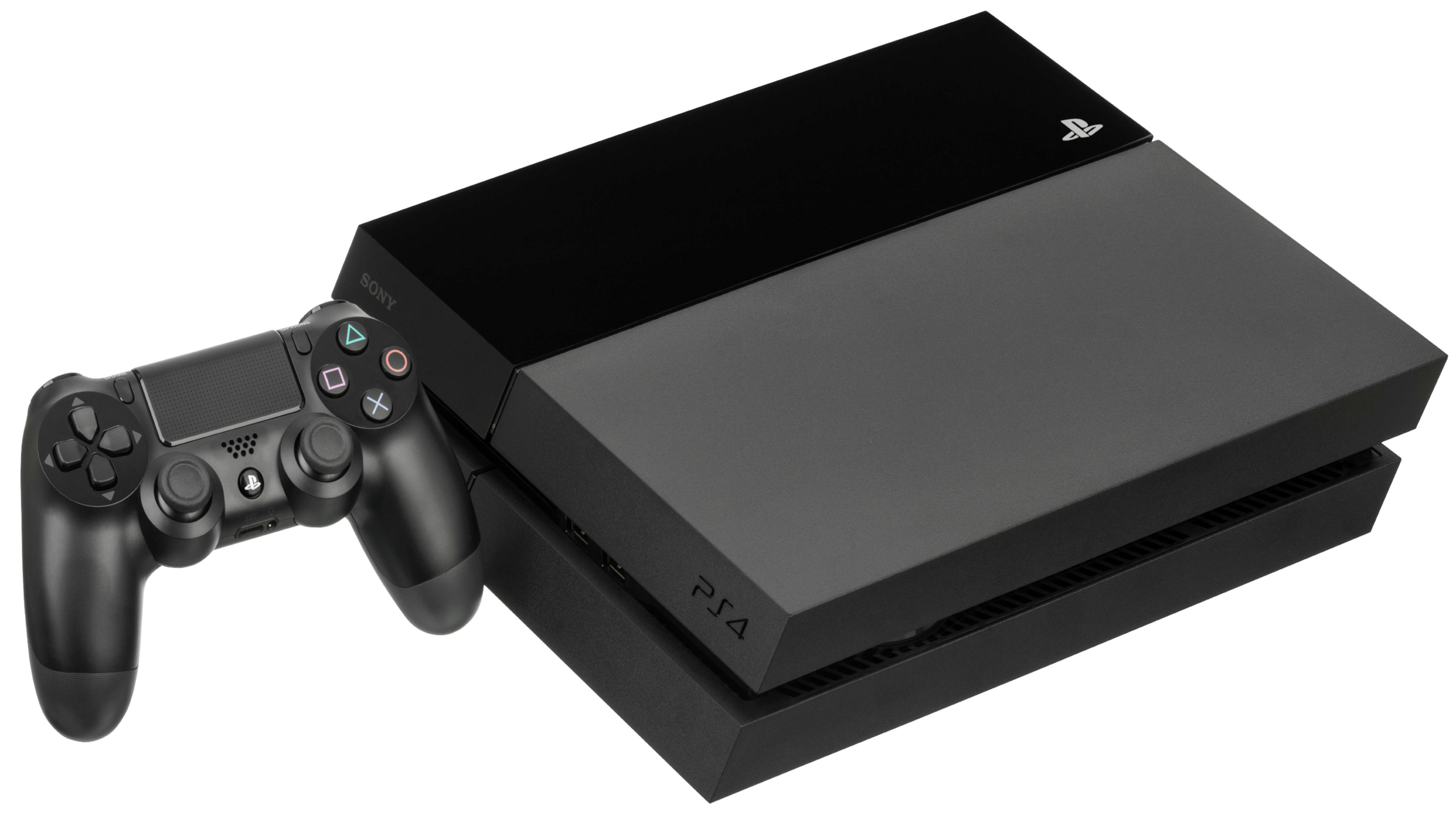
After learning from the PS3’s complicated launch, Sony returned with a simpler and more developer friendly console in 2013. The PlayStation 4 quickly became the generation’s dominant system thanks to exclusives like Bloodborne, Marvel’s Spider-Man, Horizon Zero Dawn, and God of War, eventually selling more than 117 million units worldwide.
12. When 4K Gaming Became the Goal
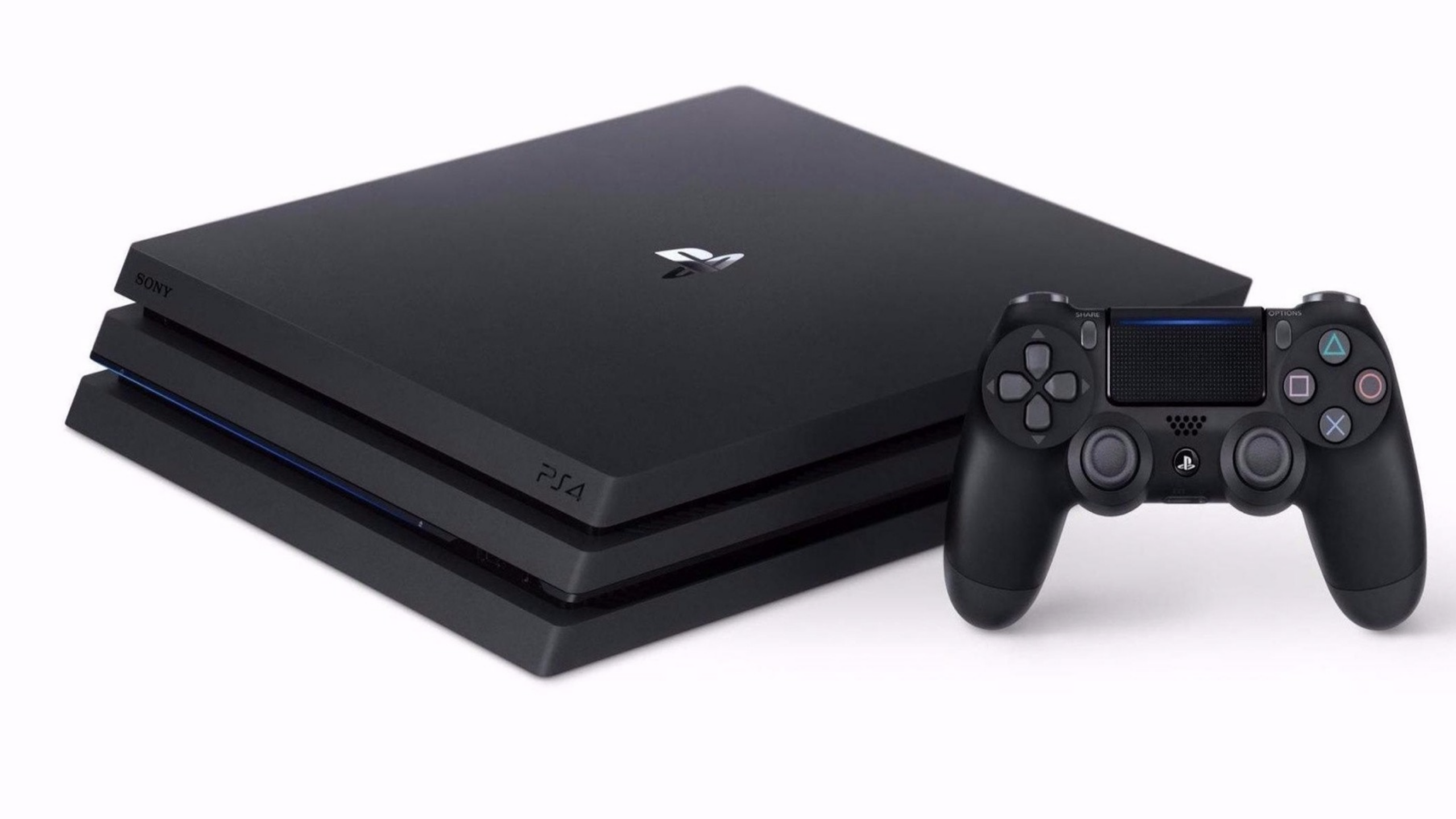
By 2016, 4K televisions were becoming increasingly common, and Sony responded with the PlayStation 4 Pro. Rather than replacing the original console, it offered enhanced performance, higher resolutions, and smoother frame rates while remaining fully compatible with the existing PS4 library.
13. A Tiny Console Built Entirely on Nostalgia
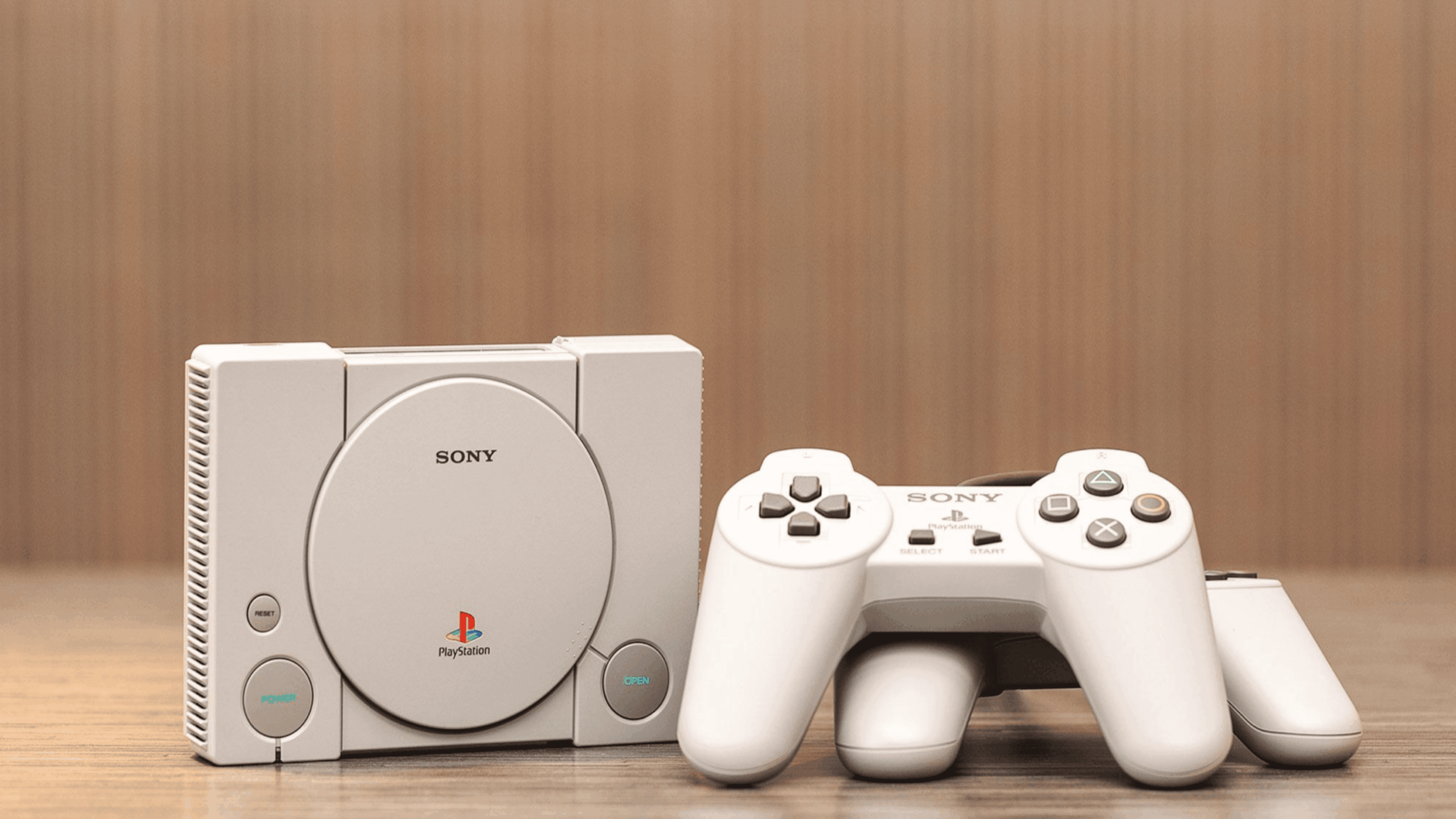
More than two decades after the original PlayStation changed gaming forever, Sony celebrated its legacy by releasing the PlayStation Classic in 2018. Preloaded with 20 iconic games, the miniature console invited longtime fans to revisit classics like Tekken 3, Metal Gear Solid, and Final Fantasy VII in a compact collectible format.
14. A New Era Powered by Speed
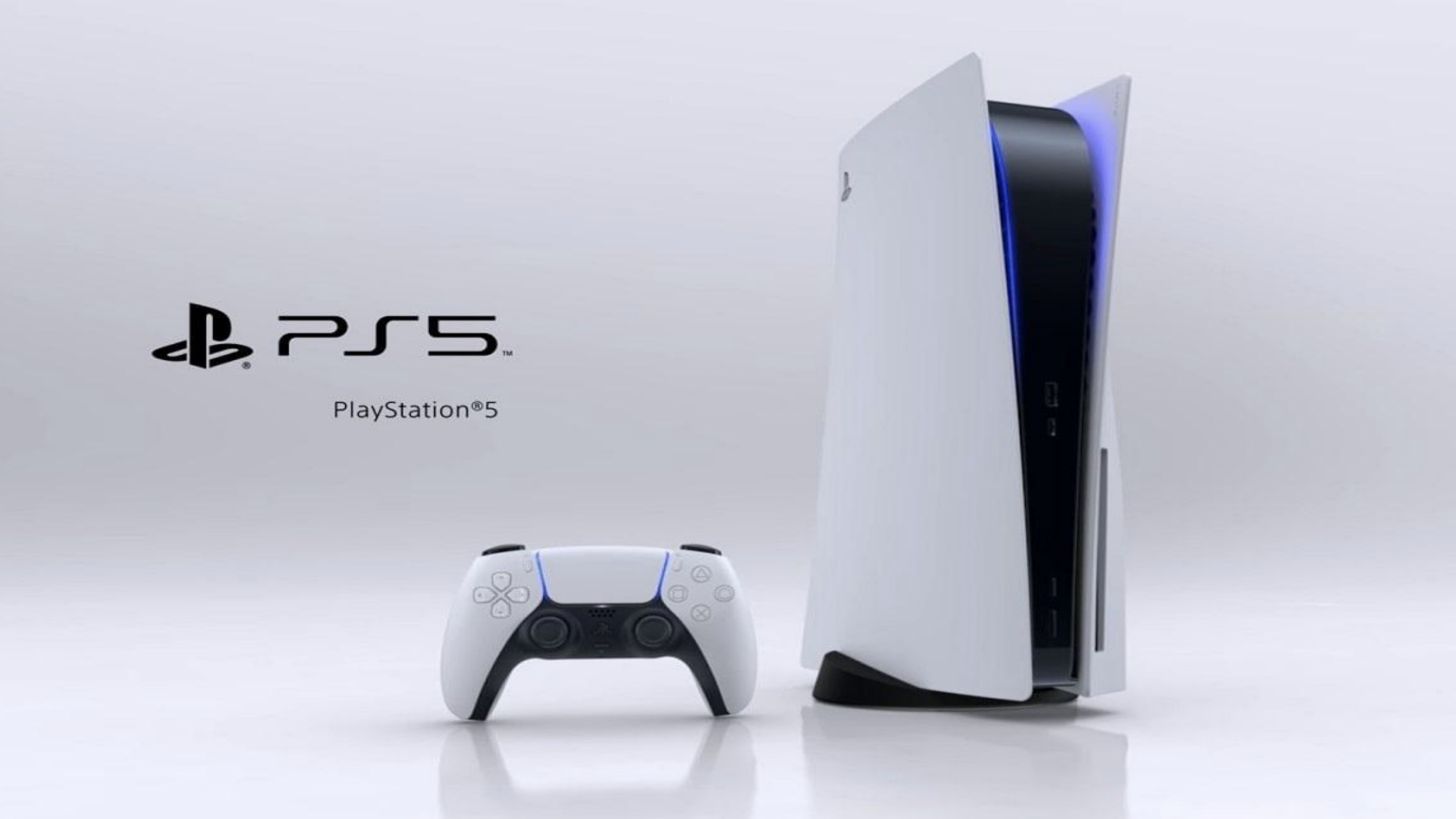
Launching in 2020, the PlayStation 5 introduced one of the biggest technological leaps in Sony’s history. Its ultra fast SSD nearly eliminated loading screens, while the DualSense controller added advanced haptic feedback and adaptive triggers that changed how players experienced games. The system quickly became home to blockbusters like Demon’s Souls, Astro Bot, and Marvel’s Spider-Man 2.
15. Sony’s Most Powerful Console Yet
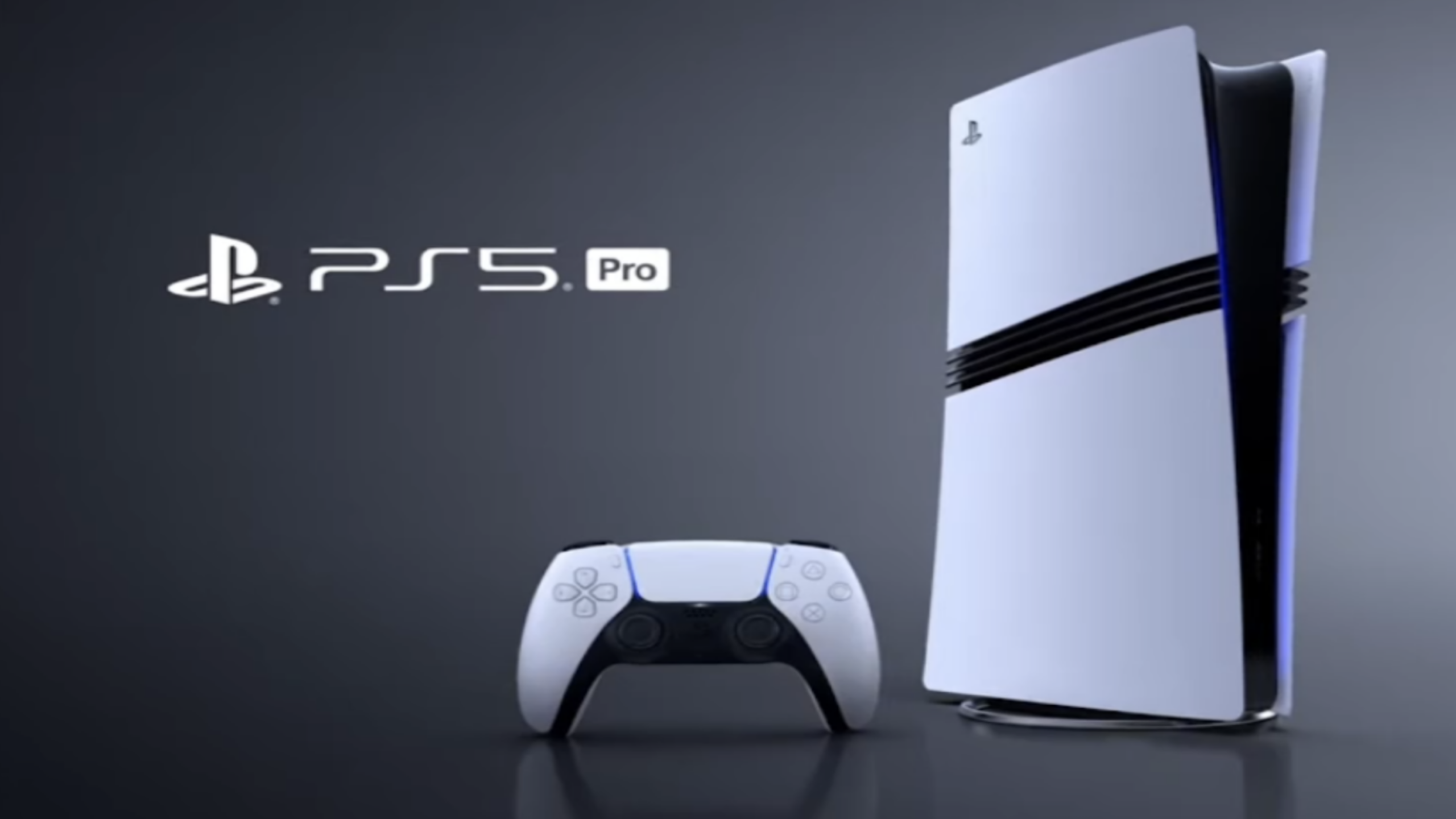
The PlayStation 5 family expanded again in 2024 with the arrival of the PS5 Pro. Featuring a more powerful GPU, improved ray tracing, and PlayStation Spectral Super Resolution (PSSR), it was designed to deliver sharper visuals and higher frame rates without sacrificing image quality. More than thirty years after the first PlayStation debuted, Sony once again demonstrated how far its hardware had evolved while staying true to the brand that transformed gaming forever.