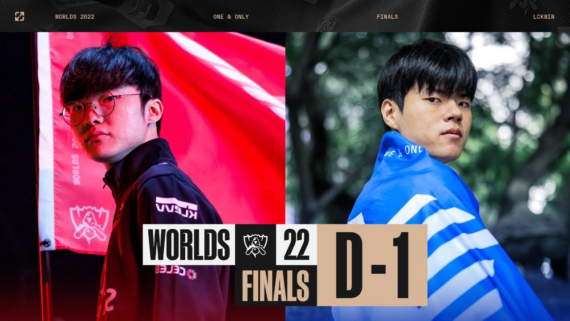
Esports has never really been just about results. Fans pick sides over playstyles, personalities, old grudges, regional pride, and sometimes one brutal loss that people still argue about years later. The best rivalries do more than shape brackets, they turn comment sections, arenas, Discord servers, and entire games into ongoing debates. Some of these matchups were built on repeated finals, others on one moment that refused to die.
Faker vs. Deft
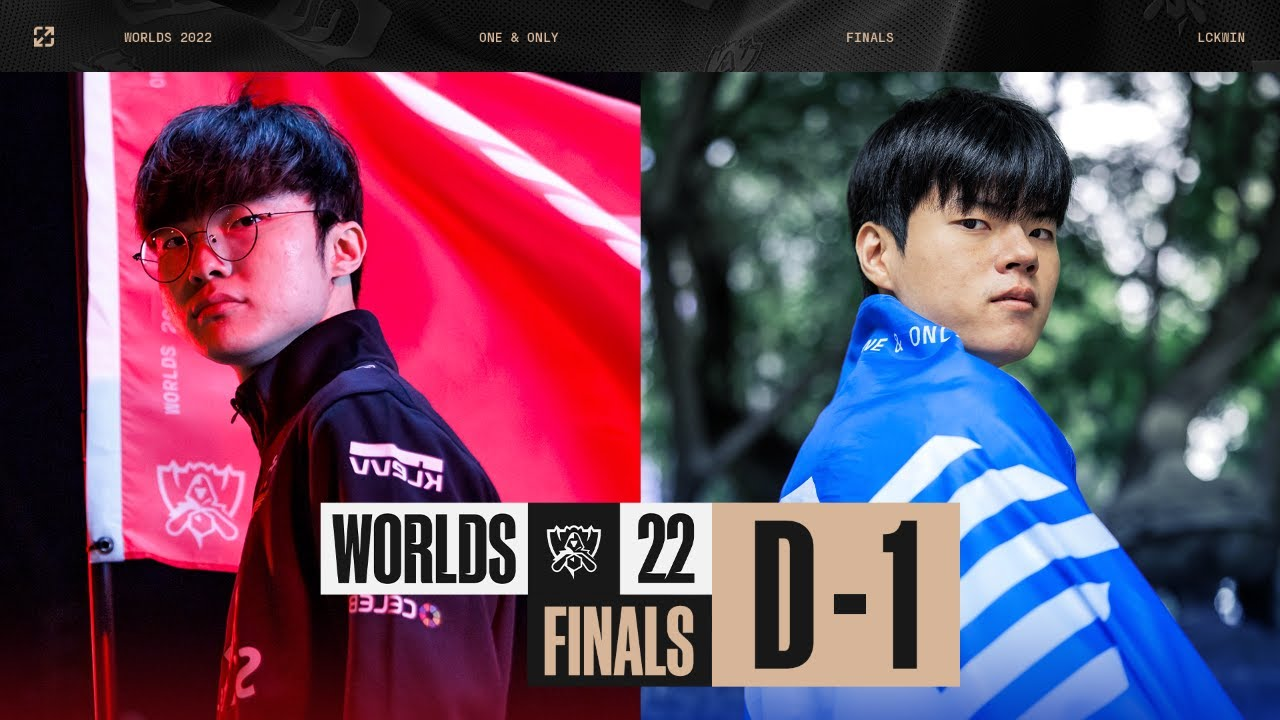
For a lot of League of Legends fans, this rivalry always felt more personal than the average superstar matchup. Faker and Deft came up in the same Korean school system before either became a household name, and that strange bit of shared history kept following them into the biggest stages in the game. Faker became the face of T1 and the standard every mid laner gets measured against, while Deft spent years playing the role of the brilliant veteran who kept getting close without quite getting over the line. When DRX beat T1 in the 2022 Worlds final, it did not just settle a championship, it reopened every conversation about longevity, pressure, legacy, and whether the greatest career is always the one with the most trophies.
T1 vs. G2 Esports
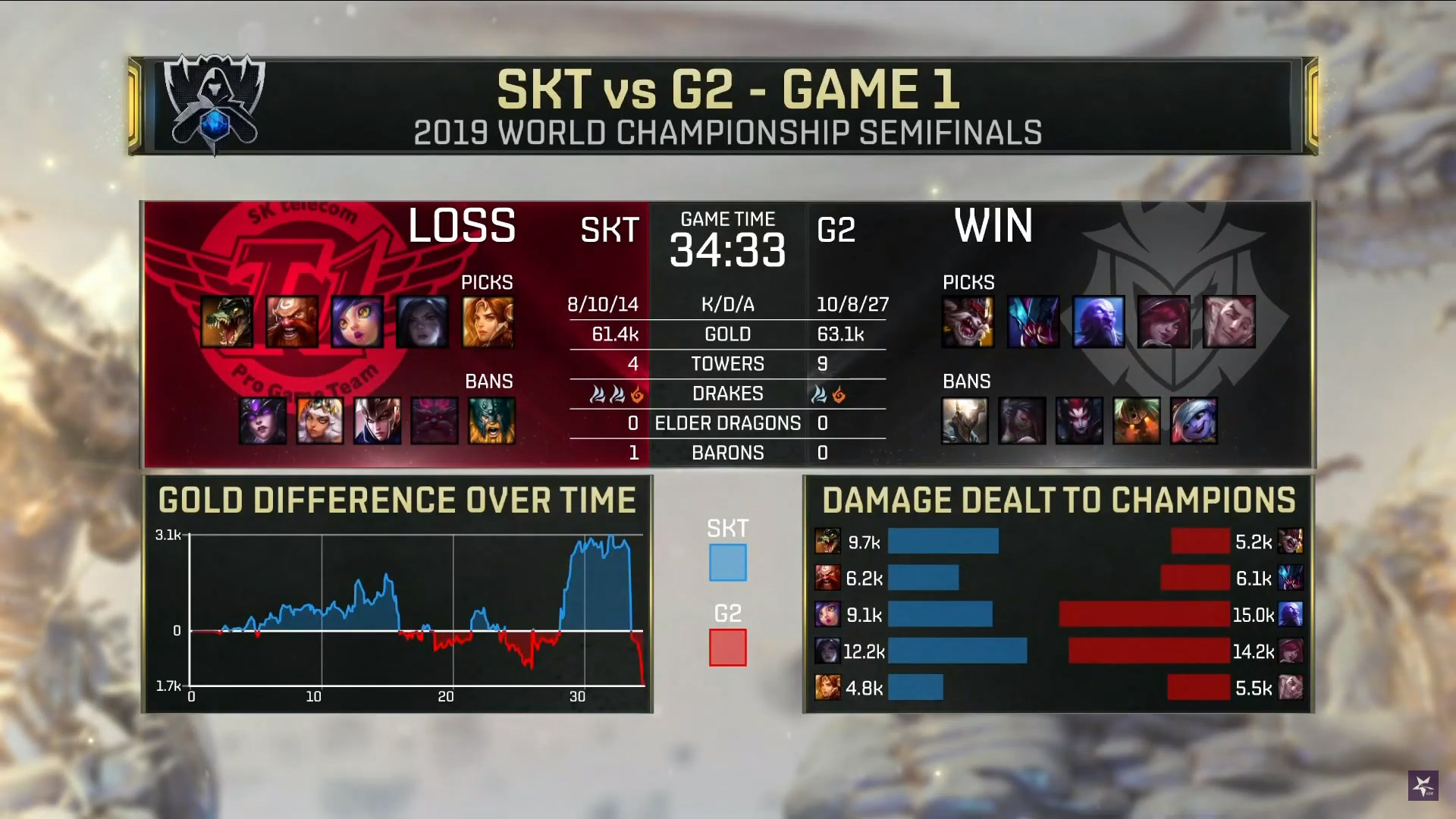
This one always carried more attitude than geography should probably allow. On paper, it was Korea’s polished powerhouse against Europe’s loudest, most self-aware contender, but the real fuel came from how differently both fanbases saw the same matches. T1 represented discipline, pedigree, and years of being the team everyone measured themselves against, while G2 leaned into irreverence, trash talk, and the idea that they could beat anyone if the game got weird enough. Their meetings around 2019 and 2020, especially in international knockout stages, helped turn a strong cross regional matchup into a full cultural argument about what “good League” was supposed to look like.
NaVi vs. Fnatic
Navi.gg
Early Counter-Strike: Global Offensive had a rivalry that felt half competitive and half philosophical. NaVi often looked like a team powered by raw star gravity, especially when s1mple was at his most outrageous, while Fnatic’s best versions played with the kind of swagger that made fans either love them or accuse them of getting away with murder. The old resentment around the boost scandal from 2014 never disappeared entirely, even as rosters changed and the scene moved forward. That is part of why matches between these banners still carried extra charge, because people were not only arguing about the server, they were arguing about memory, fairness, and which era deserved more respect.
TSM vs. CLG
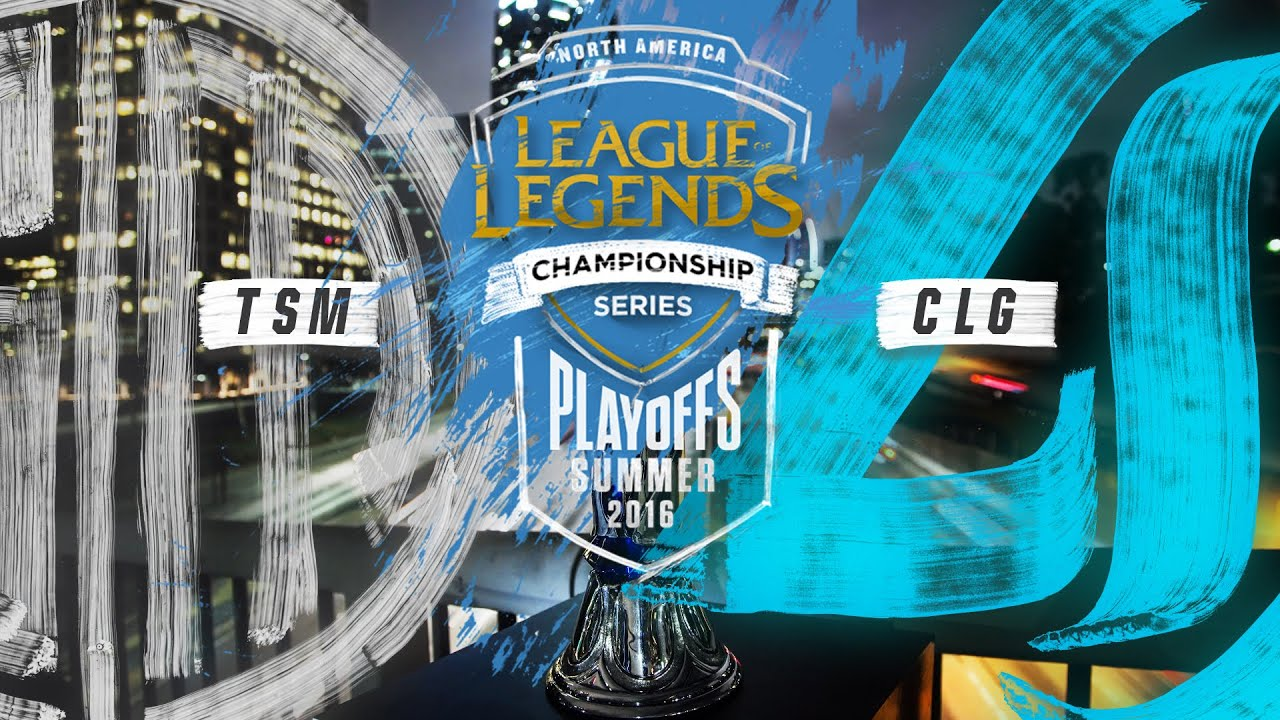
North American League has had stronger teams since, but it has rarely had a feud this easy to understand. TSM vs. CLG was messy, tribal, and loud in exactly the way early esports rivalries needed to be. Reginald, HotshotGG, Doublelift, Bjergsen, Chauster, Aphromoo, there were always enough personalities involved to keep the argument going even when one side clearly had the better roster. It never mattered that the region later produced bigger international storylines, because for a certain generation of fans this was the original civil war, the matchup that made choosing a team feel like choosing a side in an actual social split.
OpTic Gaming vs. FaZe Clan
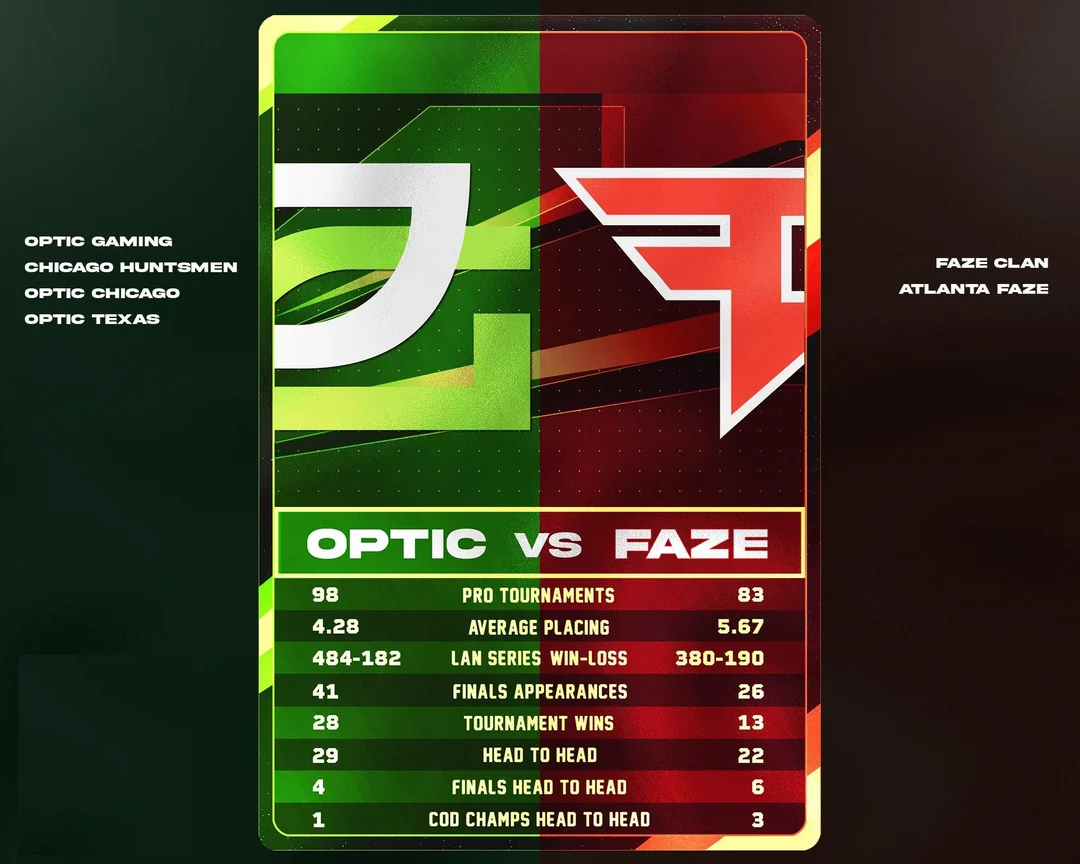
Call of Duty has always been good at producing rivalries that feel one bad Search and Destroy round away from total chaos, and OpTic vs. FaZe might be the cleanest example. The rivalry grew out of overlapping eras of star power, huge fanbases, and a constant tug of war between winning and branding, because these were not just teams, they were identities people wore online. Scump gave OpTic a center of gravity for years, while FaZe carried a different kind of magnetism, louder, more combustible, and built for endless debates about who really had the better talent. Even when one roster changed or the results tilted in one direction, the community kept the rivalry alive on its own.
Trending on realmoneygamer.com
Daigo Umehara vs. Justin Wong
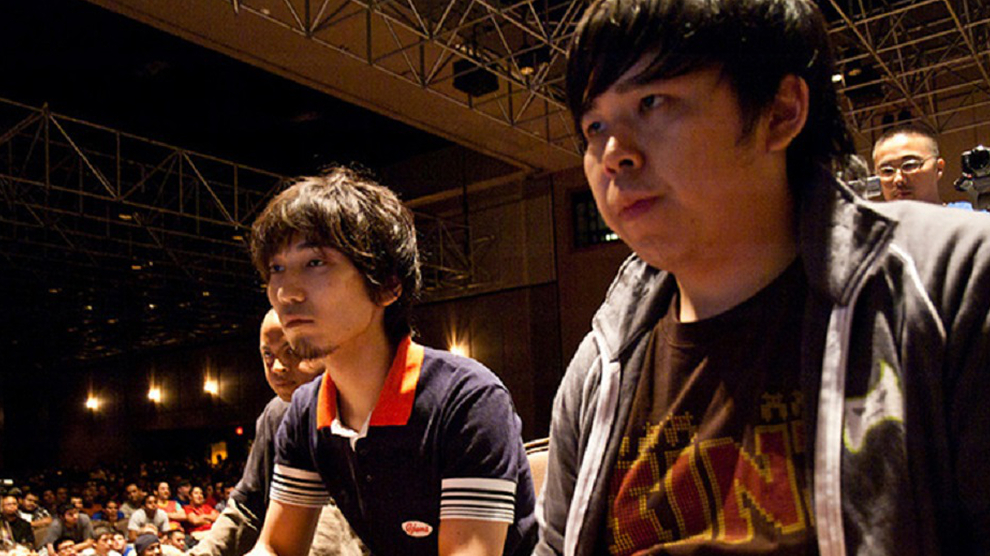
No fighting game list skips this, and not only because of Evo Moment 37. Daigo parrying Justin Wong’s full super at Evo 2004 became one of those clips that escaped its own scene and started representing competitive gaming at large. But the rivalry lasted because the contrast worked so well, Daigo as the cold, precision driven master from Japan, Justin as the American genius who kept forcing people to reckon with how strong consistency and adaptation could be. Fans did not just debate who was better, they argued over what kind of greatness counted more.
Serral vs. Maru
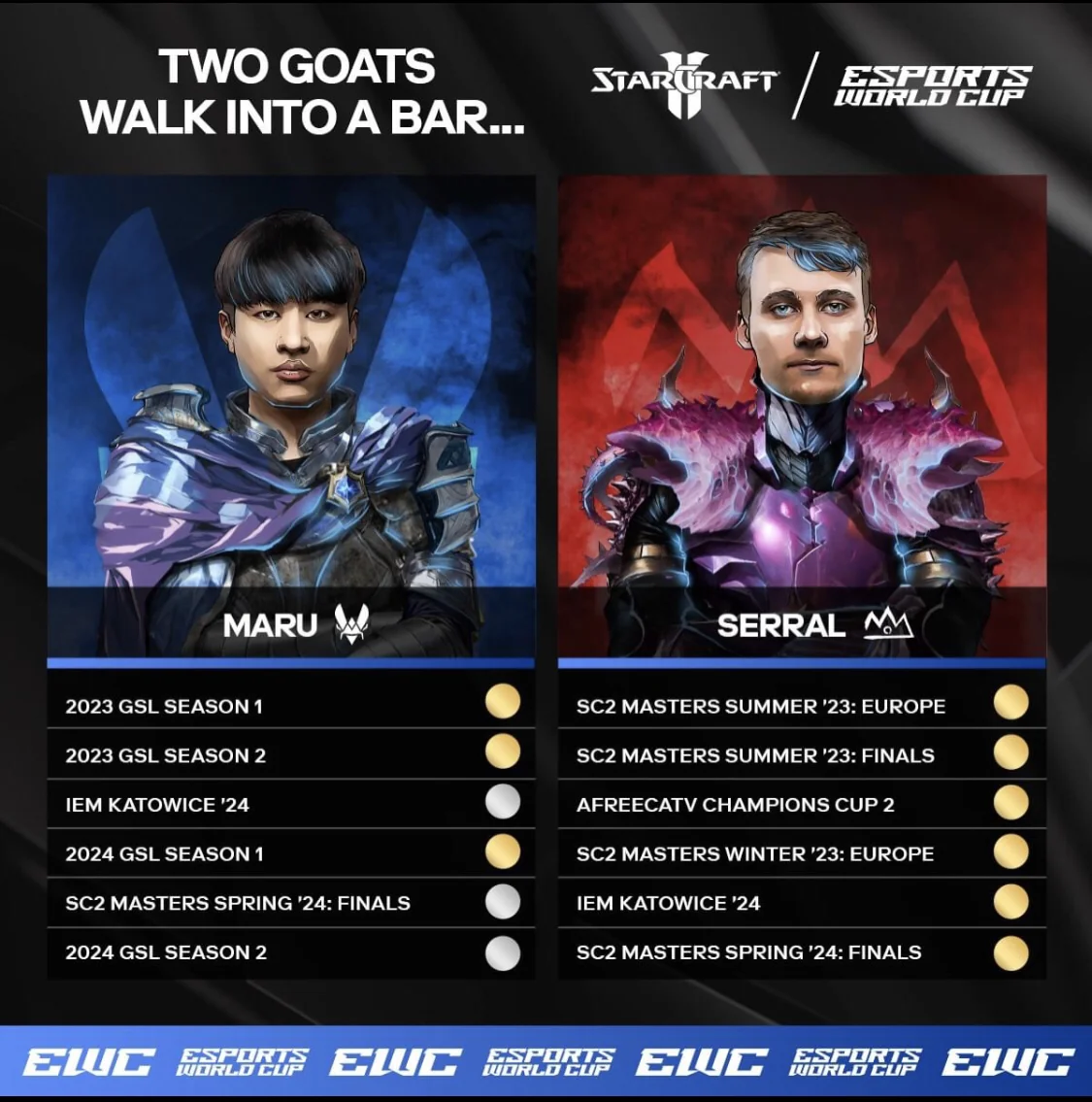
StarCraft rivalries usually come with a regional subtext whether people admit it or not. Serral’s rise as a Finnish Zerg who could dismantle the Korean establishment changed the tone of the game almost overnight, and Maru, with his long standing reputation as one of the sharpest Terran players in the world, became the perfect counterpart. Their meetings felt heavy because they touched an old nerve in StarCraft, the question of whether Korea’s dominance was finally breakable for real, or just briefly interrupted. Every time they met, fans brought their balance complaints, national loyalties, and years of scene baggage with them.
Sentinels vs. LOUD
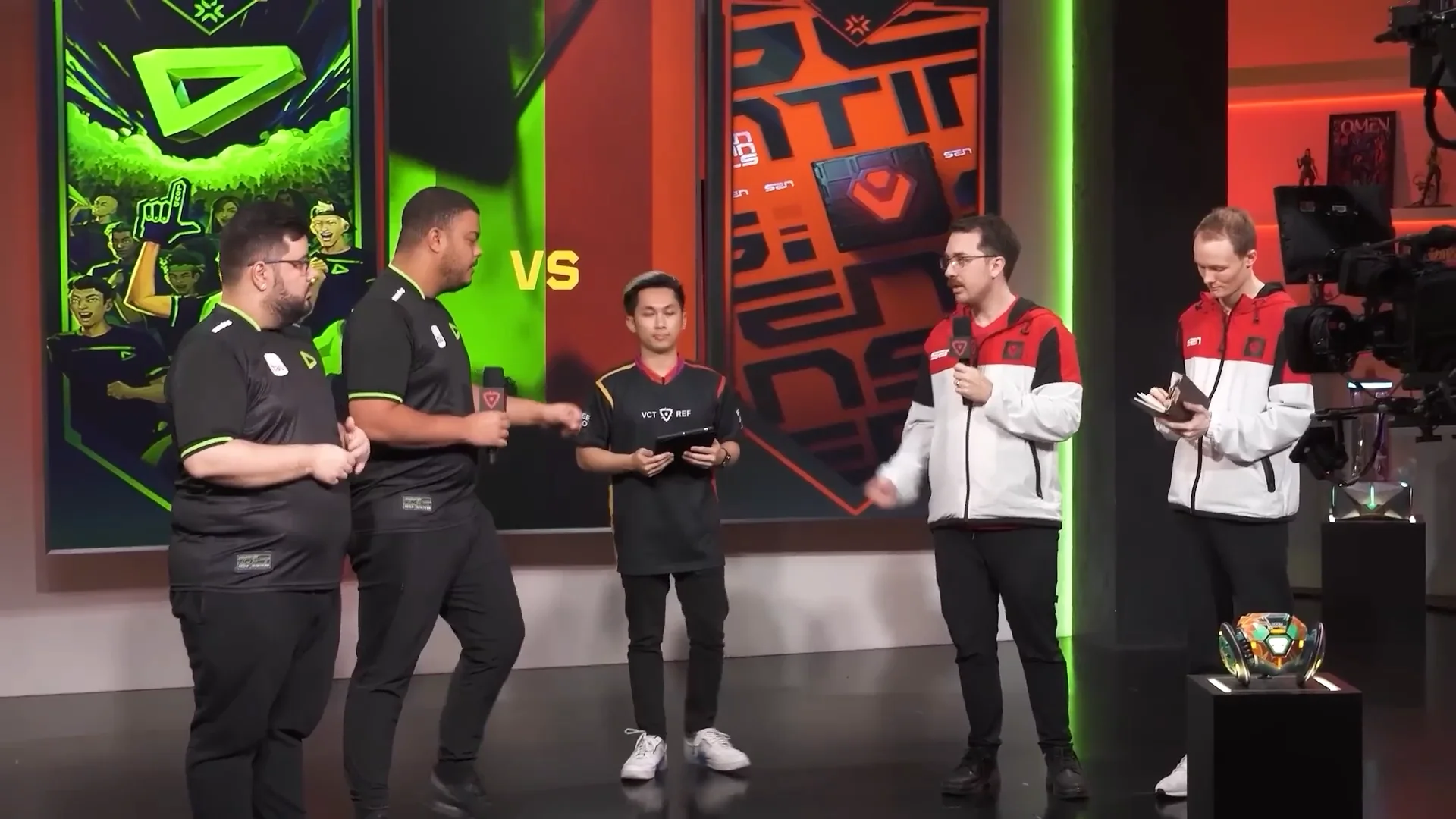
Valorant creates regional tension fast, and Sentinels vs. LOUD turned that tension into a running argument between North America and Brazil. The matches mattered, but so did everything around them, the crowd noise, the social media aftermath, the clipped reactions, the constant feeling that one side’s fans were about three seconds away from treating a map win like a referendum on the whole esport. When these teams collided during the VCT era, especially with stars like TenZ, aspas, Sacy, and pANcada orbiting the story in different phases, the rivalry kept shifting shape without losing its edge. It never felt neat, which is probably why it kept working.
SK Telecom T1 vs. Samsung White and Samsung Galaxy
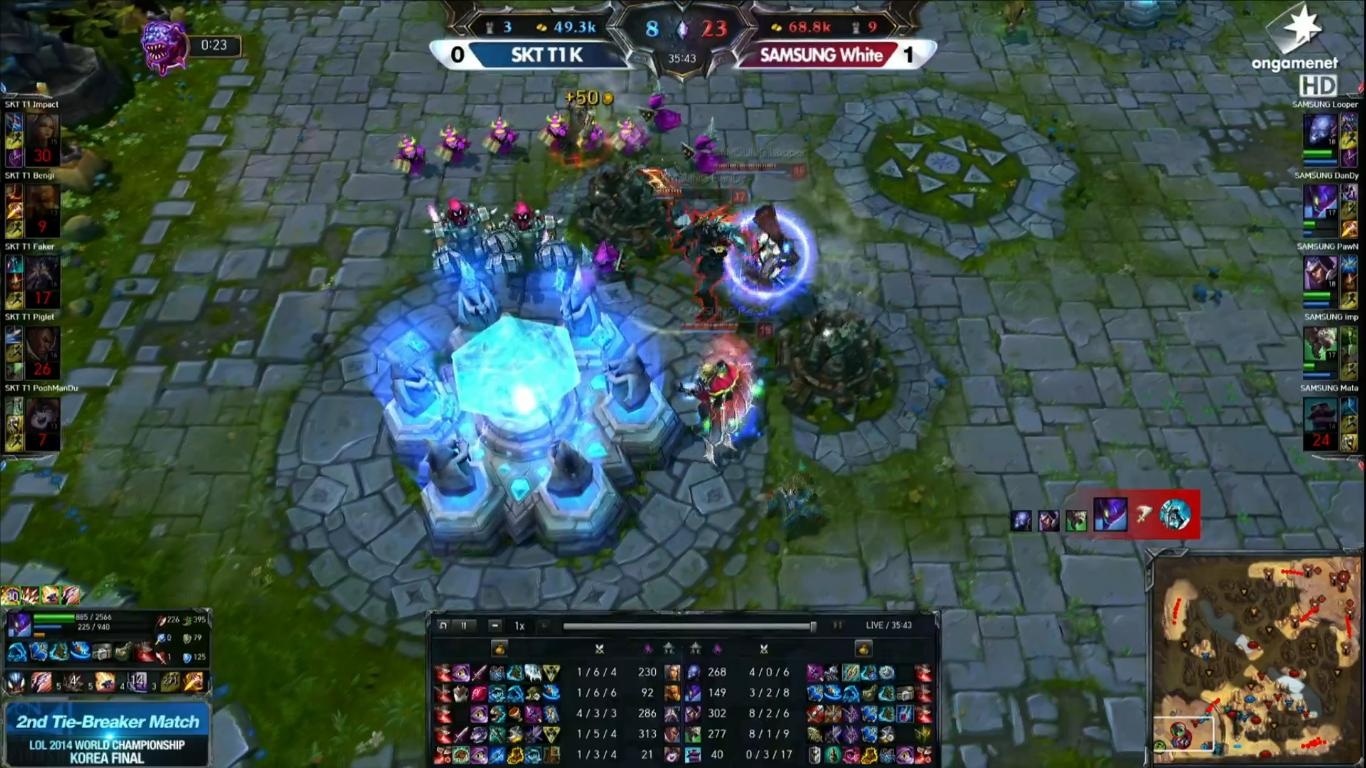
League fans tend to fold these teams into one corporate lineage, but emotionally the rivalry had distinct chapters. Samsung White was the ruthless 2014 machine that crushed SKT’s claim to automatic supremacy, then Samsung Galaxy returned later as the team that repeatedly stood in the way of another easy T1 dynasty narrative. Their 2016 and 2017 Worlds finals, split between a five game thriller and a clean 3, 0 upset, gave both sides enough ammunition to argue forever. T1 fans saw resilience and a longer reign, Samsung fans saw proof that the throne was never as untouchable as it looked.
Hungrybox vs. Leffen
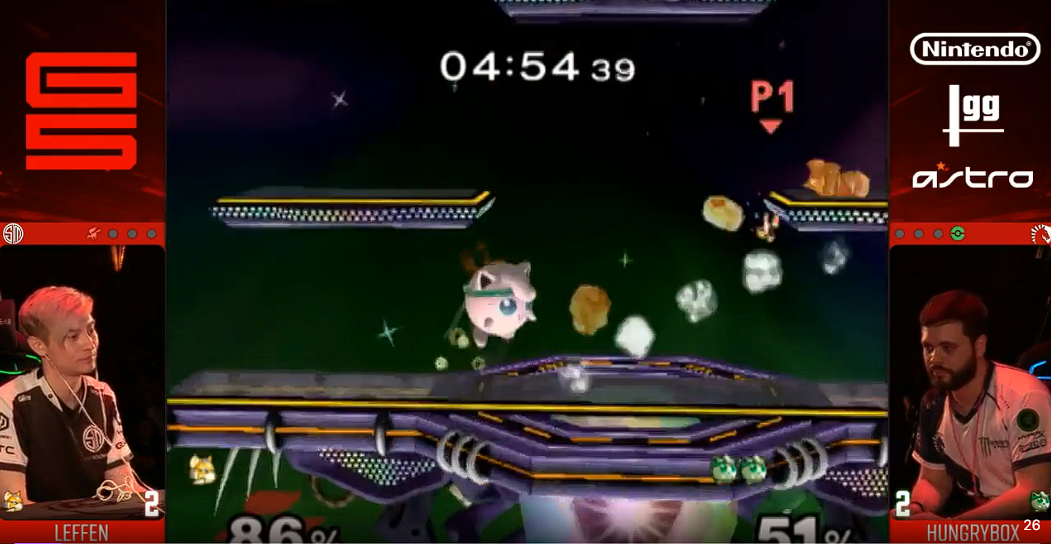
This rivalry was never going to be polite because the Super Smash Bros. Melee scene rarely rewards politeness for long. Hungrybox became the center of endless arguments about Jigglypuff, defensive play, crowd hostility, and what people wanted the game to look like, while Leffen leaned into the role of the sharp tongued challenger who would say out loud what others preferred to post later. Some rivalries divide communities over who wins, this one divided them over what should even count as respectable competition. The boos, the pop offs, the accusations, the grudging respect, it all made every set feel like a debate disguised as a match.
Some rivalries fade when the results stop coming, but the best ones do not really disappear, they just wait for the next match, the next quote, or the next clip that drags everyone back into the same argument. Esports communities are good at remembering slights, even better at reinterpreting them. That is probably why these matchups still feel alive long after the bracket moves on.