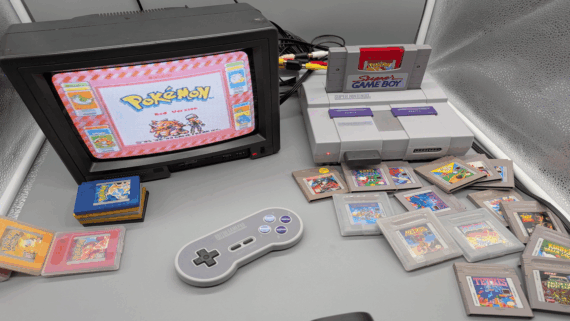
90s kids remember a different kind of magic. After school meant rushing home, dropping your backpack, and turning on a chunky TV with that soft static glow. The sound of cartridges clicking into place, the hum of a console warming up, and the feeling that whole worlds were waiting inside those pixels. Weekends were for sleepovers, sharing controllers, and arguing over who got the next turn. Arcades still echoed in malls, Blockbuster shelves were full of rented adventures, and gaming felt raw, new, and unforgettable. This list brings back that uniquely American 90s gaming vibe.
1. Pokémon Red and Blue
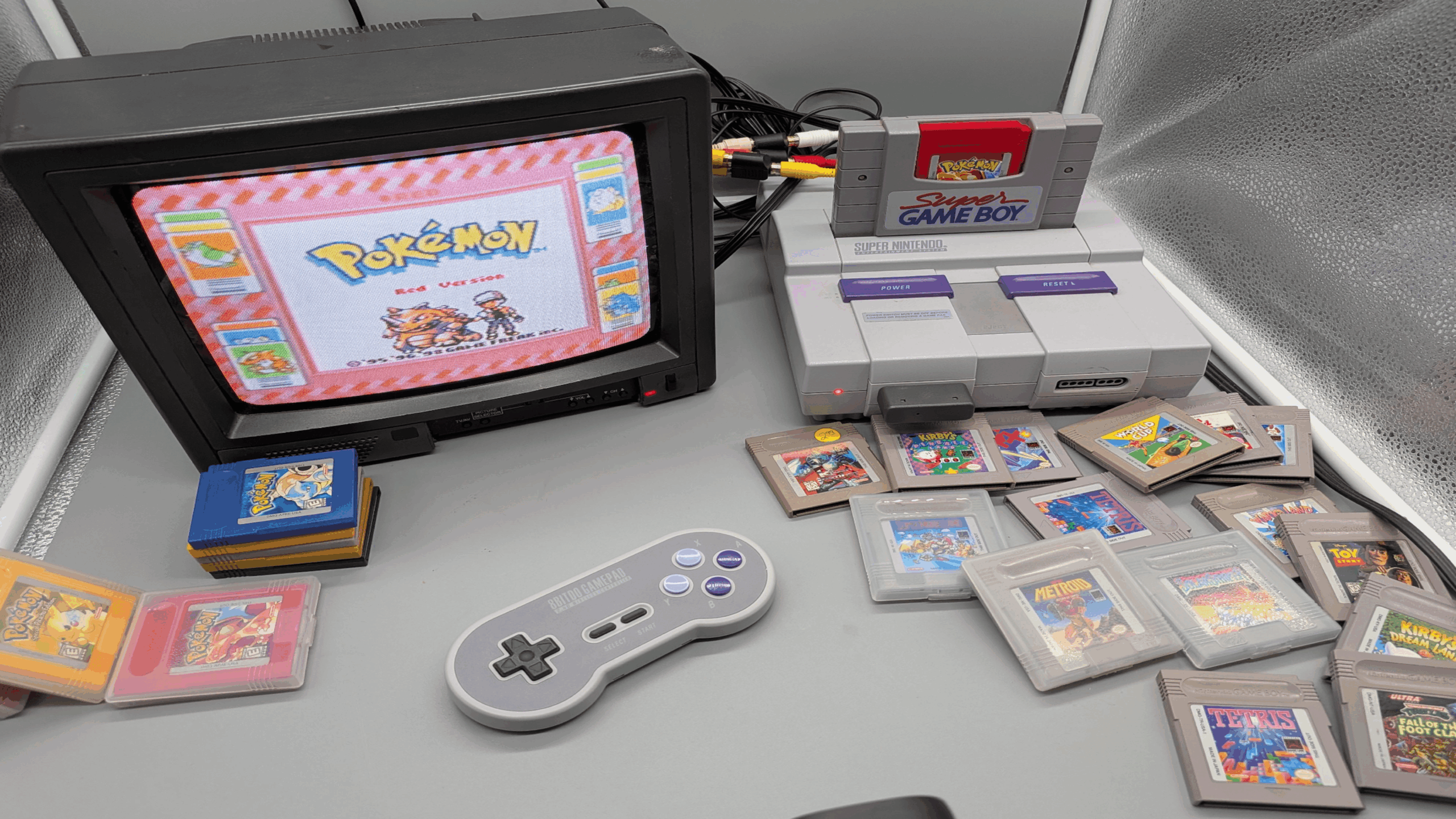
When Pokémon Red and Blue launched in the US in 1998 for Game Boy, it wasn’t just about progressing through gyms but about connecting with other players through trading and battling. That 90s schoolyard energy was real, kids comparing teams during recess, linking devices with cables, and talking about rumors like hidden Pokémon, all while playing on that dim green screen during bus rides or late afternoons at home.
2. Super Mario 64
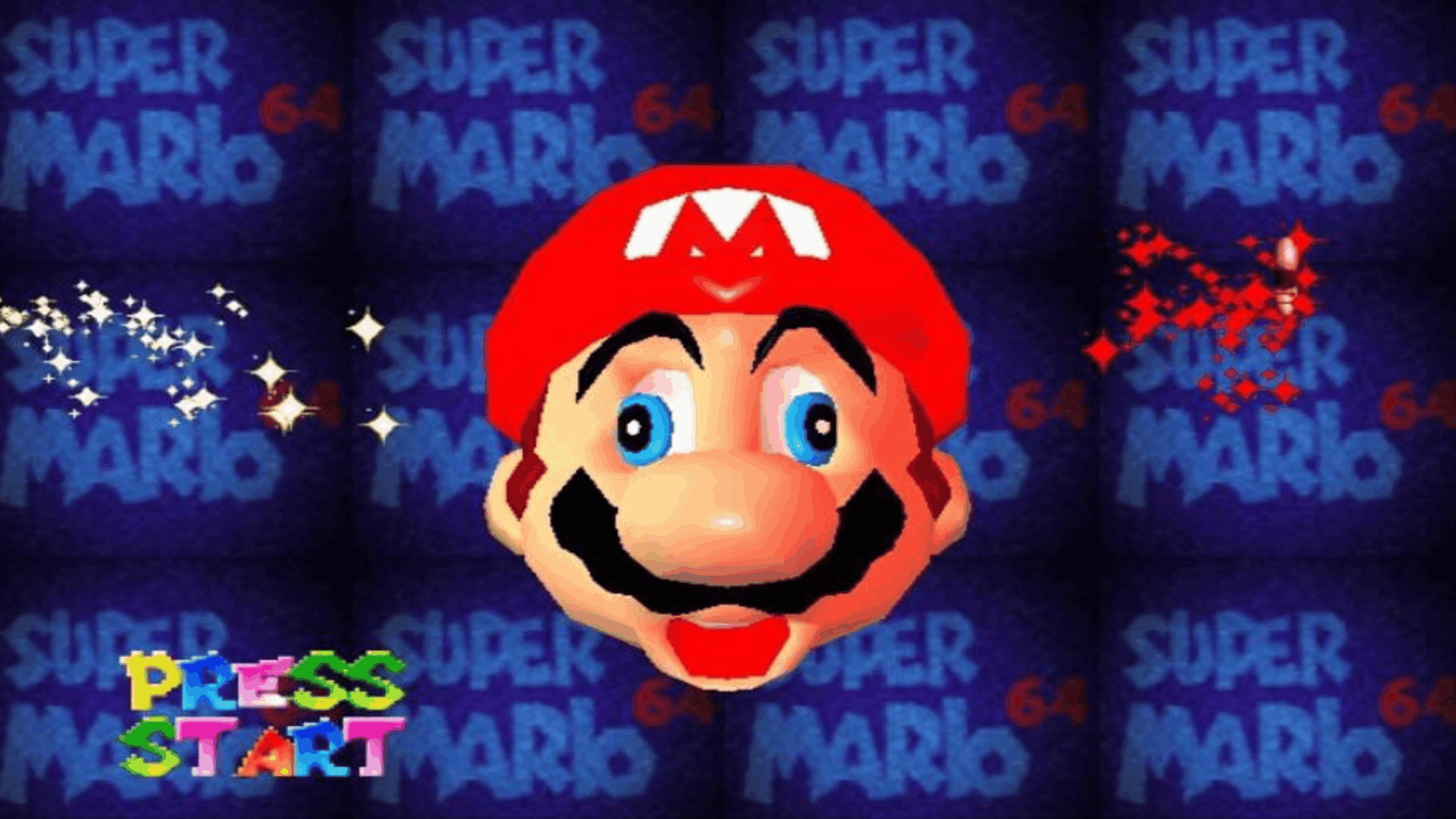
Back in 1996, Nintendo took a massive leap with Super Mario 64 on the Nintendo 64, introducing analog movement and a fully explorable 3D space that changed platformers forever. For a lot of kids this was the game you played sitting cross legged in front of a CRT, slowly figuring out how to control Mario in ways no game had asked before, often with someone next to you watching every attempt to nail a jump into a painting.
3. The Legend of Zelda Ocarina of Time
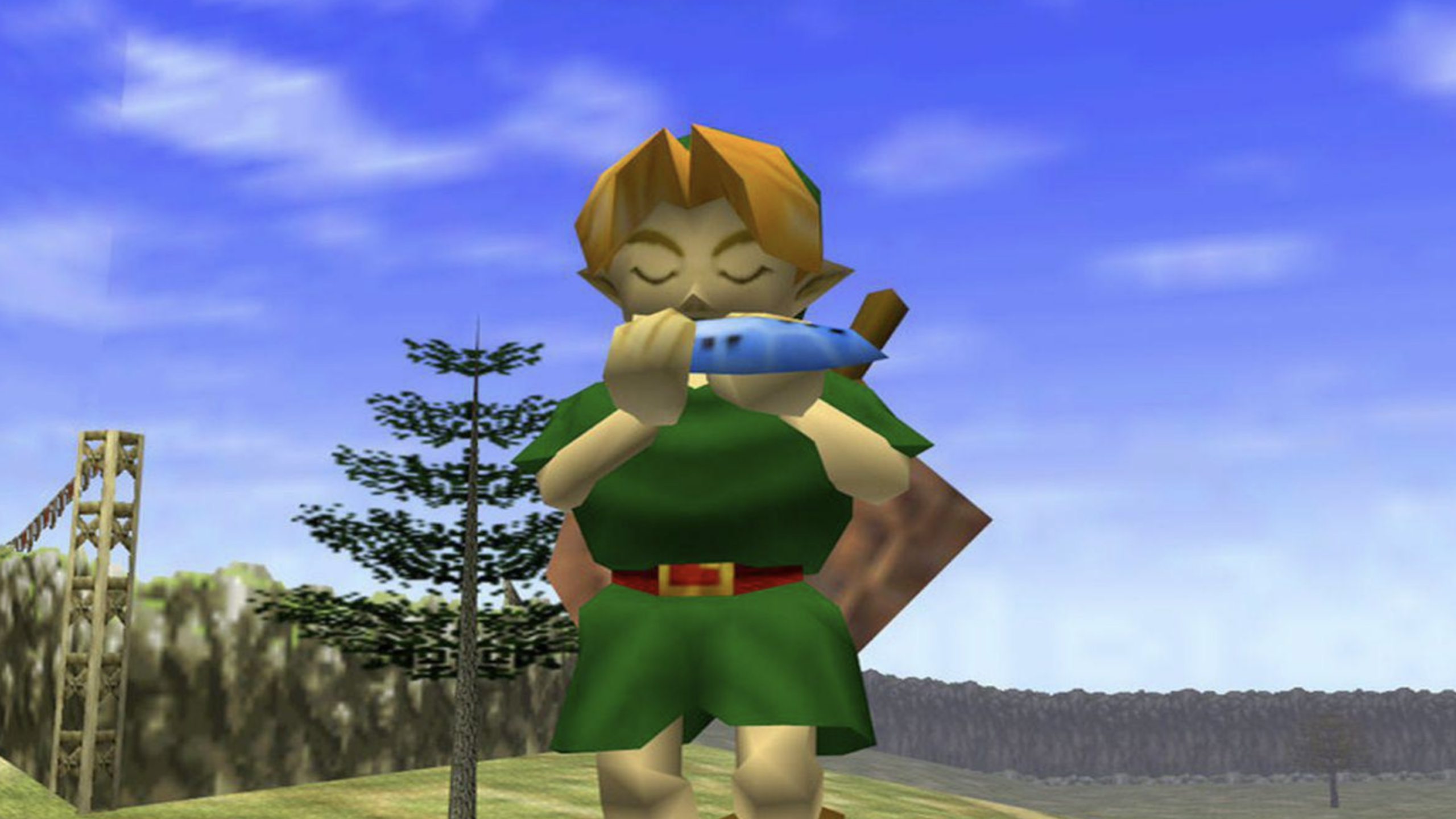
When Ocarina of Time launched in 1998, it redefined action adventure games with Z targeting, a day night cycle, and a structured world that rewarded patience and attention. There was a very specific 90s feeling in renting it from Blockbuster for a weekend, carefully progressing through dungeons like the Forest Temple while writing down notes or talking about it at school the next day, because guides were not always available and figuring things out felt personal.
4. GoldenEye 007
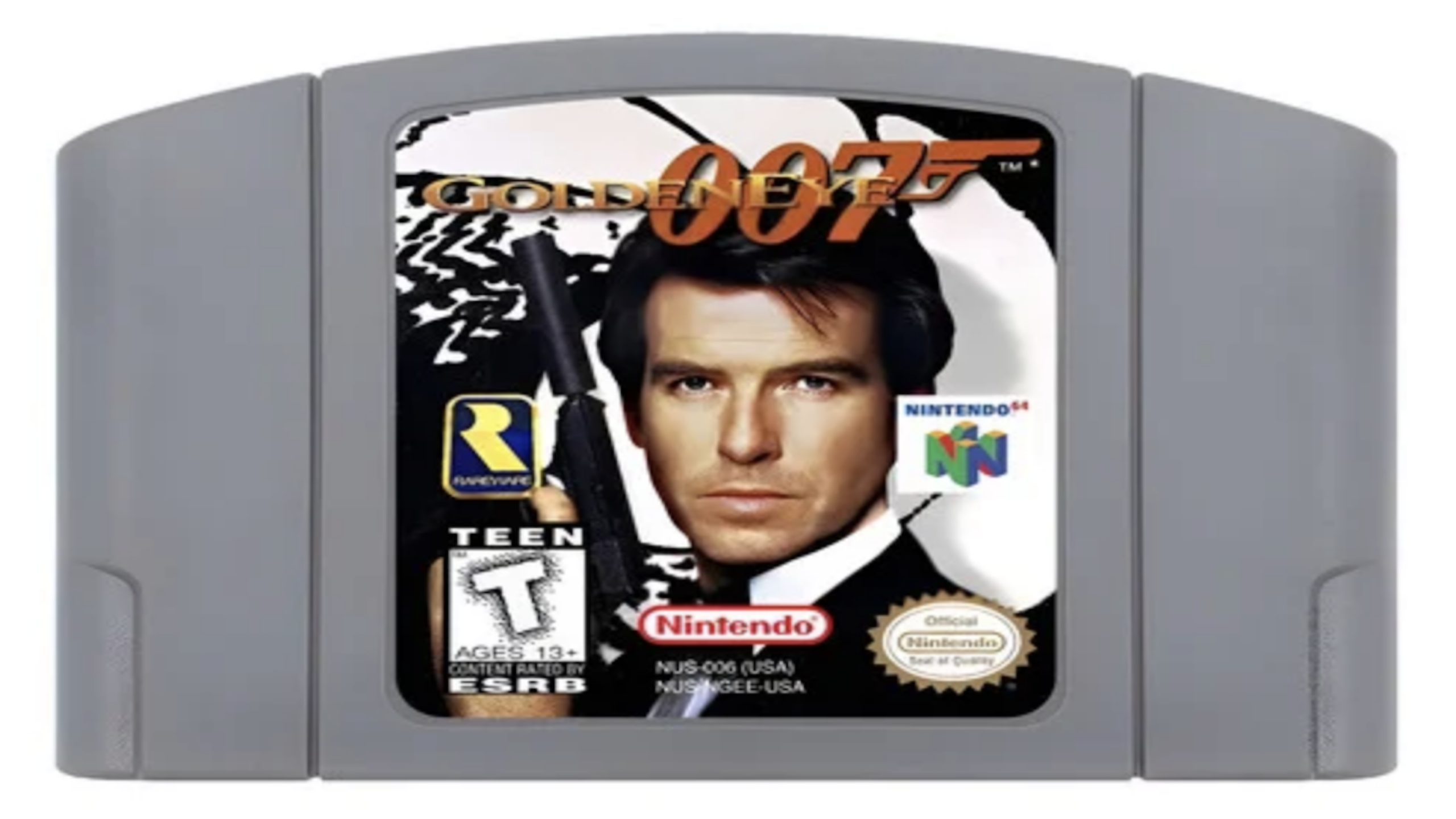
GoldenEye 007 hit the Nintendo 64 in 1997 and quickly became a cornerstone for multiplayer shooters, especially because of how well it handled four player split screen on limited hardware. In many homes during the 90s, this translated into crowded living rooms, arguments over proximity mines, and unwritten rules like banning certain characters, turning each session into something closer to a small event than just casual play.
5. Tony Hawk’s Pro Skater
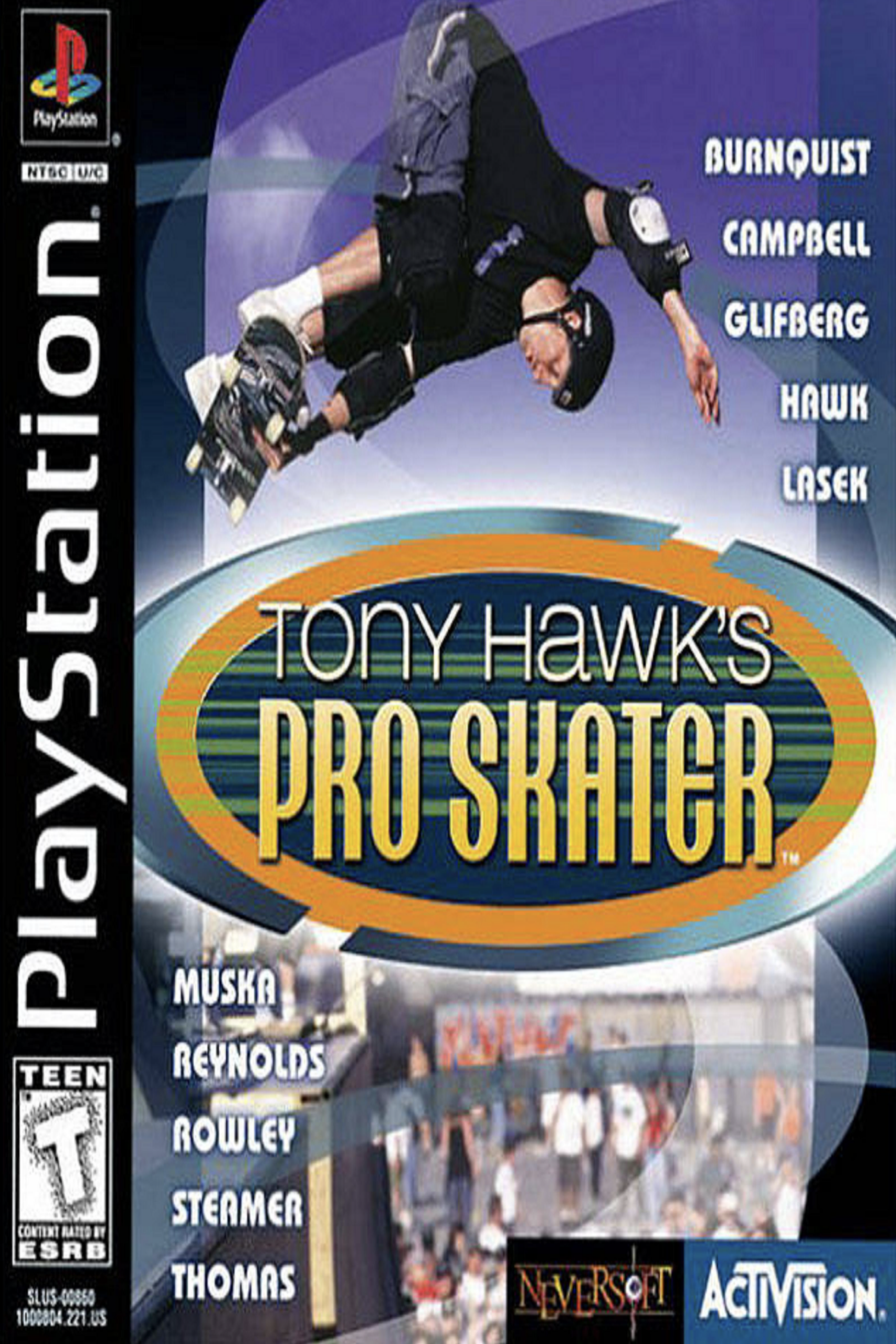
Activision’s Tony Hawk’s Pro Skater dropped in 1999 and immediately stood out by combining arcade style gameplay with real skateboarding culture and a licensed soundtrack that defined the era. For many teens at the tail end of the 90s, it became routine to replay the same levels chasing higher scores while absorbing the music and attitude, then stepping outside with a board trying to recreate even a fraction of what they had just pulled off digitally.
Trending on realmoneygamer.com
6. Resident Evil 2
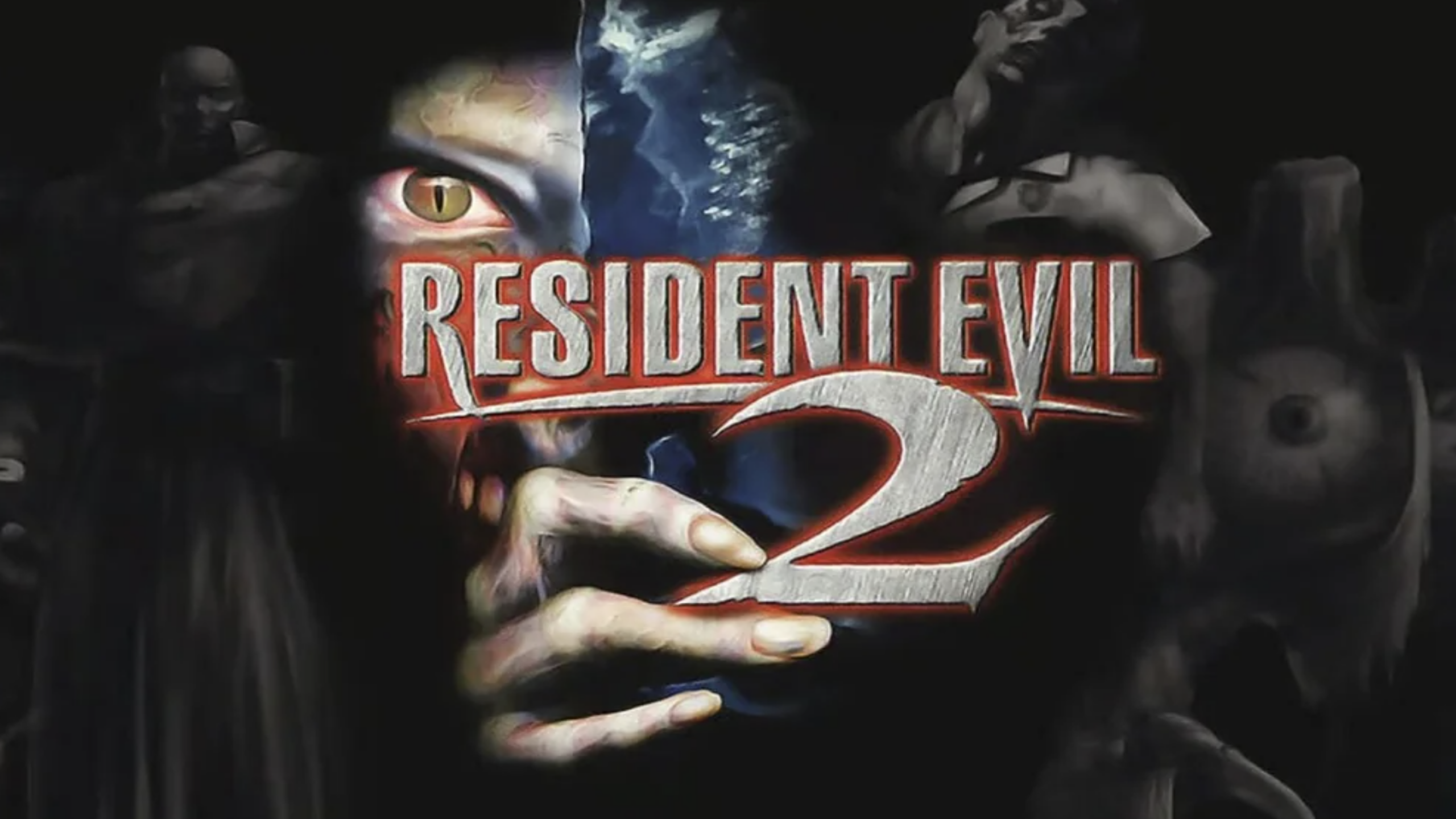
Capcom expanded its survival horror formula with Resident Evil 2 in 1998, introducing dual campaigns and more cinematic storytelling built on pre rendered environments. Experiencing it in the 90s often meant playing alone and being hyper aware of every sound, moving cautiously through the Raccoon City police station while hoping the next door wouldn’t trigger something unexpected, a kind of tension that stuck with you even after turning the console off.
7. Street Fighter II
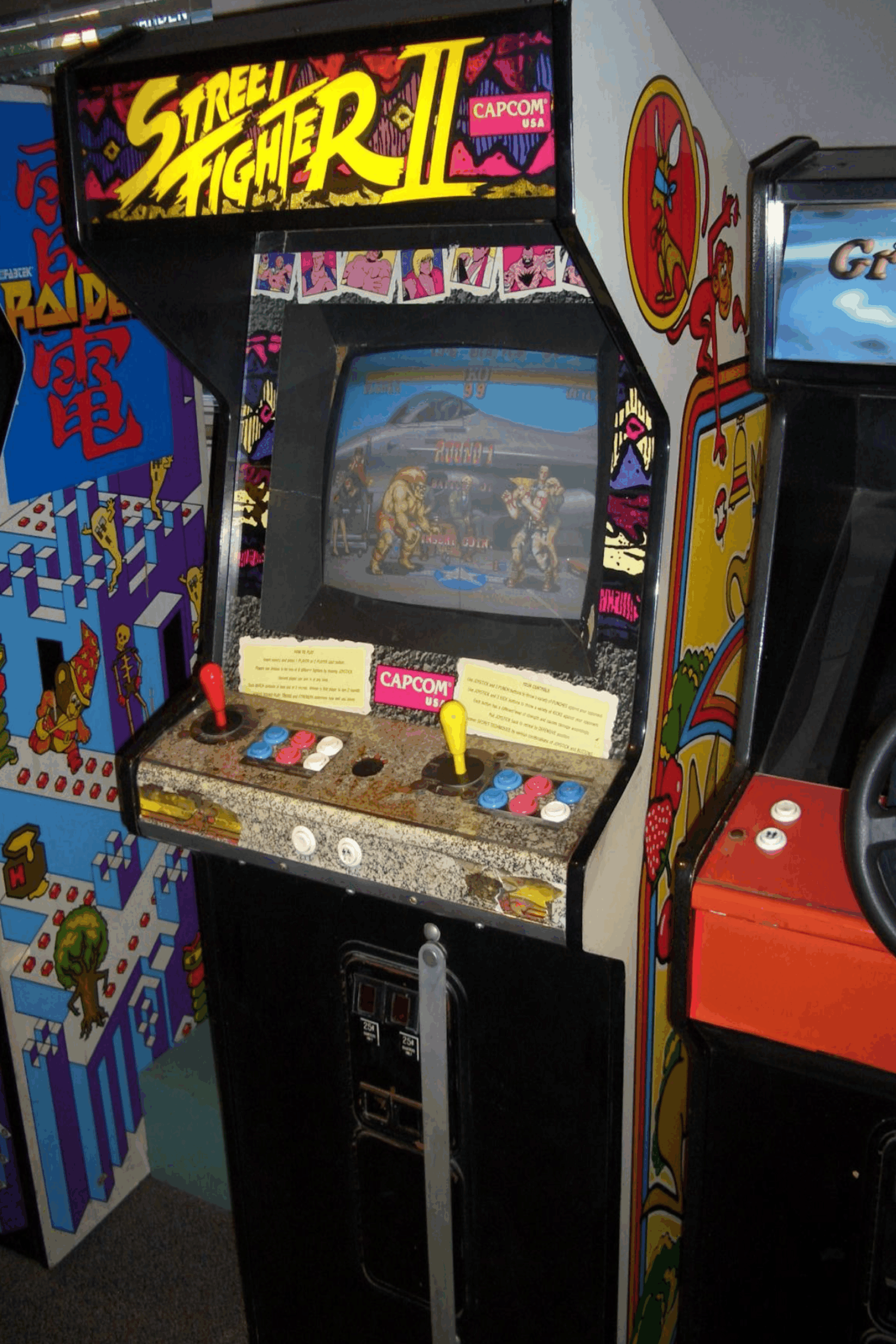
Before online play existed, Street Fighter II, which began in arcades in 1991 and later dominated home consoles, set the standard for competitive gaming through its precise mechanics and character balance. Throughout the 90s arcades became gathering spots where players would watch matches closely, learn combos by observation, and place coins on the cabinet to hold their spot, creating a shared competitive environment that felt almost like a local tournament every day.
8. Final Fantasy VII
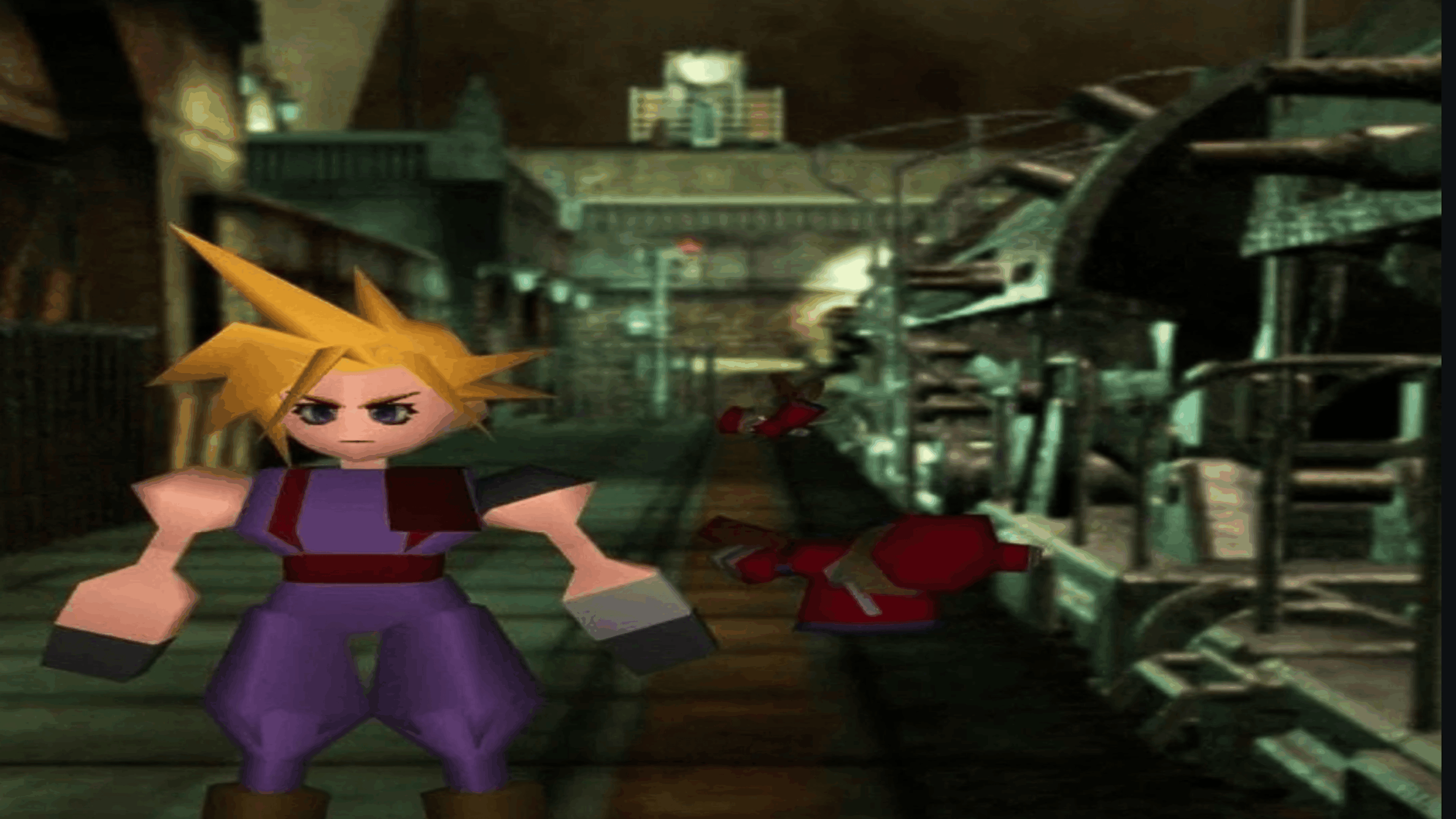
Square’s Final Fantasy VII arrived on PlayStation in 1997 and introduced a cinematic approach to RPGs with full motion cutscenes and a layered story that resonated strongly with Western audiences. For 90s players, it often meant committing to long sessions, carefully managing save points across multiple discs, and discussing major story moments at school as if everyone was progressing through the same journey together.
9. Crash Bandicoot
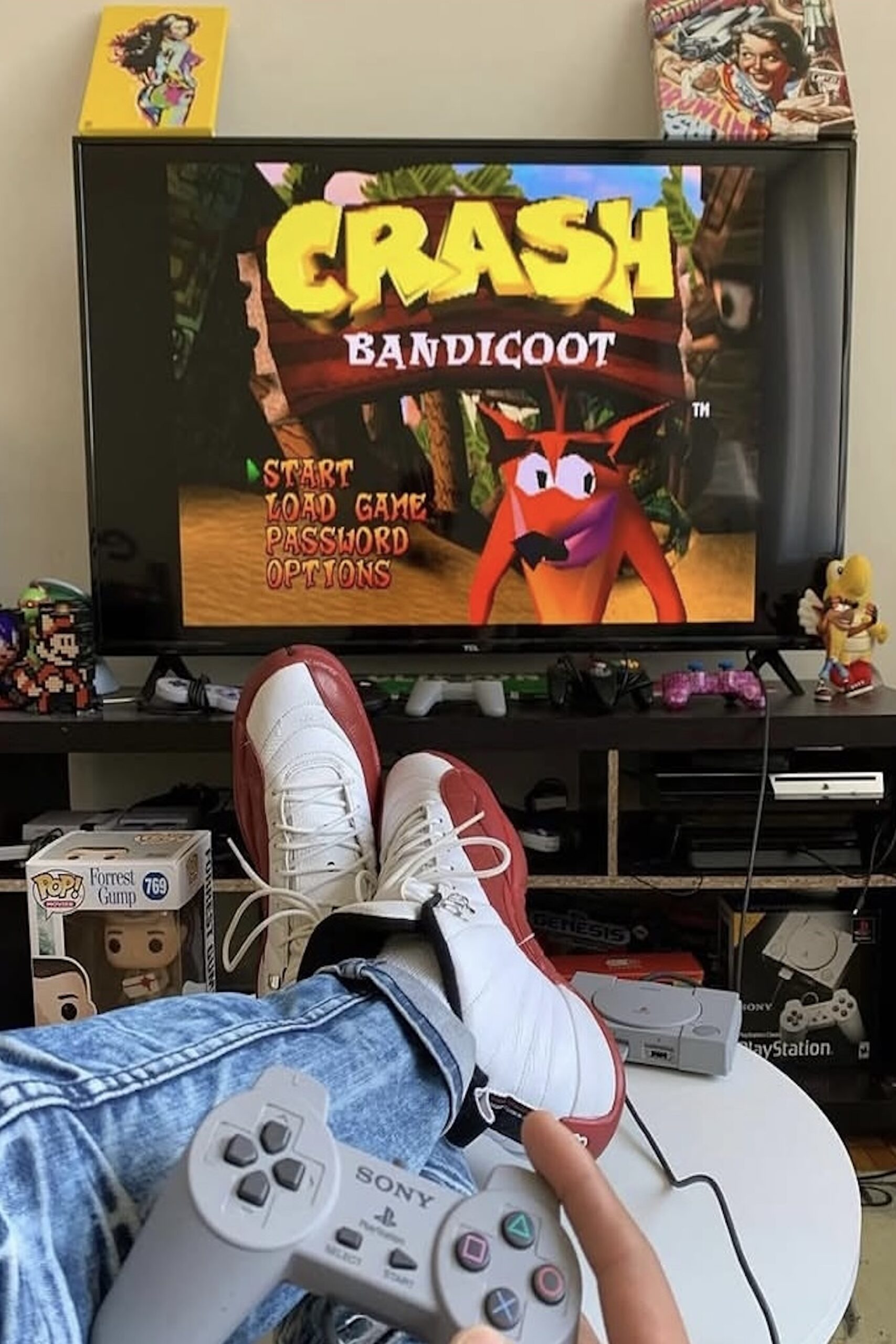
Naughty Dog’s Crash Bandicoot, released in 1996, offered a different take on platforming by using a forward facing camera and tightly designed levels that demanded timing and repetition. In a typical 90s household, this became the game where you kept retrying sections to break every crate, with someone nearby reacting to each success or failure, turning what could have been frustrating into a shared routine.
10. Doom
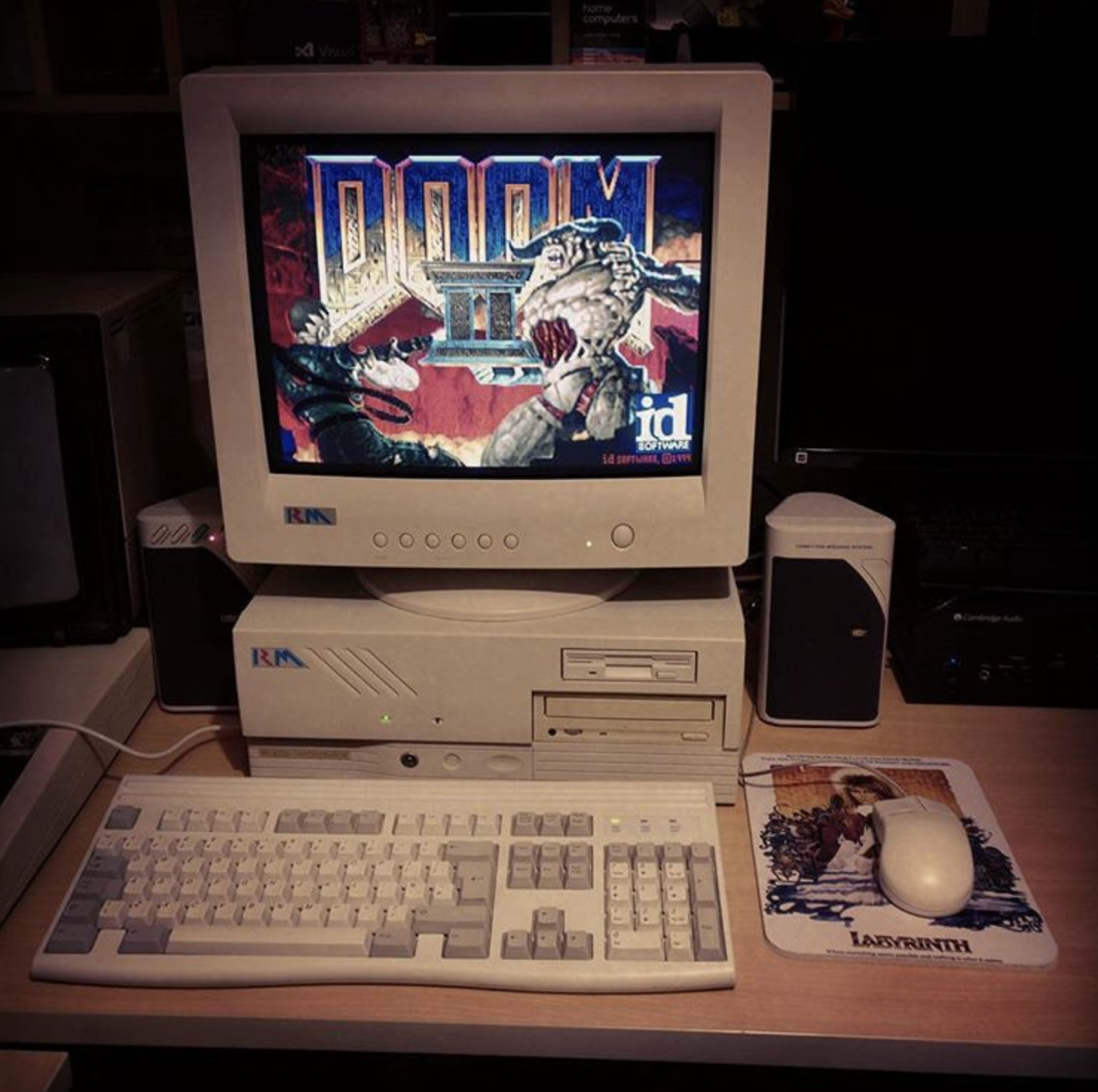
Long before modern shooters standardized the genre, Doom in 1993 introduced fast paced action, modding, and LAN multiplayer that spread rapidly across PCs. During the 90s, playing it often involved installing it manually, tweaking settings, and sometimes sharing disks with friends, all while feeling like you were interacting with something slightly edgy and ahead of its time.
11. NBA Jam The 90s Arcade Energy You Could Feel
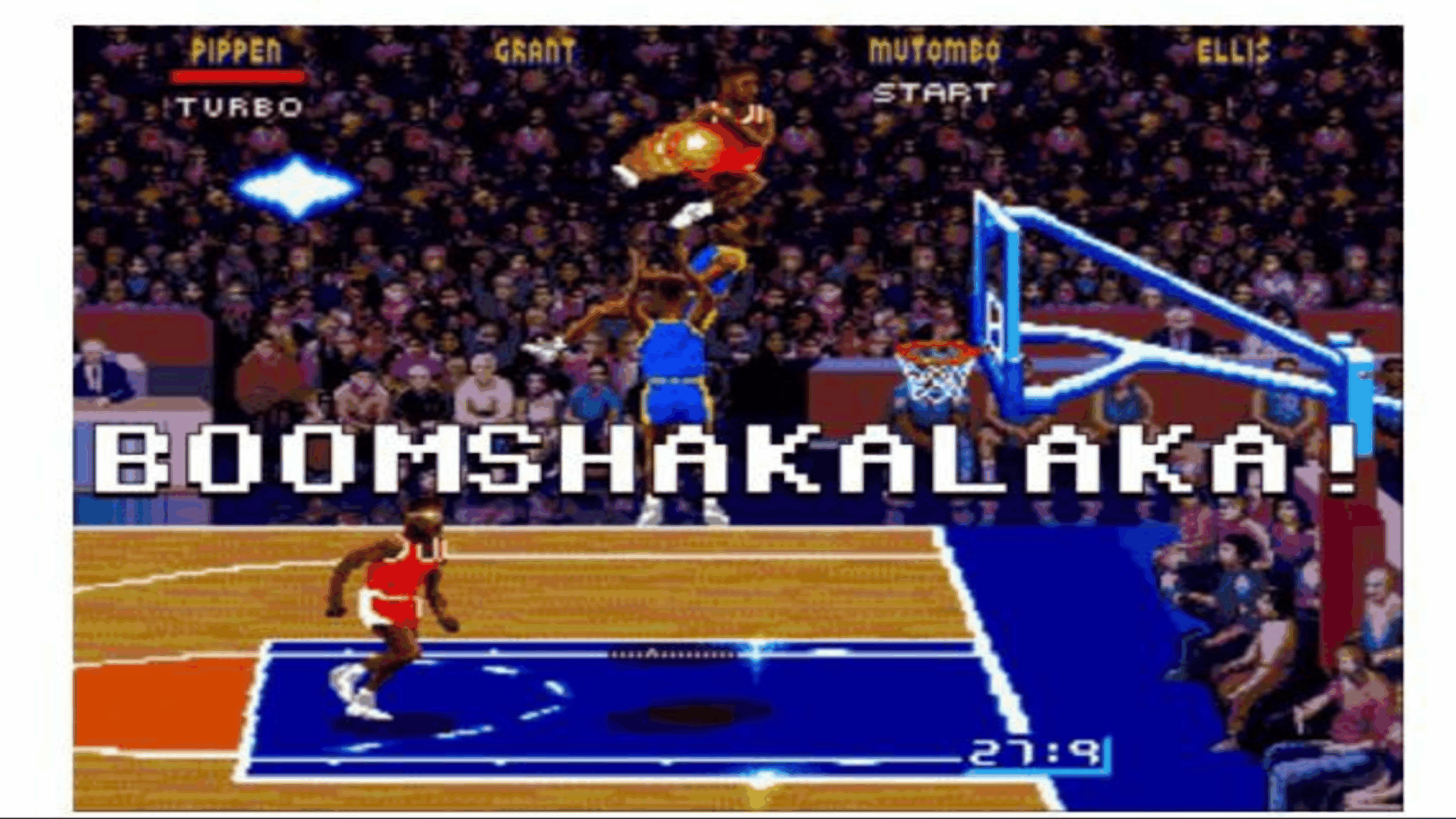
Arcades and home consoles alike were dominated by NBA Jam after its 1993 debut, thanks to its exaggerated mechanics, digitized players, and instantly recognizable commentary. It became common for friends to gather around for quick matches, reacting loudly to every dunk and catchphrase, even if they weren’t deeply into basketball itself.
12. Metal Gear Solid
Hideo Kojima’s Metal Gear Solid launched in 1998 and stood out for blending stealth gameplay with cinematic storytelling, voice acting, and unconventional mechanics. Experiencing it in the 90s meant paying close attention to details like codec calls and hidden mechanics, sharing discoveries like the Psycho Mantis fight through word of mouth, making it feel like you were uncovering secrets others might miss.
13. Sonic the Hedgehog 2
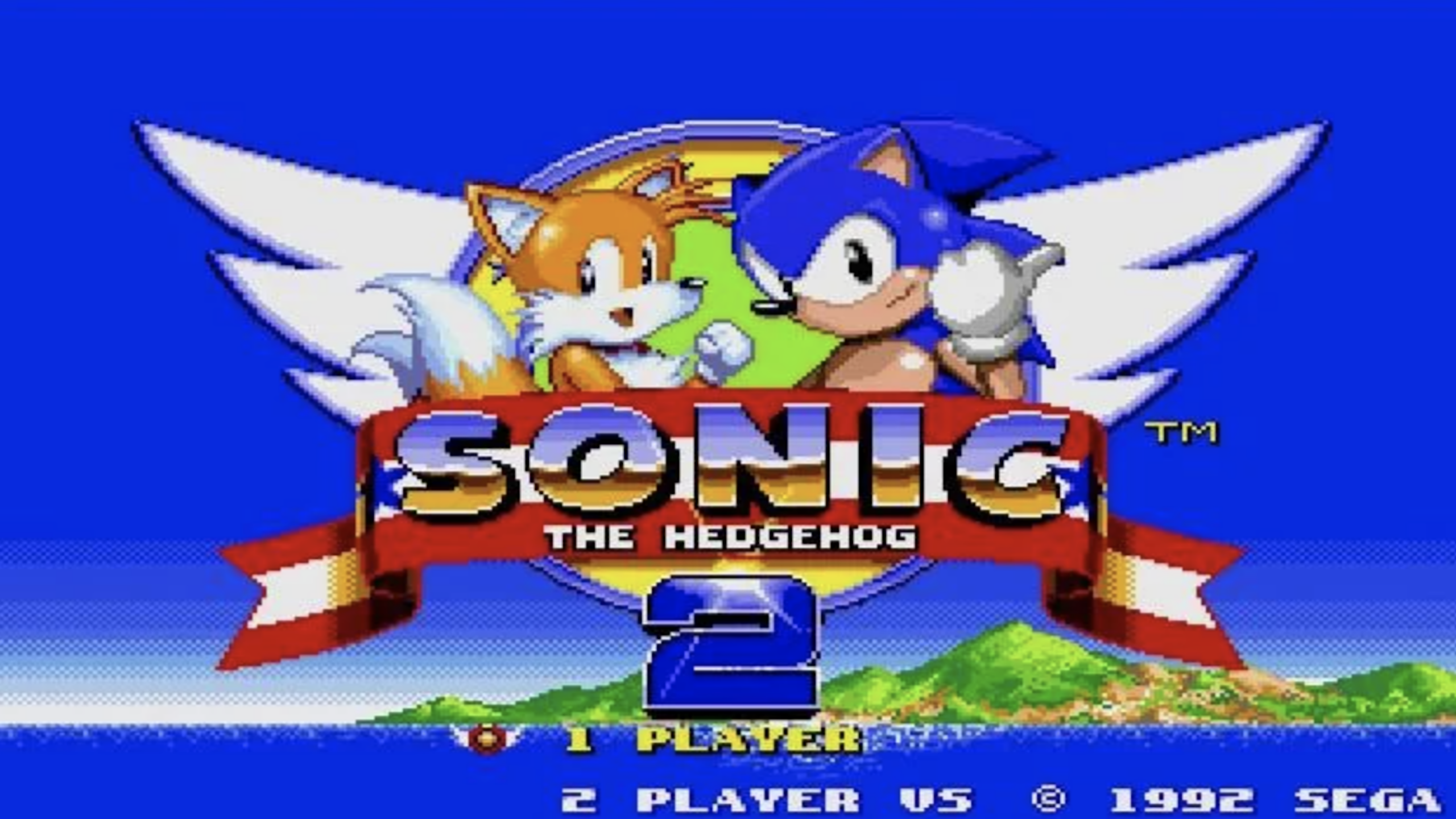
Sega pushed speed and style further with Sonic the Hedgehog 2 in 1992, refining level design and introducing Tails along with a competitive split screen mode. For many kids in the 90s, it was part of a daily routine, turning on the Genesis after school and jumping straight into Chemical Plant Zone, where the music and pacing created a rhythm that stuck long after you stopped playing.
Looking for similar content?: