Glitches are part of competitive gaming’s strange contract with technology. Most of the time, they get patched, clipped, laughed at, and forgotten. But every so often, a bug walks straight into a esports tournament match and changes who gets paid, who advances, or who has to explain themselves afterward. These are the moments where “that shouldn’t happen” turned into a real competitive cost, sometimes in dollars, sometimes in rounds, sometimes in a career-shaped headache.
Fnatic’s Olofboost at DreamHack Winter 2014
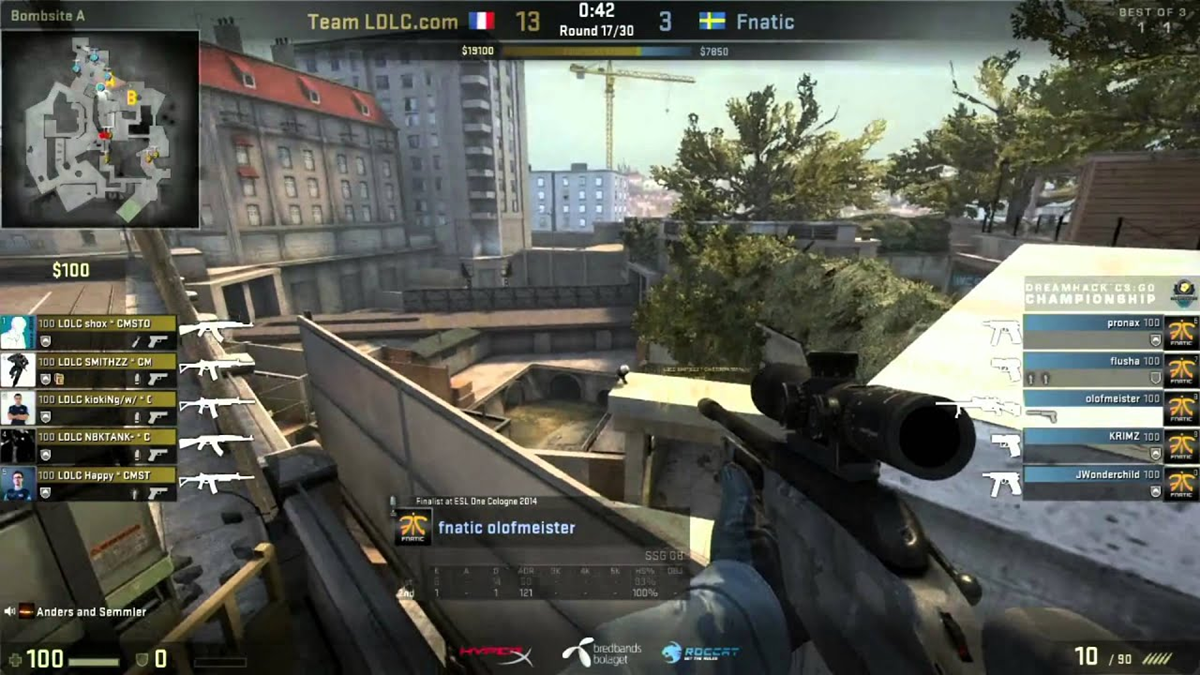
The Olofboost is still one of Counter-Strike’s cleanest examples of a glitch becoming a financial problem in public. Fnatic used the Overpass boost against LDLC in the DreamHack Winter 2014 quarterfinals, coming back from 13-3 on the deciding map before tournament officials ordered a replay. Fnatic chose to forfeit instead, which left them in the 5th-8th bracket with $10,000. Had the result stood and they reached the semifinals, the guaranteed payout was $22,000, so the real-time minimum cost was $12,000, with the bigger theoretical swing being $90,000 if you compare their actual payout with the $100,000 first-place prize.
TongFu Getting Fountain Hooked at The International 2013
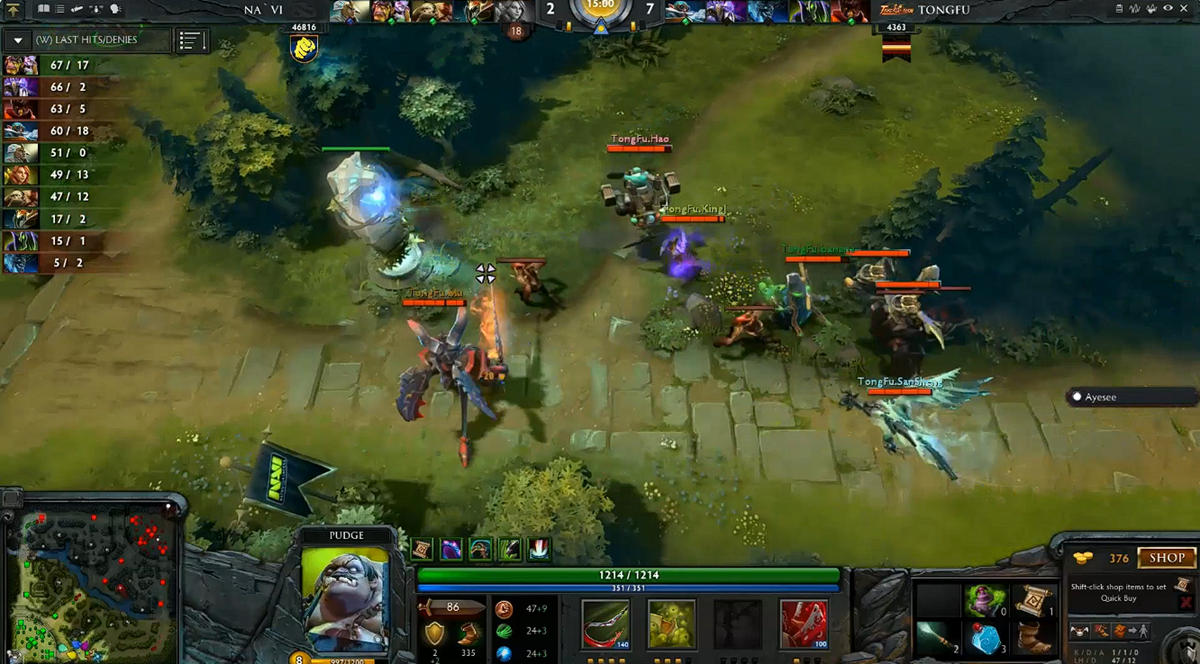
Dota 2 players can argue for hours about whether Na’Vi’s Pudge and Chen combo was a bug, a mechanic, or just a cruel piece of rules-lawyering. For TongFu, the distinction mattered less than the outcome. Their upper-bracket series at The International 2013 slipped away after repeated fountain hooks dragged heroes into instant death, sending Na’Vi toward the grand final and TongFu down into the lower bracket. TongFu finished fourth for $287,438, while Na’Vi finished second for $632,364, making the visible prize-money gap from that lost route $344,926.
Moky Falling Through Pokémon Stadium at Full House 2025
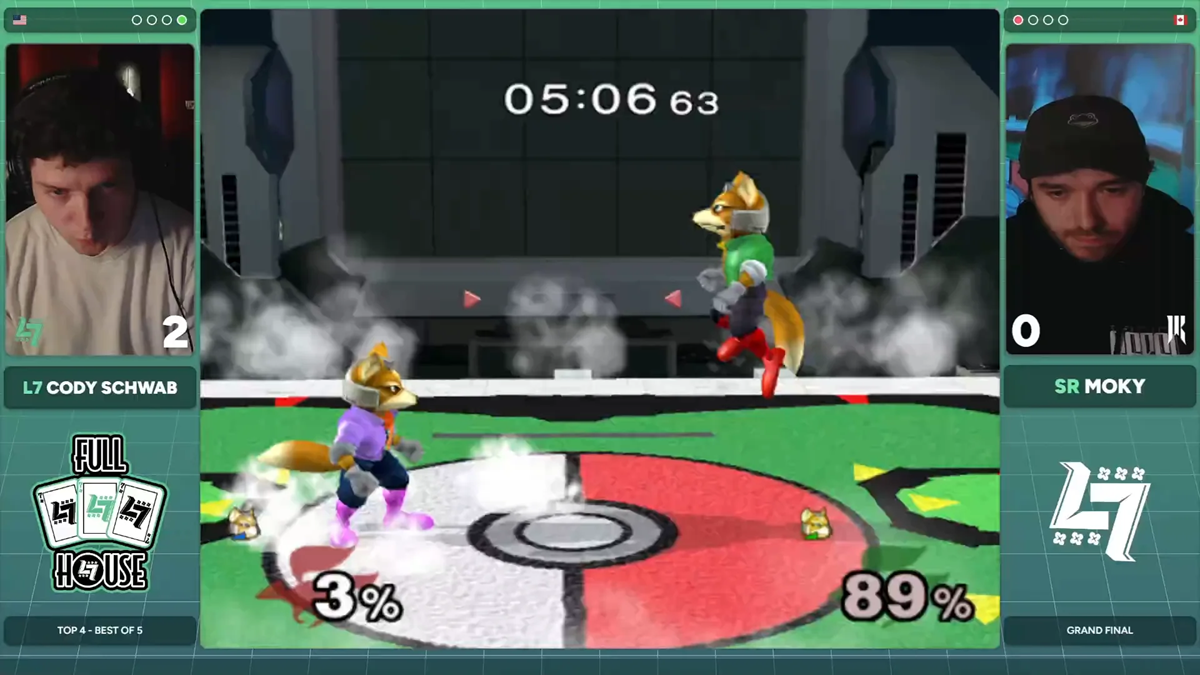
There was no long investigation here, no rulebook drama, no committee statement. Kurtis “moky” Pratt was in the Full House 2025 Super Smash Bros. Melee final against Cody Schwab when a rare Pokémon Stadium transformation glitch caused his Fox to fall through the stage. The match ended right there. The cost was brutally simple, $2,000, the winner’s prize that went the other way.
For Honor’s $10,000 Exploit Final
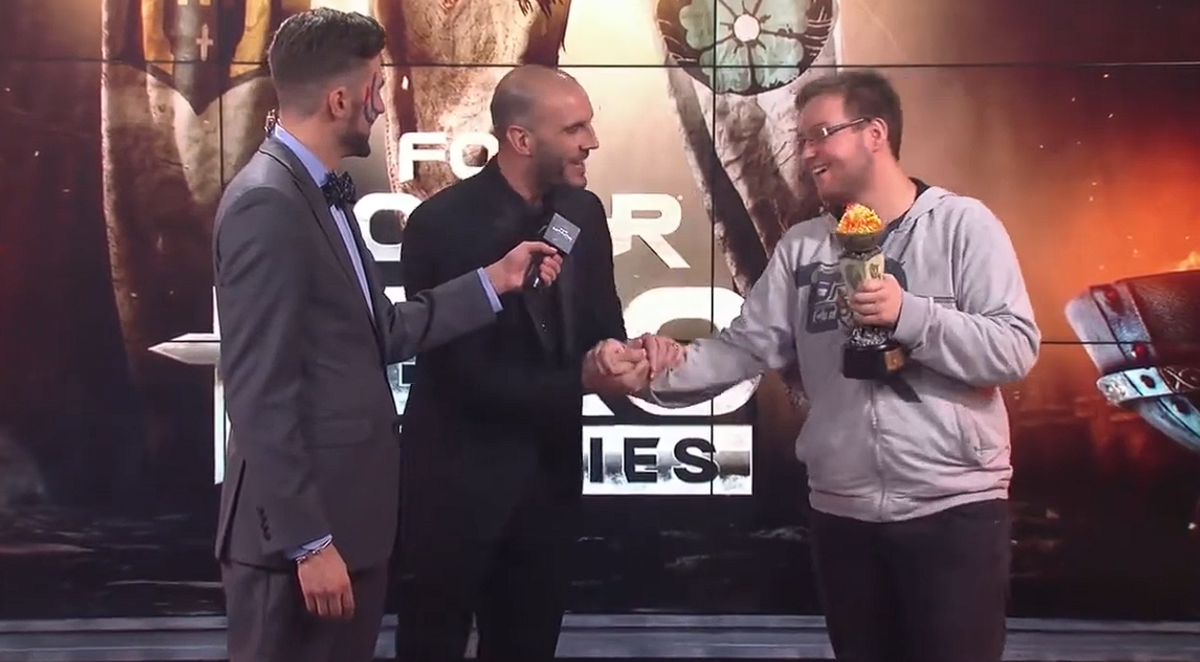
Ubisoft’s For Honor Hero Series had the kind of ending tournament organizers dread. Jakub “SB.Alernakin” Palen won the $10,000 duel tournament by leaning heavily on an exploit that made attacks functionally unblockable, turning a showcase event into a debate about whether the game was ready for serious competition. The exploit did not cost Palen the money, it paid him. For everyone else in the bracket, the real-time cost was the $10,000 title match being decided around a known mechanical flaw rather than clean play.
FURIA’s Killjoy Nanoswarm Penalty at VCT LOCK//IN
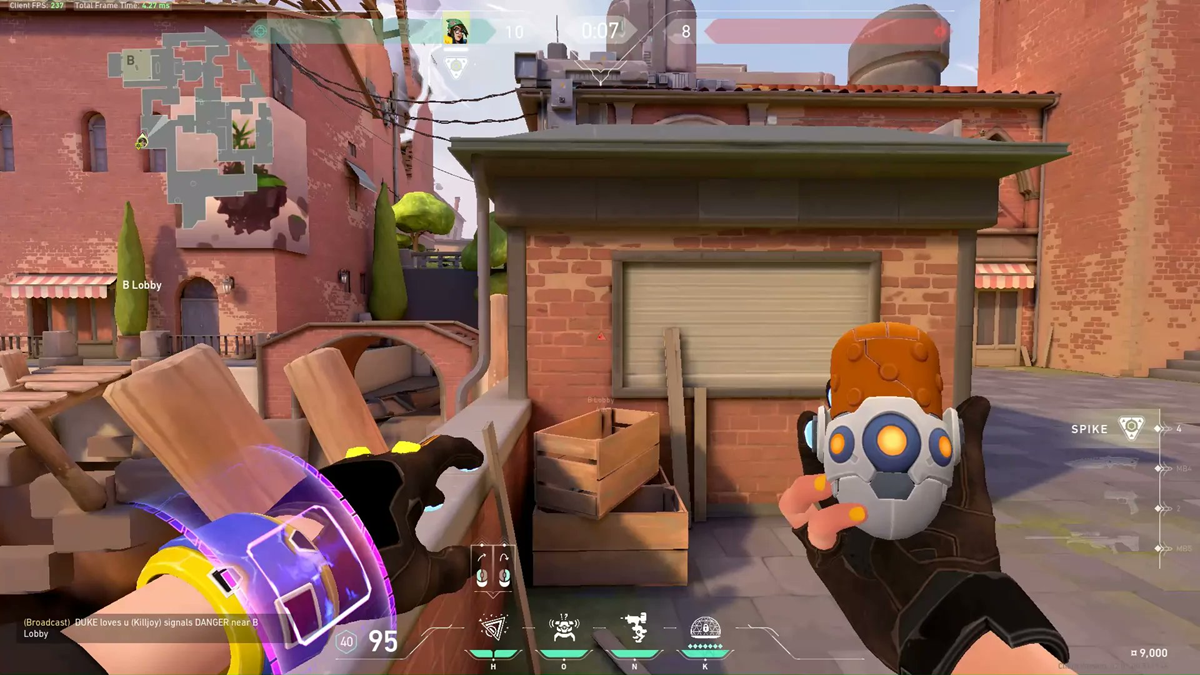
Valorant’s rulebook has always treated illegal utility spots seriously, and FURIA found that out on stage against T1 at VCT LOCK//IN. After a Killjoy Nanoswarm exploit was used, Riot awarded T1 an additional round, moving the score to 7-2 after the pause. It was not a fine, and it was not a disqualification. The exact price was one round in a single-elimination international match, which is about as expensive as a round can feel without having a dollar sign attached to it.
Trending on realmoneygamer.com

NAVI Junior, 9Pandas, and Aurora Losing Raleigh Over the Smoke Bug
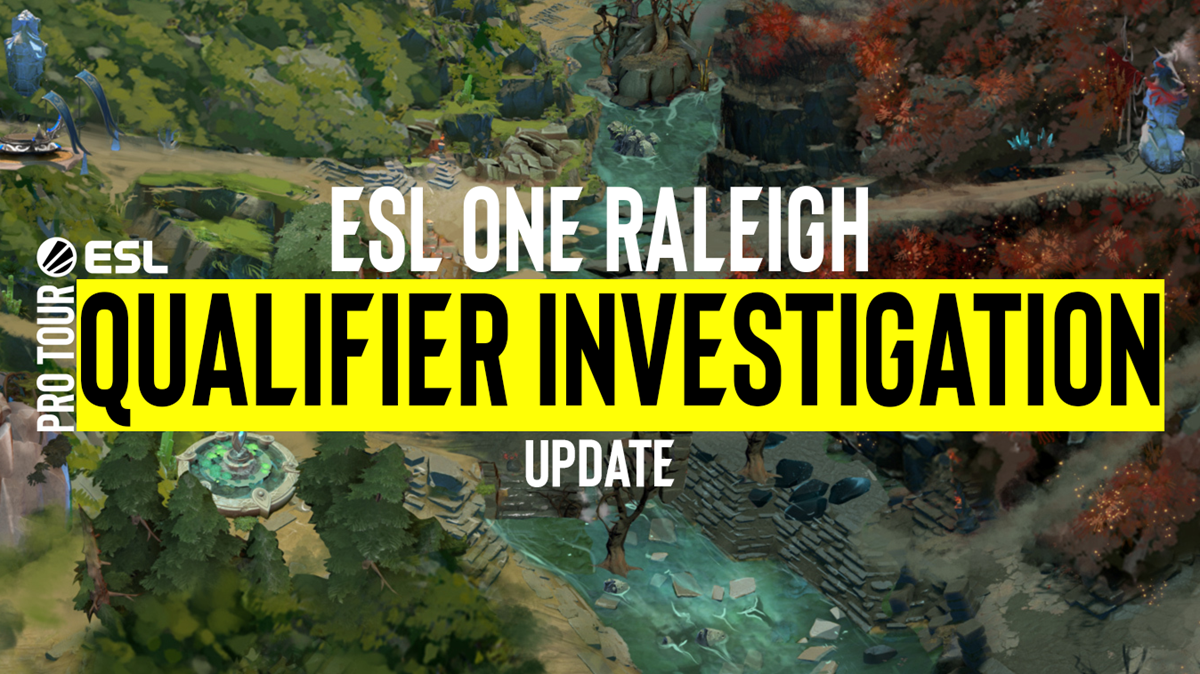
The Dota 2 Smoke of Deceit bug was not flashy. That almost made it worse. By checking enemy inventory behavior, teams could infer whether opponents had used Smoke while out of vision, turning a hidden information mechanic into a readable signal. ESL’s Raleigh 2025 qualifier investigation led to disqualifications for NAVI Junior, 9Pandas, and Aurora Gaming. The exact immediate loss was their place in the qualifier path to a $1,000,000 tournament, where even the last-place finishers at the main event received $15,000.
BIG’s Crouch-Jump Controversy at PGL Kraków 2017
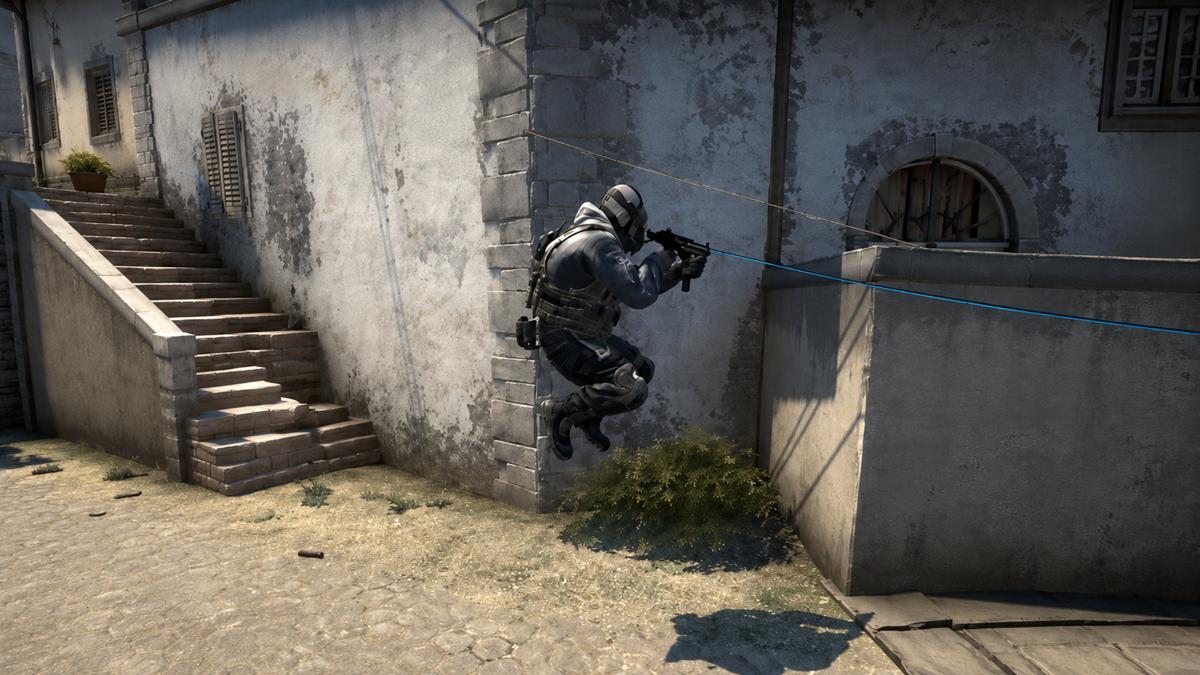
BIG’s use of the crouch-jump bug at the PGL Major Kraków 2017 did not end with a formal prize deduction, which is part of why the argument lasted. The exploit let players peek over certain map geometry in ways opponents could not properly see or answer. BIG still reached the top eight, a placement worth $35,000 at that Major, and the teams later agreed not to keep using the bug. The cost in the moment fell mostly on opponents and trust, not on BIG’s payout.
The CS:GO Coaching Bug Scandal
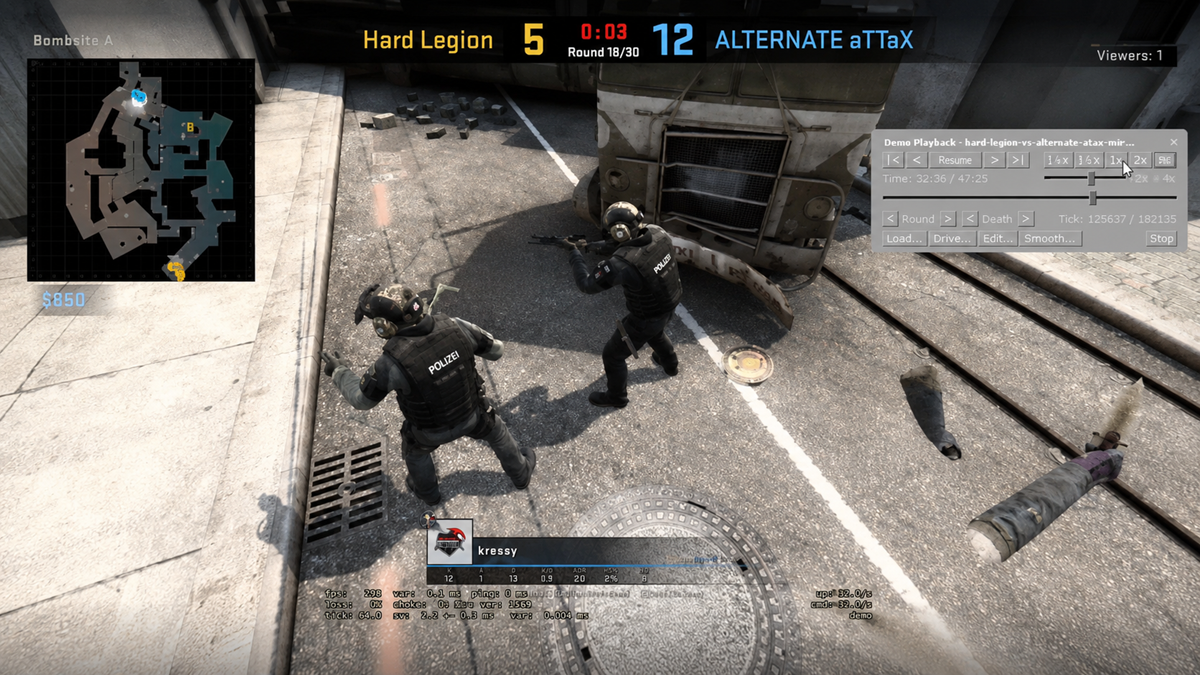
The coaching bug was less visible to viewers than an impossible boost or a character falling through a platform, but it was far more corrosive. Coaches could get stuck in spectator positions that showed parts of the map they were not supposed to see, and ESL initially banned HUNDEN, dead, and zoneR after investigations. Teams connected to those cases were disqualified from relevant tournaments and forfeited ESL Pro Tour points and prize money. The exact public cost varied by case, but the real-time penalty was not symbolic, results, money, and points were stripped.
The ALGS Hack That Froze a Finals Lobby
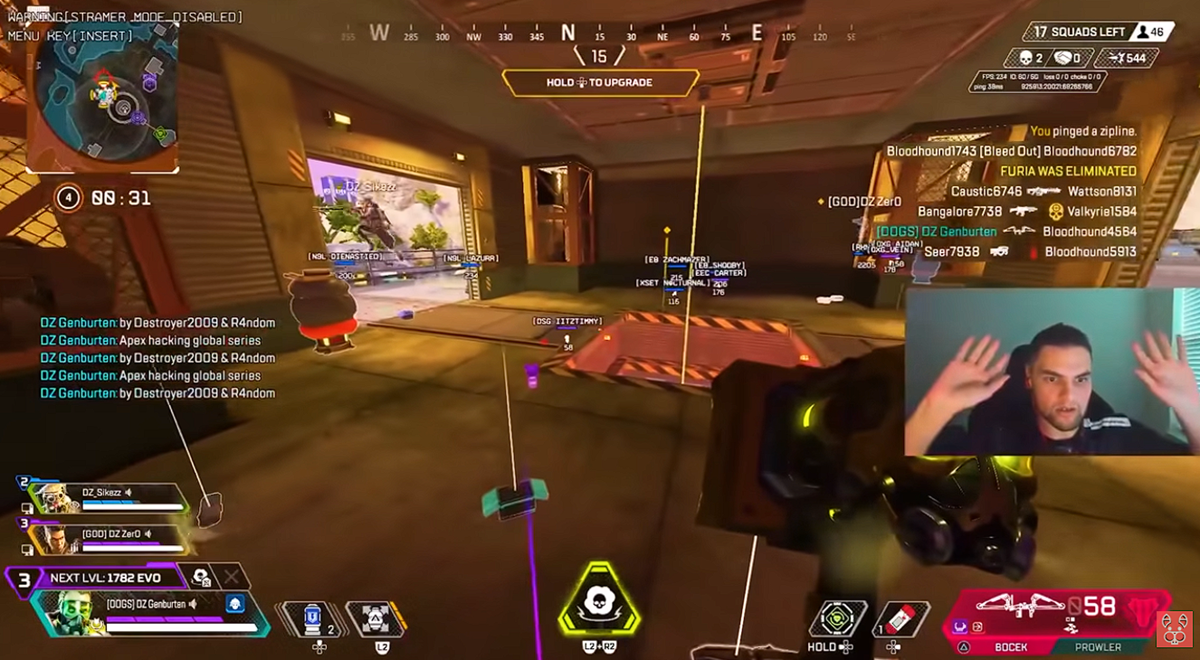
The Apex Legends Global Series North American finals in March 2024 became unsettling for a reason different from most esports bugs. During live play, competitors appeared to be compromised mid-match, and the event was postponed while organizers dealt with the integrity problem. The direct real-time cost was not a specific lost prize, because the competition was suspended before final payouts were settled. What players lost immediately was a completed finals day in a championship ecosystem built around a $5 million ALGS season.
Vitality’s Chronobreak Trouble Against MKOI
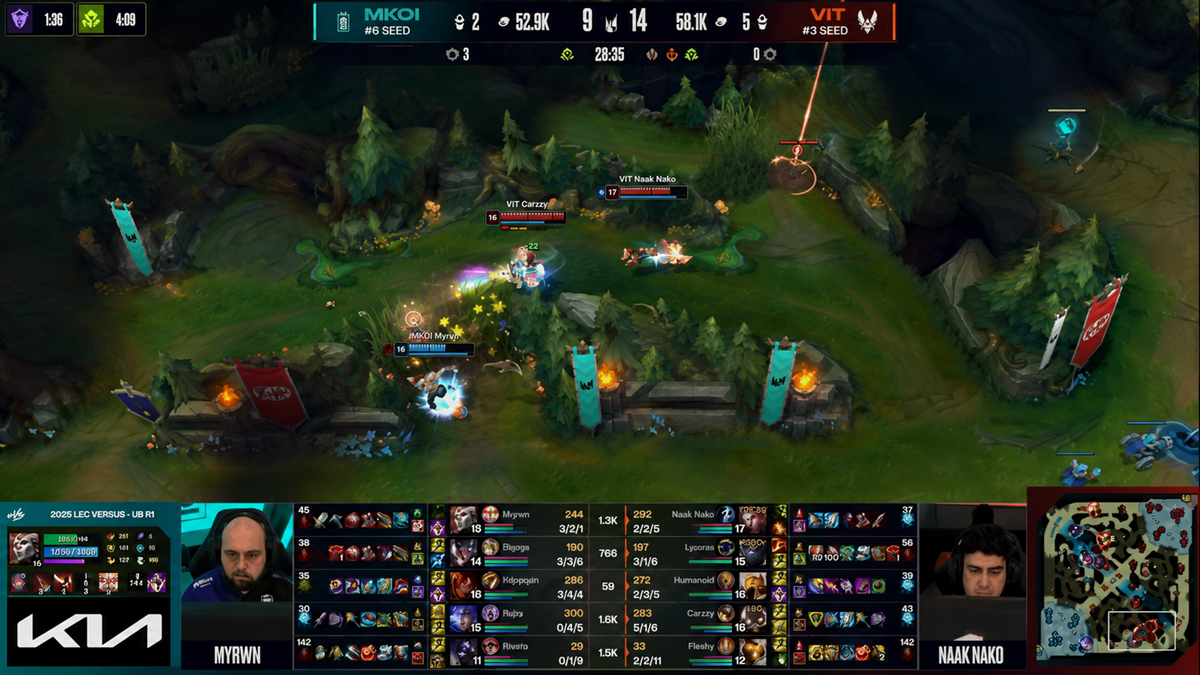
League of Legends has a built-in answer for some bugs, Chronobreak, Riot’s tool for rolling a game back to a previous point. That does not mean every use feels clean. In the 2026 LEC Versus playoffs, a bug involving MKOI mid laner Jojopyun led to a pause and Chronobreak in a game where Vitality had been in a strong position. The exact cost was one game state, not a check, but the damage was visible in momentum, the game resumed from a point that many viewers felt favored MKOI, and Vitality did not simply get to keep the version of the game they had built.
EVOS Divine’s Reported Free Fire Prize Deduction
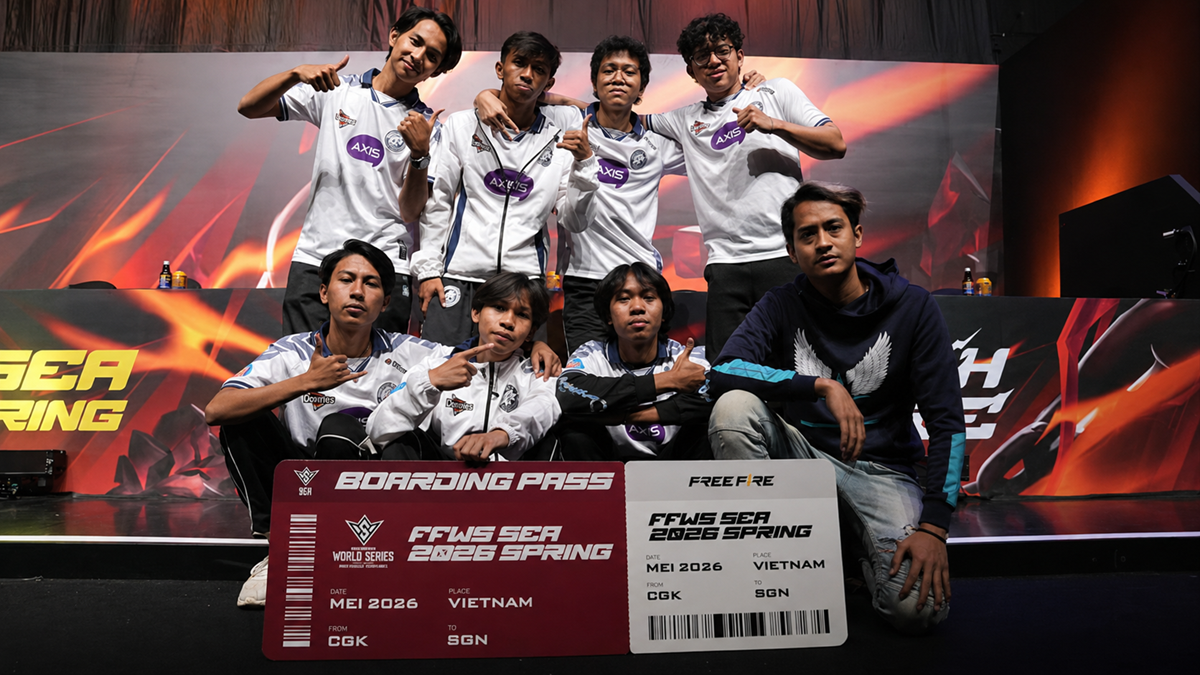
Free Fire rarely gets the same English-language attention as Counter-Strike or Dota, but the money can still be very real. In 2026, reports around FFWS SEA said EVOS Divine were hit with a 25 percent deduction from their prize after a competitive integrity ruling, while local coverage noted that the official statement did not spell out the exact in-match infraction. The cleanest number here is the penalty structure itself, one quarter of the team’s prize was removed. It is also a useful reminder that in mobile esports, rulings can move quickly and still leave fans arguing about what actually happened.
The Strange Accounting of Broken Games
The expensive part of a glitch is not always the largest prize pool on the poster. Sometimes it is a single round, a forced replay, a lost bracket path, or a payout that suddenly depends on an admin call. The awkward truth is that esports still has to decide, case by case, when a bug is clever play and when it is a competitive violation. Esports players usually find out at the worst possible moment.
Continue Reading: 10 Esports Cheating Scandals That Changed How Competitive Gaming Is Monitored