Esports didn’t always have a real transfer market. For a long time, roster moves happened quietly, sometimes announced in a tweet and little else. But as organizations grew and the money around competitive gaming increased, certain player moves started carrying real financial weight. A few deals, especially those involving star players, pushed the conversation toward buyouts, contracts, and market value. Looking back, some transfers didn’t just strengthen a roster, they nudged the entire scene toward a new pricing standard.
Coldzera Joins FaZe Clan (2019)
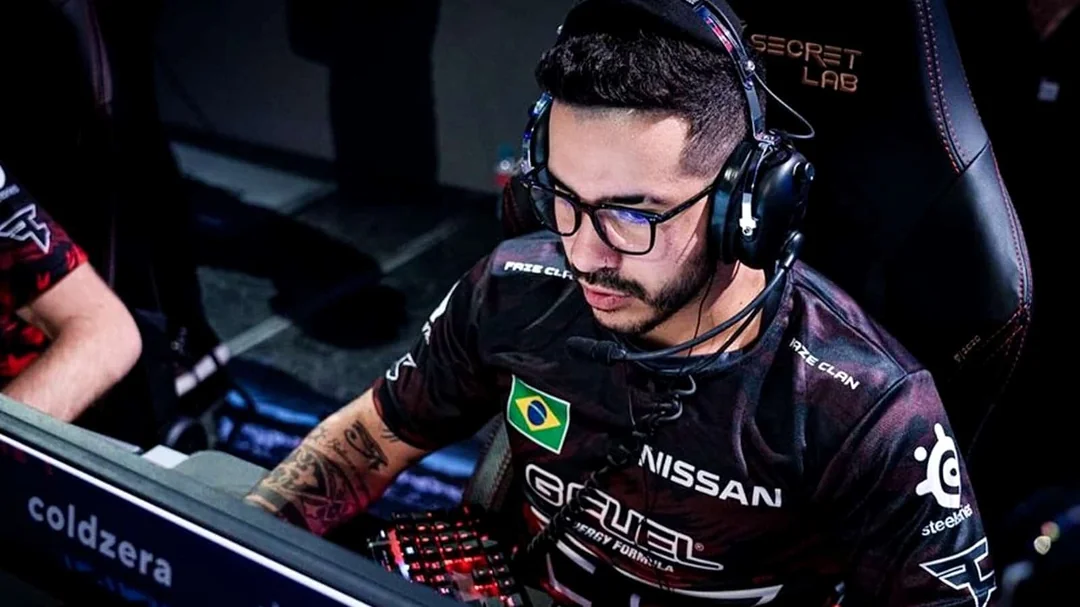
By the end of 2019, Marcelo “coldzera” David leaving MIBR wasn’t exactly shocking. The surprise was where he landed and how much it reportedly cost. FaZe Clan paid around $1 million to secure the two-time HLTV Player of the Year, a figure that immediately became the headline around the move. Counter-Strike had seen big names switch teams before, but a buyout crossing into seven figures made people start looking at player contracts very differently.
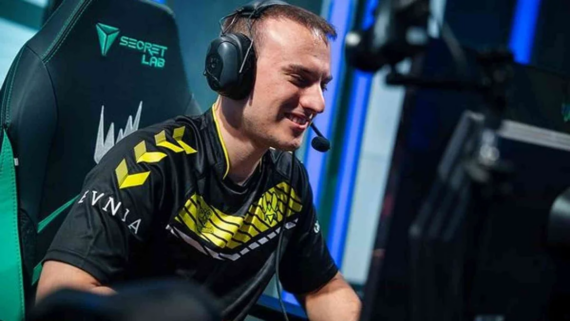
Perkz Moves to Cloud9 (2020)
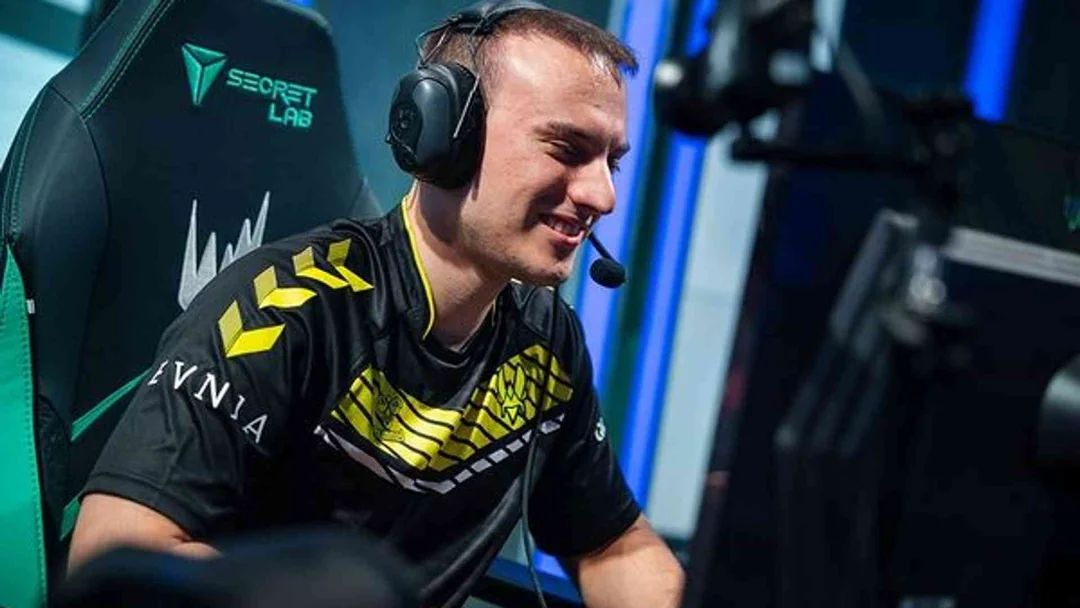
Luka “Perkz” Perković leaving G2 felt strange at first, mostly because he had been tied to the organization for so long. But when Cloud9 stepped in, the conversation quickly shifted from rivalry drama to numbers. The deal was widely reported as an $11.75 million package between buyout and salary. For League of Legends, it was a different scale entirely, and suddenly top Western players were being discussed with transfer figures that previously sounded unrealistic.
s1mple Transfers to Na’Vi (2016)
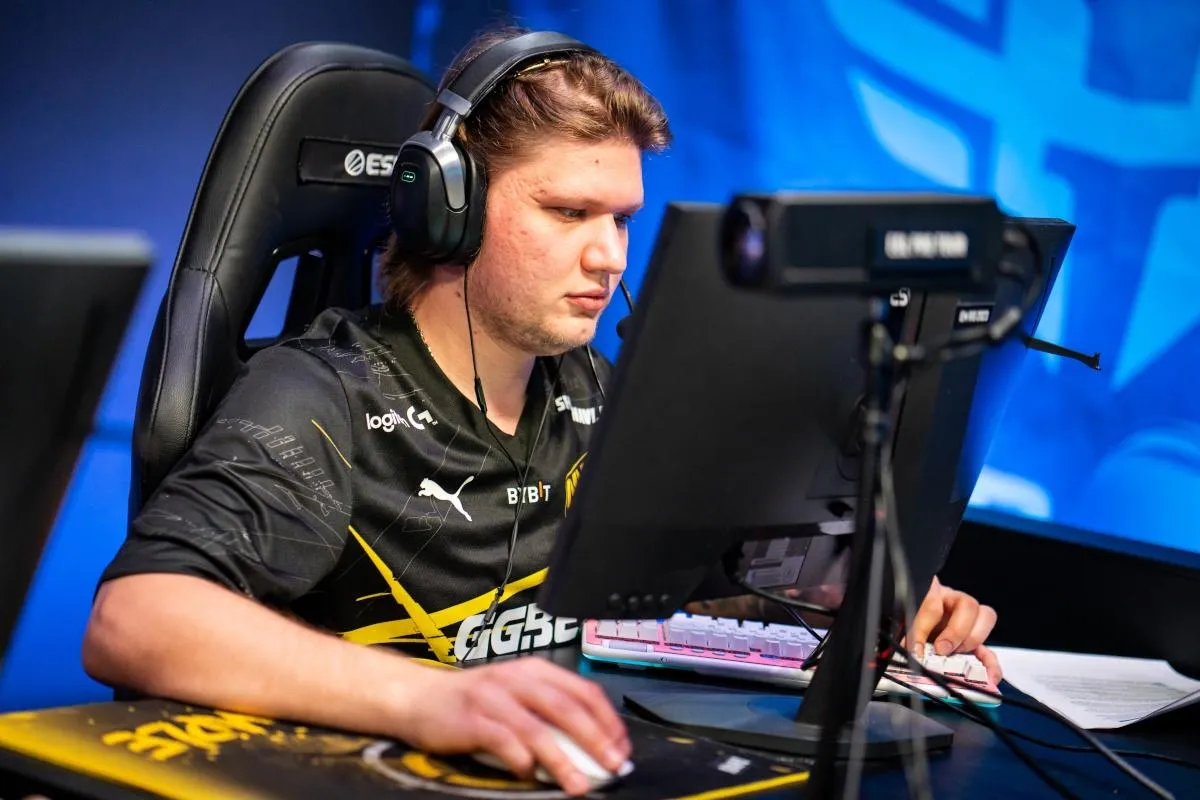
Oleksandr “s1mple” Kostyliev was already a terrifying talent when he left Team Liquid in 2016, even if his reputation at the time was complicated. Natus Vincere reportedly paid a buyout close to $500,000 to bring him to CIS. At the time it felt like a big gamble. Years later, with s1mple becoming one of Counter-Strike’s defining players, that number looks almost modest.
Doublelift Leaves CLG for TSM (2015)
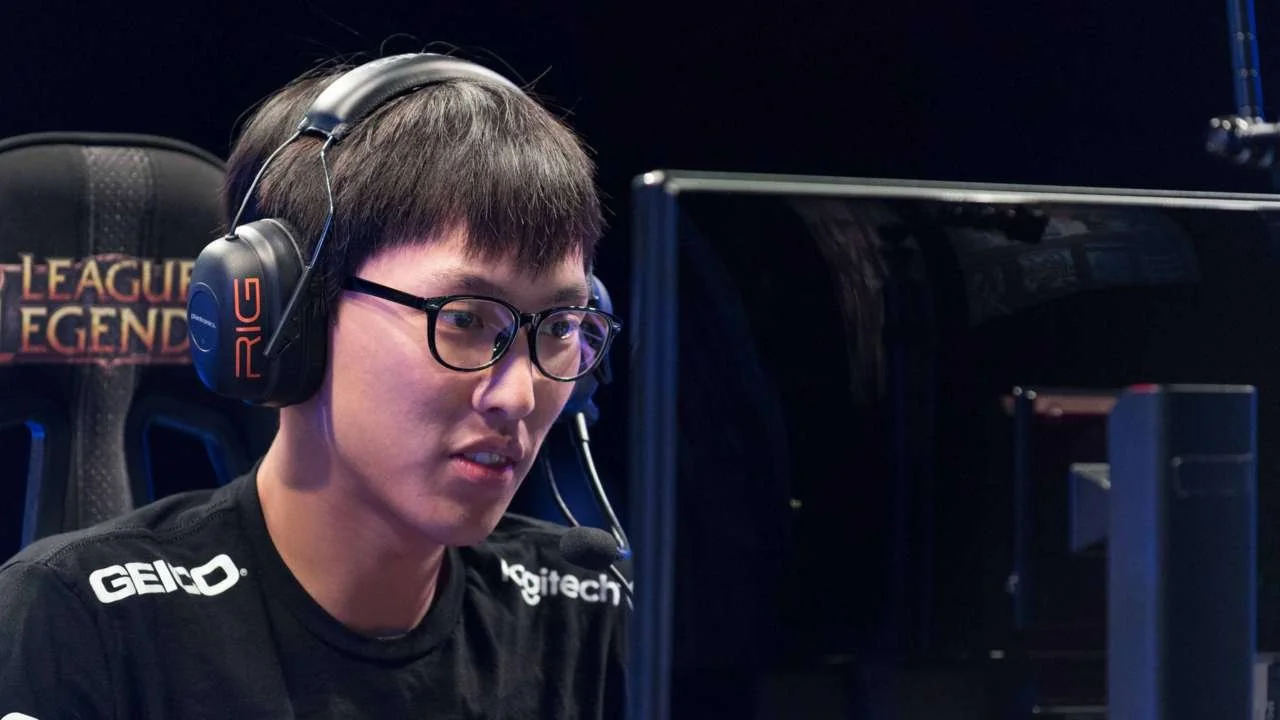
For fans who followed North American League of Legends back then, this move landed more like a shock than a transfer. Yiliang “Doublelift” Peng leaving Counter Logic Gaming for Team SoloMid meant one of the region’s longest rivalries suddenly flipped overnight. Exact financial details were never fully clear, but the move still pushed organizations to start treating star players as assets worth serious contracts.
TenZ Joins Sentinels Permanently (2021)
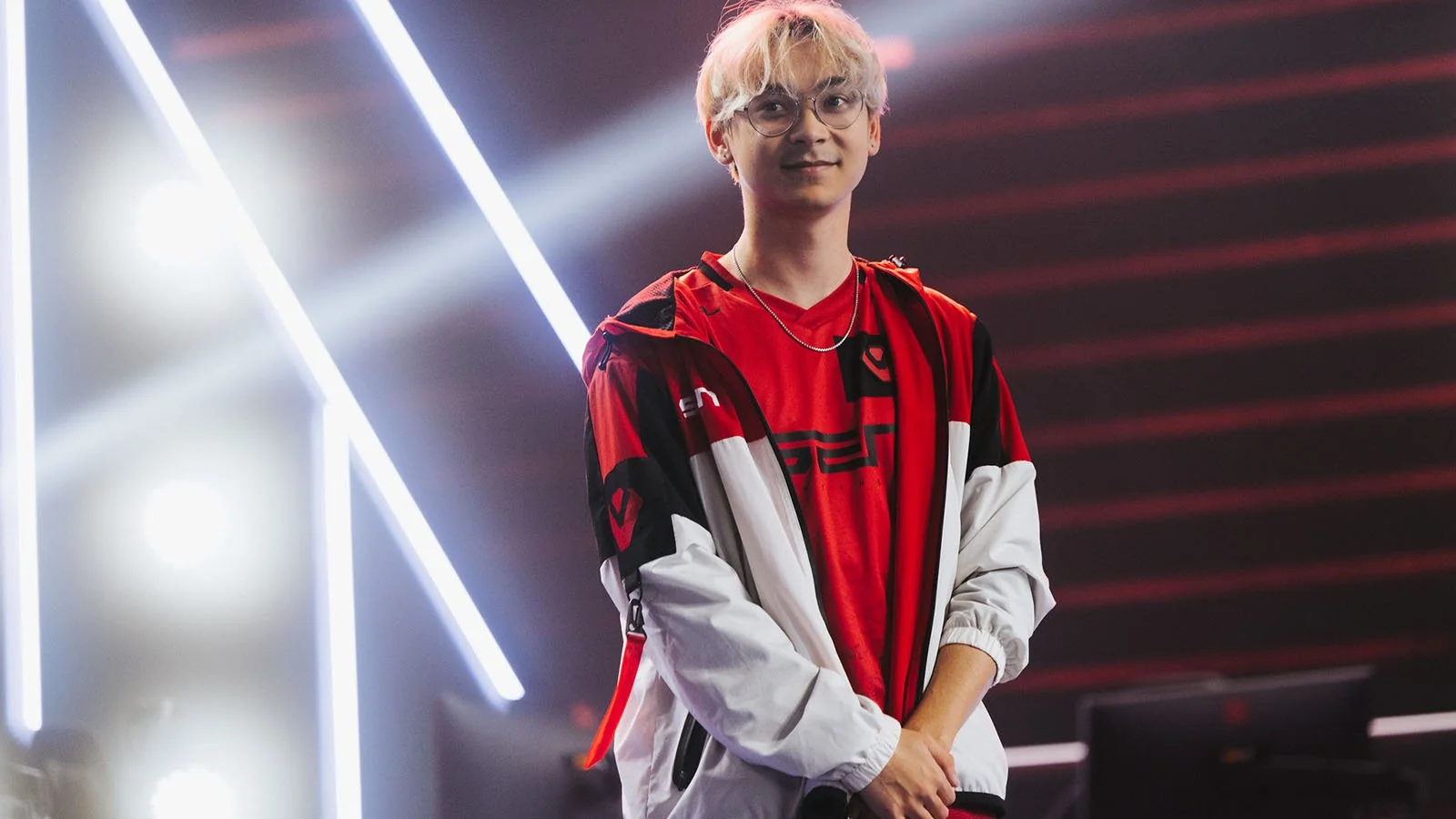
Tyson “TenZ” Ngo first joined Sentinels on loan from Cloud9 during Valorant’s early competitive days. What happened next was quick: a Masters title, huge viewership numbers, and a permanent transfer that reportedly cost around $1.25 million. For a scene that was barely a year old, that kind of buyout sent a clear message. Top Valorant players were already commanding serious value.
Trending on realmoneygamer.com

NiKo Joins G2 Esports (2020)
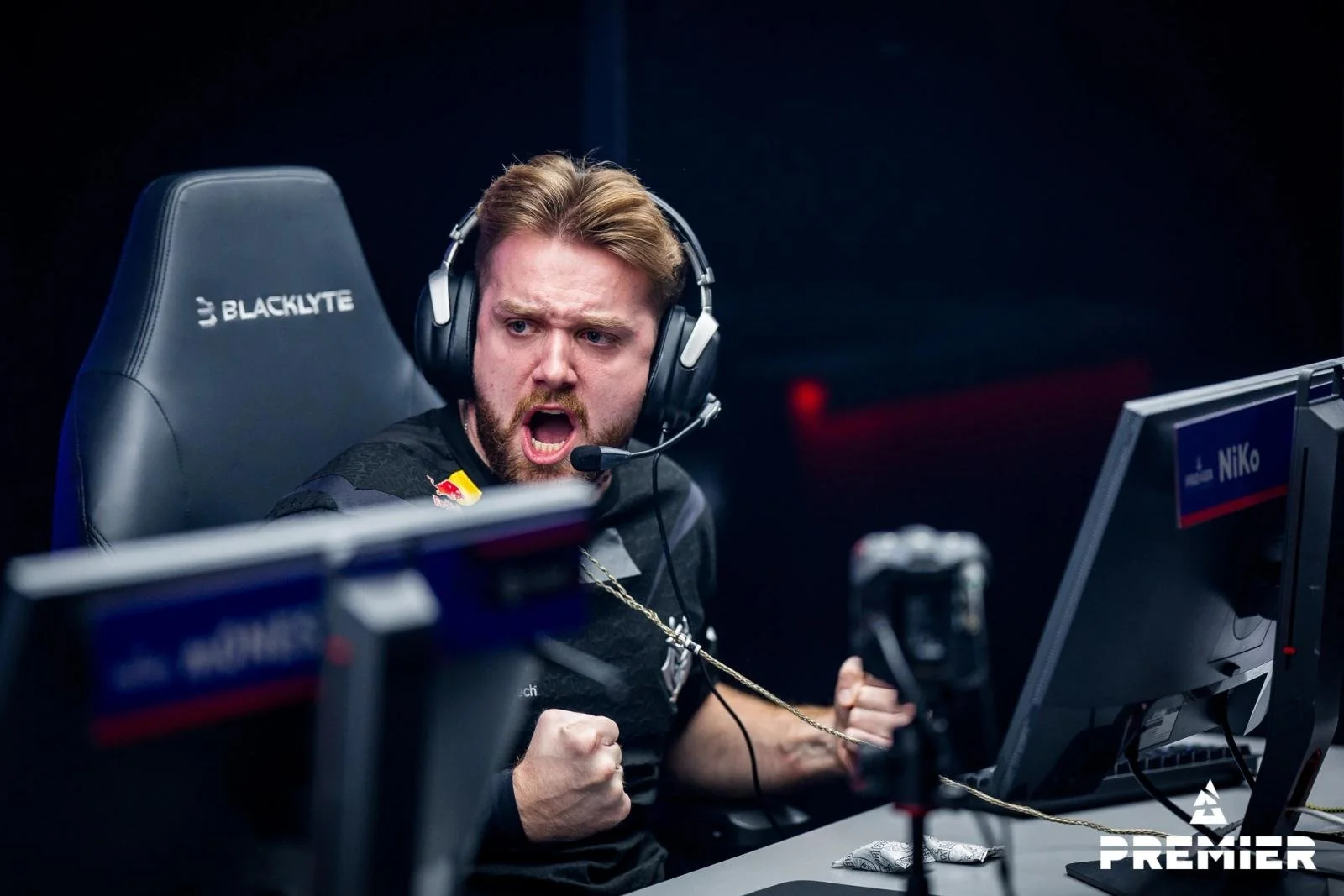
Nikola “NiKo” Kovač had been the centerpiece of FaZe Clan for years, so seeing him move to G2 Esports felt like the end of an era for that roster. The buyout reportedly hovered near the $1 million mark, although exact figures were never confirmed publicly. What stood out more than the number itself was the reaction: suddenly Counter-Strike fans were tracking roster moves like traditional sports transfers.
Shotzzy Moves to Dallas Empire (2020)
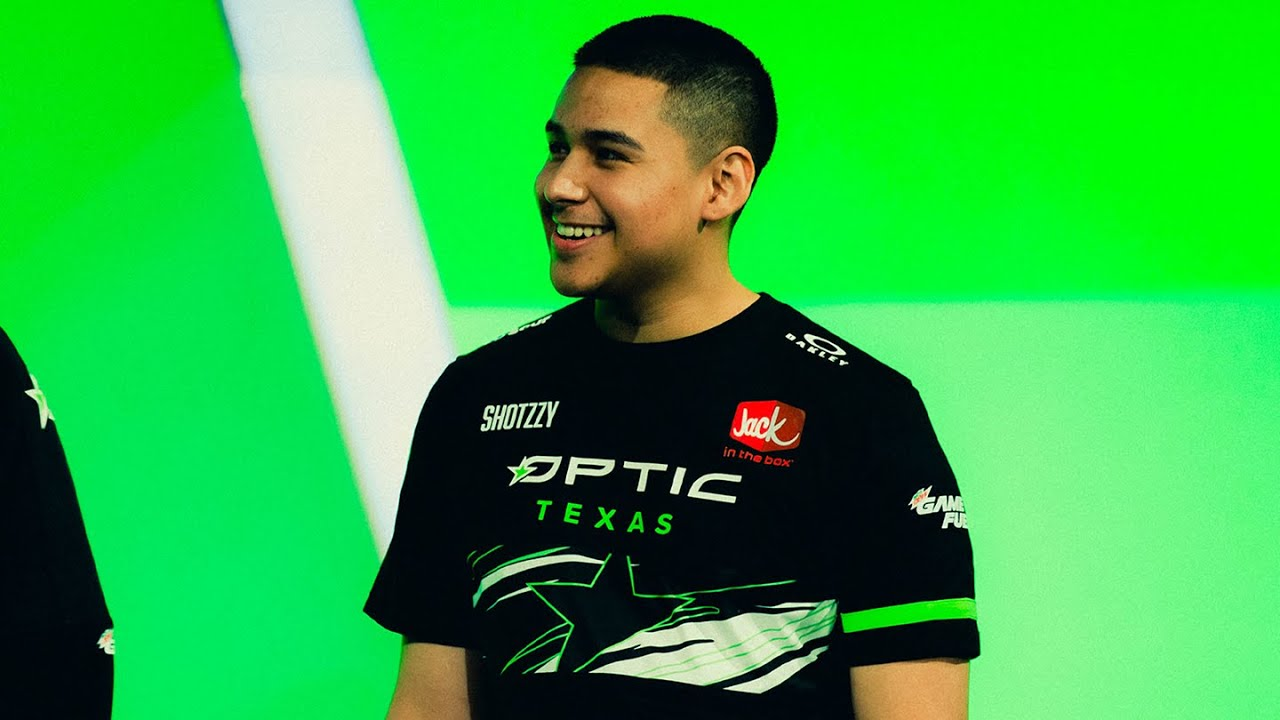
Anthony “Shotzzy” Cuevas-Castro was already known in Halo circles, but franchised Call of Duty was a different stage entirely. Dallas Empire signing him meant investing heavily in a young player transitioning between games. Within a year he won league MVP. After that, teams became a lot more interested in paying for raw talent coming from outside their usual ecosystem.
Caps Joins G2 From Fnatic (2018)

Some transfers are remembered mostly for the reaction around them. When Rasmus “Caps” Winther left Fnatic for G2, the European League of Legends scene lit up overnight. The move wasn’t defined by a massive public buyout, but the competitive implications were immediate. G2 suddenly had one of the most explosive mid laners in the West, and the rivalry with Fnatic took on a completely different tone.
yay Signs With OpTic Gaming (2022)
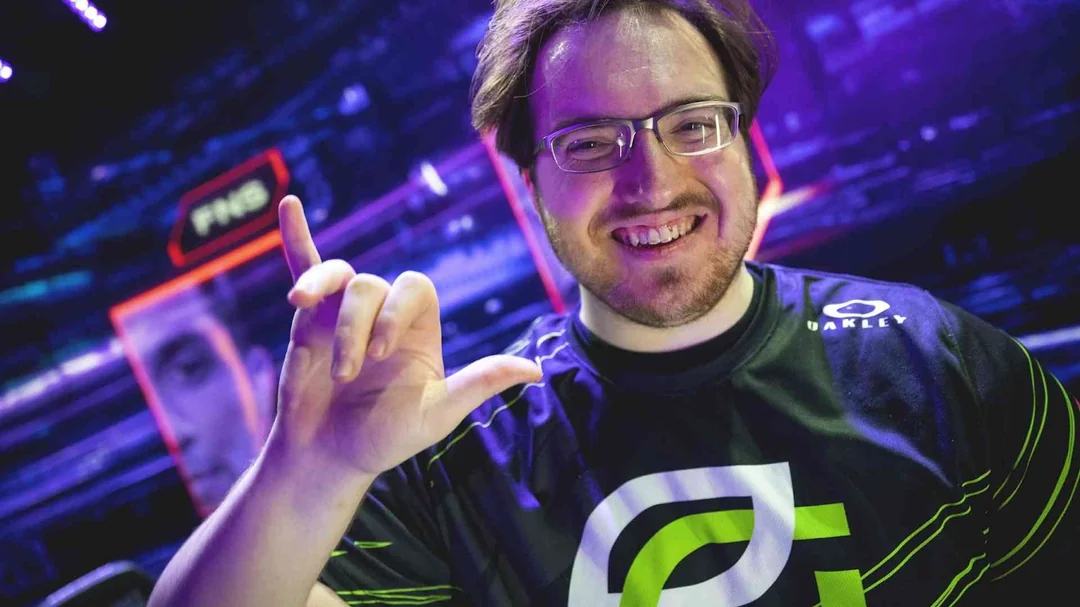
By the time Jaccob “yay” Whiteaker joined OpTic’s Valorant roster, his reputation as one of the best players in the game was already established. Reports pointed to a strong contract by early Valorant standards. Not long after, conversations about six-figure salaries for star duelists became pretty normal.
karrigan Returns to FaZe Clan (2021)
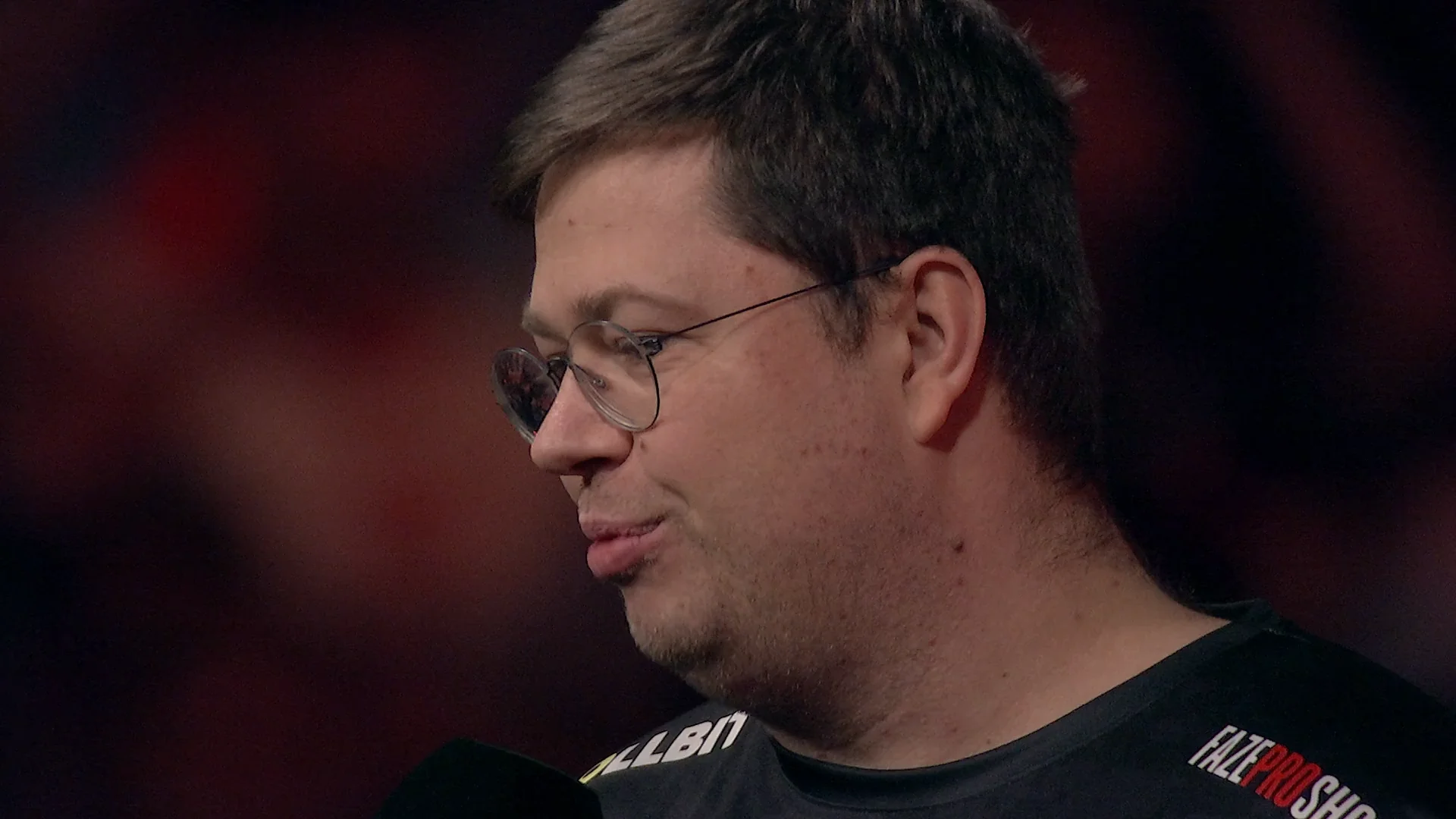
Finn “karrigan” Andersen coming back to FaZe wasn’t the flashiest signing on paper. But experienced in-game leaders were becoming harder to replace, and organizations were starting to realize their strategic value. His return quietly reinforced the idea that not every expensive player needs to top the scoreboard.
Faker Renews With T1 (2018 Contract Extension)
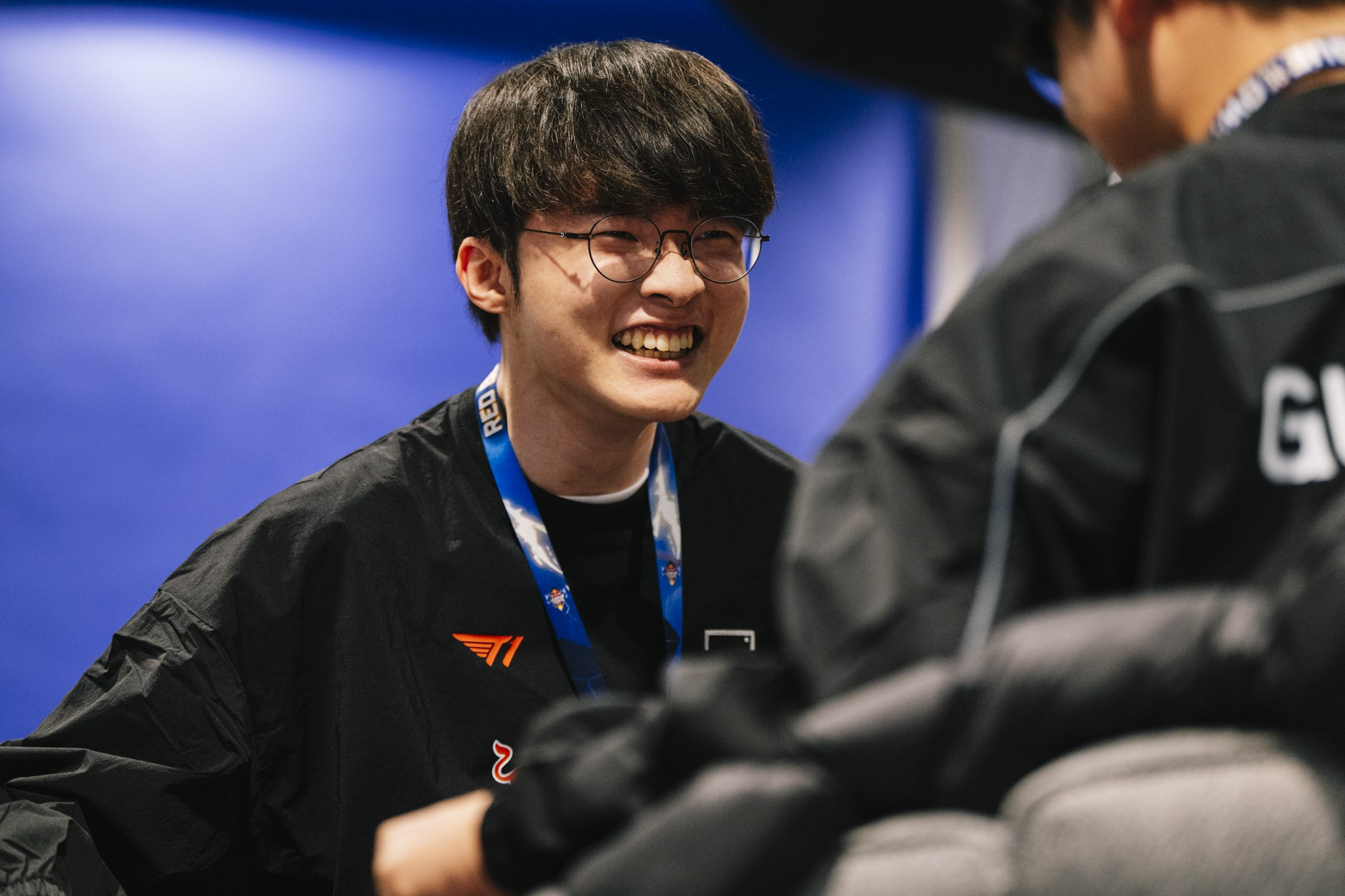
Not every deal that shifts the market involves leaving a team. In 2018, Lee “Faker” Sang-hyeok reportedly turned down massive offers from Chinese organizations to remain with SK Telecom T1. The renewal was believed to exceed $2.5 million per year, which at the time sounded enormous for a League of Legends salary. It also signaled that keeping a franchise player could cost just as much as buying one.
ZywOo Extends With Vitality (2023)
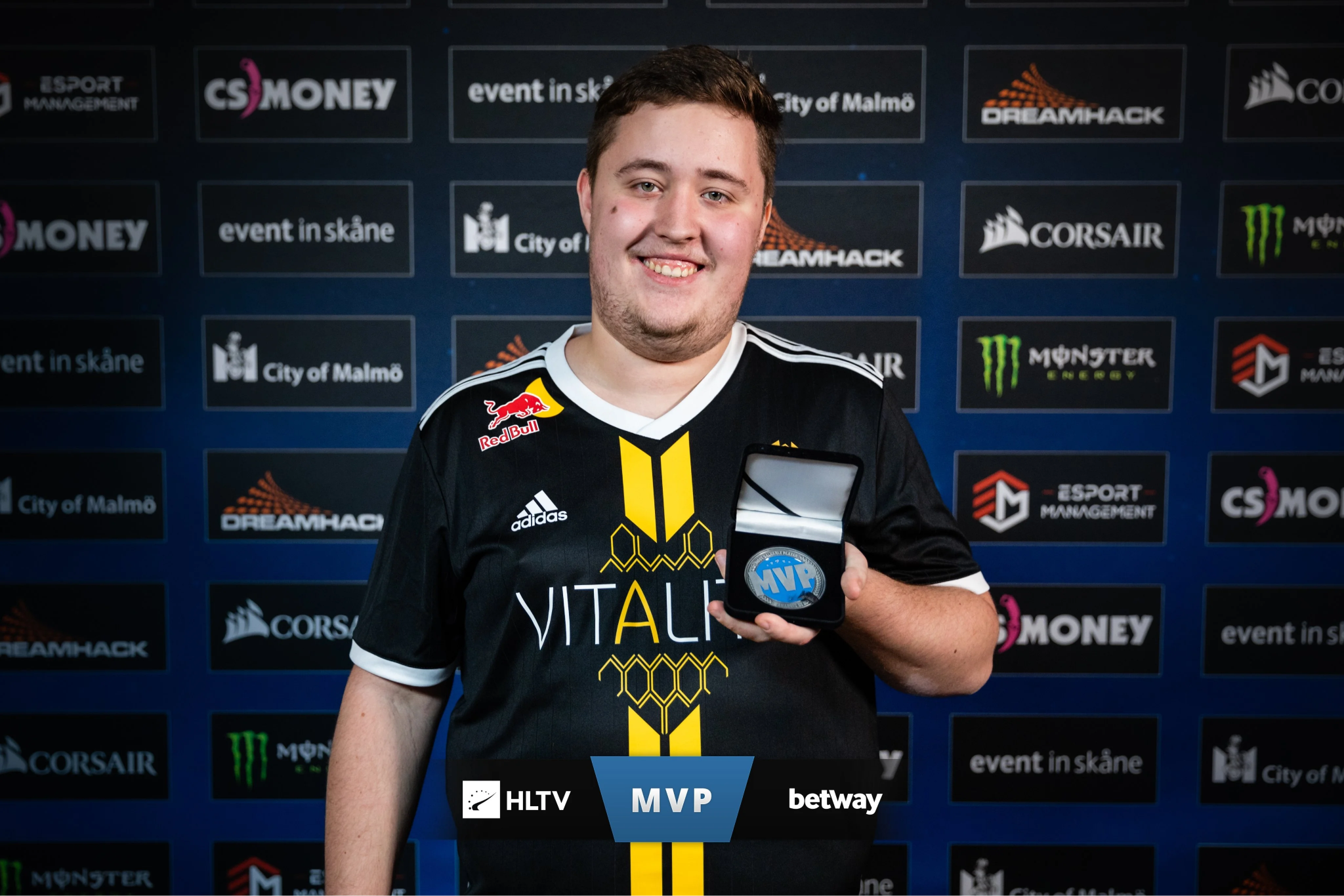
Several teams were rumored to be interested in buying out Mathieu “ZywOo” Herbaut at different points. None managed to do it. Vitality instead locked him into a new contract on improved terms, reinforcing the idea that some players had effectively become untouchable pieces of their organizations.
The esports transfer market still doesn’t function like traditional sports. Buyouts are often hidden, contracts aren’t always public, and rumors travel faster than confirmations. Even so, every so often a move comes along that shifts expectations a little. A bigger salary here, a surprising buyout there, and suddenly the idea of what a player is worth starts creeping upward again.