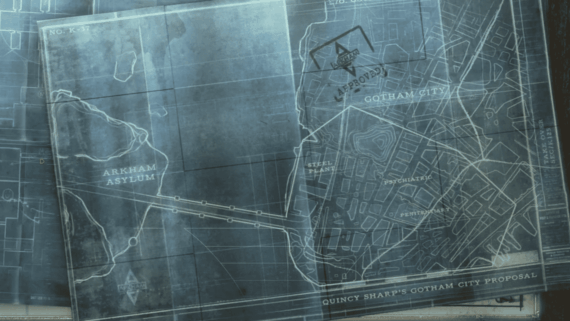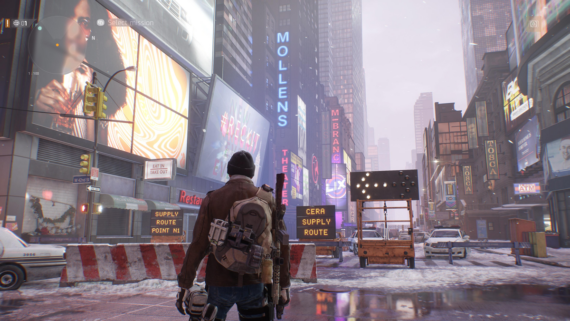
Some game worlds are built from imagination, and you can feel it right away. Others start with a real street, a real skyline, or a neighborhood people pass through every week, then bend it just enough to work as a level. That is where things get interesting. A place does not have to be copied brick by brick to feel accurate. Sometimes one storefront, one awkward intersection, or the slope of a street is enough for locals to stop playing for a second and think, wait, I know this place.
Kabukicho, Tokyo in the Yakuza and Like a Dragon Games
r/yakuzagames
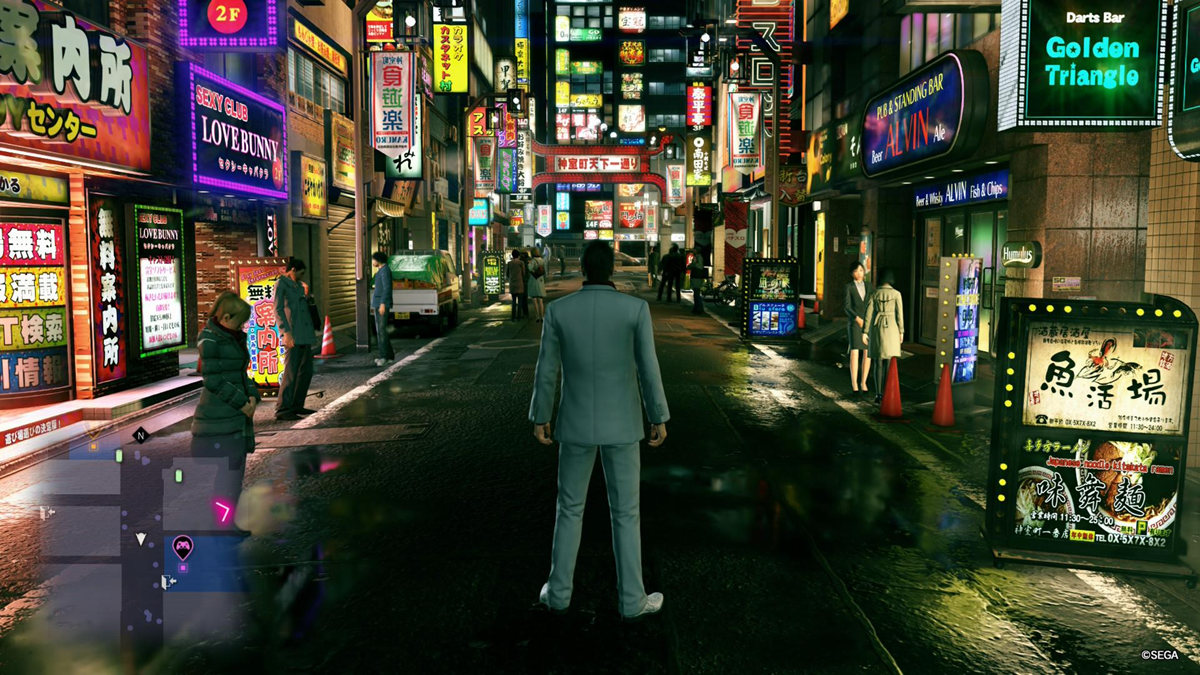
Kamurocho has never tried very hard to hide its roots. Sega’s fictional entertainment district is clearly built from Kabukicho, the dense nightlife area in Shinjuku where signs stack upward, alleys feel narrower than they should, and everything seems to stay open later than expected. The Yakuza and Like a Dragon games shrink and rearrange the neighborhood, but the mood is almost uncannily close, from the red entrance gate to the mix of bars, restaurants, convenience stores, clubs, and tiny side streets that look harmless until they are not. Players who visit the real Kabukicho after spending hours in Kamurocho often talk about the odd feeling of already knowing where they are, even though the map is not exact. That is the trick. It is not a replica, it is a memory of the place that somehow walks around like a real district.
Shibuya and Sangenjaya, Tokyo in Persona 5
r/persona5
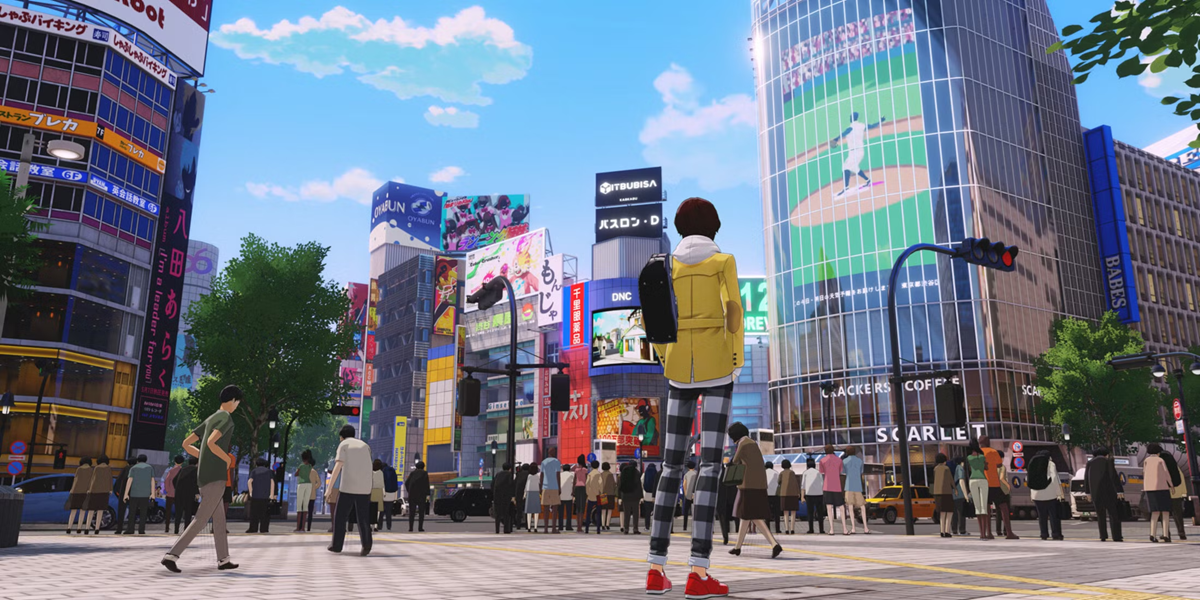
Persona 5 is full of impossible palaces and supernatural rules, which makes its ordinary Tokyo locations stand out even more. Shibuya feels like Shibuya, with crowded crossings, station exits, shopping streets, and the constant sense that everyone is going somewhere faster than you are. Yongen-Jaya, the quiet neighborhood where the protagonist lives, is heavily based on Sangenjaya, and that is where the realism gets warmer and smaller. The backstreets, bathhouse, little shops, train station atmosphere, and café routine give the game a grounded daily texture. Locals and visitors have compared the real neighborhood with the in-game version for years, not because every doorway matches, but because the mood does.
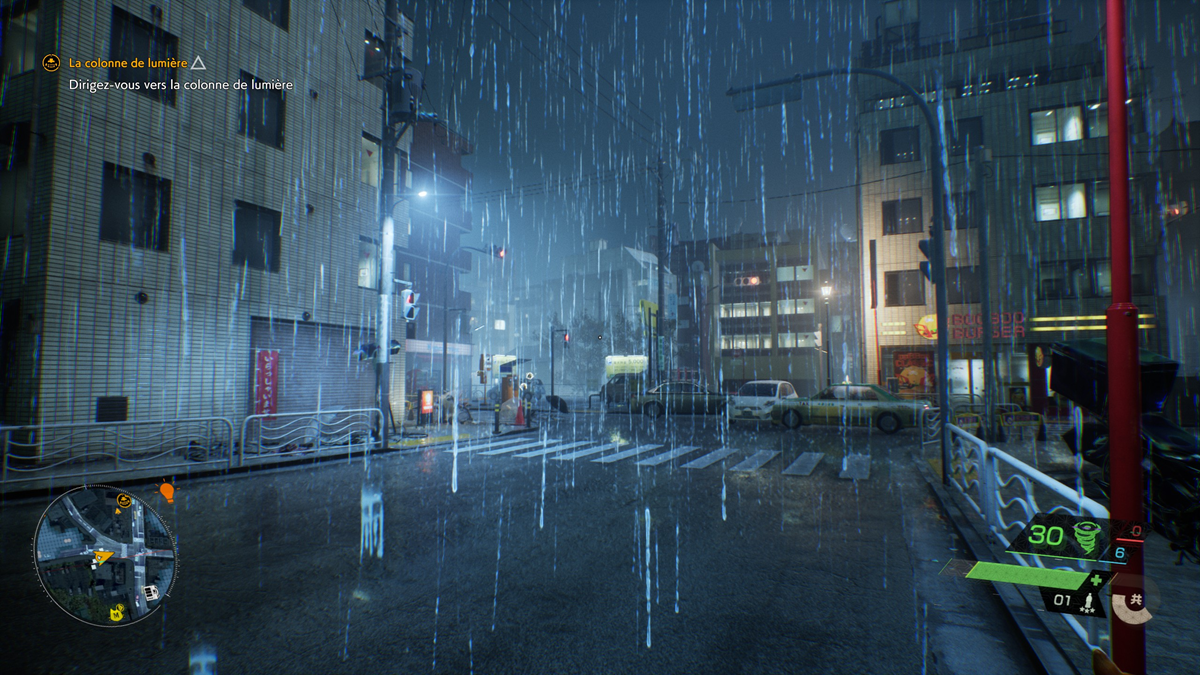
Shibuya in Ghostwire: Tokyo
r/gaming
Ghostwire: Tokyo does something simple and very strange, it empties Shibuya out. The crossings, streets, storefronts, and station-area details are recognizable, but the crowds are gone, replaced by fog, spirits, and silence. For people who know Shibuya as a place of constant movement, that absence makes the accuracy feel sharper. The city looks familiar, but it behaves wrong.
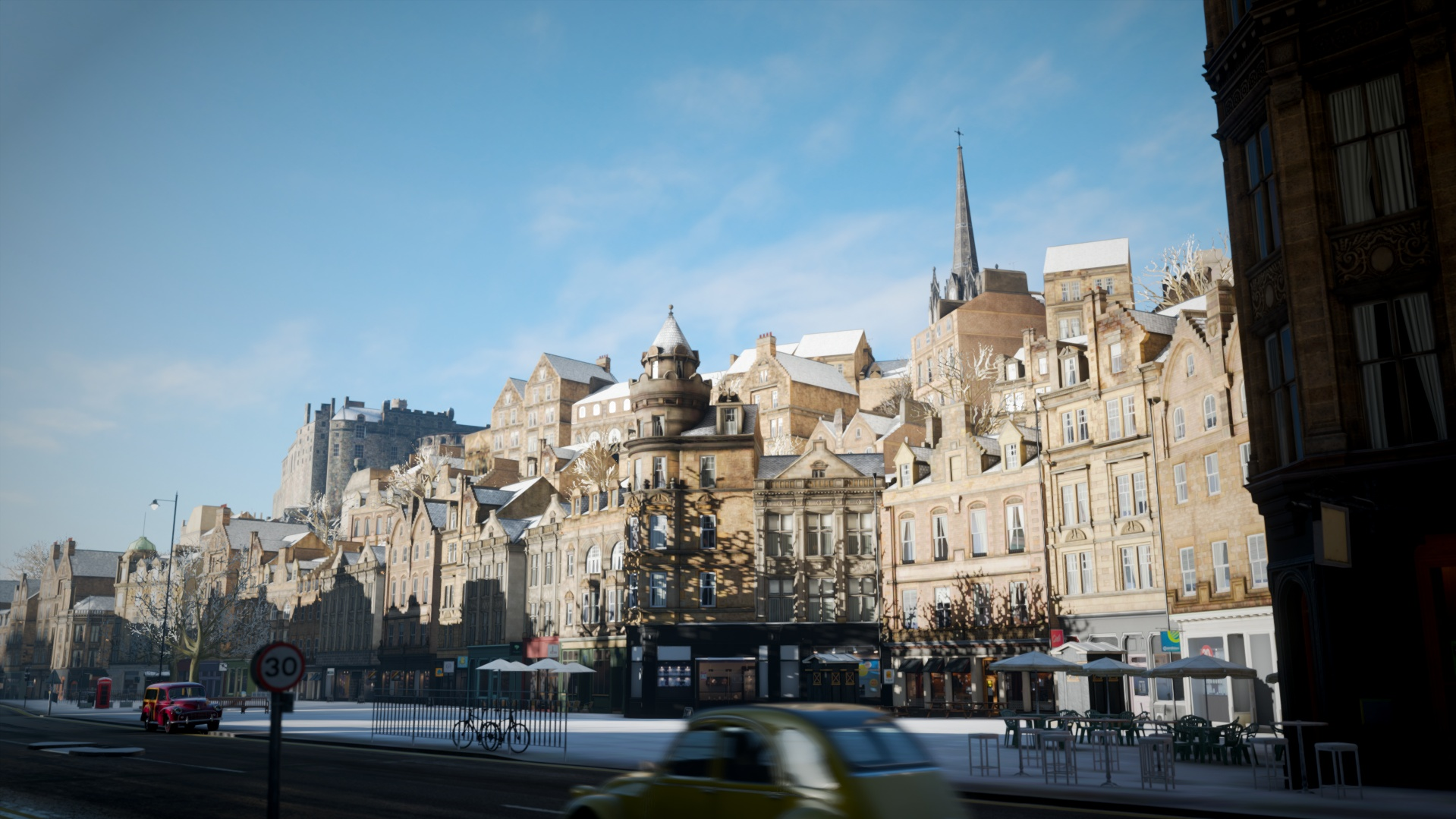
Edinburgh in Forza Horizon 4
r/virtualphotographers
Forza Horizon 4 is not trying to be a careful walking tour of Scotland. It is a racing game, so Edinburgh gets compressed, rerouted, and made friendlier to high-speed mistakes. Even with that, the city’s character comes through clearly. Edinburgh Castle, the Royal Mile, Princes Street, the Scott Monument, the dark stone buildings, and the steep changes in elevation all give the in-game city a sense of place that locals recognized immediately. The streets are not exact enough for navigation, but they are exact enough for that little spark of recognition when a corner, a skyline, or a slope feels right.
Guanajuato, Mexico in Forza Horizon 5
r/forza
Forza Horizon 5 builds a festival version of Mexico, not a one-to-one national map. Still, Guanajuato is one of the places where the game’s research really shows. The colorful buildings, narrow streets, tunnels, plazas, hills, and bright urban texture make the city feel specific rather than generic. Mexican players did not need every route to match perfectly to notice the care. The place has the right light, the right density, and enough architectural detail to feel lived in instead of borrowed.
Trending on realmoneygamer.com

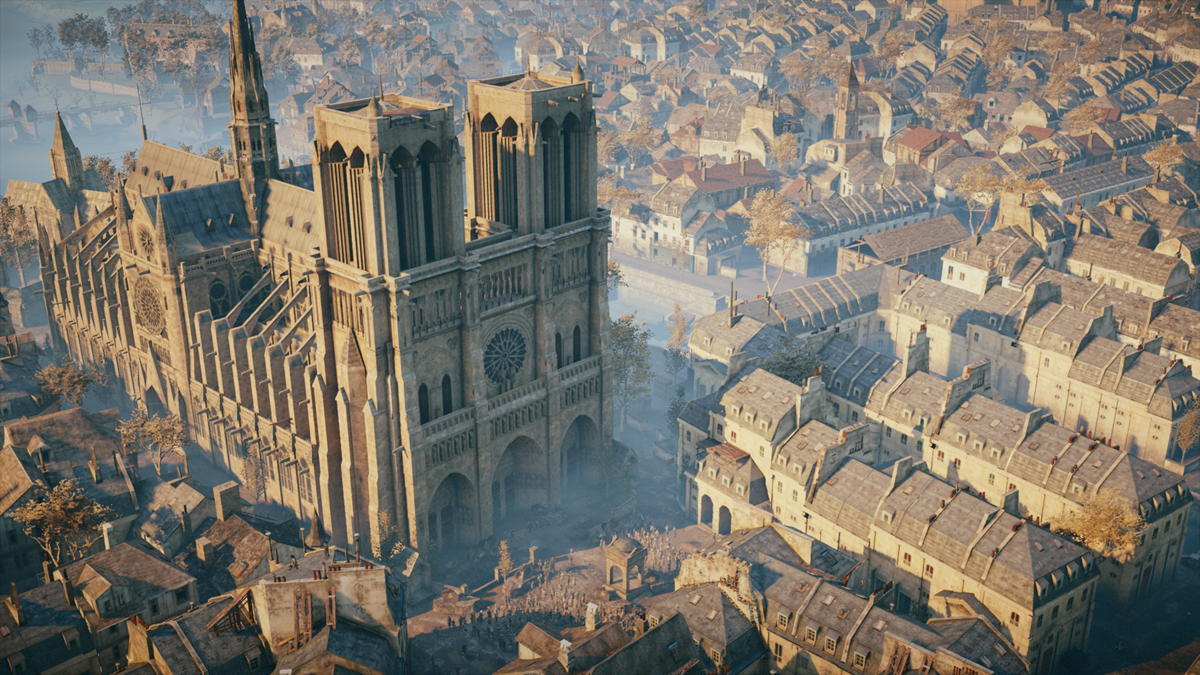
Paris and Notre-Dame in Assassin’s Creed Unity
r/gaming
Assassin’s Creed Unity became tied to Notre-Dame in a way Ubisoft probably never expected. After the 2019 fire, people started talking about whether the game’s detailed cathedral model could help with restoration, though that idea was later corrected, the model was impressive, but not an architectural document. Still, the rumor spread because the in-game Notre-Dame looked so convincing to ordinary players. Unity’s Paris is messy, crowded, vertical, and built for rooftops, and its cathedral remains one of the most famous examples of a real landmark made playable. It is not perfect. That almost makes it more interesting, because it shows how close a game can feel even while quietly changing things for movement, missions, and scale.
Manhattan in The Division
r/xboxone
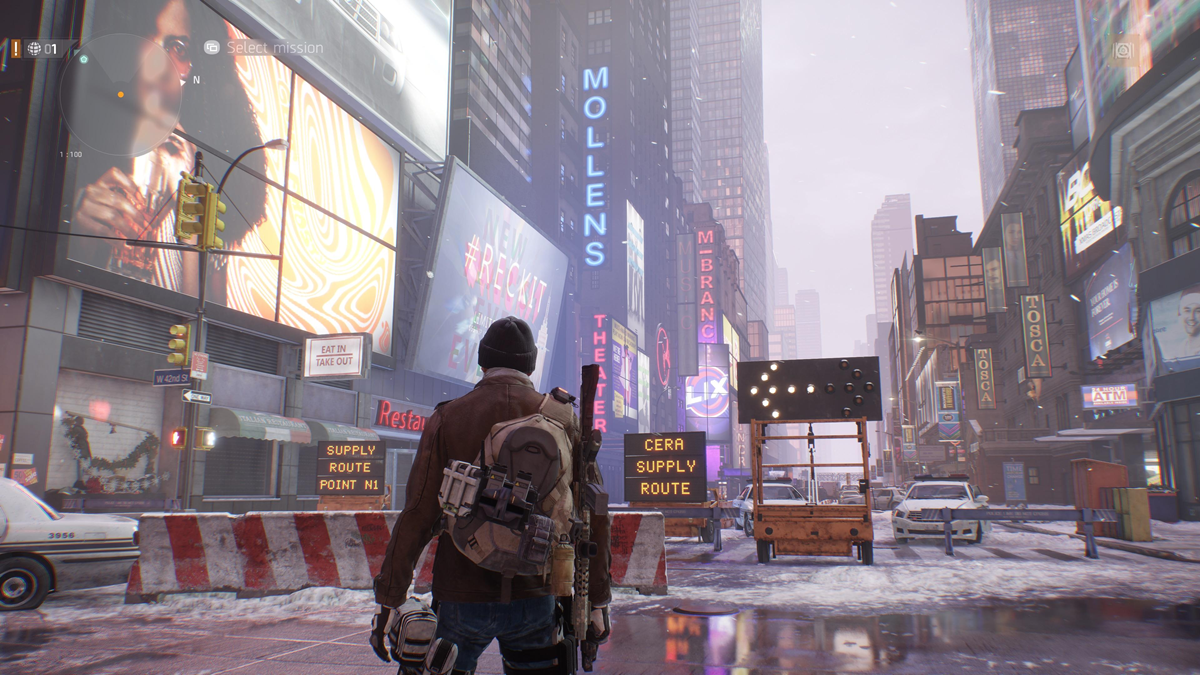
The Division’s New York is not the city at its best. It is Midtown and nearby Manhattan under snow, panic, emergency lighting, and abandoned traffic. That makes the recognizable details hit harder, Madison Square Garden, subway entrances, the post office building, department stores, office blocks, barricades, trash bags, and those very specific New York street widths. For locals, the shock was not only seeing landmarks. It was seeing the everyday city turned into a disaster zone without losing its texture.
San Francisco in Watch Dogs 2
r/watch_dogs
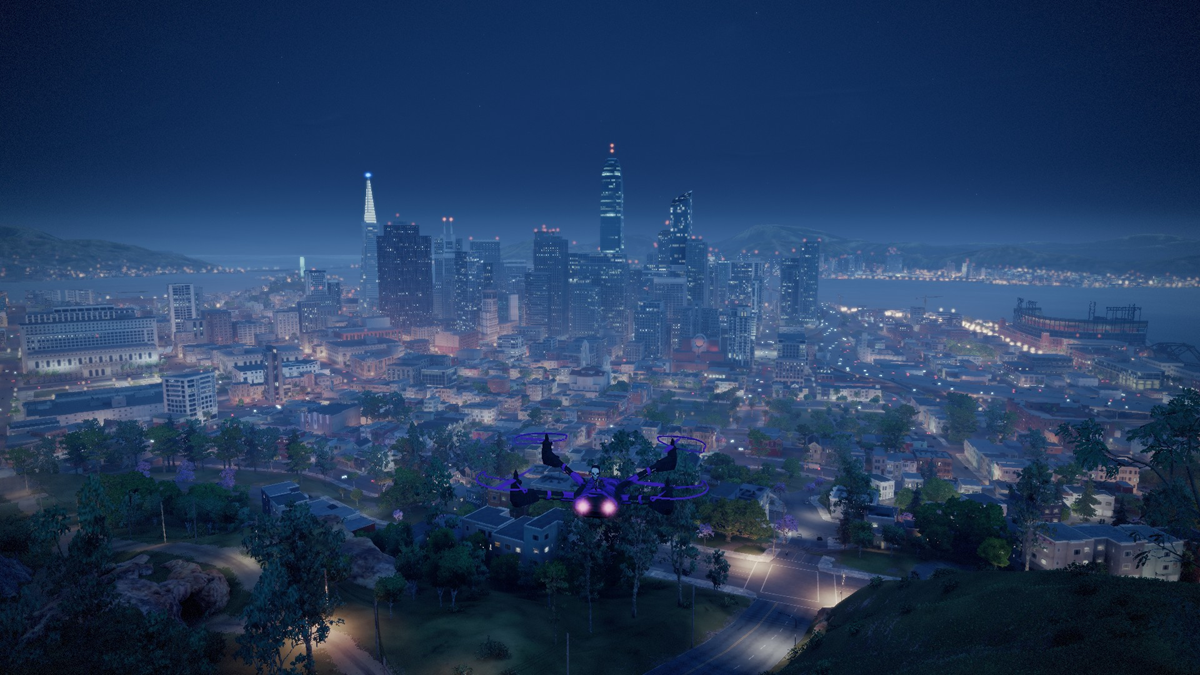
Watch Dogs 2 understands that San Francisco is more than the Golden Gate Bridge. The bridge is there, of course, along with familiar parks, hills, murals, waterfront views, tech campuses, and neighborhoods inspired by the Bay Area’s real geography. The map is compressed and playful, but it catches the city’s weird mix of beauty, money, protest, tourism, and start-up culture. Some streets feel too clean, some distances are obviously shortened, but the game still has enough San Francisco in it for locals to know what block of the imagination they are standing on.
Manhattan in Marvel’s Spider-Man
r/gaming
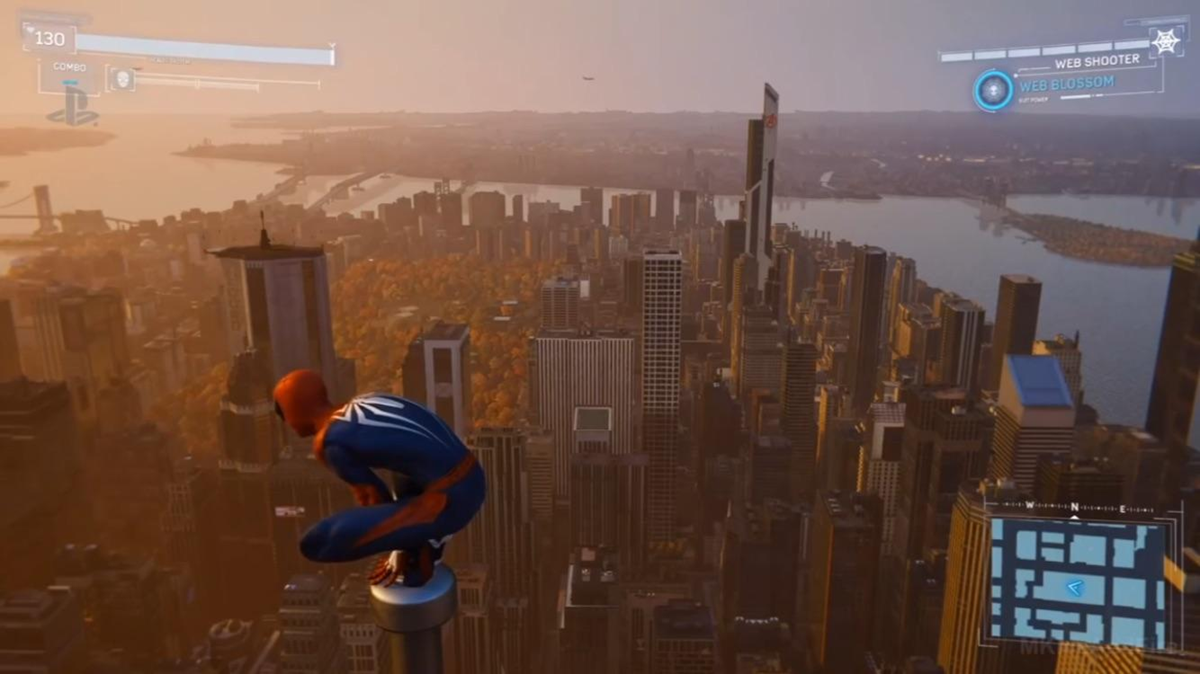
Insomniac’s Manhattan is designed for swinging, not for urban planning. That means distances are shortened, buildings are moved, and the city is shaped around momentum. Yet Marvel’s Spider-Man still feels deeply New York because it gets so many visual and spatial cues right, water towers, rooftops, avenues, parks, museums, traffic, storefronts, and the way tall buildings suddenly open into a view. Locals can spot what is missing or changed, but they can also recognize the rhythm. It is a version of Manhattan built for a superhero, which is not the same as accuracy, but it is close enough to fool your instincts for a few seconds at a time.
1947 Los Angeles in L.A. Noire
r/noir
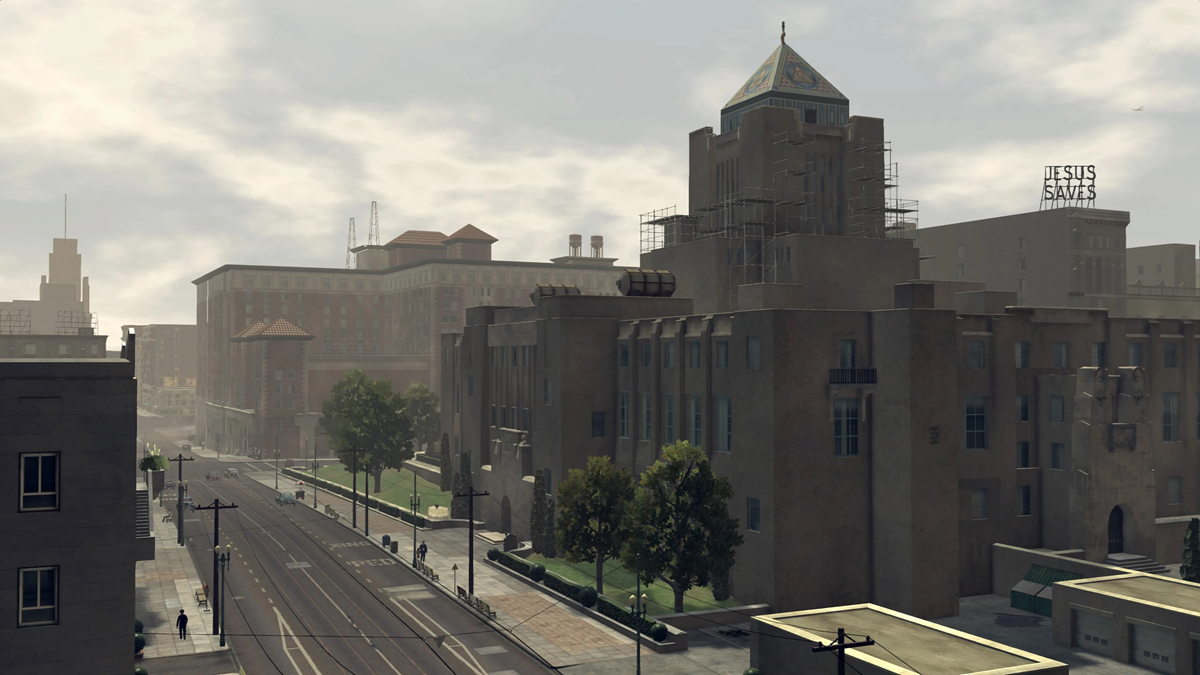
L.A. Noire had to recreate a city that no longer fully exists. Its 1947 Los Angeles was built from old maps, photographs, records, newspapers, archives, and research into buildings, roads, signs, cars, and neighborhoods from the period. That gives the game a different kind of accuracy. People were not just recognizing the Los Angeles outside their window, they were recognizing traces of an older city still hiding under the modern one. Some landmarks remain. Others are gone. The game sits in that strange middle space, where local history becomes a place you can drive through.
The World Outside Your Window in Microsoft Flight Simulator
r/flightsim
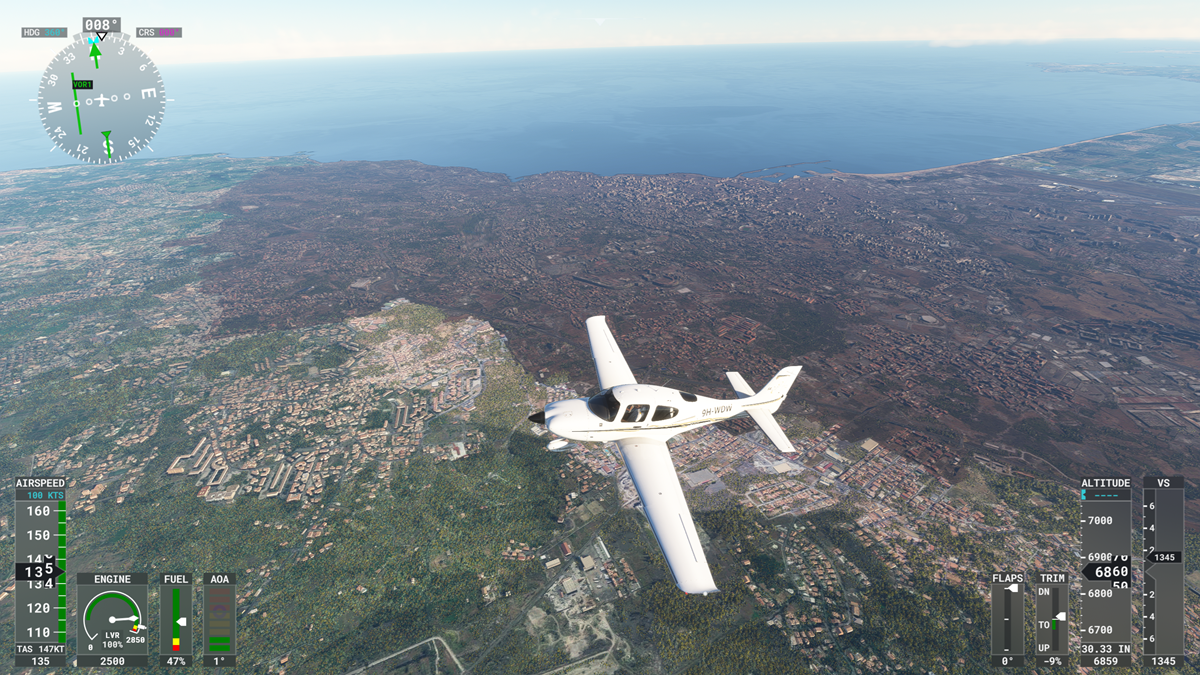
Microsoft Flight Simulator is the odd one here because its real location might be your own street. The 2020 version uses map data, satellite imagery, terrain information, live weather, and procedural systems to recreate huge portions of the planet. Plenty of players did the same thing after installing it, they took off, turned toward home, and checked whether their house, school, workplace, or neighborhood was there. Sometimes the result was rough. Sometimes it was eerie. That personal recognition is hard for a handcrafted city to match, because the game is not only showing a famous place. It is showing somewhere private enough that you never expected to see it in a video game.
Games take shortcuts because they have to. A real city is too big, too slow, too full of boring stretches that would make terrible missions. But when a developer gets the texture right, the signage, the light, the corners, the clutter, the way a place feels when you move through it, locals notice. Not because the illusion is flawless, but because it is close enough to make memory do half the work.
Continue Reading: 15 Video Game Characters Who Were Based on Real People