Gaming doesn’t evolve in clean chapters, even if we like to organize it that way. Genres don’t just appear and disappear, they overlap, mutate, and sometimes come back years later wearing a different skin. Still, if you look at certain stretches of time, you can usually point to one type of game that everyone seemed to be playing, talking about, or copying. Not always the best games, not always the most innovative ones, but the ones that defined the mood. Here are thirteen genres that, at different moments, quietly took over.
1. Arcade Shooters and High Score Obsession (Late 70s to Early 80s)
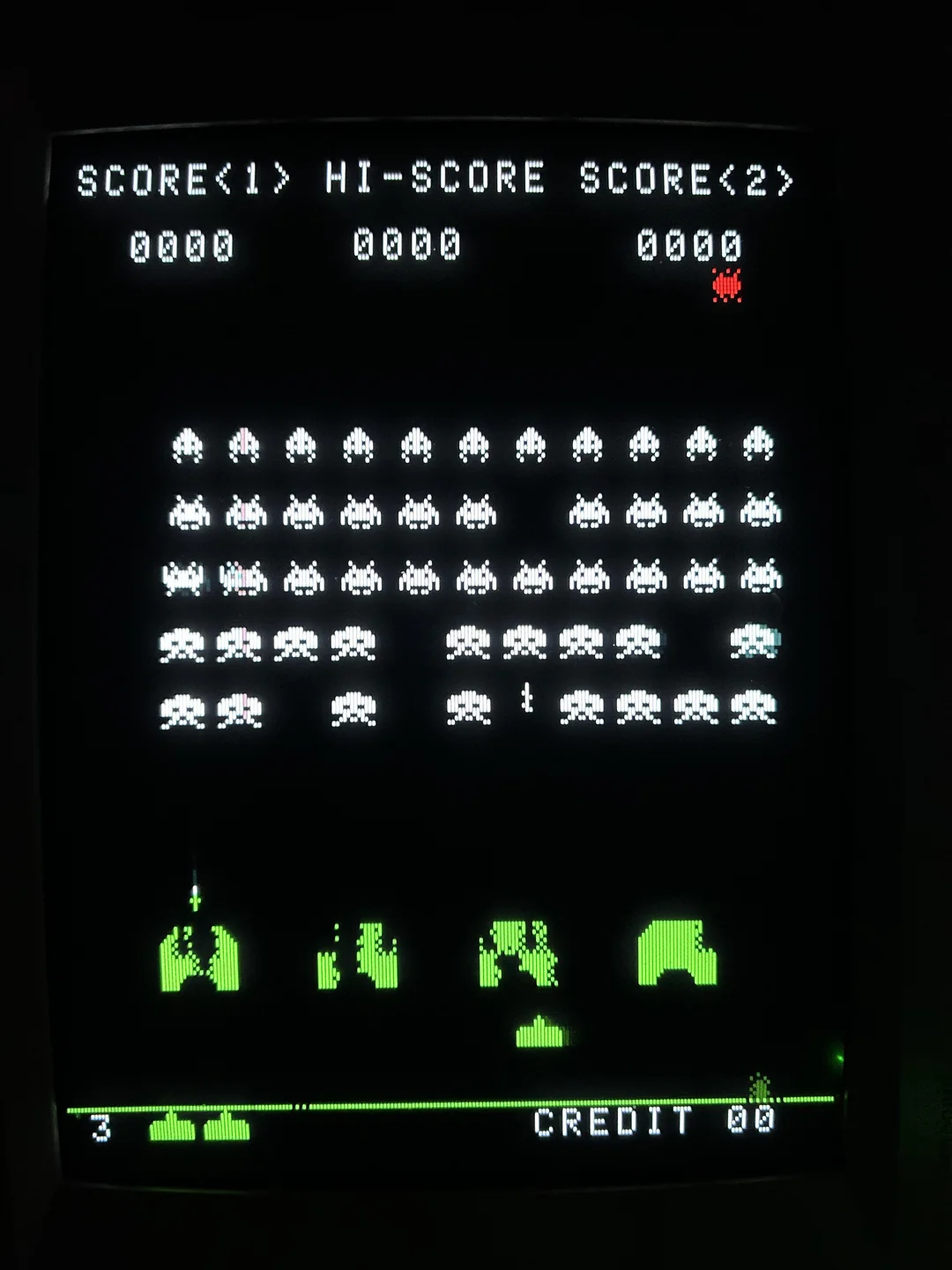
Long before saves, patches, or even home dominance, arcades ran everything. Space Invaders in 1978 didn’t need a story, it just needed you to survive a little longer than the last person. Scores mattered more than anything else, and if your initials made it onto the screen, that was enough reason to come back tomorrow.
2. Platformers and the Mascot Era (Late 80s to Mid 90s)
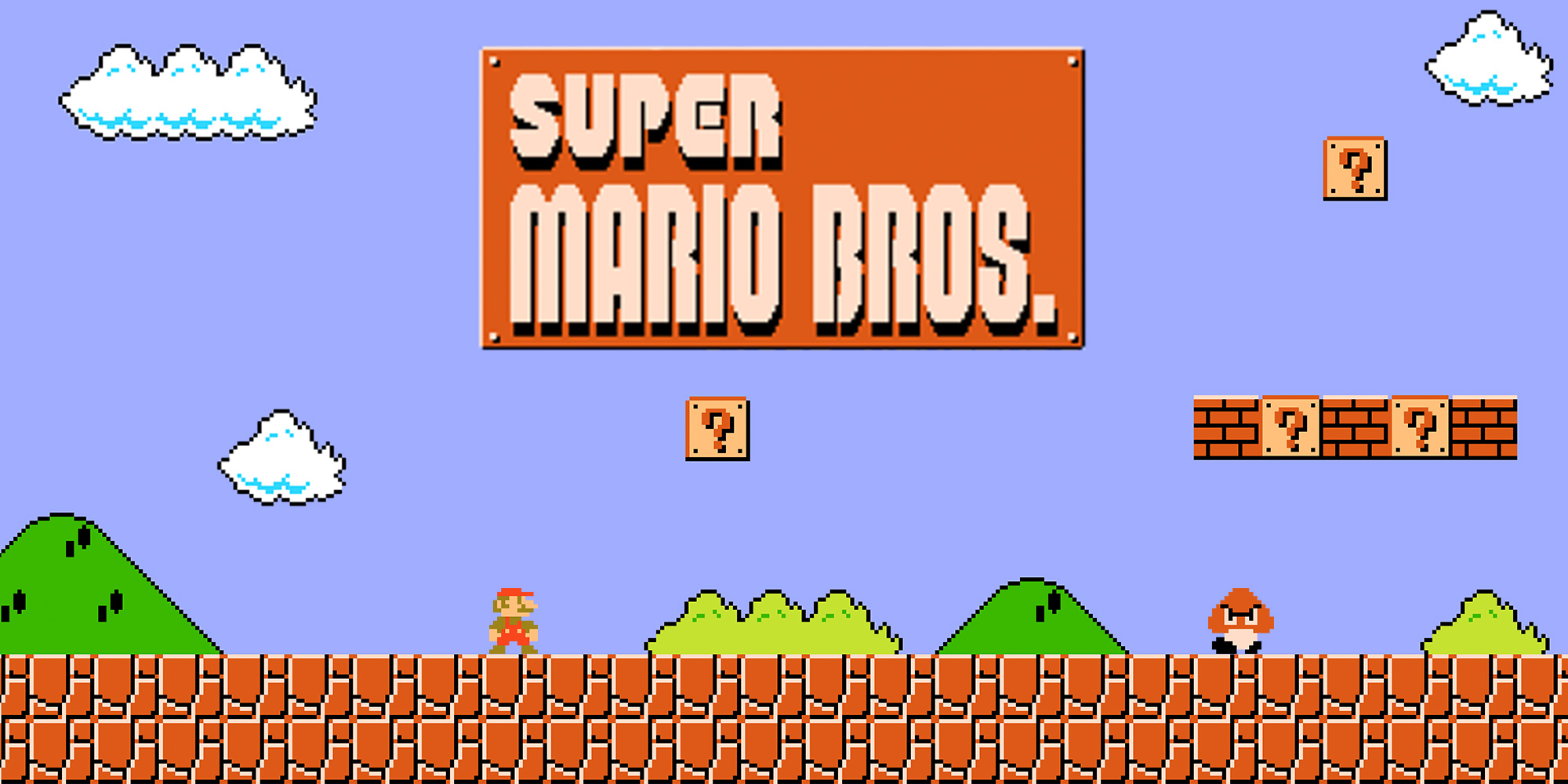
Once consoles settled into living rooms, characters became the hook. Super Mario Bros. set the template in 1985, tight controls, readable levels, constant forward motion. Then Sonic showed up in 1991 with a different energy, faster, louder, a bit more attitude. For a while, it felt like every system needed a face.
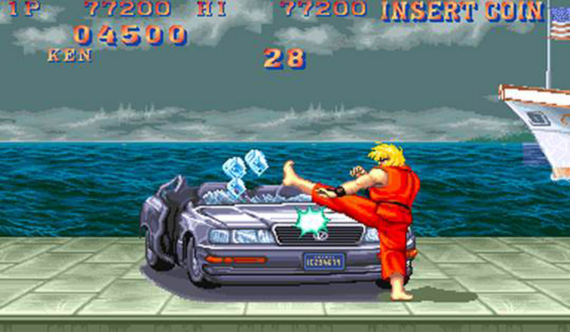
3. Fighting Games and the Sound of Crowds (Early to Mid 90s)
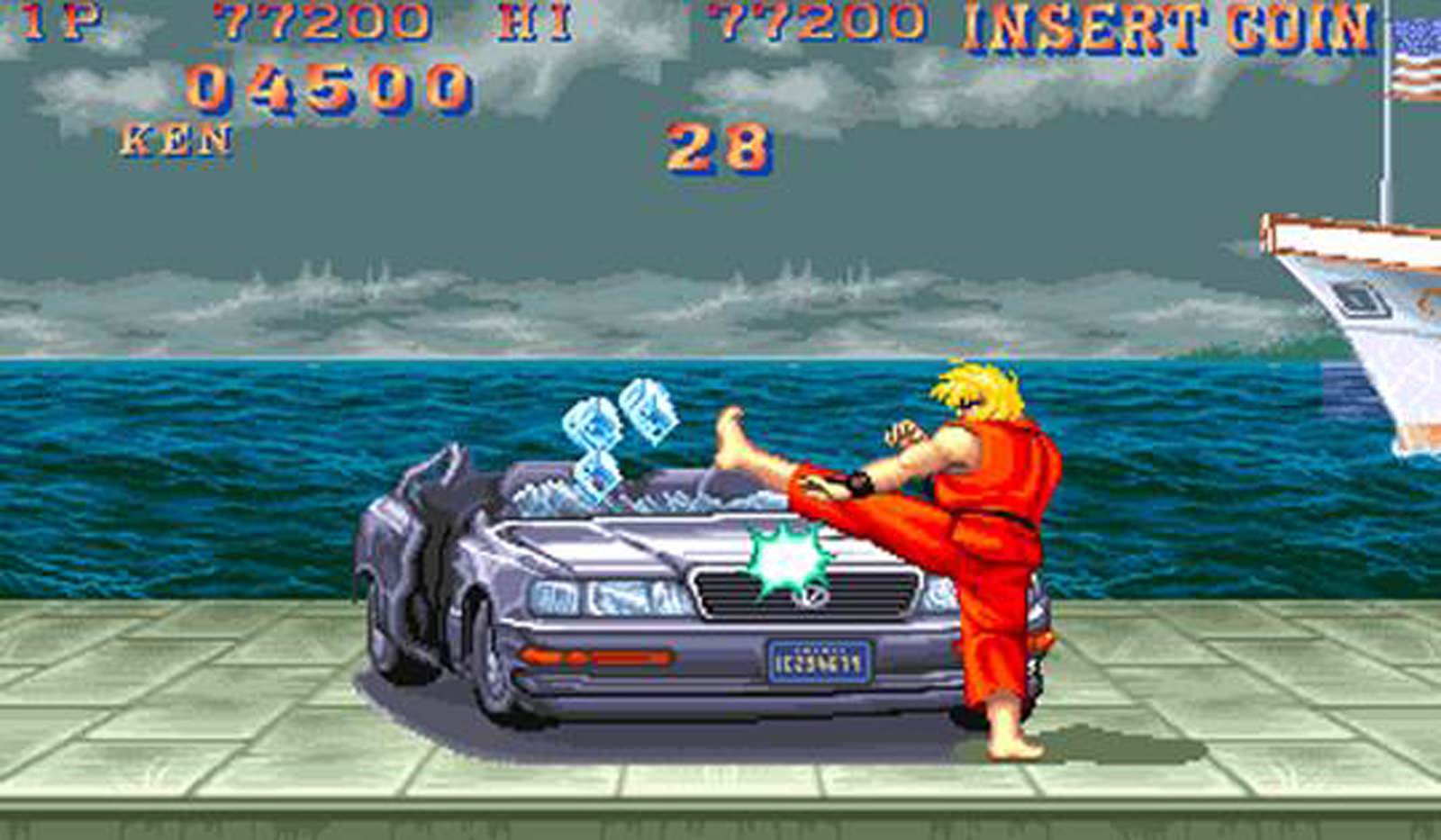
You could tell a good arcade just by the noise around the Street Fighter II cabinet. Released in 1991, it turned matches into small events, with people watching, reacting, sometimes arguing over inputs. It wasn’t just about winning, it was about doing it in front of others.
4. Survival Horror and Controlled Panic (Late 90s to Early 2000s)
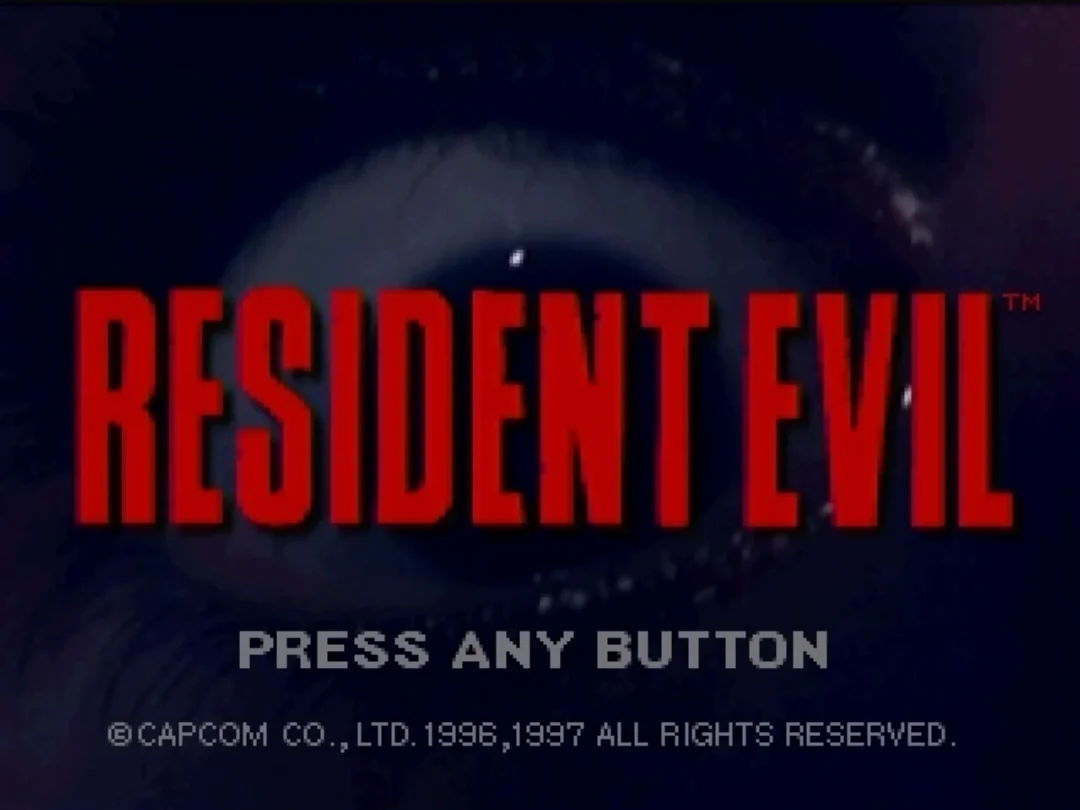
Then things slowed down, on purpose. Resident Evil in 1996 and Silent Hill in 1999 leaned into awkward camera angles and limited ammo, forcing players to hesitate. The tension came from restriction, not speed, and that shift stuck around longer than people expected.
5. Real Time Strategy and the PC Crowd (Late 90s)
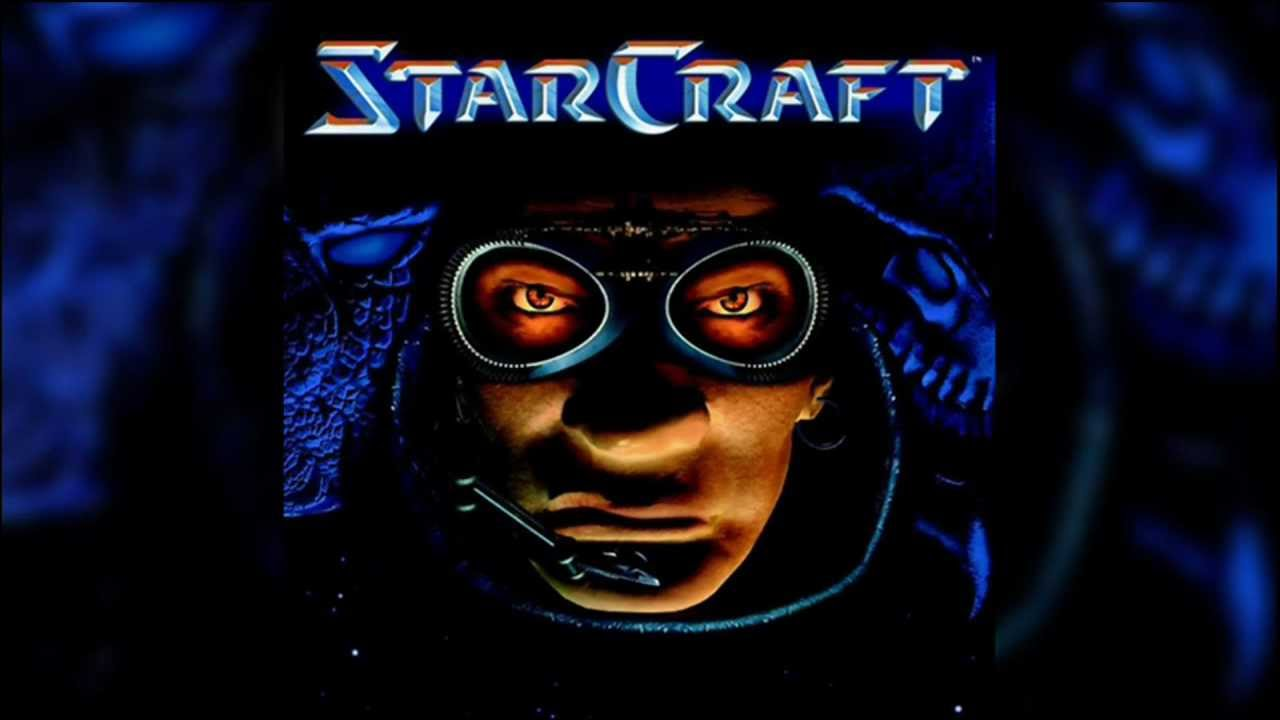
RTS games didn’t care much about spectacle, they were about control. StarCraft in 1998 became something bigger than a hit, especially in South Korea, where it turned into a national pastime. Managing resources, reading opponents, clicking faster than felt reasonable, it all became part of the skill ceiling.
Trending on realmoneygamer.com
6. MMORPGs and the Idea of Living Online (Early 2000s)
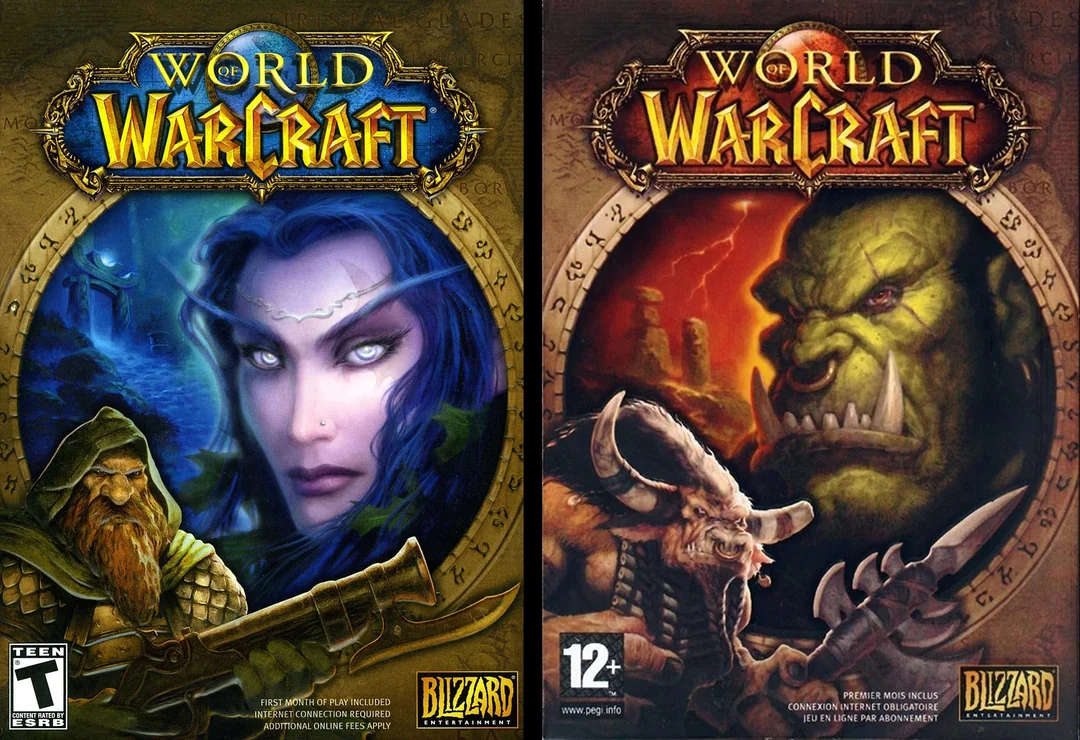
World of Warcraft launched in 2004 and, for a while, it felt like half the internet was inside it. At its peak it passed 12 million subscribers, but numbers only tell part of it. Guild schedules, raid nights, in game economies, people weren’t just playing, they were organizing their time around it.
7. First Person Shooters Find Their Rhythm Online (Mid 2000s)
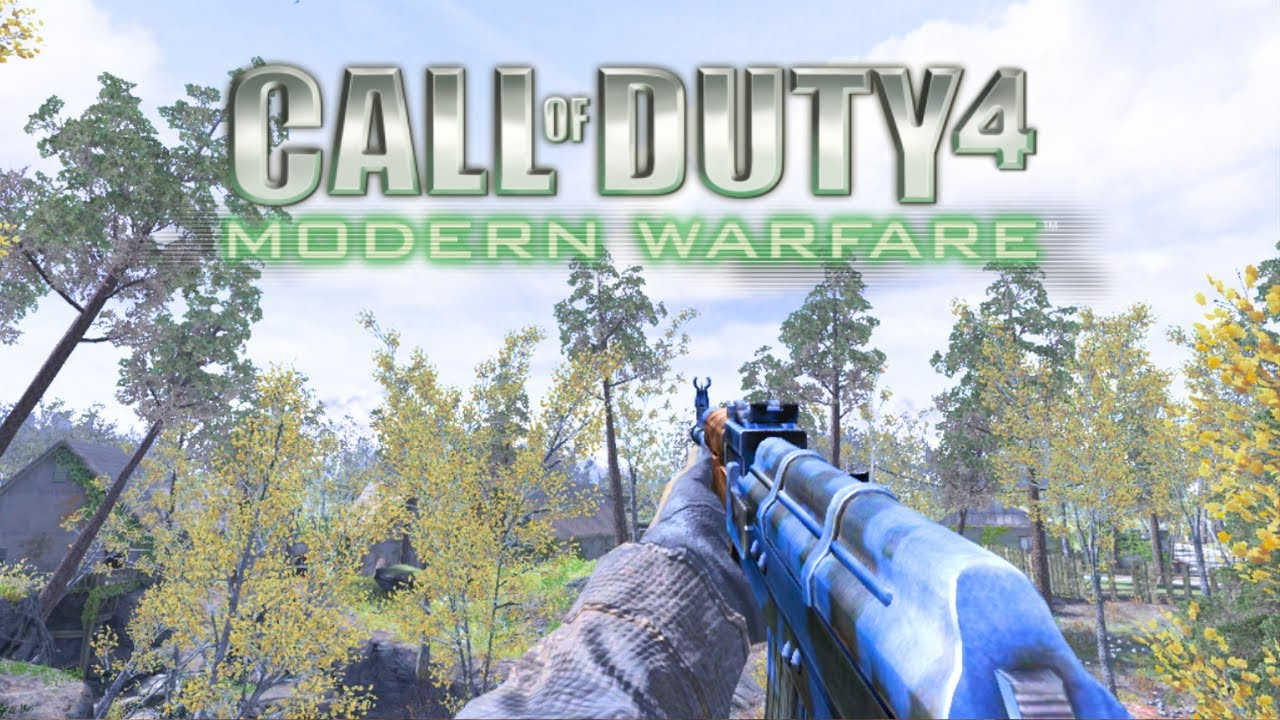
Multiplayer shooters existed before, but something clicked with Call of Duty 4, Modern Warfare in 2007. Fast matchmaking, constant unlocks, and short, repeatable matches made it easy to stay for one more round. It set a pace that a lot of games are still following.
8. Rhythm Games and Living Room Takeovers (Mid 2000s)
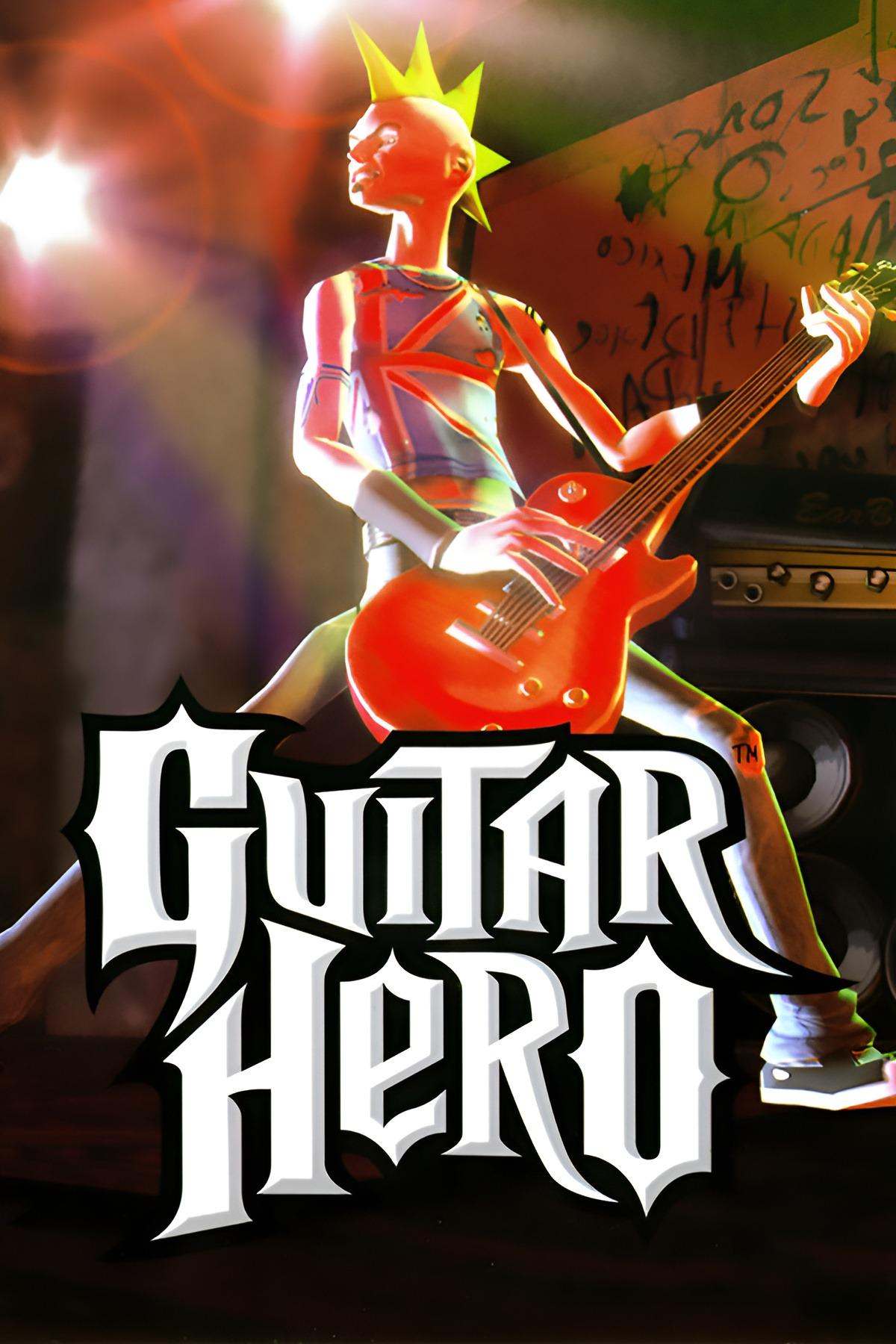
For a few years, it was normal to see plastic instruments in people’s homes. Guitar Hero in 2005 and Rock Band in 2007 turned music into something you could fail at publicly, which was part of the appeal. It blurred the line between playing a game and performing.
9. Casual and Mobile Games Redefine the Audience (Late 2000s to Early 2010s)
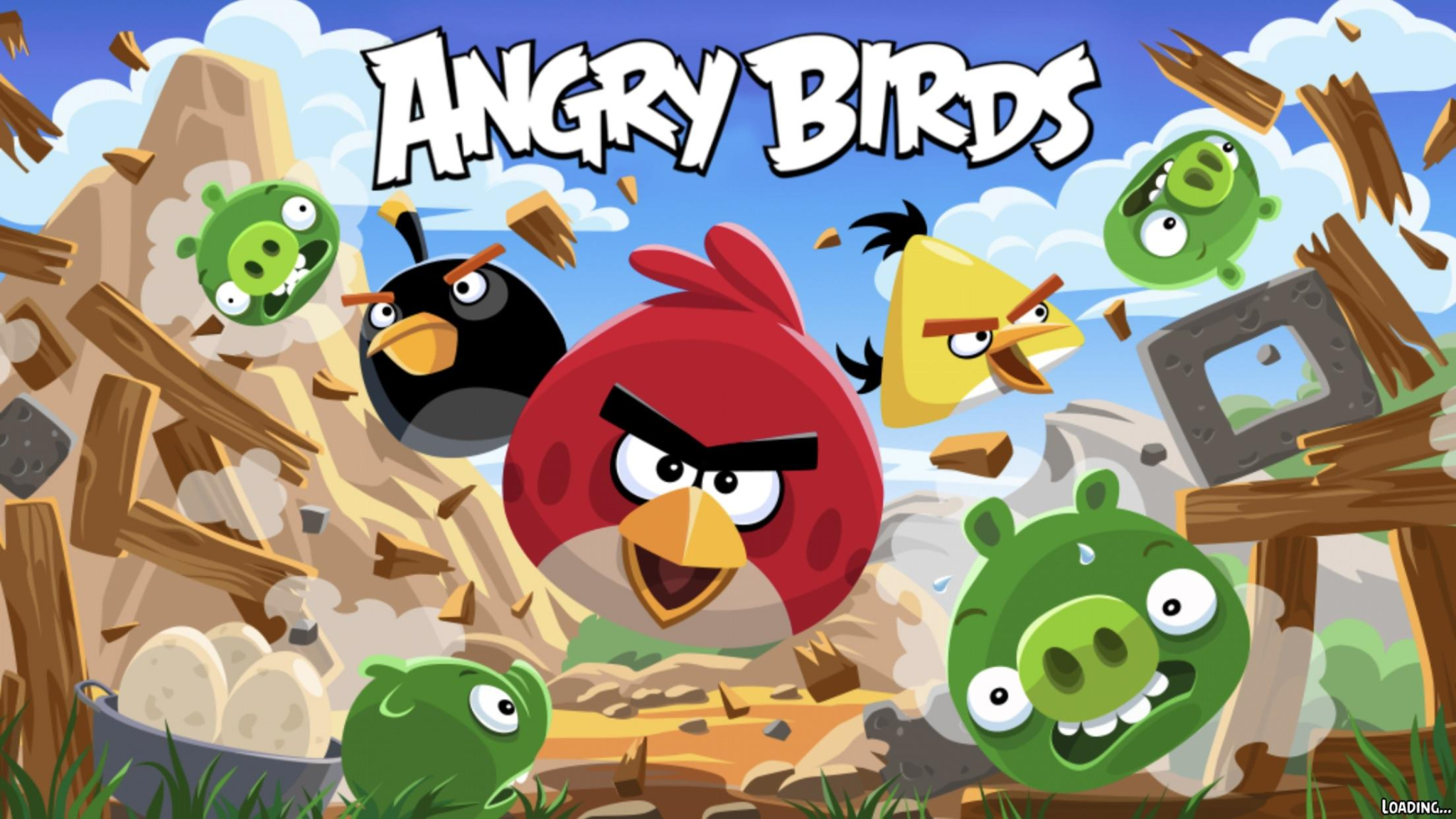
Not everyone bought a console, but almost everyone had a phone. Angry Birds in 2009 and later Candy Crush Saga in 2012 showed how wide the audience could get. Sessions got shorter, mechanics simpler, but the reach was massive.
10. MOBAs and Structured Competition (Early to Mid 2010s)
League of Legends and Dota 2 didn’t invent the formula, but they refined it and scaled it. Matches demanded coordination, knowledge, and time, and the competitive scene grew alongside them. The International 2021 prize pool crossed 40 million dollars, which says enough about how big it got.
11. Roguelikes and the Indie Resurgence (Mid 2010s onward)
This one crept in from the side. Games like The Binding of Isaac, Dead Cells, and Hades leaned into repetition and failure, but made each run feel slightly different. It also reflected something else, smaller teams shaping trends instead of just reacting to them.
12. Battle Royale and the Spectator Loop (Late 2010s)
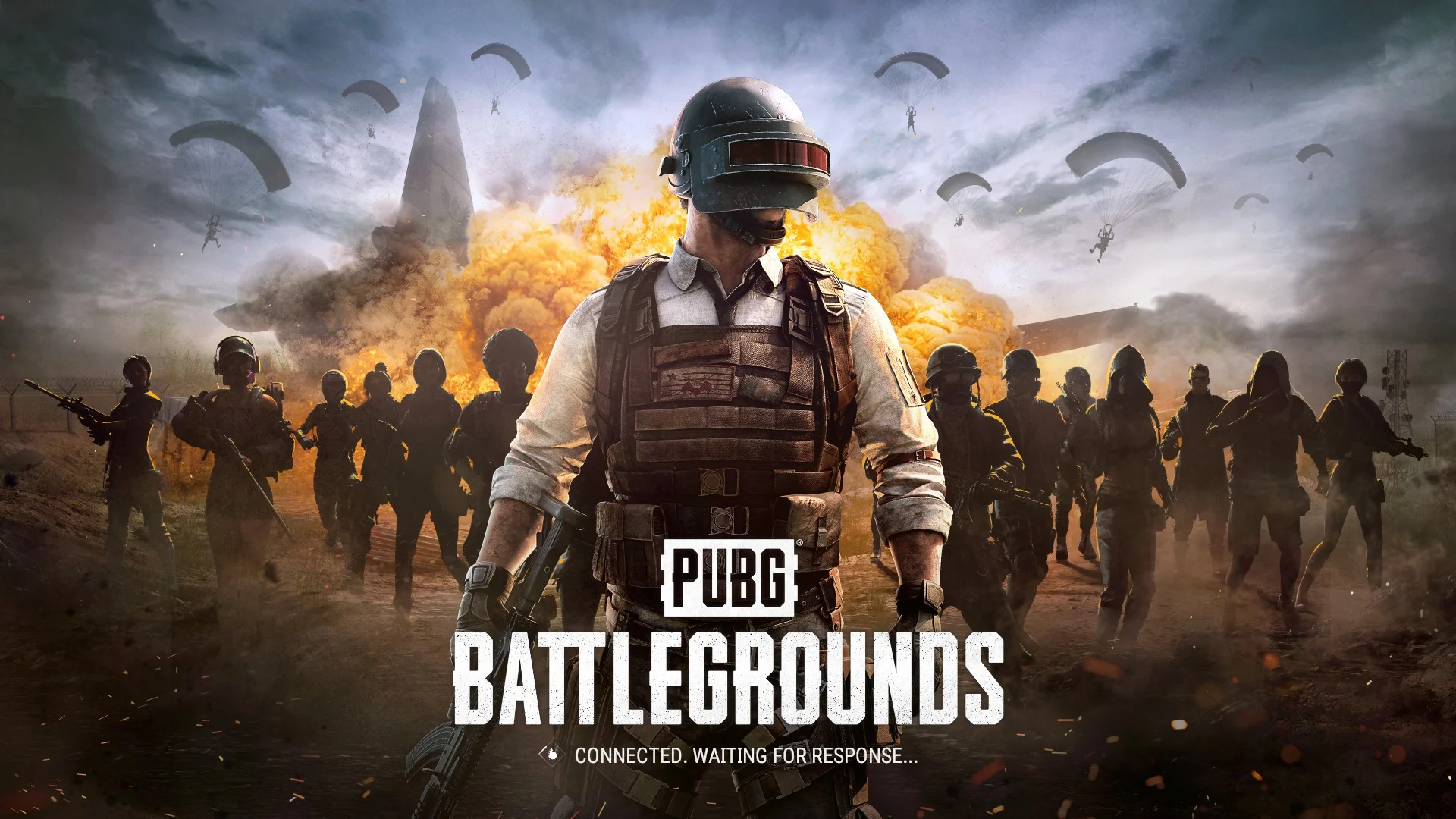
PUBG in 2017, then Fortnite, made every match feel like a story with a clear ending. Drop in, survive, or don’t. It worked especially well on streaming platforms, where viewers could follow along without needing much context.
13. Open World Hybrids and Everything at Once (2020s)
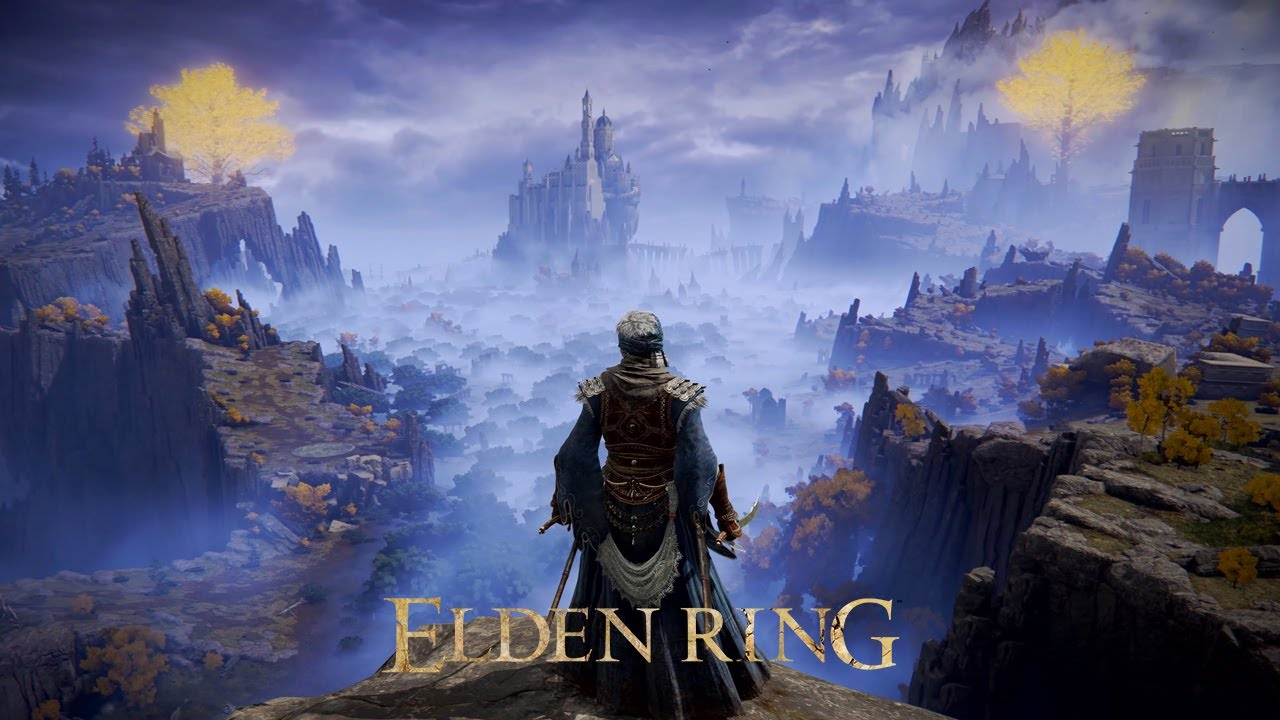
Recent games are harder to pin down. Elden Ring, Genshin Impact, even newer live service titles mix systems freely, exploration, RPG progression, ongoing updates. The expectation now is not just a game, but something that keeps evolving after release.
Genres don’t really disappear, they just lose the spotlight for a while. What changes is how players approach them, alone, online, or with an audience watching. If there’s a pattern, it’s that the next shift usually feels small at first, until suddenly it isn’t.