Video games rarely change overnight. Most shifts happen slowly, through new technology, changing player habits, or studios experimenting with ideas that only work years later. But every once in a while there is a moment that clearly pushes the medium in a new direction. Sometimes it is a console launch, sometimes a single game, sometimes a decision that looks risky at the time. Looking back, a lot of what gaming looks like today can be traced back to a handful of these moments.
The Atari 2600 Brings Gaming Into the Living Room (1977)
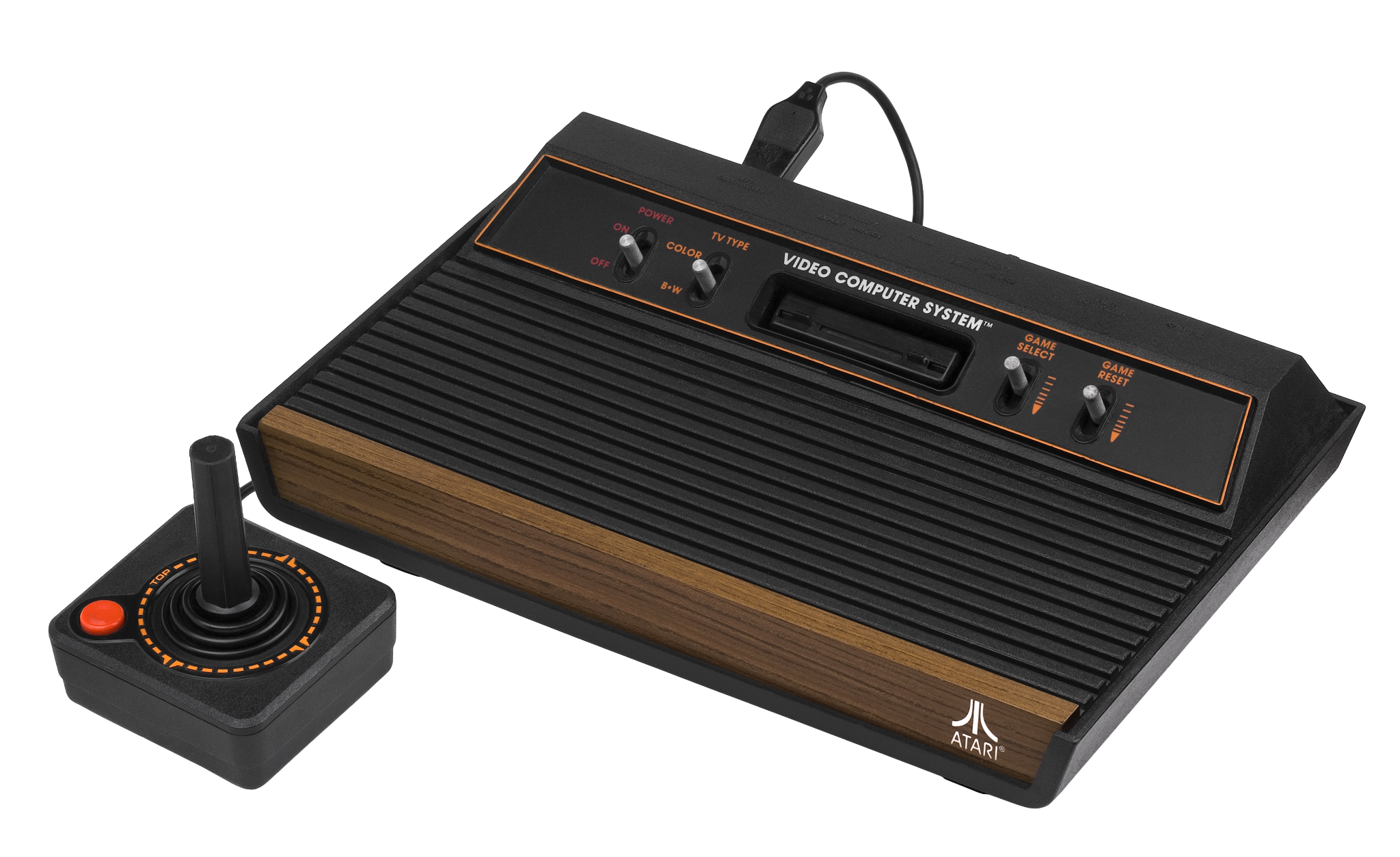
In the late 1970s, video games still felt like something you played in arcades. Atari’s 2600 helped change that. The console used interchangeable cartridges, which meant players could build a small library of games instead of replacing the entire machine every time something new came out. When Space Invaders arrived on the system in 1980, it suddenly felt like the arcade had moved into people’s homes.
Nintendo Revives the Industry With the NES (1985)
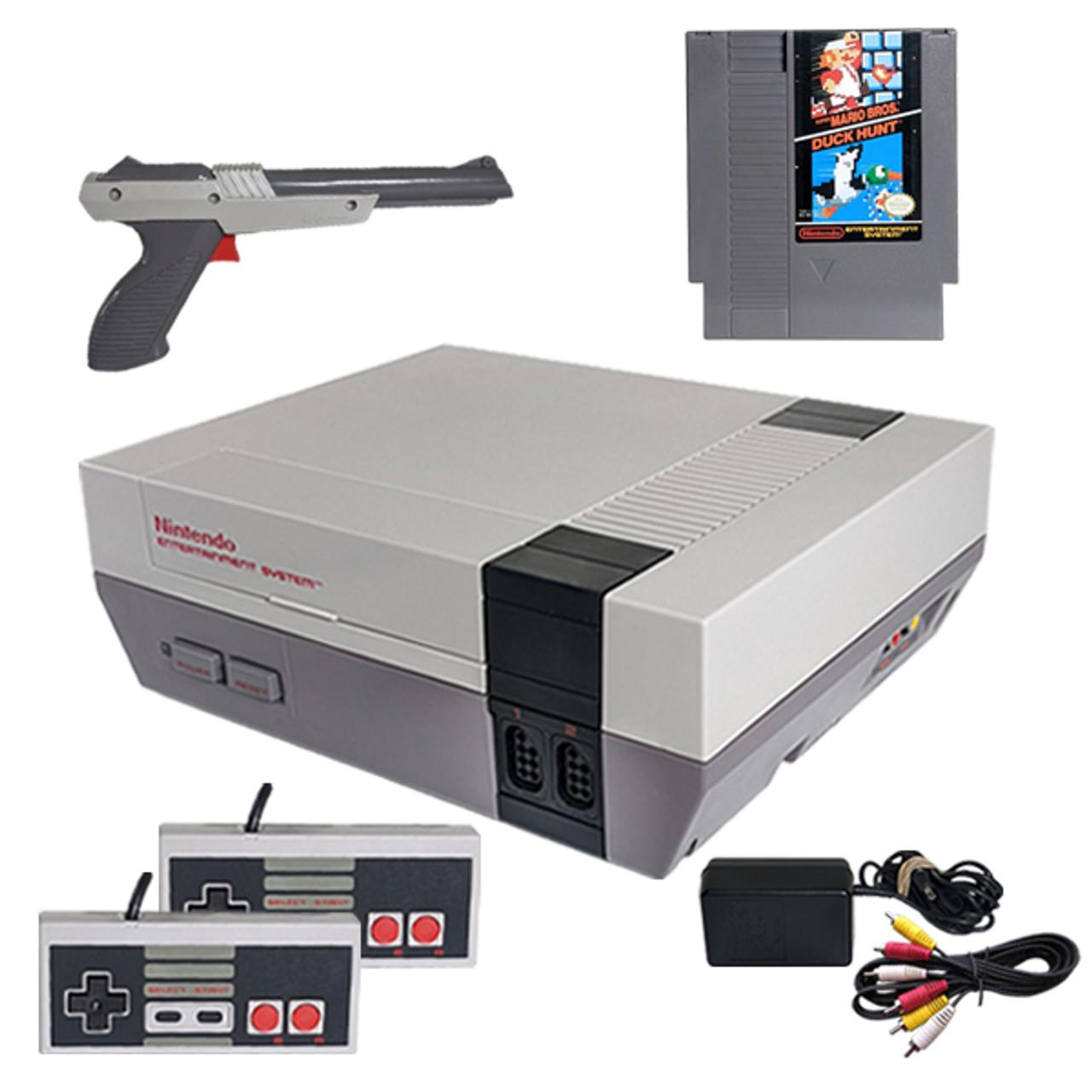
After the crash of 1983, many retailers wanted nothing to do with video games. Nintendo approached the problem carefully, even marketing the NES as an “entertainment system” rather than a console at first. What really convinced people was Super Mario Bros., which showed just how polished and imaginative console games could be.
Doom Makes Multiplayer Chaos a Reality (1993)
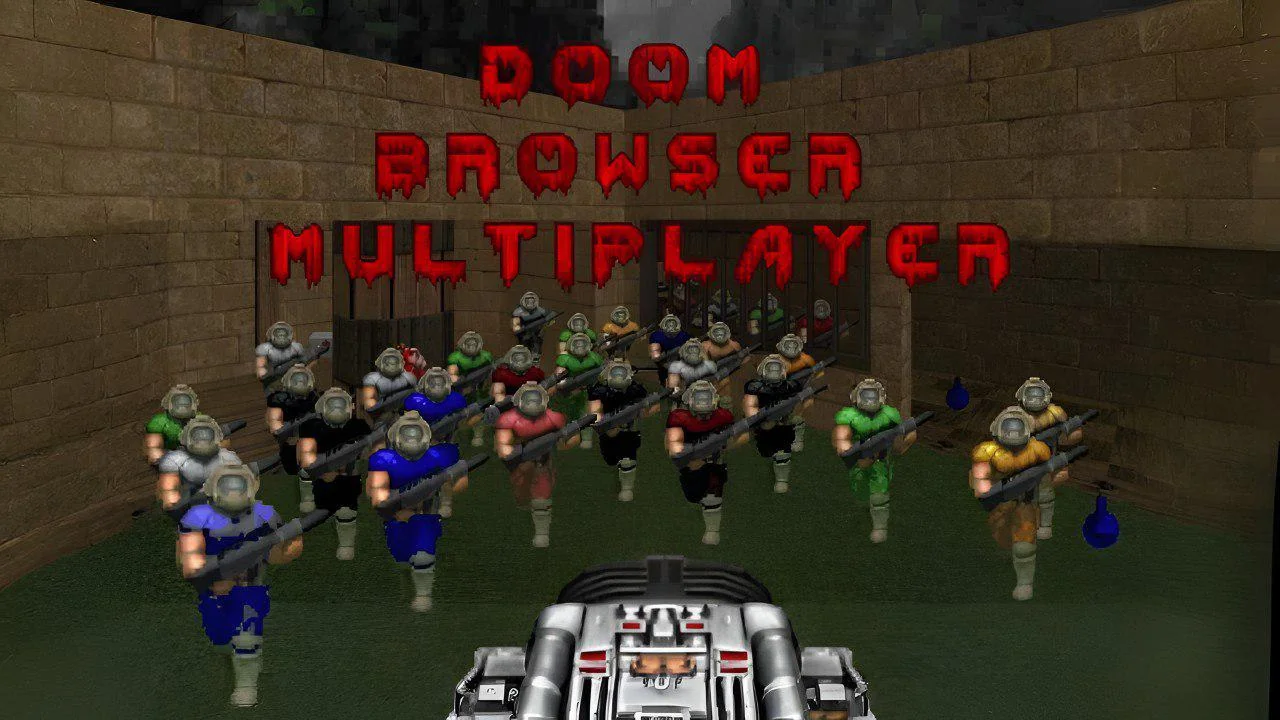
Early players remember dragging ethernet cables across dorm rooms just to get a match running. Doom turned local networks into battlegrounds and made the idea of player versus player shooters feel natural. It was messy, loud, and incredibly fun.
Pokémon Turns the Game Boy Into a Social Machine (1996)
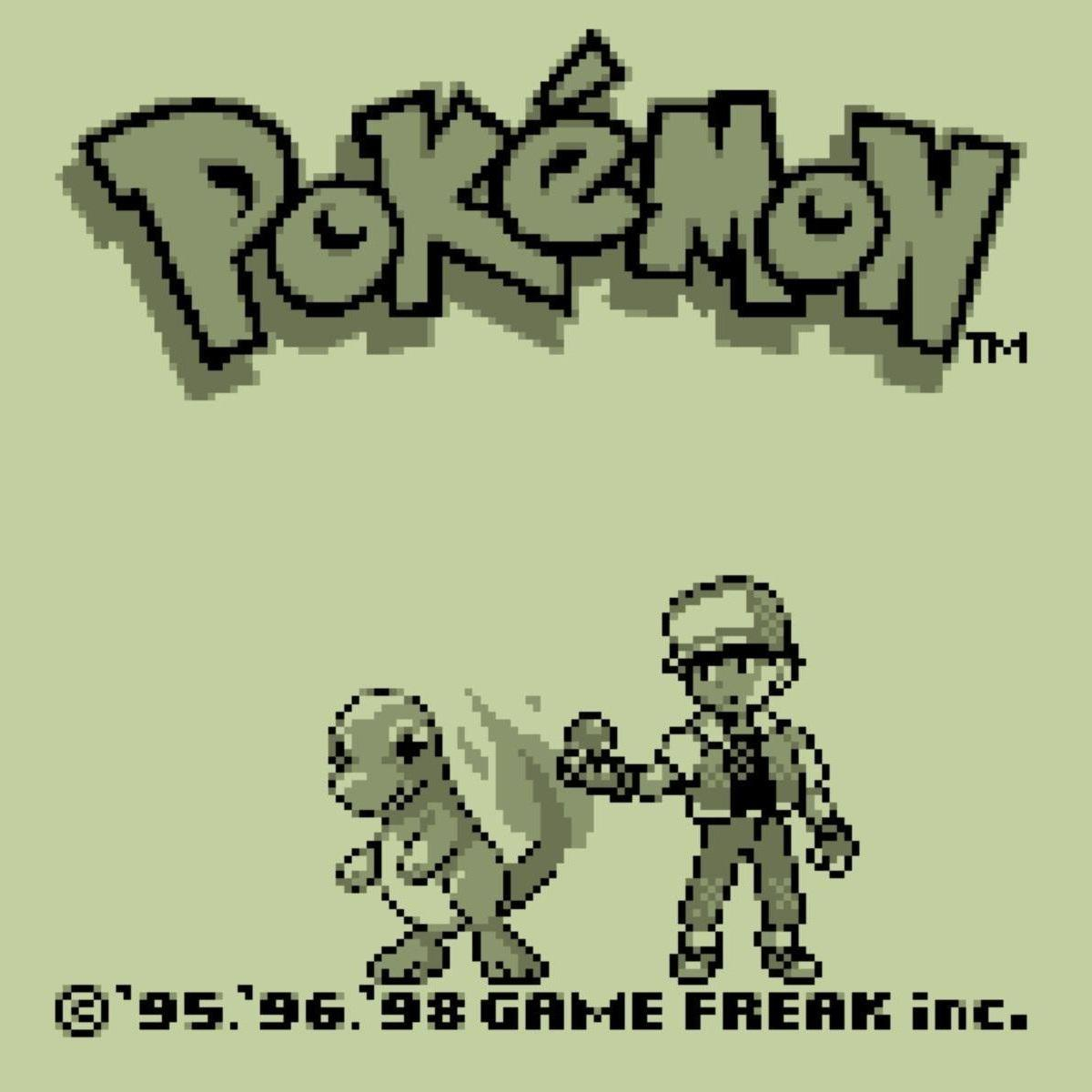
By the mid 1990s the Game Boy was already several years old, but Pokémon gave it a second life. The real trick was the trading system. Kids were swapping creatures through link cables in school hallways, arguing over rare finds and building collections that felt personal.
Sony’s PlayStation Opens the Door for Developers (1994)
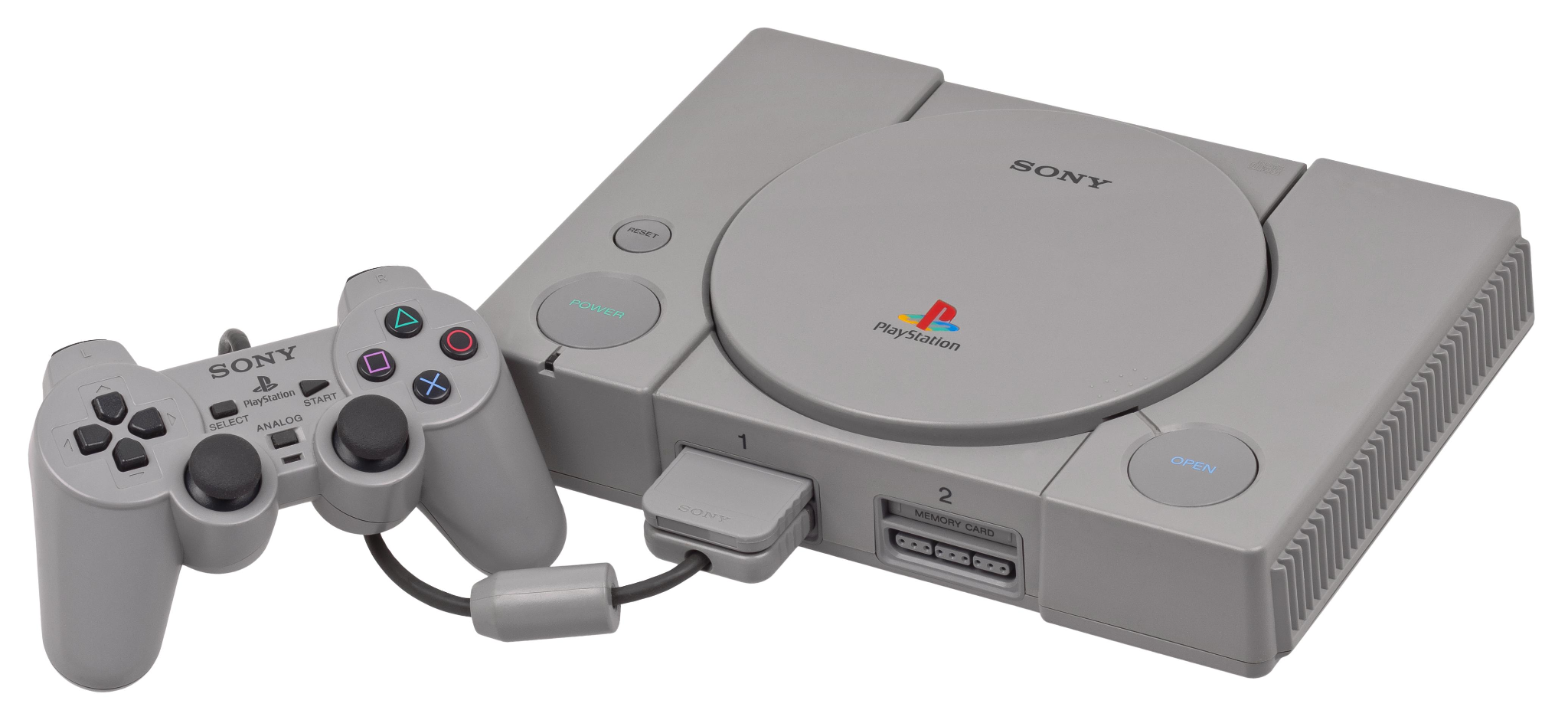
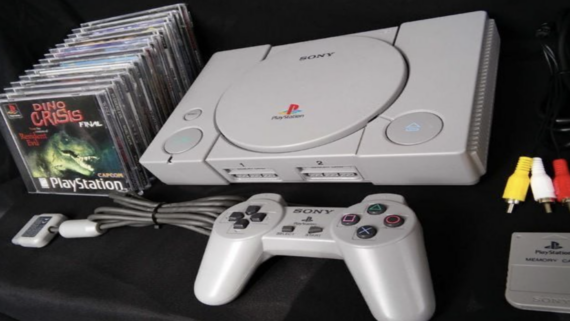
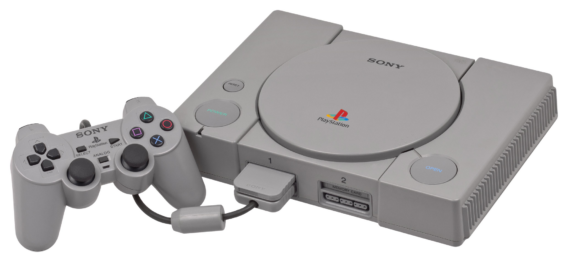
Sony’s entry into gaming came after a failed partnership with Nintendo, which makes the story even stranger in hindsight. The PlayStation used CD ROM discs instead of cartridges, giving developers more storage and lower manufacturing costs. That shift helped bring larger, more cinematic games into the mainstream.
Trending on realmoneygamer.com
Counter-Strike Proves Mods Can Become Giants (1999)
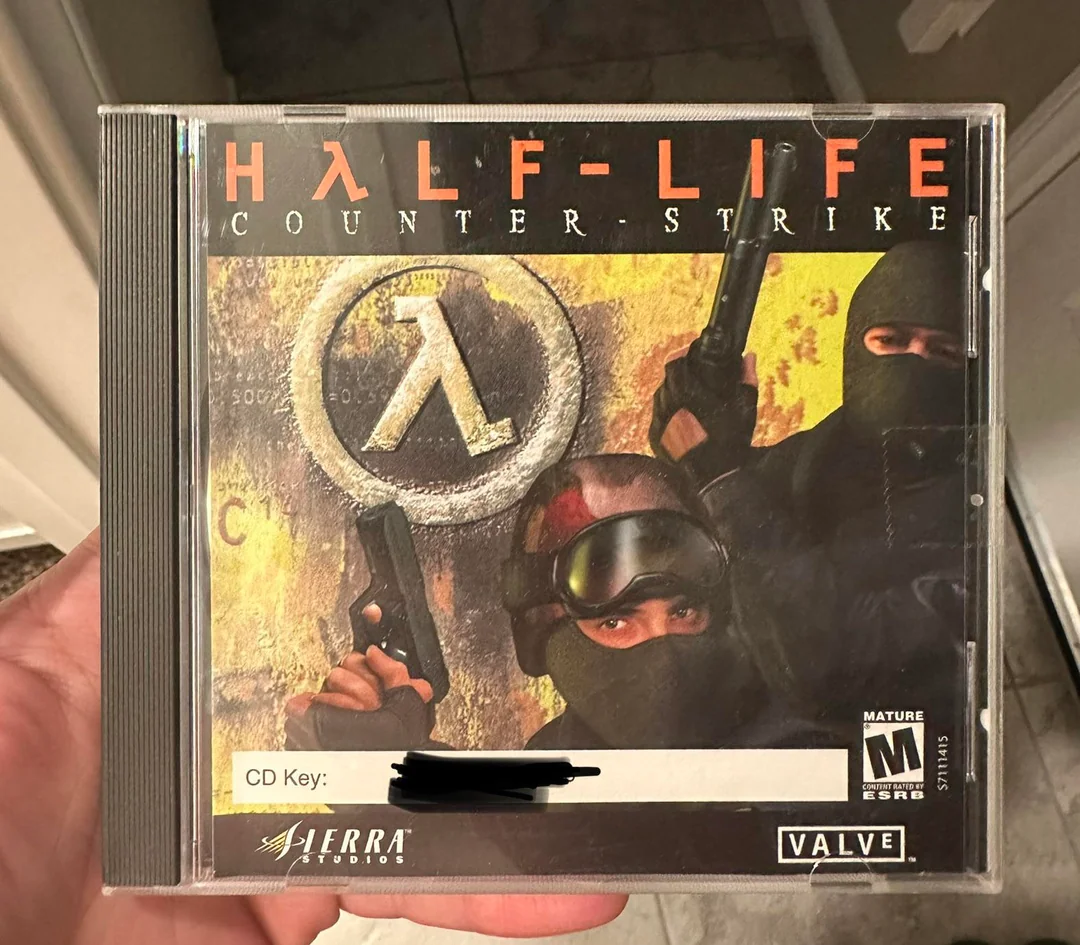
At first it was just a community project built on top of Half-Life. The tactical gameplay, short rounds, and tension between terrorists and counter terrorists quickly caught on. Within a few years Counter-Strike had gone from mod to one of the most recognizable competitive shooters in the world.
Xbox Live Makes Online Console Gaming Feel Normal (2002)
Before Xbox Live, playing online on consoles could feel like setting up a science project. Microsoft introduced a unified system with friends lists, voice chat, and matchmaking that simply worked. Once players experienced that convenience, there was no going back.
World of Warcraft Defines the MMO Boom (2004)
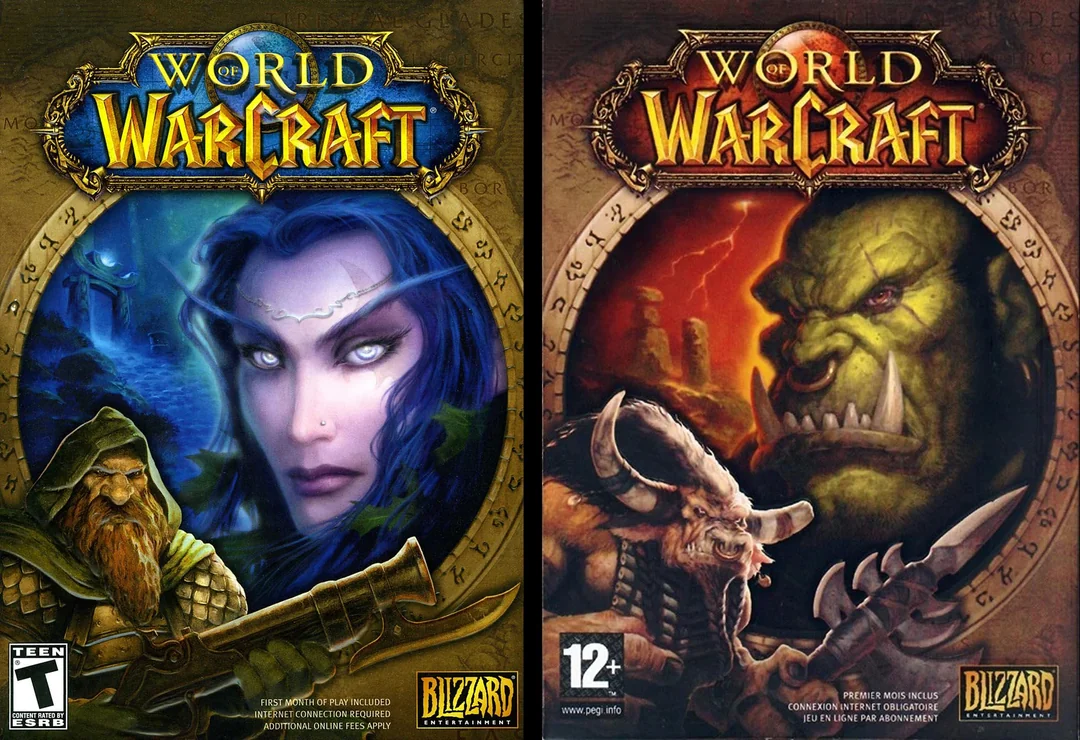
Massively multiplayer games already existed, but World of Warcraft made them easier to understand and far more welcoming. Quest design was clearer, the world felt alive, and suddenly millions of players were logging in every night. For a while it seemed like every studio wanted to build the next big MMO.
The Wii Expands Who Games Are For (2006)
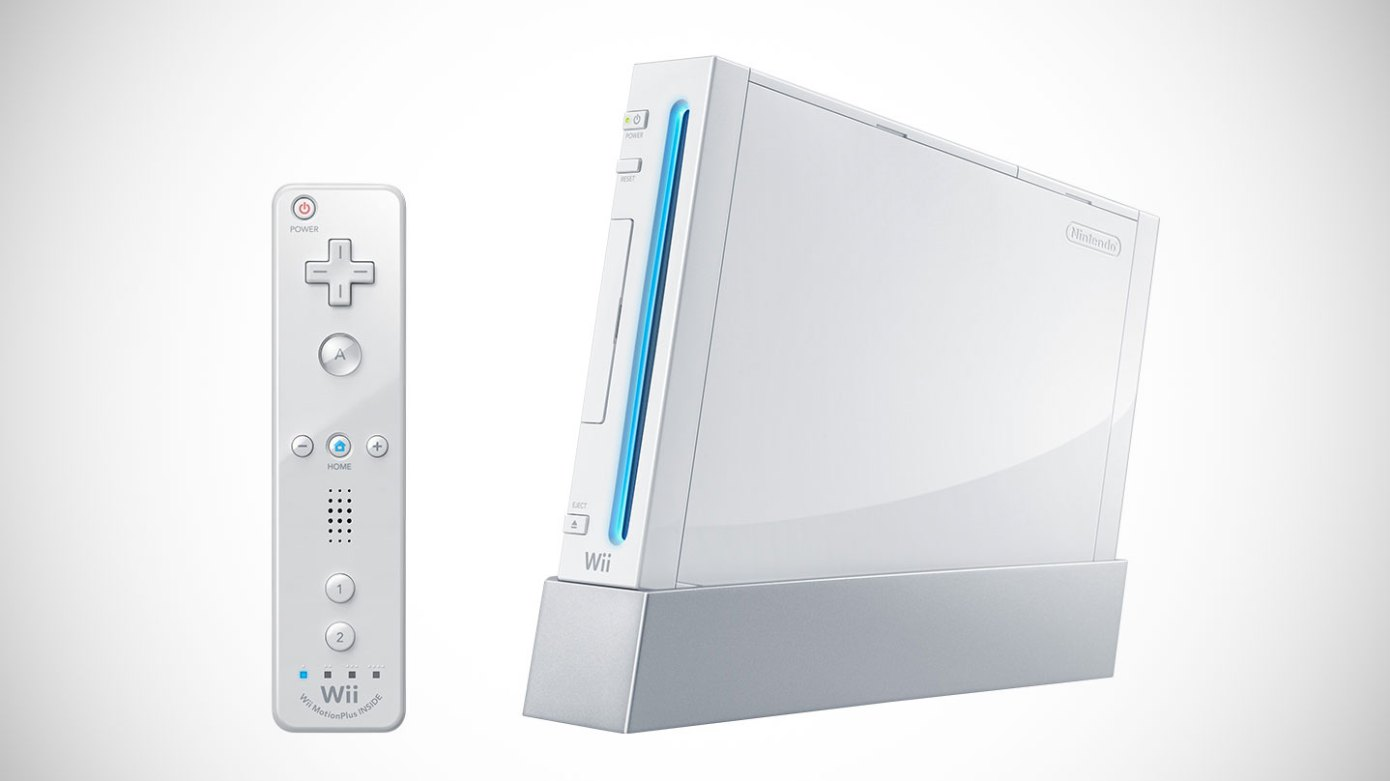
Nintendo did something unexpected with the Wii. Instead of chasing graphical power, the company focused on motion controls that anyone could understand in seconds. Living rooms filled with people swinging virtual tennis rackets and bowling balls, many of whom had never played games before.
Minecraft Turns Simple Blocks Into Endless Possibilities (2009)
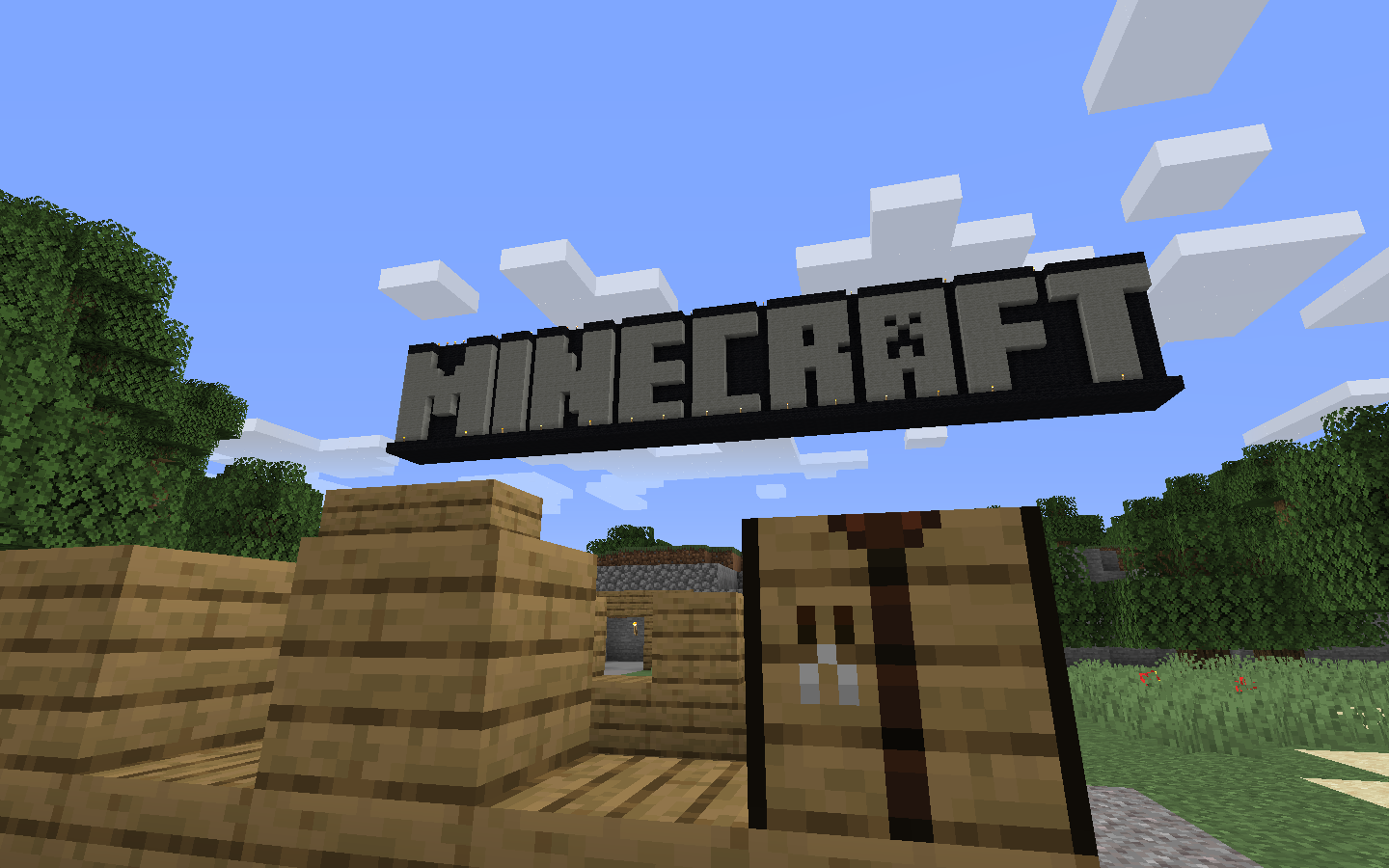
At first glance Minecraft looked rough and unfinished. The graphics were minimal, the goals were vague, and the world felt strangely quiet. Then players started building cities, machines, and entire servers full of communities.
League of Legends Pushes Esports Into Massive Arenas (2011)
Competitive gaming had been growing for years, but Riot built a structure around it with regional leagues and huge international events. The World Championship started drawing millions of viewers online and filling stadiums. For many people, it was the first time esports felt comparable to traditional sports broadcasts.
Digital Distribution Becomes the Default (Steam Era)
There was a time when installing a PC game meant juggling discs and serial keys. Platforms like Steam gradually made digital libraries normal. Sales events, automatic updates, and community features changed how players bought and discovered games.
Fortnite Becomes More Than a Game (2017)
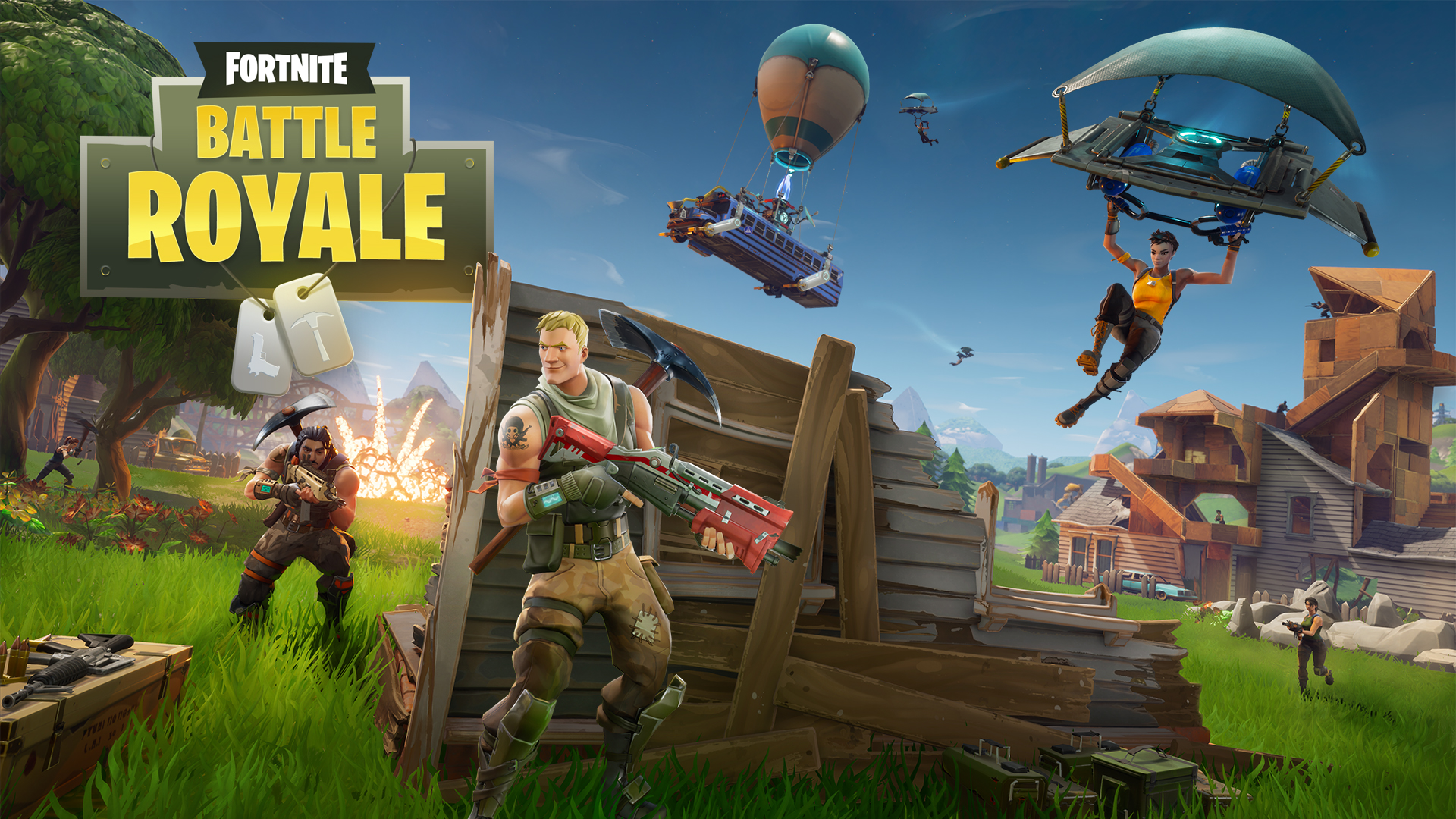
At some point Fortnite stopped being only a battle royale shooter. The game started hosting concerts, film promotions, and strange live events that unfolded inside the map. Logging in sometimes felt like attending a digital festival rather than just playing matches.
Twitch Turns Playing Games Into Live Entertainment

Watching games used to mean standing behind someone holding the controller. Streaming platforms changed that completely. Millions of viewers now spend evenings watching their favorite creators play, talk, and react in real time.
The Indie Boom Reshapes Expectations
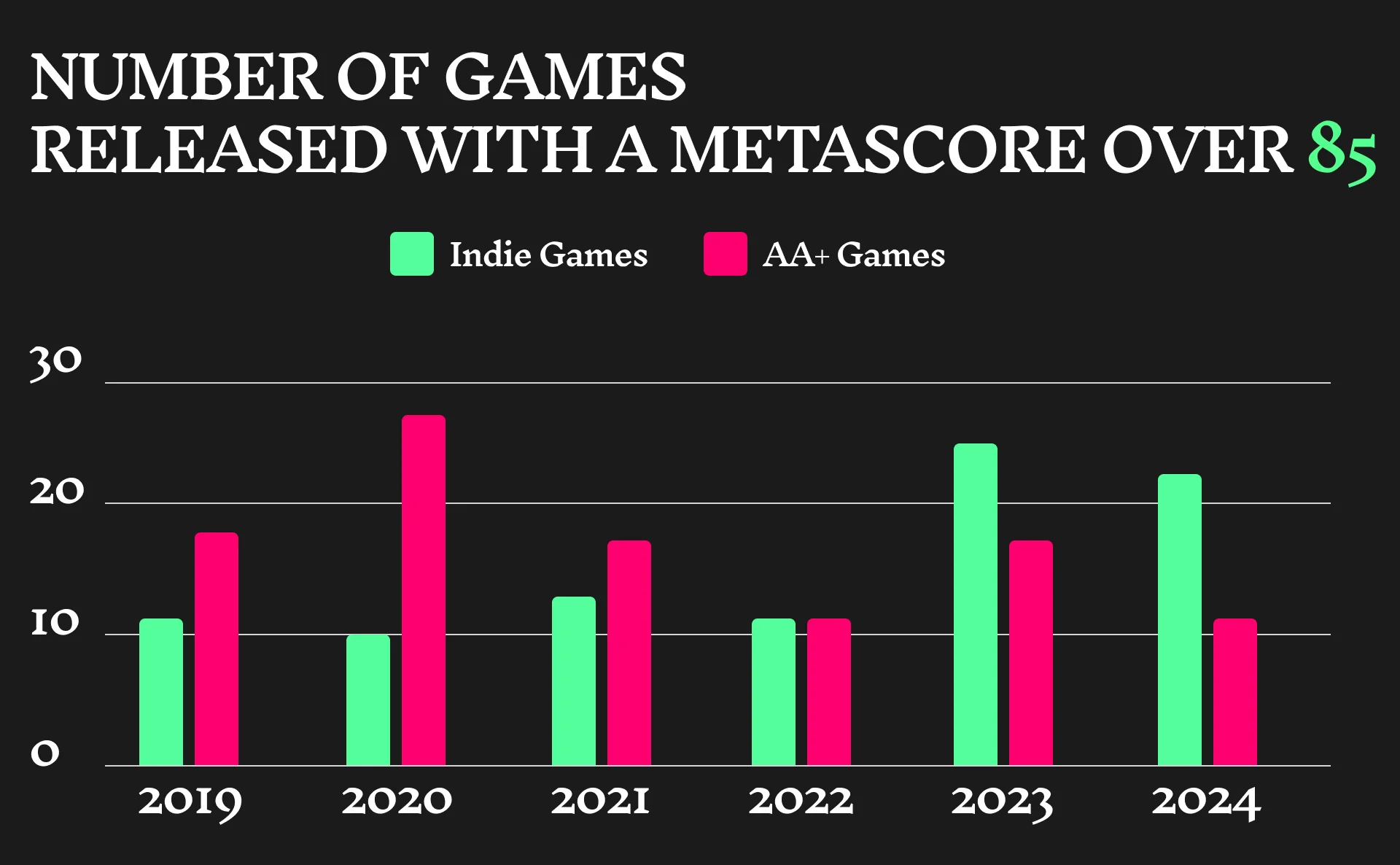
Smaller teams suddenly had the tools and distribution channels to reach huge audiences. Games like Stardew Valley, Undertale, and Hades showed that a handful of developers could create experiences that compete with major studios. Players started paying attention to ideas and creativity, not just budget.
Gaming history is full of these turning points, some obvious at the time, others only clear years later. A new console, a strange indie project, a multiplayer experiment that spreads through the community. Put enough of those moments together and the whole industry starts to look different.