Gaming prototypes are the closest thing the video game industry has to alternate timelines. Every now and then, a forgotten console, controller, or bizarre accessory resurfaces in a collector’s basement or a company archive, revealing what almost made it into gamers’ living rooms. Some of these ideas were years ahead of their time, others were simply too ambitious, and a few were just plain weird. Together, they tell the story of an industry built as much on canceled dreams as on blockbuster releases.
1. Xbox handheld prototype
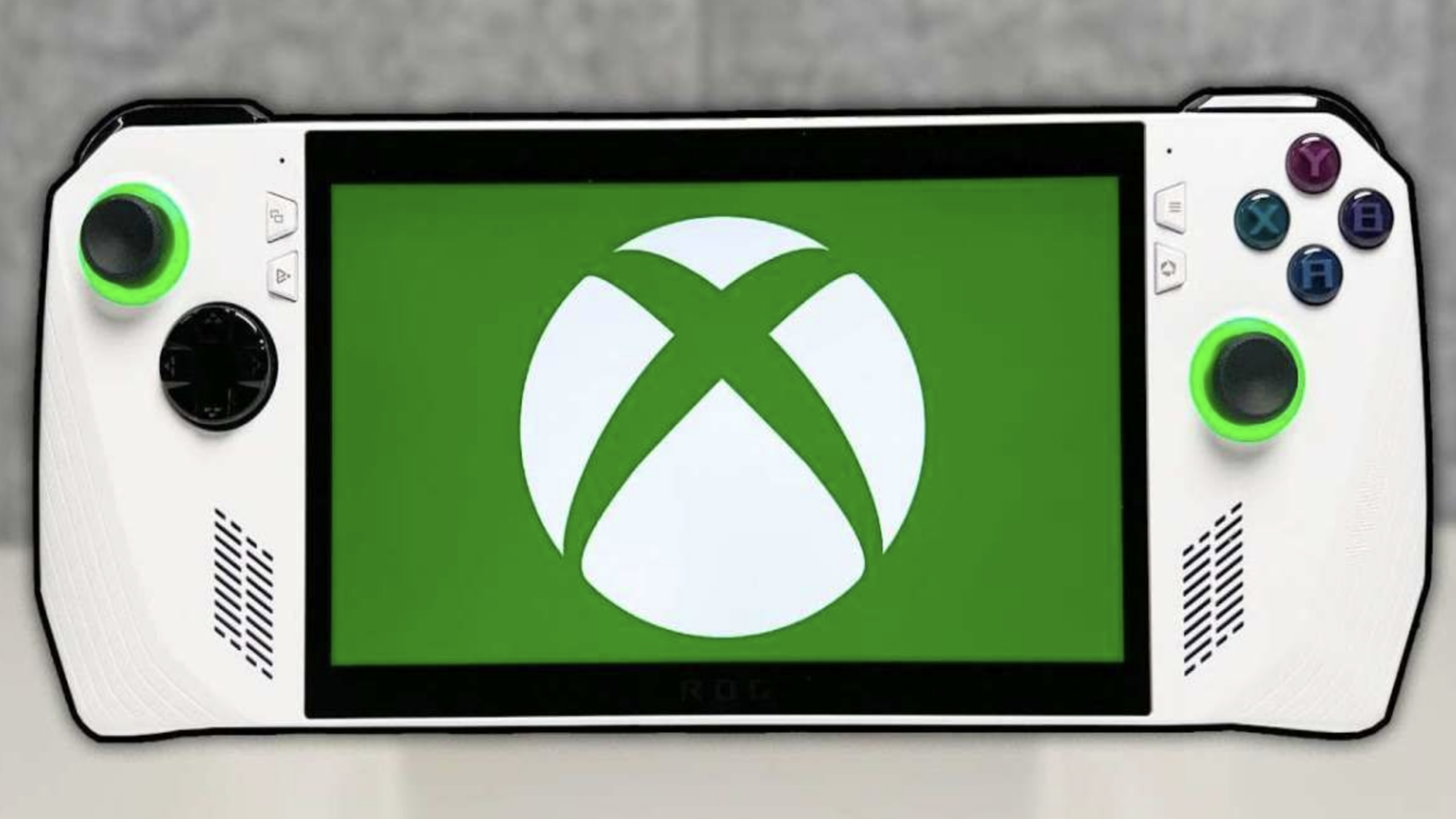
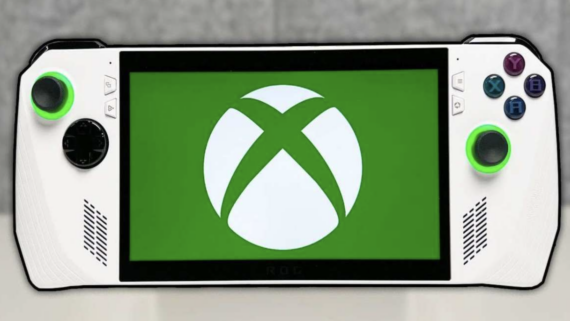
For years, Xbox fans wondered what a portable console from Microsoft might look like, and in 2024 that curiosity became reality when Xbox CEO Phil Spencer shared photos of an early handheld prototype from Microsoft’s archives. The compact device never reached production, but it offered a fascinating glimpse into an alternate future where Xbox could have entered the handheld market long before cloud gaming and devices like the Steam Deck took off. Although it remained little more than an internal concept, it’s still one of the most intriguing gaming prototypes Microsoft has ever revealed.
2. Nintendo SNES CD-ROM
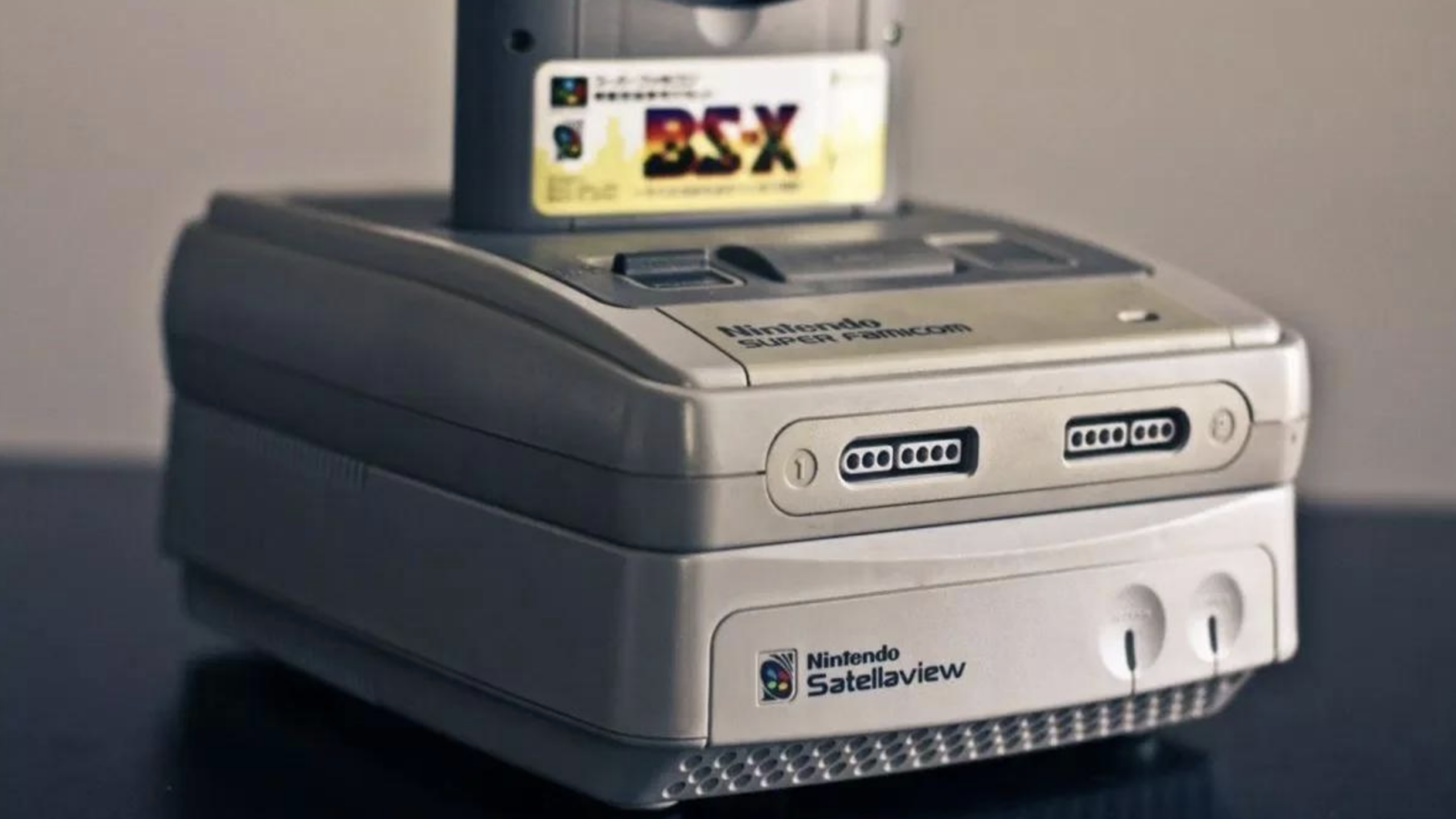
Long before the PlayStation became Sony’s biggest success story, Nintendo and Sony were working together on a CD-ROM add-on for the Super Nintendo. The partnership ultimately collapsed, the console was canceled, and the project became one of gaming’s greatest “what if” stories. Decades later, the discovery of a surviving prototype stunned collectors and historians, proving the system had actually existed. Among all the gaming prototypes ever uncovered, few have had a bigger impact on video game history than the console that accidentally helped pave the way for the original PlayStation.
3. Jaguar VR
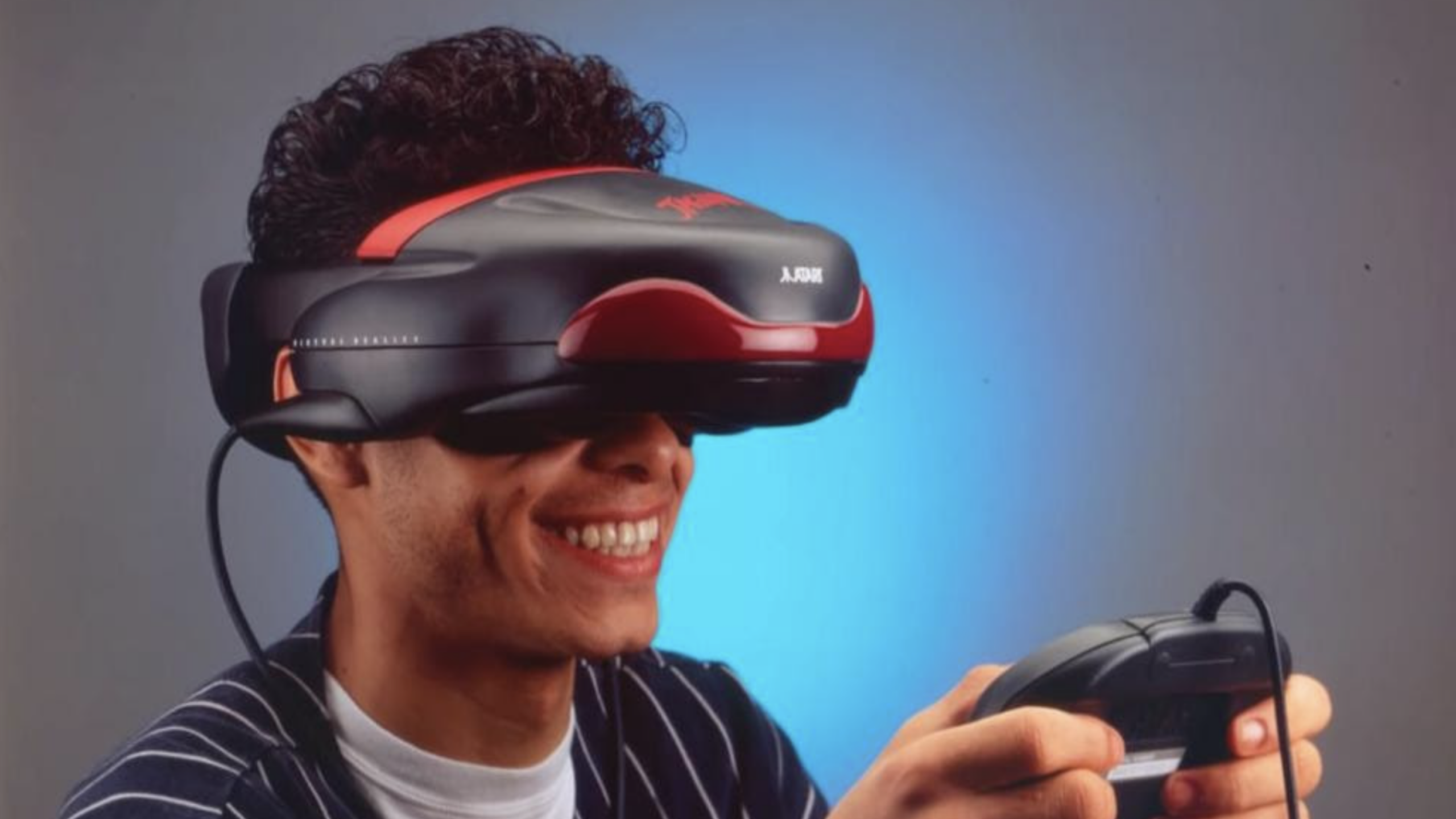
Virtual reality captured the imagination of the gaming industry long before the technology was ready for the mainstream, and Atari wanted to be part of that future. Designed as a headset for the Atari Jaguar, the Jaguar VR promised immersive 3D gaming years before Oculus or PlayStation VR entered the market. Prototype units were demonstrated at trade shows, but the project was ultimately canceled as Atari struggled financially and the Jaguar itself failed to gain traction. Today, the surviving headsets rank among the rarest gaming prototypes, offering a glimpse into a future that arrived decades later.
4. Atari Mindlink
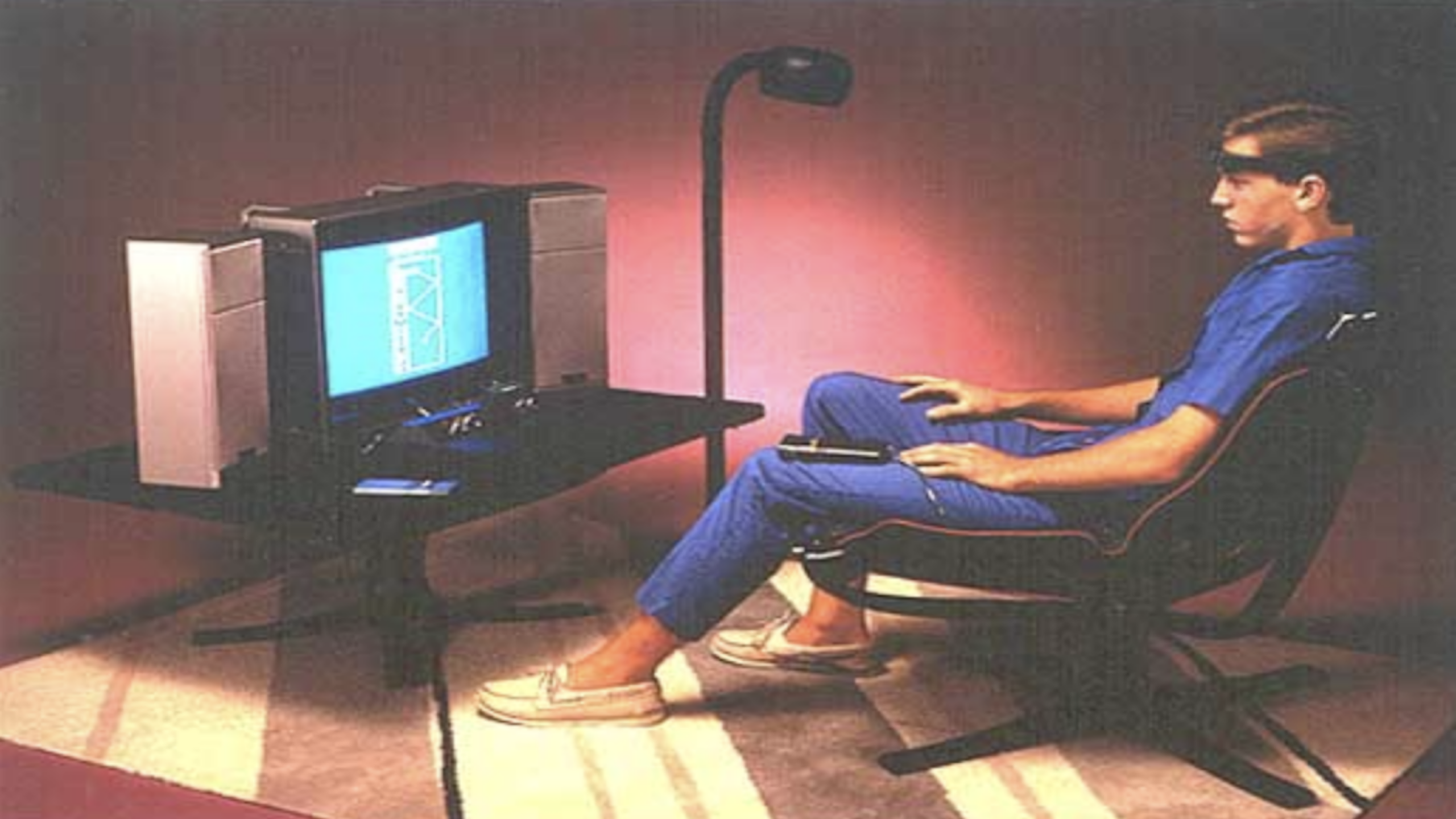
Forget buttons and thumbsticks. In the early 1980s, Atari experimented with the Mindlink, a futuristic controller that translated subtle forehead muscle movements into in-game actions. It sounded like something straight out of science fiction, but early testers found it uncomfortable, inaccurate, and even capable of causing headaches after extended use. Atari canceled the project before it ever reached store shelves, yet the bizarre device remains one of the most memorable gaming prototypes ever created because it attempted motion-free gaming decades before brain-computer interfaces became a serious area of research.
5. Konix Multisystem Was One of the Boldest Gaming Prototypes
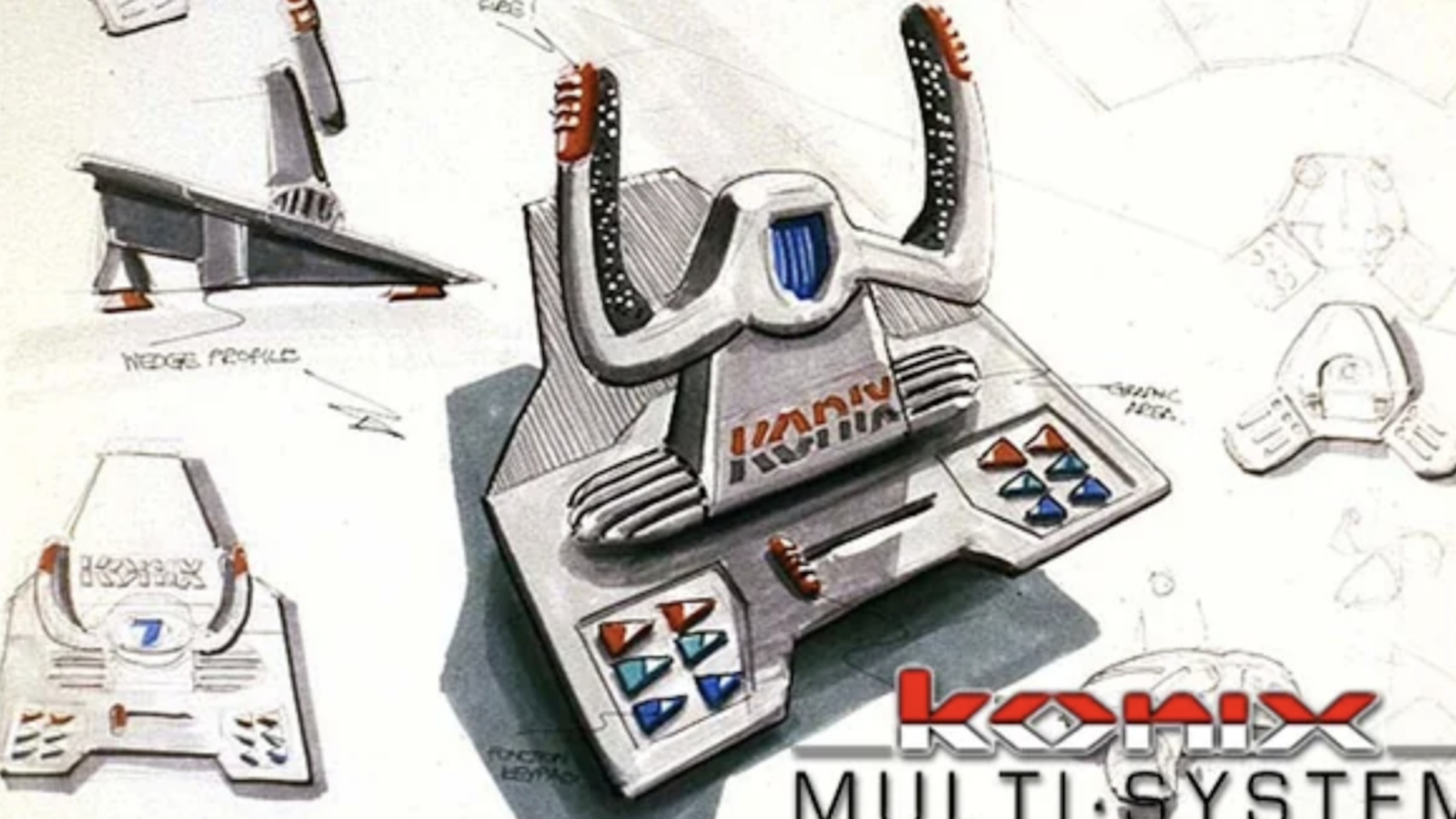
The Konix Multisystem looked unlike anything else being developed in the late 1980s. Its motorized cockpit-style controller was designed to tilt, vibrate, and physically move as players raced, flew, or battled on screen, making it feel years ahead of its time. Despite generating plenty of excitement and attracting support from well-known game developers, financial troubles brought the ambitious project to an end before it reached stores. Today, it remains one of the most fascinating gaming prototypes, proving that some of gaming’s biggest ideas arrived long before the technology or the market was ready.
Trending on realmoneygamer.com


6. Nintendo Advanced Video System (AVS)
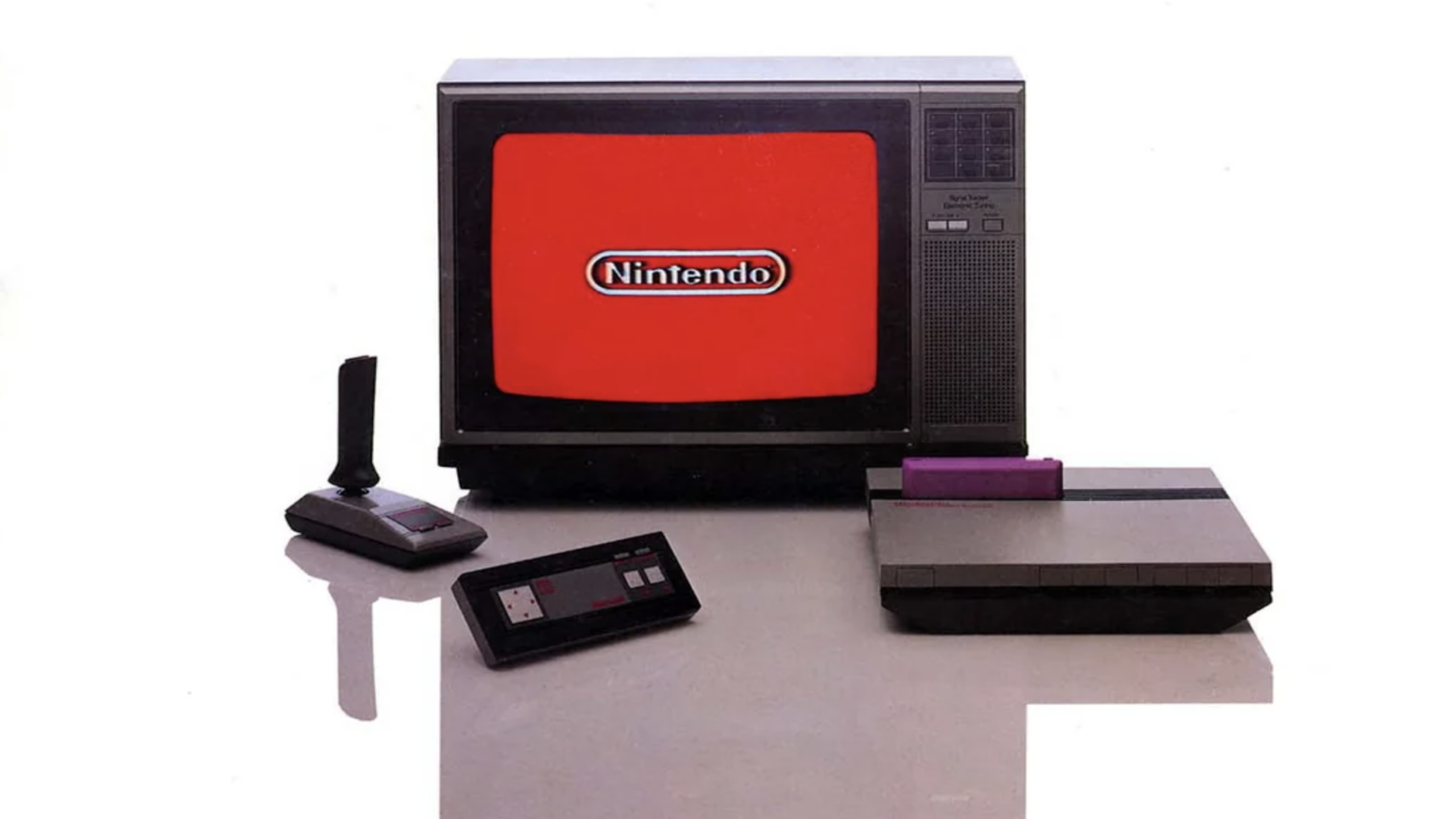
Before the Nintendo Entertainment System became a household name, Nintendo introduced the Advanced Video System, or AVS, at the 1985 Consumer Electronics Show. Unlike the NES that players eventually brought home, the AVS looked more like a futuristic computer, complete with a wireless controller, keyboard, cassette drive, and several ambitious accessories. Retailers weren’t convinced, prompting Nintendo to completely redesign the console before its official launch. Although the AVS never reached store shelves, it remains one of the most influential canceled console concepts in gaming history because it represents the version of Nintendo’s biggest success that almost was.
7. Atari Cosmos
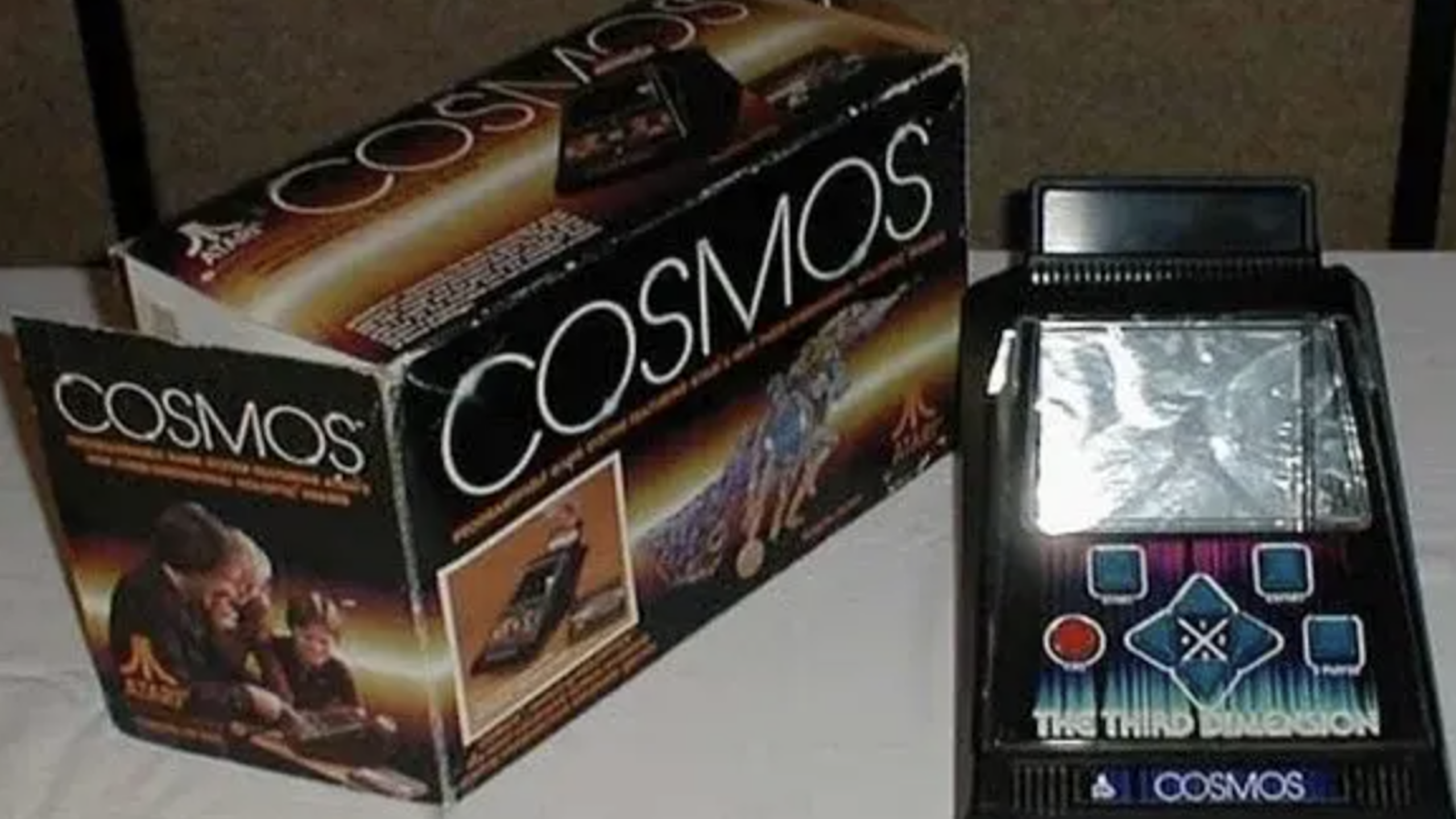
Years before CDs and cartridges became the standard, Atari experimented with a console that used holographic overlays to create the illusion of depth on the screen. The Atari Cosmos looked incredibly futuristic for the early 1980s, but the technology was mostly cosmetic and failed to convince retailers or company executives. Only a handful of working prototypes were ever produced before the project was canceled. Today, the Atari Cosmos is one of the most sought-after pieces of gaming history, offering a fascinating glimpse into an alternate direction the industry almost took.
8. Panasonic M2
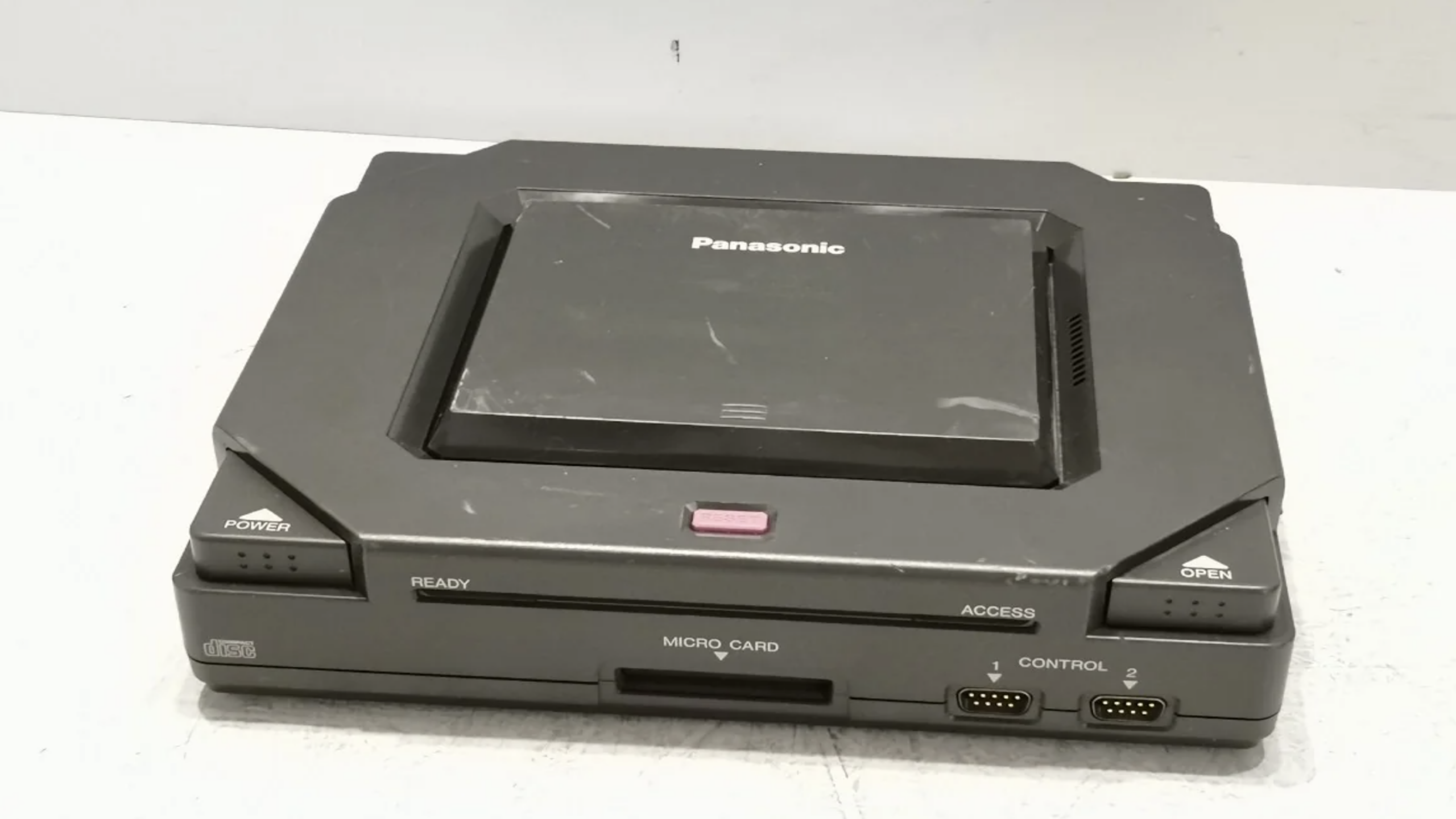
The Panasonic M2 looked ready to become the next major leap in home gaming after the success of the 3DO. Early demonstrations highlighted powerful 3D capabilities and hardware that promised to outperform many of its competitors in the mid-1990s. Despite years of development and working prototypes shown behind closed doors, Panasonic canceled the project before it ever reached consumers, deciding the rapidly changing console market was simply too competitive. Surviving units have since become prized collector’s items, offering a rare look at one of gaming’s biggest missed opportunities.
9. Sega Neptune
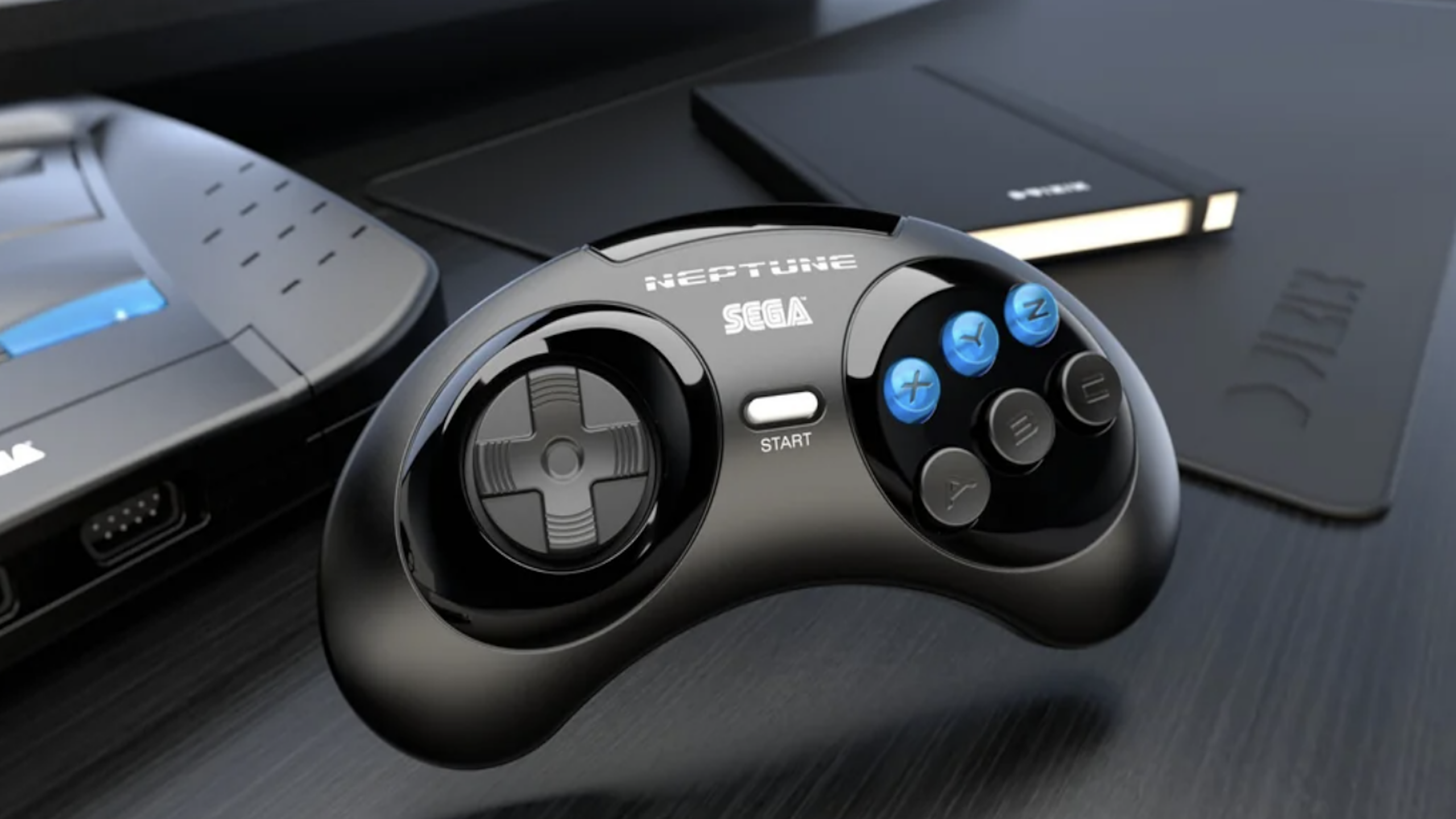
The Sega Neptune was supposed to combine the Sega Genesis and the 32X into a single console, eliminating the need for the bulky add-on that many players had skipped. Announced in the mid-1990s, it reached the prototype stage just as Sega shifted its focus to the upcoming Saturn, leaving the project without a future. Only a few prototype units are known to exist today, making the Neptune one of the company’s rarest canceled consoles and a fascinating reminder of Sega’s chaotic hardware strategy during one of the most competitive eras in gaming.
10. Atari Panther
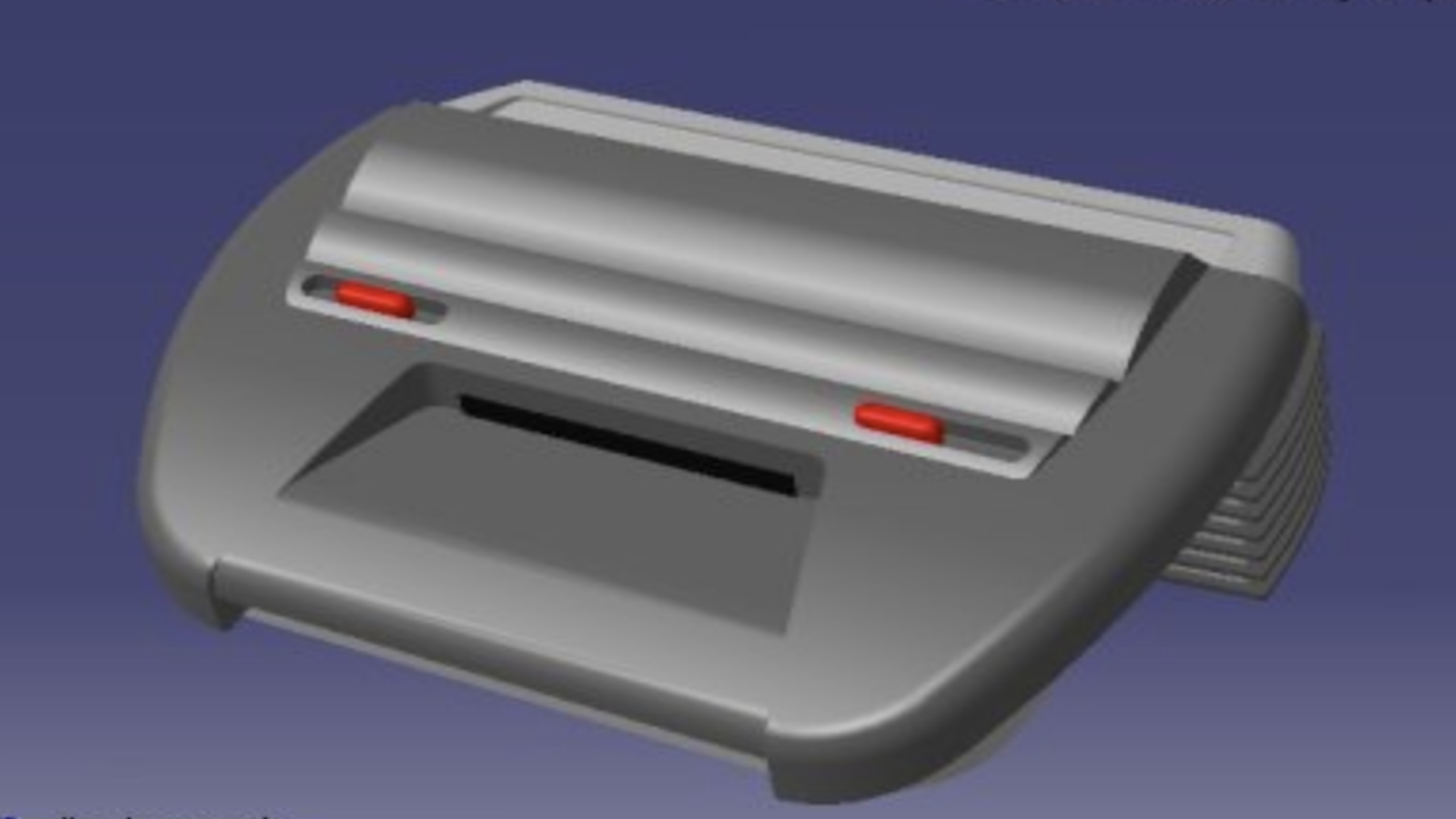
Before the Atari Jaguar became the company’s flagship console, Atari had an entirely different system in the works. The Atari Panther was announced in 1991 as a powerful 32-bit machine designed to compete with Sega and Nintendo, but development was abandoned when Atari shifted its resources toward the more ambitious Jaguar. Although the console never reached store shelves, several prototype units and development hardware have survived, making it one of the most fascinating gaming prototypes ever developed by Atari.
11. Wii Vitality Sensor
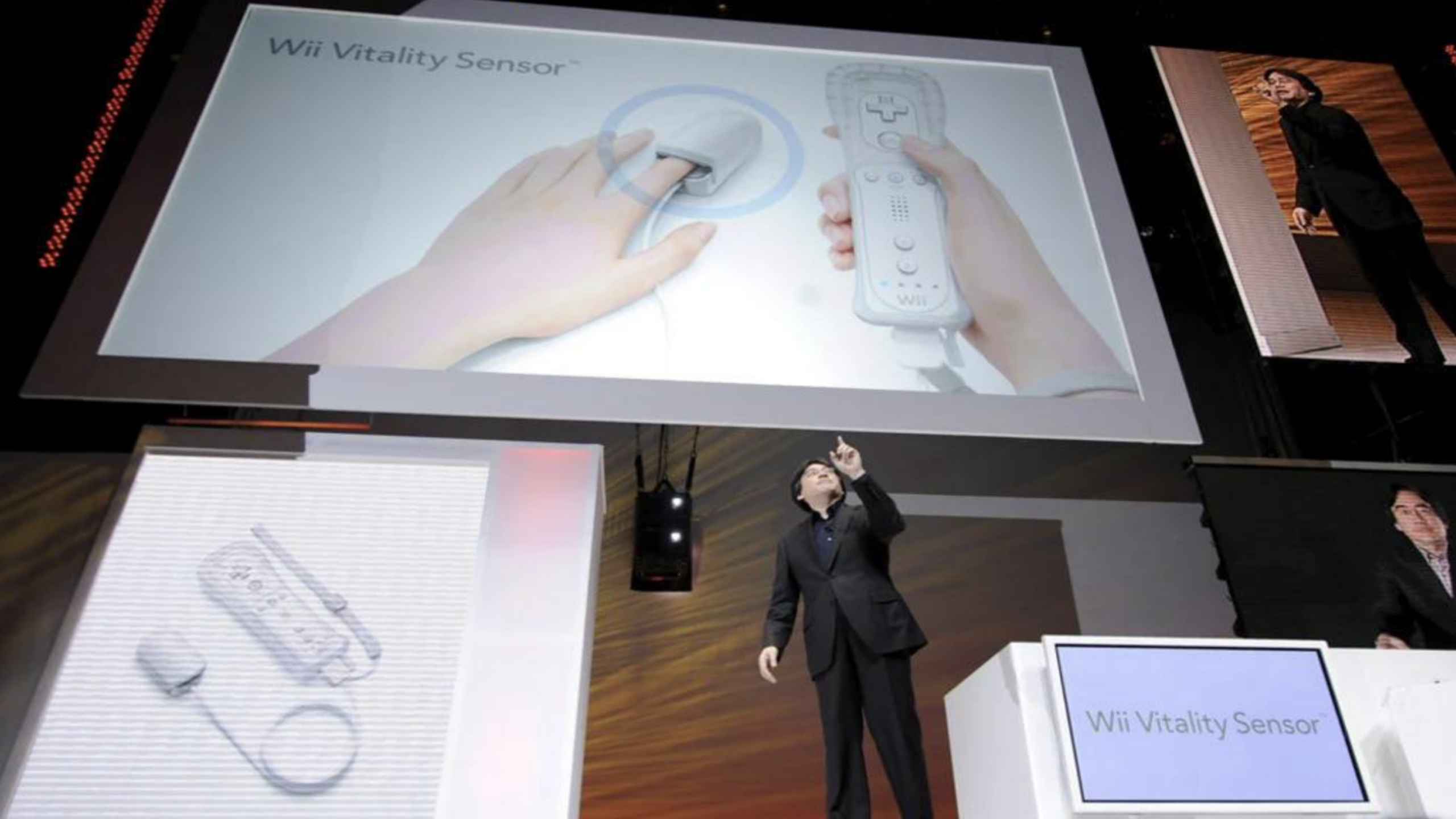
Nintendo surprised everyone at E3 2009 by unveiling the Wii Vitality Sensor, a small fingertip device designed to measure a player’s pulse and stress levels. The company imagined games that could respond to a person’s emotional state, turning relaxation and breathing exercises into part of the gameplay experience. Despite the ambitious concept and years of public curiosity, the accessory quietly disappeared before reaching stores. It remains one of Nintendo’s most memorable gaming prototypes, showing just how willing the company was to experiment with ideas that felt far ahead of their time.
12. Xbox Keystone
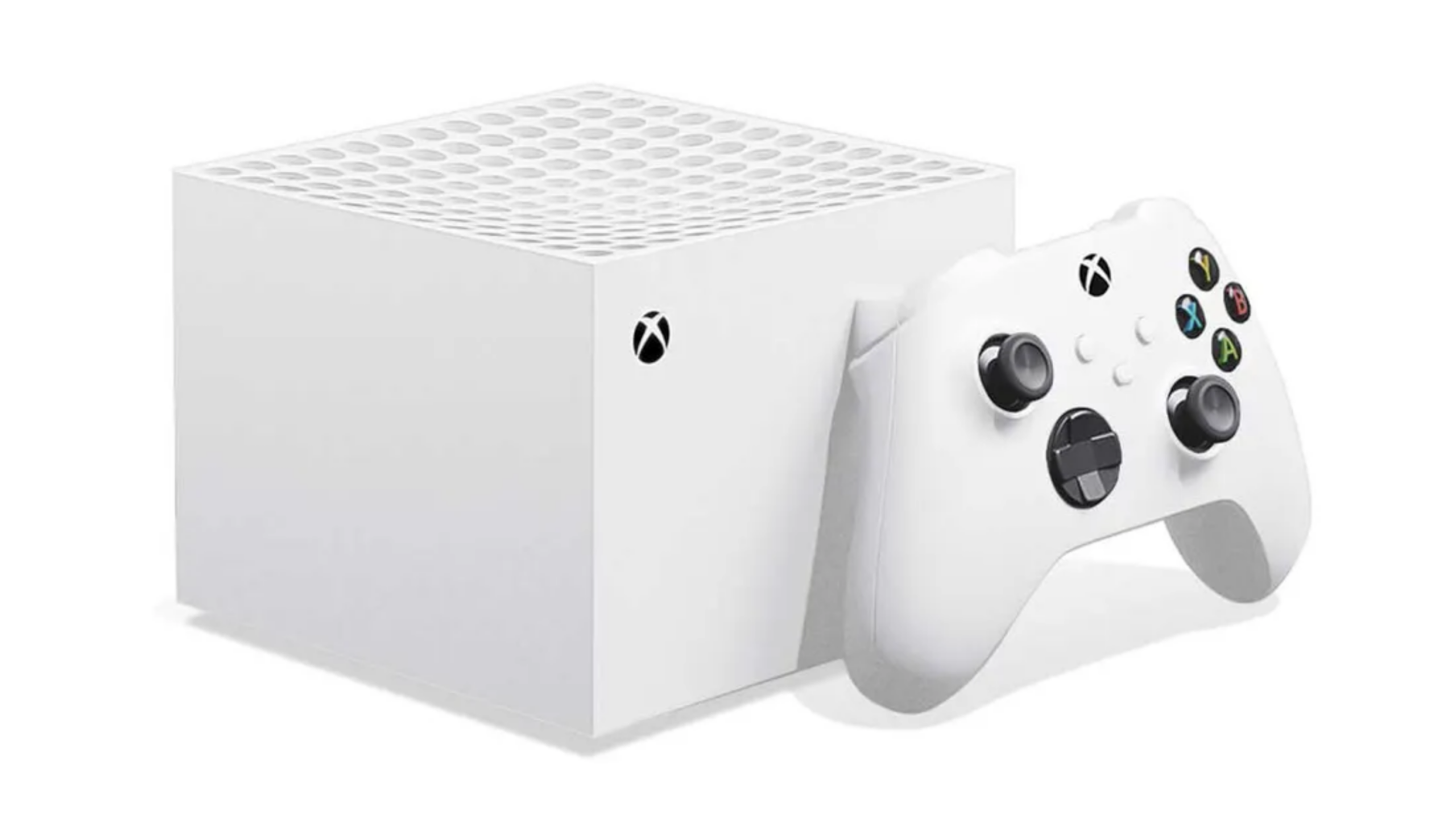
Cloud gaming inspired Microsoft to rethink what an Xbox console could be, leading to the development of Xbox Keystone, a compact streaming device designed to play Xbox Game Pass titles without the need for a traditional console. Microsoft even revealed photos of the prototype, confirming that the project had reached an advanced stage before being canceled because it couldn’t hit the company’s target price. Even without a commercial release, Xbox Keystone remains one of the most interesting gaming prototypes, offering a glimpse into an alternate future where Xbox hardware could have fit in the palm of your hand.
13. PS3 Boomerang Controller
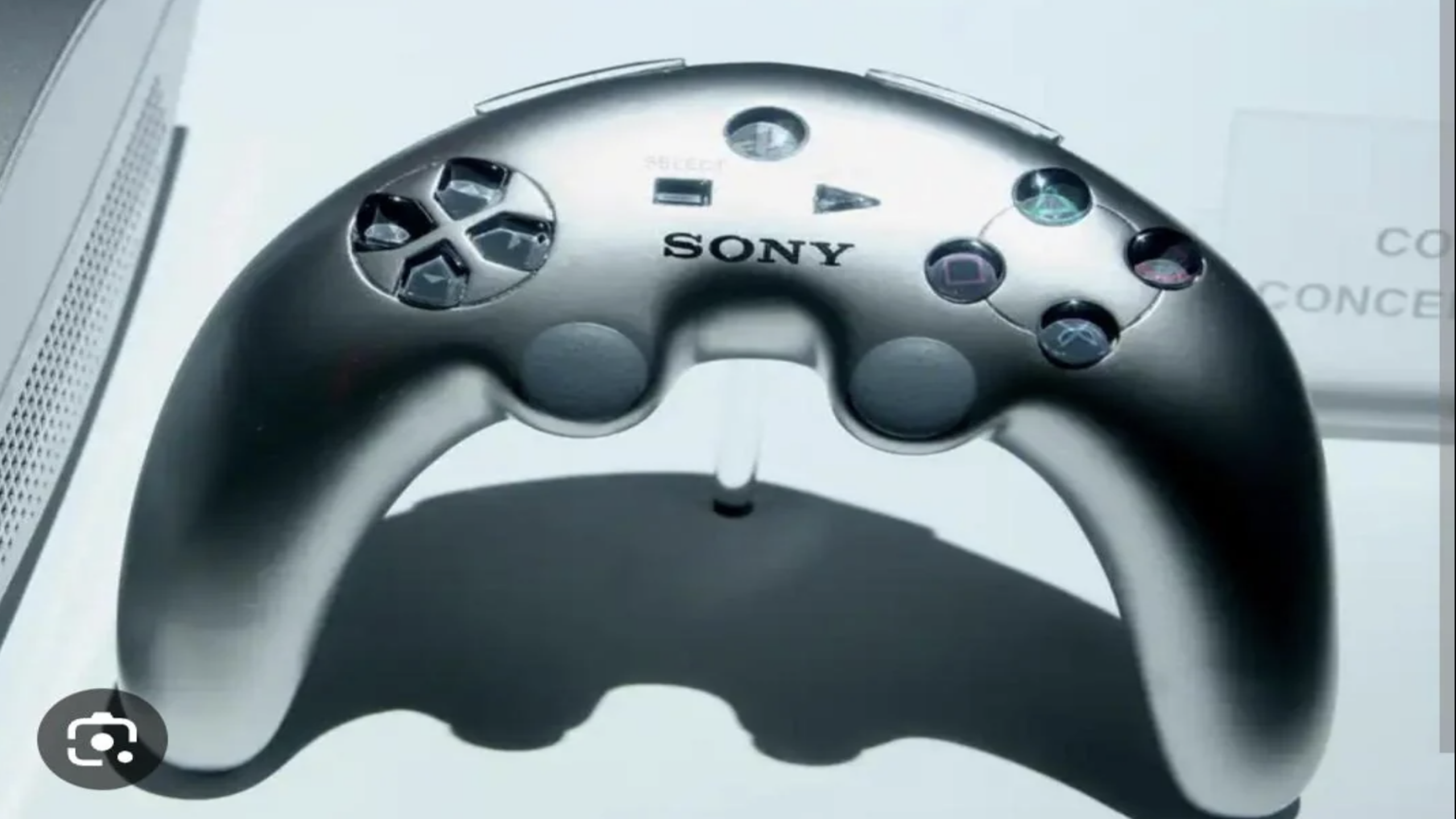
Before the PlayStation 3 hit store shelves, Sony introduced a controller that immediately became one of the most talked-about pieces of hardware at E3 2005. Nicknamed the Boomerang Controller because of its unusual curved shape, the design looked radically different from the familiar DualShock layout that players had known for years. The reaction from fans was overwhelmingly negative, and Sony ultimately abandoned the concept in favor of a redesigned controller that evolved into the Sixaxis. Even though it never became a retail product, the Boomerang Controller remains one of the most recognizable gaming prototypes from the PlayStation era.
14. Sega Pluto
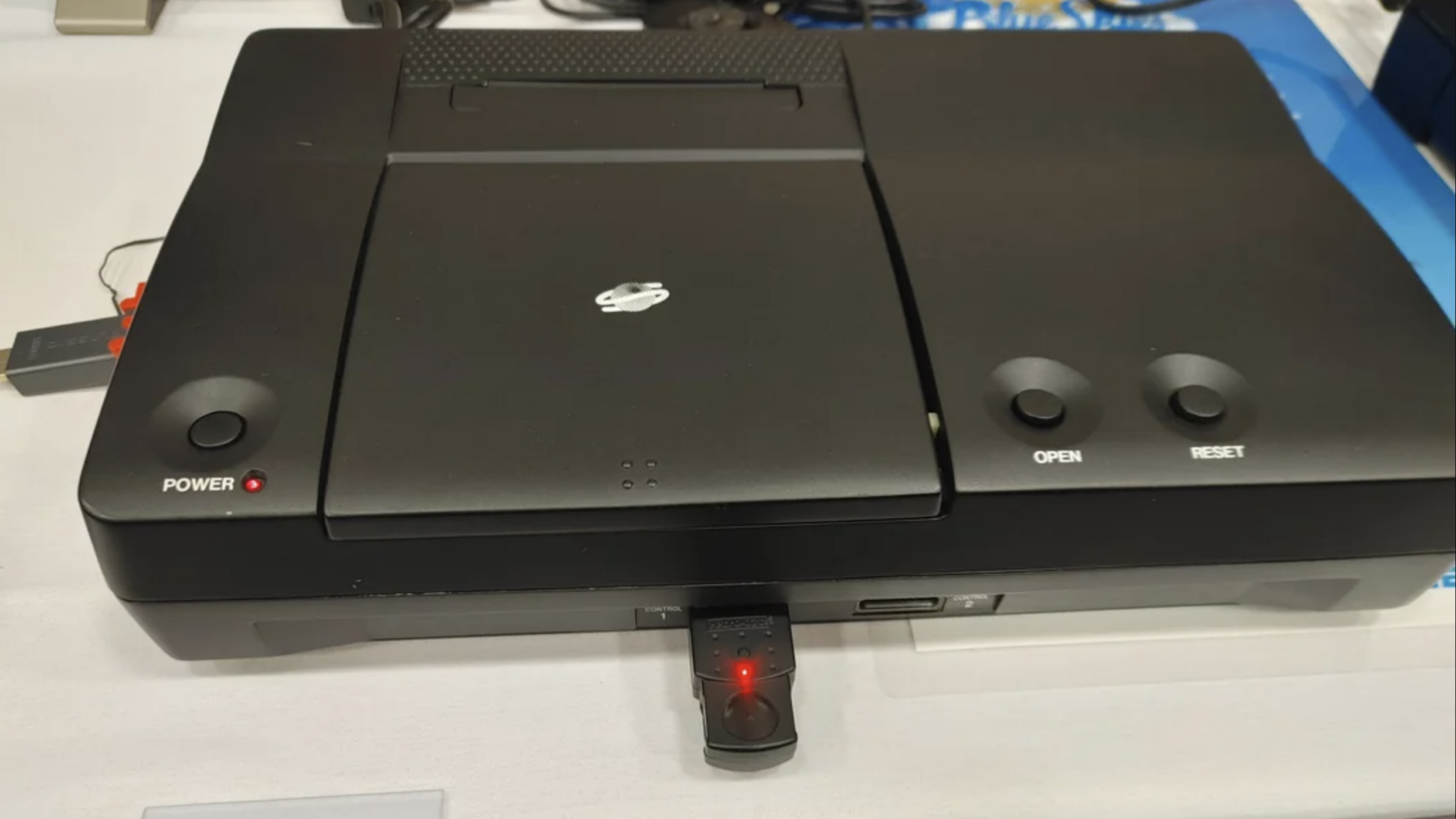
As Sega searched for ways to extend the life of the Sega Saturn, the company developed the Sega Pluto, a prototype that combined the console with a built-in NetLink modem for online gaming. At a time when internet play was still in its infancy, the idea felt remarkably forward-thinking. Only two working prototypes are known to exist today after the project was quietly canceled before production began. Because of its extreme rarity and unique place in Sega’s history, the Pluto has become one of the most coveted gaming prototypes among collectors.
15. Nintendo PlayStation
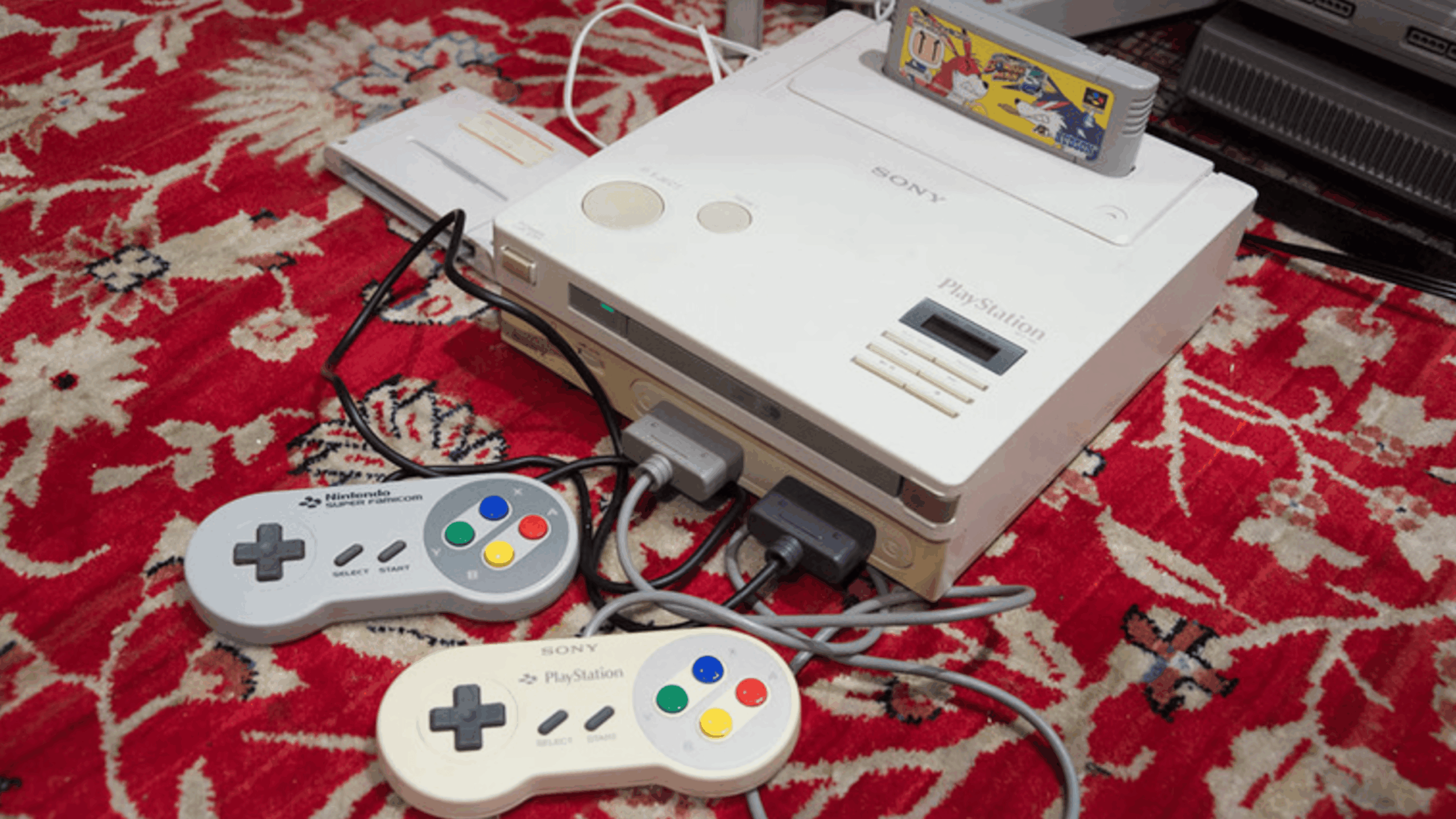
Few canceled consoles have achieved legendary status quite like the Nintendo PlayStation. Originally developed as a partnership between Nintendo and Sony, the system was designed to combine Super Nintendo cartridges with a built-in CD-ROM drive, promising a major leap forward for home gaming.
The collaboration collapsed before the console could be released, sending both companies down completely different paths and eventually leading to the birth of the original PlayStation. Only a handful of prototypes survived, making it the holy grail of gaming prototypes and one of the most important “what if” stories in video game history.