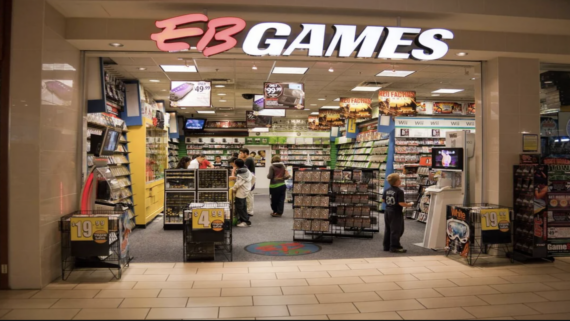
Gaming stores in the 90s felt like stepping into another world. Before downloads, before digital libraries, before everything became instant, these places were where the magic happened. You didn’t just buy games, you discovered them, stared at covers for way too long, and sometimes left with something completely random just because the box looked cool. There was always that one section you went straight to, that one employee who knew everything, and that one game you couldn’t afford but kept checking every time. These stores weren’t just shops, they were part of growing up as a gamer.
1. Blockbuster Video (Game Rental Section)
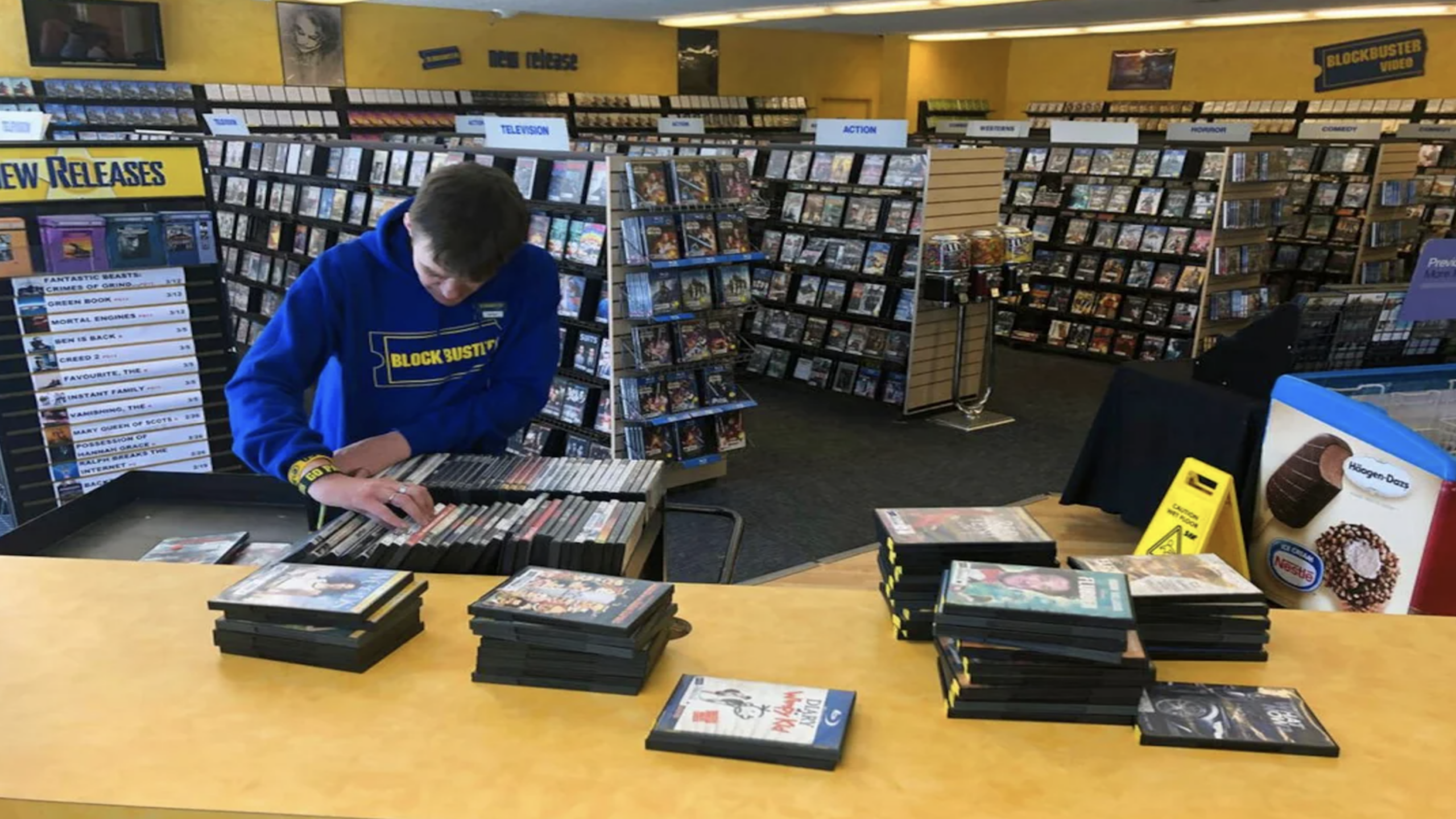
Not technically a game store, but it felt like one of the most iconic gaming stores of the era. Renting a game for the weekend felt like a high-stakes decision, especially knowing you had limited time to beat it.
2. Electronics Boutique (EB Games)
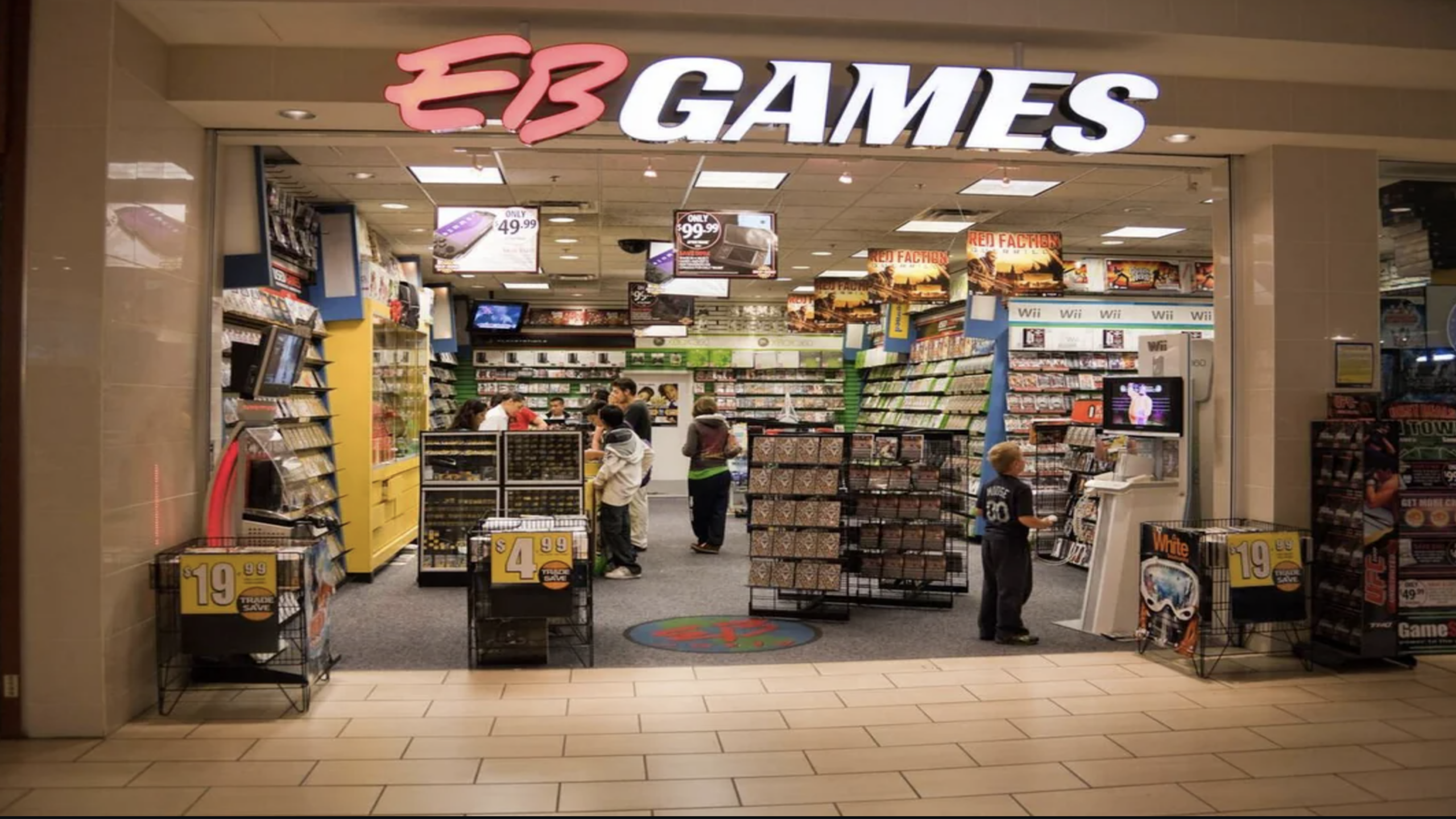
Before GameStop took over, this was the place to browse new releases. Glass counters, stacked shelves, and that constant feeling of wanting everything in sight.
3. Gaming Stores: Toys “R” Us (Gaming Aisle)
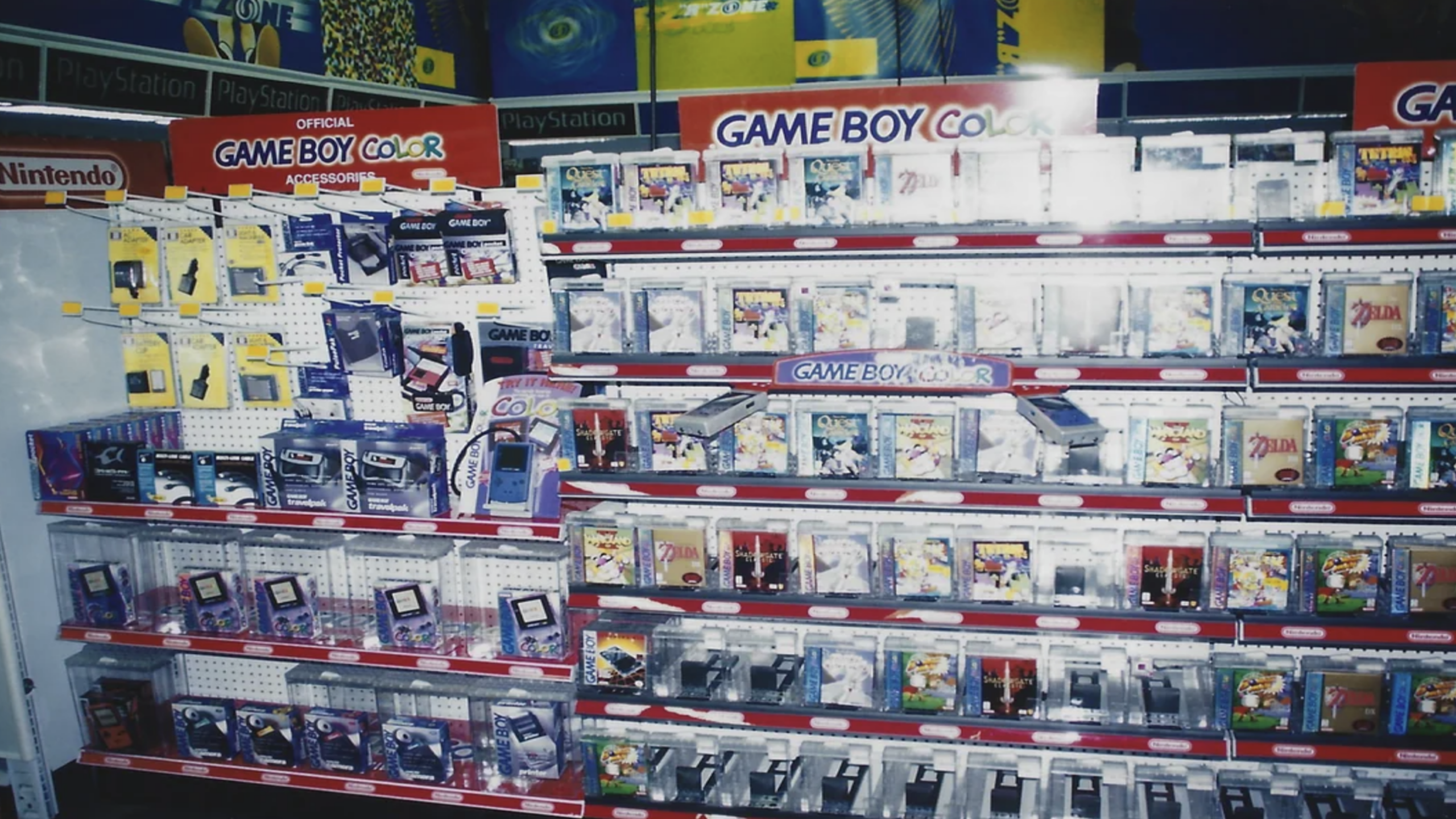
Picking up a ticket instead of the actual game made it feel like you were unlocking something special. Among all gaming stores, this one had its own unique ritual.
4. Local Game Rental Shops
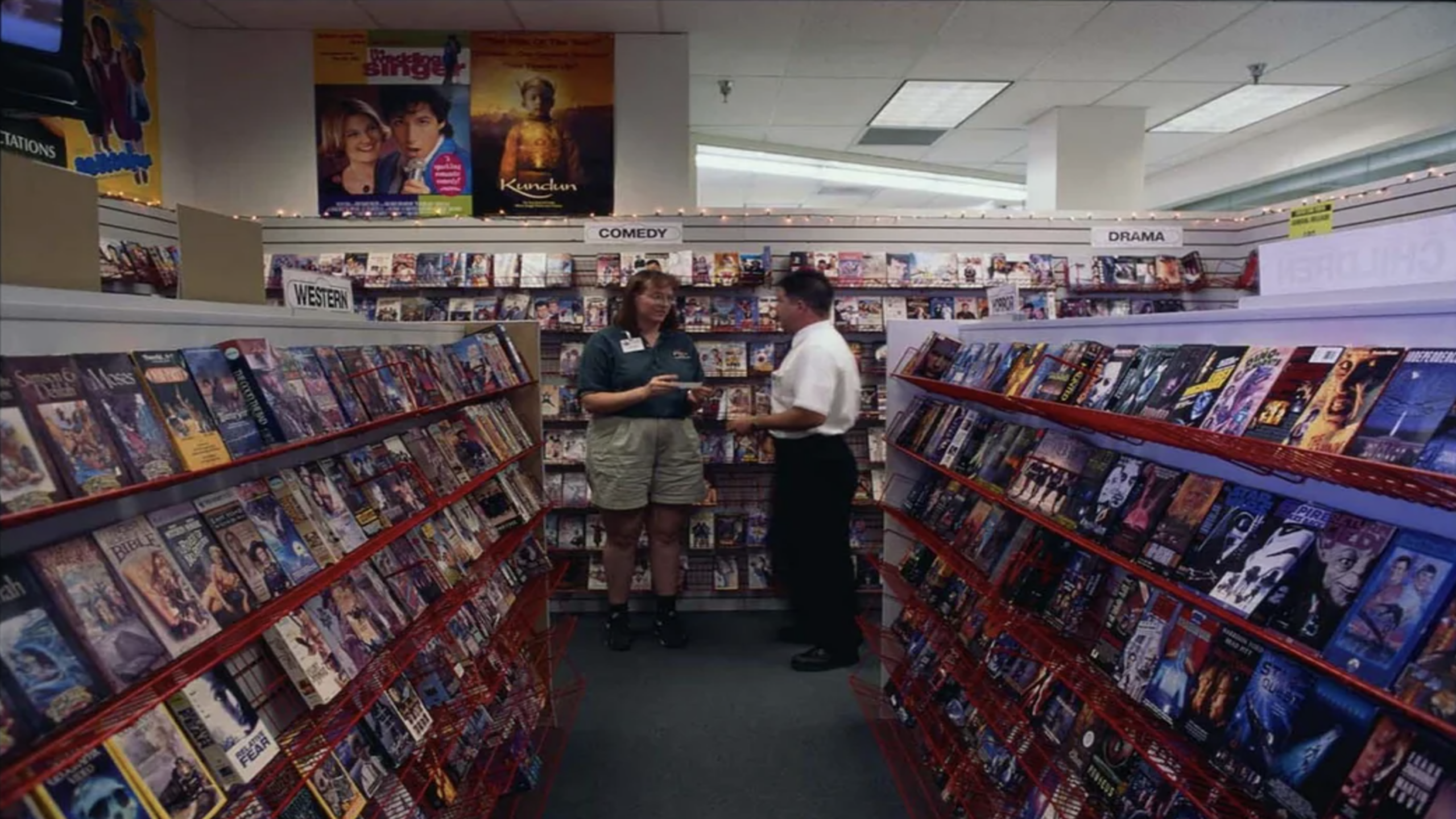
Every neighborhood had one. Slightly chaotic, sometimes with handwritten labels, but always full of surprises you wouldn’t find anywhere else.
5. Wegmans Video Rental Section (90s)
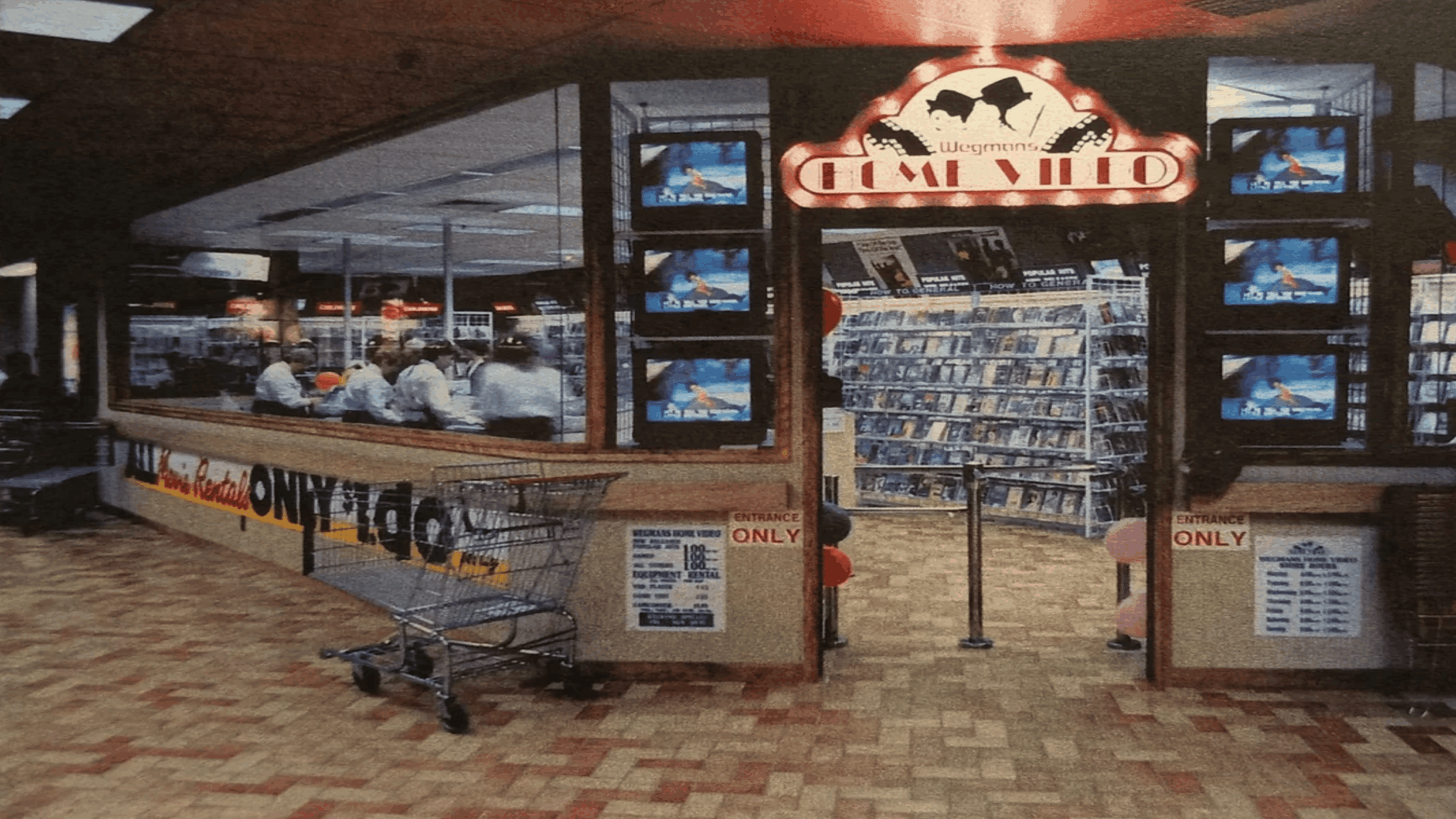
It sounds strange now, but in the 90s some Wegmans locations had full video rental sections tucked inside the store, mixing groceries with VHS tapes and video games like it was the most normal thing in the world. You could walk in for snacks and leave with a movie or a game for the weekend, no separate trip needed.
Trending on realmoneygamer.com
6. GameStop (Early 2000s Transition Era)
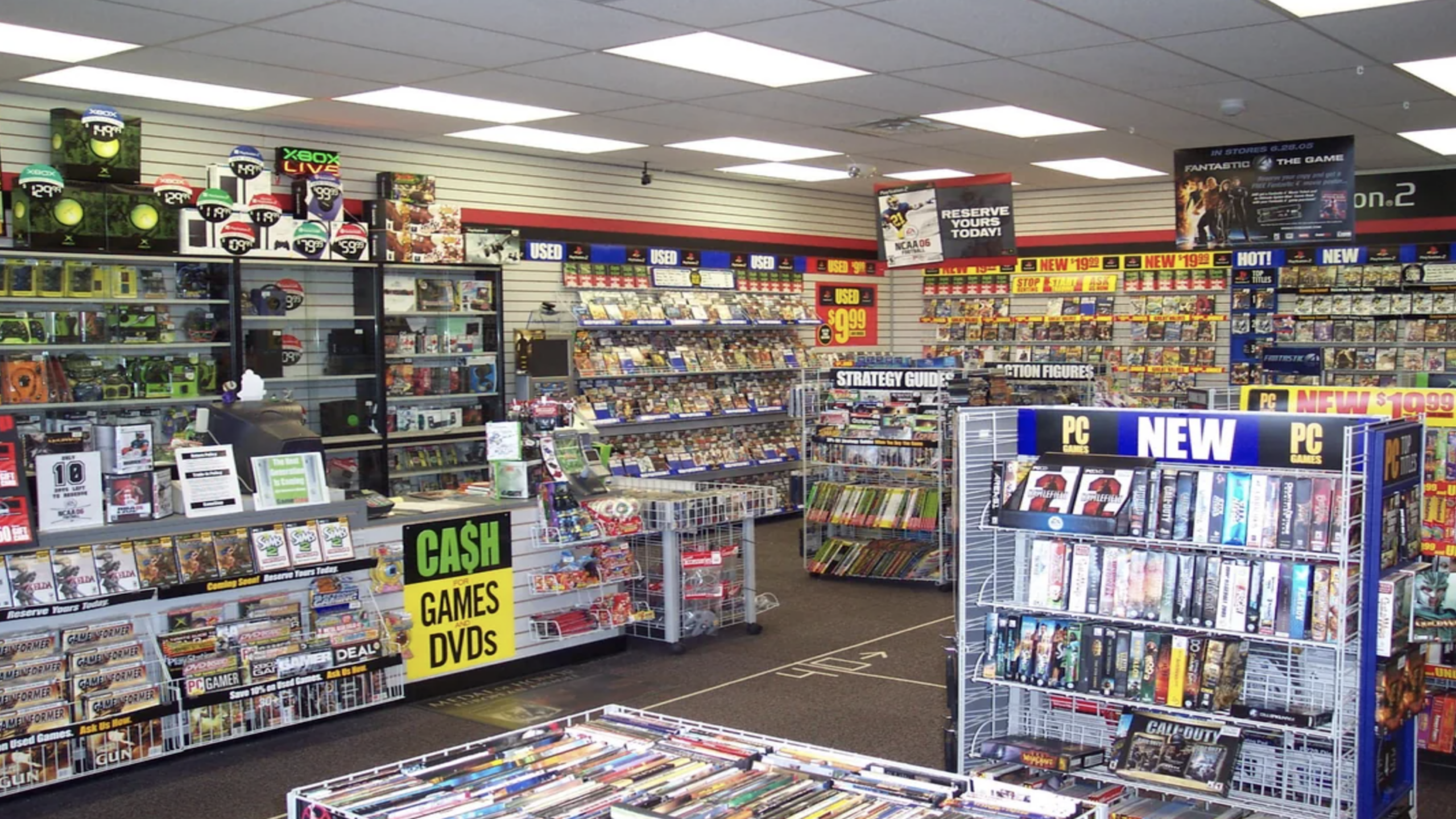
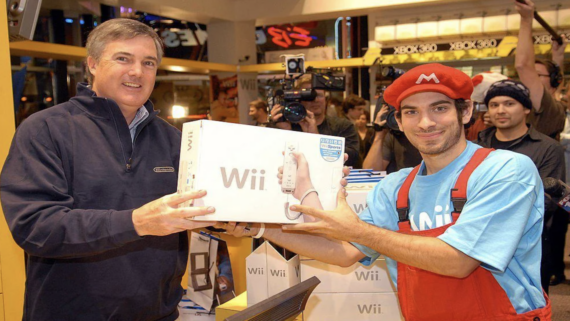
As it started expanding, it became one of the dominant gaming stores, introducing trade-ins and used games into everyday gaming culture. Suddenly, bringing in your old titles to get credit toward something new became part of the routine. It changed how people interacted with their collections, turning games into something you could constantly cycle instead of just keep.
7. Sega World Stores (Japan & UK)
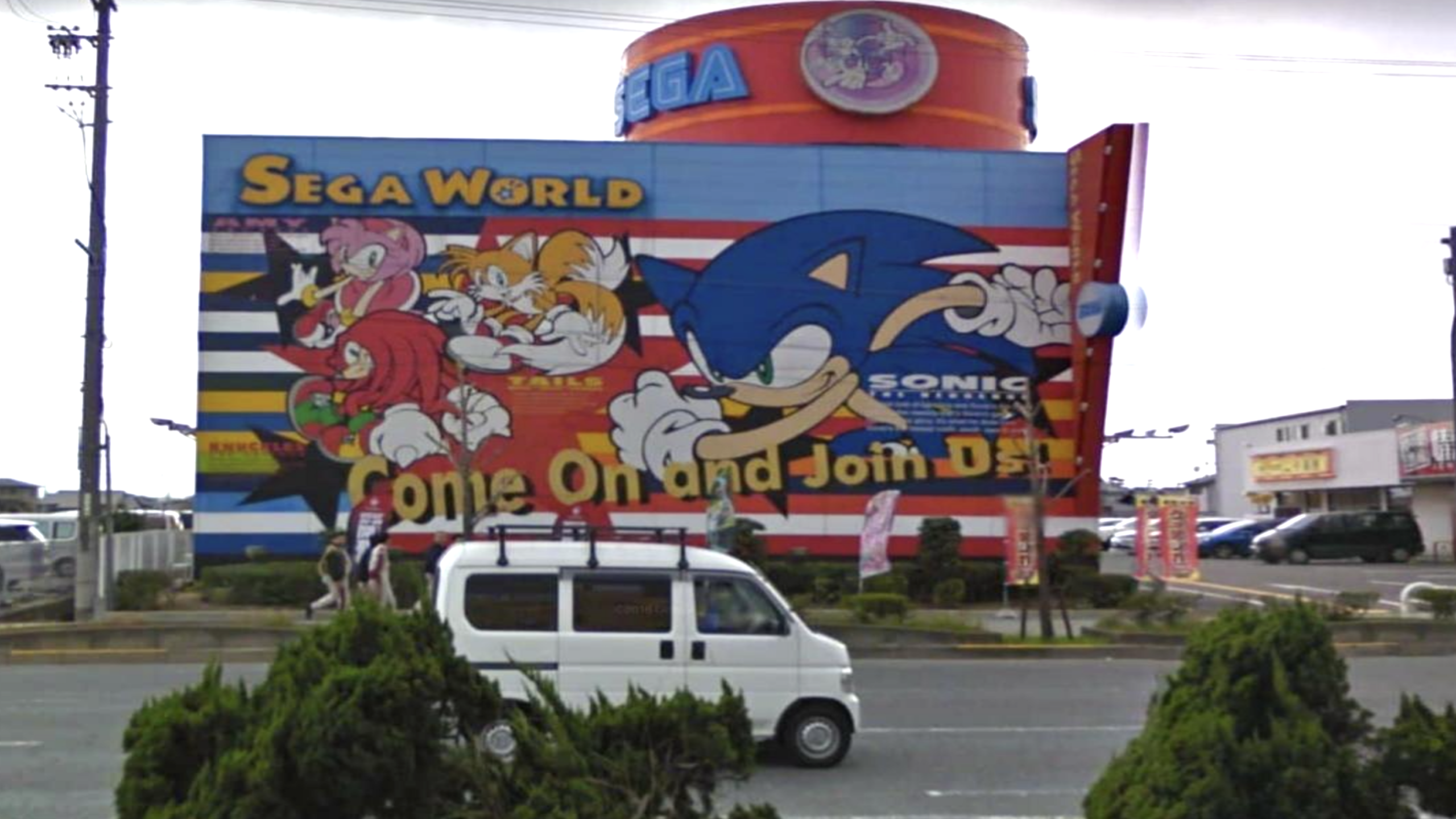
More than a store, it felt like an attraction. Bright lights, arcade machines, and a full Sega atmosphere that made it stand out completely. Walking in felt closer to entering a mini arcade park than a retail space, with sounds, colors, and branding everywhere you looked. It wasn’t just about buying games, it was about being surrounded by them, trying them, and staying longer than you probably planned.
8. Software Etc.
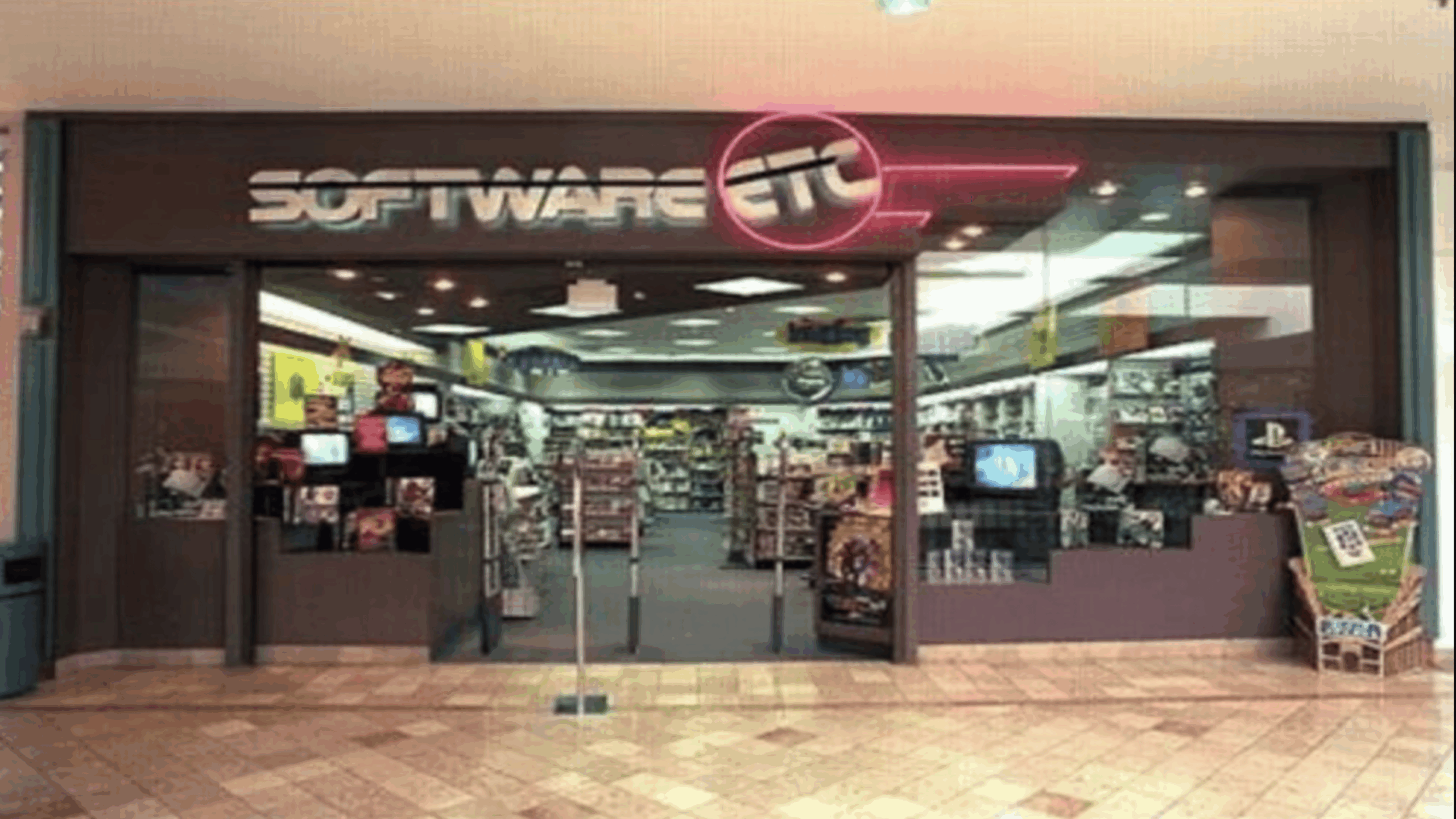
A classic retail chain that mixed PC and console gaming in one place. These gaming stores often introduced players to genres they didn’t even know existed.
9. Walmart / Target Gaming Sections (90s–2000s)
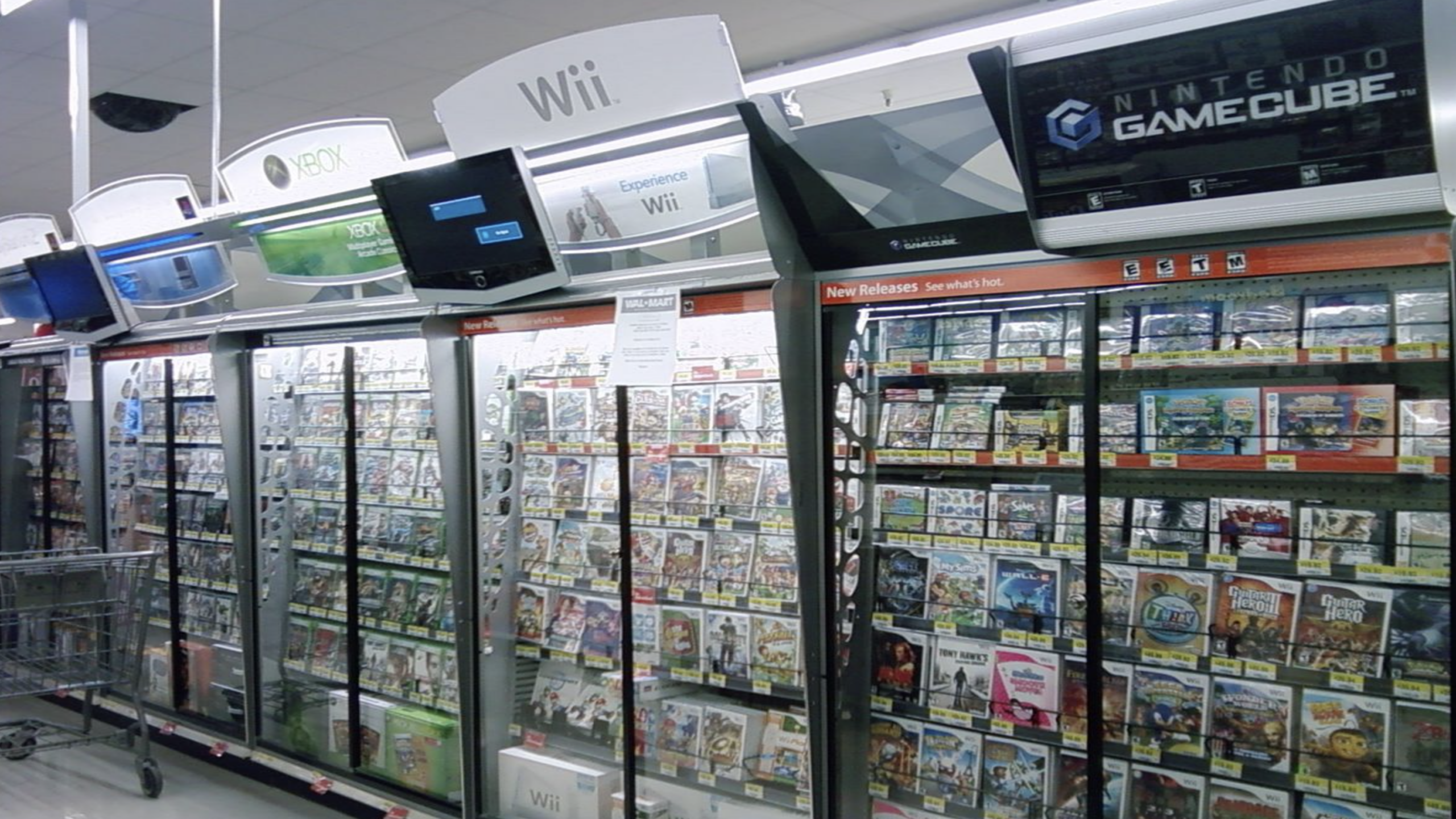
Locked glass cases and asking for help to grab a game made the whole process feel more serious. These everyday gaming stores were part of the routine.
10. Virgin Megastore (Gaming Section)
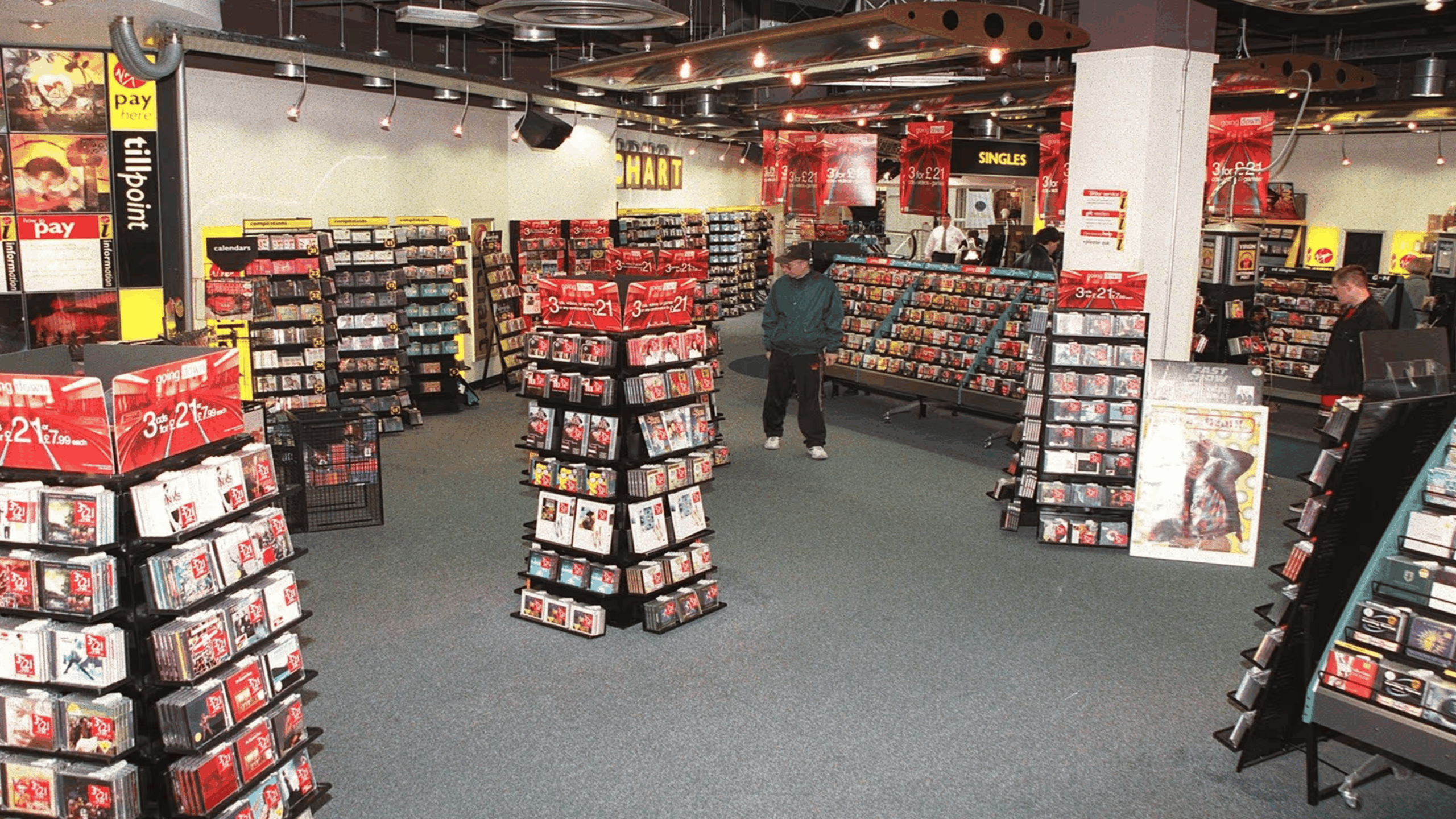
Huge spaces filled with music, movies, and games. The gaming area always felt like a hidden section waiting to be explored.
Back then, gaming stores weren’t just about buying or renting, they were part of the routine. Walking in, browsing shelves, making last-minute choices, and hoping you picked the right game for the weekend was half the experience. There was something slower, more personal about it, something that made every visit feel like a small event. Looking back, it wasn’t just about the games, it was about the moment around them, the kind you don’t really get anymore.
Looking for similar content?