Gaming consoles have been competing with Nintendo for decades, but not every company managed to survive the challenge. Throughout gaming history, dozens of ambitious systems attempted to rival Nintendo with stronger hardware, unusual accessories, or completely different ideas. Some were ahead of their time, while others simply felt confusing from the start.
Even though many of these consoles failed commercially, they still became fascinating parts of gaming history. Some developed cult followings, others turned into collector favorites, and a few are remembered mainly because nobody can believe they actually existed.
1. Philips CD-i Somehow Turned Zelda Into a Disaster
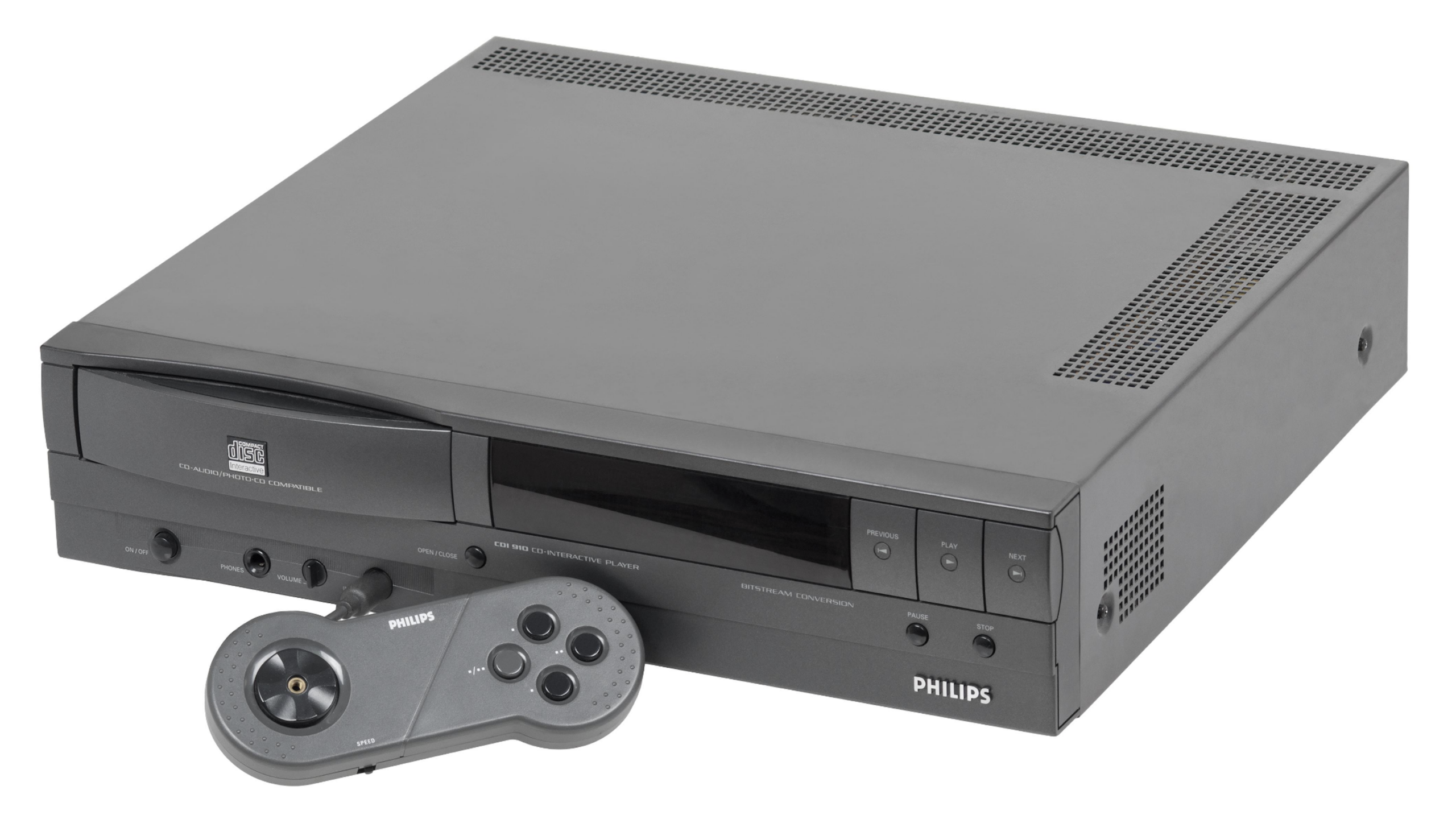
The Philips CD-i attempted to combine gaming, education, and multimedia into a single device during the early 1990s. Unfortunately, awkward controls and infamous Zelda games transformed the console into one of the strangest moments in Nintendo history.
2. Atari Jaguar Promised the Future but Confused Everyone
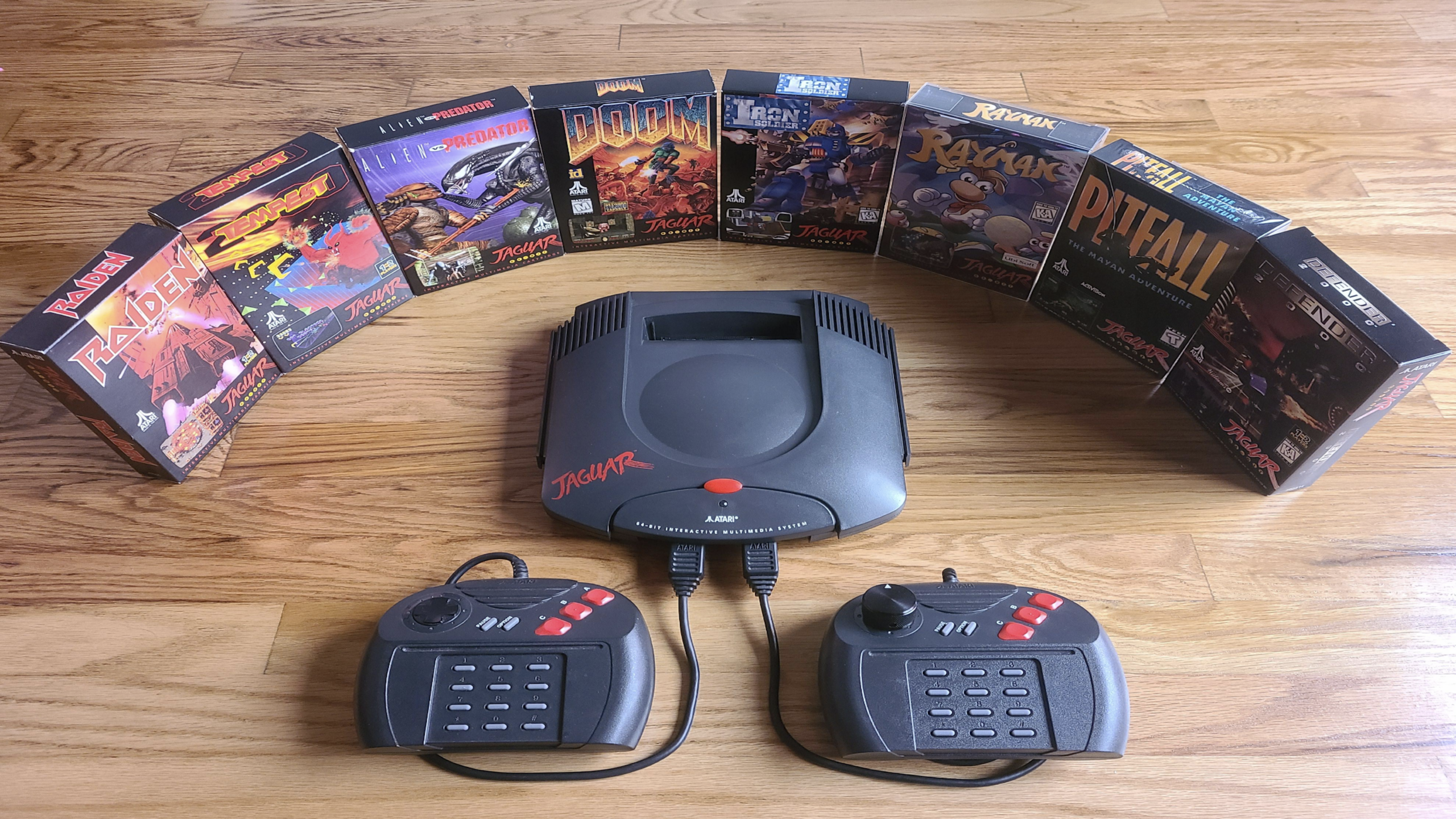
Atari marketed the Jaguar as the world’s first 64-bit system, hoping it would dominate the next generation of gaming consoles. Instead, the complicated hardware and limited library made it difficult for players and developers to fully support the platform.
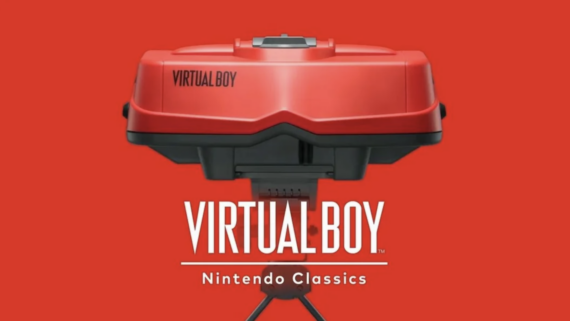
3. Nintendo’s Own Virtual Boy Became a Headache Machine
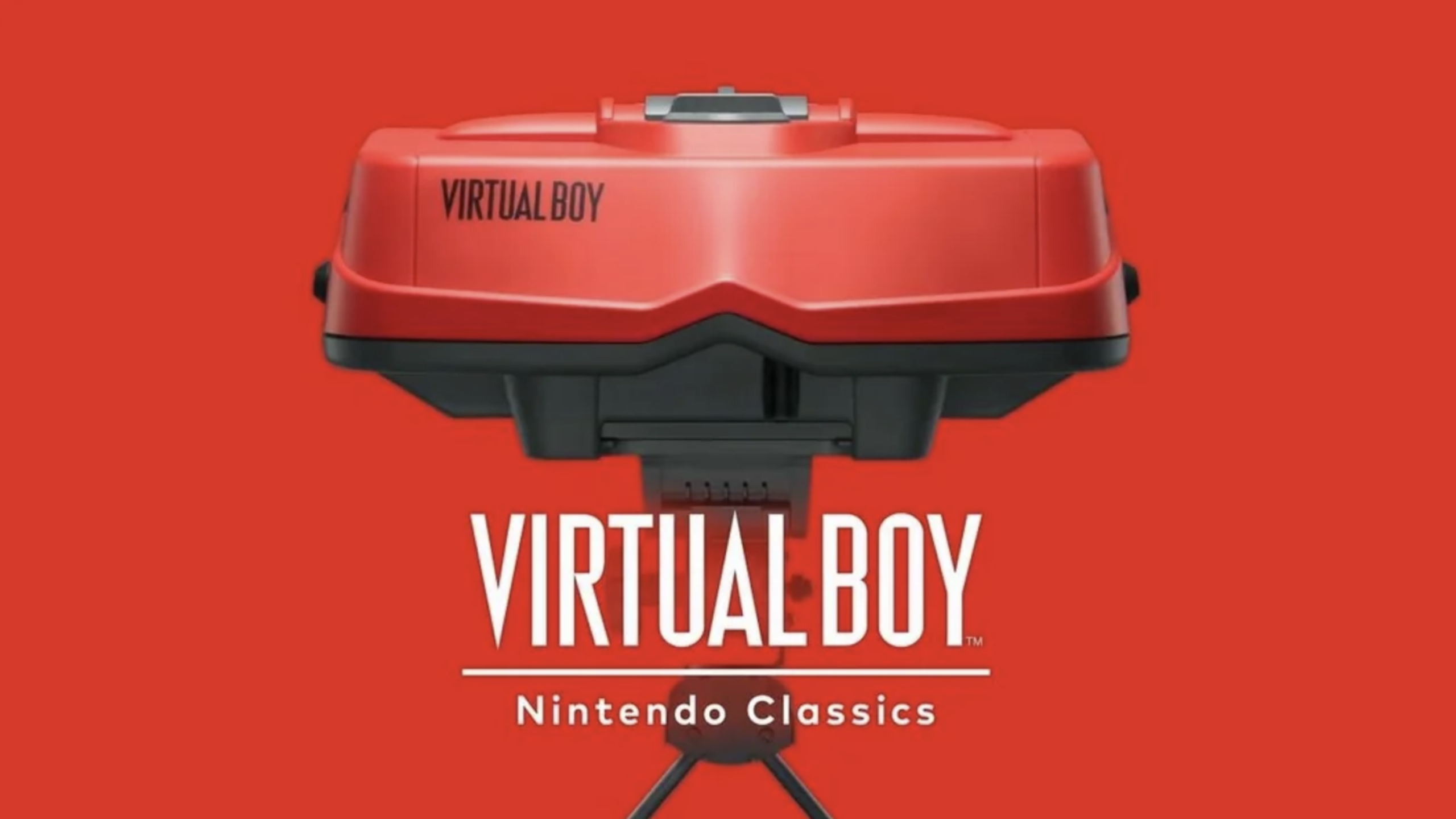
Ironically, one of Nintendo’s strangest failures came from Nintendo itself. The Virtual Boy promised immersive 3D gaming but mostly delivered neck pain, headaches, and bright red visuals that looked slightly terrifying after long sessions.
4. Gizmondo Tried to Do Everything at Once
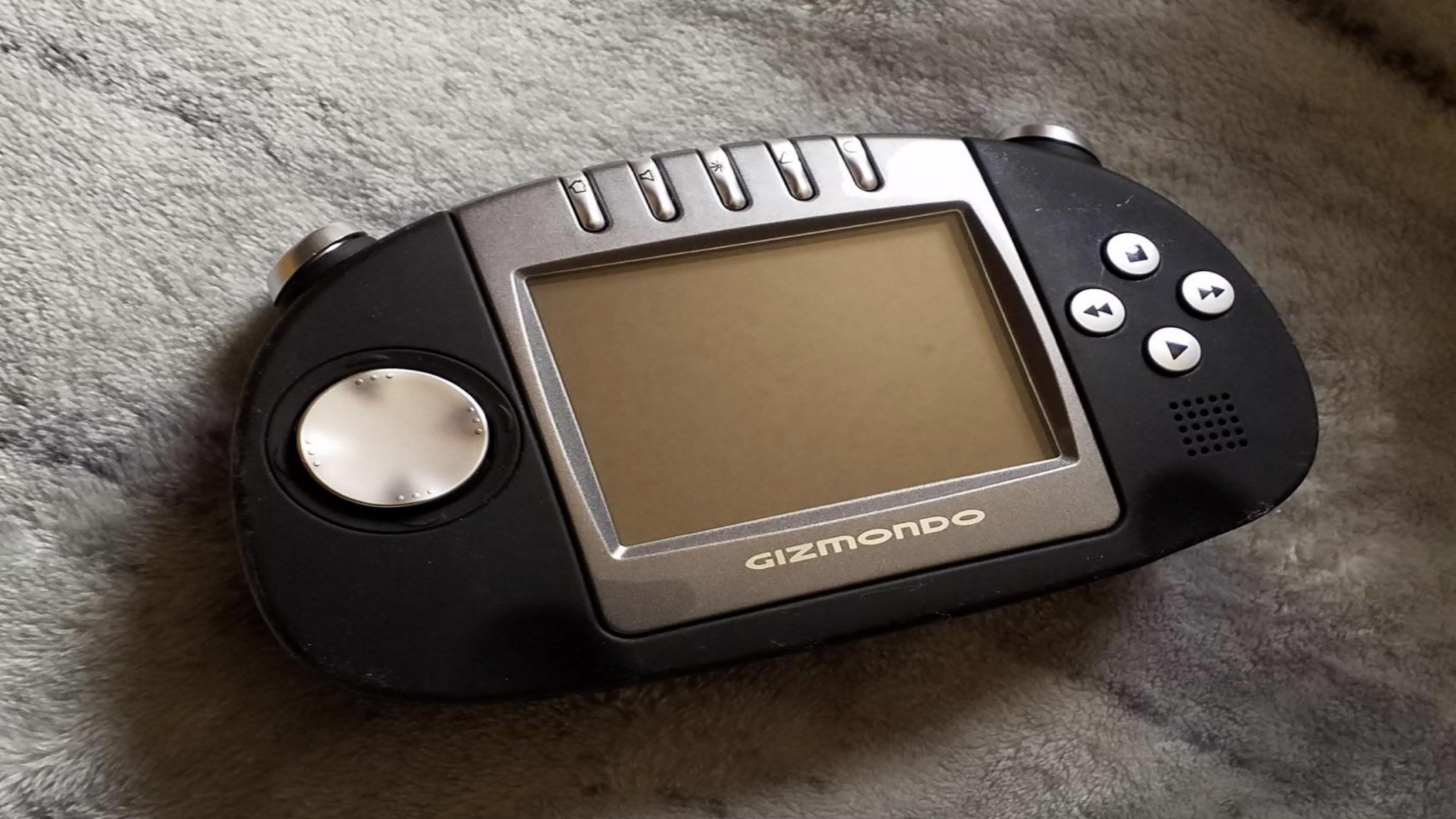
The Gizmondo attempted to combine handheld gaming, GPS technology, messaging, and multimedia into one futuristic device. While the idea sounded impressive, financial scandals and poor marketing quickly destroyed its chances of surviving in the handheld market.
5. Apple Once Entered the Gaming Console Market
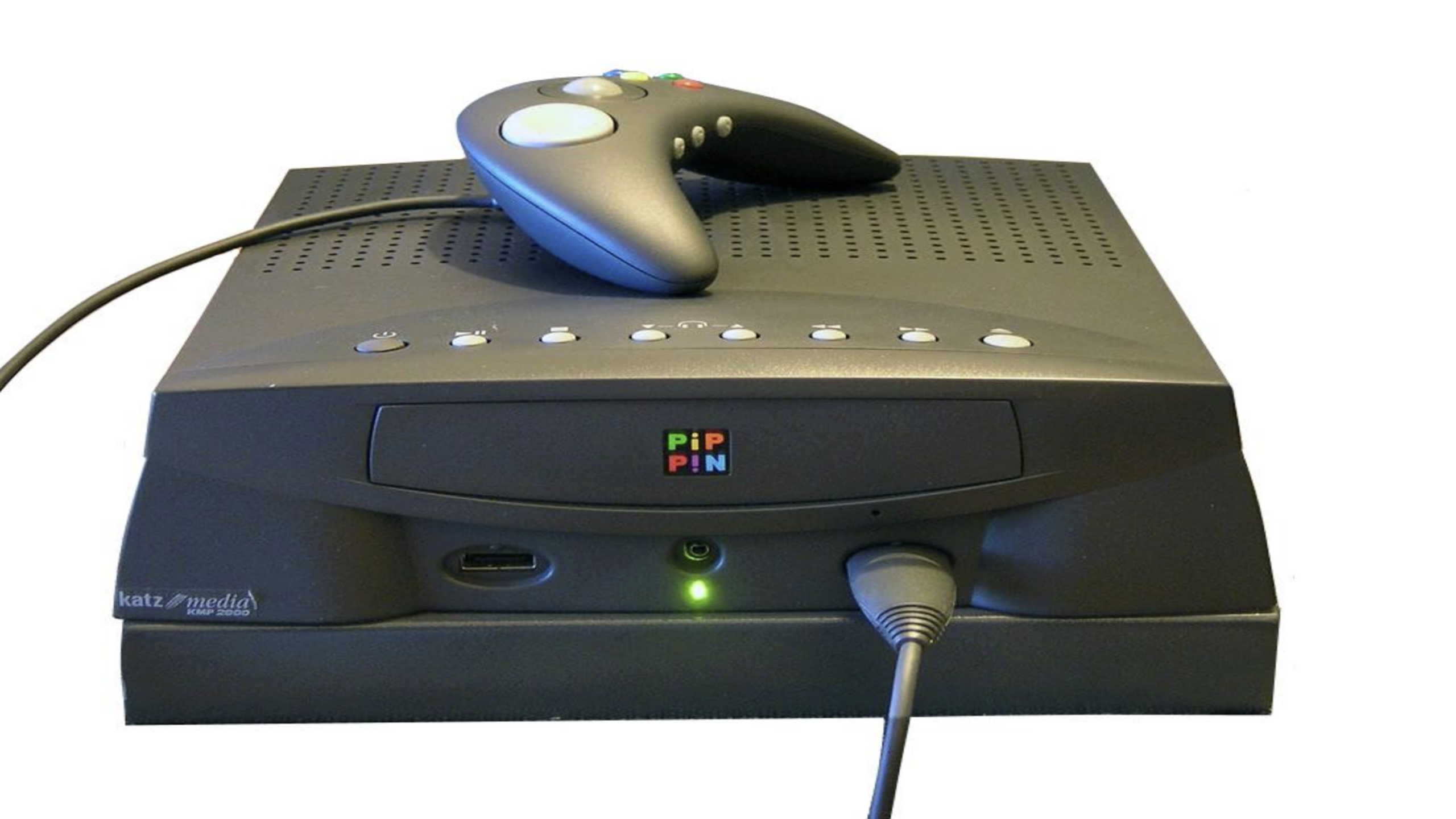
Long before modern gaming rumors surrounding Apple, the company actually released the Apple Pippin in partnership with Bandai. Among forgotten gaming consoles, the Pippin remains one of the most surprising because many players still do not know Apple ever tried making a console.
Trending on realmoneygamer.com
6. The Dreamcast Was Loved but Couldn’t Survive the PS2 Era
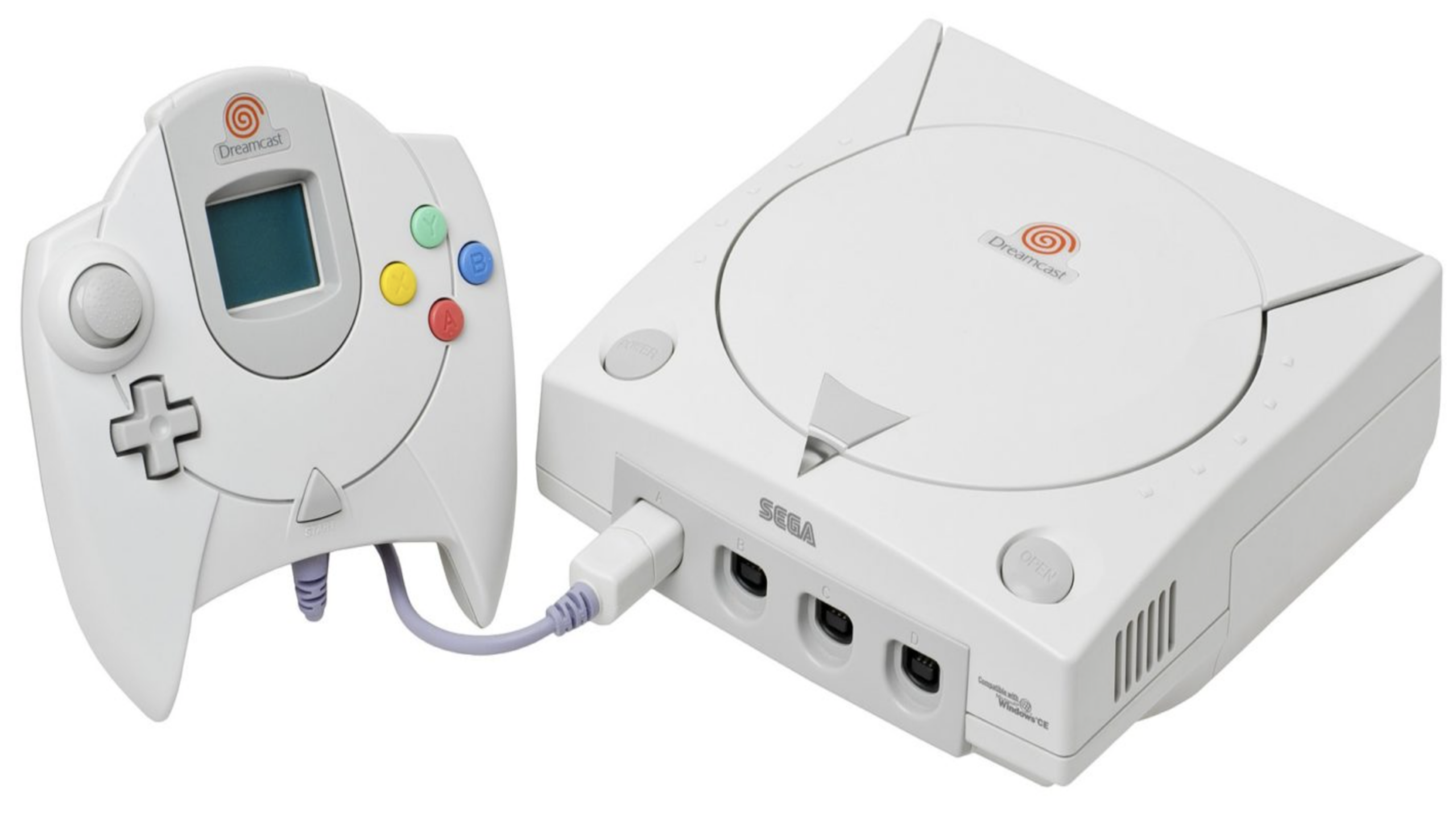
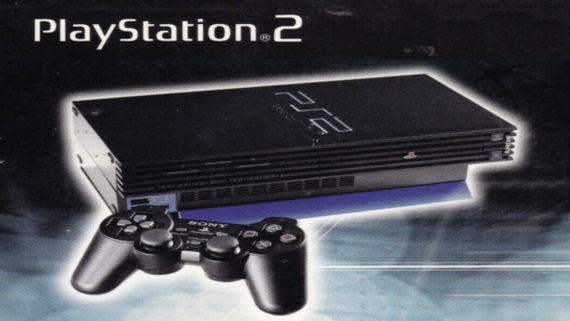
The Sega Dreamcast introduced online gaming features years before most competitors. Unfortunately, Sony’s PlayStation 2 dominated the market so heavily that Sega eventually stopped producing hardware completely.
7. Nokia Turned a Phone Into One of Gaming’s Weirdest Handhelds
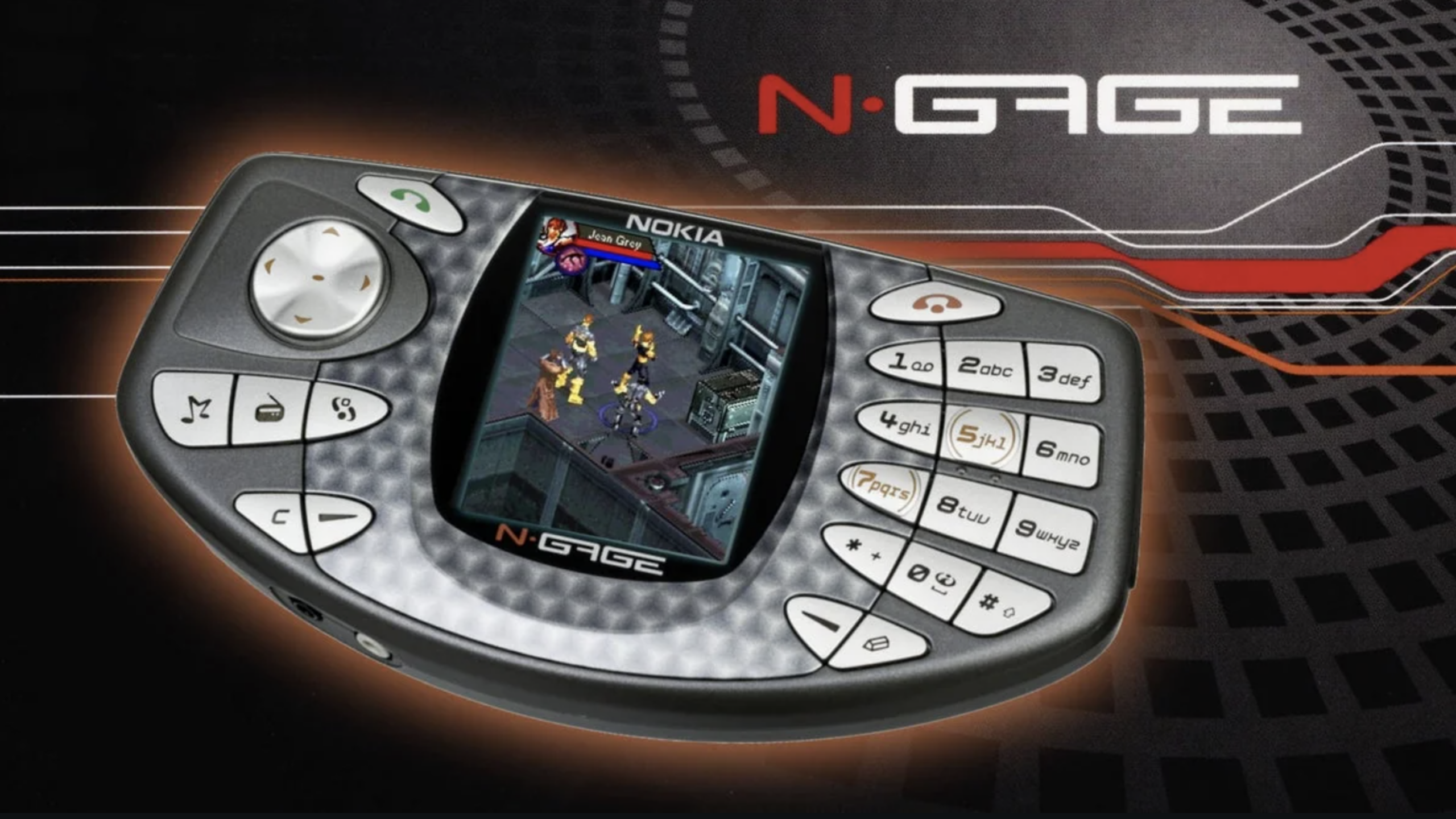
The Nokia N-Gage attempted to combine mobile phones and gaming devices into a single product. The idea sounded futuristic, but the awkward design quickly became internet legend because users had to hold the console sideways during phone calls.
8. Zeebo Tried Digital Gaming Before the Industry Was Ready
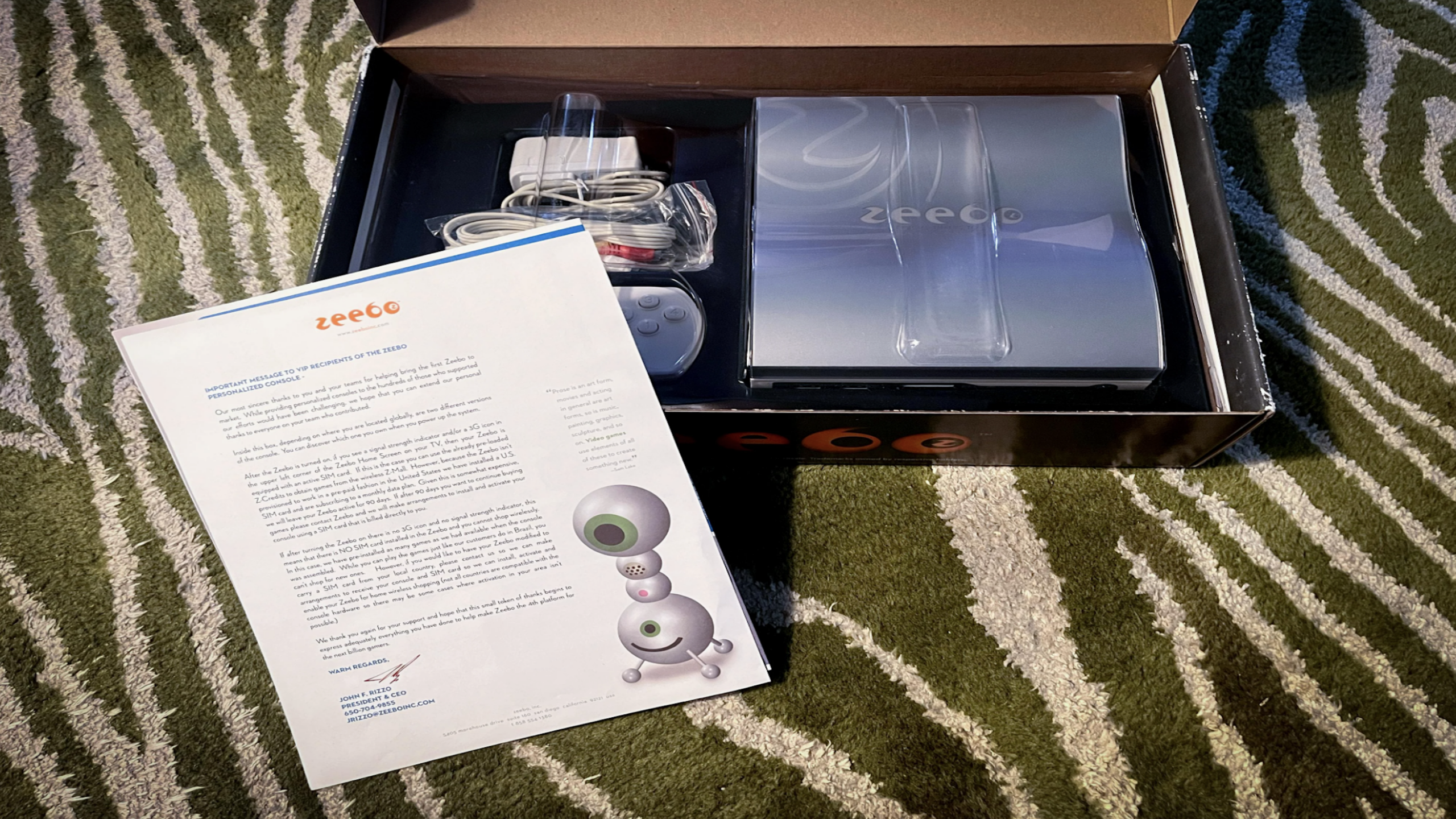
The Zeebo focused entirely on downloadable games and affordable digital gaming years before cloud gaming became mainstream. Despite the interesting concept, the console struggled to compete against larger gaming consoles already dominating the industry.
9. Casio Loopy Was One of Japan’s Strangest Console Experiments
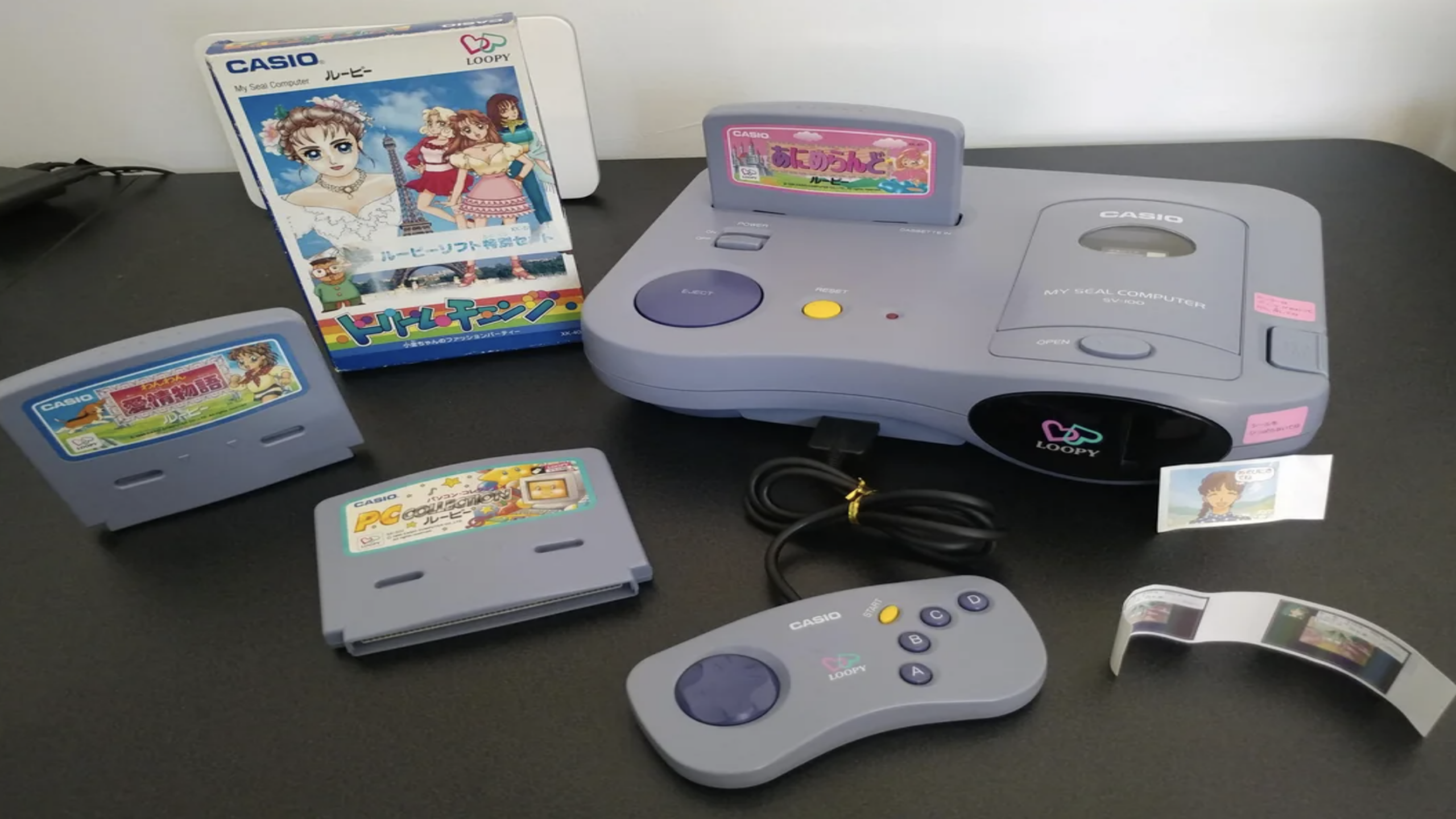
The Casio Loopy targeted younger audiences with stickers, customization tools, and printing features rarely seen in gaming hardware. Even today, the console still feels completely different from anything Nintendo or Sega released during the same era.
10. Ouya Went From Internet Hype to Forgotten Almost Instantly
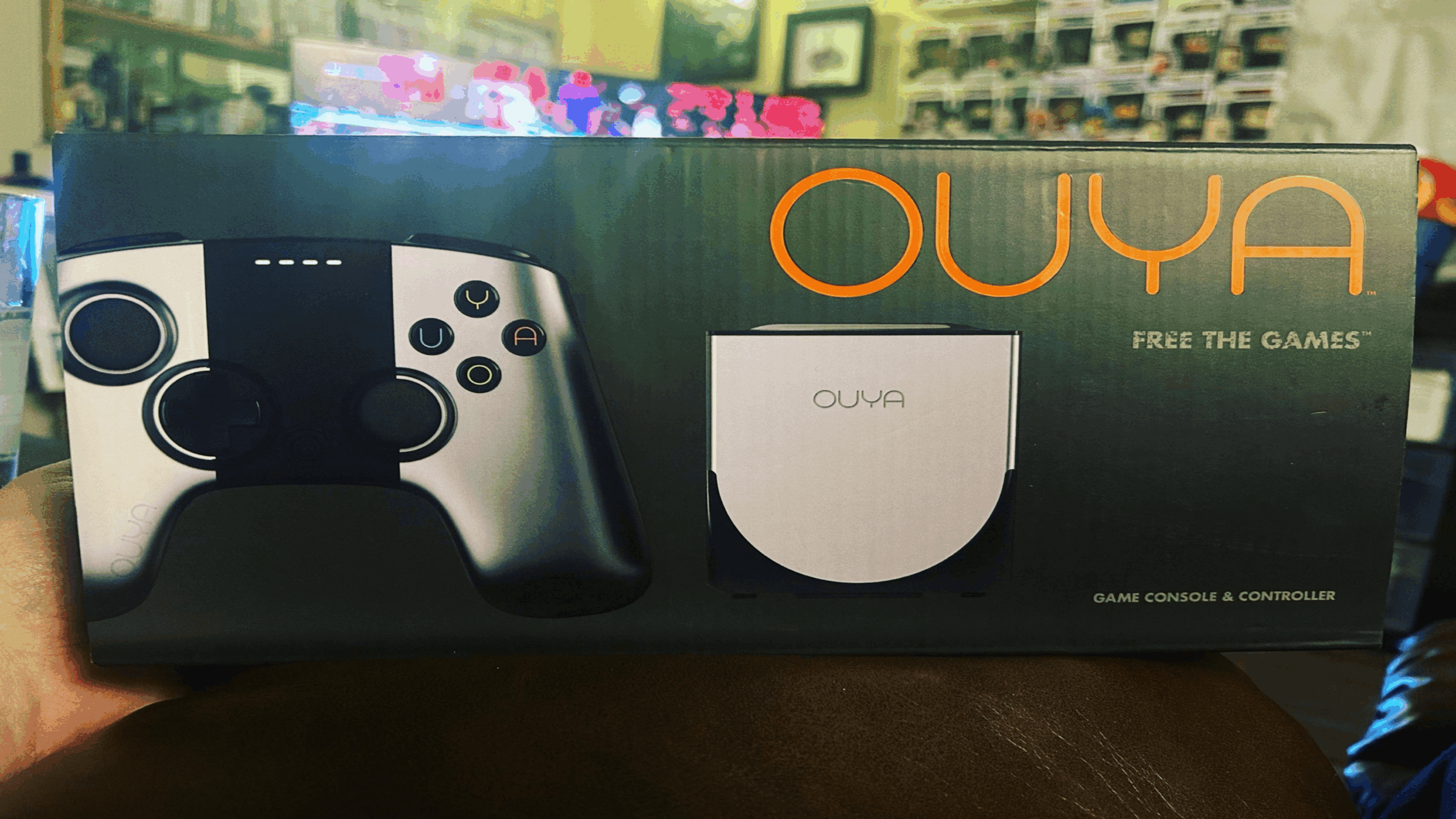
The Ouya exploded online after its successful Kickstarter campaign promised affordable open gaming for everyone. Once released, weak hardware and a limited game library quickly pushed the console out of public attention.
Even decades later, collectors and gaming communities continue talking about these forgotten systems because they represent a strange and creative era for the industry. In many ways, failed gaming consoles are sometimes more fascinating than the successful ones everyone already remembers.
Looking for similar content?