
Video games have a way of making governments nervous. Sometimes the concern is violence, sometimes gambling, sometimes kids staying online too late. The impulse is usually understandable, at least on the surface. The problem is that they are hard to regulate with blunt tools, and many of the loudest attempts have either collapsed in court, been repealed, or simply failed to stop people from playing.
California Tried to Put Violent Games Behind a Legal Wall
NBC
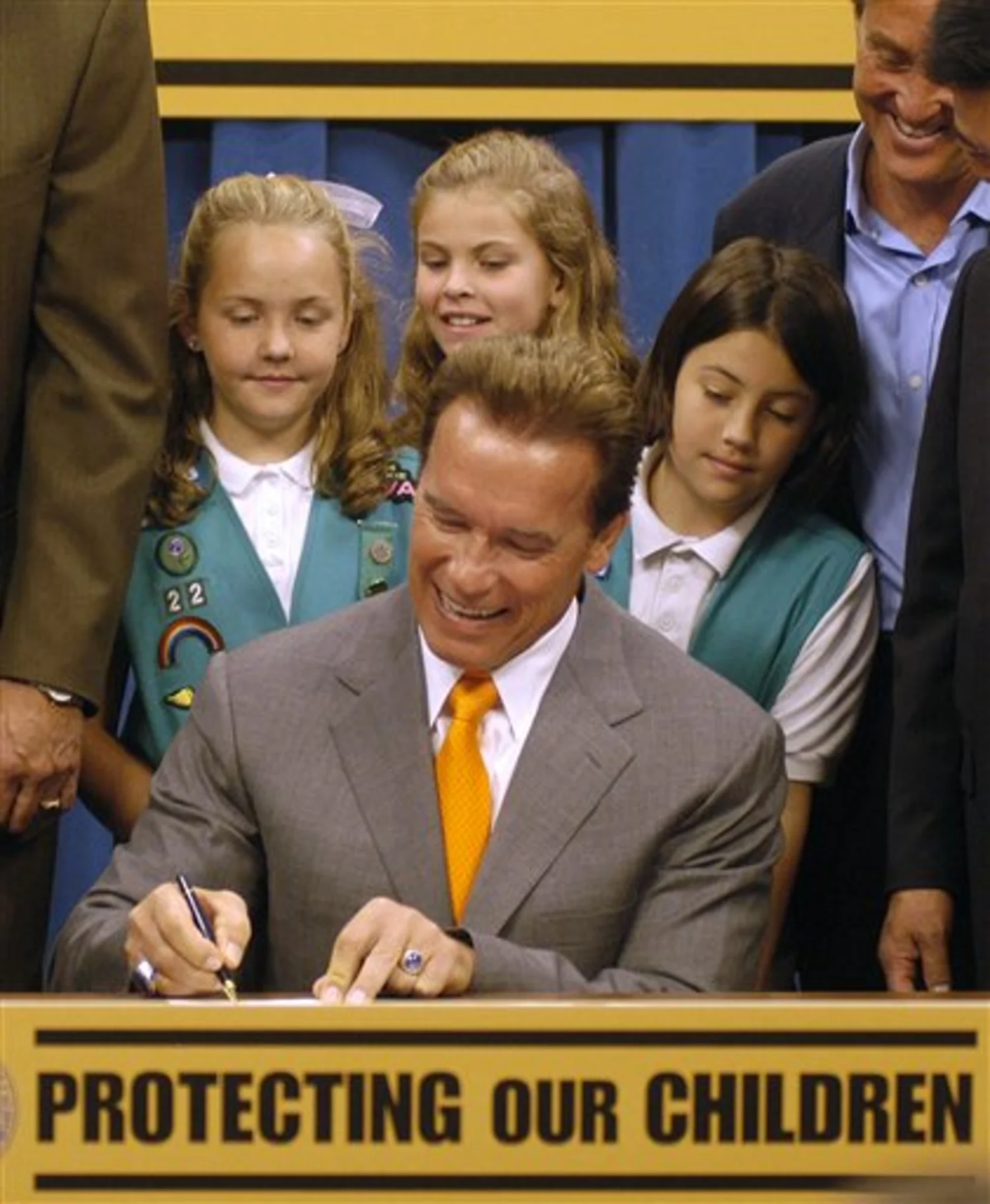
California’s 2005 law tried to stop minors from buying or renting certain violent titles. It also required a special label on those, separate from the industry’s own rating system. The law never really got off the ground. Industry groups challenged it, and in 2011 the U.S. Supreme Court struck it down in Brown v. Entertainment Merchants Association. The Court treated video games as protected speech, which made the ruling much bigger than one state law.
Indianapolis Took Aim at Arcades
NBC
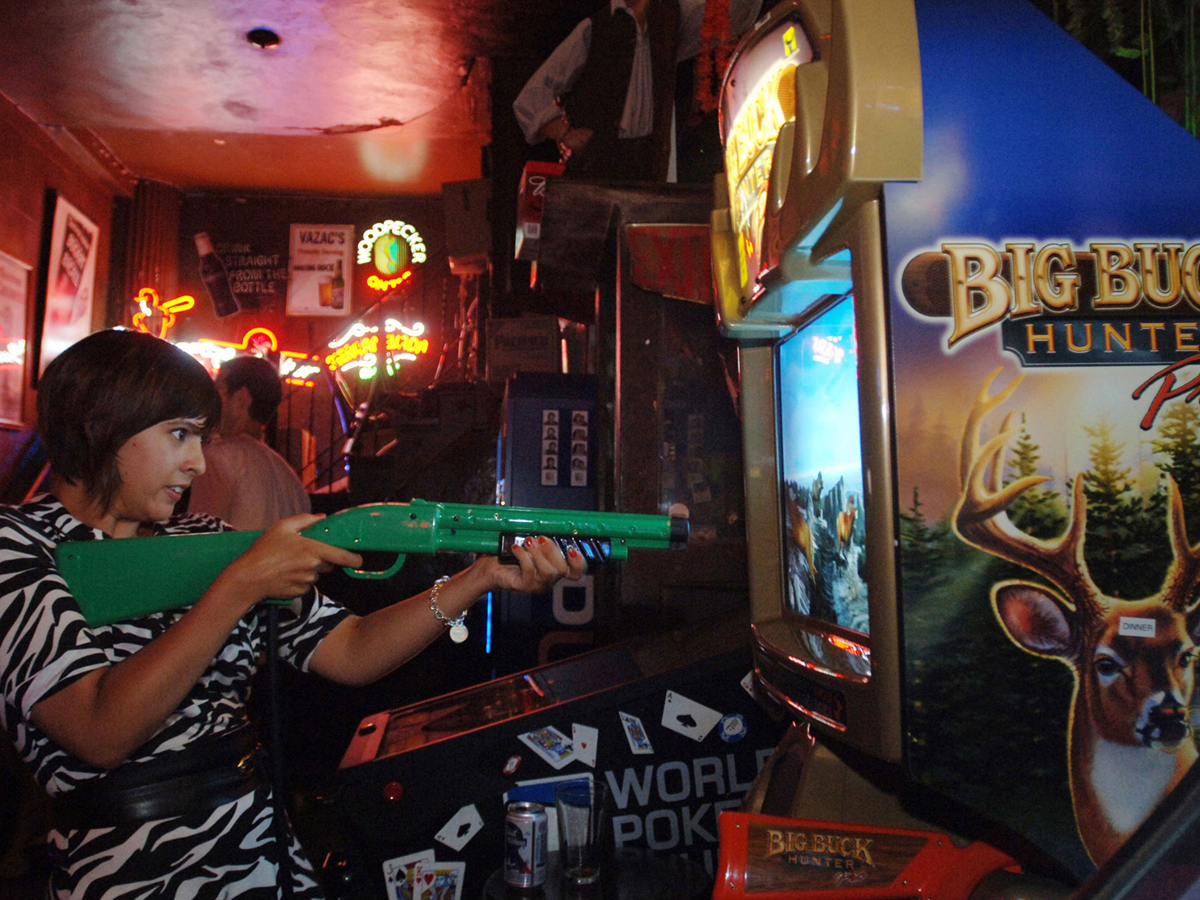
Indianapolis tried something similar before the Supreme Court weighed in. The city wanted to restrict minors’ access to arcades that showed graphic violence. That sounds oddly specific now, but at the time arcades still felt like public spaces adults could police. In 2001, a federal appeals court blocked the ordinance in American Amusement Machine Association v. Kendrick. The city argued safety. The court saw speech.
Greece Accidentally Banned Way More Than It Meant To
BBC News
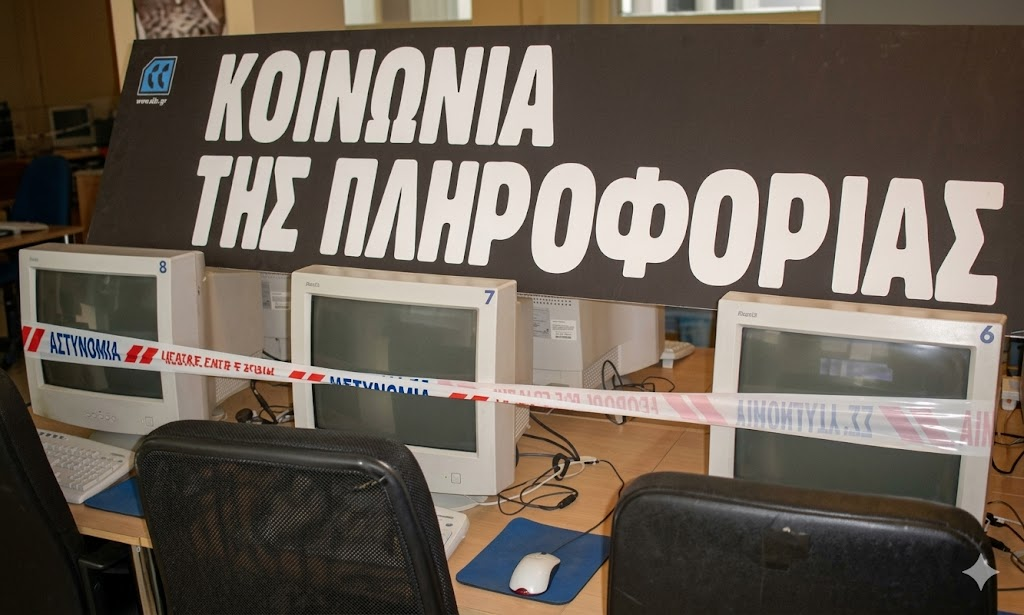
Greece was trying to crack down on illegal gambling machines in 2002. Instead, Law 3037 was written so broadly that it swept up ordinary electronic games too, including those played in internet cafés. It quickly became a mess. Café owners were suddenly dealing with legal risk over normal computer use, and the European Commission pushed back. Greece eventually repealed the law in 2011, but by then it had become a textbook case of careless wording.
Germany’s “Killer Game” Panic Ran Into Players Who Pushed Back

kotaku.com
After the 2009 Winnenden school shooting, German officials revived calls to ban so-called “killer games.” The proposal targeted violent titles involving attacks on human or human-like characters. But players organized, and an online petition gathered enough support to force a formal review. The ban did not happen. Germany kept its ratings system, but the bigger crackdown faded.
Australia’s Missing Adult Rating Made the System Look Broken
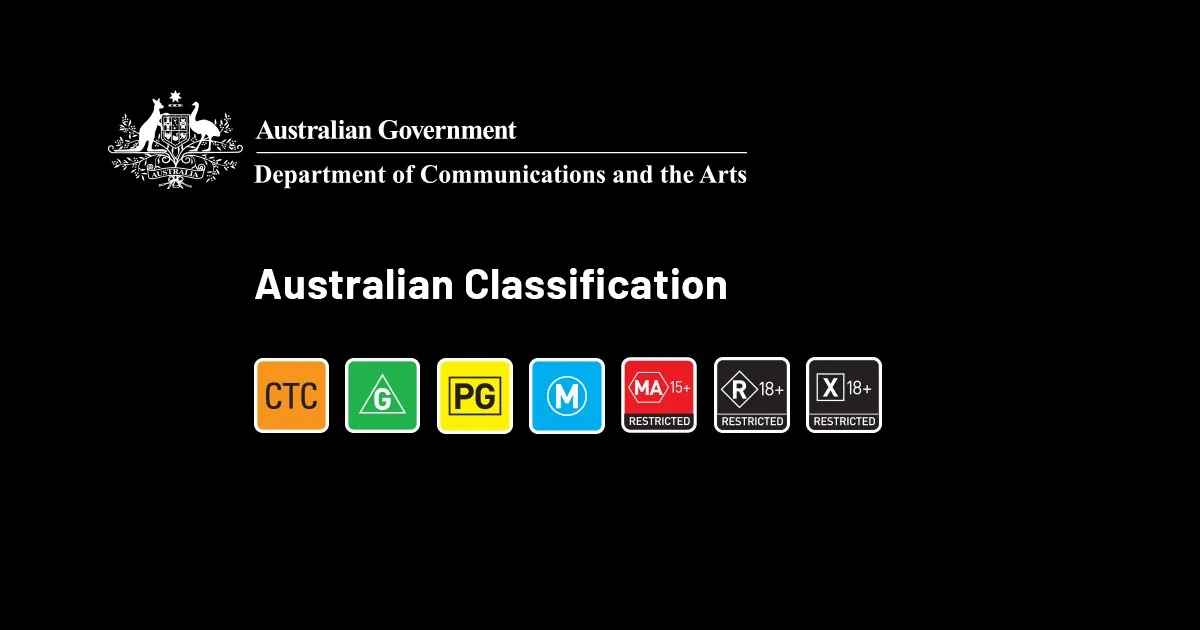
For years, Australia had no proper adult classification for video games. That meant those considered too mature for teenagers could be refused classification instead of being sold to adults. Titles like Fallout 3, Left 4 Dead 2, Aliens vs. Predator, and Mortal Kombat were cut, blocked, appealed, or resubmitted. The system did not stop demand. It mostly created confusion, imports, and a running argument about whether this medium was being treated less seriously than film. In 2013, Australia finally introduced an R18+ rating for games..
Trending on realmoneygamer.com

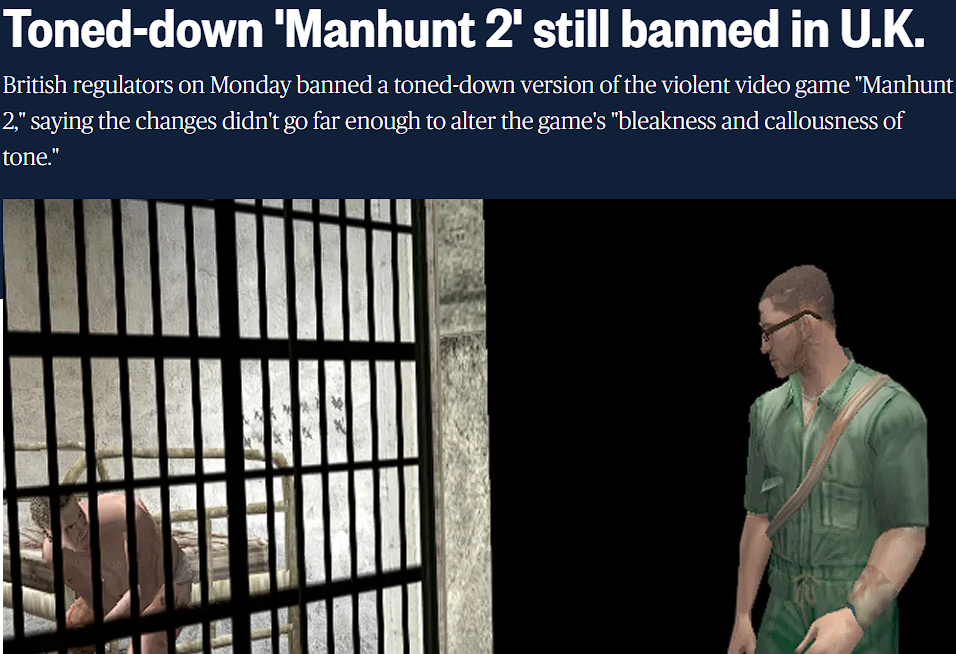
The UK Tried to Keep Manhunt 2 Off Shelves
NBC
Manhunt 2 was almost designed to make regulators uncomfortable. In 2007, the British Board of Film Classification refused to classify it, which effectively blocked its legal sale in the UK. Rockstar appealed, and the Video Appeals Committee overturned the refusal. After more legal wrangling, the title was released with an 18 certificate. The failed ban probably did more for Man Hunt’s reputation than its marketing could have.
China Banned Consoles, but Not Gaming
The World of Chinese Magazine
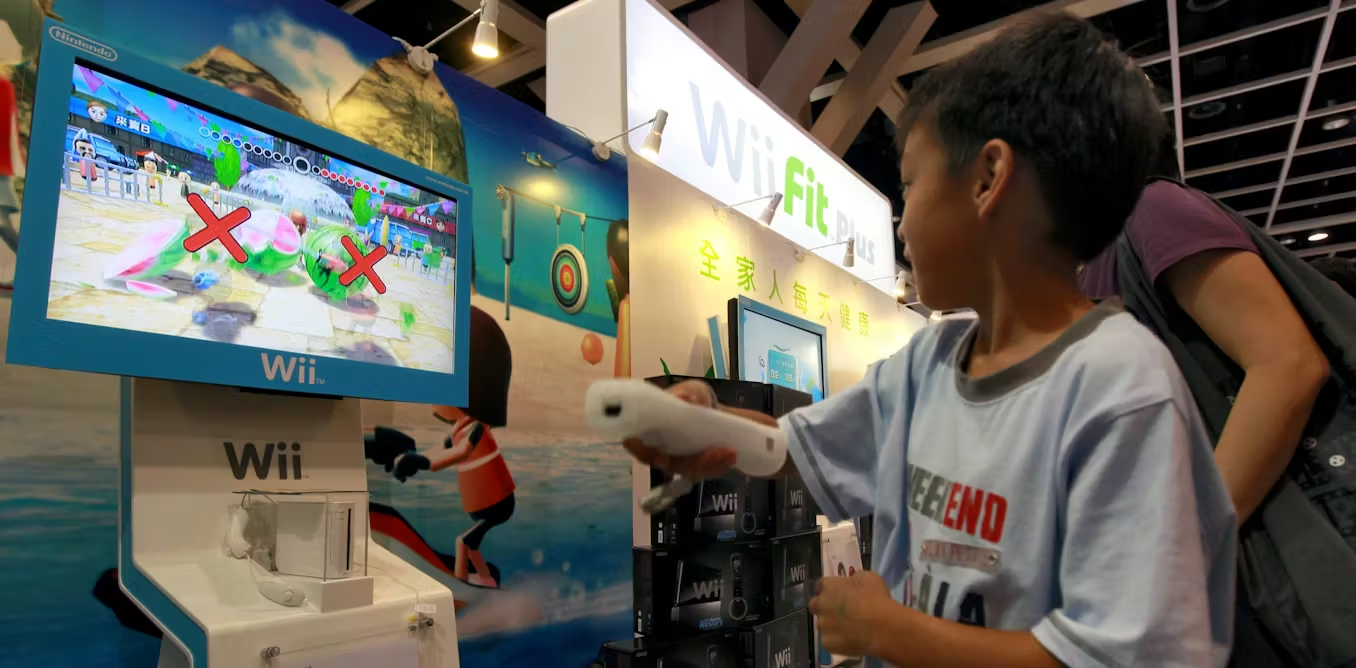
China introduced a ban on consoles in 2000, saying the move was meant to protect young people. For 14 years, foreign consoles were officially kept out. Gaming did not disappear. PC cafés, online and mobile games, piracy, and gray-market hardware filled the gap. When China started lifting the restriction in 2014 and fully ended it in 2015, the market had already moved on in its own direction.
South Korea’s Midnight Curfew Could Not Keep Up
r/todayilearned
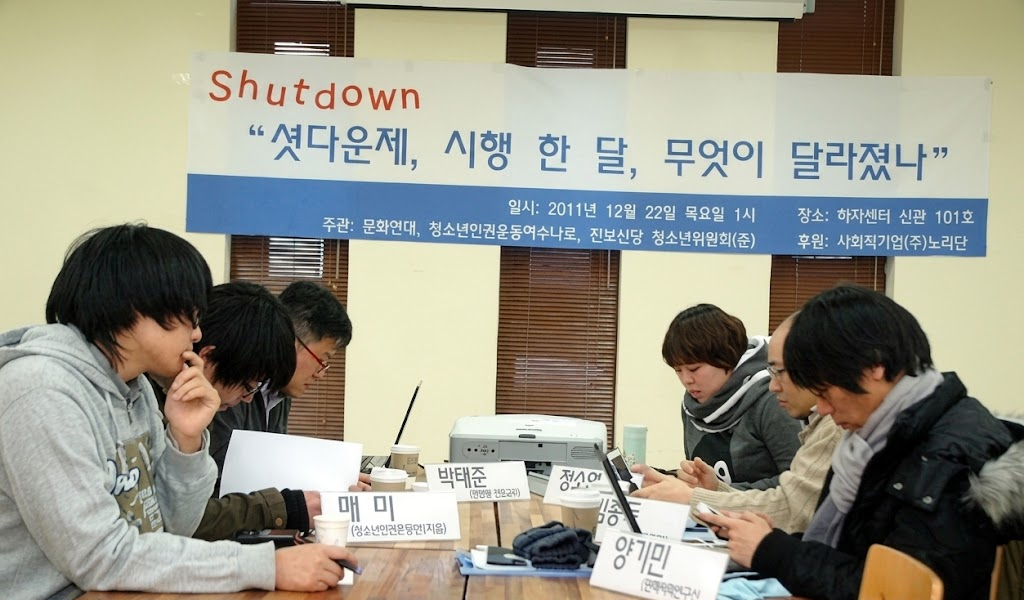
South Korea’s Shutdown Law blocked players under 16 from accessing online games between midnight and 6 a.m. It was passed in 2011, during heavy concern over youth gaming addiction. Teenagers found workarounds, including using someone else’s login details. Over time, the rule looked less and less suited to a world of smartphones, global platforms, and flexible accounts. The government moved to scrap it in 2021.
Brazil’s Counter-Strike Ban Misread the Culture Around the Game

Counter-Strike was already deeply embedded in Brazilian lan house culture when a court order targeted it in 2008. The title, along with EverQuest, was treated as harmful to consumers. But the ban was hard to square with reality. Players already had access, the community was large, and the claims about harm were not backed by much concrete evidence. In 2009, Counter-Strike was allowed to return to sale.
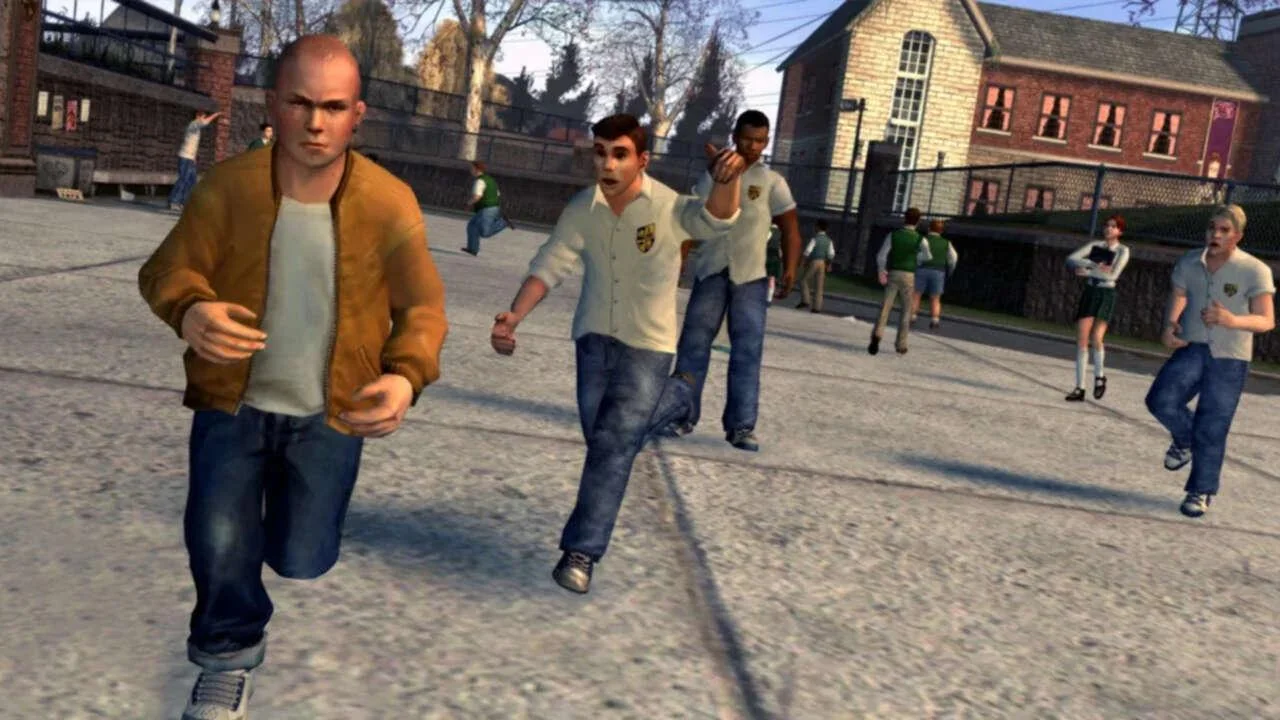
Brazil Also Kept Bully Out for Years
r/gaming
Bully had the kind of premise that sounds worse in a headline than it often feels in play. In 2008, a Brazilian court barred the sale, import, distribution, and promotion of the title after concerns that it was harmful to children and adolescents. The ban lasted for years. Then, in 2016, the title came back to official digital stores in Brazil without anything close to the same uproar.
The Netherlands Tried to Treat FIFA Packs as Gambling
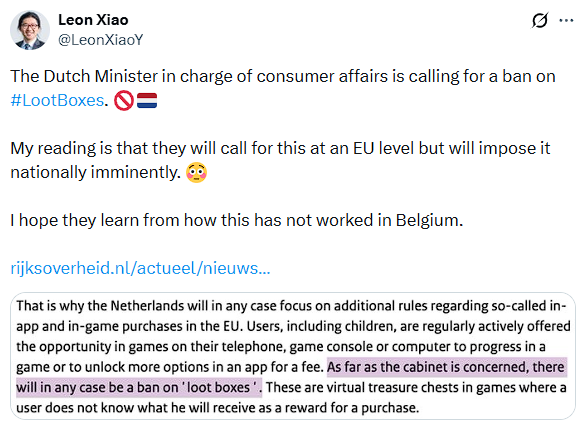
The Dutch gambling authority went after EA over FIFA Ultimate Team player packs, arguing that the packs violated gambling rules. EA faced a penalty that could reach €10 million. Then the case turned. In 2022, the Dutch Council of State sided with EA and ruled that the packs did not constitute a separate lottery or gambling mechanism in the way the regulator claimed. Loot boxes remained controversial, but this particular legal route failed.
Belgium’s Loot Box Crackdown Was Harder to Enforce Than It Looked
r/tf2
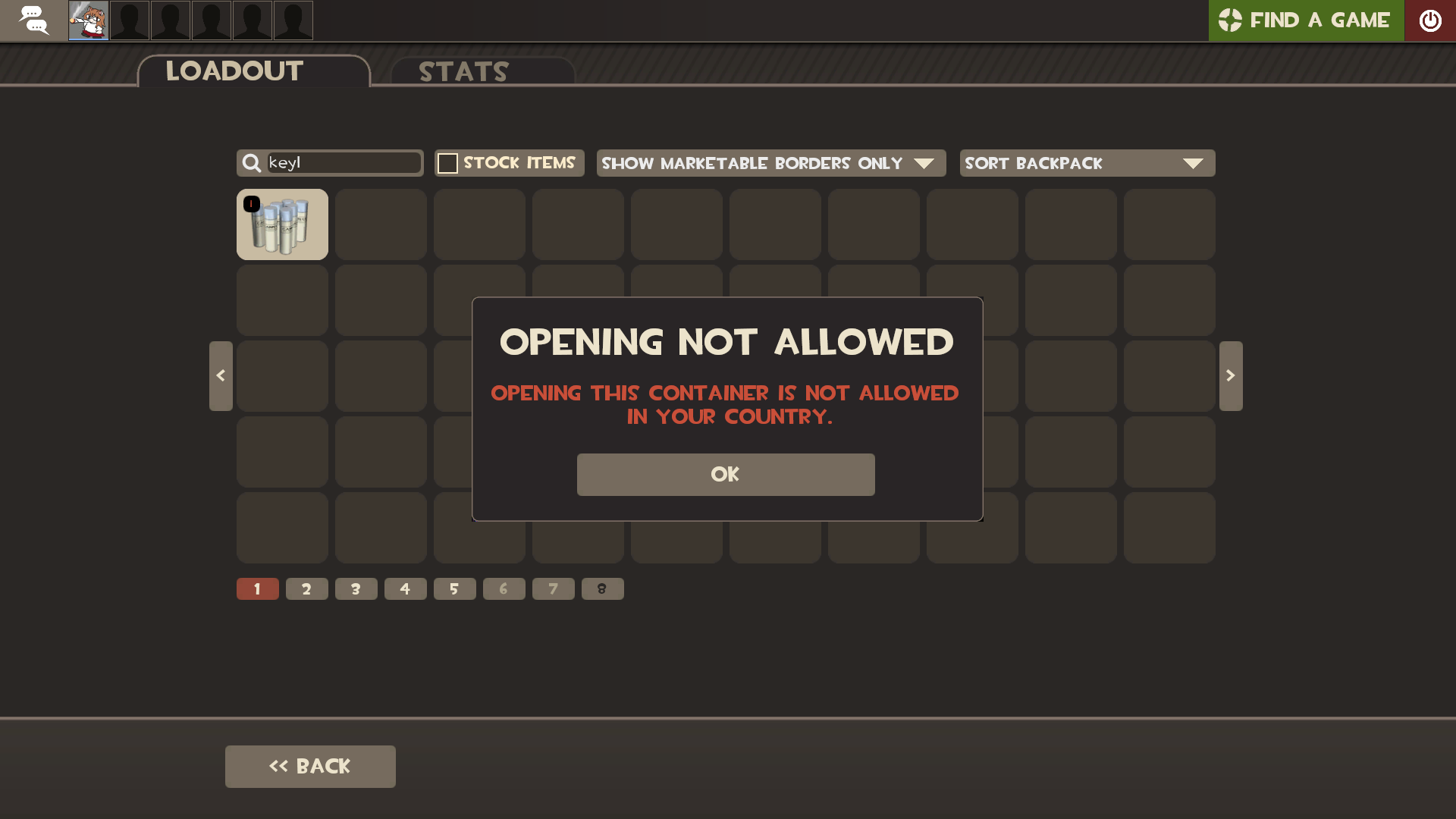
Belgium took one of Europe’s toughest public positions on loot boxes. Some companies changed or removed paid loot box systems there, which made the crackdown look effective at first. But later research found enforcement was inconsistent and easy to work around. That is often where regulation gets messy. A rule can sound firm in a press release and still struggle against global storefronts, account regions, and live-service updates.
Governments have real reasons to care about games, especially when children, spending, and online behavior are involved. But the failed attempts tend to share the same flaw: treating these interactive experiences as a single problem that can be fixed with one hard rule.
Continue Reading: 10 Times Players Organized and Actually Forced a Gaming Company to Change Course