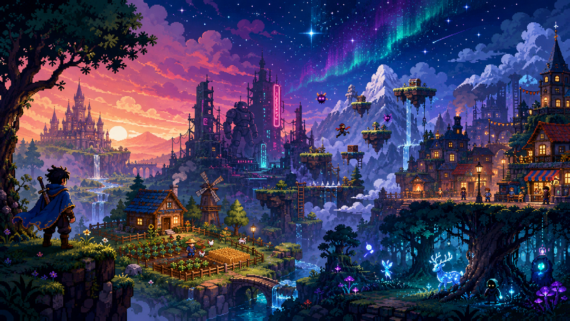
Pixel art used to be the language games spoke because they had no better option. Memory was tight, screens were small, and every character had to be built from a handful of blocks. Modern developers work in a very different world, yet pixel art keeps showing up in some of the most carefully designed indie games and even in large studio projects. At this point, it is less a leftover from old hardware than a visual decision with its own rhythm, rules, and emotional range.
It Turned Constraint Into Visual Identity
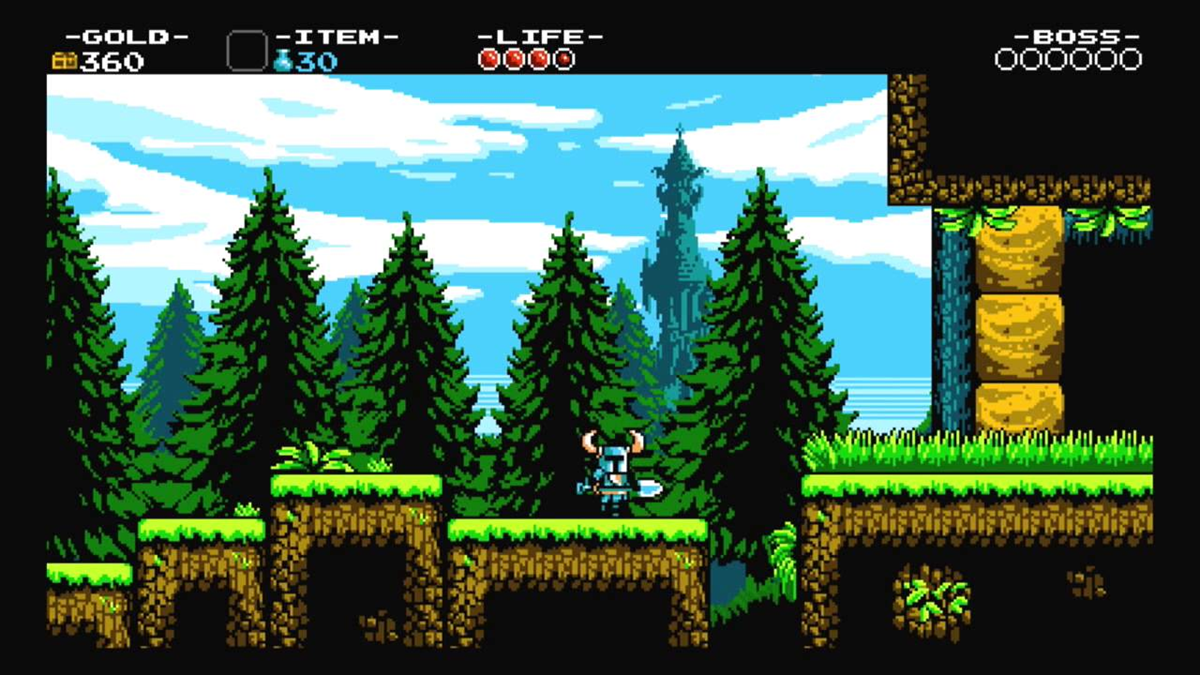
The first thing pixel art gives a modern game is a shape you can recognize almost instantly. A character with a few colors and a sharp silhouette can sometimes be easier to remember than a highly detailed model covered in texture work. Games like Shovel Knight, released in 2014, understood that old visual restrictions could be treated like a design language, not a technical cage. Yacht Club Games did not simply copy the NES era, it bent that look with modern animation, widescreen staging, and effects that would have been impossible on the machines being referenced.
It Made Small Teams Look Focused, Not Underfunded
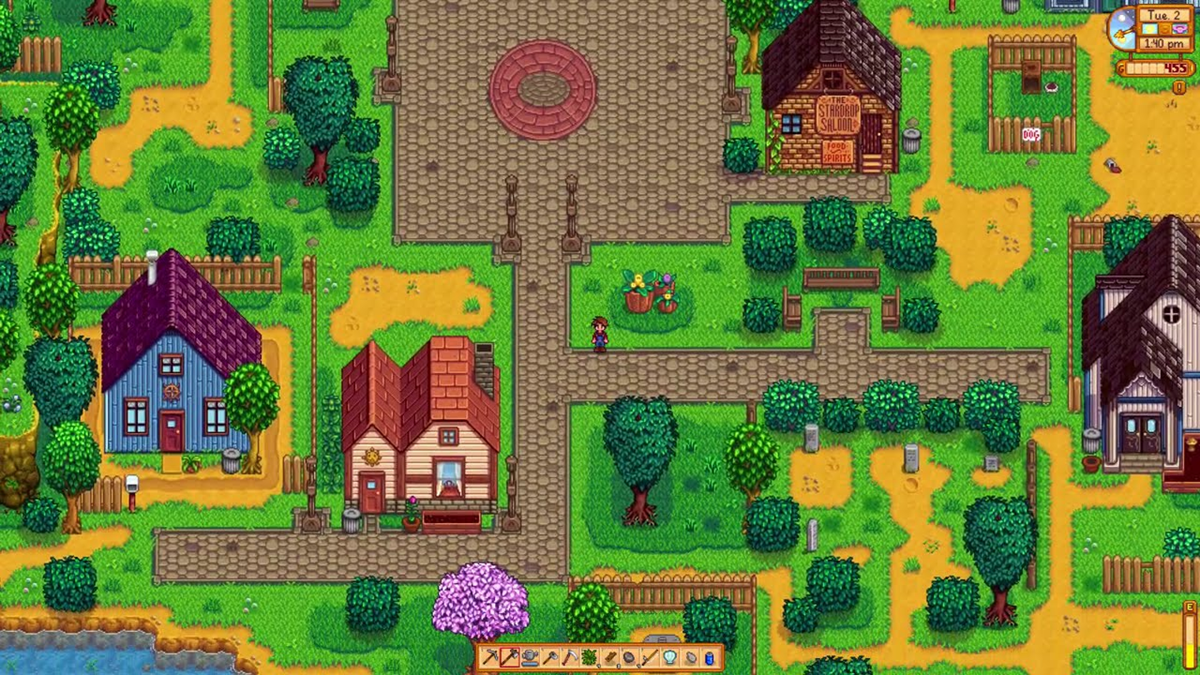
For independent developers, pixel art offered a practical advantage, but that does not make it less artistic. Stardew Valley, first released for Windows PC in 2016, is often discussed as a solo-developer success story, yet its look never feels like a compromise. The art supports the pace of the game, the readable farms, the cozy interiors, the tiny seasonal changes that slowly become part of the player’s routine. A more expensive visual style might have made the same world feel heavier or less intimate.
It Let Games Suggest More Than They Show
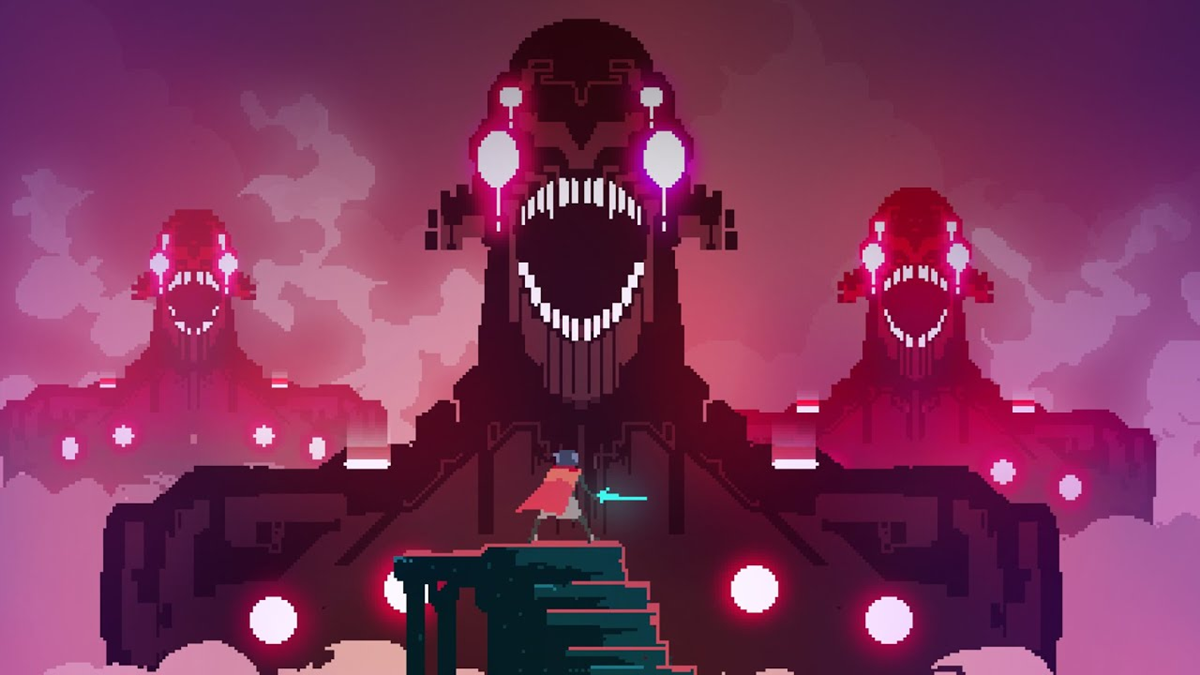
Pixel art leaves room for the player’s imagination to finish the image. That is a strange strength in a medium often obsessed with rendering everything more clearly. In Hyper Light Drifter, the ruined landscapes do not explain themselves with long cutscenes or dense environmental text. The blocks of color, broken architecture, and wordless character designs create a sense of history without spelling out every event.
It Became a Natural Fit for Fast Movement
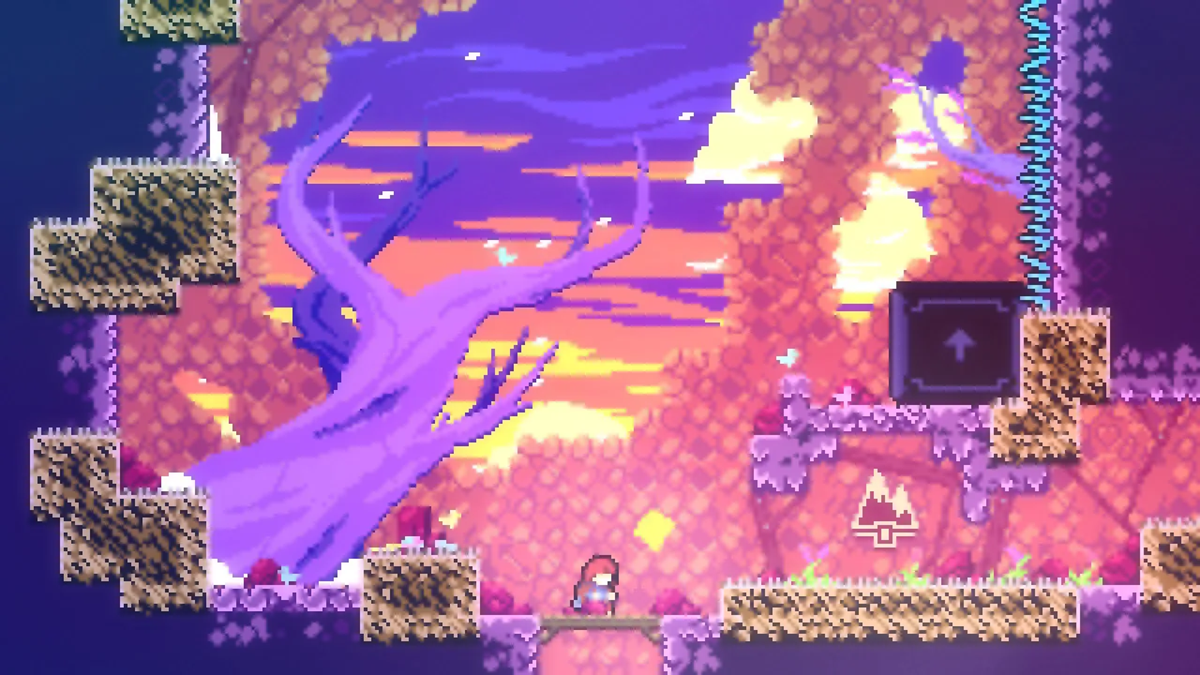
Some games need to be read in fractions of a second. Celeste, released in 2018, works partly because its pixel art is clean enough for brutal platforming and expressive enough to carry a personal story. Madeline’s movements, hazards, strawberries, and platforms all need to register immediately, and the art style keeps that information sharp.
It Helped Developers Build Worlds That Feel Handmade
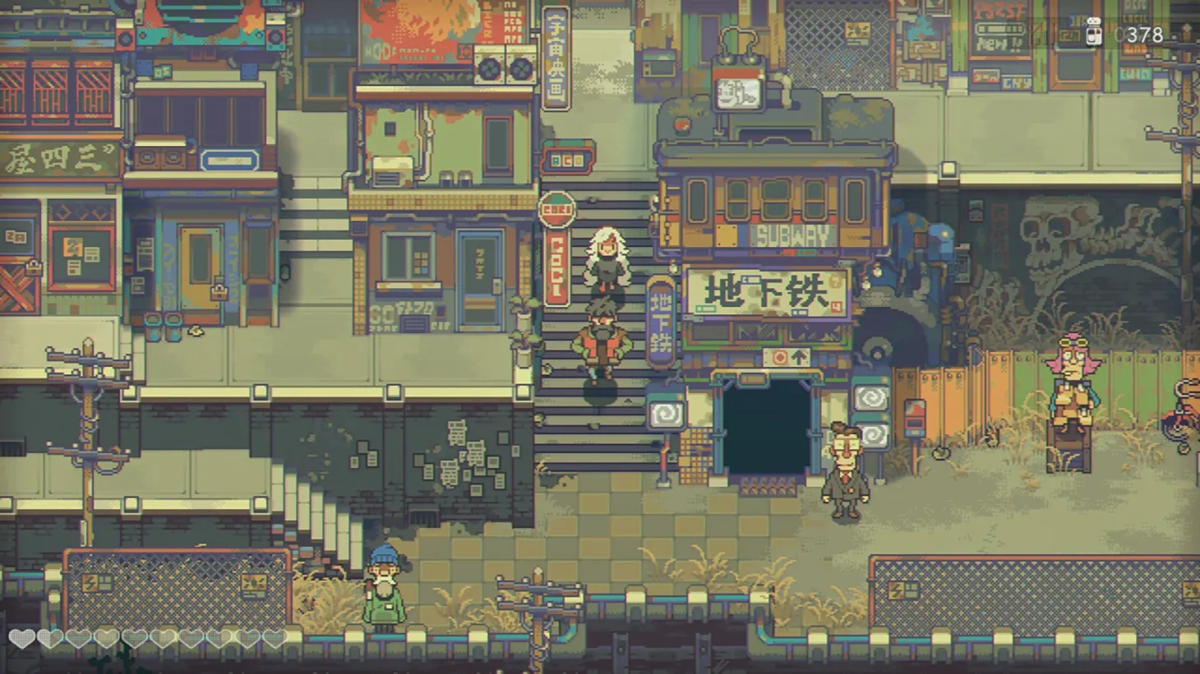
There is a visible touch to good pixel art. You can feel the placement of individual clusters, the little decisions in a roof tile, a shop sign, or a monster’s idle animation. Eastward is a strong example of that approach, with towns, kitchens, train stations, and cluttered interiors that feel assembled with real care rather than filled out by habit. That handmade quality matters in games where players spend hours inhabiting small spaces, because a bedroom, a cave, or a quiet street can feel personal when every tiny object seems deliberately placed.
Trending on realmoneygamer.com
It Gave Nostalgia a More Complicated Role

Modern pixel art is often called nostalgic, which is true, but also too simple. Plenty of players who love games like Undertale were not old enough to experience the 8-bit and 16-bit eras firsthand. The appeal is not only memory, it is the feeling that the game is speaking in a familiar visual grammar. Undertale’s roughness also becomes part of its tone, funny, unsettling, modest, and oddly direct.
It Made Abstraction Feel Emotional
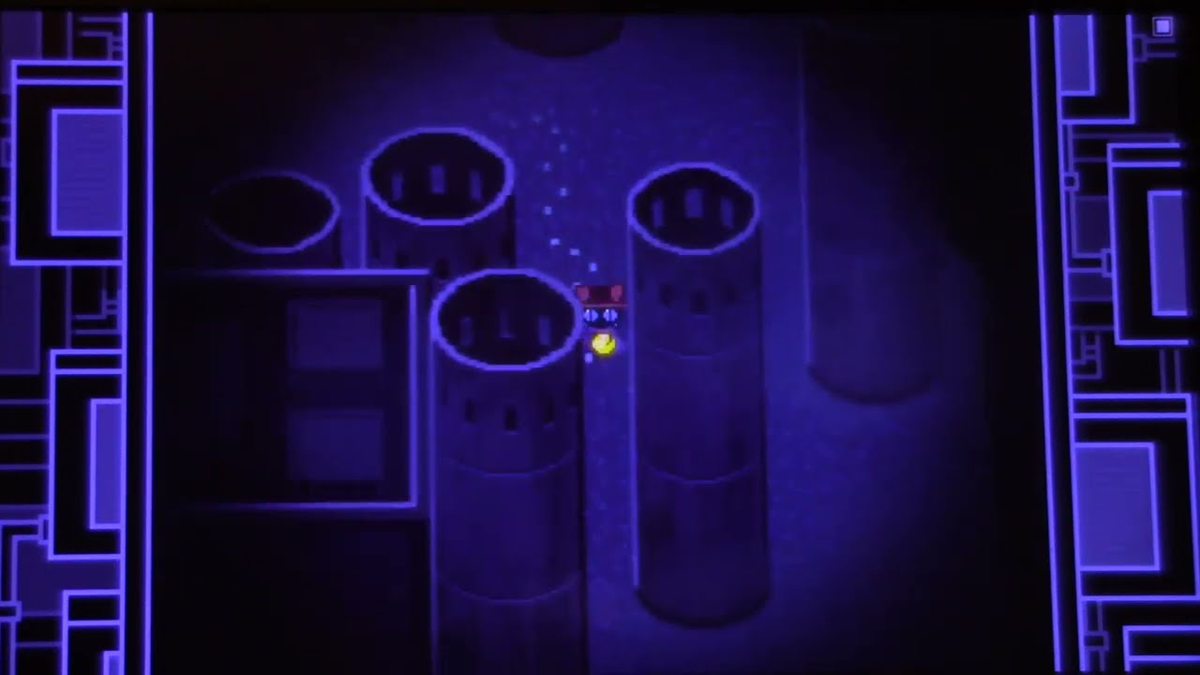
A few pixels can do a surprising amount of acting. In OneShot, that restraint fits the game’s fragile tone, where small character movements, quiet pauses, and simple expressions leave the player to read more into the scene than the sprite directly shows. Pixel art does not always compete with realism. Sometimes it sidesteps realism completely and gets closer to a symbol, which can be more flexible than a fully detailed face.
It Worked Well With Modern Lighting and Effects
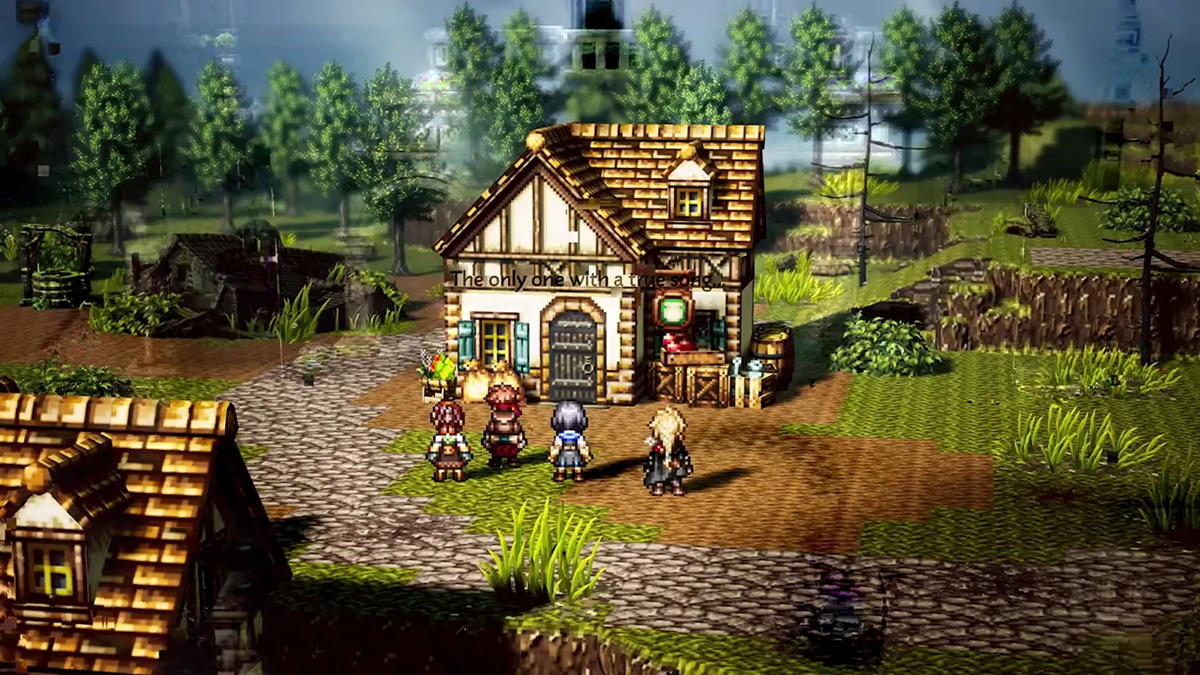
Octopath Traveler helped popularize the term HD-2D, using pixel-style characters inside layered environments with modern lighting, depth of field, and 3D camera work. Square Enix described Octopath Traveler II’s look as a fusion of retro pixel art and 3DCG, which is a useful way to think about the broader shift. The pixels are no longer trapped inside old display technology. They can sit inside scenes with bloom, fog, particles, and cinematic framing.
It Made Genre Memory Part of the Design
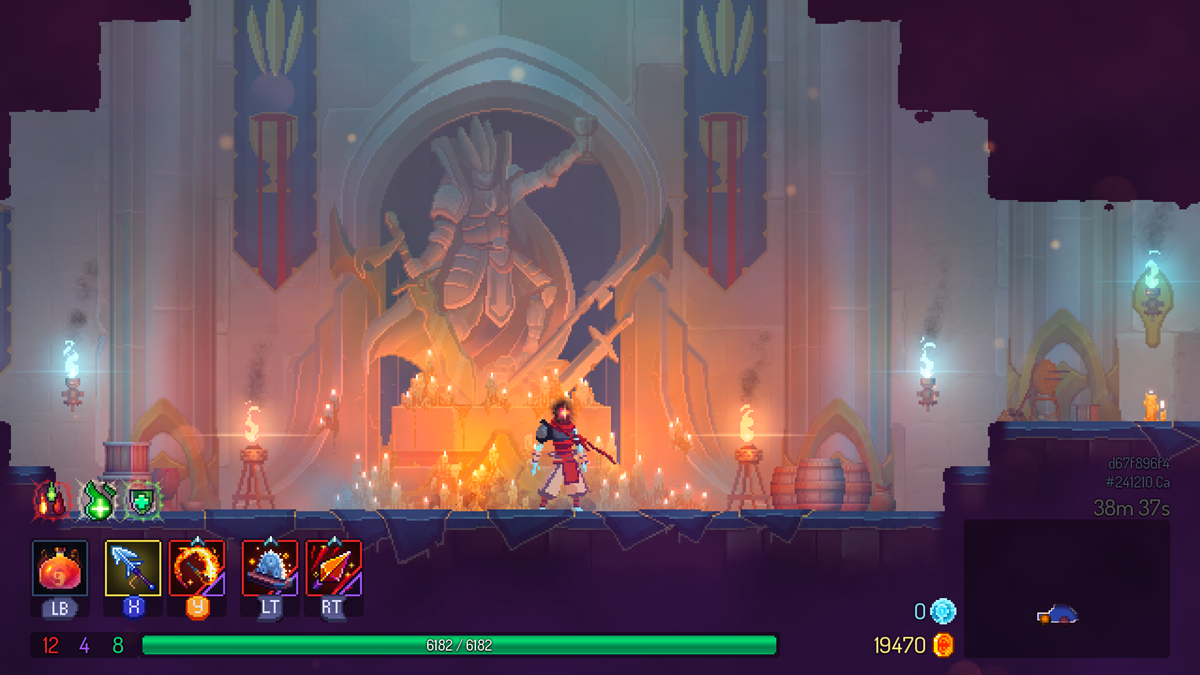
Pixel art can signal a game’s mechanical ancestry before the player presses a button. A side-scrolling action game, a farming sim, a turn-based RPG, or a top-down adventure can use pixels to quietly announce the traditions it is playing with. Dead Cells, which entered Steam Early Access in 2017 and reached consoles in 2018, borrows from action-platformers and Castlevania-style exploration, but its speed and procedural structure are modern. The art helps connect those pieces without making the game feel like a museum piece.
It Kept Horror and Mystery Slightly Unstable
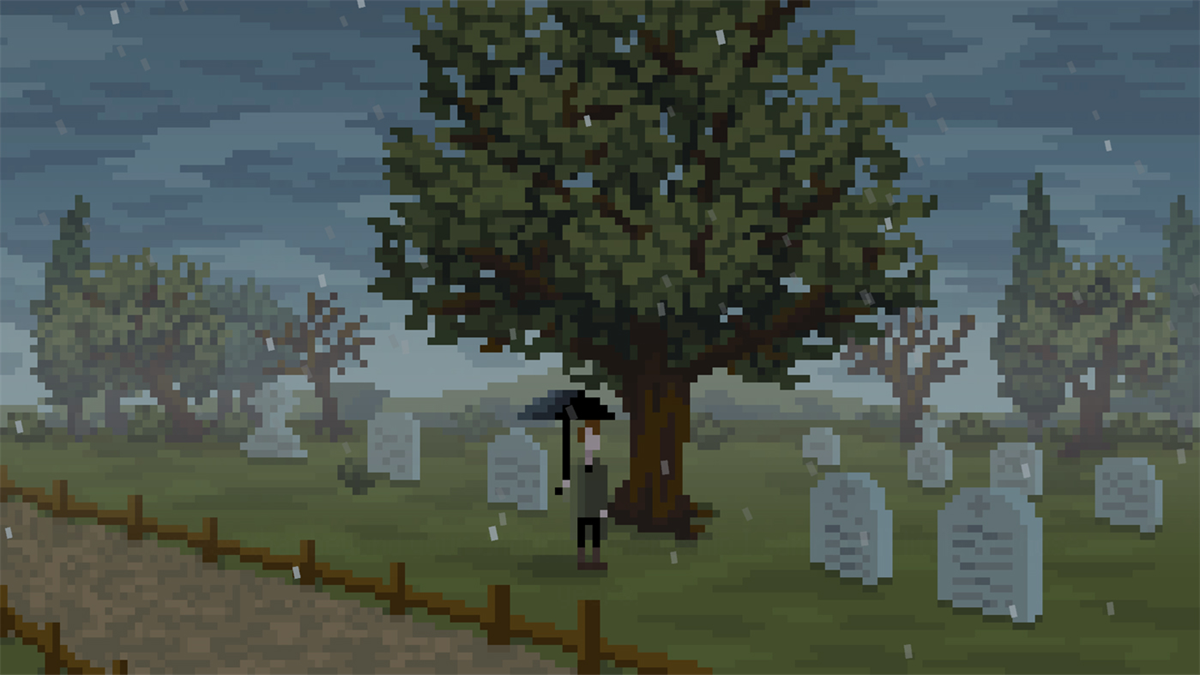
Not showing too much can be useful when a game wants to make the player uneasy. In The Last Door, the low-resolution rooms, half-readable faces, and dark silhouettes make the horror feel slightly incomplete, as if the player is always filling in something worse than what is actually on screen. Pixel art can hide details in darkness, blur the edge of a creature, or make a room feel stranger because the eye cannot fully resolve it. Sometimes the scary thing is not what the sprite shows, but what it refuses to clarify.
It Became a Branding Choice
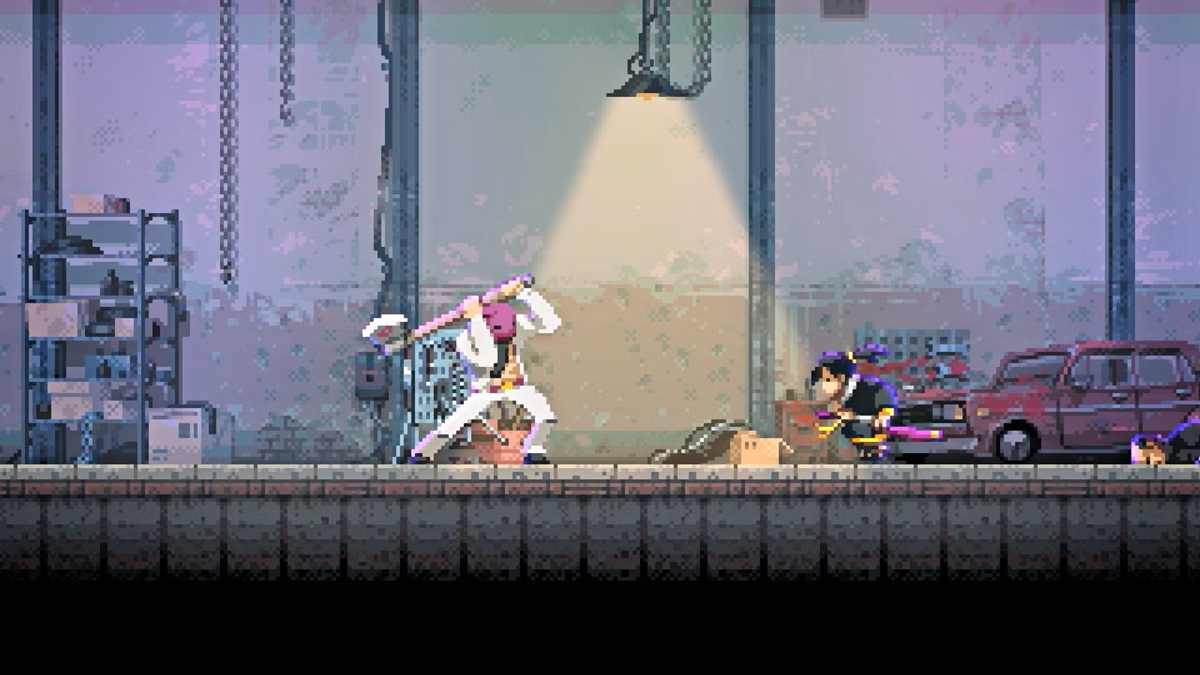
A strong pixel art game can be recognized from a screenshot, which is not a small thing in crowded storefronts. Katana ZERO is a good example, with its sharp silhouettes, neon-lit interiors, and sudden bursts of motion giving the game a look that carries easily across trailers, thumbnails, social media clips, and merchandise. The style also gives the game an identity beyond its combat and time-rewind structure. When the look is handled carefully, it becomes part of how people remember the game, not just how they categorize it.
It Proved That Technical Progress Is Not One Direction
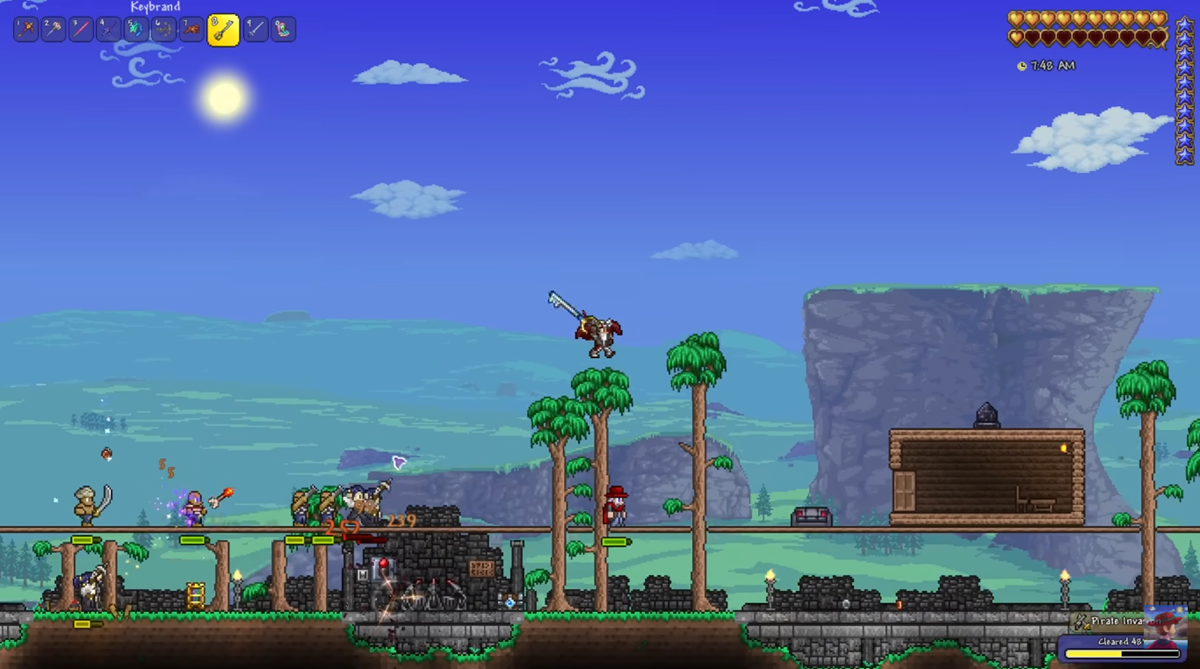
The old assumption was that games would simply get more realistic forever. Terraria pushes against that idea neatly, because its 2D pixel world kept expanding for years while many bigger-budget games chased higher fidelity. Its appeal is not that it looks technologically “behind,” but that the style fits the digging, building, fighting, and collecting at the heart of the game. Modern games now move between 3D realism, painterly 2D, low-poly minimalism, hand-drawn animation, and pixel art without treating one as more advanced than the others.
It Gave Players a Different Kind of Beauty
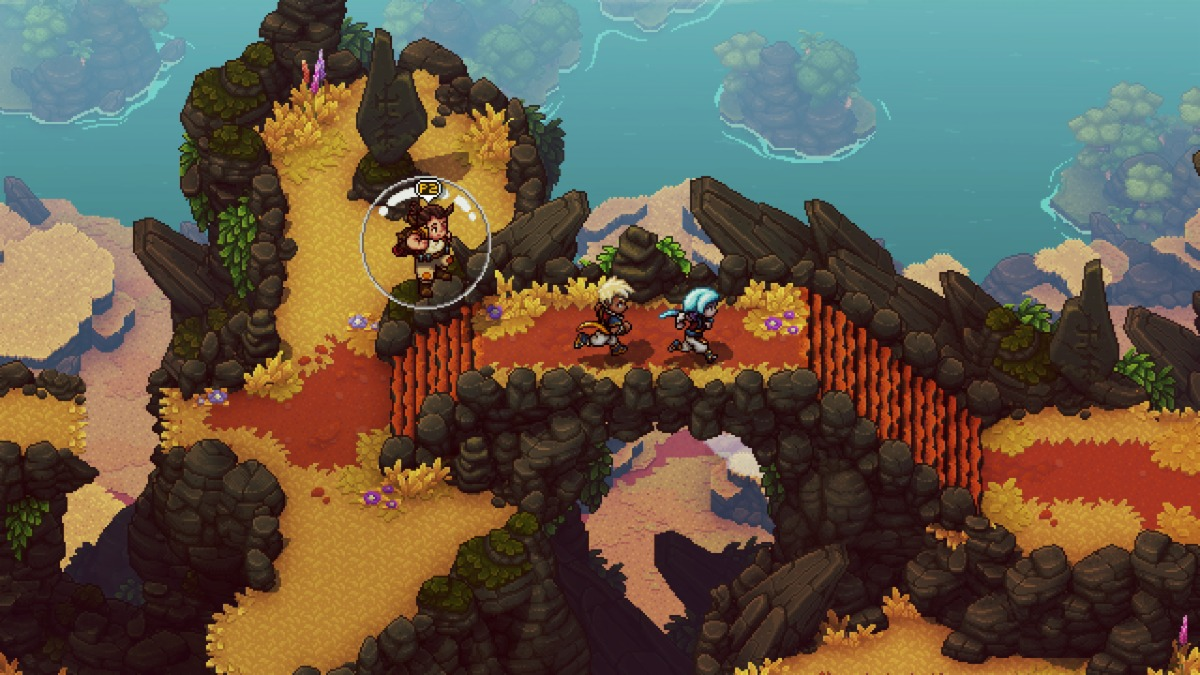
Pixel art is not beautiful because it lacks detail. It is beautiful because it chooses which details matter. Sea of Stars shows that clearly in its glowing skies, warm interiors, waterfalls, and battle animations, where the images feel composed rather than overcrowded. A sunset made from a few bands of color, a sword swing drawn in a handful of frames, or a tiny house glowing at night can stay with players because the image knows where to stop.
Pixel art survived because developers kept finding new uses for it. It can be economical, but it can also be elegant, funny, bleak, warm, or strange. The hardware limitation became a vocabulary, and modern games are still learning new ways to speak it.
Continue Reading: 13 New Video Games Scoring Big With Critics Right Now