Some games feel bigger than sales charts. They shape design language, inspire developers for decades, and become shorthand for entire moods or genres, even when their publishers would have preferred much cleaner numbers. Gaming history is full of franchises that look untouchable in hindsight but were messy, modest, or outright disappointing on balance sheets. That gap between cultural memory and financial reality is where some of the medium’s most interesting stories live.
Shenmue
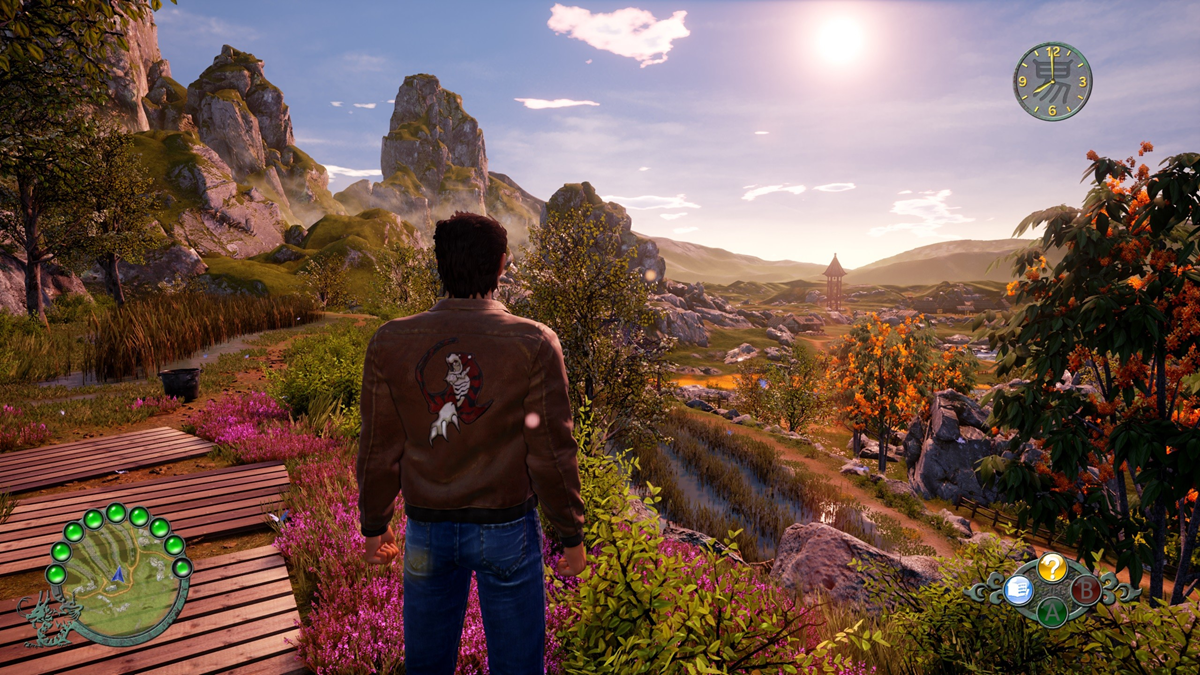
Shenmue still carries the strange glow of a game that seemed to arrive from the future and the past at the same time. It had daily schedules, vending machines, slow detective work, awkward conversations, and a seriousness about ordinary space that was unusual for a console blockbuster in 1999. Financially, though, the dream was heavy. Its reported development and marketing cost, often placed in the tens of millions of dollars, made it one of the most expensive games of its time, and selling around 1.2 million copies was not enough to make the math work. The result is a franchise remembered as visionary, even though its original business case looked terrifying.
Tomb Raider
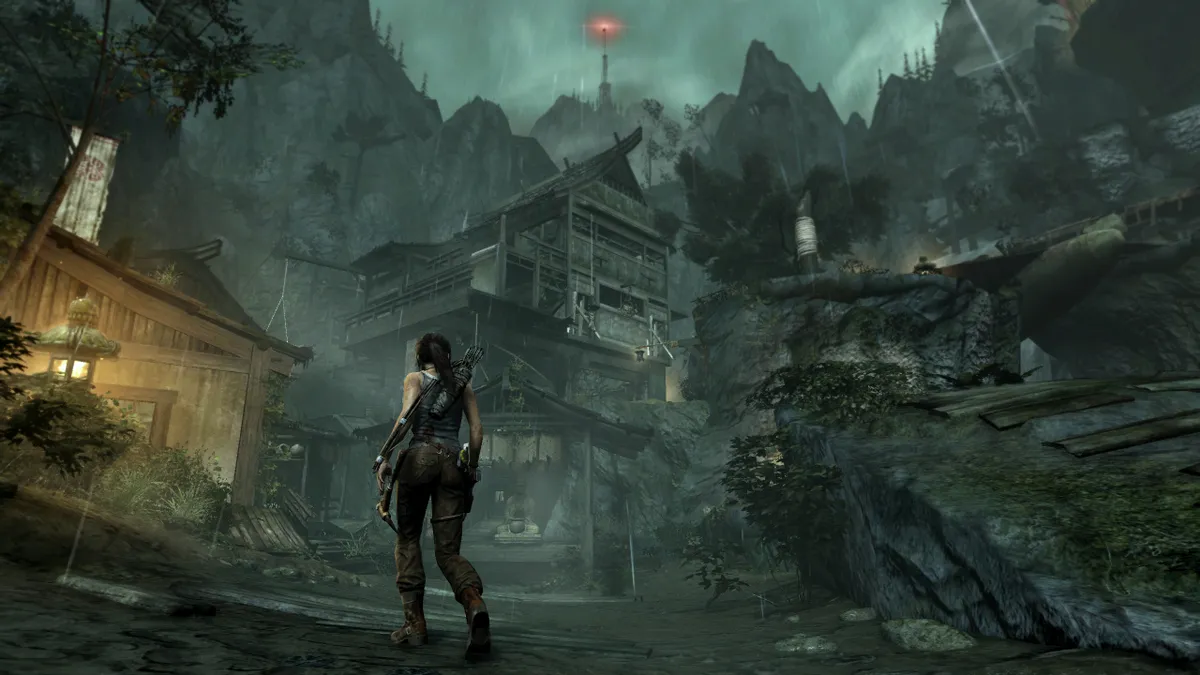
Lara Croft is one of the few video game characters who broke out into mainstream celebrity, which makes the financial weirdness of Tomb Raider even more revealing. The 2013 reboot sold millions quickly, the sort of result most publishers would frame as a win, but Square Enix still described it as underperforming. That says less about Lara’s popularity than about the pressure placed on big-budget games in the HD era, when “successful” could mean “not successful enough.” Years later, Square Enix sold Crystal Dynamics, Eidos-Montréal, and properties including Tomb Raider to Embracer Group for $300 million, a figure that surprised many observers because of the brand value attached to Lara. Culturally, Tomb Raider is close to gaming royalty. Financially, it has often been treated like a property that needed to justify itself all over again.
EarthBound
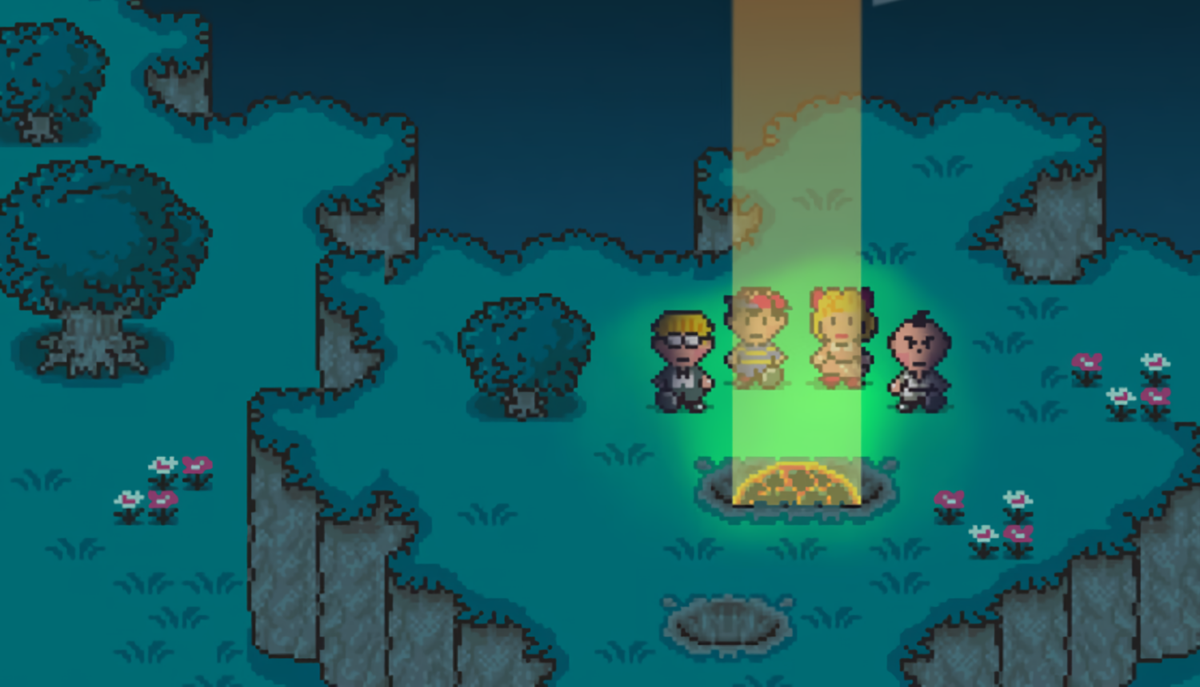
EarthBound’s afterlife is almost absurd compared with its first life in North America. Today it is discussed as one of the most personal, funny, and quietly strange RPGs Nintendo ever published, but its U.S. launch was a dud, reportedly selling roughly 140,000 copies. The oversized box, scratch-and-sniff marketing, and offbeat tone did not click with enough players in 1995. The funny thing is that the failure became part of the mythology, a game about being out of step with the world turned into a game that the market itself failed to understand.
Metroid
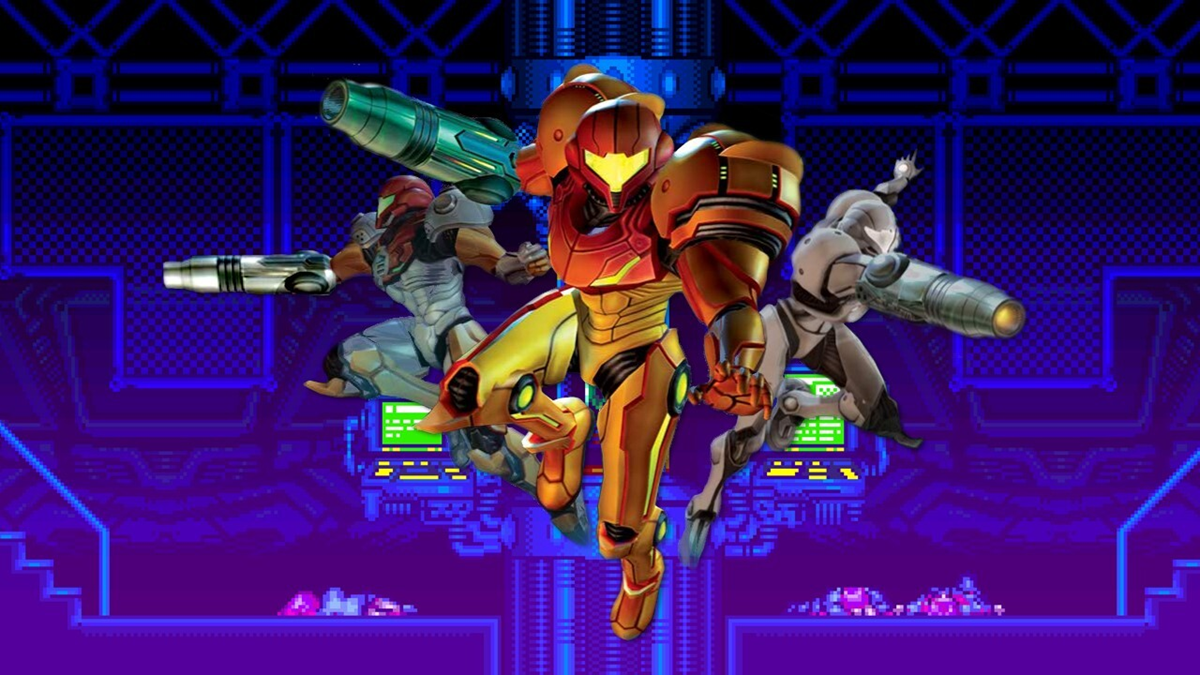
Metroid is one of those franchises whose influence is easier to see in other games than in its own sales totals. “Metroidvania” became a genre label, Samus Aran became one of Nintendo’s defining characters, and Super Metroid remains a design text people still study. Yet the series has never operated in the same commercial universe as Mario, Zelda, Pokémon, or Animal Crossing. Metroid Dread becoming the best-selling game in the series at around 2.9 million units is impressive for Metroid, but modest by Nintendo’s broader standards. Its cultural footprint is huge because designers absorbed it, not because every entry was a mass-market monster.
Ōkami
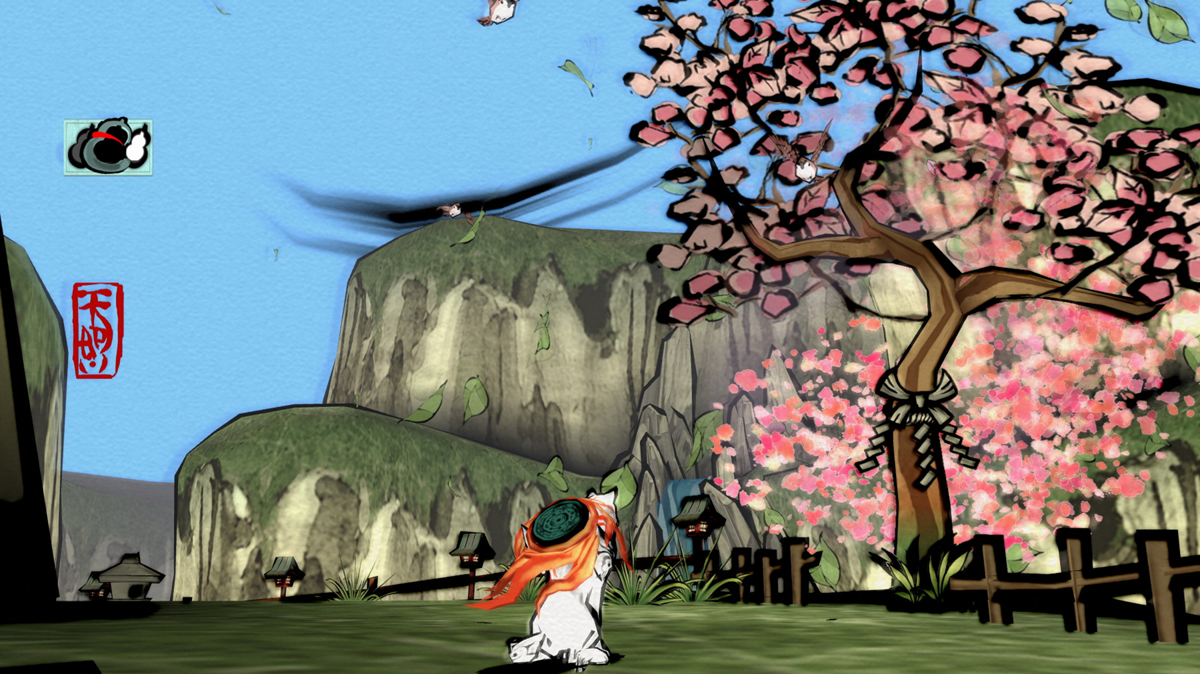
Ōkami looks like the kind of game that should have been protected by critical acclaim alone. It had a brushstroke art style, a mythic structure that felt warm rather than stiff, and a lead character who made the whole thing instantly recognizable. The original release, however, arrived late in the PlayStation 2 cycle and struggled to turn praise into big sales. By March 2009, total sales for the game were still under 600,000 units, even after later versions, although the broader franchise eventually passed 4 million thanks to reissues and long-tail appreciation. In a way, Ōkami’s financial story is not only about failure. It is about how some games need several hardware generations before the audience catches up.
Trending on realmoneygamer.com
Psychonauts
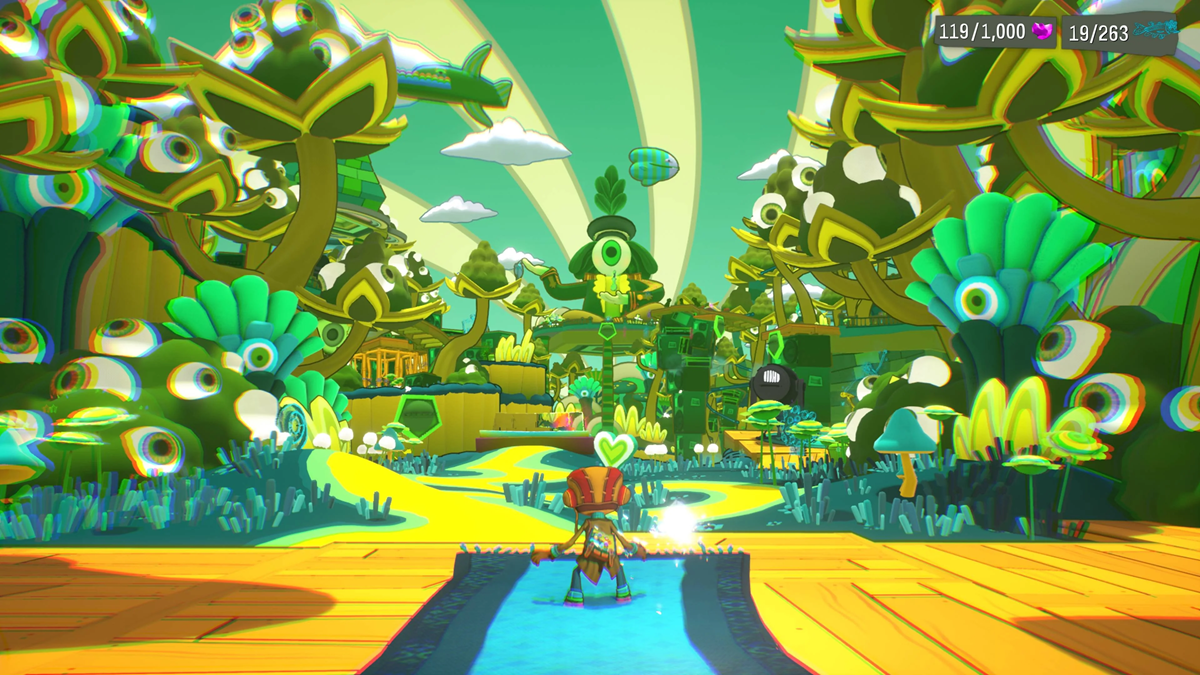
Psychonauts had Tim Schafer’s fingerprints all over it, which was both its charm and, commercially, part of the problem. A summer camp inside a world of psychic kids, mental worlds, and emotional slapstick was never going to be an easy supermarket-shelf pitch in 2005. Initial sales were poor, often described around the 100,000-copy range, and publisher Majesco took real damage during that period. The strange part is that the game never felt small to the people who loved it. Digital distribution, bundles, and a long-delayed sequel eventually turned Psychonauts into a healthier franchise than its launch suggested, but the original was once a warning sign for “creative” console games.
System Shock
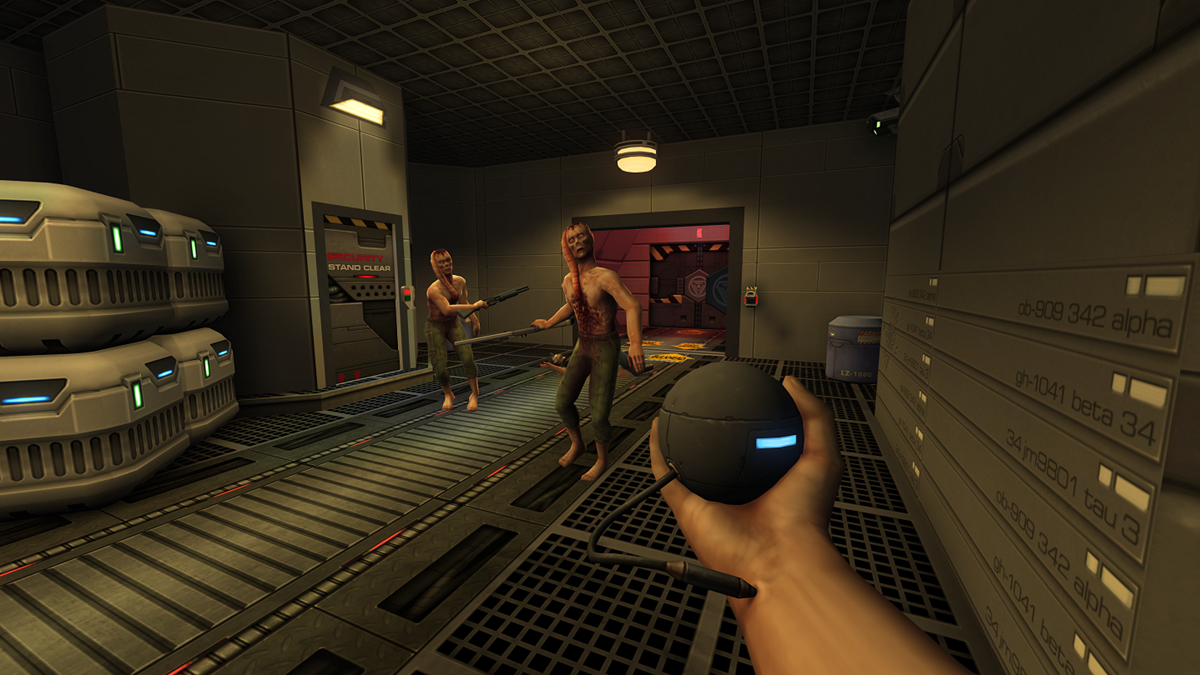
System Shock is not a household name in the way BioShock became one, but without it, a whole branch of immersive sims looks different. The second game, in particular, helped define a blend of horror, RPG systems, environmental storytelling, and player improvisation that later developers kept returning to. Sales told a much harsher story. System Shock 2 reportedly sold only about 58,000 copies in its first eight months, a brutal number for a game with real ambition and a real budget. Looking Glass Studios closed in 2000, and the franchise spent years as a respected ghost, cited constantly by designers while barely functioning as a commercial property.
Beyond Good & Evil
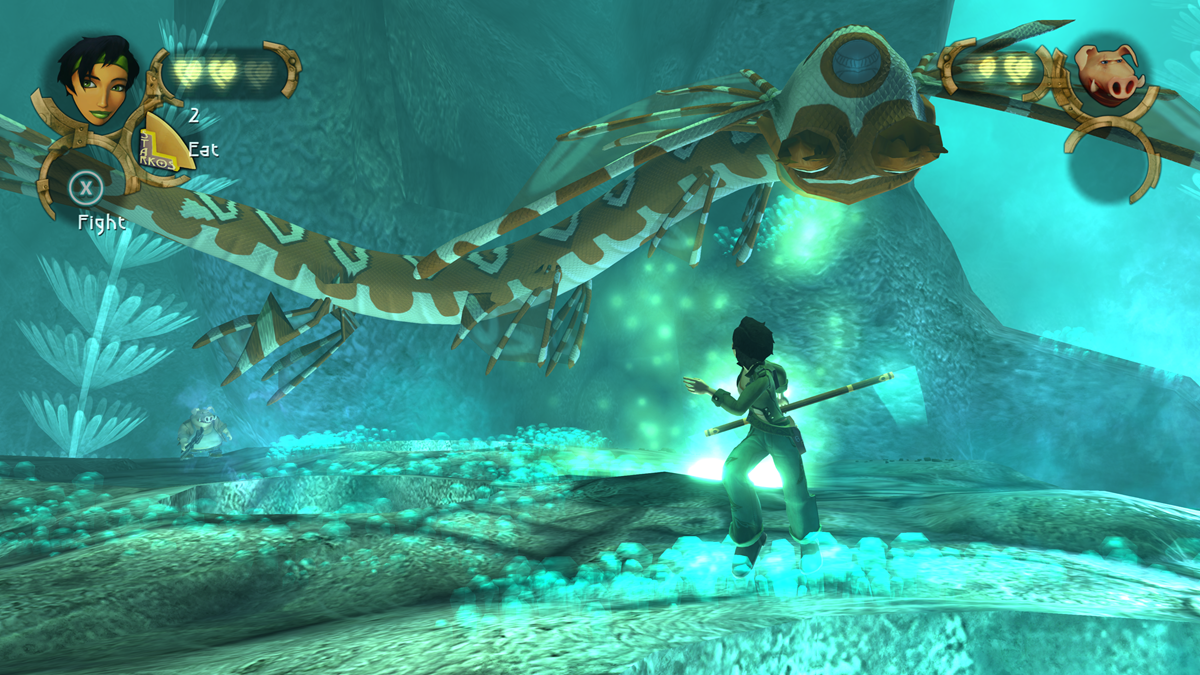
There is a certain irony in Beyond Good & Evil becoming famous partly because not enough people bought it. Ubisoft’s 2003 adventure had a journalist hero, political paranoia, warm character work, and a tone that did not fit cleanly beside the louder holiday releases around it. Retail discounts came fast, and the planned follow-up became one of the industry’s longest-running sagas. The sequel’s endless development has sometimes made the original feel even more important, as if the unfinished promise keeps feeding the cult around it. From a business perspective, though, the first game was not a sleeping giant at launch. It was a beloved problem.
Prince of Persia
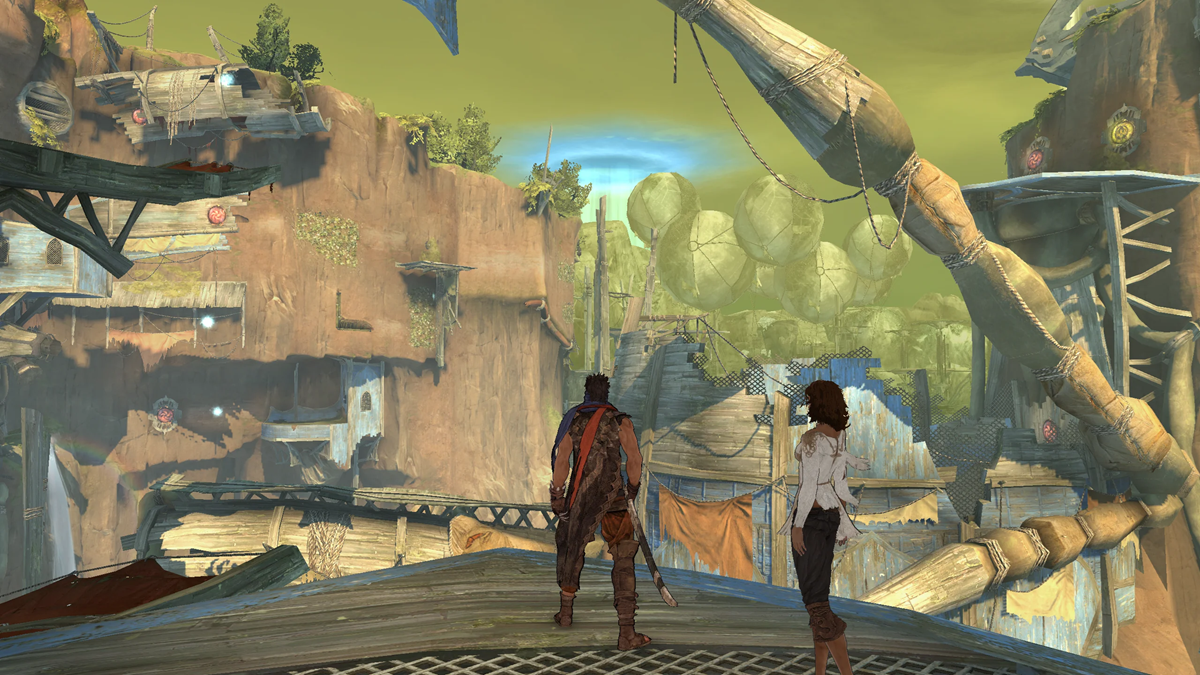
Prince of Persia is older than many of the franchises that outsold it, and its influence is baked into action games in ways players do not always notice. The 1989 original helped define cinematic platforming, The Sands of Time rewired 3D movement and rewind mechanics for a new generation, and Ubisoft kept trying to decide what the series should be after that. The 2008 reboot sold in the millions but did not become the clean new foundation Ubisoft seemed to want. More recently, The Lost Crown earned strong reviews but reportedly failed to meet expectations, and the wider franchise has been caught in Ubisoft’s stop-start development culture. Prince of Persia has mattered for nearly four decades. It has also spent much of that time being treated like a difficult asset.
Dead Space
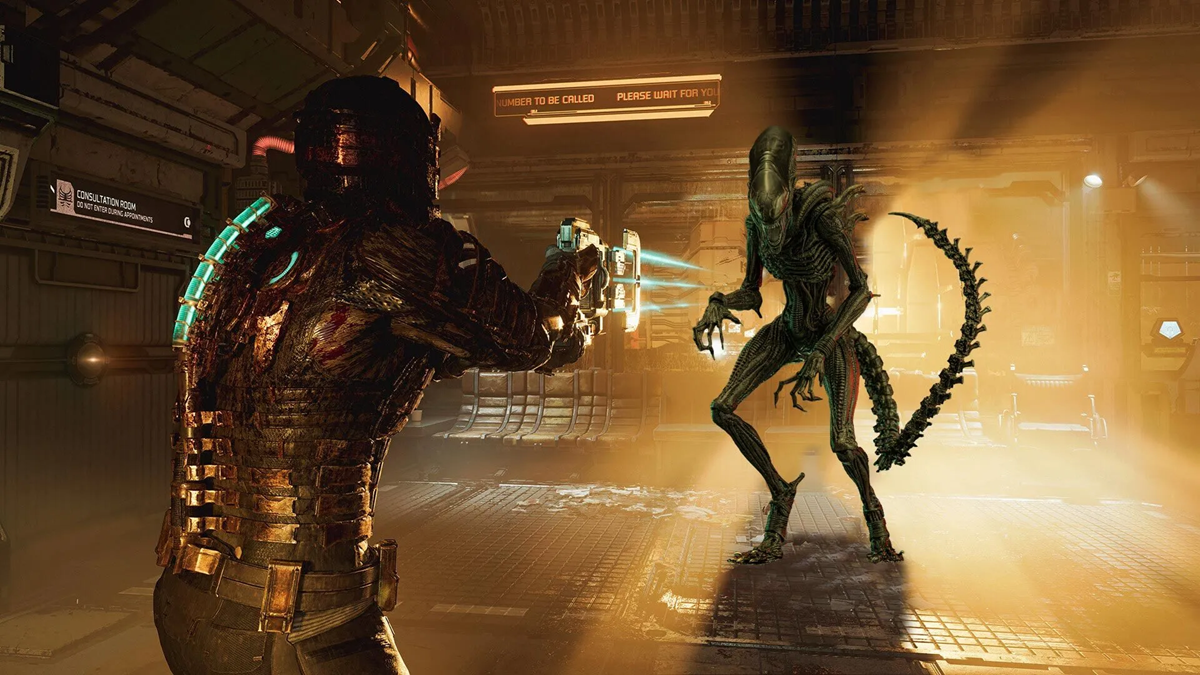
Dead Space is now remembered as one of the cleanest arguments for big-budget horror, but EA’s expectations made the franchise’s path far less clean. The first two games built a loyal following around industrial dread, grotesque sound design, and a protagonist who seemed more exhausted than heroic. By Dead Space 3, the conversation had shifted toward co-op, action, microtransactions, and the size of the audience needed to keep the series alive. Reports at the time suggested EA wanted a number closer to 5 million copies for the franchise to remain viable. That kind of target helps explain why a series can be widely respected, remade years later, and still have spent a long stretch looking commercially fragile.
Mirror’s Edge
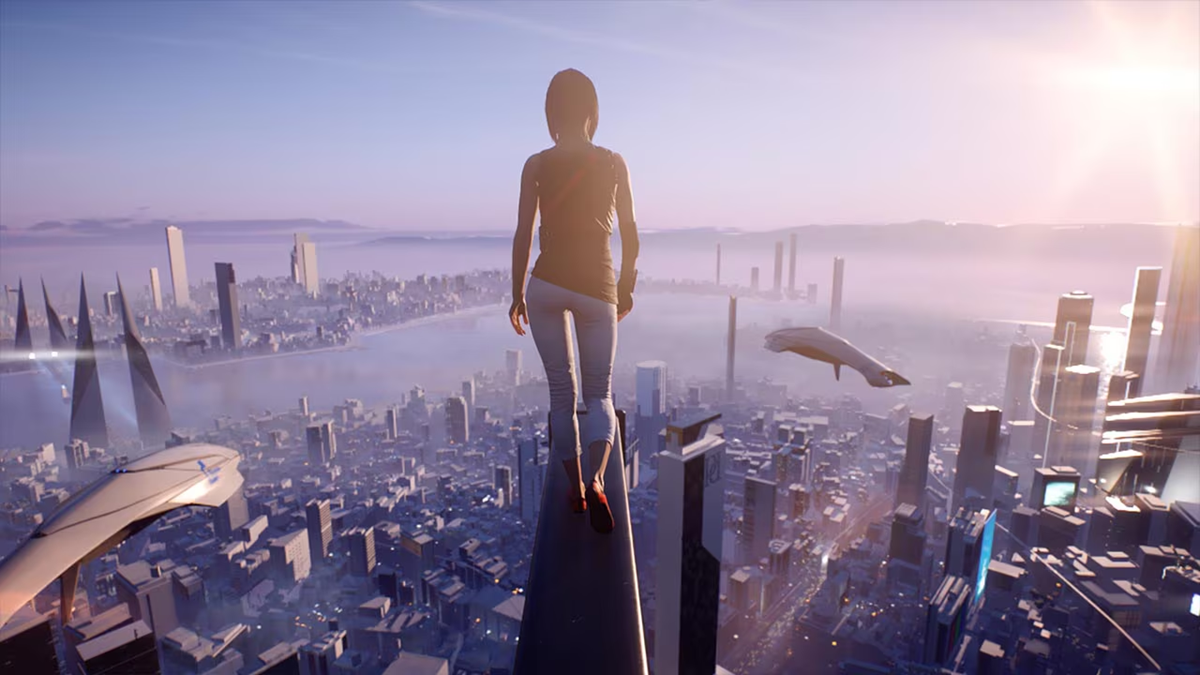
Mirror’s Edge did not need a dozen sequels to leave a mark. Faith’s red-gloved first-person movement through white rooftops and glassy corporate spaces was enough to make the game visually unforgettable. Sales eventually reached a respectable figure, around 2.5 million by 2013, but the franchise never became the pillar that its aesthetic influence might suggest. It is one of those games people reference constantly, yet publishers rarely seem eager to fund many things like it.
The pattern is not as simple as “good games sell badly.” Some of these franchises eventually found money through remasters, sequels, acquisitions, subscriptions, or nostalgia cycles. Others became valuable mostly as influence, the kind of cultural capital that does not always show up cleanly in quarterly reports. Video game history tends to remember what changed the medium, while publishers remember what paid back the budget. Those are not always the same thing.
Continue Reading: 11 Gaming Franchises Sold Between Studios So Many Times Nobody Remembers the Original Owner