Big budgets don’t always guarantee beautiful games. While players usually expect expensive productions to deliver cutting edge graphics, some of gaming’s most costly projects ended up looking surprisingly dated, underwhelming, or simply unimpressive compared to cheaper competitors. In some cases, the money went into years of troubled development, massive online infrastructure, celebrity casts, or ambitious technology that wasn’t immediately visible on screen.
These expensive games prove that a massive budget doesn’t always translate into stunning visuals. Whether they suffered from outdated engines, rushed releases, or questionable artistic decisions, each of these titles left players asking the same question: where did all that money actually go?
1. A $200 Million Game That Never Looked Premium
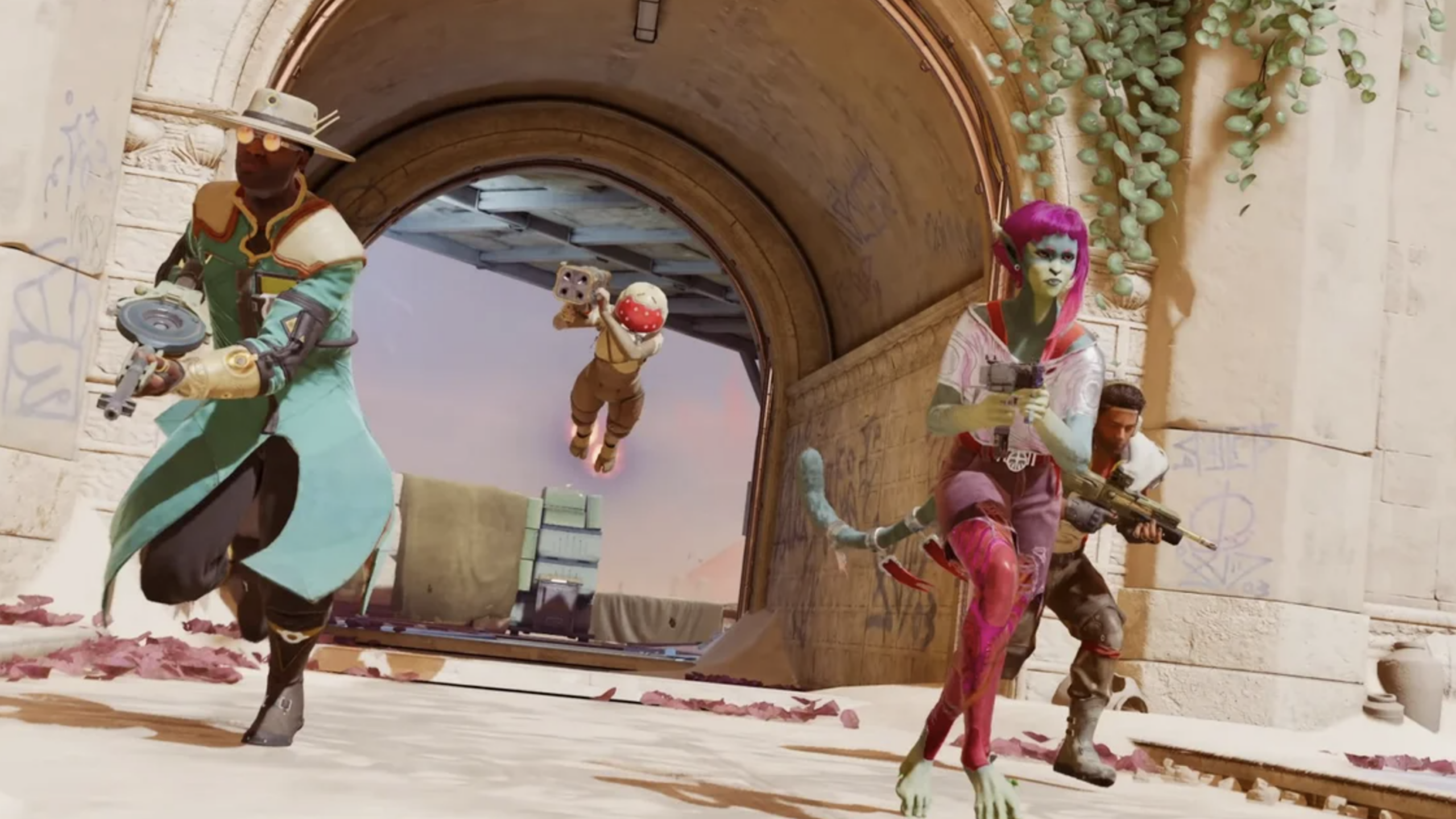
Sony reportedly spent more than $200 million developing Concord, but many players were surprised by its generic character designs and uninspired visuals. While the technology behind the game was solid, critics argued it lacked the visual identity expected from such an enormous investment. Among modern expensive games, few sparked as many questions about where the budget actually went.
2. You’d Never Guess This MMO Cost $200 Million
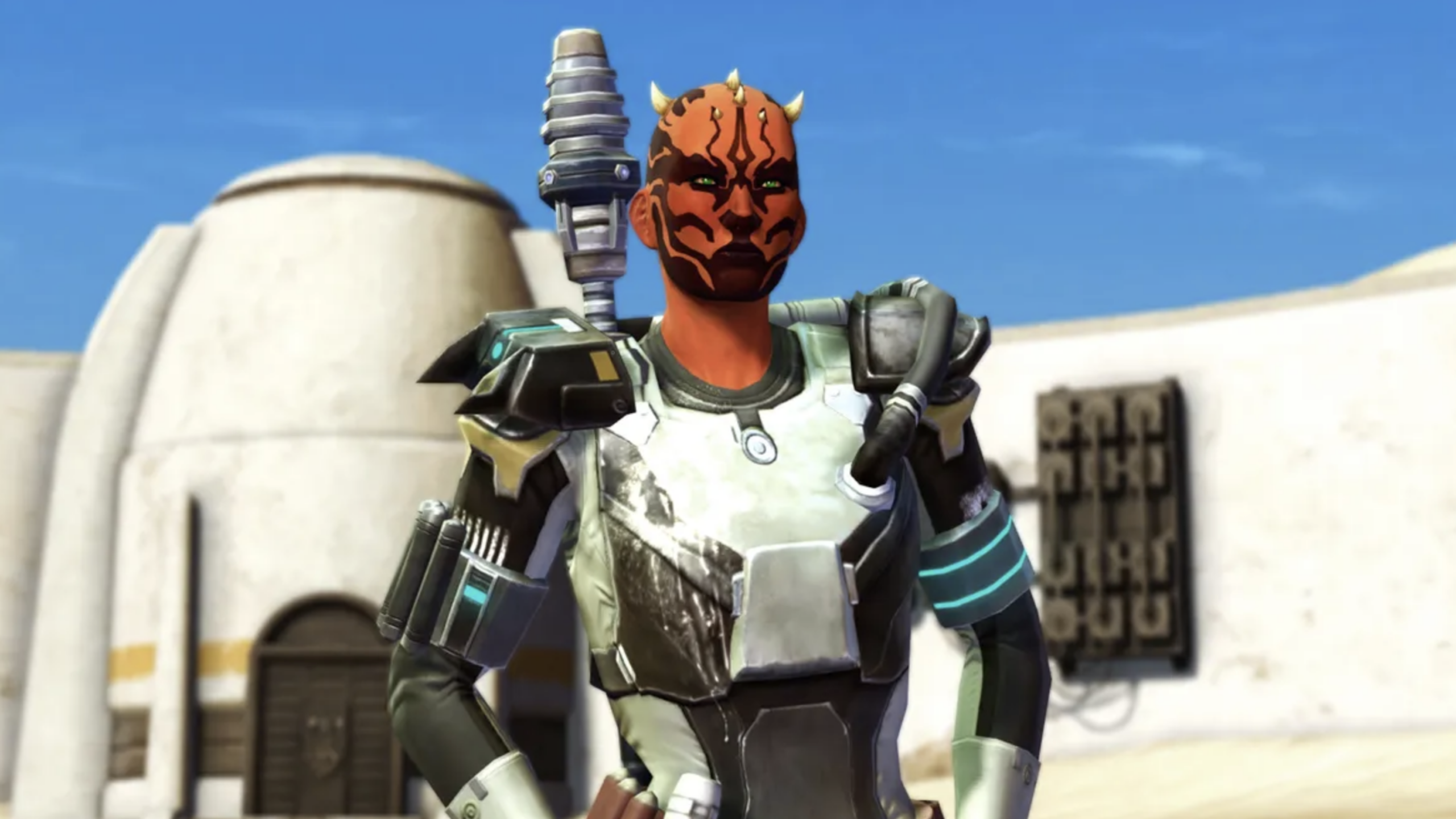
When Star Wars: The Old Republic launched in 2011, many players expected the most expensive MMO ever made to completely redefine graphics. Instead, BioWare delivered visuals that already looked dated compared to several competitors. The studio reportedly spent around $200 million, but much of that budget went into fully voiced dialogue, cinematic storytelling, and online infrastructure rather than eye catching visuals.
3. Where Did All That Money Actually Go?
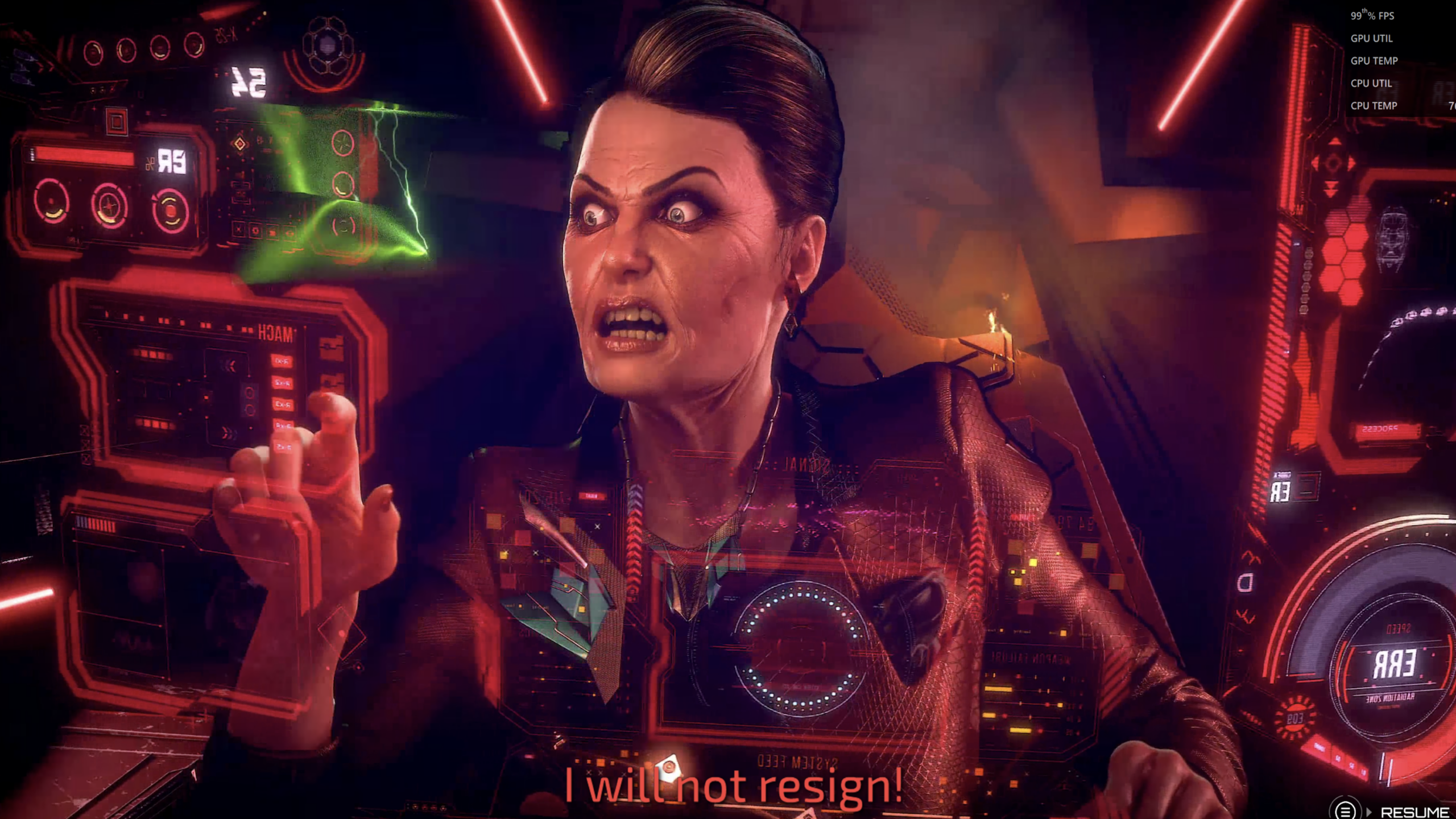
Microsoft spent years promoting Crackdown 3 as a technical revolution powered by cloud computing. Development reportedly exceeded $100 million, yet the final product looked surprisingly similar to late Xbox 360 era games. While the destruction technology consumed a significant portion of the budget, most players were left wondering why the graphics never reflected such a massive investment.
4. It Looked Like a Budget Game, Not a $100 Million One
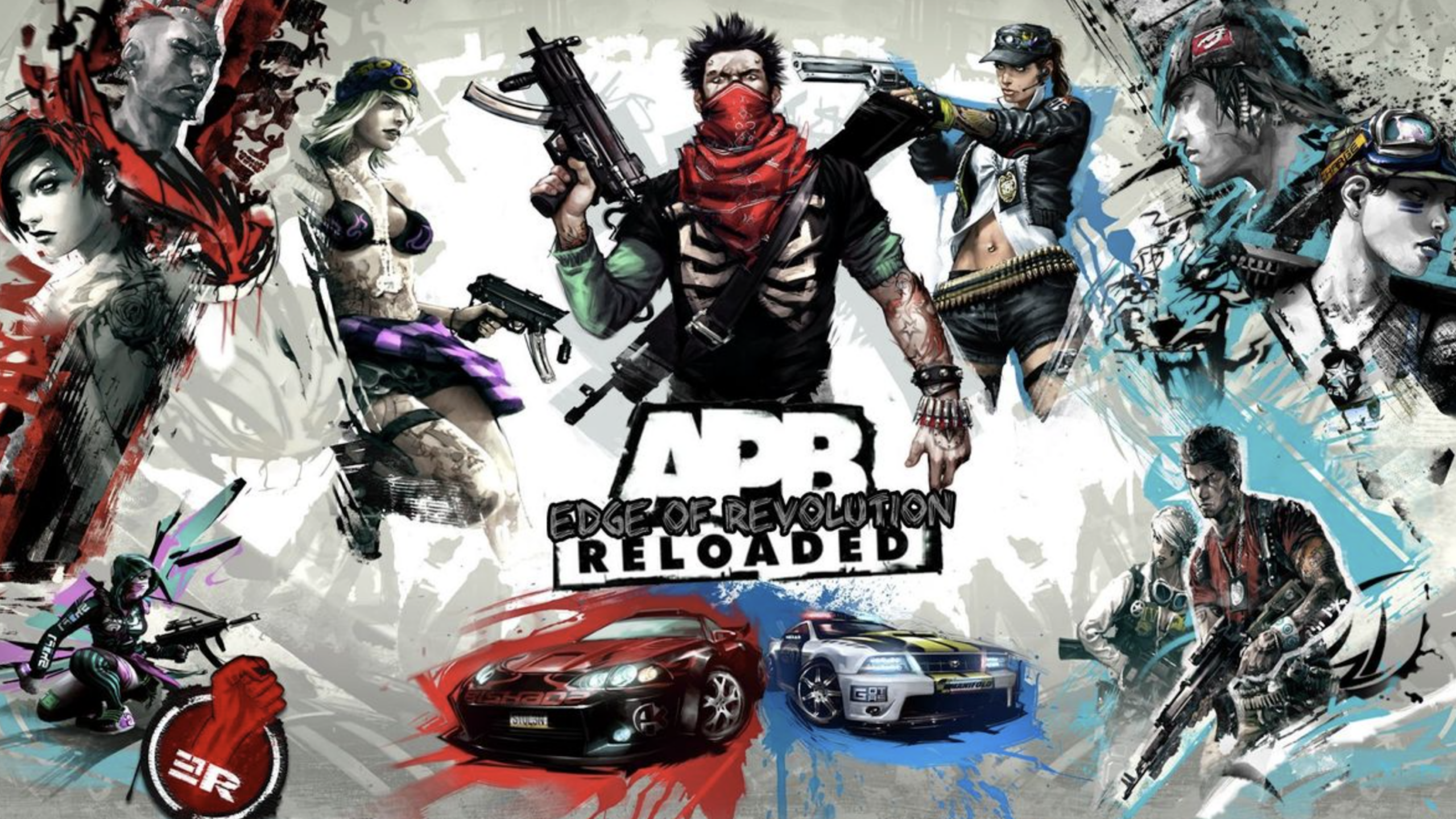
Realtime Worlds invested an estimated $100 million creating this ambitious online crime simulator. Despite its enormous budget, APB launched with fairly ordinary visuals, stiff animations, and environments that felt more like a mid tier multiplayer game than one of the industry’s biggest productions. Among expensive games, few looked so modest compared to what they actually cost.
5. One of Gaming’s Biggest Bills Didn’t Buy Better Graphics
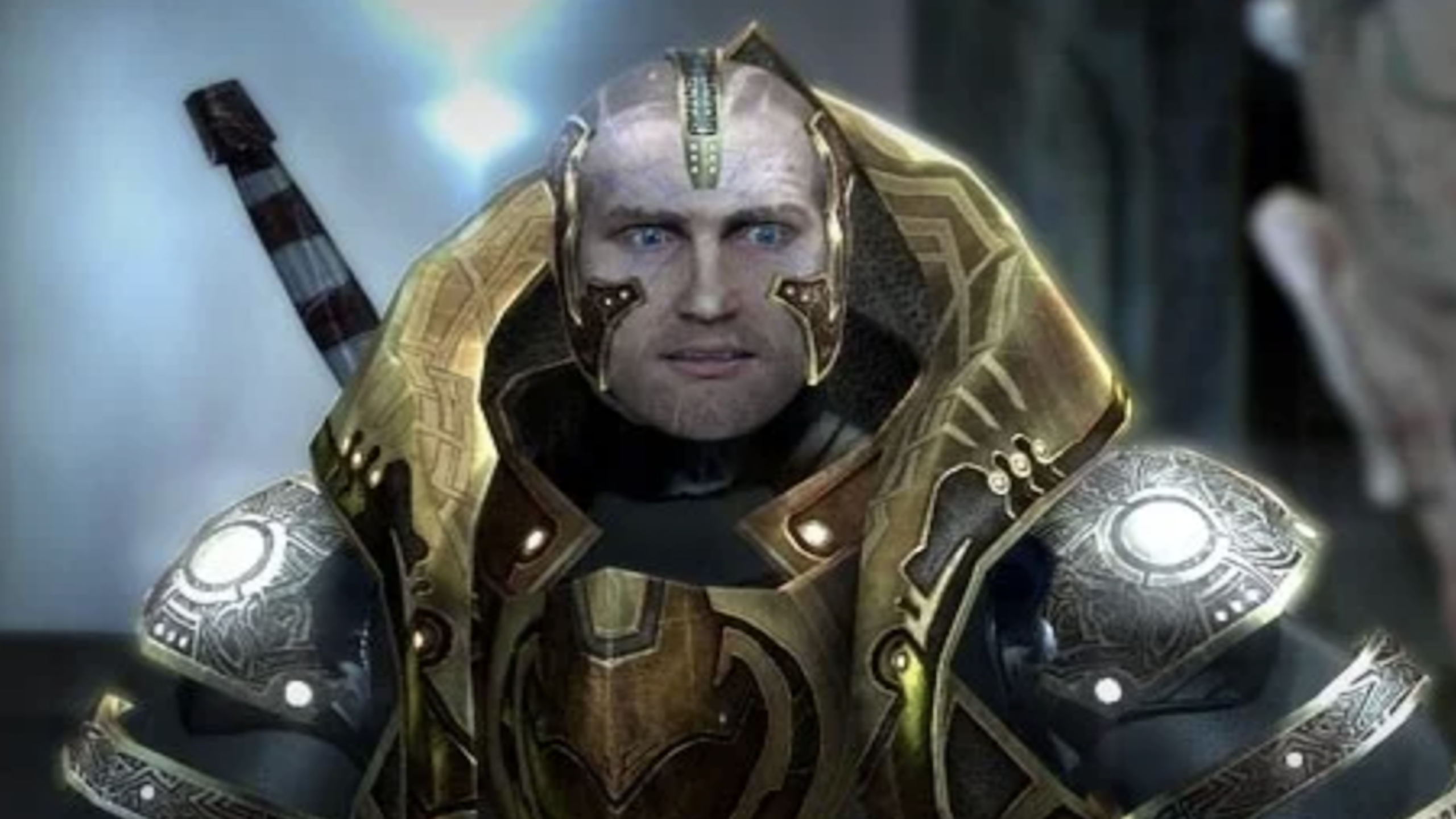
Back in 2008, spending roughly $60 million on a single video game was almost unheard of. Unfortunately, Too Human never looked like a record breaking production. Its awkward animations, inconsistent textures, and outdated presentation made many players assume it had been built on a much smaller budget.
Trending on realmoneygamer.com
6. More Money Went Behind the Scenes Than Onto the Screen
Reports suggest Defiance cost more than $100 million, but much of that investment wasn’t visible in the graphics. Instead, the budget helped fund an ambitious multimedia project that connected the game with a live television series. Visually, however, it resembled many standard online shooters of its generation, making it one of those expensive games where the money was spent almost everywhere except the graphics.
7. Expensive Games That Hid Their Budget in Unexpected Places
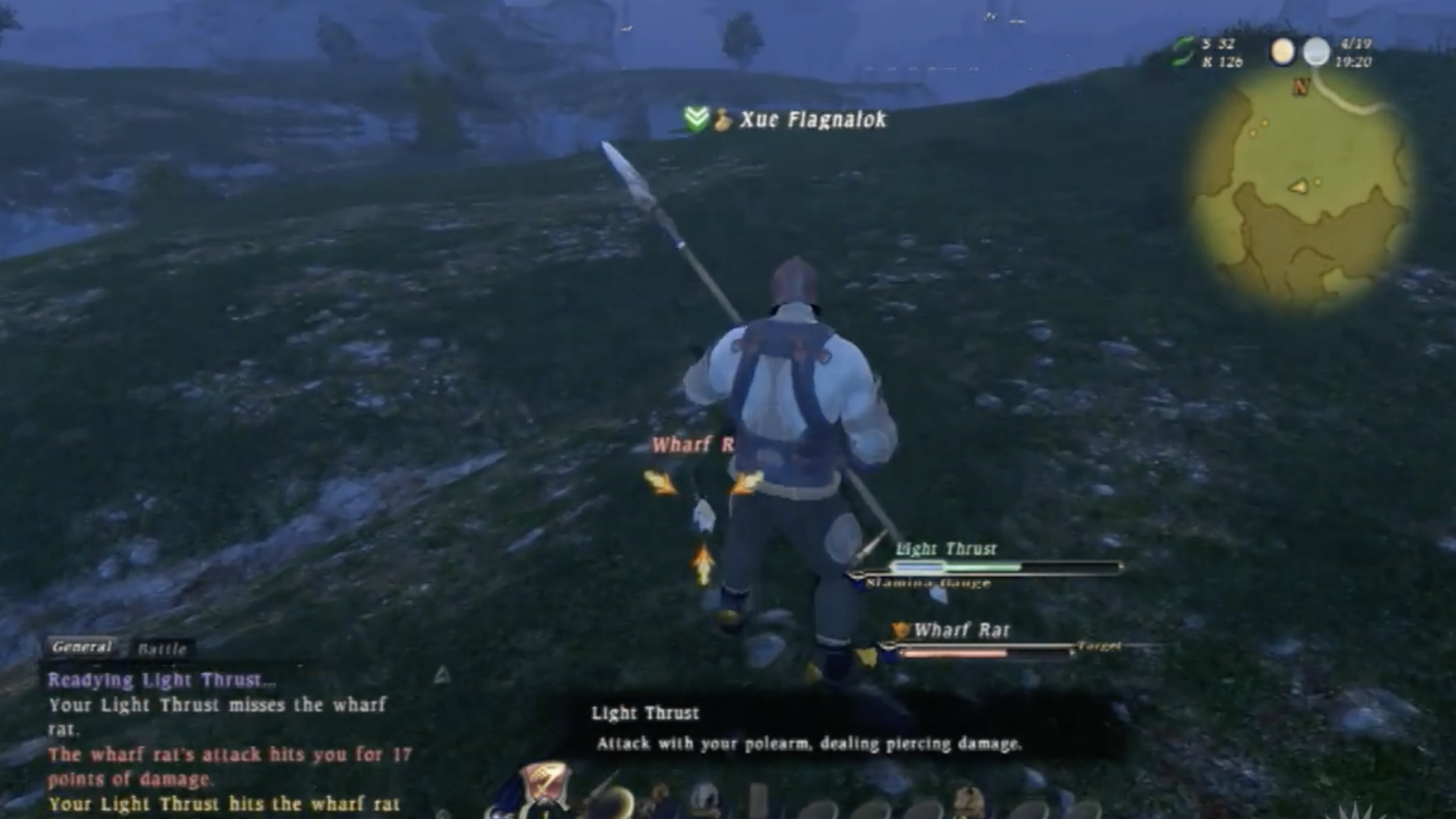
Square Enix invested tens of millions of dollars into the original version of Final Fantasy XIV, yet the game launched with repetitive environments, poor optimization, and technical decisions that actually hurt performance. The publisher eventually spent even more rebuilding the entire MMORPG into A Realm Reborn, turning one of gaming’s biggest failures into one of its greatest comeback stories.
8. This Fantasy World Never Looked Like a Nine Figure Project
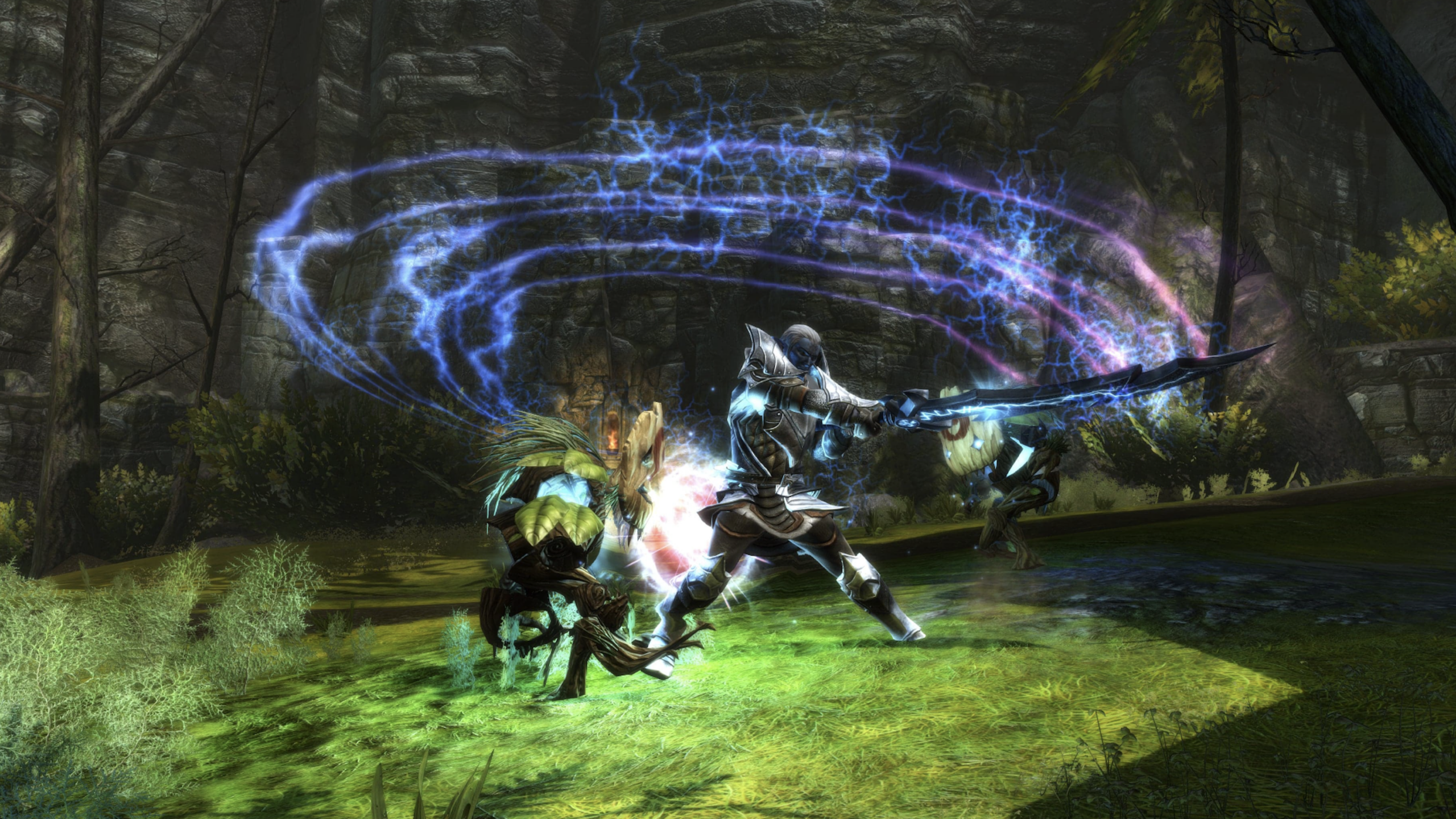
While the complete 38 Studios project reportedly surpassed $100 million, Kingdoms of Amalur often looked closer to a polished AA RPG than a blockbuster production. Most of the investment went into building a brand new studio, creating an entire fantasy universe, and developing technology that players rarely noticed. It’s another reminder that expensive games don’t always look expensive.
9. A Triple A Budget Wearing an Indie Disguise
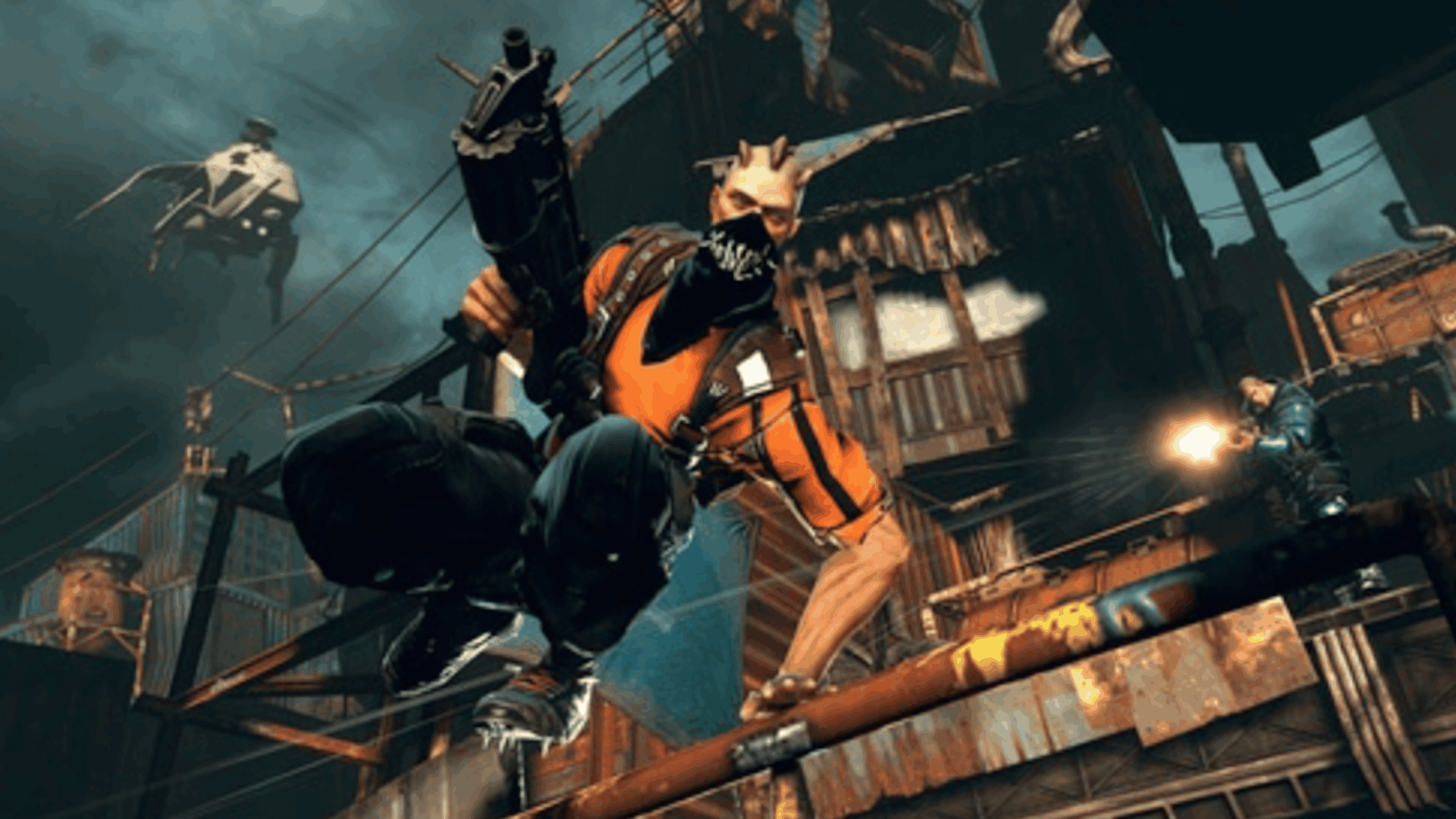
Bethesda backed Brink with a substantial budget, estimated at more than $50 million, while Splash Damage spent years developing its movement system and multiplayer features. Even so, the stylized visuals and relatively simple environments gave many players the impression they were looking at a far smaller production than it actually was.
10. The Most Expensive Game of Its Era Didn’t Look Like It
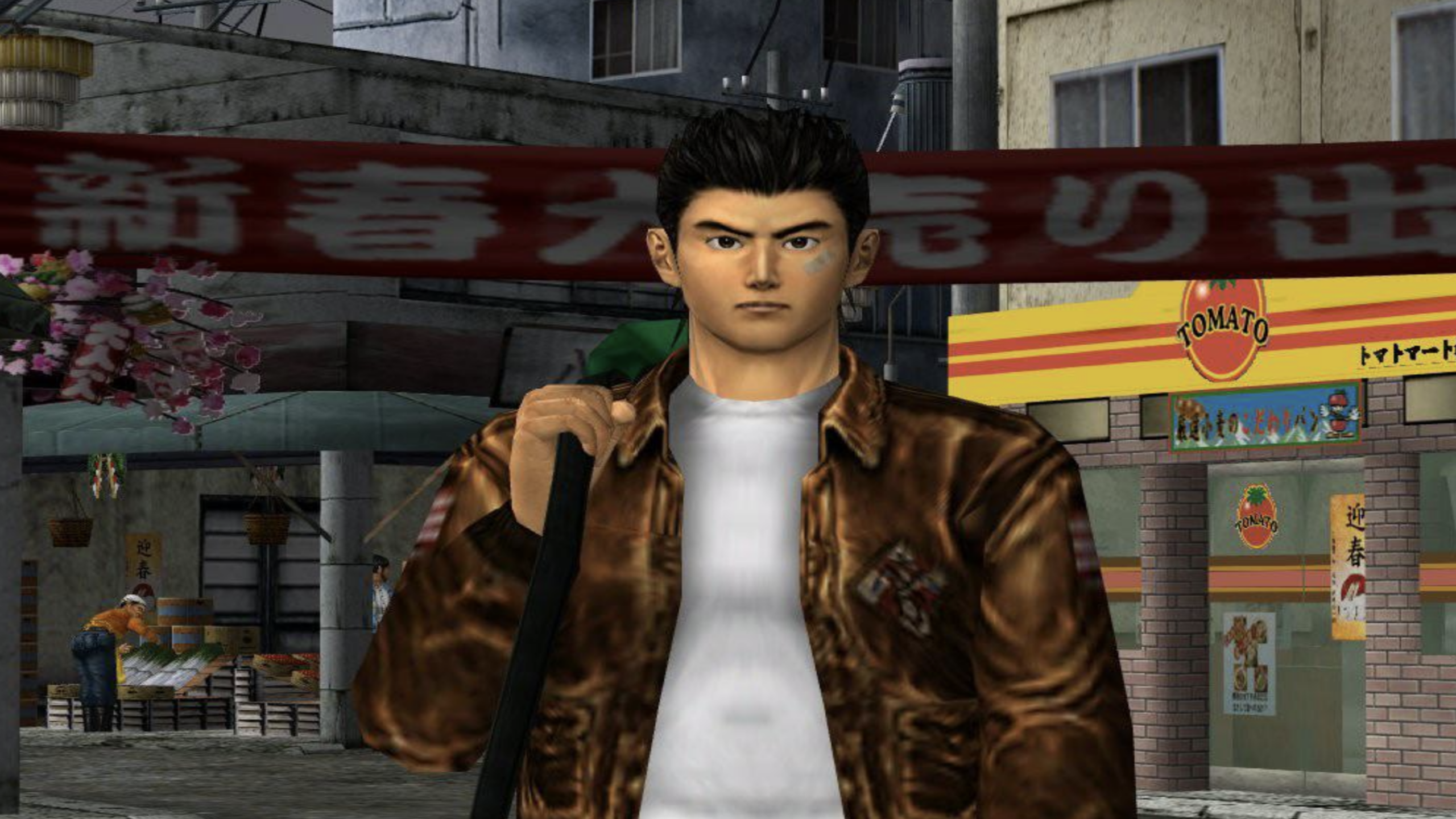
When Shenmue launched in 1999, Sega had reportedly invested around $70 million, making it the most expensive video game ever produced at the time. Much of that money disappeared into systems players couldn’t immediately appreciate, including dynamic weather, NPC schedules, detailed interiors, and unprecedented world simulation. Compared to today’s standards, it’s easy to forget just how revolutionary and costly those features were, making it one of gaming’s earliest expensive games.