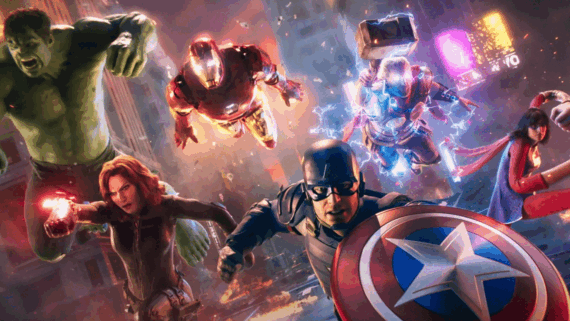
Games don’t need to succeed in the traditional sense to generate serious money. Some of the most “disappointing” releases in gaming history still pulled in millions before the backlash fully hit. In the gaming industry, titles are often measured against expectations, budgets, and long-term performance, which is why a game can sell millions, generate massive revenue, and still be considered a failure internally.
Fallout 76
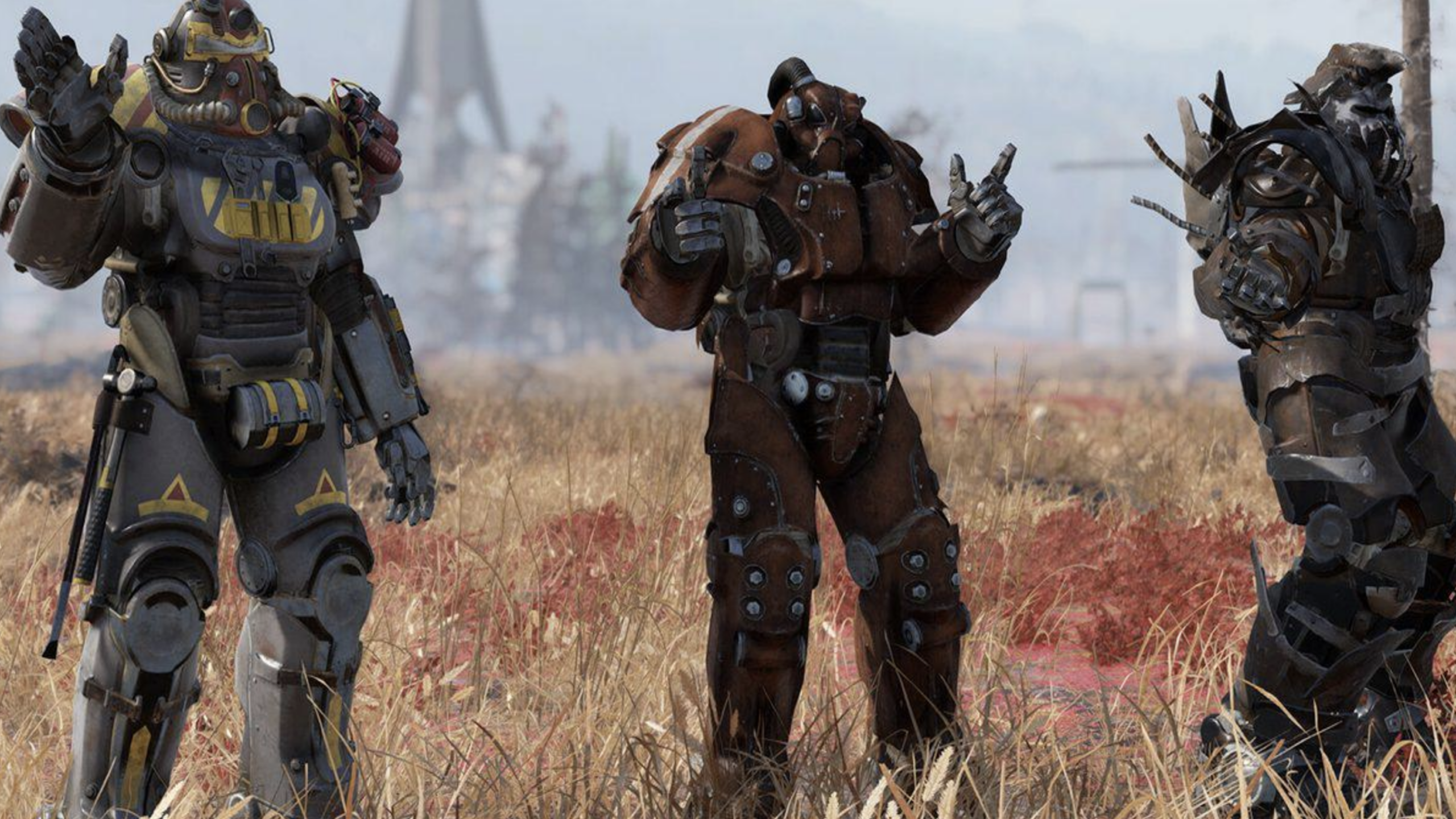
At launch, Fallout 76 was heavily criticized for bugs and lack of content, but that didn’t stop it from selling an estimated 2 to 3 million copies early on, translating to roughly $120 million or more in initial revenue.
The real issue was expectation. Compared to previous entries, those numbers underperformed, even though some games continue generating income for years through subscriptions and in-game purchases long after release.
Anthem
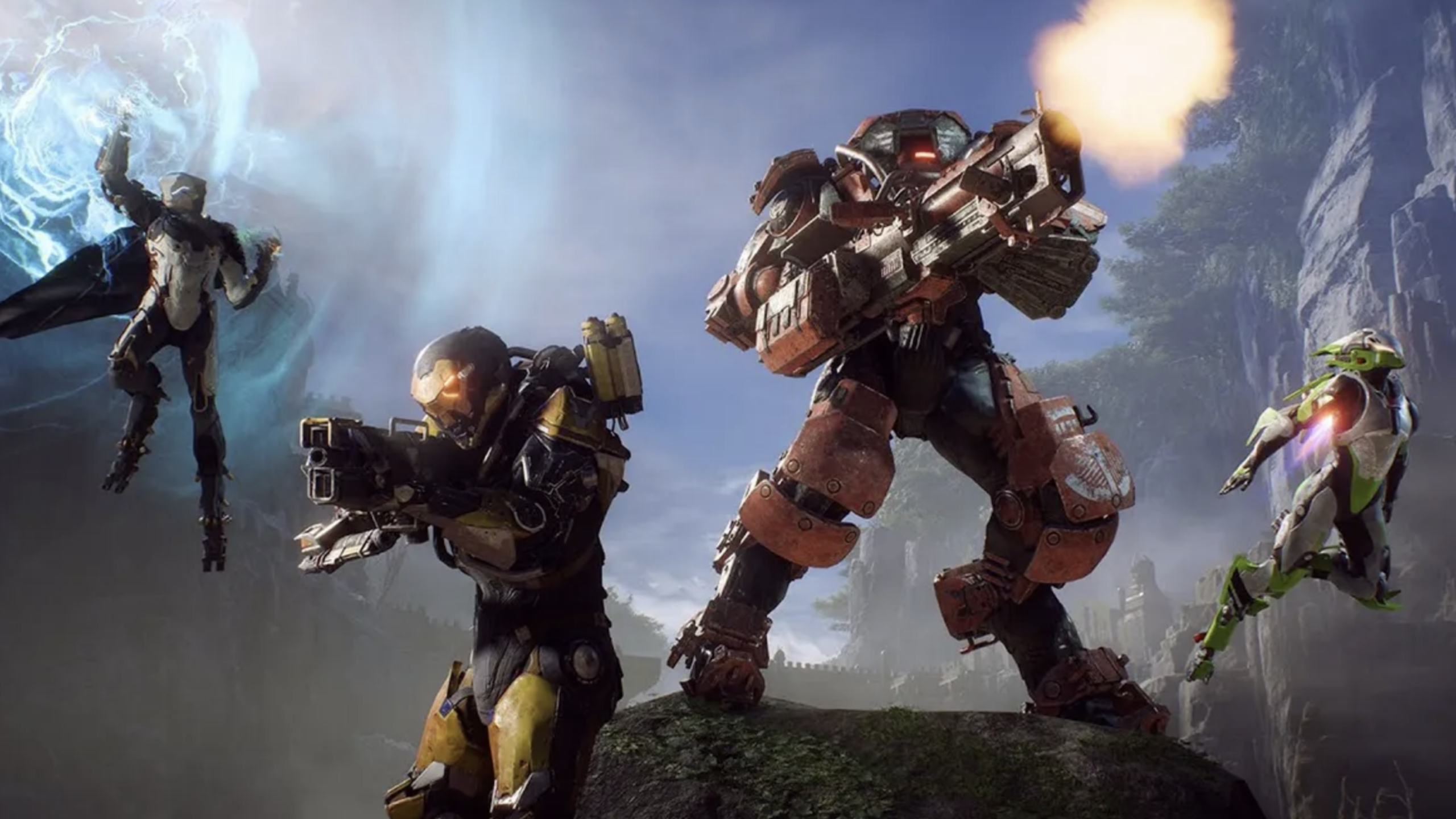
Anthem launched with massive hype and strong initial sales, reportedly moving 3 to 4 million copies, which likely brought in between $150 and $200 million in its early phase.
What followed was a rapid drop in player engagement. With weak endgame content and a canceled overhaul, the game became a case where most of its revenue was earned before its problems fully surfaced.
Marvel’s Avengers: One of the Games That Failed… But Still Made Millions
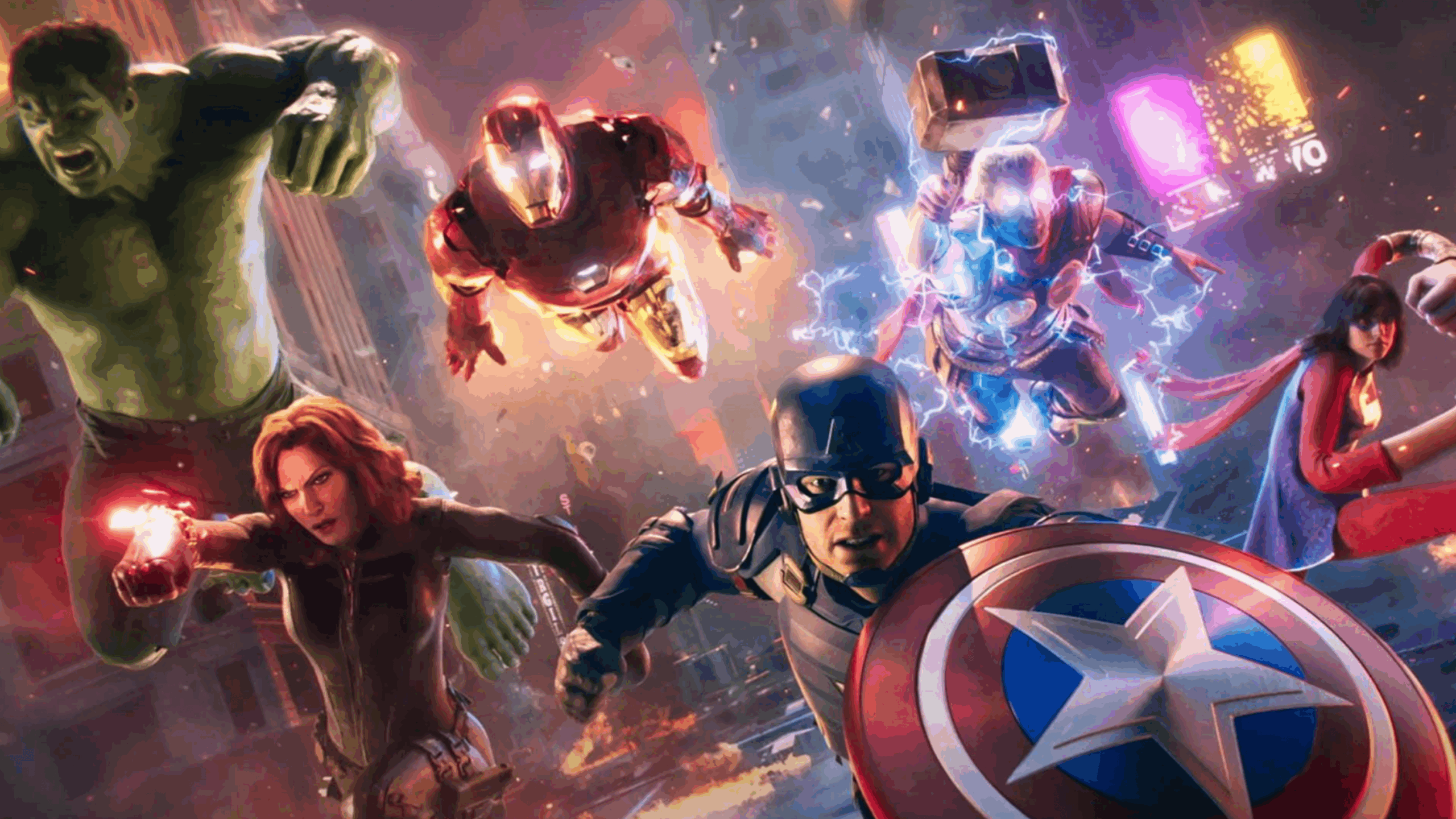
Backed by one of the biggest IPs in the world, Marvel’s Avengers generated around $150 to $200 million, yet still failed to cover its full development and marketing costs according to Square Enix.
The live service model struggled to retain players, meaning long term monetization never reached expectations. Despite strong launch numbers, it quickly became a financial disappointment.
Cyberpunk 2077

Few launches were as chaotic as Cyberpunk 2077, yet it sold over 13 million copies within weeks, eventually surpassing 35 million copies total, pushing estimated revenue well beyond $1 billion.
Even with refunds and being temporarily removed from PlayStation Store, its preorders and early sales ensured massive financial success, proving that some games can generate huge returns through momentum alone.
Starfield
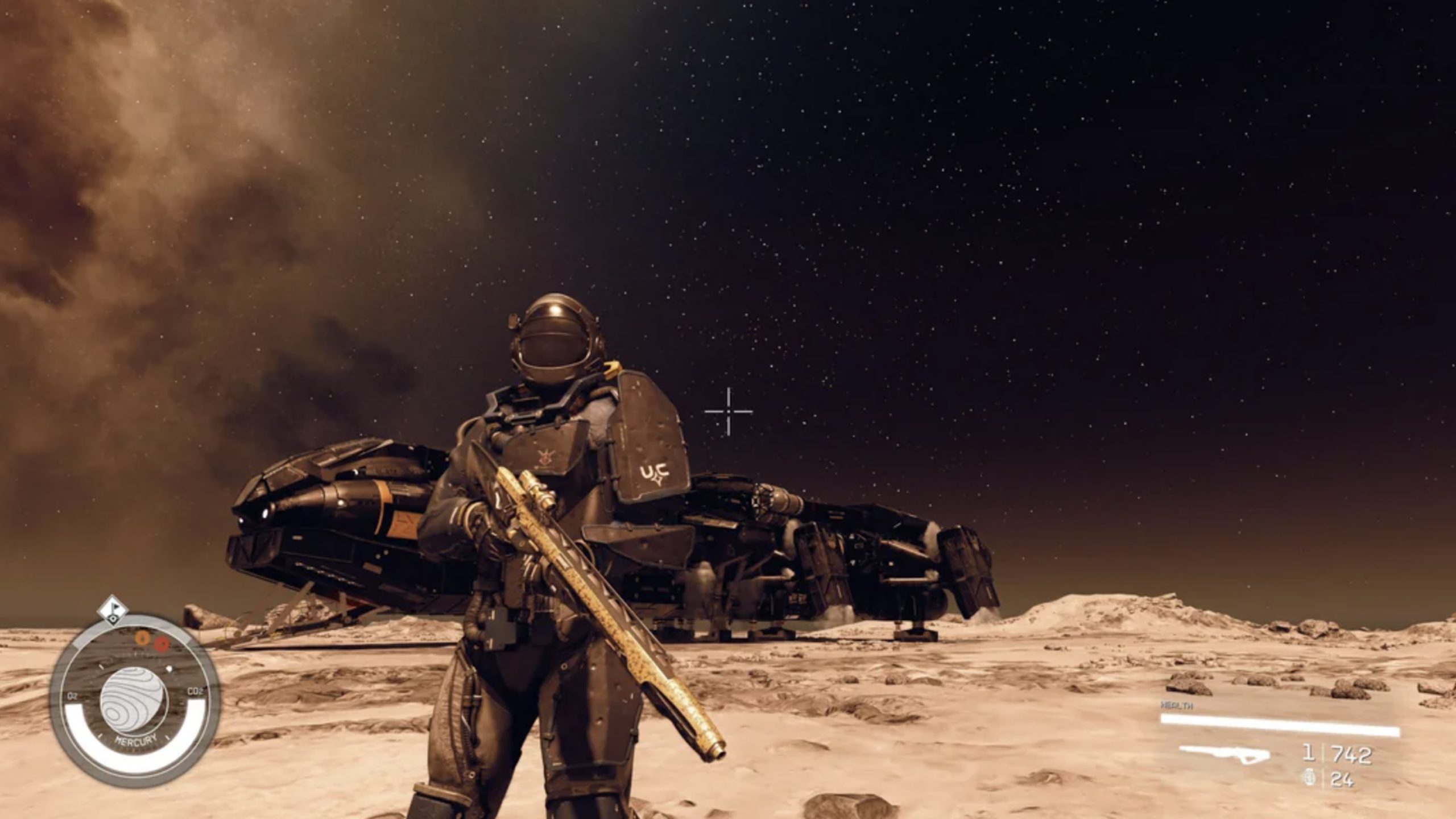
Starfield generated over $300 million in revenue, a number that would typically signal success for most games.
However, with years of development and enormous production costs, plus its availability on subscription services, many analysts suggest it may have only marginally justified its investment.
Trending on realmoneygamer.com


APB: All Points Bulletin
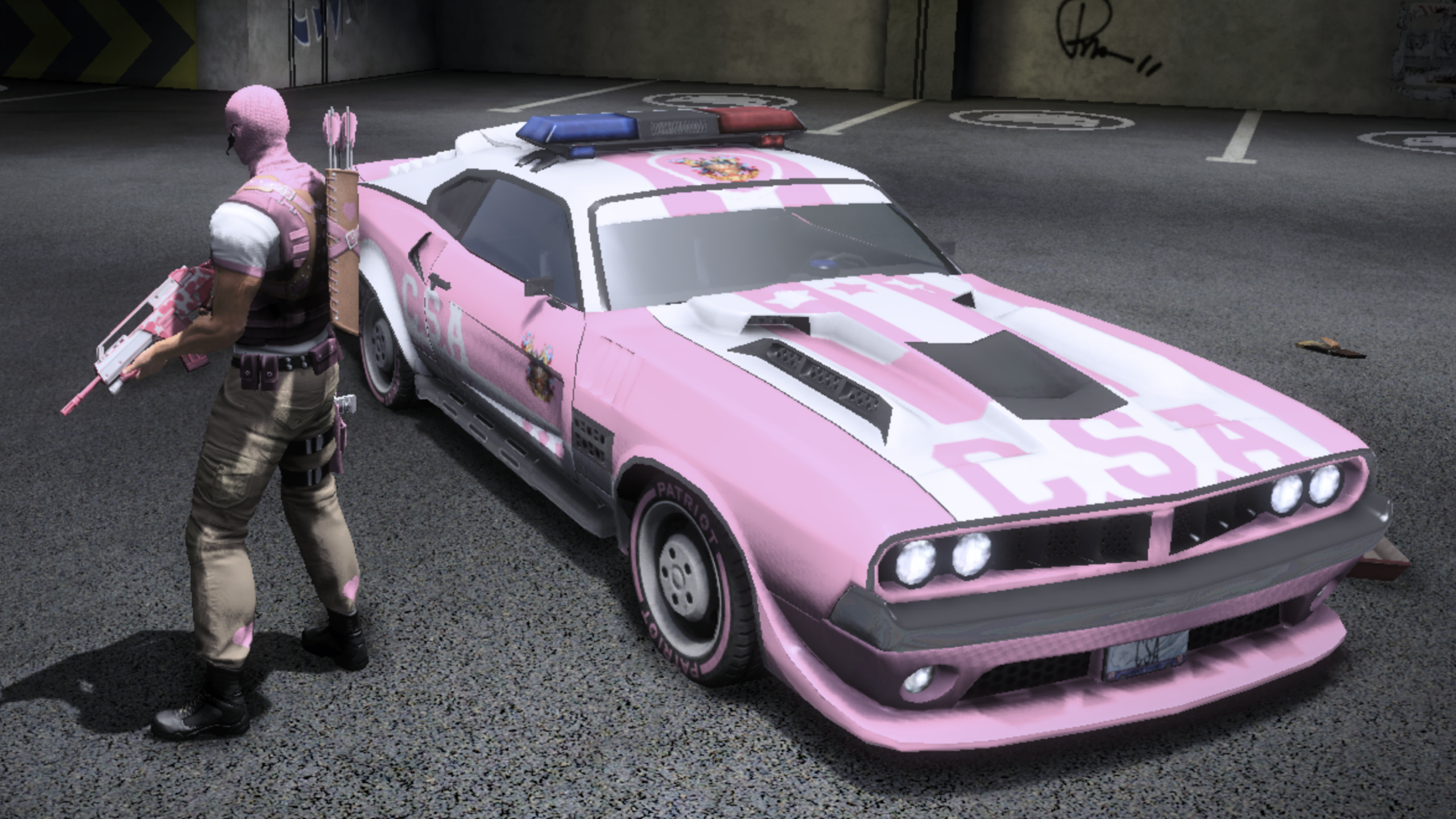
APB: All Points Bulletin had a strong commercial start, selling over 100,000 copies quickly and generating millions in a short time.
The collapse came just as fast. Servers shut down within months and the studio went bankrupt, turning early revenue into a short lived success story.
Too Human
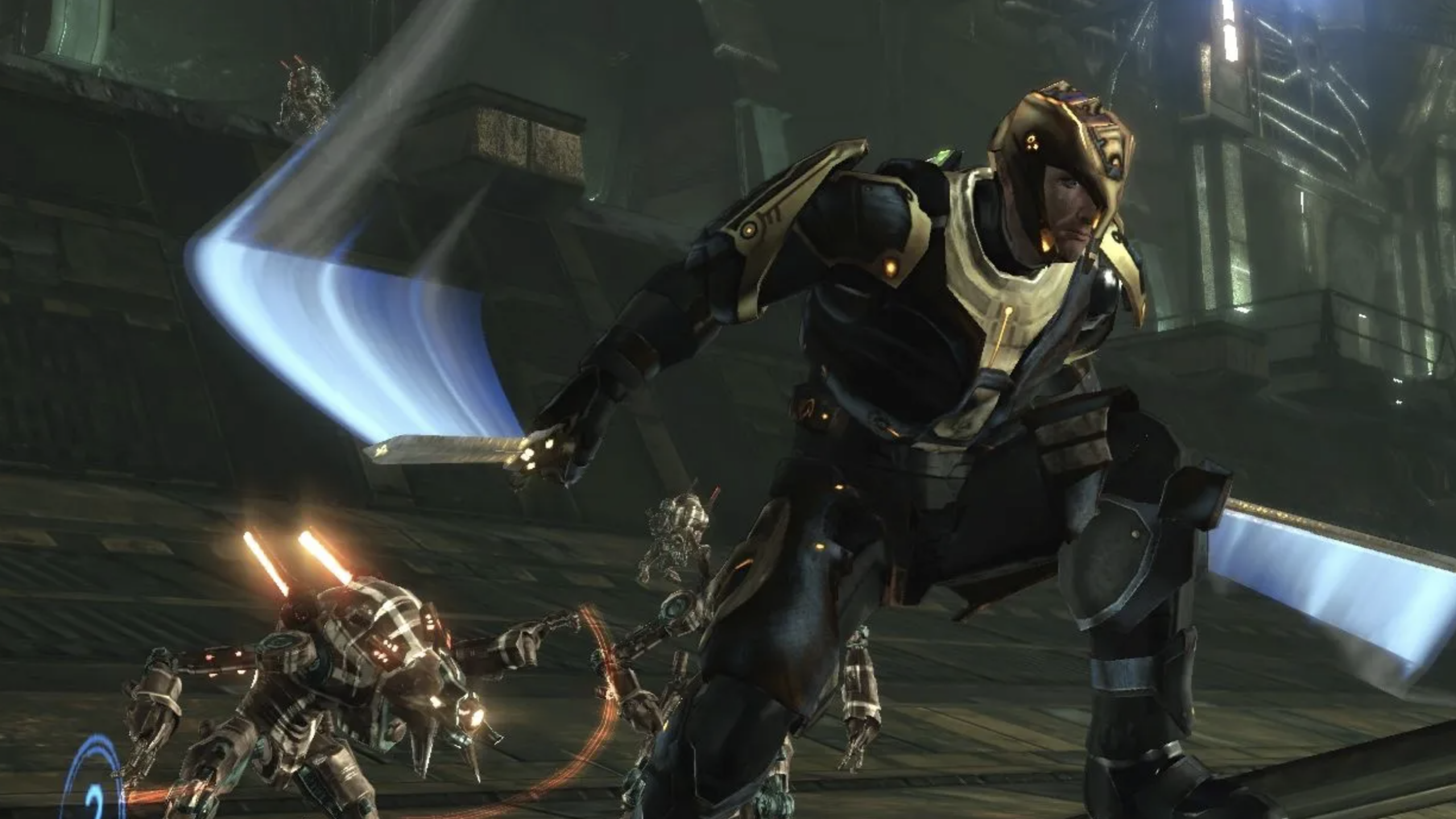
After years of troubled development, Too Human still managed to sell around 700,000 to 1 million copies, bringing in tens of millions in revenue.
That wasn’t enough to offset the long and expensive production cycle, making it a clear example of how some games can achieve decent sales and still be considered failures because of massive development costs.
Babylon’s Fall
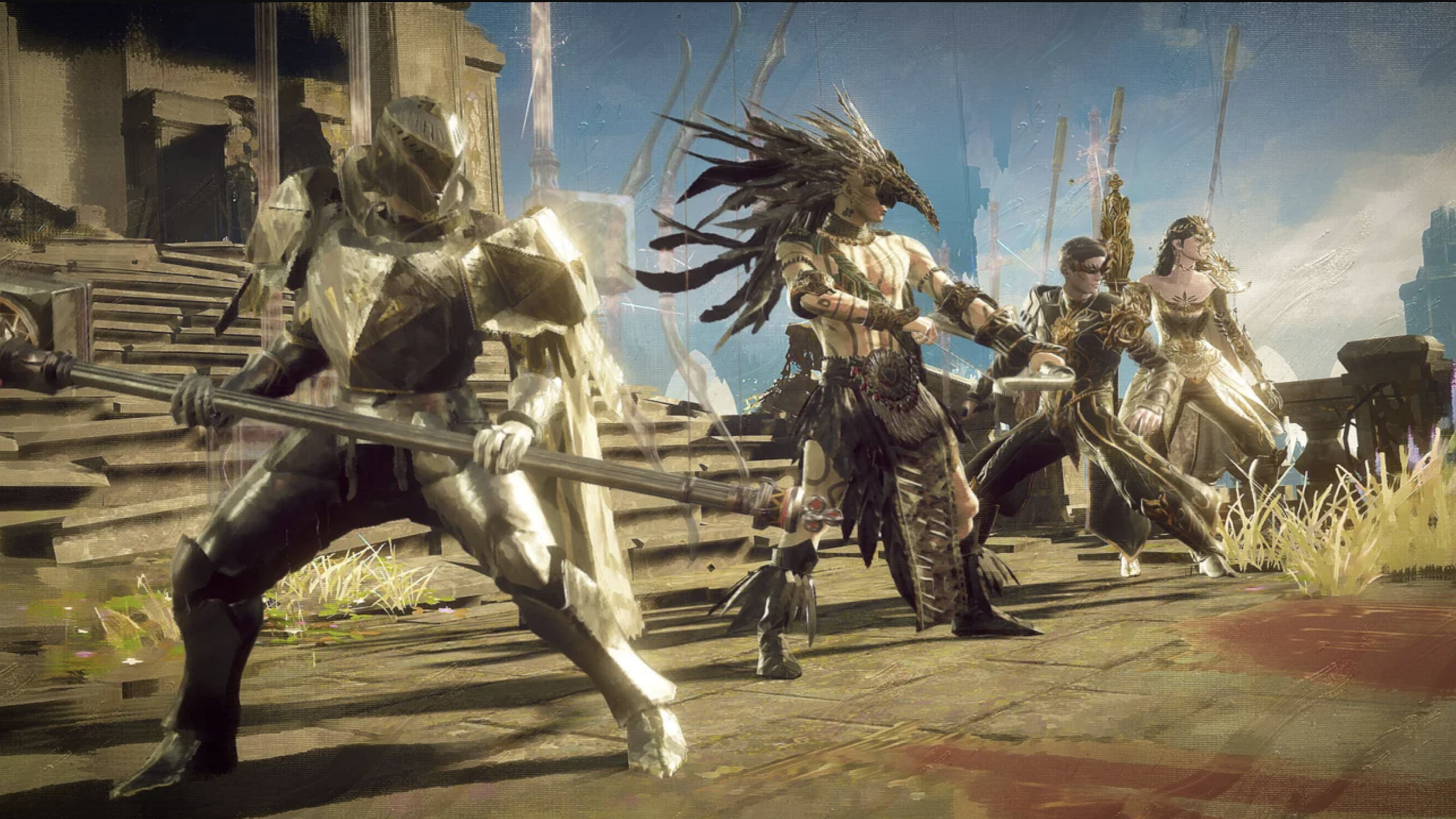
Babylon’s Fall launched at full price and generated initial sales that brought in millions, despite exact figures not being publicly detailed.
Its player base collapsed almost immediately, and the game shut down within a year, proving that early revenue means little without sustained engagement.
No Man’s Sky
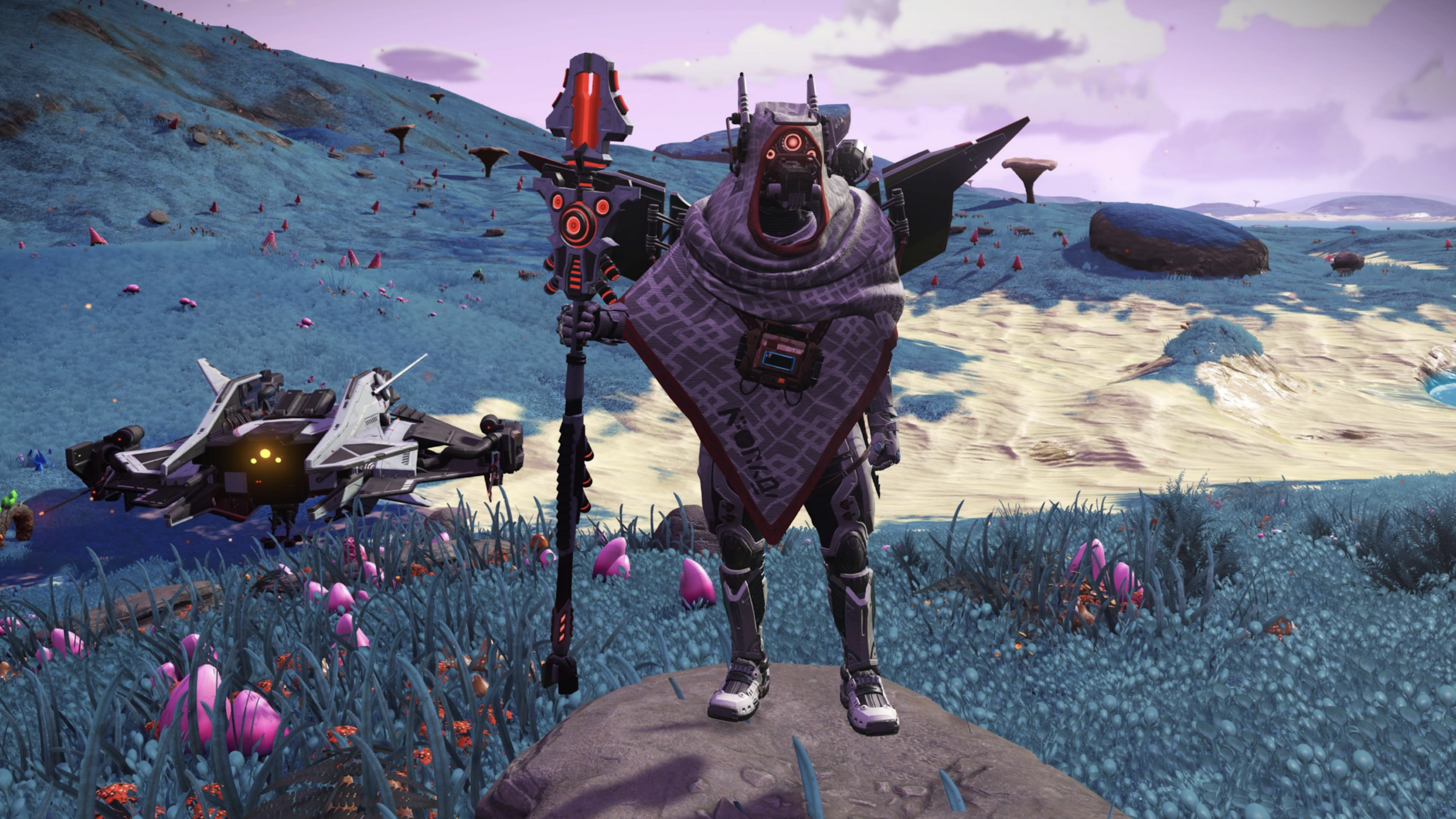
At release, No Man’s Sky sold hundreds of thousands of copies within days on Steam alone, quickly reaching millions and generating tens of millions in revenue.
What makes it different is what came after. Continuous updates transformed it into a long-term success, showing how some games can recover from early failure and eventually become profitable redemption stories.