Some games were never really meant to end. In the arcade era, that usually made sense, since the whole point was to keep a player feeding the machine until the game finally won. Other games went further and turned difficulty into a kind of prank, daring people to waste hours, months, or years trying to prove a point. The funny part is that players did prove the point, although the “ending” was often just a crash, a broken screen, or a developer’s joke staring back at them.
Pac-Man
r/gaming
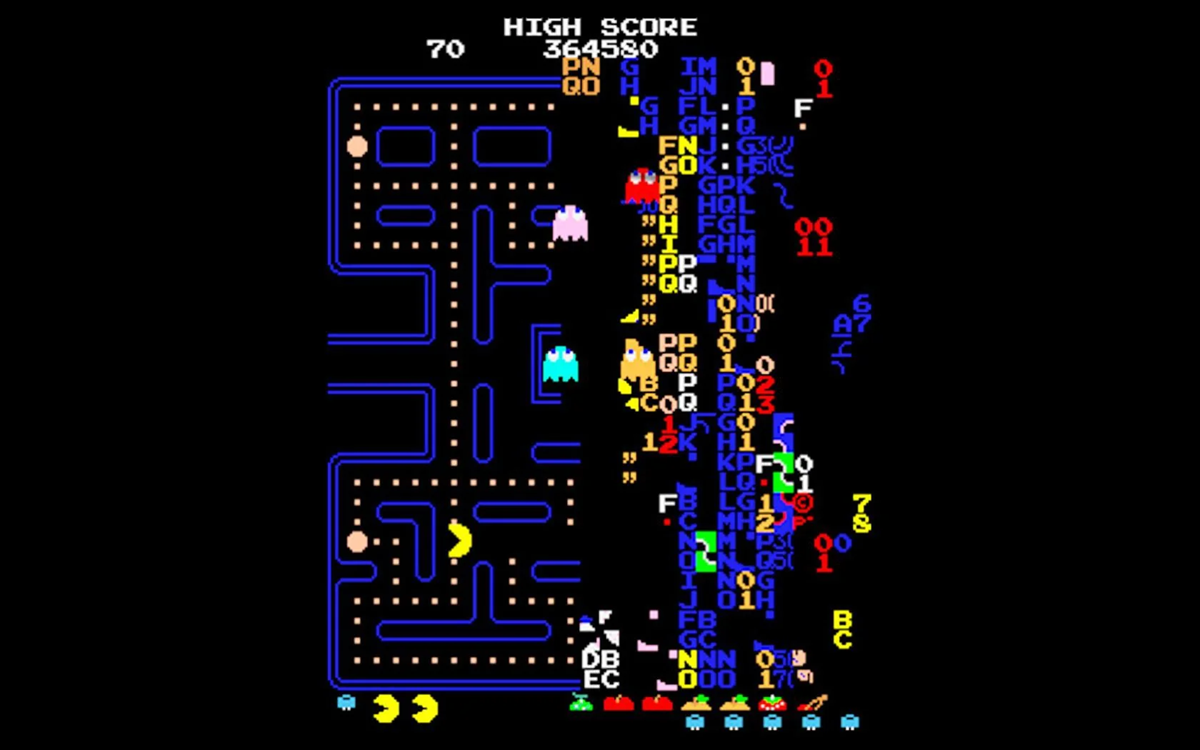
Pac-Man does not have a final boss, a credits screen, or even much interest in pretending there is a destination. It just keeps feeding the player mazes until the code runs into a problem on board 256. Half the screen becomes a mess of symbols, fruit, numbers, and broken graphics, while the other half still looks like Pac-Man, which somehow makes it stranger. When Billy Mitchell recorded a perfect game in 1999, the achievement was not that he found a hidden ending. He reached the point where the game could no longer function properly, after collecting every possible point available up to that limit. The final score, 3,333,360, became famous because it turned a loop into a finish line.
Donkey Kong
r/gamingnews
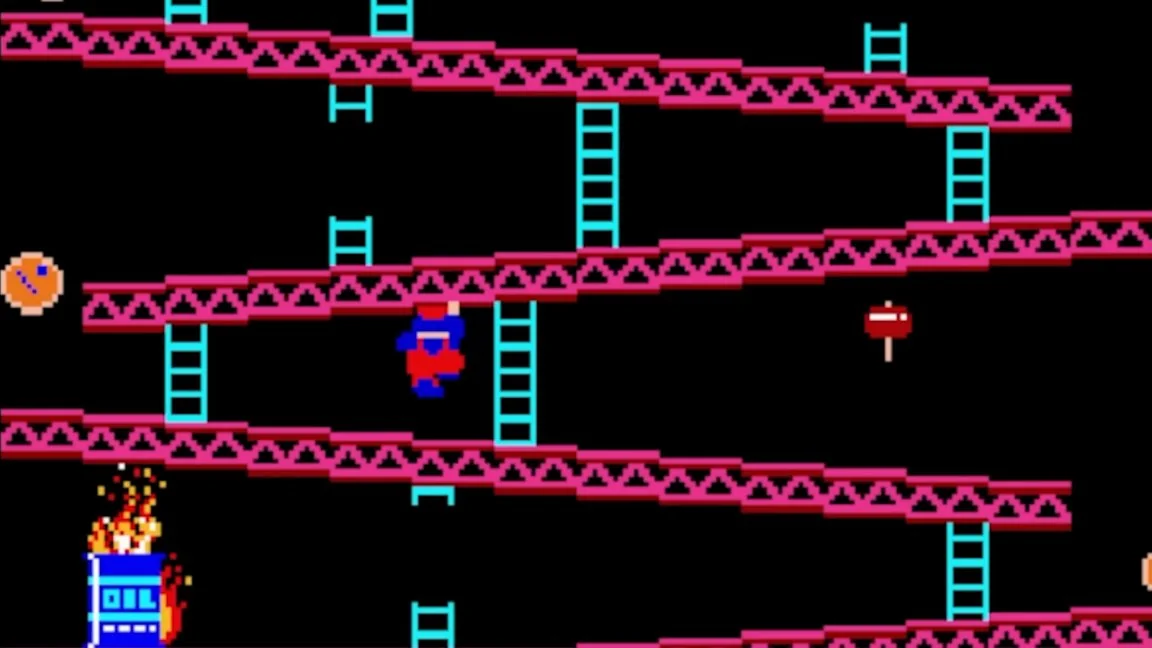
Donkey Kong’s end is almost rude in how little ceremony it gives you. On level 22, the bonus timer starts with so little time that Mario cannot finish the stage before dying. Nothing looks especially broken at first, which is part of the charm. The game simply asks you to play, then quietly makes that impossible. Players eventually learned to treat the kill screen as the real ending, not because Nintendo put it there as a reward, but because the code had run out of road.
NES Tetris
r/tetris
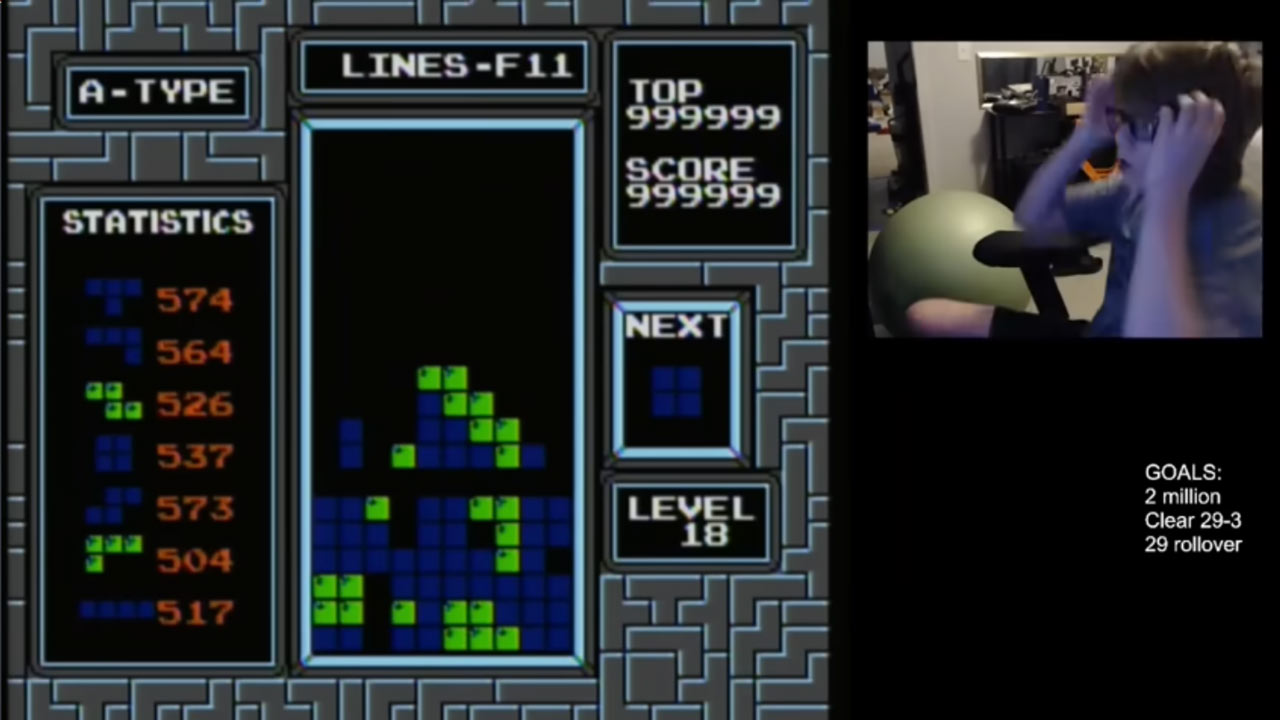
For a long time, NES Tetris ended at level 29 in the same way a locked door ends a hallway. The pieces fell too fast for normal tapping, so the game became less about finishing and more about surviving until human hands could not keep up. Then players invented and refined new techniques, first hypertapping, then rolling, and the old wall stopped being a wall. In December 2023, Willis Gibson, better known as Blue Scuti, pushed the game far enough that it crashed at level 157. There were no credits. Just a frozen screen, a teenage player trying to process what happened, and a very old game finally being forced to say something.
Duck Hunt
r/nostalgia
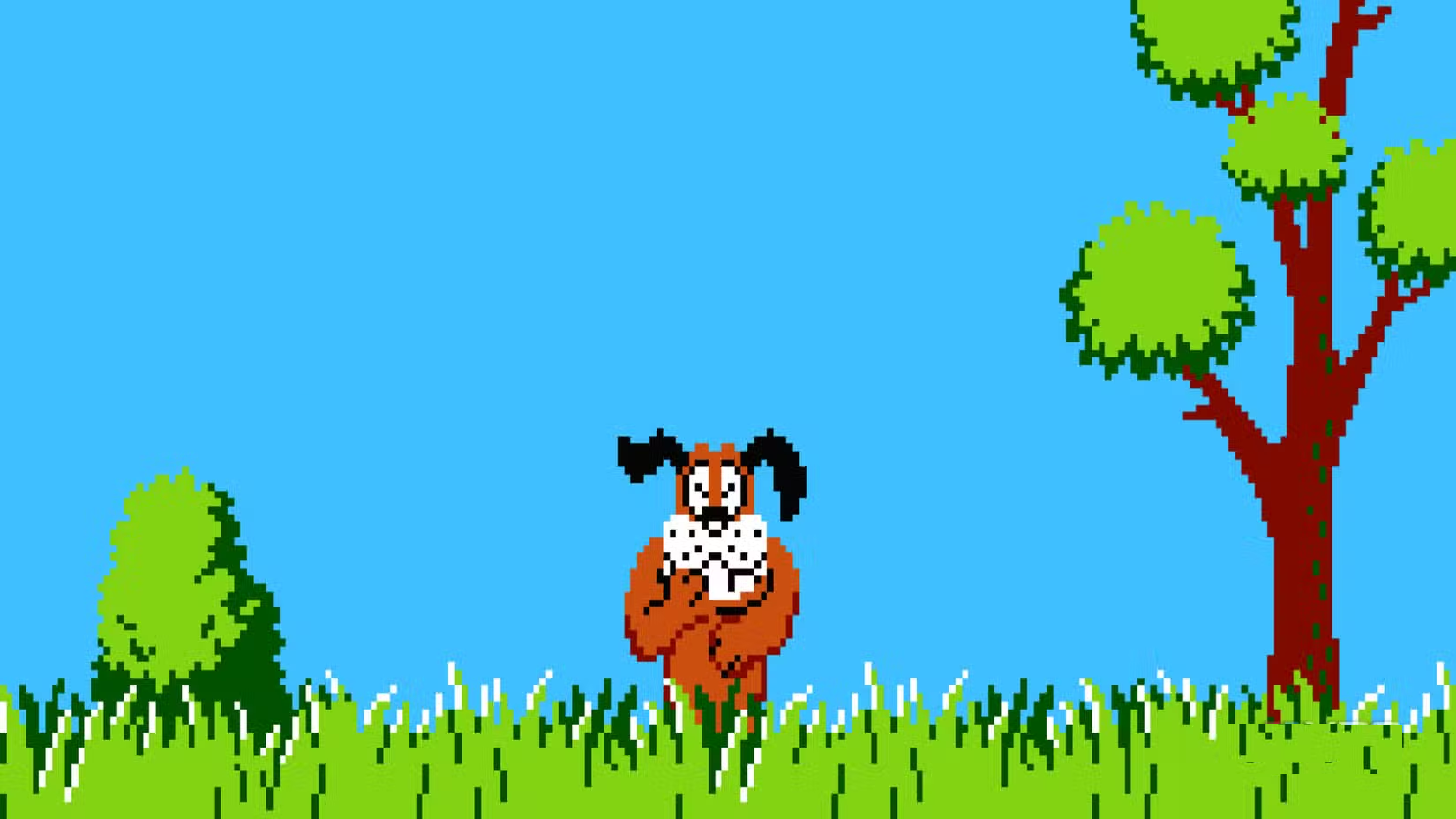
Duck Hunt spends most of its time feeling harmless, at least until the dog laughs at you. But after round 99, the game enters a broken state often described as round 0 or level 100. The ducks can become impossible to hit in any normal way, turning the light-gun routine into a dead end. It is a fitting finish for a game that always had a slightly smug relationship with the player.
Galaga
r/retrogaming
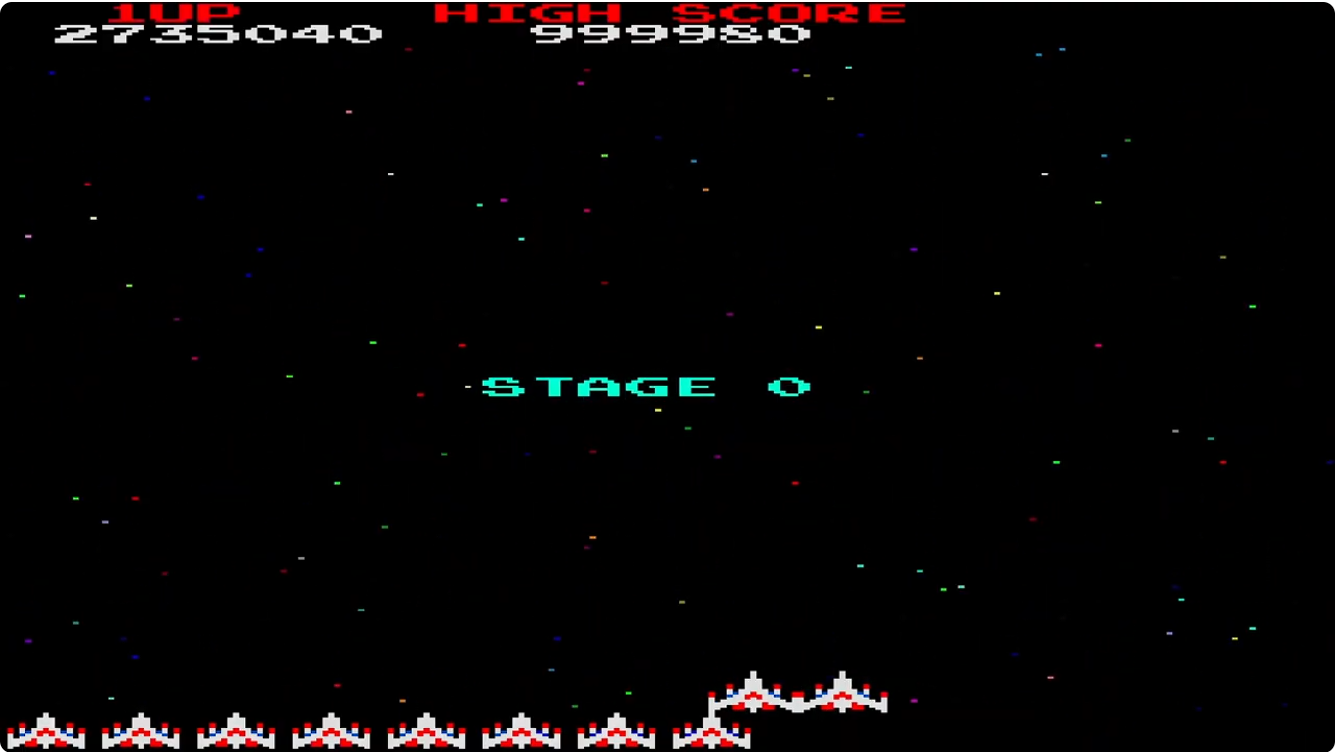
Galaga seems too clean and confident to fall apart, but it does. Push it far enough, past stage 255, and the stage counter wraps around in ways the game was not really built to handle. Depending on the version and settings, the result can be a reset, a freeze, or a strange “Stage 0” situation. That makes Galaga’s ending less like a single famous scene and more like a collection of machine-specific failures. For a game so polished in motion, its far edge is surprisingly messy.
Trending on realmoneygamer.com

Dig Dug
r/retrogaming
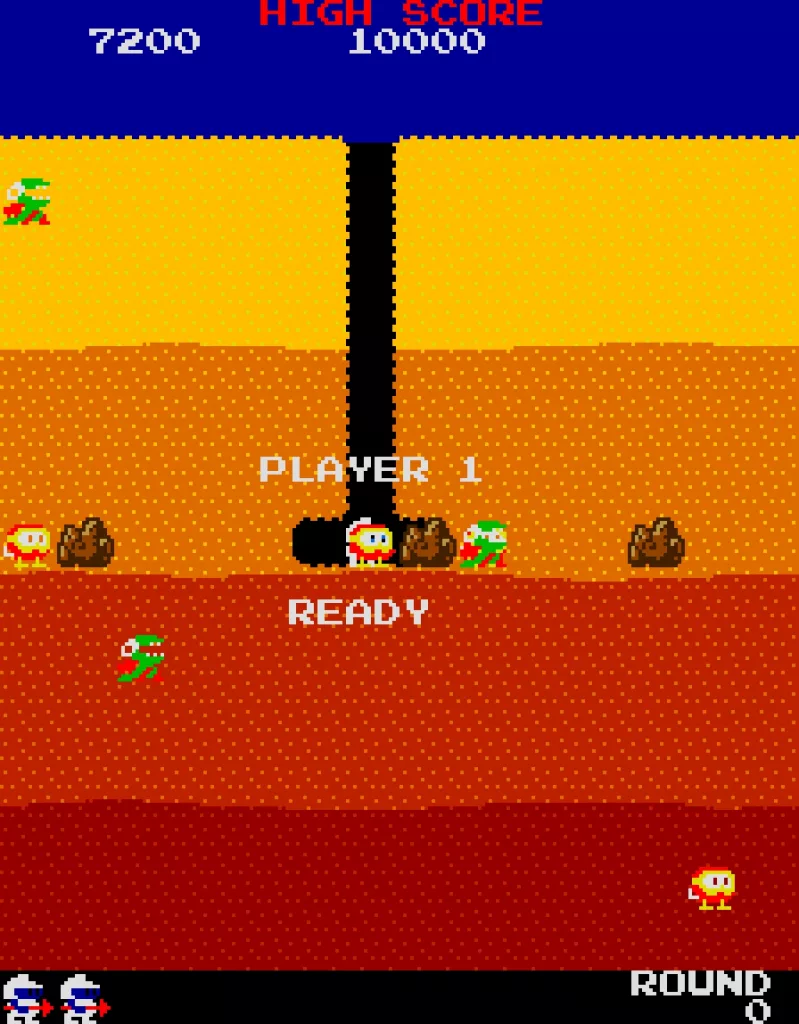
Dig Dug has one of the funniest kill screens because it does not waste time. On the original Namco version, round 256 becomes round 0, and a Pooka appears right on top of the player. You die almost immediately. There is no puzzle to solve, no heroic dodge, no last-second trick. The game just places death in your lap and lets the remaining lives disappear.
Ms. Pac-Man
r/retrogaming
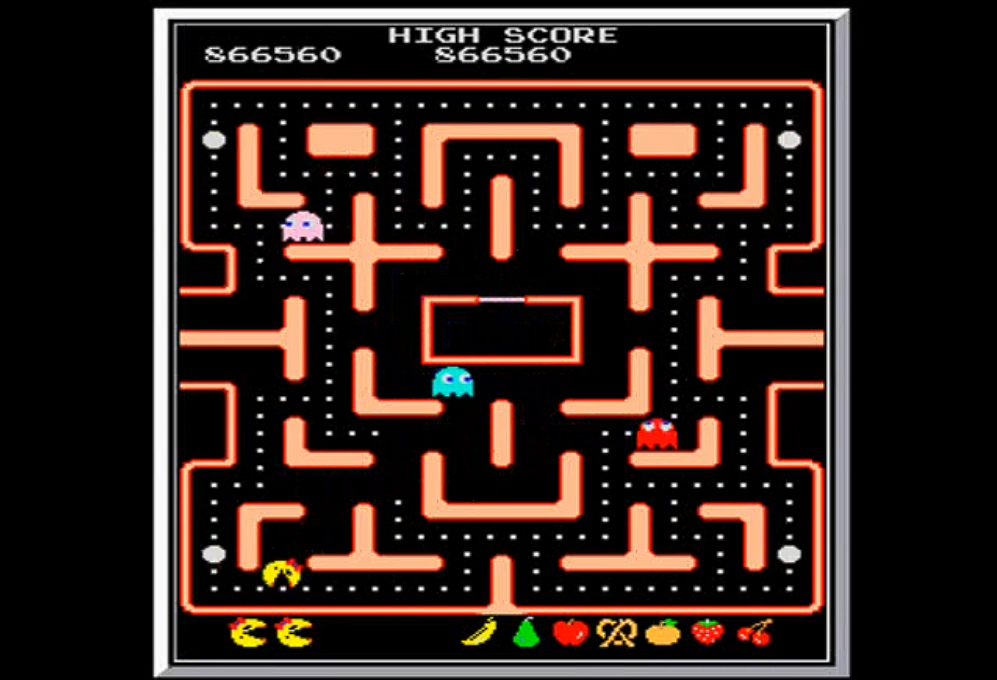
Ms. Pac-Man was always a little less predictable than Pac-Man, and that carried into its broken endgame too. Instead of one clean, well-known board 256 split-screen, the game can start showing serious problems much earlier, around board 134 in some cases. Later boards can become unstable, and documented runs have shown resets around board 142. It makes the game feel oddly haunted, as if the farther you go, the less it remembers what it is supposed to be. Players did reach those strange late boards, but what they found was not one neat secret. It was a game slowly losing its shape.
Desert Bus
r/gaming
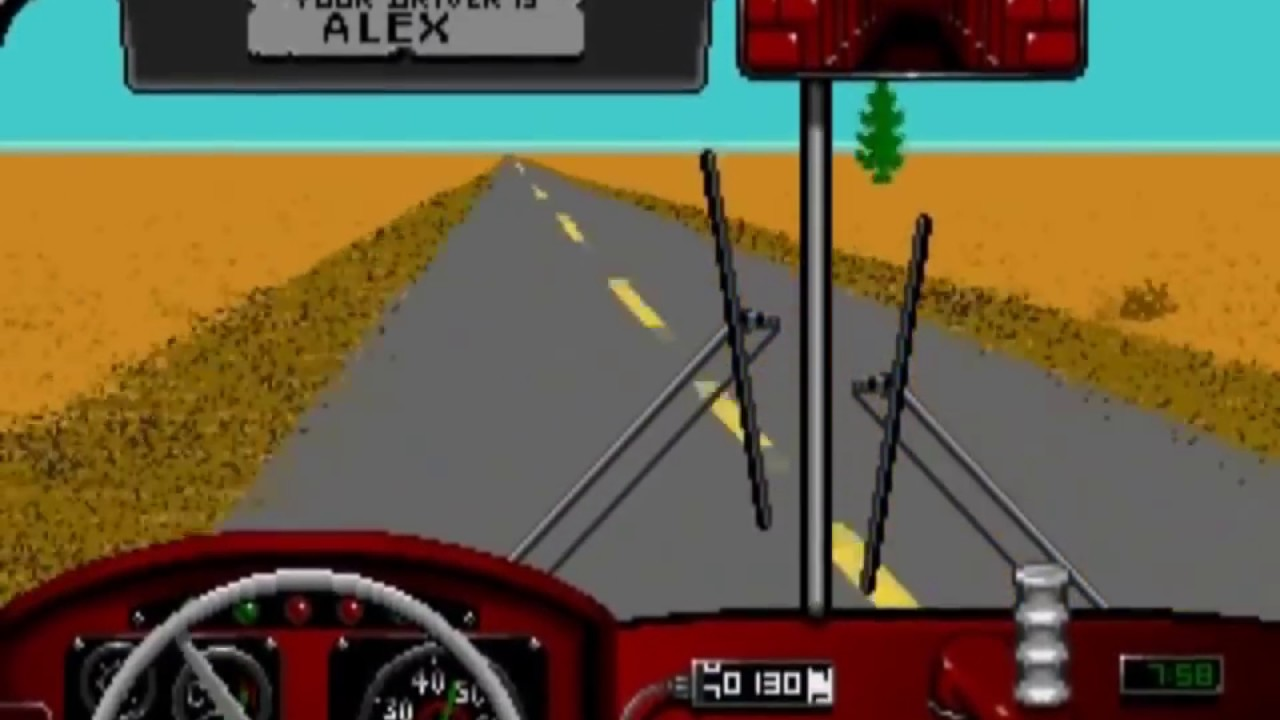
Desert Bus is barely a game in the usual sense, and that is the joke. You drive from Tucson to Las Vegas in real time, for about eight hours, while the bus slowly drifts and demands just enough attention to be annoying. Finish the trip and you get one point. That is it. What changed the story was that people actually leaned into the boredom, especially through Desert Bus for Hope, where the old Penn & Teller gag became a charity marathon. The game designed to waste time ended up making that wasted time useful.
Takeshi’s Challenge
r/gematsu.com
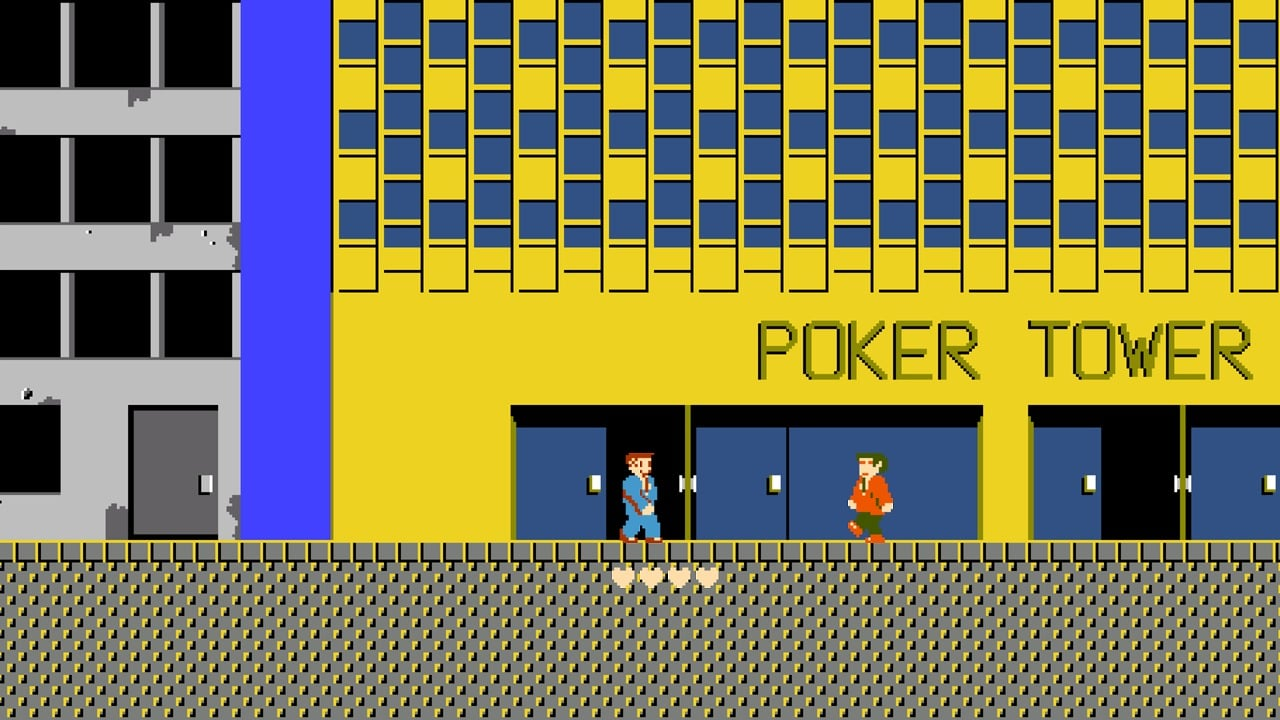
Takeshi’s Challenge feels like it was made by someone who heard what video games were supposed to do and decided to argue with every part of it. Released on the Famicom in 1986, with ideas from Takeshi Kitano, it asks players to do things most games would never expect, including singing into a controller microphone and waiting without touching anything. Some solutions are so unreasonable that finishing it without outside help barely feels like a serious possibility. Still, people finished it, because of course they did. The ending did not suddenly make the journey fair, but it confirmed the game’s reputation as one of the great acts of player harassment.
I Wanna Be the Guy
r/gaming
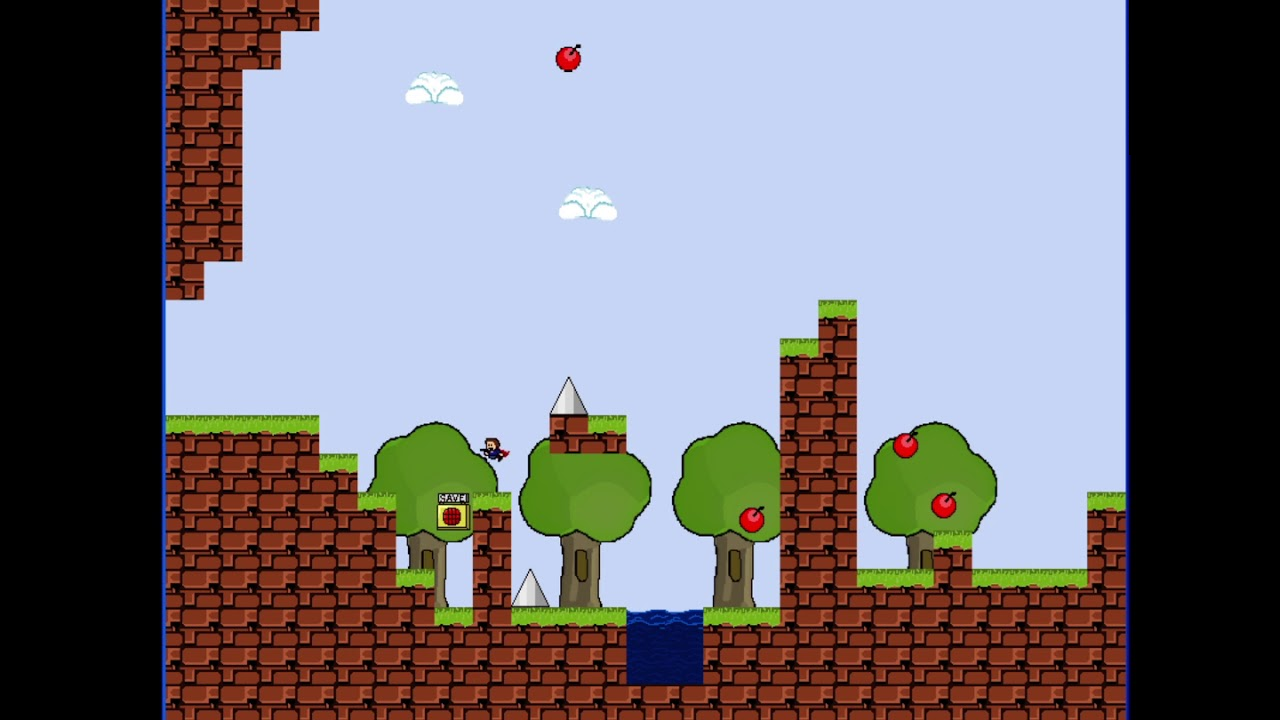
I Wanna Be the Guy is not just hard. It lies with a straight face. Apples fly upward, safe-looking spaces are traps, and old platforming habits become liabilities. On “Impossible” difficulty, the game removes save points, which turns an already mean game into something close to a dare. Players eventually cleared it anyway, and the game went on to influence a whole corner of fan-made platformers built around surprise, cruelty, and very specific kinds of laughter.
Kaizo Mario World
r/mariomaker2
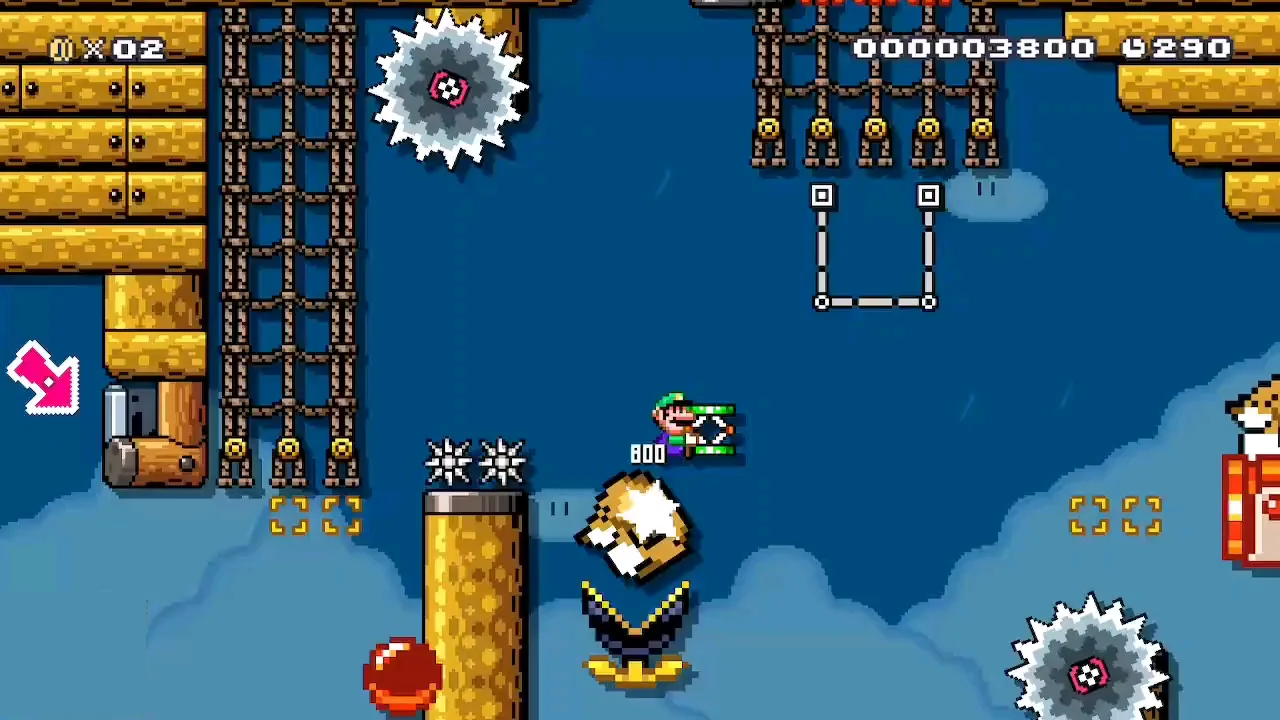
Kaizo Mario World started as a Super Mario World hack made for one player to torment another, which explains a lot. Hidden blocks appear where muscle memory says they should not. Goal posts are not always safe. Jumps require trust, then punish you for trusting. Once people began clearing it and sharing runs, “Kaizo” became a label for an entire style of design, one where the level is less a course than a trap conversation between maker and player. It was finished, then copied, remixed, and turned into a vocabulary.
A lot of these games were impossible only in the sense that their creators did not expect anyone to be patient, skilled, or stubborn enough to reach the edge. When players got there, the reward was usually not elegant. It was a bug, a crash, a reset, or one more stupid point after a very long drive. That almost makes the stories better. The games did not need proper endings to become finishable, they just needed someone willing to keep going after the sensible part was over.
Continue Reading: 10 Game-Breaking Glitches That Were Kept as Official Features