Games are supposed to have rules, but players have always been good at finding the seams. Sometimes that means breaking a level, skipping a boss, or making designers panic during a patch cycle. Other times, the mistake turns out to be more interesting than the original plan. A surprising number of famous mechanics began as glitches, exploits, or accidents that players refused to stop using.
Street Fighter II Combos
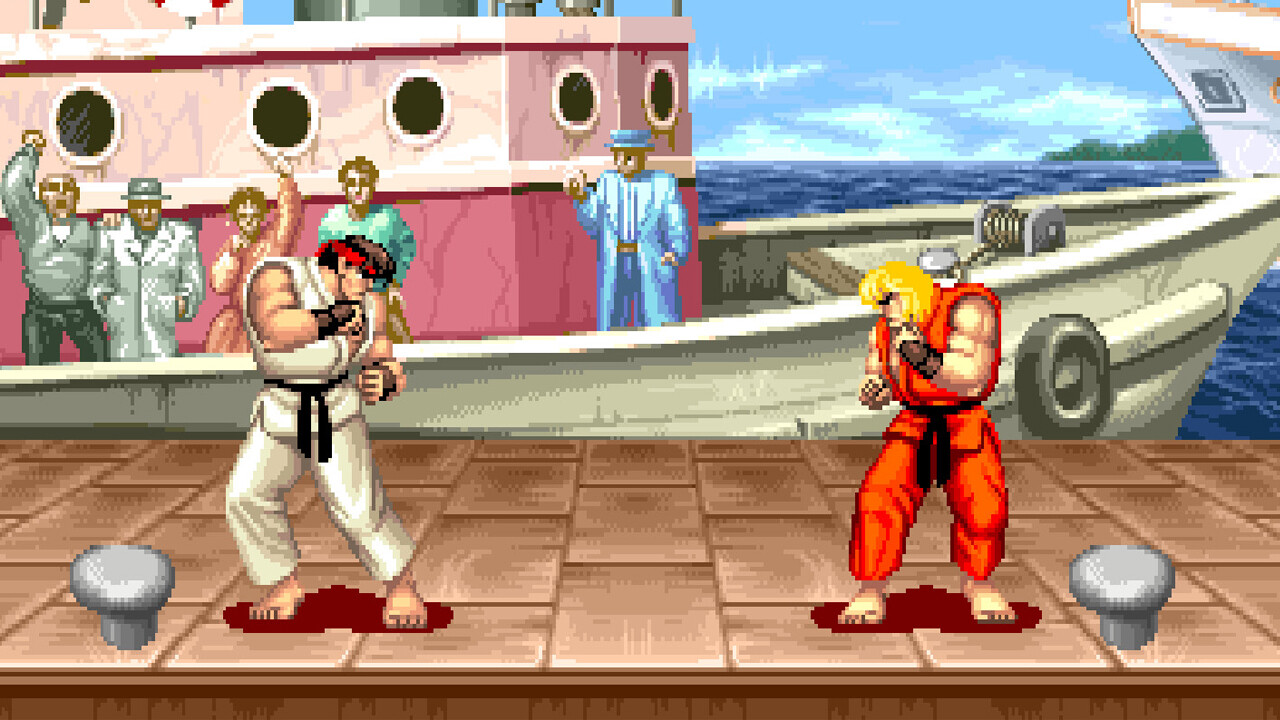
Combos are so central to fighting games now that calling them an accident feels almost wrong. But in Street Fighter II, players discovered that certain attacks could be canceled into others before the opponent had a real chance to recover. It was not originally presented as the backbone of high-level play, yet arcade players quickly understood what they had found. Capcom could have treated it as broken behavior and cleaned it up. Instead, the company kept building around it, and the genre never really went back.
Tribes Skiing
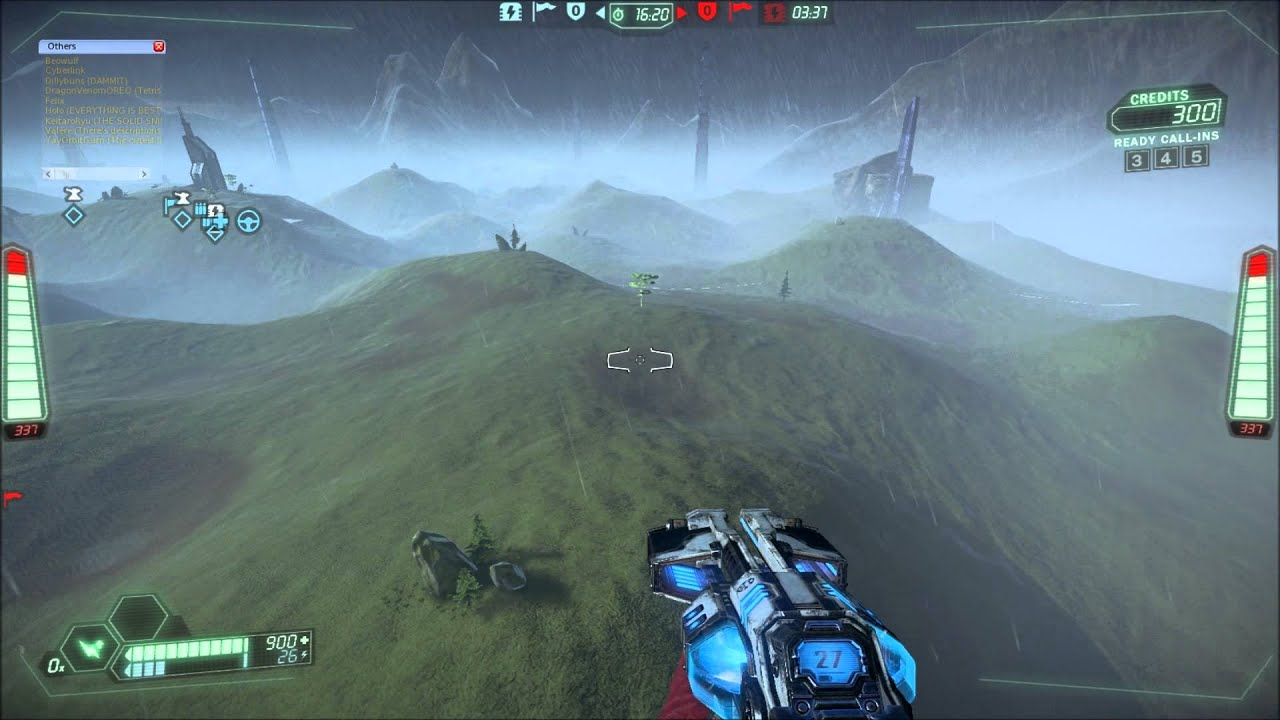
Tribes players found out that slopes were not just scenery. By jumping at the right rhythm while sliding downhill, they could carry momentum across huge stretches of map, turning matches into these fast, floating chases that looked nothing like standard shooter movement. The developers eventually accepted skiing as part of the game’s identity, and later entries made room for it more openly. It started as a physics exploit, but it fit the game too well to throw away.
Quake Rocket Jumping
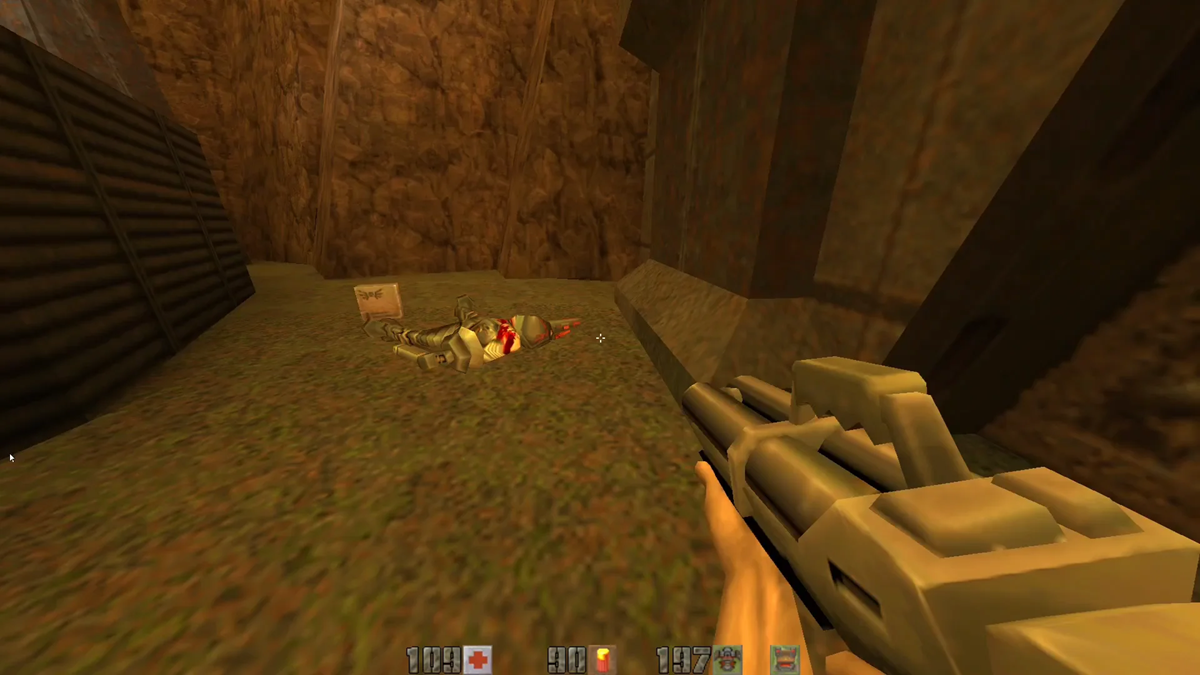
Rocket jumping sounds ridiculous until you see someone use it well. In Quake, players fired rockets at their feet to blast themselves upward or forward, taking damage in exchange for speed and positioning. It was messy, risky, and immediately useful. Later shooters did not just keep the idea, they designed maps and classes with it in mind.
Super Smash Bros. Melee Wavedashing
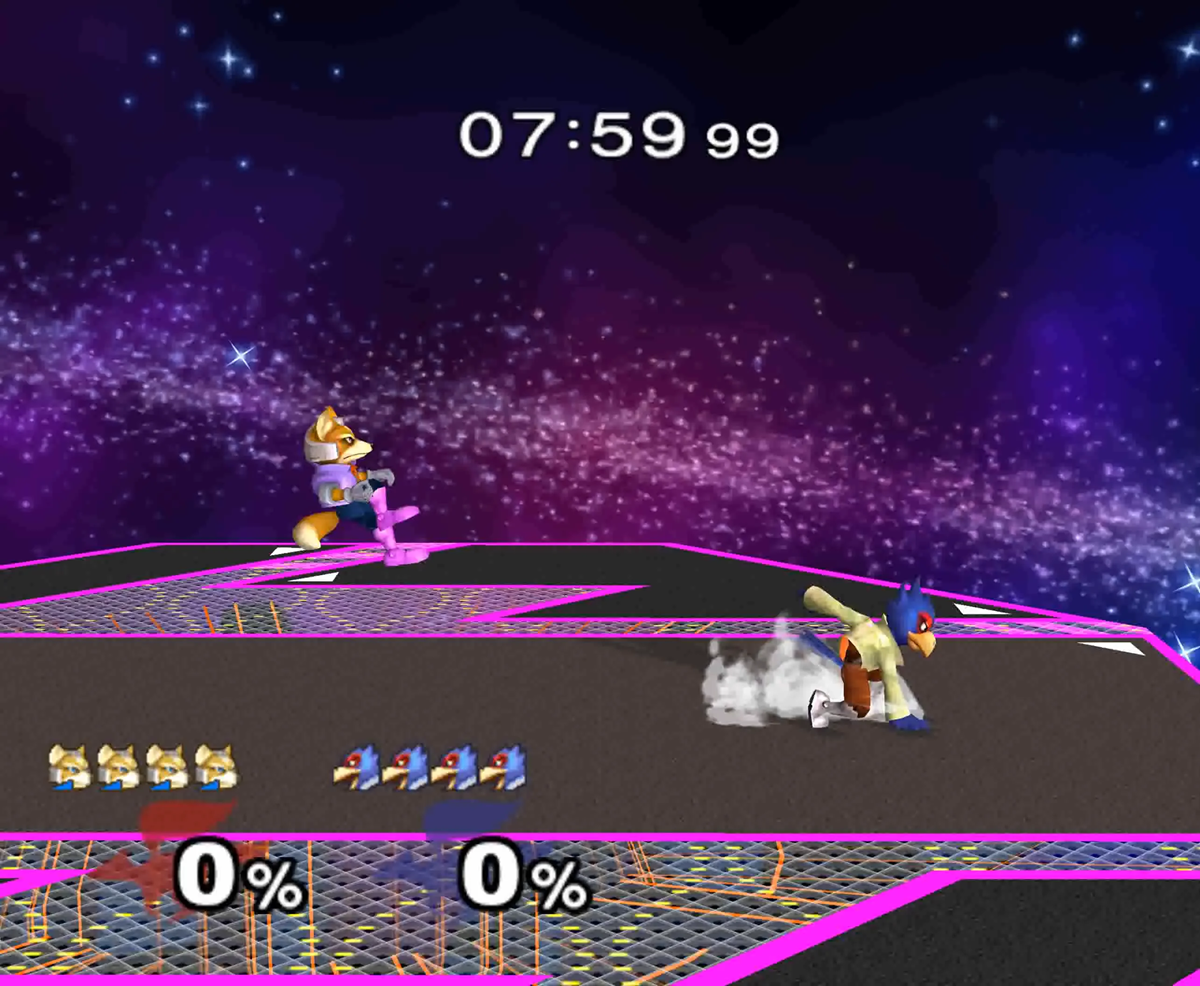
Wavedashing in Melee came from the way air dodges interacted with the ground. A player could angle an air dodge down and slide, which opened up sharper movement options than the game’s basic dash allowed. Competitive players turned it into a language of spacing, baiting, and quick repositioning. For casual players it looked strange, almost like the character had slipped on ice, but for tournament players it became one of the reasons Melee felt so different from everything around it.
GunZ K-Style
GunZ: The Duel was already an odd game, part shooter, part sword fighter, part action movie fever dream. Then players discovered K-Style, a web of animation cancels that let them slash, dash, block, jump, and shoot in rapid chains. It made the game harder to read and much harder to master. Attempts to smooth it out never really stuck, because by then K-Style was not some side trick, it was what many players came to GunZ for.
Trending on realmoneygamer.com
Space Invaders Speeding Up
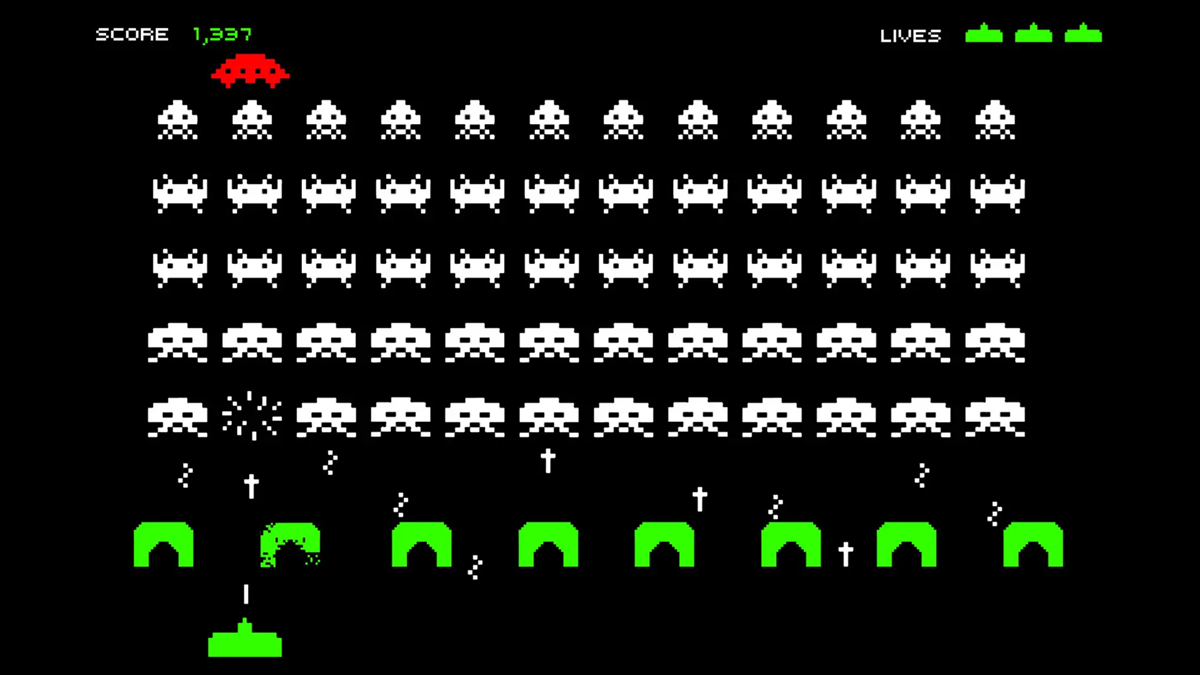
In Space Invaders, the aliens moved faster as the screen emptied out. That tension came from a hardware limitation, since the arcade machine had fewer objects to process as players destroyed enemies. The effect felt intentional, almost cruel. Later versions had to preserve that rhythm because the accident had become part of the game.
Dota Creep Denying
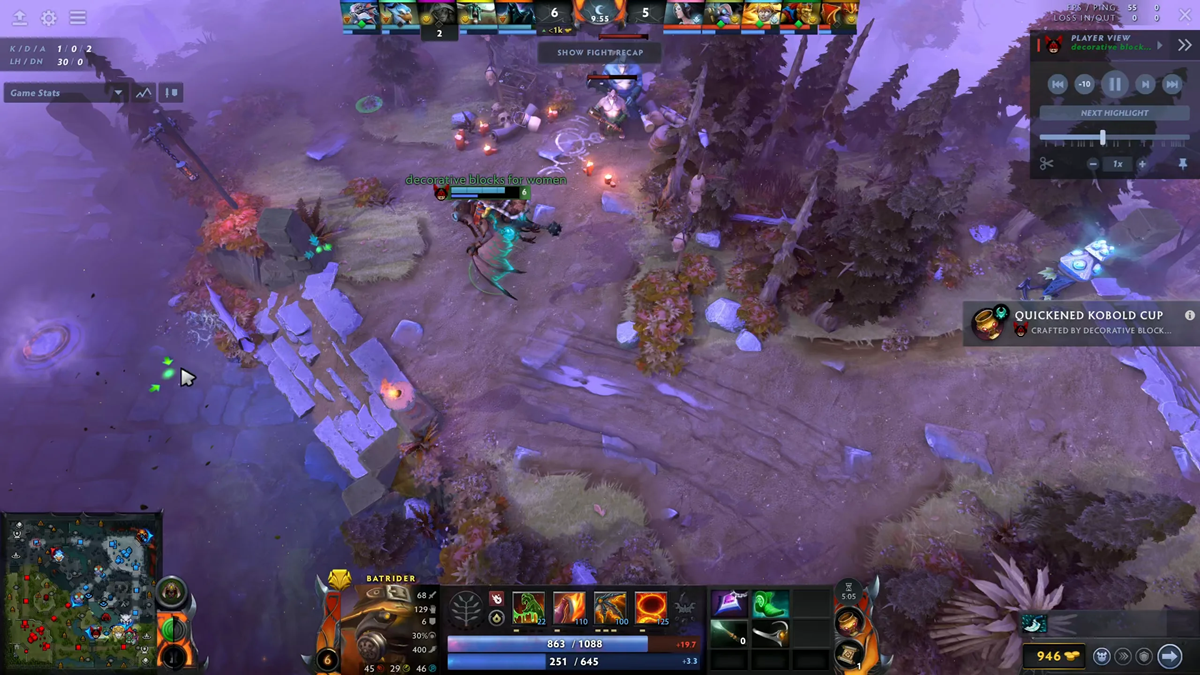
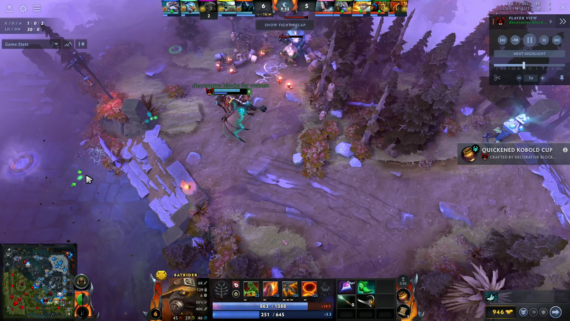
Denying in Dota feels backward the first time someone explains it. You attack your own creeps so the enemy gets less from killing them. The mechanic grew out of Warcraft III’s rules and the habits of early DotA players, then became a serious part of lane strategy. Dota 2 kept it, not as a cute reference to the mod, but as one of the small systems that makes every lane feel tense.
Quake Bunny Hopping
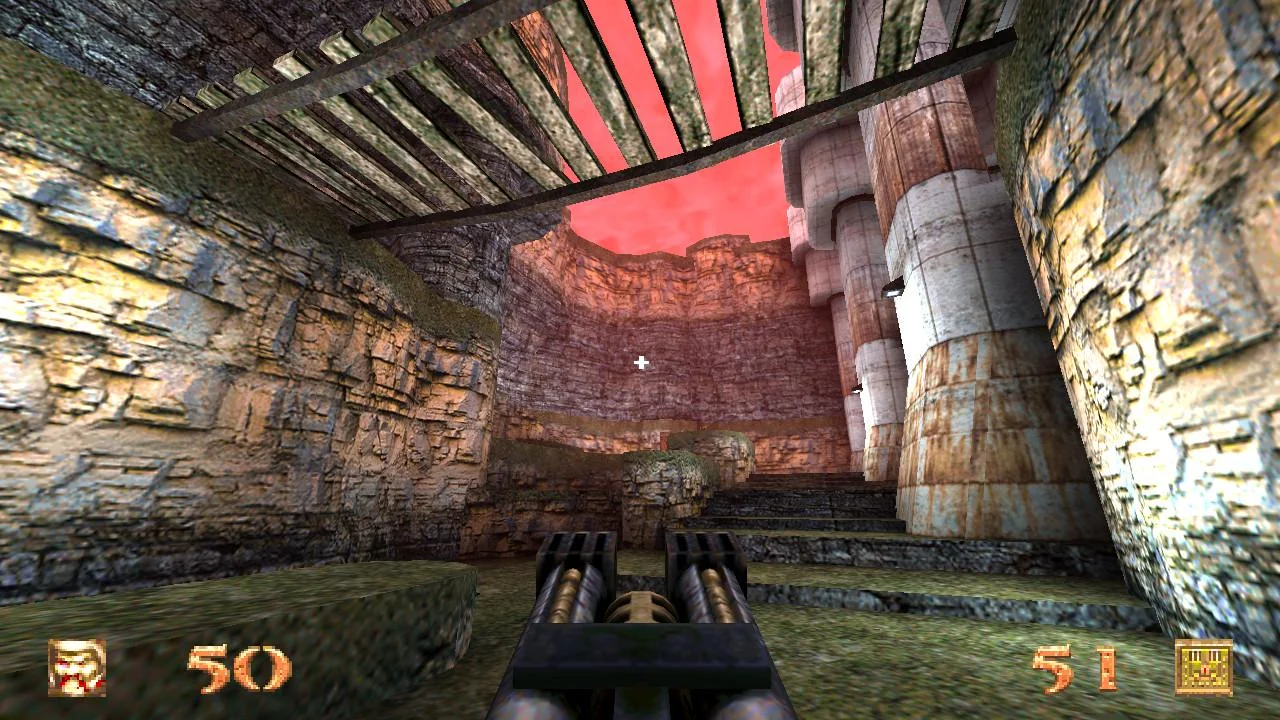
Bunny hopping was not just jumping a lot, even if that is how it looked from the outside. Players learned that with the right timing and air control, they could keep or build speed beyond normal movement. It changed how people raced through maps, chased opponents, and thought about first-person shooters. Some games fought it, others quietly made peace with it.
Riven Animation Cancels in League of Legends
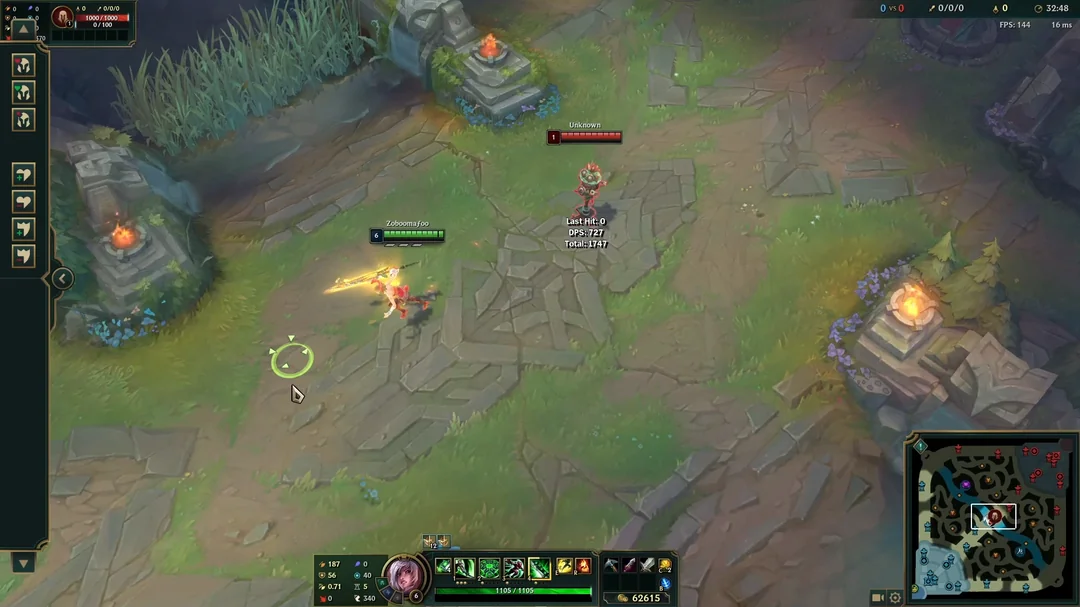
Riven’s kit in League of Legends became famous partly because of what happened between the visible attacks. Players found ways to cancel animations and weave abilities together faster than expected. Instead of deleting that style outright, Riot spent years adjusting and standardizing how it worked. Riven stayed demanding, and for a lot of her mains, that was the point.
Apex Legends Tap Strafing
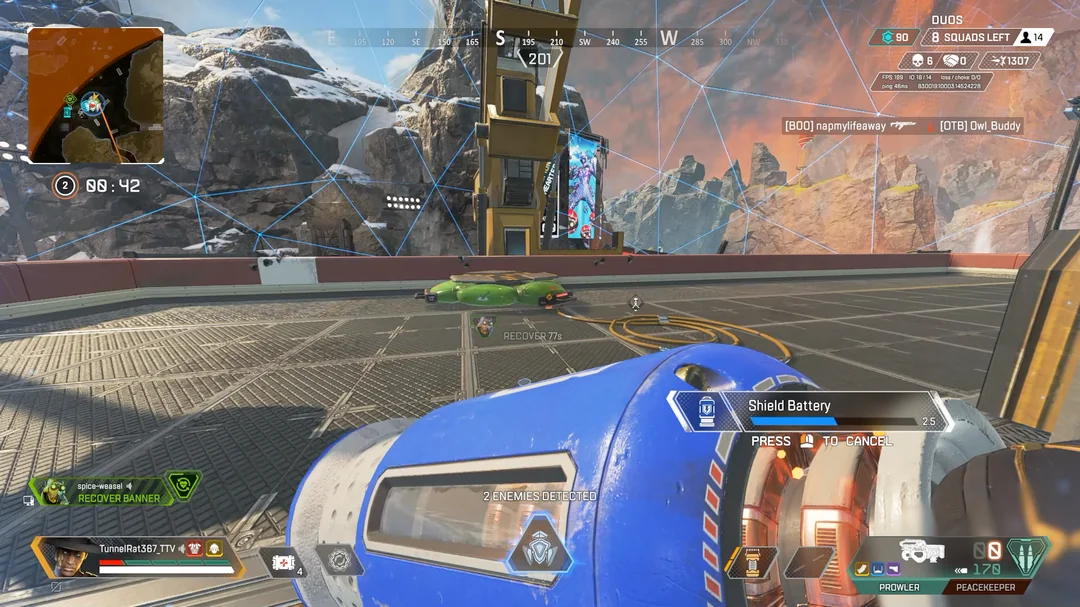
Tap strafing was one of those movement tricks that split the room almost immediately. Mouse-and-keyboard players used it to make sudden direction changes in midair, especially after jumps or launch-pad movement. Respawn looked at removing it, then pulled back after the community reaction. It remains controversial, but it also shows how hard it is to erase a technique once players have built skill, style, and identity around it.
Not every glitch deserves a second life. A lot of them make games worse, or unfair, or just annoying to play. But these cases are different because players did not merely find a bug, they found a better version of the game hiding inside it. Sometimes design arrives cleanly in a patch note. Sometimes it gets discovered by someone doing something they probably were not supposed to do.
Continue Reading: 11 Video Games That Began Inside Military or Government Projects