It is easy to think of video games as something that grew entirely out of arcades, bedrooms, and commercial studios. That is only part of the story. From the 1950s onward, government labs, military offices, and publicly funded research groups were also using interactive software to test ideas, teach skills, and model problems that were hard to explain on paper. Some of the results later looked like games. Others already were games, just made for a very different audience.
Tennis for Two

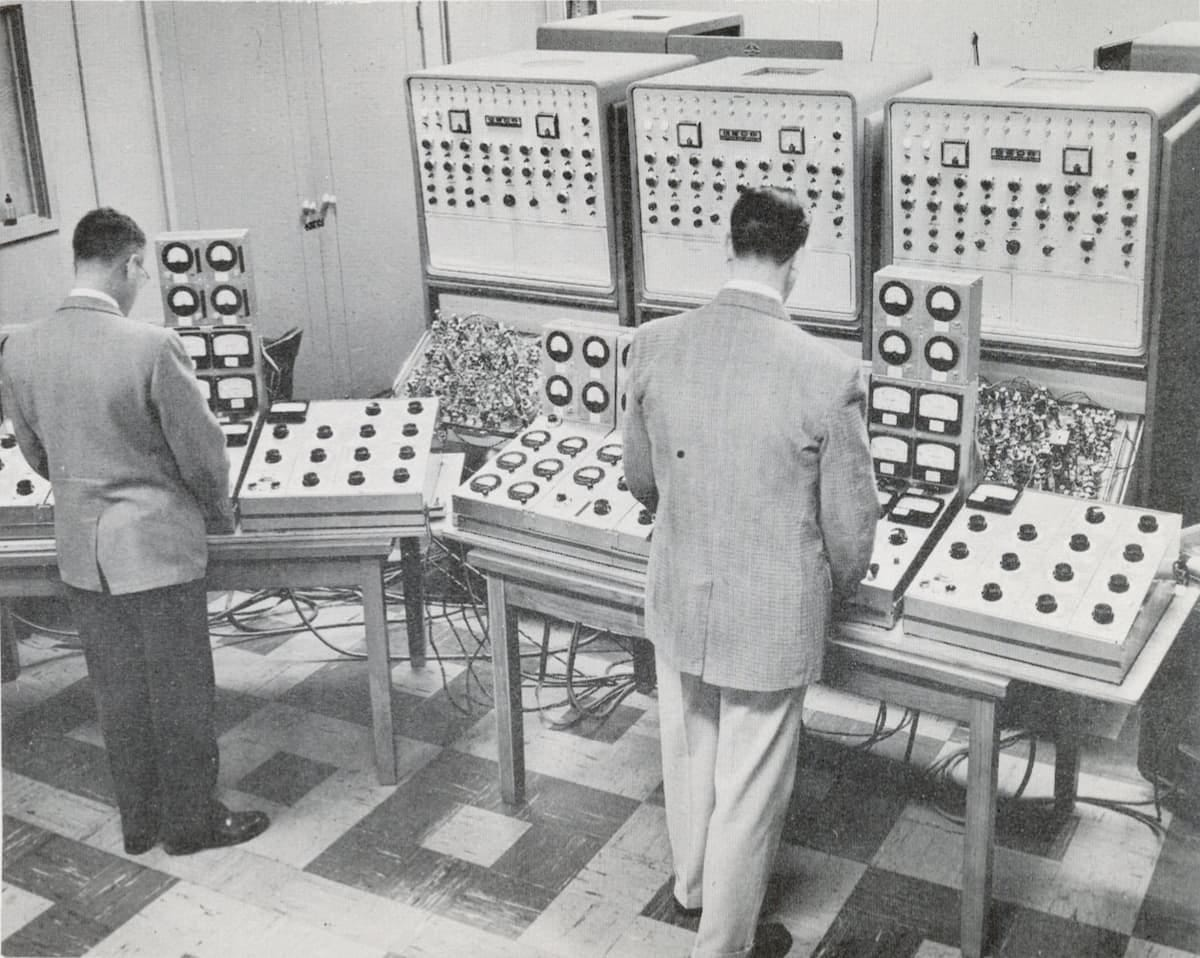
Tennis for Two was built in 1958 at Brookhaven National Laboratory, a U.S. government research facility, and it was not meant to sell anything. Physicist William Higinbotham made it for visitors at the lab’s annual open house, using an analog computer and an oscilloscope to create a simple tennis-like display. The goal was partly public outreach, to make the lab’s equipment feel less remote and intimidating. It lasted only briefly as an exhibit, but it still sits in that odd early space where scientific demonstration and video game history overlap.
Hutspiel
Hutspiel came out of a very different world. Developed in 1955 at the Operations Research Office at Johns Hopkins for the U.S. Army, it was a theater-level war game about a possible conflict in Western Europe. Players were not trying to beat a high score or unlock a level. They were working through military choices involving air power, troop movement, and even tactical nuclear weapons. Calling it entertainment would miss the point, but as an early computer-based interactive game, it belongs in the conversation.
The Sumerian Game

The Sumerian Game sounds like something from a dusty school textbook, and in a way, it was. Created in the mid-1960s through a project involving IBM and a public education agency in Westchester County, New York, it used computer simulation to teach students about resource management in ancient Mesopotamia. Mabel Addis designed the educational content, while William McKay handled the programming. It was government-adjacent rather than military, but its original purpose was clearly public education, not the commercial games market.
Marine Doom
r/doom
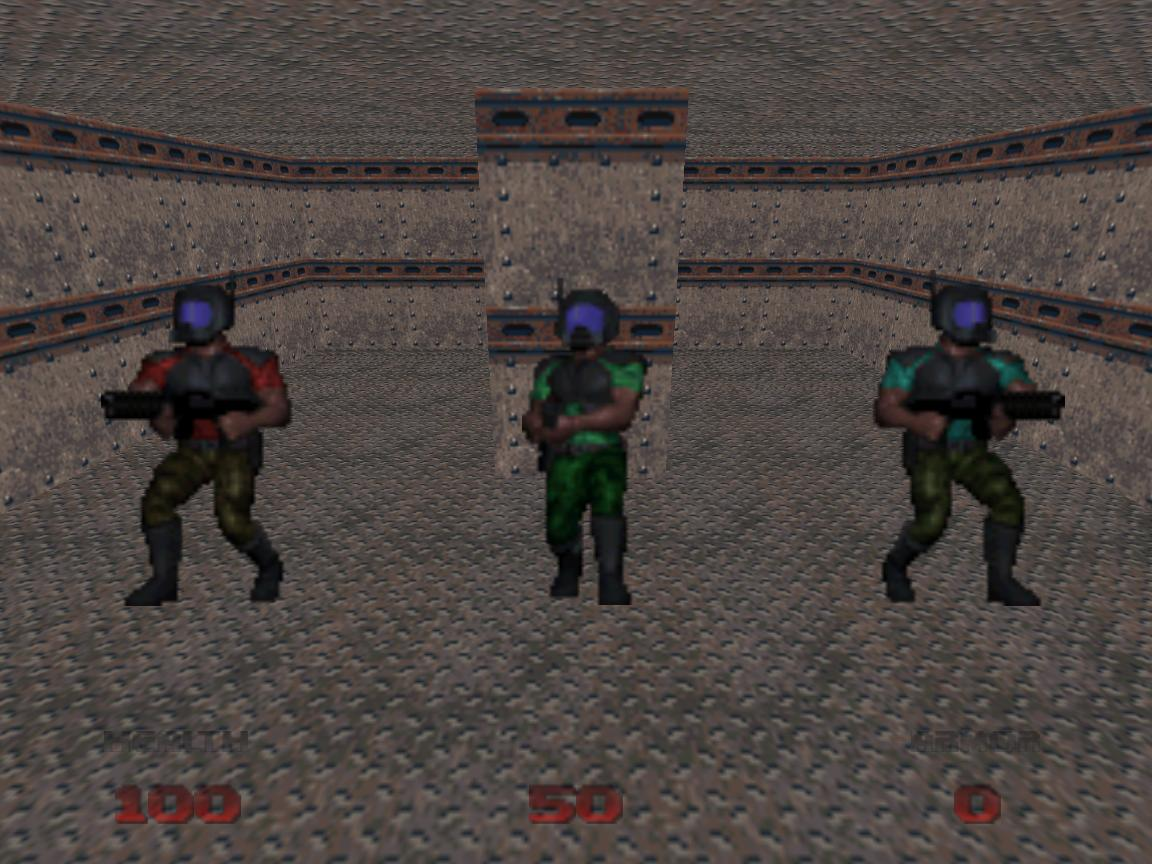
Marine Doom is one of those cases where the title almost tells the whole story. In 1996, a group connected to the U.S. Marine Corps adapted Doom II into a training tool for small-unit tactics. The demons were replaced with military-style opponents, and the point was not just to shoot, but to move, communicate, and act as a fireteam. It looks crude now, but the idea was practical: use a familiar commercial engine to make tactical training cheaper and more repeatable.
America’s Army
GameWatcher
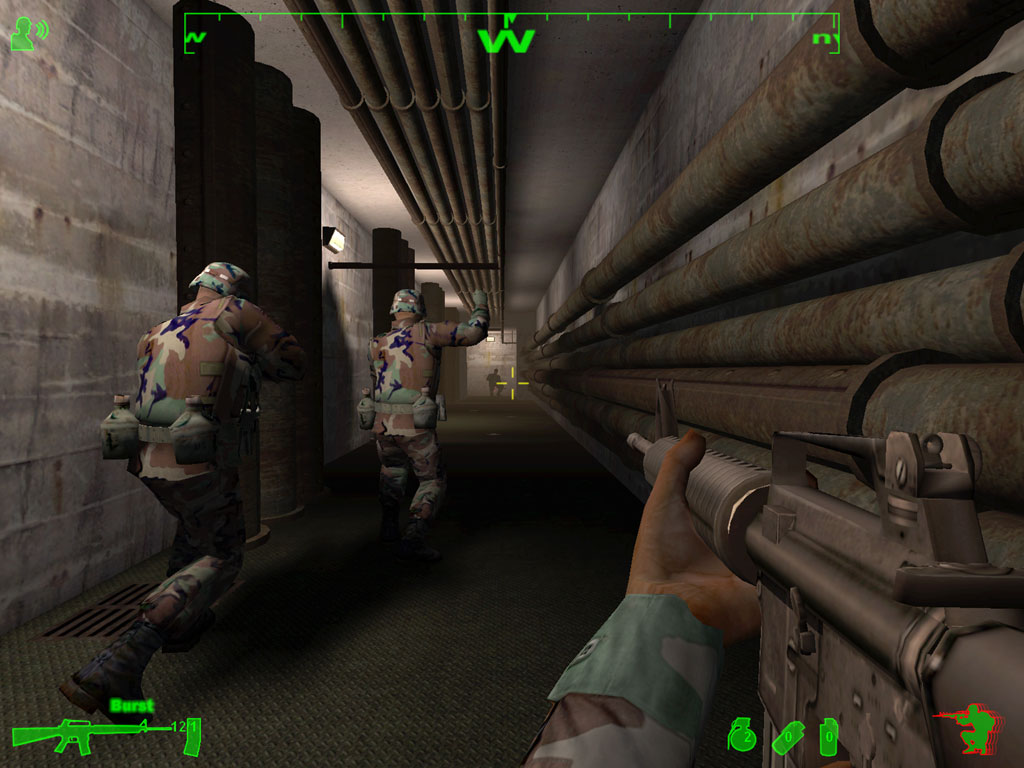
America’s Army was not shy about what it was. Released in 2002 by the U.S. Army, it was a free first-person shooter designed partly as a recruiting and public communication tool. Players went through training sections before entering multiplayer missions, which gave the game a more controlled feel than many shooters of the period. For a while, it was everywhere in discussions about games and military recruitment, because the connection was not hidden in the background. It was the whole point.
Trending on realmoneygamer.com


Full Spectrum Warrior
r/gaming
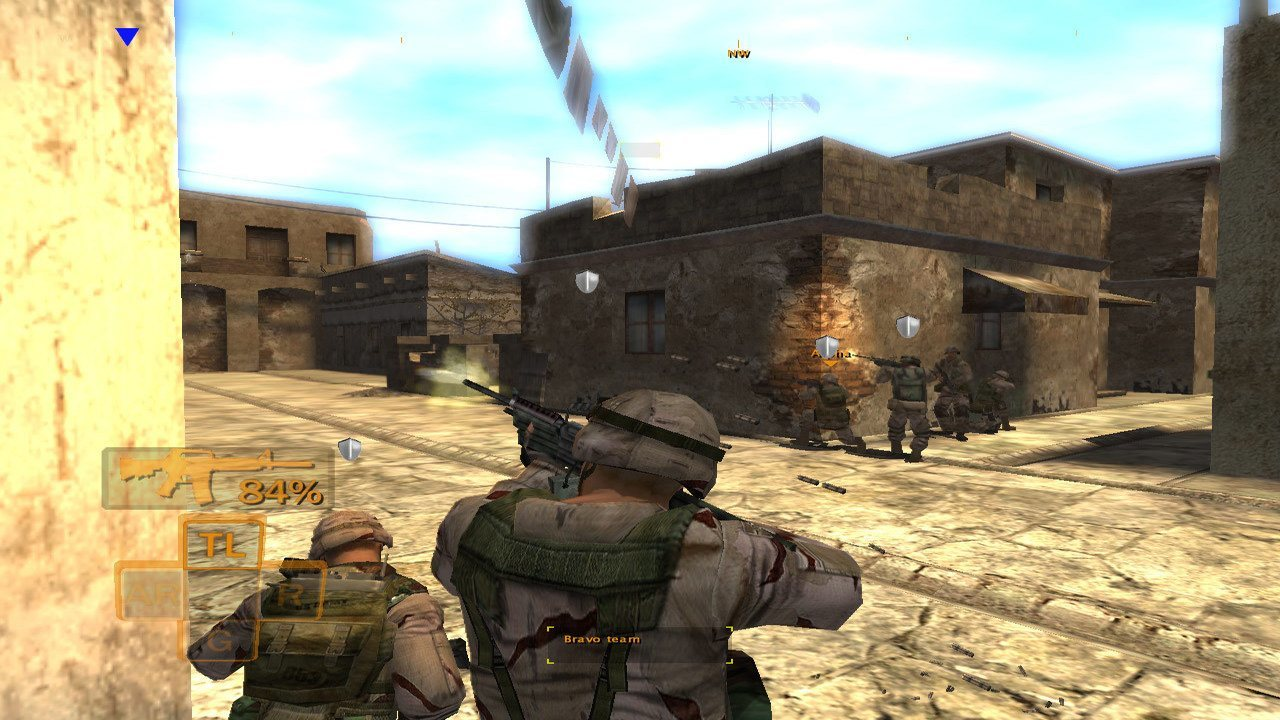
Full Spectrum Warrior started as a training project before it became a commercial release. Pandemic Studios developed it with the U.S. Army in mind, focusing on squad tactics rather than the usual run-and-gun rhythm of early-2000s shooters. The player managed fireteams, cover, suppression, and movement instead of acting like a one-person army. That made the public version feel unusually restrained for an Xbox-era military game.
DARWARS Ambush!
dl.acm.org
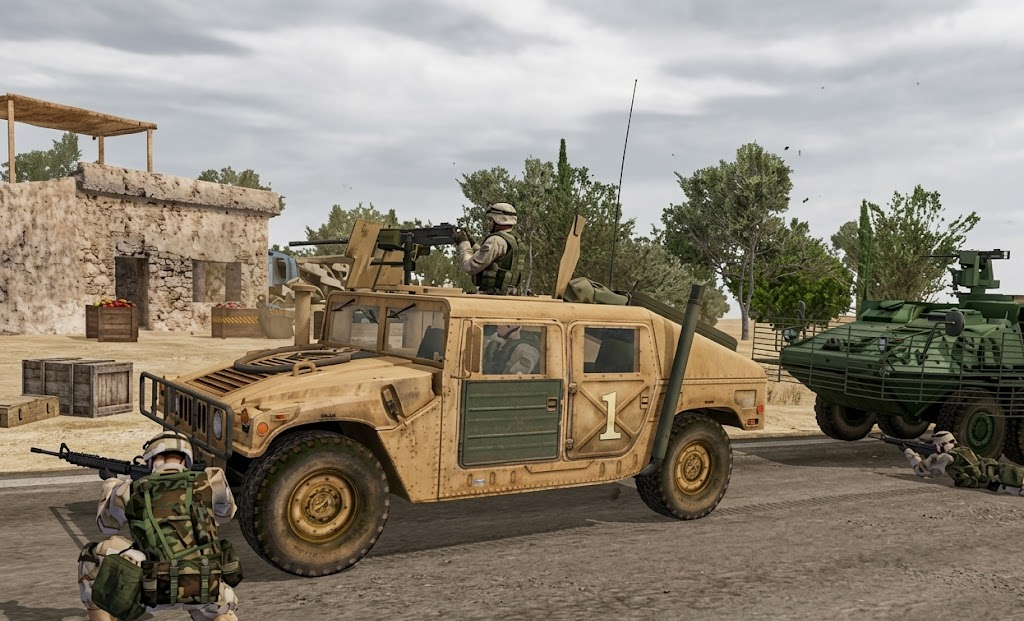
DARWARS Ambush! was built around a grimly specific problem: convoy ambushes. Funded through DARPA’s DARWARS program, it gave soldiers a way to practice roadside attack scenarios in a multiplayer computer environment. One useful feature was that new scenarios could be created and adjusted as field experience changed. It was not made to be elegant. It was made to be useful.
Tactical Iraqi
Defensereview.com
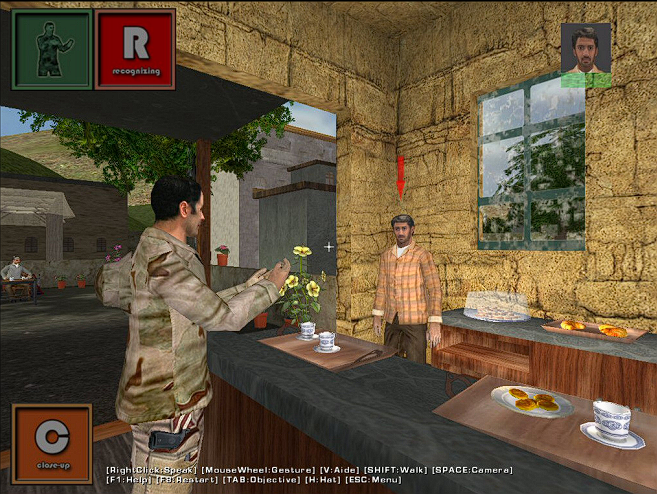
Not every military game is about firing a weapon. Tactical Iraqi was designed to teach U.S. military personnel basic Iraqi Arabic and cultural interaction through game-like scenarios with virtual characters. Developed with support from institutions including USC’s Information Sciences Institute and military research programs, it tried to make language learning feel closer to mission practice than classroom memorization. The subject matter was practical, sometimes awkwardly so, but the design idea was ahead of a lot of mainstream educational software.
Close Combat: First to Fight
Mobygames.com
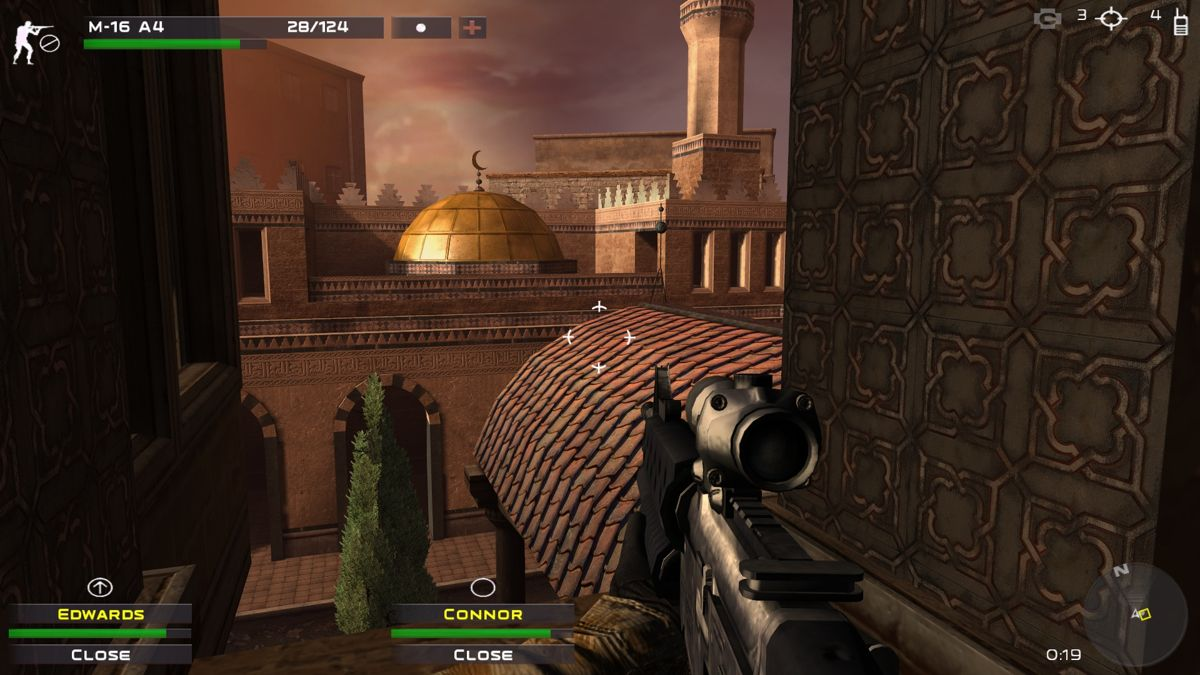
The Close Combat series already had a serious tactical streak, so its move into military training was not that surprising. Close Combat: First to Fight was first developed for the U.S. Marine Corps as a training version of the real-time tactics format. It kept the emphasis on command decisions, positioning, and battlefield judgment rather than fast reactions alone. Civilian players later saw related versions, but the Marine Corps use came first in this branch of the series.
CyberCIEGE
CyberCIEGE
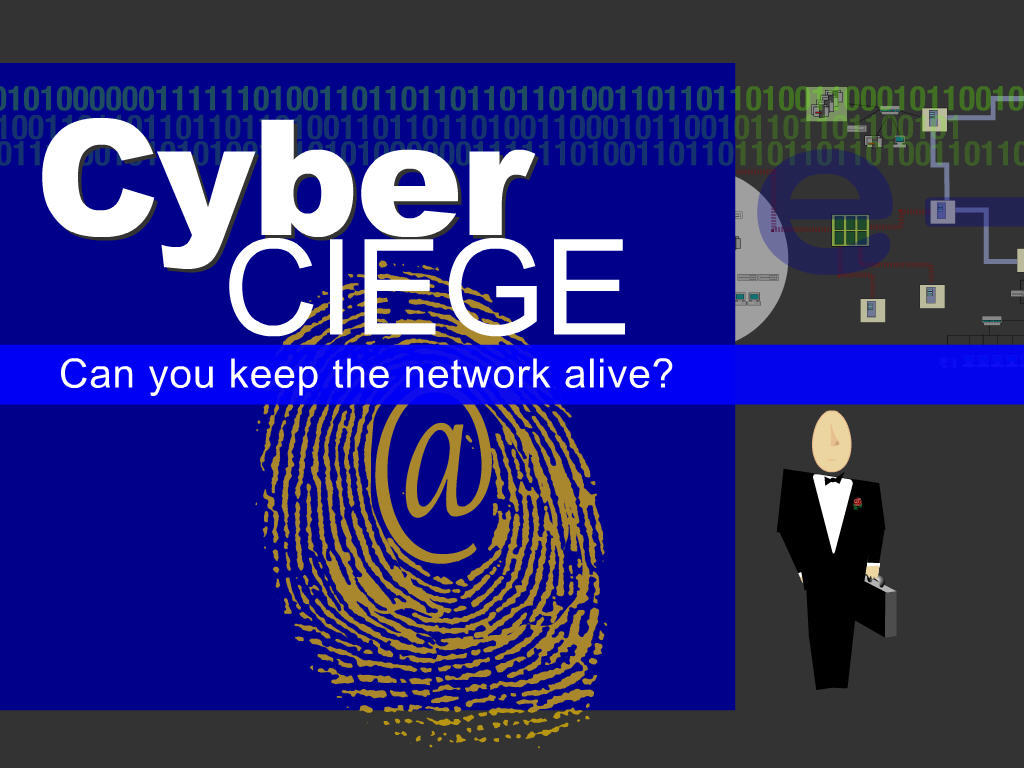
CyberCIEGE does not look like a war game in the usual sense. Built by the Naval Postgraduate School with support from the U.S. Navy, it teaches cybersecurity through a simulation where players manage networks, users, passwords, budgets, and security policies. The tension comes from tradeoffs. Lock everything down too much and people cannot work. Leave it too open and attackers get in. For a government training game, that is a pretty clean design hook.
UrbanSim
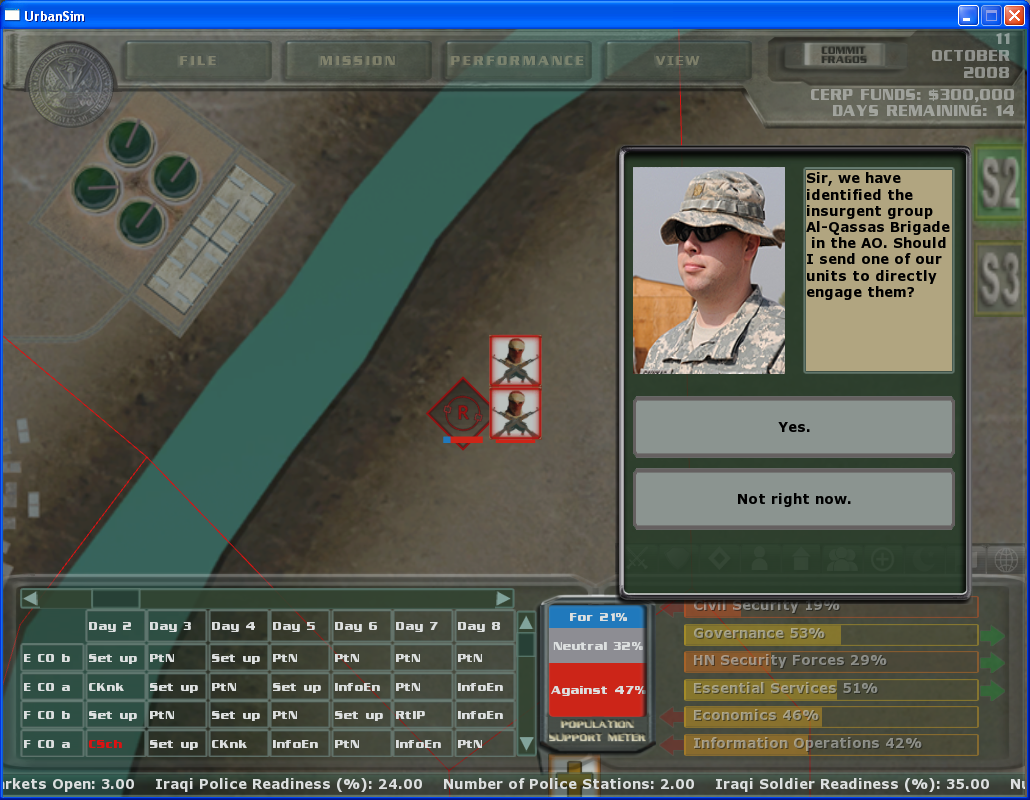
UrbanSim dealt with the kind of military problems that do not fit neatly into a shooting range. Created with the U.S. Army and the University of Southern California’s Institute for Creative Technologies, it put trainees in the role of a battalion commander dealing with local politics, infrastructure, security, and counterinsurgency decisions. It was less about winning a battle than understanding how one decision could create three new problems. That makes it slower than most games on this list, but also one of the more revealing ones.
MMOWGLI
paxsims.com
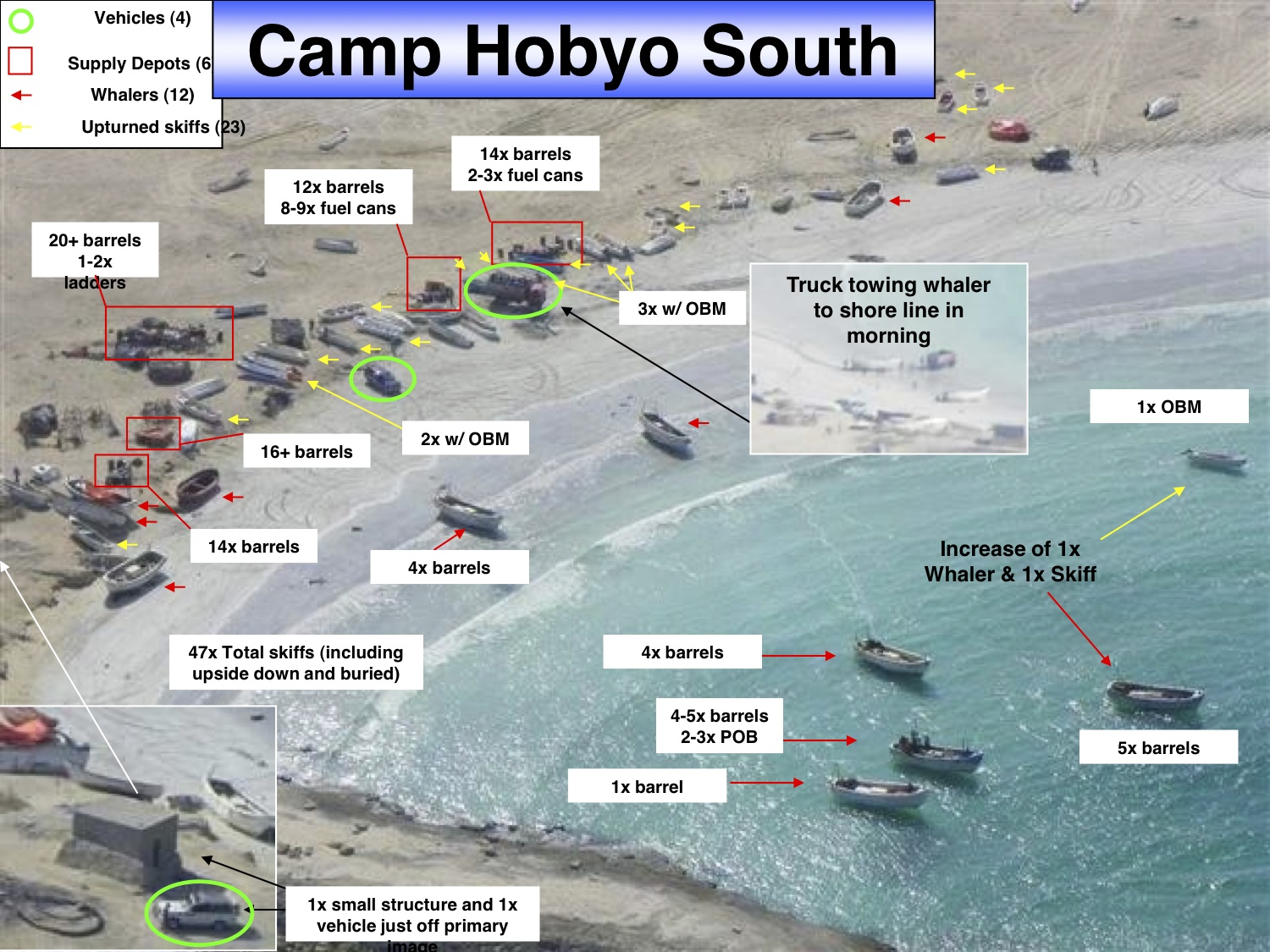
MMOWGLI, short for Massive Multiplayer Online Wargame Leveraging the Internet, was a U.S. Navy project built around crowdsourced strategy. Its early pilots asked players to think through problems such as Somali piracy, using online prompts, scoring, and chains of ideas. It was not a game in the retail sense. It was closer to a structured brainstorming platform with game mechanics attached. Still, it shows how far government groups were willing to stretch the word “game” when the format helped people think together.
Government and military games often feel a little strange when placed next to commercial releases. Some were public-facing, some were internal tools, and some sit awkwardly between simulation and entertainment. But that awkwardness is part of the history. Video games were being used to teach, persuade, train, and test ideas long before the industry had a neat way to talk about any of it.
Continue Reading: 12 Predictions About the Future of Video Games