Game worlds are usually built to guide you somewhere, toward a boss, a shortcut, a collectible, a line of dialogue that explains why the ceiling just exploded. Then there are the rooms that seem to exist for no reason a normal player would recognize. Some were developer test spaces, some were cut content left behind, and some were private jokes buried so deeply that players needed glitches, console commands, or years of collective obsession to see them. That uselessness is part of the appeal, because a room with no gameplay purpose can feel oddly more personal than one designed to reward you.
The Warden’s Secret Room in Batman: Arkham Asylum
r/batmanarkham
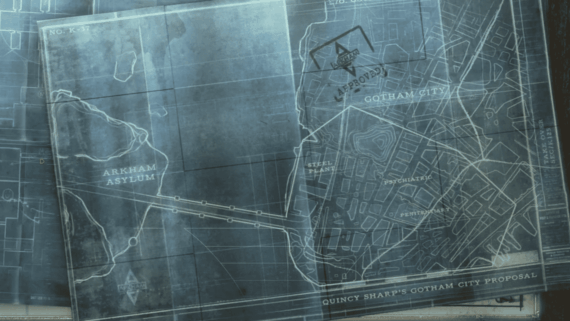
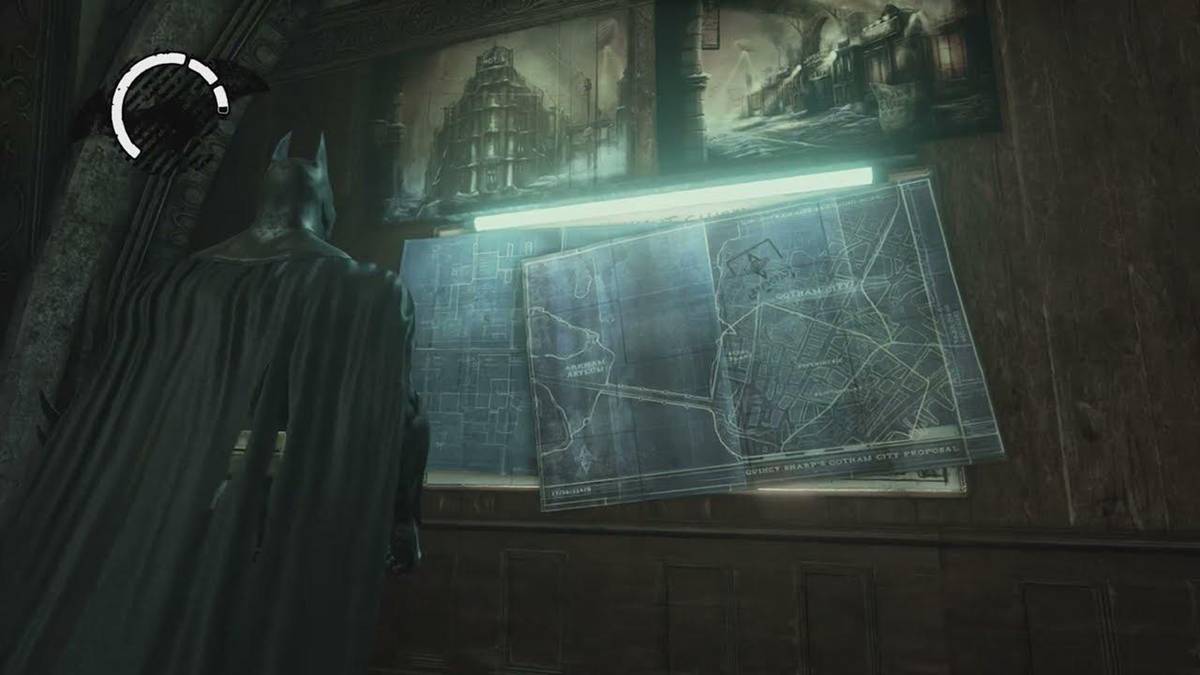
Rocksteady hid one of the strangest non-rewards in Batman: Arkham Asylum behind a wall in Warden Quincy Sharp’s office. It was not marked in Detective Mode, it was not on the map, and it did not count toward completion, which is almost funny in a game that trained players to scan every inch for Riddler trophies. Inside, players found plans for Arkham City, effectively a teaser for the sequel hidden inside the first game. Game Informer reported on the room in 2010 after Rocksteady revealed it, and SPOnG noted that finding it gave no achievement and added nothing to the completion score. It was just a room, a secret announcement, and a reminder that sometimes a developer’s best hiding spot is one that breaks its own rules.
The QASmoke Cell in The Elder Scrolls V: Skyrim
r/skyrim
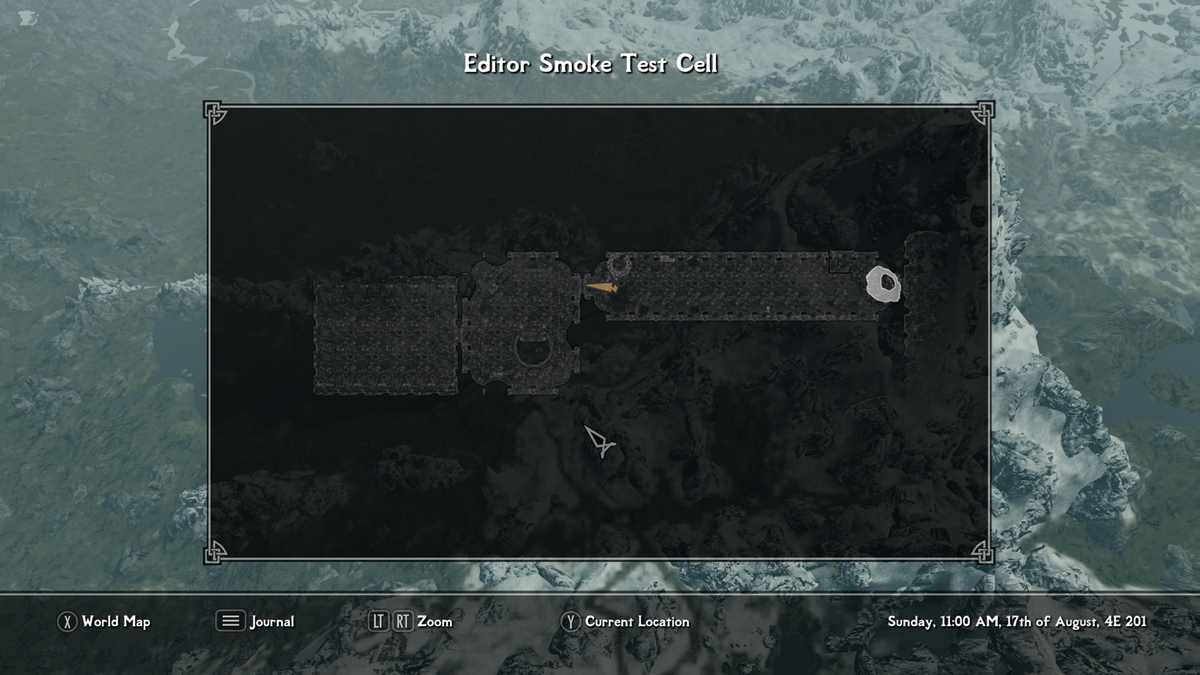
Skyrim’s most famous hidden room is less a place than a drawer the developers forgot to lock. The Editor Smoke Test Cell, usually reached on PC with the console command coc QASmoke, contains every item in the game, including objects that were never meant to be useful to regular players. There is no quest attached to it, no character waiting there, no grand Bethesda mystery. It is a test cell, a practical development space that became folklore because players love finding the backstage area in a game that already feels endless.
Fallout 4’s Developer Testing Room
r/fallout
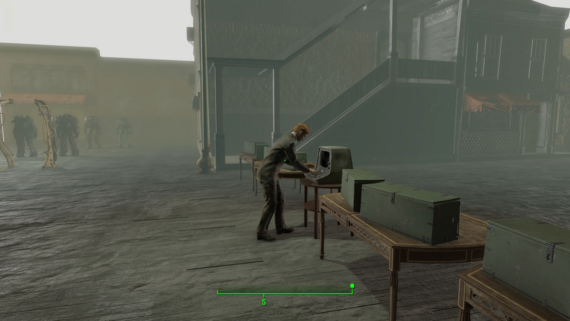
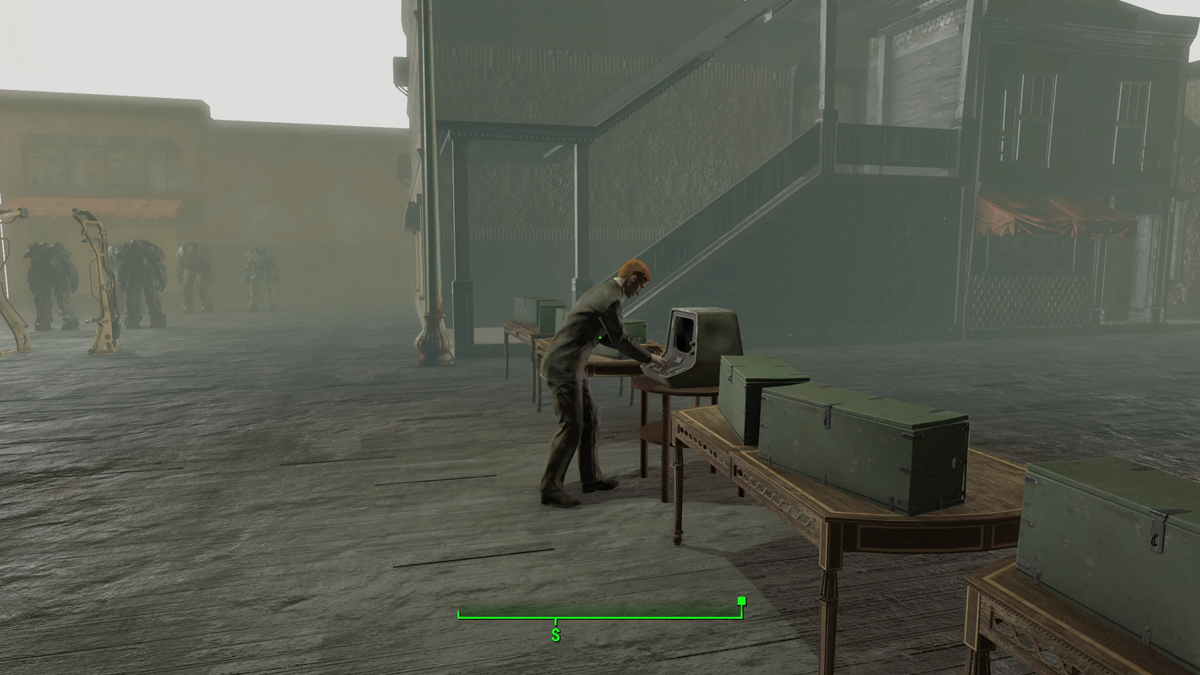
Fallout 4 has its own version of the forbidden stockroom. Type COC QASMOKE into the PC console and the game moves you into a testing area filled with containers, crafting stations, weapons, armor, holotapes, building materials, and other items. GameSpot described it shortly after launch as an apparent developer testing room, not a secret dungeon or official bonus area. The fun is not that it improves Fallout 4, since grabbing everything would wreck the rhythm of scavenging, it is that the room exposes the game as a pile of parts before it becomes the Commonwealth.
The Hidden Interiors Universe in Grand Theft Auto: San Andreas
r/sanandreas
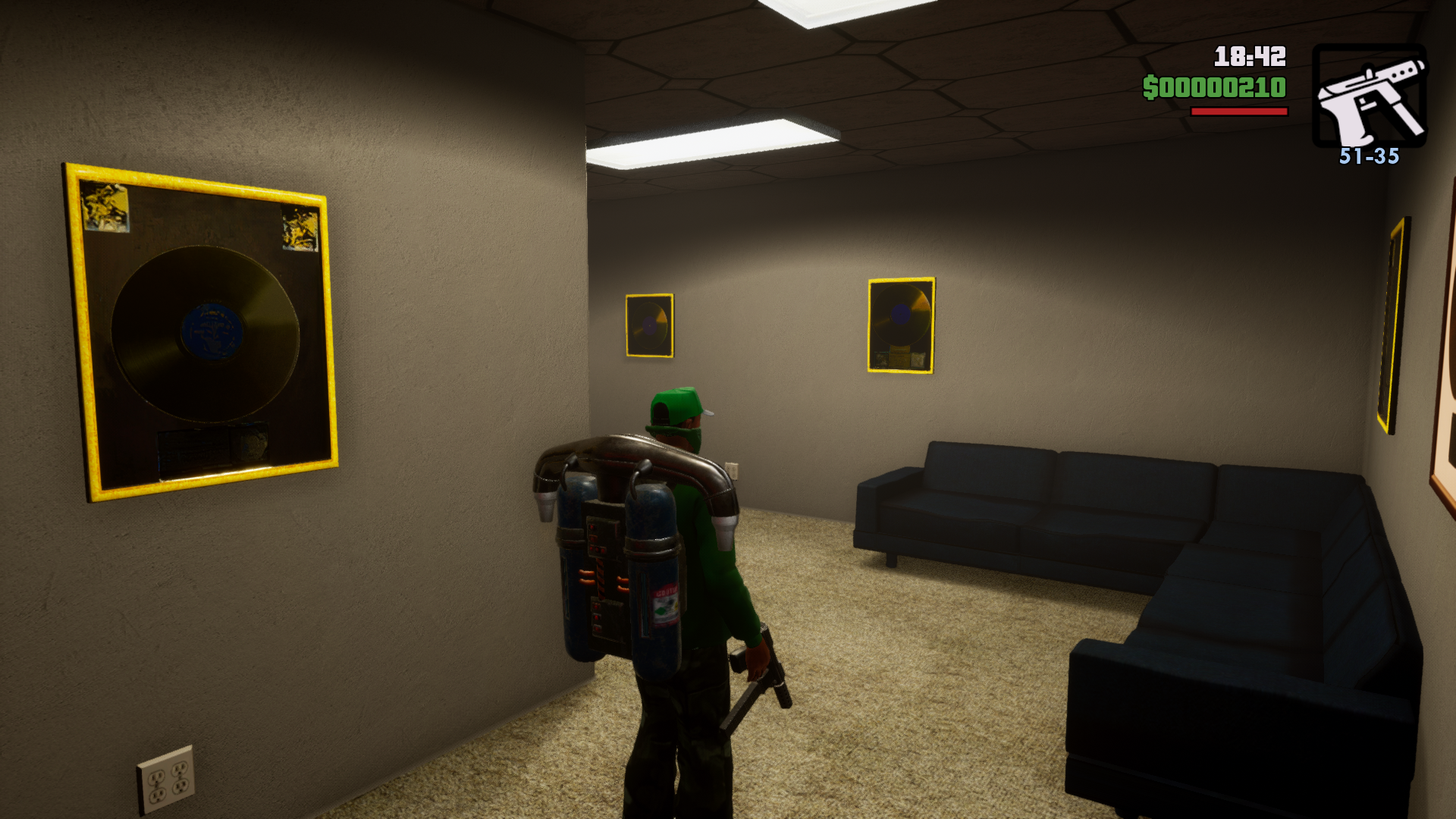
San Andreas always had a slightly haunted quality once players learned how its interiors worked. Many rooms were not located inside the buildings they represented, but in separate “interior worlds” high above or away from the normal map. WikiGTA describes more than 140 hidden interiors spread over 17 “heavens,” while Grand Theft Wiki notes that the interior universe includes unused and deleted versions of common spaces, such as unused 24/7 stores, a two-floor Ammu-Nation, and a safehouse. None of this was part of normal progression. It was infrastructure, scraps, cut rooms, and odd leftovers that players reached through glitches, trainers, or obsessive exploration.
The Original Karazhan Crypts in World of Warcraft
r/wow
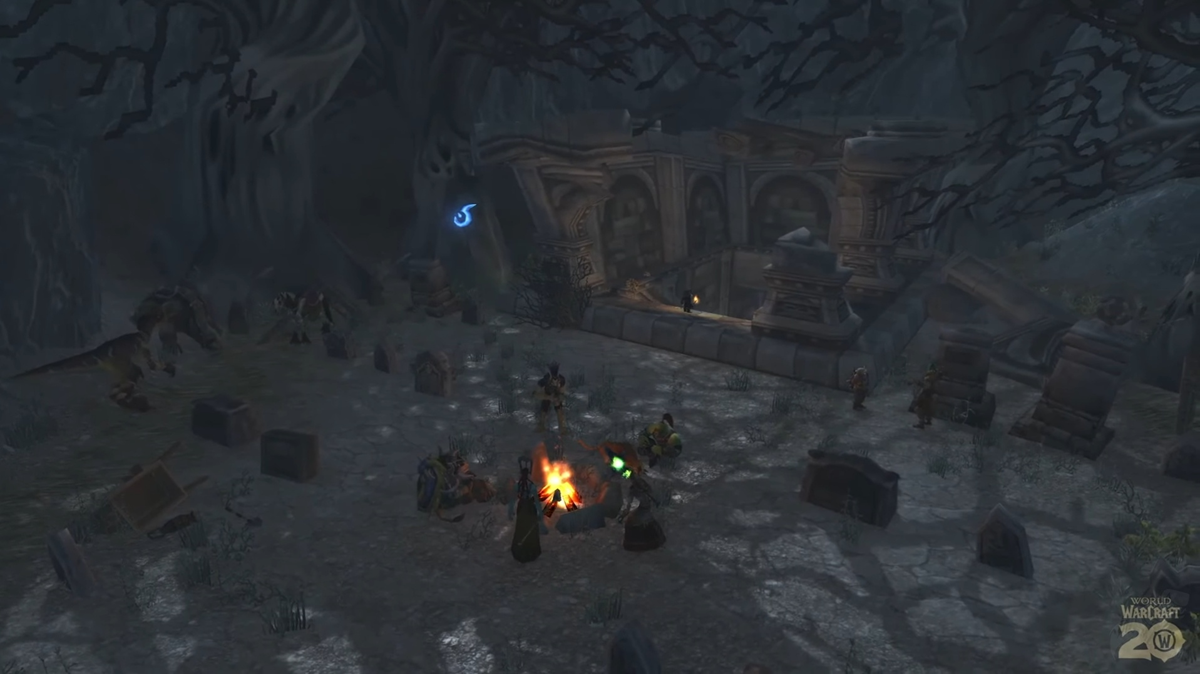
For years, the Karazhan Crypts were one of World of Warcraft’s best-known places that players were not supposed to be. The sealed area beneath Karazhan existed in early WoW as an eerie, unfinished set of chambers, famous among explorers for names like “The Upside-Down Sinners” and “The Pit of Criminals.” Wowhead later described Karazhan Crypts as a location players had never been able to access in original World of Warcraft, before Blizzard revisited the area for Season of Discovery. That later use changes the modern story, but it does not erase the older one, when the crypts were just a fully atmospheric dead end with no official gameplay role.
Trending on realmoneygamer.com

Citadel in GoldenEye 007
GoldenEye Forever
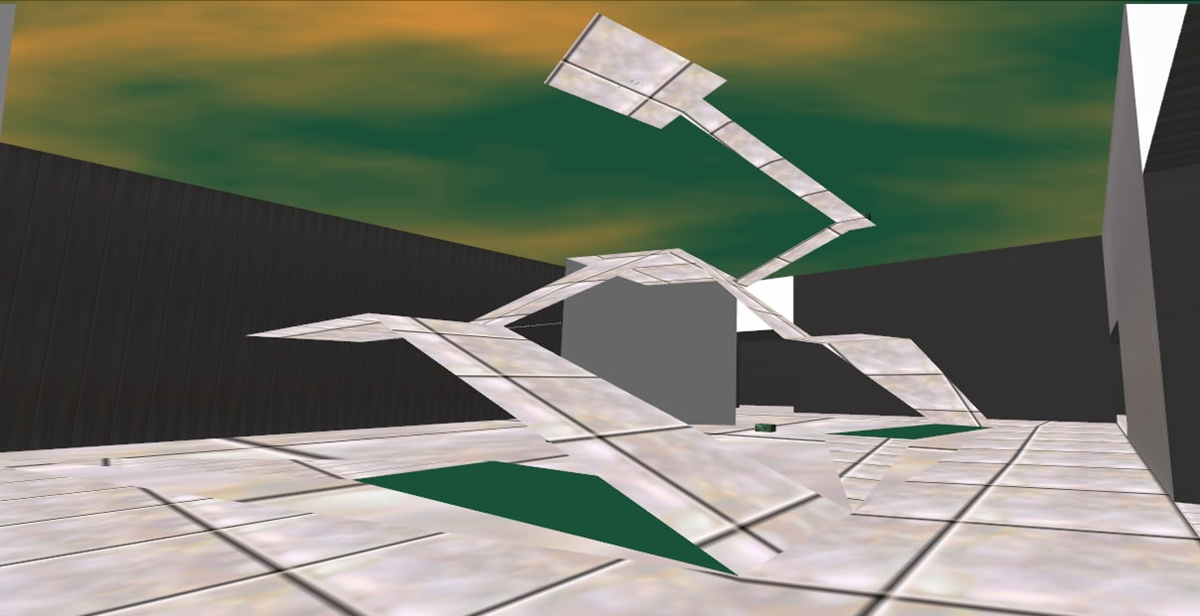
GoldenEye 007 had enough playground energy that even its leftovers felt like urban legends. Citadel was an unused multiplayer test map, known for years through rumors, text references, and eventually extracted material. A preserved account of Rare’s explanation described it as a rough test level from early multiplayer development, while archived fan documentation and model listings classify it as unused content. It was not a lost campaign mission or a secret arena you could unlock by playing better. It was a discarded shape in the game’s memory, which somehow made it more intriguing than another playable deathmatch map would have been.
Pokémon Red and Blue’s Deleted Maps
r/nintendo
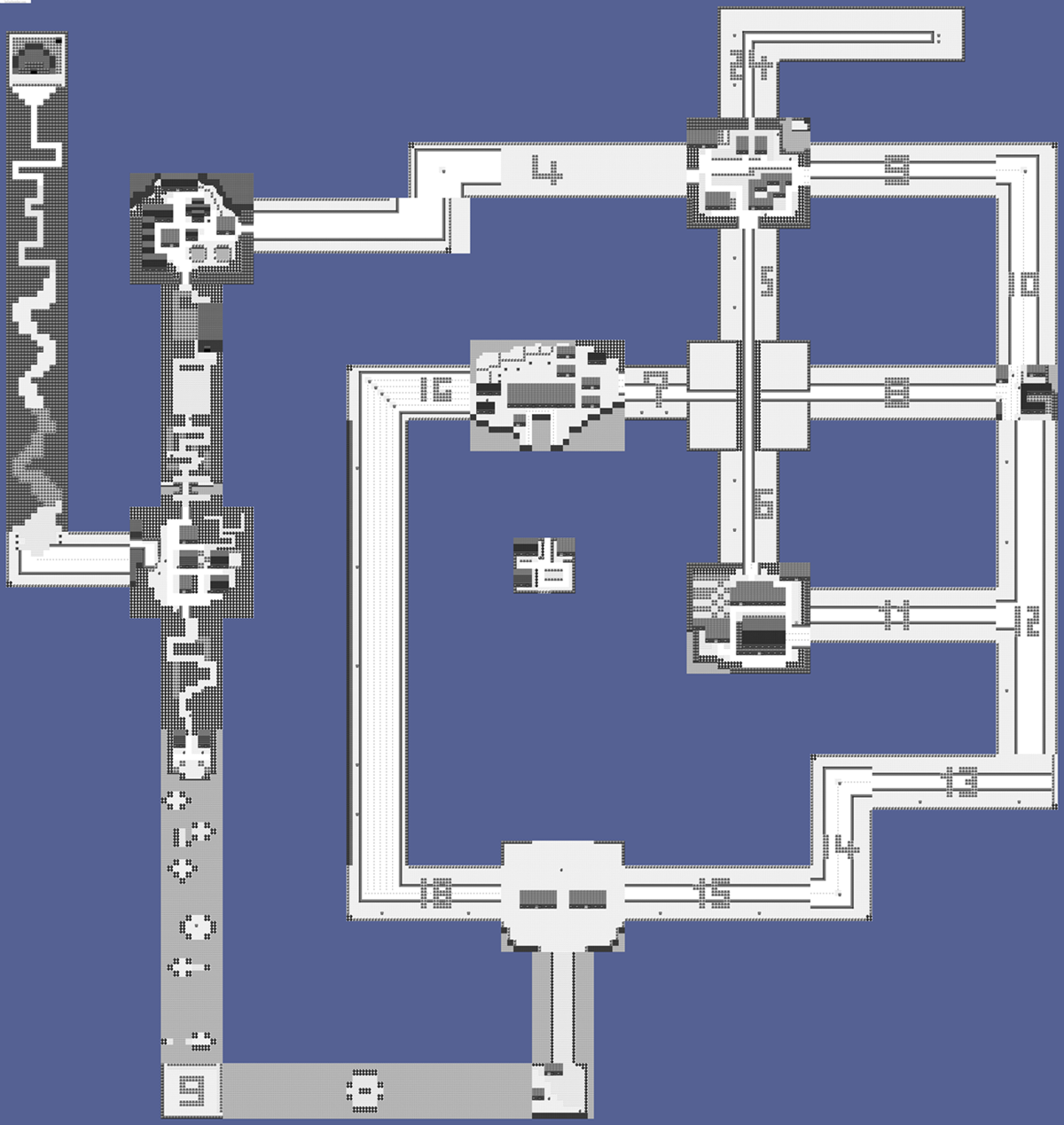
The first Pokémon games are already full of strange edges, so their unused maps fit right in. The Cutting Room Floor documents 22 deleted map locations in Pokémon Red and Blue, including one that may have represented a cut town. These are not hidden routes with rare Pokémon waiting off-screen, and they are not intended postgame areas. They are broken, partial, or disconnected remnants of development, the kind of thing that makes Kanto feel larger in hindsight than it ever was on the Game Boy screen.
Sonic Adventure 2: Battle’s Test Level
r/gaming
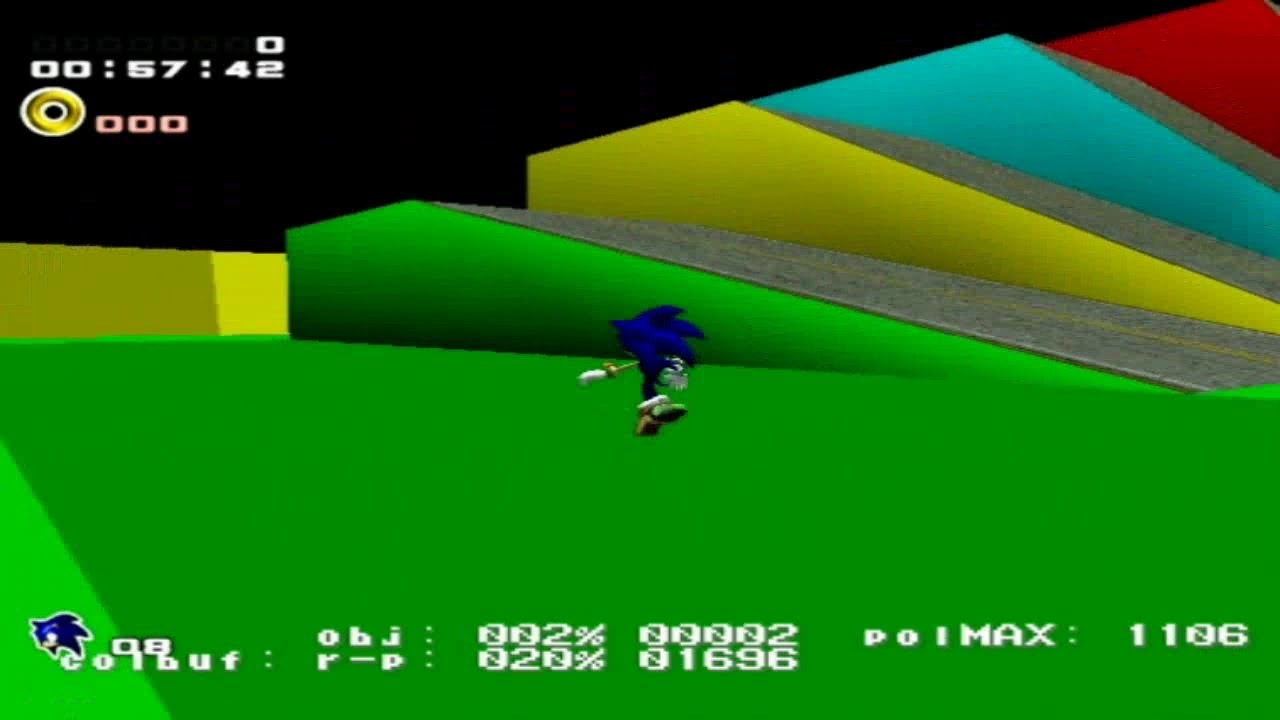
Sonic games have always attracted players who want to slip outside the intended path, which makes a hidden test level feel almost inevitable. Sonic Retro notes that Sonic Adventure 2 contains debug and hidden-content references, including a “BASIC TEST” level in level lists, while The Models Resource preserves a Sonic Adventure 2: Battle test level under unused content. It is not a stage in the normal sense. It is more like a movement sandbox, a place made for checking how the game behaves before the game has any reason to exist around it.
The Kabuki Developer Room in Cyberpunk 2077
r/lowsodiumcyberpunk
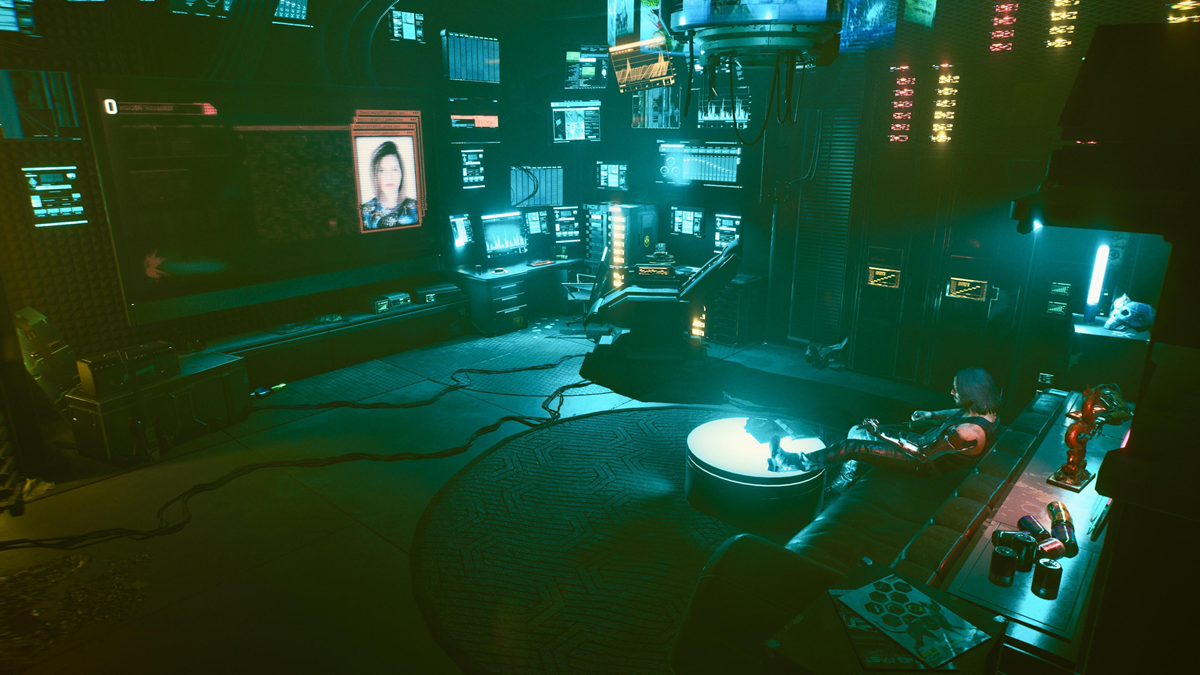
Cyberpunk 2077’s hidden developer room is tucked behind a garage door in Kabuki Market, opened with a keypad code rather than a quest marker. Once inside, players find a small lounge-like space with a couch and TV, and activating it reveals a developer tribute. TheGamer places it in the underground level of stores at Kabuki Roundabout in Watson, while Screen Rant notes the room requires a specific code and contains a TV-triggered Easter egg. In a game crowded with fixer calls, loot icons, and gigs, this room is almost quiet, more thank-you note than content.
The Siege of Madrigal Ledge in Halo: Combat Evolved
r/halo
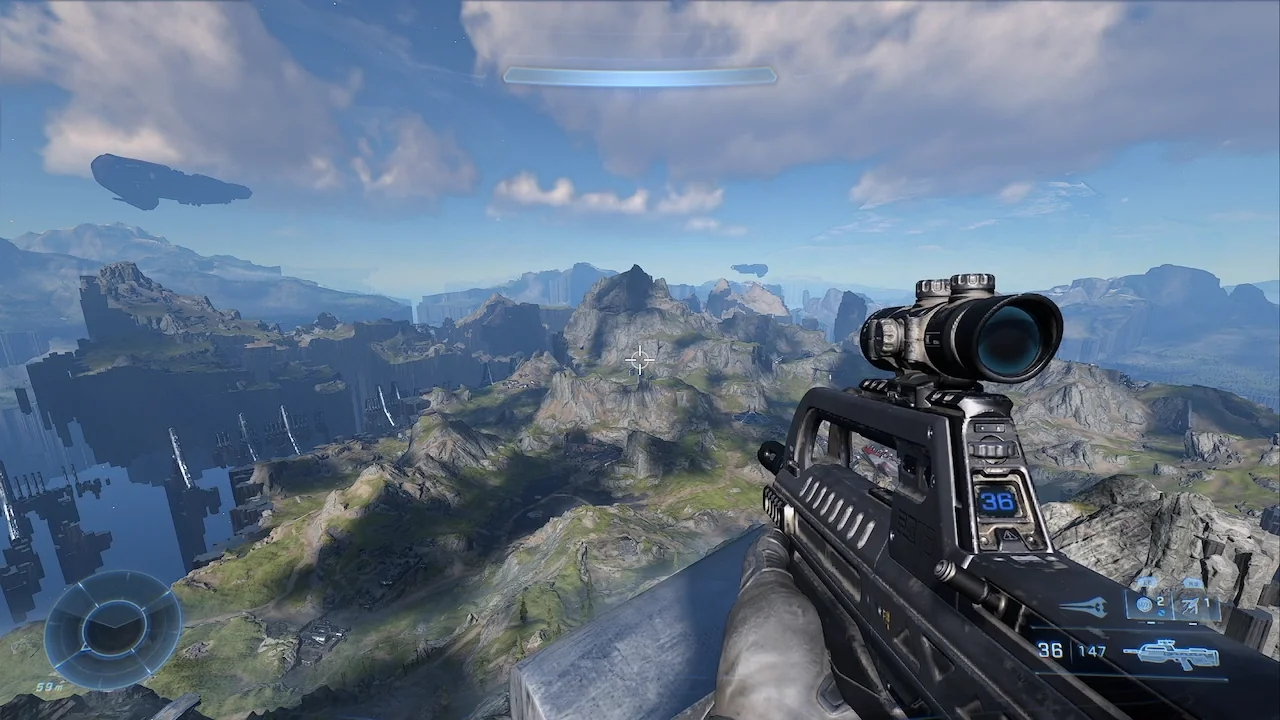
This one is barely a room, which is why it feels right. In Assault on the Control Room, players can reach obscure ledges with a Banshee and hear “Siege of Madrigal,” a piece of music from Bungie’s earlier game Myth: The Fallen Lords. Halopedia describes places in the level where standing in the right spot triggers the track, and StrategyWiki points players to a ledge near the end of the mission. There is no weapon cache, no tactical advantage, and originally no obvious explanation. It is just a small unreachable-feeling place where Halo briefly remembers another Bungie world.
The Rat Man Dens in Portal 2
r/portal
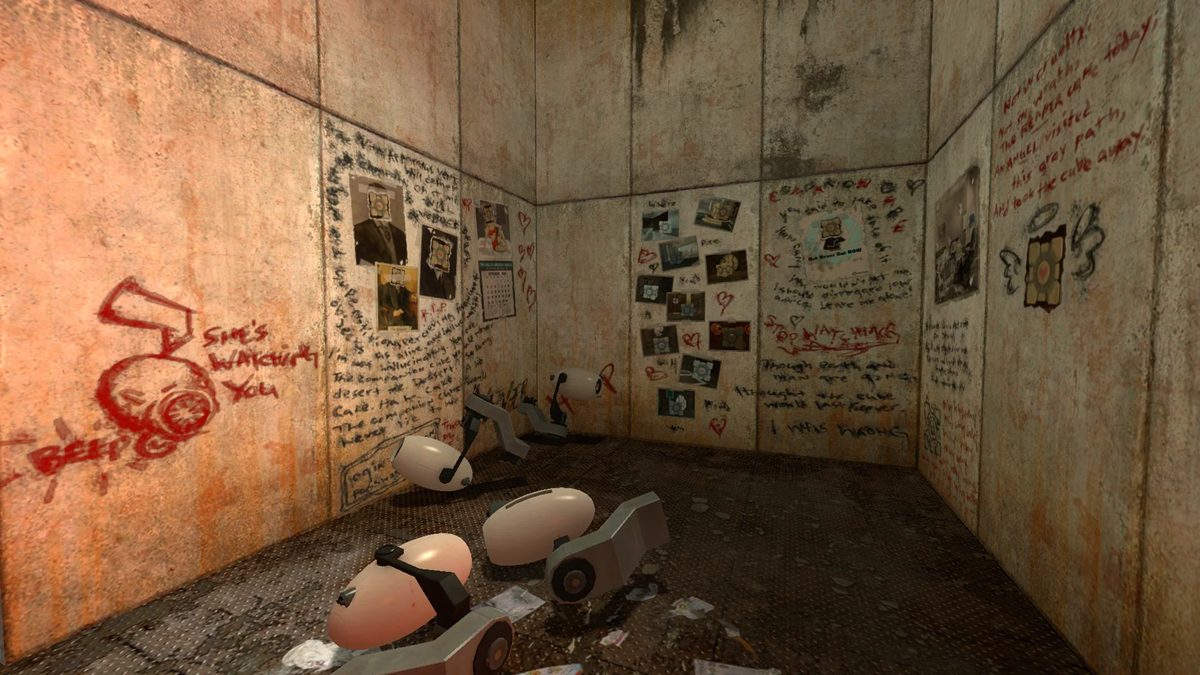
Portal 2’s Rat Man dens are not useless in a narrative sense, but mechanically, they are beautifully unnecessary. They are tucked-away hideouts filled with drawings, warnings, and fragments of Doug Rattmann’s presence, places that ask the player to step out of the test-chamber rhythm and look at Aperture from the cracks. TheGamer describes them as dens scattered through Portal and Portal 2, while Steam guides have long existed just to help players locate them. You do not need them to solve the game. You need them only if the sterile test facility starts to feel too clean, and you want to know who was crawling around in the walls before you.
Hidden rooms like these are not always “content” in the normal sense. Some are tools, some are leftovers, some are jokes, and a few are quiet little signatures from the people who made the game. They do not need to make the player stronger or move the story forward. Sometimes the strange empty room is enough.
Continue Reading: 15 Secrets and Facts You Never Noticed in Iconic Games