Virtual currencies didn’t arrive with crypto. Long before anyone was talking about wallets or blockchains, players were already assigning value to digital goods, grinding for them, trading them, and in some cases, quietly turning them into real money. Game worlds became testing grounds for economies that felt surprisingly real, sometimes messy, sometimes exploitative, but always revealing. Looking back, it’s clear a lot of what we now call real money gaming started in places that weren’t designed for it at all. These are some of the currencies that nudged that shift forward.
World of Warcraft Gold
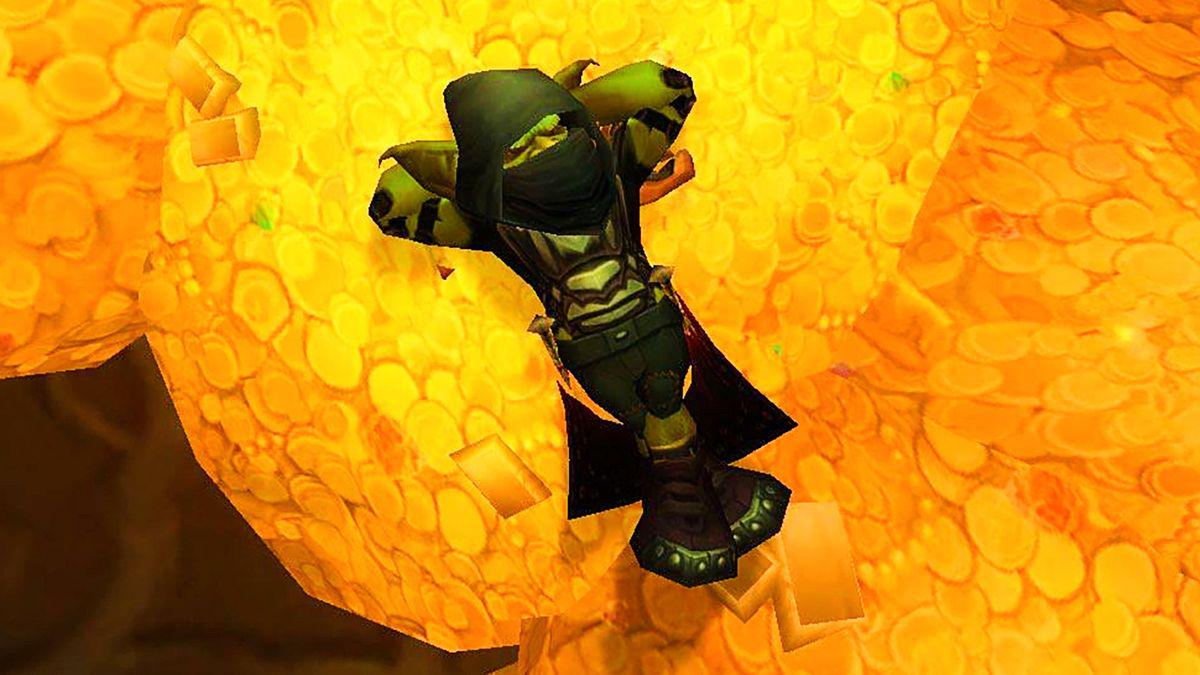
Gold in World of Warcraft wasn’t just a resource, it was a full-time occupation for some players. By the mid-2000s, gold farming operations had turned into a global business, especially in China, where workers spent long shifts grinding in-game currency to sell on third-party sites. Blizzard fought it constantly, but the demand never really disappeared. What mattered was the realization that time in a virtual world could translate directly into income.
Second Life Linden Dollars
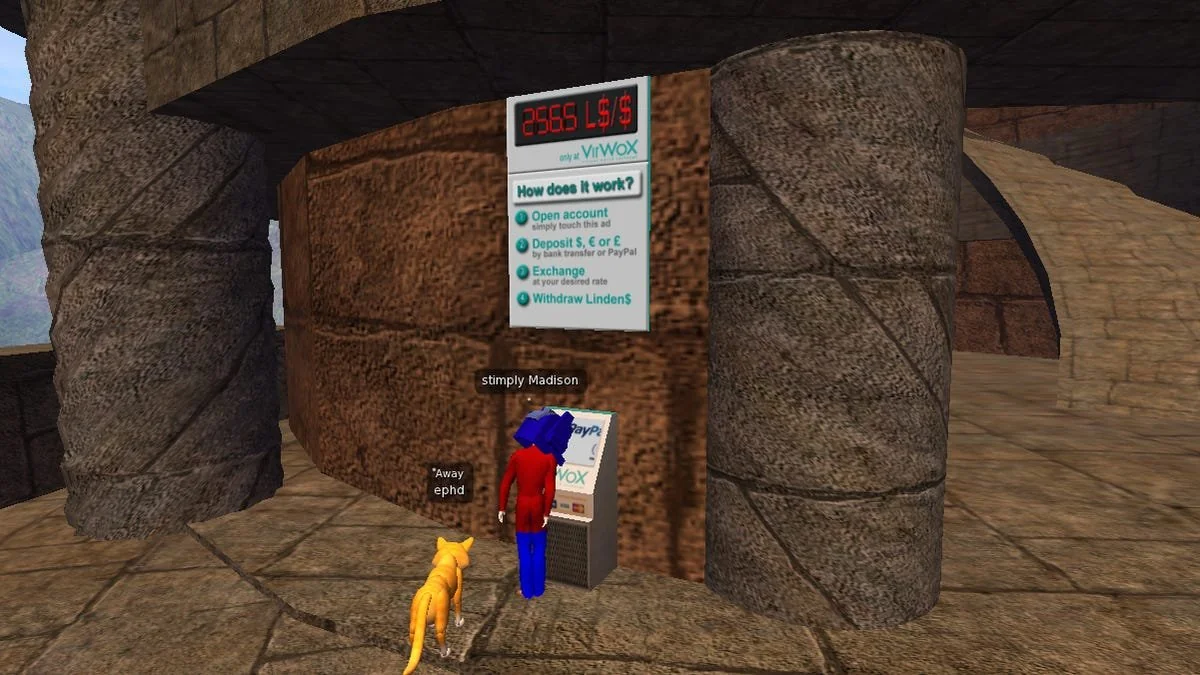
Second Life blurred the line more openly than most. Linden Dollars could be exchanged for real currency through official channels, which made the economy feel less like a game and more like a digital marketplace. People built businesses inside it, from virtual real estate to clothing design, and some of them made a living doing so. It was one of the first times a platform said, yes, this money is meant to be cashed out.
EVE Online ISK
EVE players didn’t need permission to treat ISK as something serious. Massive corporate wars, espionage, and market manipulation made the currency feel tied to real stakes, even before real money entered the picture. Eventually, CCP formalized part of it through PLEX, allowing players to trade in-game currency for subscription time. The ecosystem showed how player-driven economies could hold value without collapsing.
Habbo Credits
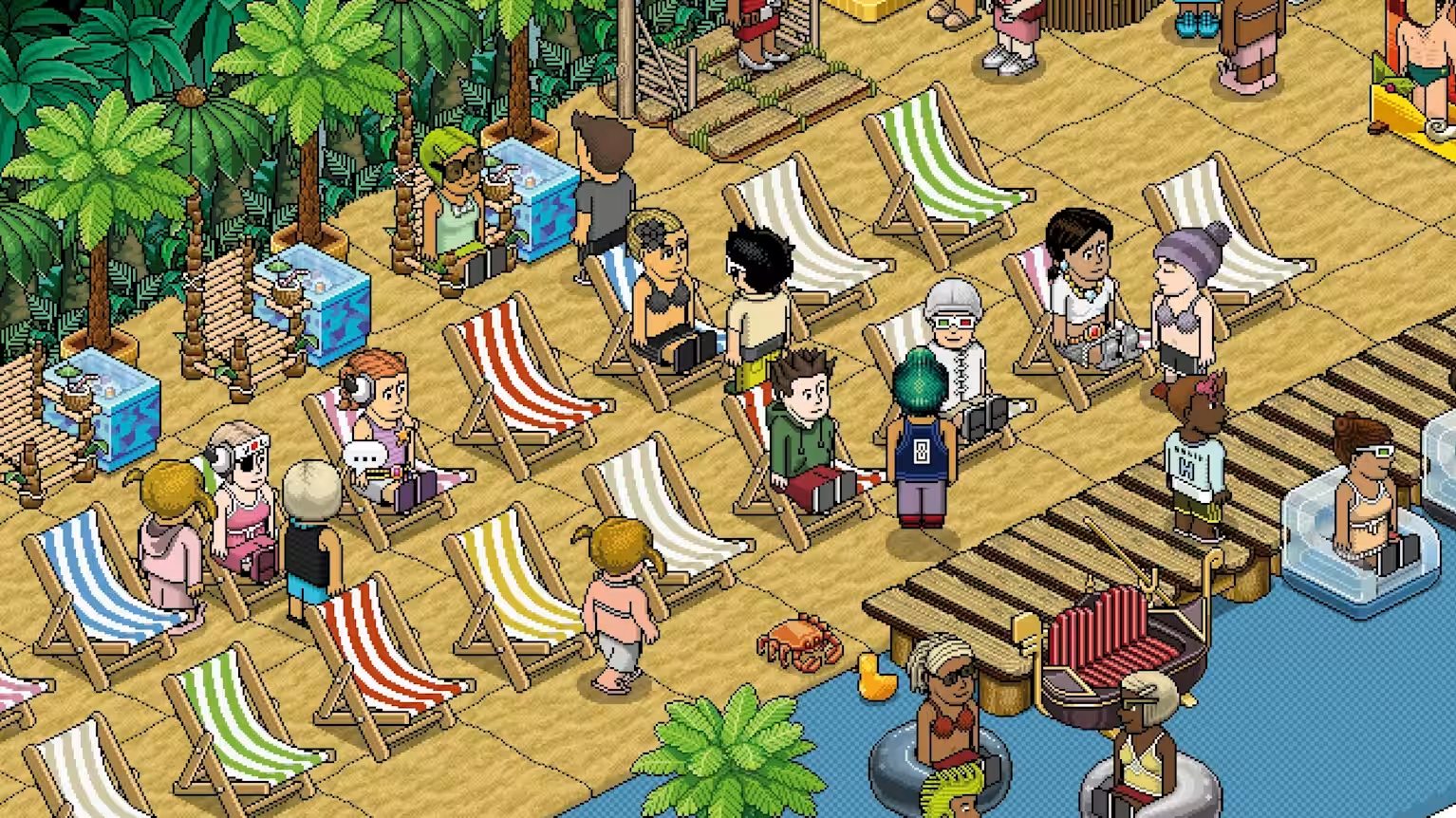
Habbo’s colorful hotel rooms hid a surprisingly active trading scene. Credits were used for furniture, but players quickly turned them into status symbols and, occasionally, off-platform deals. For a younger audience, this was often a first encounter with digital scarcity and value. It wasn’t always clean, scams were common, but the idea stuck.
RuneScape Gold
If you spent time in RuneScape during the late 2000s, you probably saw bots, spam, or someone advertising cheap gold. Jagex tried to clamp down hard, even removing free trade for a period, which caused a huge backlash. That reaction said a lot, players didn’t just want gold, they wanted control over how it moved. The underground market kept running anyway.
Trending on realmoneygamer.com
Fortnite V-Bucks
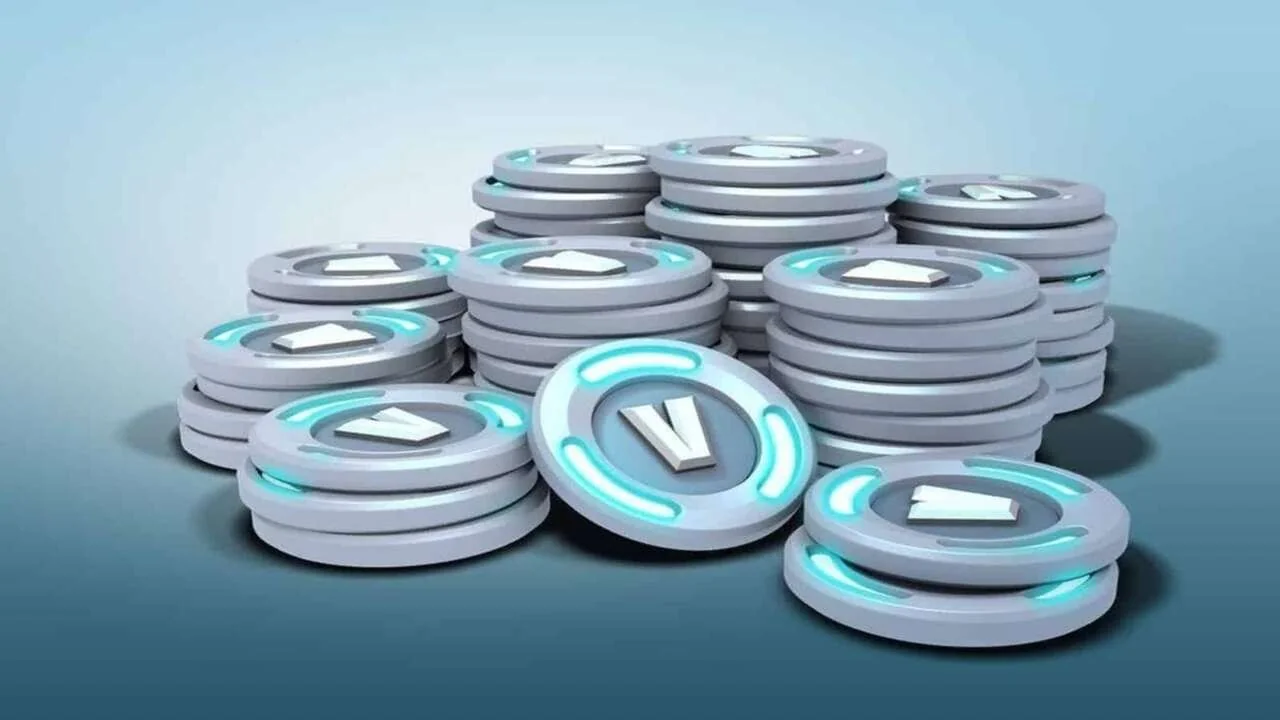
V-Bucks aren’t directly convertible to real money, but they normalized spending real cash on purely digital items at a massive scale. Skins, emotes, seasonal passes, it all added up. For many younger players, this was their first routine interaction with a digital currency tied to real spending. It shifted expectations about what in-game purchases could look like.
Roblox Robux
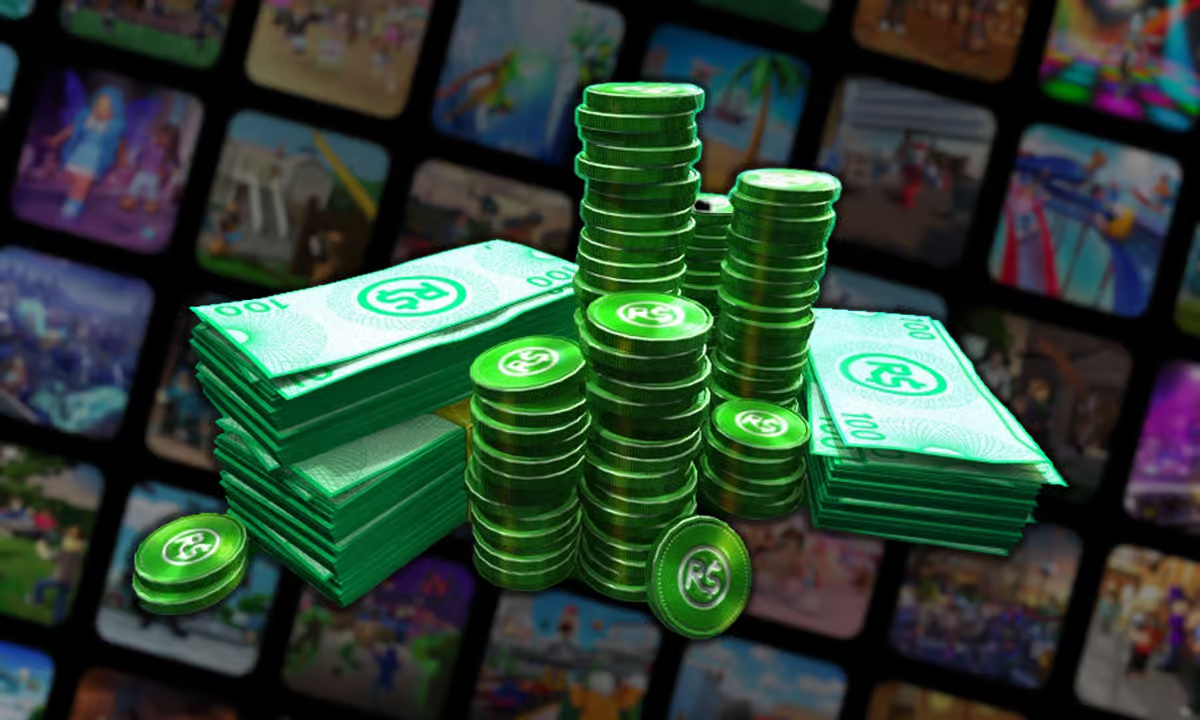
Robux sits in a strange middle ground. Players spend it casually, but creators can actually cash it out through the Developer Exchange program. That means kids building games inside Roblox are, in some cases, earning real income. It’s not a black market situation, it’s built into the system, which makes it one of the clearest bridges between play and profit.
Counter-Strike Skins Economy
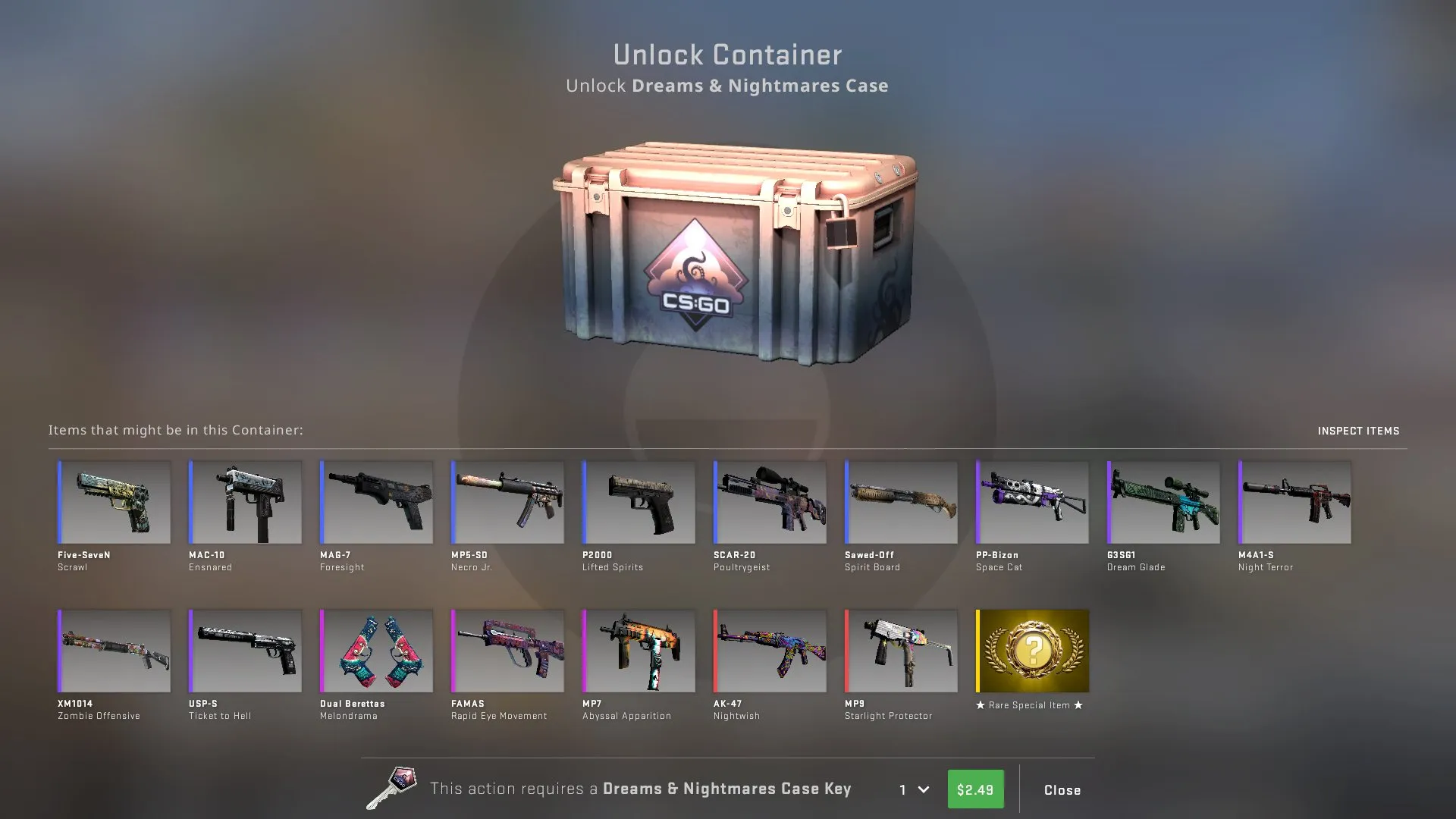
Technically not a currency at first glance, but skins in Counter-Strike became one anyway. Marketplaces, trading sites, and even gambling platforms turned weapon skins into assets with fluctuating value. Some items sold for thousands of dollars, depending on rarity and condition. Valve eventually had to step in, but by then the idea was already out there.
Diablo III Gold and Auction House
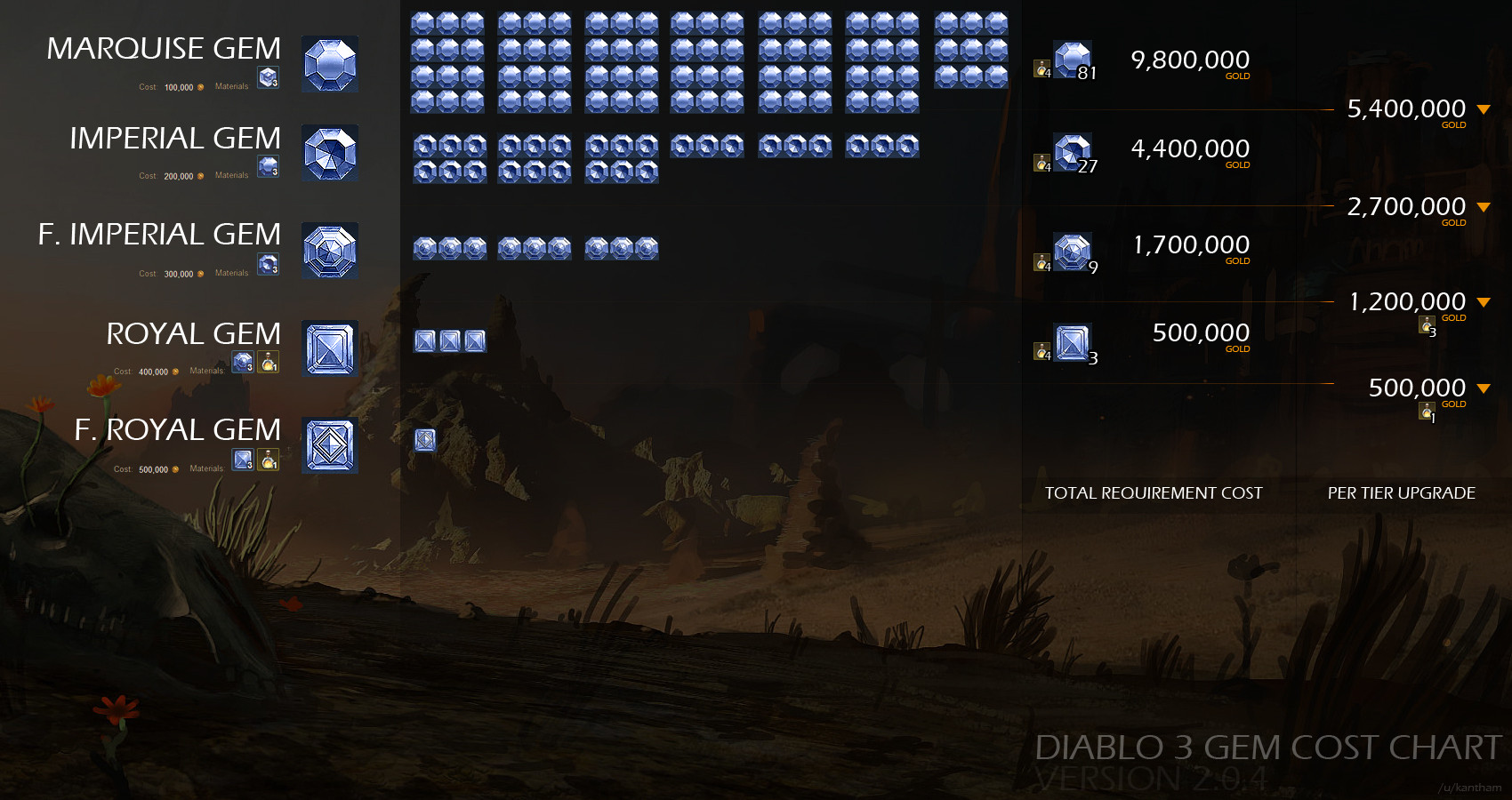
Blizzard tried to formalize real money trading with Diablo III’s auction house, and it didn’t go well. Players focused more on farming items for sale than actually playing the game. The economy warped progression, and Blizzard eventually shut the system down. Still, it showed how quickly gameplay changes when real money is officially involved.
Axie Infinity SLP and AXS
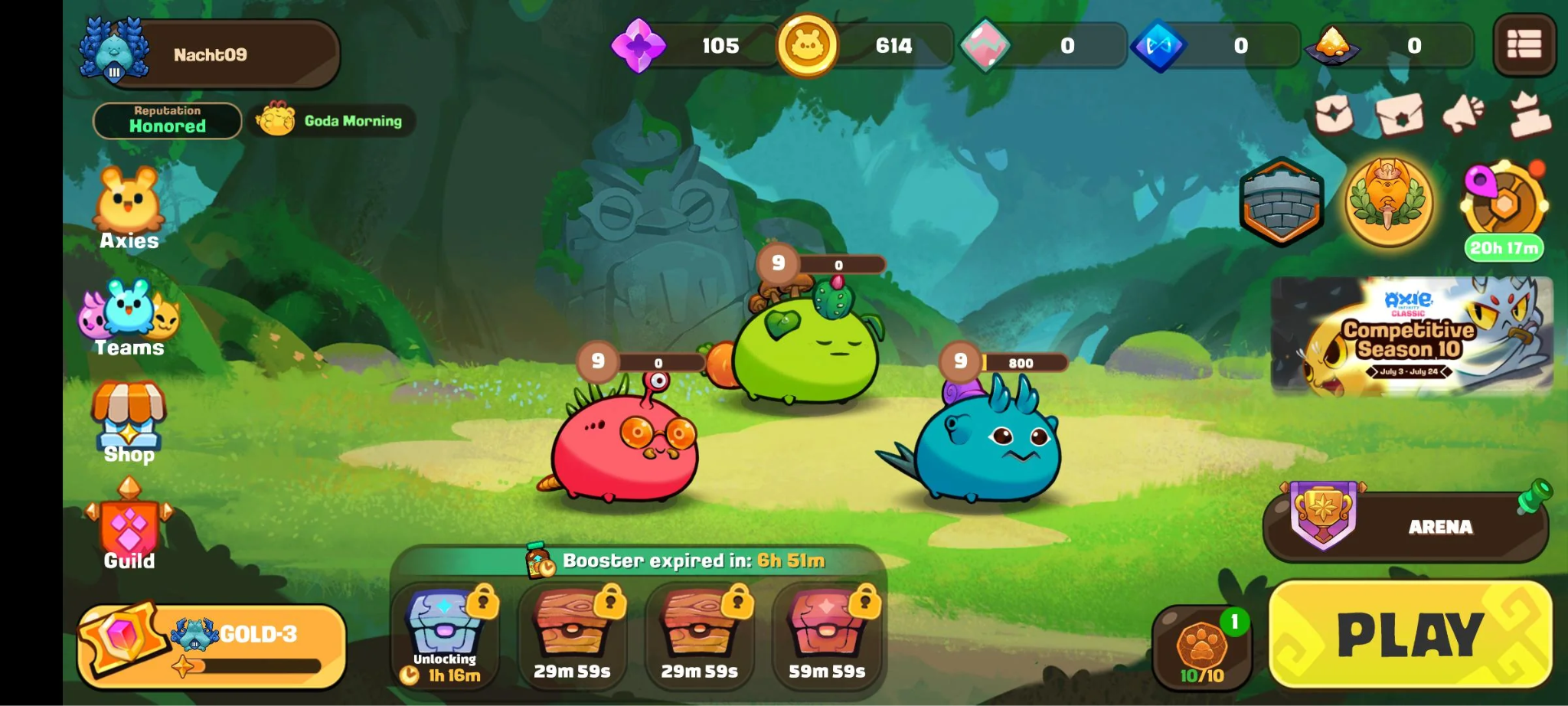
Axie Infinity pushed the concept further by tying gameplay directly to crypto tokens. At its peak around 2021, players in countries like the Philippines were earning income by playing daily. The model depended heavily on new players entering the system, which later caused problems, but for a while it demonstrated a full play-to-earn loop at scale.
FIFA Ultimate Team Coins
EA never wanted coins to leave the ecosystem, but they did. Third-party sellers offered coins for real money, and players used them to build stronger teams faster. It created an ongoing cat-and-mouse game between EA and sellers. The demand came from the same place as always, time saved is value gained.
Steam Wallet Funds
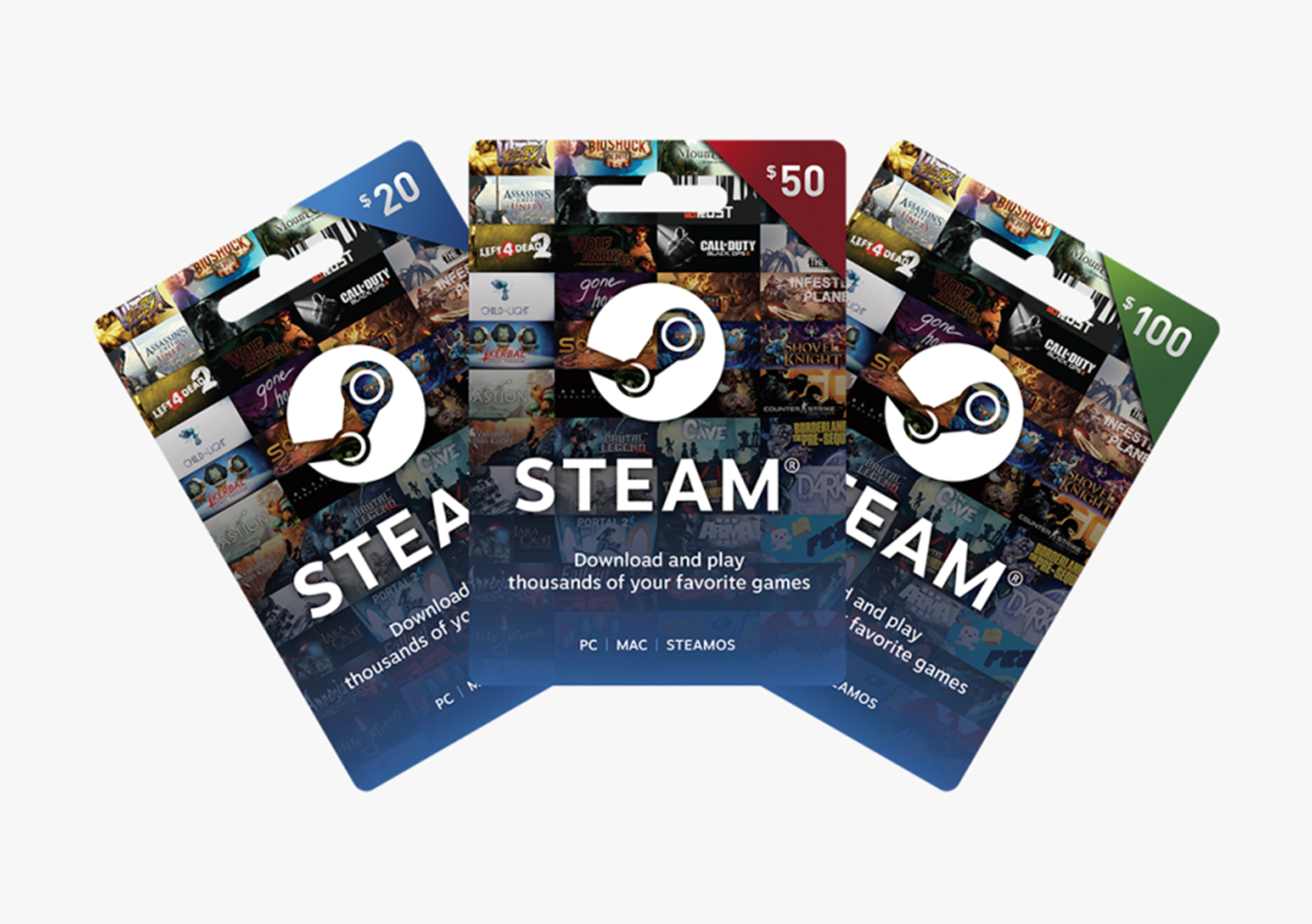
Steam Wallet isn’t transferable to real cash directly, but it became a hub for value through trading cards, skins, and community market items. Players learned to flip items, track prices, and treat their inventories like small portfolios. It didn’t need to be cashable to feel real.
These systems weren’t built with the same goals, and some of them weren’t meant to be economies at all. But players kept finding ways to assign value, trade it, and eventually extract it. That pattern keeps repeating, just with new tools and bigger audiences. The line between playing and earning never fully disappeared, it just got easier to cross.
Related: 18 People Who Accidentally Spent Thousands in Video Games