Players can forgive a lot before the credits roll. A rough boss fight, a rushed subplot, even a late twist that does not quite land can become part of the argument around a game rather than the whole argument. Endings are different. When the final minutes feel wrong, and the game can still be patched, the story sometimes does not stay finished.
Mass Effect 3
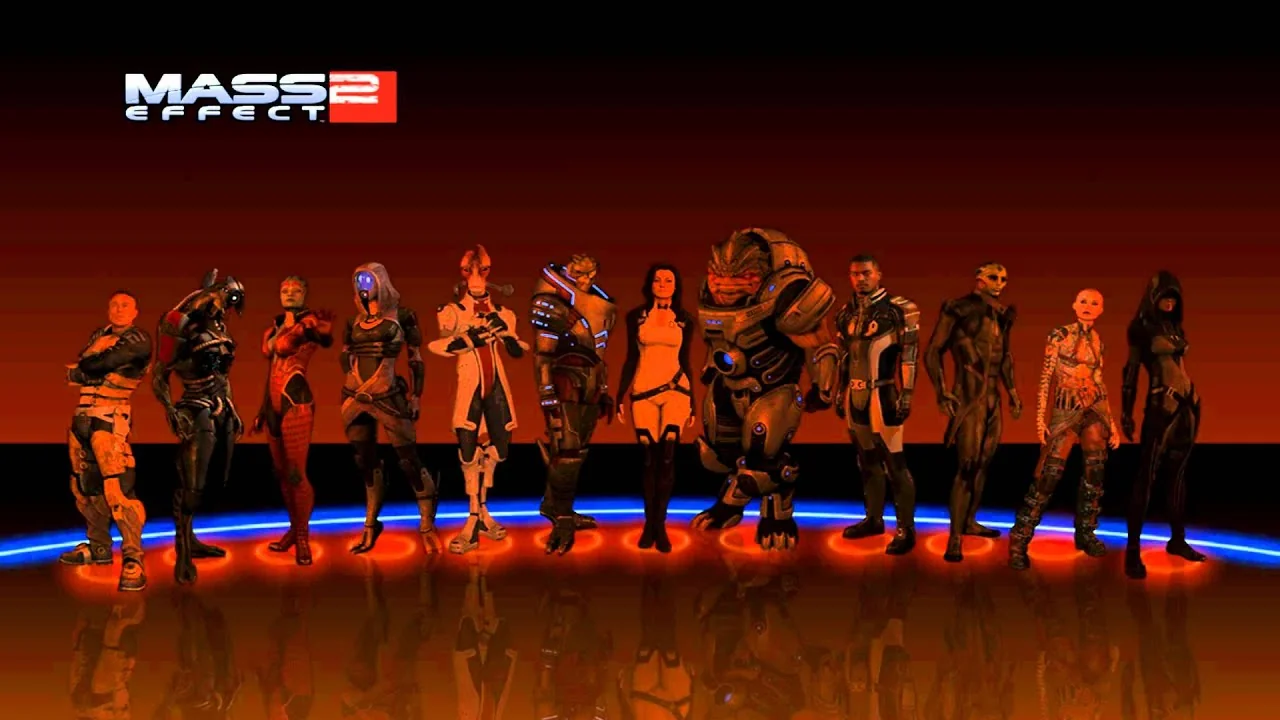
The anger around Mass Effect 3 was not just about three colors and a space kid, though that became the easy shorthand. What bothered so many players was the feeling that BioWare had spent years asking them to care about choices, squadmates, politics, sacrifices, grudges, and small personal loyalties, then funneled all of that into a finale that seemed weirdly detached from the journey. The original ending arrived in March 2012 and almost immediately turned into a public dispute, with fans organizing campaigns, filing complaints, and arguing over whether changing an ending would cheapen the idea of authorship. BioWare responded with the free Extended Cut that June. It added more context, extra scenes, clearer consequences, and epilogue material showing what happened after Shepard’s final decision. It did not rewrite the basic options, and it definitely did not satisfy everyone, but it made the ending feel less like someone had shut the door before the conversation was over.
Fallout 3
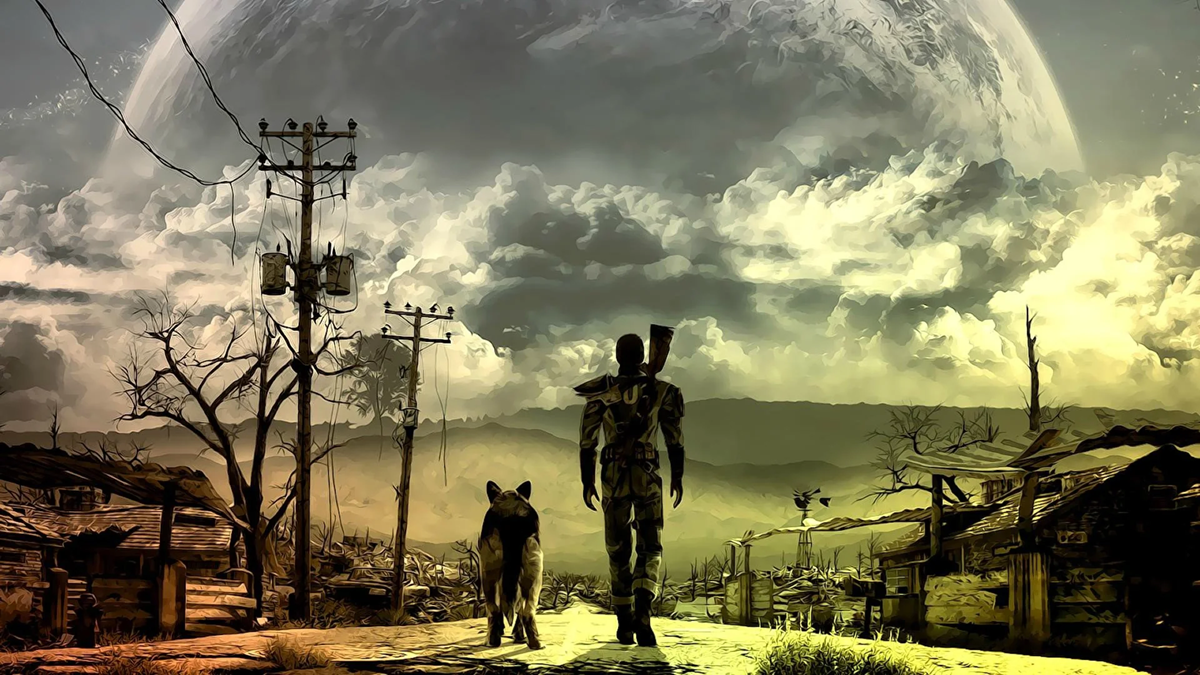
Fallout 3 made one very practical mistake: it ended. After dozens of hours wandering the Capital Wasteland, players hit the final mission and discovered they could not simply keep going. The original finale also created an awkward logic problem, since certain companions seemed capable of entering the purifier without forcing the player into a heroic death. Broken Steel, released in 2009, patched around both issues by continuing the story after the ending and raising the level cap. It was less a poetic correction than Bethesda admitting what players had already made clear, this wasteland was not a place they wanted to leave just because the main quest said so.
Assassin’s Creed Odyssey, Shadow Heritage
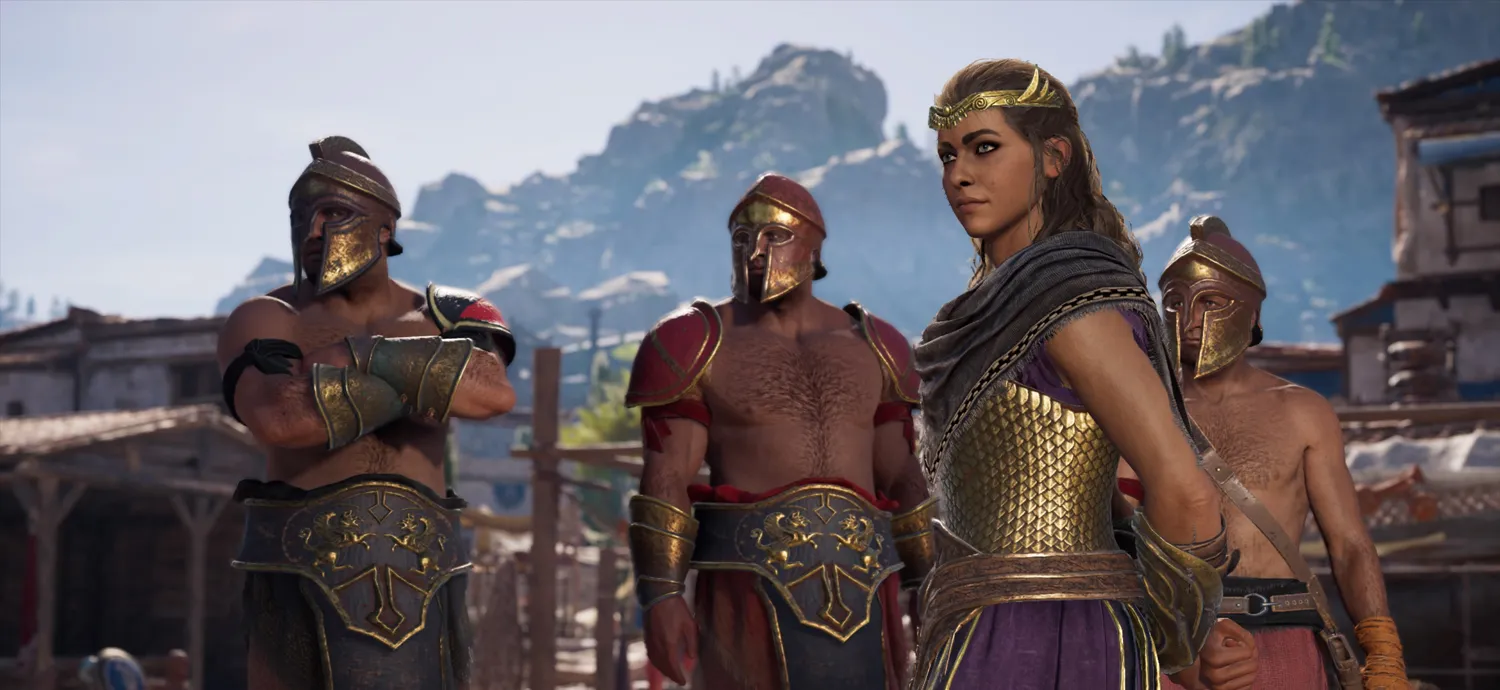
Assassin’s Creed Odyssey gave players a lot of room to define Kassandra or Alexios, especially in romance. Then Shadow Heritage came along and pushed the protagonist into a heterosexual relationship and parenthood, regardless of how people had played them. The backlash was sharp because it felt less like a plot twist and more like the game taking control away at the exact moment it should have respected player agency. Ubisoft apologized and patched the DLC, changing dialogue, adjusting a cutscene, and renaming the achievement originally called “Growing Up.” The child remained, so the controversy never fully disappeared, but the update tried to make the ending less dismissive of the player’s choices.
Baldur’s Gate 3
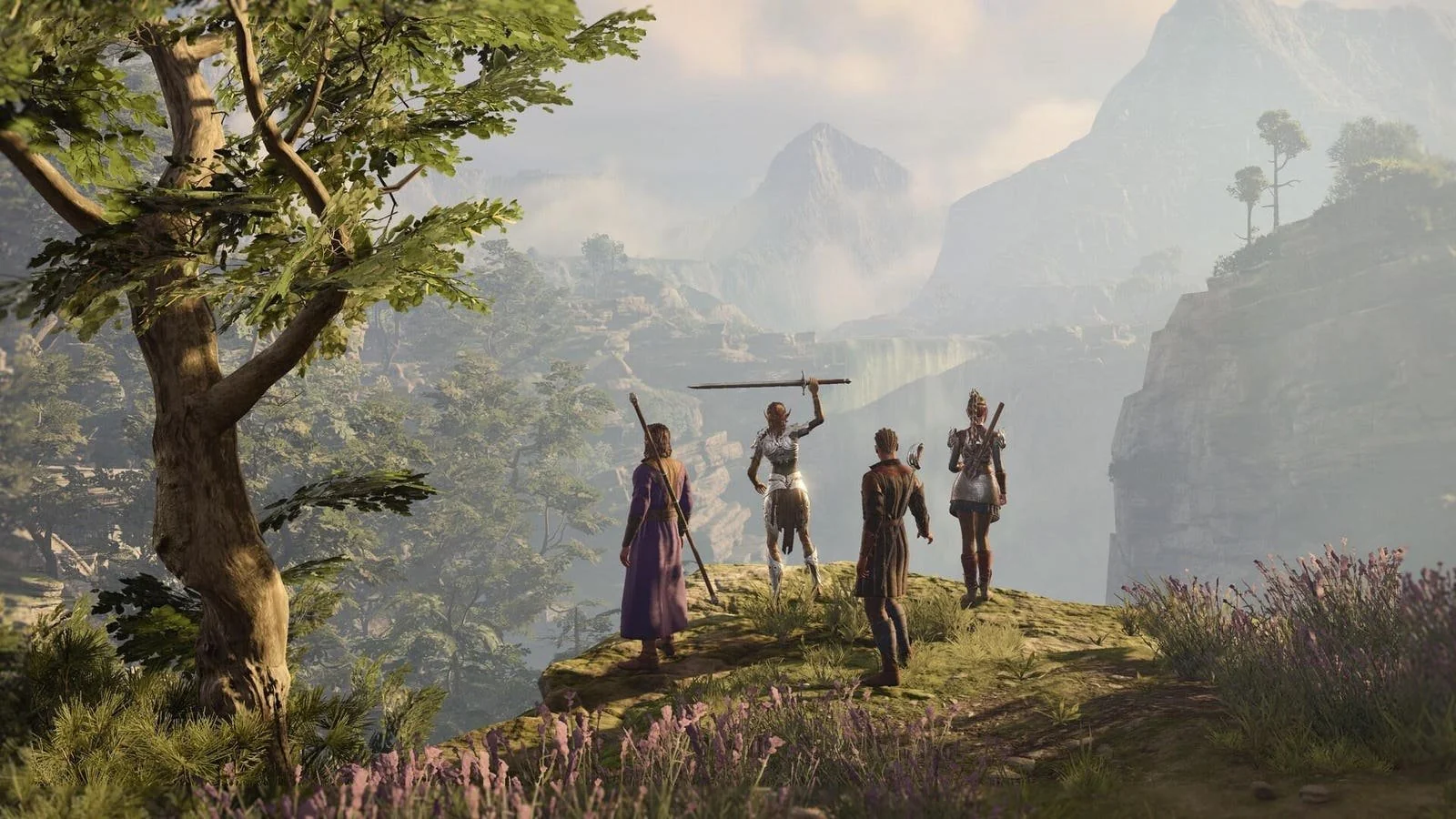
Baldur’s Gate 3 did not have a hated ending in the usual sense. The complaint was quieter, and maybe more revealing. After a huge RPG full of messy friendships, romances, grudges, bargains, betrayals, and private little character moments, the original finale felt too quick for some players. Larian first made smaller adjustments, including expanded material for Karlach, then Patch 5 added the real fix: a playable epilogue set six months after the final battle. There were letters, camp conversations, companion updates, jokes, melancholy bits, and enough loose human texture to make the farewell feel earned. For a game built around people remembering what you did, players mostly wanted one more night around the fire.
Final Fantasy XV
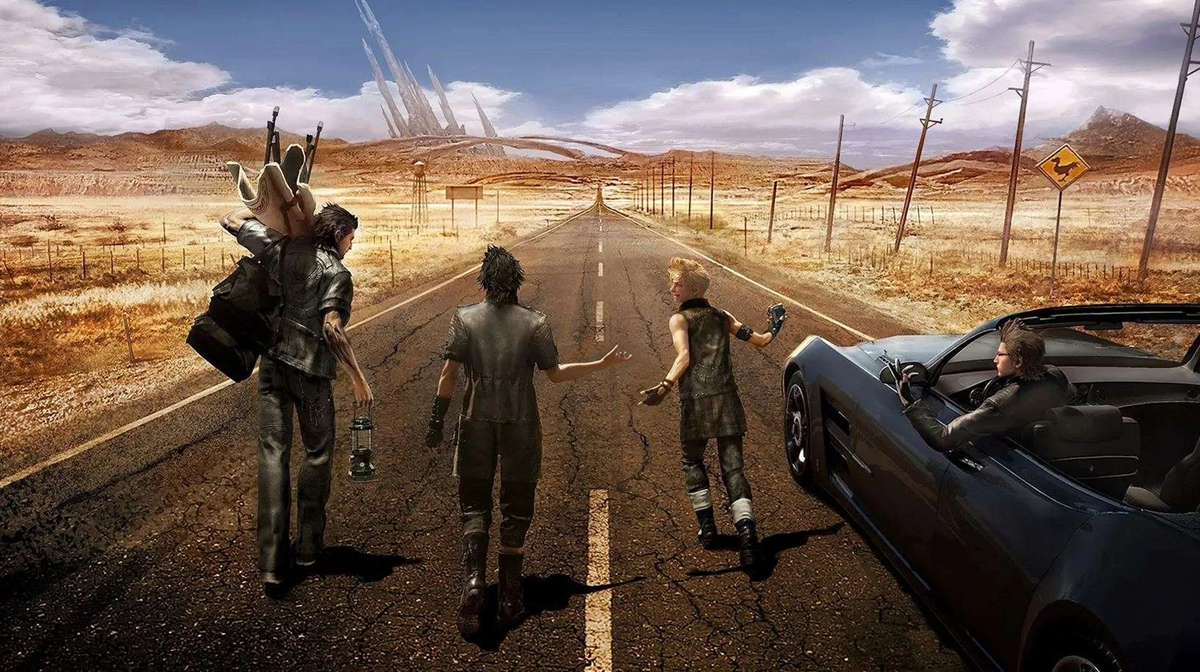
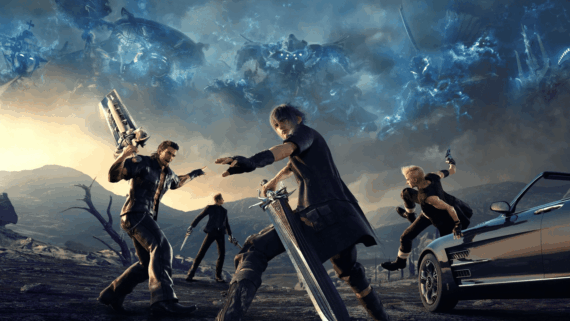
Final Fantasy XV’s ending was not the only issue. The bigger problem was the road into it. Chapter 13 became the part everyone pointed at, a slow, restrictive late-game stretch that seemed determined to drain the momentum out of a story that already felt like it had pieces missing. Square Enix patched and expanded the chapter, adding an alternate route with Gladiolus and Ignis, while later DLC and updates filled in more character context around the final act. The ending still asked for big emotions, but after the patches, players had a little more connective tissue to work with.
Trending on realmoneygamer.com
Dark Souls II
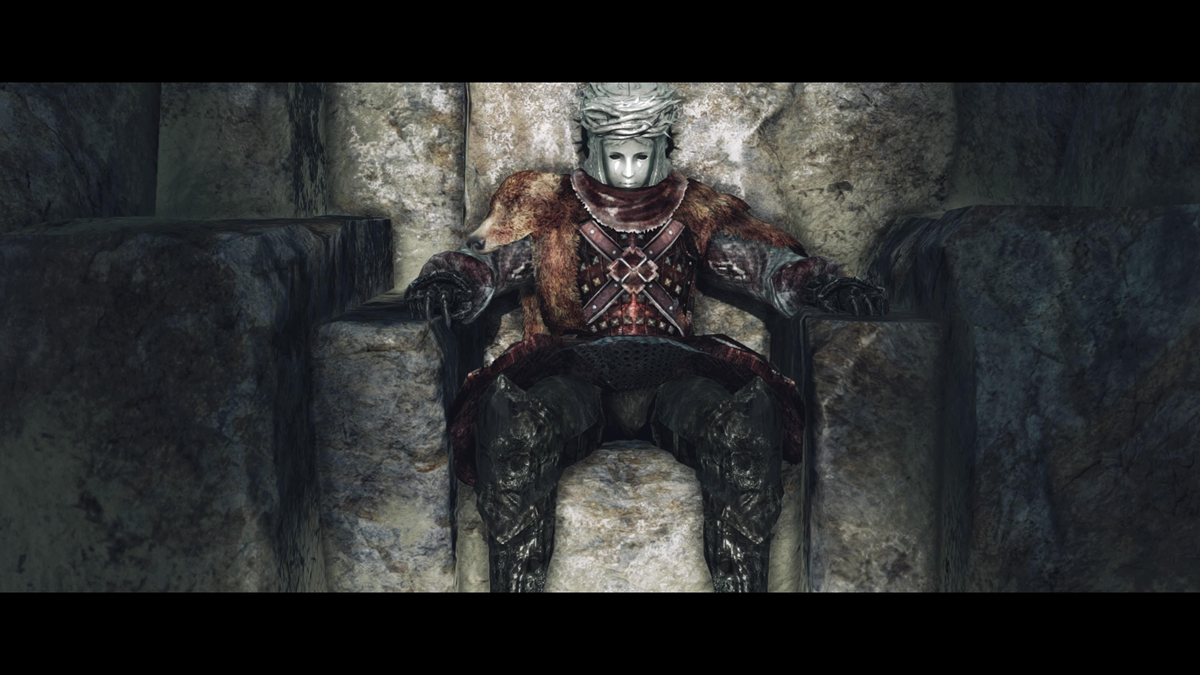
Dark Souls II originally ended with the Bearer of the Curse approaching the Throne of Want after defeating Nashandra. For some players, that was fine. For others, it felt strangely thin, especially for a game obsessed with cycles, decay, memory, and the possibility that every answer had already rotted by the time you found it. Patch 1.10 and Scholar of the First Sin added Aldia, who appeared across the game and reframed its central questions. Defeating him opened another ending, letting the player walk away from the throne instead of simply taking a place in the old pattern. It was a small structural change with a very FromSoftware kind of weight.
No Man’s Sky
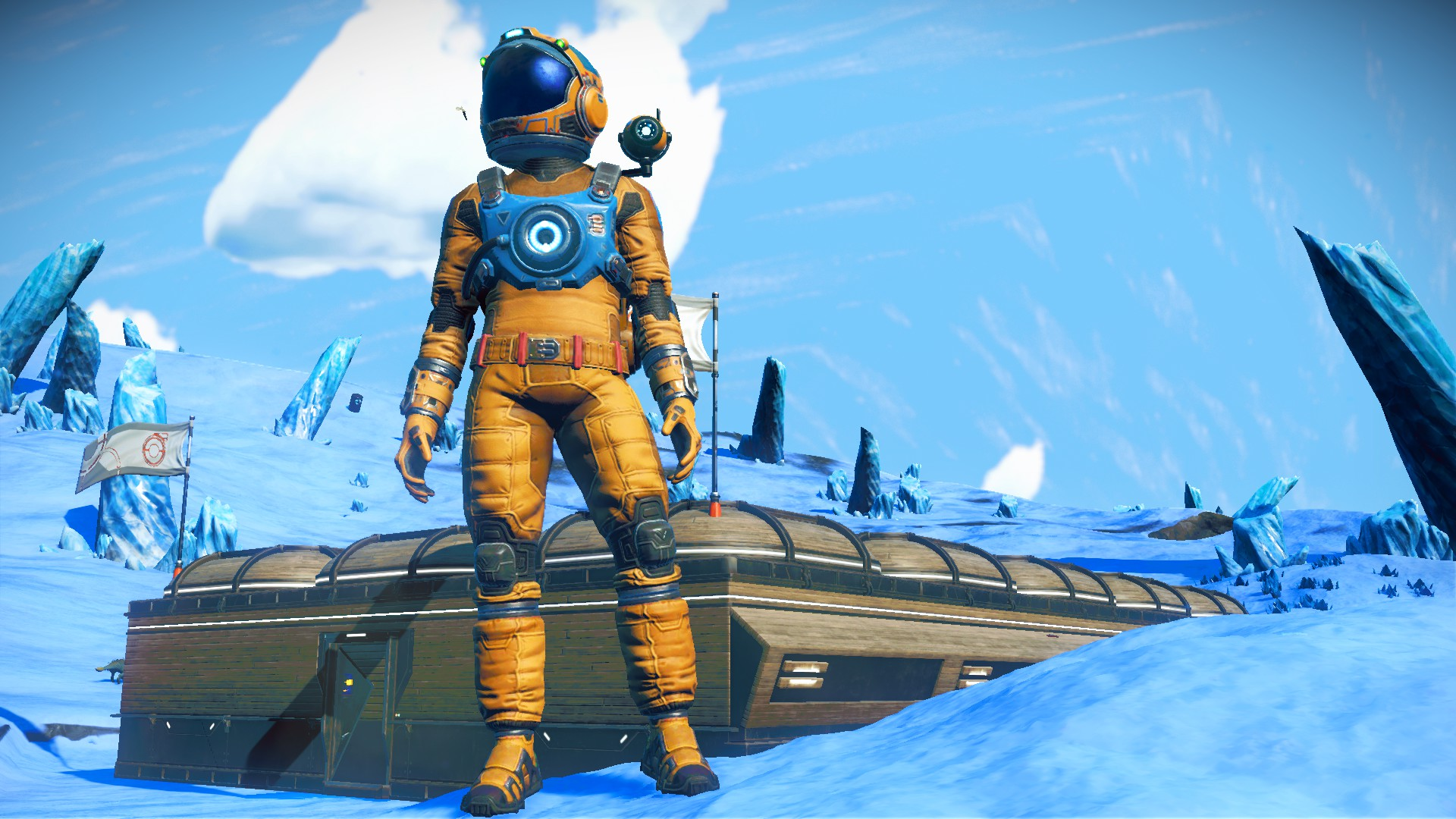
At launch, No Man’s Sky had endings in the technical sense, but not much sense of arrival. Reaching the center of the galaxy or following the Atlas Path could feel more like being folded back into the machine than uncovering the mystery the game had spent so much time implying. Hello Games did not patch in a neat replacement finale. Instead, later updates rebuilt the game around that emptiness, with Atlas Rises adding a much more substantial story path, new lore, and a clearer narrative shape. The universe stayed lonely and cyclical, but it no longer felt quite as unfinished.
Stellar Blade
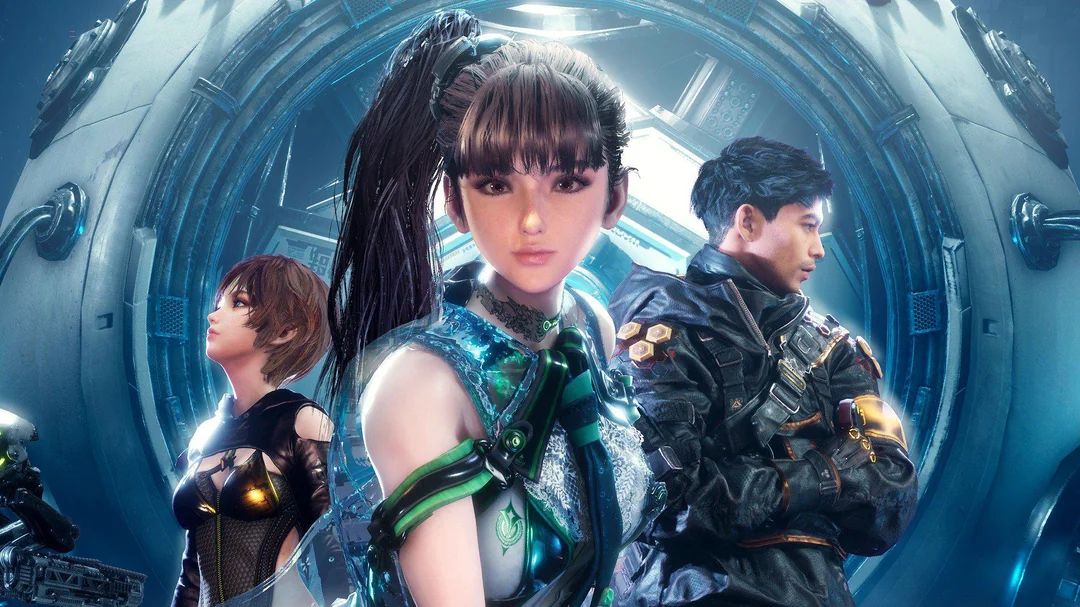
Stellar Blade got its extra ending material later, and in a smaller way. A free 2025 update added three epilogues tied to one of the game’s endings, giving players a bit more time with EVE, Xion, and the state of the world after the final choice. Some fans liked having the extra scenes. Others were irritated by the way the content had to be accessed, especially if it meant replaying large sections. Not every patched ending becomes a cultural argument. Sometimes it just becomes another thing players debate in forums after the credits.
The strange thing is that patched endings can feel both generous and slightly unstable. They give players more of a story they cared about, but they also make the original ending feel less permanent. Games have always been revised after release, but when the revision reaches the final scene, the credits start to feel less like an ending and more like a version number.
Continue Reading: 10 Times Players Organized and Actually Forced a Game Company to Change Course