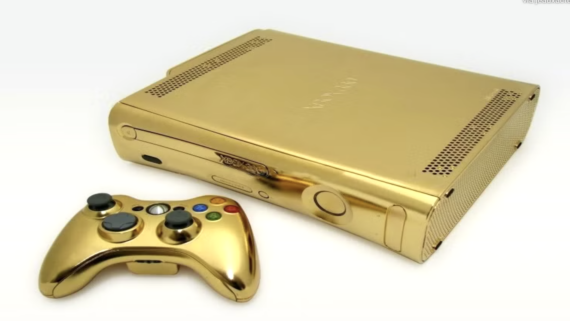
Retro gaming consoles were not always designed in safe colors like black, gray, or white. During the late 1990s and early 2000s, many gaming companies experimented with bold transparent shells, neon plastics, metallic finishes, and limited editions that looked completely different from standard hardware. Brands like Nintendo, Sega, Sony, and Microsoft used these colorful designs to make consoles feel futuristic, collectible, and tied to the louder aesthetic trends of the era.
Some editions were inspired by pop culture, while others were created to stand out on store shelves packed with competing systems. Today, these unusual color variations have become some of the most memorable pieces of retro gaming history. Here are 15 Retro Gaming Consoles that embraced wild colors and helped define one of gaming’s most creative design eras.
1. Mario Colors Made the Nintendo 64 Feel Like a Toy Box
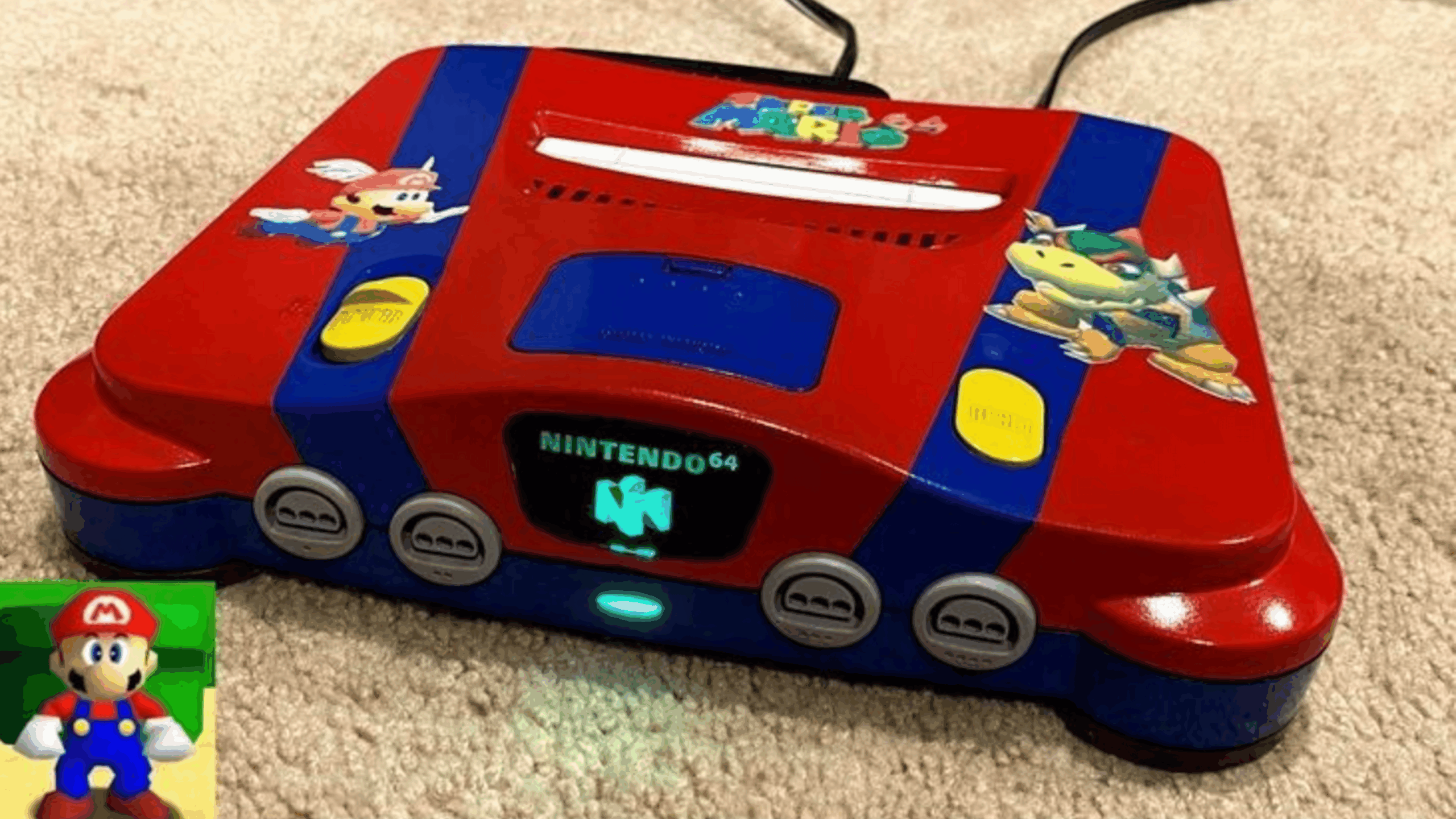
Bright red and blue custom Nintendo 64 designs inspired by Super Mario perfectly captured Nintendo’s colorful philosophy during the console’s lifespan, transforming the hardware into a vibrant collector piece that reflected the fun and experimental side of retro gaming culture.
2. Transparent Tech Was the Future in 1999
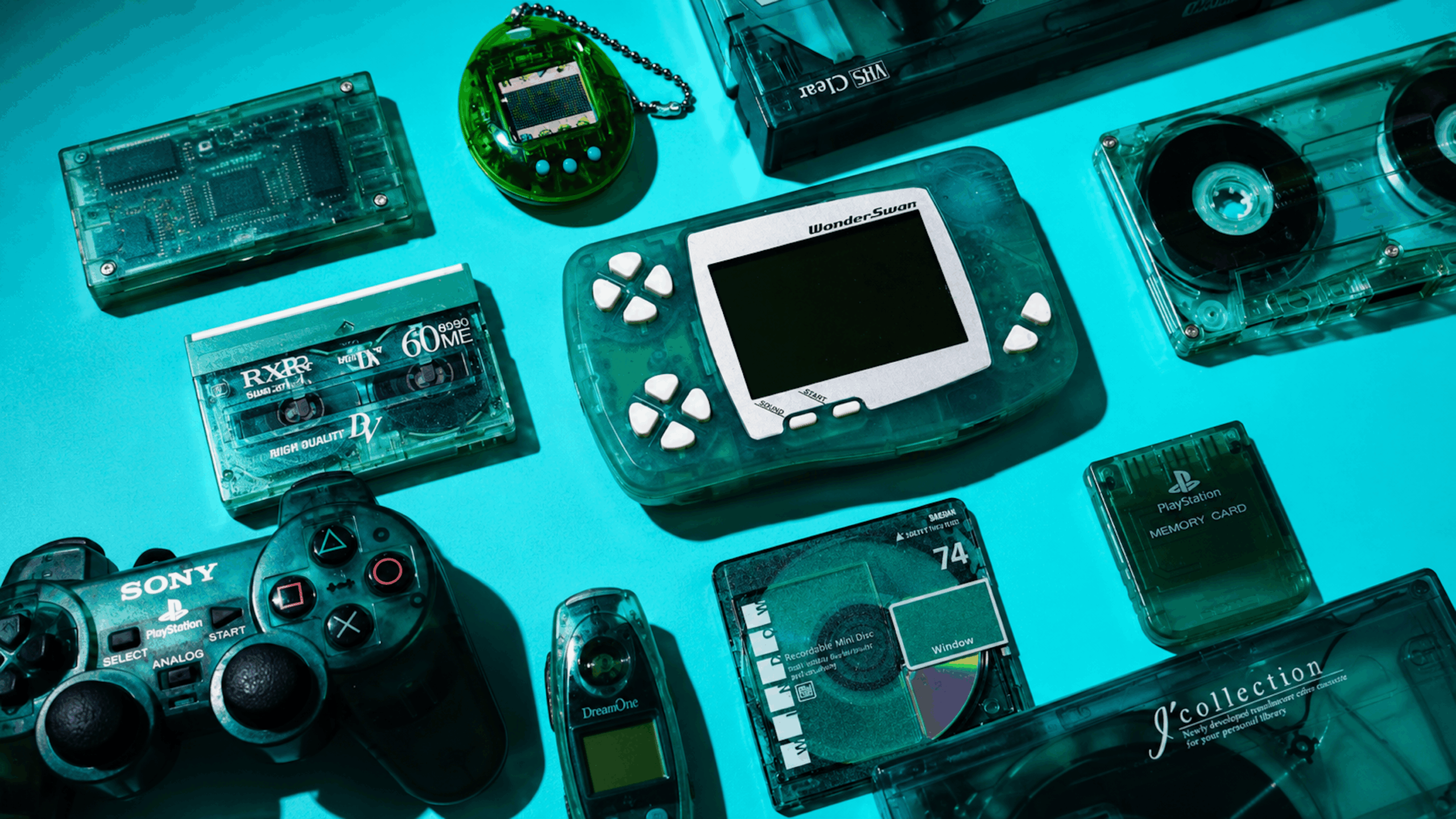
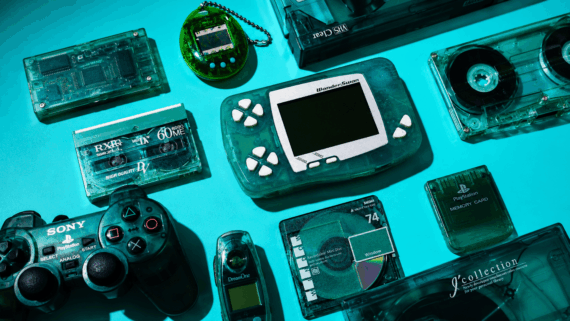
Long before minimalist black consoles took over the market, the WonderSwan Color arrived in 2000 with a translucent turquoise shell that exposed its internal components, turning the portable device into a perfect example of how retro gaming consoles experimented with colorful and eye catching designs during the late 90s.
3. Ice Blue Nintendo 64 Was Peak Console Style
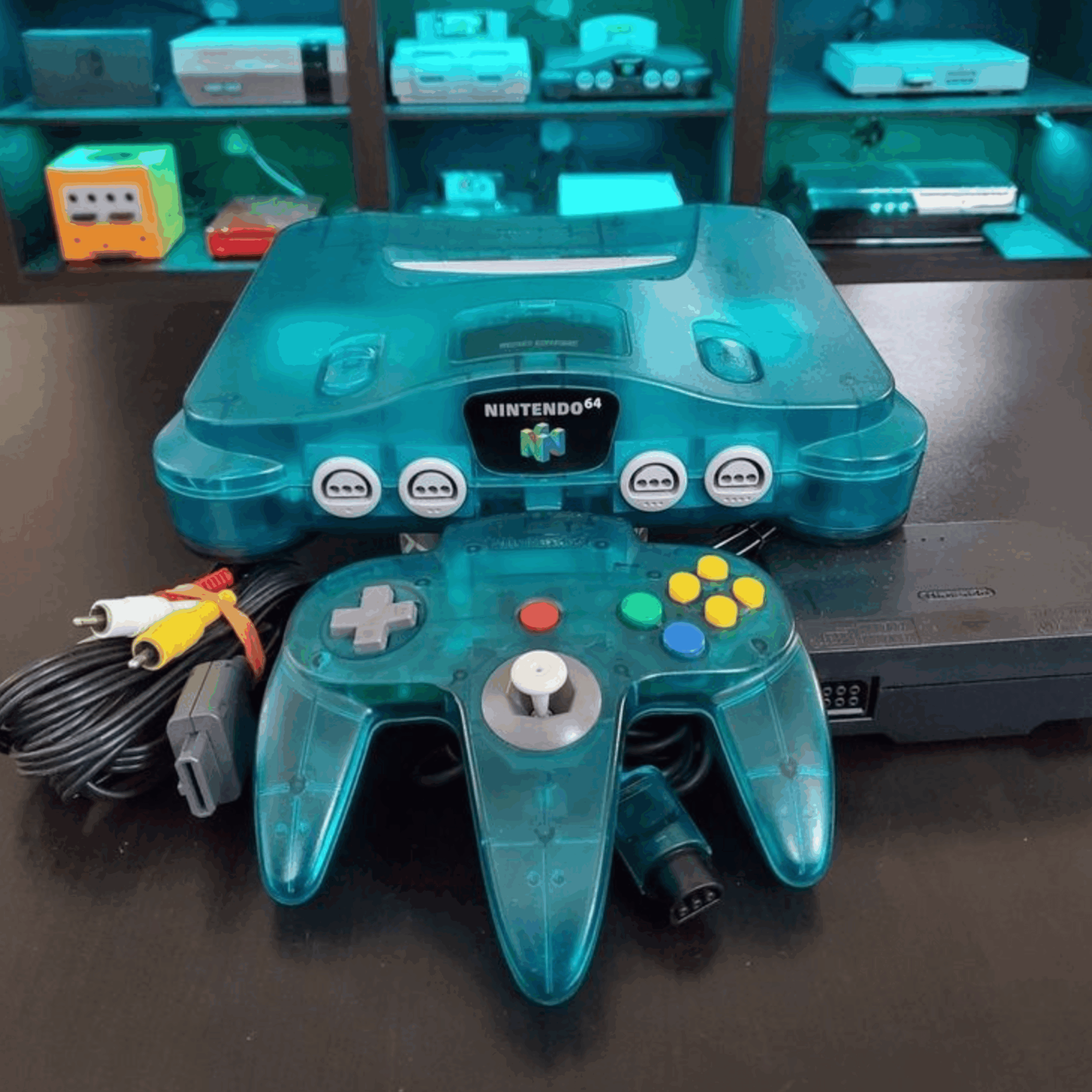
Released as part of Nintendo’s colorful hardware lineup in the late 90s, the Ice Blue Nintendo 64 featured a translucent cyan shell paired with matching controllers, proving that retro gaming consoles did not rely only on powerful games, but also on unforgettable physical designs.
4. Microsoft Turned the Xbox Into a Green Monster
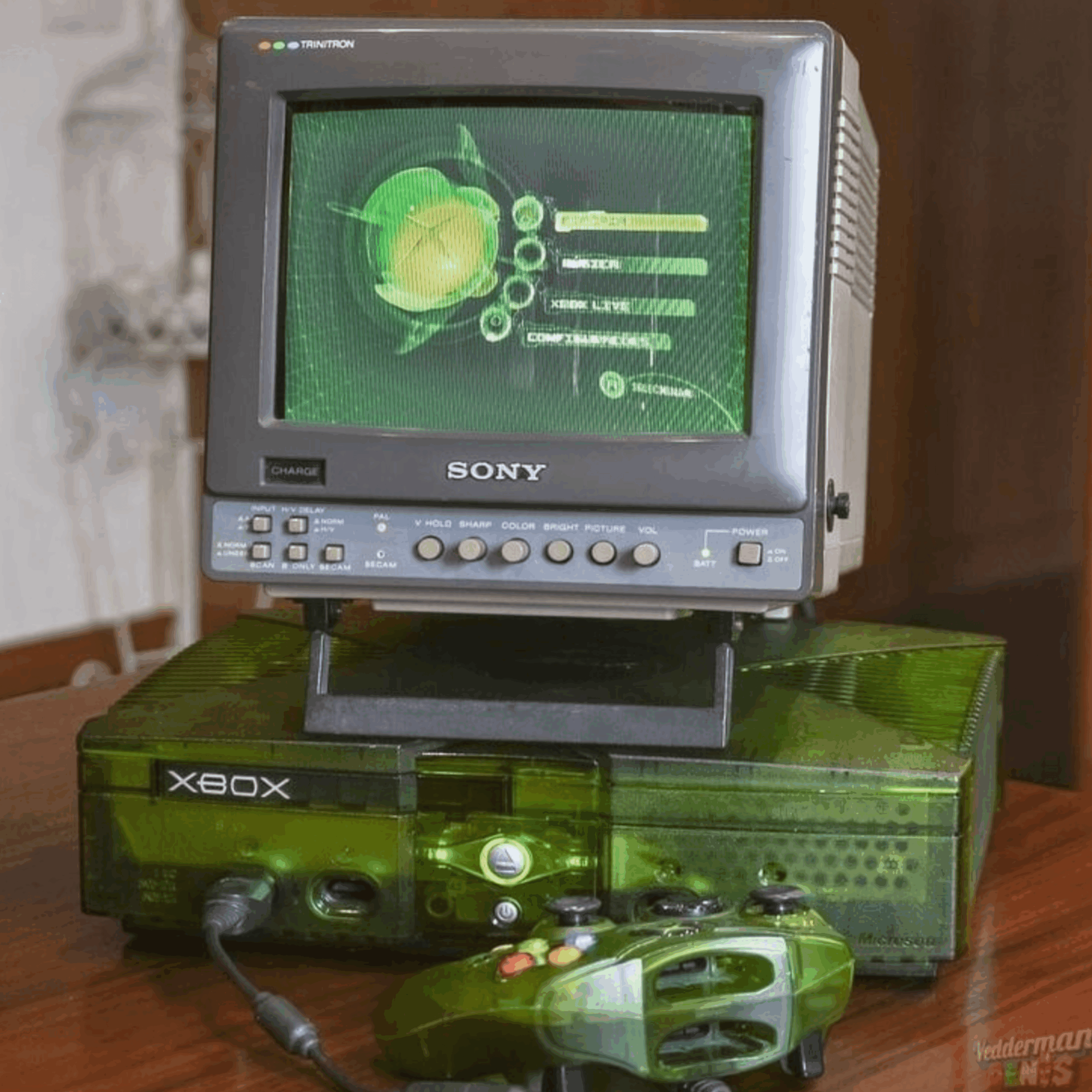
The original Xbox already looked massive compared to its competitors when it launched in 2001, but translucent green editions and accessories pushed the design even further, embracing the aggressive industrial aesthetic that helped many retro gaming consoles develop unique visual identities.
5. Nintendo’s Neon Era Was Impossible to Ignore
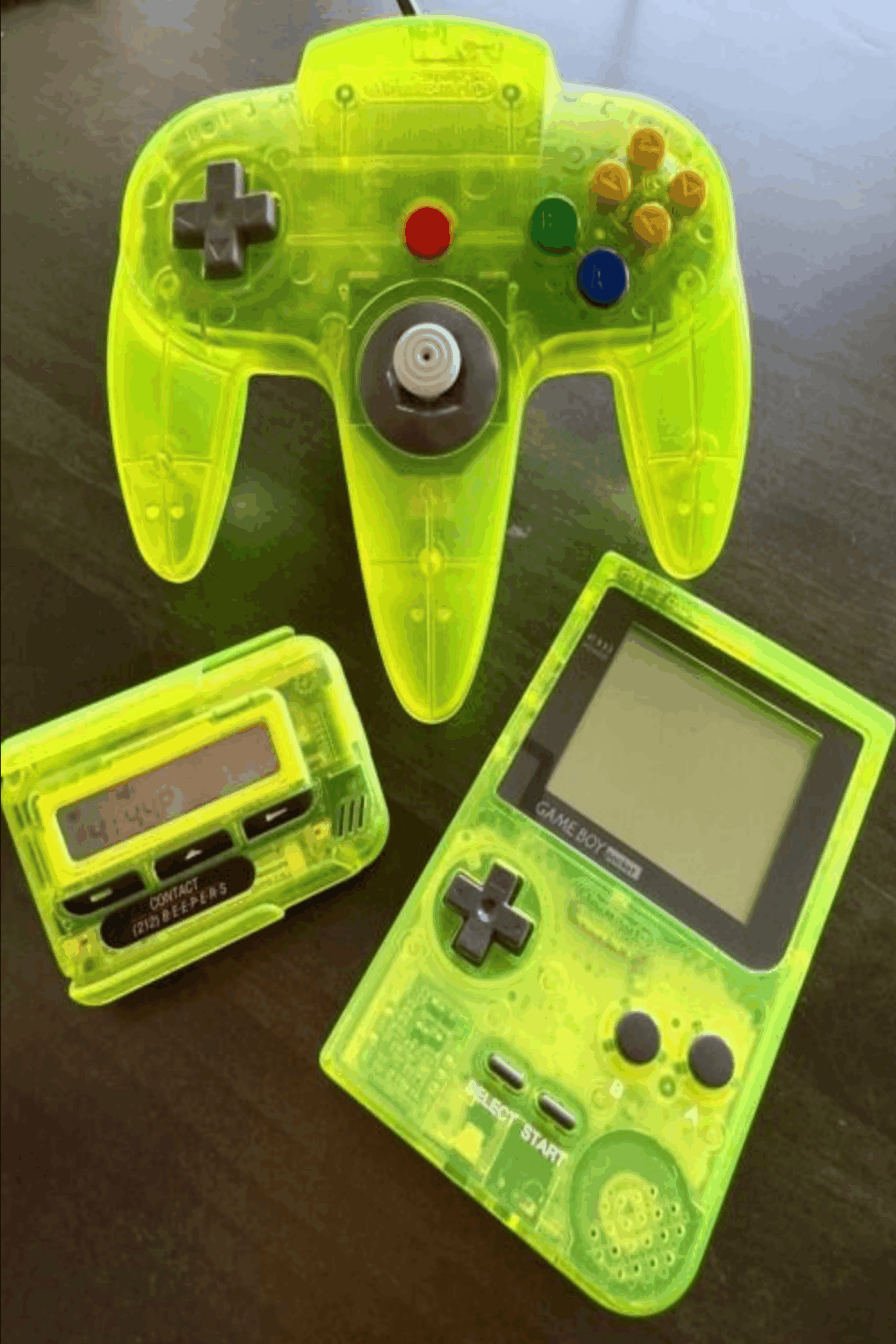
During the Nintendo 64 generation, the company embraced loud translucent plastics with accessories and handhelds released in bright lime green tones, giving classic hardware a playful identity that stood out instantly compared to the standard gray electronics dominating the decade.
Trending on realmoneygamer.com

6. Crimson Red Accessories Took Over Gaming Rooms
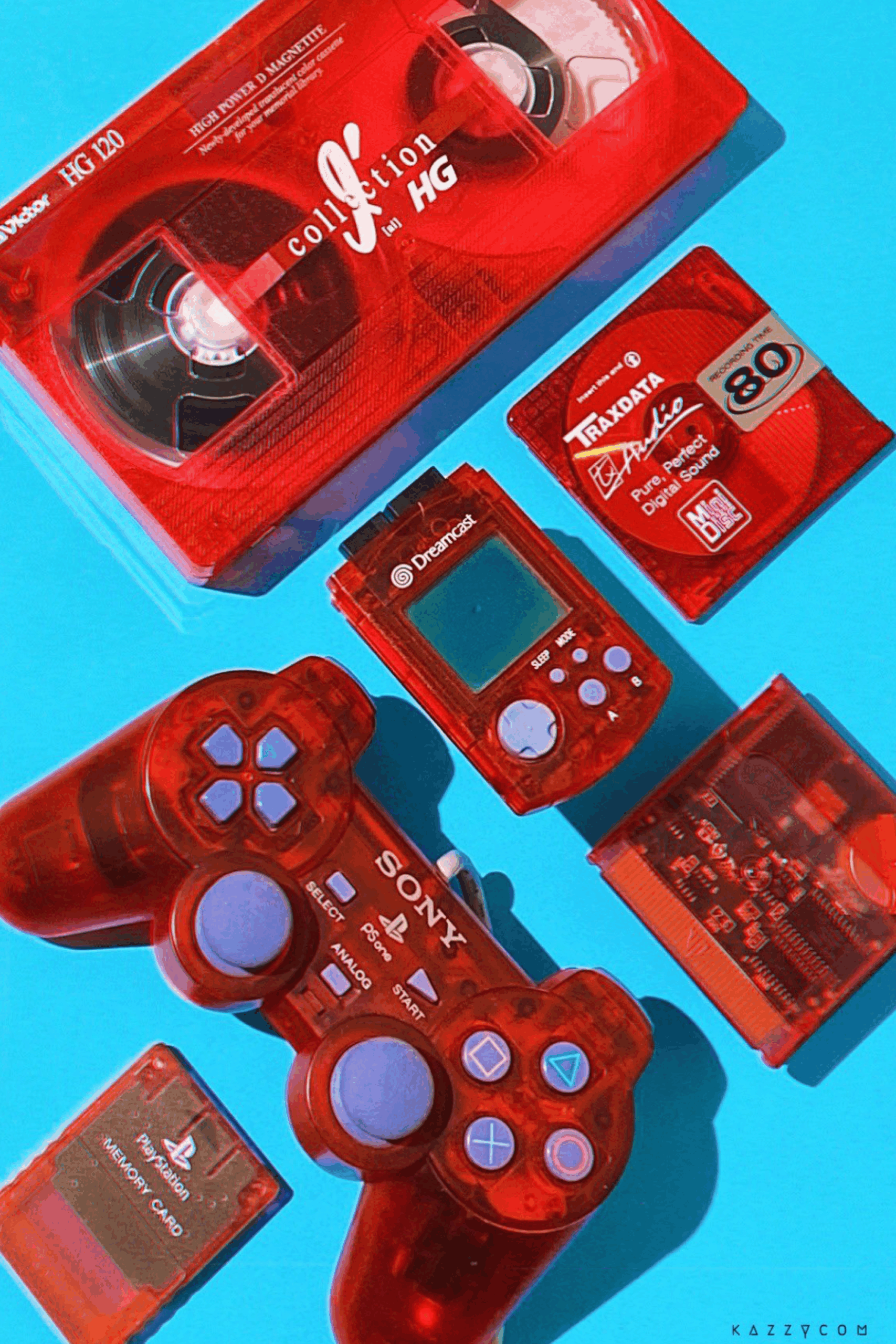
Red transparent controllers, VMUs, memory cards, and media accessories became a huge trend around the PlayStation and Dreamcast era, combining glossy finishes with visible circuitry to create collectible gaming hardware that still feels iconic among retro enthusiasts today.
7. Retro Gaming Consoles Went Full Rainbow With This Nintendo 64
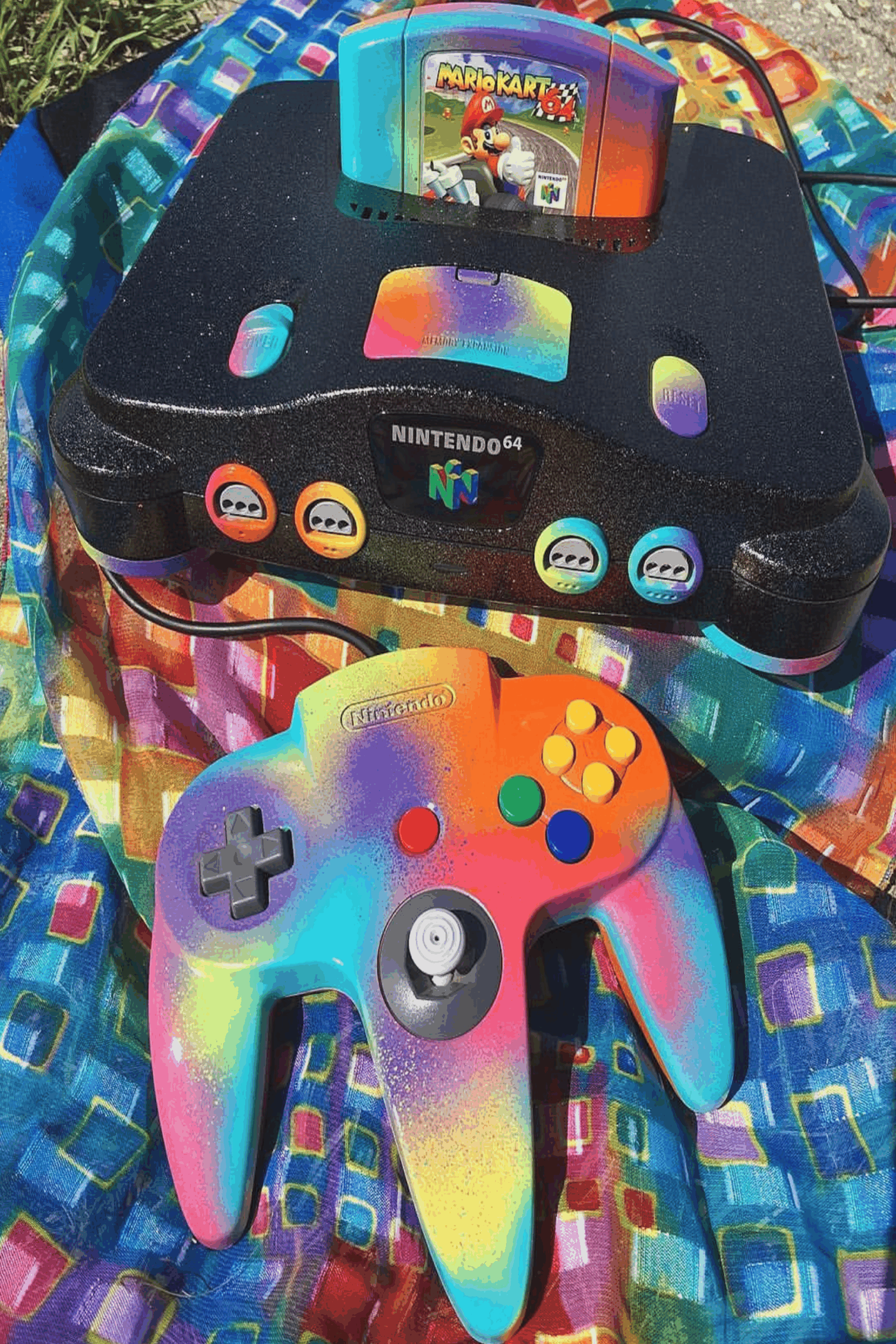
Instead of sticking to the classic charcoal finish from 1996, this custom Nintendo 64 exploded with rainbow gradients across both the console and controller, giving the cartridge based system an almost arcade inspired aesthetic that perfectly matches the bold experimentation seen in many retro gaming consoles from the late 90s.
8. Barbie Pink Turned the SNES Into a Pop Culture Icon
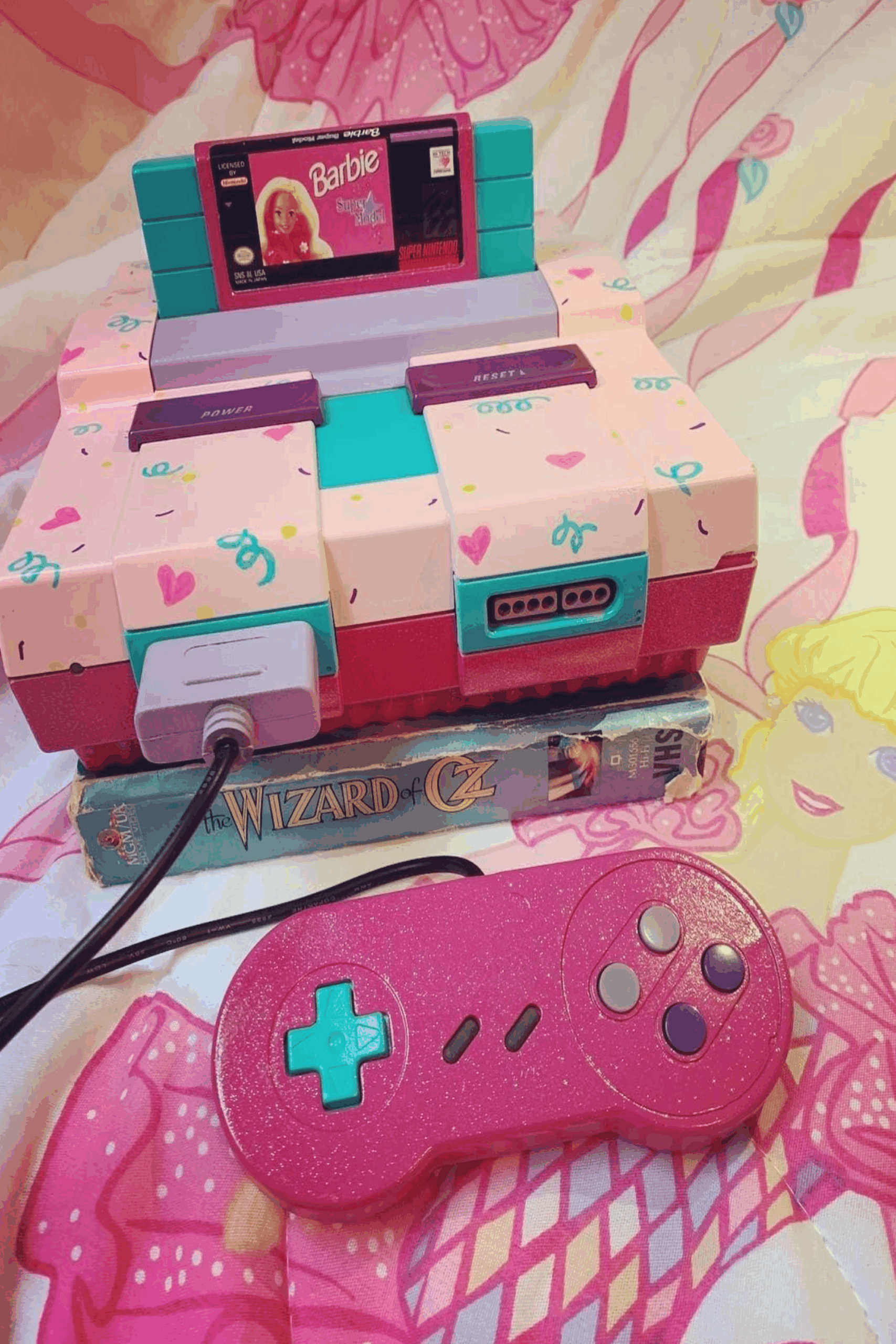
Covered in pastel pink, turquoise, and glittery details, this customized Super Nintendo Entertainment System transforms Nintendo’s 16 bit console into a playful collector piece inspired by 90s toy culture while still maintaining the original cartridge hardware released back in 1990.
9. Pokémon Purple Made the Game Boy Color Feel Alive
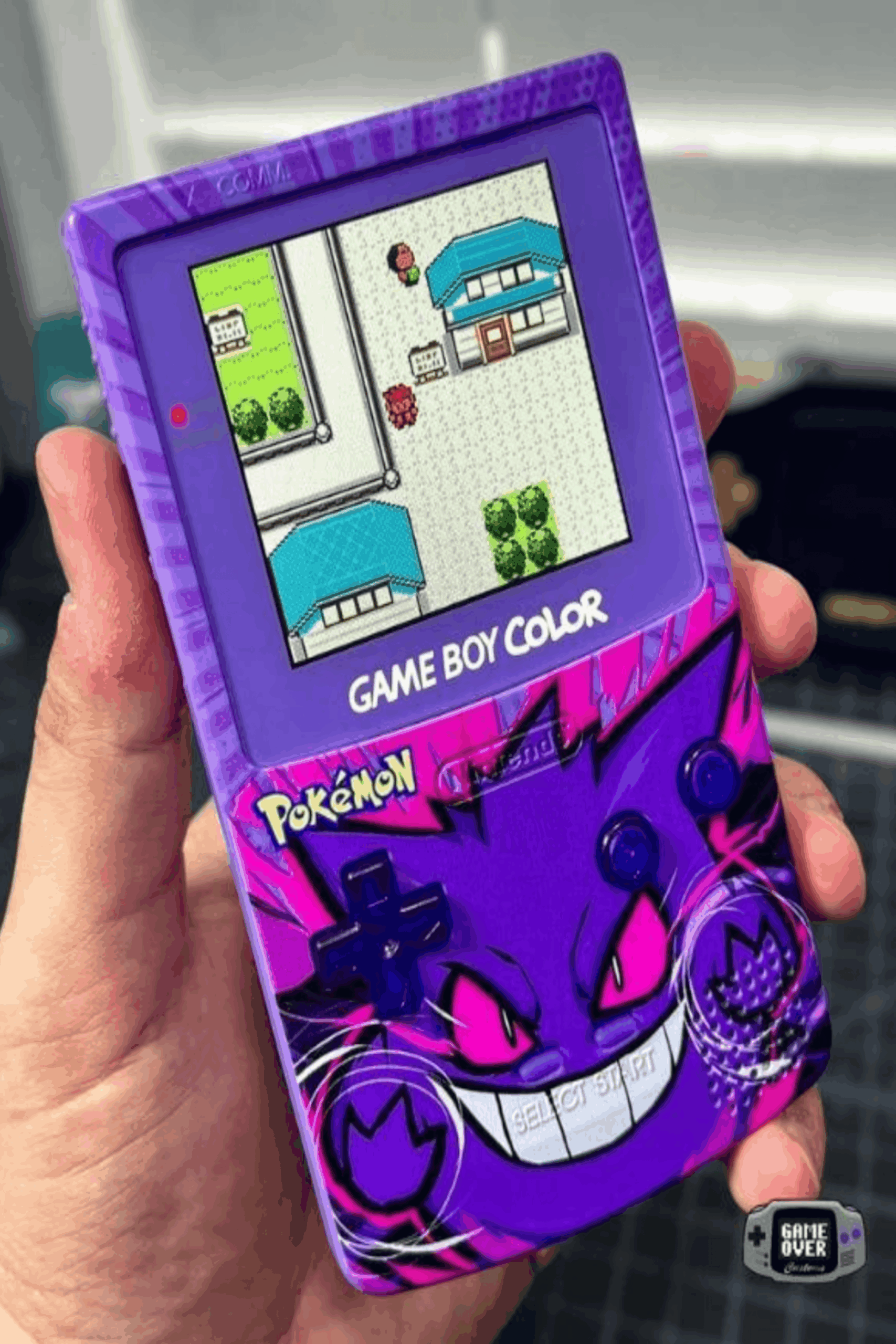
Released in 1998 with a 32 bit processor and a vibrant reflective screen, the Game Boy Color became even more visually memorable through custom purple Pokémon shells like this one, showing how retro gaming consoles often embraced loud character themed designs instead of minimalist hardware.
10. Ninja Turtle Green Was Impossible to Miss
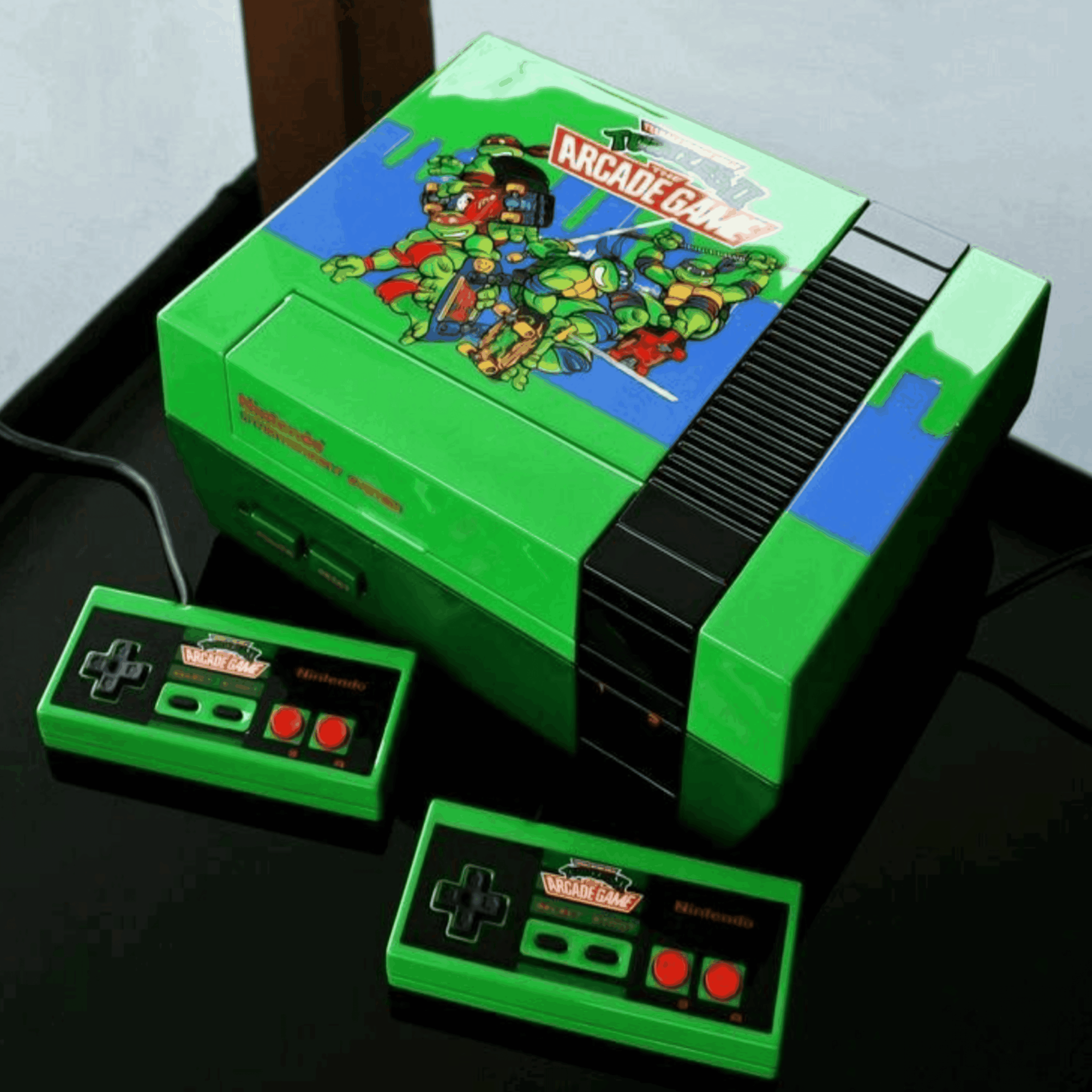
Unlike the standard gray NES units from the mid 80s, this Teenage Mutant Ninja Turtles themed version uses bright green casing and matching controllers to give Nintendo’s legendary 8 bit console a more playful comic book inspired appearance tied directly to arcade culture.
11. Kirby Pink Brought Soft Colors Into Retro Gaming
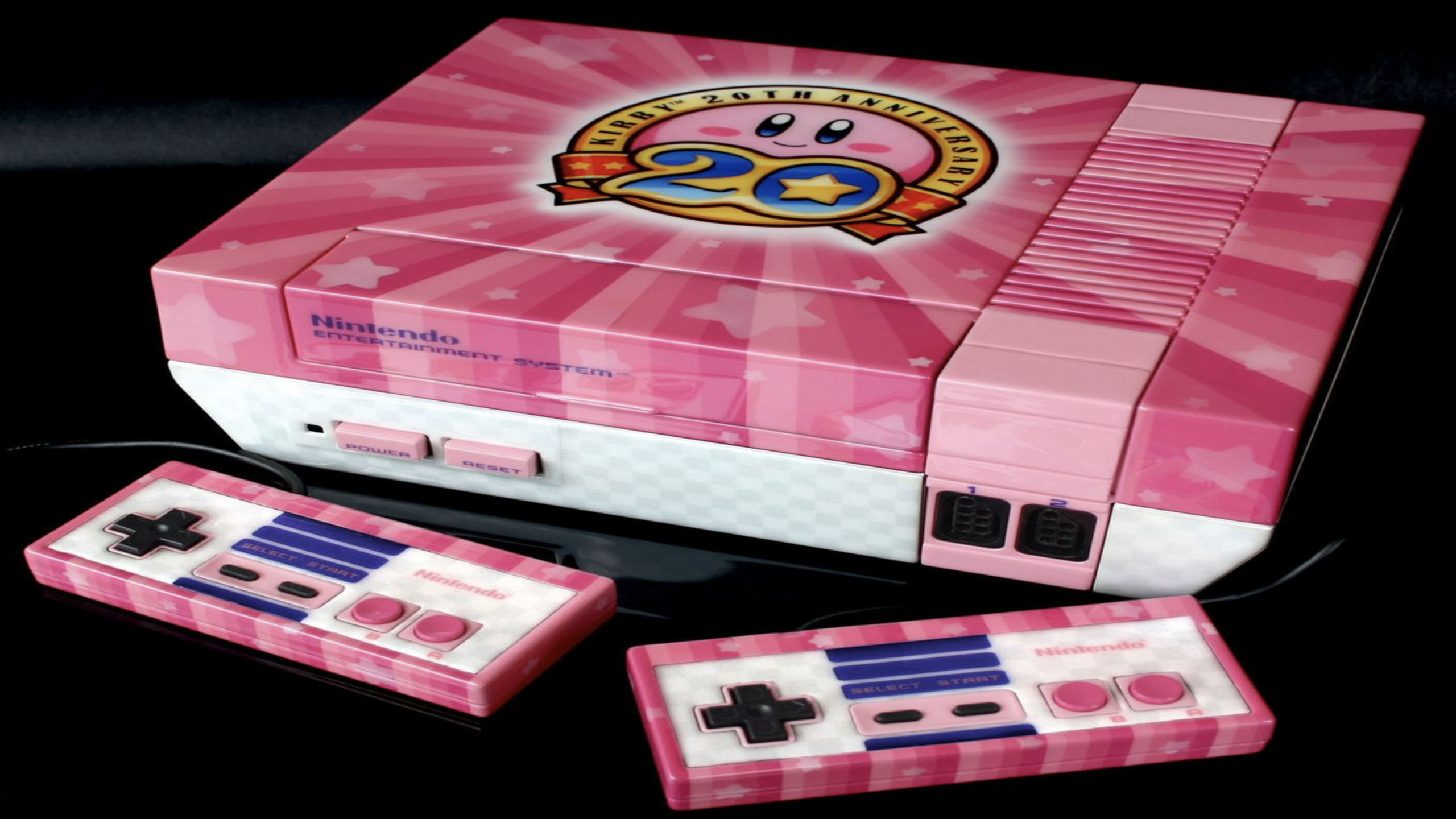
Created around the classic Nintendo Entertainment System design first introduced in 1983, this Kirby themed pink edition mixes star patterns, white accents, and pastel tones that helped prove colorful hardware could become just as collectible as the games themselves.
12. Mario Red Made the GameCube Look Like a Power Up
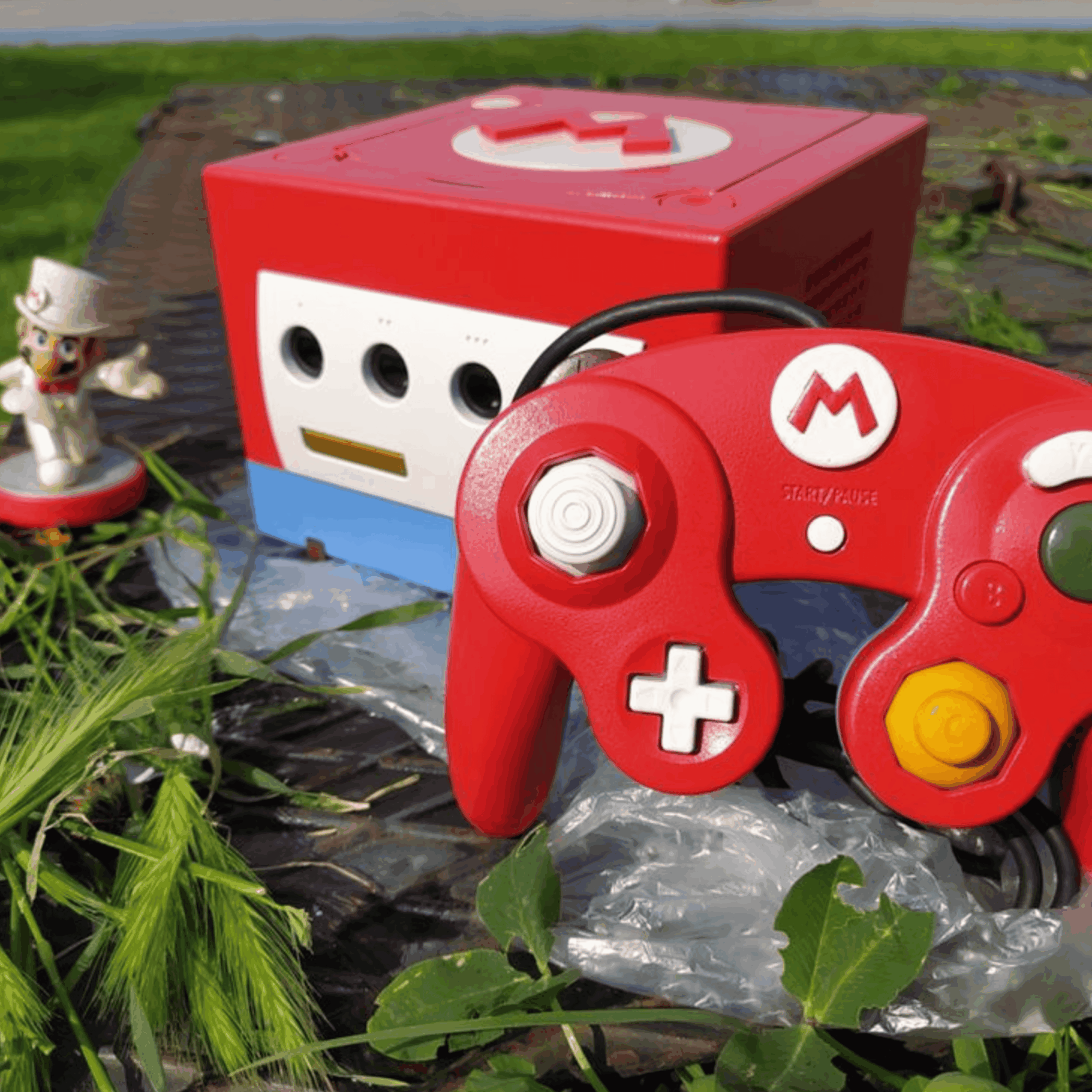
Rather than using Nintendo’s traditional indigo palette from 2001, this customized GameCube adopts Mario inspired red, white, and blue colors that instantly stand out, turning the compact mini disc console into one of those retro gaming consoles fans remember for pure personality alone.
13. Lime Green Game Boy Color Screamed Late 90s Energy
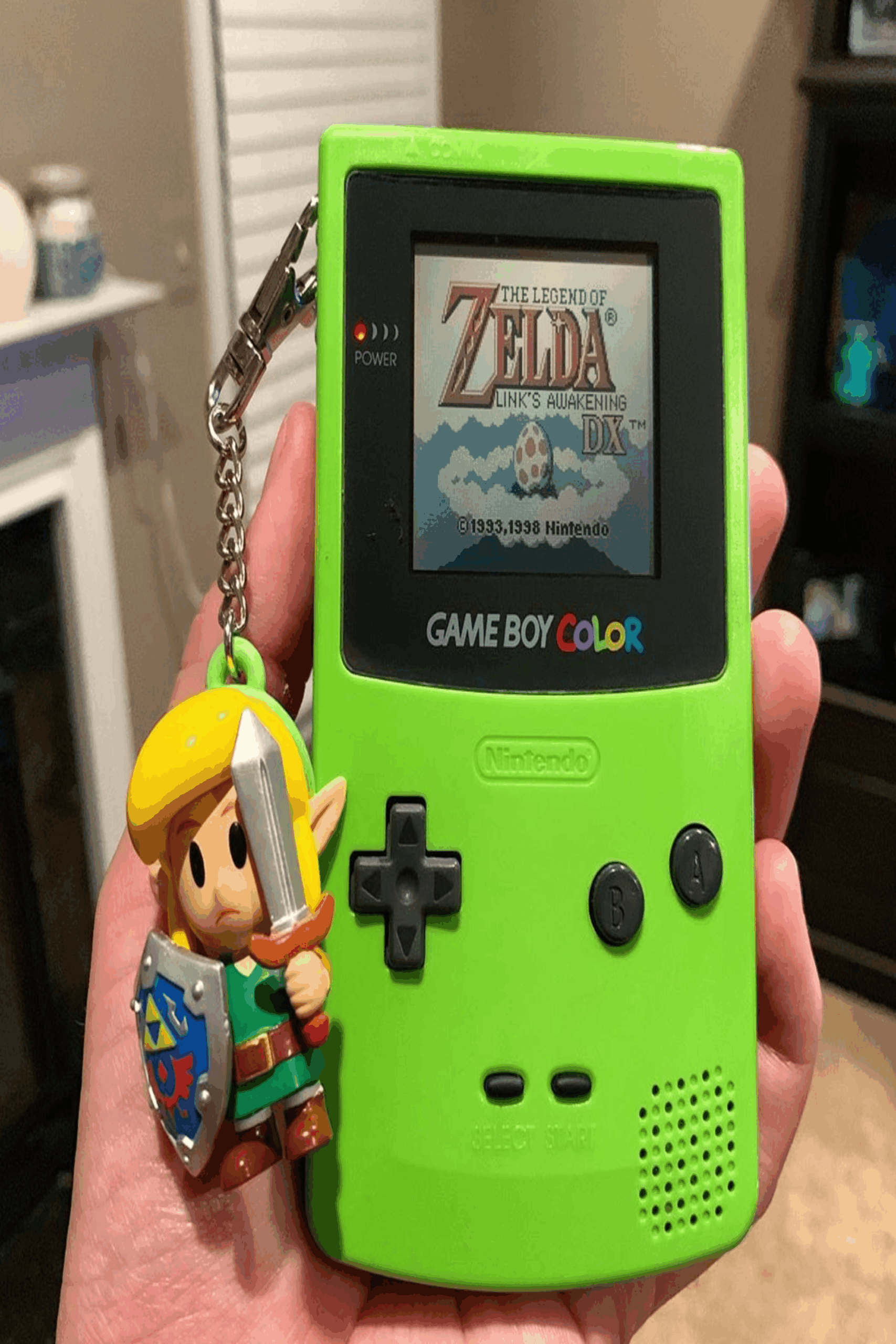
Bright handheld variations like this neon green Game Boy Color became incredibly popular after Nintendo launched the system in 1998, pairing colorful plastic shells with improved color display technology that made portable gaming feel far more modern than earlier monochrome devices.
14. Wii Remotes Became Nintendo’s Most Colorful Experiment
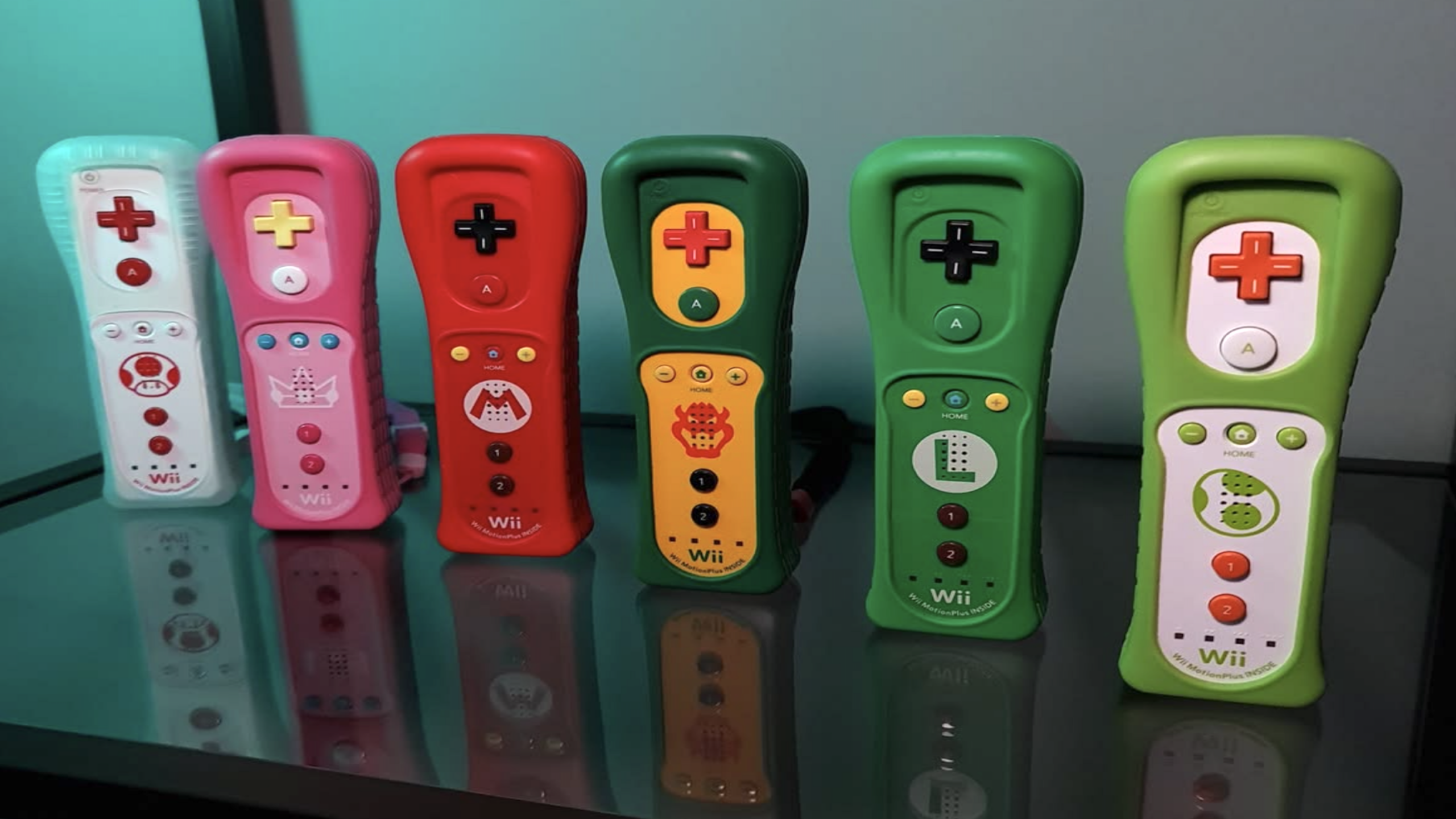
Years after the Wii launched in 2006, Nintendo began releasing themed Wii Remote designs in red, green, pink, and turquoise colors inspired by characters like Mario, Luigi, and Yoshi, continuing the tradition of bold hardware customization seen throughout retro gaming consoles history.
15. Pixel Art Designs Turned the NES Into a Living Mario Level
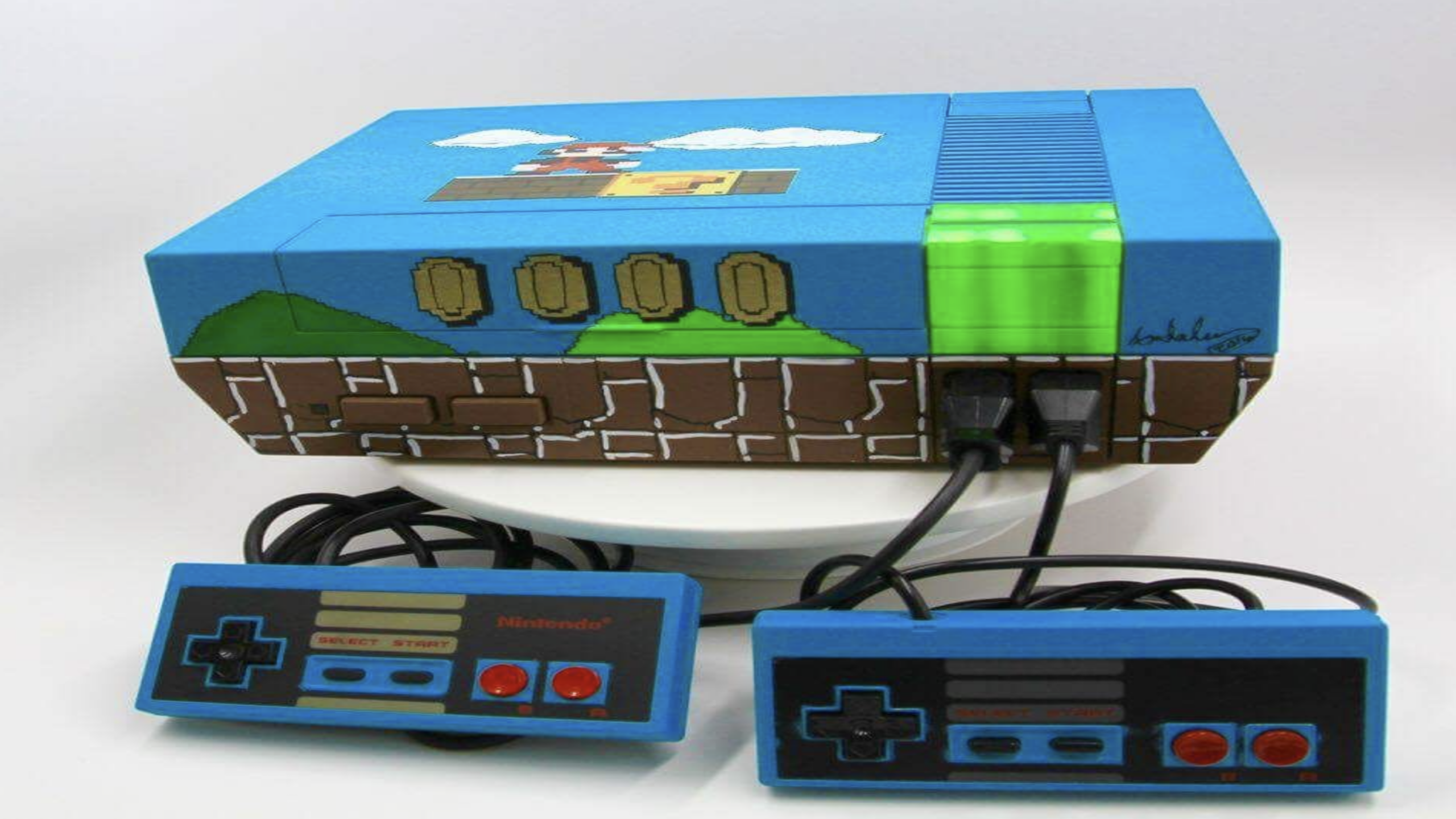
Using classic Super Mario scenery with brick blocks, clouds, and green pipes, this heavily customized NES pays tribute to Nintendo’s 8-bit roots while transforming the original 1983 hardware into a decorative retro centerpiece rather than just another gray home console.
Looking for similar content?: