Game development has never been a clean, rational process, no matter how polished the final product looks in hindsight. For every game that ships on time and more or less as planned, there are others that spend years wobbling between reinvention, panic, and quiet internal doubt.
Some of the most beloved releases in the medium only made it out because someone refused to pull the plug at the last moment. In a few cases, what saved them was vision. In others, it was timing, sunk cost, or a demo shown to the right people on the right day.
Final Fantasy (1987)
r/nostalgia
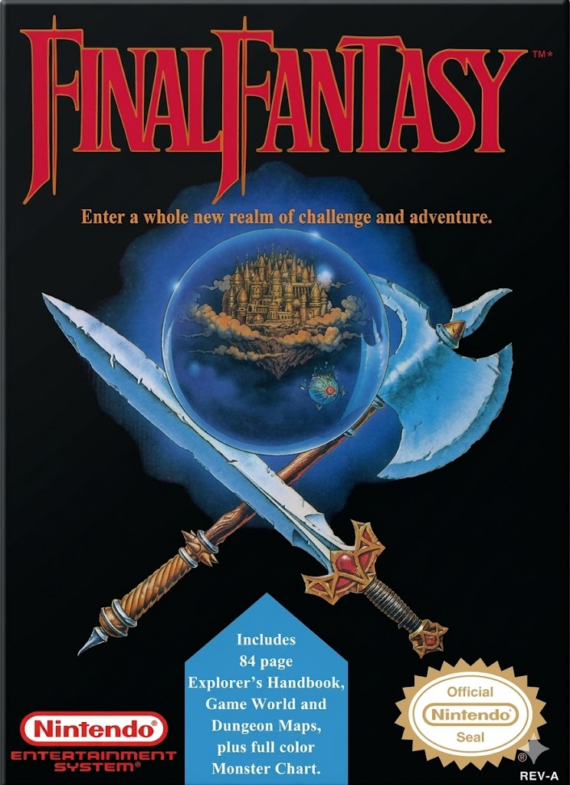
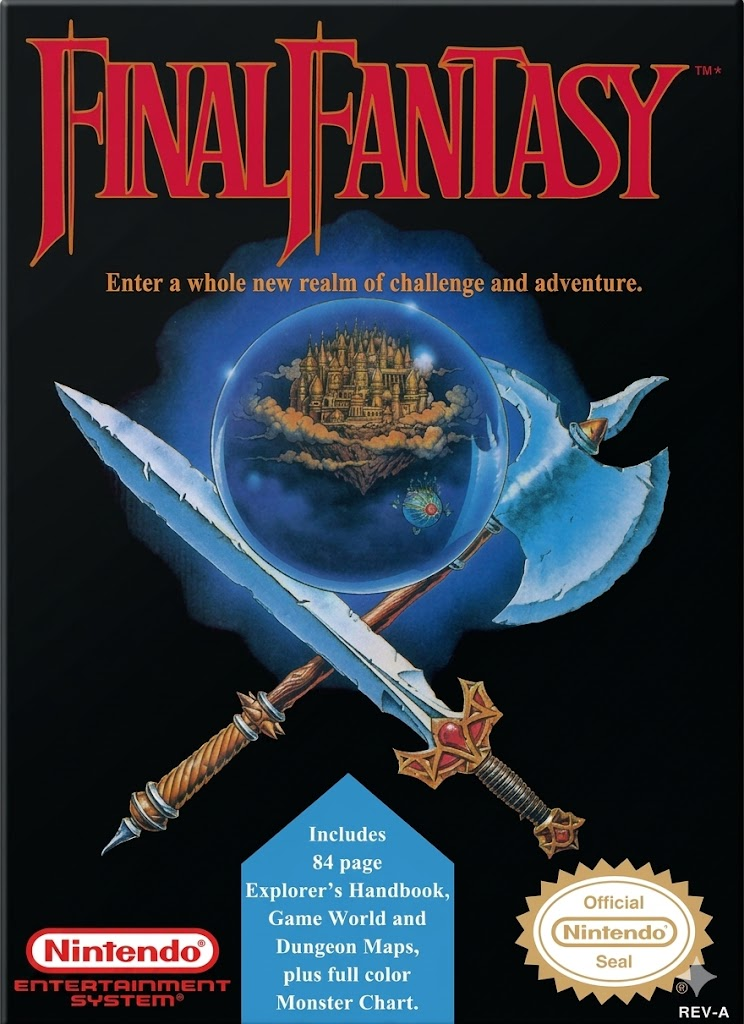
The title was not subtle. By the mid 1980s, Square was in real financial trouble, and Hironobu Sakaguchi approached the project as a final attempt to make something that mattered before stepping away from game development altogether. It entered a market where Dragon Quest already had a strong hold over Japanese players, and nothing about the situation suggested a guaranteed hit. What helped was that the game felt different enough to stand on its own, especially in how it handled party building and combat, and once players started talking about it, the momentum became hard to stop.
GoldenEye 007 (1997)
r/90s
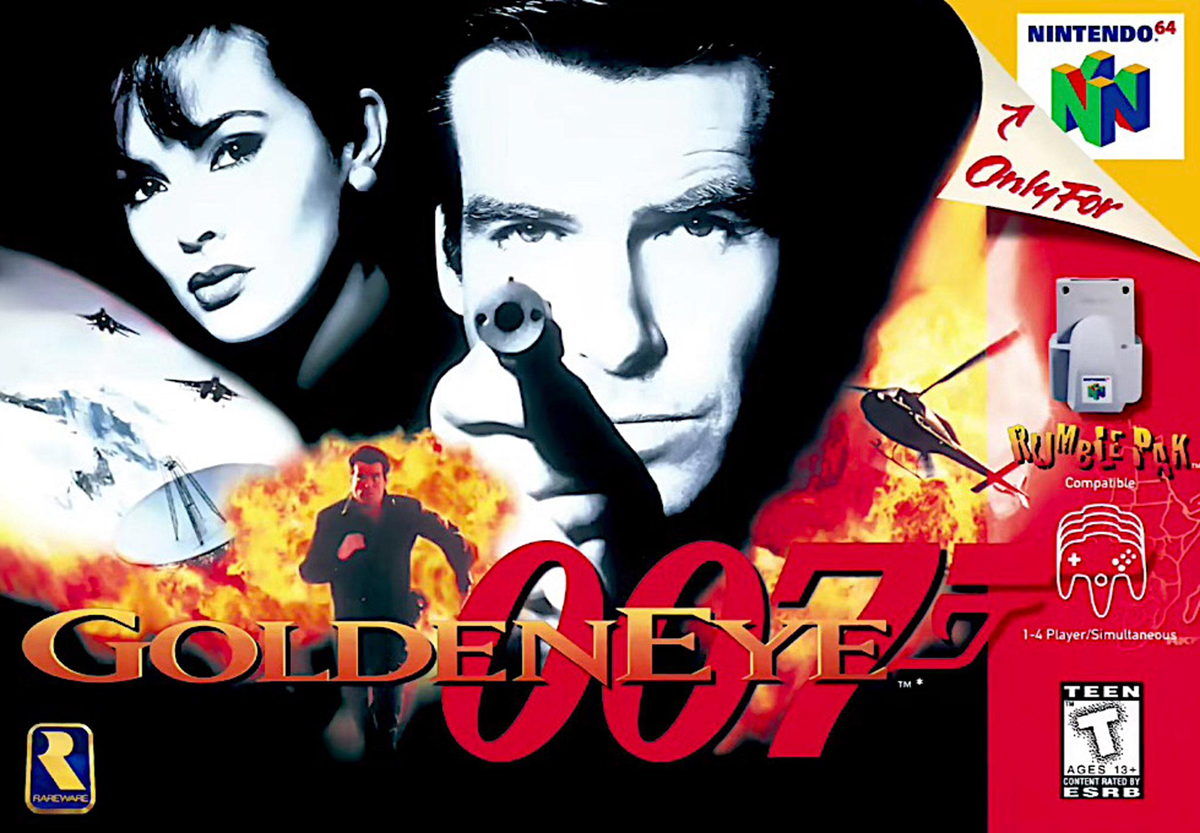
There is something slightly absurd about how close this game came to being written off. Rare handed the project to a young team with little experience making first-person shooters, and for much of development the game lacked the kind of clear shape publishers usually want to see. It also missed the obvious release window tied to the James Bond film, which only made it easier to question whether it was worth finishing. Then an early 1997 demonstration changed the mood inside Nintendo, because suddenly this delayed licensed shooter was not just salvageable, it was good.
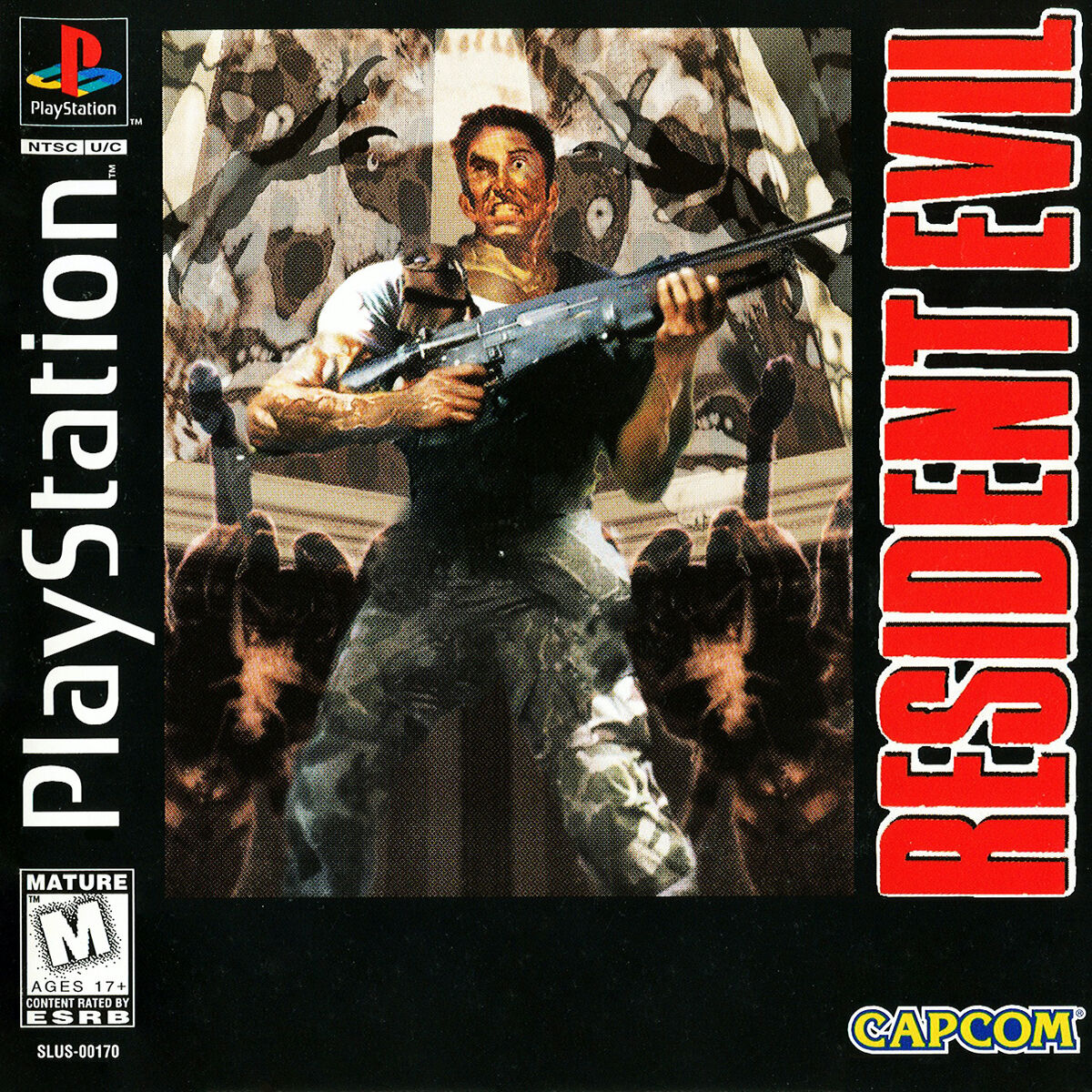
Resident Evil (1996)
r/residentevil
Capcom had reasons to be nervous about it. Slow movement, awkward angles, limited ammunition, long stretches of tension instead of constant action, none of that sounded especially safe in commercial terms in the mid 1990s. Shinji Mikami kept pushing anyway, and the project survived the kind of internal uncertainty that kills a lot of games before anyone outside the studio hears about them. When it launched in March 1996, the thing that had looked risky turned out to be the point.
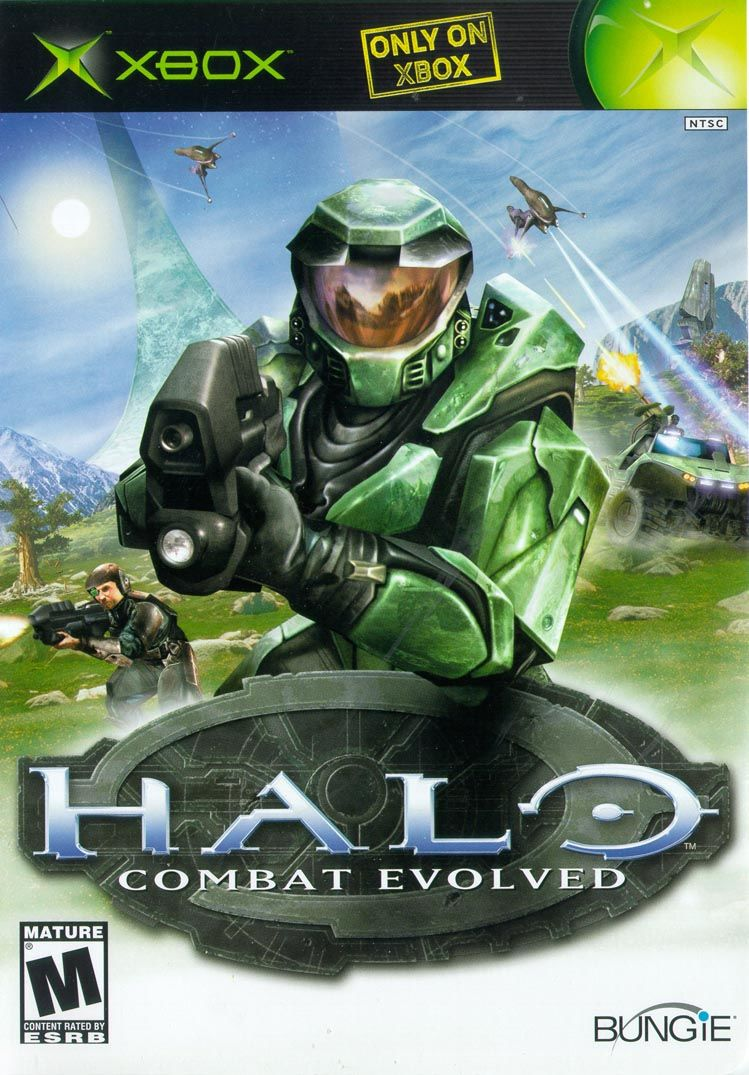
Halo: Combat Evolved (2001)
r/xbox
Before it became the game most people associate with the original Xbox, Halo had already been through a strange identity crisis. It had existed in other forms, including a third-person strategy concept, and Microsoft’s acquisition of Bungie forced the project into a much tighter timeline than it probably deserved. There were real concerns about whether it would be ready for the console’s November 2001 launch. In the end, what carried it through was not that every part of the game was fully realized, because it was not, but that the shooting, movement, and enemy encounters already had a clarity that felt unusually complete.
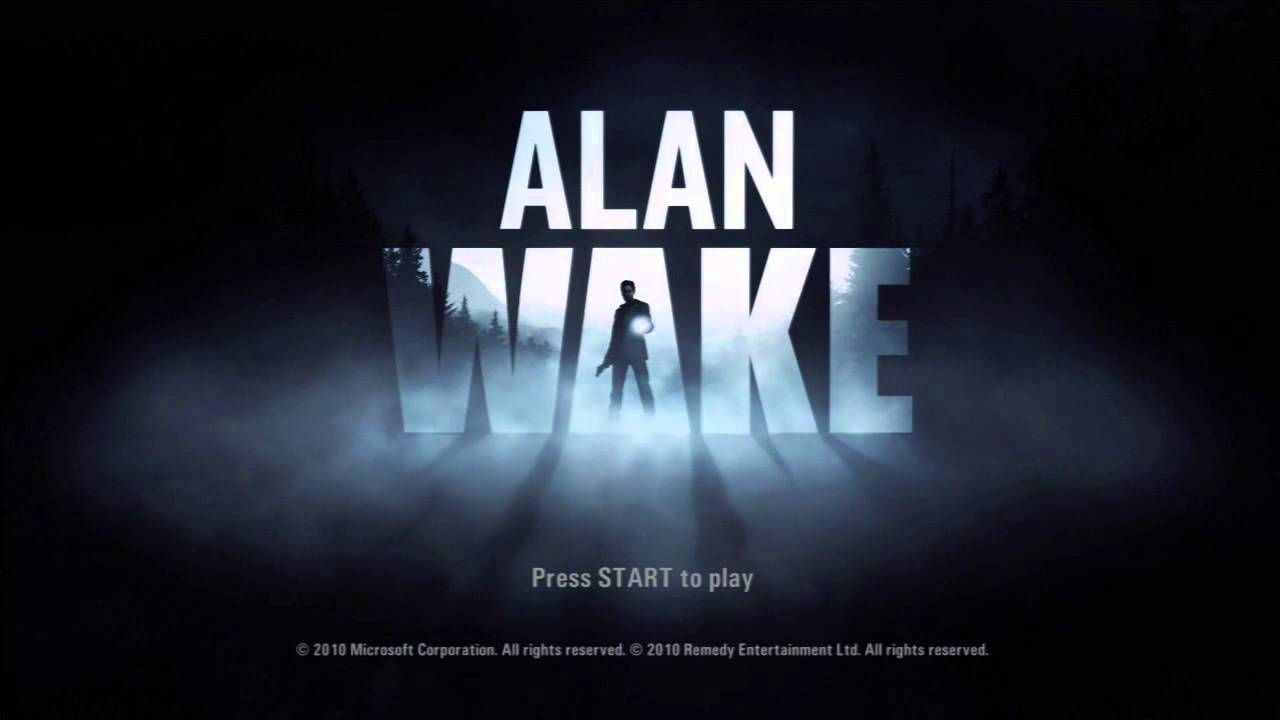
Alan Wake (2010)
r/alanwake
For years, Remedy was building something much looser and much bigger, a heavily systemic open-world game set in a forested environment that kept expanding in ambition. The problem was that ambition does not automatically turn into a shippable product, and Microsoft’s patience had limits. What finally reached players in 2010 was a smaller, more controlled version of Alan Wake, one that traded breadth for a stronger rhythm and a clearer tone. From the outside, that looked like compromise. Inside the project, it was probably the only reason the game survived.
Trending on realmoneygamer.com


EarthBound (1994)
r/gaming
At a certain point, Mother 2 had become the sort of project people talk about in exhausted voices. Development had dragged on, and the underlying code was in bad enough condition that finishing it conventionally may have taken years. Satoru Iwata stepped in and helped rebuild the technical side of the game, which gave the team a way forward when there did not seem to be one. Without that intervention, EarthBound likely belongs to a different list, the one full of games that almost worked and then disappeared.
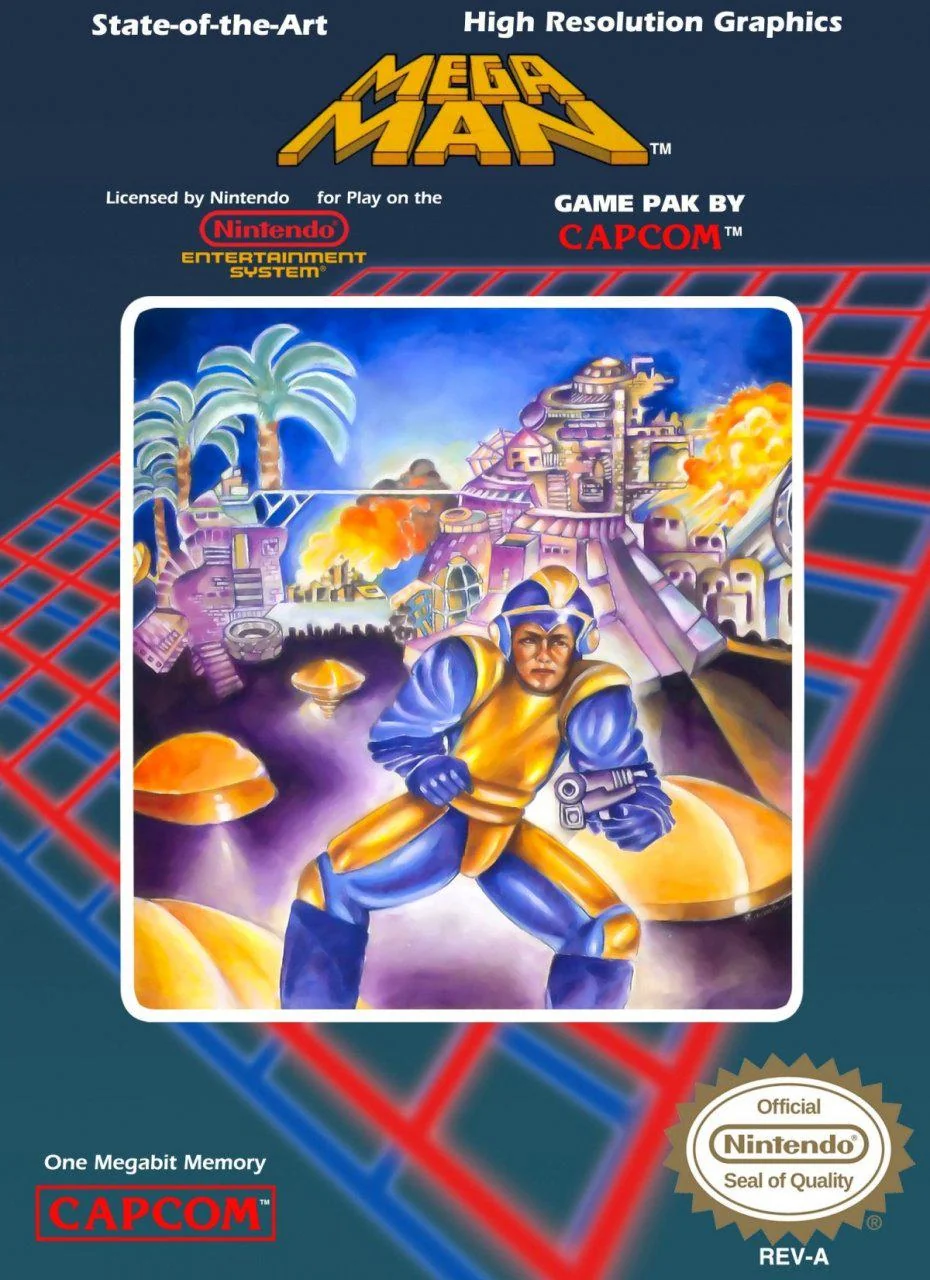
Mega Man (1987)
r/retrogaming
Capcom did not exactly treat it like a crown jewel. The game was made by a small team with limited support, and the overall attitude around the project seems to have been closer to indifference than confidence. It shipped partly because cancelling it that late would have made even less sense. Sometimes that is enough.
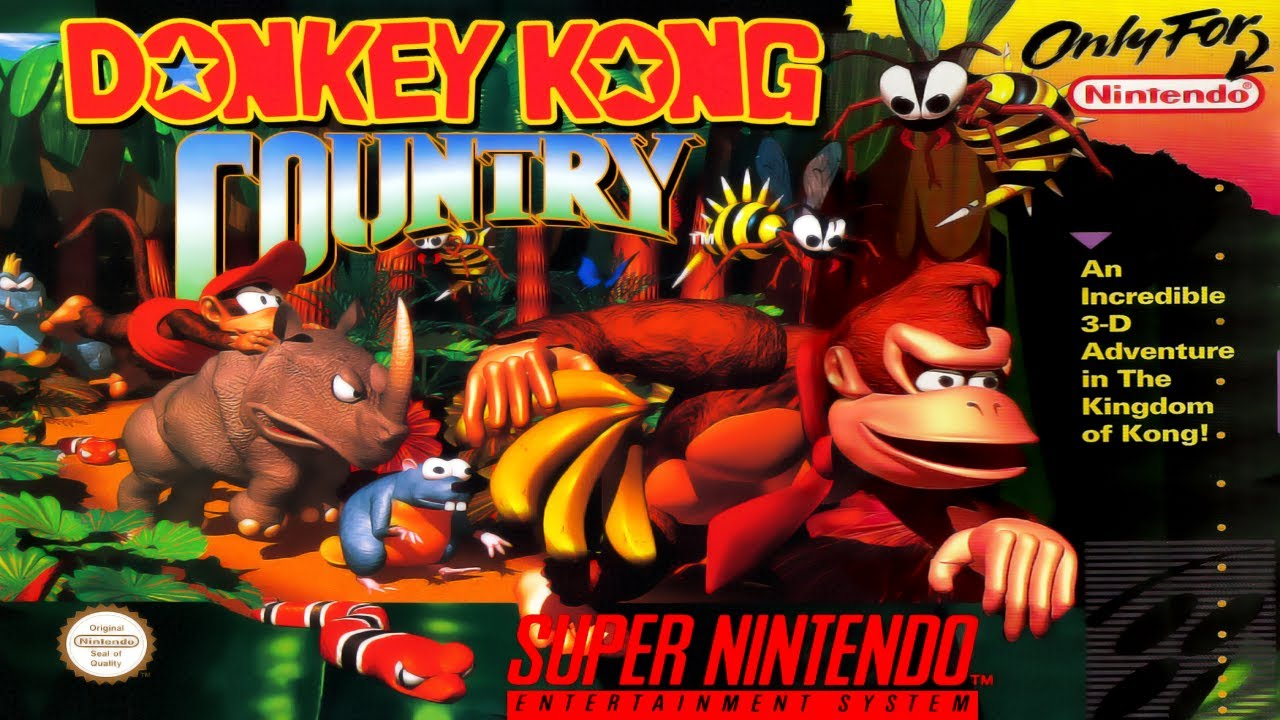
Donkey Kong Country (1994)
r/snes
Rare had been developing the game with unusual secrecy, using pre-rendered graphics that looked startling on Super Nintendo hardware in 1994. When Nintendo executives finally saw what the studio had been working on, the response was immediate, and the schedule quickly tightened around a holiday release. That kind of acceleration can break a game just as easily as it can save one, but in this case the novelty of the visuals bought the project exactly the kind of momentum it needed. By the time it reached stores in November, it already felt like an event.
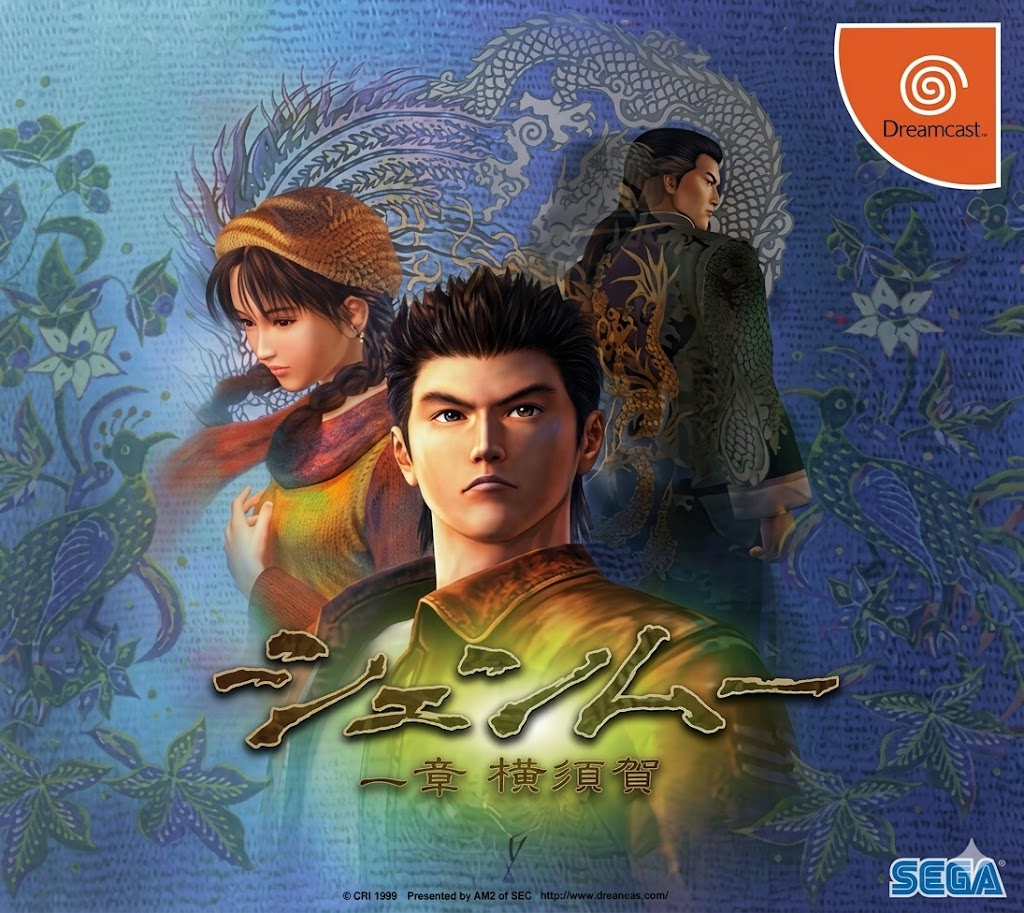
Shenmue (1999)
r/shenmue
It is hard to overstate how expensive and unwieldy Shenmue looked in the context of late 1990s Sega. The company was already dealing with the fallout of the Saturn and trying to position the Dreamcast as a serious reset, which made a lavish, slow-building adventure with a huge budget a difficult thing to justify. There were points where stopping would have been the rational move, at least on paper. But between Yu Suzuki’s standing inside Sega and the amount already invested, the project kept moving, and eventually shipped in Japan in December 1999 as one of those games people talked about with reverence even when the sales story was more complicated.
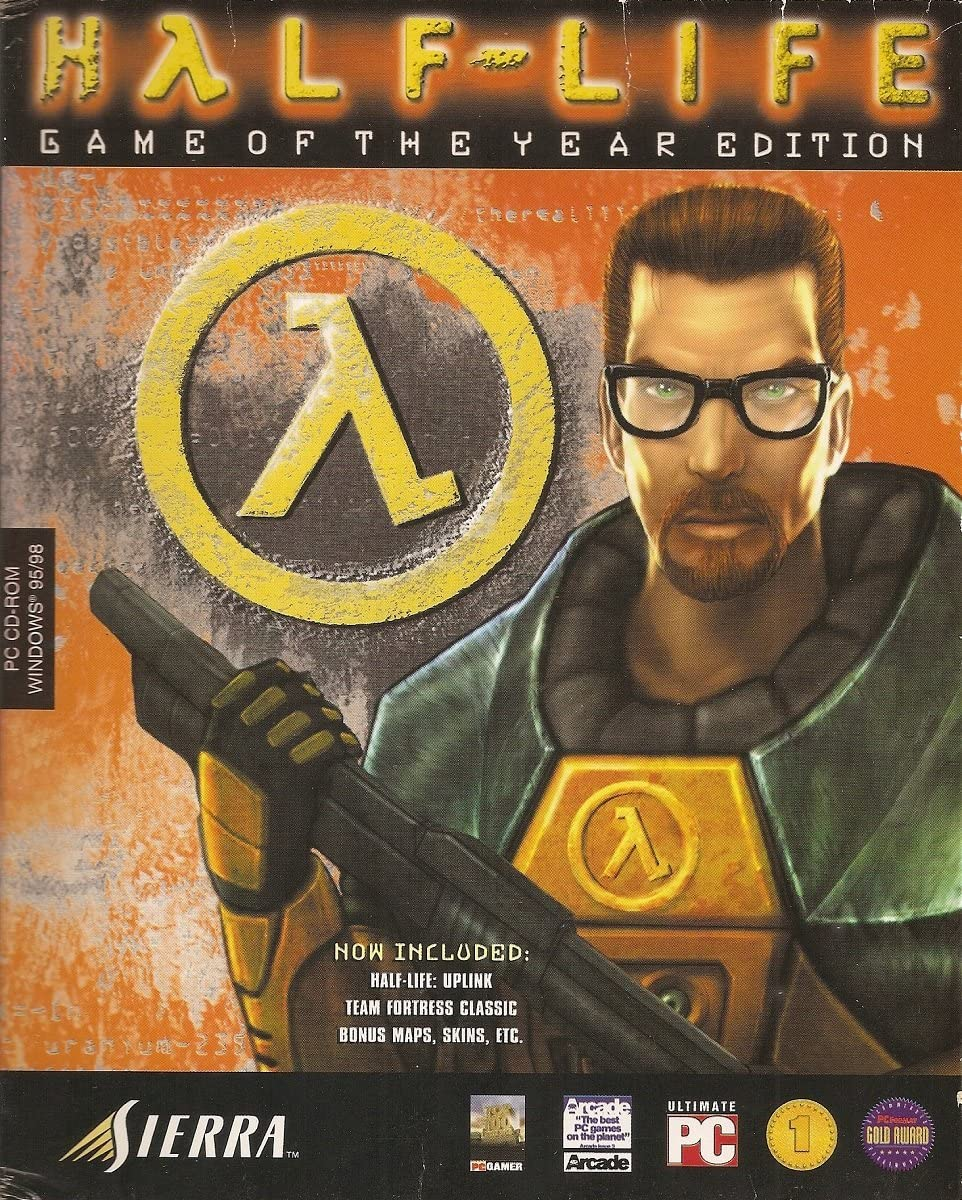
Half-Life (1998)
r/halflife
Valve had an early version of Half-Life that worked well enough technically and still did not feel alive. That may have been the more dangerous kind of failure, because it is easier to fool yourself into shipping something functional than something broken. Instead, the team tore large sections apart and rebuilt them, losing time but gaining the structure that would define the final game. The version released in November 1998 felt deliberate in a way the earlier build apparently did not, especially in how it handled pacing and environmental storytelling.
A lot of great games only barely made it
Looking back, what stands out is how unglamorous most of these rescue stories really are. Some survived because one person kept pushing when everybody else was tired of the project, others because management decided it was too late to back out cleanly. That is probably closer to the truth of game development than the cleaner version people like to tell afterward.
Continue Reading: 15 Video Game Collectibles That Sold for More Than a House