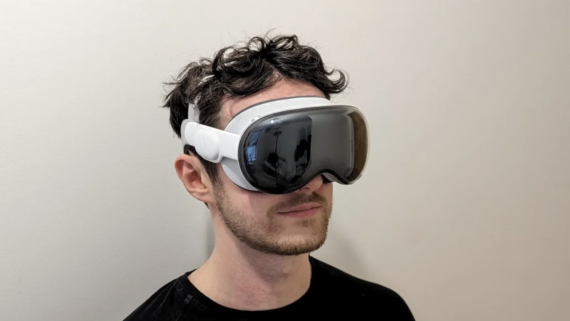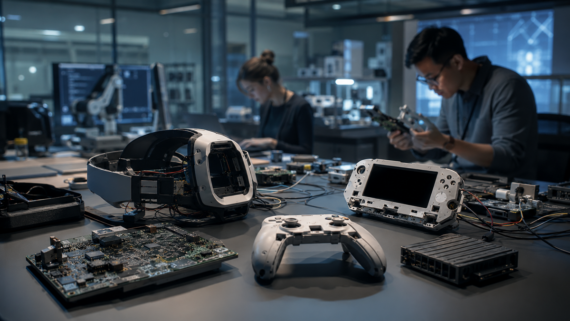
Gaming hardware starts spending money long before it starts making any. A console, headset, controller, or handheld might sit in labs for years as a half-working prototype, a developer kit, or just a strange idea that keeps surviving meetings. The public usually sees the polished reveal, not the awkward middle stretch where nobody can say for sure if players will care. That is why companies rarely fund these bets from one place. They spread the cost around, sometimes very quietly.
Using Today’s Console Money to Build Tomorrow’s
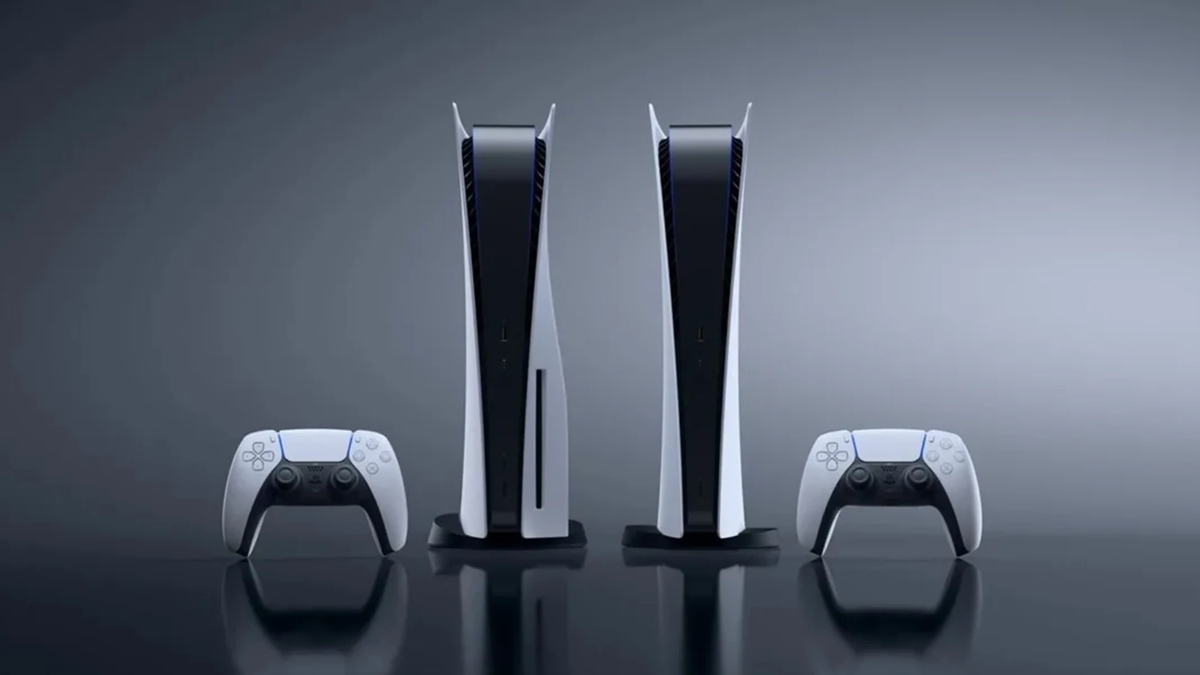
The PlayStation 5 was not dreamed up after the PS4 had finished its run. Sony was already talking to developers while the PS4 was still a healthy business, and Mark Cerny later said those conversations helped push storage speed to the center of the PS5 design. That is how the custom SSD became more than a nicer loading feature. It became part of the machine’s identity. The money for that kind of work usually comes from the platform that is already working, games, services, licensing, hardware sales, and the general momentum around the current console. It is a little odd from the outside, because the company is still selling you the present while funding the thing meant to replace it.
Letting the Store Pay for Part of the Risk
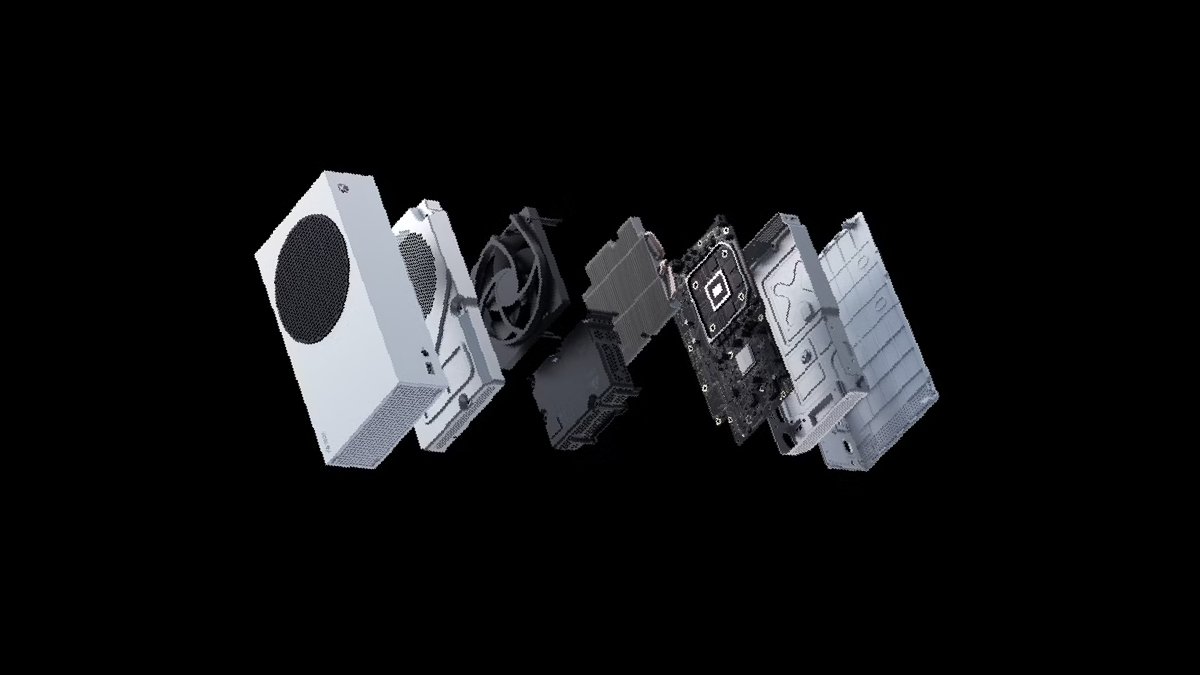
The Xbox Series X and Series S were hardware products, but Microsoft did not have to think about them as hardware alone. By the time they launched in 2020, Xbox was already tied to digital purchases, Game Pass, cloud saves, backwards compatibility, and years of account history. That gives the company a softer landing when it spends on new boxes. A player who carries a library forward is still valuable even if the console itself is not the whole story. The store keeps earning after the launch week excitement is gone. That recurring business helps cover research that would feel much riskier if every dollar depended on selling one more machine.
Turning a Bigger Company Into a Safety Net
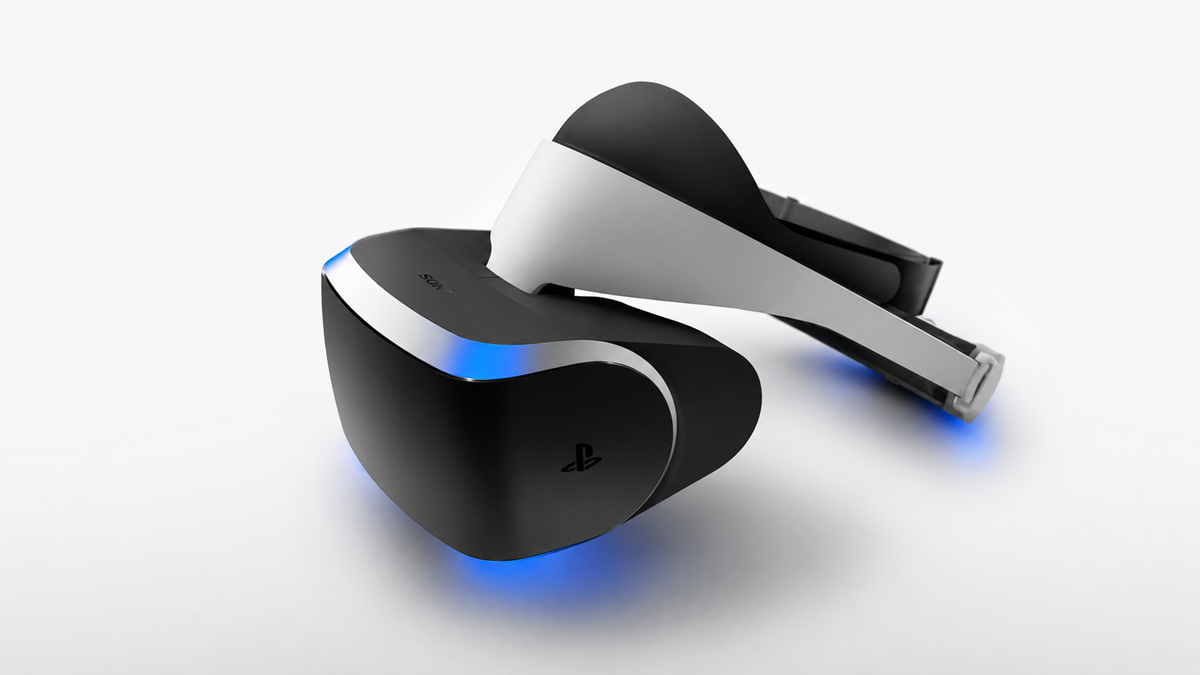
Project Morpheus, which later became PlayStation VR, is a good case of a gaming experiment that also fit Sony’s wider interests. When Sony showed it in 2014, VR was still full of questions: price, comfort, motion sickness, software support, and whether normal players wanted a headset in the living room. But Sony was not only a console company. It had experience with displays, cameras, sensors, audio, film, and consumer electronics. That did not make PS VR a safe bet, but it gave the research more places to make sense inside the company. If a gaming headset struggled, some of the lessons could still travel.
Splitting the Bill With Chip Partners
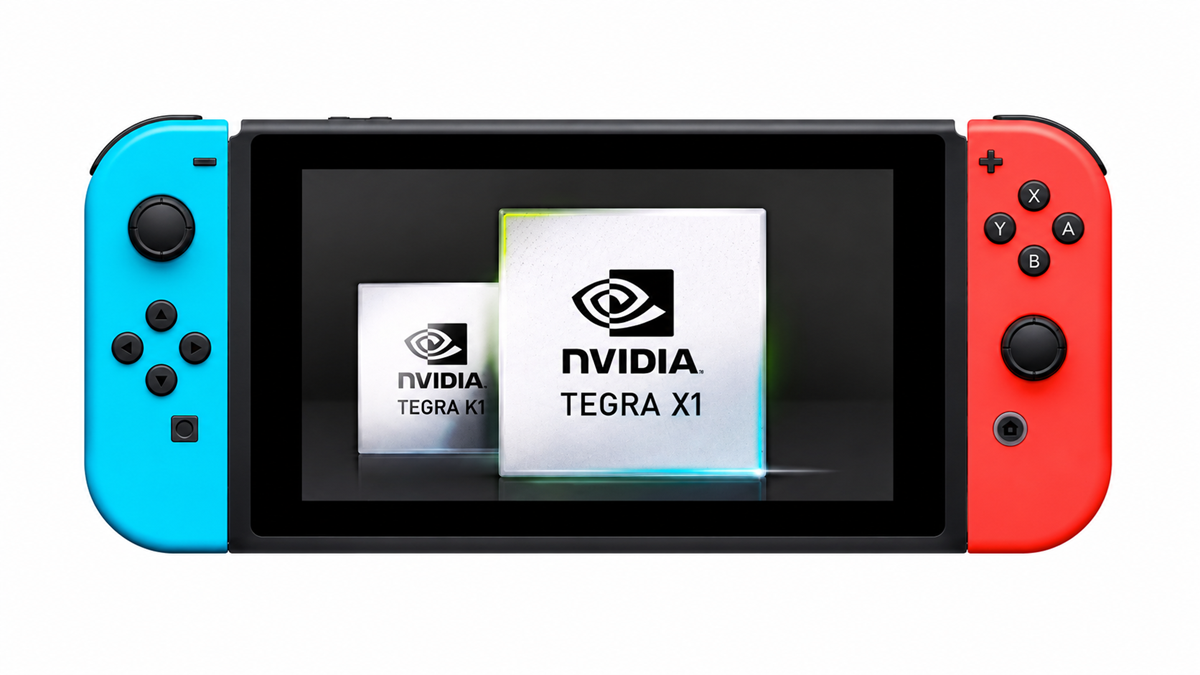
Nintendo could not have built the Switch in the same way without Nvidia. The system used a custom Tegra processor, and that partnership made sense for both sides. Nintendo needed a chip that could run as a handheld and still dock to a TV. Nvidia got its technology inside a major gaming platform at a time when mobile graphics and efficient computing mattered more every year. Nobody knew in 2016 that the Switch would sell the way it did. The point is that the risk was shared before the market gave its answer.
Trying Strange Ideas as Accessories First
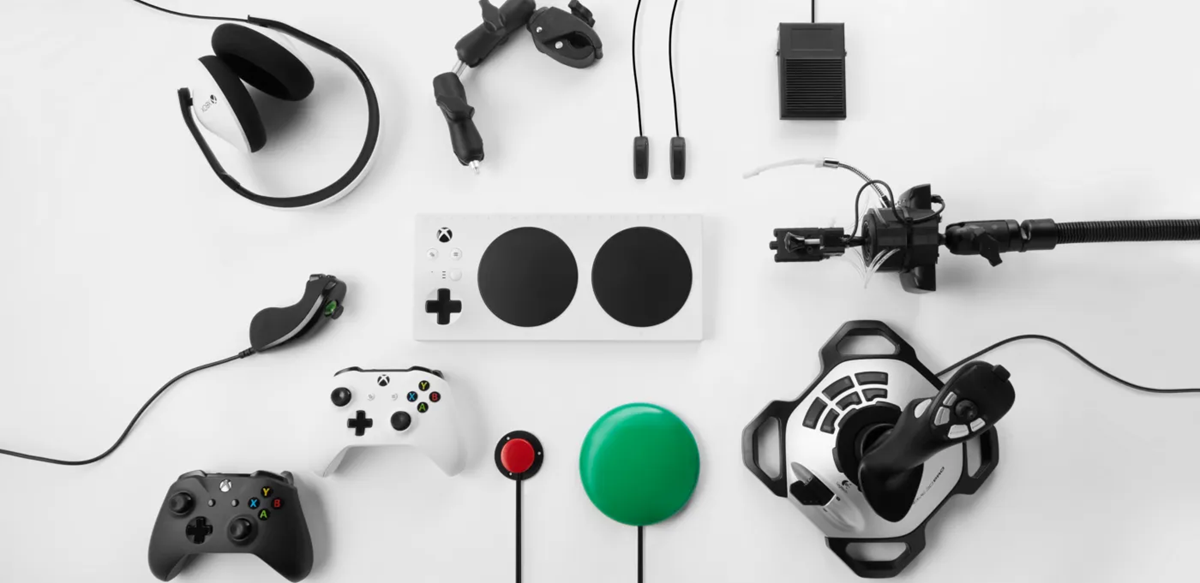
The Xbox Adaptive Controller, announced in 2018, was not a mass-market controller in the usual sense. It was built with accessibility groups, players with limited mobility, and partner organizations that understood a problem the standard controller had never solved well. For Microsoft, it was also a way to fund hardware learning without redesigning the entire Xbox around one experiment. The company could study modular inputs, packaging, support, compatibility, and how players actually used the device at home. Some of the most useful hardware research does not arrive as the main product. It sits beside the main product and changes the company’s habits from there.
Trending on realmoneygamer.com

Using Subscriptions as a Cushion

Game Pass gives Microsoft a different way to think about hardware risk. A future Xbox device does not only have to prove itself as a box that sells on day one. It can also be judged by whether it keeps people playing, downloading, subscribing, and staying inside the Xbox ecosystem. That is why a console, handheld-style device, or streaming-focused product can make more sense than it might on a traditional hardware spreadsheet. The machine still has to be good. But the business around it makes the bet less brittle.
Listening to Developers Before the Reveal
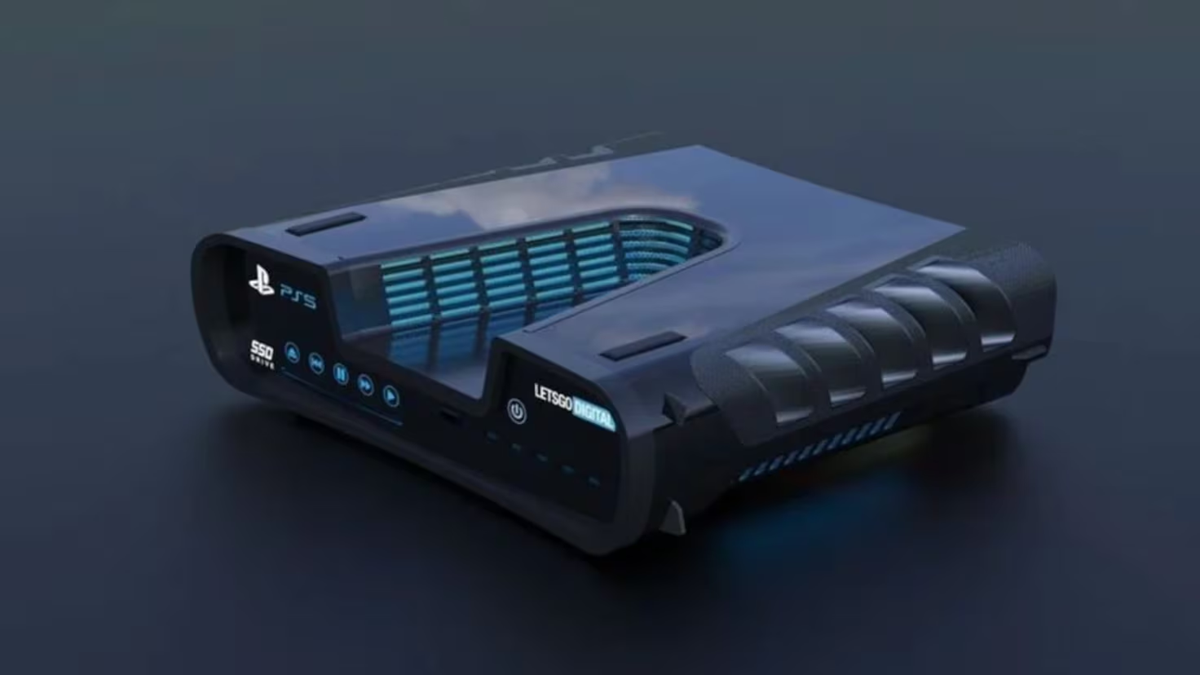
Developer kits are easy to treat as background machinery, but they are one of the places where hardware bets get tested early. With PS5, Sony’s conversations with developers helped point the company toward faster storage because load times were affecting how games were actually built. That kind of feedback matters because studios notice problems players will not see until much later. They can tell a platform holder if memory is too tight, tools are irritating, or a feature sounds better in a presentation than it feels during production. A developer kit is expensive, but a bad launch is worse.
Letting Failed Hardware Teach the Next Device
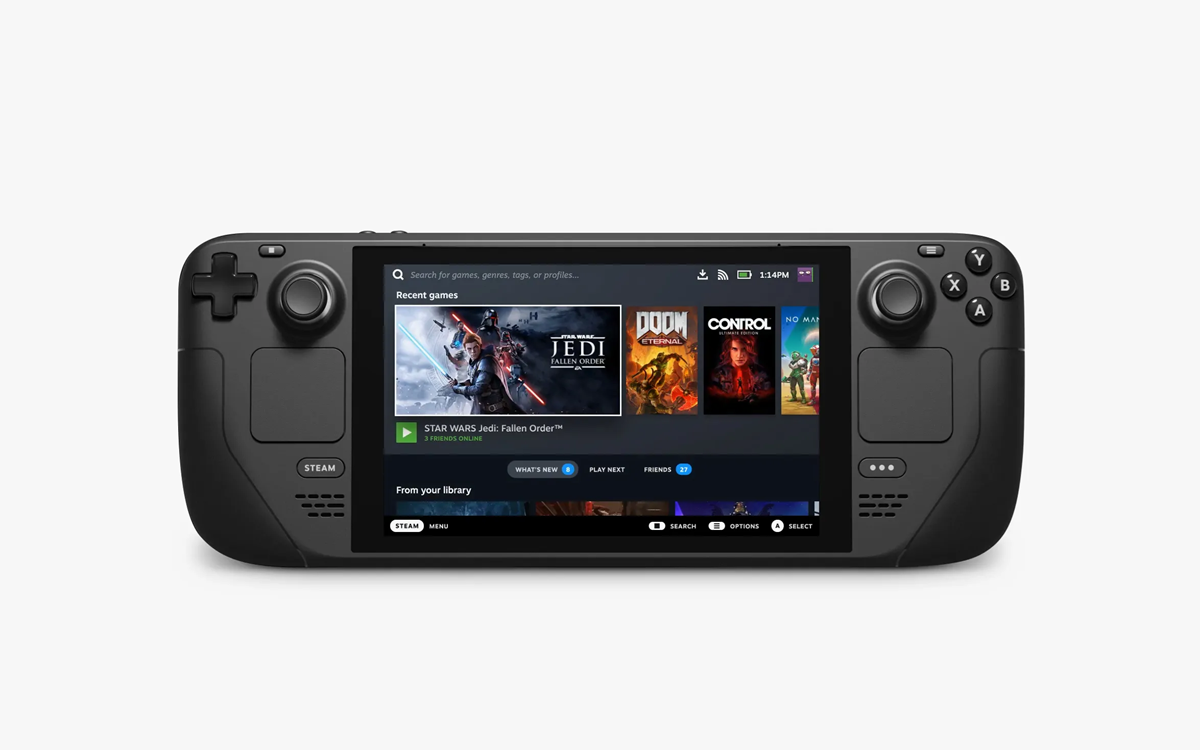
Valve’s Steam Deck did not appear from nowhere. Before it, Valve had already been through Steam Machines and the Steam Controller, two projects that were interesting but never became mainstream living-room standards. Those products still taught Valve about PC gaming away from the desk, Linux compatibility, control layouts, storefront behavior, and how much friction players will tolerate. When Steam Deck launched in 2022 with a custom AMD APU, it looked much more focused than Valve’s earlier hardware pushes. Some research gets funded by success. Some gets funded by the memory of what went wrong.
Reusing Familiar Tech in a Better Shape
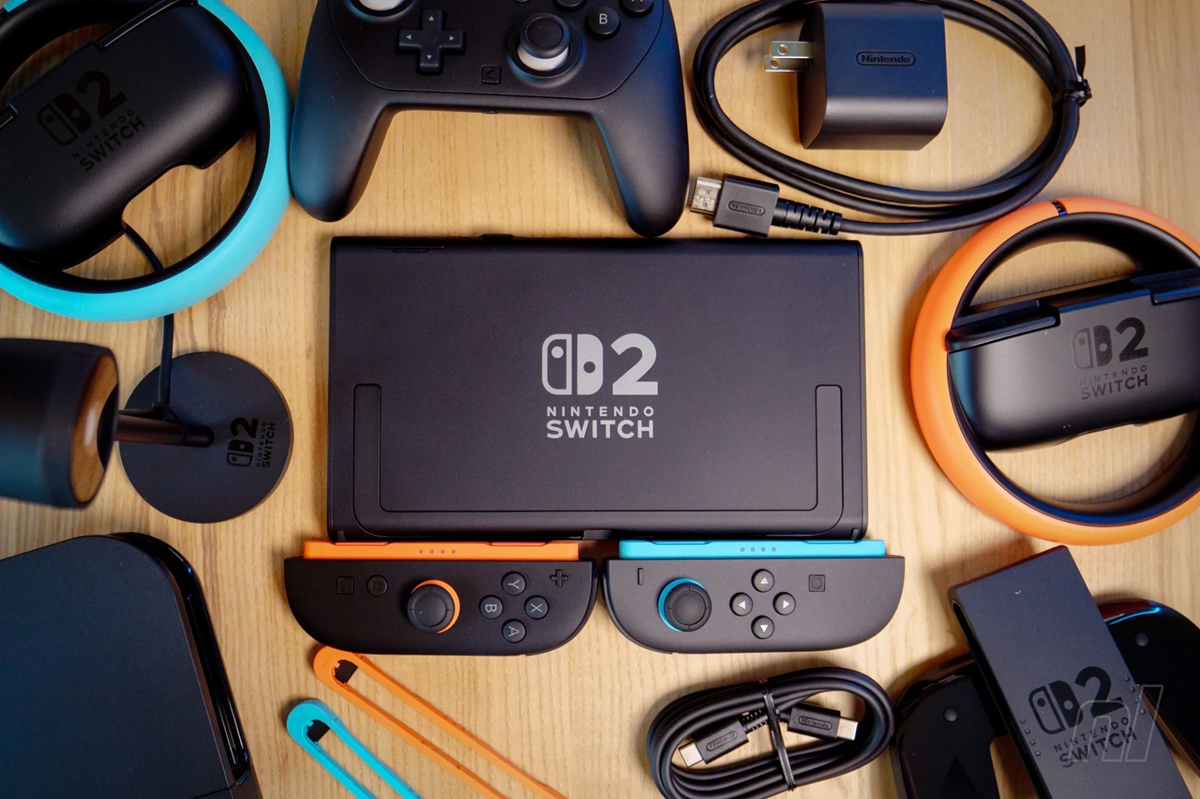
The Switch is also a reminder that next-generation hardware does not always mean the most advanced parts. When Nintendo launched it in 2017, it was clearly not trying to beat PlayStation and Xbox on raw power. The smarter bet was the shape of the thing: handheld screen, docked play, detachable Joy-Con controllers, sleep mode, cartridges, and a software lineup that suited quick sessions as well as long ones. That helped Nintendo keep one kind of research risk under control. The question was not whether every component was cutting edge. The question was whether the combination would feel natural.
Watching Other Markets Before Moving
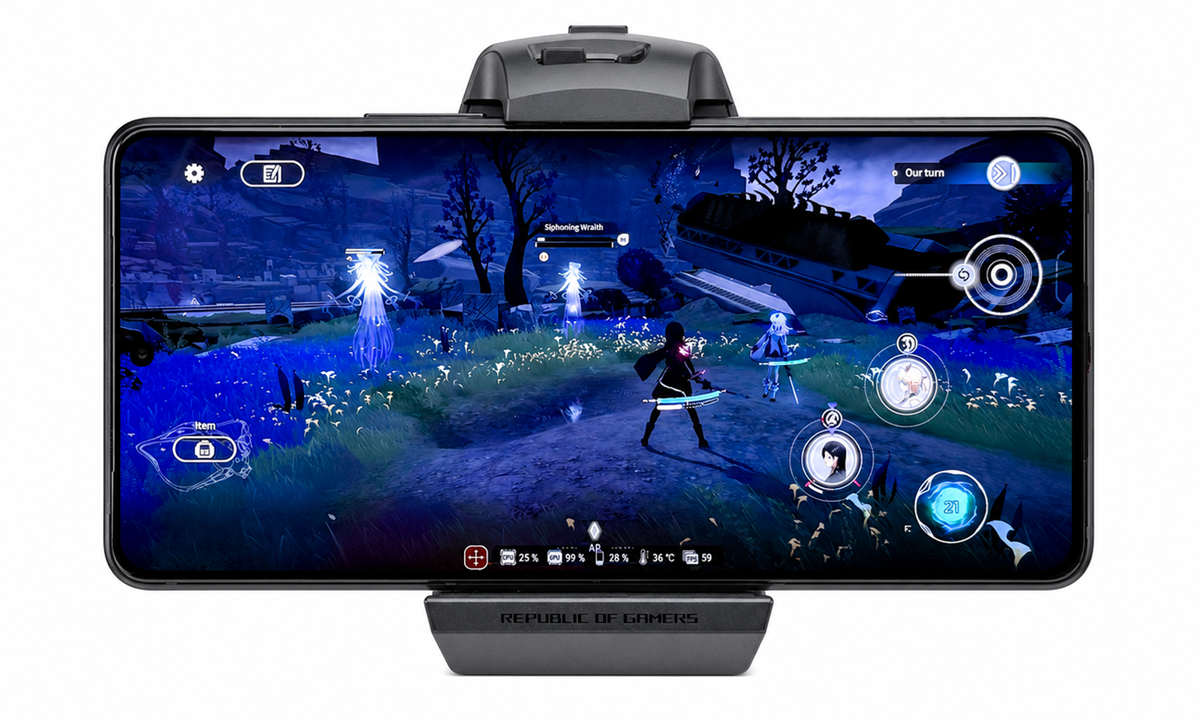
Valve had help from the world around it when it built Steam Deck. Phones had trained people to expect strong portable screens, USB-C charging, sleep-and-resume behavior, and small devices that could handle serious software. Laptops and handheld PCs had pushed efficient chips forward. Nintendo had already proved that many players liked a hybrid idea, even if Steam Deck was aimed at a different crowd. Valve still had to solve its own problems, especially around compatibility and controls, but it was not educating the market from scratch. Other industries had already paid for part of that lesson.
Turning Internal Fixes Into Public Features

Xbox Velocity Architecture began as a very practical answer to a growing problem: modern games were getting bigger, richer, and harder to move through old storage systems. Microsoft built the Xbox Series X around a custom NVMe SSD, hardware decompression, and software meant to help developers stream data faster. Players mostly saw the results through shorter loading and Quick Resume. Underneath, it was also a platform fix, a way to make the whole system feel less stuck. Not every hardware feature starts as a flashy consumer idea. Sometimes it starts because the old way has become annoying.
New gaming hardware is usually funded through a patchwork of things: current console profits, digital stores, subscriptions, chip deals, accessories, developer feedback, and old mistakes. Some of those bets turn into products people remember. Others vanish before they ever get a name. That is normal in this business. By the time a device looks obvious, the uncertain part has usually been going on for years.
Continue Reading: 10 Real Costs Behind Developing a AAA Game From Pitch to Launch That Studios Rarely Disclose