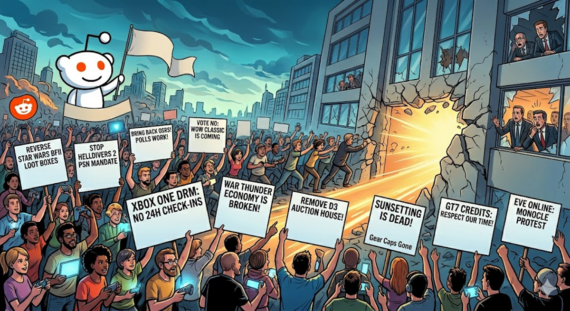
Player backlash gets dismissed all the time as background noise, one more angry weekend on Reddit, one more review bomb, one more forum spiral that disappears by Monday. But every so often, communities do more than complain. They coordinate, they keep pressure on, and they make it impossible for a publisher or studio to pretend the issue will blow over on its own. These are the cases where players did not just make a mess, they changed the outcome.
Star Wars Battlefront II

The Battlefront II revolt worked because players hit EA from every angle at once. There was the now infamous Reddit pile-on, there were endless breakdowns of how progression tilted toward spending, and there was a wider public mood in late 2017 that had finally run out of patience with loot boxes in full-price games. EA first turned off in-game purchases just before launch, then later rebuilt progression so Star Cards and other gameplay-affecting items were earned through play rather than bought, which is about as clear a “you were right, we have to redo this” moment as big-budget publishing has produced.
Helldivers 2
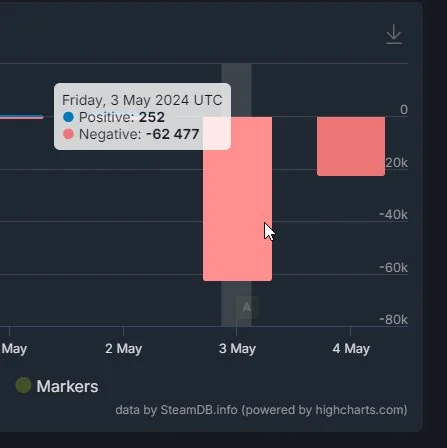
The funny thing about the Helldivers 2 PSN fiasco is how fast the mood turned from annoyance to outright collective action. Players review bombed the game, hammered social channels, and kept the story alive long enough that Sony publicly backed down, saying the May 6, 2024 account-linking update would not move forward.
Old School RuneScape
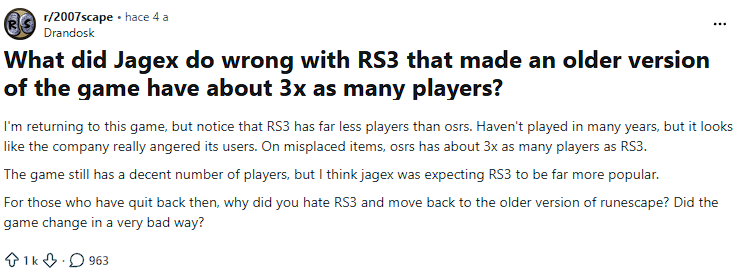
A lot of companies talk about listening to nostalgia without ever really putting anything meaningful on the table. Jagex, to its credit, ended up doing exactly that after years of frustration over changes to modern RuneScape. In 2013 it put the idea of restoring a 2007-era version to a vote, and the response was overwhelming, with the final poll drawing 449,351 supporting votes; the result was not just Old School RuneScape’s launch, but an entire philosophy built around community polling that still defines the game now.
World of Warcraft Classic
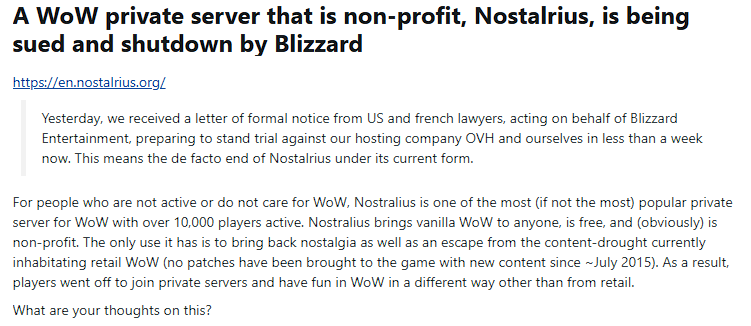
Blizzard did not wake up one morning and casually decide that what players really needed was official vanilla WoW. The road there ran through the shutdown of Nostalrius, the huge petition campaign that followed, months of arguments over legacy servers, and a fan base that simply refused to stop making the case. Blizzard first had to acknowledge the pressure around classic servers in 2016, and by BlizzCon 2017 it was openly promoting a World of Warcraft Classic trailer, a remarkable turnaround for an idea the company had once treated as impractical and mostly backward-looking.
Xbox One’s DRM Reversal
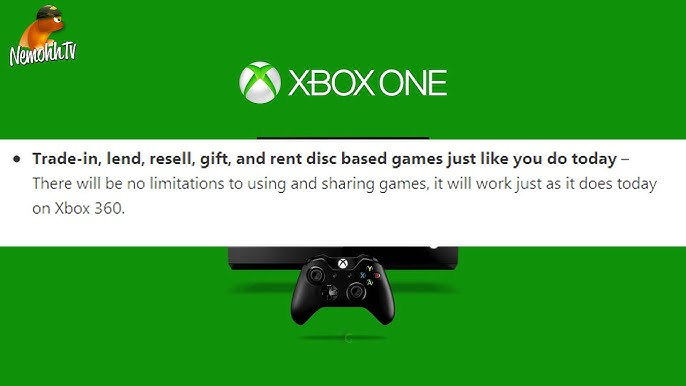
Sometimes the players do not even need months. In 2013, Microsoft unveiled an Xbox One strategy that felt like a dare, with online check-ins, restrictions around disc use, and a vision of ownership that landed terribly with the exact audience it needed to win over. The backlash was immediate and organized enough that Microsoft issued a formal reversal on June 19, saying it had heard feedback directly from the community and was dropping the 24-hour connection requirement while restoring the ability to lend, resell, and use disc-based games much like on Xbox 360.
Trending on realmoneygamer.com


War Thunder’s Economy Rework
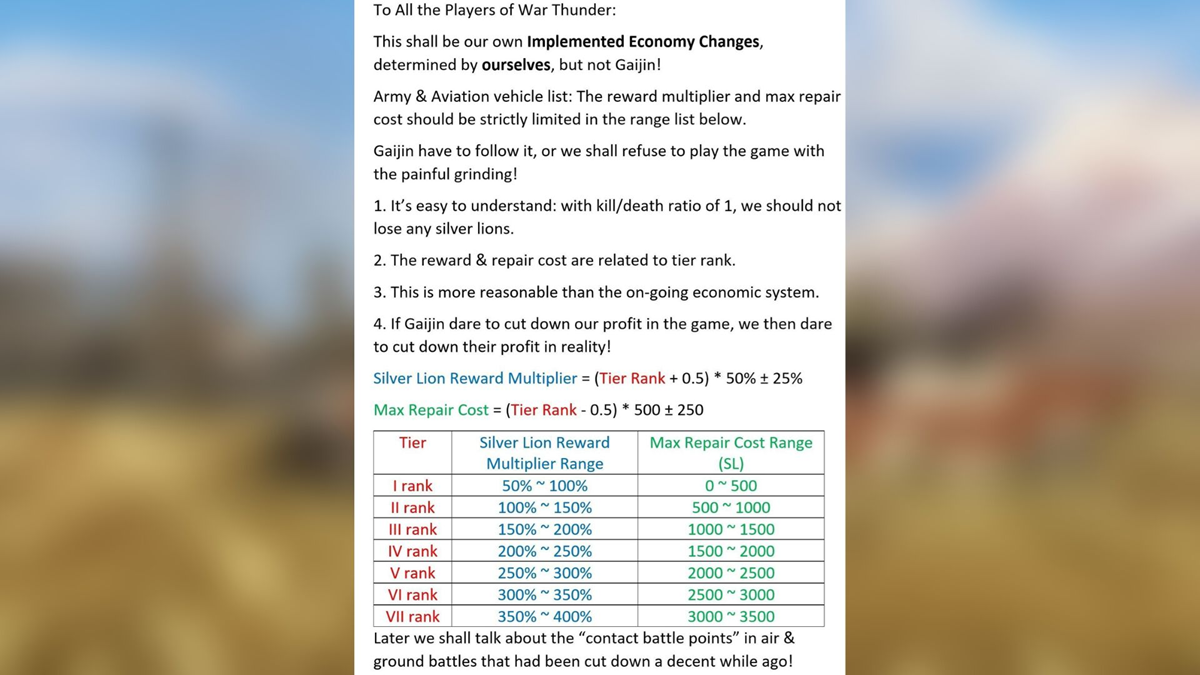
War Thunder players did not just say the economy felt bad, they treated it like a negotiation. Review bombing was part of it, but so was the way the community kept pulling discussions back to specific pain points, repair costs, research progression, and the general sense that the grind had stopped respecting players’ time. Gaijin eventually published an apology, admitted those concerns were valid, promised a roadmap, and then rolled out changes that forum updates later tied to poll results showing more than 97 percent support for the proposed fixes, which is about as close as a live-service climbdown gets to being notarized.
Diablo III and the Auction House
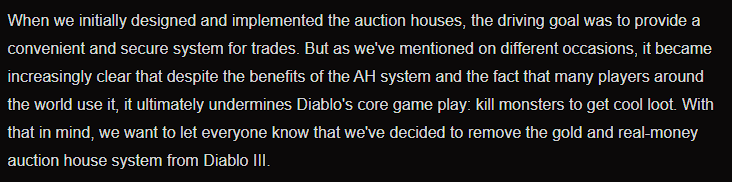
There was a period when Diablo III barely felt like a game about finding loot, it felt like a game about shopping for it. Players had been saying for months that the auction house, especially the real-money side of it, had bent the entire reward structure out of shape. Blizzard eventually said the quiet part out loud, admitting the system undermined Diablo’s core loop of killing monsters to get cool gear, and announced that both the gold and real-money auction houses would be removed, which was not a minor tuning pass but a straight rejection of one of the game’s signature launch features.
Destiny 2 Sunsetting
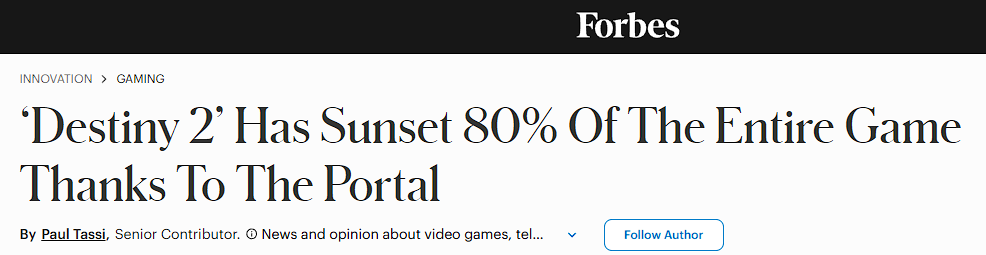
Destiny players can tolerate a lot of grind, but they are far less patient when a game starts invalidating the grind they already did. Sunsetting, the policy that put a shelf life on huge amounts of gear, became one of those ideas that never really stopped being unpopular no matter how often Bungie tried to frame it as healthy for the sandbox. In February 2021 Bungie reversed course, saying that weapons and armor still able to hit max Power would continue to do so permanently and that future gear would no longer be capped that way, a blunt enough statement that the community immediately recognized it for what it was, a retreat.
Gran Turismo 7’s Credit Grind
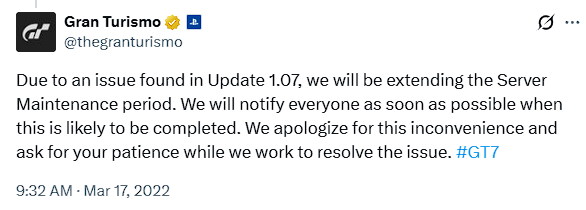
Gran Turismo has always had a bit of a stern streak, but Gran Turismo 7 crossed into something meaner when payouts were cut and the grind started looking suspiciously compatible with microtransactions. Players were furious, especially after server downtime locked a mostly single-player game out of large chunks of its content, and Polyphony responded with an apology, a one million credit goodwill gift, and a pledge to boost rewards by roughly 100 percent on average in later World Circuit events.
EVE Online’s “Monoclegate” Blowback

EVE has always had a player base that treats developer overreach like a matter of constitutional law, so when CCP’s Incarna era landed with expensive vanity items and fears that monetization was heading somewhere worse, the reaction was exactly as dramatic as you would expect. Protest ships clogged trade hubs, subscriptions were canceled, and the anger became so sustained that CCP leadership had to publicly address it; by the time the Crucible expansion arrived later in 2011, the company was explicitly framing it as a recommitment to the “spaceship” gameplay players actually cared about and saying its features had been chosen by scrutinizing community feedback.
Final Fantasy XIV, Before It Became the Good One
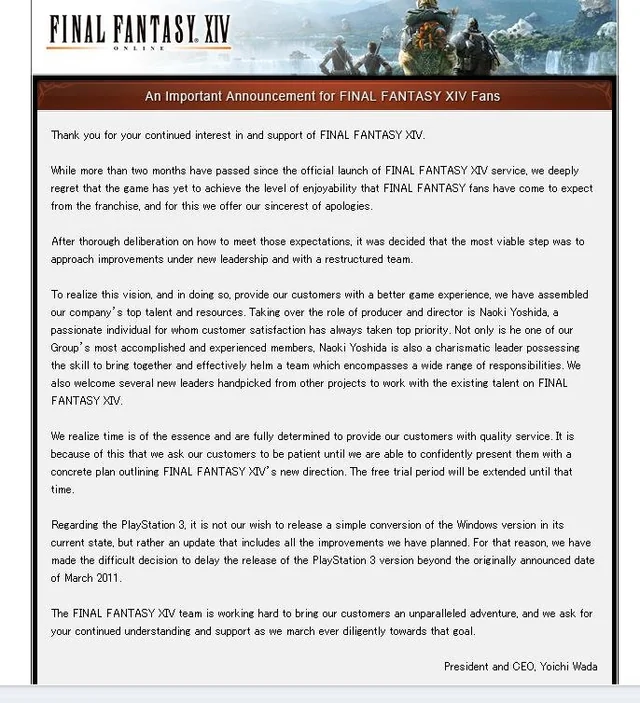
This one is a little different because the pressure did not revolve around a single petition or one especially photogenic protest. Final Fantasy XIV launched in 2010 in rough shape, and the player response was relentless enough that Square Enix eventually made the extraordinary decision to publicly apologize, replace leadership, rebuild the game, and relaunch it as A Realm Reborn in 2013. Players did not get a quick patch here, they forced the company to admit the original direction had failed and start over almost from scratch.
What ties these moments together is not just that players were angry. It is that they stayed organized long enough to become expensive to ignore. Game companies still bet, over and over, that outrage will fade before it changes anything. Sometimes they are right. These ten times, they were not.
Continue Reading: 13 Famous Game Studios That Shaped Online Gaming Trends