Weird Gaming Accessories used to feel like the future, even when they barely worked. Back then, if something looked futuristic enough, nobody questioned it too much, you just assumed it would somehow make games better. Companies experimented with motion, body sensors, voice input and things nobody really asked for, all in the name of “immersion”. The result was a collection of devices that feel completely surreal today. Some were ambitious, others confusing, and a few just straight-up uncomfortable. Looking back, they weren’t just accessories, they were proof that gaming has always been a little chaotic. And honestly, that’s part of why we still remember them.
1. Sega Activator (1993)

Long before motion controls became mainstream, Sega introduced a ring-shaped device that used infrared beams to track your body movements. Among early weird gaming accessories, it promised full physical interaction, but in reality it barely detected inputs correctly, turning gameplay into random chaos.
2. U-Force Controller (NES, 1989)
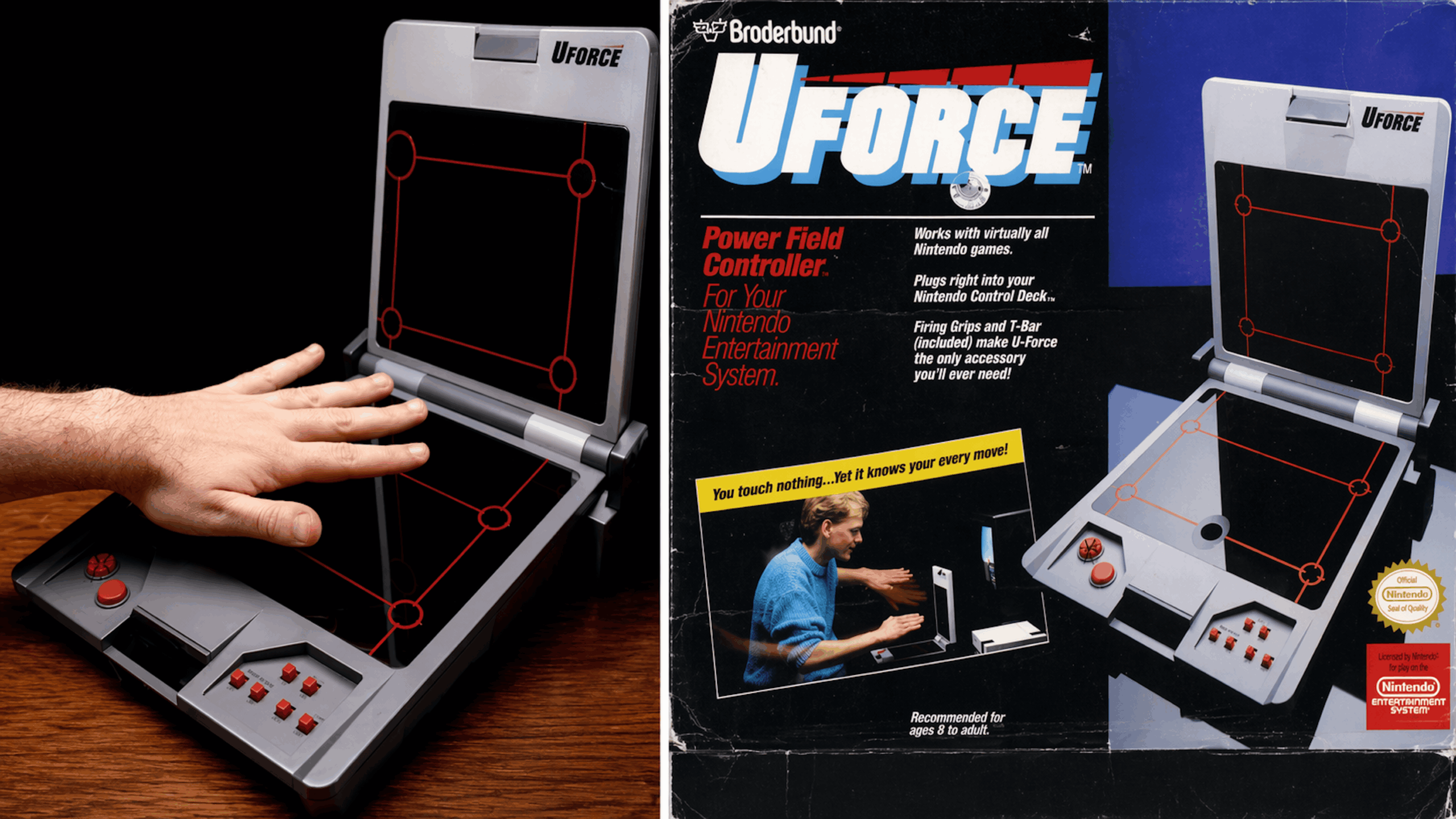
Marketed as a hands-free controller, this device relied on infrared sensors to read hand movements in mid-air. The idea sounded futuristic, but the execution was so inconsistent that most players gave up almost instantly.
3. Nintendo 64 Bio Sensor (1998)
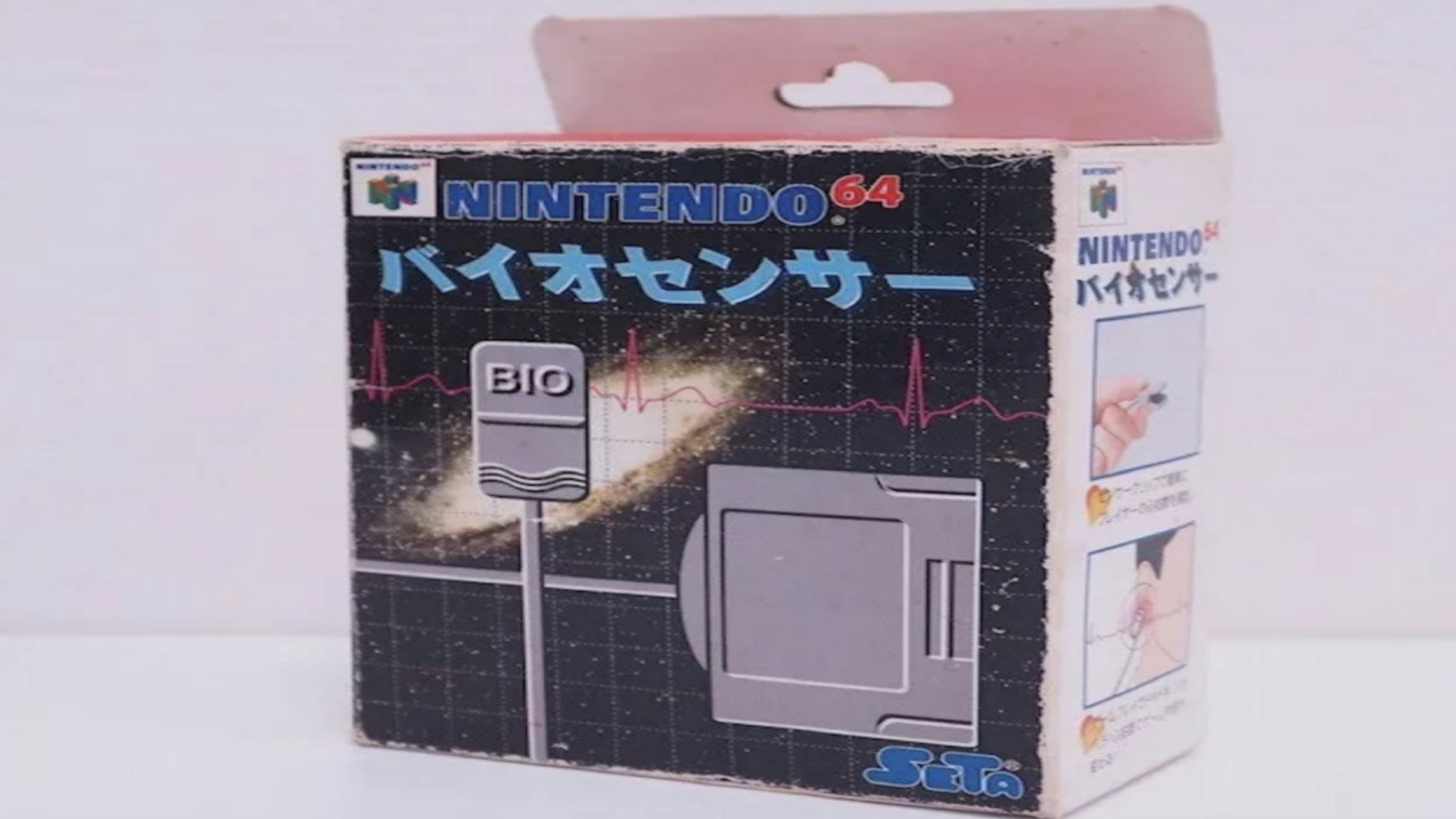
Clipped to your ear, this accessory measured your heart rate and adjusted gameplay accordingly. It turned a simple puzzle game into a stress experiment, making it one of the strangest weird gaming accessories ever released.
4. Sega Action Chair (1990s)
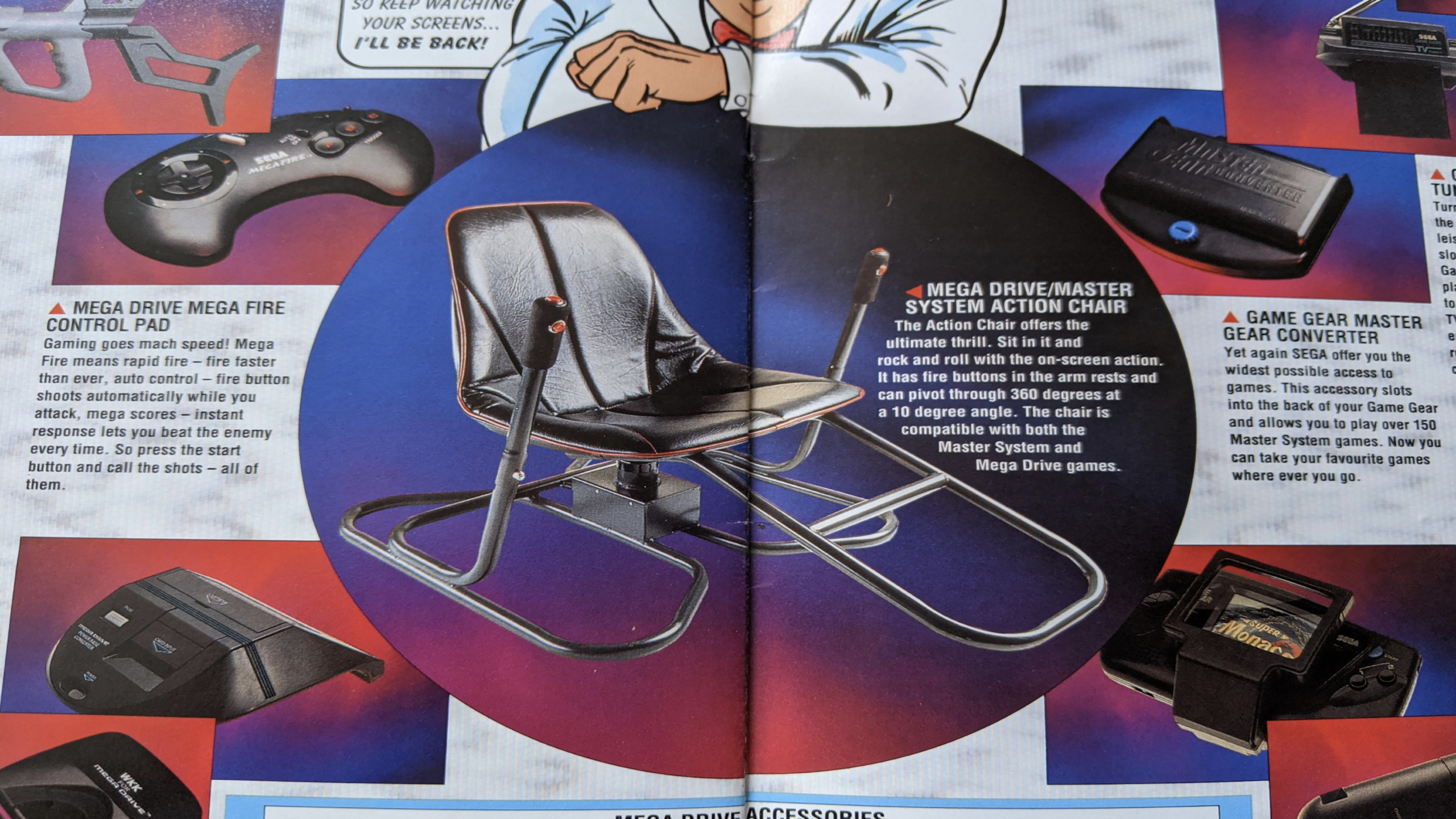
Instead of using your hands, you controlled games by tilting your body while sitting in a special chair. It sounded immersive, but required more effort than most people were willing to put into playing.
5. R.O.B. the Robot (NES, 1985)
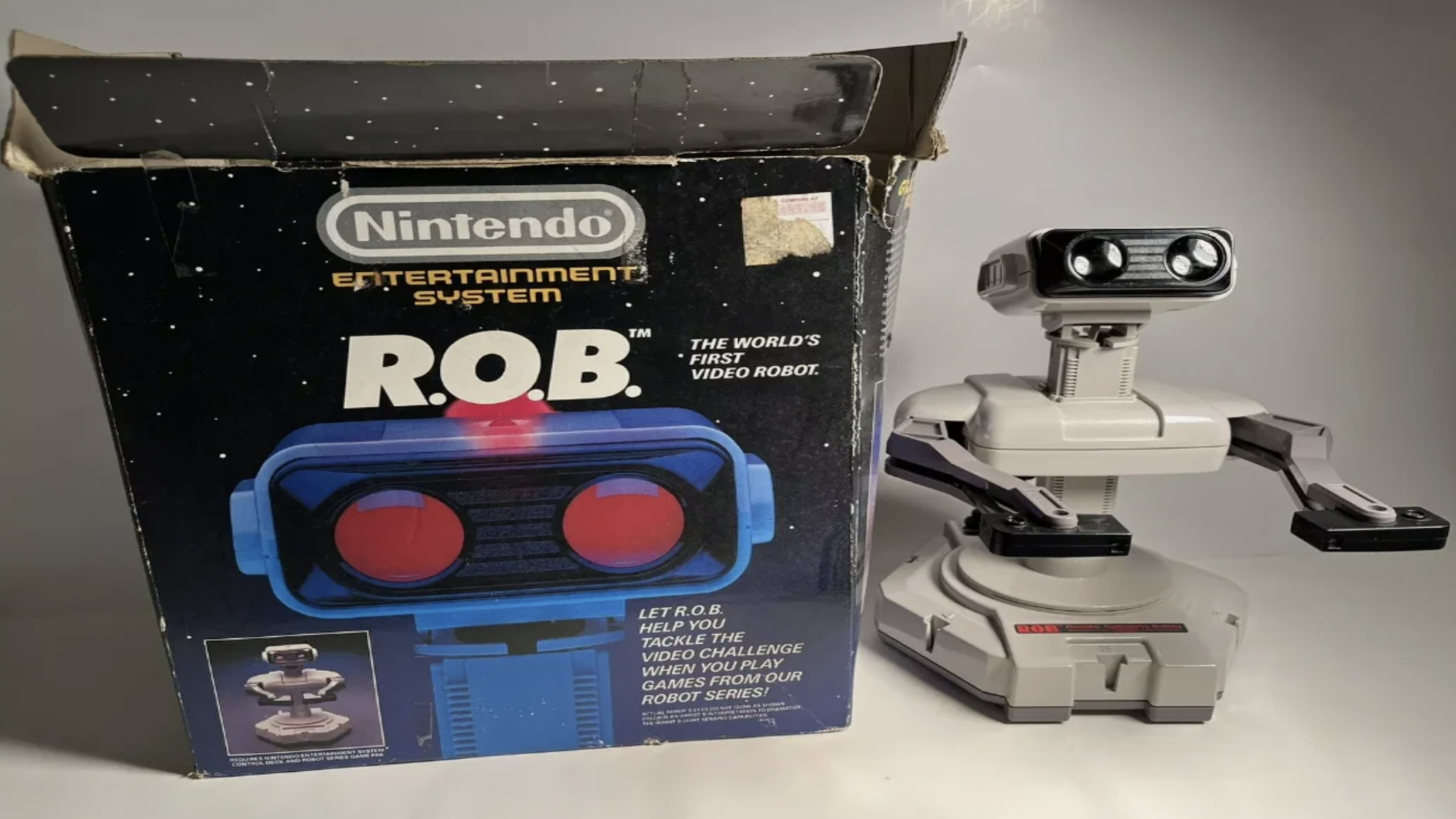
Nintendo tried blending toys and gaming with this robotic companion. As one of the earliest weird gaming accessories, it interacted with games using light signals, but its slow movements made it more of a novelty than a practical tool.
Trending on realmoneygamer.com


6. Dreamcast Karaoke Unit (2000)
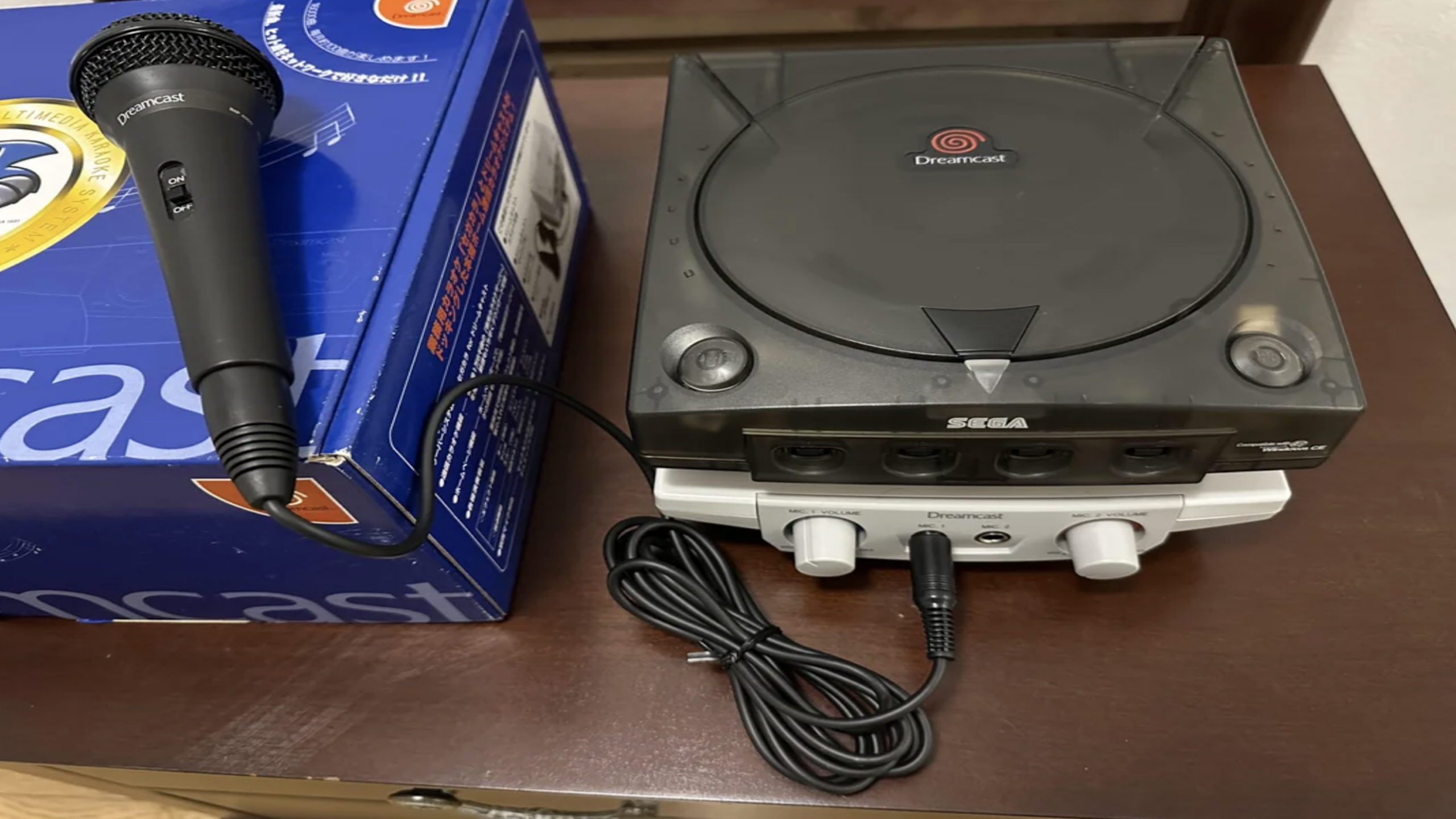
This add-on allowed players to download and sing songs through their console, but once the servers shut down, it became completely unusable, leaving behind a very expensive paperweight.
7. Rez Trance Vibrator (2001)
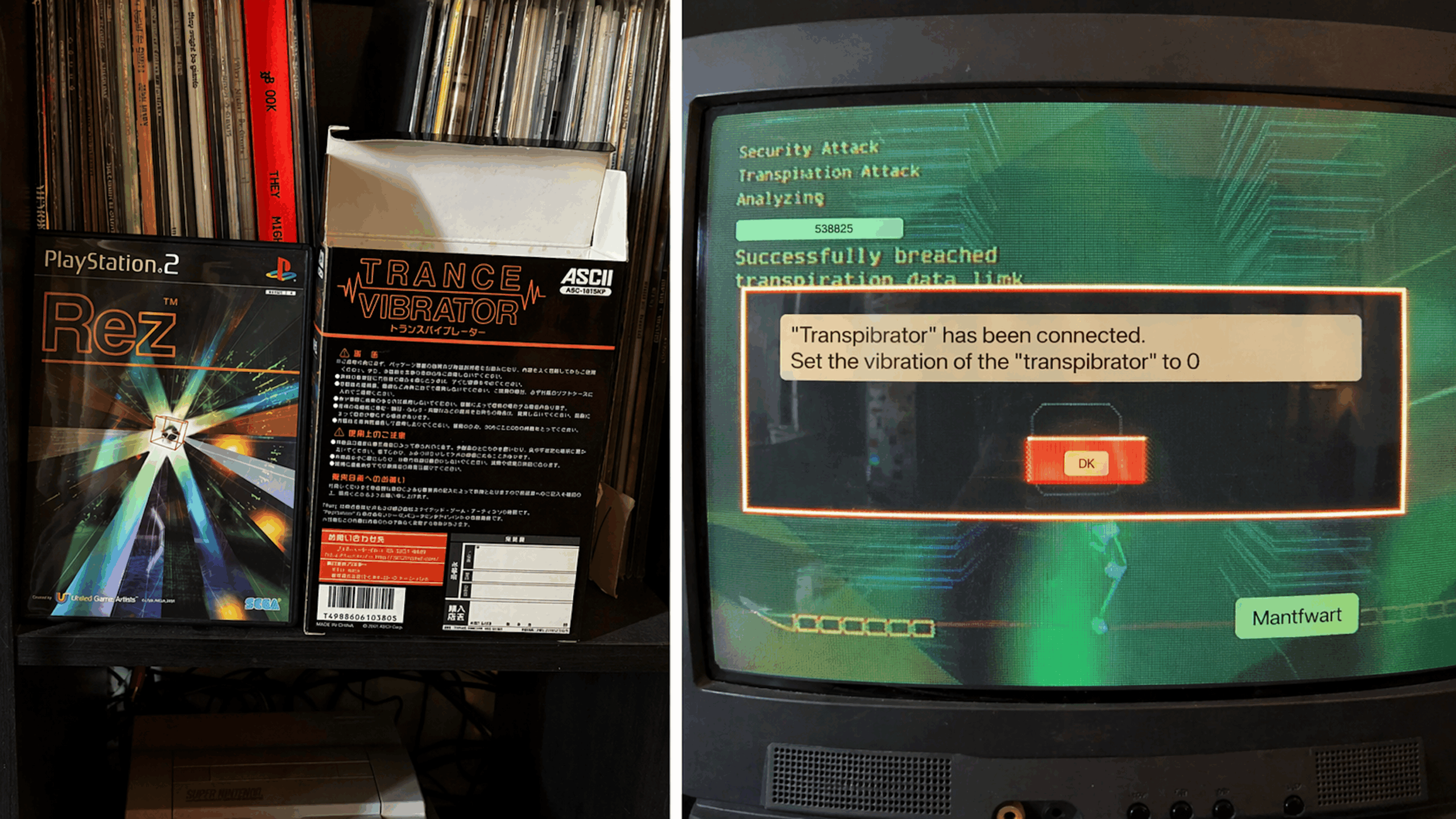
Officially designed to enhance immersion through vibration synced to music, this device quickly became one of the most talked-about weird gaming accessories, mostly because of how unusual its concept felt even at the time.
8. Power Glove (NES, 1989)
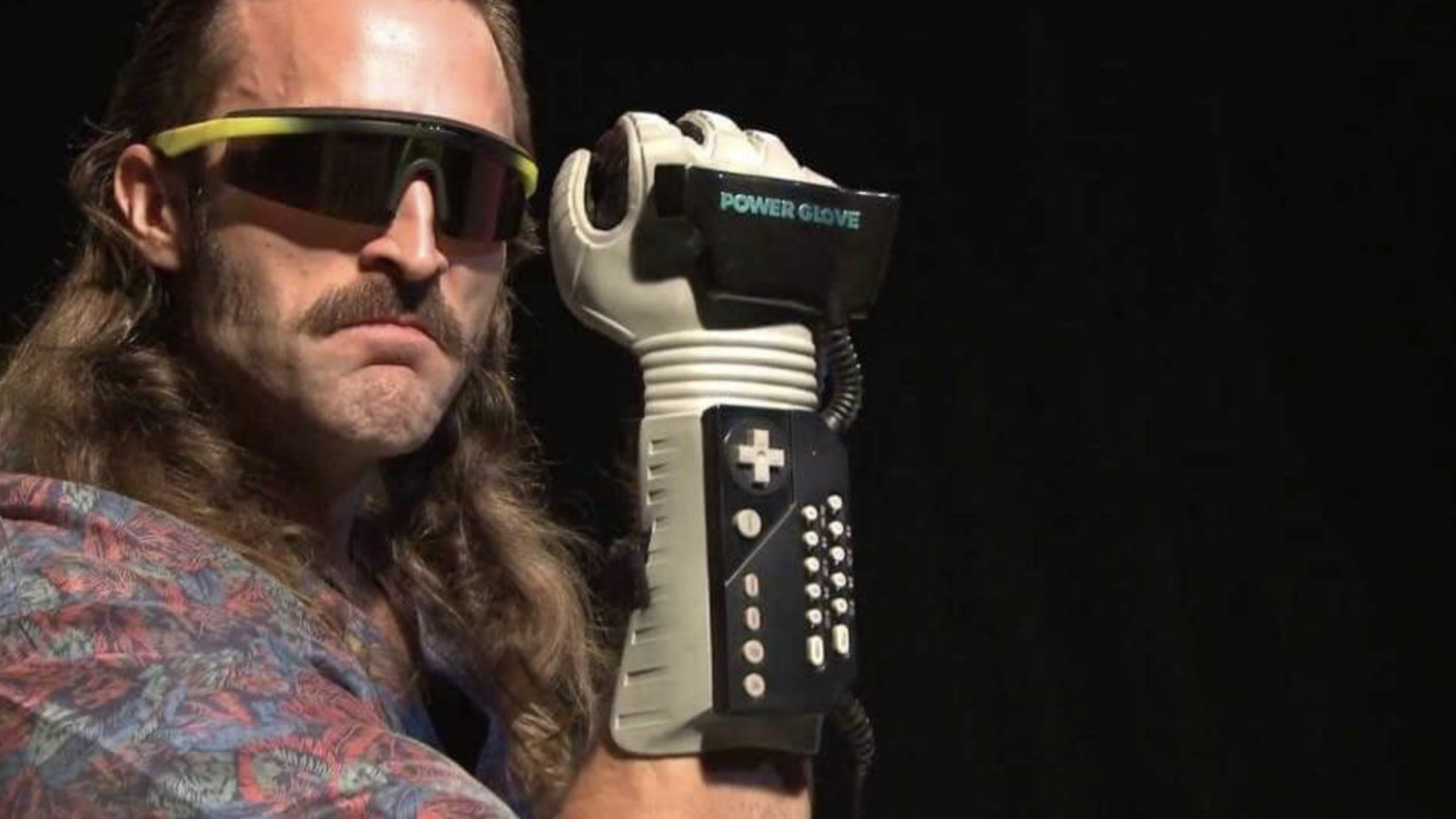
It looked like something from the future, but the motion tracking barely worked in practice. Despite its flaws, it remains one of the most iconic failed experiments in gaming hardware. Even so, its design became a lasting symbol of gaming’s obsession with futuristic ideas.
9. Sega Dreamcast Fishing Controller (1999)
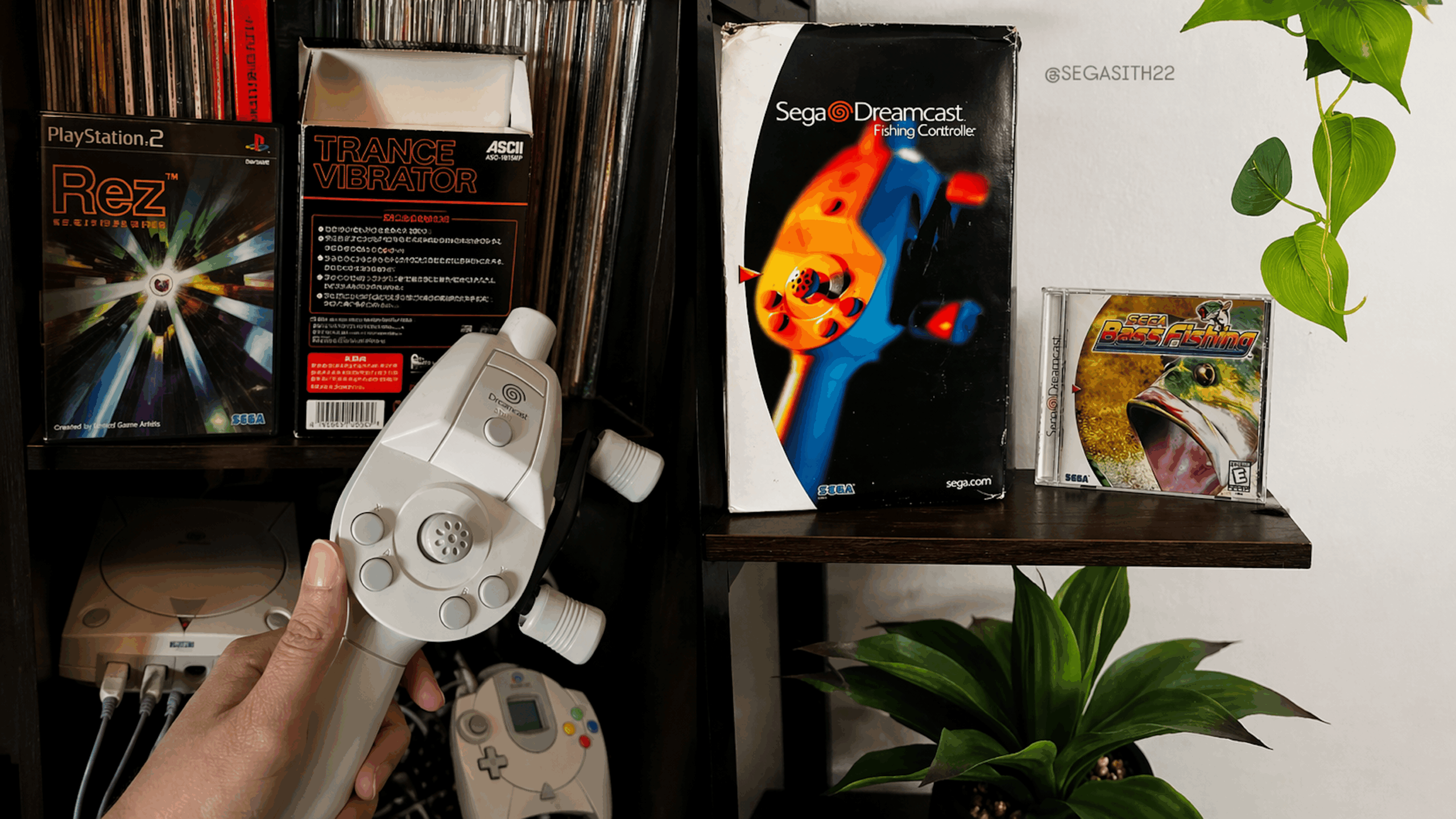
A controller shaped like a fishing rod with a working reel sounds absurd, yet it actually functioned surprisingly well. Still, it stands out as one of those weird gaming accessories that made people question how far immersion should go.
10. Weird Gaming Accessories: Atari Mindlink (Canceled, 1984)
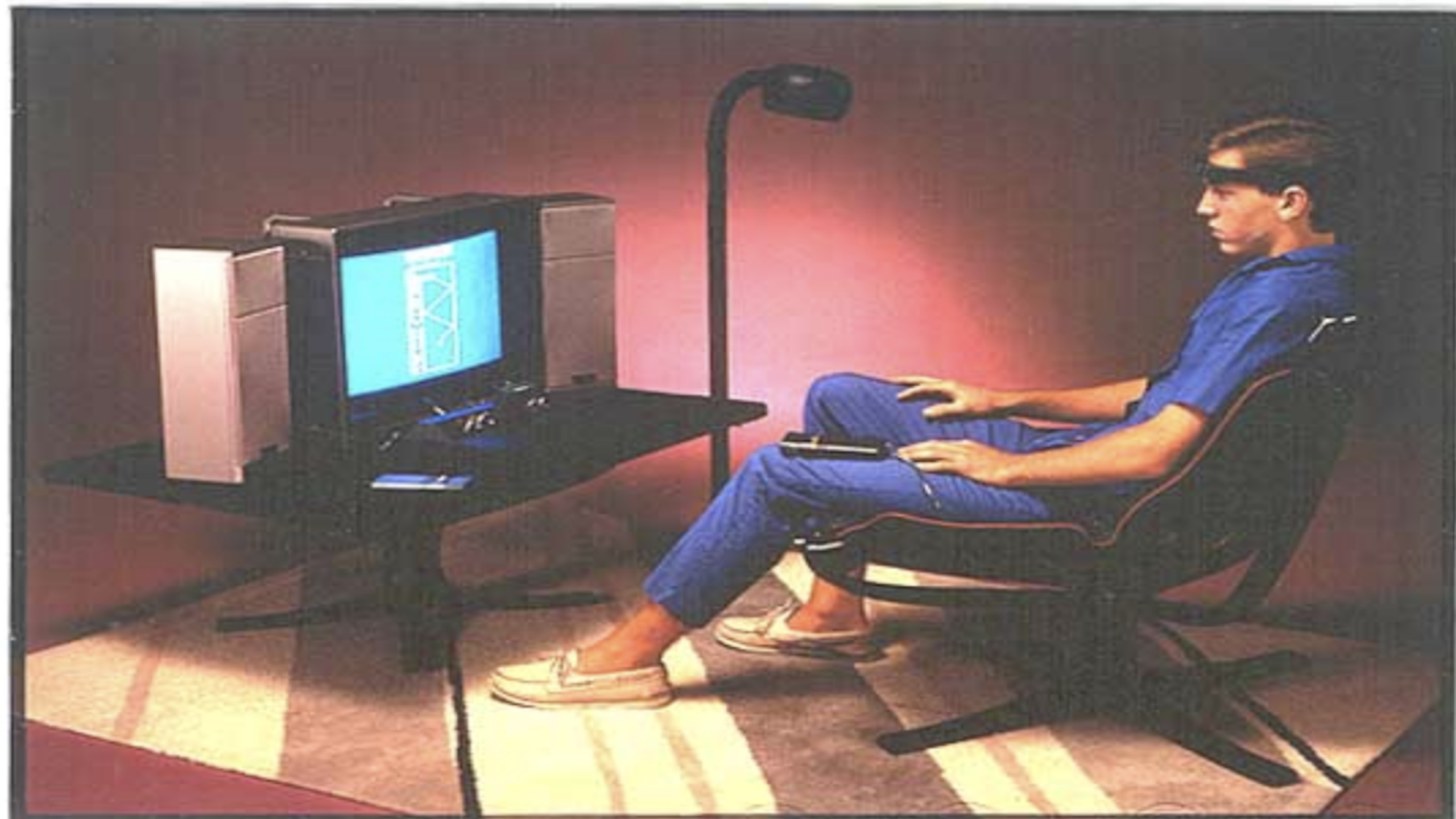
Designed as a headband that read muscle tension from your forehead, this device never made it to market. Testers reported headaches during use, which was enough to cancel the project entirely
Back then, these strange devices were built chasing a vision of the future, trying to push gaming beyond what anyone thought possible. Looking at them now in 2026, they feel less futuristic and more completely unhinged, like ideas that ran a little too far without stopping. Still, there’s something naive and charming about them, a reminder of a time when experimentation mattered more than getting it right.
Looking for similar content?: