Modern casino games didn’t become addictive by accident. The shift from mechanical reels to digital ecosystems opened the door to a different kind of design thinking, one that borrows as much from mobile gaming and esports as from traditional gambling. What’s interesting is how subtle most of these ideas feel when you’re actually playing. They don’t scream for attention, but they quietly shape behavior, session length, and spending patterns. Over time, a handful of design choices have ended up defining how today’s casino games keep players coming back.
Near-Miss Outcomes That Feel Like Progress
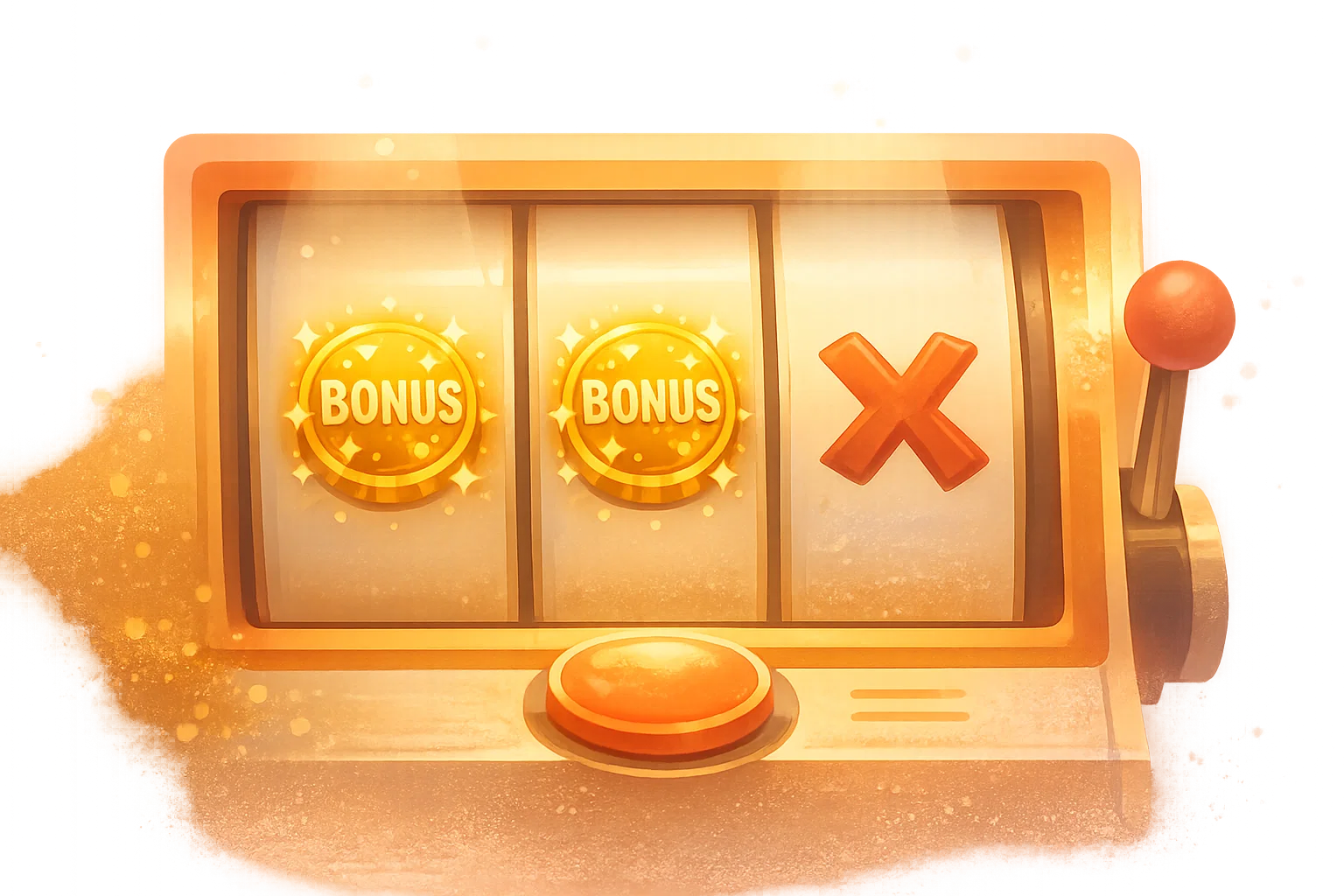
There’s something oddly compelling about almost winning. Slot machines started leaning into near-miss outcomes decades ago, but digital games refined the timing and visuals to make those moments linger just a bit longer. When two bonus symbols land and the third just misses, it doesn’t feel like a loss, it feels like being close. That subtle psychological nudge keeps players spinning, chasing a result that already felt within reach.
Variable Reward Schedules Borrowed from Mobile Games

If you’ve played any free-to-play mobile game, you’ve already seen this system at work. Rewards come at unpredictable intervals, sometimes small, sometimes surprisingly large. Casino games adopted this structure early, but modern versions fine-tune it with data, adjusting frequency and size to keep engagement steady. It’s not just about winning, it’s about never quite knowing when the next hit is coming.
The Rise of Bonus Rounds as Mini-Games
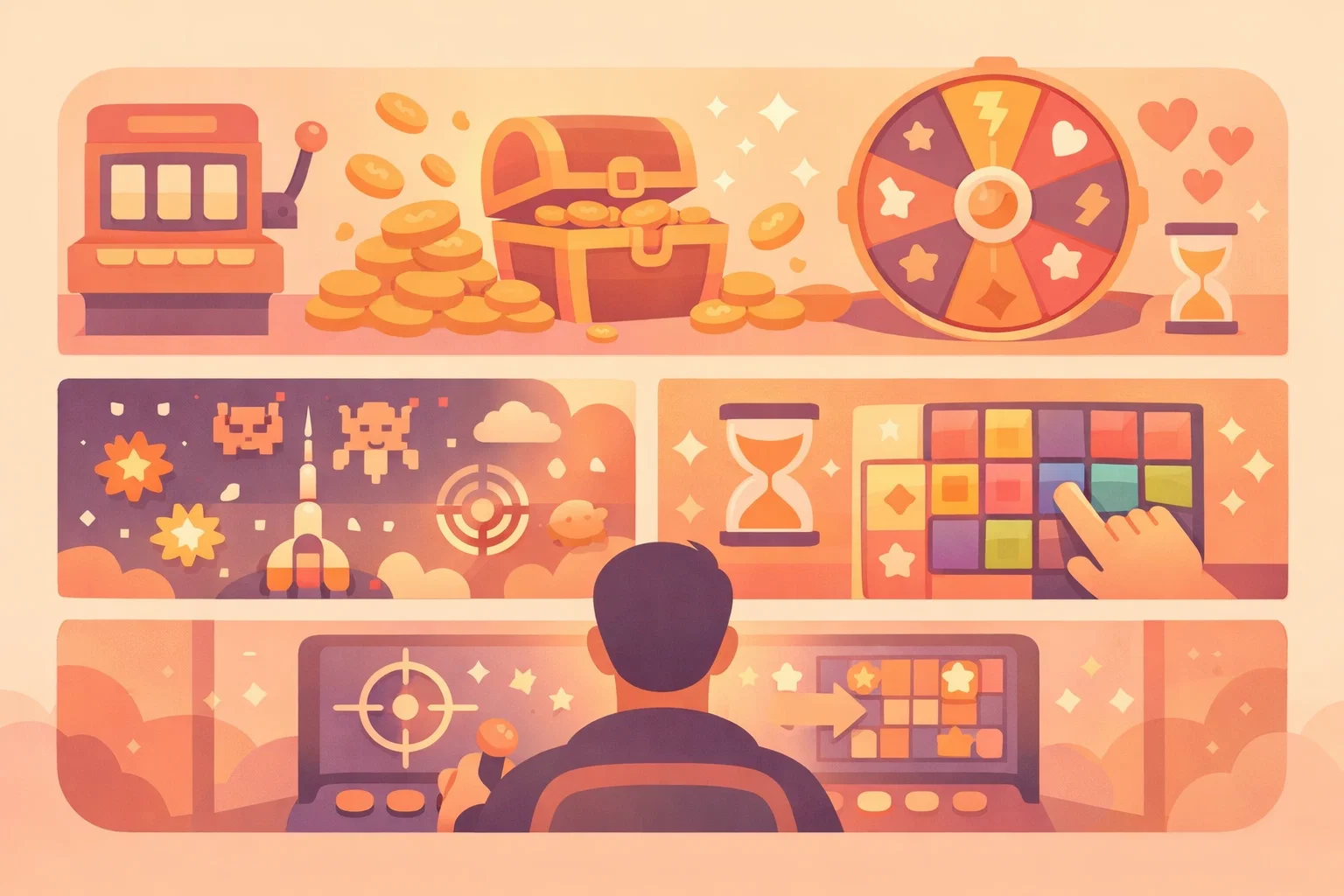
Bonus rounds used to be simple, trigger a feature and collect extra coins. Now they feel like self-contained games with their own mechanics, choices, and pacing. Some even mimic arcade shooters or puzzle games, giving players a sense of agency that traditional slots never had. It breaks the monotony and resets attention, which matters more than most people realize during long sessions.
Losses Disguised as Wins
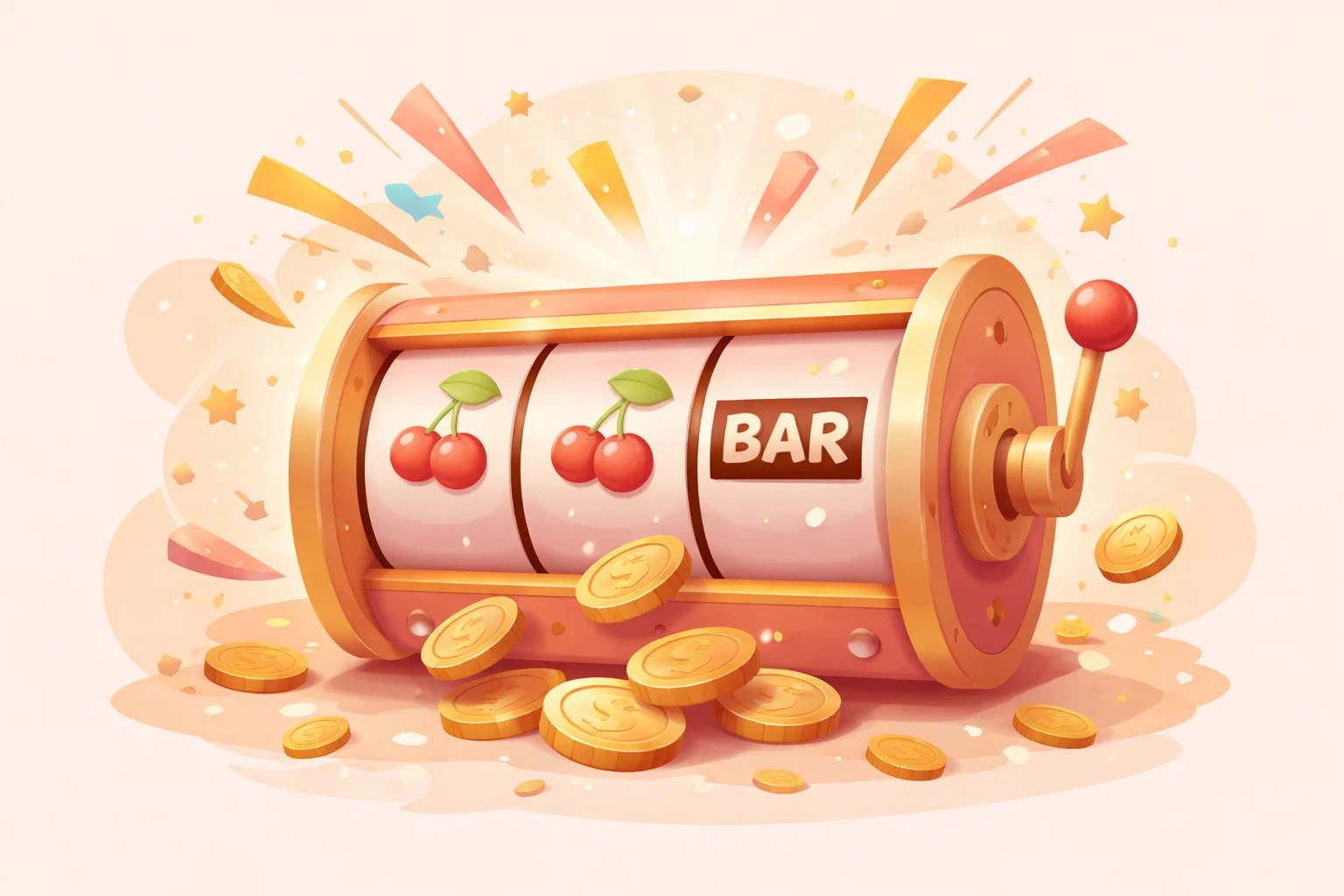
This one gets talked about a lot in design circles, and for good reason. You spin, you “win” a small amount, but it’s actually less than your original bet. The game celebrates anyway, flashing lights and playing sounds as if something meaningful just happened. That feedback loop blurs the line between winning and losing in a way that keeps momentum going.
Progress Bars and Long-Term Goals
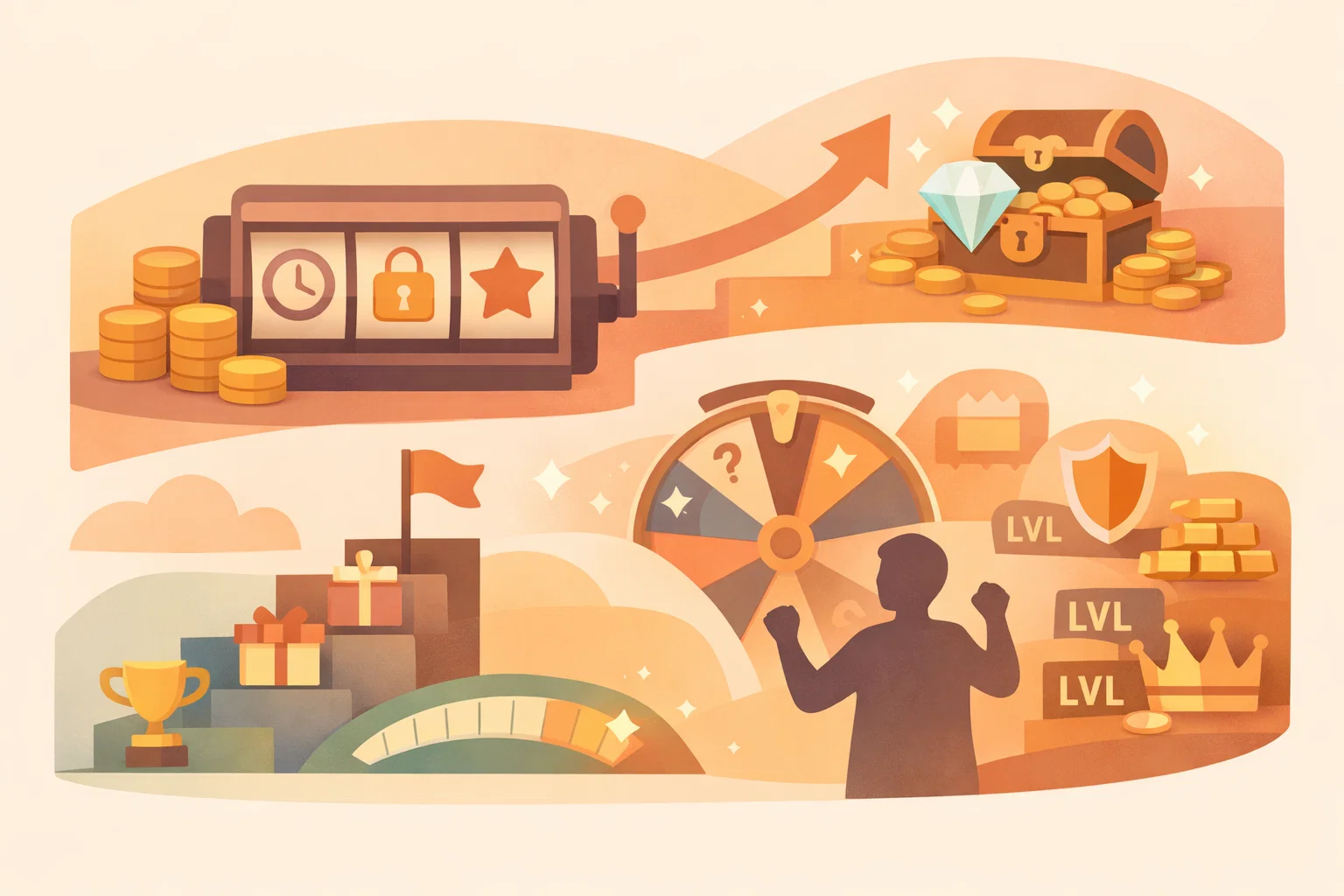
Not every reward comes instantly anymore. Many modern casino games include progression systems, unlockable features, or tiered jackpots that build over time. It’s the same logic behind battle passes in competitive games, give players something to work toward beyond the next spin. Even if the payout is uncertain, the sense of progress feels tangible.
Trending on realmoneygamer.com

Autoplay and Frictionless Interaction
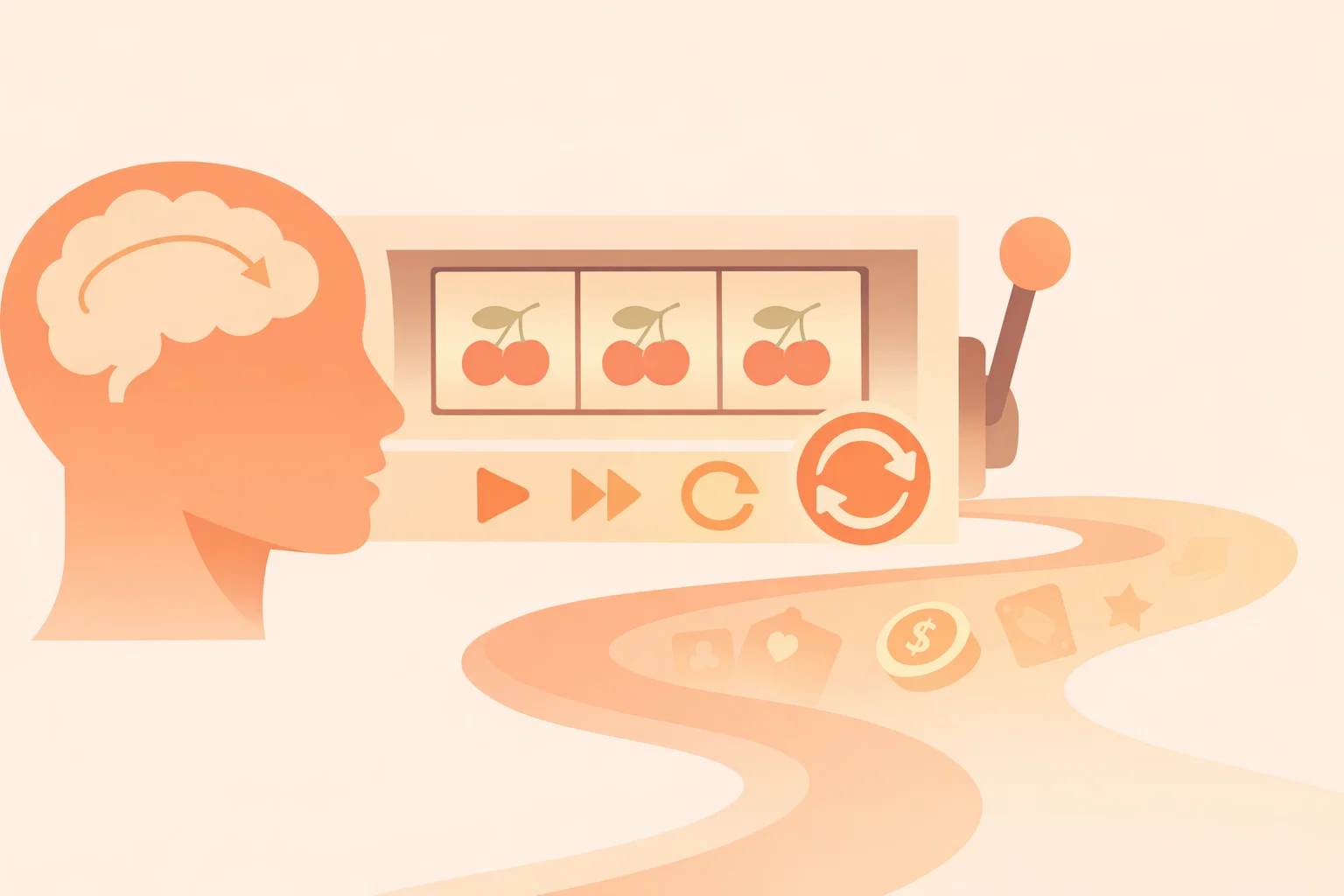
At some point, designers realized the less a player has to think about input, the longer they’ll stay engaged. Autoplay features, quick spins, and simplified interfaces remove pauses that might otherwise break immersion. It turns gameplay into a continuous flow rather than a series of decisions. That flow is where sessions quietly stretch far longer than intended.
Audio Design That Reinforces Every Outcome

Sound design in casino games is more calculated than it seems. Wins have layered audio cues, rising tones, celebratory bursts, sometimes even voice lines. Even small payouts get treated like events. Over time, players start associating those sounds with positive reinforcement, regardless of the actual value of the outcome.
Social Features Without Real Social Risk

Leaderboards, shared jackpots, and community events give the impression of playing alongside others. But unlike competitive multiplayer games, there’s no direct confrontation or pressure. It’s social enough to feel connected, but safe enough to avoid stress. That balance makes it easy to stay engaged without feeling overwhelmed.
Session-Based Rewards and Daily Incentives

Log in bonuses, daily spins, timed rewards, these systems didn’t originate in casinos, but they fit perfectly once introduced. They create habits. Missing a day feels like losing something, even if the reward itself is small. Over weeks, that routine becomes part of the player’s rhythm.
Visual Density and Constant Motion
Modern casino games rarely sit still. Backgrounds animate, reels glow, UI elements pulse subtly. There’s always something moving, even when nothing significant is happening. It keeps the screen alive and prevents the experience from feeling static, especially during losing streaks.
Narrative Themes That Go Beyond Classic Symbols
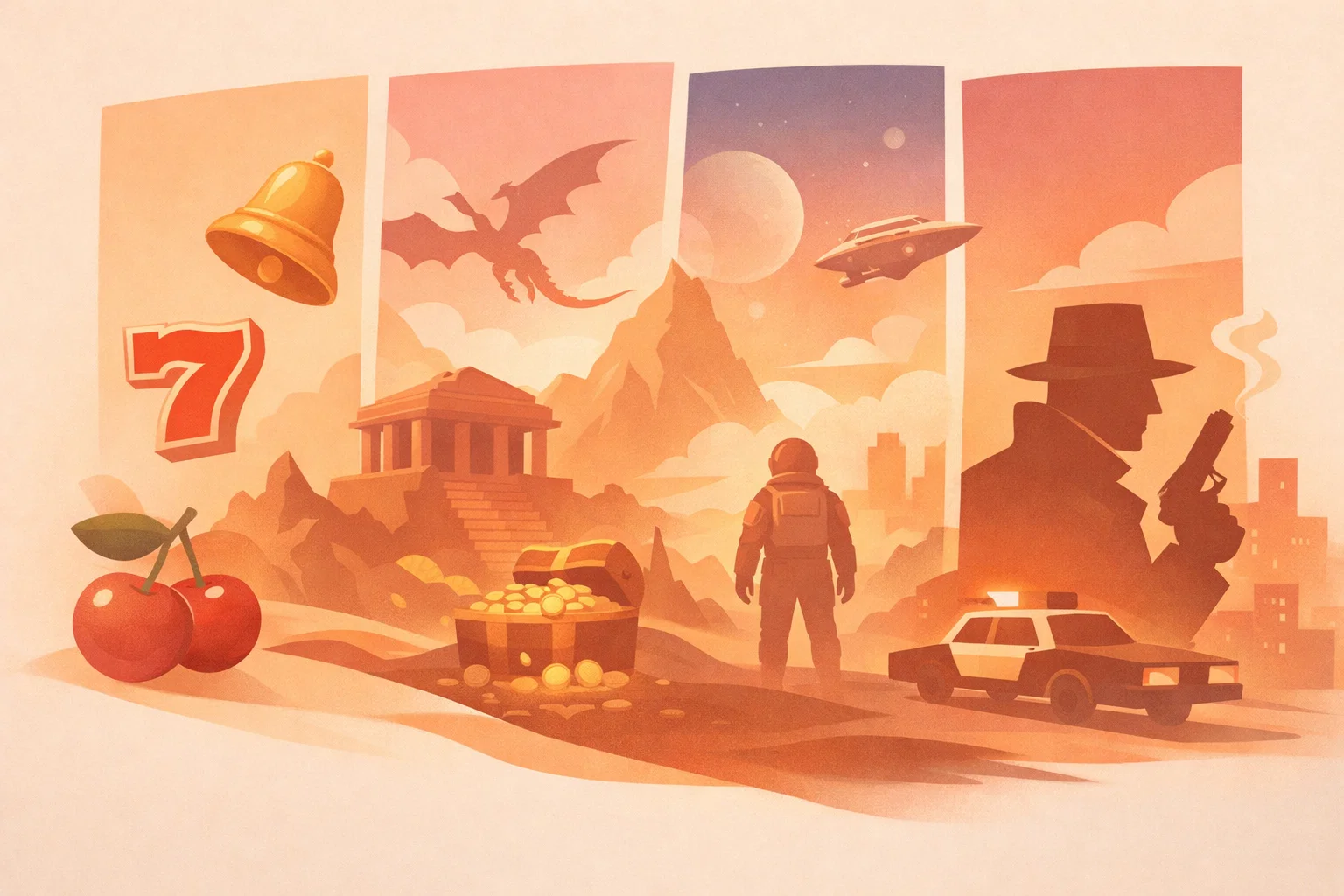
Fruit and bells still exist, but many games now lean into full themes, mythology, sci-fi, crime stories, even licensed IPs. The point isn’t just aesthetics, it’s immersion. When a game feels like a world instead of a machine, players tend to stay longer without questioning why.
Micro-Decision Moments Inside Simple Mechanics

Pick a box, choose a path, gamble your winnings or collect. These small choices don’t drastically change outcomes, but they create the illusion of control. That illusion matters. It shifts the experience from passive watching to active participation, even if the underlying system remains unchanged.
It’s easy to assume addiction comes from the stakes alone, but design plays just as big a role. Most of these ideas aren’t loud or obvious on their own, they’re layered quietly into the experience. Put them together, though, and you get something that feels less like a simple game of chance and more like a carefully tuned system built to hold attention.
Related: 12 Gambling Apps That Let You Win Real Money in 2026