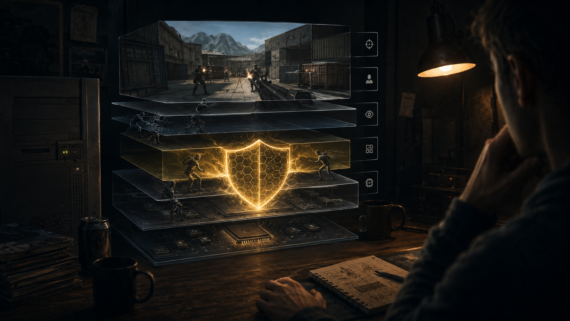
Anti-cheat software has always lived in an uncomfortable place. It is part security tool, part referee, part customer-service nightmare, and sometimes part public-relations problem. What began as a fairly simple effort to stop modified files and suspicious programs has turned into a much broader fight involving hardware checks, behavioral analysis, machine learning, legal pressure, and constant patching. Hackers and cheat makers have kept adapting, not because every defense fails, but because every popular competitive game becomes a tempting target once skill, status, and money are involved.
Memory Editors Made the First Battles Feel Personal
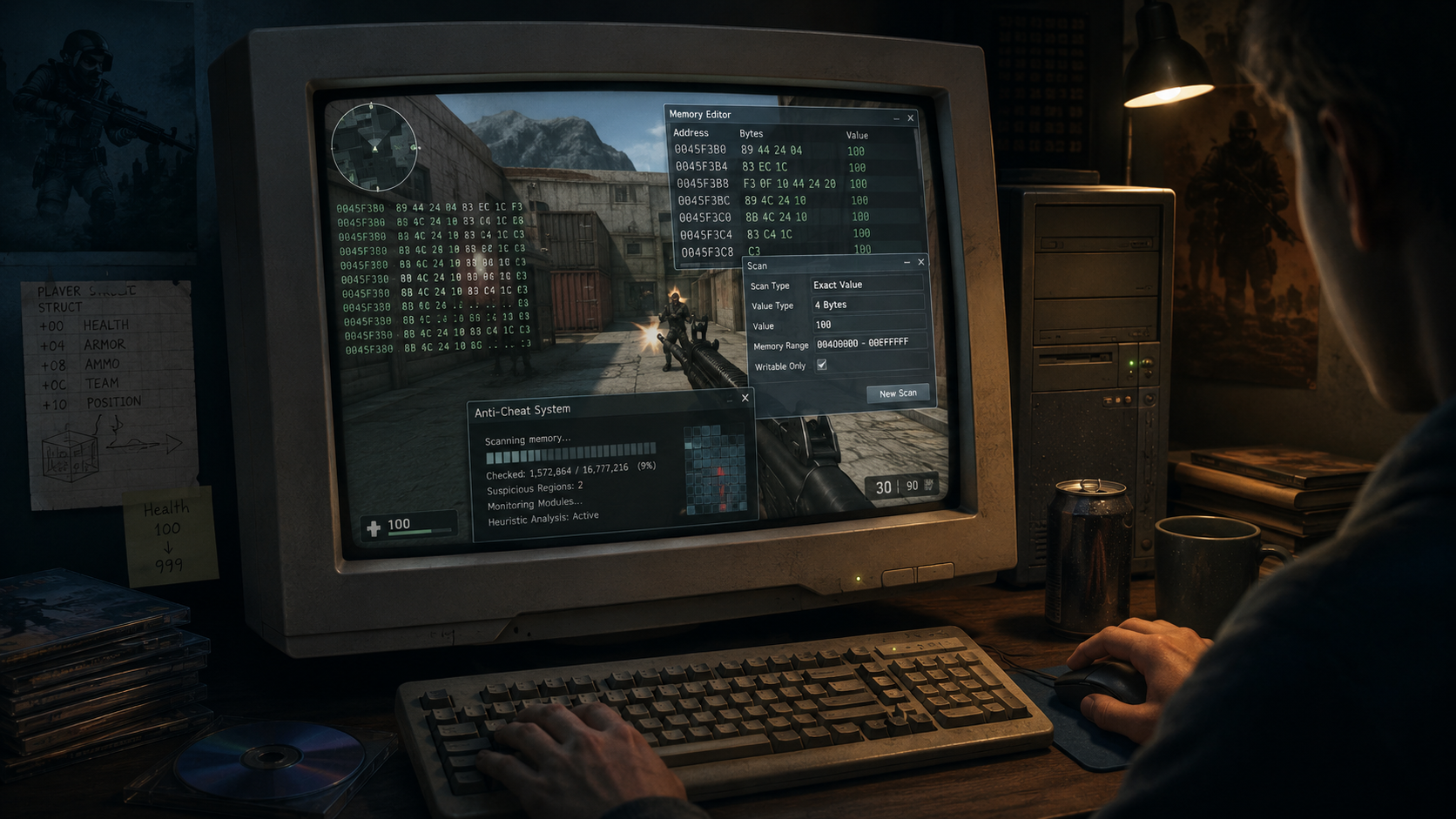
In the earlier years of online PC gaming, cheating often looked crude by today’s standards. Players used memory editors, altered local files, or ran small programs that changed values the game trusted too much. PunkBuster, which began in 2000, and Valve Anti-Cheat, introduced in the early 2000s, came out of that environment, when server admins, clans, and competitive communities were already tired of playing detective. The early anti-cheat model leaned heavily on scanning, signatures, and known bad files. Cheat makers answered with slight changes, private versions, renamed builds, and the basic realization that a detector looking for yesterday’s cheat might not recognize tomorrow morning’s copy.
Private Cheats Turned Scarcity Into Protection
A public cheat usually has a short shelf life. Once enough people use it, anti-cheat teams can capture it, inspect it, and build a detection around it. Private cheats worked differently because there were fewer samples floating around and less noise on forums. The defense was not brilliant engineering every time, sometimes it was just staying quiet.
Wallhacks Exploited the Client’s Biggest Weakness
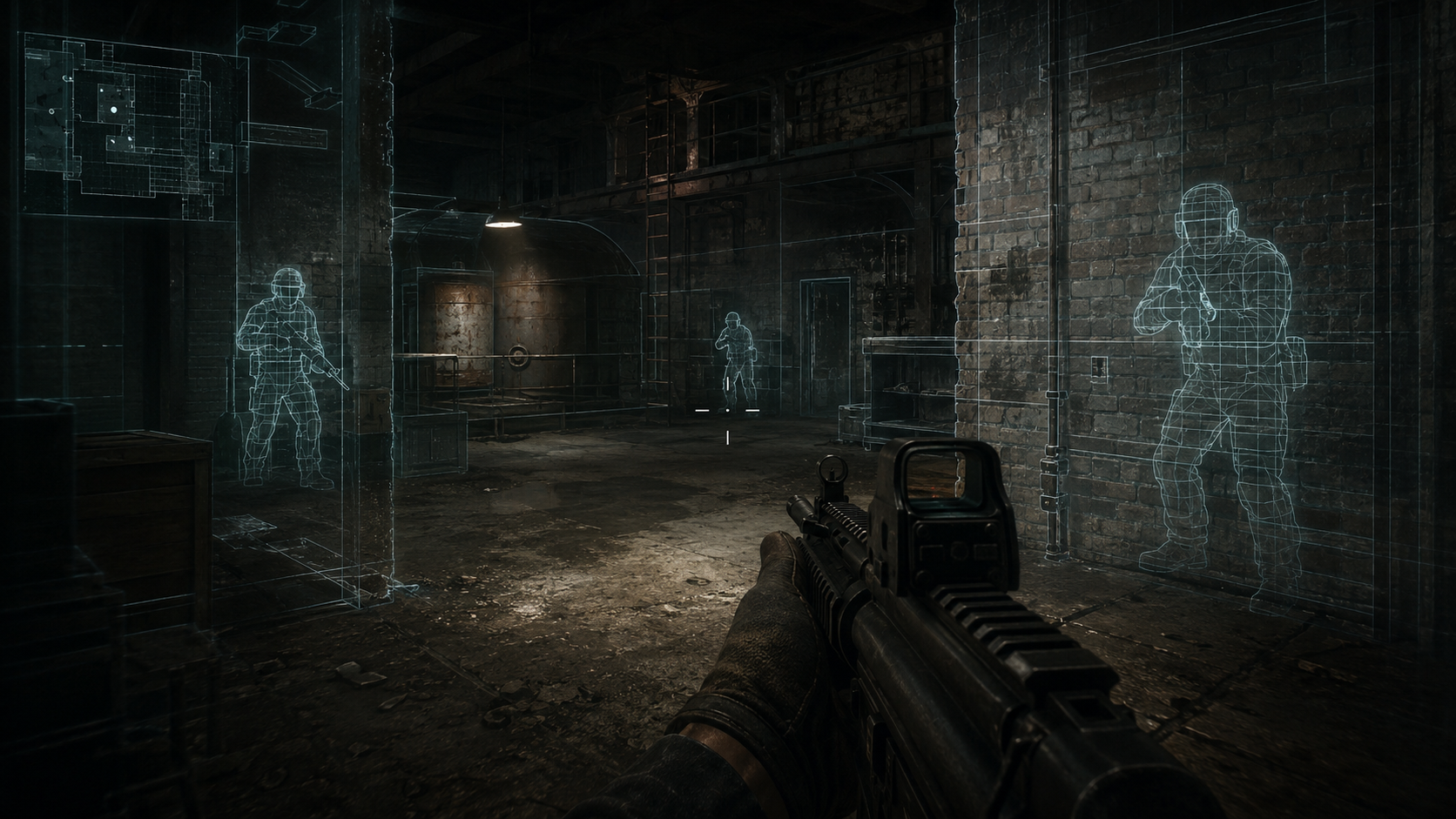
The easiest way to explain a wallhack is also the reason it has been so persistent, the player’s computer often receives information before the player is supposed to see it. Enemy locations, sounds, outlines, player states, all of that can become a target if the client handles too much. Anti-cheat systems tried to catch overlays, suspicious memory reads, and unauthorized code touching the game, while developers moved more logic to servers where possible. Still, in fast shooters, especially ones built on older engines or messy networking assumptions, the question remained awkward, how much can you hide from a machine that has to render the match?
Aimbots Learned to Look Less Ridiculous
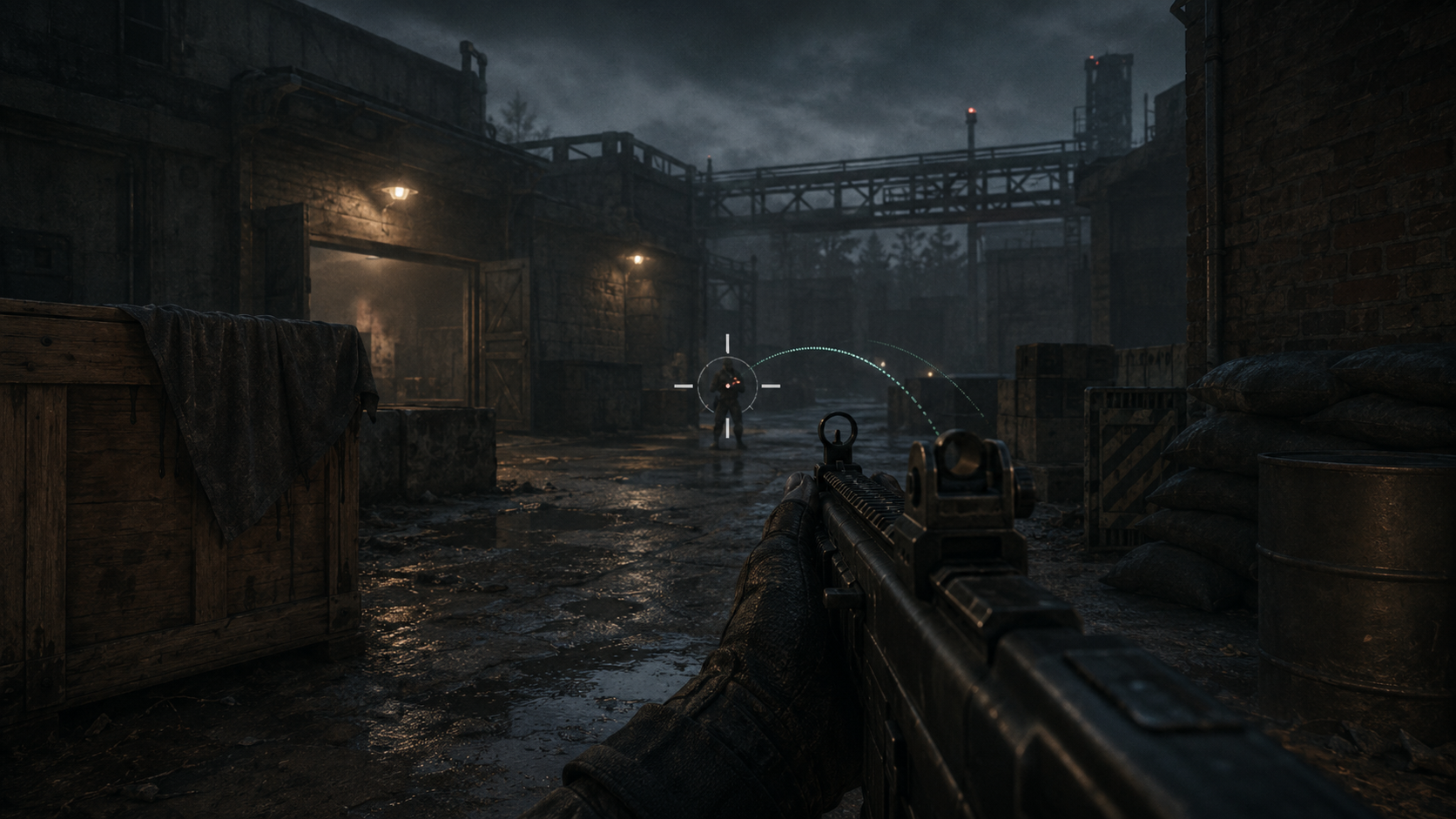
The cartoon version of an aimbot snaps instantly from head to head and makes the cheater obvious in one replay. Real cheat makers learned that obviousness was the problem. They added smoothing, delays, random missed shots, and settings that made help look more like unusually sharp aim. This pushed anti-cheat away from only asking, “Is a forbidden program running?” and toward asking, “Does this person’s play look physically believable over time?”
Server-Side Detection Changed the Tone

FairFight and similar approaches made an important point, you do not always need to live inside the player’s PC to notice something is wrong. Server-side systems can look at accuracy, reaction patterns, impossible sequences, and repeated outlier behavior. That made some cheats harder to use carelessly. It also created a new style of evasion, where cheaters tried to behave just badly enough to seem human.
Trending on realmoneygamer.com


Kernel-Level Anti-Cheat Raised the Stakes
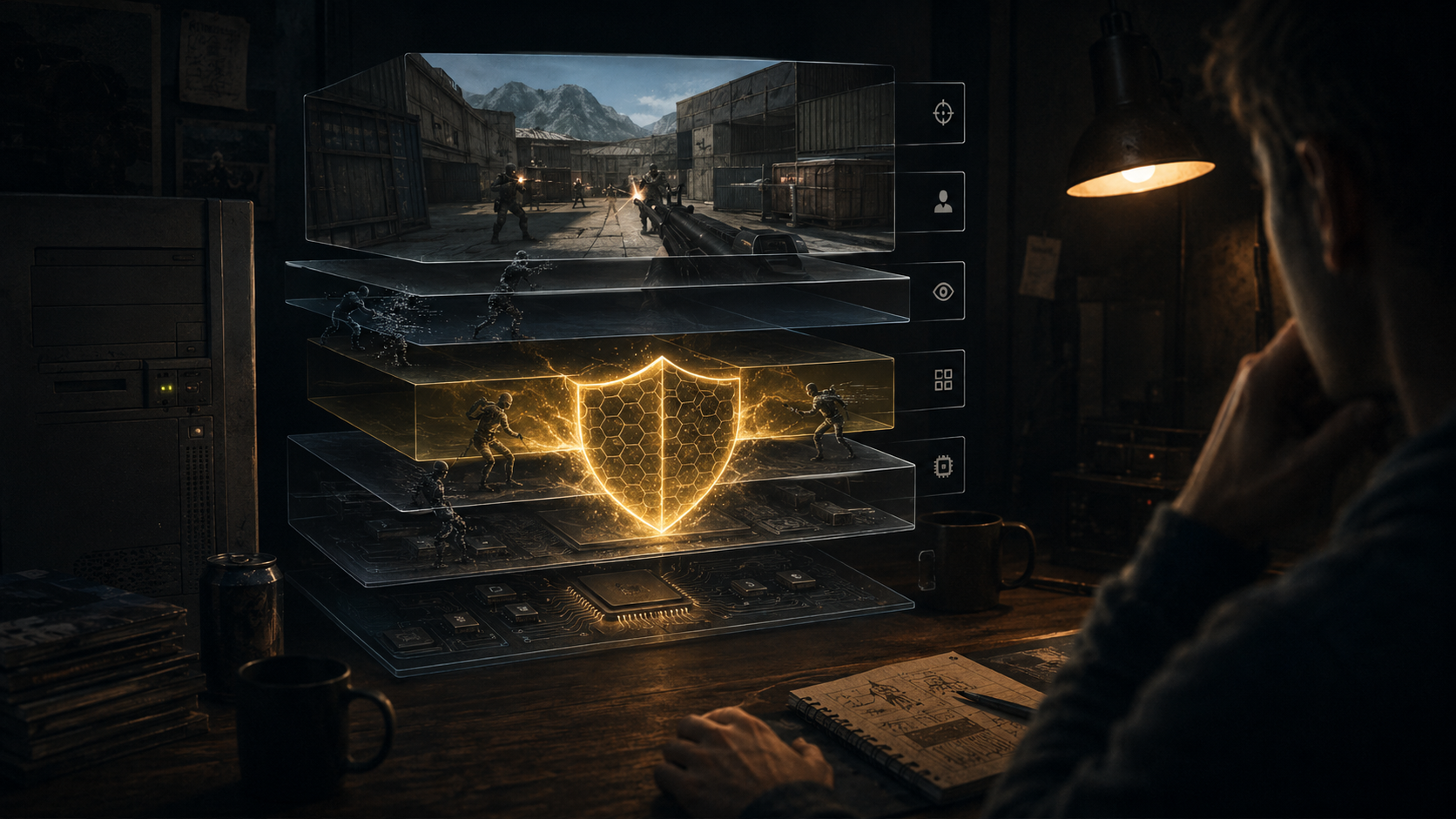
When anti-cheat systems moved deeper into the operating system, the whole conversation changed. Tools like BattlEye, Easy Anti-Cheat, Riot Vanguard, and Activision’s RICOCHET reflect a world where user-level scanning often is not enough. Cheat makers had already been hiding lower in the system, so defenders followed them there. Players, understandably, did not all love the idea of a game installing powerful background security software, but publishers argued that serious competitive games needed stronger access to catch serious cheating. It became less of a simple “cheaters versus developers” story and more of a tradeoff between fairness, privacy, trust, and technical control.
Hardware Spoofing Made Bans Less Final
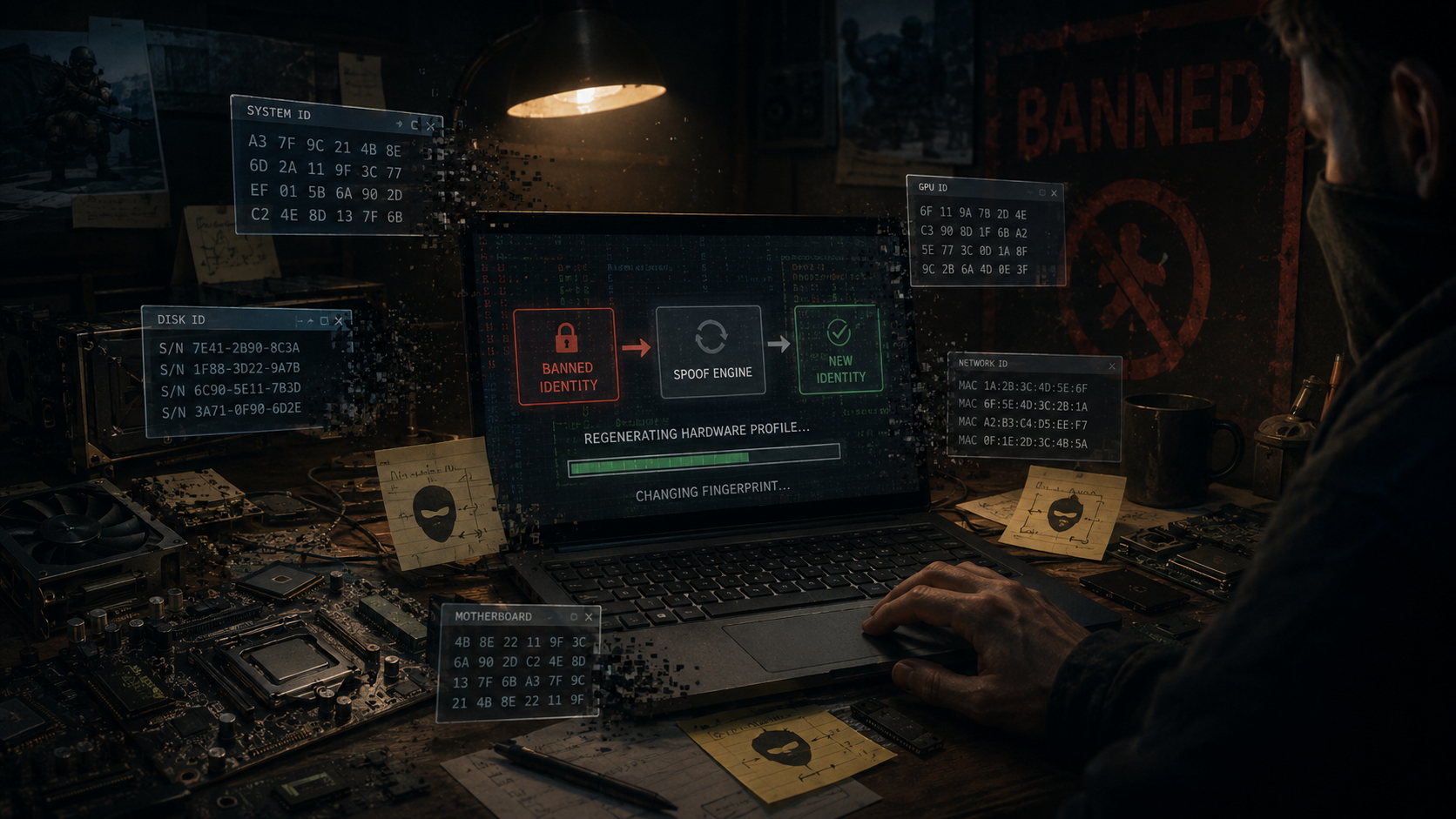
Account bans matter, but accounts can be replaced. Hardware bans were meant to make repeat cheating more expensive by tying punishment to the machine. Cheat sellers adapted by offering ways to disguise or change the identifiers a game might rely on. The result was predictable, anti-cheat teams kept stacking signals, and cheaters kept looking for whichever signal was easiest to fake.
DMA Cheats Moved Outside the Usual Battlefield
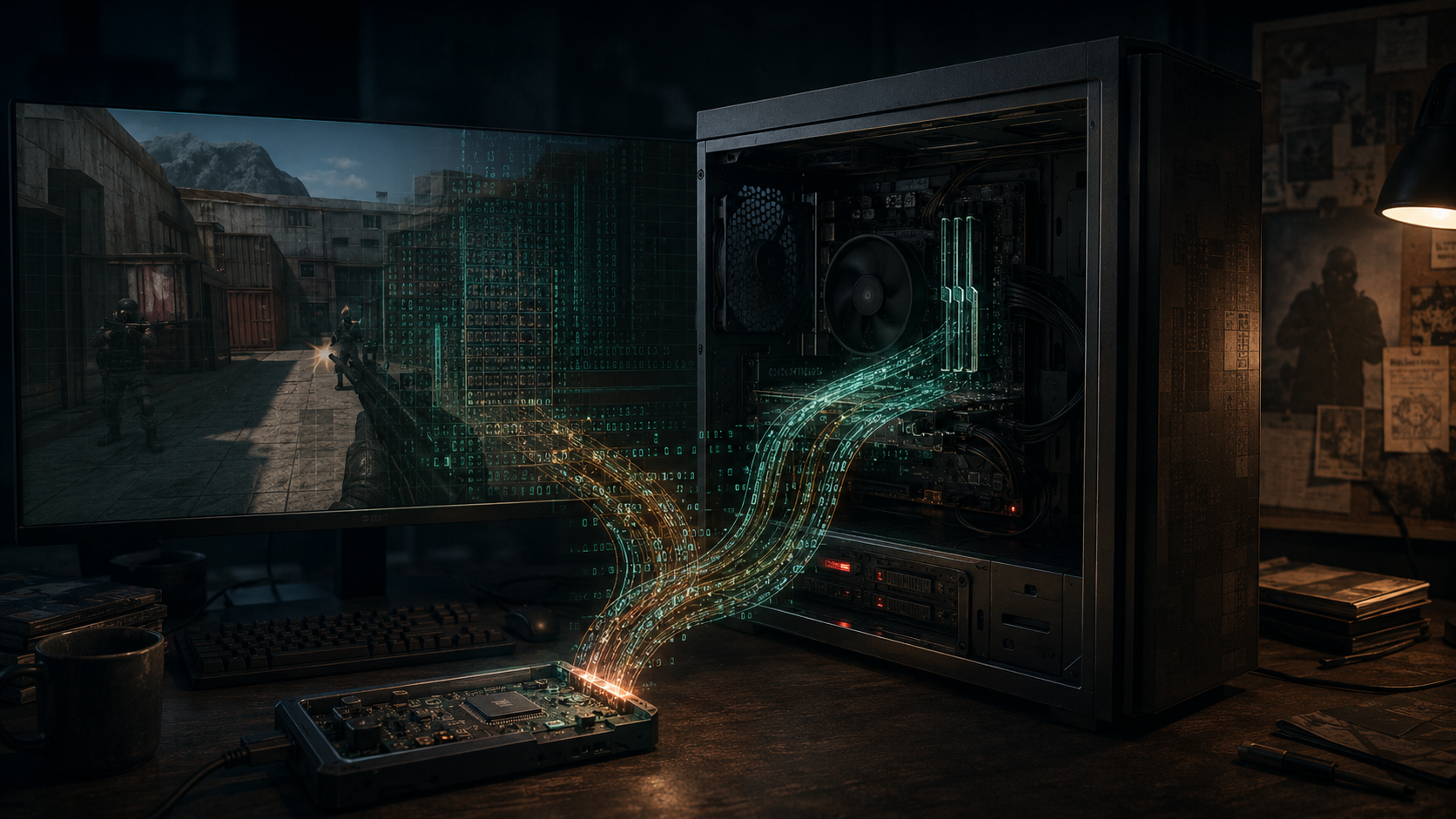
Direct Memory Access cheats pushed the fight into stranger territory. Instead of only running software on the same machine in the usual way, some setups used external hardware to read memory while trying to stay out of reach. That made traditional detection much harder because the cheat was no longer behaving like a normal program the anti-cheat could simply inspect. It also explains why modern defenses increasingly care about Secure Boot, TPM settings, vulnerable drivers, and the broader health of the system. Anti-cheat stopped being just a game-layer problem once the cheating tools started acting like security research projects with a matchmaking queue attached.
Pixel Bots Tried to Avoid Touching the Game
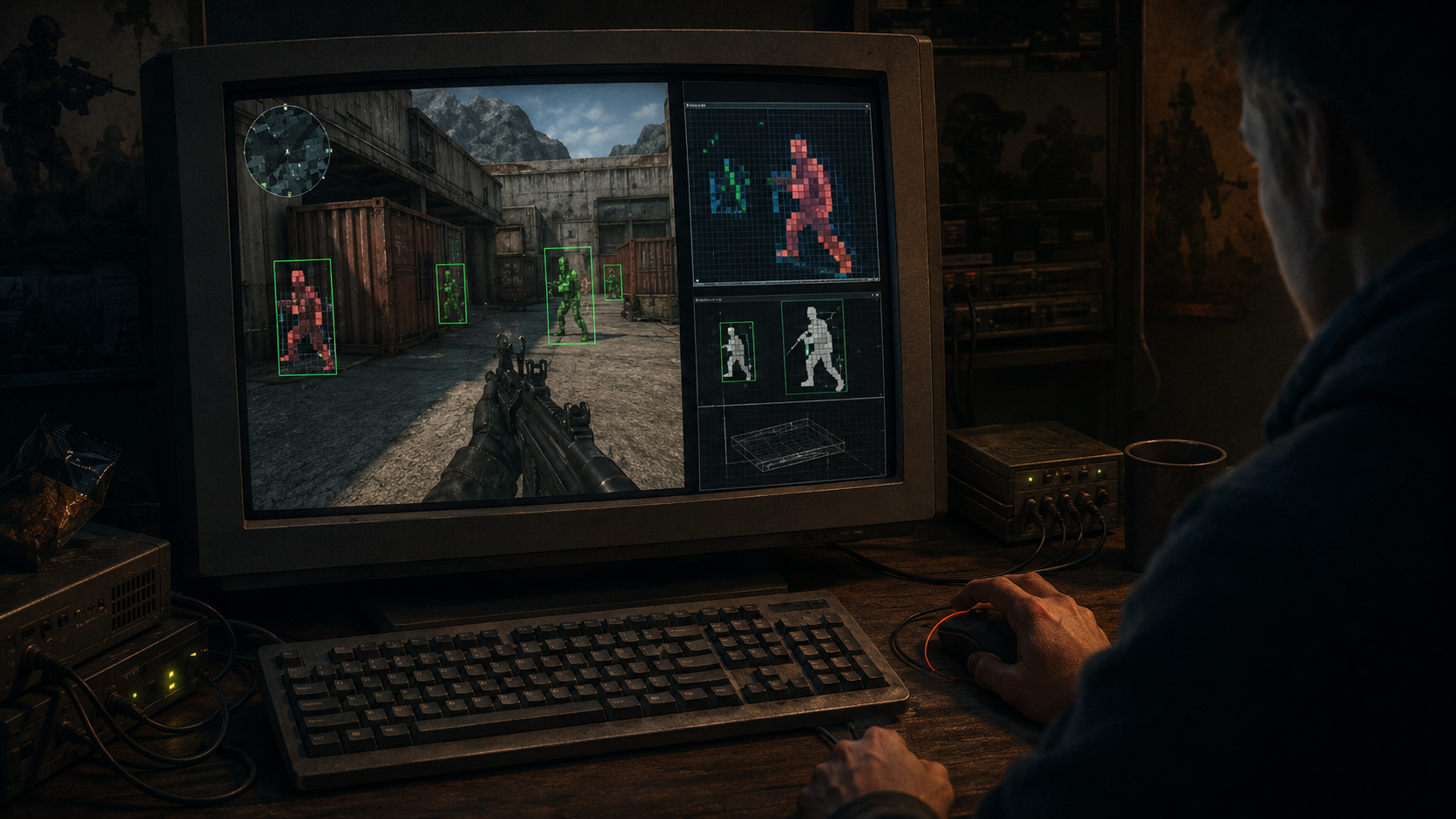
Some cheats do not need to read game memory at all. They can watch the screen, recognize visual patterns, and send inputs based on what appears. That kind of approach is clumsy in some games and dangerous in others, especially when colors, outlines, or predictable UI cues make targets easier to identify. Anti-cheat teams have responded by looking more closely at input timing, behavior patterns, and unnatural consistency rather than only hunting for injected code.
Exploits Proved That Not Every Cheat Is a Program
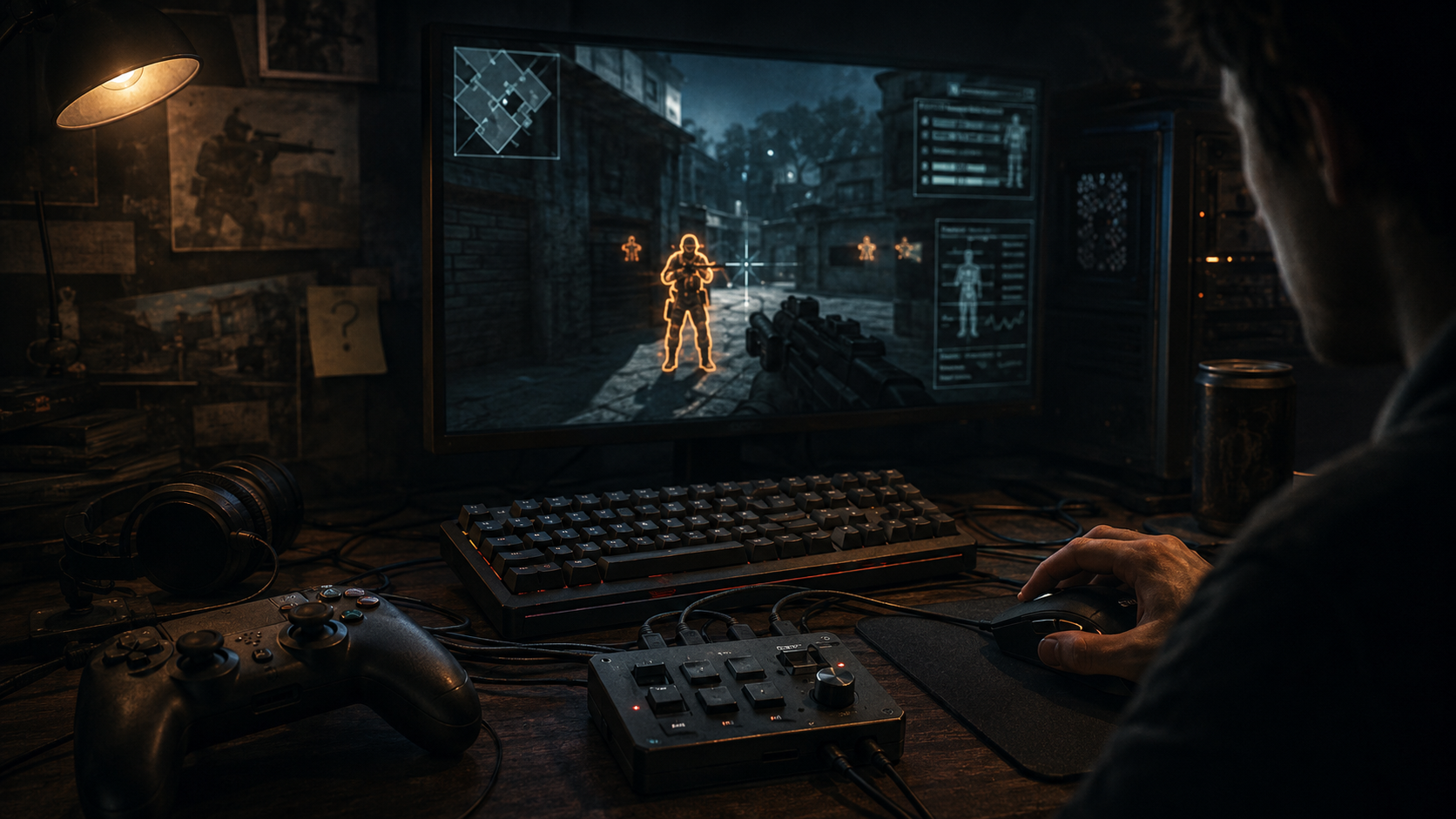
Some of the most frustrating unfair advantages come from the game itself. Map glitches, economy bugs, animation cancels, desync problems, matchmaking loopholes, and unintended interactions can all give players an edge without a traditional cheat tool. These cases are harder to talk about because the line between exploit, bug abuse, and clever play is not always clean. Anti-cheat can catch some of it, but a lot depends on patches, replay review, telemetry, and whether the studio acts before the exploit becomes normal behavior.
Input Devices and Macros Blurred the Edges
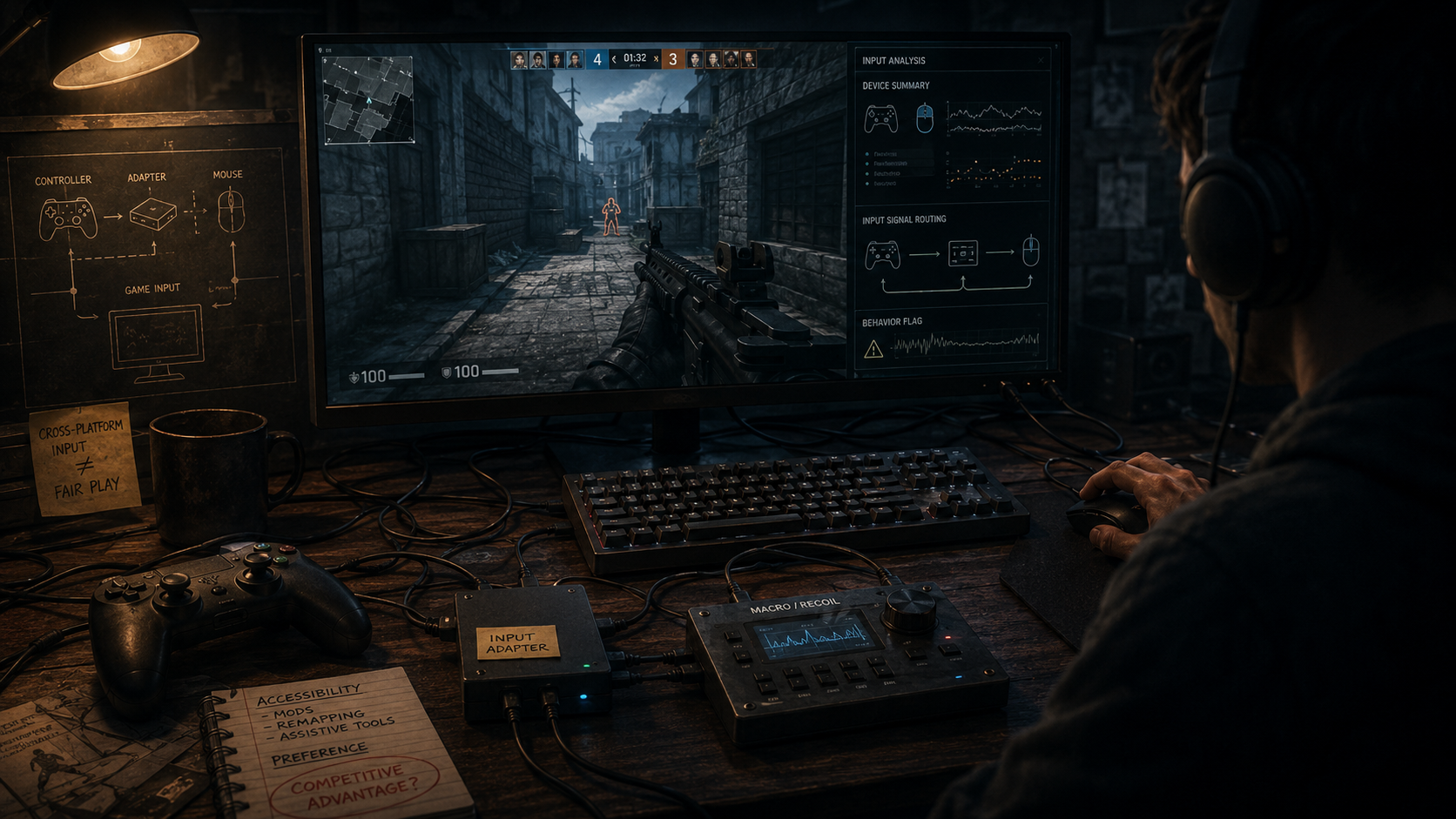
The rise of cross-platform play made input cheating more complicated. A player might use adapters, scripts, recoil-control macros, or devices that disguise one kind of input as another. This is not always as visually dramatic as an aimbot, but in a competitive shooter, tiny mechanical advantages add up. Publishers have started treating certain third-party devices as an anti-cheat issue, though the category remains messy because accessibility tools, controller preference, and competitive abuse can sit uncomfortably close together.
Anti-cheat has become more layered because cheating has become more layered. There is no single scanner, driver, ban wave, or server model that fixes the problem by itself. The better systems combine several approaches and still assume someone is already looking for a gap. That is probably the most honest way to describe the field, not solved, just worked on constantly.