Not every canceled console turns into a collector obsession. Most disappear, get folded into company history, or survive as a couple of blurry photos on an old forum thread. But some of them linger, and once money gets involved, the story changes. A machine that looked like a bad idea in 1989 can suddenly look very different when one surviving unit shows up decades later.
Nintendo PlayStation
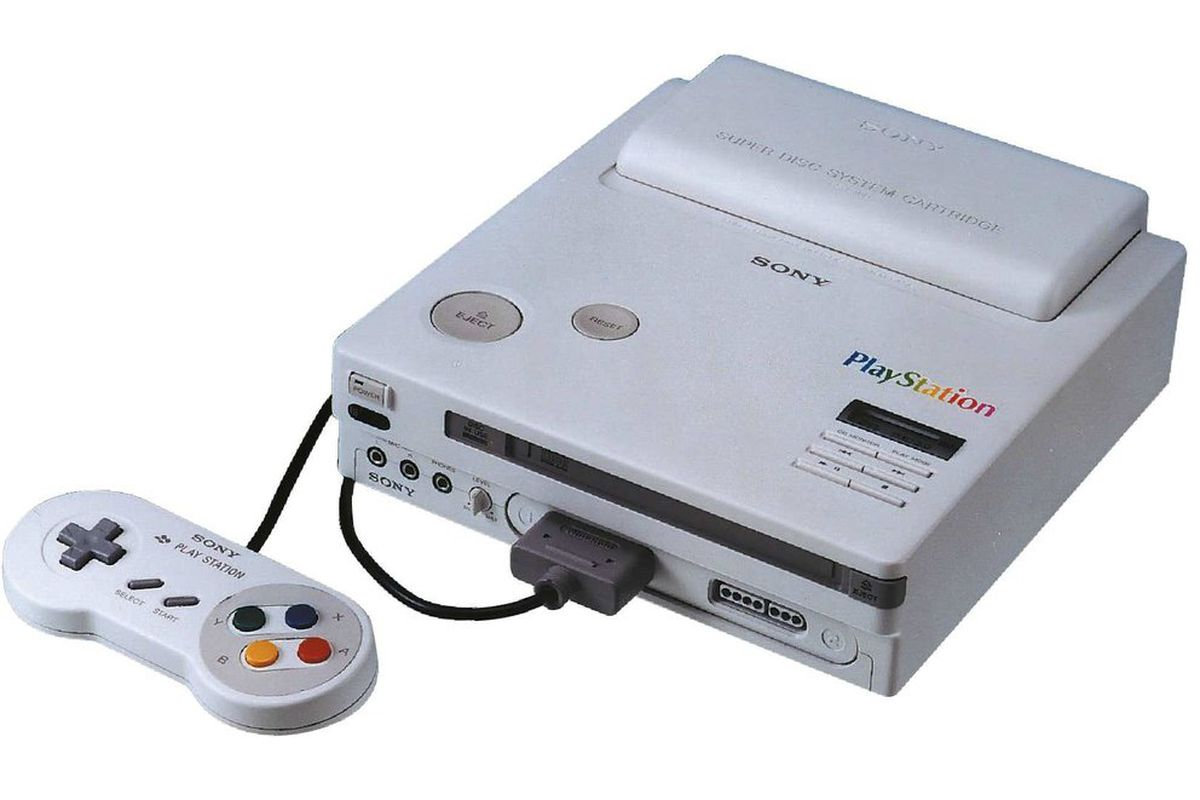
This is still the prototype people talk about like it belongs in a glass case with its own security detail. The Sony and Nintendo deal fell apart before the system could go anywhere, but one surviving unit sold for 280,000 in 2020, which is the sort of number that turns an industry breakup into collector mythology almost overnight.
Sega Pluto
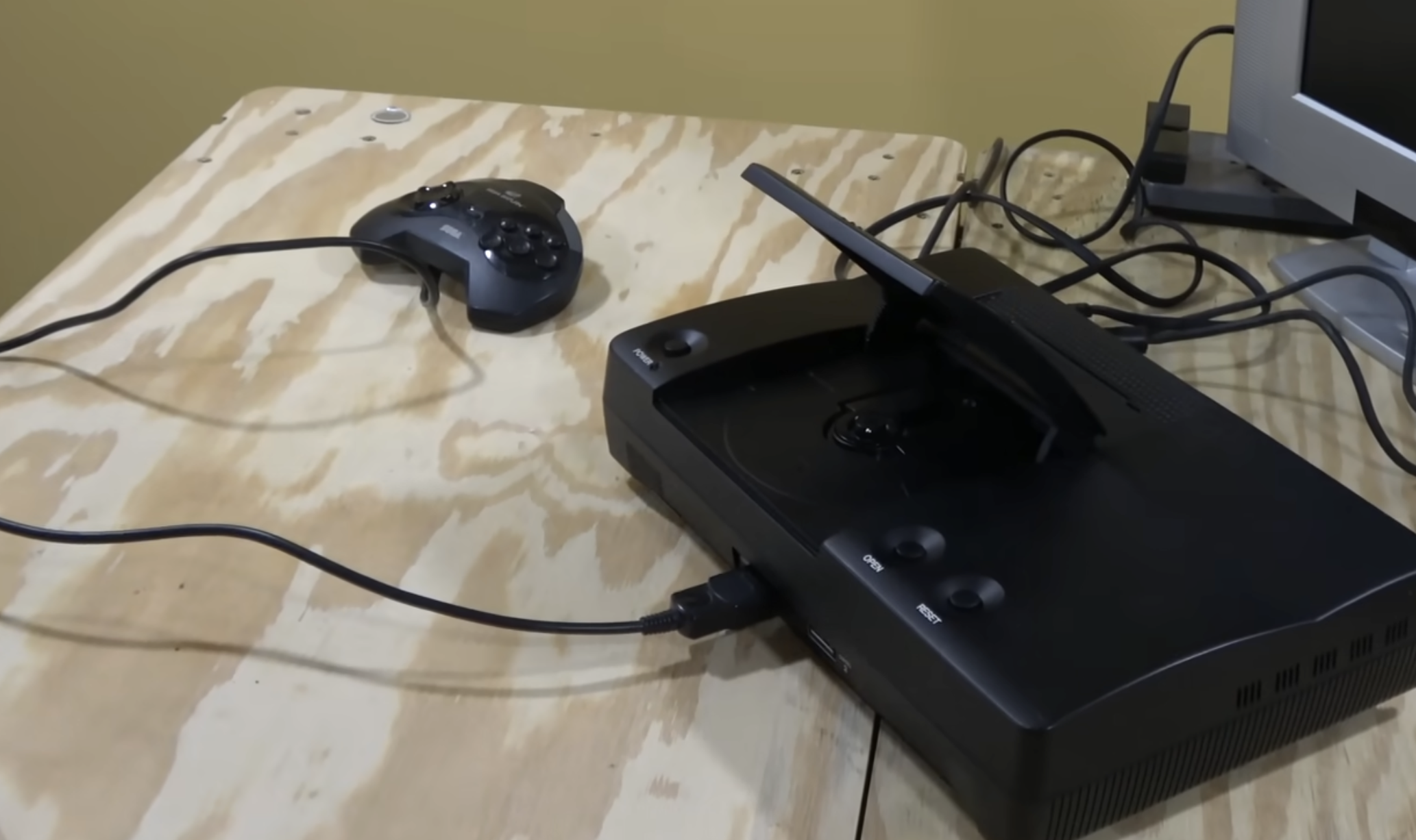
Sega had a habit of building hardware for a future it had not fully explained yet, and Pluto fits that streak perfectly. It was basically a Saturn with a built-in NetLink modem, a neat idea at a moment when Sega was already asking too much from its audience, and one of the known surviving units sold for $84,000 in 2020.
Atari Cosmos
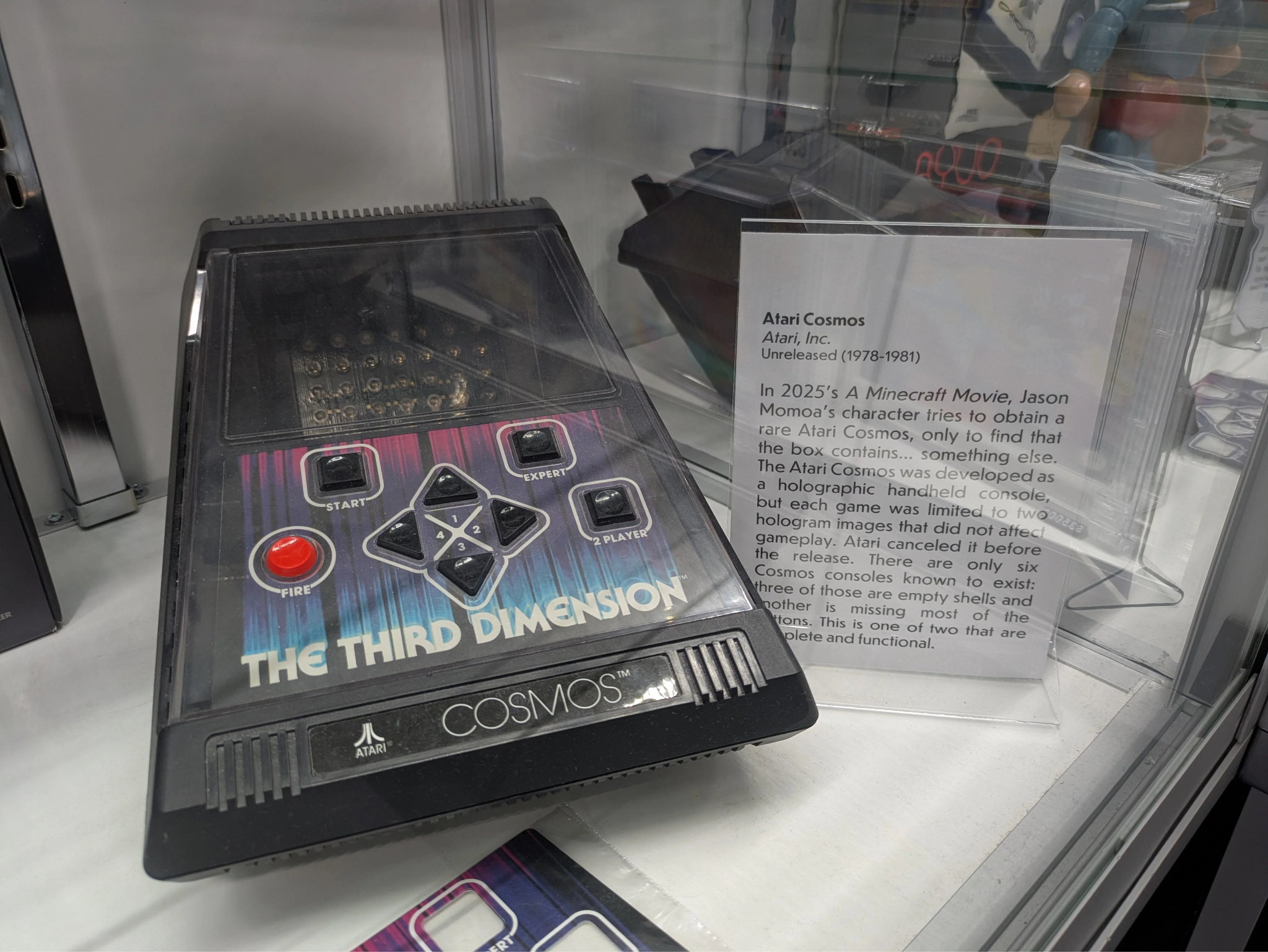
The Cosmos came out of that early period when game companies were still willing to try almost anything if it looked futuristic enough in a catalog photo. Atari’s machine used holographic effects to dress up simple visuals, never made the jump to stores, and later saw prototype units sell for around $19,460 and $25,903 in 2024. Not bad for a console that barely got the chance to be real.
RDI Halcyon
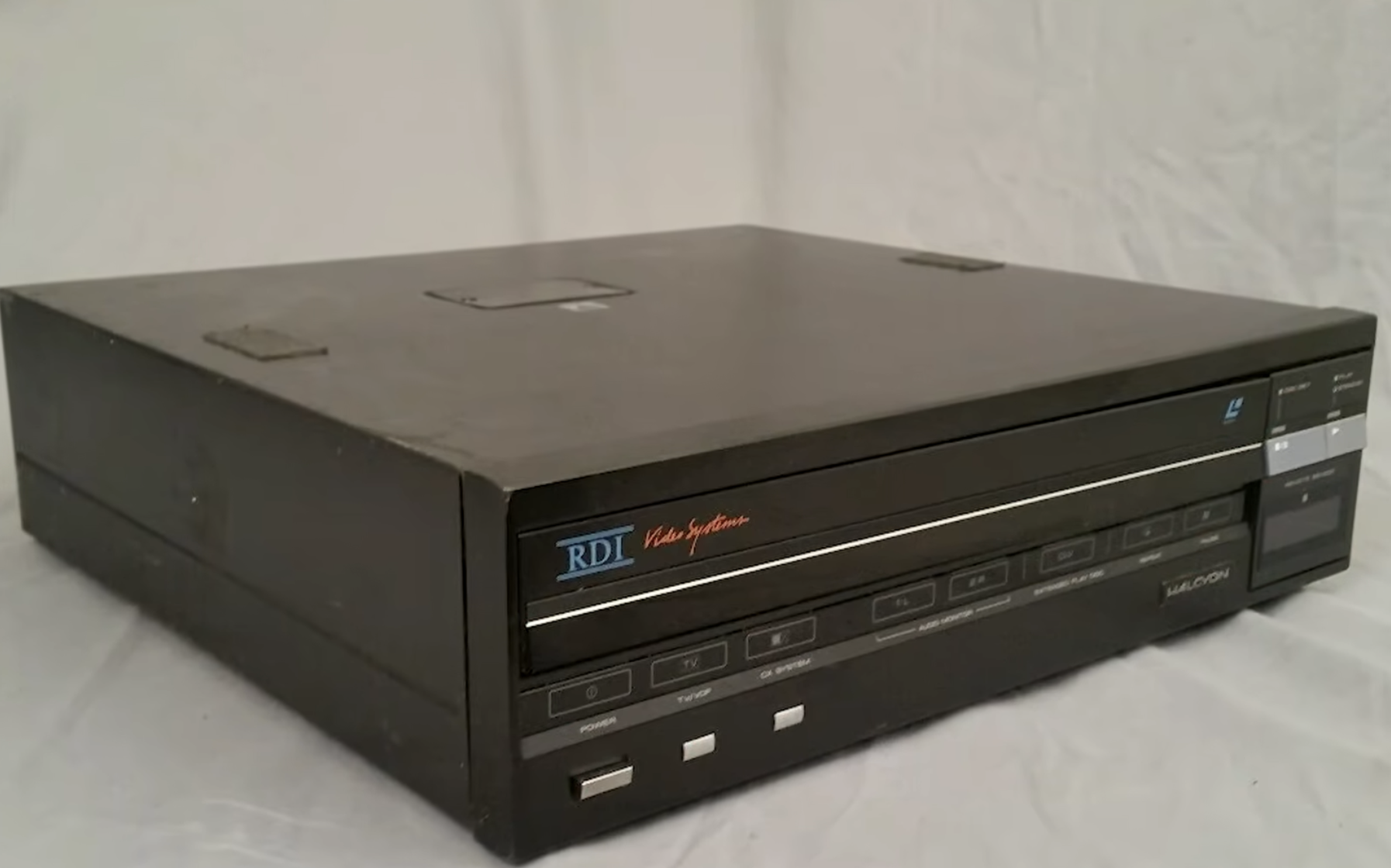
The Halcyon feels less like a canceled console and more like a machine that wandered in from a more expensive timeline. Voice controls, LaserDisc games, and a planned price of about $2,500 in 1985 was always going to be a rough sell, and even now the thing sounds faintly absurd. One working prototype sold for $22,800 in 2023, which is a lot, though still nowhere near as wild as the original pitch.
Panasonic M2
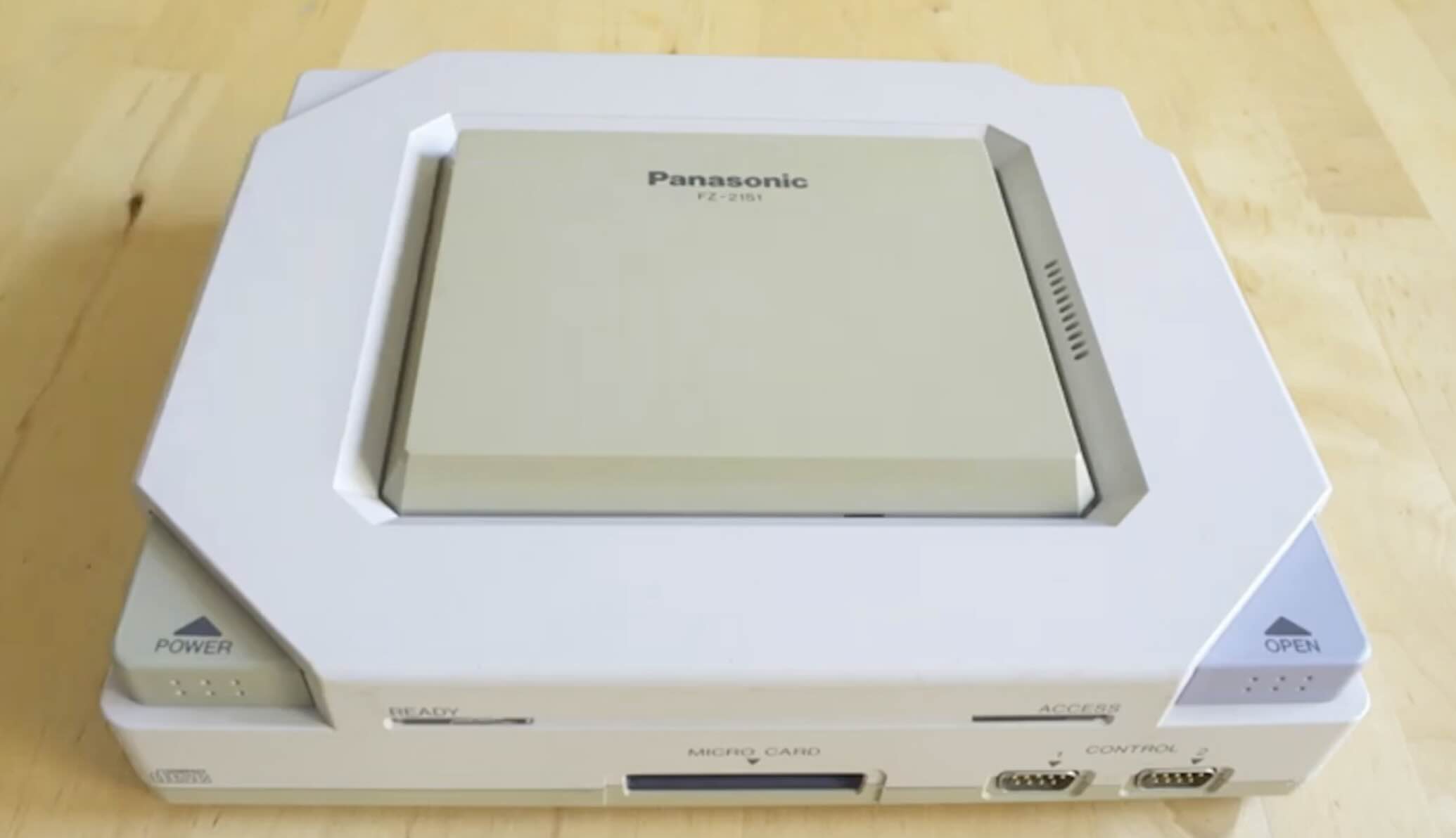
There was a moment when the M2 looked like it might actually matter. 3DO needed a follow-up, the CD era was getting crowded, and Panasonic had a machine that at least sounded competitive on paper. It died before launch, but collector interest never really went away, and prototype hardware has been valued around $20,000 in recent years.
Trending on realmoneygamer.com

Sega Neptune
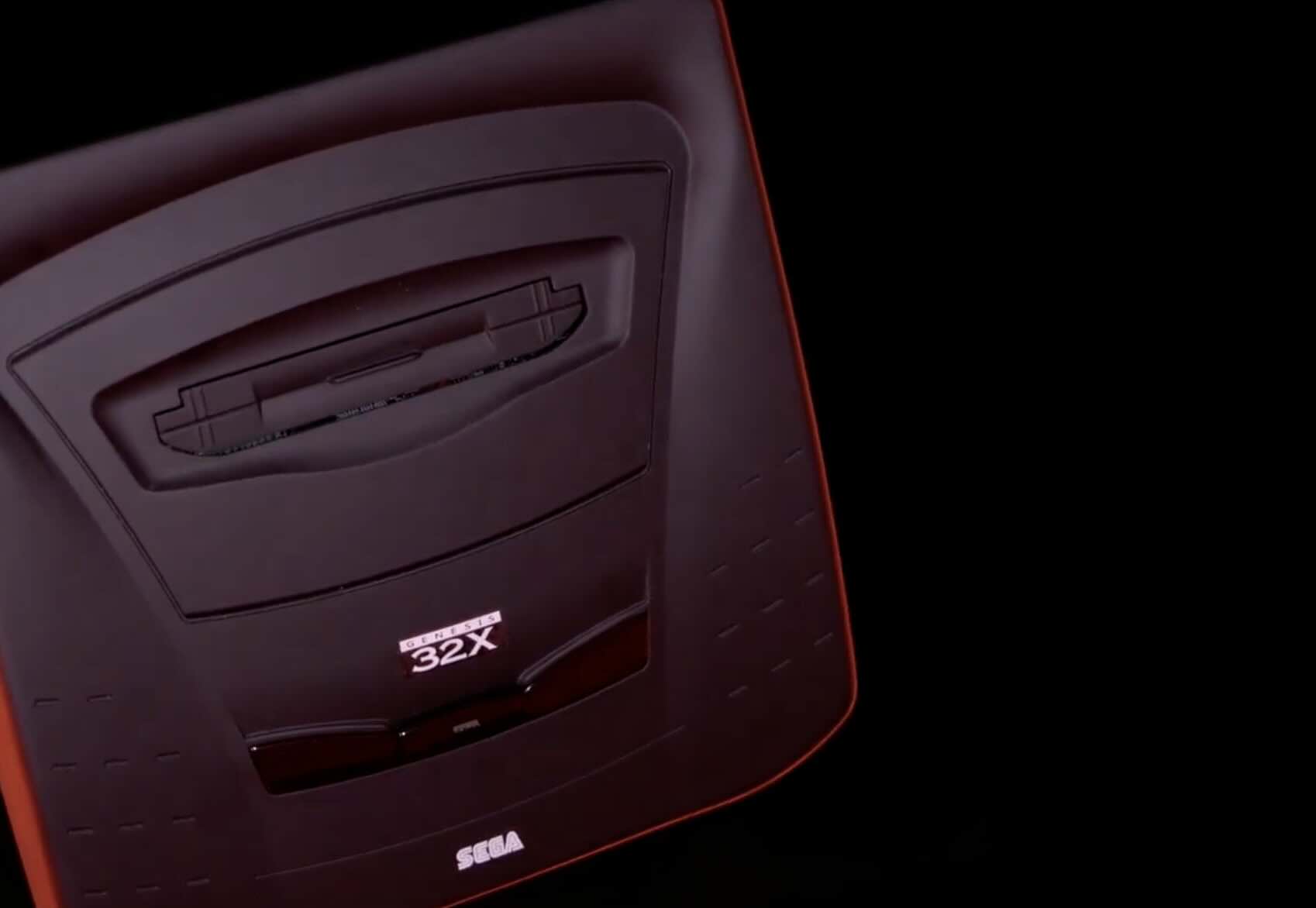
If you remember how messy Sega’s hardware strategy got in the mid-90s, Neptune almost feels inevitable. Instead of asking people to stack a 32X onto a Genesis, Sega planned to combine both into one cleaner unit, with a projected price under $200, then pulled the plug before it reached shelves. In another version of the timeline, this probably still would have confused people, just a little more efficiently.
Control-Vision, also known as NEMO
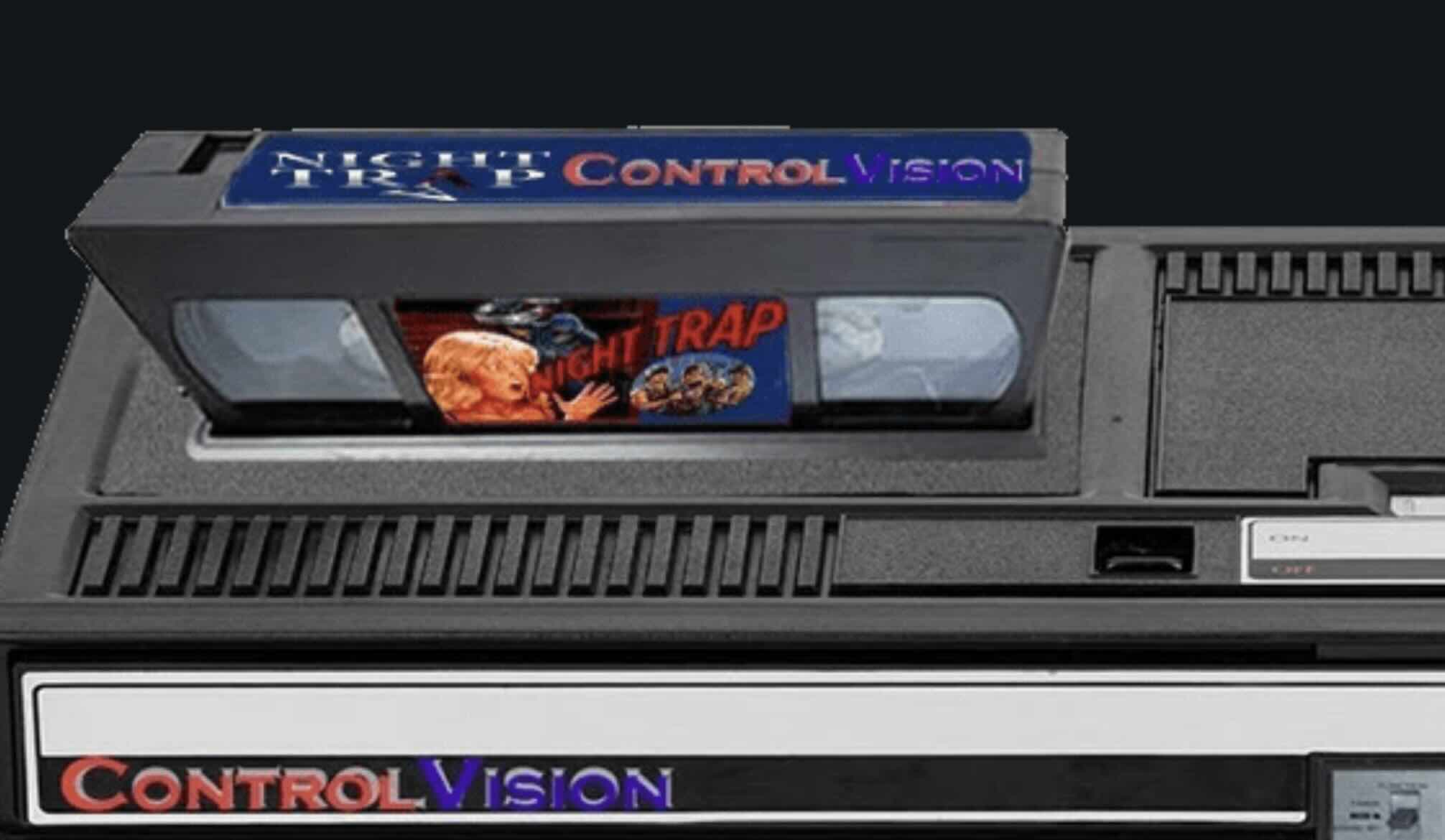
A VHS-based game console sounds like something invented for a fake retro documentary, but Hasbro really took a serious run at it. The plan drifted from a more accessible price point to a projected $299, and once that happened the whole thing started looking shaky fast. It is easy to see why it failed, but it is also easy to see why collectors still find it fascinating.
Konix Multisystem
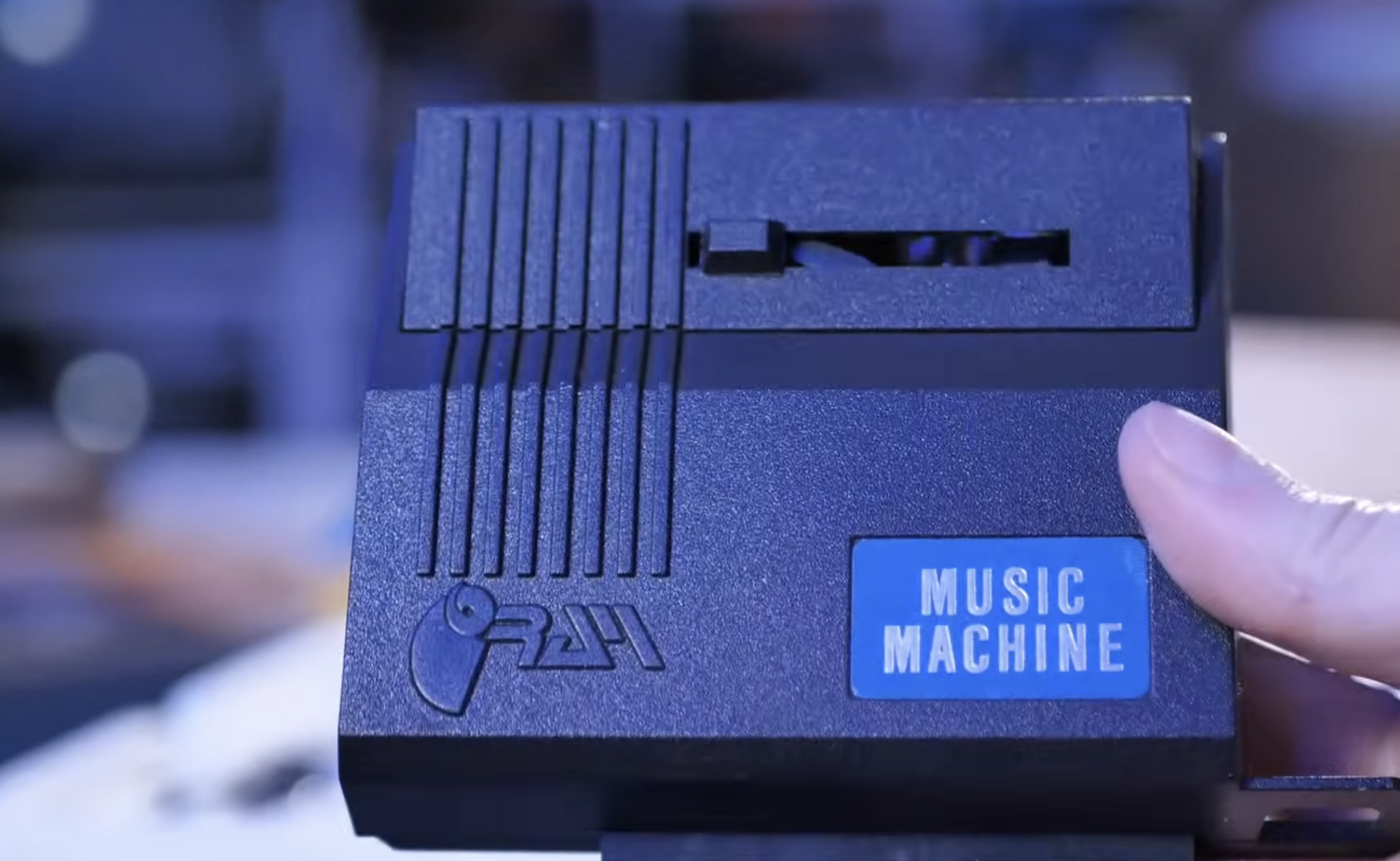
The Konix always had that dangerous kind of pre-release energy, too many promises, too many clever ideas, and just enough real hardware to keep people believing. It was supposed to sell for around £200 and came tied to one of the stranger control concepts of the era, with swappable configurations for different kinds of games. Even now, it feels less like a finished business plan than a very convincing dare.
Atari Panther
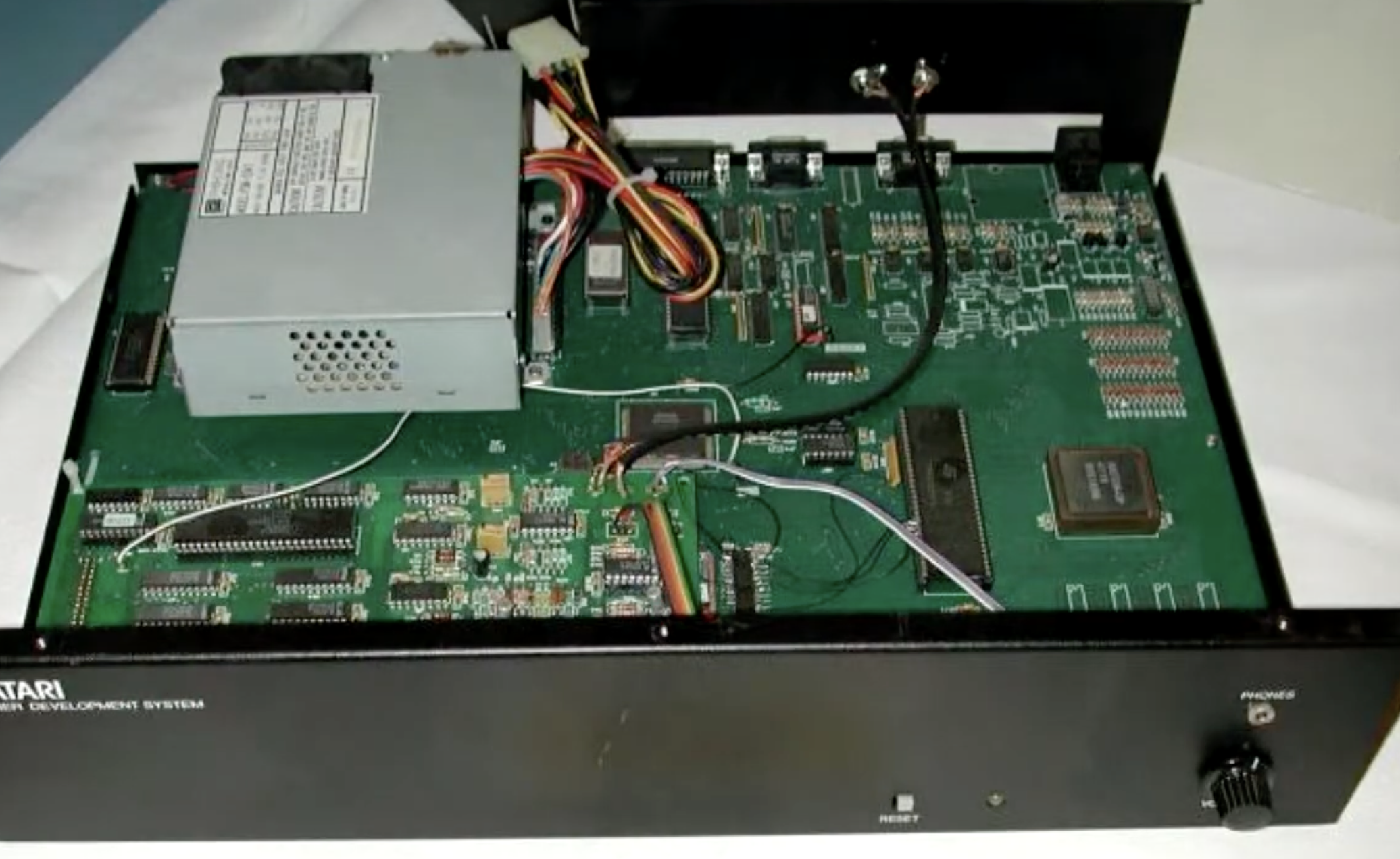
Panther does not have the same auction headline as some of the others here, but it hangs around because Atari history is full of machines that were almost supposed to save Atari. This one got pushed aside when Jaguar became the priority, and that was that. Still, any surviving prototype material gets attention fast, mostly because Panther sits right in that sweet spot between obscure and unfinished.
Philips in2it
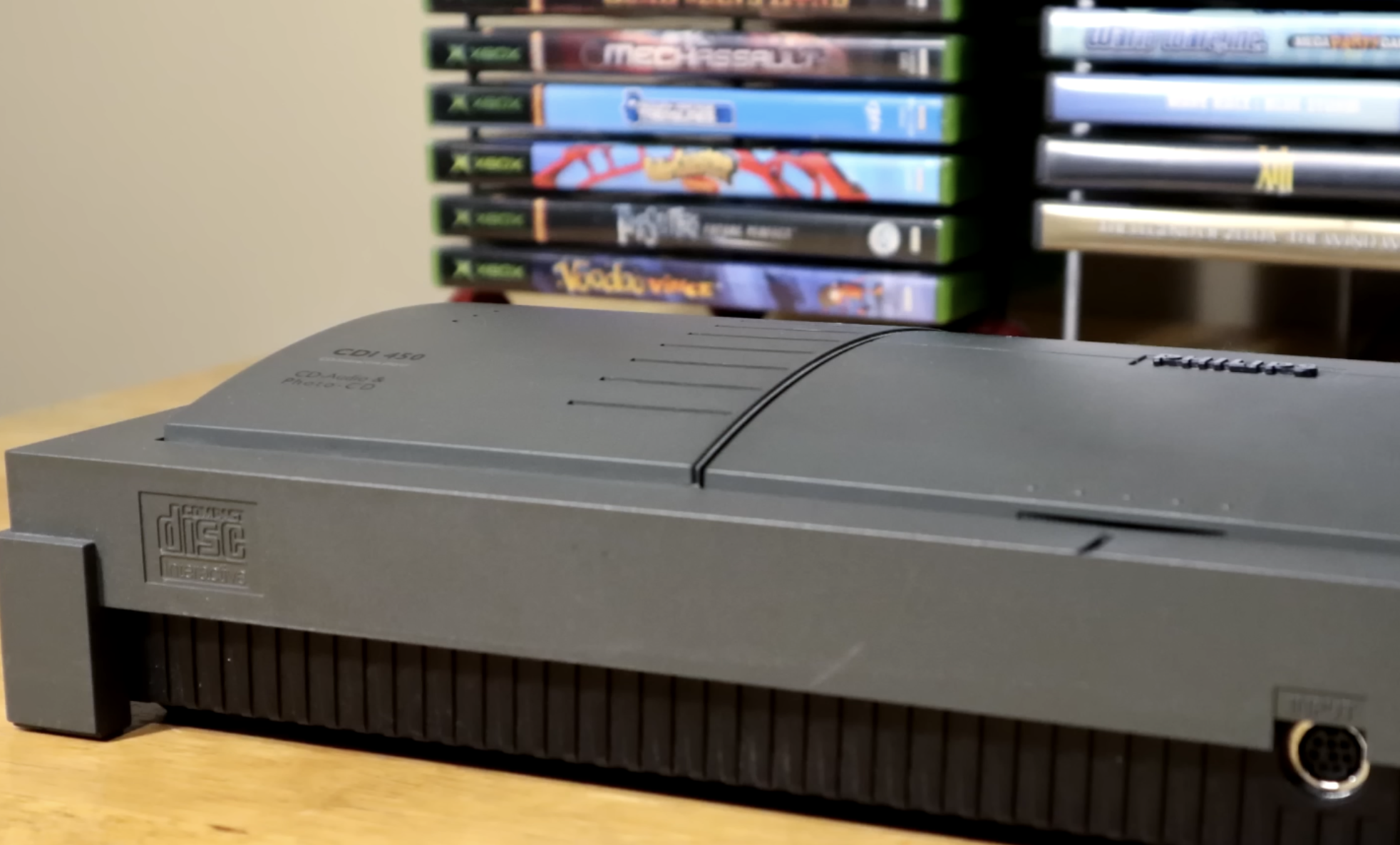
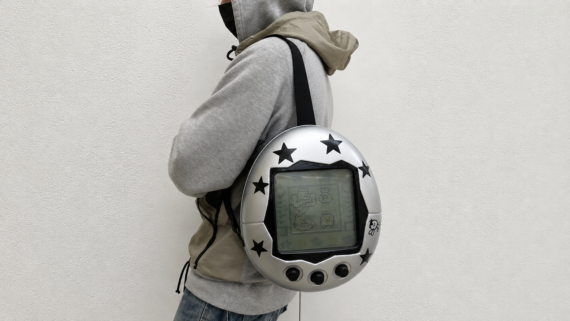
This one is easy to overlook because it does not have the drama of a Sony or Sega prototype, but it is weird in a way that sticks with you. Philips was working on it as a touchscreen handheld in the mid-90s, aimed at girls, then canceled it before release, and at least one prototype has turned up listed around $379.99. Not every unreleased machine becomes a six-figure object, sometimes the value sits in the fact that it existed at all.
Atari 3200X, or System X
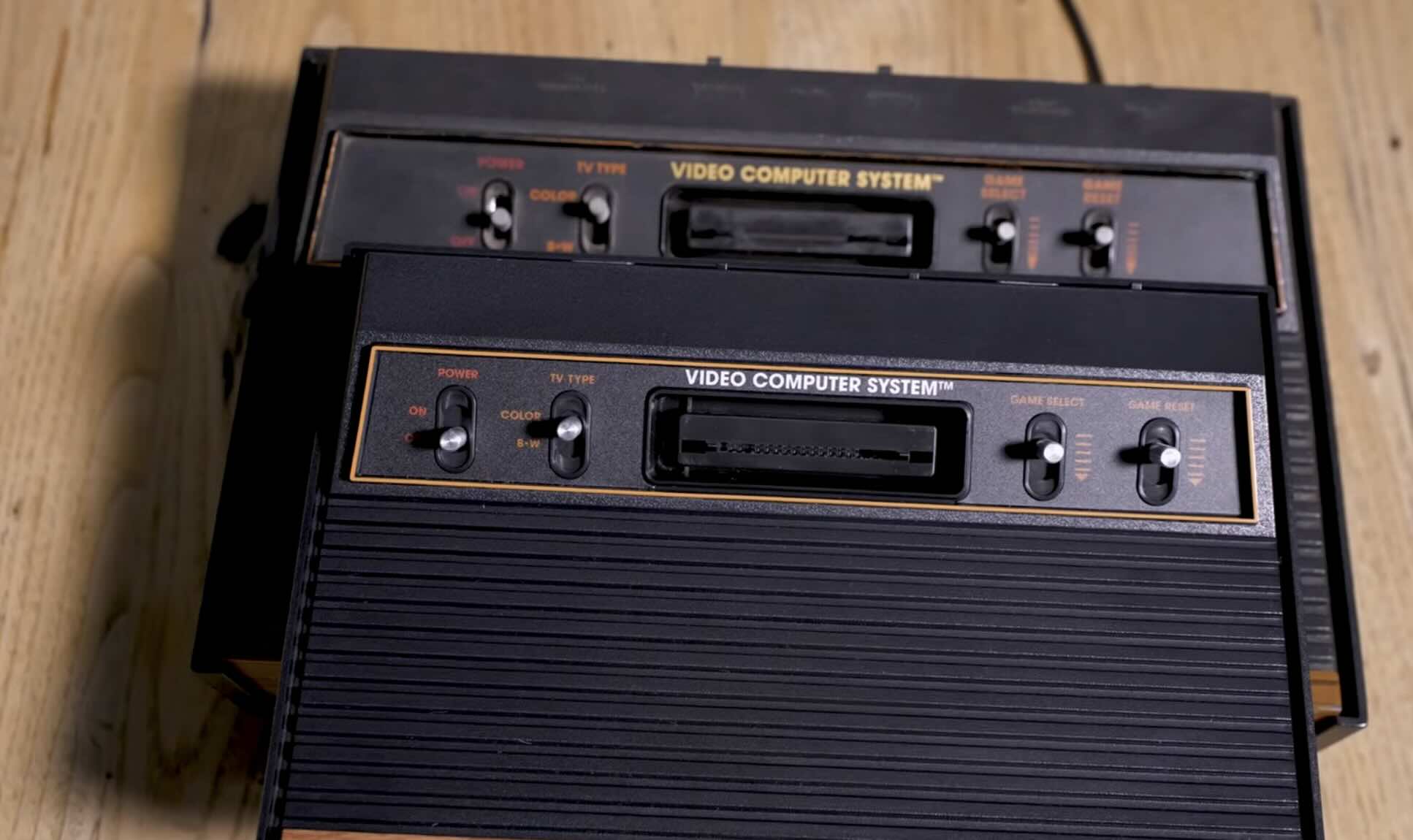
Some prototypes survive mostly as loose fragments of intent, and the 3200X lives in that category. Atari was trying to extend its console line with upgraded hardware while keeping some continuity with the past, but the project never went far enough to leave a clean market trail behind it. Even so, collectors still track the surviving shells and references because unfinished Atari hardware has its own gravity.
Taito WoWoW
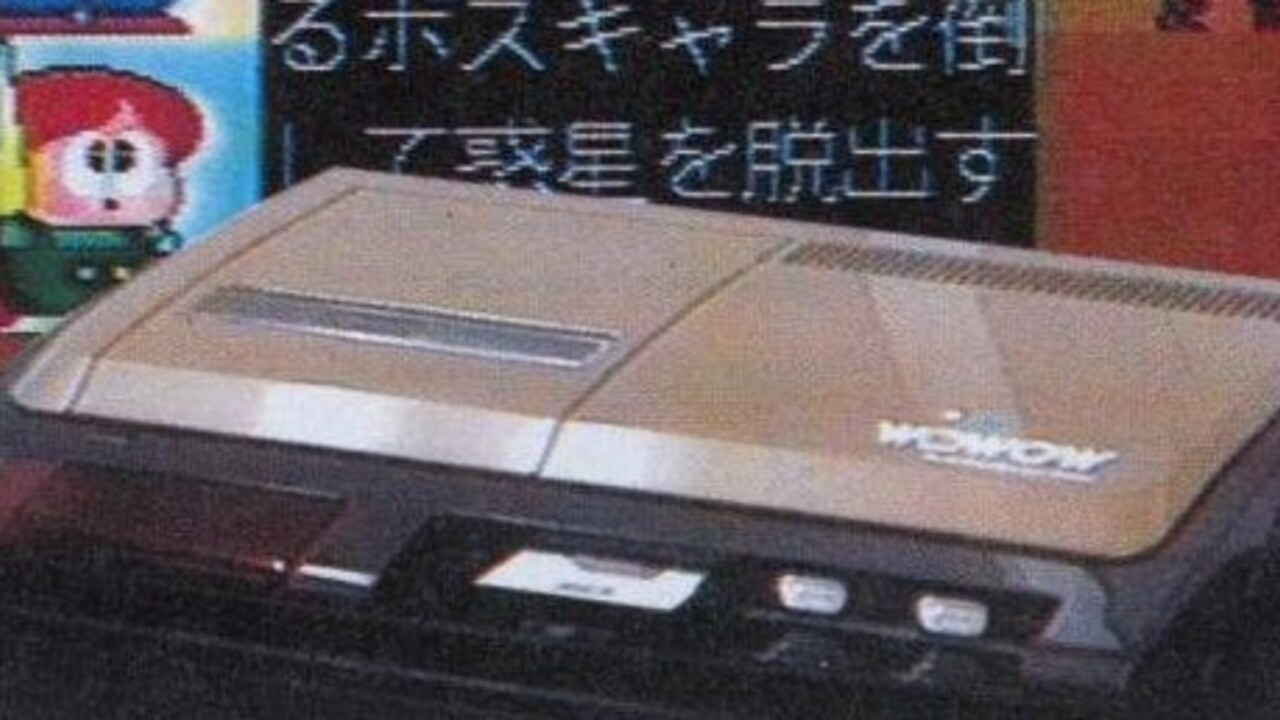
This one always feels a little ahead of itself. Taito was experimenting with satellite delivery for games long before digital distribution became normal, which sounds clever now and financially reckless then. It never became a commercial console, and that is probably the least surprising part of the story.
A lot of these machines were dropped because the math did not work, or the timing did not, or the companies behind them lost confidence at the wrong second. Years later, the same problems make them interesting. Not graceful, not noble, just interesting in the expensive way canceled hardware tends to become.