Making money playing video games is no longer a niche idea or a lucky break reserved for a few pros. What used to sound unrealistic is now a real and growing economy powered by streaming platforms, digital marketplaces, and competitive gaming ecosystems. Millions of players around the world are turning their time in games into income, whether through skill, creativity, or consistency. In the United States especially, gaming has become a legitimate career path backed by sponsorships, ad revenue, and direct audience support. Some methods require high-level performance, while others depend more on persistence and smart positioning. The surprising part is not just that it works, but how many different ways there are to actually make it happen today.
1. Selling In-Game Items and Skins

Some players specialize in acquiring rare items and reselling them on marketplaces tied to games like Counter-Strike or FIFA Ultimate Team. High-tier skins in CS:GO have sold for over $100,000, while smaller traders consistently flip items for profit margins of 10 to 30 percent. This method requires market knowledge and timing rather than raw gameplay skill.
2. Competing in Esports Tournaments

Professional competition has matured into a multi-million dollar industry, with games like Dota 2 offering prize pools exceeding $40 million in events like The International. What many players don’t realize is that making money here is not limited to winning, as mid-tier competitors often secure monthly salaries ranging between $2,000 and $10,000 through team contracts, along with sponsorship exposure and performance bonuses that create a more stable income stream.
3. Streaming on Twitch and YouTube
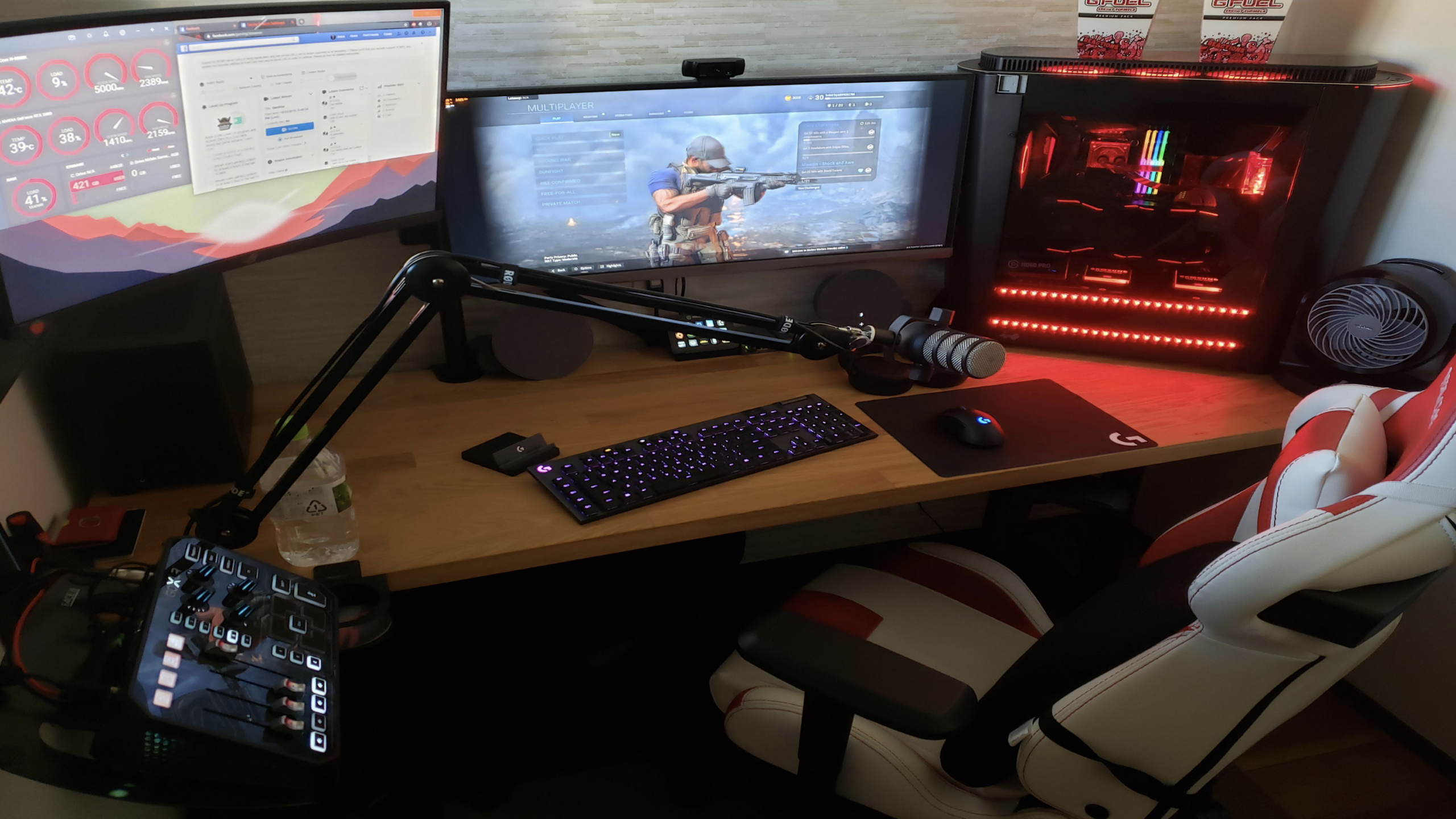
Streaming remains one of the most visible paths, but the real income structure goes beyond donations. Twitch affiliates earn from subscriptions starting at $4.99 per viewer tier, plus ad revenue and sponsorships, while top creators can generate anywhere from $3,000 to over $50,000 monthly depending on audience size and engagement. YouTube Gaming adds another layer with ad monetization, where creators can earn around $2 to $10 per 1,000 views depending on region and niche.
4. Coaching Other Players

Experienced players are monetizing their knowledge by offering coaching sessions through platforms like Metafy or Fiverr, turning their in-game expertise into a consistent service. For many, making money this way becomes more reliable than competing, with rates ranging from $15 to $100 per hour depending on rank, reputation, and demand in competitive titles like Valorant or League of Legends.
5. Creating Game Content on TikTok and Shorts

Short-form content has opened a new lane where creators monetize through brand deals rather than platform payouts. Accounts that consistently hit viral numbers can secure sponsorships worth $500 to $5,000 per post, especially in trending titles like Fortnite or Call of Duty, where visibility translates directly into marketing value.
Trending on realmoneygamer.com

6. Making Money Through Game Testing and QA
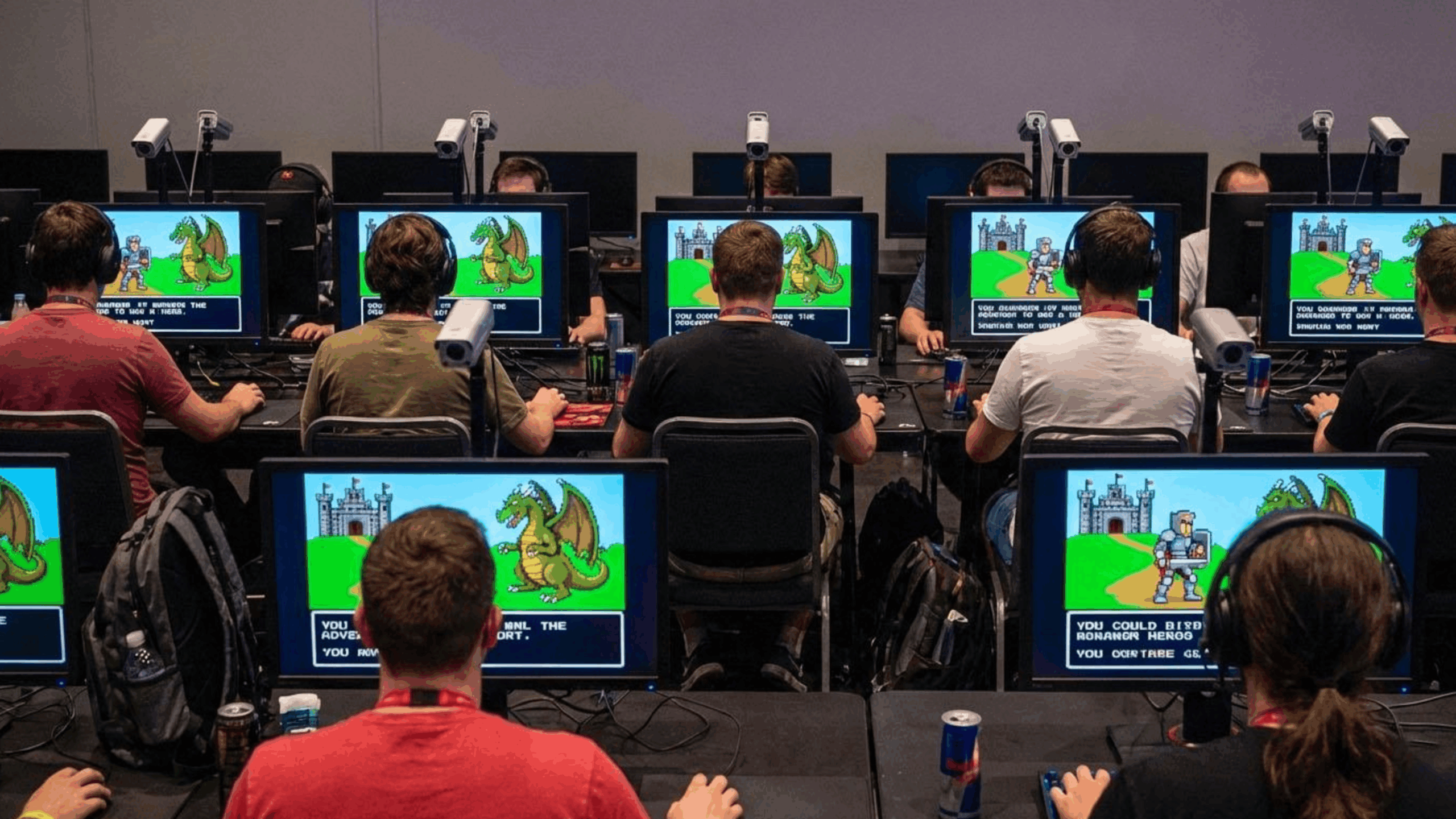
Game testing is one of the more overlooked paths, yet major studios hire testers to find bugs and improve gameplay before release. Making money in this space often starts with entry-level QA roles in the US that pay between $15 and $25 per hour, offering a stable income and a potential gateway into long-term careers within the gaming industry.
7. Building and Selling Game Accounts

In competitive games with ranking systems, some players level up accounts or unlock rare cosmetics and then sell them. Prices vary widely, from $50 accounts to several thousand dollars depending on rank, exclusivity, and content unlocked. While controversial in some games, it remains an active underground economy.
8. Affiliate Marketing and Gear Promotion

Gamers with even a modest following can earn commissions by promoting gaming gear through affiliate links. Platforms like Amazon Associates or brand partnerships can generate passive income, with commission rates typically ranging from 3 to 10 percent per sale, especially for high-ticket items like PCs and peripherals.
9. Participating in Play-to-Earn and Blockchain Games
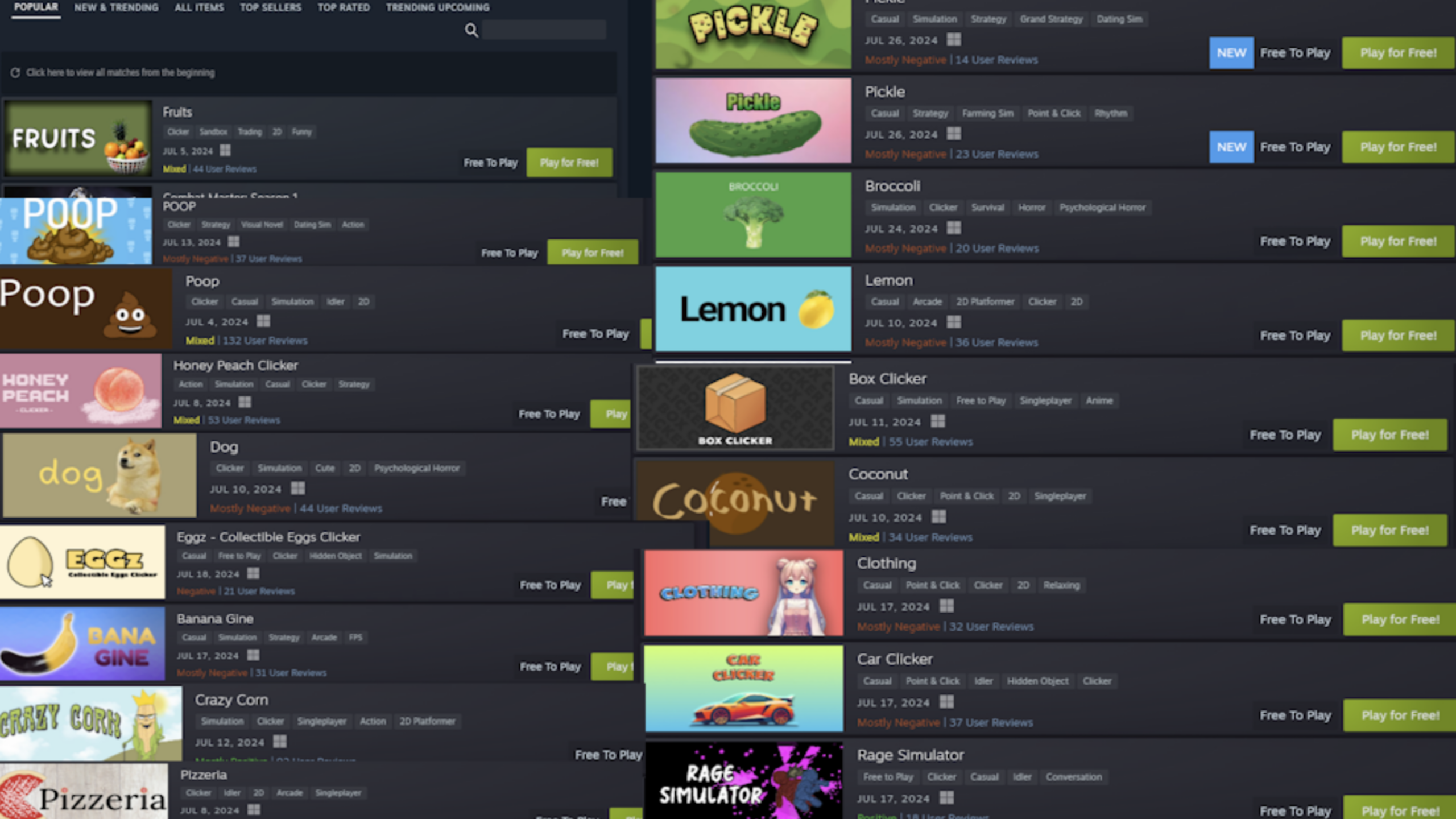
Although volatile, some blockchain-based games have introduced systems where players earn tokens or NFTs with real-world value. While the market fluctuates heavily, early adopters in certain ecosystems have reported earnings ranging from a few hundred to several thousand dollars during peak cycles.
10. Running Private Servers and Communities
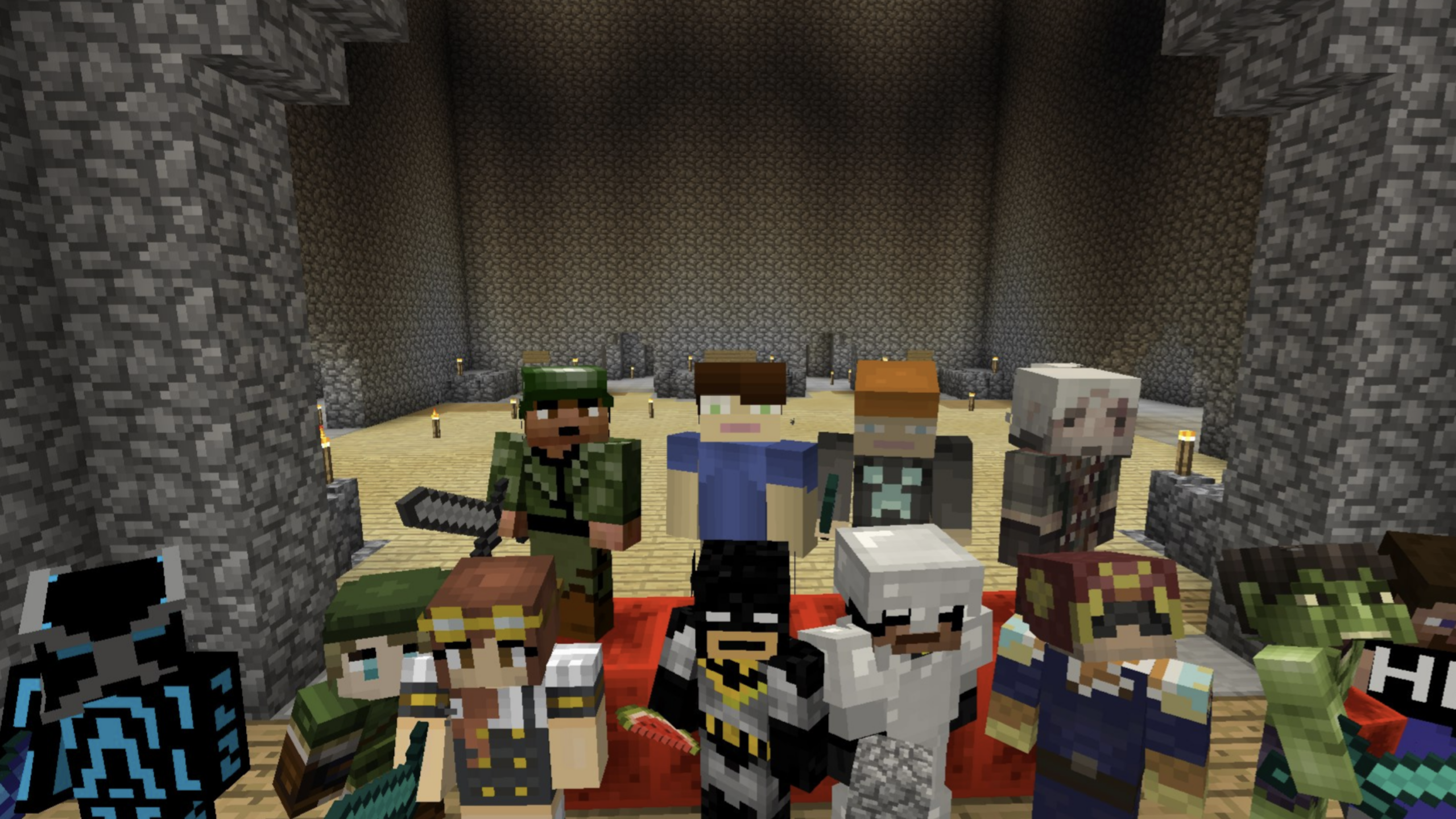
Some players build entire ecosystems around modded servers in games like Minecraft or GTA roleplay, where communities grow over time and generate recurring revenue. Making money through this method often comes from memberships, donations, and exclusive perks, with successful servers bringing in thousands per month when they manage to retain an active and loyal player base.
Looking for similar content?: