Esports rulebooks are not exactly beach reading, but they tell you a lot about how each game sees itself. The stage setup might look familiar from one league to another, yet the actual rules behind roster building, age limits, match formats and even controllers can be wildly different.
Some of it comes from the game itself, some from publishers wanting more control, and some from problems that clearly happened once and then got written into policy forever. Put the biggest leagues next to each other and the differences start to feel less like paperwork and more like part of the sport.
Age Limits Are All Over the Place
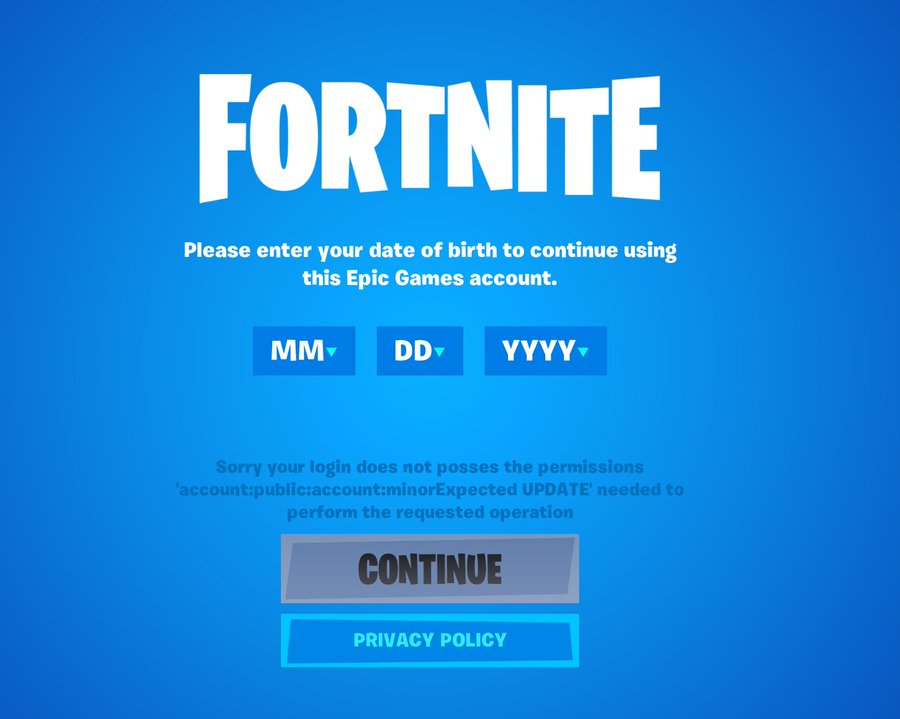
Fortnite is still one of the more open major circuits for young players, with FNCS eligibility starting at 13, provided minors meet the required consent rules. That fits the game’s audience, but it looks unusual next to something like the Overwatch Champions Series, where the main competition sets its player age at 17 and up. VALORANT adds another layer because age rules can shift by region, with China requiring players to be 18 because of local law. So a player who is old enough to compete in one top-level esport might still be sitting outside the door in another.
Fortnite Treats Qualified Trios Almost Like Their Own Entity
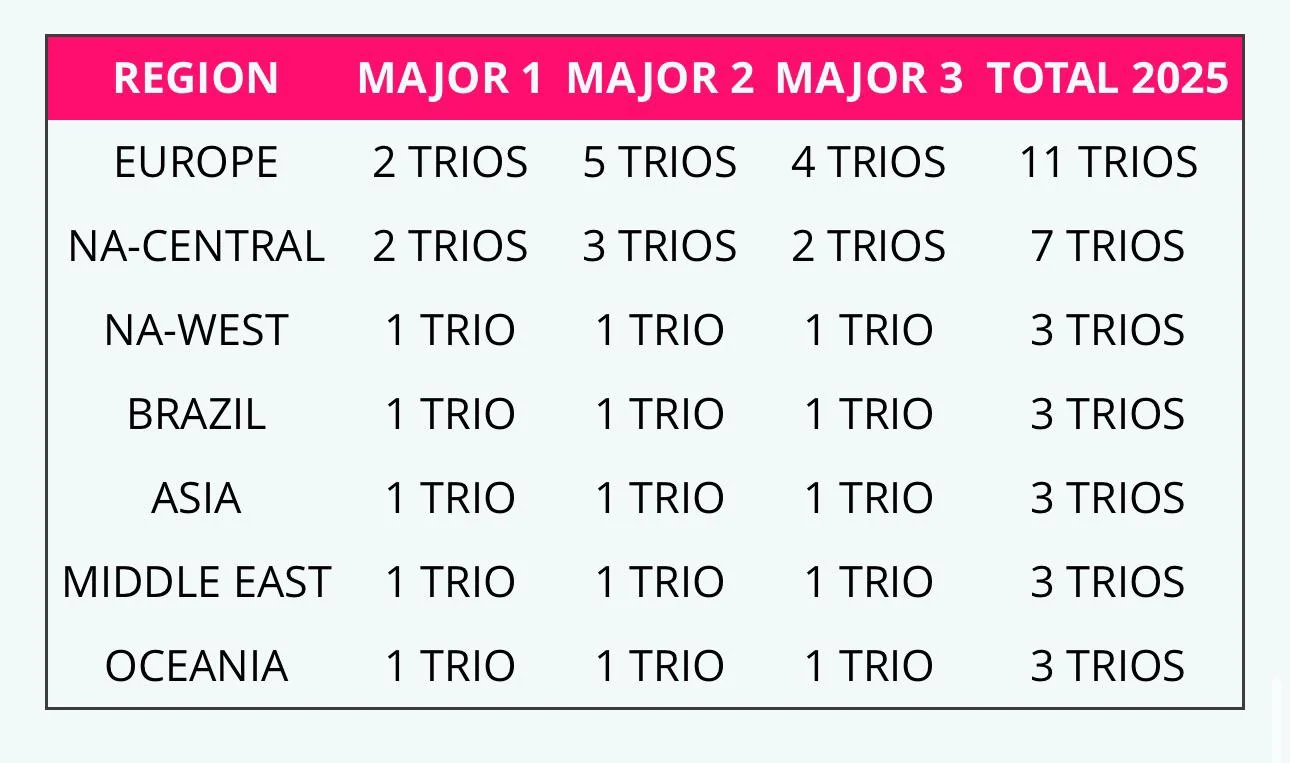
In most team esports, fans think in terms of organizations. A club signs players, moves people in and out, maybe buys a slot or inherits a league position. Fortnite works differently in big FNCS moments, because qualification can be tied to the exact trio that earned it. If that group qualifies, the spot cannot simply be sold, handed over or moved to a different lineup like a normal roster transaction. It makes the format feel more personal, and sometimes more fragile.
Import Rules Can Be Simple, Complicated or Painfully Specific

League of Legends has made residency a central part of roster construction for years. It is not just a side rule, it shapes how organizations build teams, how prospects are valued and how long-term planning works. Overwatch’s OWCS model is more direct in public wording, with rosters capped and non-resident players limited by region. VALORANT sits somewhere in its own world, with Riot tying player movement, eligibility and regional status into a broader international structure. Everyone is trying to protect regional competition, but nobody seems to do it in quite the same way.
Apex Lets the Hardware Question Stay Open Longer Than Most
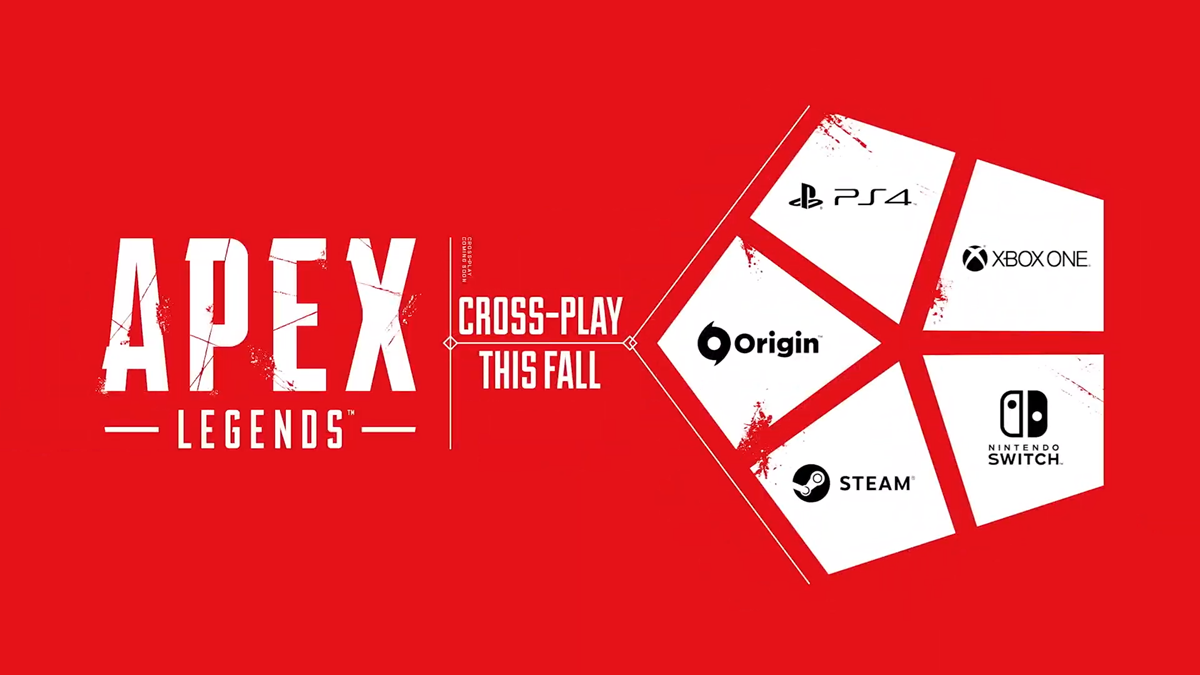
Apex Legends has to deal with something a lot of PC-first esports mostly avoid. In parts of ALGS, players can compete on console or PC, depending on the stage and event type. That already makes the ecosystem feel different from games where the professional path is effectively PC-only from the start. By the time Apex reaches Pro League and live-event play, the setup tightens, but the broader circuit still reflects the game’s cross-platform roots.
Controllers Are Not Just a Comfort Choice
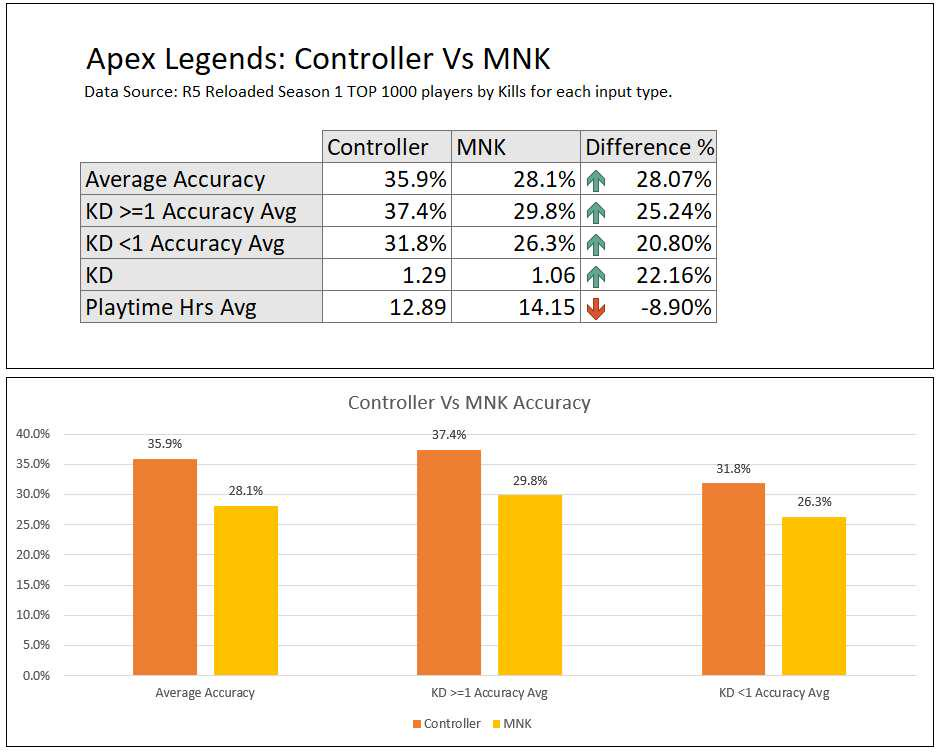
Apex also has rules around input devices because the controller-versus-mouse conversation never really goes away in that game. Players can use keyboard and mouse or approved controllers, but they are not supposed to bounce between inputs in the middle of a match. It sounds like a small technical rule until you remember how much competitive debate lives inside aim assist, tracking and muscle memory. In Apex, the device in your hands is part of the competitive identity.
Trending on realmoneygamer.com

Voice Comms Can Become Broadcast Material
In ALGS, team voice communication is not only something officials may monitor. At certain levels, players are required to stay in official voice channels, and those comms can be recorded for broadcast or later content. That changes the texture of competition a bit. A chaotic late-game call is not just a private team moment anymore, it may become part of how the match is remembered by viewers.
Media Duties Are Written Into the Job
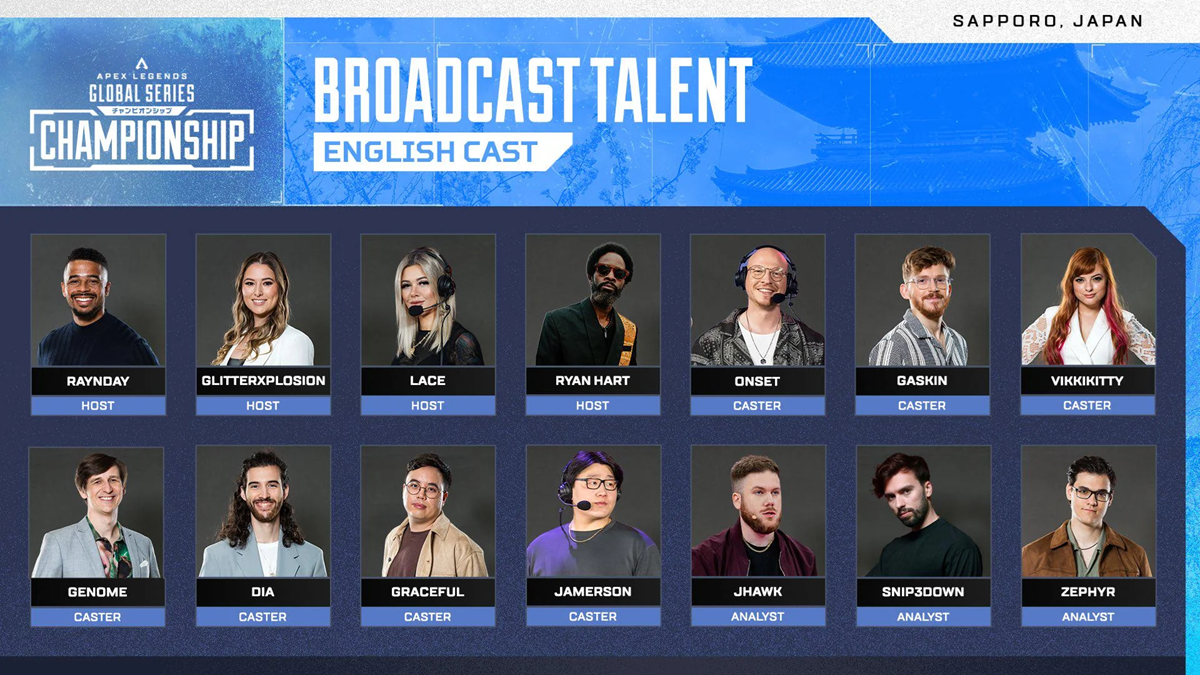
Some leagues treat player interviews as a loose broadcast need. Apex spells it out more clearly. Players can be required for post-game interviews, media sessions and live-event obligations, including longer press availability after major results. It is the kind of rule that reminds everyone that top esports is not only about playing the match. You also have to be usable by the show around it.
Fortnite Can Let One Game Change Everything
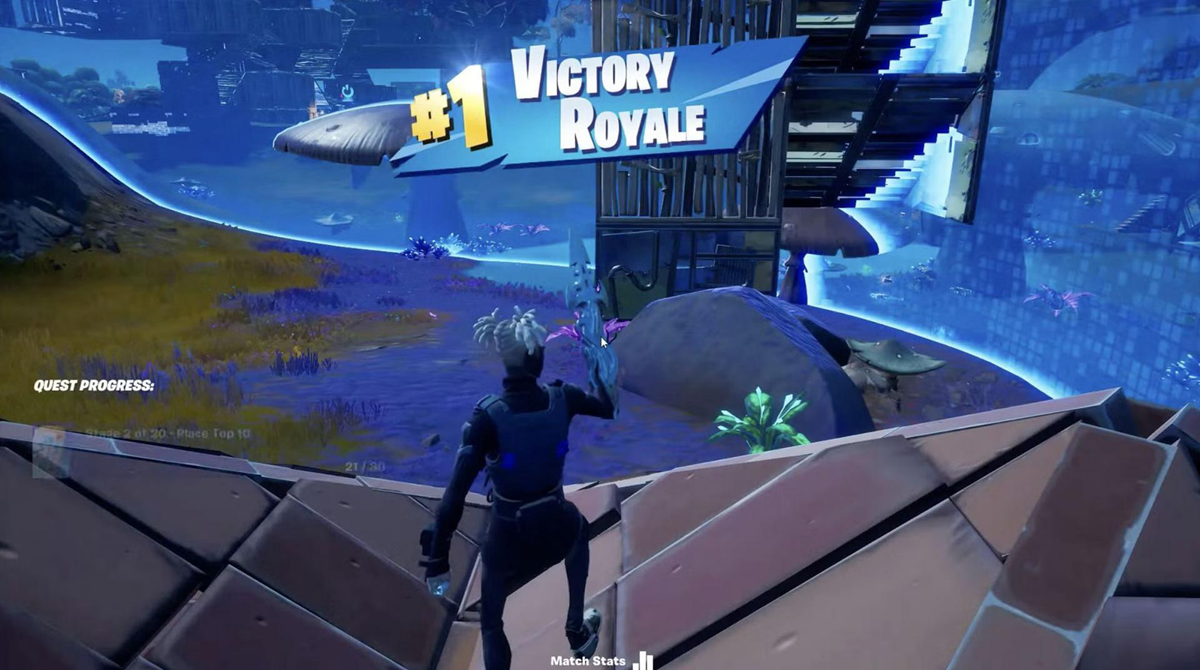
A normal best-of-five teaches viewers to expect a slow build. Fortnite does not always care about that rhythm. In some FNCS formats, a Victory Royale can be worth so much, or trigger such a direct advancement path, that one clean game can completely reshape a team’s tournament. That is part of the appeal and part of the frustration. A great trio can grind consistency, then another team can hit the right game at the right time and suddenly the whole bracket feels different.
Rainbow Six Qualification Can Feel Like a Map of Its Own
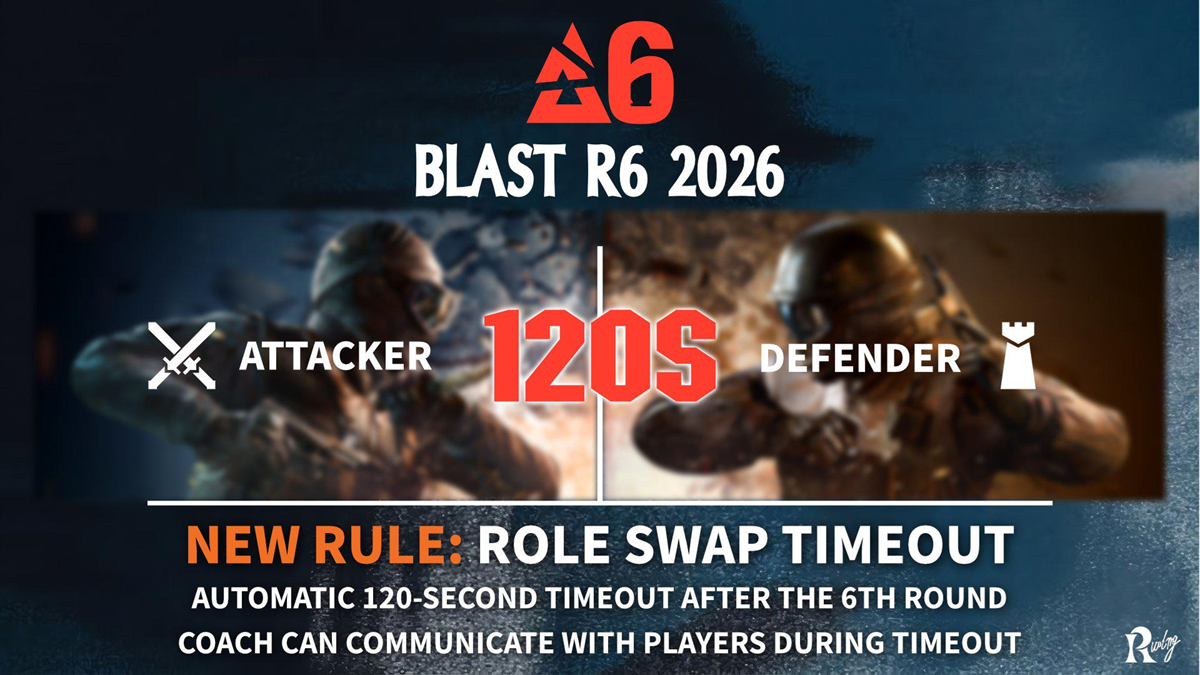
The BLAST R6 system is not just “win this league, go to the world championship.” There are regional leagues, Challenger paths, Majors, SI points and last-chance routes all sitting inside the broader calendar. For dedicated fans, that gives the season texture. For casual viewers, it can feel like needing a second screen just to understand why a team is still alive. Rainbow Six has always been tactical inside the server, and the qualification structure sometimes feels tactical outside it too.Oh, and it also has its own special rules.
Some Rulebooks Outrank Other Rulebooks
PUBG makes something very clear that many fans never think about. A tournament can have its own rules, but those rules may sit underneath a broader global esports ruleset. In the case of PUBG’s major events, the universal rules can take priority when there is a conflict. That matters because teams are not always operating from one clean document. Sometimes the real rule is the one hiding in the document above the document.
Call of Duty Keeps Its Competitive Settings Moving
Call of Duty is built on yearly releases, balance changes and a constant argument over maps, modes and weapons. So it is not surprising that CDL competitive settings are treated as something that can change during the season. That is very different from esports where the main battlefield stays more stable for longer stretches. In Call of Duty, being good also means adjusting to the version of the game the league decides is playable right now.
Prize Payments Show How Different the Business Models Are
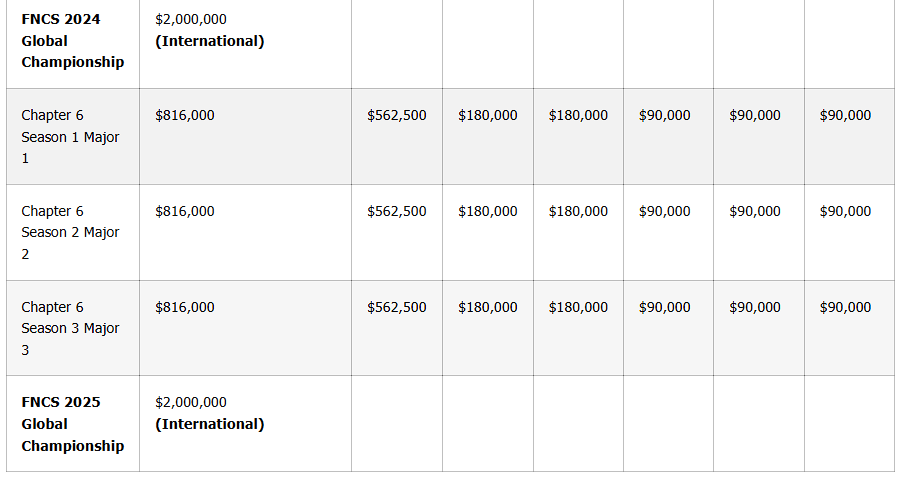
Fortnite’s FNCS rules make prize payment feel player-centered. The money goes to the winning player, or to a parent or guardian when the player is a minor, rather than being routed to an organization by default. That fits the way Fortnite competition has often operated, with individuals and trios carrying enormous weight. In more organization-heavy leagues, the team brand sits closer to the center of everything. Fortnite keeps pulling the focus back to the people who actually earned the placement.
Esports rules can look boring until they start affecting a roster, a teenager’s career, a controller debate or a world championship spot. The games may share sponsors, arenas and broadcast language, but their competitive systems are not interchangeable. Each rulebook has its own scars and priorities. That is probably why two leagues can look similar on stream and feel completely different once you read the fine print.
Continue Reading: 15 Early Esports Tournaments That Started It All – 13 Esports Finals That Changed Competitive Gaming