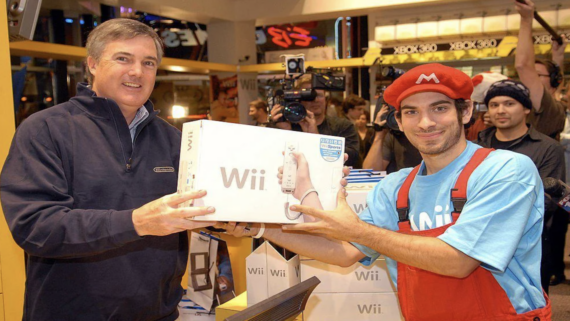
Few companies have reinvented gaming as many times as Nintendo. Over more than four decades, the company has introduced home consoles, handheld systems, hybrid devices, and experimental hardware that changed how millions of people played video games. From simple cartridges in the early 1980s to portable systems capable of running modern open world adventures, every generation pushed Nintendo in a new direction.
These Nintendo consoles tell the story of that evolution. Some became best sellers that defined entire generations, while others experimented with bold ideas that paved the way for future innovations. Together, they show how one company continuously adapted to changing technology without losing the creativity that made Nintendo a household name.
1. Where Nintendo’s Console Story Really Began
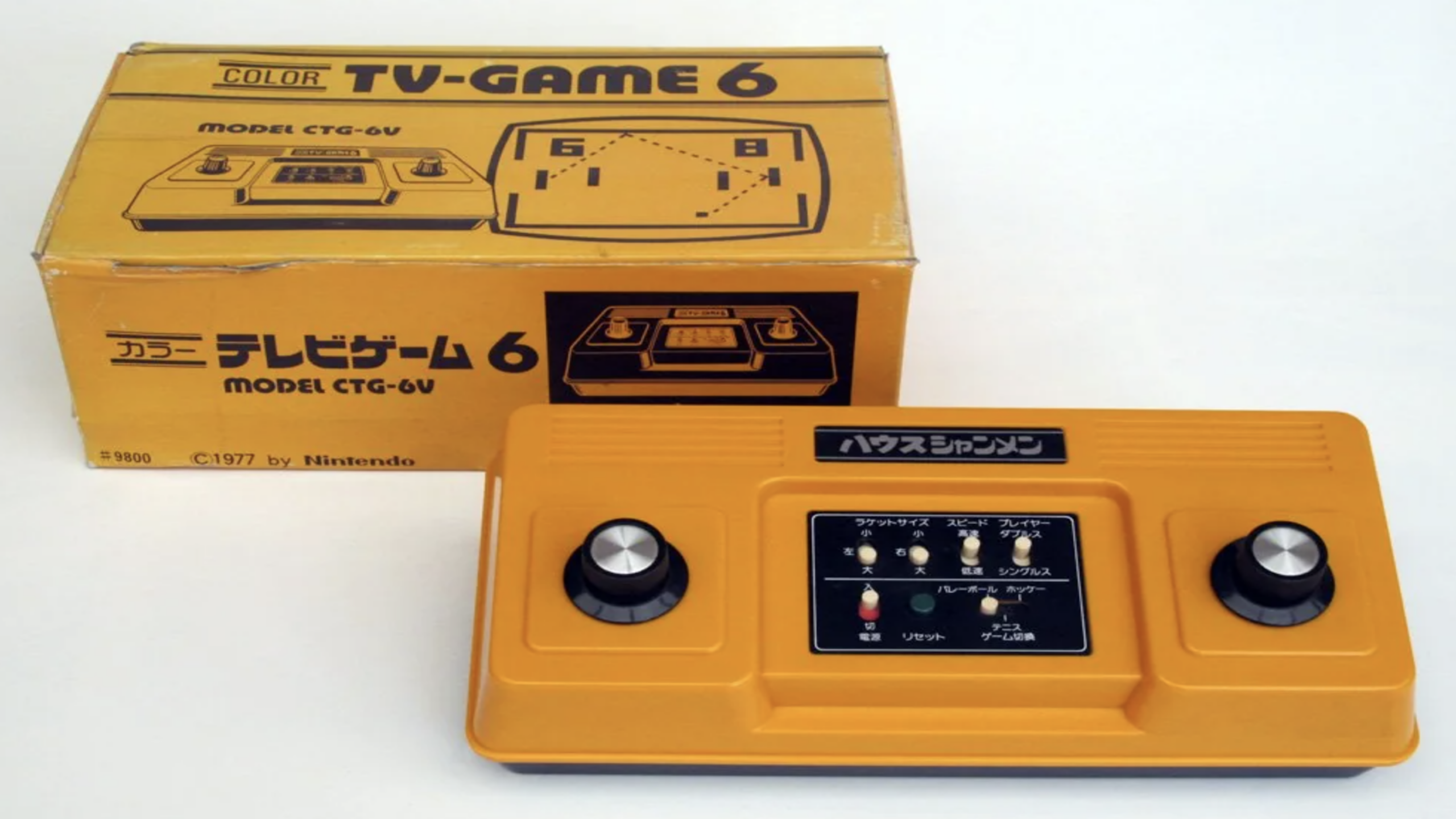
Years before Mario became a global icon, Nintendo entered the home gaming market with the Color TV-Game series. These dedicated consoles came with built in games and no interchangeable cartridges, but they introduced millions of Japanese families to video games. Every generation of Nintendo consoles can trace its roots back to these surprisingly successful machines.
2. Gaming Finally Left the Living Room
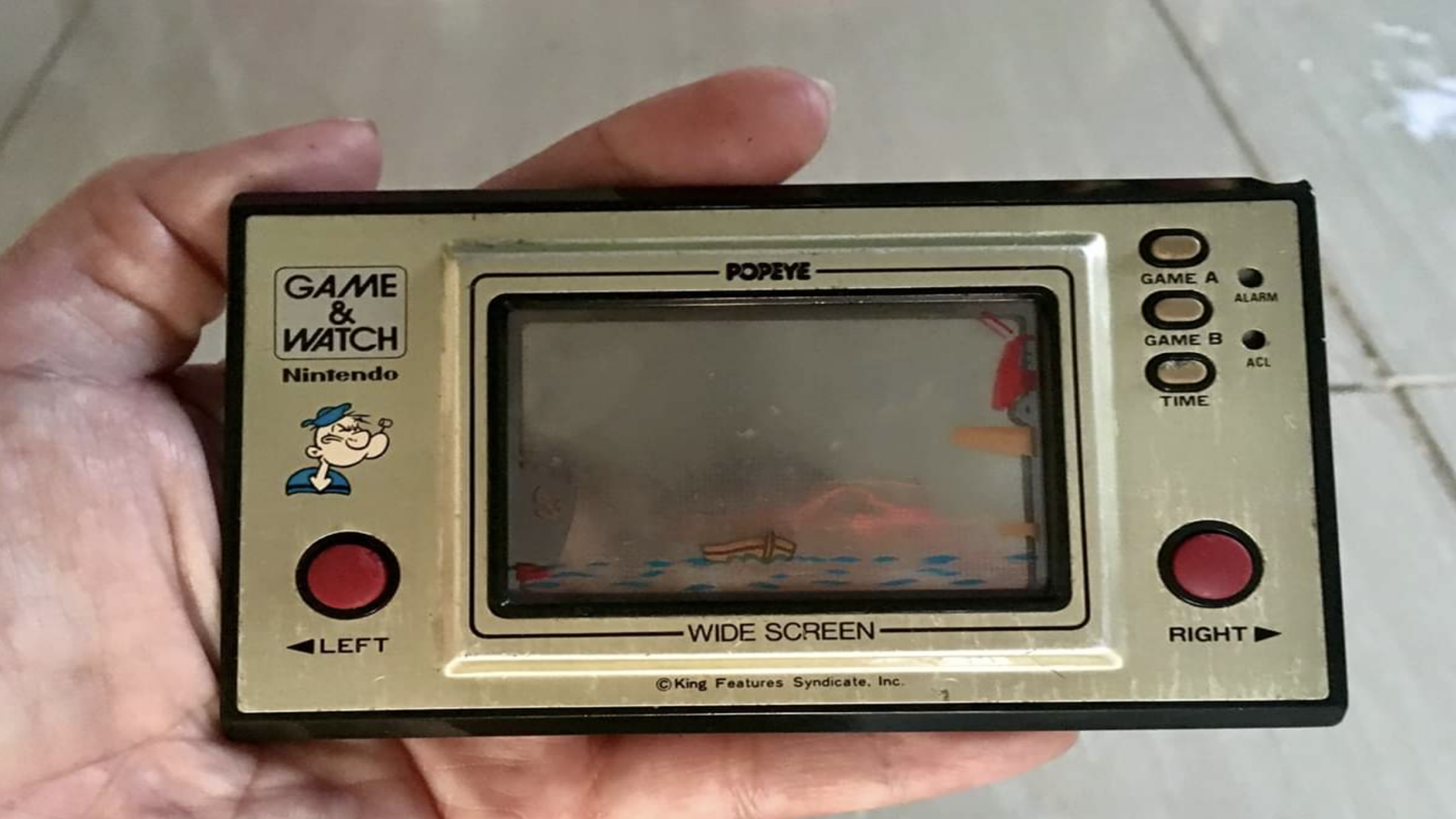
Although technically handheld systems rather than traditional consoles, the Game & Watch lineup revolutionized portable gaming. Designed by Gunpei Yokoi, these pocket sized devices introduced the D Pad, a control innovation that would later influence almost every controller in the industry.
3. The Console That Saved an Entire Industry
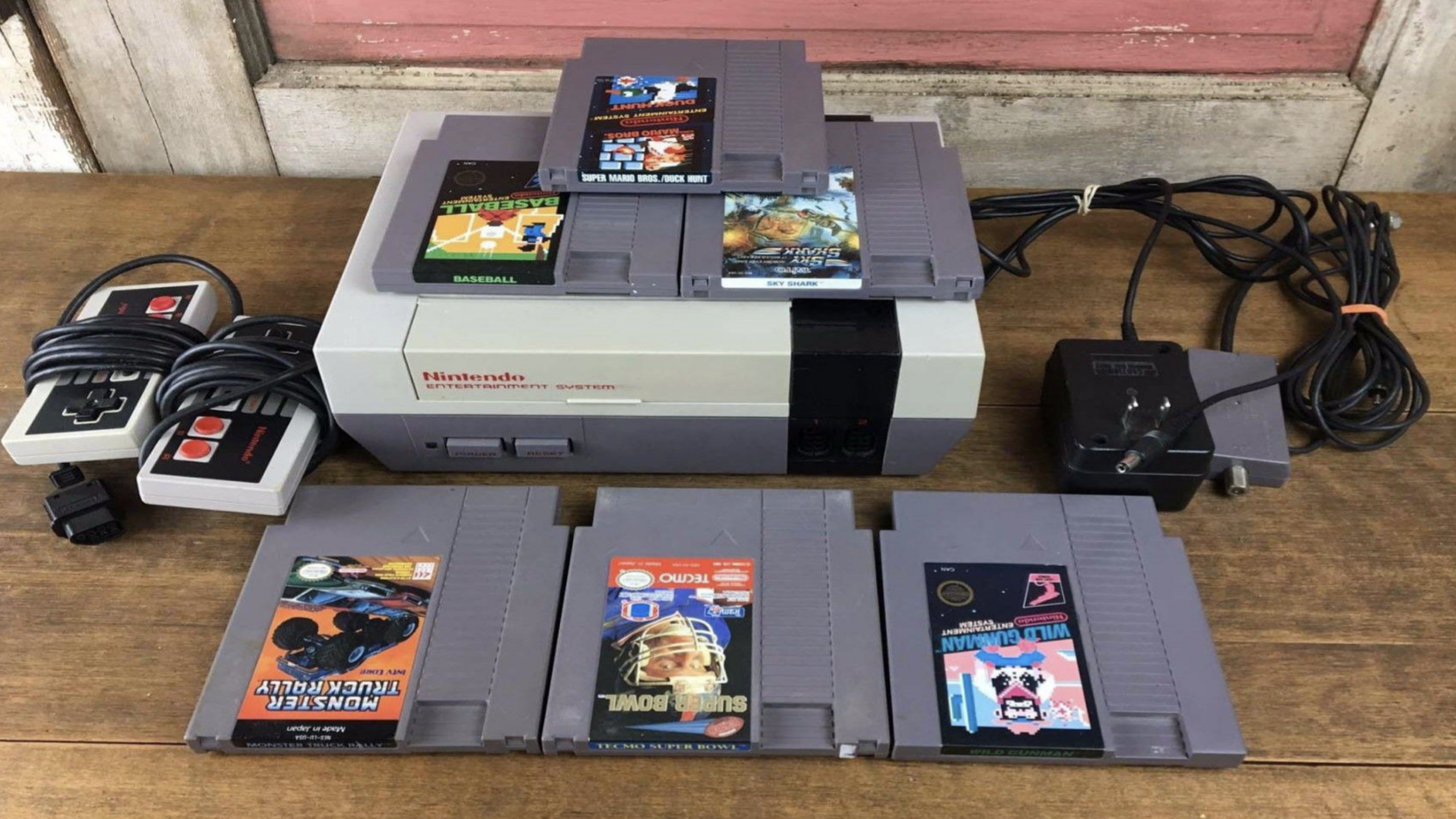
Released as the Famicom in Japan before arriving in North America as the NES, this machine revived the video game market after the crash of 1983. With legendary titles like Super Mario Bros., The Legend of Zelda, and Metroid, it established the blueprint for modern Nintendo consoles and transformed Nintendo into the industry’s biggest name.
4. A Black and White Screen That Beat Full Color Rivals
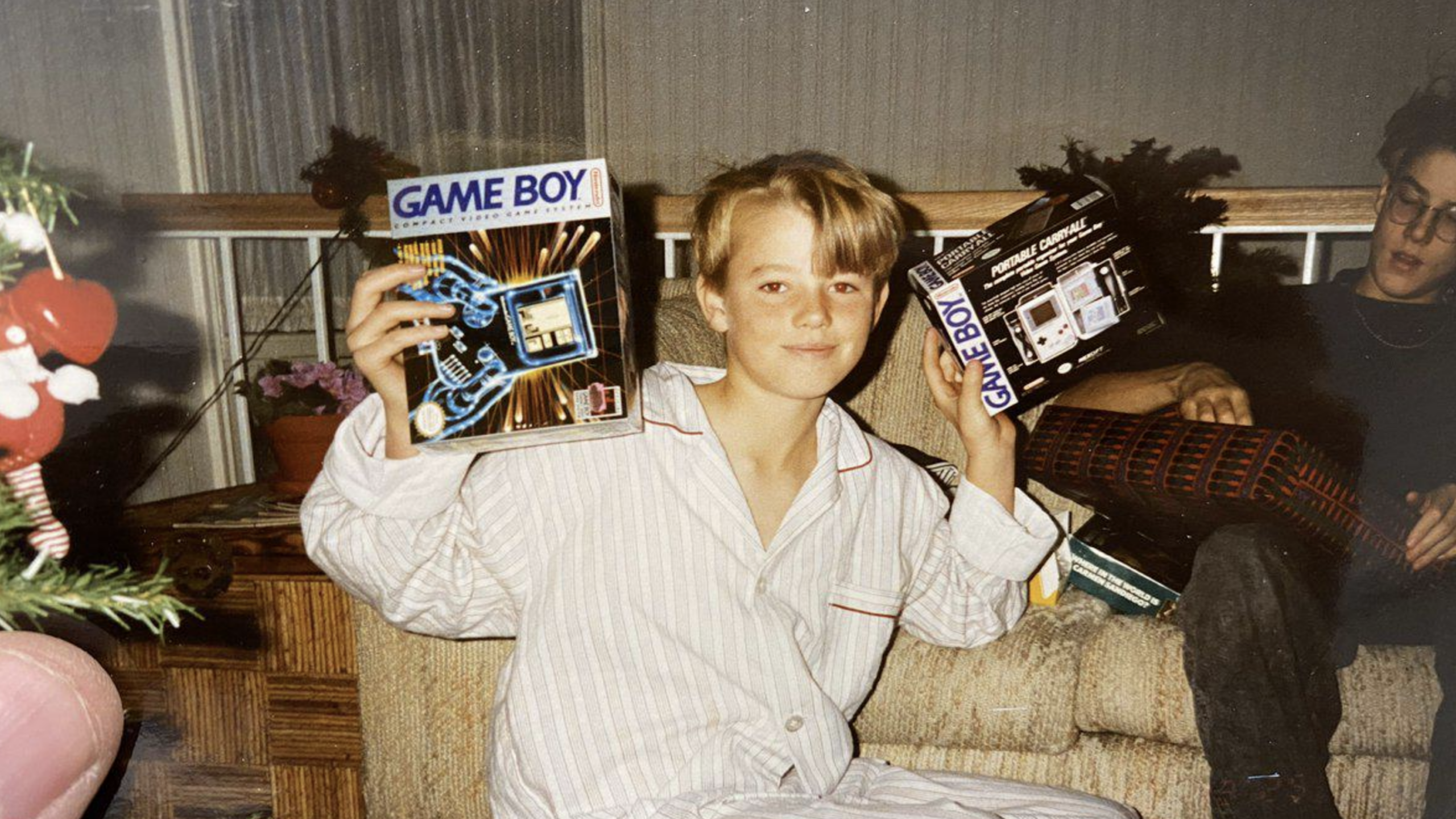
Its monochrome display looked outdated even at launch, but the Game Boy offered exceptional battery life, affordable pricing, and an unforgettable game library. Hits like Tetris and Pokémon Red & Blue helped it become one of the best selling handhelds of all time.
5. When Nintendo Learned the Power of 16 Bits
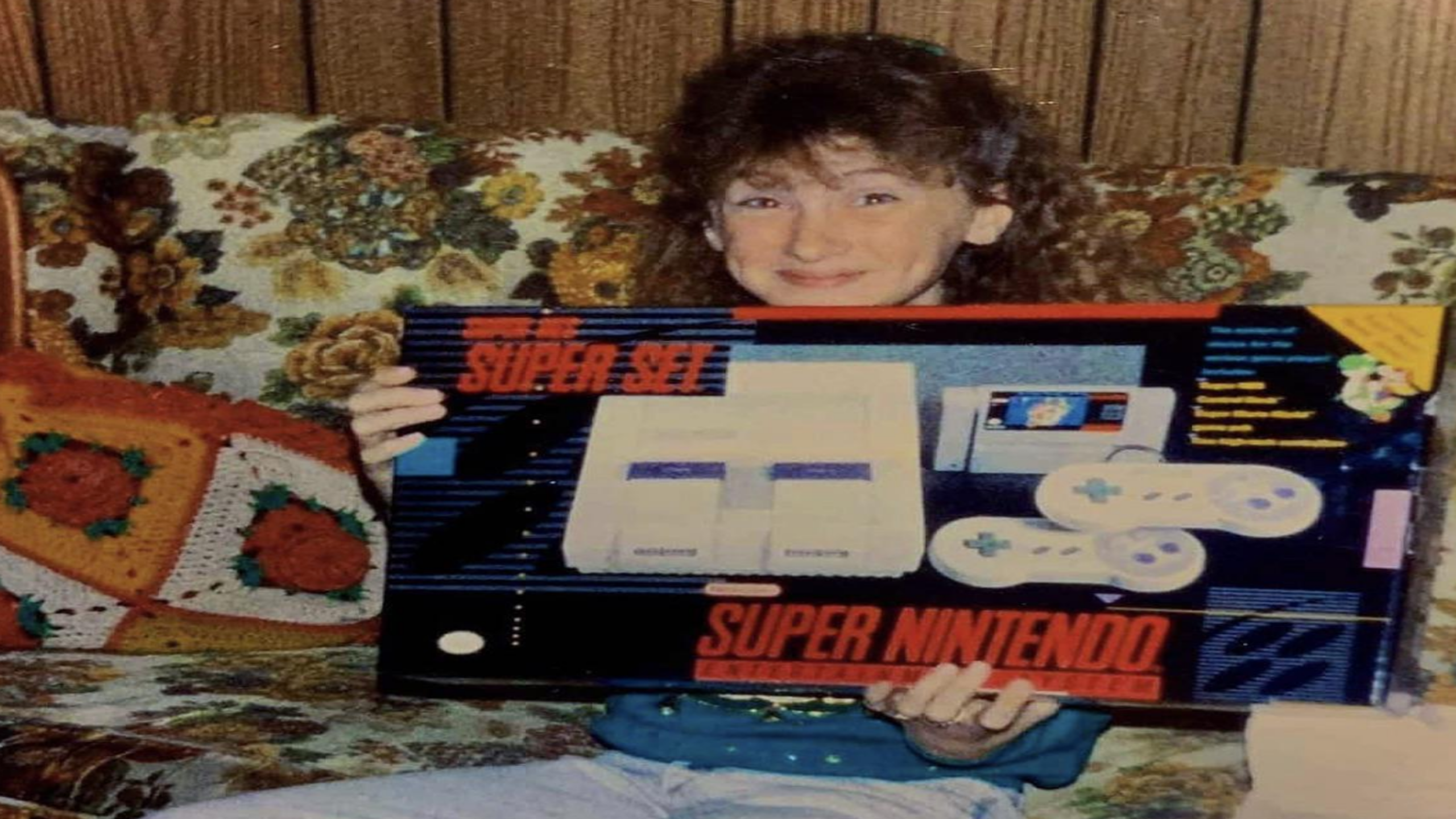
The SNES delivered richer colors, better audio, and more detailed worlds than its predecessor. Classics such as Super Mario World, The Legend of Zelda: A Link to the Past, and Super Metroid showed just how quickly Nintendo consoles were evolving during the early 1990s.
Trending on realmoneygamer.com

6. Nintendo Consoles Entered the Third Dimension
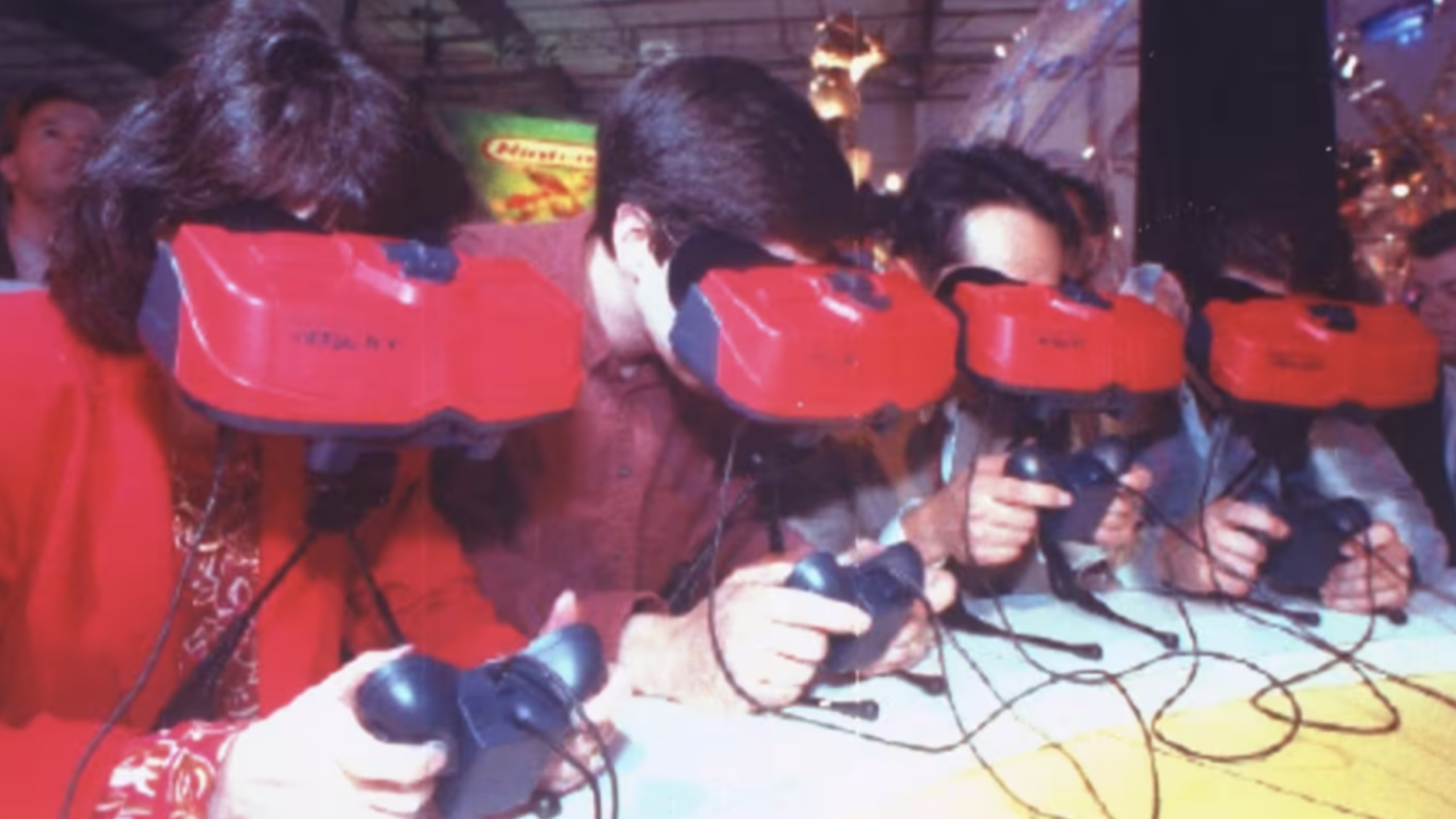
Nintendo’s bold attempt at virtual reality arrived decades before VR became mainstream. Despite its striking red display and stereoscopic 3D technology, uncomfortable ergonomics and a tiny game library prevented the Virtual Boy from finding commercial success. Today, it remains one of Nintendo’s most fascinating experiments.
7. The Leap That Changed 3D Gaming Forever
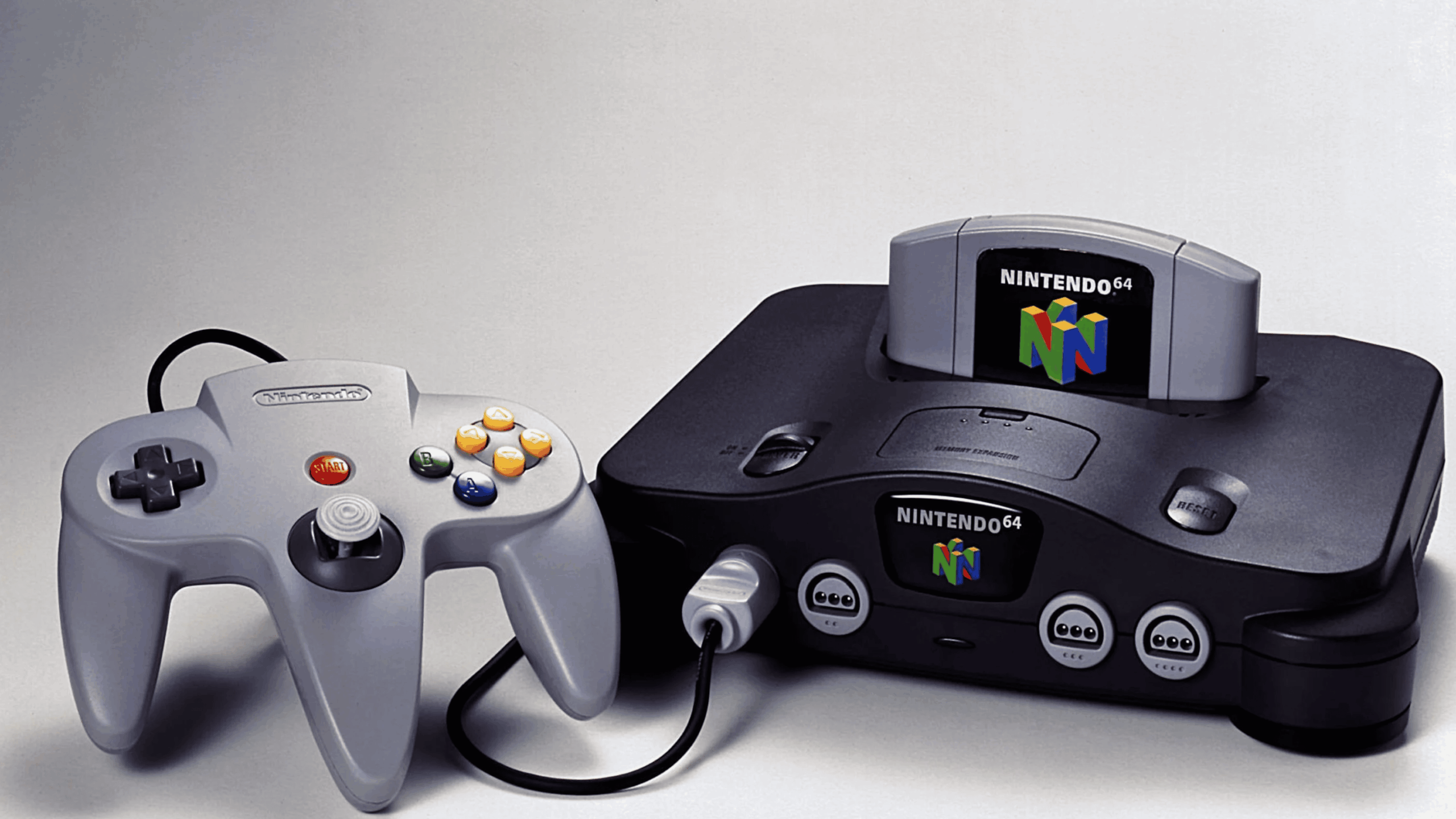
Few consoles had a bigger impact on game design than the Nintendo 64. Its analog stick transformed character movement, while games like Super Mario 64 and The Legend of Zelda: Ocarina of Time established design principles that continue influencing developers today. For many fans, this remains one of the defining Nintendo consoles ever released.
8. The Classic Handheld Finally Got Some Color
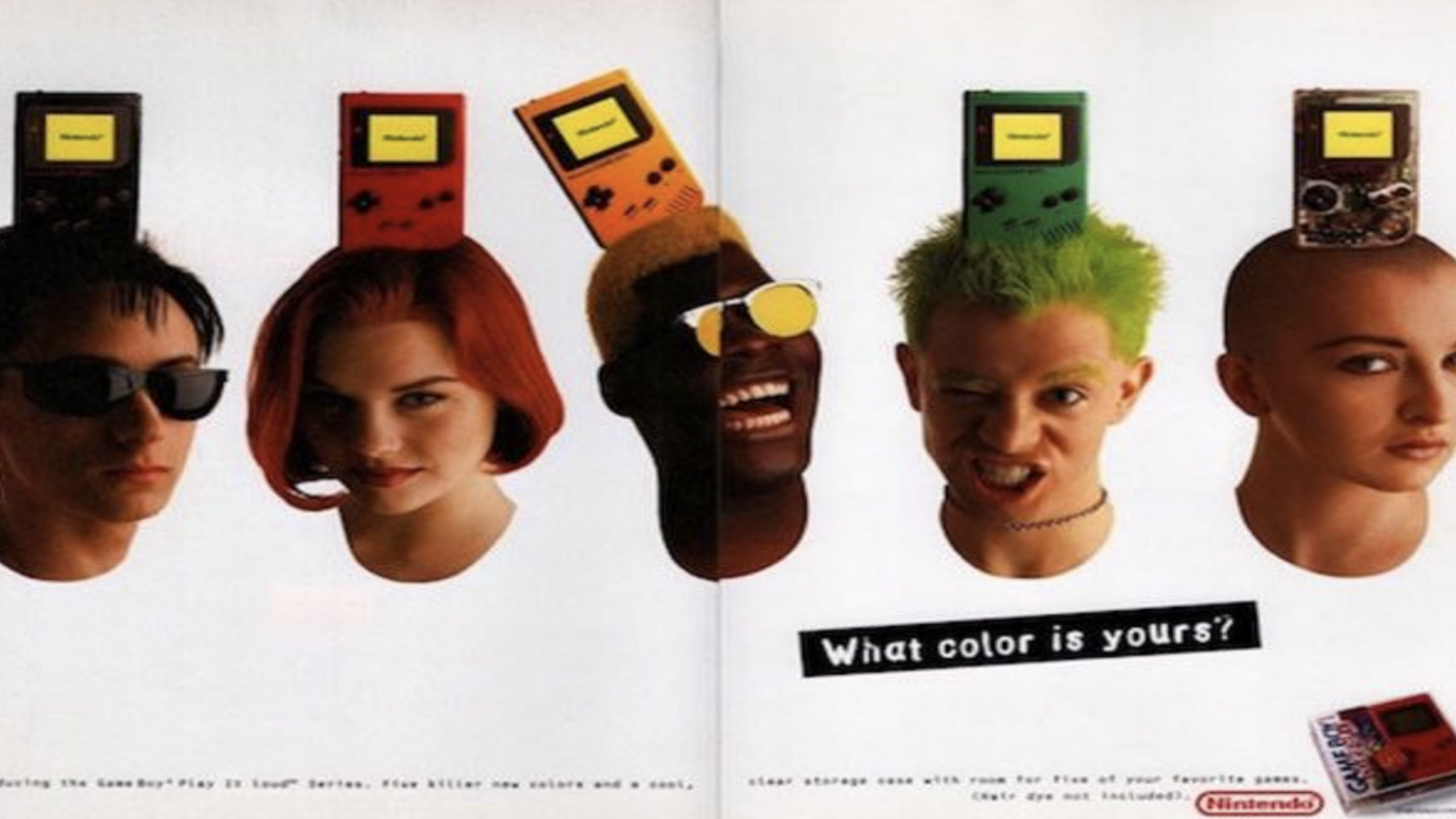
Rather than reinventing the Game Boy, Nintendo refined it. The addition of a full color screen breathed new life into existing games while introducing unforgettable releases like Pokémon Gold & Silver and The Legend of Zelda: Link’s Awakening DX.
9. The Little Purple Cube That Took Big Risks
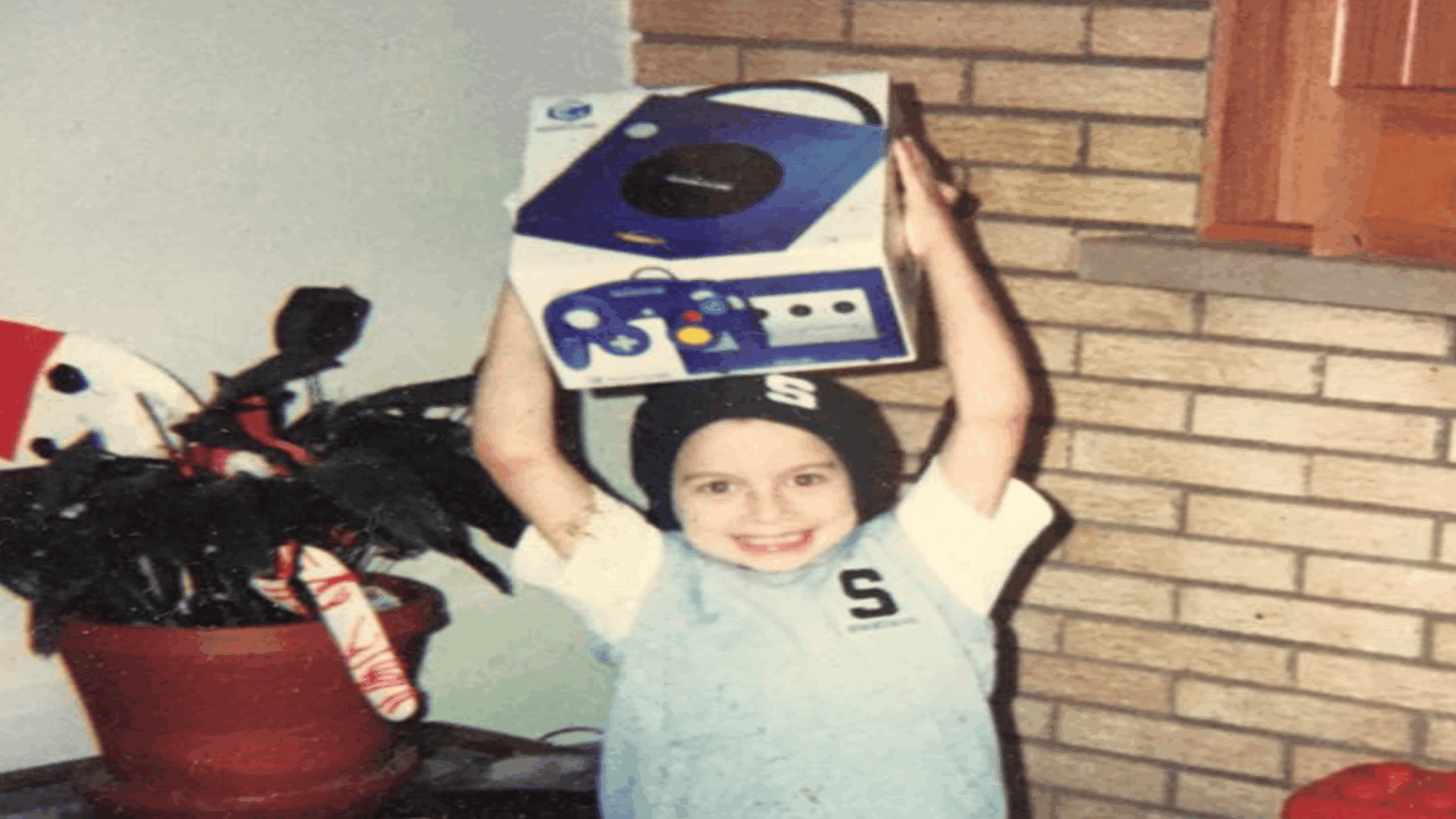
Compact, colorful, and unlike anything else on store shelves, the GameCube delivered memorable exclusives including Metroid Prime, Super Smash Bros. Melee, and The Legend of Zelda: The Wind Waker. Although it sold fewer units than its competitors, it became one of the most beloved Nintendo consoles among longtime fans.
10. A Handheld That Felt Like a Super Nintendo in Your Pocket
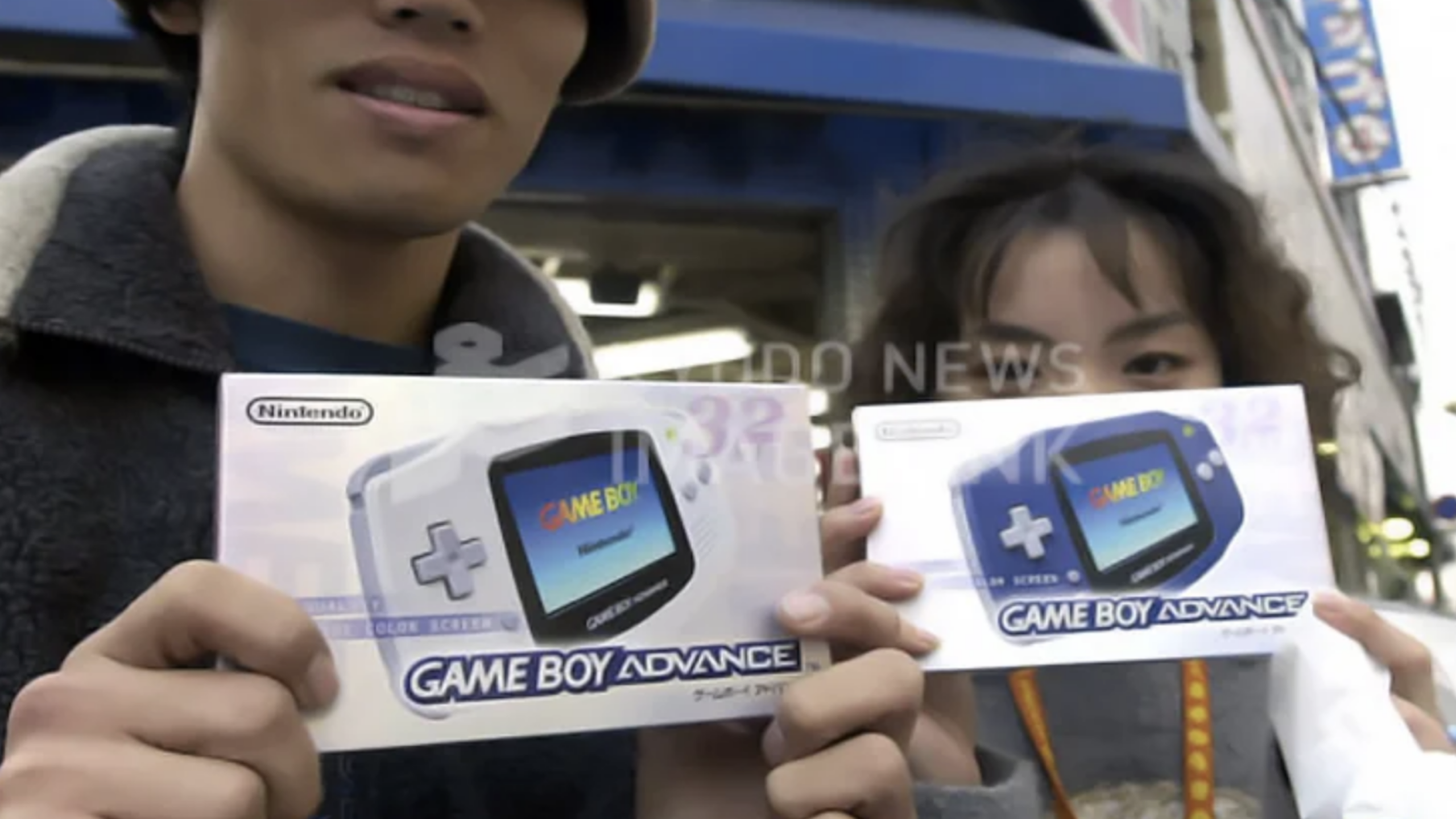
The Game Boy Advance combined portability with hardware capable of delivering experiences that rivaled 16 bit home consoles. Titles like Pokémon Emerald, Metroid Fusion, and Mario & Luigi: Superstar Saga helped cement its reputation as one of Nintendo’s greatest portable systems.
11. The Handheld That Outsold Almost Everything
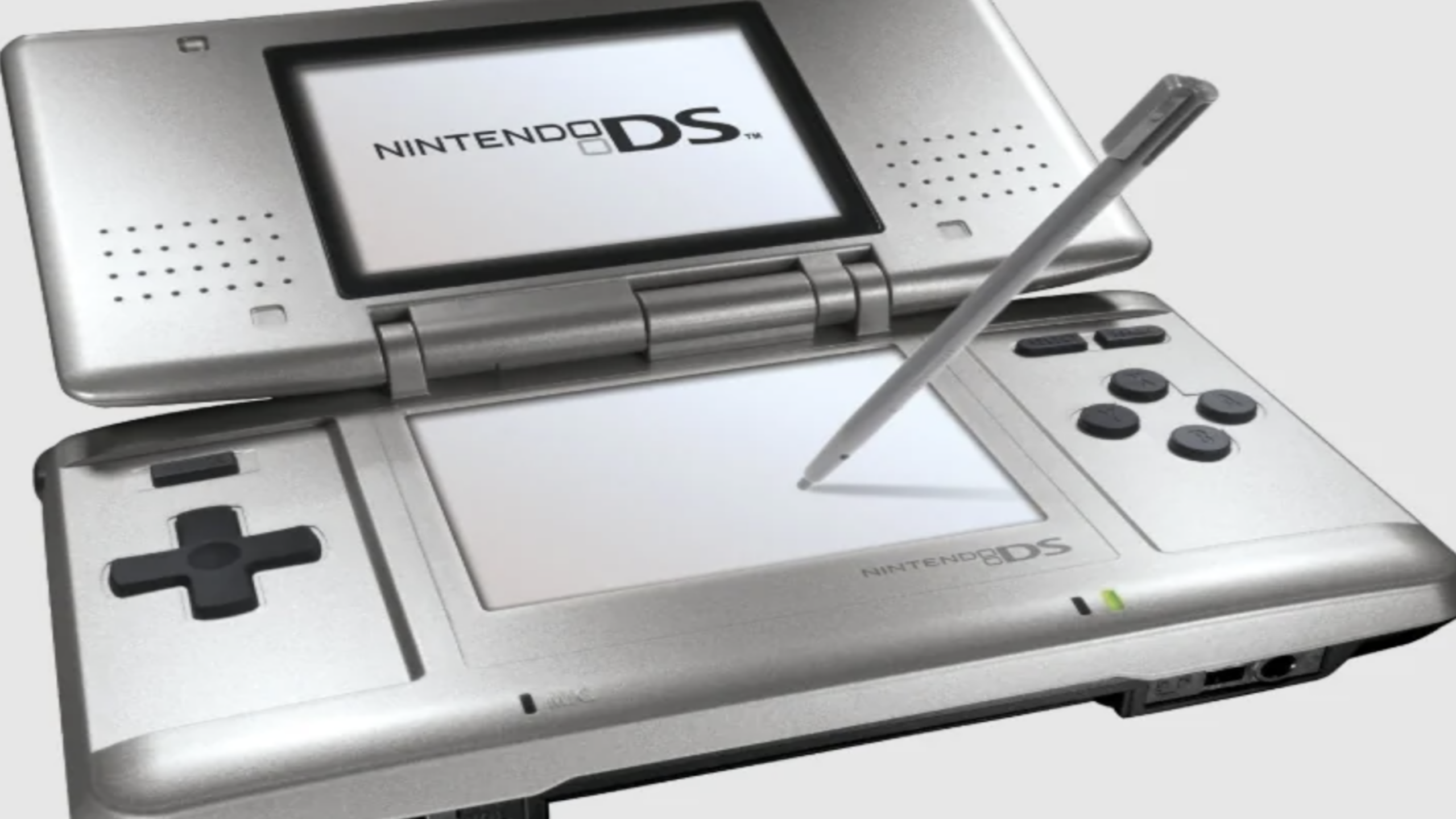
With its dual screens, touchscreen controls, and built in microphone, the Nintendo DS completely changed portable gaming. Many questioned its unusual design at launch, but games like New Super Mario Bros., Mario Kart DS, and Pokémon Diamond & Pearl helped it become one of the best selling systems ever made.
12. Small Enough to Fit Almost Anywhere
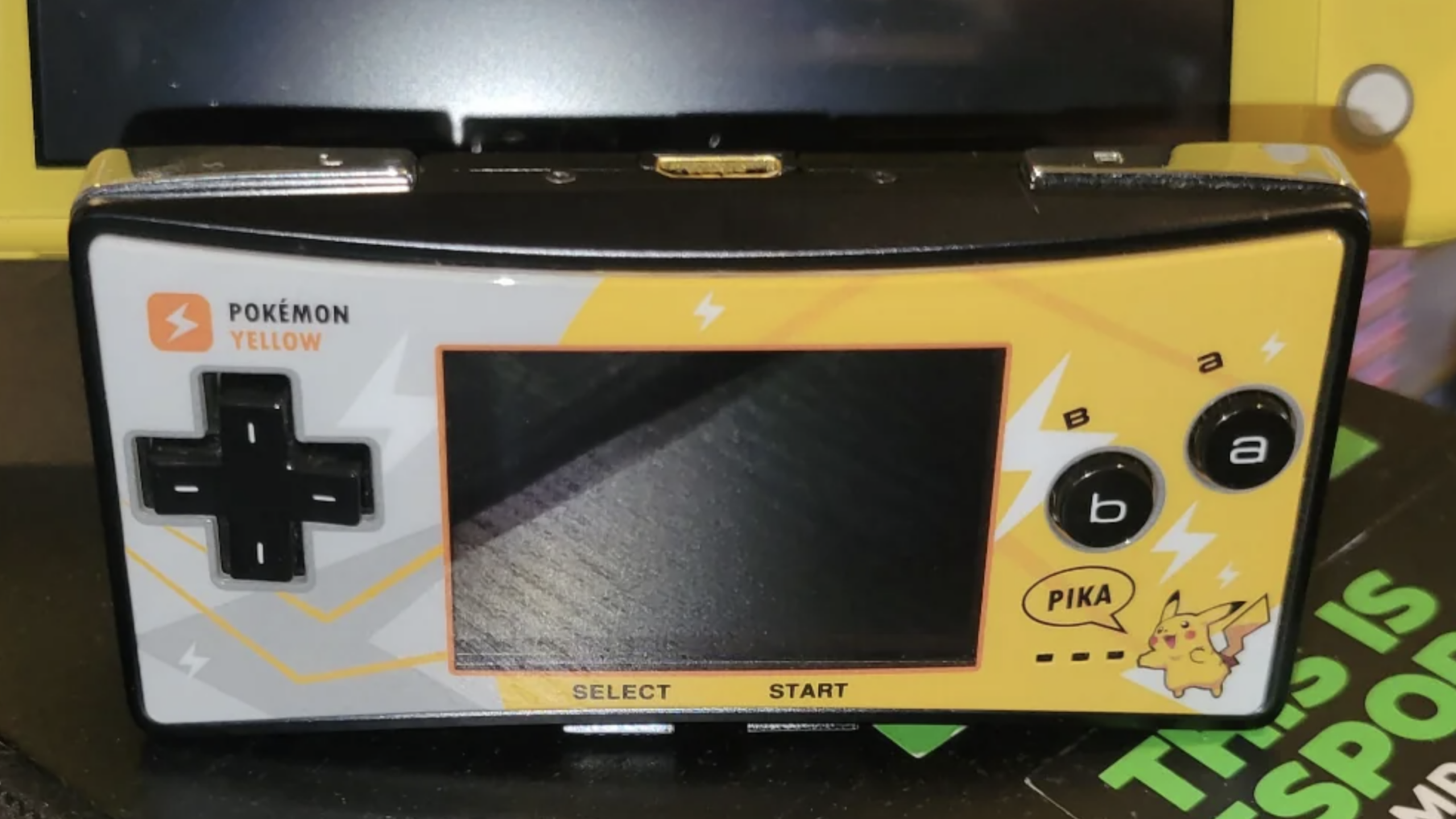
Nintendo shrank the Game Boy Advance into one of the tiniest handhelds ever released. While the compact design impressed collectors, the miniature screen and lack of backward compatibility with older Game Boy cartridges limited its mainstream appeal. Today, it’s one of the company’s most sought after portable systems.
13. The Console That Got Grandparents Playing Video Games
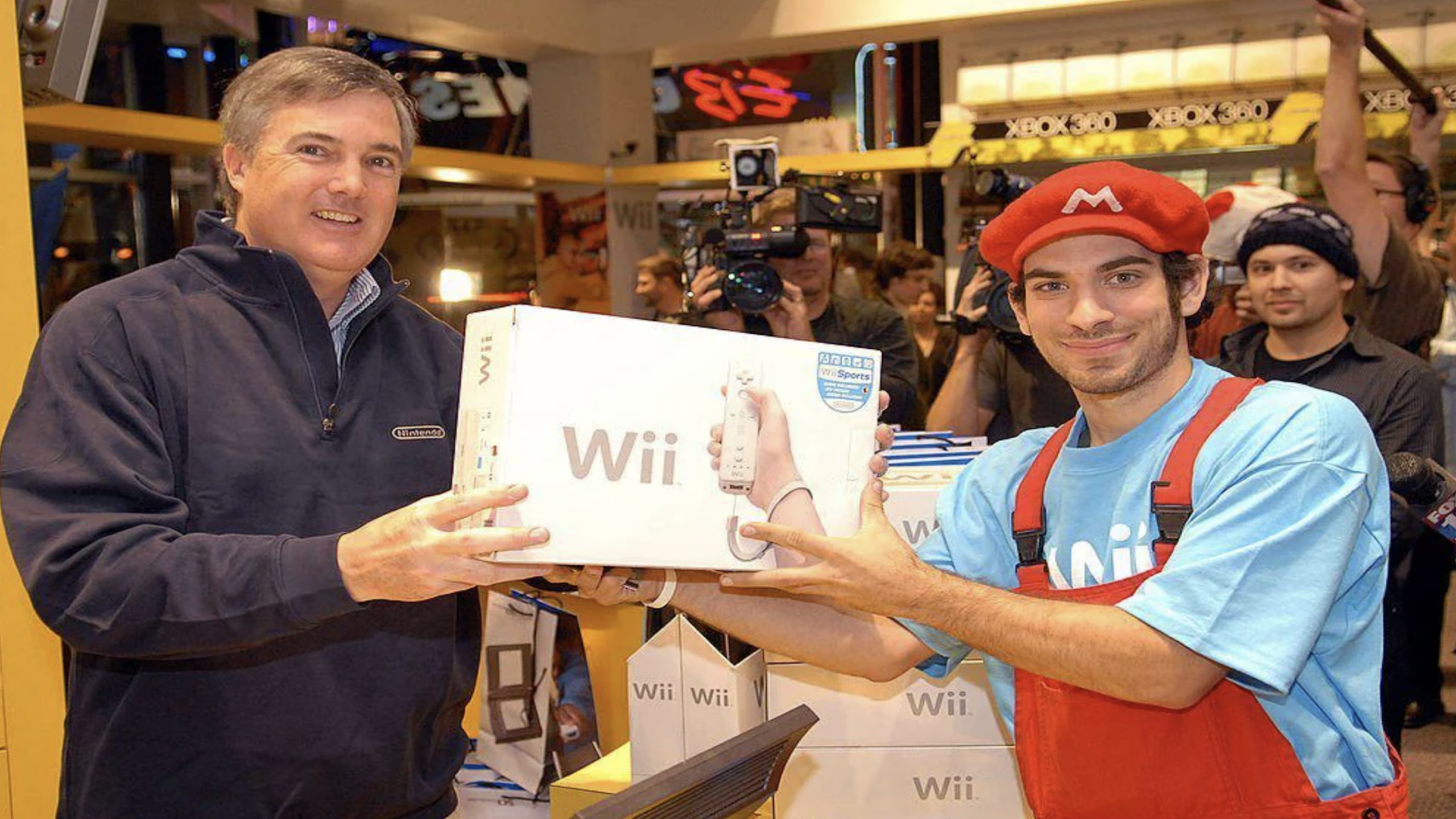
Instead of competing with Sony and Microsoft on graphics, Nintendo focused on motion controls. The gamble paid off spectacularly. Wii Sports, Mario Kart Wii, and Super Mario Galaxy helped turn the Wii into a global phenomenon, proving Nintendo consoles didn’t need cutting edge hardware to dominate the market.
14. When Nintendo Added Cameras to Gaming
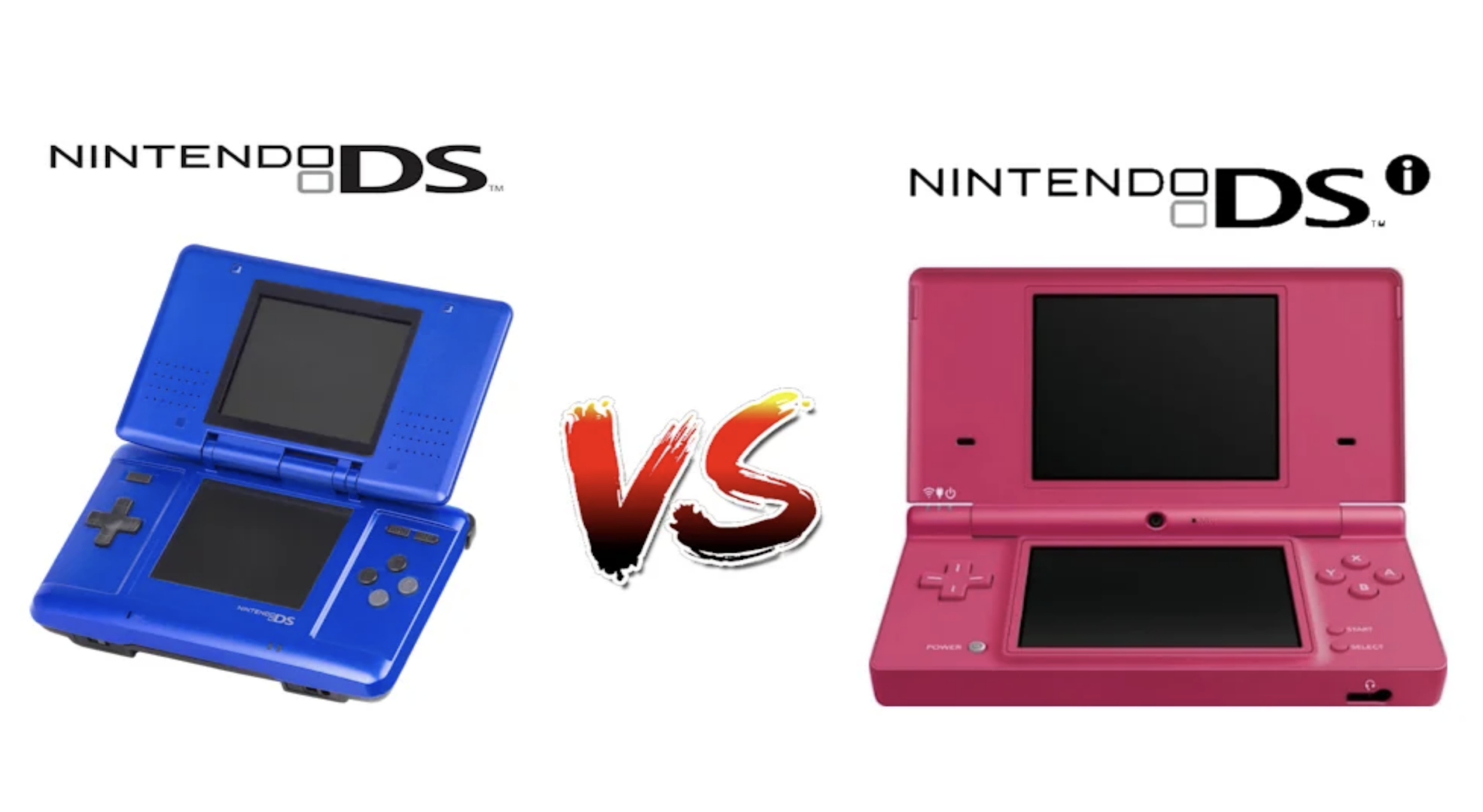
The DSi refined the original DS by adding two cameras, downloadable games through the DSi Shop, more internal memory, and a slimmer design. It marked Nintendo’s first major step toward digital game distribution on handheld devices.
15. Glasses Free 3D Was the Big Selling Point
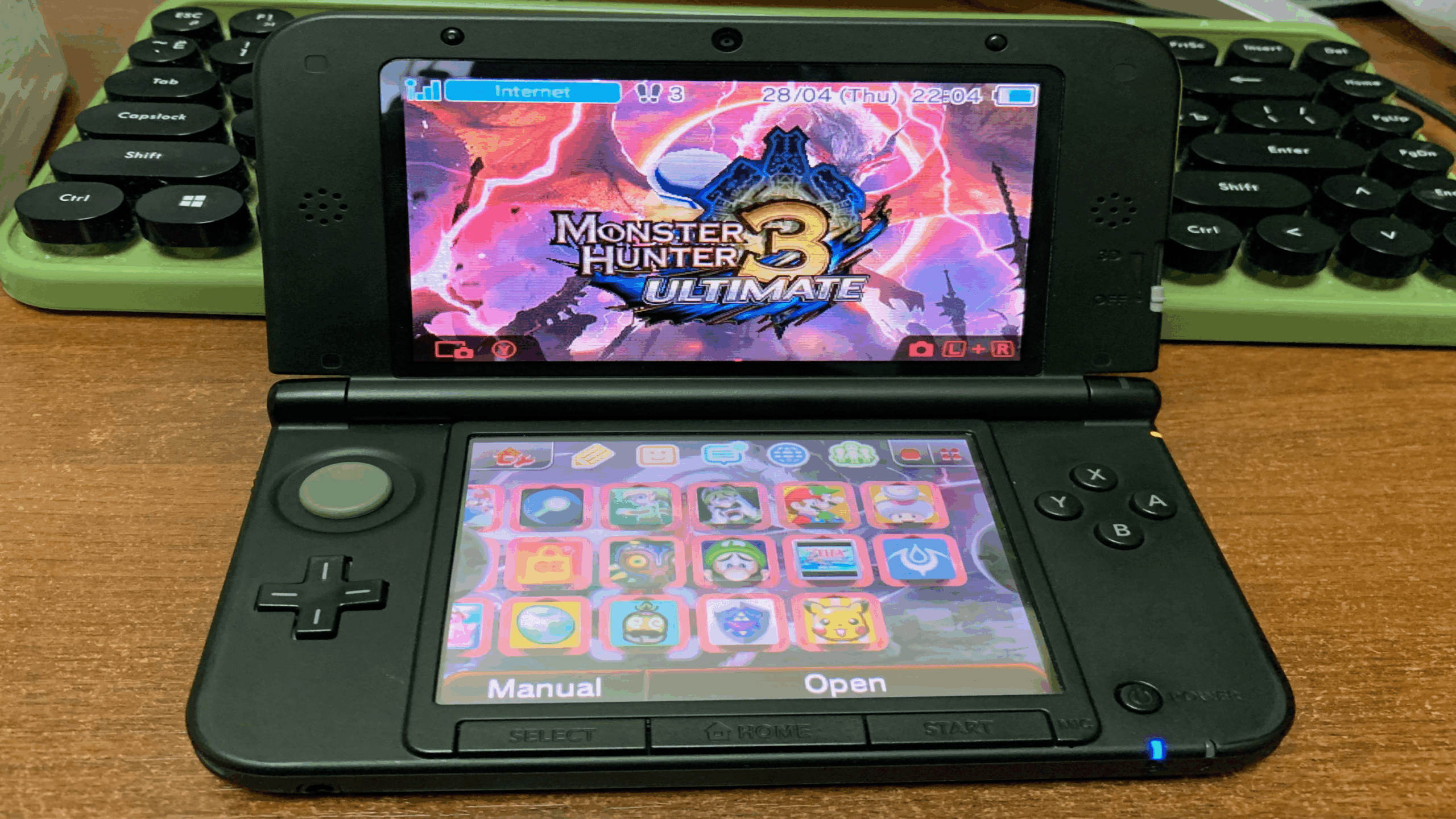
Nintendo attempted something no major handheld manufacturer had done before by introducing stereoscopic 3D without requiring special glasses. Although the feature eventually became secondary, games like Mario Kart 7, Animal Crossing: New Leaf, and Pokémon X & Y made the 3DS one of the company’s biggest successes.
16. The Console That Accidentally Paved the Way for the Switch
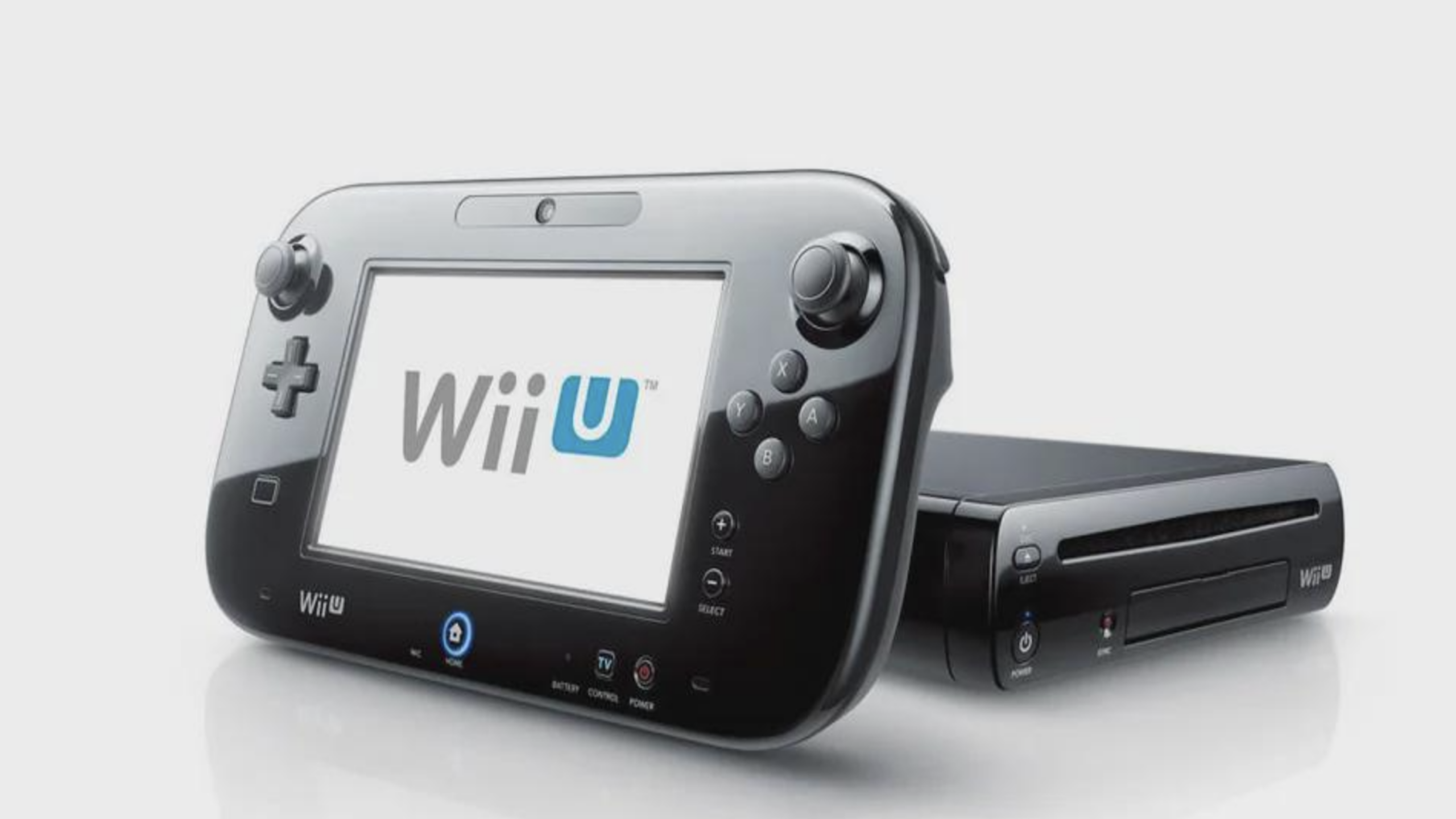
Commercially, the Wii U struggled to find an audience, but many of its ideas survived. Its GamePad introduced second screen gameplay that influenced Nintendo’s future hardware, while exclusives like Mario Kart 8, Splatoon, and Super Mario 3D World later became massive hits on newer Nintendo consoles.
17. A Faster Version for Nintendo’s Biggest Fans
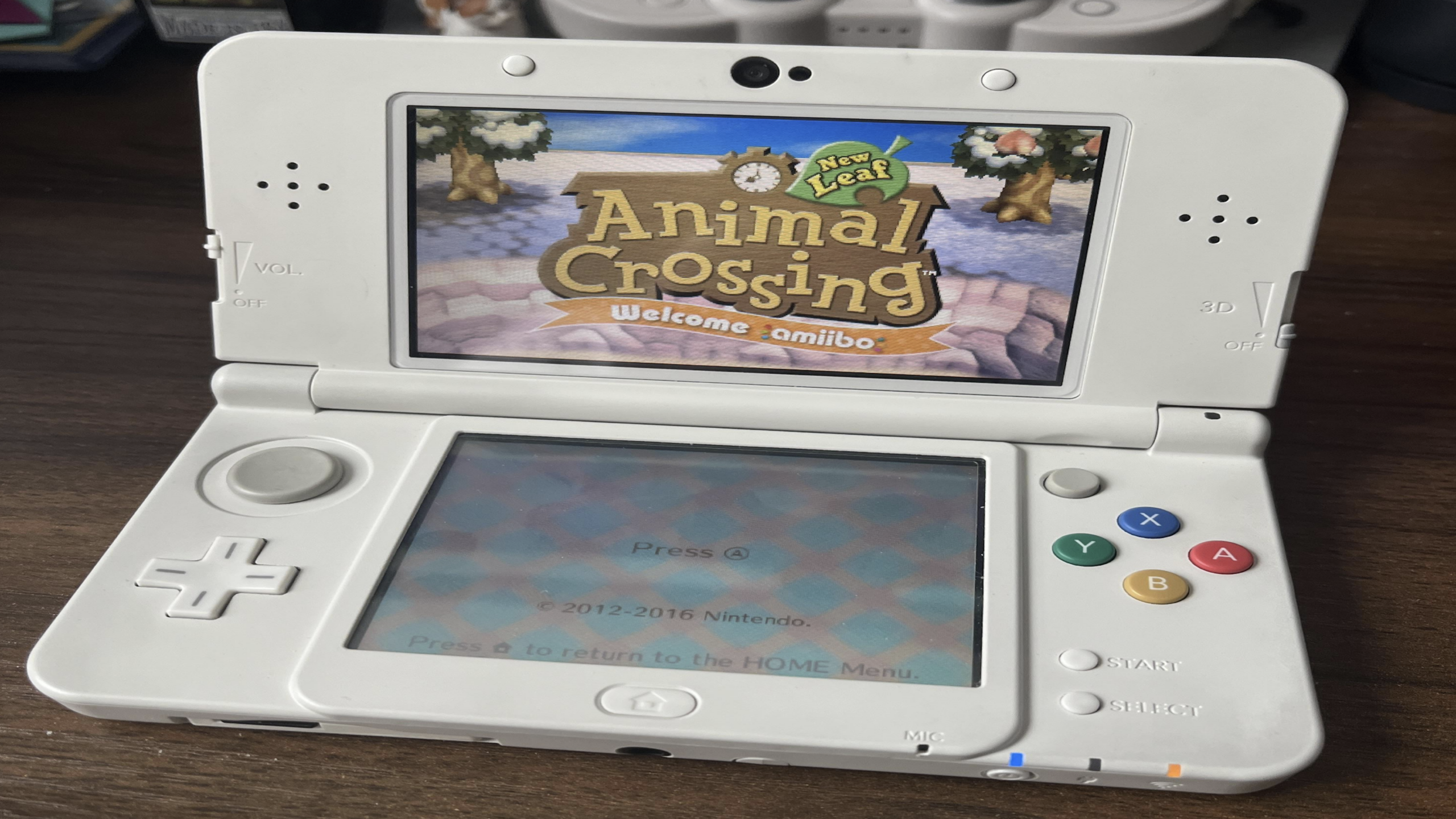
Rather than replacing the 3DS, Nintendo upgraded it with improved processing power, a second analog nub, extra shoulder buttons, and eye tracking technology that made the 3D effect much more stable. It became the definitive version of the handheld.
18. One Console, Two Ways to Play
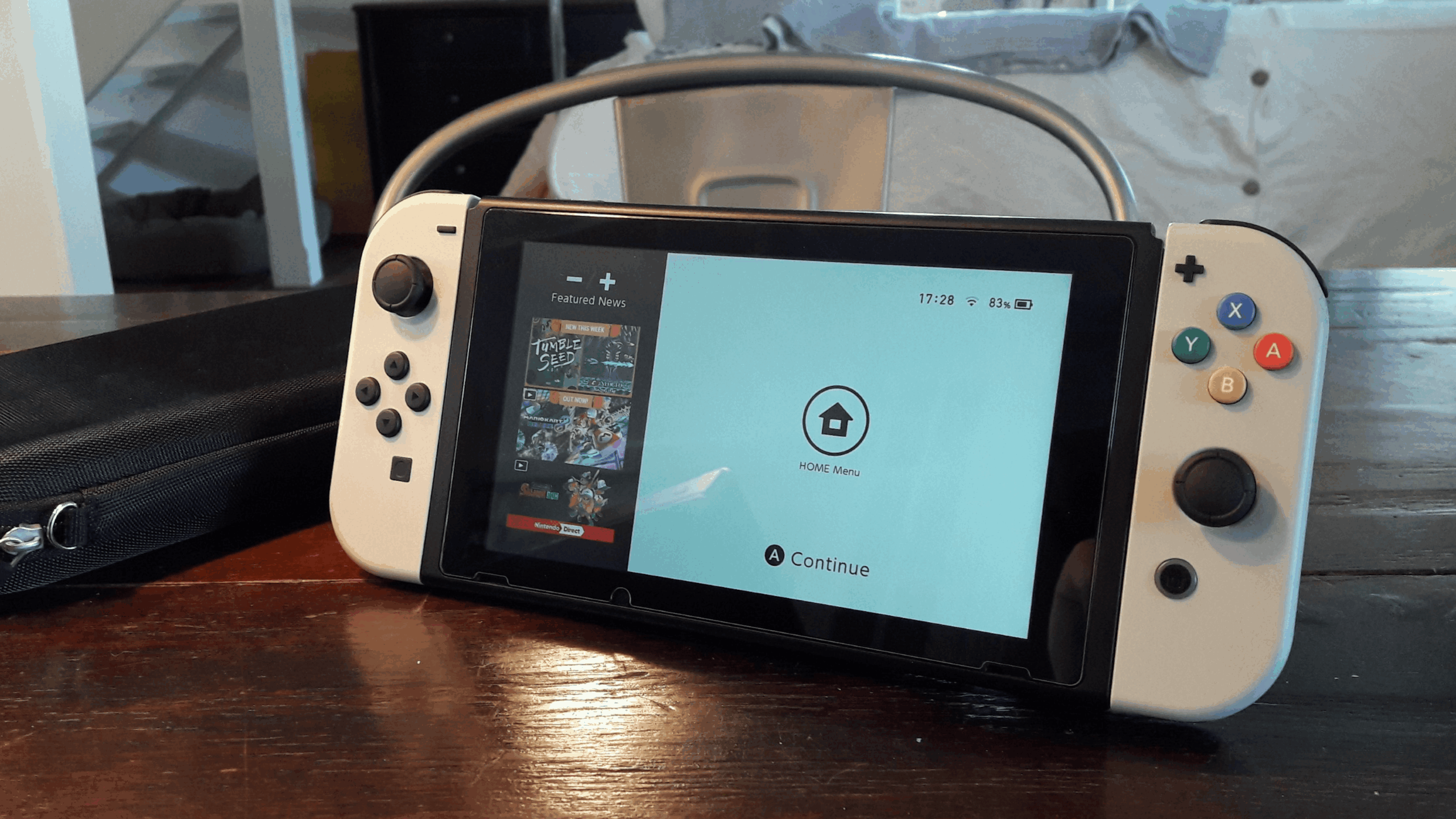
The Switch erased the line between home and portable gaming. Players could dock it to a television or continue the same game on the go within seconds. Combined with hits like The Legend of Zelda: Breath of the Wild, Animal Crossing: New Horizons, and Super Mario Odyssey, it became one of Nintendo’s greatest commercial successes.
19. The Upgrade That Made Portable Gaming Shine
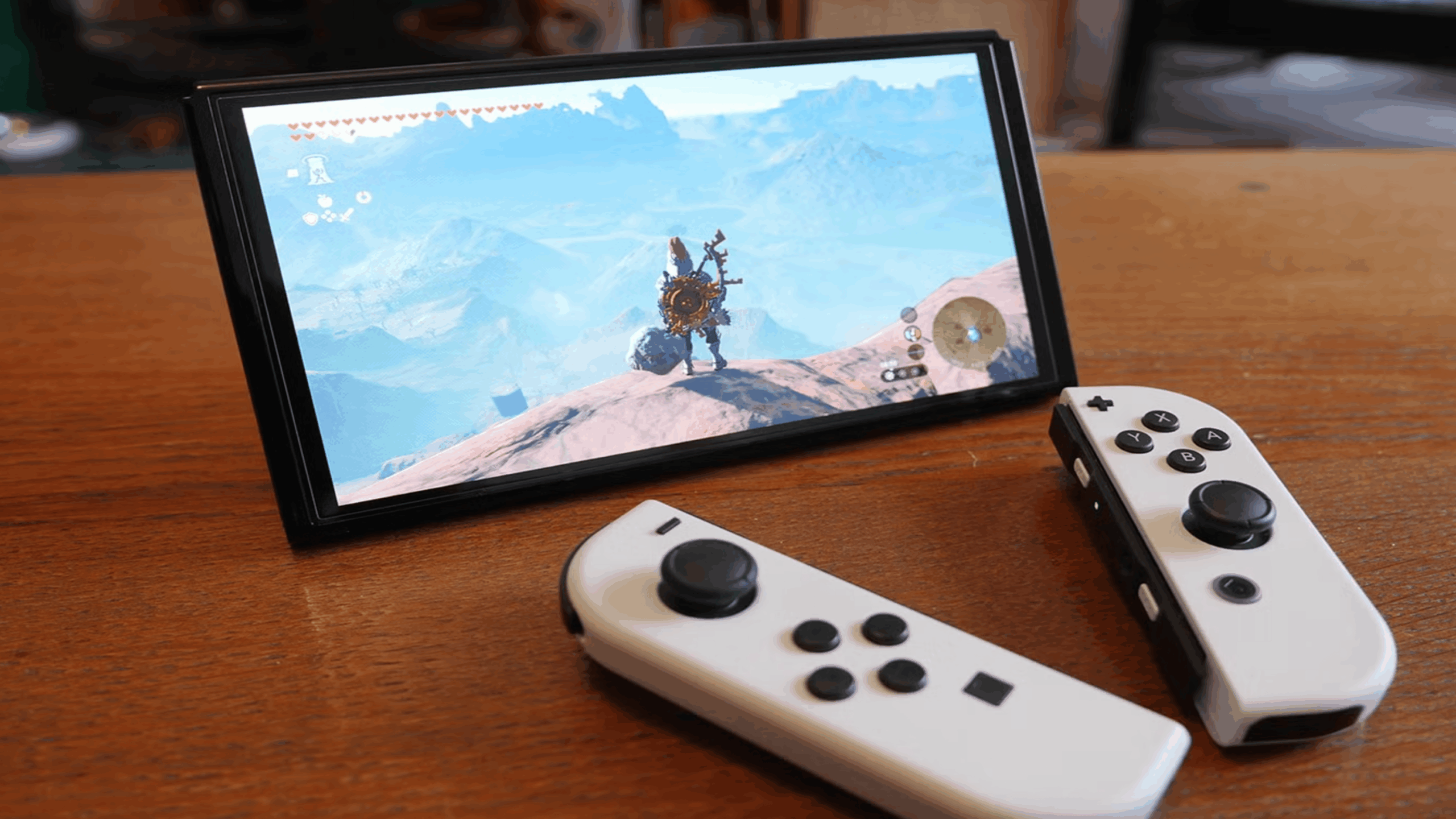
Instead of introducing more power, Nintendo focused on improving the experience with a vibrant OLED display, enhanced speakers, a sturdier kickstand, and increased internal storage. It quickly became the preferred model for players who spent most of their time gaming in handheld mode.
20. Nintendo’s Biggest Evolution Yet
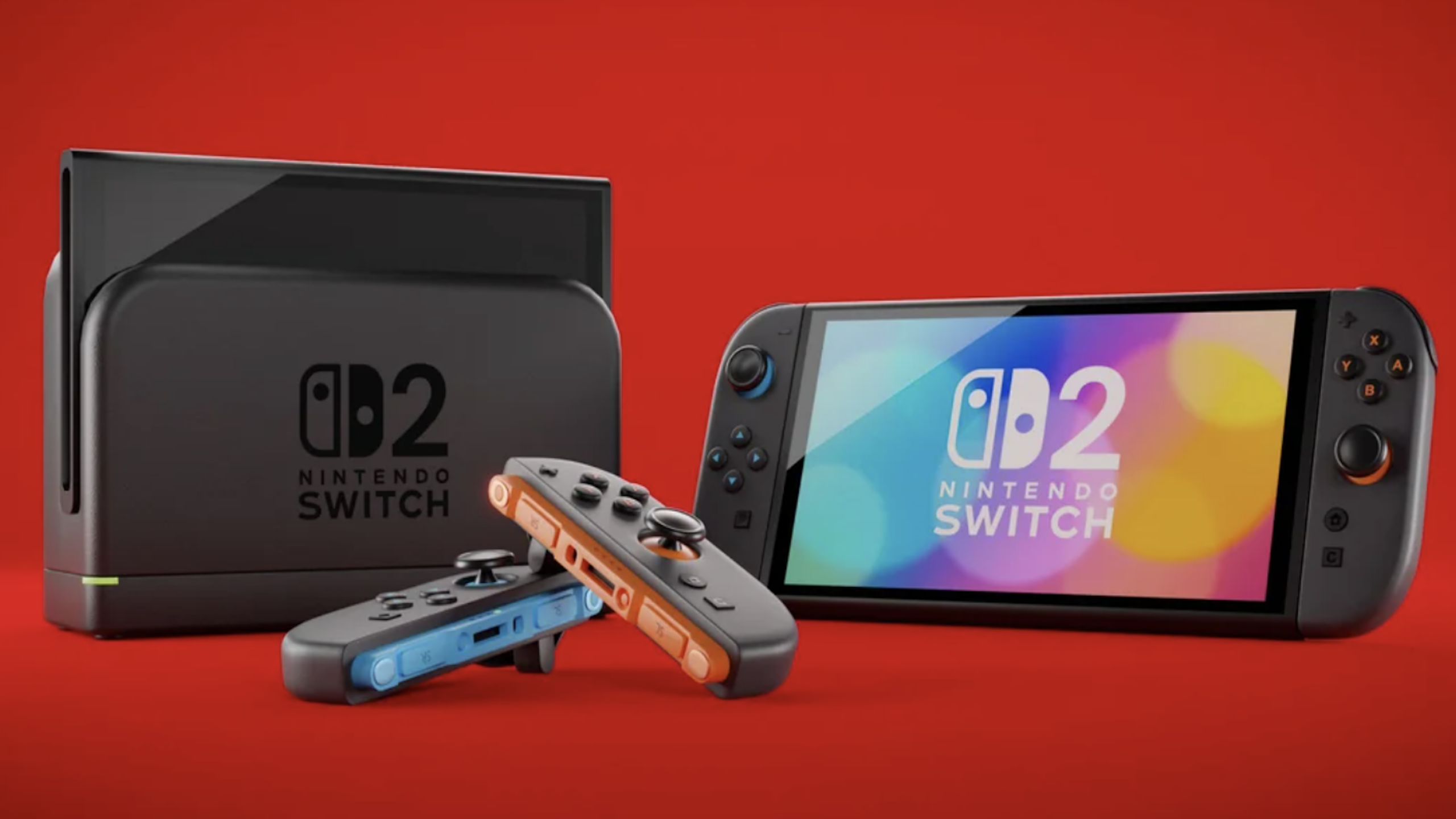
Released in 2025, the Nintendo Switch 2 builds on the hybrid formula that made its predecessor a worldwide phenomenon. A larger display, significantly more powerful hardware, upgraded Joy Con controllers, and support for modern technologies such as DLSS allow the system to run far more demanding games while maintaining backward compatibility with most original Switch titles. It represents the latest chapter in the long evolution of Nintendo consoles, proving Nintendo can continue innovating without abandoning the ideas that made the Switch a global success.