Weird tech trends have a habit of feeling inevitable. For a few years, they’re everywhere. Industry experts predict they’ll reshape everyday life, companies invest billions, and consumers rush to buy in before everyone else. Then reality catches up. Some ideas arrive too early, others solve problems nobody actually has, and a few are simply overtaken by something better. The most fascinating part is that many of these trends weren’t completely wrong. They just imagined a future that ended up taking a very different path.
Everybody Wanted a 3D TV
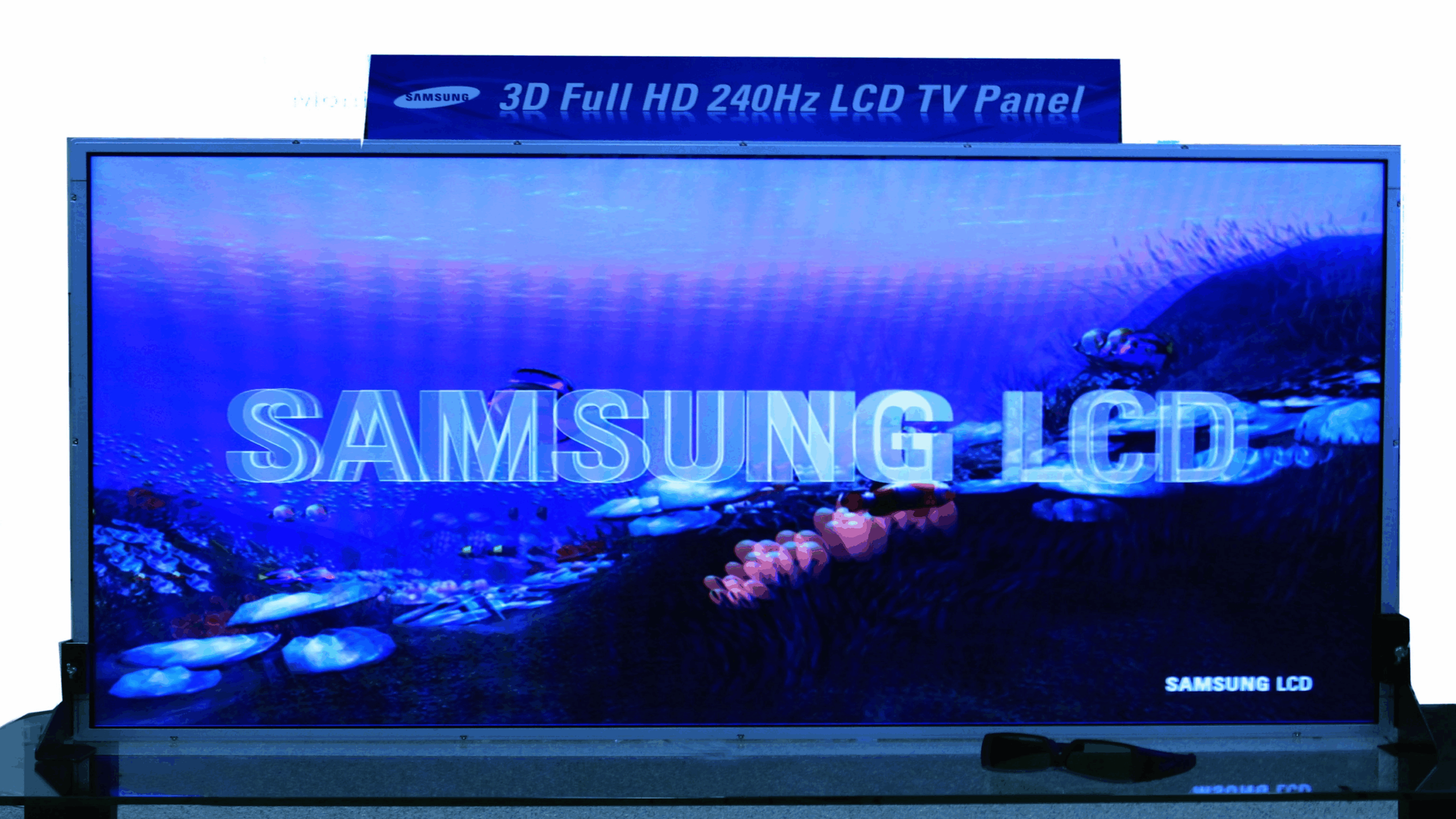
Back in the early 2010s, weird tech companies were convinced that 3D would transform home entertainment. Major brands invested heavily in the technology, Hollywood embraced it, and retailers couldn’t stop promoting it. Most consumers eventually decided that wearing glasses to watch television wasn’t worth the hassle.
Netbooks Were Supposed to Replace Laptops
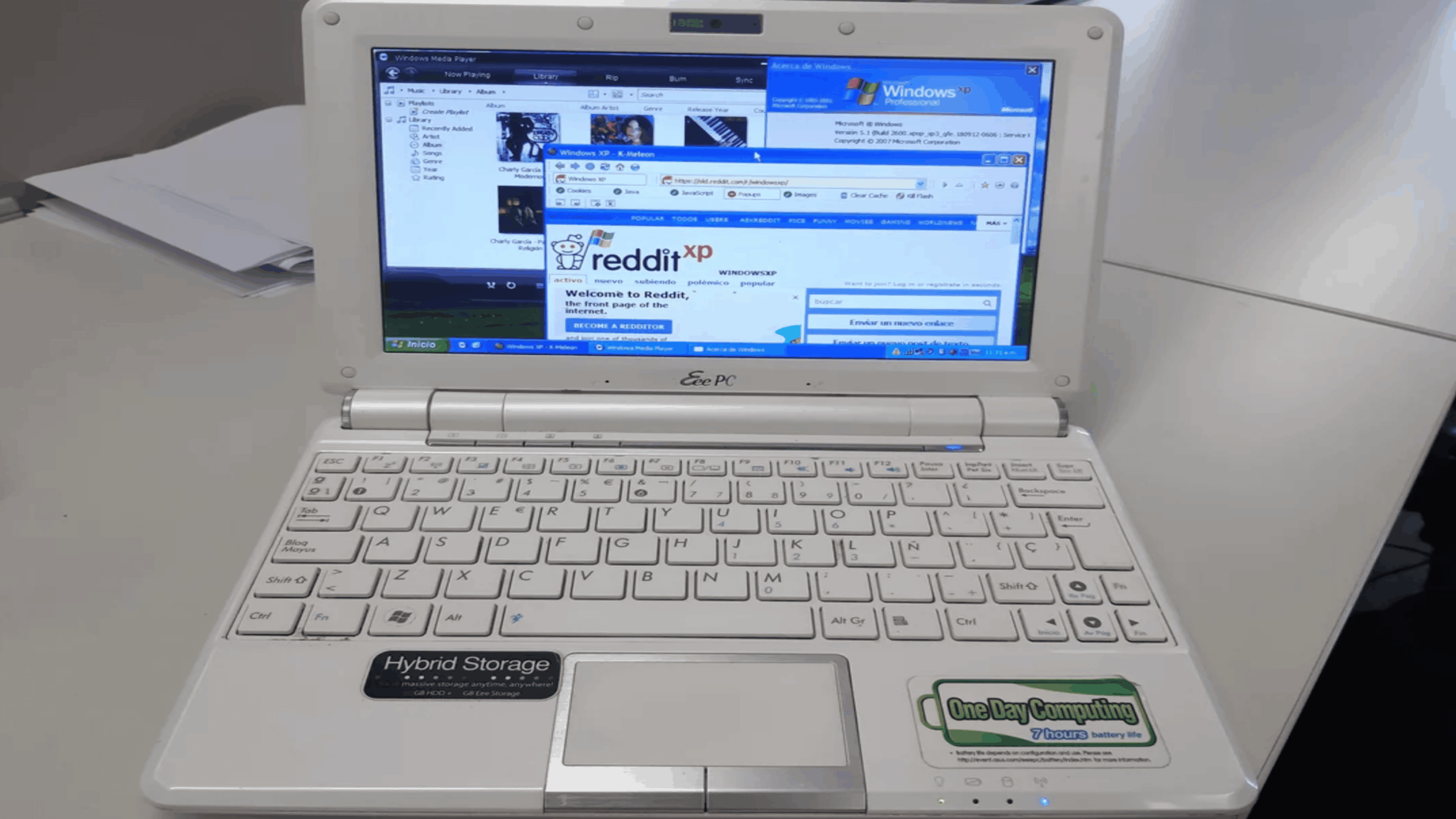
For a brief period around 2008, netbooks looked like the future of personal computing. Lightweight, inexpensive, and portable, they appeared to offer everything people wanted. Then tablets and ultrabooks arrived and exposed their limitations almost overnight.
Weird Tech Didn’t Get Bigger Than Curved TVs
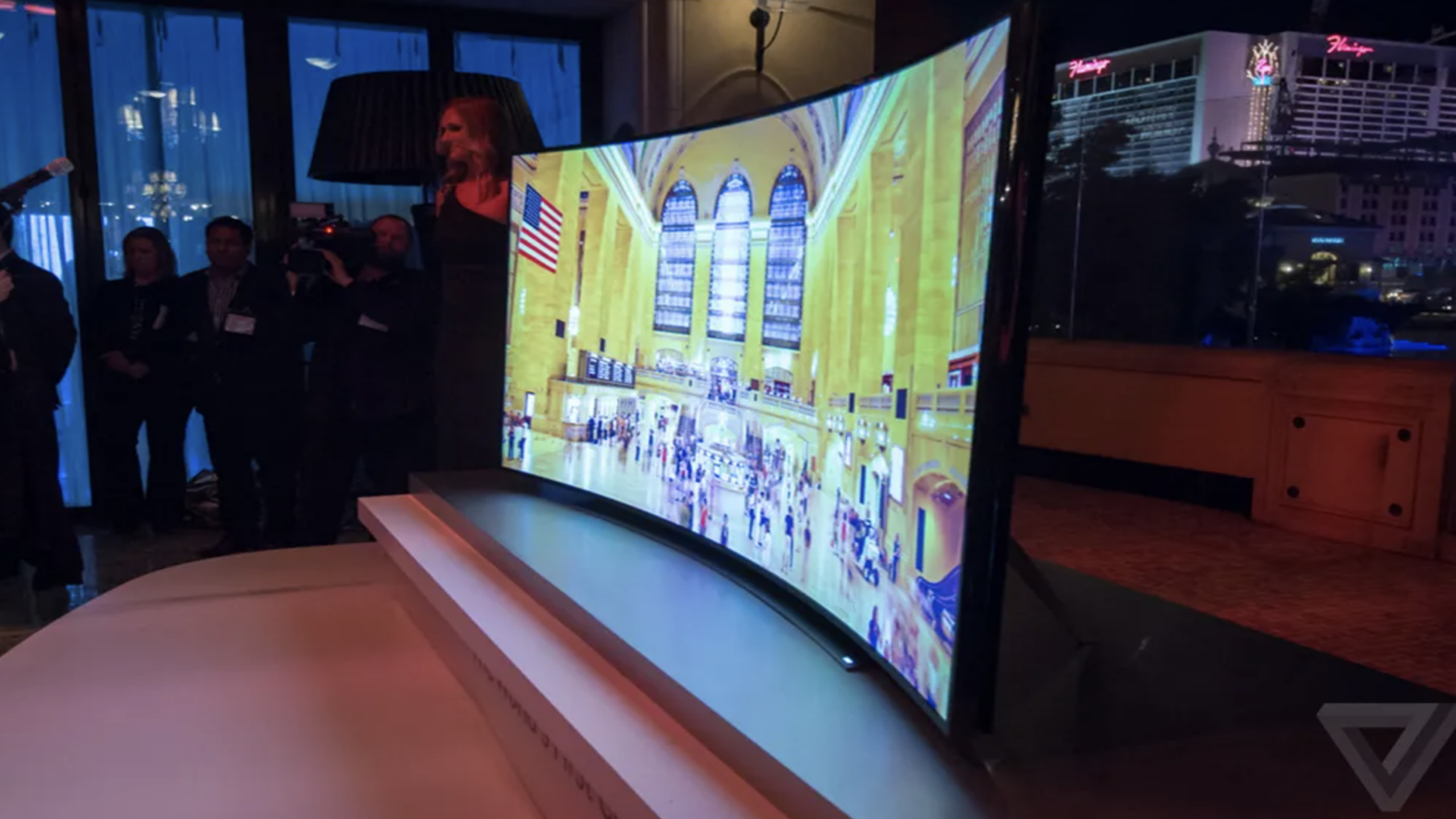
During the mid-2010s, weird tech manufacturers promoted curved screens as the next major leap in television design. Companies promised greater immersion and a theater-like experience. Most buyers discovered the difference was barely noticeable outside of a showroom.
Bluetooth Headsets Became a Cultural Phenomenon
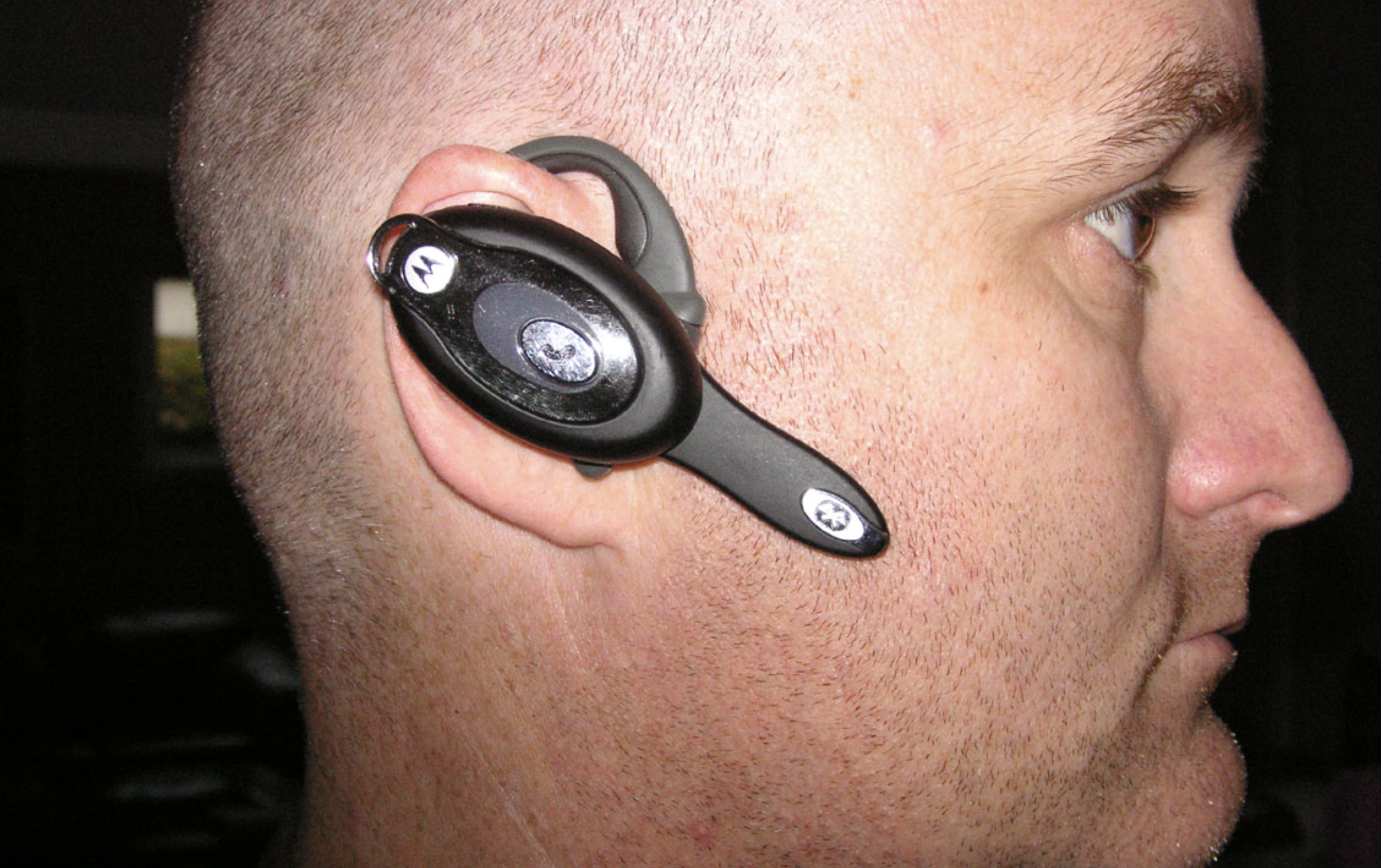
Long before AirPods became a status symbol, Bluetooth earpieces dominated airports, shopping malls, and office buildings. What once looked futuristic eventually became one of the most recognizable symbols of early 2000s technology.
Transparent Electronics Were Everywhere
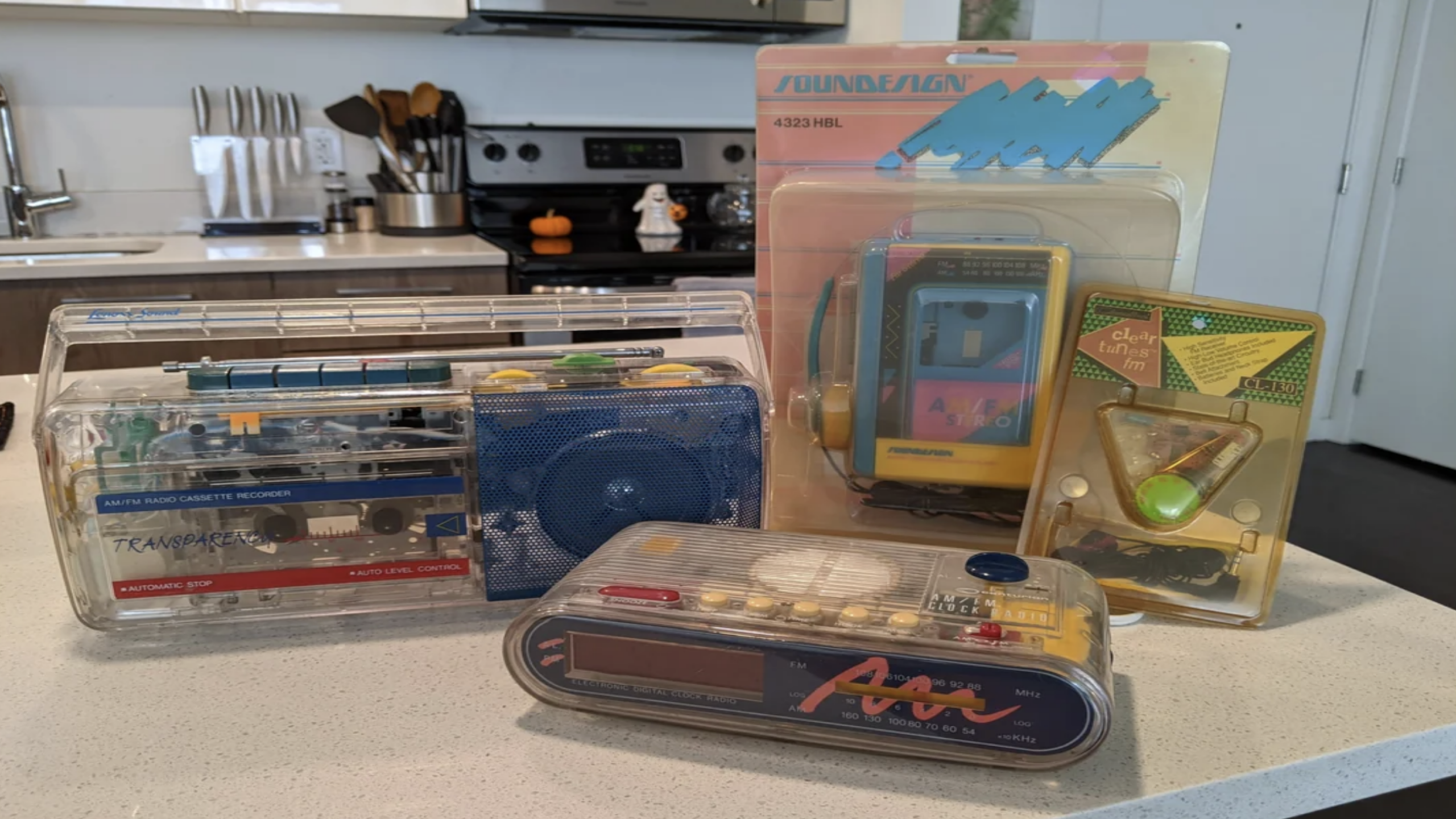
Throughout the late 1990s and early 2000s, weird tech trends often involved making electronics transparent. Consumers suddenly wanted to see the hardware hidden beneath the plastic, turning everyday devices into colorful showcases.
Trending on realmoneygamer.com

QR Codes Arrived Before Smartphones Were Ready
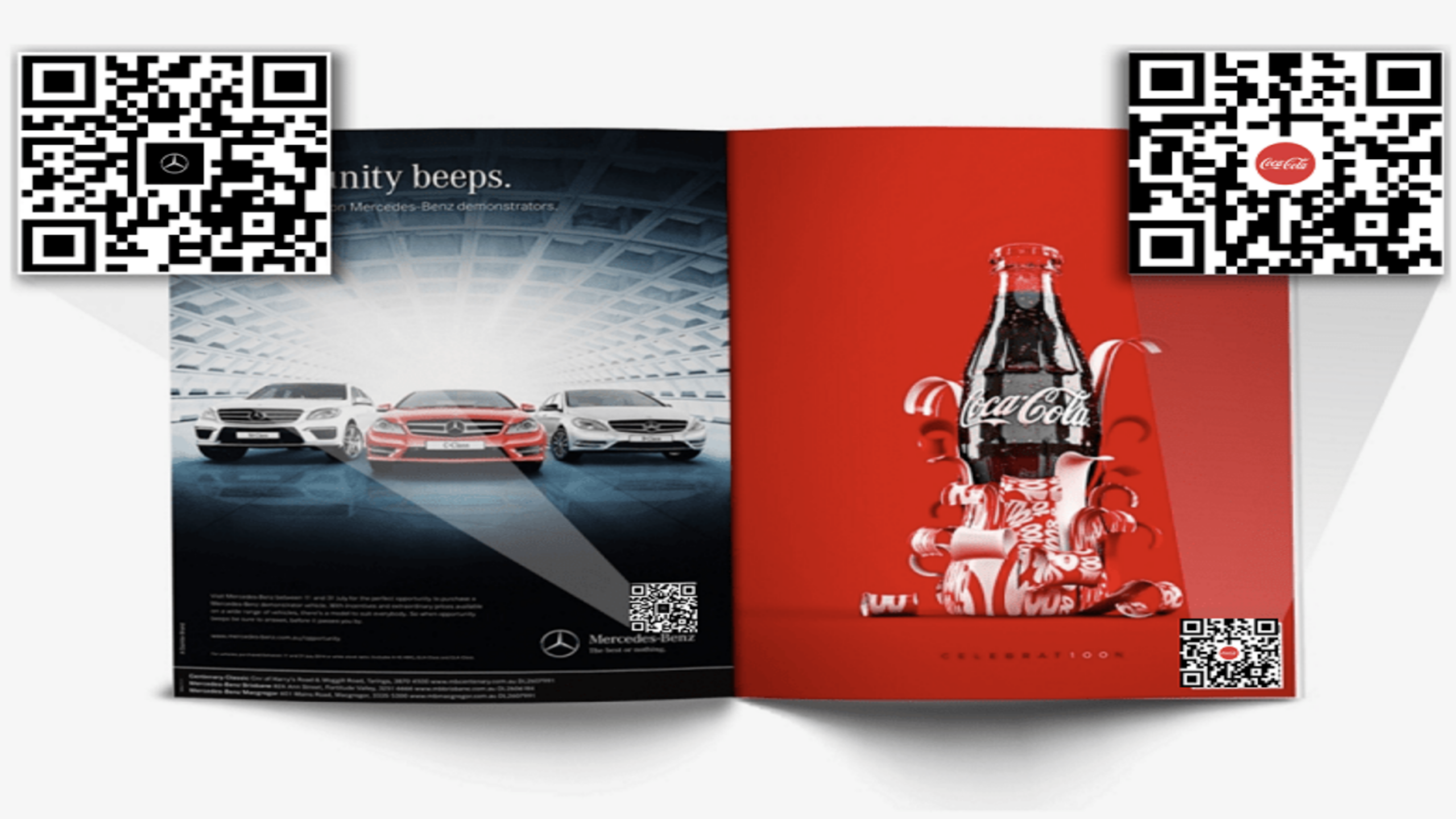
Years before restaurants used them for menus, companies plastered QR codes on everything from magazines to billboards. The problem was simple: most people didn’t have an easy way to scan them.
Tiny MP3 Players Kept Getting Smaller
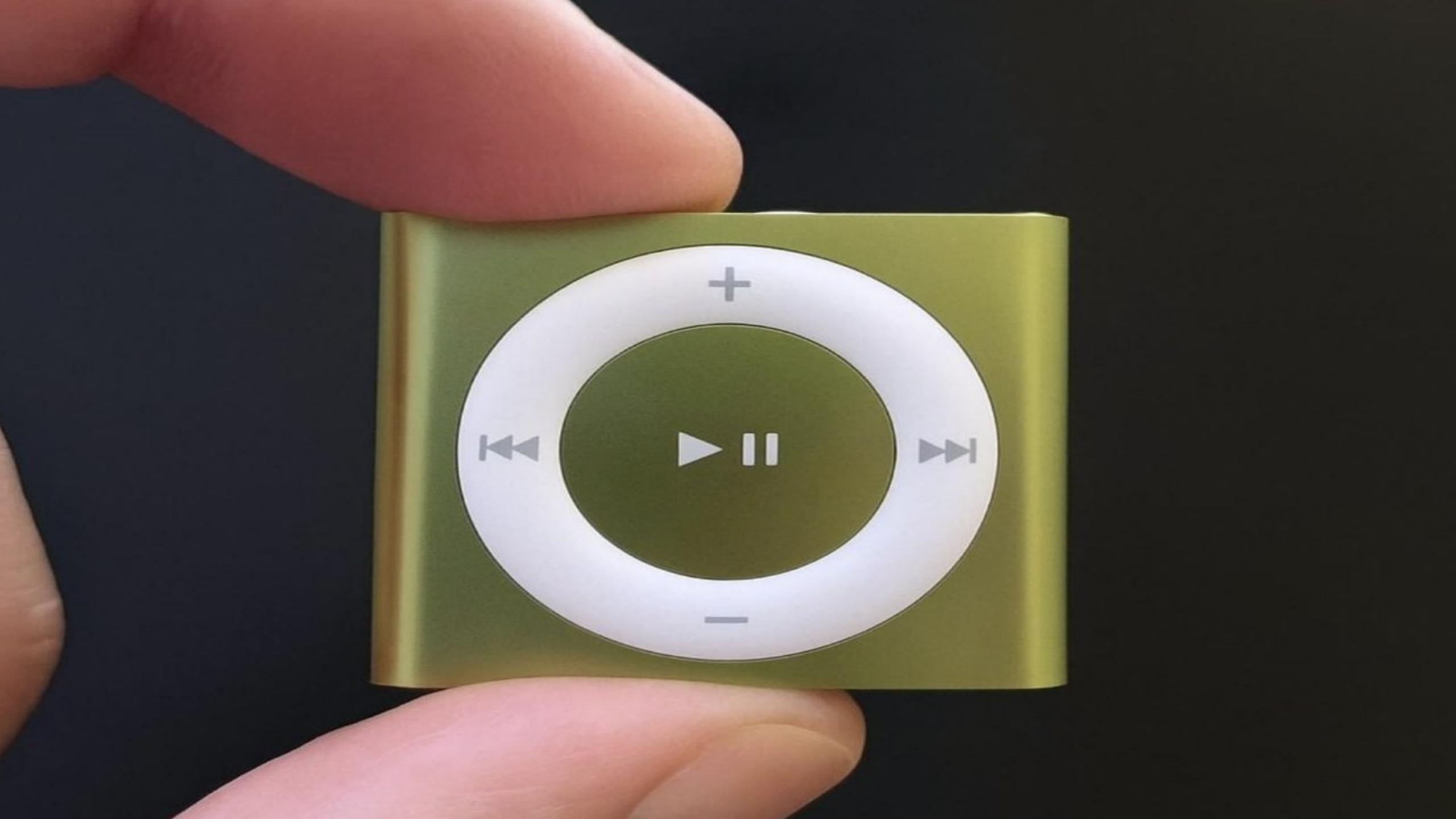
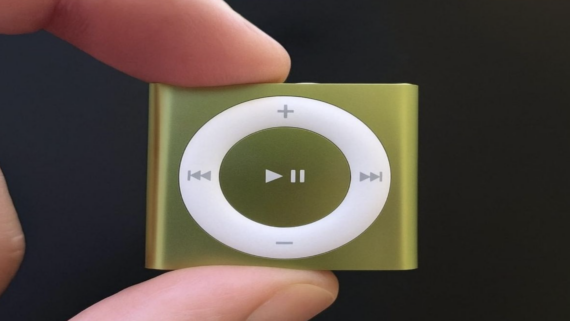
As digital music exploded, weird tech manufacturers became obsessed with shrinking players as much as possible. Every new model promised to be smaller than the last until smartphones eliminated the category entirely.
Everybody Needed a Flip Video Camera
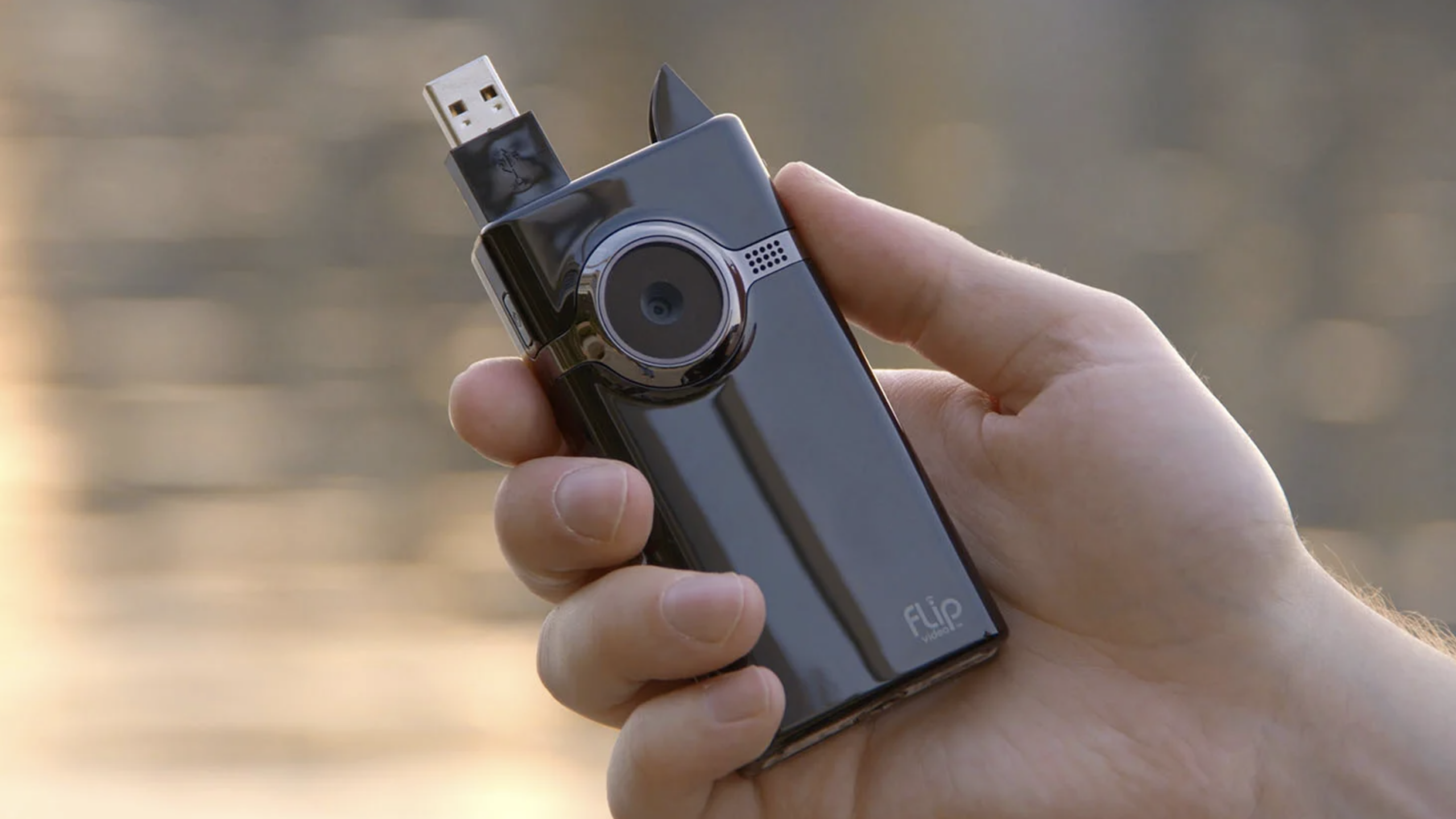
Before smartphones turned everyone into a content creator, Flip cameras offered the simplest way to capture everyday moments. Their ease of use made them incredibly popular, but advances in mobile cameras quickly made dedicated video devices unnecessary.
Video Phones Were Supposed to Change Communication
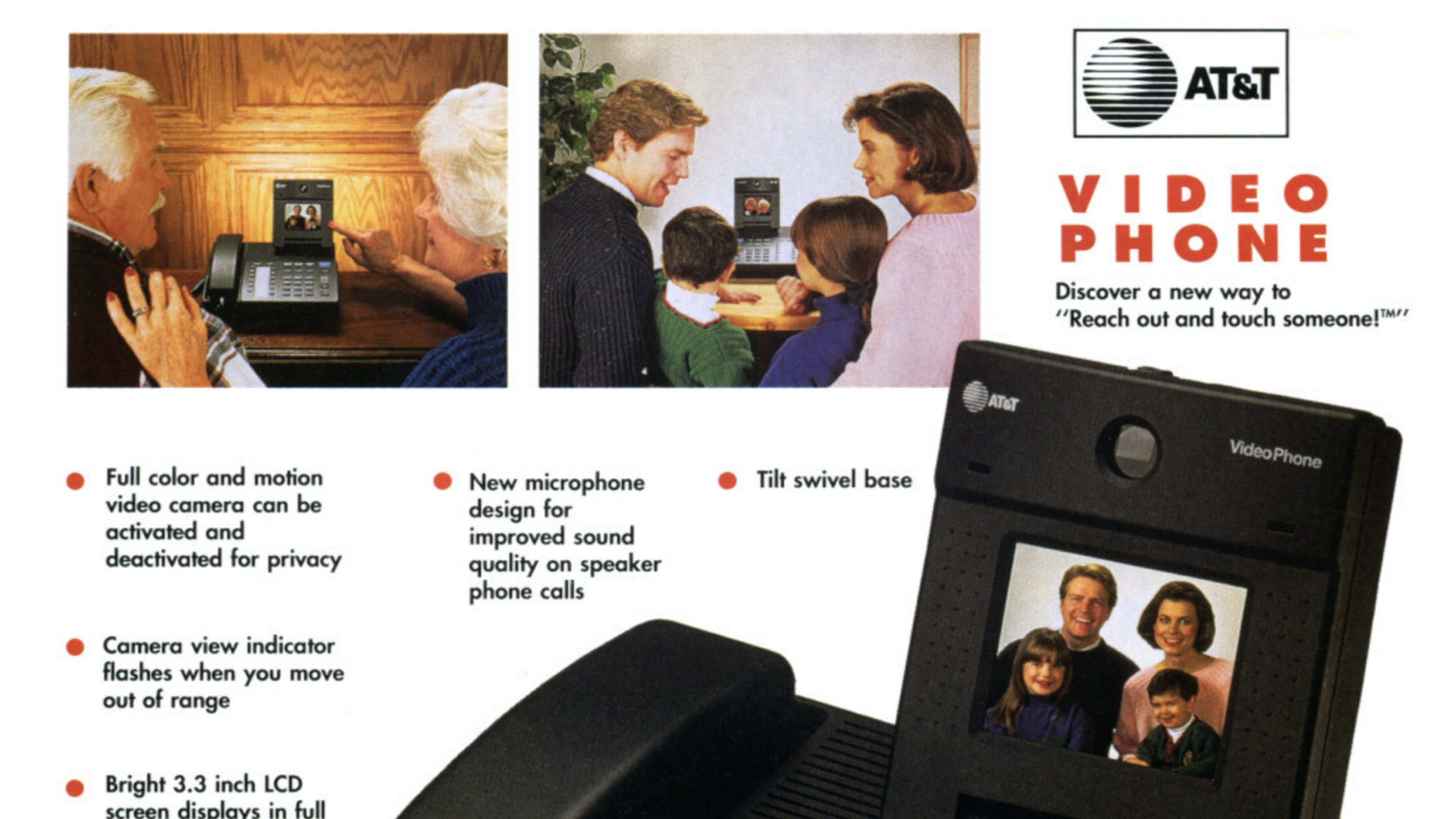
Decades before FaceTime and Zoom became everyday tools, weird tech visionaries repeatedly tried to convince consumers that video phones were the future. The concept was right. The infrastructure simply wasn’t ready.
Motion Controls Took Over Living Rooms
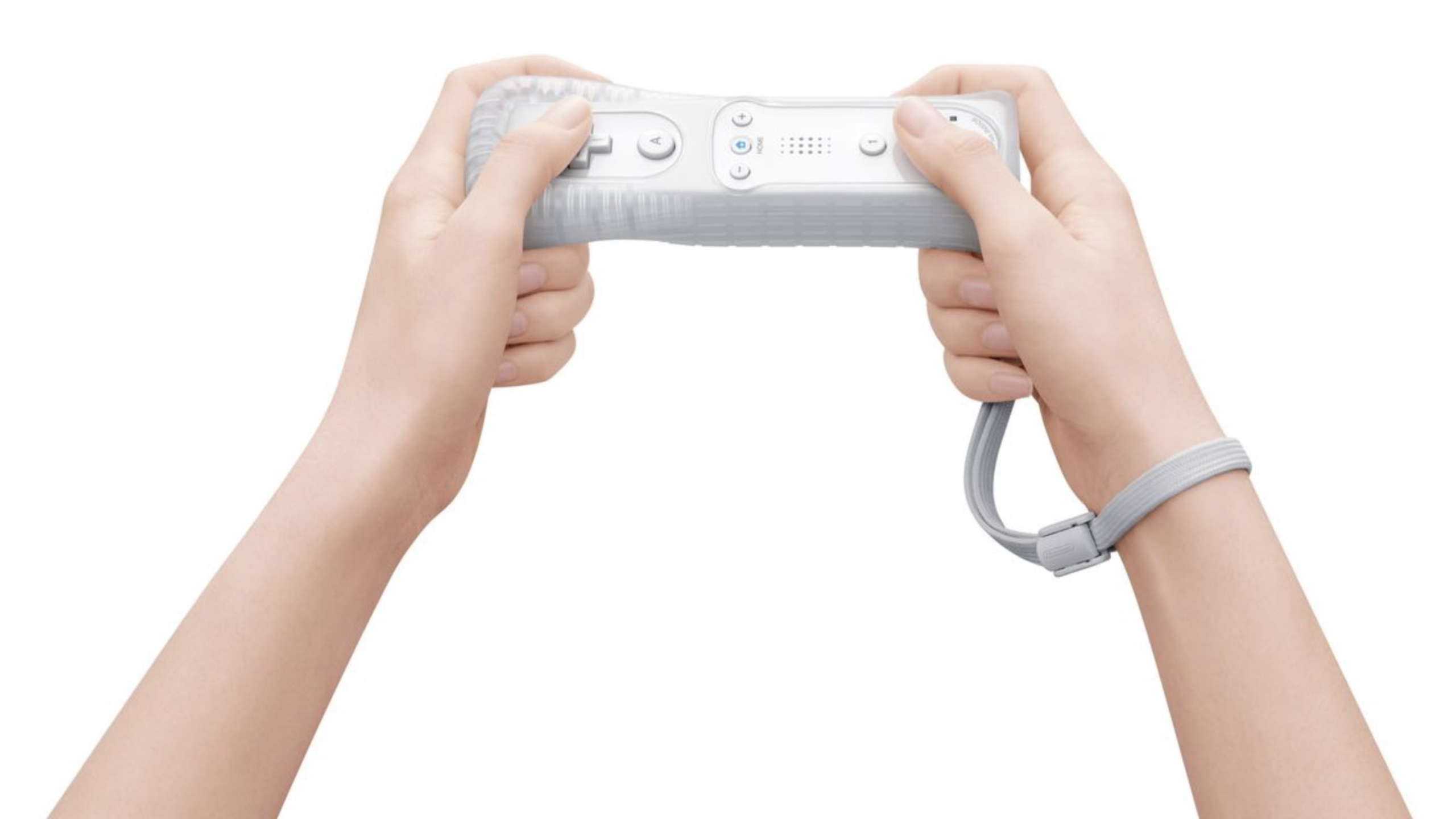
The Nintendo Wii became such a massive success that competitors rushed to copy the formula. For a few years, many people assumed traditional controllers would soon disappear altogether.
Everybody Wanted a Portable DVD Player
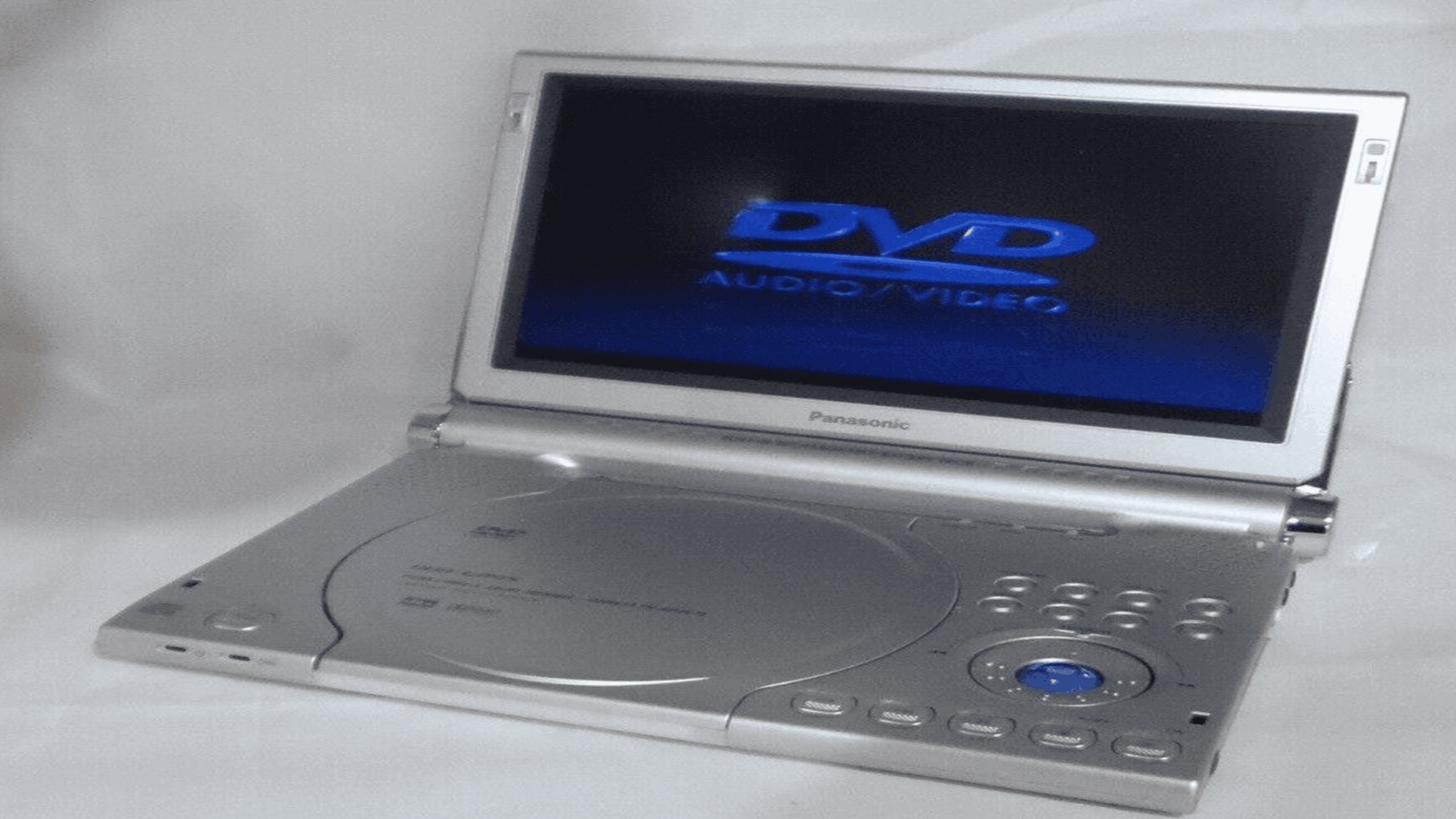
Before tablets became common, weird tech products like portable DVD players were road trip essentials. Parents relied on them to keep kids entertained during long summer drives across the country.
Digital Photo Frames Were Going to Be in Every Home
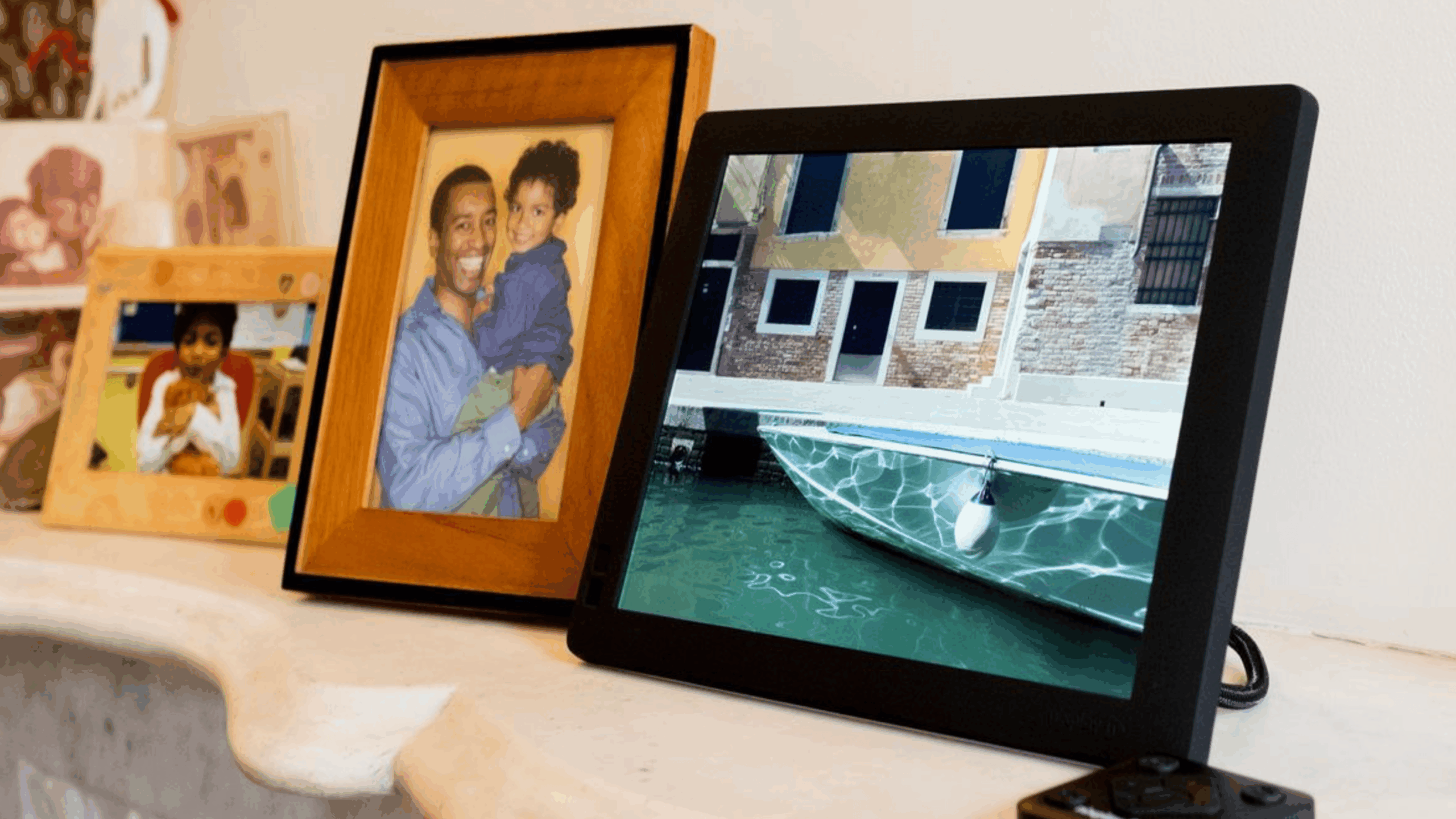
For a few years in the mid-2000s, digital photo frames seemed destined to replace traditional photographs. Manufacturers imagined homes filled with constantly rotating galleries of family memories. The concept survived, but never became the household staple many predicted.
Everyone Thought Gesture Control Was the Next Big Thing
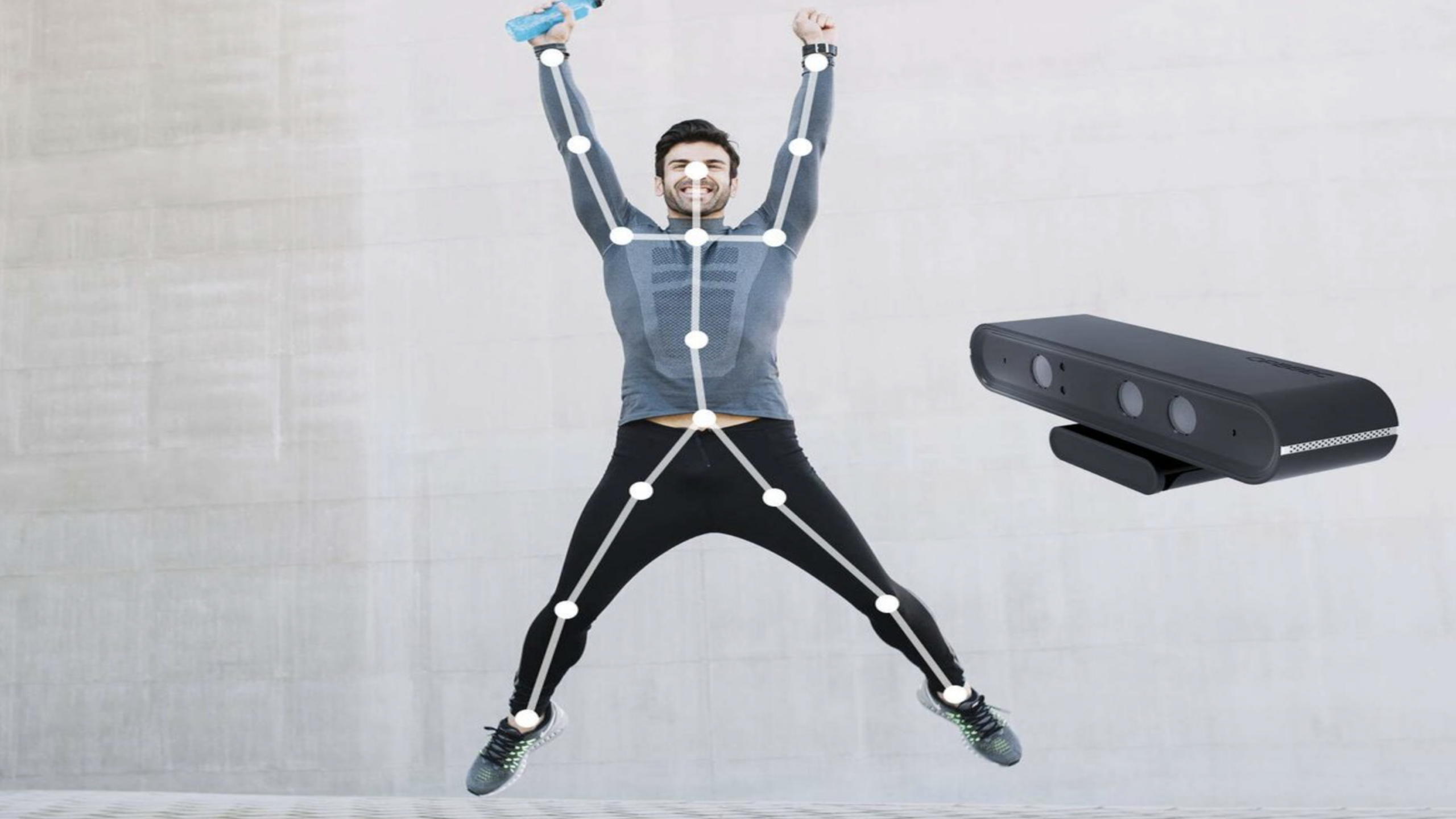
Inspired by futuristic movies and rapid advances in sensors, weird tech enthusiasts believed gesture controls would transform how people interacted with technology. Products like Kinect demonstrated impressive capabilities, but most users eventually preferred simpler methods.
Smart Refrigerators Were Supposed to Change Kitchens
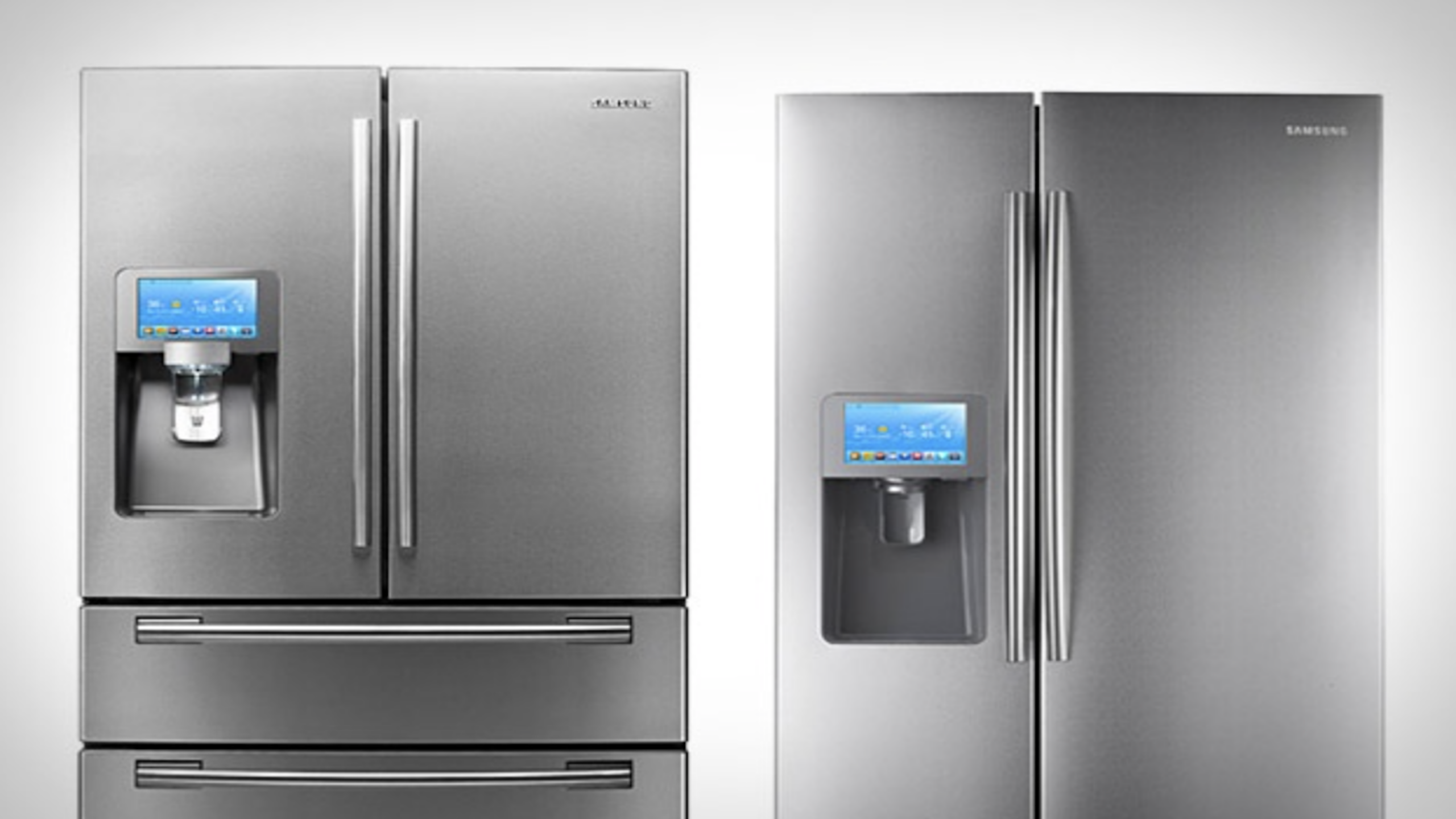
Long before smart homes became mainstream, appliance manufacturers imagined refrigerators serving as digital command centers. They could display calendars, manage grocery lists, and connect to the internet. Consumers rarely embraced the idea with the enthusiasm companies expected.
Internet Appliances Predicted the Wrong Future
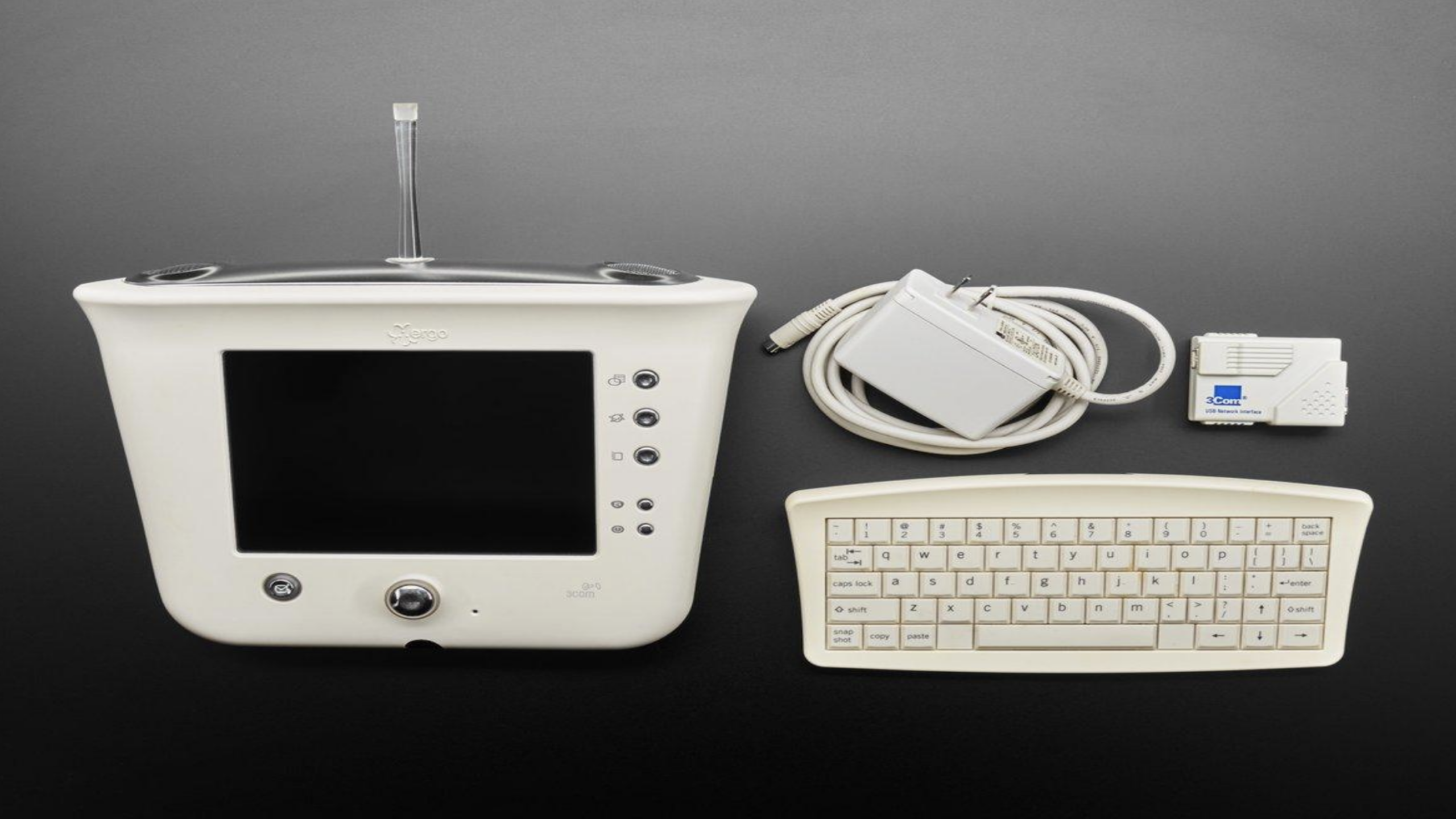
At the dawn of the internet age, weird tech pioneers imagined households filled with dedicated devices for email, web browsing, and online services. What actually happened was far simpler: the smartphone absorbed all those functions into a single screen.
The fascinating thing about many of these products is that the underlying ideas weren’t necessarily wrong. Video calls became normal. Streaming replaced physical media. Smart devices entered the home. Wearable technology eventually found its audience. In many cases, the future arrived exactly as promised, just not in the form people expected. That’s what makes these trends so interesting today. They weren’t failures so much as previews of a world that hadn’t quite arrived yet.