Some games do not just ask for patience, they quietly test how much pride a player is willing to risk. They become living-room arguments, forum confessions, late-night “one more try” traps, and, occasionally, tiny personal grudges. Difficulty alone is not enough to earn that reputation, though. The games below stuck because players kept coming back even when the screen seemed to be telling them, very clearly, to go do something else.
Dark Souls
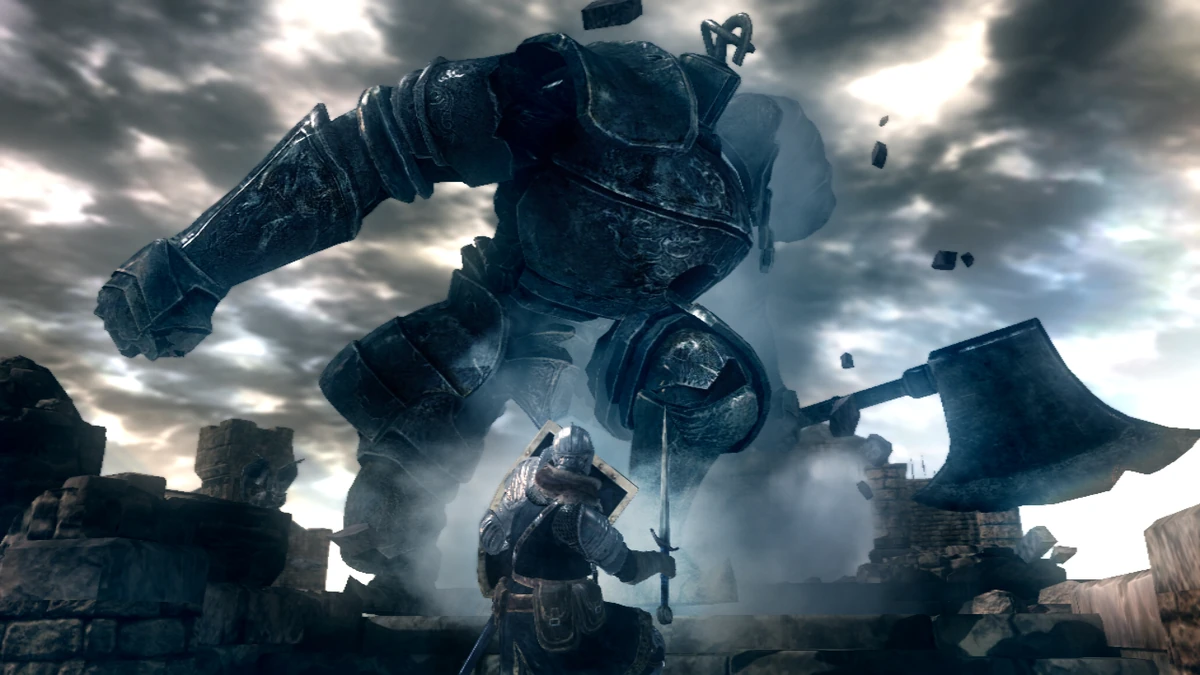
When Dark Souls arrived in 2011, a lot of players treated it less like a normal action RPG and more like a dare. FromSoftware’s world did not explain itself politely, and it certainly did not care whether the player had walked into the wrong area too early. A skeleton could ruin your afternoon. A boss fog gate could make you question every upgrade choice you had made for ten hours. What made people stay was not just the punishment, but the weird fairness underneath it. You died, you learned, you came back slightly less foolish. Nobody wanted to admit that Lordran had beaten them because, after enough failures, quitting felt like wasting all the pain already spent.
Battletoads
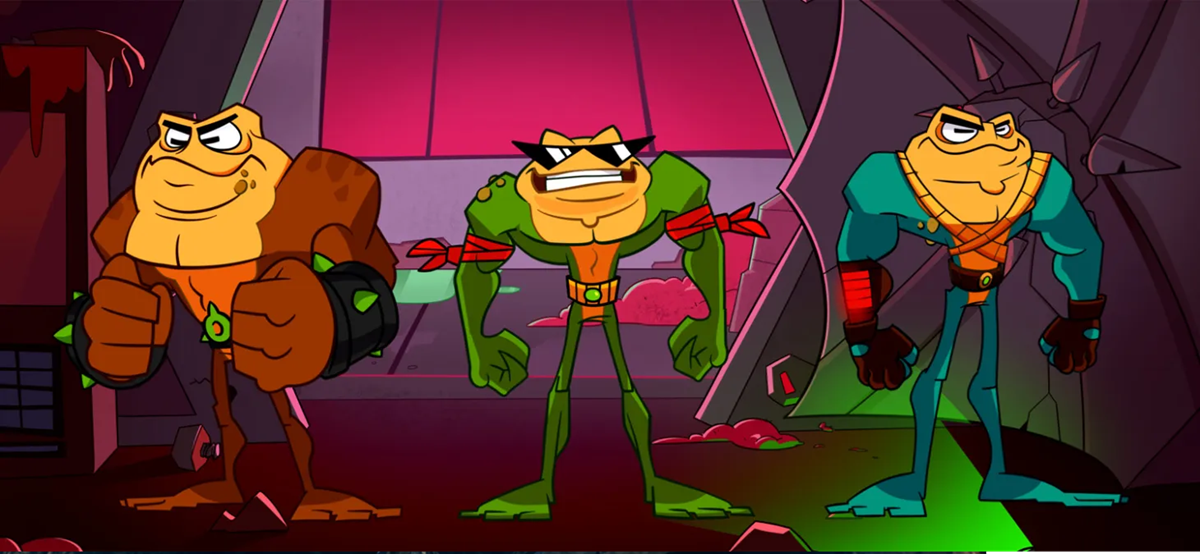
Battletoads had a sense of humor, which somehow made its cruelty worse. Rare’s 1991 NES brawler looked like cartoon chaos, all attitude and oversized punches, until the Turbo Tunnel arrived and started deleting players with walls, ramps, and impossible-looking timing. Plenty of people who owned the game never saw much beyond that section. That did not stop them from insisting they were close. It was the kind of cartridge that made players blame the controller, the lighting, their sibling, anything except the obvious fact that the game had them pinned.
Cuphead
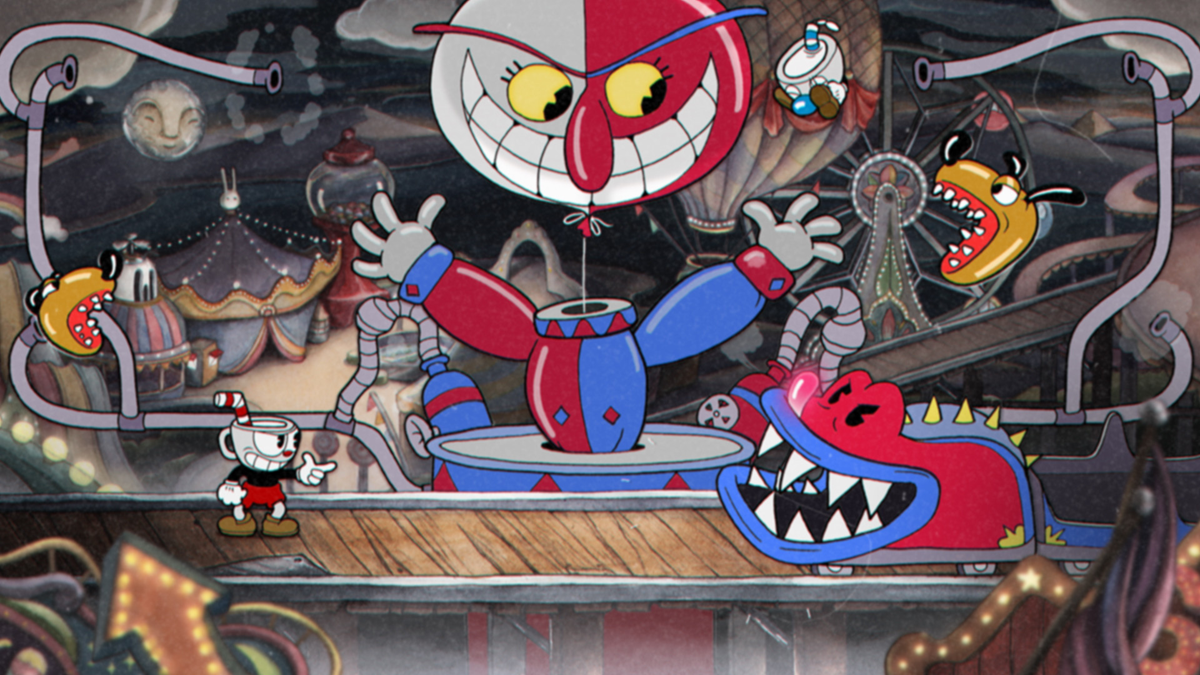
Cuphead looked charming enough to trick people who had not been paying attention. Studio MDHR wrapped its 2017 run-and-gun boss rush in hand-drawn 1930s cartoon styling, then filled it with patterns that demanded real concentration. The first few deaths could be laughed off because the animations were beautiful. By the twentieth attempt, the smile got a little thinner. Still, the fights were short, the restarts were quick, and every boss seemed just readable enough to keep players from walking away. Cuphead understood the oldest arcade trick, make defeat fast, stylish, and personal.
Ninja Gaiden
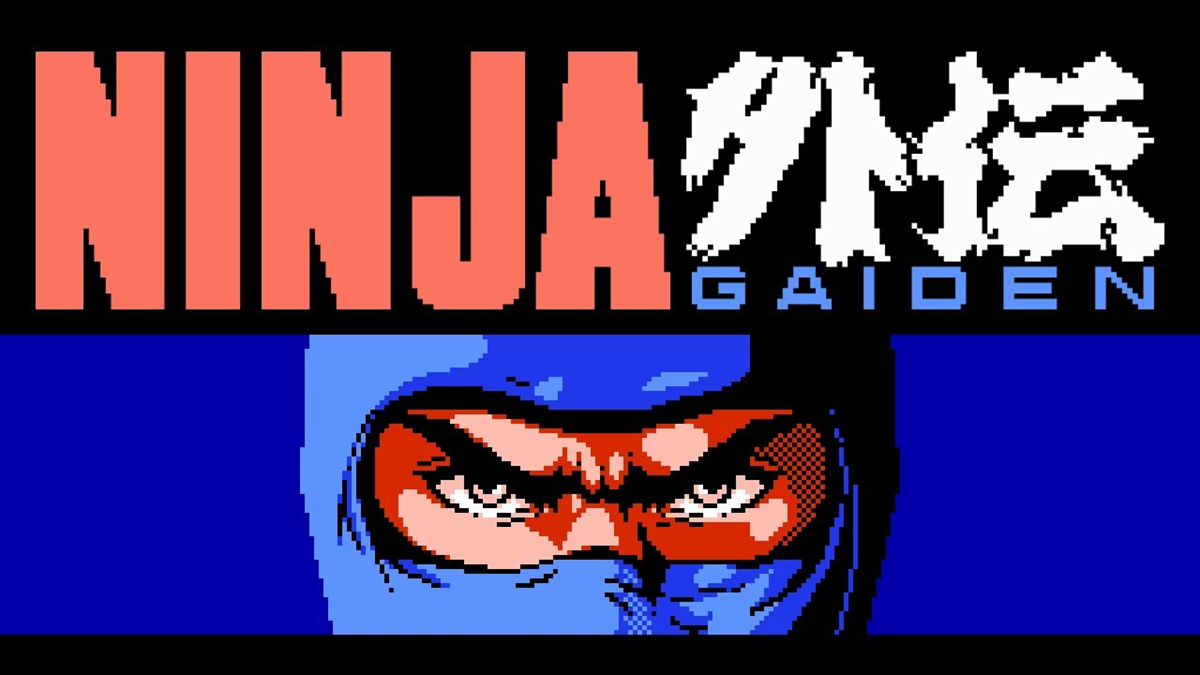
The NES version of Ninja Gaiden had enemies that felt like they were being thrown by someone sitting behind the television. Birds, soldiers, bats, and respawning nuisances attacked with the timing of a practical joke. Tecmo’s 1988 action game also had something that pulled players through the misery, cinematic cutscenes that made Ryu Hayabusa’s revenge story feel unusually serious for the console. You wanted the next scene, so you took the next beating. The final stretch became infamous because losing late could send players back through a brutal gauntlet, but that only made beating it feel like a private badge.
Sekiro: Shadows Die Twice
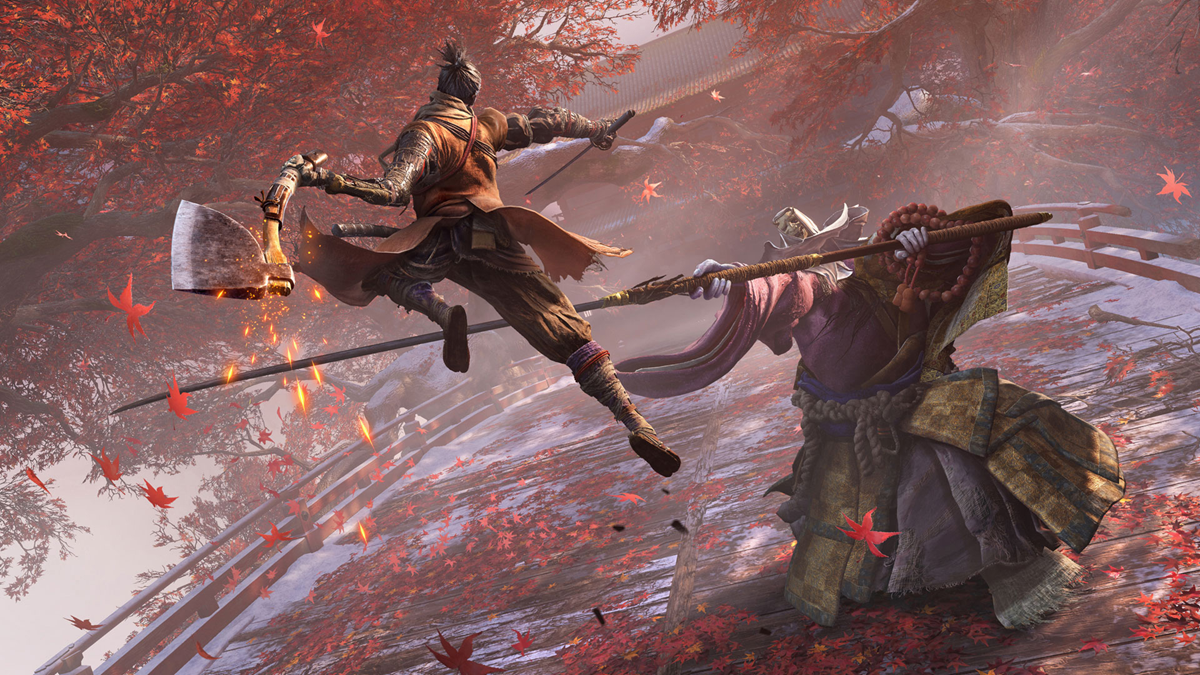
Sekiro did not let players hide behind co-op summons, overleveling, or a cozy shield. Released in 2019, it asked for rhythm, nerve, and a willingness to meet the blade instead of rolling away from it. For some longtime Souls players, that was the real insult. The game was not asking them to be careful in the old way, it was asking them to unlearn habits that had kept them alive for years. Genichiro Ashina became the point where many people either quit quietly or learned to hear the combat differently. Those who stayed often talked about a click, not a gradual improvement, but one sharp moment where the whole system finally made sense.
Trending on realmoneygamer.com

Ghosts ’n Goblins
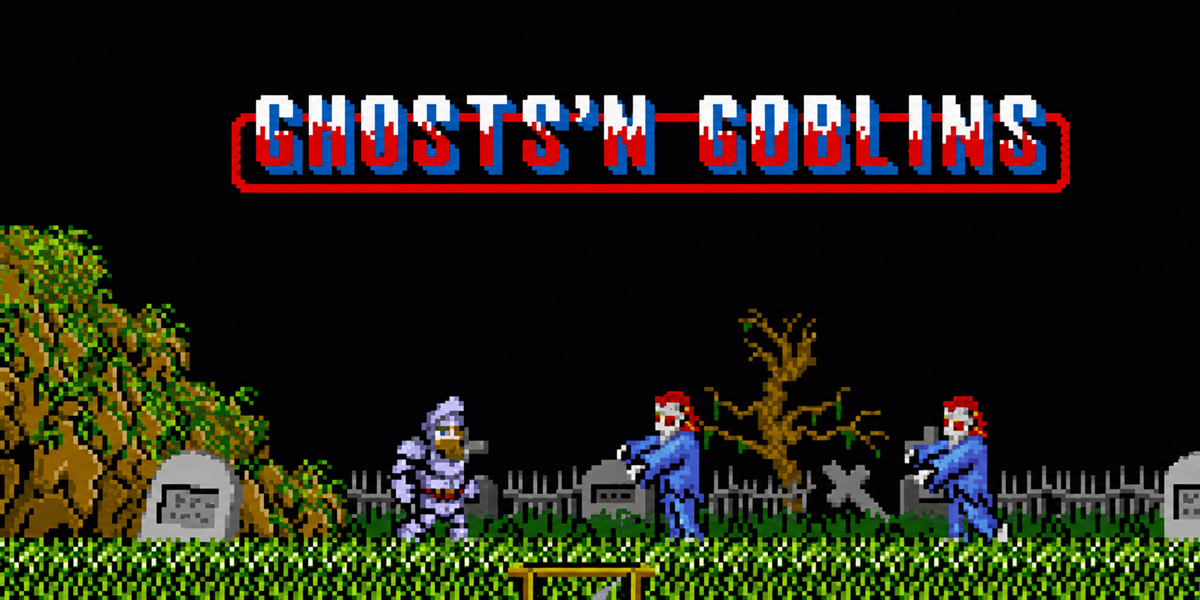
Capcom’s Ghosts ’n Goblins came from arcades, where difficulty had a business model attached to it. Arthur starts brave, loses his armor almost immediately, and spends much of the game one mistake away from humiliation in his boxer shorts. The 1985 original was already harsh, but its nastiest joke was making players clear the game again to see the true ending. That is not a difficulty spike. That is a small act of villainy.
Super Meat Boy
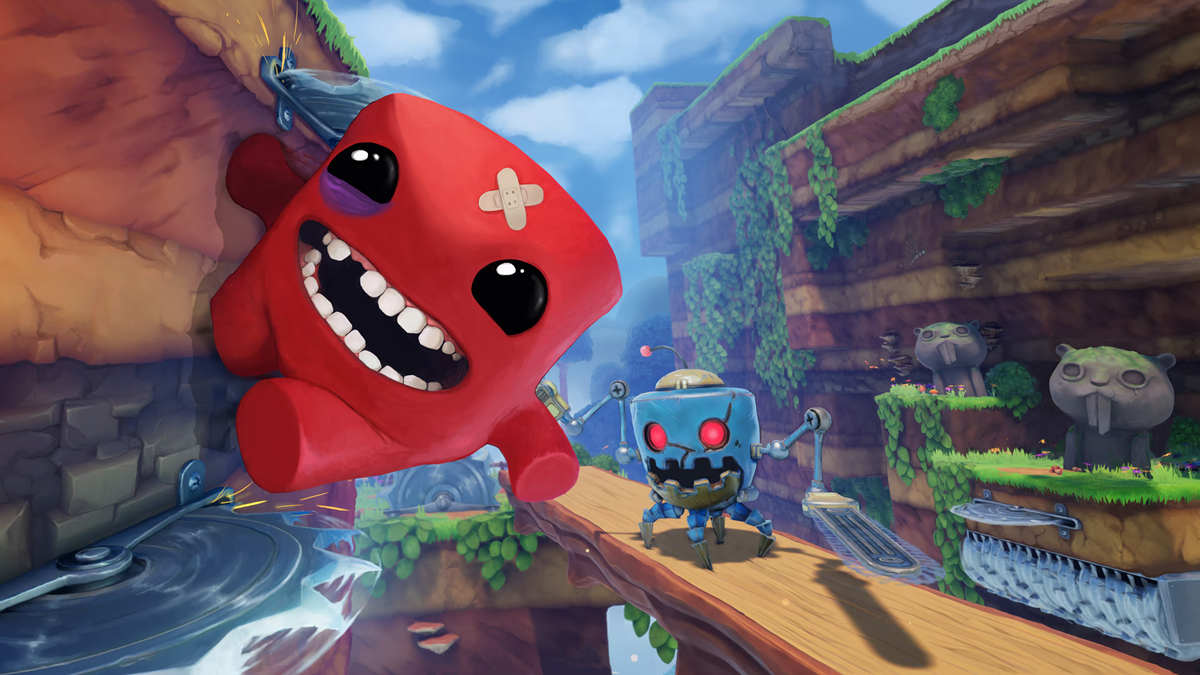
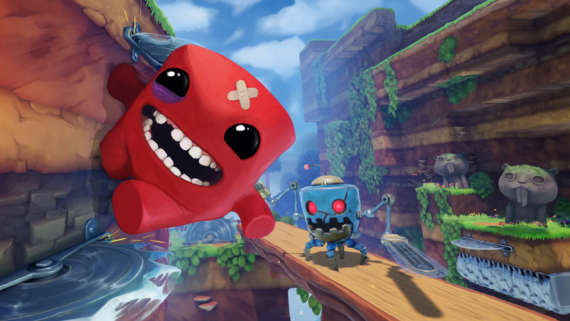
Super Meat Boy was difficult, but it was also honest about being difficult. Team Meat’s 2010 platformer killed players in seconds and then put them right back at the start before irritation had time to turn into boredom. The saw blades, salt piles, rockets, and collapsing floors were not decorative hazards. They were the whole language of the game. What made it bearable was the speed, plus the replay montage at the end of a stage, where every failed Meat Boy ran at once like a crowd of bad decisions. It turned frustration into comedy without making the challenge softer.
Contra
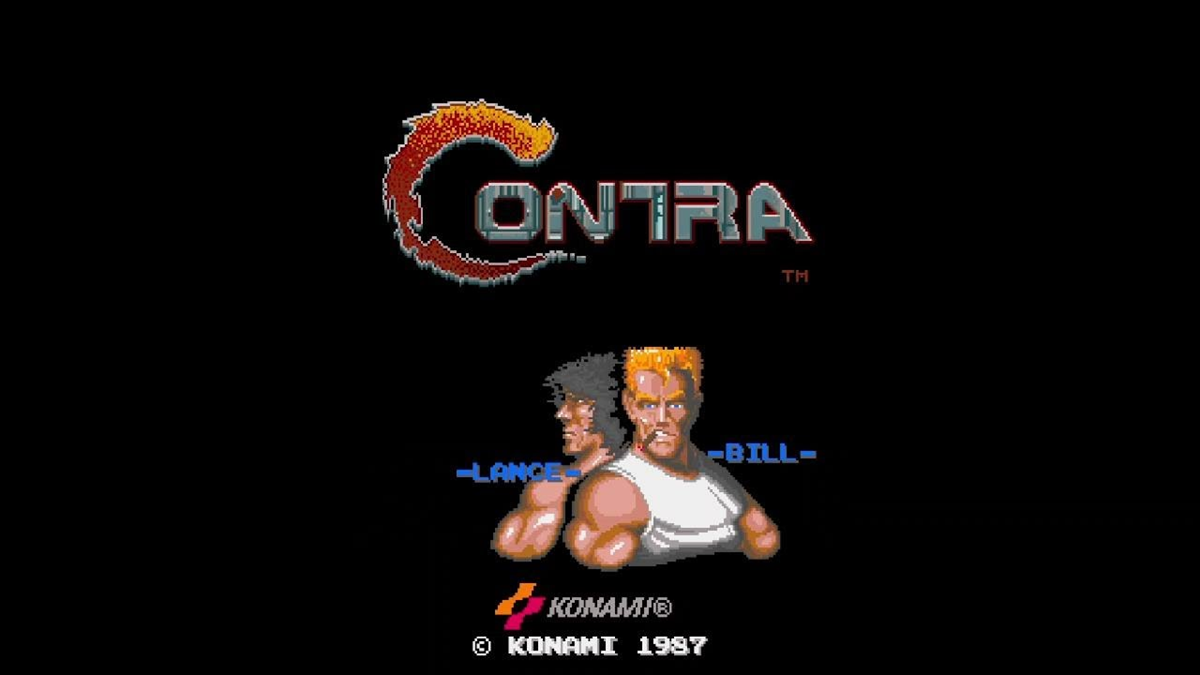
Contra was hard in a clean, old-school way, bullets, jumps, enemies, reaction time. Konami’s 1987 arcade shooter and its 1988 NES version became famous partly because players needed help, and the Konami Code gave them a lifeline with extra lives. Even with that cushion, the game could chew through careless players. It was not long by modern standards, but it demanded a kind of focus that made every cleared stage feel stolen.
Celeste
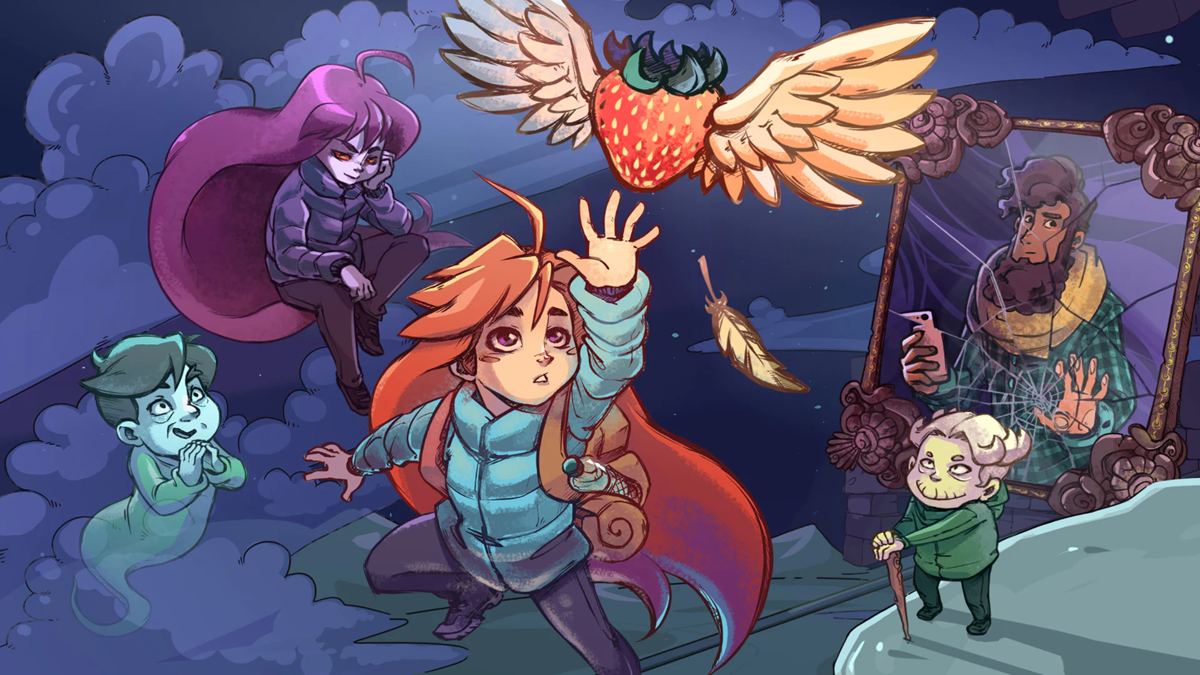
Celeste could have been unbearable if it were only sharp jumps and spike-lined rooms. Instead, the 2018 platformer from Maddy Makes Games tied its difficulty to Madeline’s climb and her anxiety, which gave the repeated failures a different texture. The game counted deaths, but it did not sneer at them. It treated them as part of the climb. That mattered because Celeste could ask for absurd precision, especially in its optional B-sides and C-sides, while still feeling strangely kind. Players kept trying not because the game shamed them into it, but because it made persistence feel ordinary, almost practical.
F-Zero GX
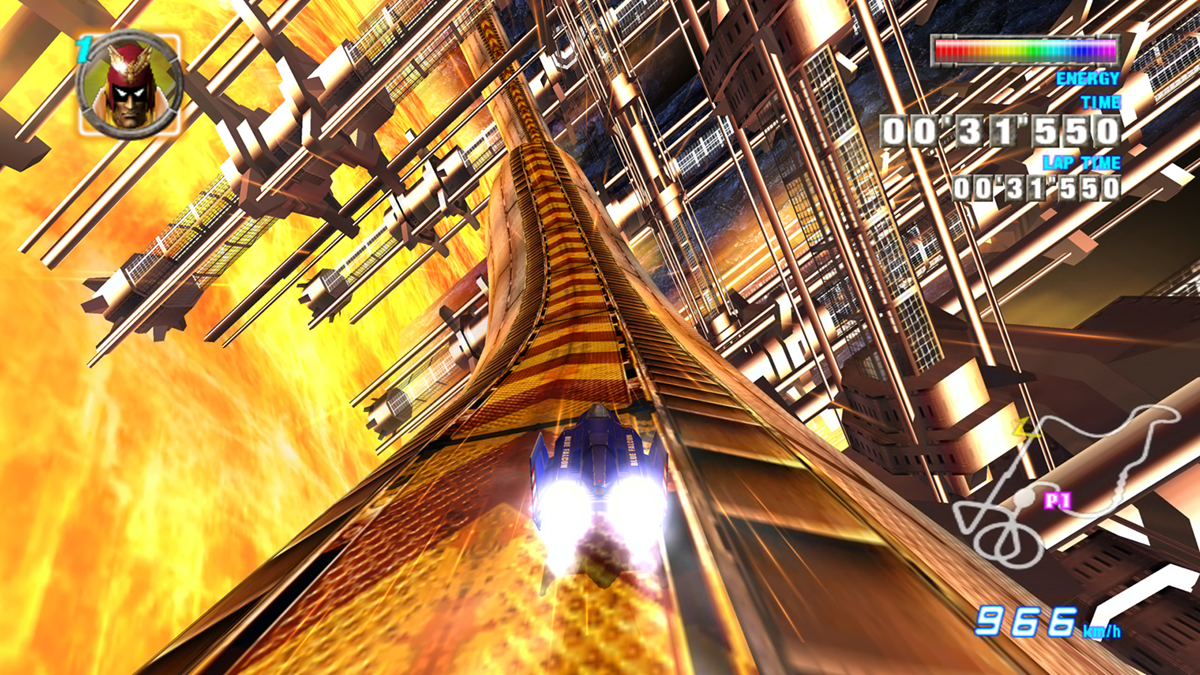
F-Zero GX is the sort of racing game that sounds simple until the track bends, tilts, vanishes, and asks you to keep steering at ridiculous speed. Developed by Sega’s Amusement Vision and published by Nintendo for the GameCube in 2003, it had a story mode that seemed built to humble anyone who thought they were good at futuristic racers. The vehicles were fast enough that memorization mattered as much as reflex. One tiny scrape could turn into a crash, and one crash could ruin minutes of perfect driving. People kept replaying chapters because failure rarely felt vague. You knew exactly where you lost your nerve.
Hollow Knight
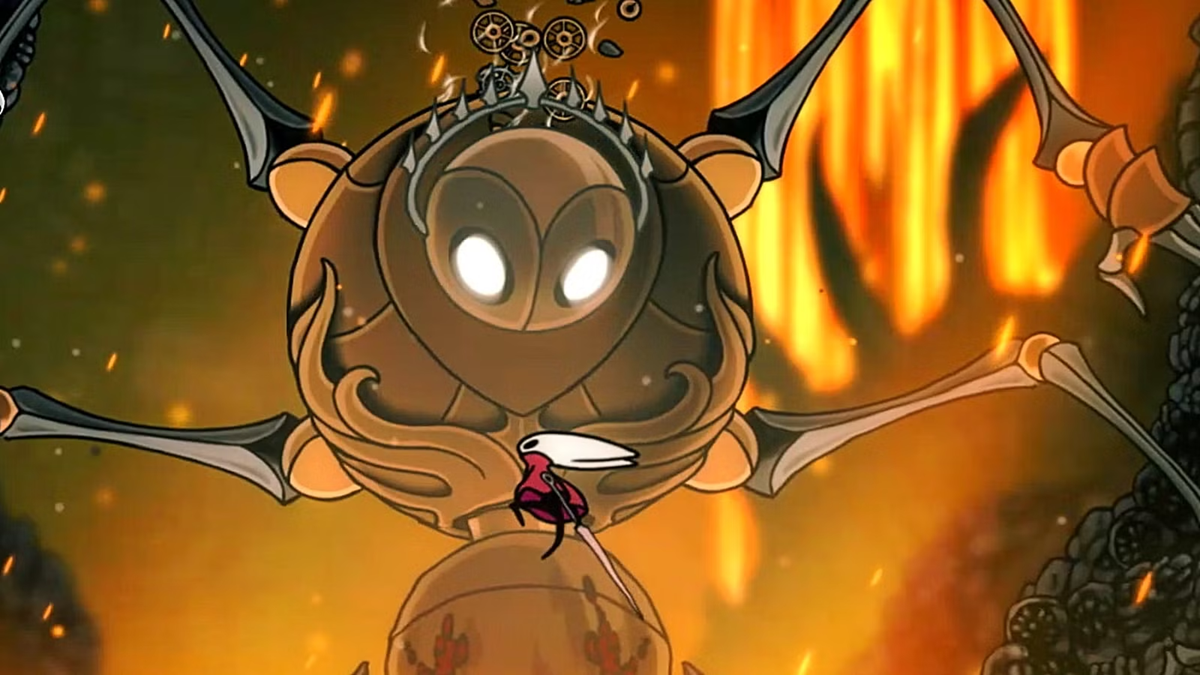
Hollow Knight did not advertise itself as a punishment machine. It invited players into Hallownest with quiet music, delicate animation, and a lonely sense of discovery. Then the bosses started asking sharper questions. Team Cherry’s 2017 Metroidvania could be gentle in one corridor and brutal in the next, especially when players wandered into fights before they were emotionally ready. The real hook was exploration. Even after a rough loss, there was usually another tunnel, charm, station, or secret pulling you back in. Some players stayed for the challenge, others stayed because they were too curious to leave.
Getting Over It with Bennett Foddy
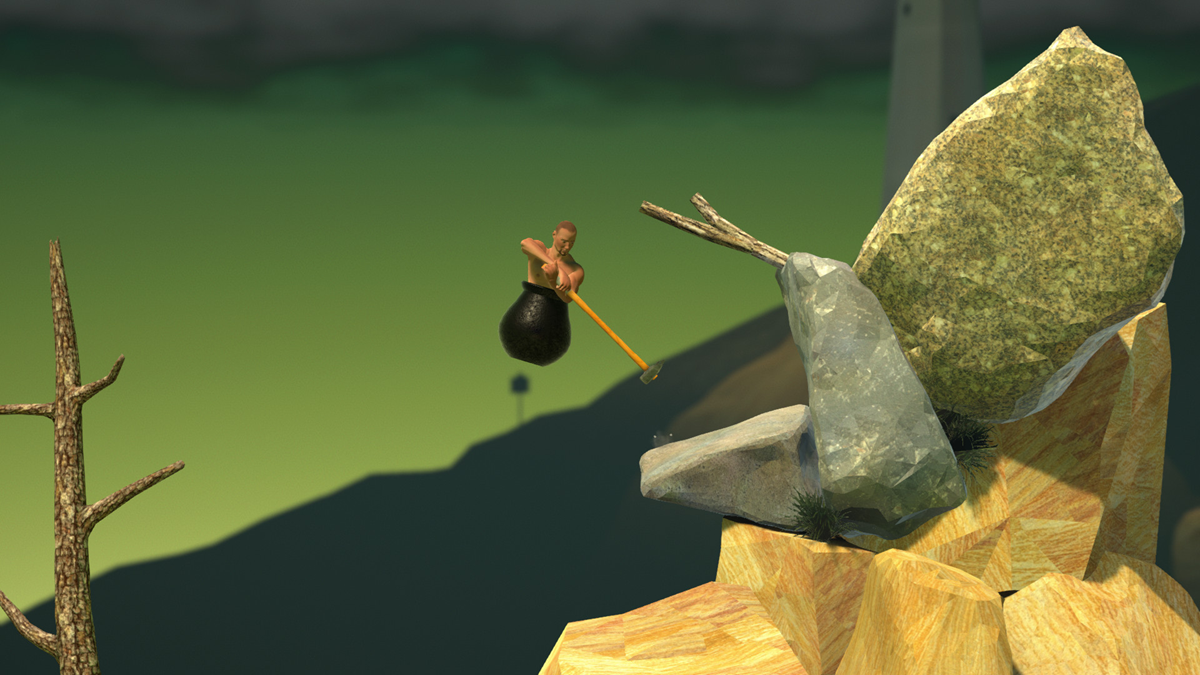
Getting Over It is a game about climbing with a hammer while sitting in a cauldron, which sounds ridiculous until you lose half an hour of progress in one bad movement. Bennett Foddy’s 2017 platformer made failure feel physical. There were no checkpoints to soften the fall, only the scrape of the hammer and the knowledge that you had done this to yourself. People kept playing because the mountain became an argument. Quitting meant the mountain won.
The funny thing about games like these is that most players remember the losses more clearly than the victories. A cleared boss, a final jump, or a perfect lap matters because of everything that went wrong before it. Not everyone finished these games, and plenty of people probably made peace with that in private. Still, for a certain kind of player, the harder the game pushed back, the harder it became to admit it had won.
Continue Reading: 12 Games Where the Difficulty Secretly Adjusted Based on How You Played Without Ever Telling You