Some game designers get celebrated while their ideas are still new. Others have to wait until the rest of the medium catches up. That delay can happen for plenty of reasons, bad timing, weak credits, small audiences, or a market that simply was not ready. These designers helped shape ideas that later became common, even if the attention arrived years after the work itself.
Mabel Addis
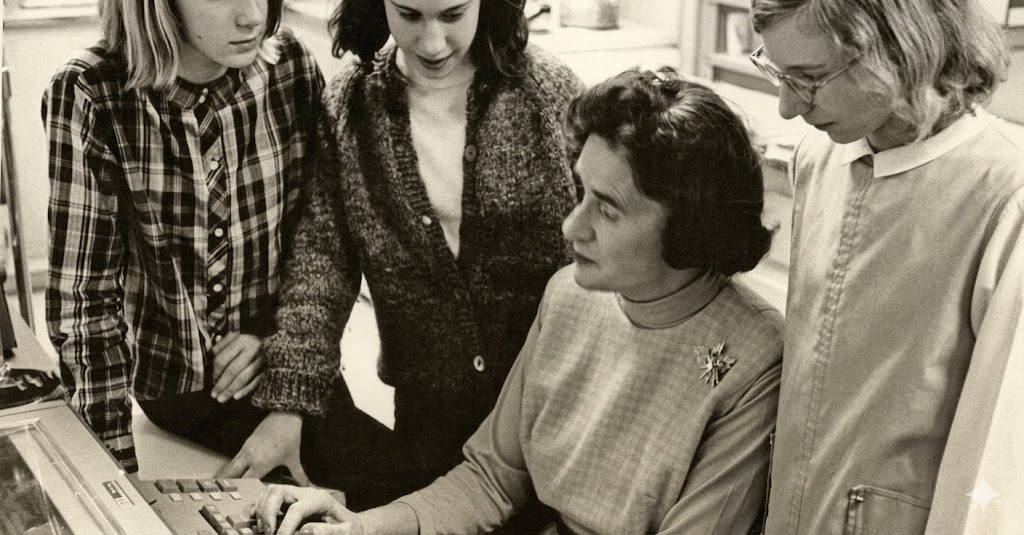
Mabel Addis was working with computers before most people had any reason to imagine them as storytelling machines. In the mid-1960s, she helped create The Sumerian Game, an educational simulation where students managed an ancient city and made decisions about crops, resources, and politics. It had writing, strategy, and role-playing elements long before those labels settled into familiar genres. Her name stayed fairly obscure for decades, then later historians began to recognize her as one of the first people to write and design for a computer game.
Danielle Bunten Berry

Danielle Bunten Berry understood multiplayer in a way that feels almost modern now. M.U.L.E., released in 1983, was built around trade, negotiation, shortages, and the strange little grudges that form when people compete in the same room. It was not just about beating the system, it was about reading other players. That idea became much easier to appreciate after online games made social tension one of the medium’s main engines.
Joyce Weisbecker
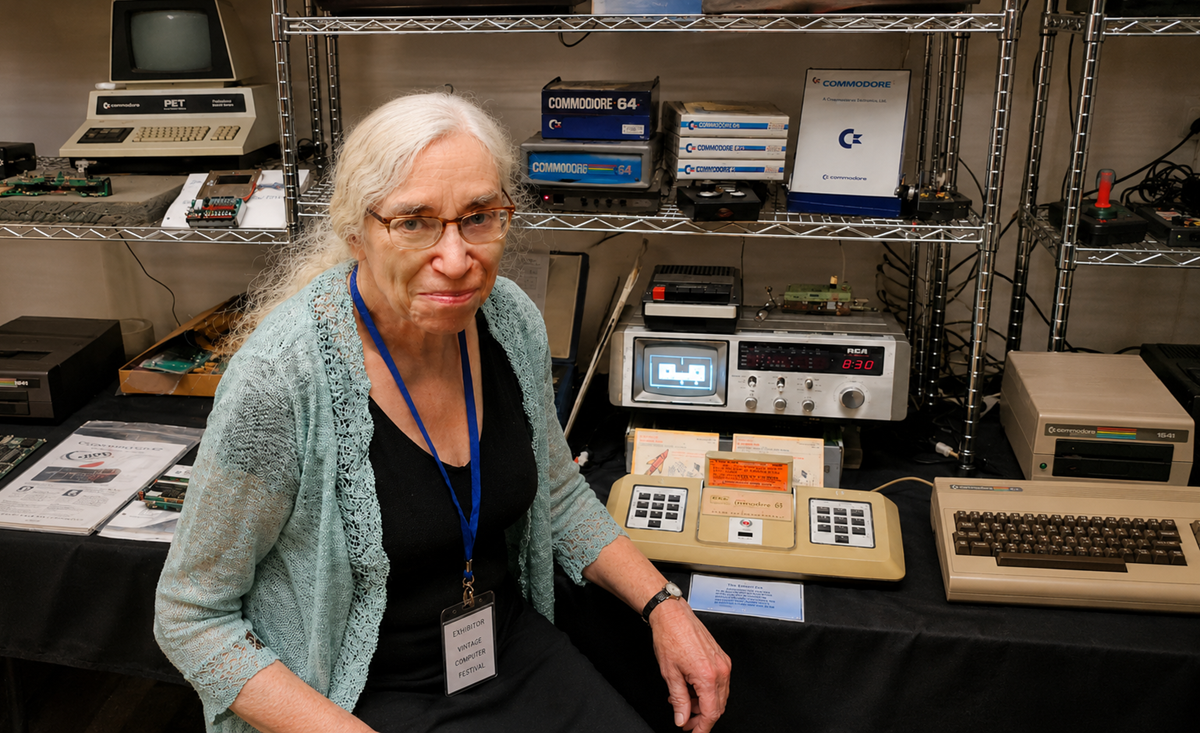
Joyce Weisbecker’s game career was brief, which is part of why her name took so long to circulate outside specialist circles. In 1976, she made games for RCA’s Studio II and COSMAC systems, including titles such as TV Schoolhouse I, Speedway, and Tag. The hardware did not last, and neither did her time in games. Later research brought her back into view as one of the earliest known women to design commercial video games.
Don Daglow

Don Daglow kept arriving early to genres before they had names. He made Baseball in 1971 on a mainframe, Dungeon in 1975, and later designed Utopia for Intellivision in 1981. Utopia is especially strange to revisit because it looks toward city builders, god games, and real-time strategy without cleanly belonging to any of them. His career stretched across sports, RPGs, online worlds, and management games, but the wider recognition came much later than the experiments.
Muriel Tramis
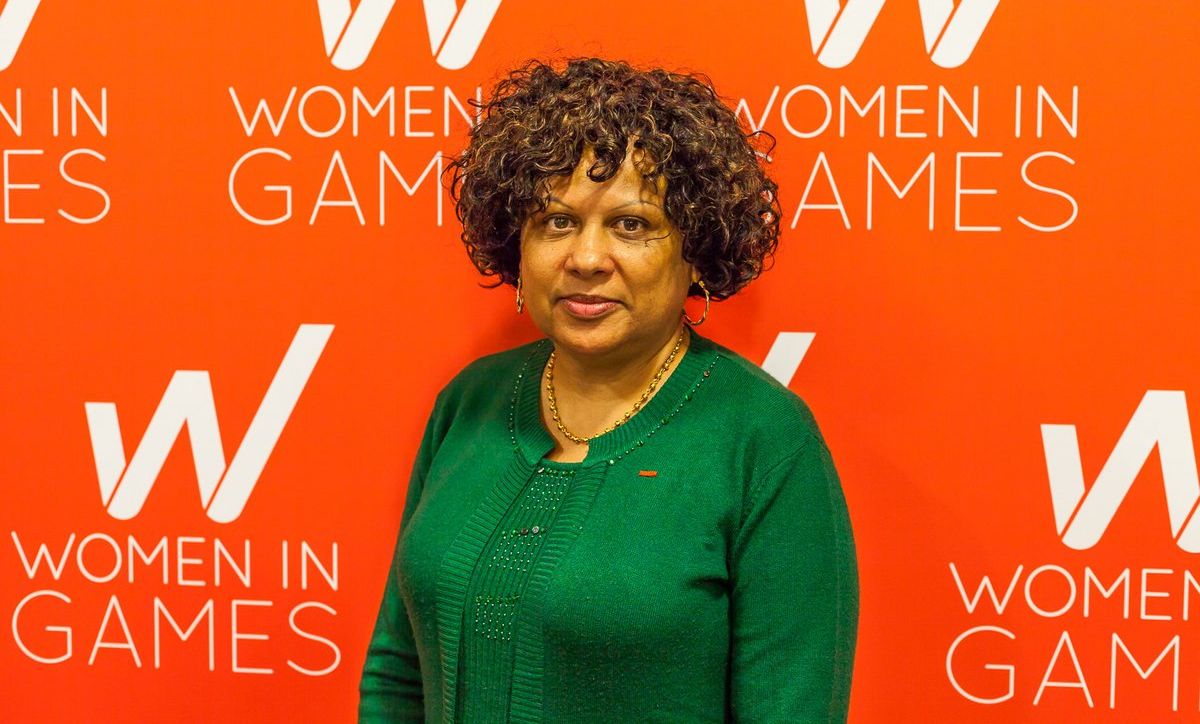
Muriel Tramis made games that did not sound like safe pitches. At Coktel Vision, she worked on titles that dealt with colonial history, slavery, sexuality, fantasy, comedy, and adventure in ways that were unusually personal for the time. Méwilo and Freedom: Rebels in the Darkness, in particular, stood apart from the more familiar European adventure-game mold. Years later, her appointment as a Knight of the Legion of Honour in France helped reframe her work as something more than a niche curiosity.
Trending on realmoneygamer.com


Bill Budge

Bill Budge’s Pinball Construction Set, released in 1983, gave players a toolset instead of just a finished game. They could build, adjust, test, and share their own pinball tables. That sounds normal now, in an age of editors, mods, and creation suites, but it was a startlingly open idea for the early home-computer market. Budge had made a game where design itself was the toy.
Brenda Laurel

Brenda Laurel never seemed interested in games as a narrow category. Her work crossed theater, interface design, virtual reality, storytelling, and social research, which made her ideas hard to place in a business that preferred simpler boxes. With Purple Moon in the 1990s, she tried to make games for girls based around friendships, social pressure, and emotional choices rather than borrowed action-game formulas. The company did not last, but the questions behind it aged better than many of the answers the industry had at the time.
Dona Bailey

Dona Bailey co-created Centipede at Atari in 1981, then left the games industry soon afterward. The game itself stayed visible, bright, strange, and instantly playable, but her name was not always attached to it in the public imagination. Later interviews and appearances made her story harder to ignore. It also made clear how easily early arcade history could lose people who did not fit the culture around them.
Chris Crawford

Chris Crawford was not ignored, exactly, but some of his biggest ideas were easier to admire later. Balance of Power treated geopolitics as a playable system. His writing and lectures pushed designers to think about games as expressive structures, not just entertainment products. When he moved toward interactive storytelling, he entered territory that still feels unresolved, which may be why his work keeps resurfacing whenever games try to become more responsive, dramatic, or personal.
Carol Shaw

Carol Shaw’s River Raid looked clean and direct, but it did a lot with very little. Released by Activision in 1982, it turned the Atari 2600’s limits into a fast, readable, endlessly replayable shooter. Shaw left the industry early, and for years her role was known mostly to people who paid close attention to credits and early programming history. The later public recognition felt overdue because the game had never really disappeared.
Rebecca Heineman
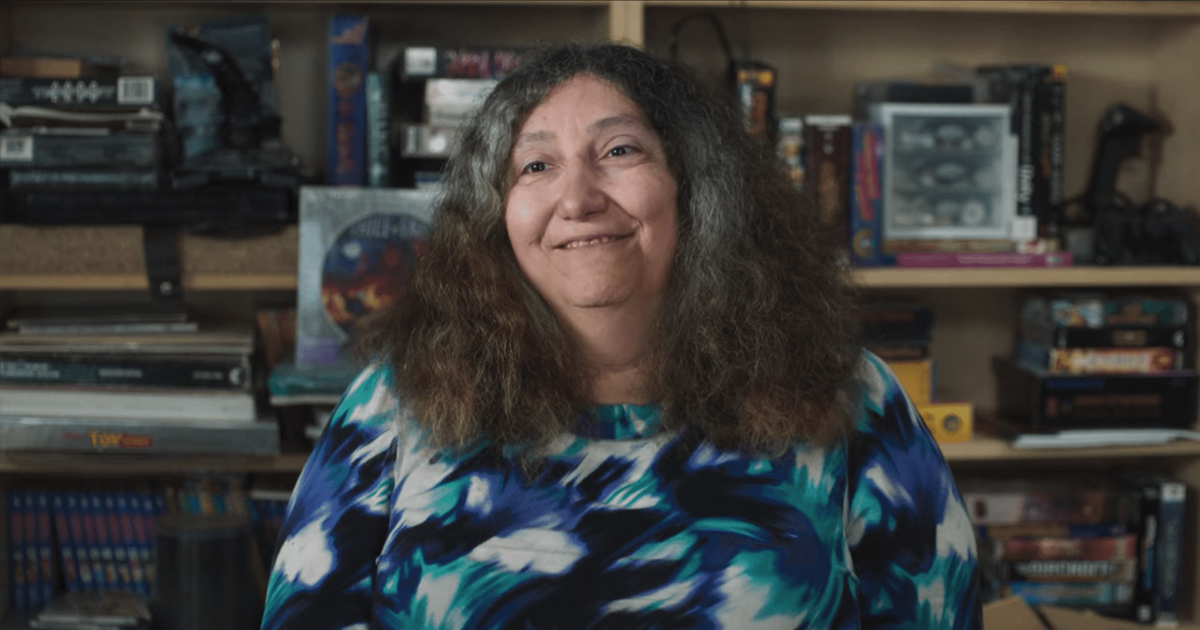
Rebecca Heineman often worked in parts of game development that players benefit from without always noticing. Ports, technical fixes, tools, engines, and difficult adaptations are not usually the easiest path to fame. Her credits and influence touched Interplay, The Bard’s Tale III, Wasteland, Dragon Wars, Fallout, Baldur’s Gate, and other major PC game history. Among developers, her reputation had weight for years, while broader recognition arrived more gradually.
Looking back at these careers, the pattern is not as tidy as “misunderstood genius gets rewarded.” Some were known in their time, some were pushed aside, some simply worked in corners of the medium that did not preserve names well. What stands out is how often games needed time to explain what these people had already tried.
Continue Reading: 10 Women Who Shaped the Early Video Game Industry and Rarely Get the Credit They Deserve