Games do not always announce their shared universes with a big crossover trailer. Sometimes the connection is hidden in a ship name, a background document, a familiar city, or a character who looks like they wandered in from another shelf at the studio. That is part of what makes these links fun. They are not always clean, and they are not always meant to rewrite the whole series, but they give players that small “wait a second” moment that makes old games feel newly suspicious.
Portal and Half-Life
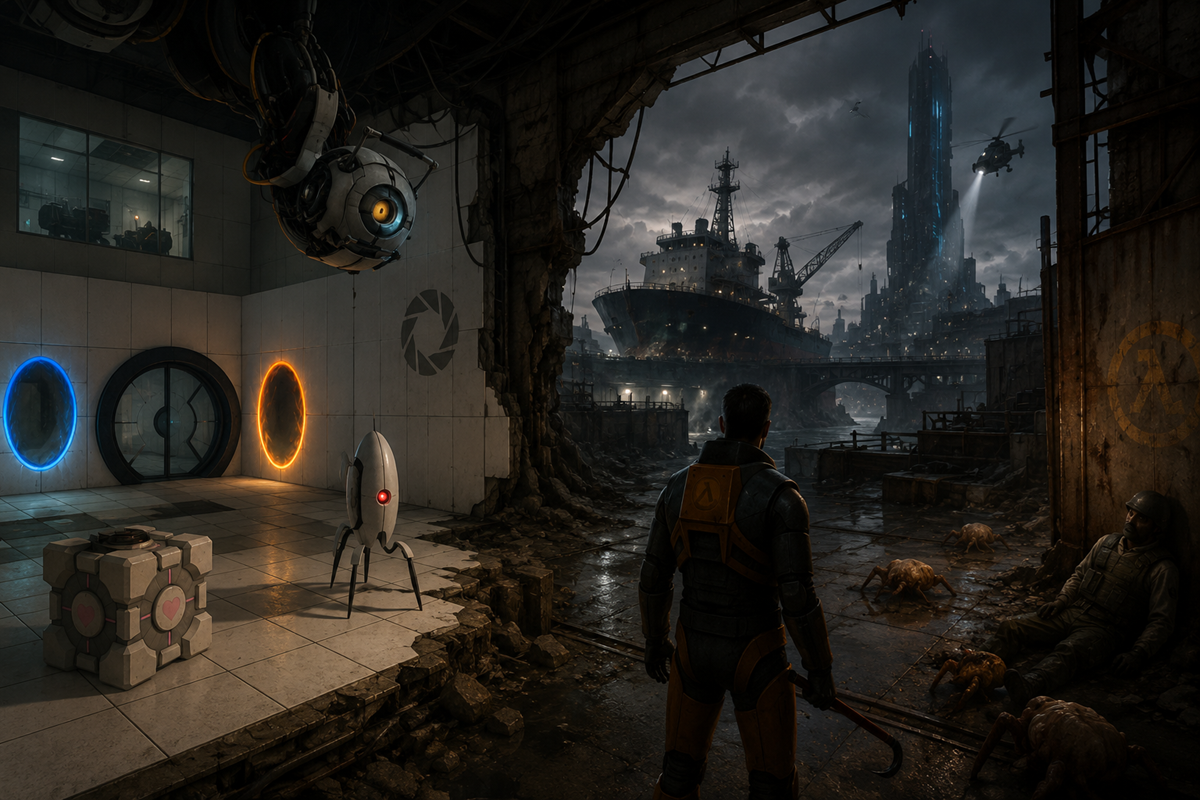
Portal looks, at first, like it belongs in its own sealed box: clean panels, test chambers, dry comedy, and one very passive-aggressive computer voice. Half-Life is messier, full of headcrabs, military disasters, alien occupation, and rusted places full of bad decisions. But once Aperture Science starts brushing up against Black Mesa, the wall between them gets thinner. The biggest clue is the Borealis, an Aperture research vessel mentioned in Half-Life 2: Episode Two and later echoed in Portal 2. Suddenly, Portal is not just a puzzle game with a killer ending song. It belongs to the same broken scientific world that ruined Gordon Freeman’s week.
Doom and Wolfenstein
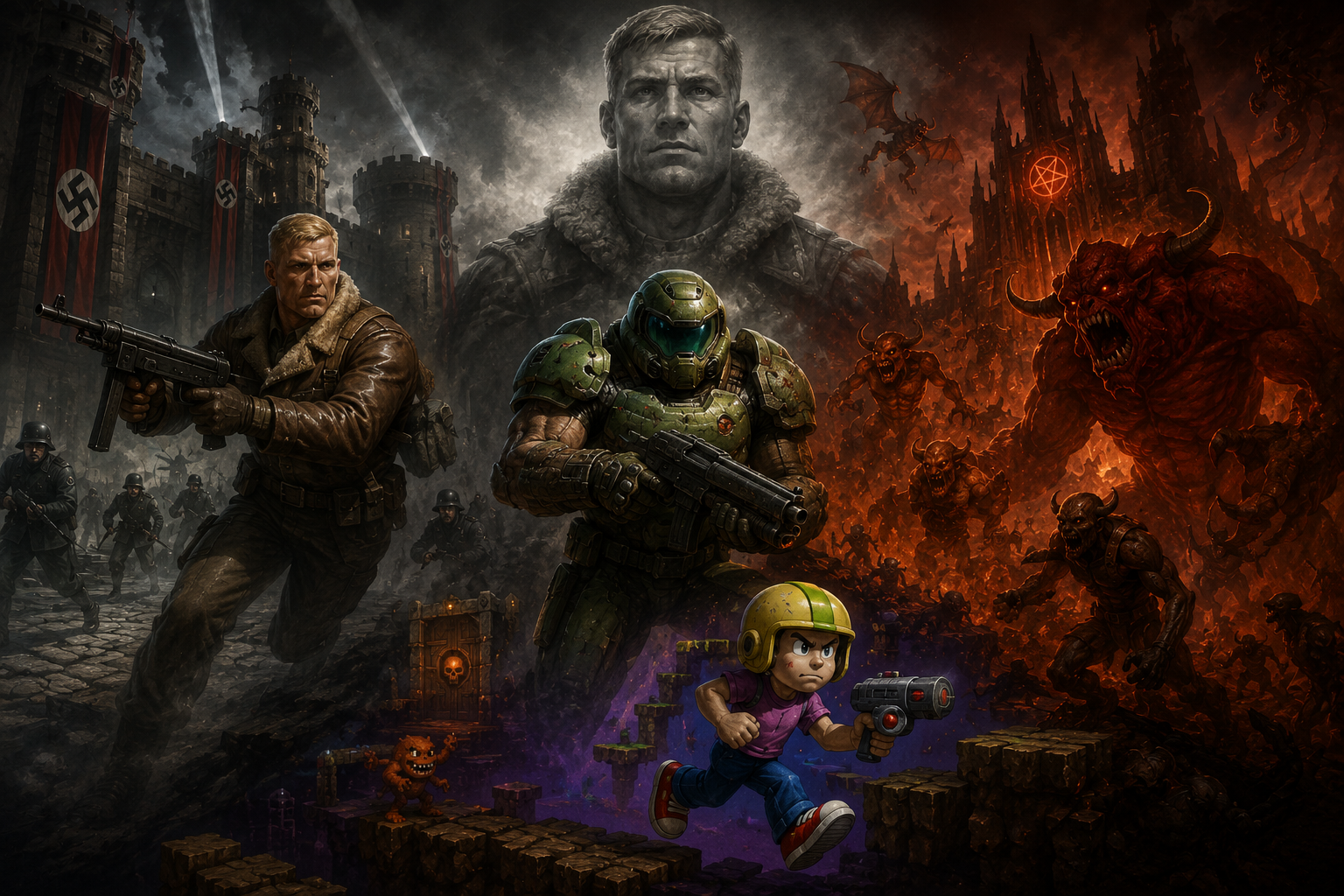
This one sounds like fan nonsense until you remember how loose and playful early id Software lore could be. Doomguy, B.J. Blazkowicz from Wolfenstein, and Commander Keen have all been tied together through the old id family tree, with B.J. treated as an ancestor of the later heroes. It gives the whole thing a strange family-business feeling. One generation fights Nazis, another jumps around in a helmet, and somewhere down the line a very angry marine punches demons until Hell regrets opening the door.
Drakengard and NieR
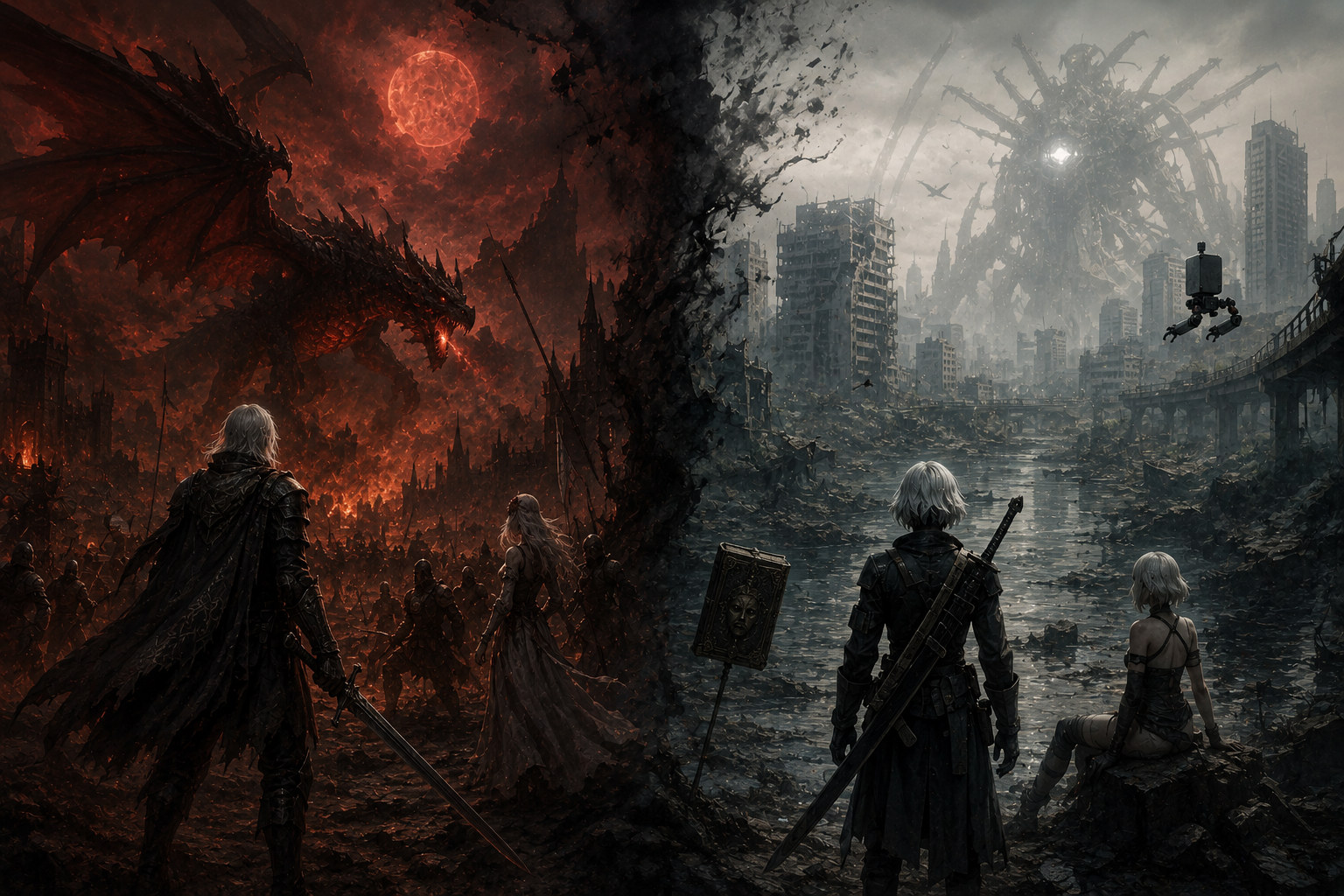
NieR did not arrive from nowhere. Its roots are tangled up in Drakengard, specifically one of that game’s alternate endings, where a fantasy apocalypse crashes into modern Tokyo and leaves behind the conditions that eventually shape NieR’s world. It is a bizarre bridge, almost too strange to explain cleanly, which is probably why it works. Drakengard feels like a cursed medieval fever dream, while NieR is quieter, sadder, and more personal, but underneath both of them is the same taste for broken worlds and consequences that refuse to stay buried.
Final Fight and Street Fighter
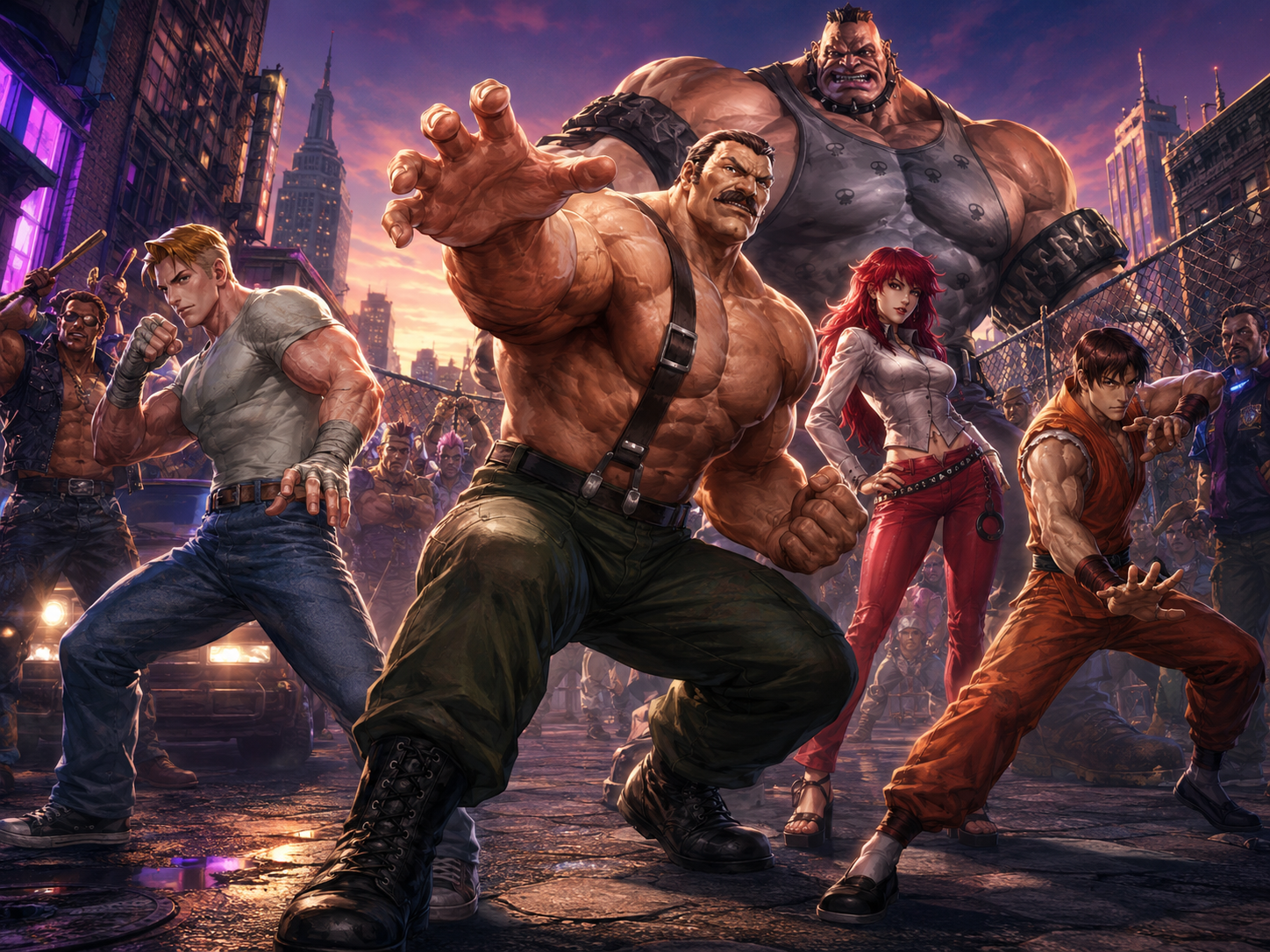
Final Fight started as a side-scrolling brawler about Metro City, street gangs, and Mike Haggar solving civic problems with wrestling moves. Street Fighter was supposed to be the fighting tournament universe, a place where martial artists, soldiers, and weirdos from around the world crossed paths. Over time, Capcom just let the border dissolve. Cody, Guy, Poison, Hugo, Rolento, Sodom, and Abigail all carried bits of Final Fight into Street Fighter. It never needed some giant explanation. Metro City simply became one more place in the Street Fighter world where people were always one argument away from a boss fight.
Alan Wake and Control
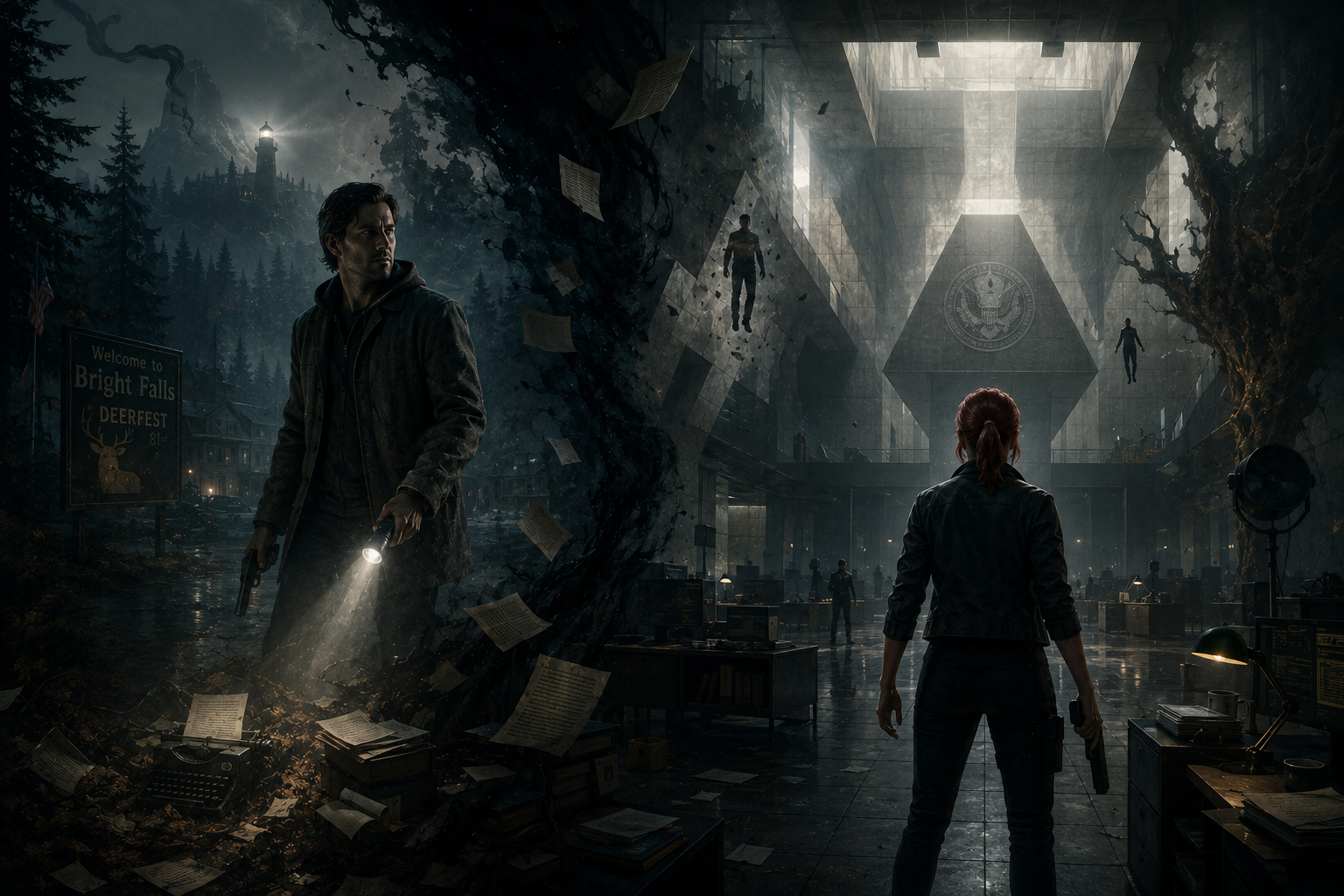
For years, Alan Wake felt like its own lonely nightmare: a writer, a missing wife, a small town, and a darkness that acted like bad fiction with teeth. Control seemed separate, built around government files, strange objects, and office corridors that ignored architecture. Then Remedy made the link harder to miss. The Federal Bureau of Control has records on Bright Falls, and the AWE expansion pulls Alan directly into its orbit. Alan Wake still feels like horror happening to one exhausted man, while Control makes that same horror feel like something bureaucrats have been trying to classify for years.
Trending on realmoneygamer.com
Grand Theft Auto and Manhunt
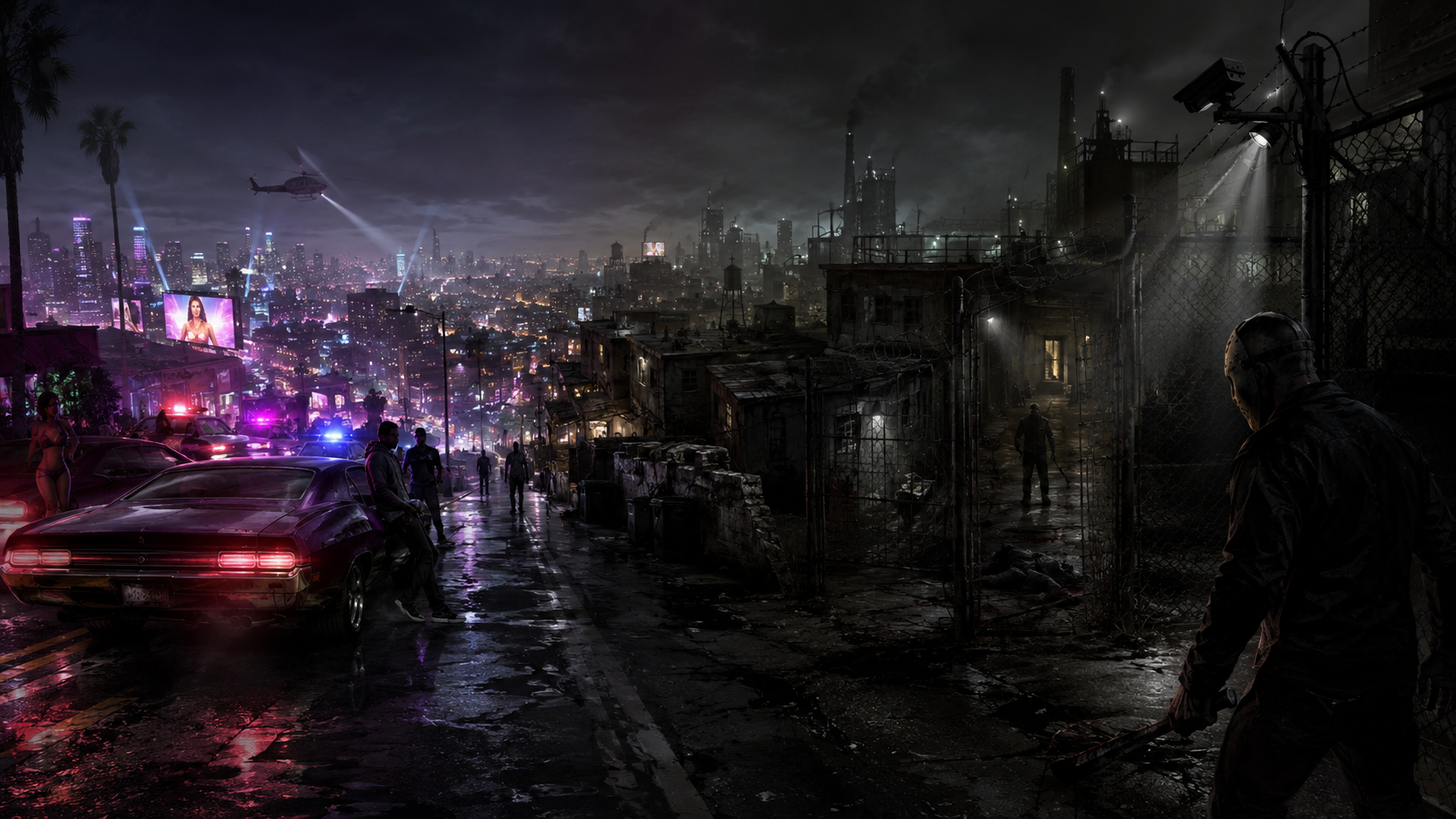
Manhunt feels nastier than Grand Theft Auto in a way that is hard to dress up. GTA is violent too, obviously, but it usually hides behind satire, radio jokes, and absurd criminal theater. Manhunt has Carcer City, a place that feels damp, rotten, and past saving. The interesting bit is that Carcer City is referenced inside the GTA universe, which means Rockstar quietly placed its ugliest city somewhere on the same grim map. It is not a cheerful connection, and it is not played for fan service. It just suggests that beyond Liberty City and Vice City, there are places even worse.
Hitman and Kane & Lynch
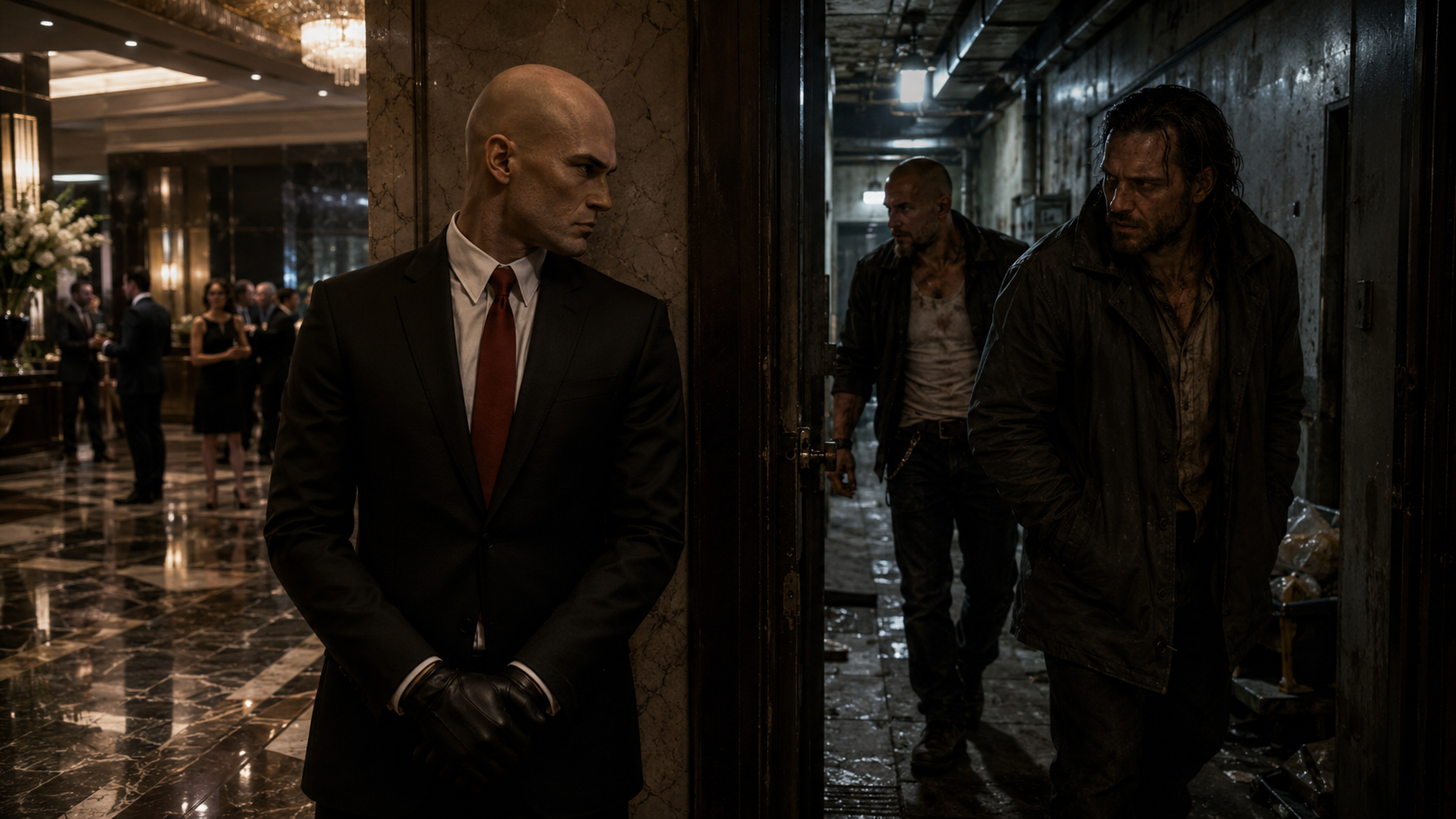
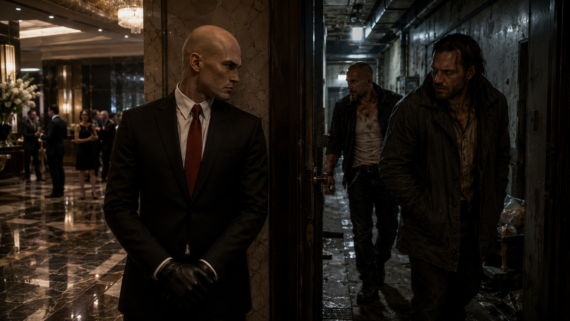
Kane and Lynch showing up around Hitman makes a strange amount of sense. They are exactly the sort of men Agent 47 might notice in a crowd and then immediately decide not to think about unless a contract required it. IO Interactive has nodded between the franchises more than once, including appearances and references that place Kane and Lynch close to 47’s world of assassins, criminals, and people pretending everything is fine in expensive public spaces. It is not a glossy crossover. It feels more like the same dirty hallway seen from two different doors.
Ico and Shadow of the Colossus
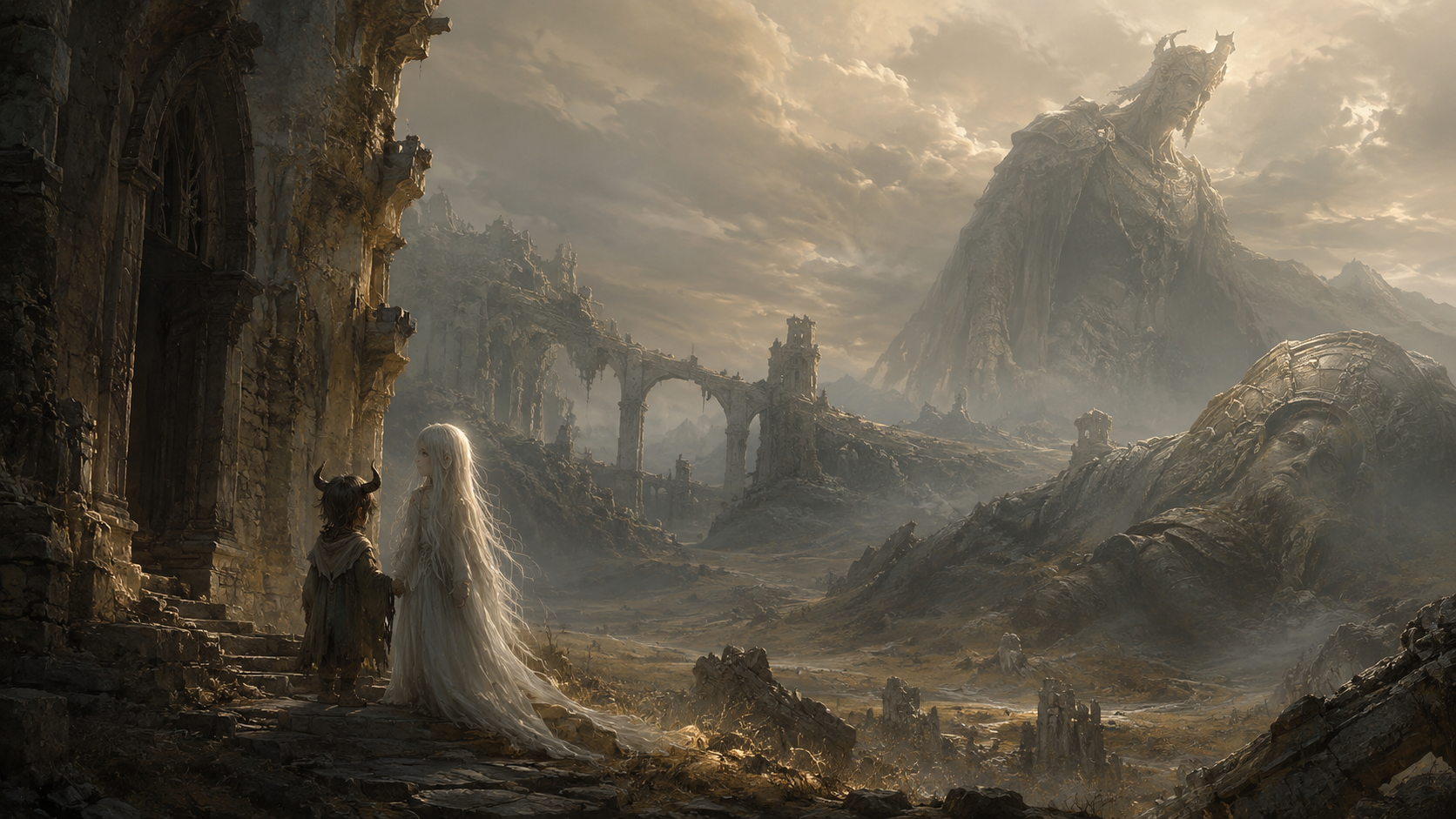
Ico and Shadow of the Colossus share a mood before they share anything else. The lonely landscapes, the ruined structures, the sense that nobody is going to stop and explain the rules to you, all of that feels connected even before the lore comes into focus. Shadow of the Colossus is generally understood as taking place before Ico, with its ending giving a haunting origin point for the horned children seen later. It is a rare connection that feels stronger because it stays quiet.
Ace Combat and Galaga
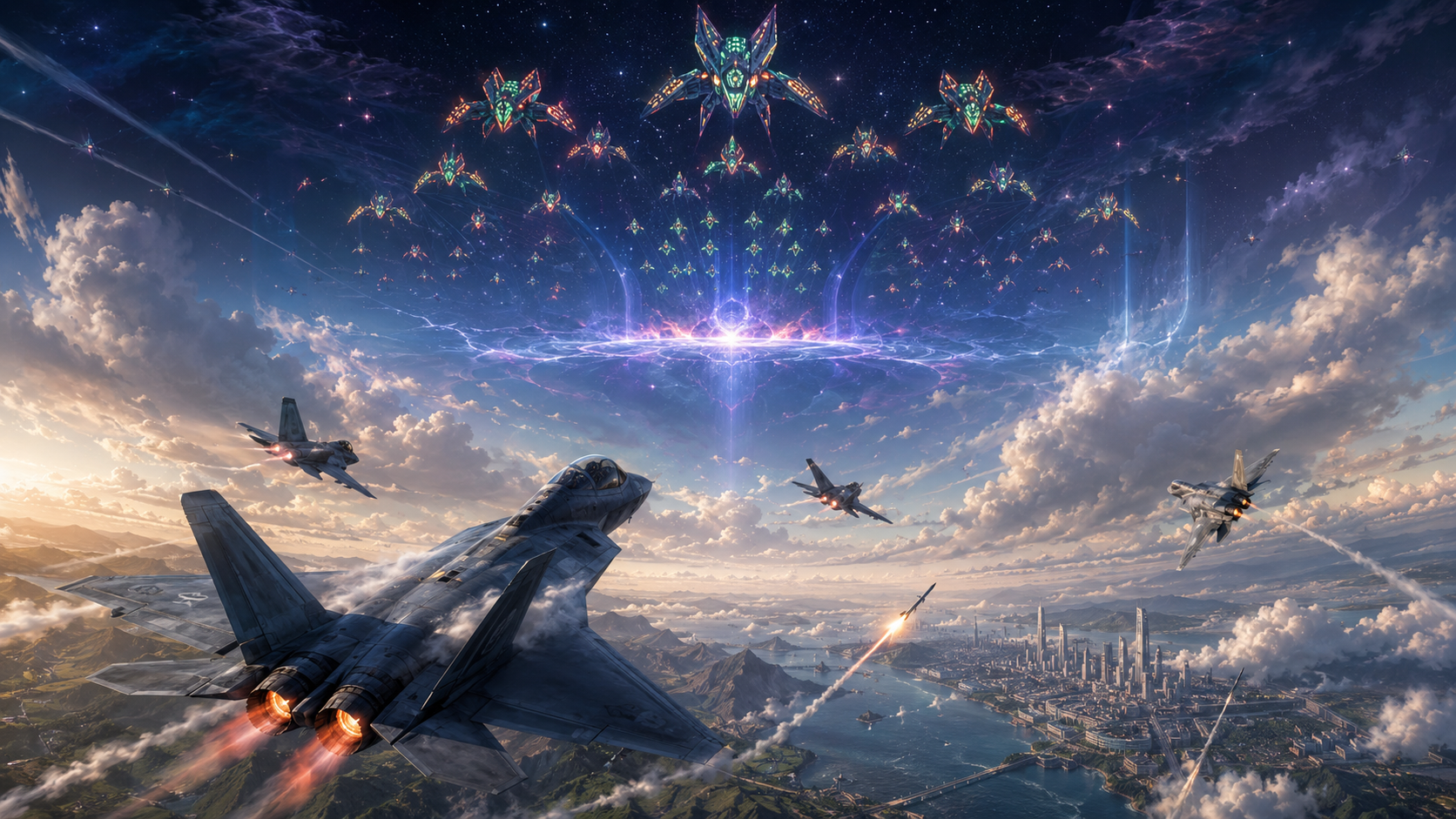
Ace Combat and Galaga do not seem connected at all. One is about fighter jets, fictional nations, and desperate radio chatter; the other is an arcade shooter about blasting alien insects. But Bandai Namco’s broader UGSF timeline ties several older sci-fi properties into one continuity, with Ace Combat 3 sitting closer to that future than many players realized. You do not need it to enjoy either game, but it is funny to imagine the arcade cabinet and the political air-combat drama sharing a distant family album.
Catherine and Persona
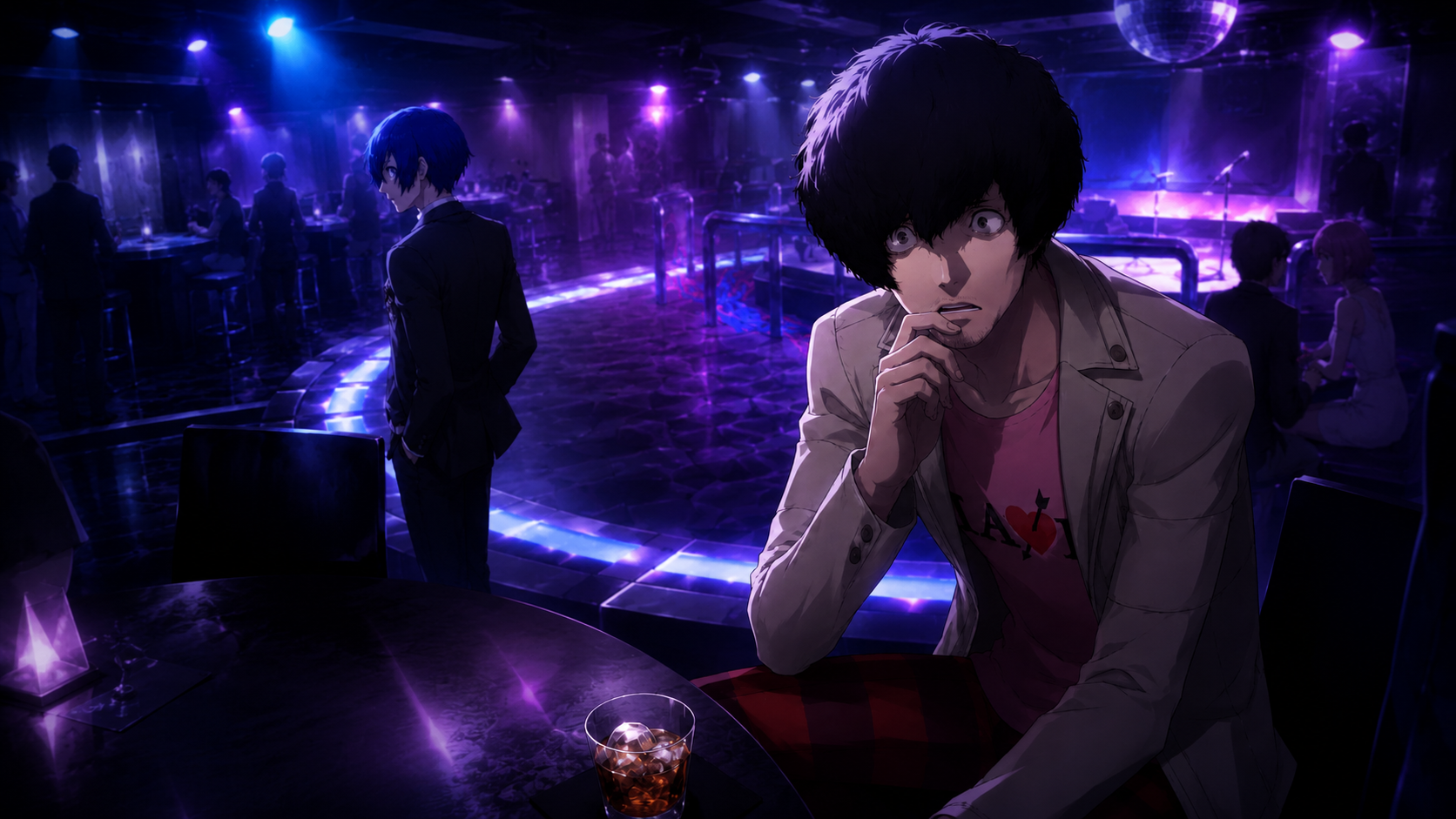
Vincent Brooks from Catherine turns up in Persona 3 Portable before his own game had fully introduced him to the wider audience. He is sitting at Club Escapade, talking like a man who is already losing sleep over things he cannot quite admit out loud. At the time, it was easy to miss the significance. Later, after Catherine made Vincent’s romantic panic and nightmare problems the whole point, that little appearance felt less like a random cameo and more like Atlus planting a cigarette burn on the edge of the Persona world.
Continue Reading: 10 Hidden Rooms and Areas Inside Popular Games That Served Absolutely No Gameplay Purpose