Video games did not enter mainstream news as art, not at first. They usually arrived as a problem someone had to explain, a machine in an arcade, a cartridge in a kid’s bedroom, a strange habit adults did not quite understand. Sometimes the concern was moral, sometimes medical, sometimes legal, sometimes just financial panic with a joystick attached. Looking back, the pattern is pretty clear: games became news whenever they seemed to spill out of play and into real life.
Death Race makes an arcade game sound dangerous
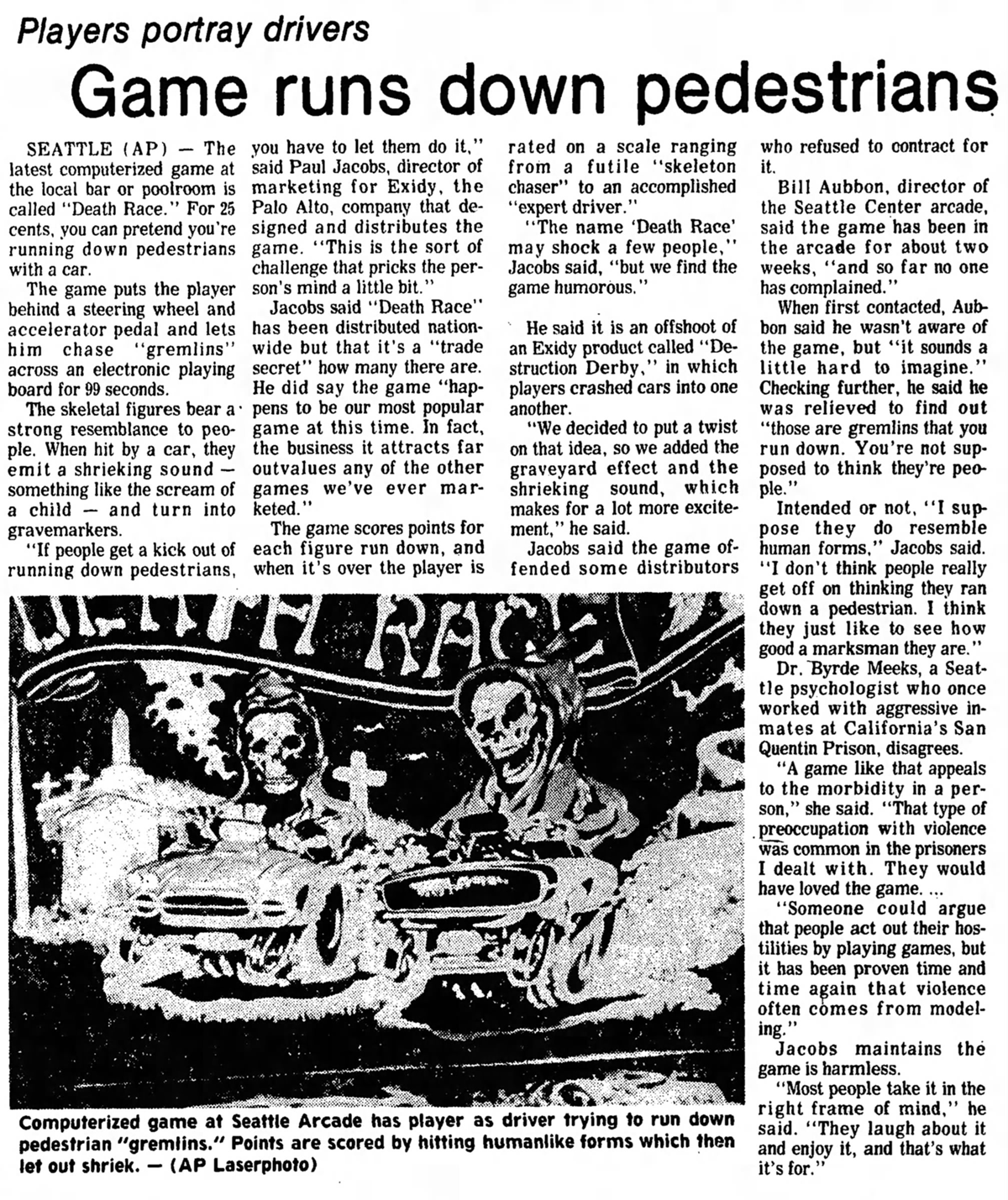
The screen was crude, almost laughably simple by modern standards, but that did not save Death Race from becoming an early target. Released by Exidy in 1976, the game asked players to drive over little figures that the company called gremlins. To a lot of adults, they looked enough like people. The screams, the grave markers, the act of steering directly into bodies, all of it made the cabinet feel less like a novelty and more like a bad sign. Newspapers and TV segments picked it up, and suddenly a coin-operated game was being discussed as if it might be teaching children something ugly.
Space Invaders turns into a money story
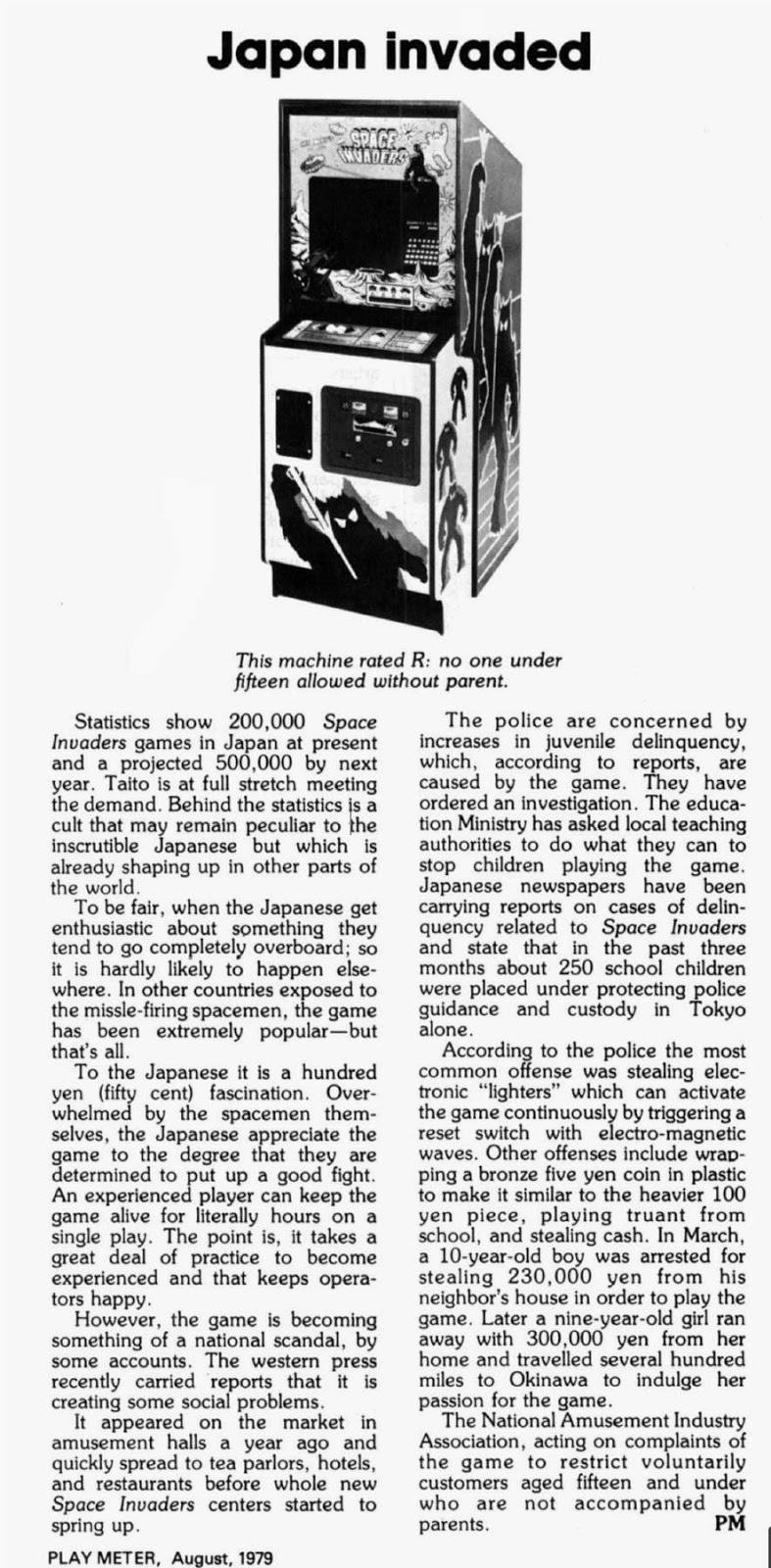
Space Invaders was one of the first games to make people outside arcades notice the business side of play. After its 1978 release in Japan, the game became so popular that reports tied it to a shortage of 100-yen coins. Whether every part of that story holds up perfectly is less important than what it showed at the time. A video game was no longer just draining afternoons, it was moving cash through the economy fast enough for adults to pay attention.
Atari’s crash gives video games a corporate hangover
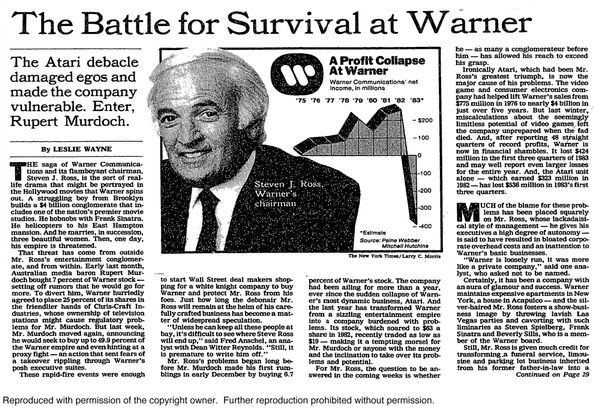
For a moment, Atari looked like the future. The company’s revenue had exploded by the early 1980s, and video games were being treated as a hot entertainment business rather than a passing fad. Then came the collapse. Too many rushed games, too many cartridges, too much retail confidence built on weak foundations. By 1983, the industry’s problems had moved from toy aisles to business pages. The famous landfill story would become the cleaner image later, but the real news was broader and duller: a booming market had badly overplayed its hand.
Mortal Kombat and Night Trap end up in Senate hearings
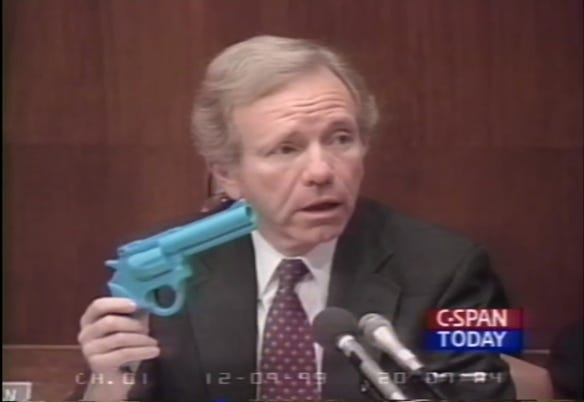
The panic around Mortal Kombat made sense even to people who had never played it. Blood flew, bodies collapsed, and the finishing moves were easy to describe on television. Night Trap was different, stranger and more misunderstood, but it became useful in the same debate. In 1993, both games were discussed during U.S. Senate hearings about violent and inappropriate content in games. The hearings helped lead to the creation of the ESRB rating system in 1994, which meant the industry had to start labeling itself before someone else did it for them.
Doom gets pulled into Columbine
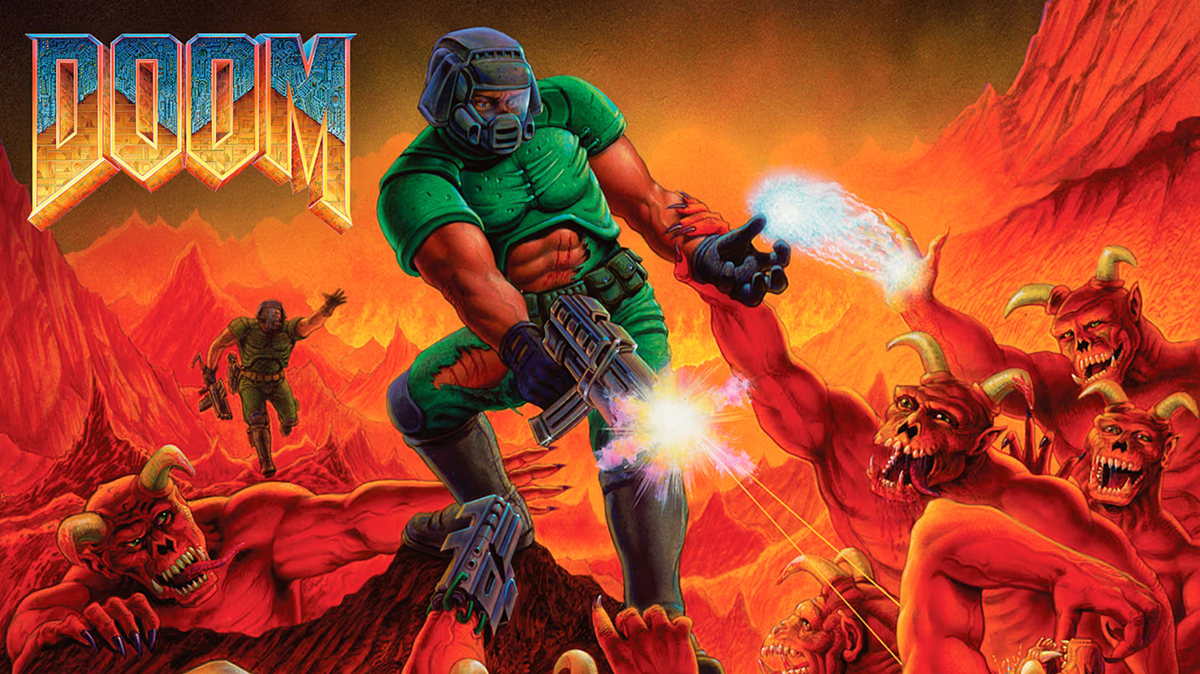
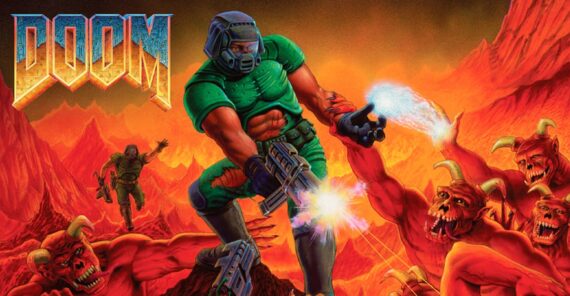
After the Columbine High School massacre in 1999, the search for causes became frantic. Doom was one of the games dragged into that conversation because the shooters had played it, and because first-person violence was easy for pundits to talk about. The discussion often flattened a complicated tragedy into a simple media-blame argument. Still, the effect on public perception was real. For many parents, shooters stopped being obscure PC games and started looking like evidence.
Trending on realmoneygamer.com
EverQuest makes people talk about addiction
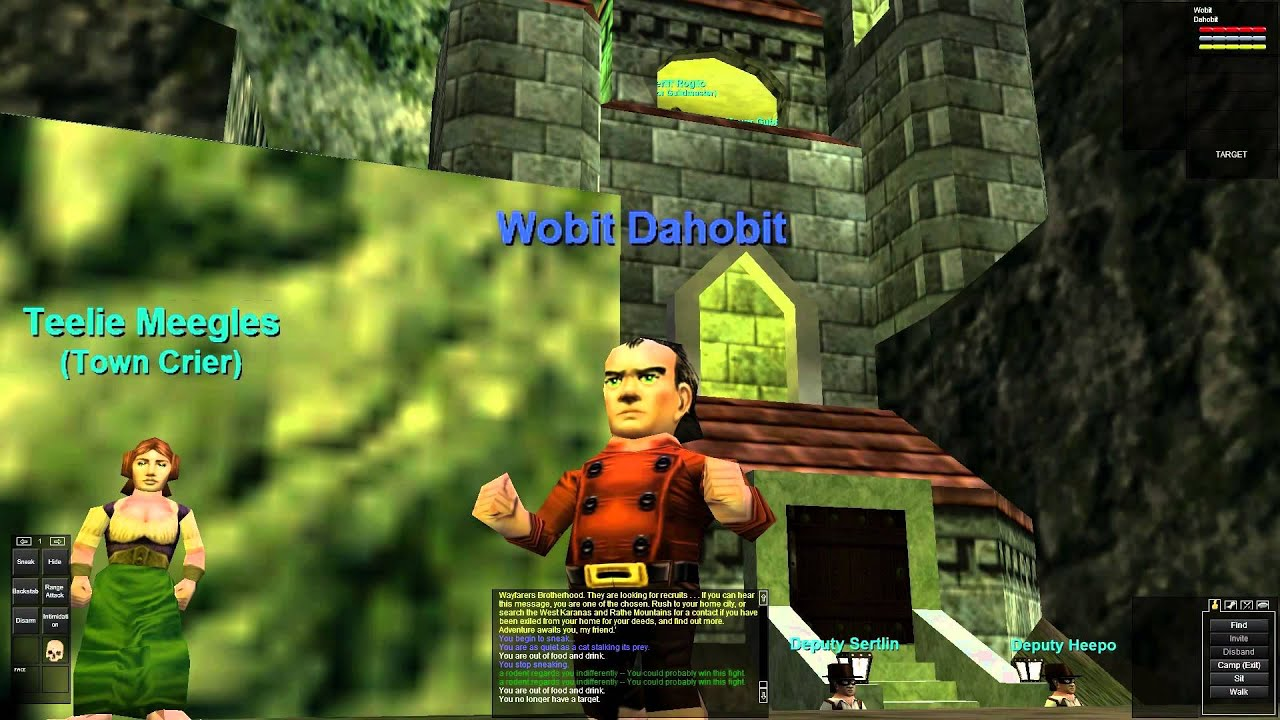
EverQuest did not scare people with gore. It scared them with time. Stories about players losing sleep, relationships, jobs, and a sense of normal routine began to circulate in the early 2000s, helped by the nickname “EverCrack.” The death of Shawn Woolley in 2001 brought the issue into wider coverage after his mother publicly argued that the game had consumed too much of his life. It was not the first discussion of compulsive play, but it gave mainstream media a human story to attach to a worry that was still taking shape.
America’s Army turns a shooter into recruitment
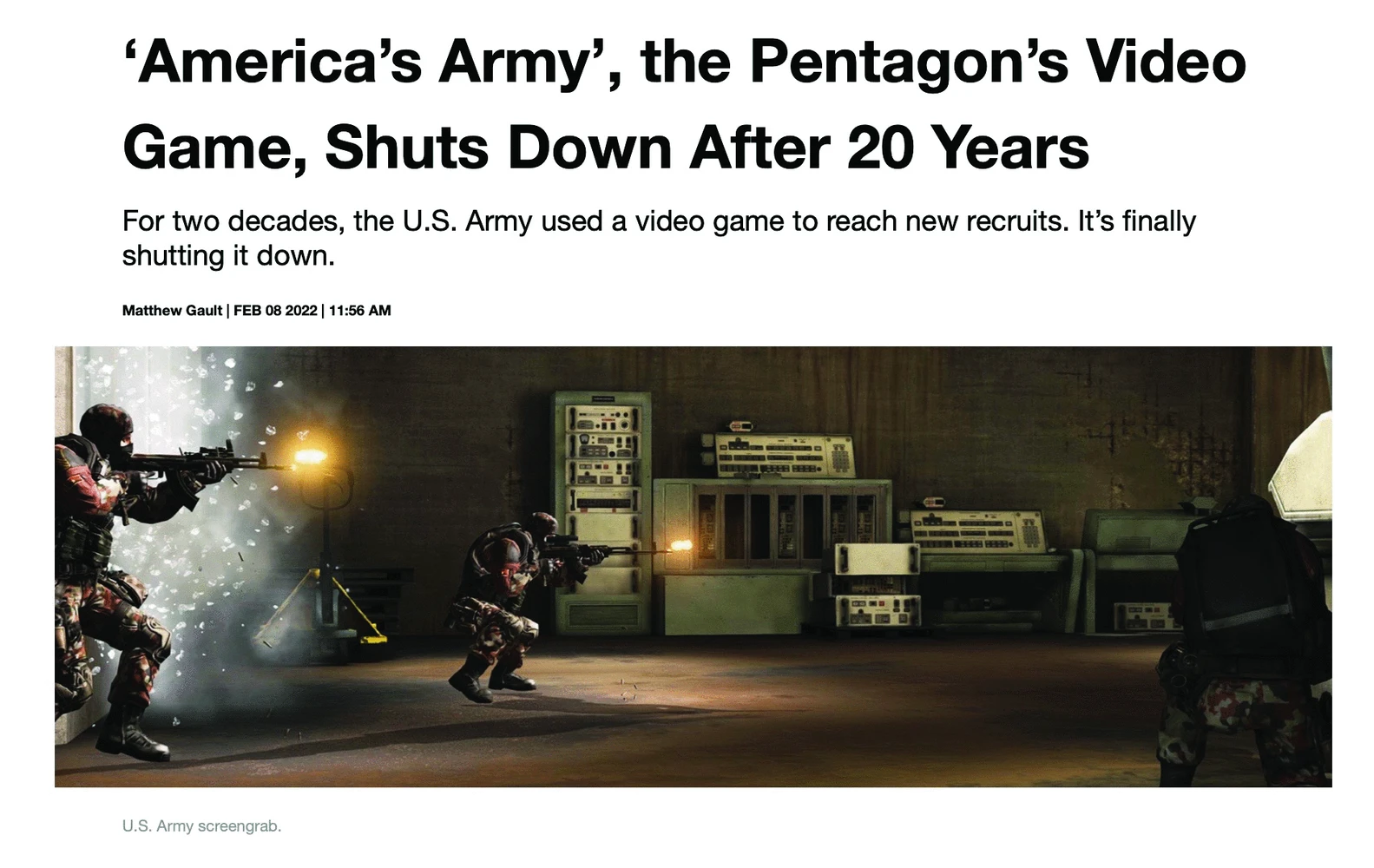
America’s Army was released in 2002, and the fact that it was free was not even the most unusual thing about it. The U.S. Army had made and published it as a recruiting and public-relations tool. That changed the usual argument. This was not a commercial game being accused of influencing young people by accident. It was a government-backed shooter designed to make military life understandable, appealing, and interactive. The game forced a different question: when does play become persuasion?
Manhunt is blamed before the facts settle

The 2004 murder of Stefan Pakeerah in Leicester became tied to Rockstar’s Manhunt almost immediately in parts of the British press. The accusation was simple and dramatic, the killer had supposedly copied the game. Retailers reacted, and the story spread quickly. Police later said they had not found evidence that Manhunt motivated the murder, and reports noted that the game had been found in the victim’s possession rather than the killer’s. By then, though, the first version had already done its work.
Hot Coffee makes hidden content a national issue
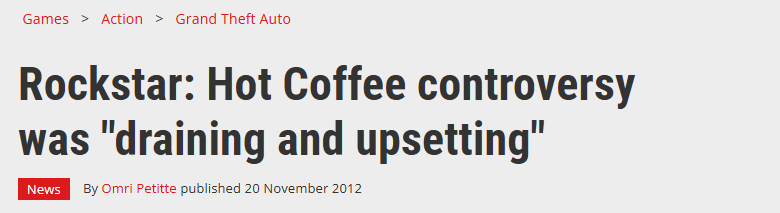
Grand Theft Auto: San Andreas was already controversial before anyone found Hot Coffee. Then players discovered that sexual content left on the disc could be unlocked through a modification, and the story moved far beyond gaming circles. The ESRB changed the game’s rating to Adults Only, stores pulled copies, and politicians had a fresh example of why they did not trust the industry. What made the case messy was the hidden nature of the content. It was not part of normal play, but it was still there, and that was enough.
The Supreme Court decides games count as speech
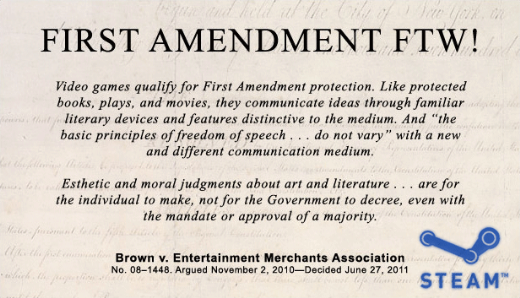
By 2011, video games had been blamed, defended, regulated, mocked, and studied for decades. Brown v. Entertainment Merchants Association gave the medium a different kind of mainstream attention. The U.S. Supreme Court struck down a California law that restricted the sale of violent games to minors, ruling that games were protected by the First Amendment. It did not end arguments about violent content, but it changed the terms. Games were not just products on a shelf. Legally, they were expression.
Pokémon Go makes the sidewalk part of the game
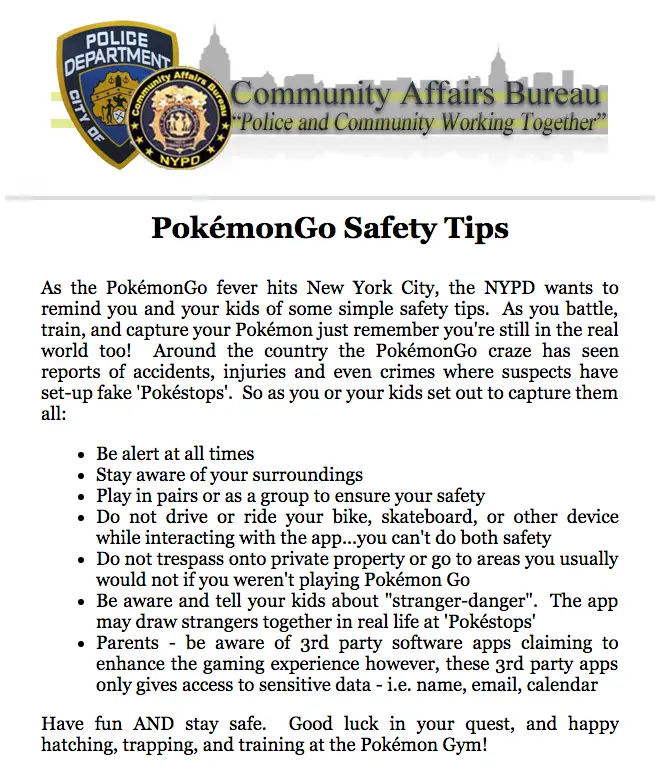
Pokémon Go did something older controversies could not quite prepare people for. It made the public world feel like part of the interface. After its 2016 launch, reports appeared about distracted players, crowds in parks, robberies, accidents, and people wandering into places they should not have been. In Japan, a driver playing the game struck two pedestrians in August 2016, killing one. The old fear was that games would trap people indoors. Suddenly the concern was that they were pulling people outside without enough attention to what was around them.
Video games eventually became normal enough to be covered as culture, business, sport, design, and labor. But the early mainstream stories usually came through unease. The medium kept showing up where people did not expect it, in courtrooms, hospitals, Senate hearings, police reports, and financial columns. That is not the whole history of games, but it is a revealing one.
Continue Reading: 10 Game-Breaking Glitches That Were Kept as Official Features