A ban usually says as much about a country as it does about a game. Sometimes it is the violence, sometimes it is politics, sometimes it is a single detail that lands badly with a regulator and suddenly the whole release is off the table. Gaming has plenty of stories like that, especially from the years when regional censorship rules were all over the place and publishers kept shipping different versions to different markets. Some of these games were easy targets, others got caught for reasons that still feel oddly specific.
Manhunt
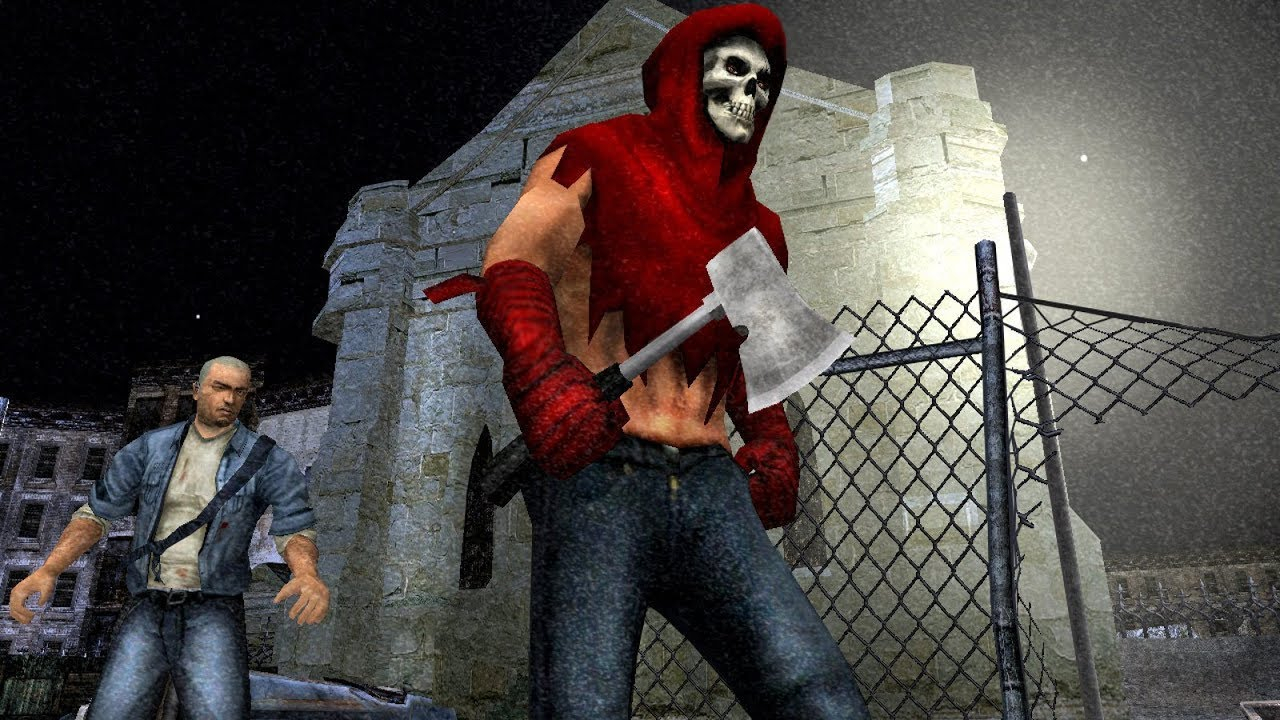
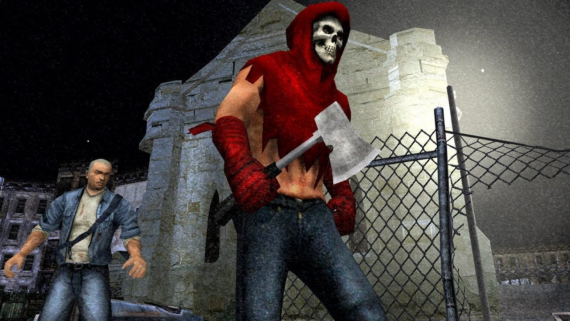
Rockstar’s sneakiest horror series was never built for polite company, but even by mid-2000s standards it crossed lines that several regulators were not willing to negotiate. The first game was confiscated in Germany and banned in New Zealand, while Manhunt 2 ran into bans or refusals in the UK, Ireland, Italy, Germany, and New Zealand before edited versions started making the rounds. What really did the damage was not just the gore, it was the way both games centered prolonged executions as the hook, almost like violence had been turned into a score attack system.
Carmageddon
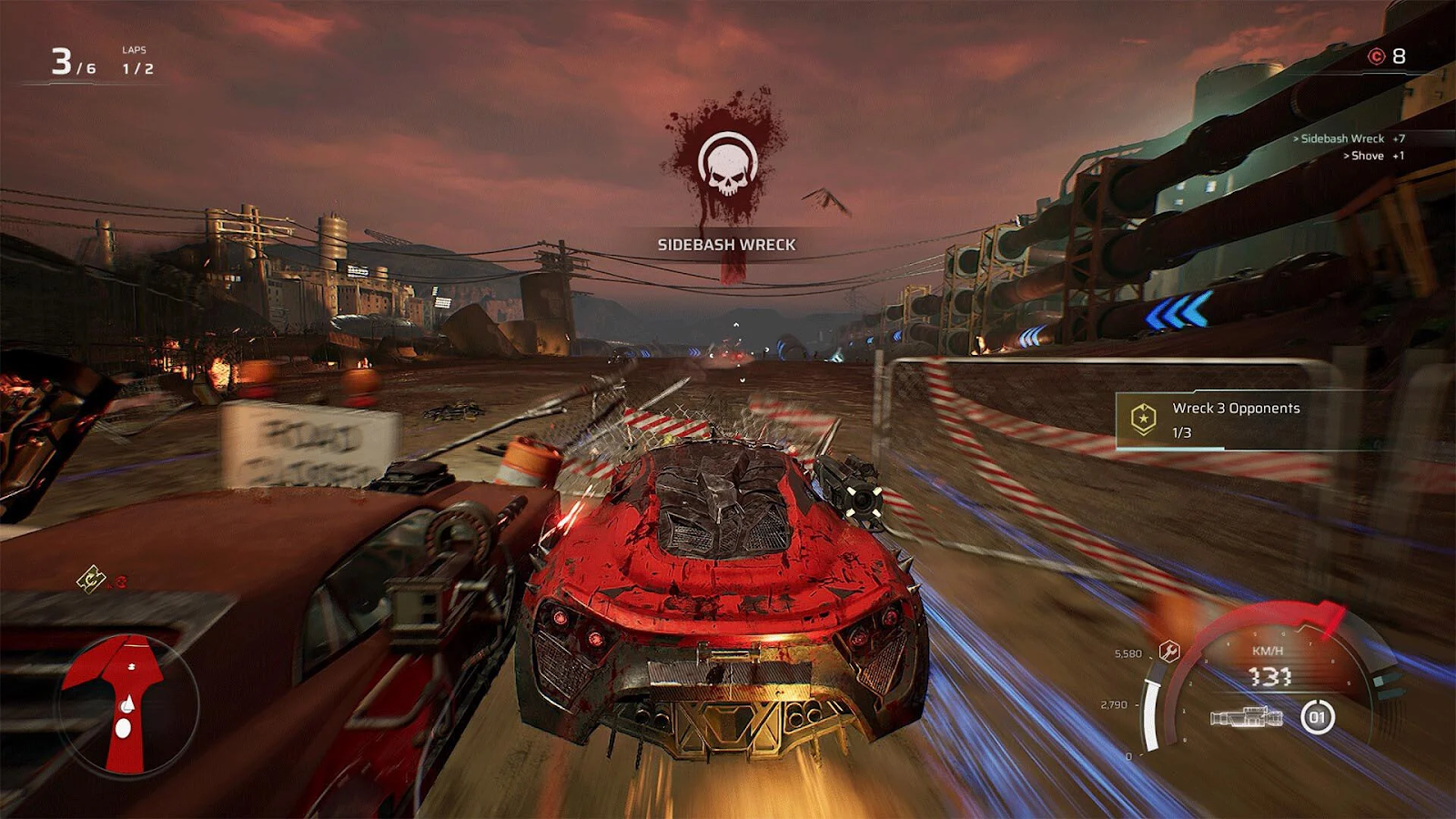
It is hard to explain just how much Carmageddon irritated people in the late 1990s unless you remember the headlines. A racing game where mowing down pedestrians is part of the loop was always going to draw heat, and it did, getting banned in places including Buenos Aires and Brazil while also being censored for release in markets such as Germany and the UK. That made it one of the clearest early examples of a game becoming a public morality story before most players had even touched it.
Postal 2
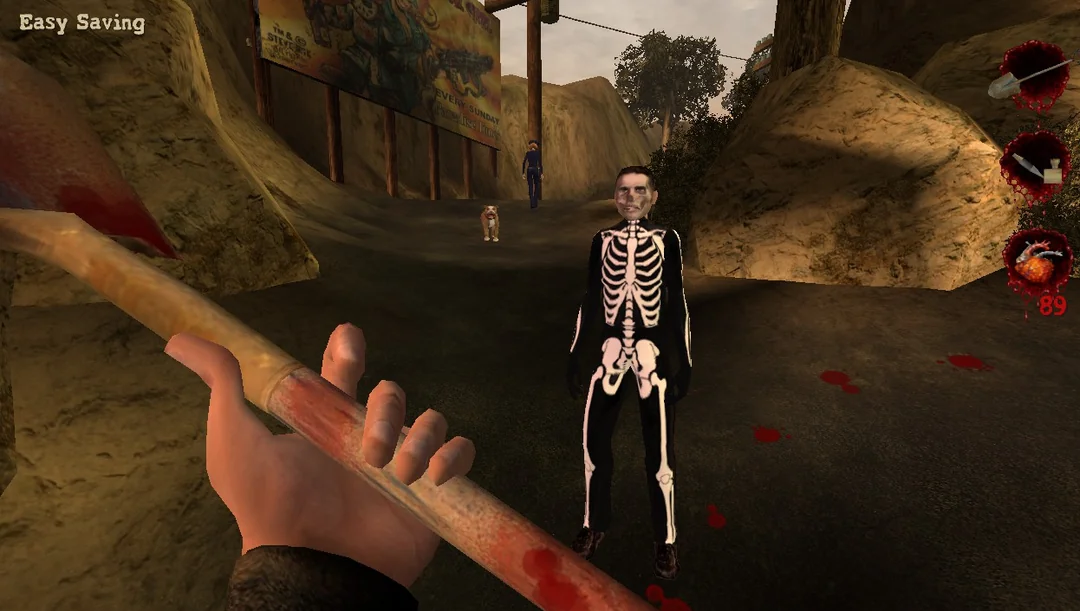
Some games stumble into controversy, Postal 2 treated it like a mission objective. New Zealand classified it as objectionable, which makes it illegal to import, possess, or distribute there, and Australia also refused classification during the era when its games rating system had almost no room for something this nasty. The official objection in New Zealand focused on degrading conduct involving urine and extreme cruelty, which tells you pretty clearly what kind of game this was trying to be.
Silent Hill: Homecoming
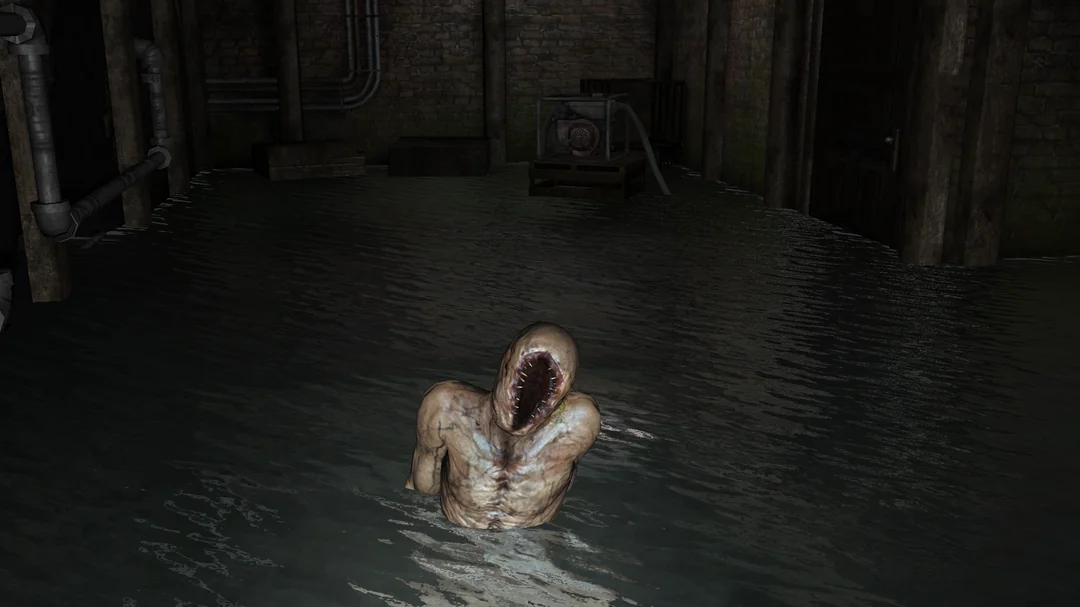
Silent Hill had always been unsettling, but Homecoming was the one that really smacked into classification law. Australia refused it at first, and Germany later confiscated it under laws covering depictions of violence, forcing censored versions into circulation. That is what made the whole thing a little strange, because this was not a game being punished for cheap splatter alone, it was a horror series finally losing the usual benefit of the doubt.
Left 4 Dead 2
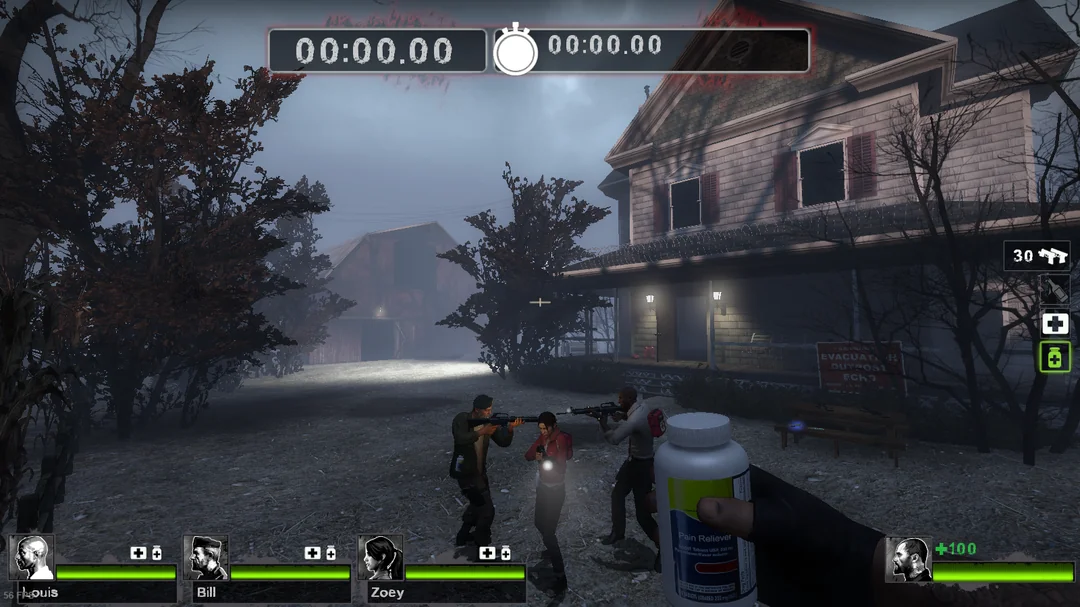
Valve’s co-op shooter became a miniature case study in how differently countries were handling violent games at the end of the 2000s. Australia refused classification before a toned-down version was approved, and Germany confiscated the original uncensored release under section 131 of its criminal code, again leading to a censored edition. If you were playing on PC back then, there was a decent chance you knew someone comparing regional versions just to see where the missing limbs had gone.
Trending on realmoneygamer.com
Reservoir Dogs
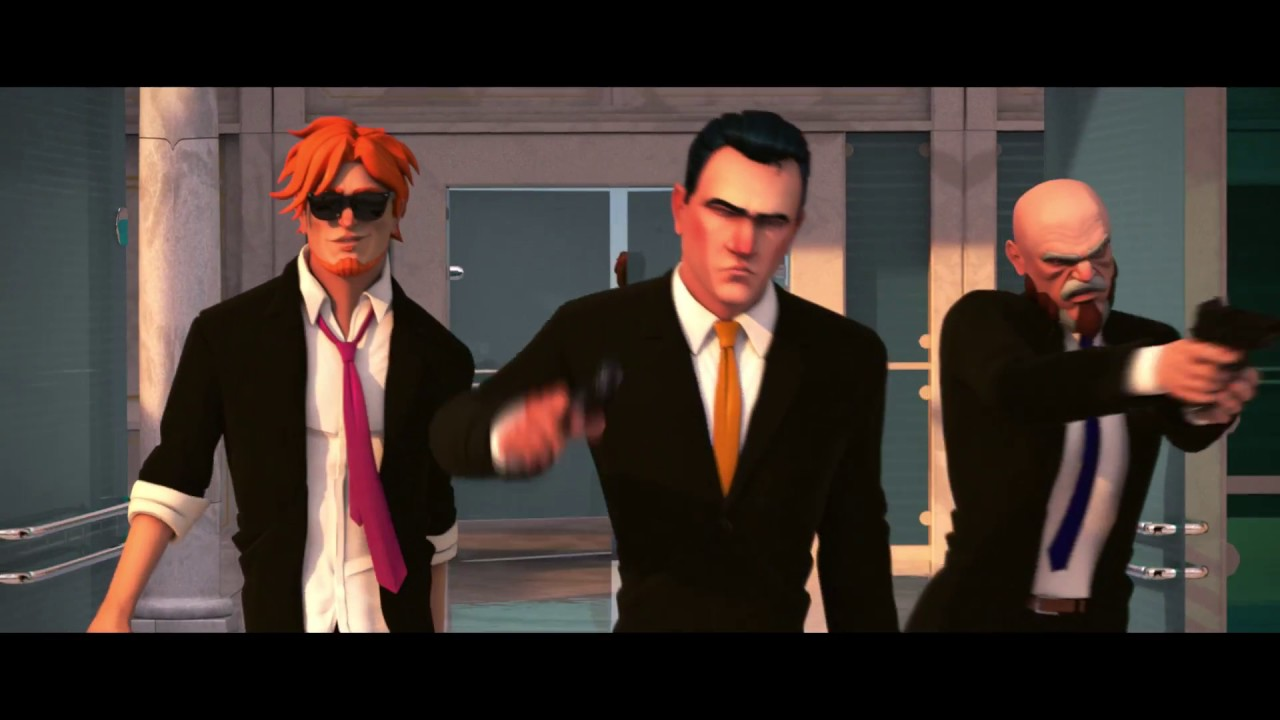
This one felt doomed the second somebody decided Tarantino’s dialogue heavy crime movie should become a game built around violent action. Australia refused classification, New Zealand banned it as objectionable, and Germany restricted it heavily, with regulators focusing on the way the game presented extreme violence and cruelty for entertainment. It never really shook that reputation, and honestly it never had much chance to.
Soldier of Fortune: Payback
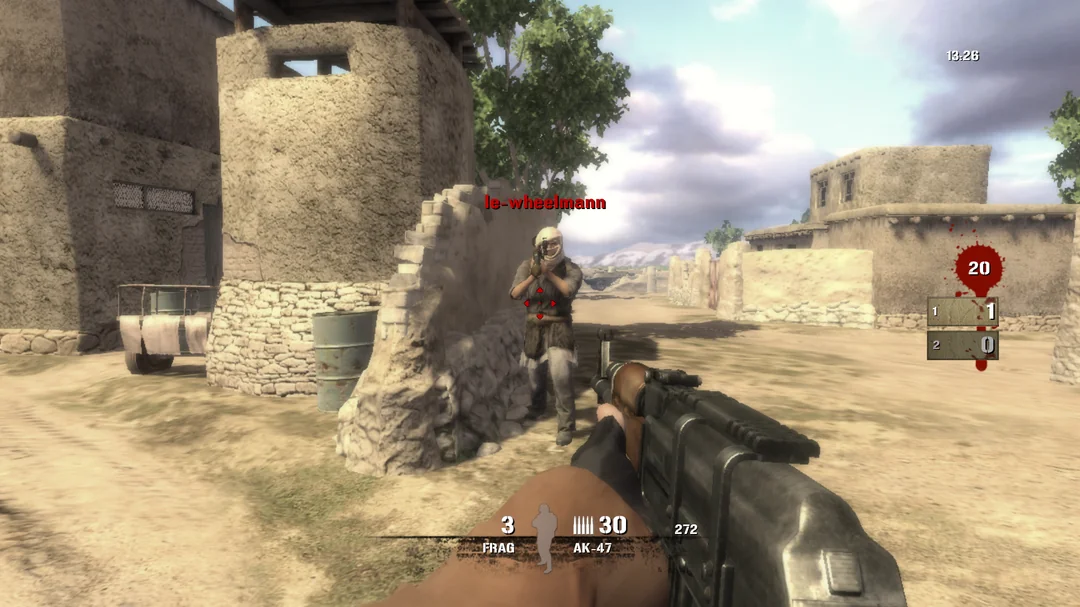
There was a stretch when a certain kind of ultra-gory military shooter was almost asking to be pulled off shelves somewhere, and Soldier of Fortune: Payback fit the type perfectly. Australia refused classification before Activision modified it for release, and Germany later banned the original version nationwide under its violence laws. It was exactly the kind of game people cited when they wanted to argue that the line had already been crossed years earlier.
The Punisher
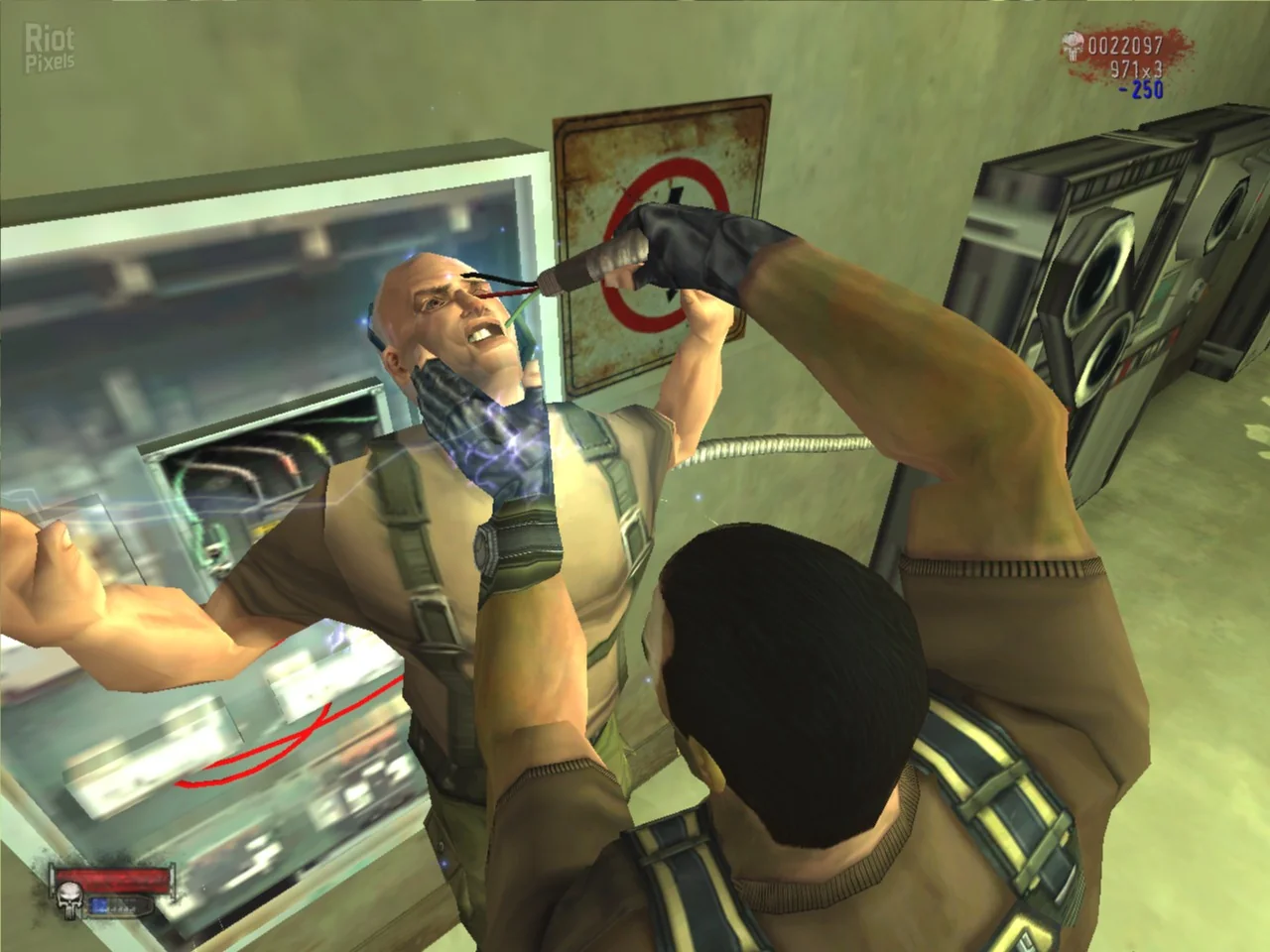
The funny part here is that the Marvel label probably made the reaction worse, not softer. The Punisher was originally banned in Australia, further censored for the UK release after the BBFC objected to its interrogation scenes, and also landed on Germany’s Liste B because of its violent content. For a superhero tie-in, it got surprisingly close to exploitation cinema, and regulators noticed immediately.
Command & Conquer: Generals
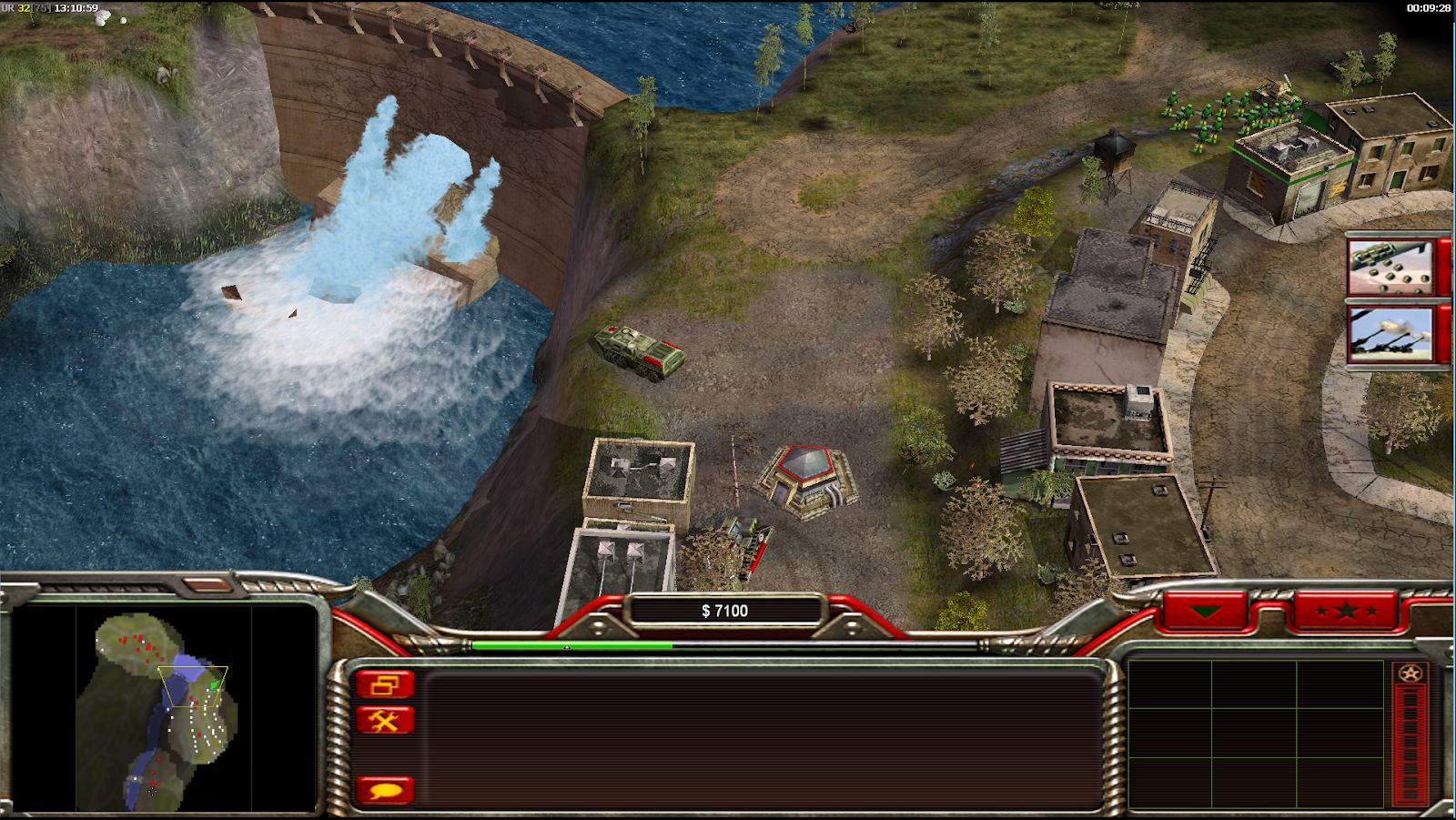
Not every ban is about blood. China banned Generals for what authorities described as smearing the image of China and the Chinese army, while Germany pushed a censored release amid concerns tied to realistic warfare and the political climate around the Iraq War. It is still one of the best examples of a strategy game getting in trouble because of national image and geopolitics rather than shock value.
Battlefield 4
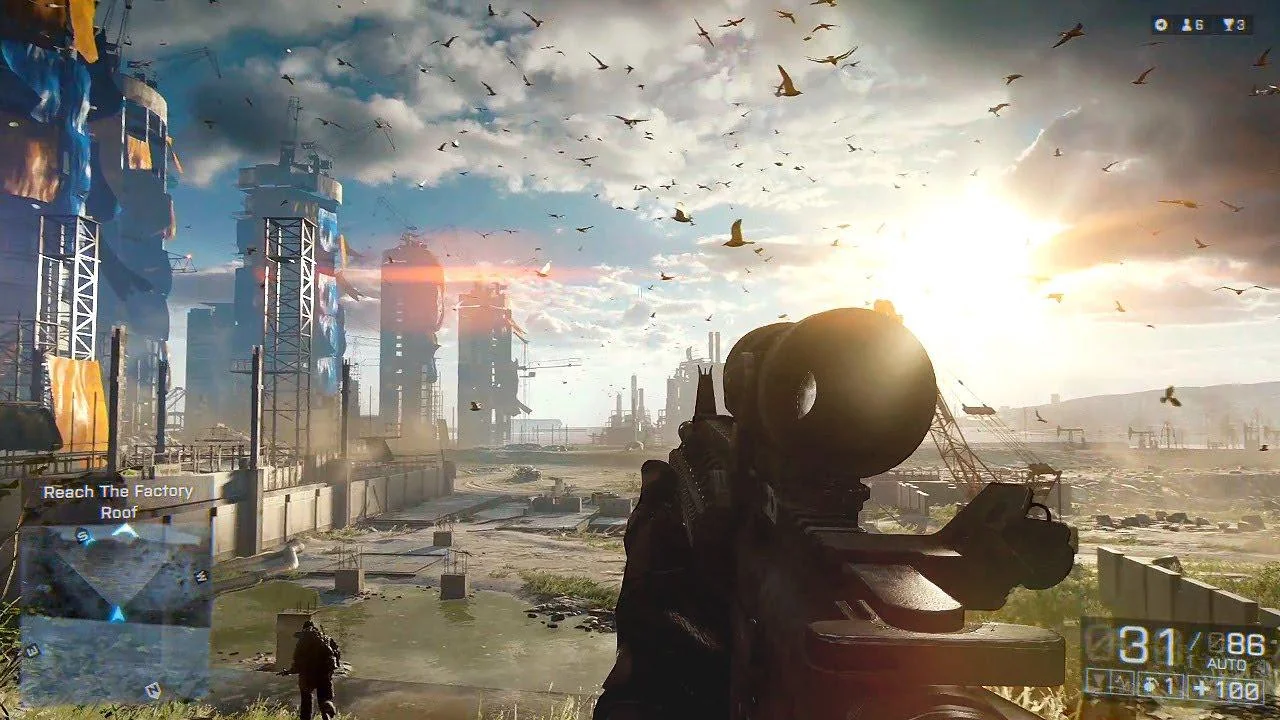
China’s response to Battlefield 4 was unusually blunt, even for a country with tight media controls. State criticism framed the game as a threat to national security and a form of cultural invasion, largely because of how China was portrayed in the campaign and related content, and the title was banned there despite not even being a normal official retail release. It also ran into restrictions in a few neighboring markets that were wary of politically charged military games, which helped turn it into more than just another shooter censorship story.
Football Manager 2005
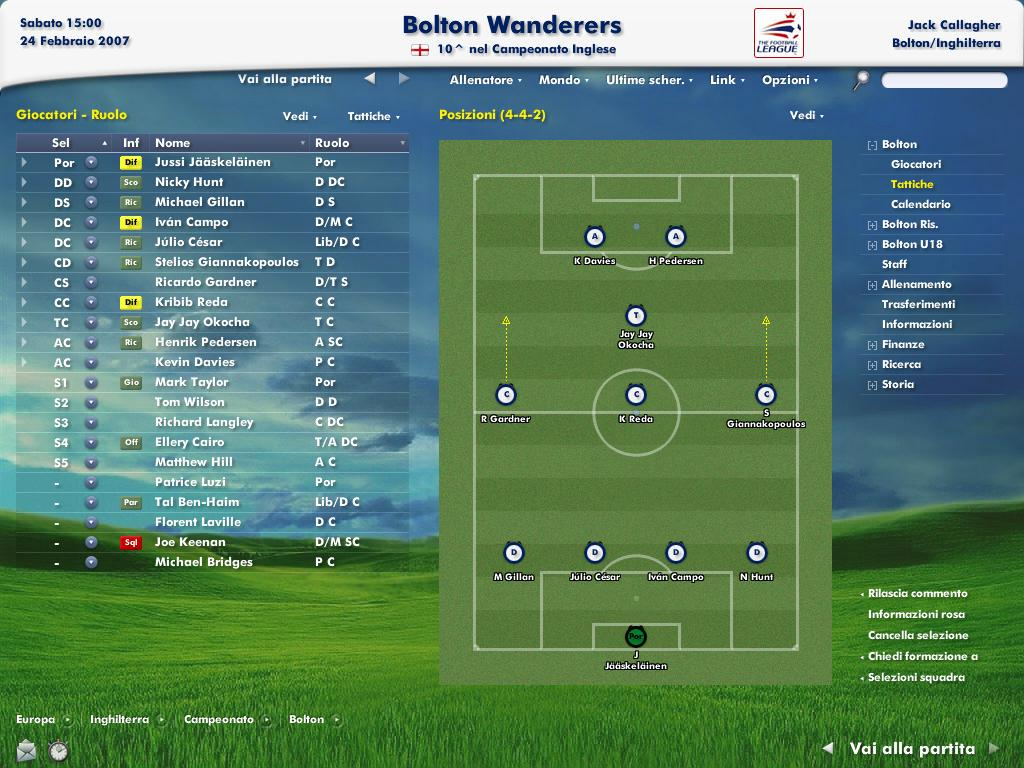
This is still one of the strangest entries on any list like this because, yes, a football management sim ended up banned. China pulled Football Manager 2005 because the database treated Tibet, Taiwan, Hong Kong, and Macau in ways officials said harmed the country’s sovereignty and territorial integrity, and the controversy echoed in other tightly controlled markets that were already sensitive to map politics. It says a lot about games as systems, not just stories, that a menu screen and a database can trigger as much backlash as a firefight.
Mortal Kombat 11
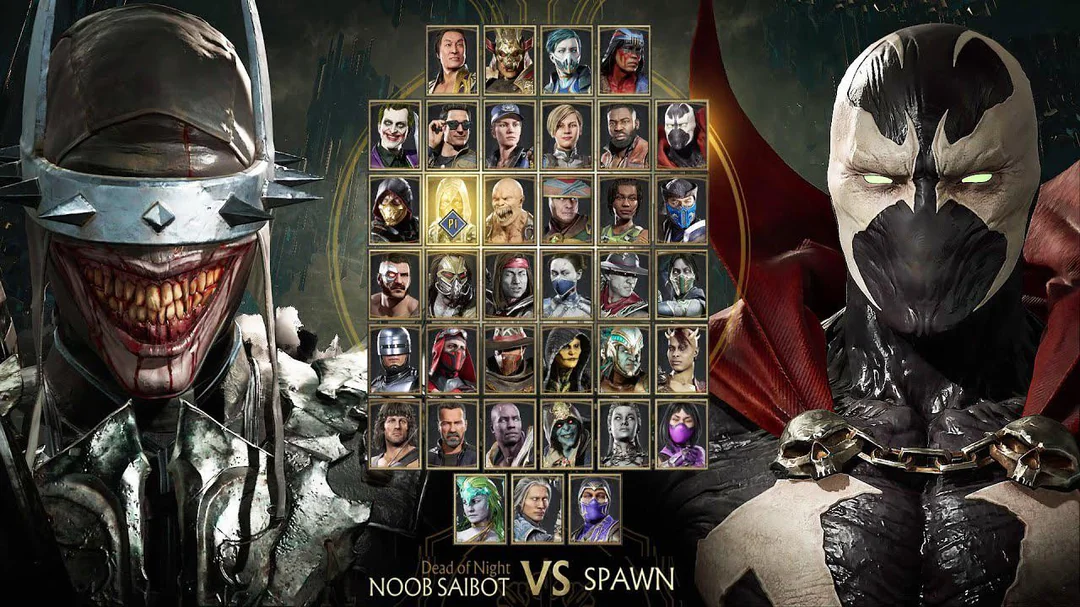
There are violent games, and then there are Mortal Kombat games, which have always played by their own rules. Mortal Kombat 11 was banned or blocked in countries including Indonesia, Japan, and Ukraine, with authorities pointing to extreme gore and, in some regions, prohibited political symbolism as part of the problem. By 2019, the series was no longer shocking in the old tabloid sense, but it could still run face first into local law.
PUBG Mobile
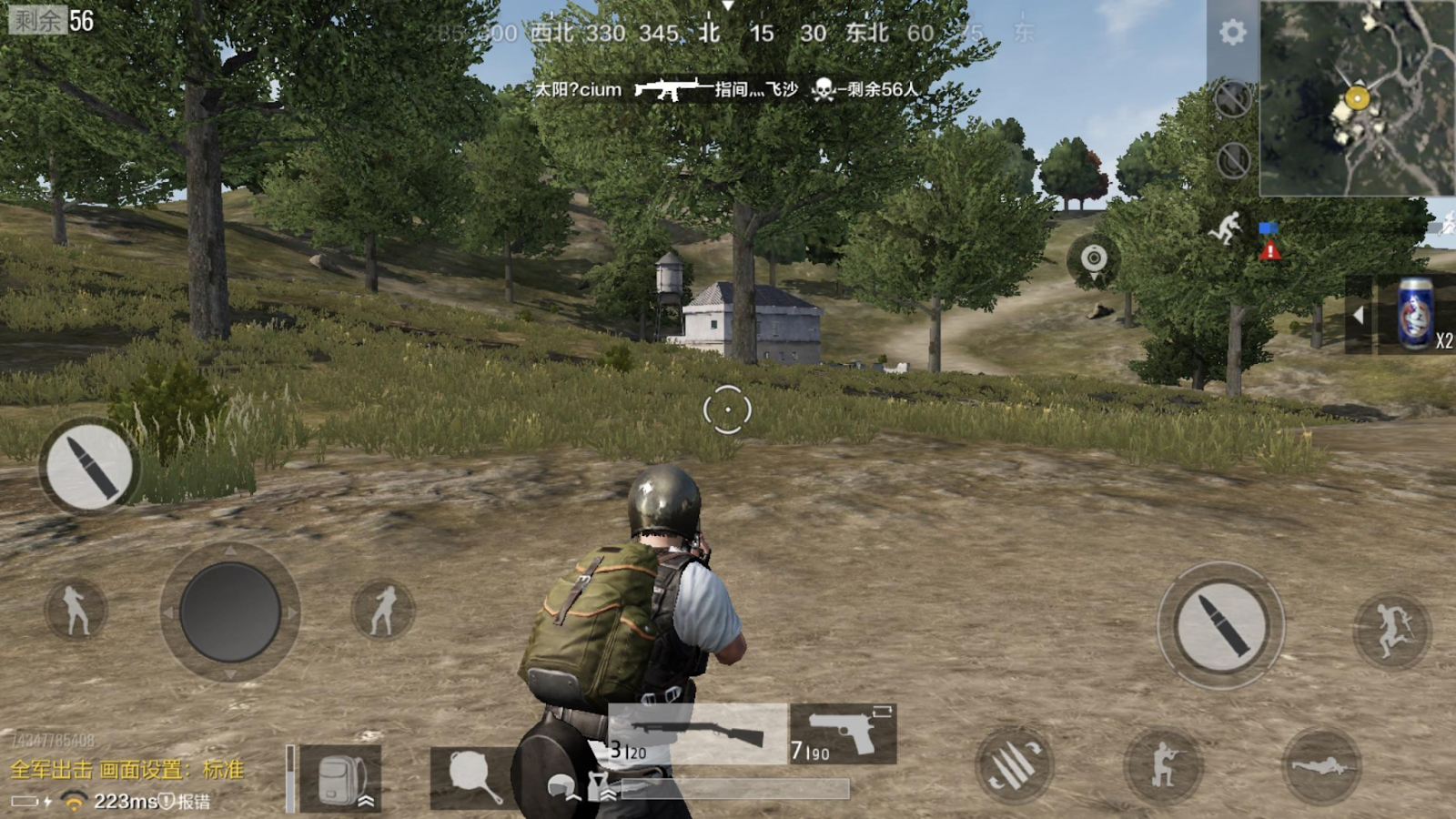
For a while it felt like every few months another government had decided battle royale was a social menace. PUBG Mobile was banned or temporarily blocked in countries including India, Nepal, Iraq, Jordan, and Pakistan, with officials citing everything from addiction and harm to young people to public order and security concerns. Some of those bans were reversed, some were reworked under different publishing arrangements, but the game spent years in a weird tug of war with regulators.
Pokémon
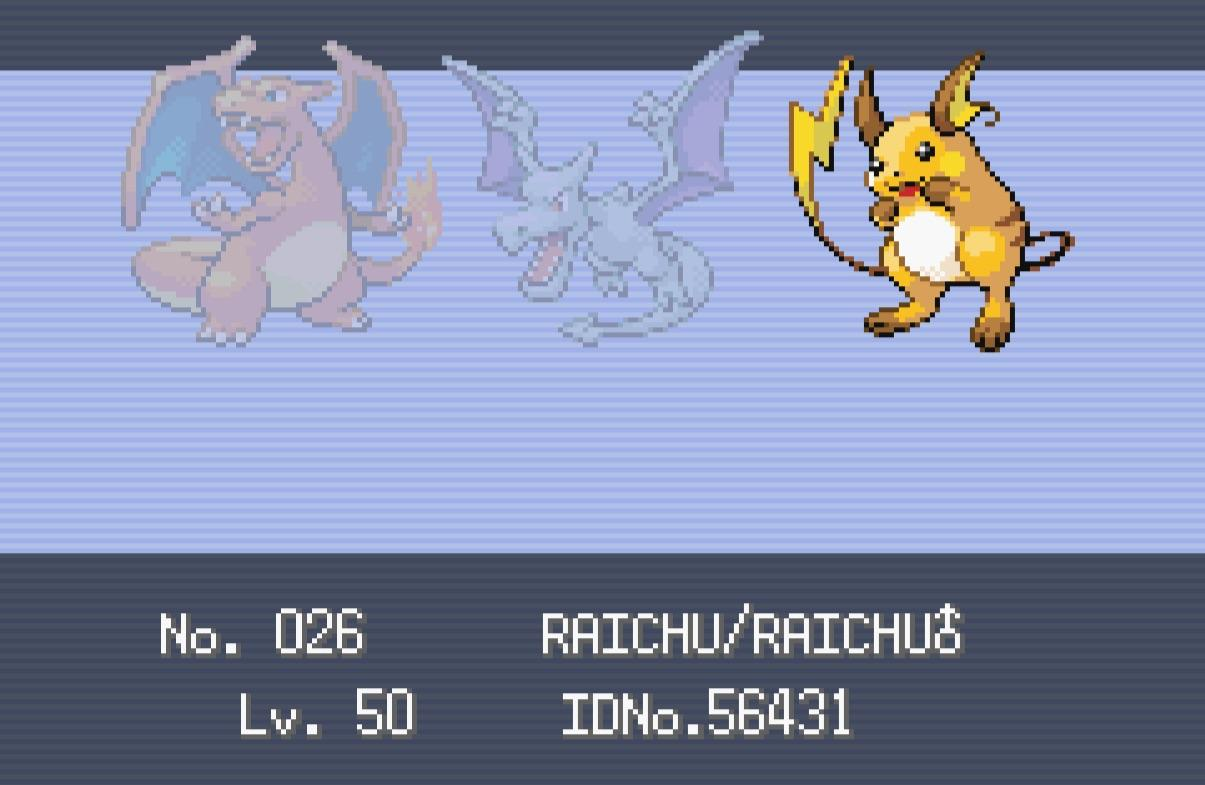
This is the one that always sounds fake until you check it. Saudi Arabia banned Pokémon games, cards, and related media in 2001 on the grounds that they promoted gambling and un-Islamic teachings, and similar suspicion spread through parts of the Gulf, including Qatar. For a franchise built on trading cute monsters and filling out a Pokédex, that is a genuinely bizarre regulatory afterlife.
Criminal Girls: Invite Only
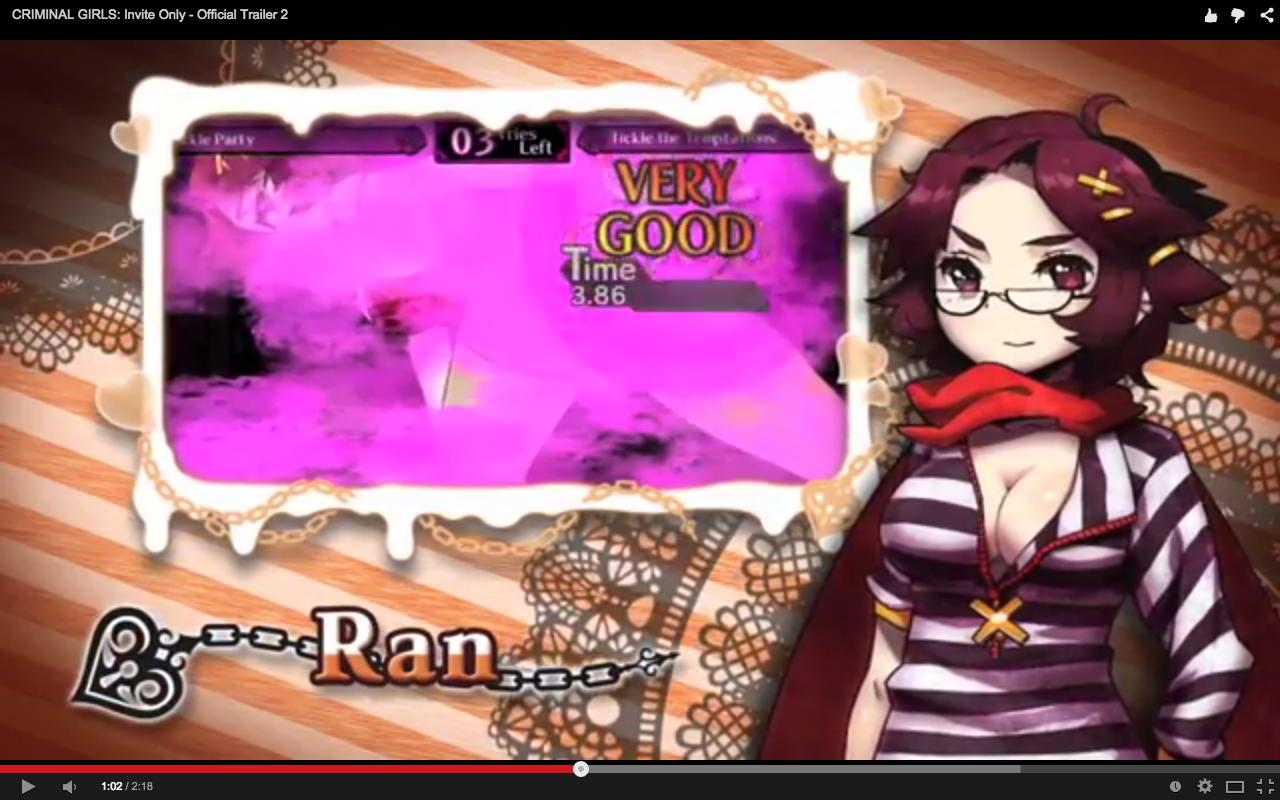
This one was not exactly subtle about what would get it into trouble. New Zealand banned it over sexual content focused on young persons and elements of sexual violence, and the UK also blocked it under its stricter modern standards for interactive sexual content involving characters who appear to be minors. Some censorship stories get debated for years, this was more or less over on arrival.
Scarface: The World Is Yours
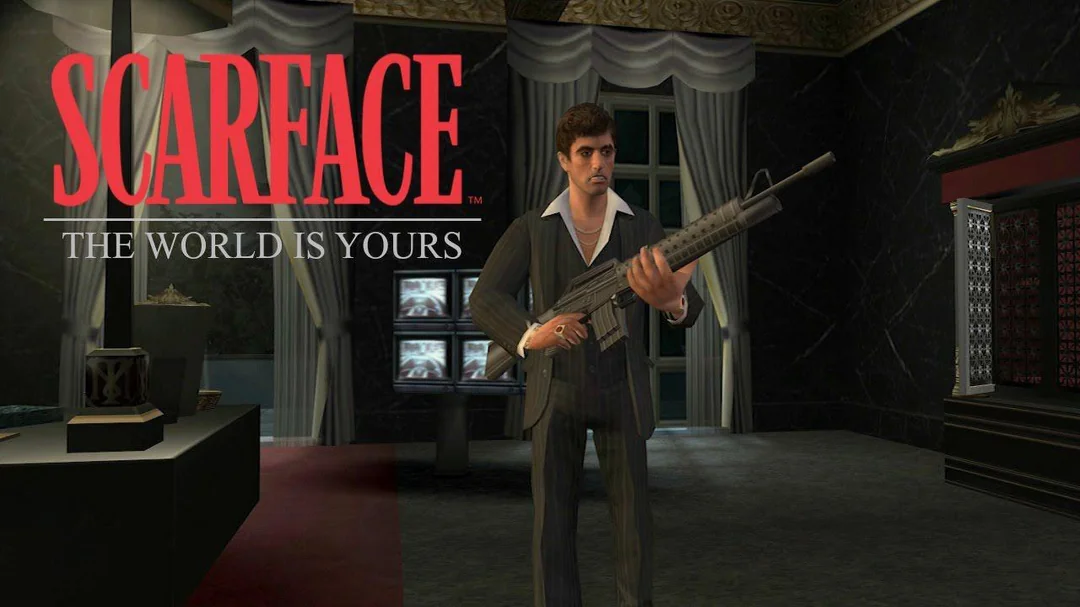
Not every banned game gets there by chasing shock for shock’s sake, but Scarface was still too much for several regulators. It was refused classification in Australia and later confiscated in Germany over its violent content, with censored versions used to get around those restrictions in some markets. What made it a useful target was that it borrowed the swagger of the film while leaning hard into brutality, which left very little room for anyone to argue it was being subtle about any of it.
What stands out across all of these is how uneven the logic can be. One country sees obscene violence, another sees a political insult, another gets hung up on a flag, a symbol, or a line in a database. That does not make every ban ridiculous, but it does make the history messy, and probably more revealing than publishers would have liked.
Related: 15 Video Game Facts You Probably Didn’t Know (But Should)