Broadcast rights in esports rarely work like a clean copy of traditional sports television. The games are owned by publishers, the audiences are scattered across streaming platforms, and many leagues still treat free access as part of the product rather than a giveaway. That makes the business less predictable, but also more flexible. Rights can sit with a publisher, a tournament organizer, a platform, a regional partner, a team-linked ecosystem, or some mixture of all of them.
Publisher Ownership Comes First

In most major esports, the starting point is simple, the company that owns the game usually controls the competitive ecosystem around it. Riot Games, Activision Blizzard, Valve, Ubisoft, and similar publishers do not just license a sport in the abstract, they own the software, the visual assets, the ruleset, and often the official branding used in broadcasts. That gives them a stronger hand than a football league or boxing promoter might have, because the underlying game cannot be separated from the rights package. When a publisher negotiates media rights, it is not only selling matches, it is selling access to an official version of the game’s competitive identity.
League Operators Package the Product
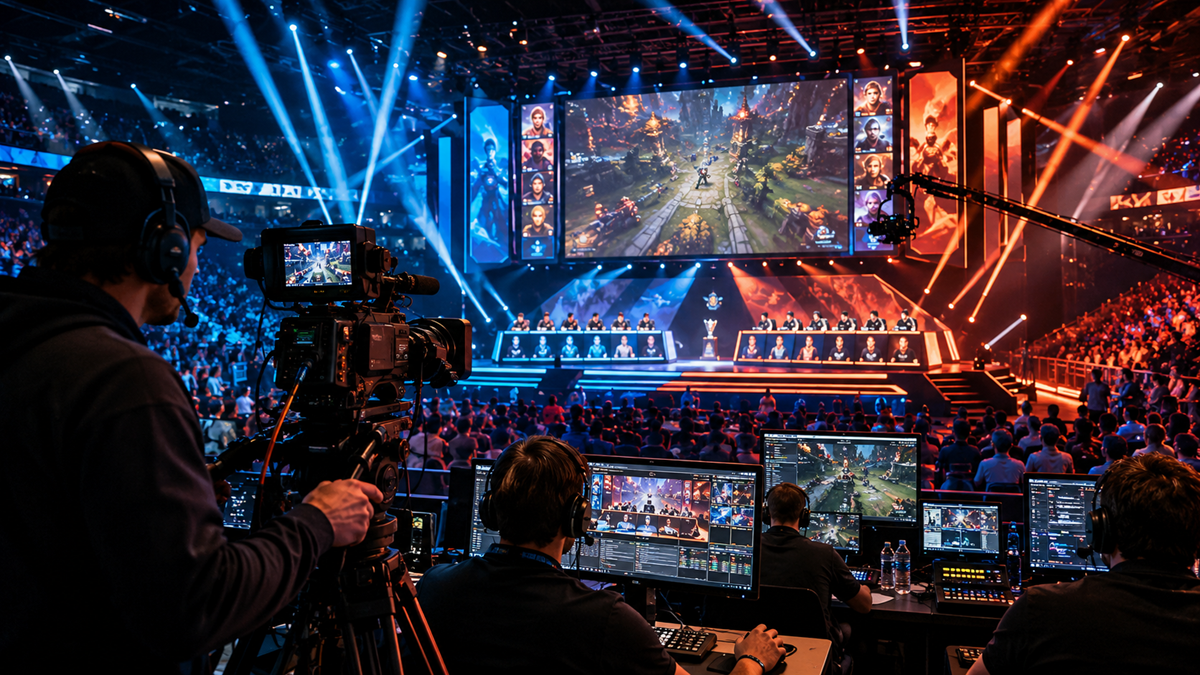
Sometimes the publisher runs the league directly, and sometimes a separate operator builds the show around it. ESL FACEIT Group, PGL, BLAST, and other tournament organizers have made businesses out of turning competitive games into scheduled entertainment with broadcast crews, sponsor inventory, stage production, observers, replay systems, and localized feeds. The organizer may not own the game, but it can own or control the tournament property it created under license. That distinction matters in negotiation. A platform buying rights to an ESL event is often buying the finished broadcast package, not just permission to show gameplay.
Exclusive Streaming Deals Trade Reach for Certainty
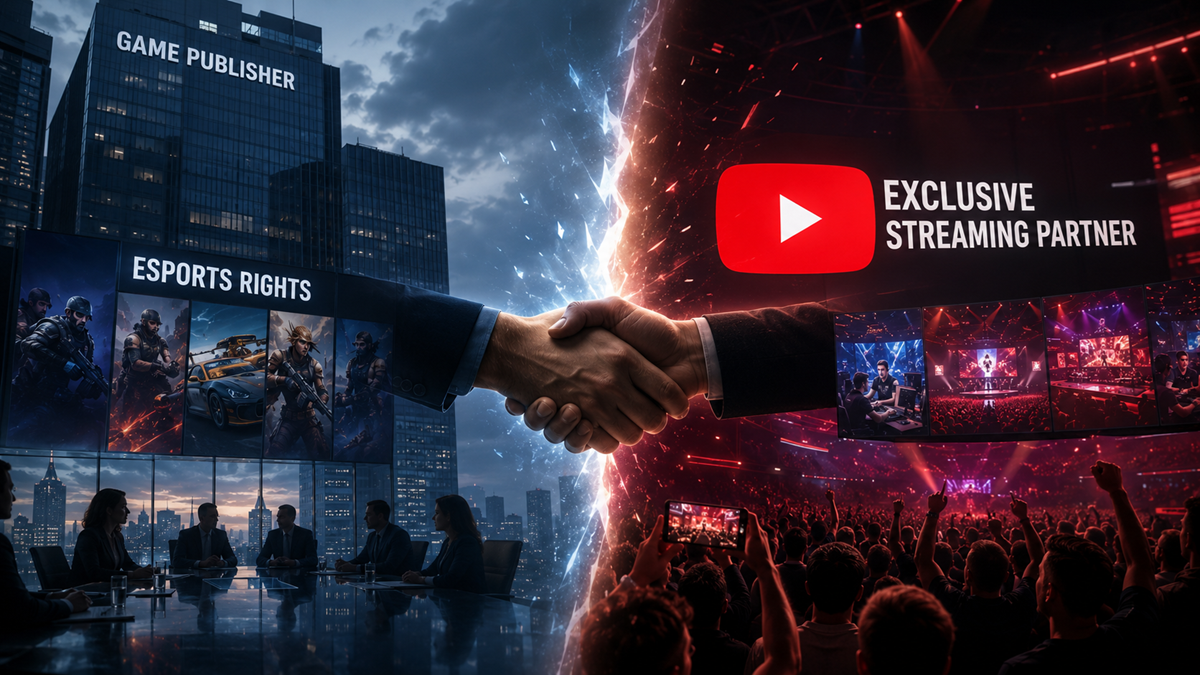
Exclusivity is the cleanest rights model and often the most controversial with fans. A platform pays for the event or league to live in one place, which gives the rights holder guaranteed money and gives the platform a reason for viewers to show up. The YouTube deal for Activision Blizzard esports in 2020, covering properties such as Overwatch League, Call of Duty League, and Hearthstone Esports, became one of the clearest examples of this approach. It showed that esports rights could be bundled with broader technology and cloud relationships, not just a simple “we stream, you pay” arrangement.
Non-Exclusive Distribution Keeps the Audience Wider
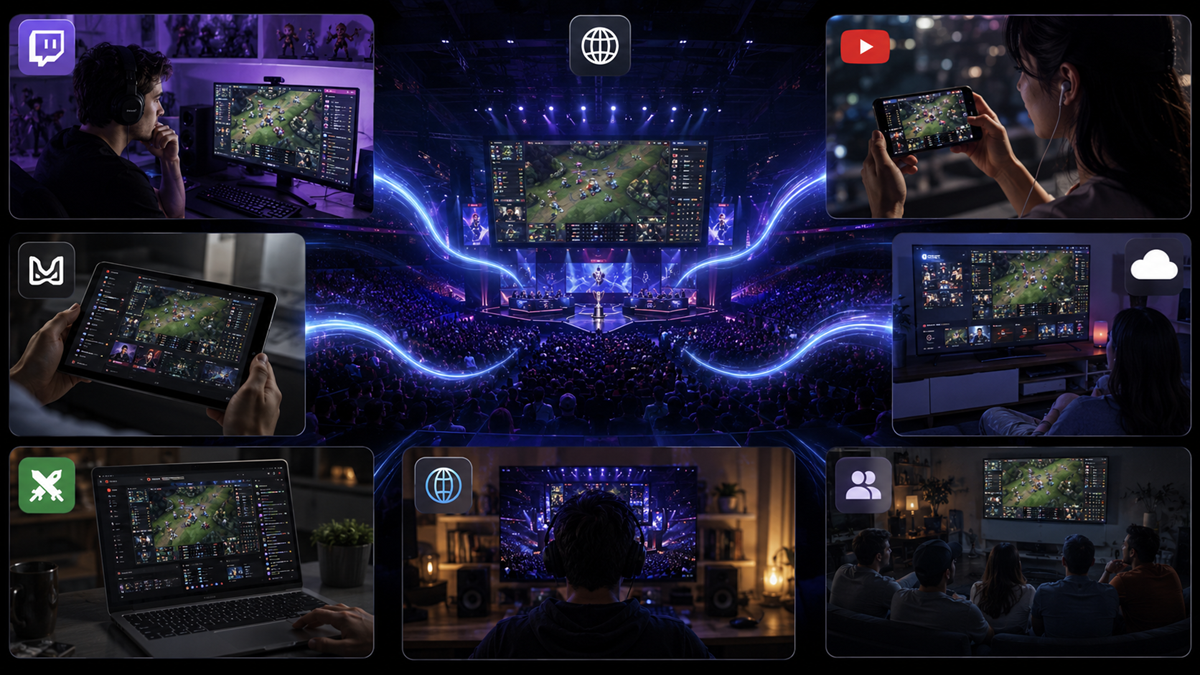
A lot of esports still prefers reach over scarcity. Instead of locking a league to one platform, organizers may distribute the same broadcast across Twitch, YouTube, regional partners, official websites, and sometimes connected viewing hubs inside the publisher’s own ecosystem. This is less dramatic than an exclusive deal, but it often fits esports culture better. Fans are used to choosing their chat, their device, their language, and their viewing routine. A non-exclusive deal may bring in less money up front, but it can protect audience habits that took years to build.
Regional Rights Are Sold Like Local Windows
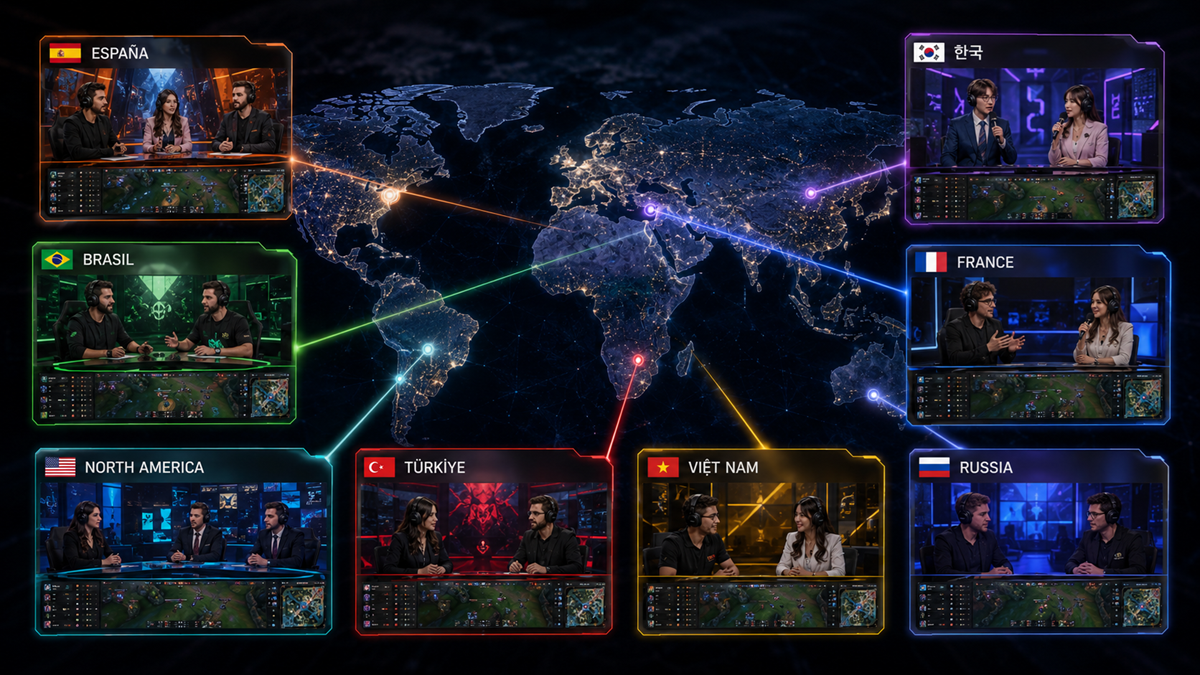
One global English stream does not solve the business of esports broadcasting. Regional rights can be carved out by language, territory, platform, or a mix of all three. A League of Legends broadcast in Spain, Brazil, South Korea, or France is not just a translated version of the same product, it often has its own hosts, sponsors, community tone, and commercial partners. These local windows let rights holders monetize the same competition several times without making the main broadcast feel overloaded. They also give regional companies a reason to invest in local talent and shoulder programming.
Trending on realmoneygamer.com

Co-Streaming Turns Personalities Into Distribution
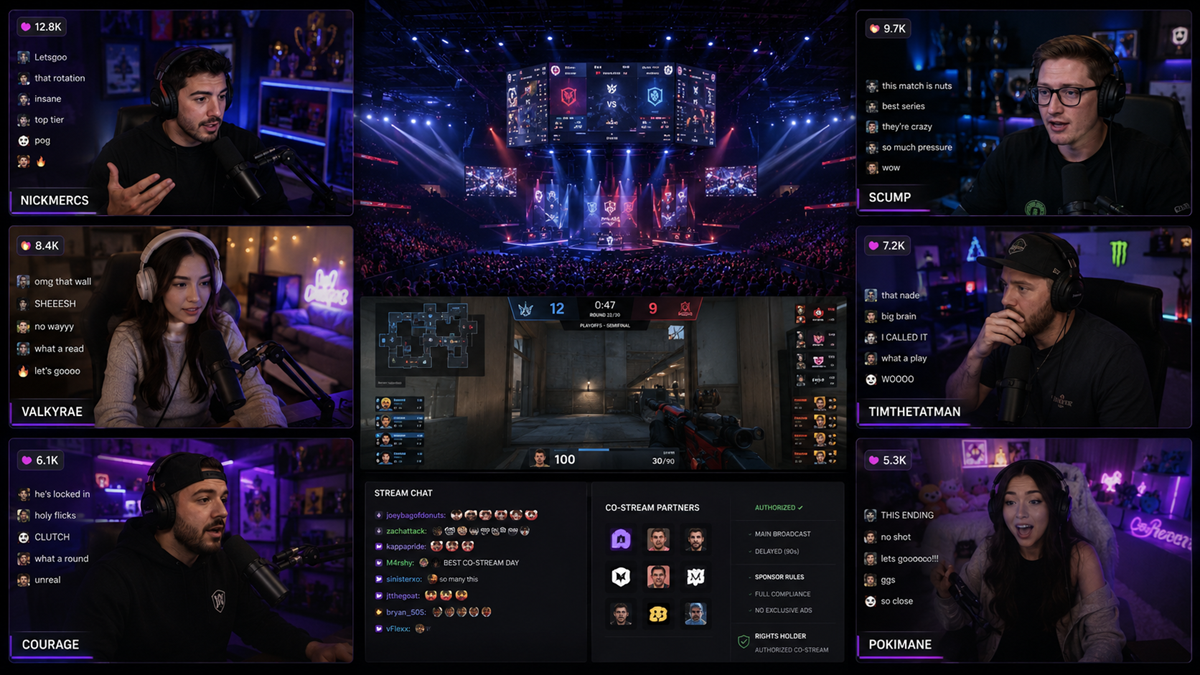
Co-streaming changed the texture of esports rights because it admitted something everyone already knew, a lot of fans follow people as much as leagues. Instead of forcing all viewing through an official channel, rights holders authorize selected creators or former pros to show the matches with their own commentary. Sometimes the creator gets access to a clean feed, sometimes they use a delayed or restricted broadcast setup, and sometimes the arrangement is tied to sponsorship rules. The league still controls the rights, but the audience arrives through a personality’s room, jokes, chat culture, and credibility.
Broadcast Rights Can Be Bundled With Sponsorship
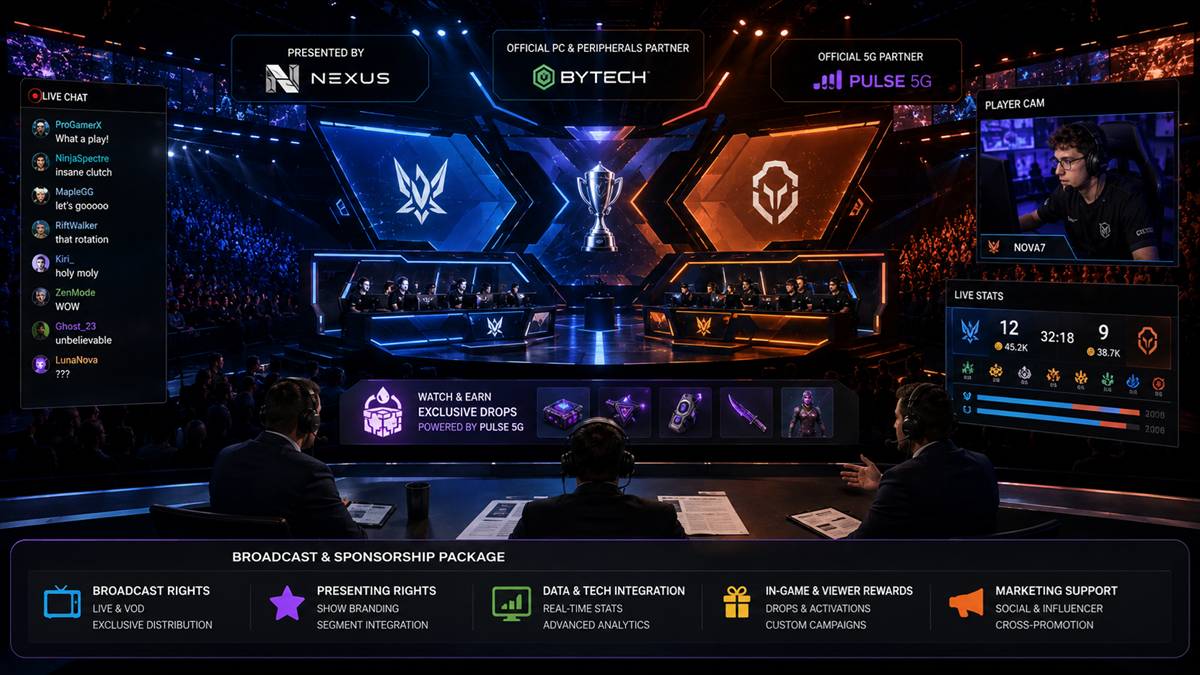
In esports, the line between media rights and sponsorship can get blurry. A platform might not only carry matches, it may also get branding inside the show, presenting rights to segments, data integrations, drops, or promotional inventory around the stream. A sponsor may care less about owning the broadcast and more about being attached to the moment when fans are actually watching. This is why some deals are hard to compare from the outside. The cash value of the rights may be only one part of a larger package that includes advertising, technology, production support, and marketing commitments.
Free-to-View Rights Still Have Commercial Value
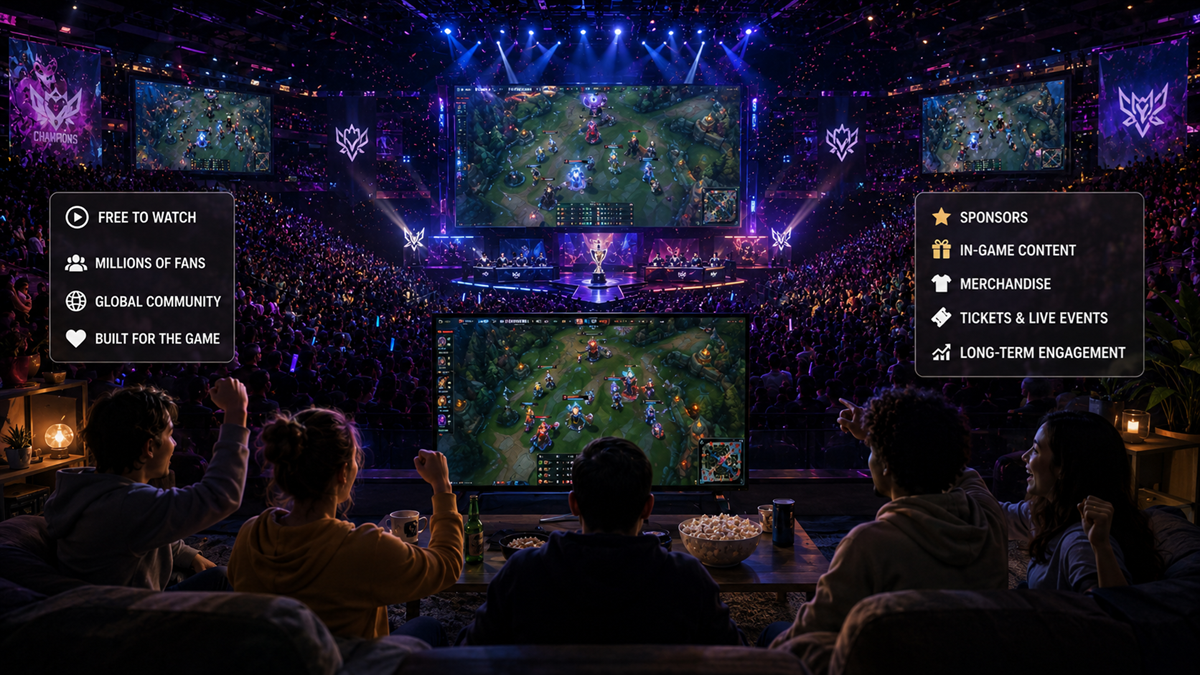
It can seem strange from a traditional sports angle, but many major esports events remain free to watch. That does not mean the rights are worthless. Free access helps preserve scale, and scale feeds sponsorship, in-game engagement, merchandise, ticket sales, publisher marketing, and long-term fan retention. The broadcast becomes part of the game’s wider economy rather than a standalone pay-TV product. For publishers especially, hiding the biggest matches behind a hard paywall can work against the reason the esport exists in the first place, keeping people emotionally tied to the game.
Platforms Negotiate for Data, Habit, and Community
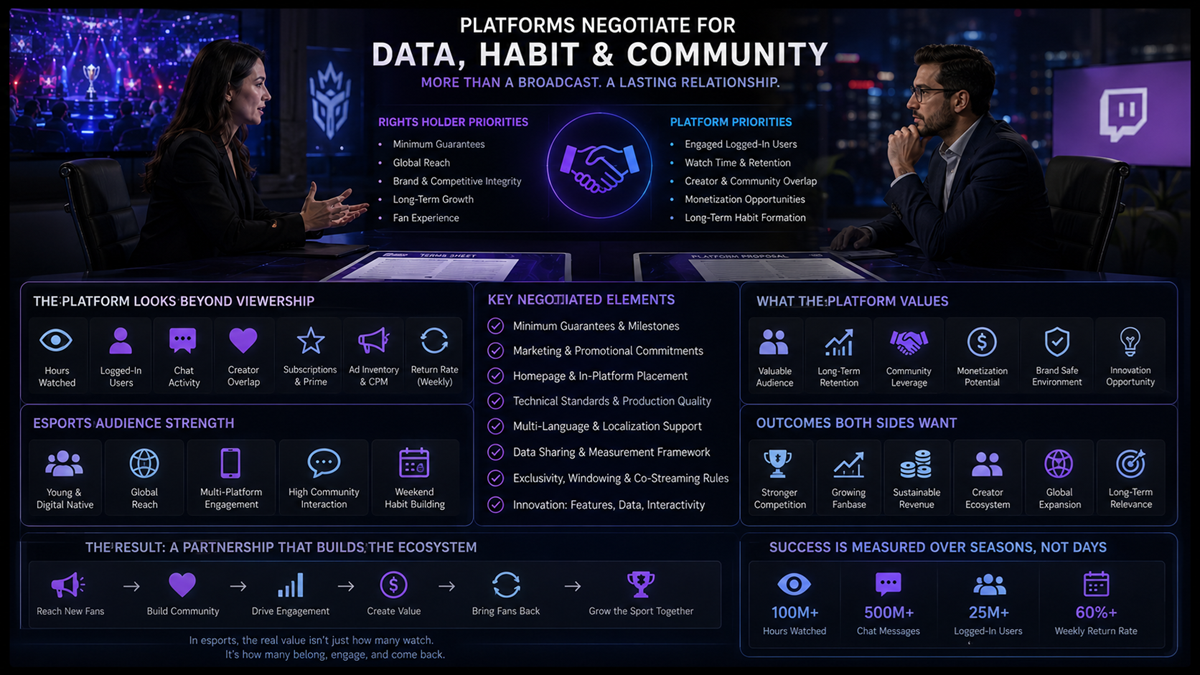
A streaming platform does not only want hours watched. It wants logged-in users, chat activity, creator overlap, recommendations, subscriptions, ad inventory, and evidence that viewers will come back next weekend. That changes the negotiation. The rights holder may ask for minimum guarantees, promotional placement, technical standards, and support for multiple languages, while the platform looks at whether the league brings a valuable audience or just a temporary spike. In esports, where fans can be younger, global, and highly platform-native, the surrounding behavior can be as important as the match itself.
Teams Sometimes Influence the Sale Without Owning the Rights
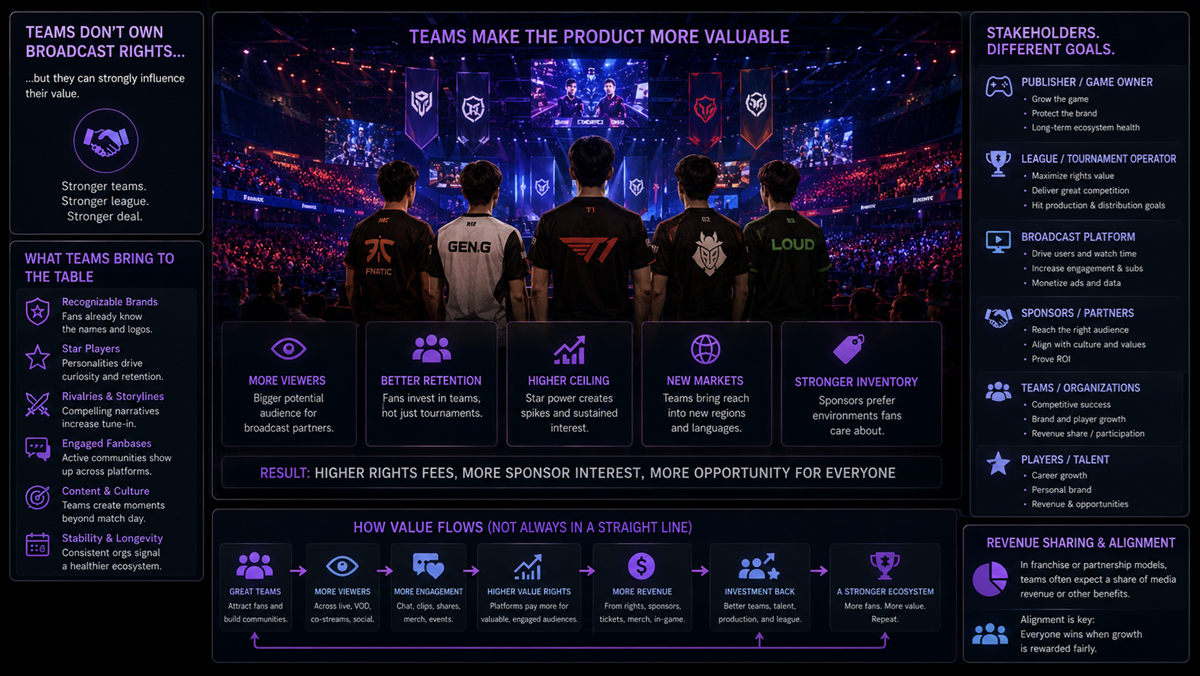
Teams usually do not control league broadcast rights outright, but they can affect their value. A league with recognizable organizations, marketable players, stable rivalries, and active fanbases is easier to sell than one that feels like a rotating spreadsheet of rosters. In franchise-style systems, teams may also expect revenue sharing or some indirect benefit from media deals. That can complicate negotiations because the league, publisher, platform, sponsors, and teams all have different ideas of what “growth” should pay for.
Rights Deals Can Include Production, Not Just Distribution
The buyer of esports rights may also become part of the production chain. That could mean cloud infrastructure, remote production tools, ad delivery, live clipping, archive management, subtitles, or support for video-on-demand. The broadcast right is no longer just permission to air a feed after someone else makes it. In some deals, the technical partner helps shape how the event reaches viewers in the first place. This is especially useful for global competitions, where the same event may need to be live, clipped, translated, stored, and repackaged almost immediately.
Broadcast rights in competitive gaming are still settling into a stable shape. The old sports model helps explain parts of it, but only parts. Esports has publishers at the center, platforms built around community behavior, and fans who often expect the biggest events to stay easy to access. That makes the rights market messy, but also unusually open to experimentation.
Continue Reading: 11 Tax Rules That Change Esports Prize Money Payouts